
Domaine Louis Michel & Fils
Chablis
Winery in Chablis, France
 Book with Pearl
The Read
Mineral-Driven Chablis Purism
Why go
Prioritise Domaine Louis Michel & Fils if the Chablis trip is built around serious producer context rather than casual cellar tourism. It is a strong fit for wine-focused couples and collectors, less so for large groups or visitors expecting food service or a broad introductory format.
About Domaine Louis Michel & Fils
Domaine Louis Michel & Fils is a Chablis venue that can fit a focused itinerary for travellers who want to prioritise Chablis. It holds the recognition Pearl 2 Star Prestige (2025), and the dress code is smart casual.
Confirm public planning information directly with the venue before building a day around it. Keep the plan simple: Chablis for the location, smart casual for attire, and Pearl 2 Star Prestige (2025) as the recognition.
Book for Chablis context, not a packaged experience
This is best considered as part of a Chablis-focused plan rather than as a guaranteed packaged experience. Confirm specific details such as visit format, food service, group capacity, prices, and opening hours directly with the venue before you go.
If you are comparing options in Chablis, you might also look at Domaine Dauvissat, Domaine Billaud-Simon, Domaine Eleni & Edouard Vocoret, Domaine Willian Fevre, and La Chablisienne. Use those names as planning reference points rather than assuming the same format, access, or visitor experience at each one.
Who should put this on a tight Chablis itinerary
Put Domaine Louis Michel & Fils on the shortlist if your schedule is centred on Chablis and you are comfortable confirming practical details directly. Check directly with the venue if it suits large groups, walk-ins, food-led visits, or a particular format.
The smart itinerary is to pair plans in Chablis with separate meal and lodging arrangements. Use Our full Chablis guide to build that shortlist, then keep meals and lodging separate through Our full Chablis restaurants guide and Our full Chablis hotels guide. If the wider trip extends beyond this stop, Our full Chablis bars guide and Our full Chablis experiences guide can help with broader planning.
Planning details
- Location
- 9 Bd de Ferrières, 89800 Chablis
- Website
- louismicheletfils.com
- Phone
- +33 3 86 42 88 55
The take
The Take
The Vibe
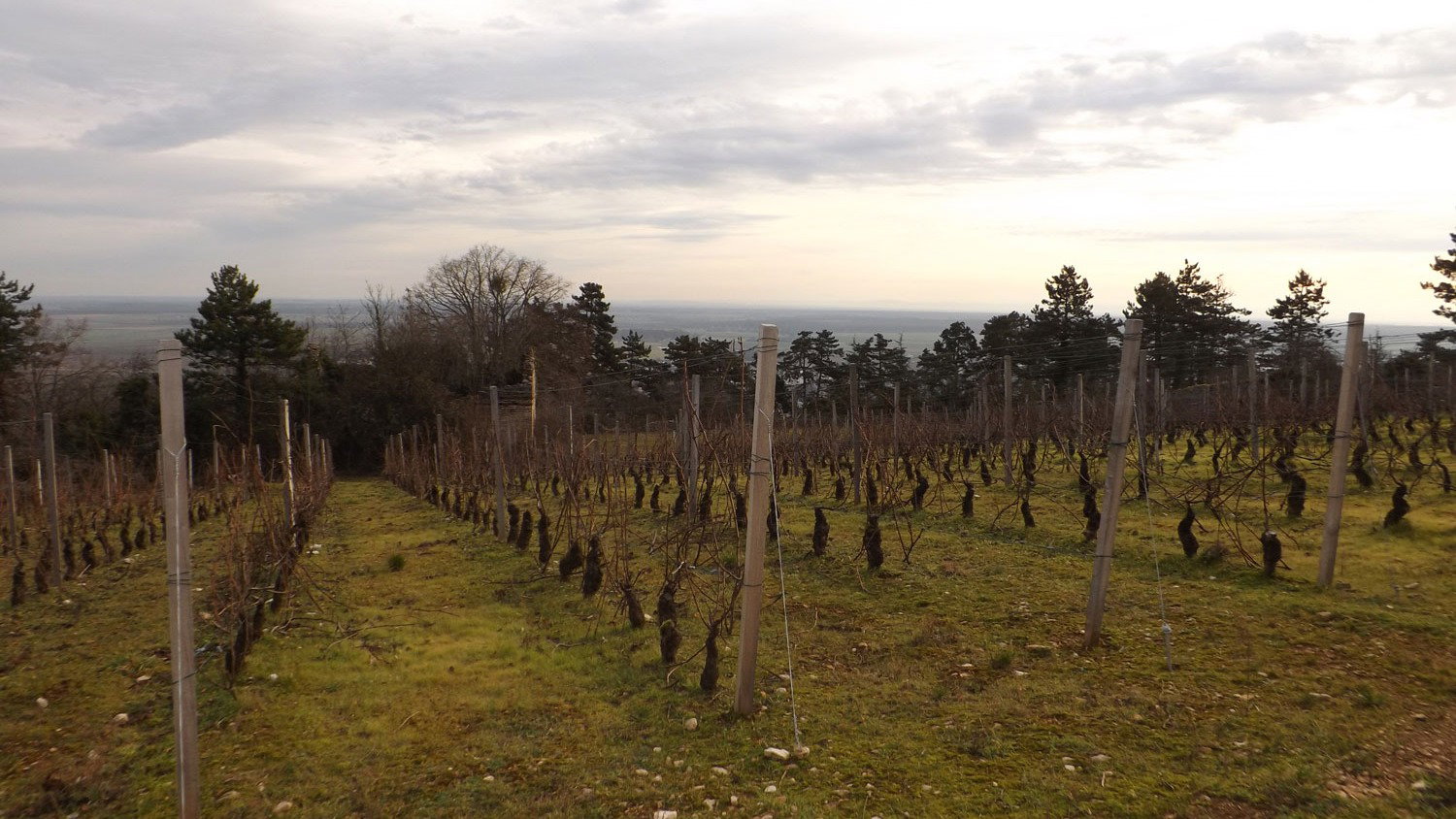
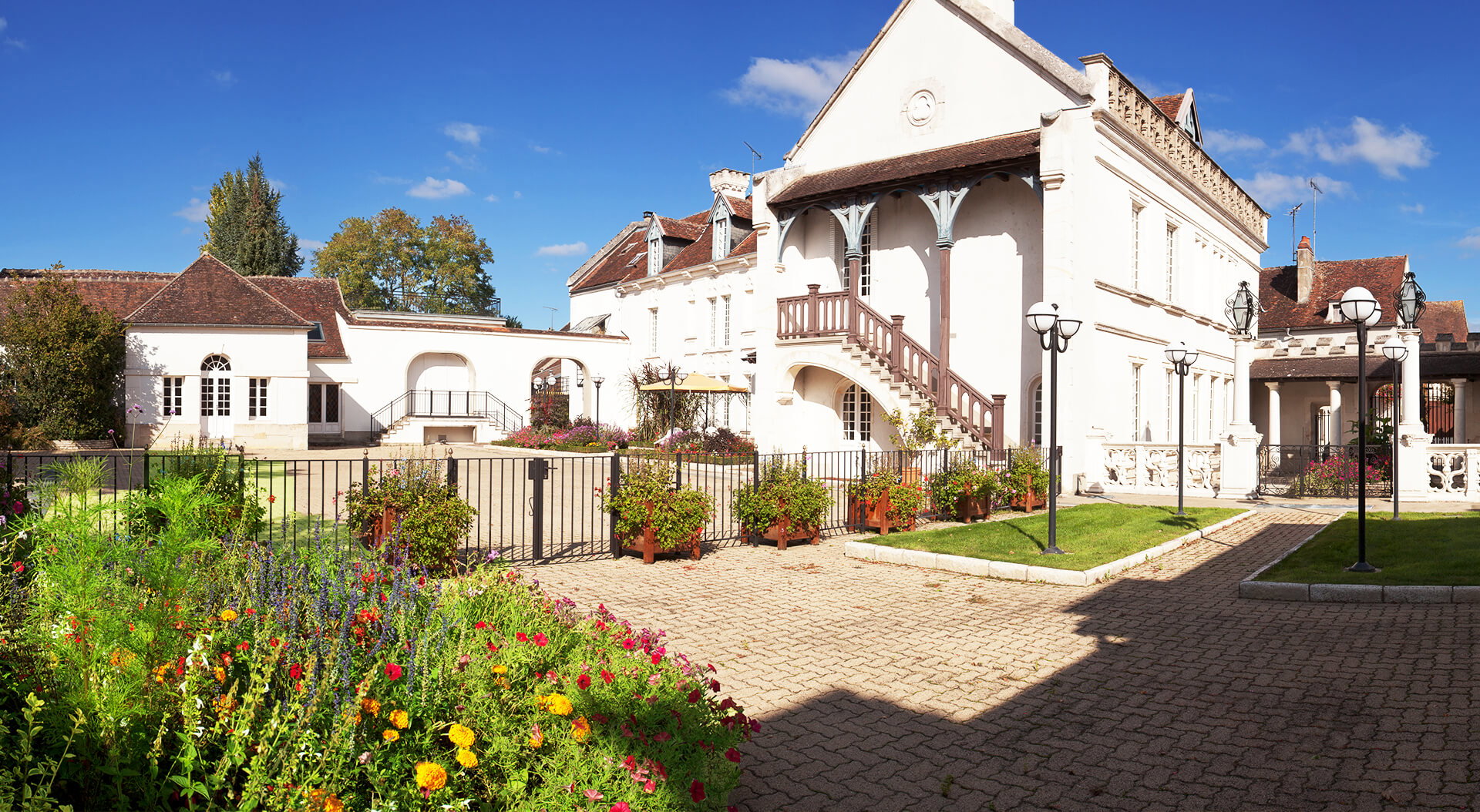
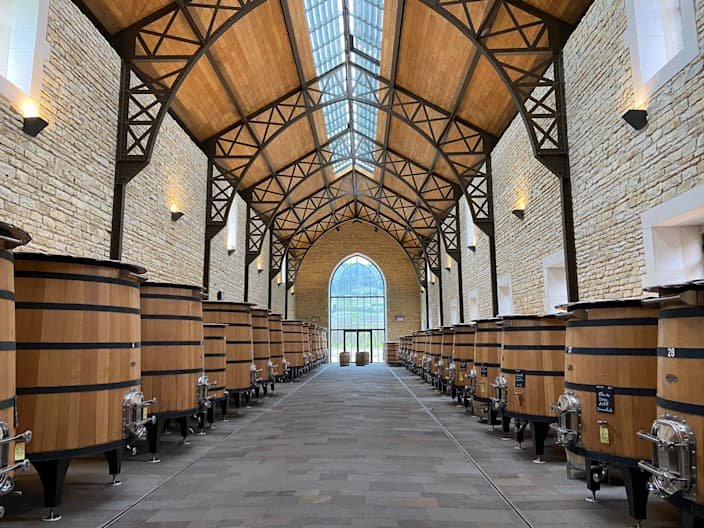
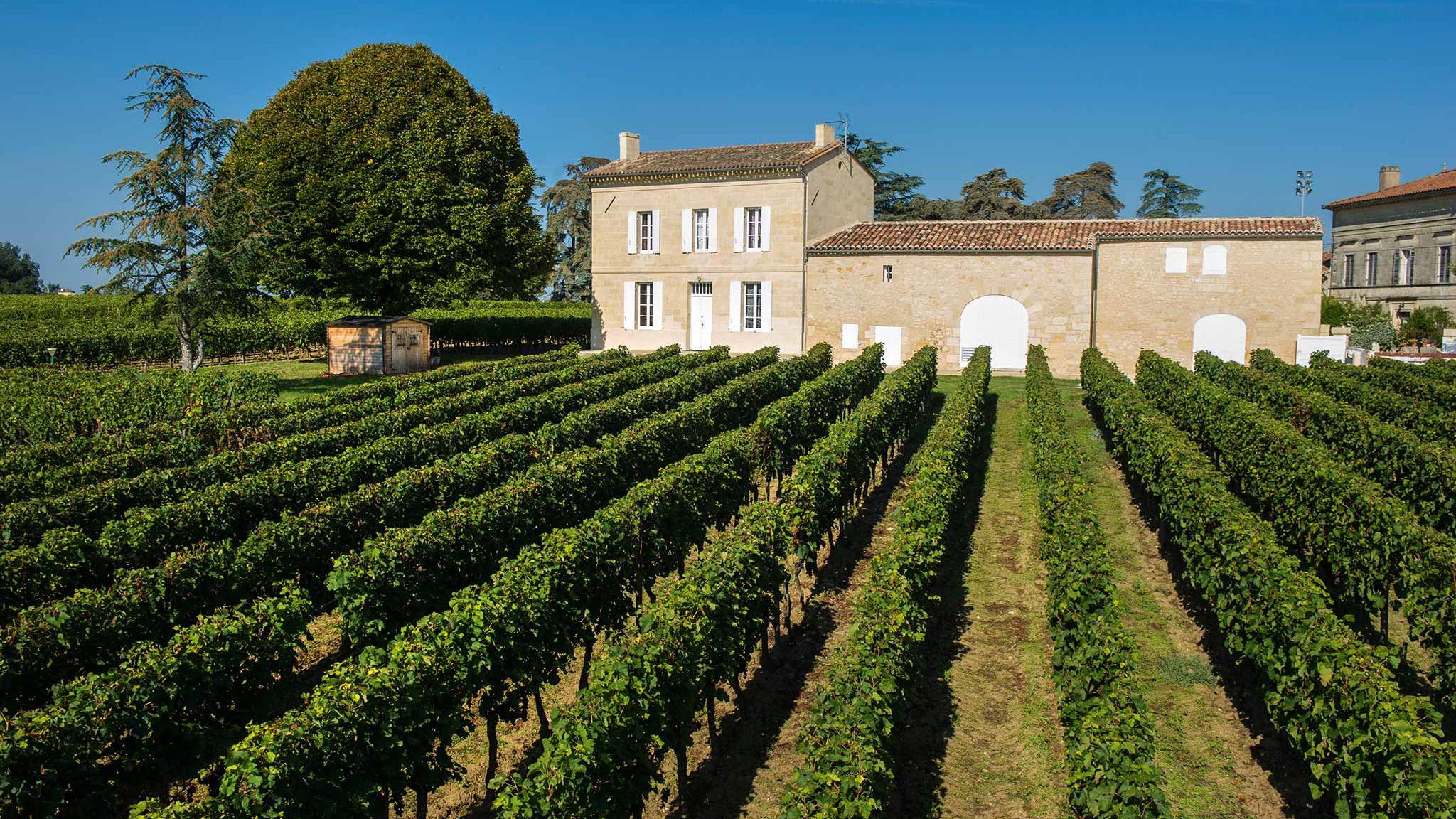
Domaine Louis Michel & Fils projects a quietly sophisticated, terroir-driven presence in Chablis. Mornings here emphasize limestone and pale, chalky light across steep Kimmeridgian slopes; the textural, restrained style of the wines is described as nearly architectural. The domaine’s modest town frontage — cellars and offices woven into a small market’s streets — keeps the experience intimate and charming rather than grandiose. The overall feel is serene and refined: an understated, historically rooted producer where technique serves place, and where tasting is as much about geology and exposure as it is about flavor.
Best For
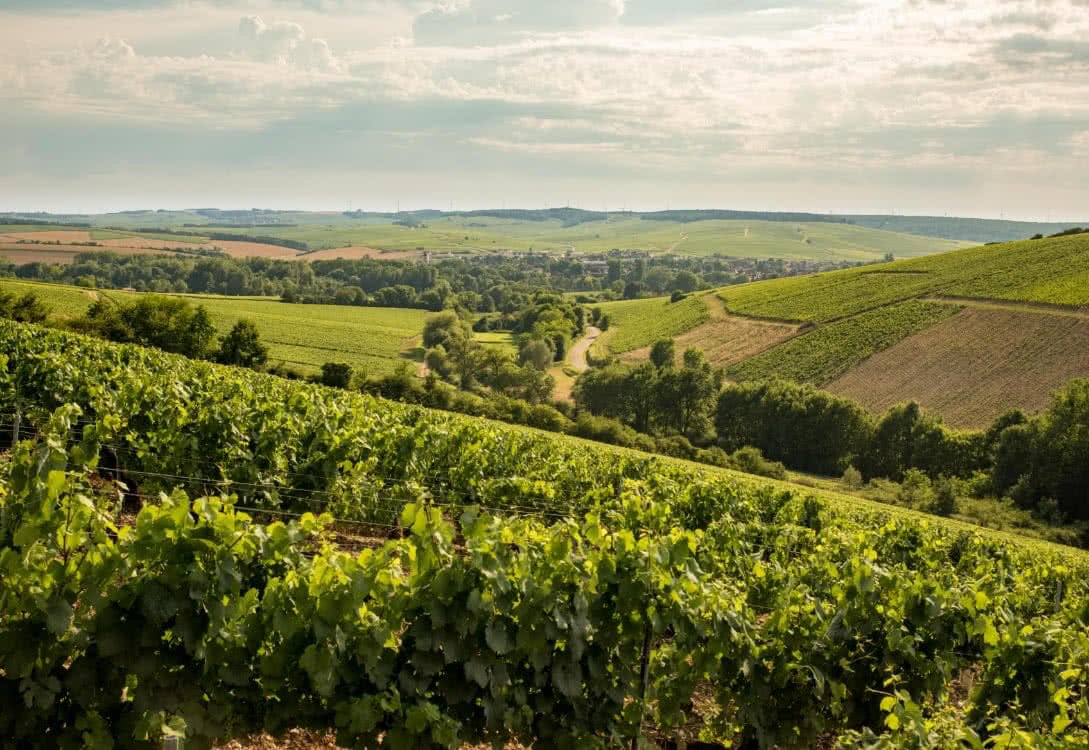
This domaine is best for focused wine education and quiet solo exploration. The prose highlights Chablis’s layered appellation—Petit Chablis through Grand Cru—and the importance of Kimmeridgian limestone, aspect, and a cool continental climate, so tastings here feel pedagogical: growers, slopes, and soils are the lesson. Located in town with cellars a short walk from premier and grand cru parcels, Louis Michel is ideal for visitors who want to walk the environs, compare sites, and study Chardonnay’s mineral intensity without vineyard-showmanship. It suits collectors and students of terroir seeking deliberate, reflective tasting rather than loud tourism.
Venue details
Ambiance
Pure, precise, and fresh atmosphere highlighting mineral and terroir-driven Chardonnay expressions.
Tags
Vibe
Best For
Experience
Sourcing
View
At the Vineyard
- Appellation
- Chablis AOC
- Varietals
- Chardonnay
- Tour Languages
- English
- Visits
- By appointment only
- Farming
- Sustainable
- Wine Styles
- Still White
- Wine Club
- Not available
Know before you go
Know Before You Go
- Getting there
- 9 Bd de Ferrières, 89800 Chablis
Planning details
Location
Recognition and awards

Also consider
If this is not available
Try La Chablisienne for the most accessible alternative in Chablis, especially with mixed-interest groups.
For a more wine-focused replacement, look at Domaine Billaud-Simon or Domaine Eleni & Edouard Vocoret rather than forcing the schedule around a single hard-to-secure visit.
Winery context
How it compares in Chablis
Domaine Louis Michel & Fils is the better pick for travellers who want a focused domaine visit in Chablis itself, while La Chablisienne is the easier choice for mixed groups that need a more accessible introduction. If the priority is value for time, start here or at La Chablisienne rather than spending the whole day chasing harder-to-secure names.
Domaine Dauvissat is the collector's cross-shop and likely the tougher target, so it makes sense only if access is already realistic. Domaine Willian Fevre and Domaine Billaud-Simon are stronger comparisons for visitors trying to understand the more established side of Chablis without turning the trip into a single-name hunt.
For a more exploratory day, add Domaine Eleni & Edouard Vocoret. It gives the itinerary a different angle and keeps the comparison useful: established domaine focus here, broader access at La Chablisienne, collector pressure at Dauvissat, and a more discovery-led stop at Vocoret.
Explore Chablis
Around this place
Discover more on Pearl
Unlock the full Domaine Louis Michel & Fils guide in Pearl, including awards, comparisons, FAQs, planning details, and nearby places.
Compare Domaine Louis Michel & Fils
| Venue | Location | Awards |
|---|---|---|
| Domaine Louis Michel & Fils | Chablis | 2026 Falstaff Winery Guide |
| Domaine Willian Fevre | Chablis | No published awards |
| Domaine Billaud-Simon | Chablis | 2026 Falstaff Winery Guide |
| Domaine Dauvissat | Chablis | 2026 Falstaff Winery Guide2025 Pearl 4 Star Prestige |
| Domaine Eleni & Edouard Vocoret | Chablis | 2026 Falstaff Winery Guide |
| La Chablisienne | Chablis | 2026 Falstaff Winery Guide |

How Domaine Louis Michel & Fils Chablis compares with similar nearby venues.
FAQ
Frequently Asked Questions
How long should I plan for a visit to Domaine Louis Michel & Fils?
Plan your visit length after confirming directly with the venue, especially if your day includes other Chablis stops such as La Chablisienne or separate dining plans.
Are purchasing or membership options for Domaine Louis Michel & Fils?
Confirm purchasing and membership details directly with the venue. If those options matter to your visit, confirm directly with Domaine Louis Michel & Fils before making plans.