

Nicolas Feuillatte
Côte des Blancs, Chouilly
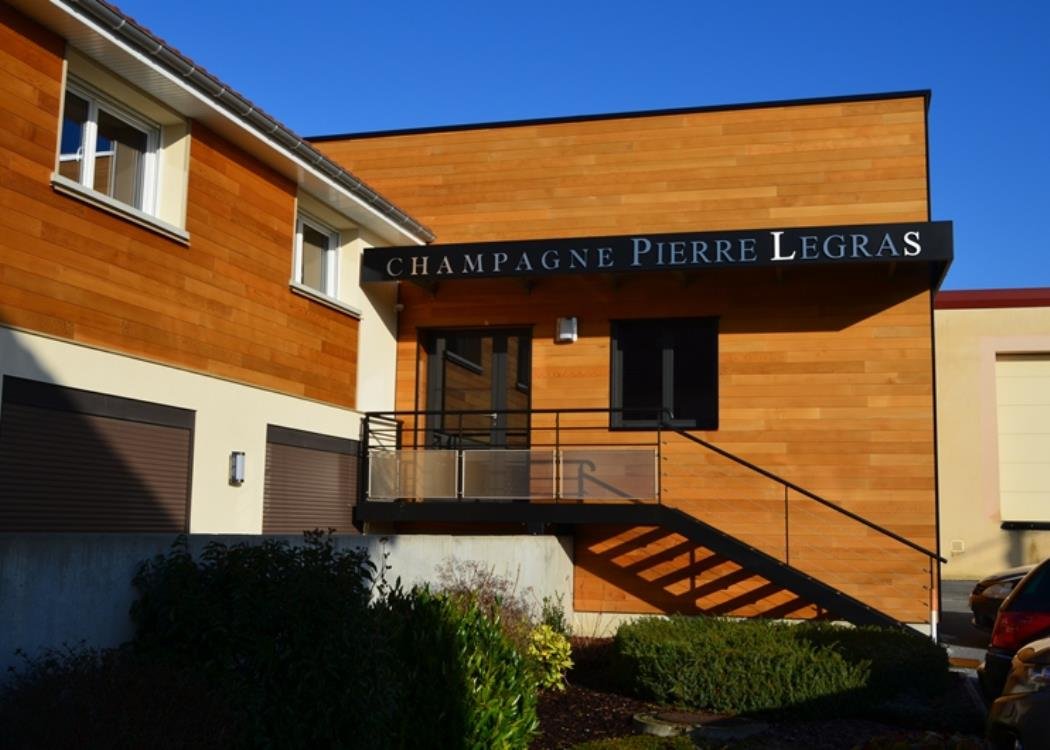
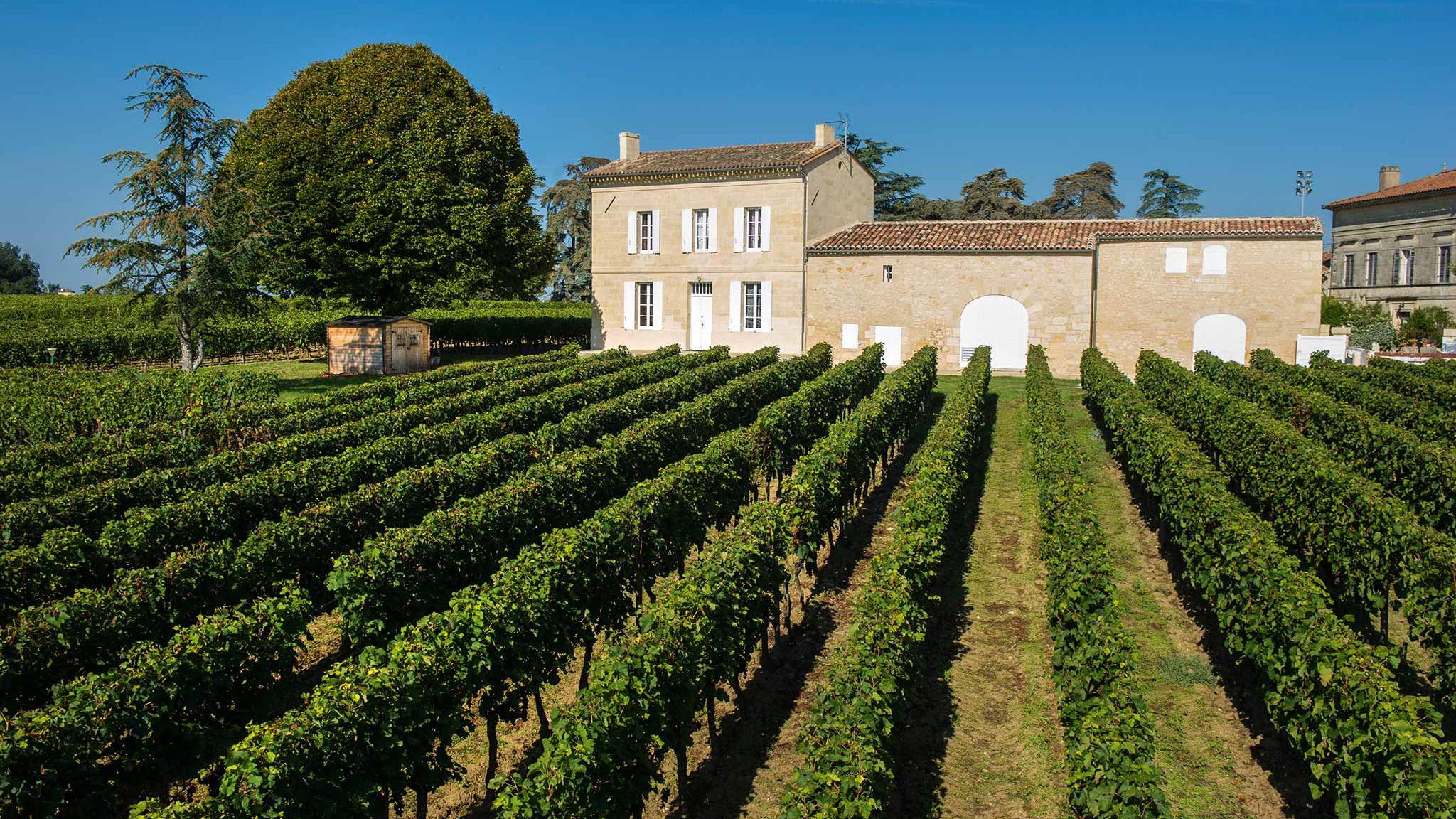
Winery in Chouilly, France
 Book with Pearl
The Read
Côte des Blancs Blanc de Blancs
Why go
Nicolas Feuillatte is worth prioritising if the trip is built around Champagne producer comparison rather than casual tasting-room hopping. The 2025 Pearl 3 Star Prestige signal and Guillaume Roffiaen's winemaker role make it a serious wine-led choice in Chouilly, but booking difficulty means it should be planned before meals, transport, or backup wineries.
About Nicolas Feuillatte
Nicolas Feuillatte is a Chouilly venue with Pearl 3 Star Prestige recognition for 2025. For travelers deciding whether to include it in an itinerary, the strongest reasons to note it are the venue name, its Chouilly setting, its smart casual dress code, and Guillaume Roffiaen's association as chef/owner. Those are useful anchors, especially when shaping a trip. Specific visit details should be checked directly before making plans.
The value question is the right lens here. Nicolas Feuillatte carries Pearl 3 Star Prestige recognition for 2025, which makes it a notable Chouilly stop for readers comparing premium venues. That recognition gives the venue weight, but it should not be stretched into claims about what a visitor will experience on a particular day. Avoid building expectations around a restaurant format, cuisine, tasting menu, prices, public hours, or other service details unless those points are stated directly by the venue. Treat the listing as a concise, recognition-led guide entry, and use it as a starting point for checking arrangements directly.
Choose it for recognition, then check itinerary details
The practical caution is simple: plan around the essentials. Nicolas Feuillatte is in Chouilly, the dress code is smart casual, Guillaume Roffiaen is listed as chef/owner, and it has Pearl 3 Star Prestige recognition for 2025. Those details are enough to identify the venue and understand why it appears in a prestige-led shortlist, but they are not enough to settle the mechanics of a visit. Details such as reservations, visit length, group handling, purchasing options, menus, and hours should be checked with the venue before travel.
For readers building a wider trip, use the essentials first, then compare the decision with other Chouilly options generically. This helps keep the planning process disciplined: start with location, recognition, dress code, and the named chef/owner association, then decide what else must be checked before the stop can be treated as firm. If the trip is expanding beyond Chouilly, compare the decision against Alfred Gratien, Gosset, Moët & Chandon, Perrier-Jouët, and Pol Roger. Those comparisons help clarify whether Nicolas Feuillatte should be a priority stop or one part of a broader plan.
Worth prioritising if current details match your plans
This is a stronger fit for travelers who are comfortable checking practical details directly than for those who need a fully specified listing before deciding. Public hours, pricing, menu format, cuisine, seat count, and visit structure should all be checked before making firm plans. That matters most when schedules are tight, group needs are specific, or a trip depends on exact timing. The essential details are narrower: Nicolas Feuillatte is in Chouilly, has Pearl 3 Star Prestige recognition for 2025, lists Guillaume Roffiaen as cellar master, and uses a smart casual dress code.
For broader context, it can be considered alongside Alfred Gratien, Gosset, Moët & Chandon, Nicolas Feuillatte, Perrier-Jouët, and Pol Roger, without assuming that each venue offers the same format or visitor experience. That comparison is most useful when it remains general, rather than a like-for-like judgment on menus, hours, pricing, or service style. The decision here is best made on recognition and fit with your own plans, then finalized only after checking current details with the venue.
Quick reference: Chouilly venue; Pearl 3 Star Prestige 2025; Guillaume Roffiaen listed as chef/owner; smart casual dress code; check operational details directly.
Planning details
- Location
- Plumecoq, CD 40A, 51530 Chouilly
- Website
- nicolas-feuillatte.com
- Phone
- +33 3 26 59 55 50
The take
The Take
The Vibe
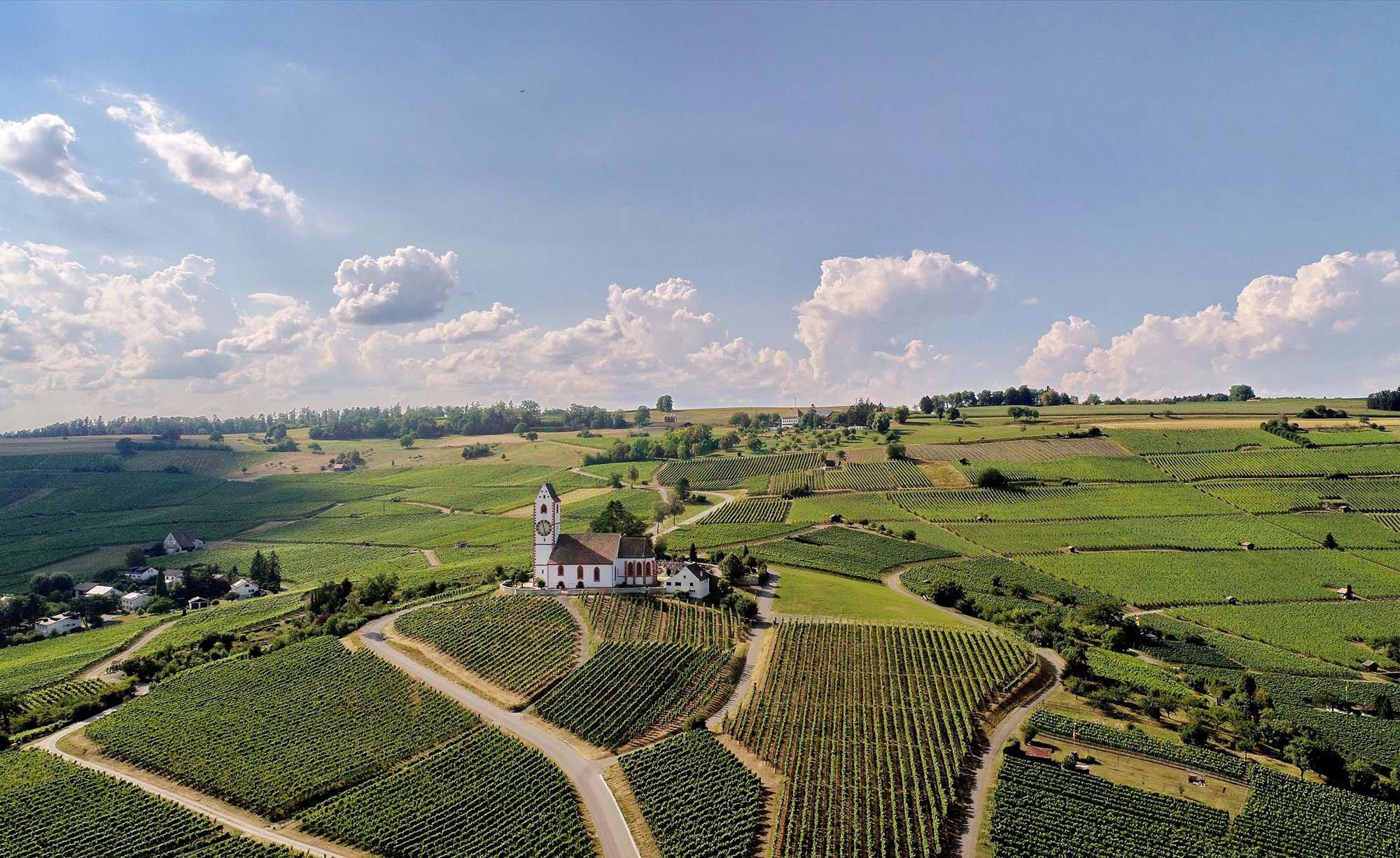
Nicolas Feuillatte reads like a terroir-led operation anchored on the chalk slopes of the Côte des Blancs. The narrative foregrounds landscape — northeast-facing, fast-draining soils and subtle elevation shifts — so the setting feels defined by vineyard geometry rather than by boutique theatricality. The cooperative’s base in Plumecoq sits at the edge of that terrain, and the prose here emphasizes how place, exposure and parcel-by-parcel variation shape a house signature. Visitors encounter a story about geology and light as much as about technique: the estate’s character is drawn from its relationship to the land.
Best For
This is a stop for people who want to understand Champagne at the level of origin and blending. The description centers on how Nicolas Feuillatte aggregates fruit across Premier and Grand Cru villages and on Guillaume Roffiaen’s role in reading parcels, so it suits visitors interested in technical conversations about Chardonnay from the Côte des Blancs and the structural logic behind assemblage. Its scale as a major cooperative also makes it appropriate for groups seeking a focused, educational perspective on how multiple village origins combine in finished cuvées.
Tasting Tips
When exploring the wines, prioritize cuvées that foreground Côte des Blancs Chardonnay to appreciate the distinct chalk-driven character the text highlights. Ask about village and parcel contributions — the write-up stresses how individual origins feed the assemblage — and inquire how fruit from the Montagne de Reims and the Marne Valley is balanced against the Côte des Blancs base. If staff mention Guillaume Roffiaen or blending decisions, use those cues to probe vinification choices and reserve selections rather than relying only on brand-level descriptors.
Venue details
Ambiance
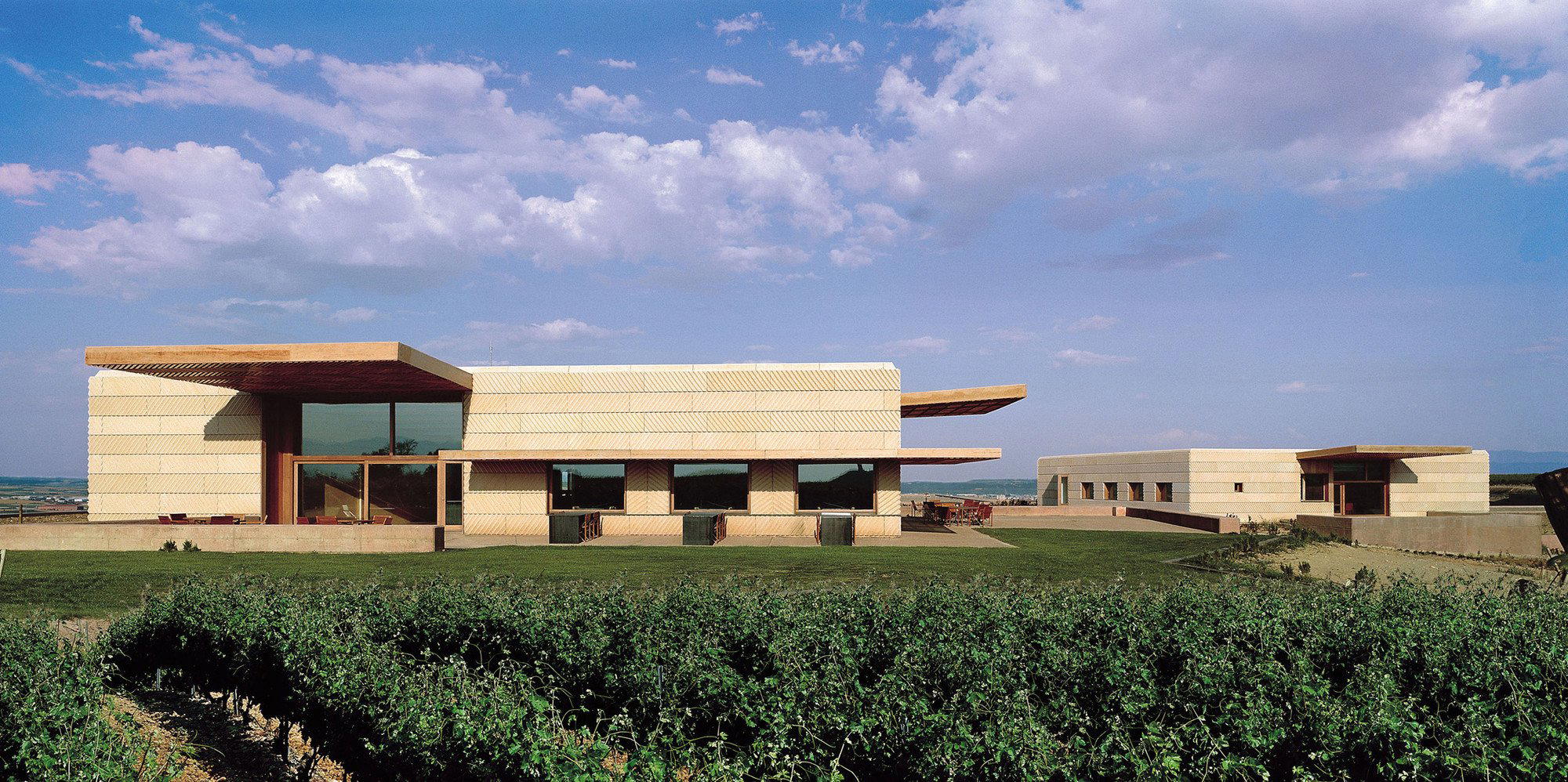
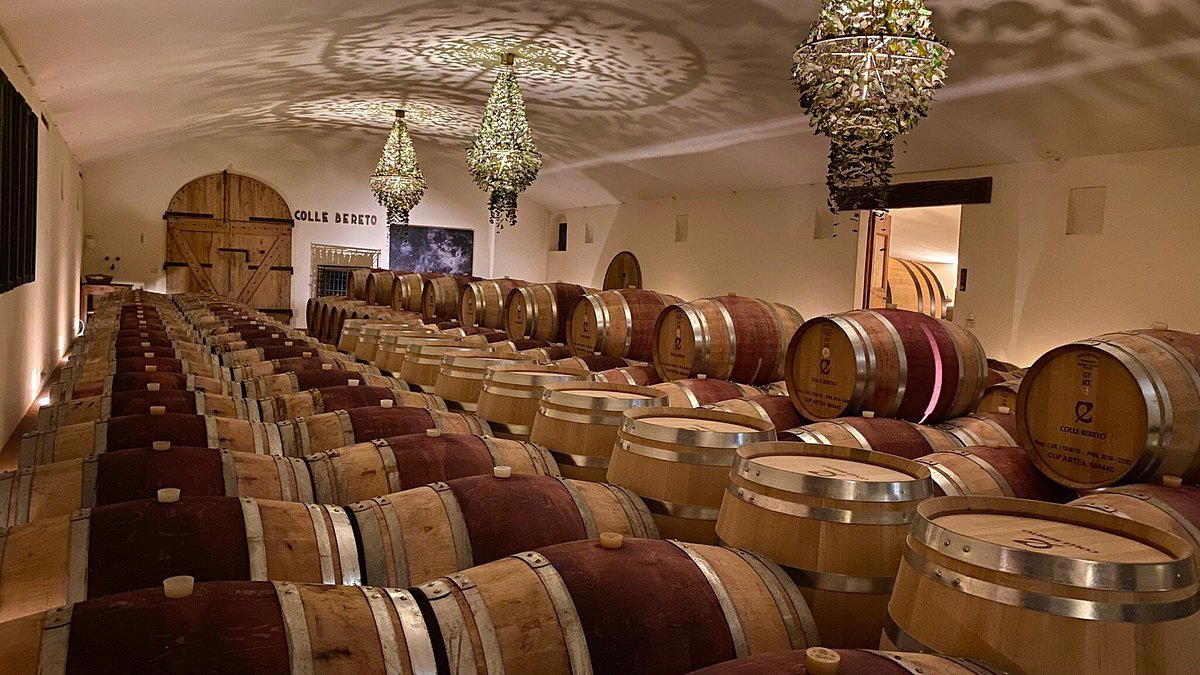
Modern industrial ensemble with informative cellar tours in a contemporary production facility.
Tags
Vibe
Best For
Experience
View
At the Vineyard
- Appellation
- Champagne AOC
- Varietals
- Chardonnay, Pinot Noir, Pinot Meunier
- Tour Duration
- 60-90 minutes
- Tour Languages
- English, French
- Visits
- By reservation
- Wine Styles
- Sparkling
- Wine Club
- Not available
Know before you go
Know Before You Go
- Getting there
- Plumecoq, CD 40A, 51530 Chouilly
Planning details
Location
Recognition and awards

Also consider
Where to look if this is full
Try Alfred Gratien first if the day is based around Épernay logistics. Choose Gosset instead if the priority is another serious Champagne name with less emphasis on big-house showmanship.
Winery context
How Nicolas Feuillatte compares in Champagne
Choose Nicolas Feuillatte if value-to-quality matters more than name recognition. Moët & Chandon and Perrier-Jouët are the safer picks for visitors who want a grand-house feel and a polished Épernay-style experience, but they can feel less focused if the goal is a producer-led wine comparison.
Pol Roger is the better cross-shop for classic-house prestige, while Gosset suits drinkers who want another serious Champagne name without defaulting to the largest houses. Nicolas Feuillatte is the sharper call for travelers who care about the bottle decision first and the room second.
If the booking proves difficult, Alfred Gratien is the practical alternate to check, especially for an Épernay-centered day. For a splurge-feeling itinerary, pair one larger house with one producer-focused visit rather than stacking only marquee names.
Explore Chouilly
Around this place
Discover more on Pearl
Unlock the full Nicolas Feuillatte guide in Pearl, including awards, comparisons, FAQs, planning details, and nearby places.
Compare Nicolas Feuillatte
| Venue | Location | Awards |
|---|---|---|
| Nicolas Feuillatte | Chouilly | 2026 Falstaff Winery Guide2025 Pearl 3 Star Prestige |
| Gosset | Épernay | 2026 Falstaff Winery Guide2025 Pearl 4 Star Prestige |
| Pol Roger | Épernay | 2026 Falstaff Winery Guide2025 Pearl 4 Star Prestige |
| Alfred Gratien | Épernay | 2026 Falstaff Winery Guide2025 Pearl 4 Star Prestige |
| Perrier-Jouët | Épernay | 2026 Falstaff Winery Guide2025 Pearl 3 Star Prestige |
| Moët & Chandon | Épernay | 2026 Falstaff Winery Guide2025 World's 50 Best Vineyards · #572025 Pearl 3 Star Prestige |

How Nicolas Feuillatte Chouilly compares with similar nearby venues.
FAQ
Frequently Asked Questions
What is Nicolas Feuillatte known for in this guide?
Nicolas Feuillatte is listed as a Chouilly venue with Pearl 3 Star Prestige recognition for 2025. Guillaume Roffiaen is listed as chef/owner, and the dress code is smart casual.
What other venues can I compare with Nicolas Feuillatte?
Gosset, Pol Roger, Alfred Gratien, Perrier-Jouët, and Moët & Chandon are relevant comparison names for a wider plan. Nicolas Feuillatte itself is the Chouilly venue in this listing.
Do I need a reservation at Nicolas Feuillatte?
Check current reservation requirements directly with the venue. Because the listing has Pearl 3 Star Prestige recognition for 2025, it is sensible to check current visit arrangements directly before planning around it.