




Château Angelus
Saint-Emilion, Saint-Émilion
Winery in Saint-Émilion, France
 Book with Pearl
The Read
Côte-Driven Merlot Precision
Why go
Prioritise Château Angelus for a serious Saint-Emilion wine itinerary, especially for a celebration, collector trip, or client visit. Access should be treated as highly constrained, so build the day around this first and keep Château Canon, Château Bélair-Monange, and Château Beau-Séjour as practical fallbacks.
About Château Angelus
Is Château Angelus worth prioritising in Saint-Emilion? Yes, if the point of the trip is to place a clearly recognised Saint-Emilion name at the centre of the itinerary. With Pearl 4 Star Prestige recognition for 2025, it is best treated as a planned anchor rather than a casual add-on.
The practical picture is concise: Château Angelus is in Saint-Emilion, Hubert de Boüard de Laforest is listed as chef/owner, and the dress code is smart casual. Beyond those details, travellers should avoid assuming a particular visit format, menu, price, schedule, or service style unless confirmed directly by the venue.
Book it as the serious Saint-Emilion anchor, not the casual stop
The practical call is simple: if Château Angelus is central to the trip, arrange the wider Saint-Emilion schedule around it first, then add meals, hotels, and other stops after. For the broader plan, Our full Saint-Emilion wineries guide, Our full Saint-Emilion restaurants guide, Our full Saint-Emilion hotels guide, Our full Saint-Emilion bars guide, and Our full Saint-Emilion experiences guide can help fill the rest of the trip.
For a celebration, the appeal is the venue's Saint-Emilion setting and confirmed Pearl 4 Star Prestige status. It is a stronger fit for travellers who want a focused itinerary than for anyone trying to keep the day entirely flexible. Use the details as the planning baseline, and confirm any timing, access, or format questions directly before building the day around it.
Where it sits among Saint-Emilion alternatives
Cross-shopping matters because a Saint-Emilion trip may involve several notable names. Château Canon and Château Bélair-Monange are natural comparisons for visitors considering Château Angelus. Château Beau-Séjour (héritiers Duffau-Lagarrosse), Château Coutet, and Le Dome can also be considered when shaping a broader plan.
For a broader day, keep the booking strategy realistic: confirm the most important stop first, then build the rest of the schedule around confirmed logistics and meal timing. Other dining and venue options in Saint-Emilion can round out the itinerary without needing to be positioned as substitutes for Château Angelus.
Quick reference: prioritise Château Angelus for a Saint-Emilion itinerary built around a Pearl 4 Star Prestige venue; confirm current details directly before relying on any specific format, timing, or service expectation.
Planning details
- Location
- Château Angelus, 33330 Saint-Émilion
- Website
- angelus.com
- Phone
- +33 5 57 24 71 39
The take
The Take
The Vibe
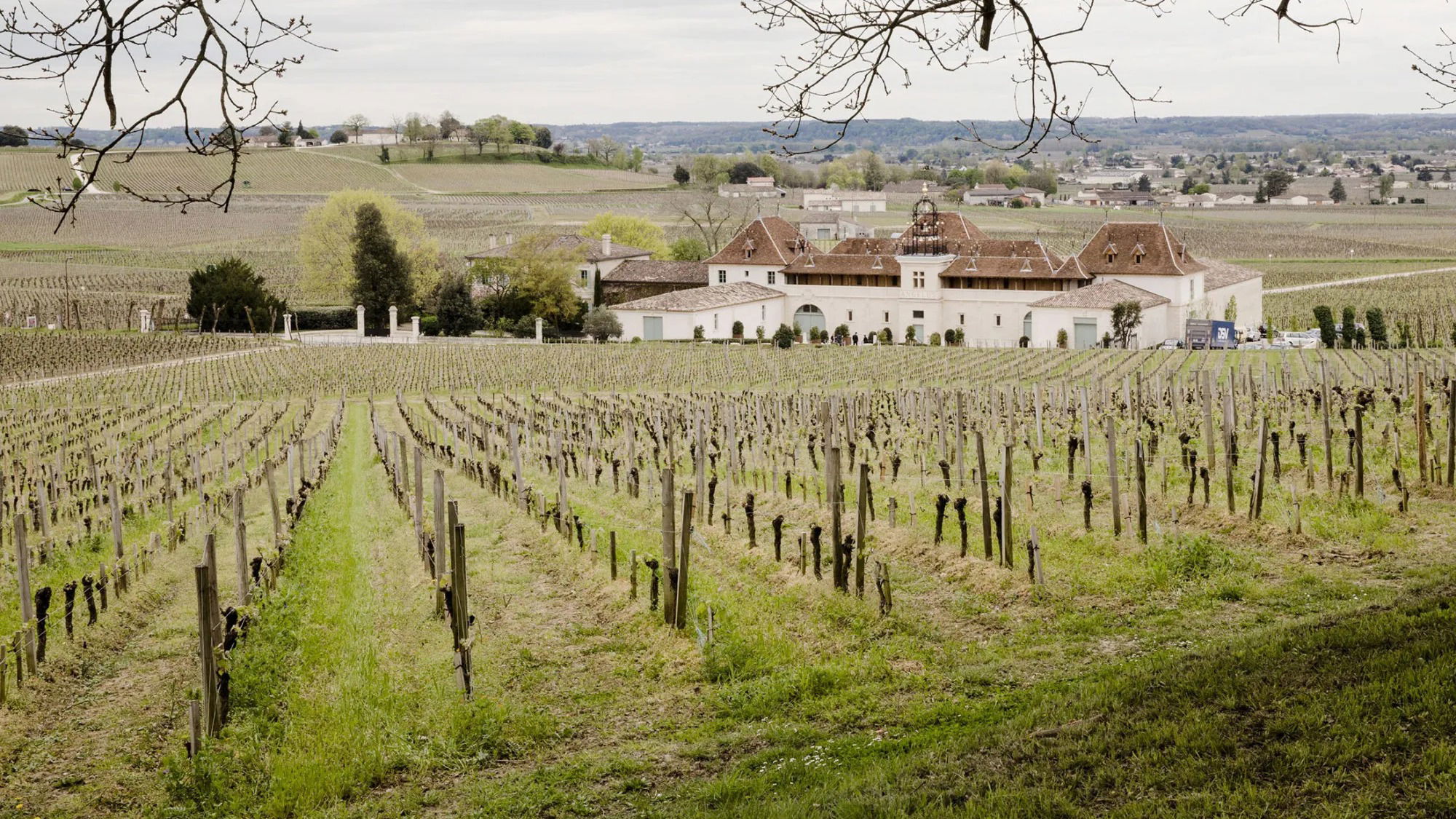
Château Angélus reads like a vineyard study in terroir-driven character. The estate sits on a descending limestone plateau and an ancient alluvial terrace, so the sense of place is fundamental to everything here. Merlot dominates the right-bank tradition, and the slope’s mix of clay, sand and limestone produces wines with a dense texture and identifiable tannin architecture. The property’s classification as a Premier Grand Cru Classé 'A' and its trajectory since the 1987 first vintage lend the estate an authoritative, measured presence: it feels exacting and carefully honed rather than flashily modern, with the vineyard landscape itself doing the talking.
Best For
This is a visit for people interested in how site and soil shape top-tier Bordeaux. Angélus suits wine-focused itineraries and special-occasion tastings where guests want to parse structure, varietal expression and the effects of vintage variation. The estate’s placement on the slope and its Right Bank Merlot emphasis make it a natural stop for educational tours and comparative tastings within Saint-Émilion. Travelers seeking panoramic vineyard context and a technically rich conversation about tannin architecture and terroir will find Angélus especially rewarding.
Tasting Tips
When considering bottles from Château Angélus, prioritize vintage context: the description emphasizes how clay and limestone interact differently depending on rainfall, so tasting notes and vintage reports matter. Expect Merlot-driven blends with substantial texture and a distinctive tannin framework compared with lower-altitude, limestone-dominant neighbors. If you want wines that show firmness and structural clarity, look for vintages referenced in technical notes or reviews; for a rounder profile, seek years known for softer ripening. The 1987 first vintage is a historical reference point for the estate’s modern direction and may be useful when comparing older releases.
Venue details
Ambiance
Elegant and refined atmosphere with historic chateau overlooking south-facing vineyards.
Tags
Vibe
Best For
Experience
Sourcing
View
At the Vineyard
- Appellation
- Saint-Emilion Grand Cru
- Varietals
- Merlot, Cabernet Franc, Cabernet Sauvignon
- Tour Duration
- 60-90 minutes
- Visits
- By appointment only
- Farming
- Organic
- Production
- Small producer
- Wine Styles
- Still Red
- Wine Club
- Available
Know before you go
Know Before You Go
- Getting there
- Château Angelus, 33330 Saint-Émilion
Planning details
Location
Recognition and awards

Also consider
Where to go if this is not available
If access does not work, try Château Canon or Château Bélair-Monange first for a serious Saint-Emilion substitute. For a less formal backup that keeps the day easier to manage, Château Coutet is the safer cross-shop.
Winery context
How Château Angelus compares in Saint-Emilion
Choose Château Angelus when the trip needs a prestige-led anchor and the group is comfortable planning around difficult access. Château Canon and Château Bélair-Monange are the closest cross-shops for a serious Saint-Emilion itinerary; they make sense if availability or route timing works better.
Château Beau-Séjour (héritiers Duffau-Lagarrosse) is the sharper alternative for travellers comparing compact, high-demand Saint-Emilion names, while Le Dome is better treated as a specialist stop rather than the default anchor. Château Coutet is the more sensible fallback if the day needs to feel less formal and easier to shape around other plans.
For value, do not judge only by label prestige. Château Angelus is the splurge-style choice for a milestone visit; Château Coutet is the more flexible planning option, and Château Canon or Château Bélair-Monange are stronger substitutes when the goal is a polished Saint-Emilion experience without making one booking determine the whole day.
Explore Saint-Émilion
Around this place
Discover more on Pearl
Unlock the full Château Angelus guide in Pearl, including awards, comparisons, FAQs, planning details, and nearby places.
Compare Château Angelus
| Venue | Location | Awards |
|---|---|---|
| Château Angelus | Saint-Emilion | 2026 Michelin 2 Grapes - Bordeaux2026 Falstaff Winery Guide2025 Pearl 4 Star Prestige |
| Le Dome | Saint-Emilion | 2026 Falstaff Winery Guide2025 Pearl 4 Star Prestige |
| Château Beau-Séjour (héritiers Duffau-Lagarrosse) | Saint-Emilion | No published awards |
| Château Coutet | Saint-Emilion | 2025 Pearl 3 Star Prestige |
| Château Canon | Saint-Emilion | 2026 Michelin 2 Grapes - Bordeaux2025 Pearl 4 Star Prestige |
| Château Bélair-Monange | Saint-Emilion | 2026 Falstaff Winery Guide2026 Michelin 1 Grape - Bordeaux |

How Château Angelus Saint-Emilion compares with similar nearby venues.
FAQ
Frequently Asked Questions
What other venues should I compare with Château Angelus?
Château Canon and Château Bélair-Monange are clear comparisons if you are building a day around Château Angelus in Saint-Emilion. Le Dome, Château Beau-Séjour (héritiers Duffau-Lagarrosse), and Château Coutet are also useful names to consider when shaping the itinerary.
Do I need a reservation at Château Angelus?
Confirm current access and booking requirements directly with Château Angelus before planning your day around it. The details are that Château Angelus is in Saint-Emilion, carries Pearl 4 Star Prestige recognition for 2025, and has a smart casual dress code.
What should I confirm before visiting Château Angelus?
Check Château Angelus directly for the latest information on access, visit formats, timing, and availability. The venue details here are limited to its Saint-Emilion location, Hubert de Boüard de Laforest as chef/owner, smart casual dress code, and Pearl 4 Star Prestige recognition for 2025.
What is Château Angelus known for?
Château Angelus is a Saint-Emilion venue with Pearl 4 Star Prestige recognition for 2025. Travellers should confirm current practical details directly with the venue before planning around any specific visit format or service.