

2026 Falstaff Winery Guide: The Ultimate Wine Authority — Page 22
Falstaff's 2026 Wineries guide.

Venues on this list
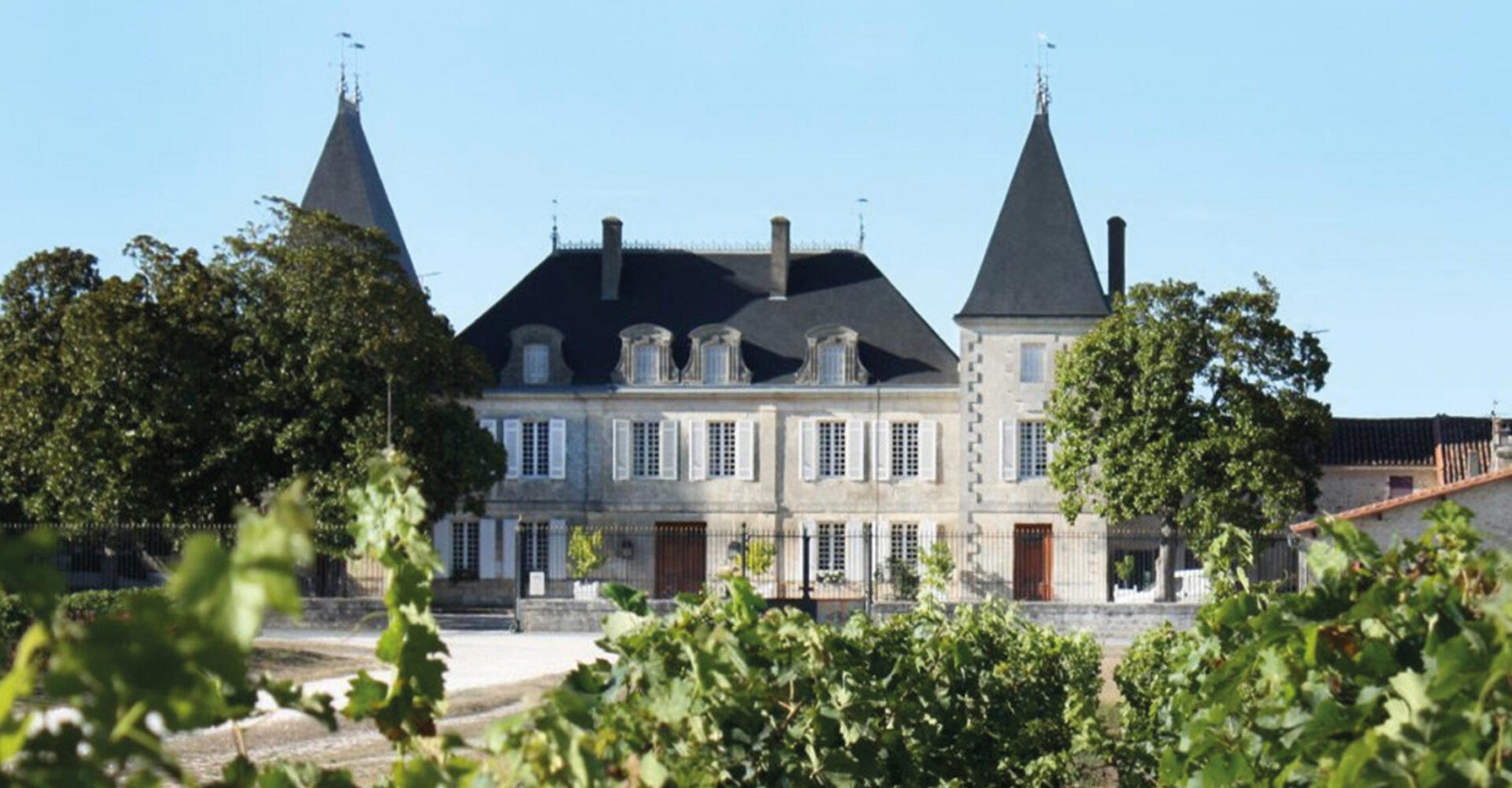
Château Borie-Manoux
Bordeaux, France
Château Borie-Manoux is worth pursuing if the trip is about serious Bordeaux context rather than a casual cellar-door tasting. Its strength is regional breadth, with a long-running négociant-producer model, family ownership, and portfolio links across Pauillac, Saint-Émilion, and Saint-Estèphe. Plan ahead: this is appointment-led and better for collectors or wine travelers seeking depth.
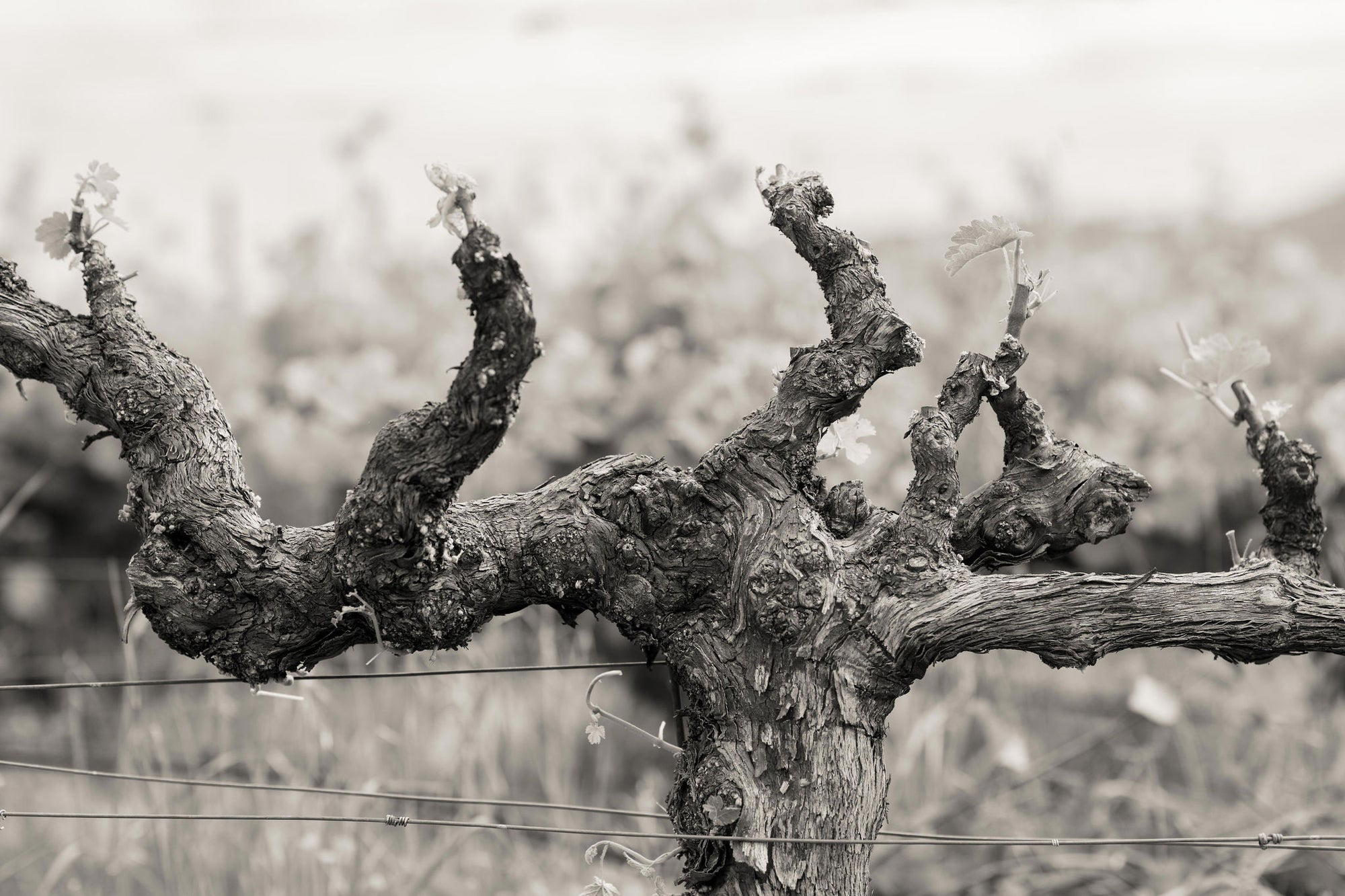
Schrader Cellars
Napa, United States
Schrader Cellars is worth pursuing for Napa collectors who care about Cabernet pedigree, allocation access, and Thomas Rivers Brown's winemaking more than a casual tasting-room stop. It is a weaker fit for large groups or visitors who want a predictable food-supported estate visit.
Fleischer - Stadt Mainz
Mainz Hechtsheim, Germany
A practical Rhine Hesse wine stop for visitors building a focused Mainz-Hechtsheim itinerary. Fleischer - Stadt Mainz works if the priority is local wine context and an easygoing visit, while any club or allocation commitment should wait until you know the wines are bottles you would reorder.
Contrada Santo Spirito di Passopisciaro
Sarteano, Italy
Worth booking for a focused Etna wine tasting built around a specific historic contrada rather than a broad winery sampler. The value is strongest for couples or small wine-minded groups who care about old vines, volcanic soils, organic farming, and Nerello/Carricante detail; it is less suited to casual drop-ins or large social groups.
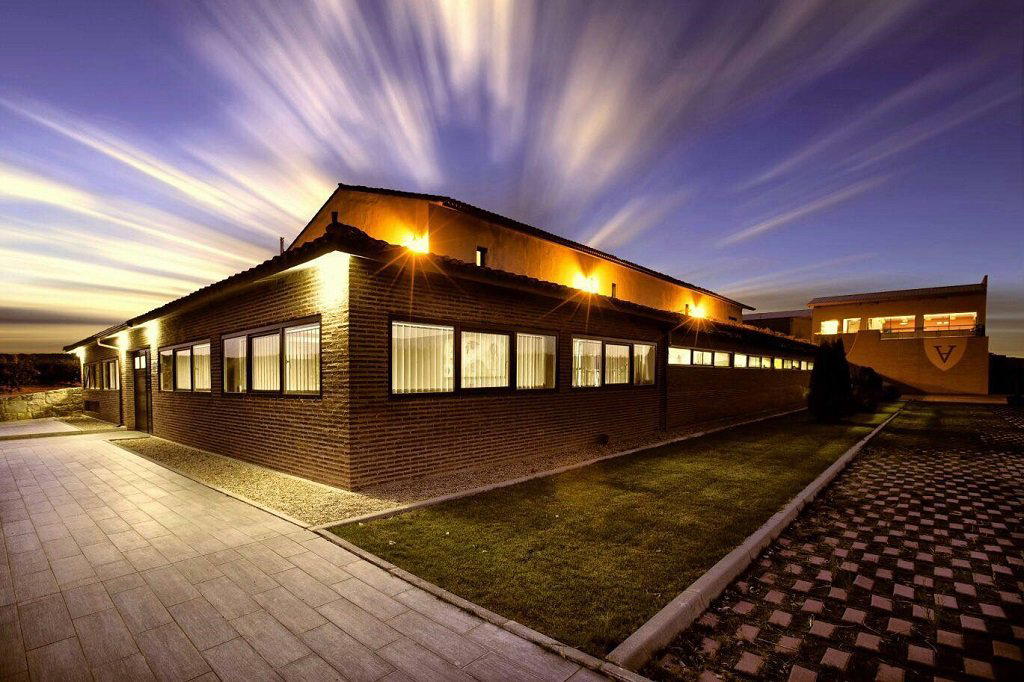
Bodegas y Viñedos Valderiz
Roa, Spain
Book Bodegas y Viñedos Valderiz if the goal is a focused Ribera del Duero producer visit in Roa, not a full restaurant-style outing. The 2026 Falstaff 2 Stars rating gives it a credible quality signal, but first-timers should confirm tasting format, group size, food, and shipping before planning the day around it.
Grupo Bereco
San Adrian, Spain
Grupo Bereco is a quieter San Adrian winery pick with a useful Falstaff 2 Stars 2026 signal and a moderate price tier. Book it if the goal is a focused, appointment-led wine stop rather than a fully scripted estate experience; look wider if the group needs named wines, published tasting formats, or a broader hospitality setup in advance.
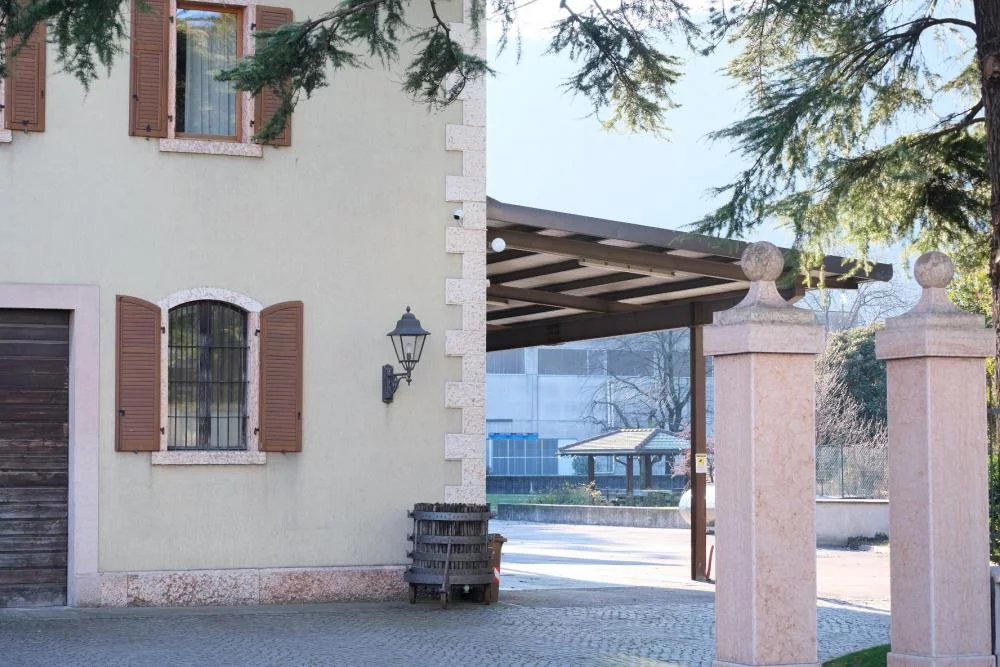
Cantine Monfort
Lavis, Italy
Choose Cantine Monfort if the priority is an educational Trentodoc visit with cellar context, not just a casual glass. The value is strongest for wine travelers who want to understand Metodo Classico sparkling wine, Trentino varieties, and the Lavis production setting in a structured small-group format.
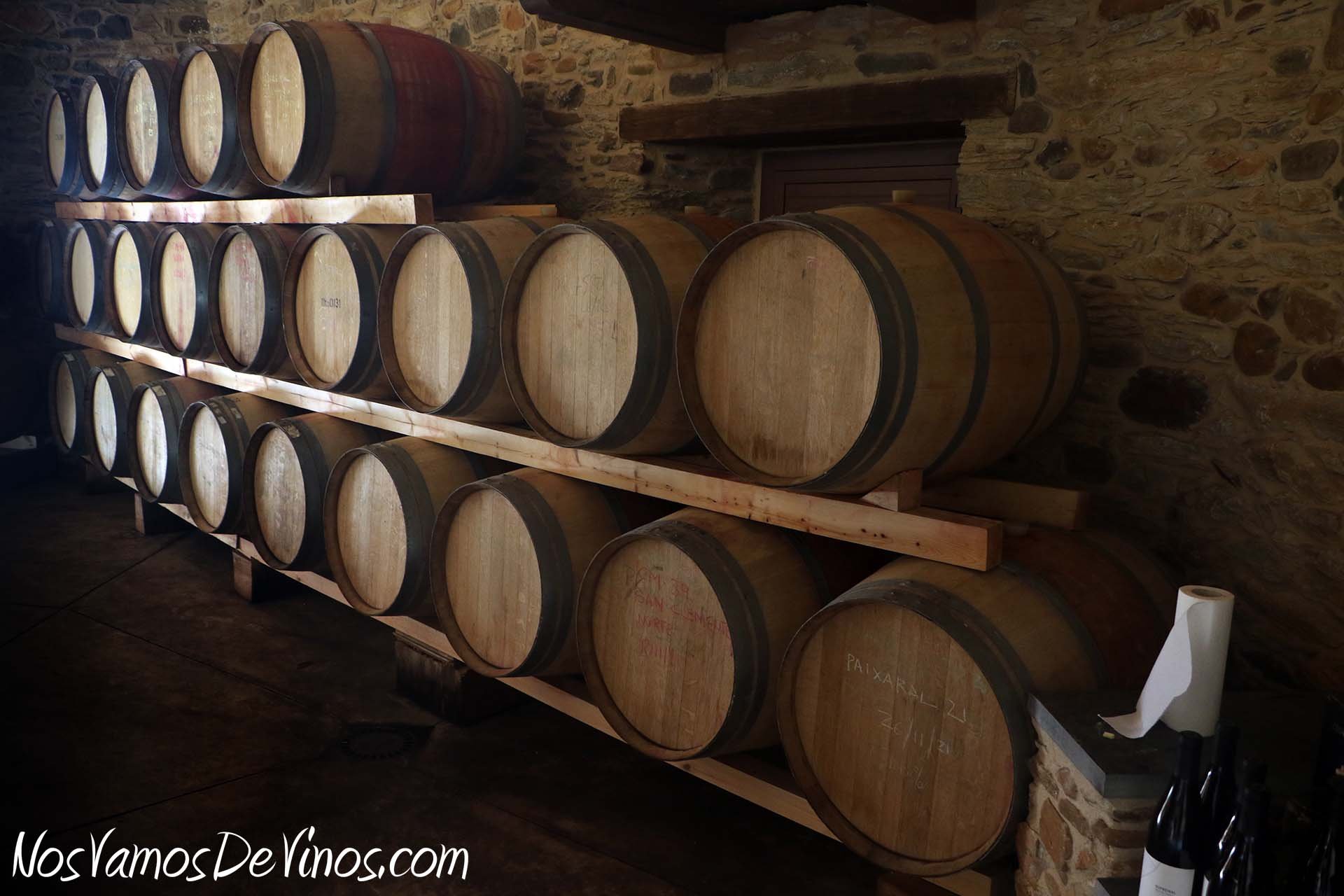
Bodegas Álvarez de Toledo
Toral De Los Vados, Spain
A sensible winery stop if Toral de los Vados is already on your Castilla y León route, especially for travellers focused on producer context rather than a meal-led visit. Falstaff Listed in 2026, it is better framed as a wine-research stop than a guaranteed hospitality outing.
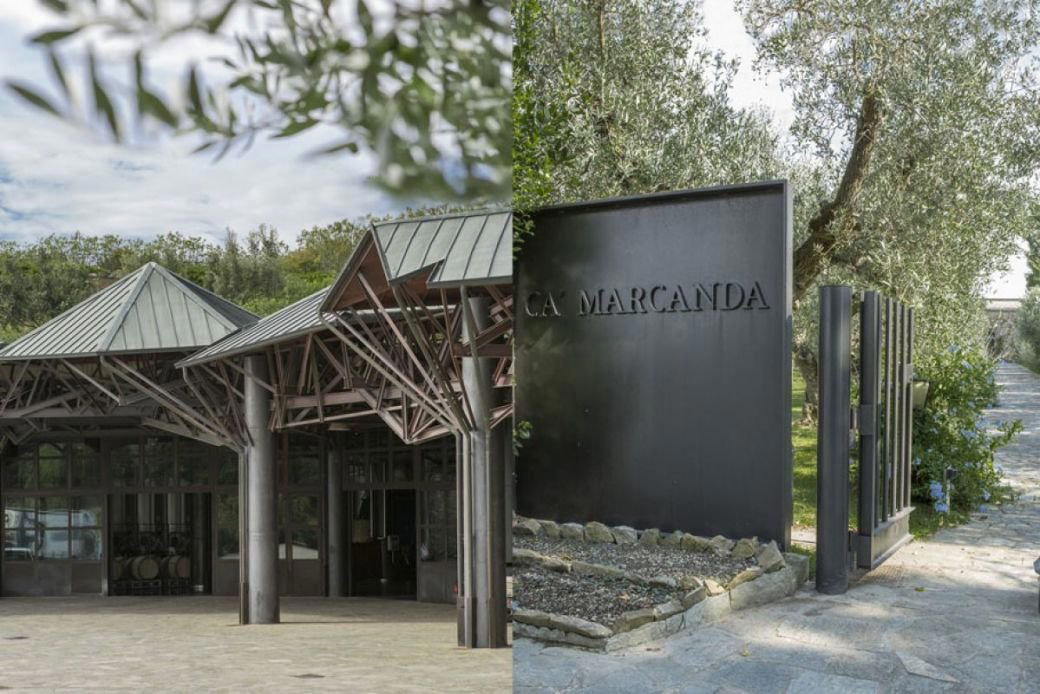
Ca' Marcanda
Castagneto Carducci, Italy
Ca' Marcanda is a sensible shortlist pick for a wine-focused Castagneto Carducci itinerary, especially if outside recognition matters. Confirm the tasting structure before planning a celebration around it, since published details on timing, food, pricing, and club terms are not part of the core profile.
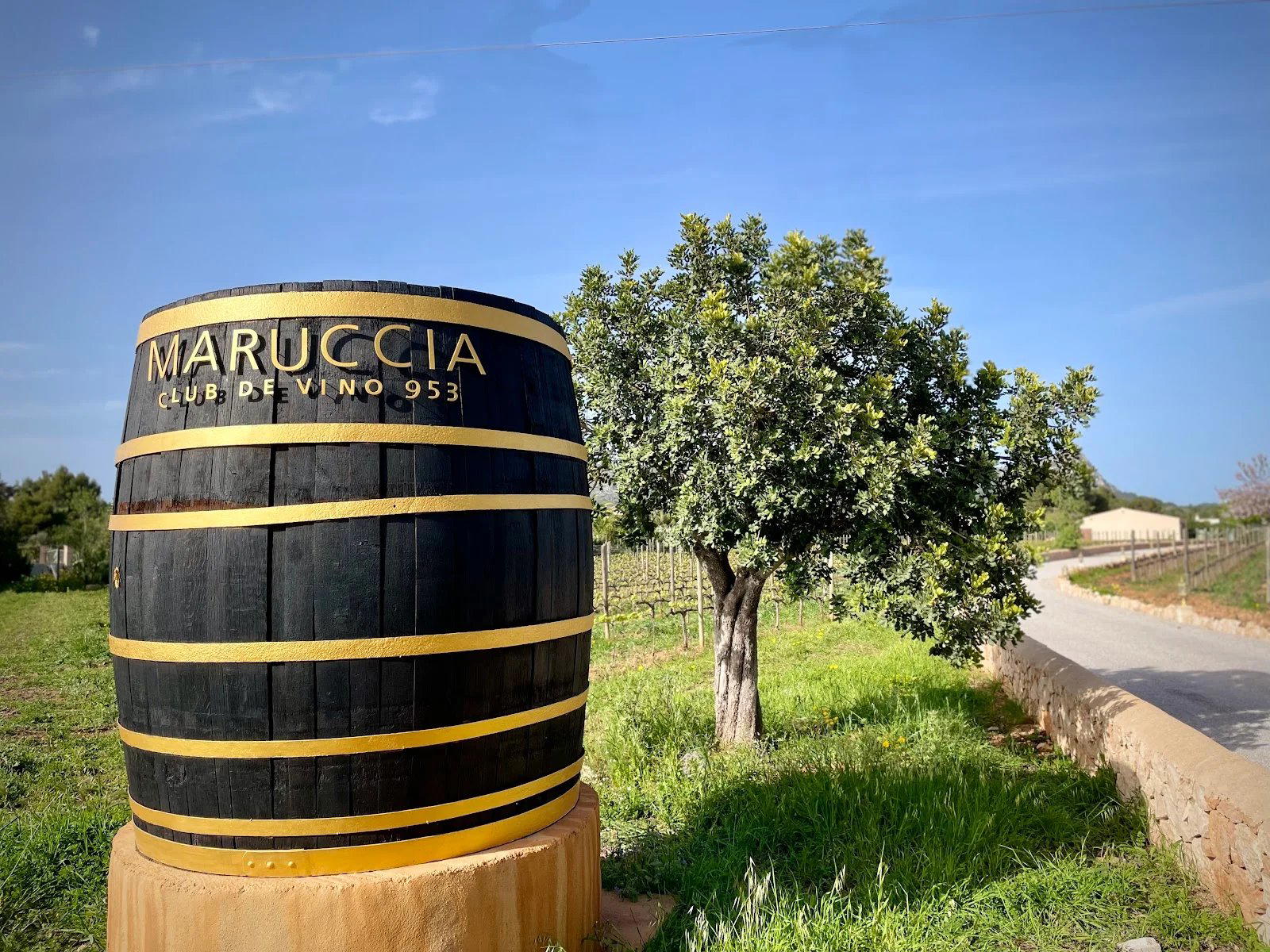
Bodega Maruccia - Club de Vino 953
Llucmajor, Spain
Worth considering if you are already in Llucmajor and want a quieter, private wine club rather than a heavily structured winery visit. The available detail is limited, but Falstaff listing in 2026 gives it a credible signal; first-timers who need published pricing, flagship bottles, or a defined tasting format should compare broader Llucmajor winery options first.
Grimaldi
Diano D Alba, Italy
Book Grimaldi if you want a compact, family-run Piedmont tasting with cellar context and a broad regional portfolio. It is strongest for curious wine travelers who value explanation and range over luxury staging; the private format works for smaller groups that want more time to compare styles.
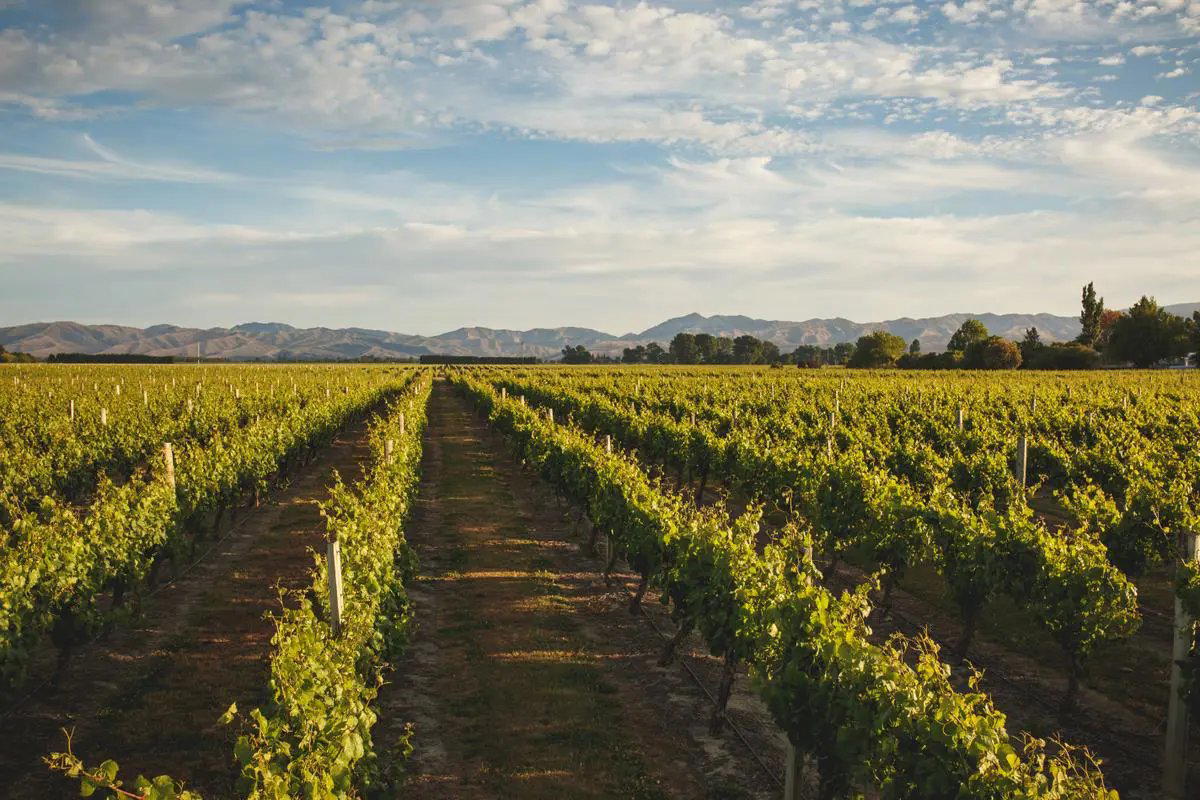
Hunter’s Wines
Blenheim, New Zealand
Book Hunter’s Wines if the goal is a relaxed Marlborough tasting with heritage behind it, not a rare-allocation hunt. The appeal is the combination of family ownership, roots dating to 1979, a broad regional portfolio, and a 2026 Falstaff listing at a $$ price signal.
Casanuova delle Cerbaie
Montalcino, Italy
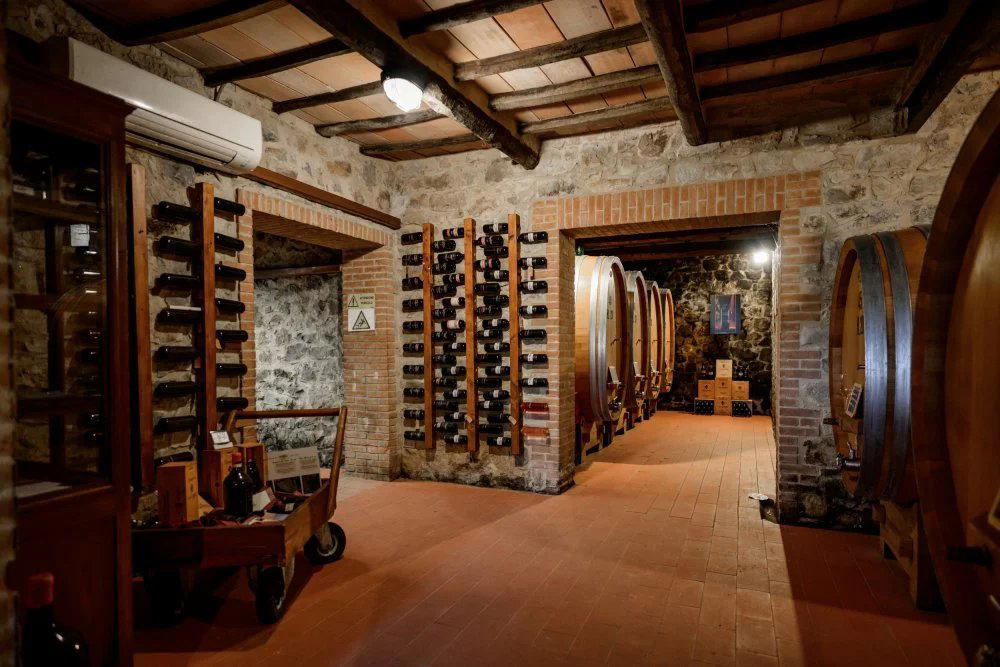
Book Casanuova delle Cerbaie if you want a quiet, cellar-focused Brunello appointment rather than a food-led winery visit. Around $40 per person, the value is strongest for travellers interested in classic Sangiovese, Montosoli context, large Slavonian oak casks, and an intimate tasting-room format.
Château Les Grandes Murailles
Saint-Émilion, France
Book Château Les Grandes Murailles if the goal is a focused Saint-Émilion Grand Cru Classé built around scarce, 100% Merlot rather than a broad tasting lineup. The strongest case is the flagship wine, especially critically praised vintages such as 2018; skip it if you want a large visitor experience or multiple cuvées to compare.
Domaine Berthet Capeau
Courthézon, France
Domaine Berthet Capeau is a good Courthézon stop for first-time Châteauneuf-du-Pape visitors who want a quiet, organic, vineyard-led tasting rather than a polished hospitality showcase. Go for the 100% Grenache Elixir des Papes and a working-estate feel; skip it if the priority is a formal food program or broad multi-label flight.
Domaine Francois Bertheau
Chambolle-Musigny, France
Pursue Domaine Francois Bertheau if the goal is serious Chambolle-Musigny Pinot Noir, not a casual tasting-room stop. The draw is a small, family-run estate with 6 hectares, 100% Pinot Noir production, lutte raisonnée farming and a $$$$ bottle profile; the limitation is that public hospitality details are not a reason to plan the day around it.
Bodega Sarmentero
Quintanilla De Arriba, Spain
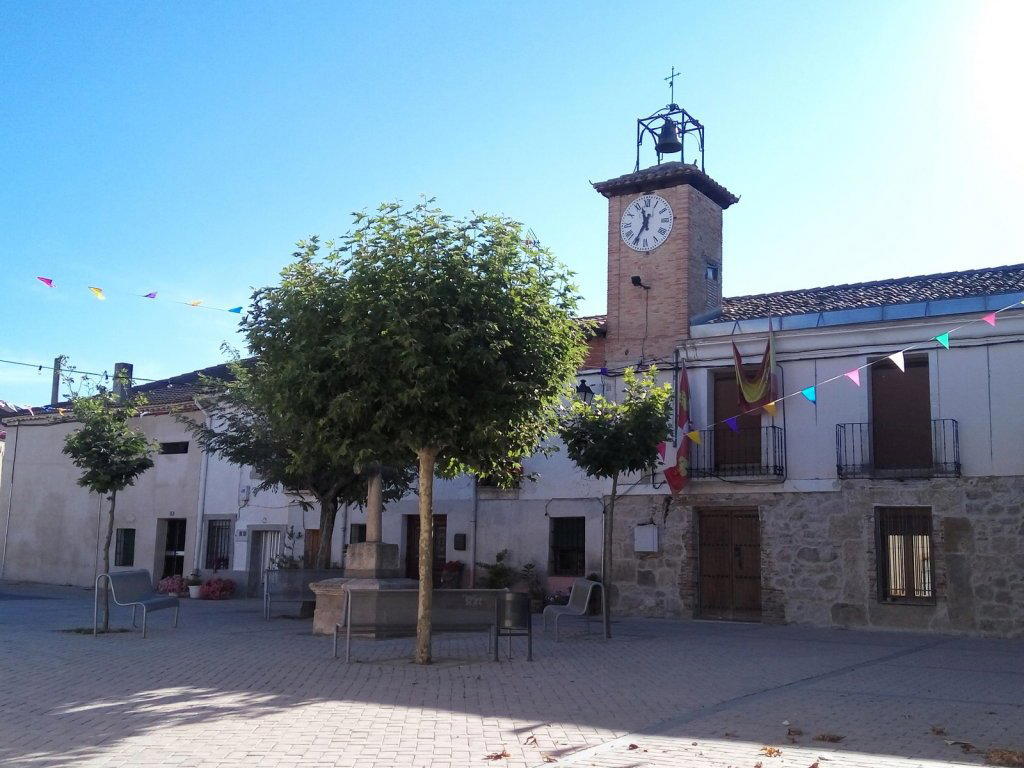
Bodega Sarmentero is worth booking for a personal Ribera del Duero tasting where the Castilian setting, family ownership, and Tempranillo focus shape the experience. It suits couples, small celebrations, and wine travelers who want context over spectacle; larger groups or visitors chasing a broad, luxury estate program may prefer a more expansive stop.
Jürg Hartmann Weinbau
Malans Gr, Switzerland
A good choice for a quiet, wine-focused Malans visit if the priority is small-scale Graubünden production rather than a polished tasting-room setup. The 5-hectare family estate is strongest for Pinot Noir, cool-climate whites, and direct cellar-door character, with enough technical background behind the winemaking to make the appointment feel worthwhile.
Château Grivière
Blaignan Prignac, France
Book Château Grivière if you want a value-minded northern Médoc château visit focused on classic Cru Bourgeois red Bordeaux. The draw is the 60% Merlot, 40% Cabernet Sauvignon profile, 19-hectare estate setting and Blaignan-Prignac context, not a polished luxury hospitality program.
Billy Button Wines
Bright, Australia
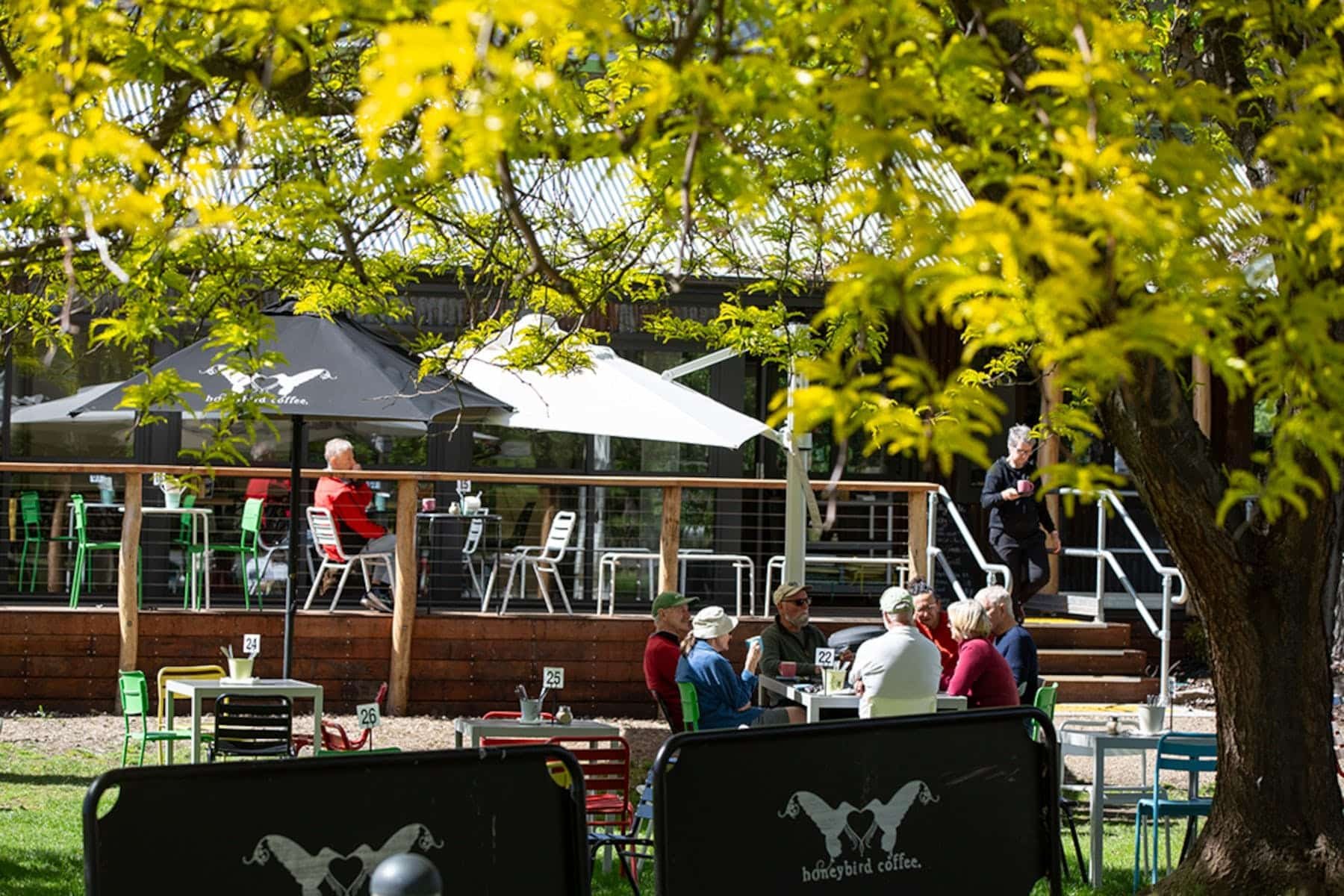
Billy Button Wines works if Bright is already part of the trip and the goal is an easy High Country wine stop rather than a formal destination meal. The 2026 Falstaff listing gives it a quality signal, but plan it as one part of a flexible Bright itinerary with restaurants, bars, hotels, and outdoor time around it.
Habitat Weine eG
Rümmelsheim, Germany
Plan Habitat Weine eG as an educational Pfalz winery appointment rather than a decorative tasting-room stop. It is strongest for small groups who want vineyard and cellar context, with documented seminars for 6 to 18 guests and Falstaff 1 Star recognition in 2026.
Raventós i Blanc
Sant Sadurní d'Anoia, Spain
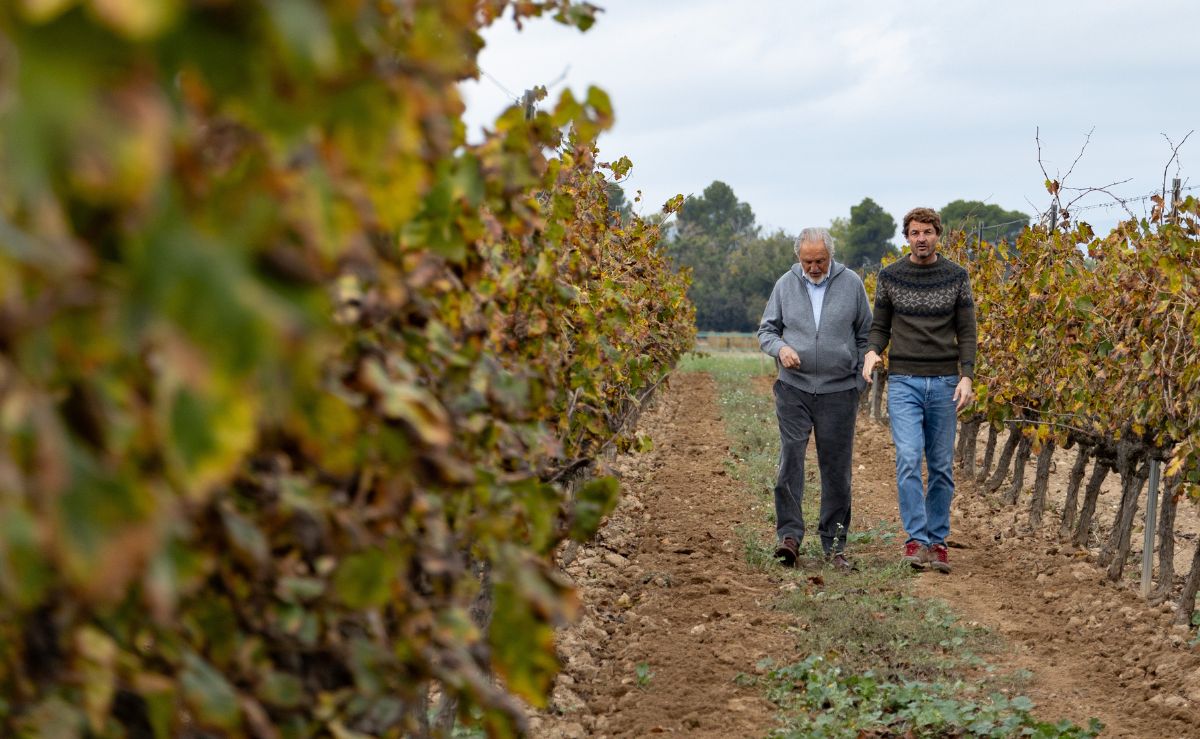
Raventós i Blanc is worth prioritizing for a serious Sant Sadurní d'Anoia wine day, especially if the goal is bottle selection rather than a broad tourism stop. Compare it with Recaredo or Gramona for depth, or choose Codorníu and Freixenet if the group wants a larger, more accessible first-time cava-country experience.
ck-Weine
Schinznach Dorf, Switzerland
Book ck-Weine if you want a small, appointment-led Aargau winery visit centered on Demeter-certified organic Blauburgunder. It is better for wine travelers who want farming context and direct producer interaction than for anyone seeking a polished visitor center, food pairing program, or large-group tasting format.
Convento de Oreja
Peñafiel, Spain
Convento de Oreja is worth booking for a quiet, Tempranillo-focused Ribera del Duero winery visit near Peñafiel. The strongest fit is a couple, small celebration, or business guest who wants vineyard context, cellar time, and a focused tasting rather than a restaurant-style wine day.
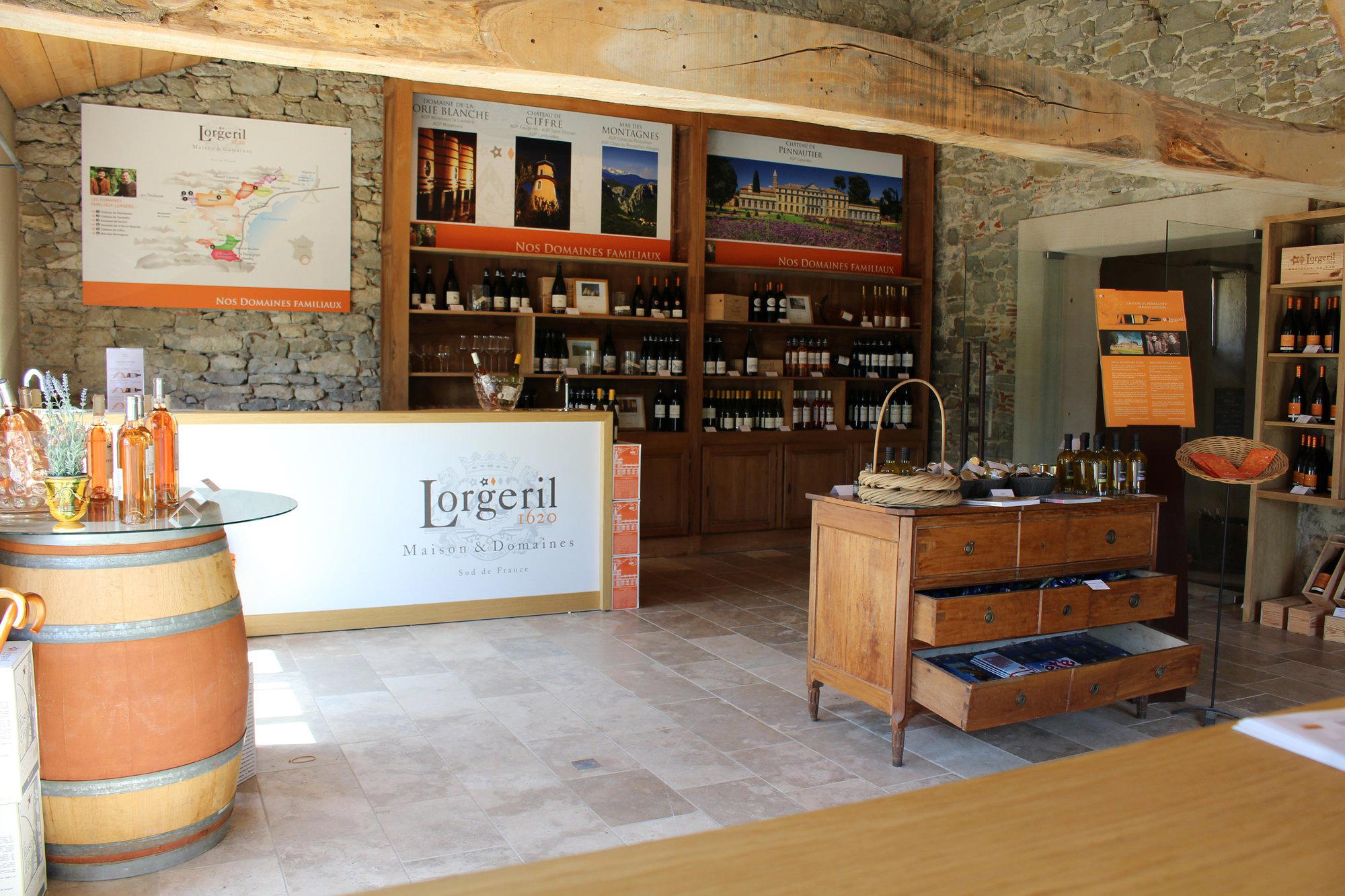
Château de Ciffre
Pennautier, France
Prioritise Château de Ciffre if you want a terroir-led Languedoc tasting rather than a quick château photo stop. The private or upgraded format is worth it for buyers who want to compare Faugères, Saint-Chinian and Languedoc expressions side by side; casual tasters can keep it simpler.
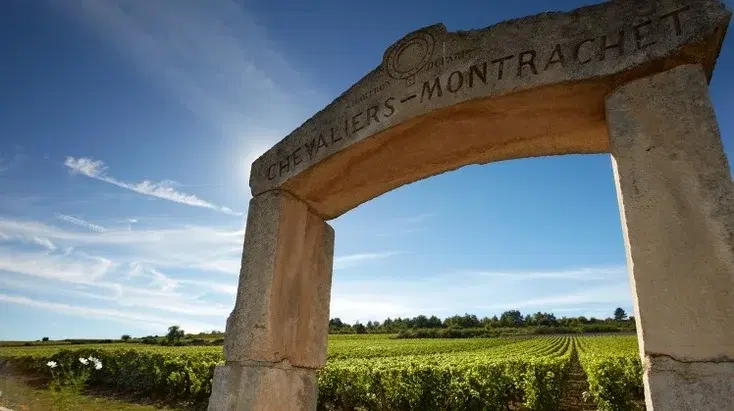
Domaine Leflaive
Puligny-Montrachet, France
Prioritize Domaine Leflaive if the trip is built around serious white Burgundy, not casual wine tourism. The private or upgraded format is the version worth pursuing, especially for collectors who care about site context and producer depth; access is the main obstacle, so build the day around the appointment rather than squeezing it into a packed itinerary.
Fattoi
Montalcino, Italy
Fattoi is worth booking if the priority is a calm, personal Brunello tasting at a family-run Montalcino estate. The appeal is the focused Sangiovese portfolio, humble hospitality, and countryside setting; skip it if you want a restaurant-style pairing or a highly polished visitor center.
Fruškogorski Vinogradi
Banostor, Serbia
Worth booking if the goal is a relaxed Fruška Gora winery visit with vineyard context, tastings, and direct sales rather than a restaurant-led experience. Fruškogorski Vinogradi is strongest for travelers who want to understand a larger regional producer with multiple wine lines and a clear Danube-slope identity.
Colline San Biagio
Carmignano, Italy
A quiet Carmignano winery for travelers who want Tuscan hill atmosphere and DOCG context more than a destination food program. Choose it for a calm, romantic tasting built around place, Sangiovese-led blends, and the Carmignano Sancti Blasii DOCG; skip it if the priority is a structured meal or large-group hospitality.
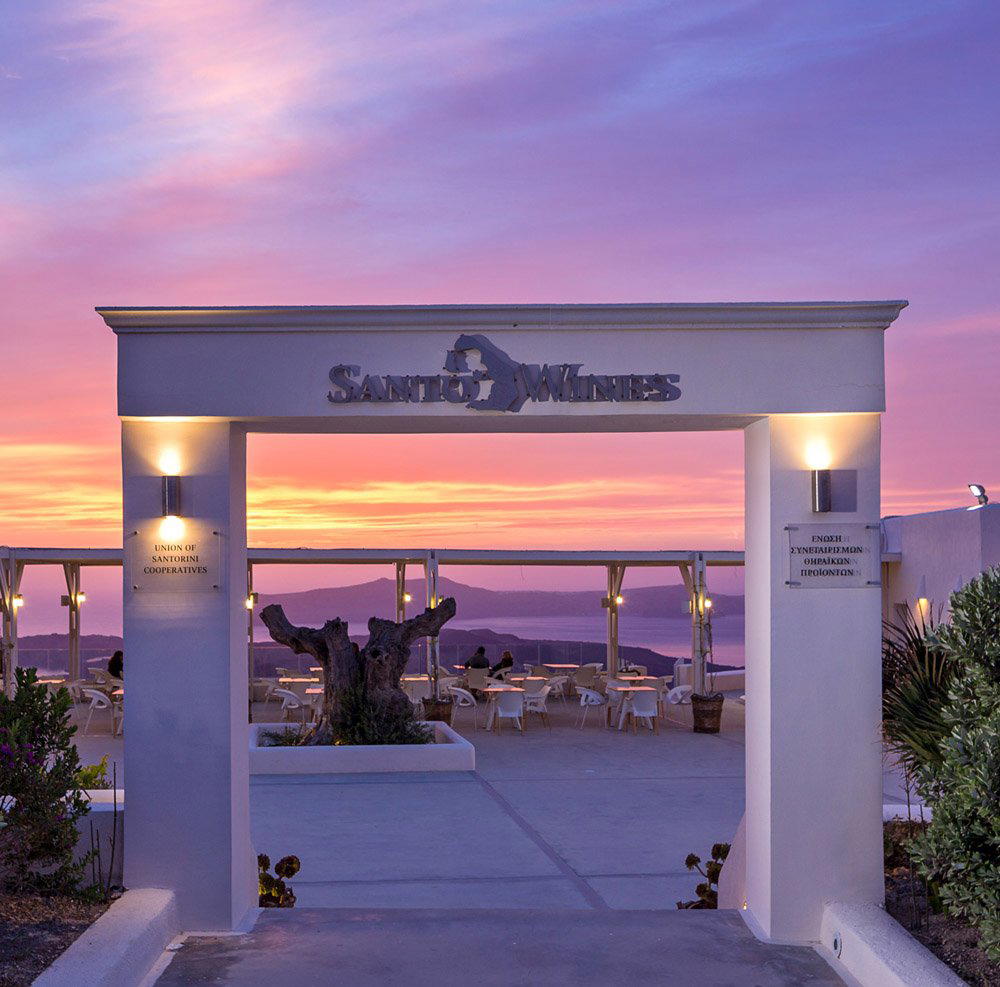
SantoWines (Santorini Coop)
Santorini, Greece
SantoWines (Santorini Coop) is worth prioritizing if you want a broad, practical introduction to Santorini wine before booking smaller cellar visits. Go for regional context, cooperative scale, and a tasting that can work well with food pairings; cross-shop boutique producers if you want a quieter, more intimate appointment.
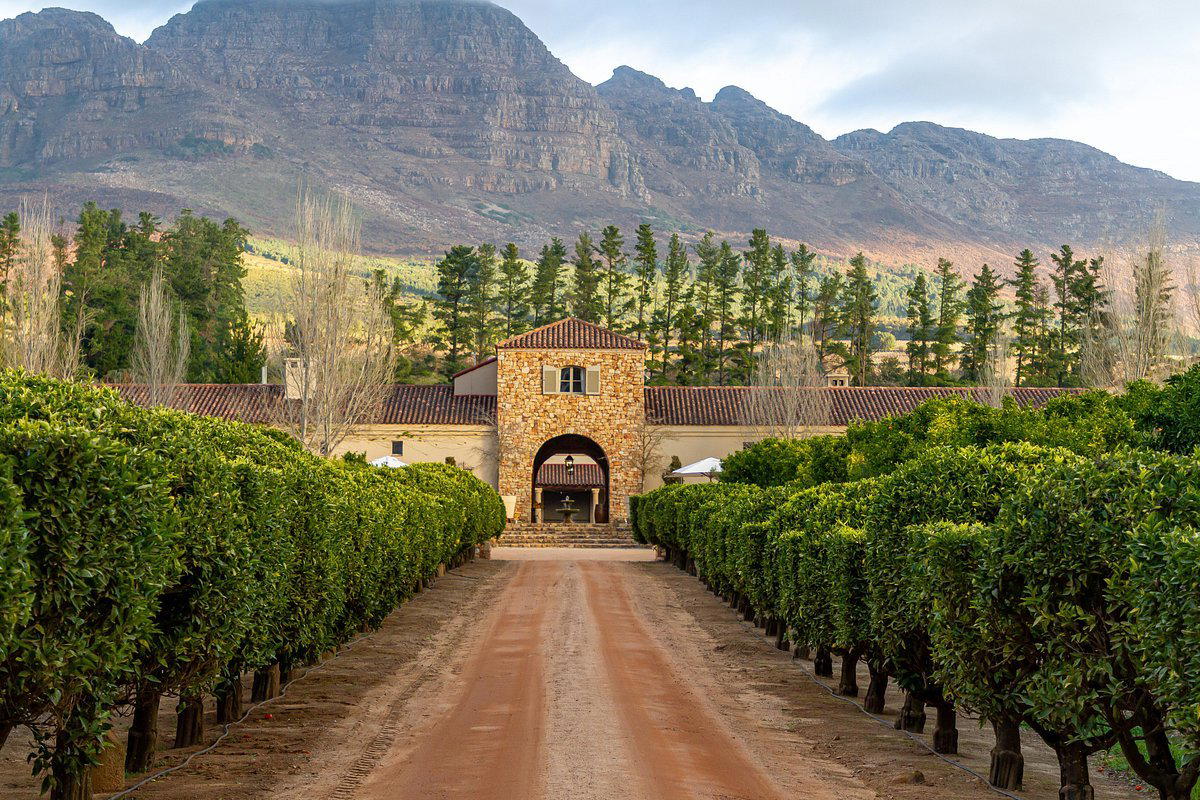
Waterford Estate
Stellenbosch, South Africa
Waterford Estate is a strong choice for a wine-focused Stellenbosch itinerary, especially if the day is planned around Helderberg-area tastings rather than a long meal. Treat it as a planned appointment, pair it with nearby estates such as Blaauwklippen or Alto, and confirm the current tasting and food setup before arranging the rest of the day.
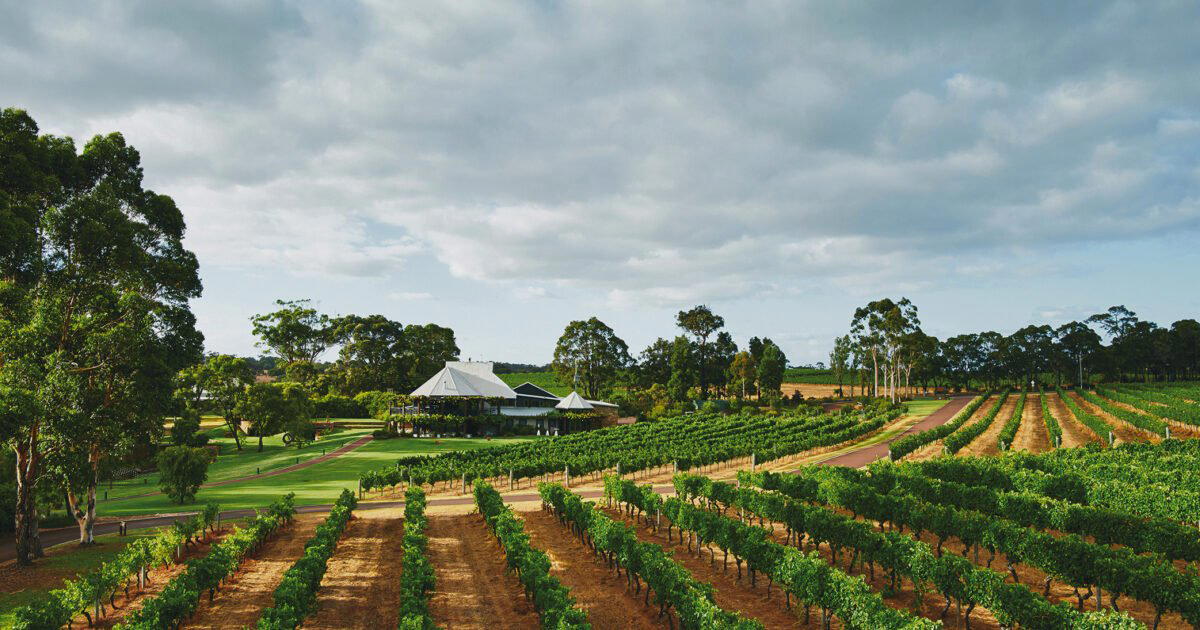
Vasse Felix
Margaret River, Australia
Vasse Felix is the Margaret River winery to book when the trip needs one polished, high-confidence cellar-door anchor. It suits first-timers better than a loose multi-stop crawl, especially given the difficult booking signal. Cross-shop Cullen Wines for a more wine-focused day or Evans & Tate if ease and flexibility matter more.
Contarini Vini e Spumante S.r.l.
Vazzola, Italy
Book this for a production-led Veneto sparkling-wine stop, not for a leisurely food-pairing experience. Contarini is strongest for visitors who want Prosecco and spumante context from a long-running producer with scale and regional grounding; plan meals separately and treat the Moscato’s dessert pairing cue as a bottle-buying guide rather than an on-site dining promise.
Château de Chatagneréaz
Essertines Sur Rolle, Switzerland
Book Château de Chatagneréaz if you want a structured Vaud estate visit centered on Mont-sur-Rolle Chasselas rather than a casual drop-in tasting. The château setting, barrel cellar, and Premier Grand Cru context make it more rewarding for wine-focused visitors than for anyone simply looking for a quick glass between stops.
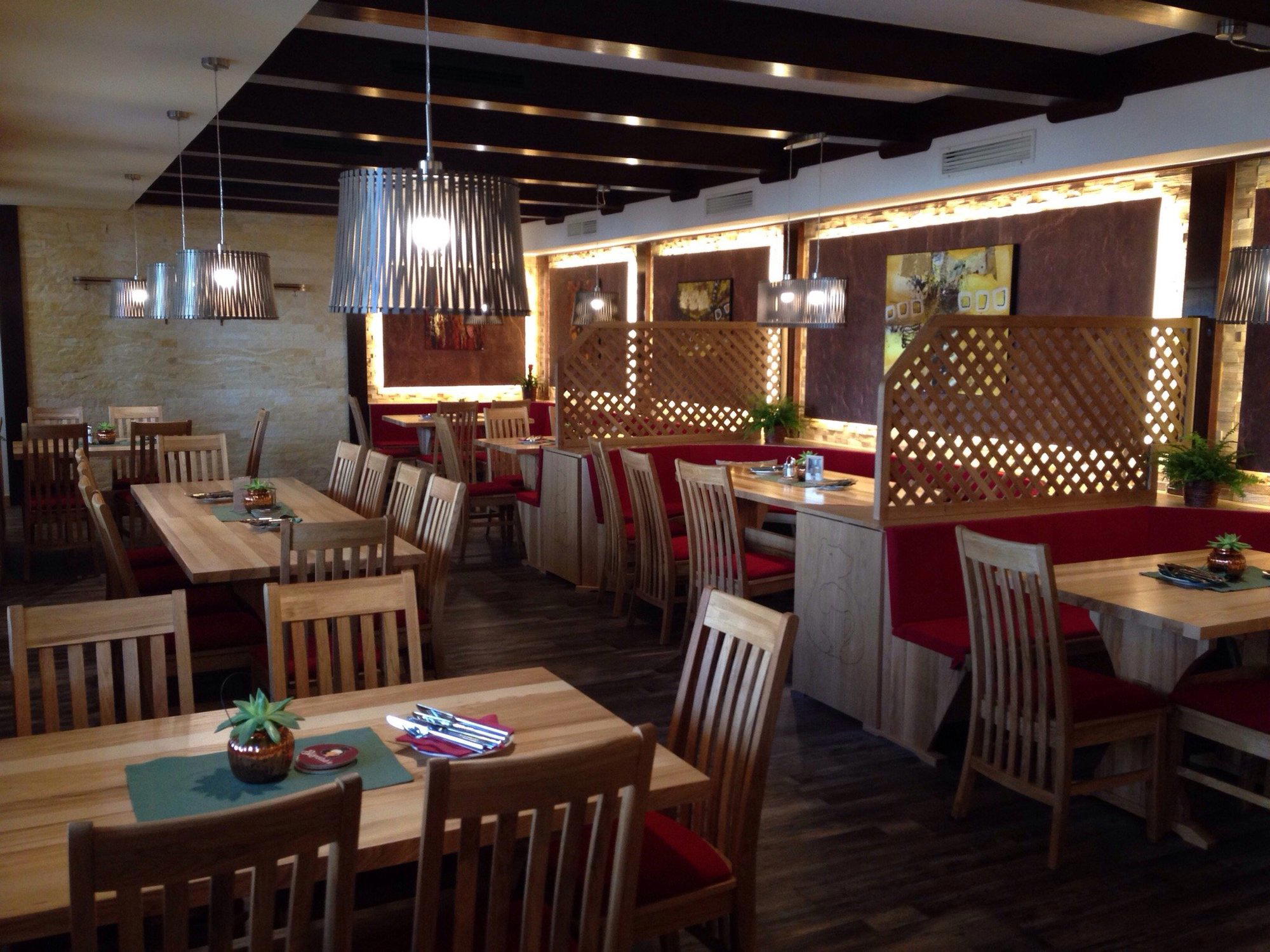
Bio Weingut Stix
Matzen, Austria
Bio Weingut Stix is a sensible Matzen shortlist pick for a Weinviertel wine stop in 2026, especially if outside recognition matters: it is Falstaff Listed. Treat it as a focused winery visit rather than a full hospitality plan, and confirm timing before building a day around it.
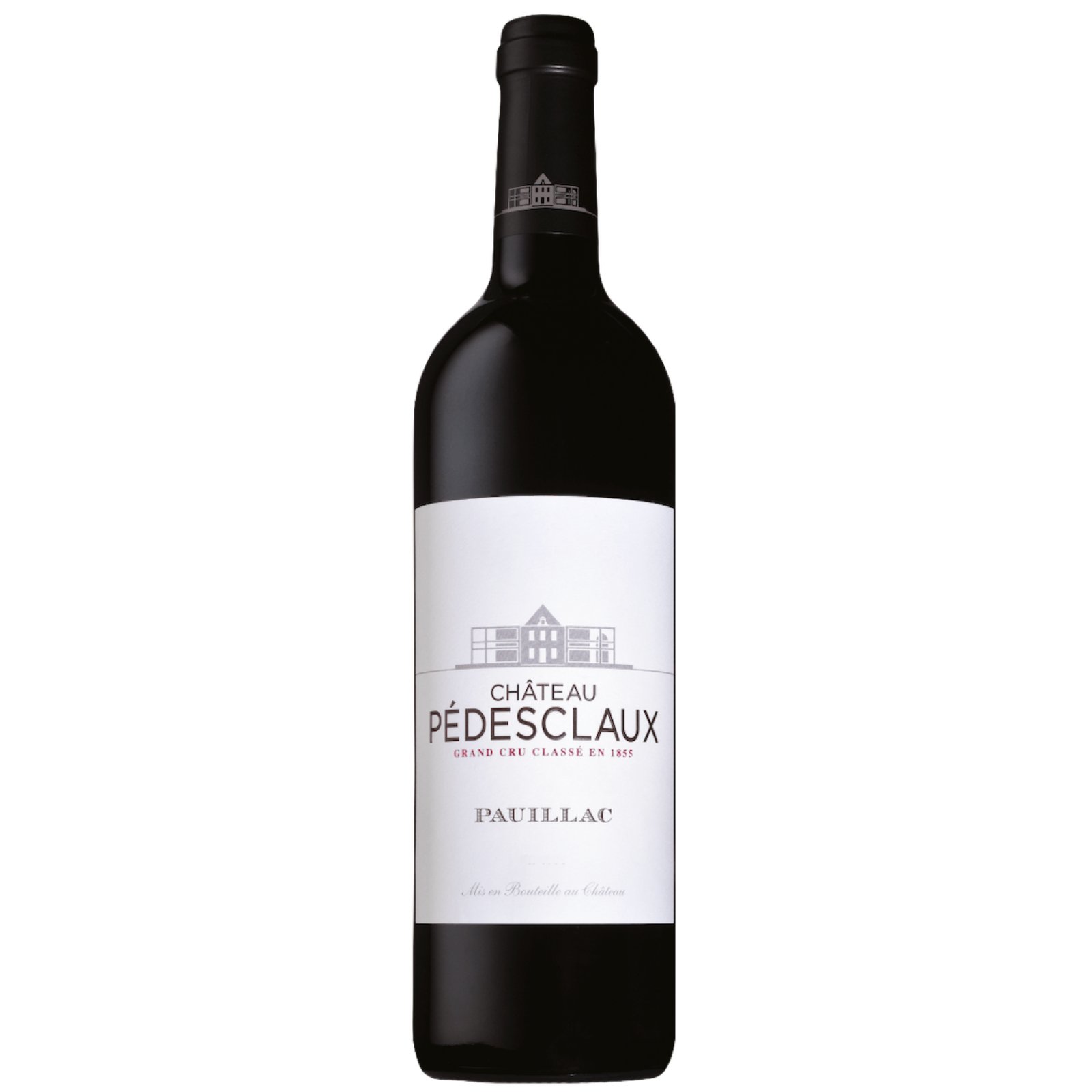
Château Pédesclaux
Pauillac, France
Book Château Pédesclaux if you want a serious Pauillac stop that sits beyond the obvious first-growth circuit. It is better for a planned, wine-led Médoc itinerary than for casual drop-in tasting, and it works especially well for repeat visitors comparing Pauillac estates in the same day.
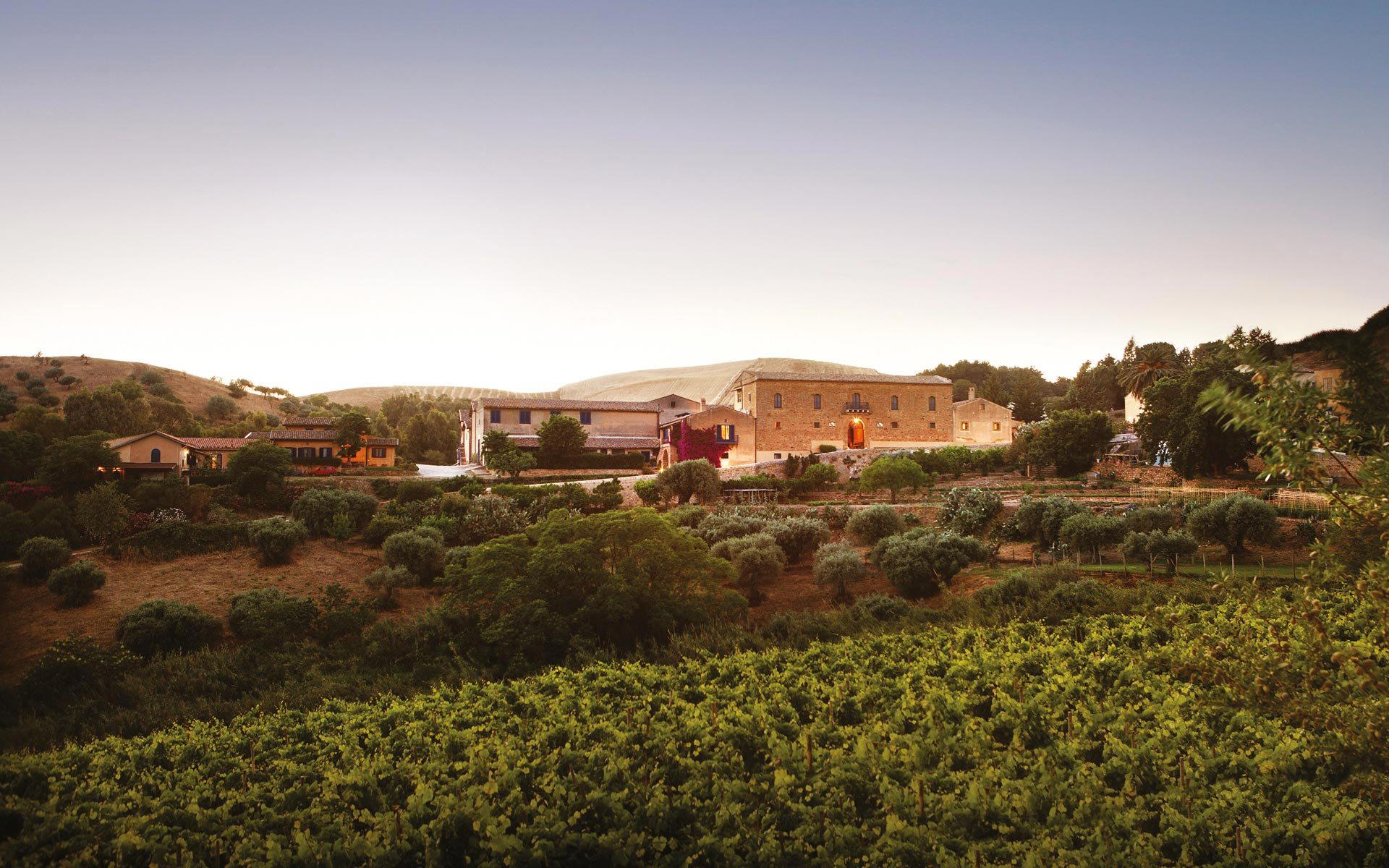
Tasca d’Almerita
Palermo, Italy
Tasca d'Almerita works for a Palermo-based traveler who wants serious Sicilian wine context without losing a day to countryside logistics. It is a stronger fit for planned wine depth than casual drop-in tasting, so confirm the format before building the day around it.
Henri Giraud
Germenay, France
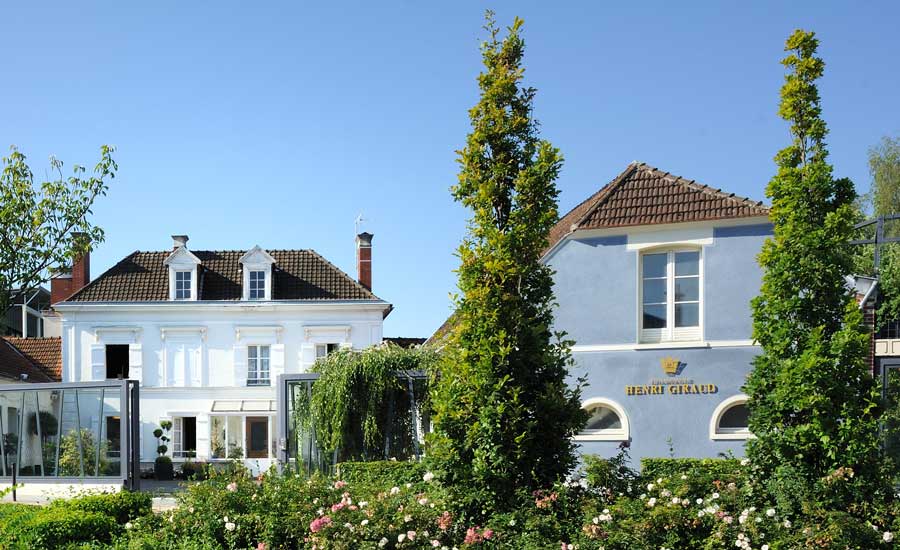
Henri Giraud is worth pursuing for a serious Champagne itinerary, especially if the occasion calls for heritage and a more limited-access tasting format. The first vintage dates to 1775, with Giraud listed as winemaker, so it suits collectors better than casual walk-in planners. Build a backup nearby if timing is tight.
Agricola Ca’ du Rabajà
Barbaresco, Italy
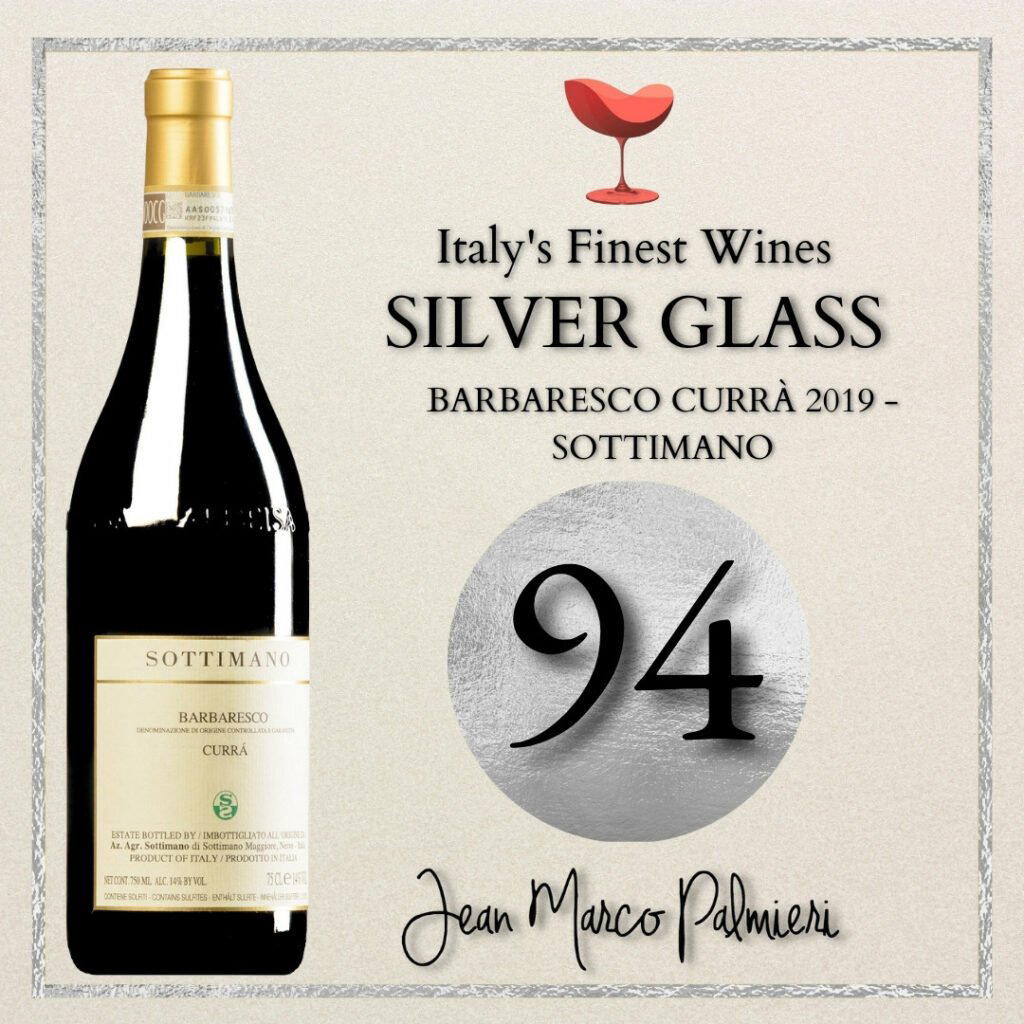
A good-value Barbaresco stop for travelers who want a relaxed agriturismo feel rather than a formal luxury tasting. Book it for the Rabajà connection, casual hospitality, and vineyard setting; skip it if the day needs a highly structured cellar appointment or a restaurant-led meal.
Felline
Manduria, Italy
Felline is a Manduria winery to shortlist for Primitivo-focused travel, with Falstaff 3 Stars in 2026 as the main trust signal. Book only if the visit is wine-led and confirmed in advance; do not assume food, shipping, group capacity, or walk-in access without checking first.
Asara Wine Estate
Stellenbosch, South Africa
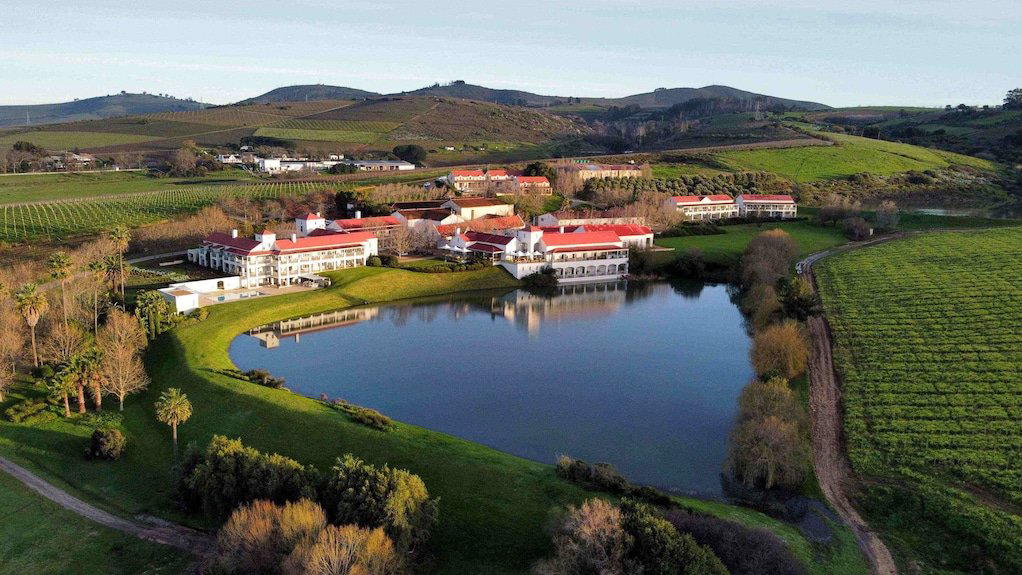
Asara Wine Estate is a strong candidate for a polished Stellenbosch estate visit, especially if the plan is to slow down rather than squeeze in several tastings. Because confirmed details on formats, food, and pricing are limited, it suits travellers who are willing to verify the exact experience before shaping the rest of the day around it.
Domaine de Bila-Haut
Latour De France, France
Domaine de Bila-Haut is worth planning around for serious Roussillon wine context, especially if biodynamic farming, old vines, and Chapoutier’s Latour-de-France project are the draw. Go for production depth and a $$ value range, not for a casual, amenities-led tasting stop.
BRUGNANO WINES
Partinico, Italy
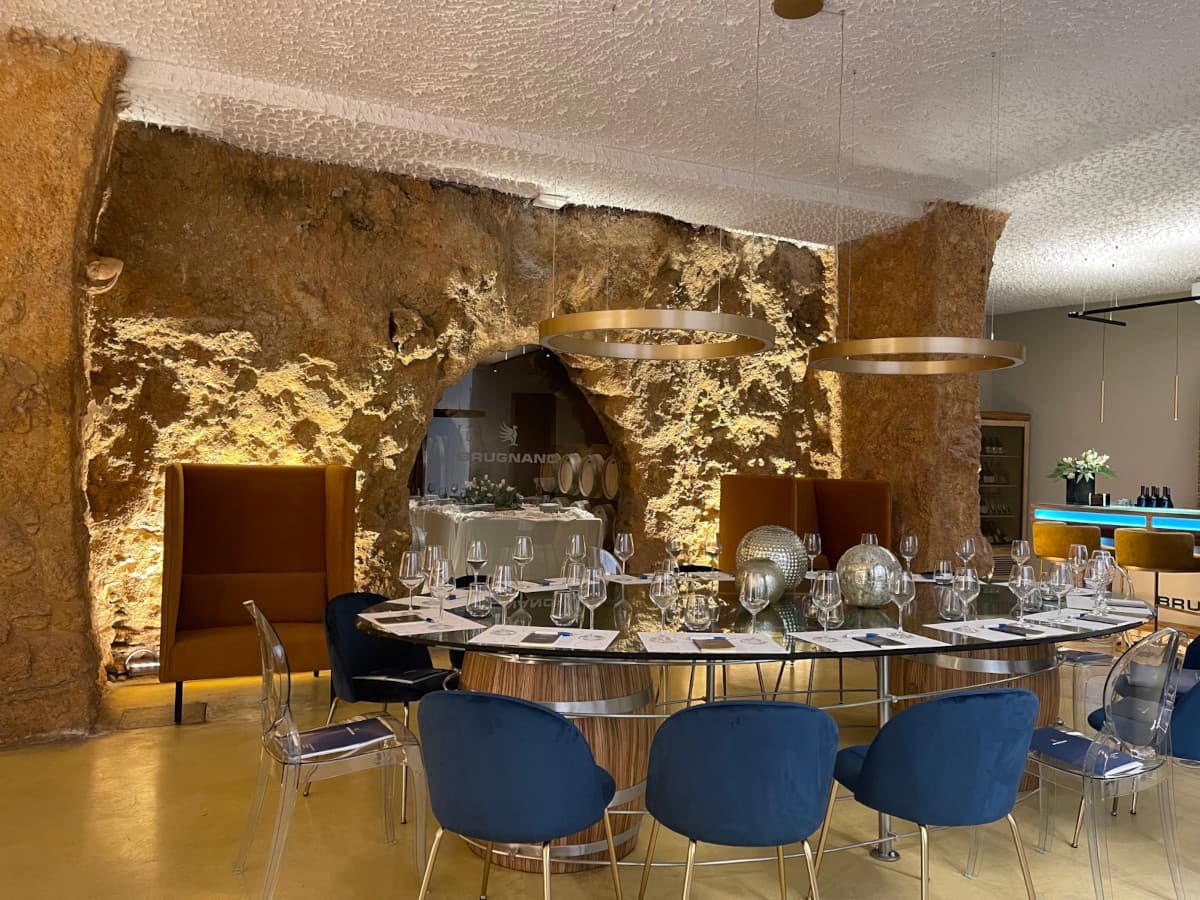
Brugnano works if the plan is already centred on Partinico wine country, especially for travellers who prefer regional context over a heavily packaged tasting setup. The 2026 Falstaff listing gives it a credible signal, but visitor details should be confirmed before making it the anchor of a Sicily wine day.
Burgundermacher Weingut Johann Gisperg
Teesdorf, Austria
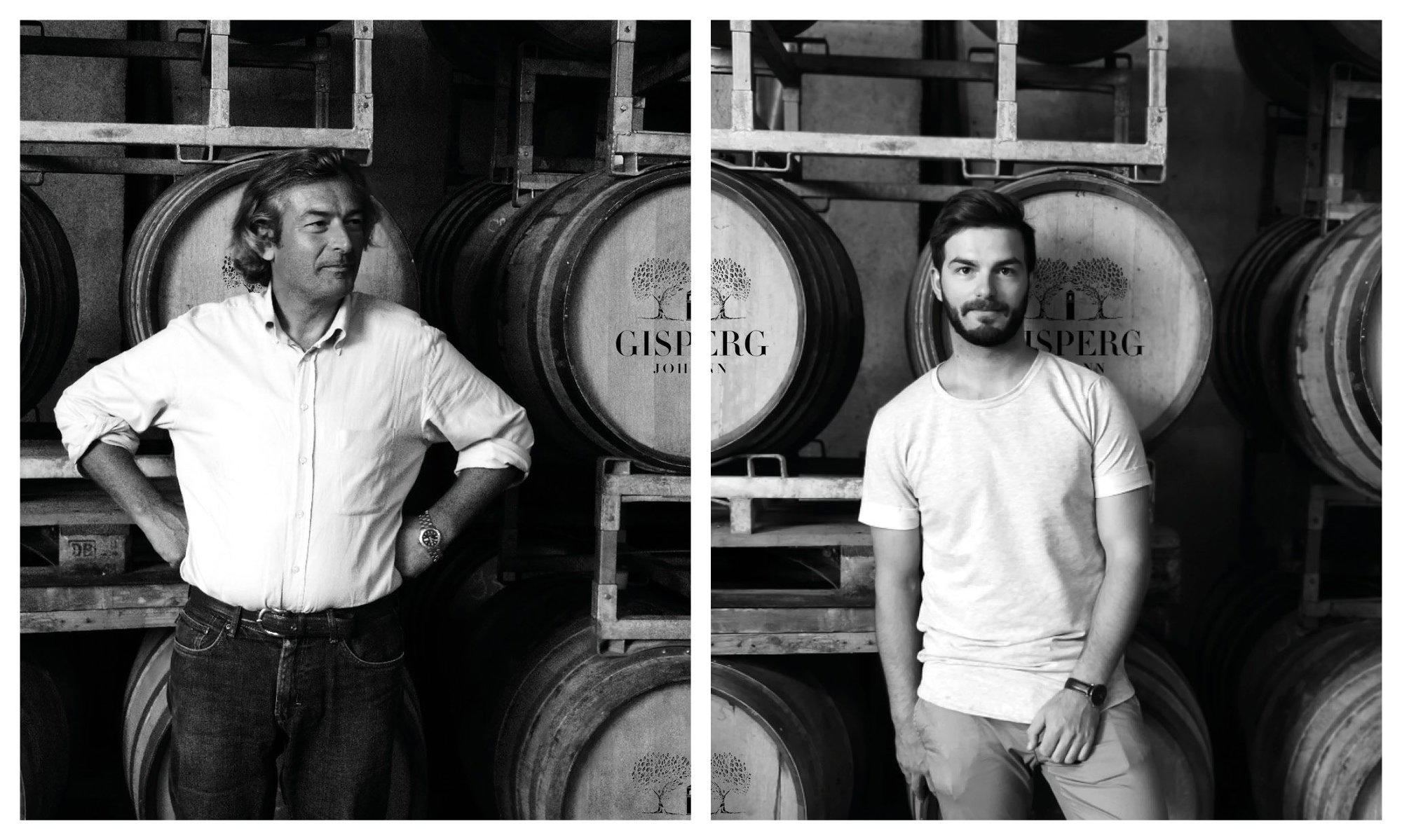
A wine-first Teesdorf pick for readers planning a focused Thermenregion stop rather than a casual drop-in. The 3 Falstaff stars give it credibility for a small celebration or serious tasting plan, but the lack of published logistics means it suits organised guests better than spontaneous groups.
Morgenster Estate
Somerset West, South Africa
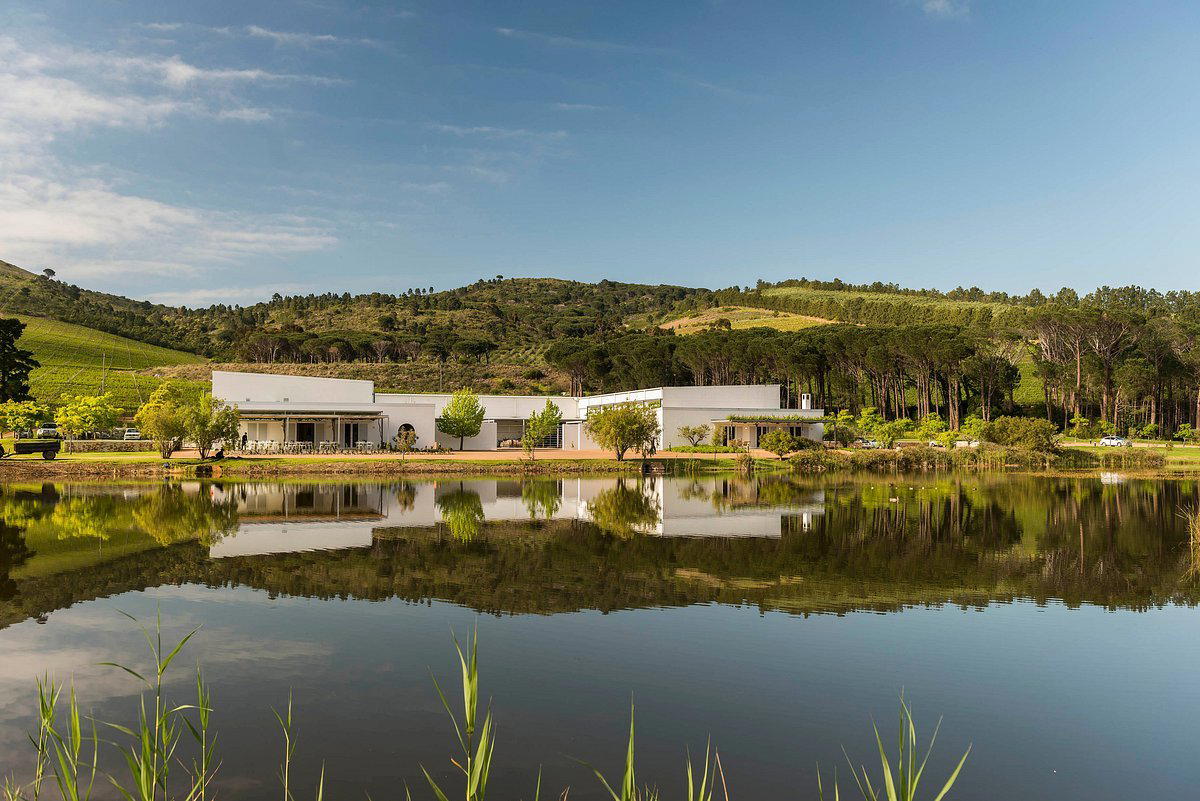
Morgenster Estate works for a quieter Somerset West wine stop, especially as part of a two- or three-estate day near Vergelegen and Lourensford. It is better for couples, celebration visits, and small groups than for readers who need a confirmed meal format, published pricing, or a heavily programmed estate experience.
How many of these have you visited?
Find out on Pearl and keep score across every place in 2026 Falstaff Winery Guide.