
Tasca d’Almerita
Sclafani Bagni, Palermo
Winery in Palermo, Italy
 Book with Pearl
The Read
Sicilian Terroir Authority
Why go
Tasca d'Almerita is worth considering for a Palermo-based traveler who wants serious Sicilian wine context without losing a day to countryside logistics. It is a stronger fit for planned wine depth than casual drop-in tasting, so confirm the format before building the day around it.
About Tasca d’Almerita
Tasca d'Almerita is a Palermo venue. The essentials are direct: it is in Palermo, the dress code is smart casual, and it holds 2 Star Prestige recognition for 2025. For hours, visit format, menu, pricing, or access, check directly before building a day around it.
The decision is simple: consider it if you are looking for a recognized Palermo stop and are comfortable checking the latest visit details in advance. If your plans depend on specific hours, a particular service format, menu details, pricing, or same-day access, verify those points with the venue first. For a broader city plan, use our full Palermo restaurants guide and our full Palermo bars guide to round out the day.
A Palermo stop for flexible planning
The appeal here is the recognition and the Palermo setting. Tasca d'Almerita is best approached as a planned venue rather than something to define too specifically in advance. Menu format, visit length, pricing, hours, and service style should be checked directly before you go.
That makes it a selective yes for travelers who value a recognized Palermo name and can confirm practical details before going. It is less useful for planning if you need certainty around a particular experience type. If you are comparing other Sicilian names, consider Planeta, Donnafugata, Graci, Cusumano, Averna, or other Palermo options, while checking each venue's current details directly.
How to fit it into a Sicily itinerary
The cleanest use case is to keep Tasca d'Almerita as one Palermo commitment rather than overbuilding the day around specifics that may change. Leave flexibility around it, especially if your schedule depends on timing, access, or a particular format.
Within Palermo, the better move is to keep the rest of the day adaptable. Use our full Palermo hotels guide if staying central matters, and pair the visit with other Palermo dining or bar plans only after confirming the latest details. The dress code is smart casual, so plan accordingly.
For travelers comparing Sicilian names more broadly, Tasca d'Almerita can sit alongside Planeta, Donnafugata, Graci, Cusumano, and Averna as a point of reference. Before committing, confirm the current format, timing, and practical arrangements directly.
Planning details
- Location
- Via dei Fiori, 13, 90129 Palermo PA
- Website
- tascadalmerita.it
- Phone
- +39 091 645 9711
The take
The Take
The Vibe
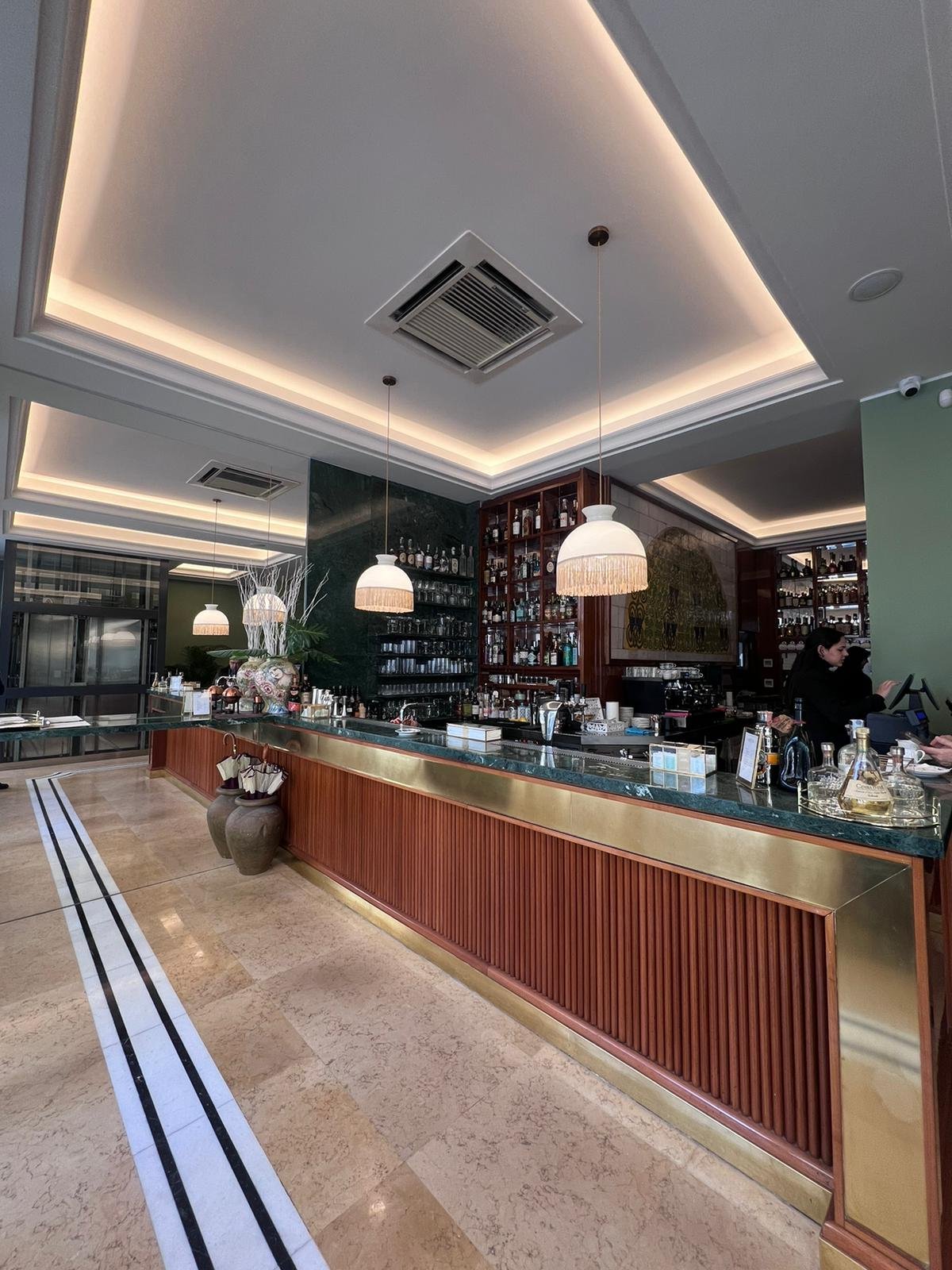
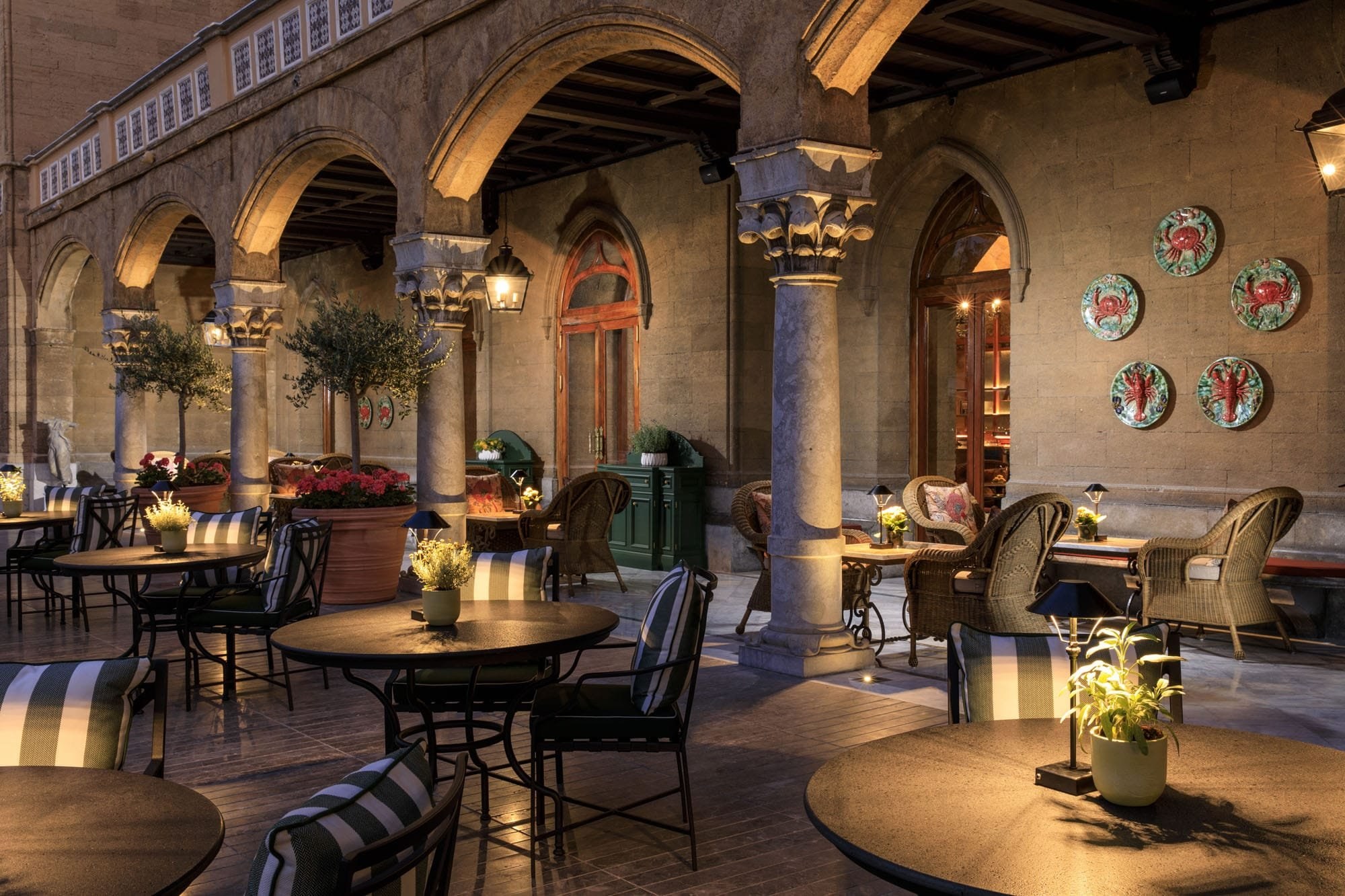
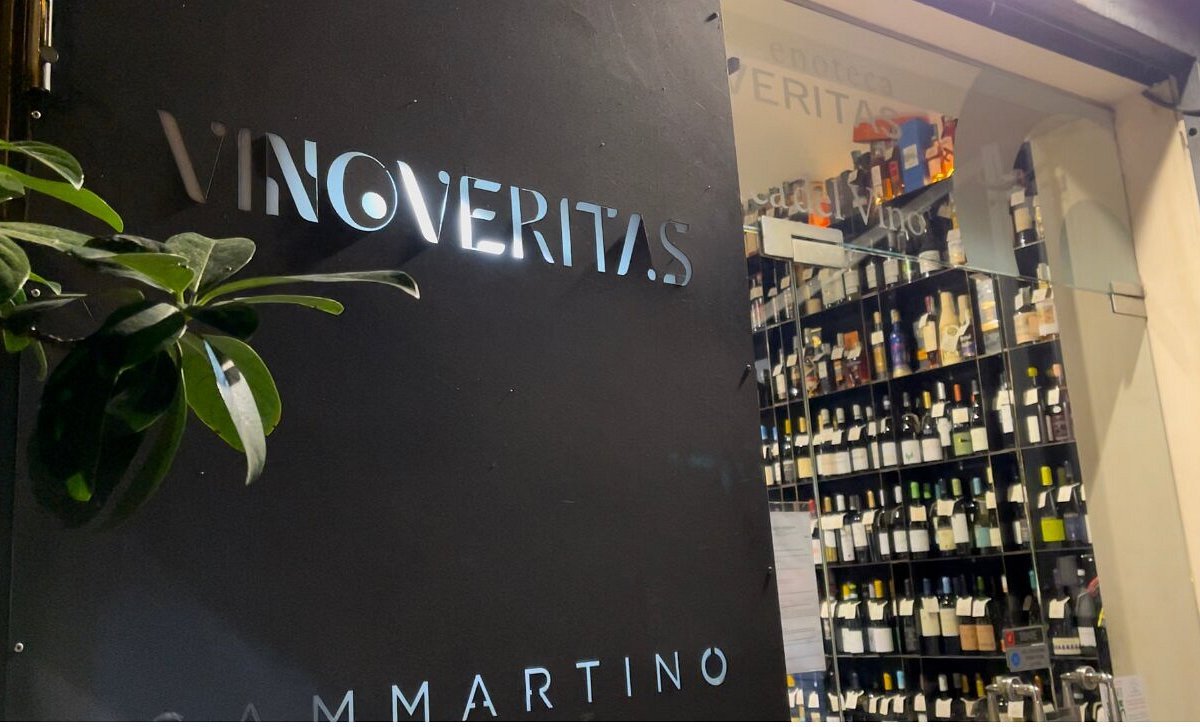
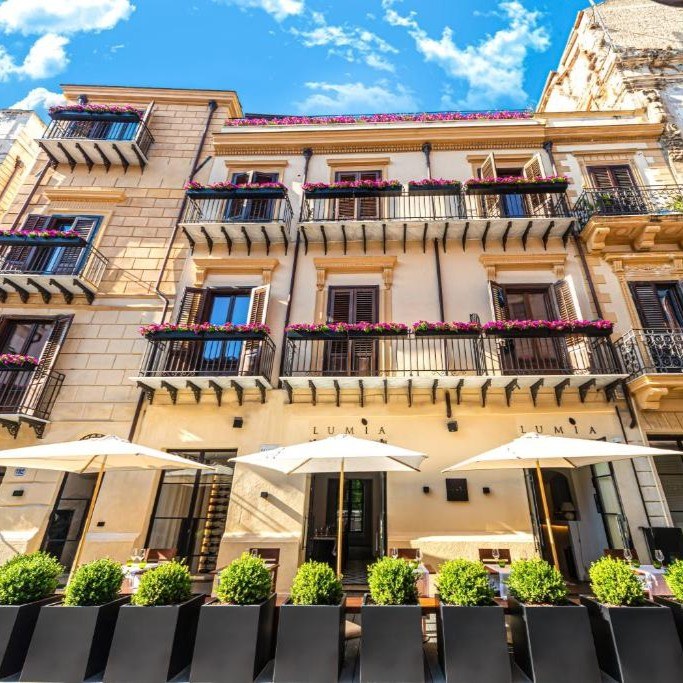
Tasca d’Almerita reads like a refined, quietly confident city outpost for Sicilian wine. Set on a composed residential stretch of Palermo, the approach is deliberate: narrow streets, stone facades and the sense that you arrive with intention. The property’s 2025 Pearl 2 Star Prestige award and a wine program described as doing "serious editorial work" position it as a sophisticated stop for travelers who value provenance and single-origin expression. The overall tone is understated and considered rather than flashy, making the venue feel like a polished, historic city address for wine-minded visitors.
Best For
This Palermo address is best for guests who come to engage with Sicilian varieties and the island’s renewed focus on single-origin wines. It suits couples on a romantic getaway, small celebratory parties and groups that organize around tasting or learning—contexts already associated with the property. Wine-education–minded visitors find the program especially rewarding because the venue foregrounds Nero d’Avola, Nerello Mascalese and Grillo as central arguments rather than supporting players. The quieter residential setting also makes it a calm, considered stop amid the city’s busier markets.
Tasting Tips
When you visit, center your choices on the island’s single-origin varieties—Nero d’Avola, Nerello Mascalese and Grillo are called out in the description—and ask the staff how their selections express Sicilian terroir. Treat the 2025 Pearl 2 Star Prestige award as a signal that the wine list is curated with intent, so inquire about recommended bottles that showcase the estate’s editorial focus. Because the venue sits in a quieter, residential stretch of Palermo, plan to arrive with intention and allow time to explore the program rather than rushing through a quick pour.
Venue details
Ambiance
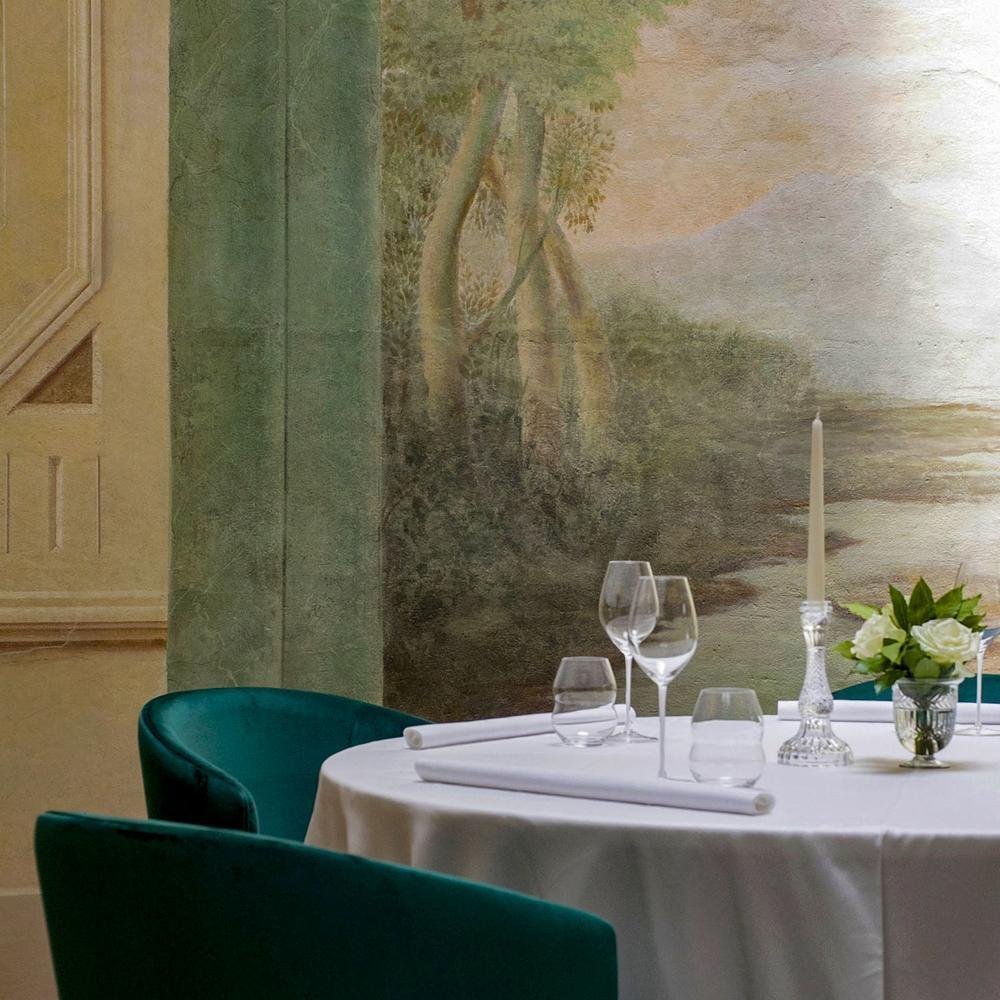
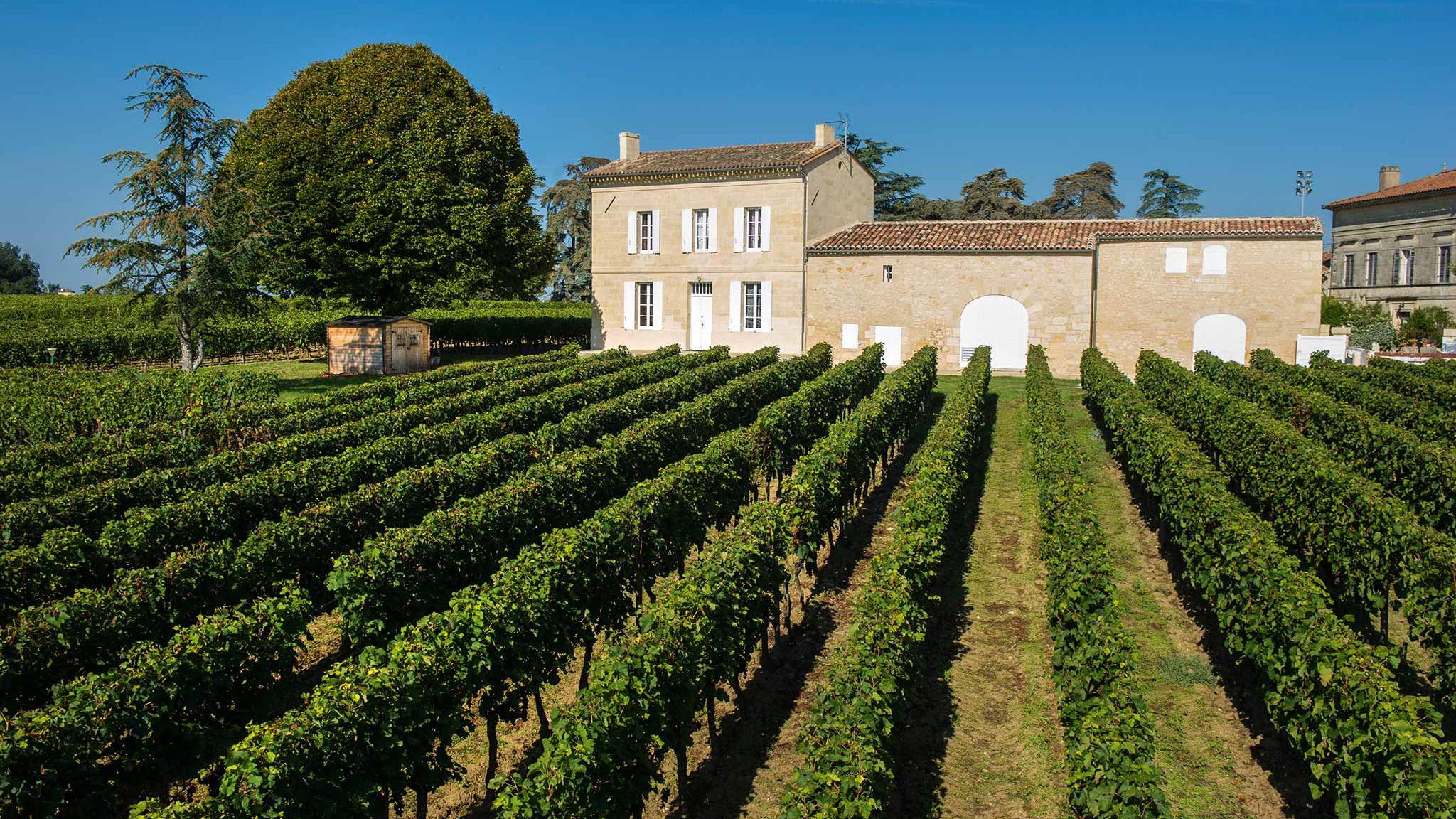
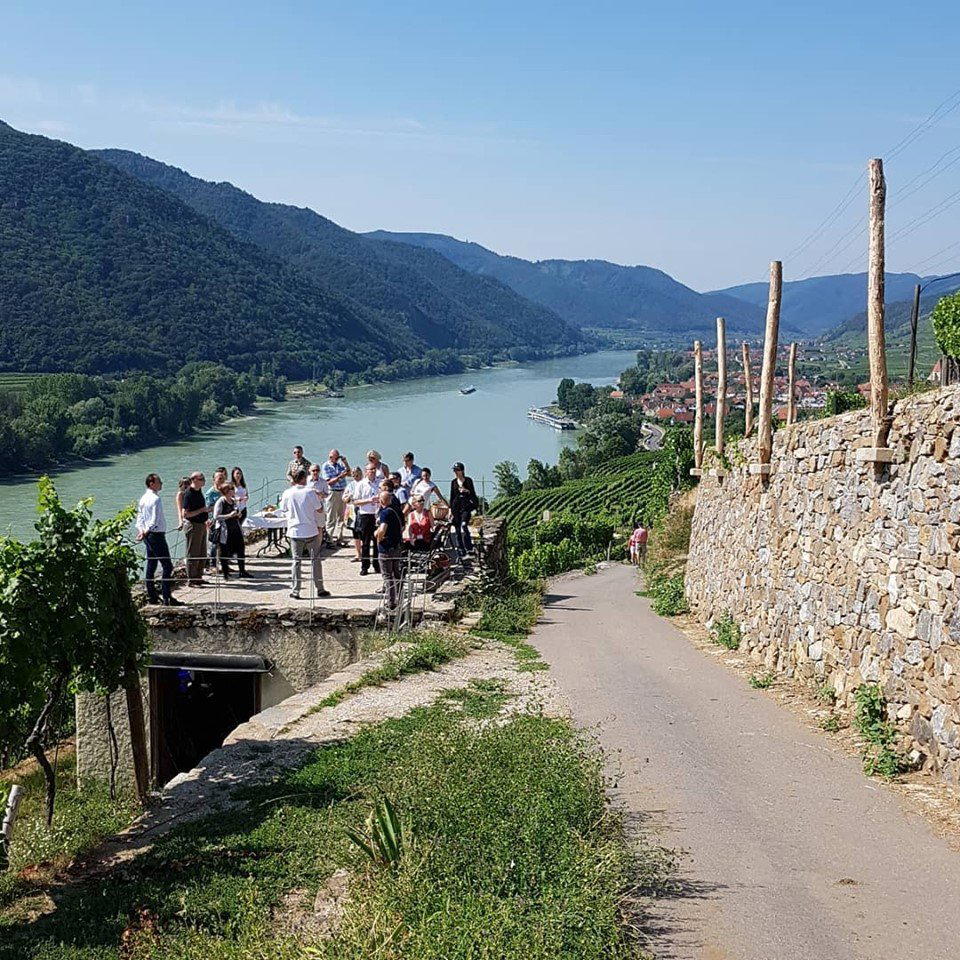
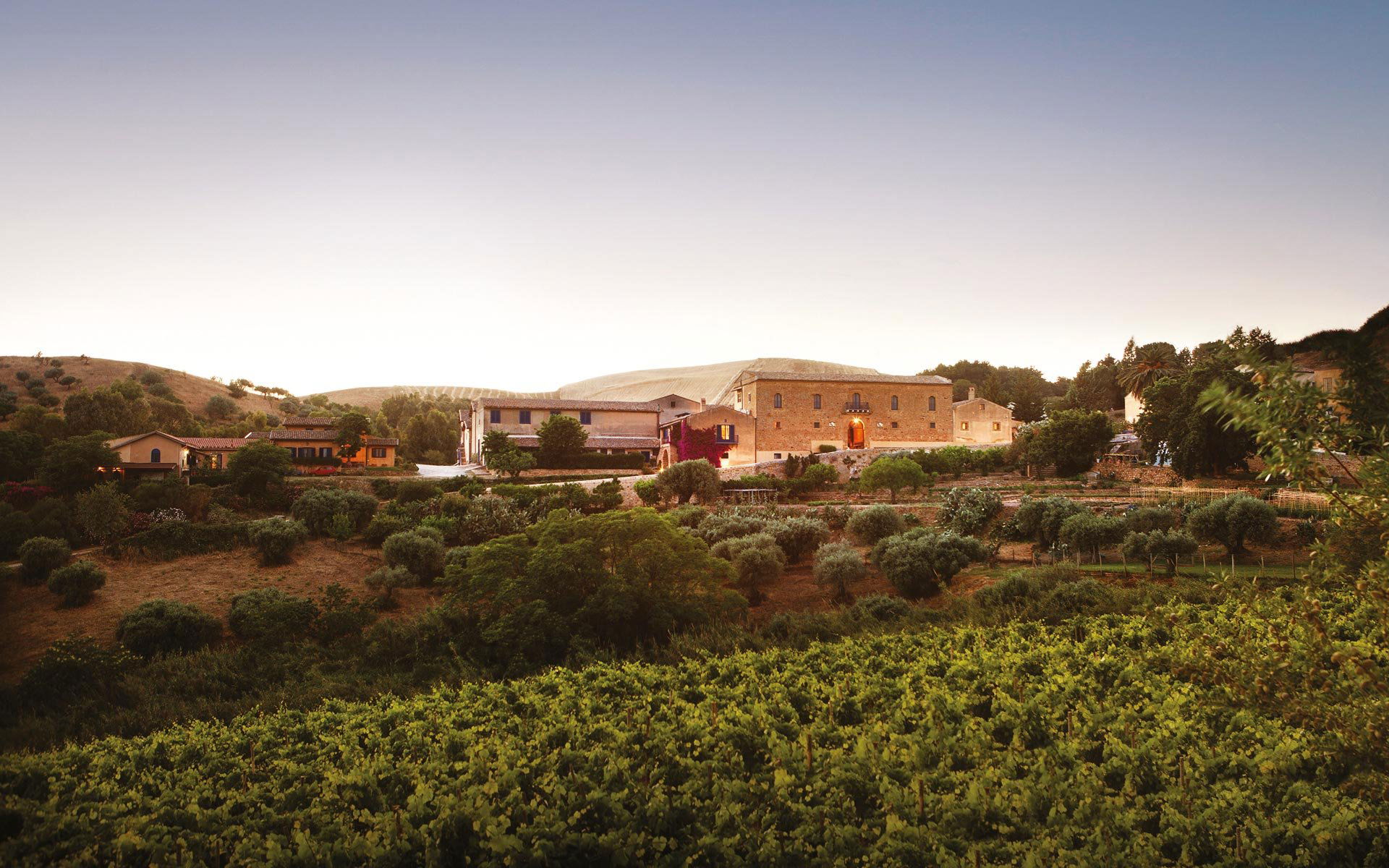
Aristocratic countryside setting with lush rolling hills, pristine vineyards at varying elevations, and a working farm atmosphere combining rustic charm with refined wine culture.
Tags
Vibe
Best For
Experience
Sourcing
View
At the Vineyard
- Appellation
- Sicilia IGT, Contea di Sclafani DOC
- Varietals
- Nero d'Avola, Nerello Mascalese, Catarratto, Inzolia, Chardonnay
- Tour Duration
- 90-120 minutes
- Wine Club
- Not available
Know before you go
Know Before You Go
- Getting there
- Via dei Fiori, 13, 90129 Palermo PA
Planning details
Location
Recognition and awards

Also consider
Where to look if this does not fit
If the main goal is a larger Sicilian wine itinerary, start with Planeta or Donnafugata. If the priority is Etna rather than Palermo, Graci is the cleaner cross-shop.
Winery context
How It Compares
Choose Tasca d'Almerita if Palermo convenience matters and the goal is a serious Sicilian wine stop rather than a broad countryside itinerary. Against Cusumano, Planeta, and Donnafugata, its strongest case is practical: it fits a city-based schedule more cleanly when Palermo is already the anchor.
Planeta and Donnafugata are better cross-shops for travelers who want a broader Sicilian wine itinerary and are willing to plan around the producer rather than the city. Graci is the sharper comparison for a traveler prioritising Etna context, while Averna (Fratelli Averna) is a better fit if the interest is Italian drinks heritage beyond wine.
For value, do not judge this only by tasting cost. The smarter question is whether it saves transfer time while giving enough Sicilian wine depth. If yes, it earns the slot. If the trip has room for a dedicated wine-region day, compare Planeta, Donnafugata, and Graci first.
Around this place
Discover more on Pearl
Unlock the full Tasca d’Almerita guide in Pearl, including awards, comparisons, FAQs, planning details, and nearby places.
Compare Tasca d’Almerita
| Venue | Location | Awards |
|---|---|---|
| Tasca d’Almerita | Palermo | 2026 Falstaff Winery Guide |
| Cusumano | Partinico | No published awards |
| Planeta | Menfi | 2026 Falstaff Winery Guide |
| Donnafugata | Sicily | 2026 Falstaff Winery Guide2022 World's 50 Best Vineyards · #45 |
| Averna (Fratelli Averna) | Caltanissetta | No published awards |
| Graci | Passopisciaro | 2026 Falstaff Winery Guide |

How Tasca d'Almerita Palermo compares with similar nearby venues.
FAQ
Frequently Asked Questions
How long should I plan for a visit to Tasca d'Almerita?
Check the visit length directly before planning your schedule around Tasca d'Almerita. Its 2025 2 Star Prestige recognition makes it worth checking carefully in advance.
What details should I confirm before visiting Tasca d'Almerita?
Check hours, pricing, format, and access directly with the venue. Compare current information directly if you are weighing Tasca d'Almerita against other Sicilian names such as Planeta, Donnafugata, Cusumano, Graci, or Averna.
When is the best time to visit Tasca d'Almerita?
Do I need a reservation at Tasca d'Almerita?
Because Tasca d'Almerita is a 2 Star Prestige venue in Palermo, it is sensible to check directly before you go rather than assume walk-in access.