
Graci
Passopisciaro
Winery in Passopisciaro, Italy
 Book with Pearl
The Read
Volcanic Contrada Viticulture
Why go
Graci is a strong pick for wine-focused travellers building a serious Etna itinerary around Passopisciaro. It is less suited to casual drop-ins or large, logistics-heavy groups because public practical details are thin and access should be treated as difficult. Prioritise it when Etna context matters more than convenience.
About Graci
Graci is a Passopisciaro venue with Pearl 2 Star Prestige (2025). This guide keeps the planning advice deliberately simple: confirm details directly before building a day around it, and avoid assuming anything about service format, pricing, group capacity, food, drinks, or opening times unless the venue confirms them. In practical terms, the recognition is clear, but the finer points that shape an actual visit should be checked in advance, so the smartest approach is to separate what is confirmed from what still needs checking.
The clearest practical note is the dress code: casual. That is useful because it gives travellers at least one concrete planning point, but it should not be stretched into assumptions about the tone, pace, or structure of the experience. For travellers comparing options in and around the area, use Graci as the anchor for a Passopisciaro plan, then check current details with each venue before finalising the route. A simple confirmation step can prevent the common problem of building an itinerary around expectations rather than current information.
Prioritise it for confirmed recognition, not for extra assumptions
Graci carries Pearl 2 Star Prestige (2025), which makes it a notable Passopisciaro listing in this guide. That recognition is the strongest reason to place it on a shortlist, especially for travellers who want their itinerary to include venues with clearly stated standing. Beyond that recognition and the casual dress code, specific visit details should be checked directly. Do not assume a particular menu, tasting format, reservation policy, private experience, price range, or group setup without checking directly. Those details can meaningfully change whether a venue fits a relaxed stop, a structured appointment, a group plan, or a wider day of travel.
That uncertainty matters for planning. If Graci is a must for your trip, confirm the essentials with the venue first, then build the rest of the day around information you have in writing. The useful questions are the practical ones: whether a visit is possible on the day you have in mind, what form it takes, how much time to allow, and what conditions apply. For broader planning, use other Passopisciaro and area resources as general context rather than as confirmation of what Graci itself offers. Context can help you understand the landscape, but it should not replace direct confirmation from the place you intend to visit.
How to place it among serious regional options
For comparison planning, keep the focus on regional names rather than claims about Graci's format. Amaro dell'Etna in Catania, Benanti, Tornatore, Distilleria F.lli Russo, and Distilleria Giovi are useful names to consider depending on the kind of stop you want to research. The point of listing these names is not to imply that they offer the same experience, but to give travellers a set of reference points when weighing how to spend limited time in the wider area. Each should be checked on its own terms, with current details confirmed before it becomes part of a firm route.
The decision should be direct: choose Graci if you want to include a Pearl 2 Star Prestige (2025) Passopisciaro venue in your itinerary, and confirm all practical details directly before treating it as a fixed part of the day. If the information matches your needs, it can serve as the centre of a focused plan. If key details remain unclear, keep the itinerary flexible until the venue responds, rather than filling the gaps with assumptions.
Planning details
- Location
- SP7, 95012 Passopisciaro CT
- Website
- graci.eu
- Phone
- +39 348 701 6773
The take
The Take
The Vibe
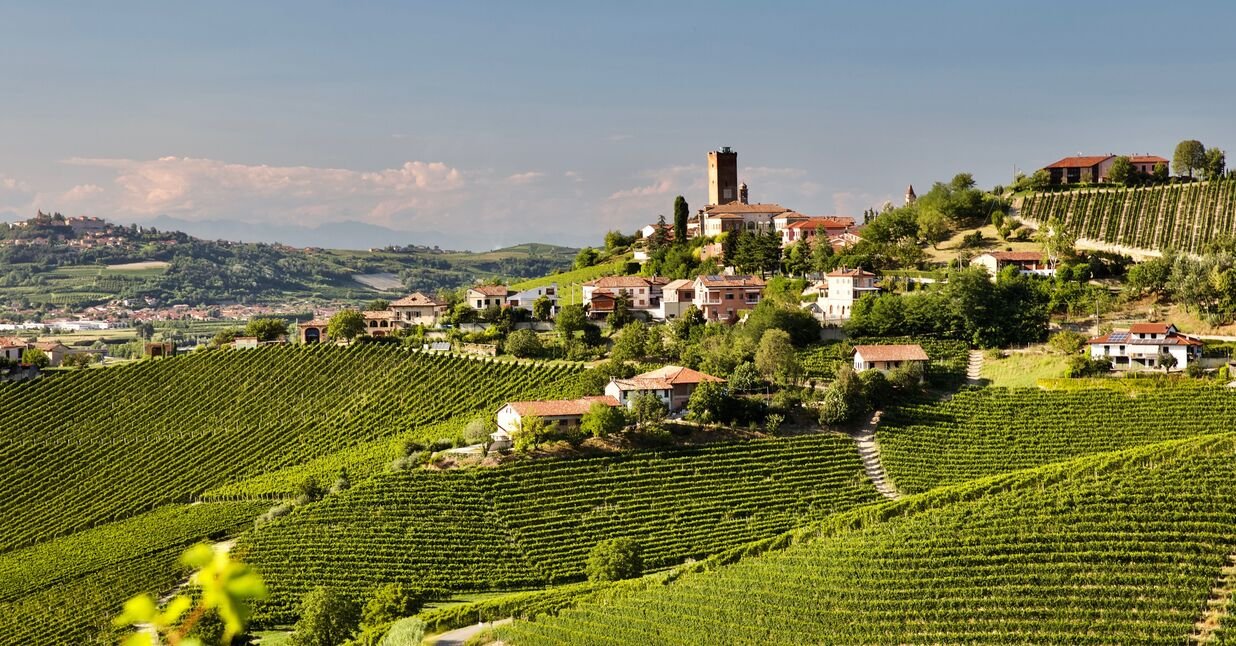
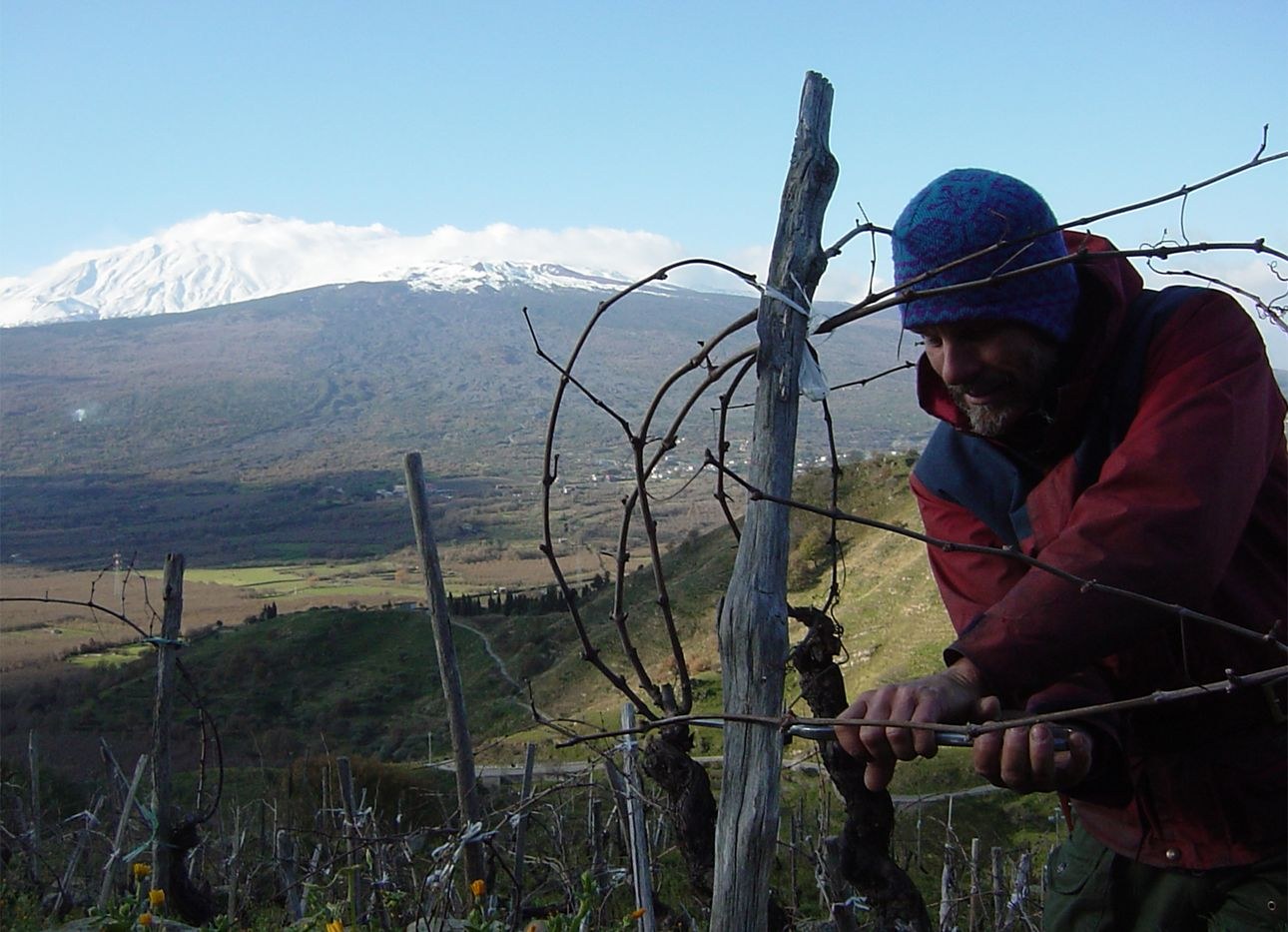
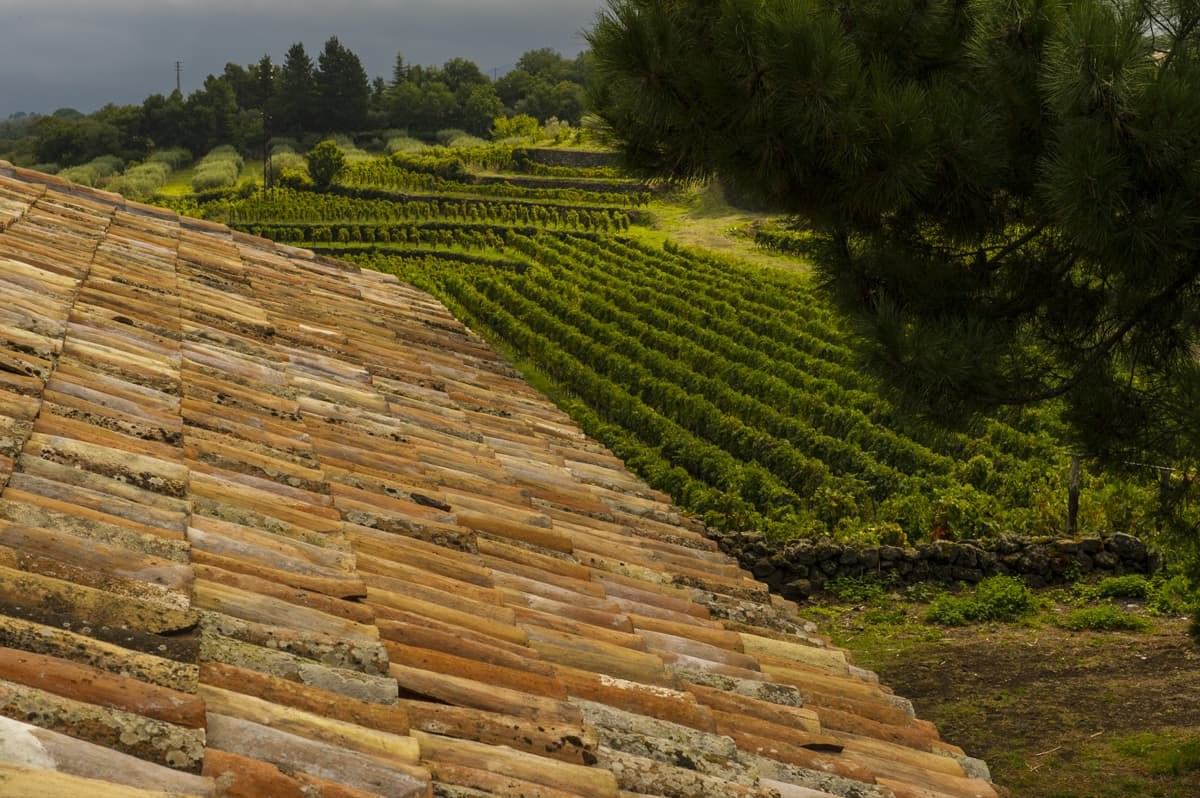
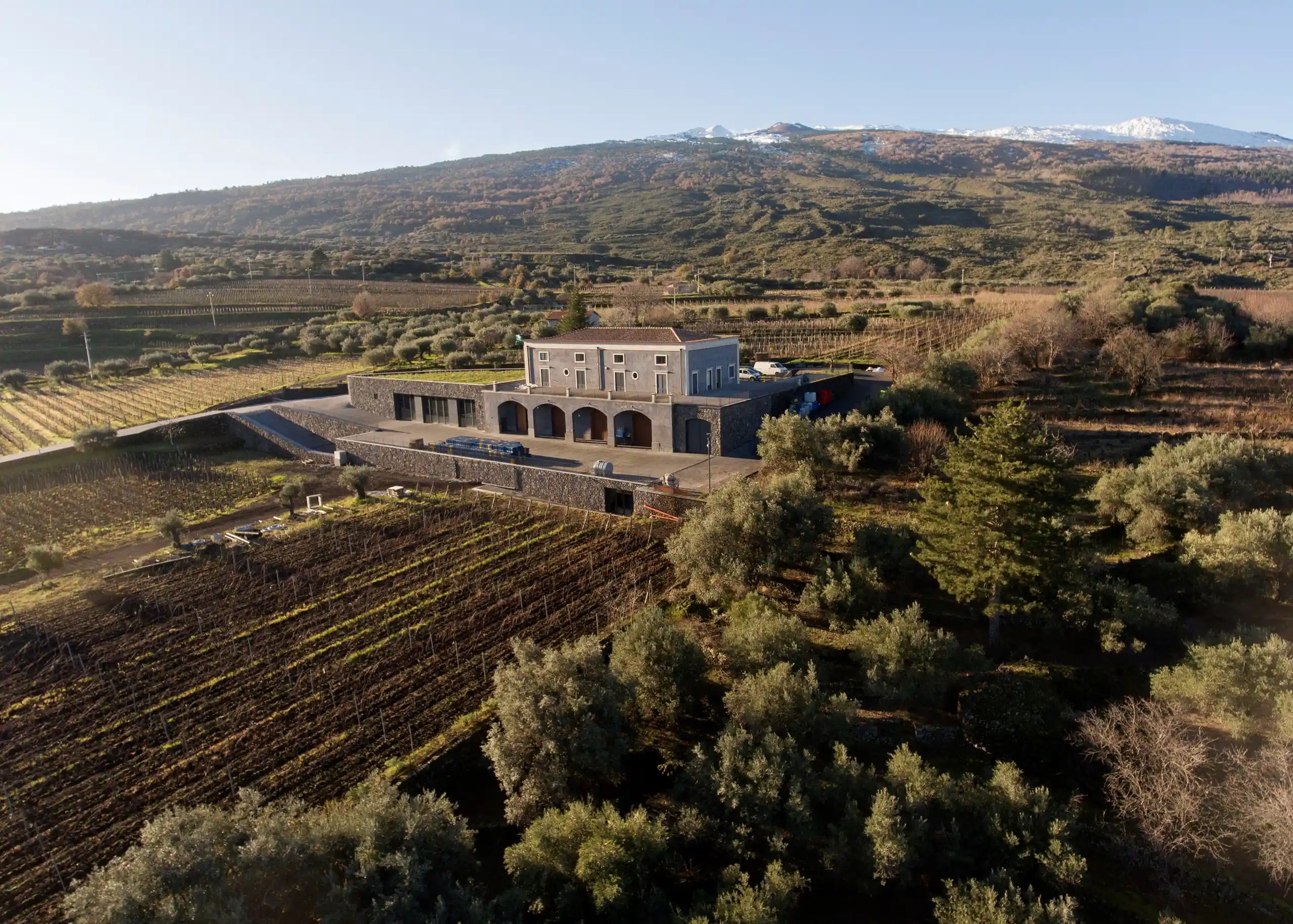
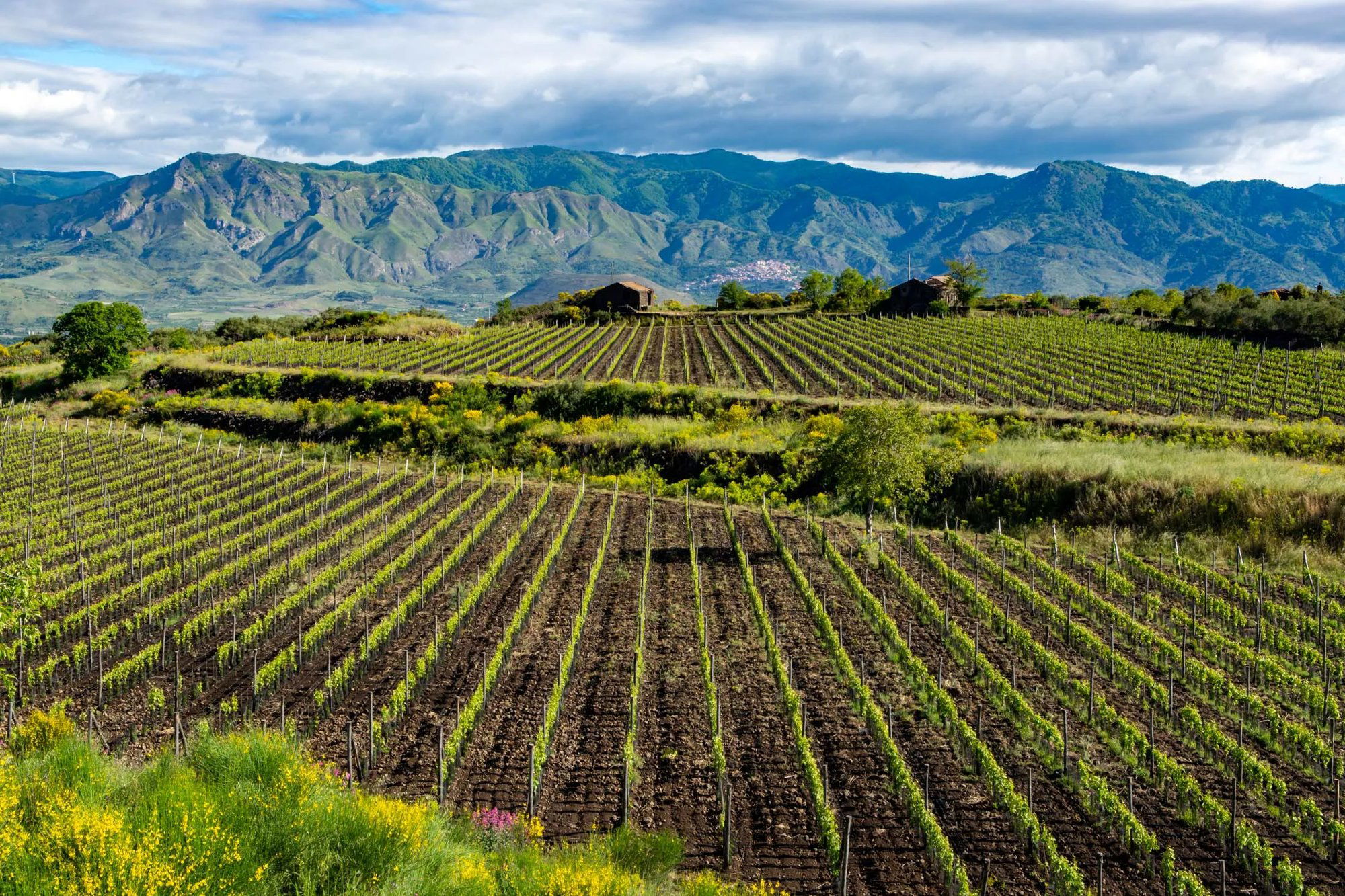
Graci reads first as a vineyard-shaped study in terroir: high-altitude vines on the northern flank of Mount Etna, basalt soils and autumn fog produce a restrained, mineral-driven expression. The estate’s long history of old-vine plantings and pre-phylloxera stock gives the place a quietly historic character, while critical recognition, including a Pearl 2 Star Prestige rating, lends a measured sophistication. Expect an environment that favors contemplation over spectacle — cool light, lingering fog and slow-grain viticulture create a sense of calm and focus on the land rather than on visitor theatrics.
Best For
This is a place for people who come to study place and variety. The copy emphasizes Nerello Mascalese’s site-specific behavior and Etna’s unique volcanic soils, so Graci suits serious wine study, tasting-focused visits and quiet celebrations that center on bottles and provenance. Its standing in critical circles also makes it a destination for visitors seeking benchmark expressions from Passopisciaro. The setting and vine age profile are especially rewarding for travelers who appreciate geological context and slow, age-worthy wines rather than flashy, immediate drinking experiences.
Tasting Tips
When approaching Graci’s wines, focus on expressions of Nerello Mascalese and on bottles that reference single contrade or older vines: the text stresses how the grape’s character shifts with lava flow and site. Look for wines that show translucency and aromatic lift rather than extraction; the notes explain that these wines age in a Burgundian, oxidative fashion and gain complexity over time. If you’re choosing by vintage, consider releases that reflect the cooler, high-altitude growing conditions described — they often keep sugar in check and emphasize finesse and mineral detail.
Venue details
Ambiance
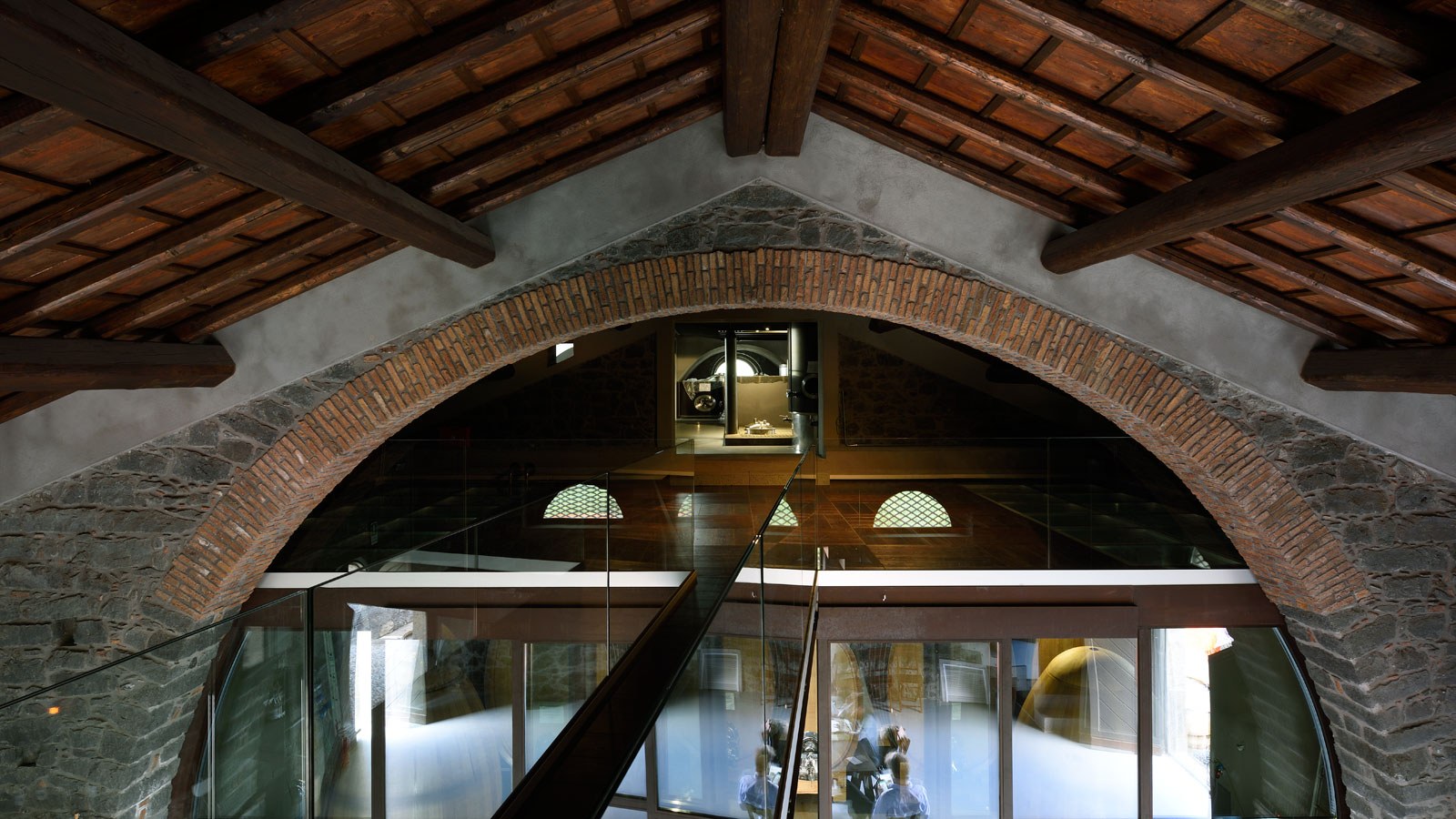
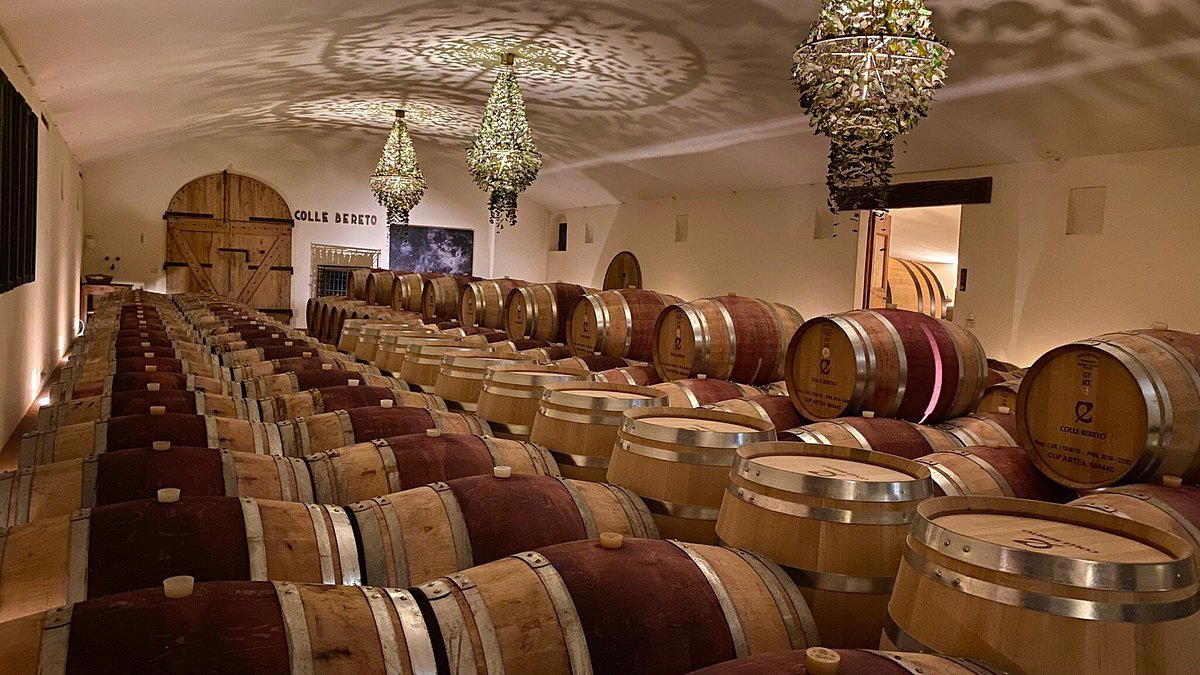
Sleek modern tasting room contrasting with centuries-old winery infrastructure; intimate setting focused on wine quality with natural lighting emphasizing volcanic terroir expression.
Tags
Vibe
Best For
Experience
Sourcing
View
At the Vineyard
- Appellation
- Etna DOC
- Varietals
- Nerello Mascalese, Carricante, Catarratto, Nerello Cappuccio
- Tour Duration
- 90-120 minutes
- Wine Club
- Not available
Know before you go
Know Before You Go
- Getting there
- SP7, 95012 Passopisciaro CT
Planning details
Location
Recognition and awards

Also consider
Also Consider
- Tornatore, Notable alternative
- Distilleria F.lli Russo, Notable alternative
- Amaro dell'Etna, Notable alternative
- Benanti, Notable alternative
- Distilleria Giovi, Notable alternative
Winery context
How Graci compares in the Etna set
Choose Graci if the priority is a serious wine stop in Passopisciaro and the trip can absorb booking friction. Tornatore and Benanti are better cross-shops for travellers who want a broader Etna name in the mix, while Graci makes more sense for a tighter northern-Etna itinerary.
If the group is less wine-focused, Distilleria F.lli Russo, Amaro dell'Etna and Distilleria Giovi are cleaner fits for a spirits-led day. They are not direct substitutes for a winery visit, but they may be easier sells for mixed-interest groups that want Etna flavour without a producer-focused tasting.
For value, the safer move is to compare confirmed tasting terms before committing, because published price and format details are not enough to make a clean cost-per-guest call here. For ambiance, Graci has the advantage if the desired mood is rural Etna and wine-country focus; the distillery options are better when the day needs a shorter, less wine-specific stop.
Explore Passopisciaro
Around this place
Discover more on Pearl
Unlock the full Graci guide in Pearl, including awards, comparisons, FAQs, planning details, and nearby places.
Compare Graci
| Venue | Location | Awards |
|---|---|---|
| Graci | Passopisciaro | 2026 Falstaff Winery Guide |
| Tornatore | Castiglione di Sicilia | 2026 Falstaff Winery Guide |
| Distilleria F.lli Russo | Santa Venerina | No published awards |
| Amaro dell'Etna | Catania | No published awards |
| Benanti | Viagrande | 2026 Falstaff Winery Guide |
| Distilleria Giovi | Valdina | No published awards |
How Graci Passopisciaro compares with similar nearby venues.
FAQ
Frequently Asked Questions
What is Graci known for?
Graci is known for Pearl 2 Star Prestige (2025). Other specific claims about format, menu, drinks, pricing, or services should be confirmed directly with the venue.
Is Graci worth planning around?
It can be worth planning around if you want to include a Pearl 2 Star Prestige (2025) venue in Passopisciaro. Confirm practical details directly before making it the fixed point of your itinerary.
Does Graci serve food?
Food service details should be checked directly with the venue before relying on Graci for a meal.
What other venues should I compare with Graci?
Names to research include Benanti, Tornatore, Amaro dell'Etna in Catania, Distilleria F.lli Russo, and Distilleria Giovi, depending on the kind of stop you want to compare.
Can Graci handle large groups?
Contact Graci directly before planning for a larger party.