

Donnafugata
Contessa Entellina, Sicily
Winery in Sicily, Italy
 Book with Pearl
The Read
Art-Driven Sicilian Terroir
Why go
Book Donnafugata if the trip needs a serious Marsala winery with external recognition and a polished, planned feel. It is a better fit for celebrations, client hosting, or wine-focused travelers than for a casual add-on, and the hard booking profile means it should anchor the day rather than fill a spare hour.
About Donnafugata
Donnafugata in Sicily is a premium venue with recognition including Pearl 2 Star Prestige (2025) and World's 50 Best Vineyards #45 (2022). For travelers planning a Sicily itinerary, it is best treated as a recognized stop to schedule carefully.
The practical details are limited but useful. Donnafugata lists daytime opening windows with a midday break, and the dress code is smart casual. If you are comparing it with other Sicily names, Planeta, Tasca d'Almerita, Cusumano, Azienda Agricola Arianna Occhipinti, and Averna are natural reference points, depending on the style of itinerary you are building.
Best for a planned Sicily visit
The strongest reason to prioritize Donnafugata is recognition. Donnafugata is Pearl 2 Star Prestige for 2025, and World's 50 Best Vineyards ranked it #45 in 2022. That makes it a credible anchor for travelers who want a name-recognized stop in Sicily.
Beyond that recognition, keep expectations precise. Menu, price, chef-led format, seat count, and tasting structure are not listed here. Treat any service, purchasing, or appointment details as something to confirm directly with the venue before building the rest of the day around it.
How to build the day around it
Use the posted hours as the main planning constraint: Monday through Friday, 10 AM–1 PM and 3:30–6 PM; Saturday, 10:30 AM–1 PM and 3:30–6 PM; and Sunday, 12–1 PM and 3:30–6 PM. Because the hours are split into short daytime windows, Donnafugata is best treated as a planned Sicily stop.
For comparison, Planeta, Tasca d'Almerita, Cusumano, Azienda Agricola Arianna Occhipinti, Averna, and Donnafugata can all be considered when shaping a broader Sicily-focused itinerary. Keep the final choice grounded in confirmed logistics, current availability, and the kind of visit each venue offers directly.
Planning details
- Location
- Via Sebastiano Lipari, 18, 91025 Marsala TP, Italy
- Website
- donnafugata.it
- Phone
- +39 0923 724245
The take
The Take
The Vibe
Donnafugata presents a historic, family-rooted expression of Sicilian wine culture. The estate foregrounds a century and a half of family craft while pairing that legacy with bold visual identity—the colourful, artist-commissioned labels are as much a part of the experience as the wines. The Marsala site sits at Sicily’s far western tip, where intense light and sea-borne winds shape vineyard character, and the winery’s distributed vineyard sites underline a terroir-first approach. Visitors encounter an estate that balances tradition and narrative-driven modernity, making the place feel storied yet consciously contemporary.
Best For
This is a visit built around wine education and thoughtful tasting. Donnafugata’s emphasis on estate-bottled production and dispersed vineyard sites lends itself to comparative tasting and conversations about terroir, varietal expression and the island’s shifting identity in the international market. The winery also reads as a special-occasion destination: its long family history, recognisable labels and curated portfolio give tastings and purchases an elevated, collectible feel. It suits travelers and enthusiasts who want to learn about Sicily’s vineyards and celebrate a regional wine legacy in a considered setting.
Tasting Tips
When exploring Donnafugata, focus on estate bottlings that reference the different vineyard sites—the estate’s distributed plots are central to understanding the portfolio. Ask staff about the origins of specific wines and how the scirocco winds or limestone soils influence particular cuvées; the narrative about land and site is a key part of the producer’s story. Pay attention to the labelled lineup—the colourful, artist-commissioned designs often map to the estate’s signature releases—and use tastings to compare expressions rather than relying on single bottles alone.
Venue details
Ambiance
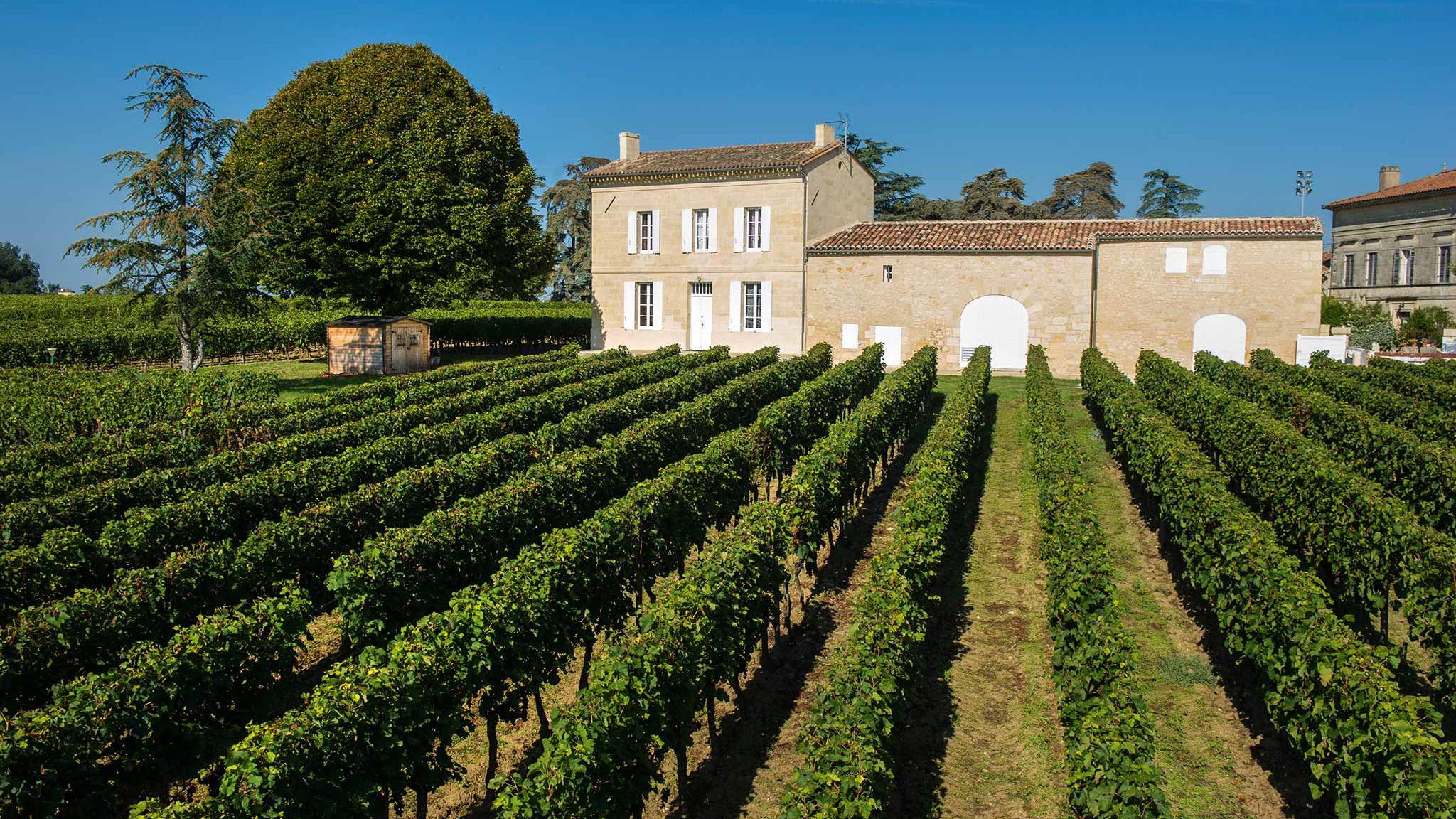
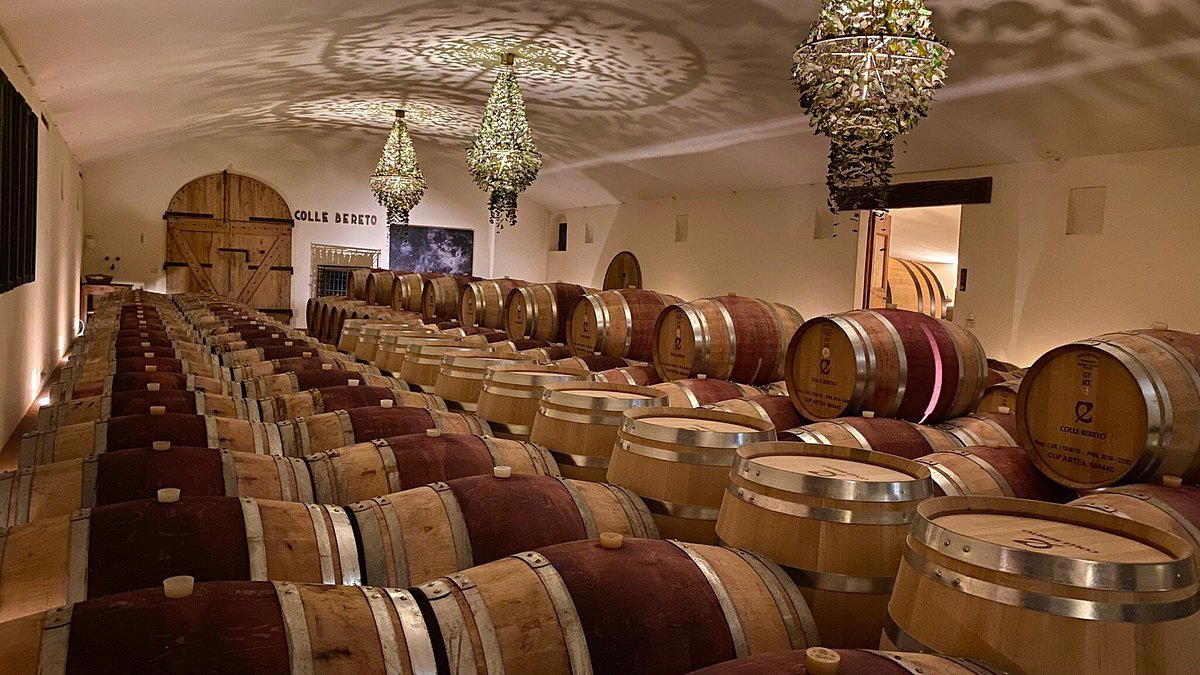
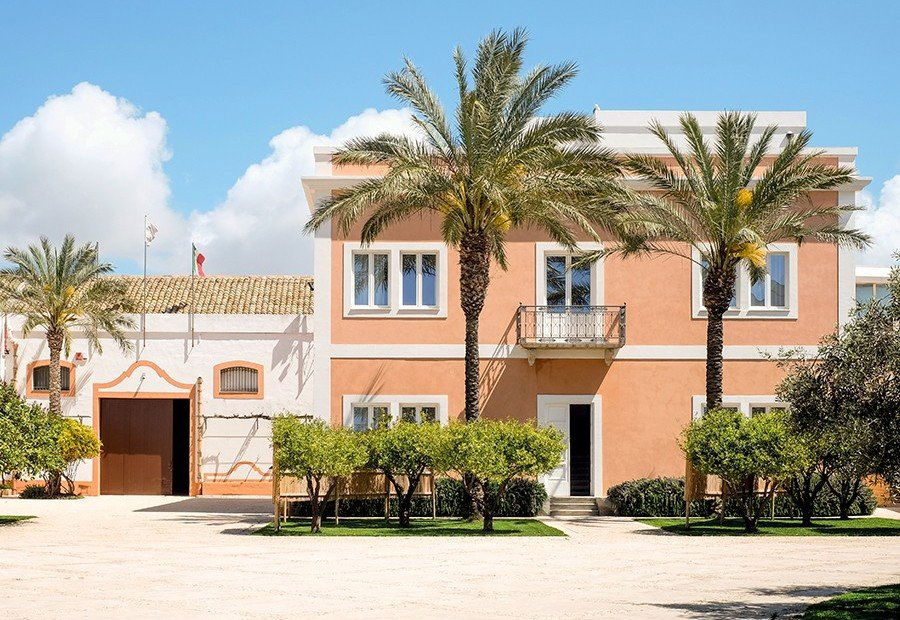
Refined and welcoming Sicilian hospitality in beautiful settings with manor houses, splendid gardens, and volcano views, creating multi-sensory experiences blending wine, art, and nature.
Tags
Vibe
Best For
Experience
Sourcing
View
At the Vineyard
- Appellation
- DOC Sicilia
- Varietals
- Nero d'Avola, Nerello Mascalese, Catarratto, Zibibbo, Syrah
- Tour Duration
- 60-90 minutes
- Tour Languages
- English, Italian
- Visits
- By reservation
- Farming
- Sustainable
- Production
- Mid-size producer
- Wine Styles
- Still Red, Still White, Still Rose, Dessert
- Food Pairing
- Offered
- Wine Club
- Not available
Know before you go
Know Before You Go
- Getting there
- Via Sebastiano Lipari, 18, 91025 Marsala TP, Italy
Planning details
Location
Recognition and awards


Also consider
If you cannot get a slot
Try Planeta if the group still wants a recognized Sicily wine name with broader itinerary flexibility. Try Tasca d'Almerita if the priority is a polished Sicilian producer with a more adaptable route.
Winery context
How it compares in Sicily
Planeta is the safer cross-shop for travelers who want a broader Sicily wine name with less pressure around a single Marsala stop. Donnafugata is the stronger pick when the itinerary is already focused on the west coast and the occasion benefits from a formal, reputation-led tasting.
Cusumano and Tasca d'Almerita make more sense for travelers prioritizing easier logistics or a wider Sicily comparison. Choose Donnafugata when the group wants the appointment itself to feel like the main event; choose Tasca d'Almerita if the trip needs a more flexible heritage-style winery choice.
Azienda Agricola Arianna Occhipinti is the better match for guests who follow independent producers and lower-intervention wine. Averna (Fratelli Averna) is a different kind of stop, better for travelers interested in Italian spirits rather than a wine-led tasting. Donnafugata is the pick for a polished winery appointment with stronger mainstream recognition.
Explore Sicily
Around this place
Discover more on Pearl
Unlock the full Donnafugata guide in Pearl, including awards, comparisons, FAQs, planning details, and nearby places.
Compare Donnafugata
| Venue | Location | Awards |
|---|---|---|
| Donnafugata | Sicily | 2026 Falstaff Winery Guide2022 World's 50 Best Vineyards · #45 |
| Planeta | Menfi | 2026 Falstaff Winery Guide |
| Cusumano | Partinico | No published awards |
| Tasca d’Almerita | Palermo | 2026 Falstaff Winery Guide |
| Averna (Fratelli Averna) | Caltanissetta | No published awards |
| Azienda Agricola Arianna Occhipinti | Vittoria | 2026 Falstaff Winery Guide2025 World's 50 Best Vineyards · #78 |
How Donnafugata Sicily compares with similar nearby venues.
FAQ
Frequently Asked Questions
How long should I plan for a visit to Donnafugata?
Does Donnafugata offer shipping?
Do I need a reservation at Donnafugata?
Does Donnafugata offer a membership program?
Base any membership decision on details Donnafugata provides directly.
What other venues can I compare with Donnafugata?
Planeta, Tasca d'Almerita, Cusumano, Azienda Agricola Arianna Occhipinti, and Averna are useful comparison names for a broader Sicily itinerary.