

2026 Falstaff Winery Guide: The Ultimate Wine Authority — Page 21
Falstaff's 2026 Wineries guide.

Venues on this list
Domaine Marc Morey Fils
Chassagne-Montrachet, France
Domaine Marc Morey Fils is a sensible Chassagne-Montrachet stop for wine travelers assessing bottles rather than seeking a glossy visitor experience. The 2026 Falstaff listing gives it a credible outside signal, and the strongest reason to prioritize it is serious Burgundy buying context, especially for white Burgundy-focused itineraries.
Lämmlin-Schindler
Schliengen Mauchen, Germany
Prioritise Lämmlin-Schindler if the goal is a focused Baden winery stop with a credible 2026 quality signal: Falstaff 3 Stars. Do not plan it as a food-led visit, since no confirmed restaurant, menu, or pricing details are available; build meals and timing separately around Schliengen-Mauchen.
Castello di Uviglie
Rosignano Monferrato, Italy
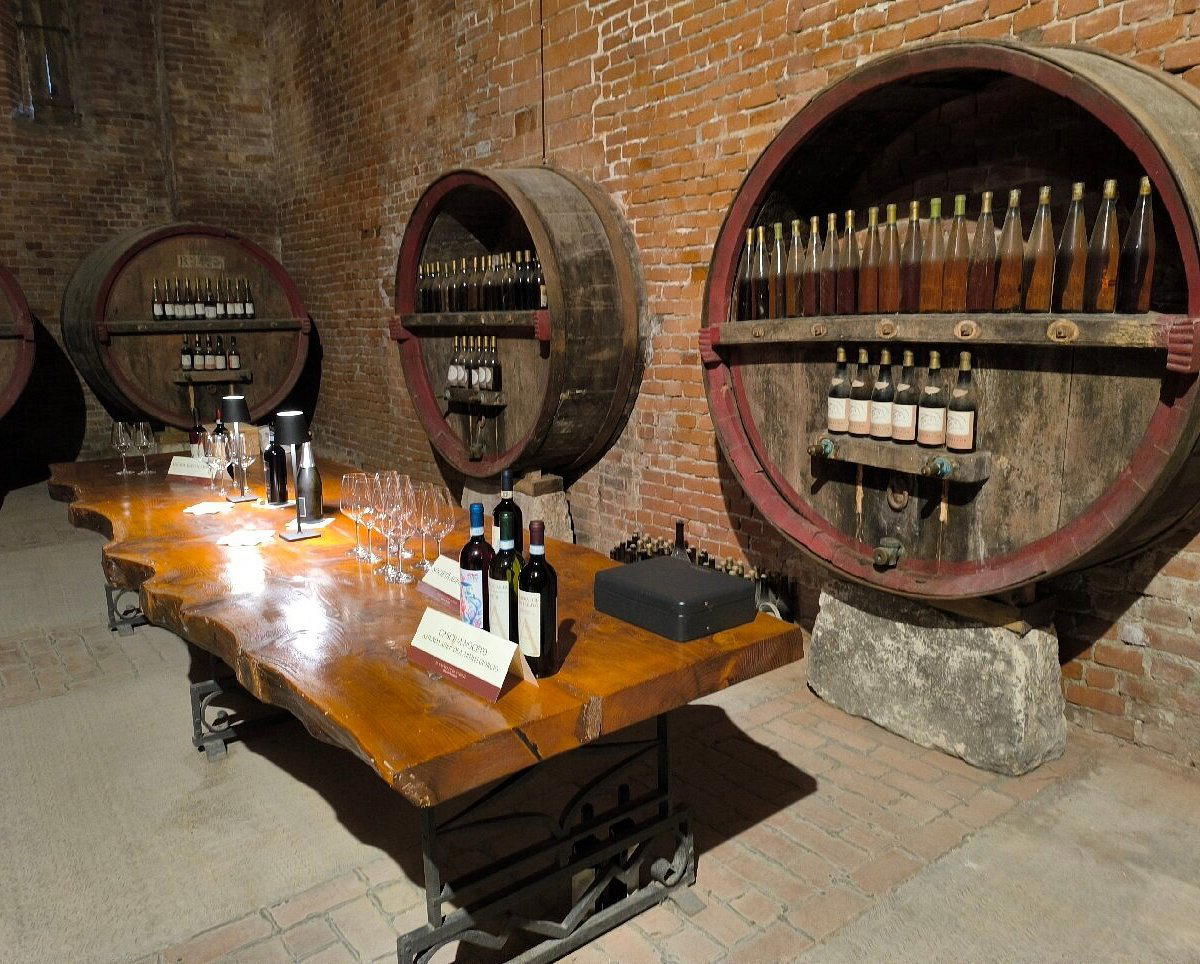
A strong pick for a Monferrato wine stop when the setting matters: castle cellars, vineyard views, and a tasting format built around Piedmont varieties such as Barbera and Grignolino. Book for a date, celebration, or hosted group rather than a rushed tasting crawl. Falstaff listing in 2026 adds useful reassurance.
Domaine Alain Graillot
Pont-de-l'Isère, France
Choose Domaine Alain Graillot if the occasion calls for a serious Rhône wine stop rather than a heavily packaged visitor experience. Falstaff Listed 2026 recognition supports the quality case, and easy booking makes it workable, but plan the surrounding meal or stay separately.
Domaine Bousquet
Tupungato, Argentina
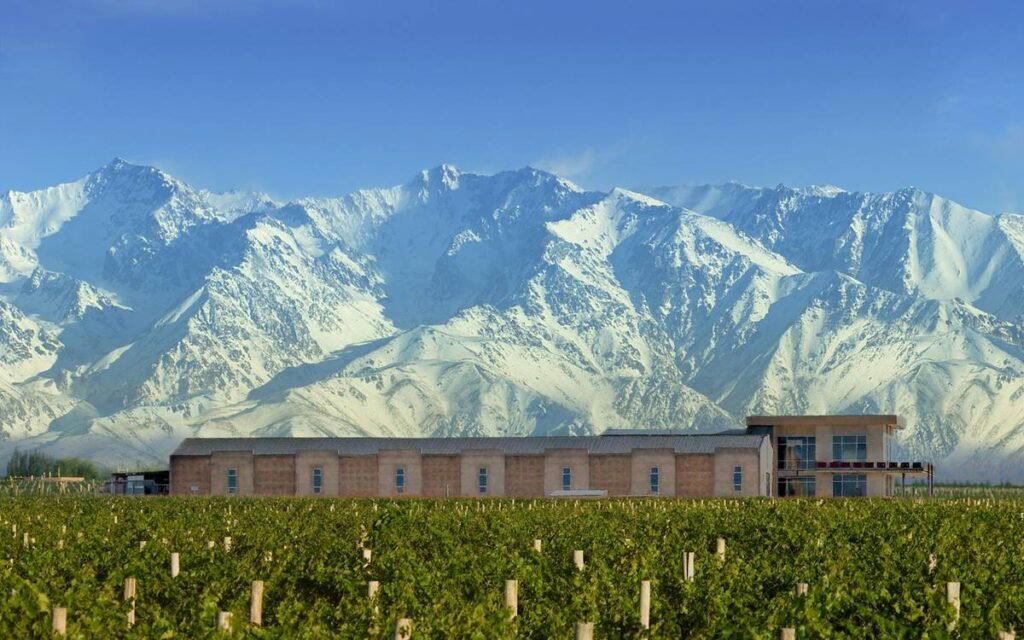
Domaine Bousquet is a strong Tupungato pick for a planned, wine-first celebration rather than a casual drop-in. The Uco Valley setting and Pearl 2 Star Prestige recognition make it worth considering for date, anniversary, or hosted business visits, but confirm any food or pairing format before building the day around a meal.
Aubert Wines
Calistoga, United States
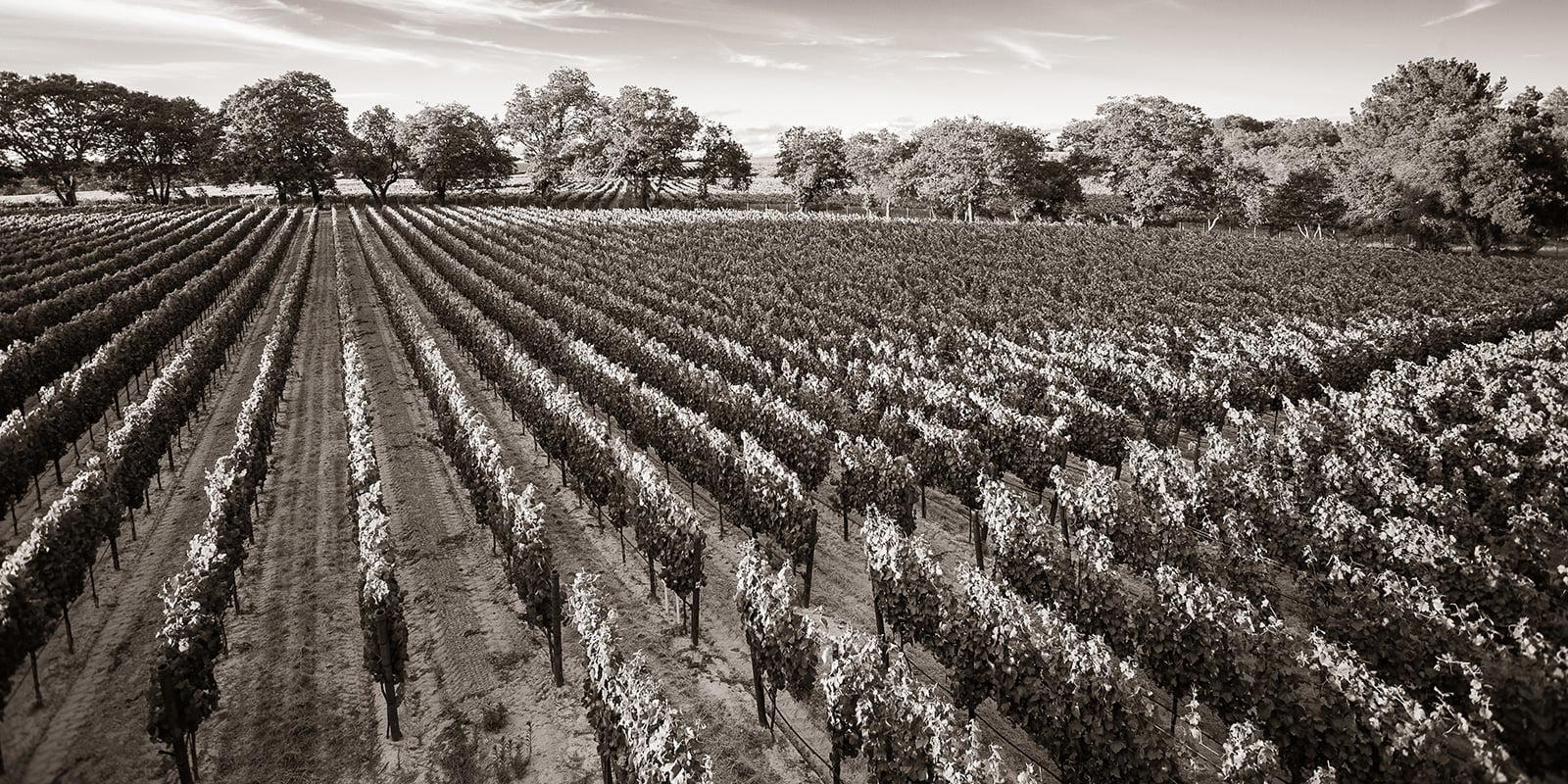
Aubert Wines is worth prioritizing for serious Napa collectors who want a focused Calistoga stop tied to Mark Aubert and a producer history that starts with the 2000 first vintage. It is not the right pick for a casual, flexible tasting crawl; plan around access, keep the day light, and compare easier Calistoga options before committing the itinerary.
Bio Weingut Maier
Baden-Baden, Germany
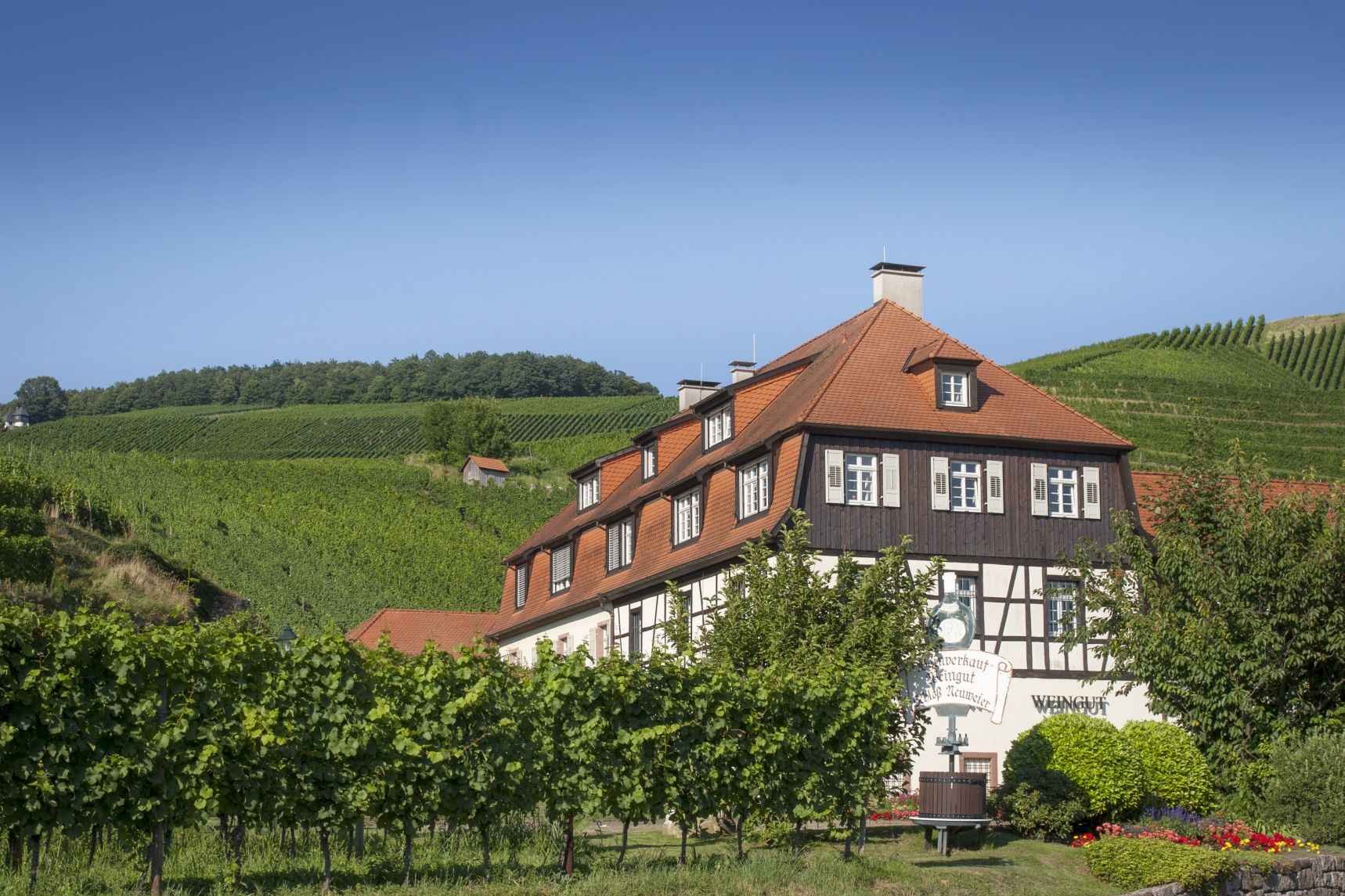
Bio Weingut Maier is worth prioritizing for Baden-Baden visitors who want a grounded organic-wine tasting with regional context, not a glossy cellar experience. The value is strongest for couples or small groups interested in Riesling, Spätburgunder, PIWI varieties, and near-natural viticulture; arrange the tasting ahead rather than treating it as a casual stop.
Domaine Coursodon
Mauves, France
A worthwhile Mauves stop for northern Rhône drinkers who want producer depth over visitor-center polish. Domaine Coursodon is Falstaff Listed for 2026, which gives it credible external recognition, but plan the visit around appellation context rather than published flagship details or elaborate hospitality.
Domaine Hubert Lamy
Saint-Aubin, France
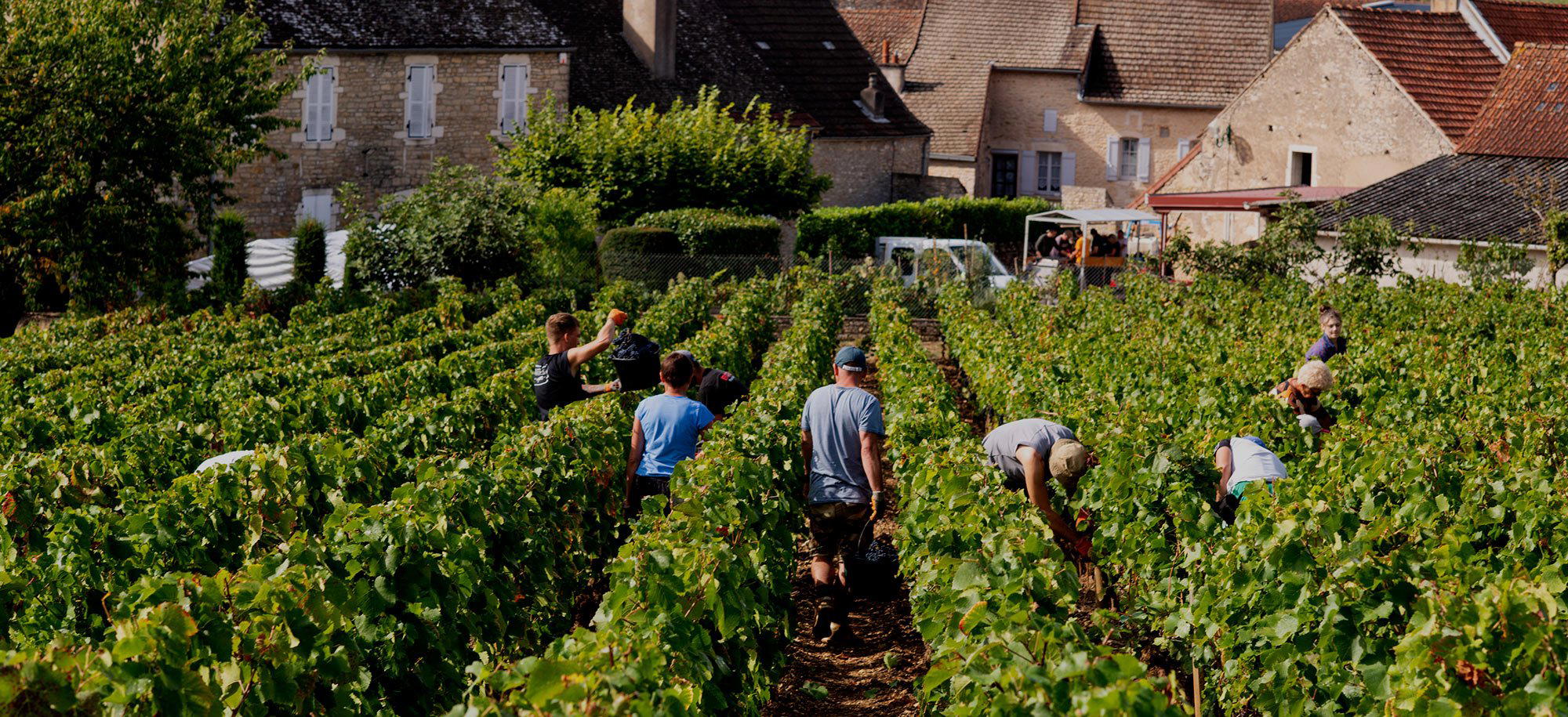
Domaine Hubert Lamy is a winery on Rue du Paradis in Saint-Aubin.
Clos Figueras
Gratallops, Spain
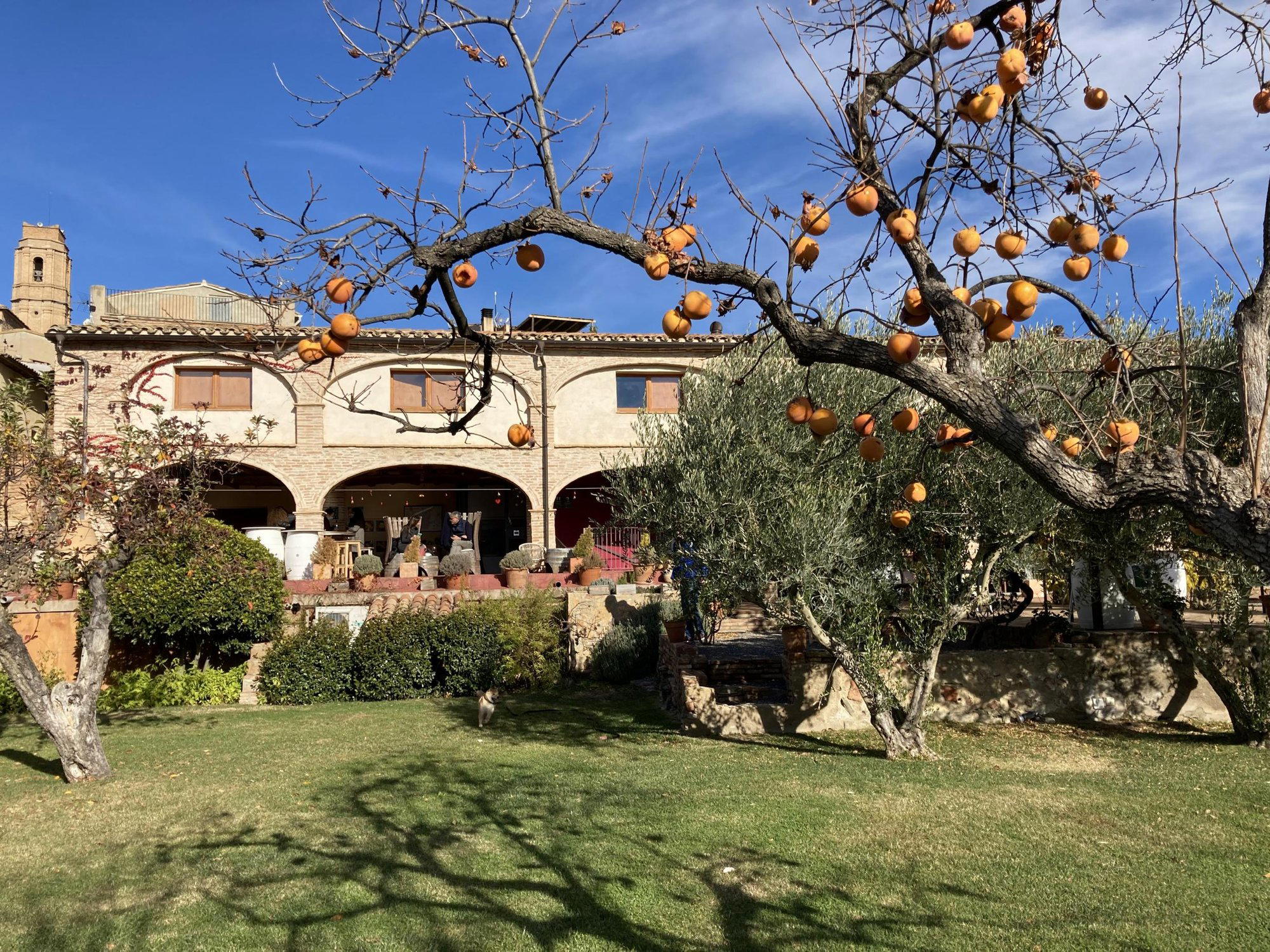
For Priorat-focused travelers, Clos Figueras is a worthwhile Gratallops shortlist pick, especially if bottle quality matters more than a long hospitality program. Falstaff 4 Stars for 2026 gives it a credible quality signal, but first-timers should confirm visit details before planning the day around it.
Domaine Jean Duboux
Bourg En Lavaux, Switzerland
Book Domaine Jean Duboux if you want a relaxed, family-run Lavaux tasting where the vineyard setting matters as much as the glass. It is better suited to couples and small groups than visitors looking for a formal luxury cellar, with Falstaff recognition adding a useful trust signal.
Gaia Wines
Koutsi, Greece
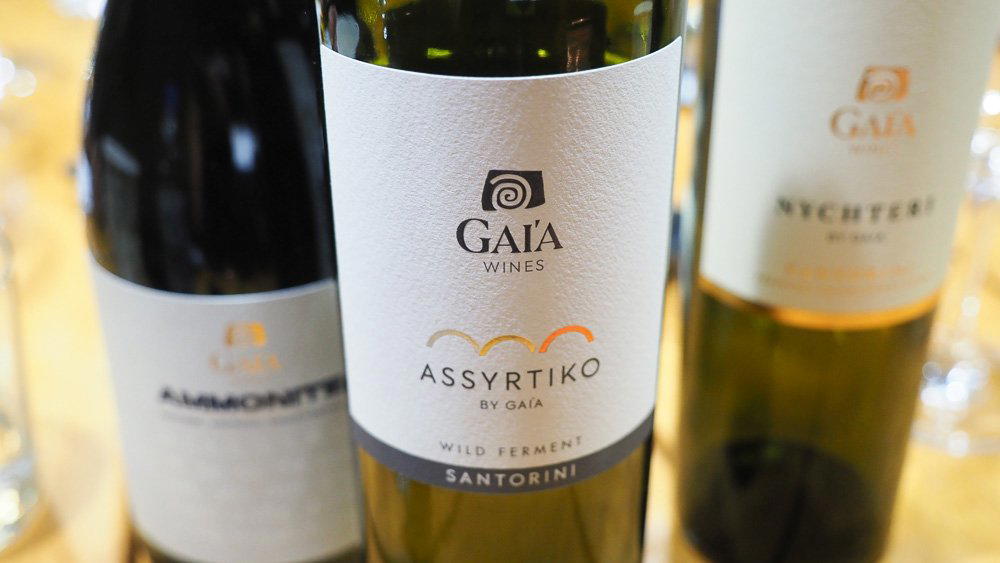
Gaia Wines works for a wine-led celebration in Koutsi, especially if the visit itself is the main event. Planning is the tradeoff: with limited public detail on hours, pricing, food, and booking format, it suits travelers willing to confirm logistics before shaping the day around it.
Condé
Predappio, Italy
Condé is worth booking when you want a full Predappio wine-country stay, not just a quick tasting. The draw is Sangiovese in context: vineyards, resort hospitality, dining, and a calm Romagna setting make it a strong special-occasion choice, while wine-club value is not the main reason to go.
Der Bader
Horitschon, Austria
Der Bader is worth booking for a seasonal Horitschon Buschenschank experience built around Burgenland reds, regional food, and a relaxed family-run setting. It is better for casual wine travelers than collectors seeking a formal private tasting program, with bottle pricing from €14 to €32 and Falstaff listing recognition for 2026.
Château Thieuley
La Sauve Majeure, France
Château Thieuley is a practical choice for an Entre-Deux-Mers wine stop near La Sauve Majeure, especially if the day is built around countryside tasting rather than a formal dining plan. Booking difficulty is easy, and Falstaff listing recognition for 2026 gives it a useful credibility signal, but wine-club value should be judged only after confirming current terms and tasting preferences.
Domaine Avéla
Quarante, France
Book Domaine Avéla if you want a focused, appointment-only cellar visit built around old-vine Languedoc red wine rather than a casual tasting-room stop. The case pricing and micro-production make it better for serious wine travelers and collectors than mixed groups looking for an easy drop-in experience.
Gembrook Hill
Yarra Valley, Australia
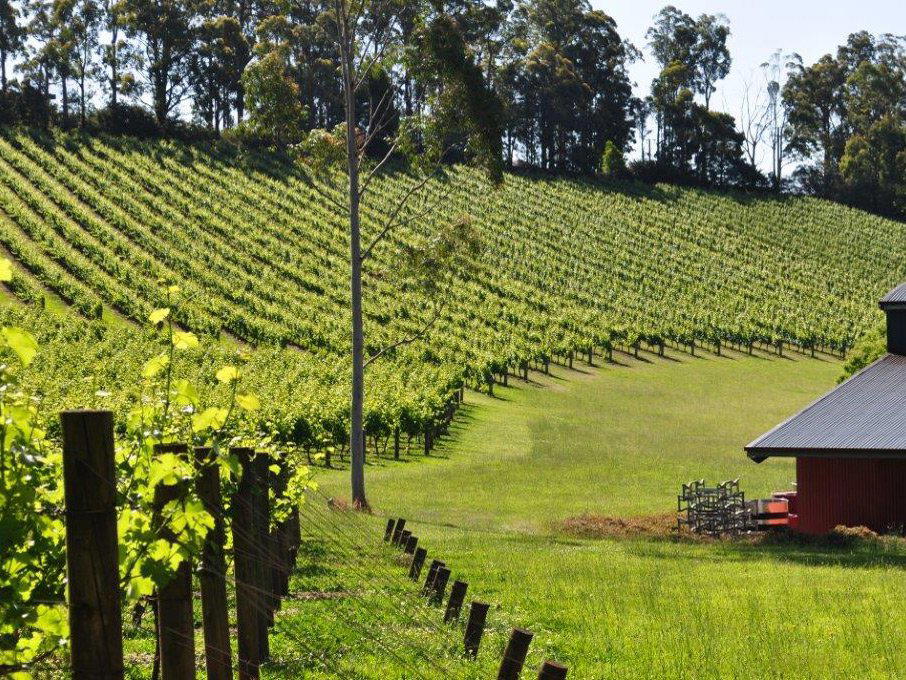
Gembrook Hill is a better fit for a focused Yarra Valley wine day than a casual, amenities-led outing. Prioritise it if the group wants producer depth and can plan around limited public practical detail; choose a broader cellar-door route if timing, food, or easy logistics matter more.
Bodega Frutos Villar S.L.
Toro, Spain
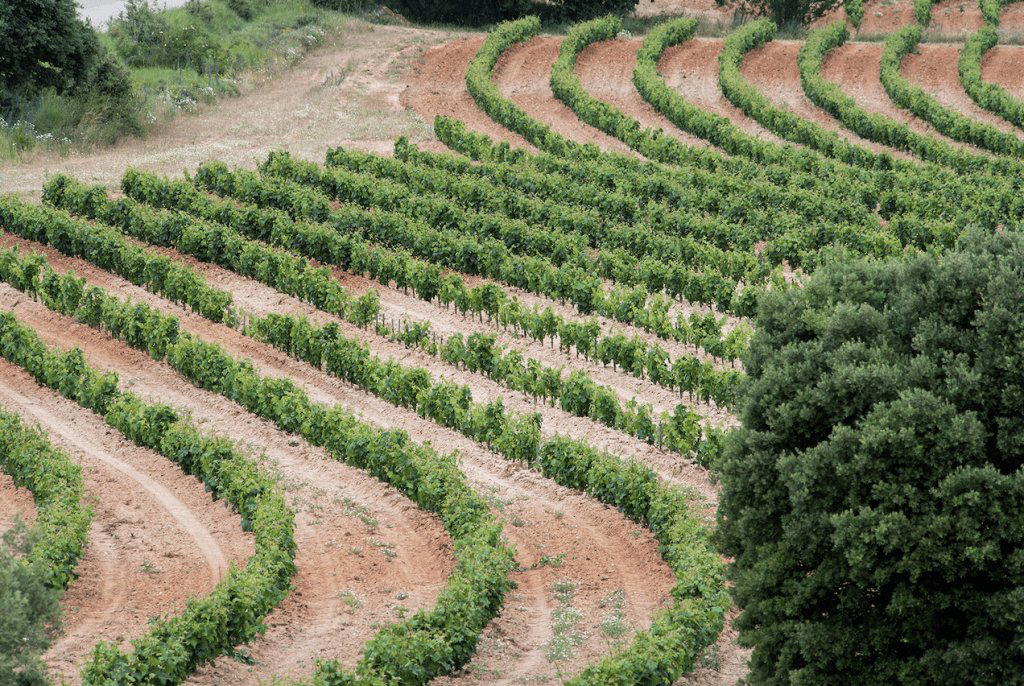
Book Bodega Frutos Villar S.L. if the priority is a serious, appointment-led look at historic Toro and a broad Castilla y León portfolio. It is a stronger fit for wine-focused travelers than casual groups seeking food, flexible hours, or a polished tasting-room setup.
Champagne Pierre Deville
Verzy, France
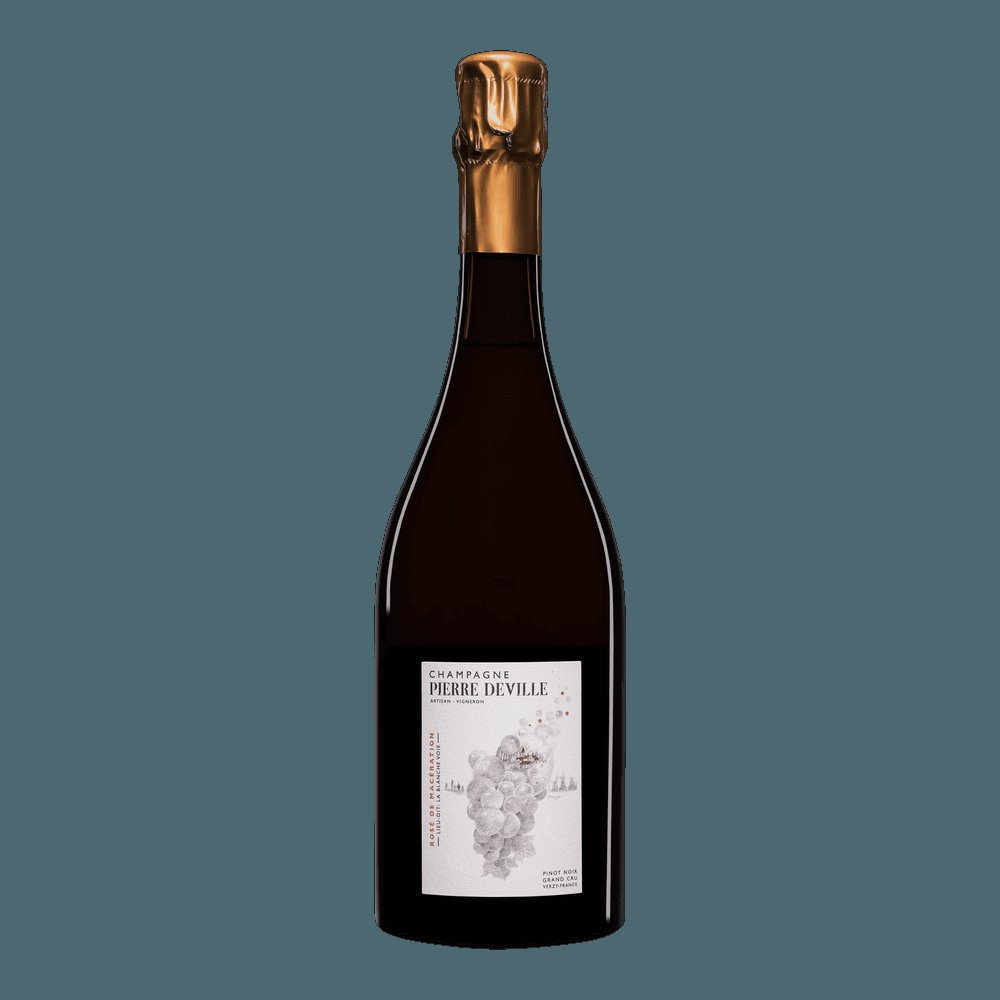
Book Champagne Pierre Deville if you want a serious grower Champagne stop in Verzy built around low-dosage, Pinot Noir-led wines and small-estate focus. It is better for couples or small special-occasion groups than for anyone expecting a full food pairing program or large-scale visitor setup.
Cantina Salizzoni
Calliano, Italy
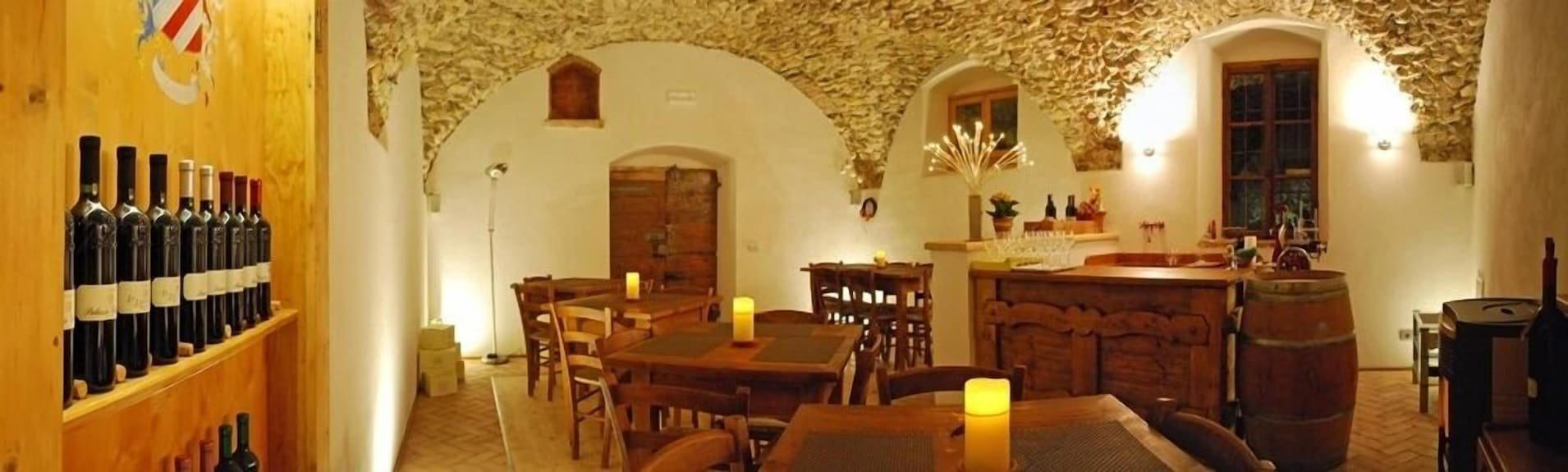
Cantina Salizzoni is a sensible Calliano pick for wine-focused travelers who value a Falstaff-listed producer and do not need a meal-led format. Treat it as a winery stop rather than a guaranteed food-pairing destination; if lunch, group logistics, or a published tasting structure matter, confirm those details before building the day around it.
Franz Gross
Mönchhof, Austria
Franz Gross works for a quiet, traditional Mönchhof winery stop, especially if the goal is a low-key Burgenland wine day rather than a polished visitor complex. The $$ price tier and Falstaff Listed 2026 signal make it a sensible value pick, but larger groups and private tastings should be planned conservatively.
Bodega Gutiérrez Colosía
El Puerto De Santa Maria Cadiz, Spain
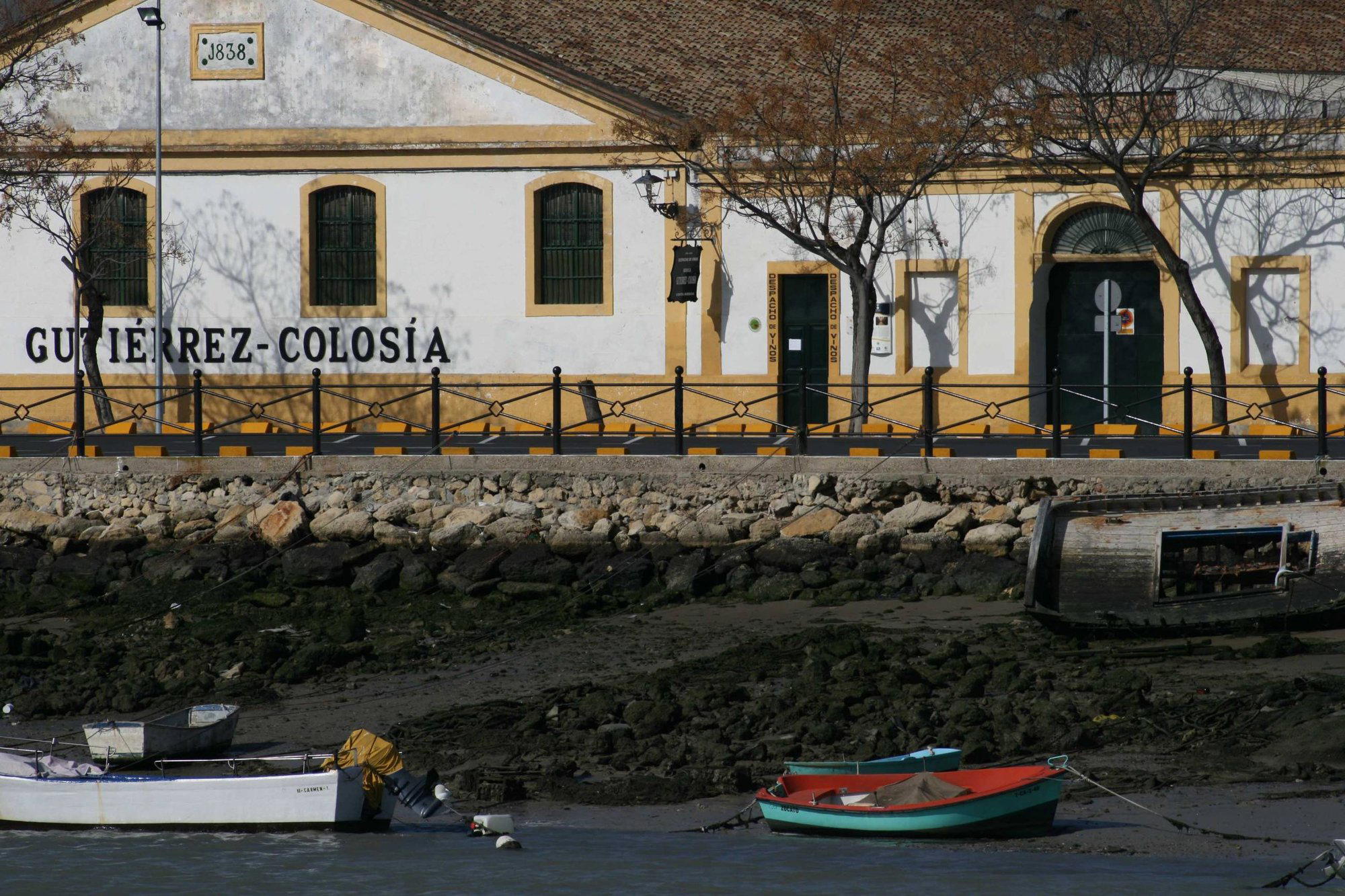
Worth booking if you want a serious but relaxed sherry introduction in El Puerto de Santa María. Bodega Gutiérrez Colosía is strongest for its 1838 heritage, guided cellar format, six-sherry tasting, and riverside sense of place; skip it if you want a polished luxury tasting room or a meal-first winery experience.
Domaine Christian Salmon
Sancerre, France
Domaine Christian Salmon is worth booking for a focused, traditional Bué Sancerre visit built around crisp Sauvignon Blanc and limestone-driven minerality. Go for a quiet, wine-led occasion rather than a broad hospitality experience; the appeal is family continuity, 15 hectares of Sauvignon Blanc, and a classic dry profile with citrus, lime, mint, grapefruit, and mineral notes.
Huber Vini
Monteggio, Switzerland
A strong choice for a quiet, appointment-led Ticino winery visit, especially if the appeal is Merlot, hillside Malcantone character, and a small family-run format. Huber Vini is better for a focused date or celebration tasting than for a casual drop-in or broad wine-tour itinerary.
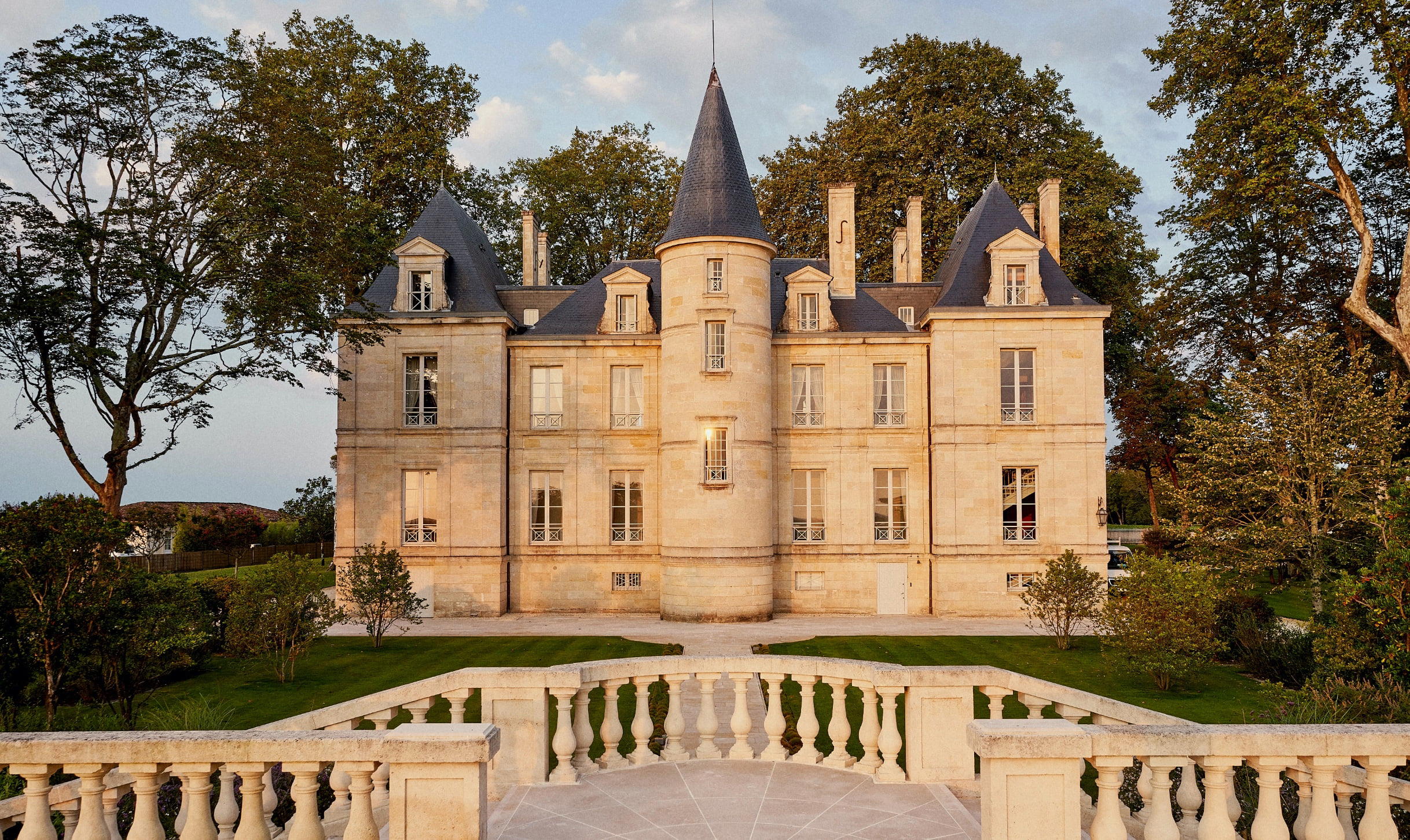
Château Pichon-Longueville-Comtesse-de-Lalande
Pauillac, France
A strong Pauillac choice for serious Bordeaux travellers, especially if the goal is classified-growth context rather than casual tasting. The value is in depth, history, and comparison with nearby estates, not convenience or a food-led experience. Better for focused wine itineraries than mixed-interest groups.
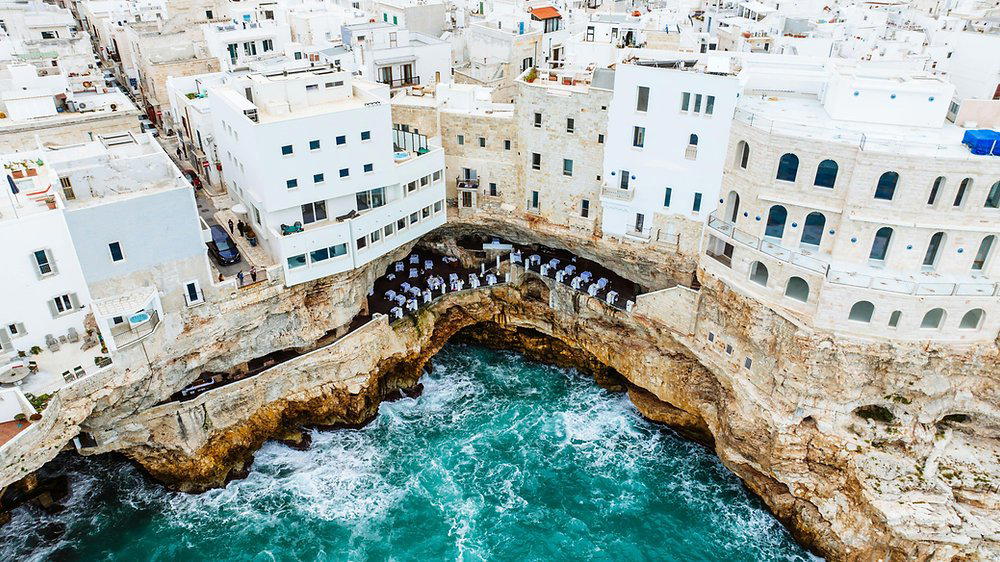
Antica Enotria
Cerignola, Italy
Antica Enotria works for a wine-led stop in Cerignola, especially if external recognition matters: it is Falstaff Listed for 2026. Treat it as a credible winery choice rather than a fully specified dining plan, since cuisine, tasting format, pricing, and signature bottles are not confirmed here.
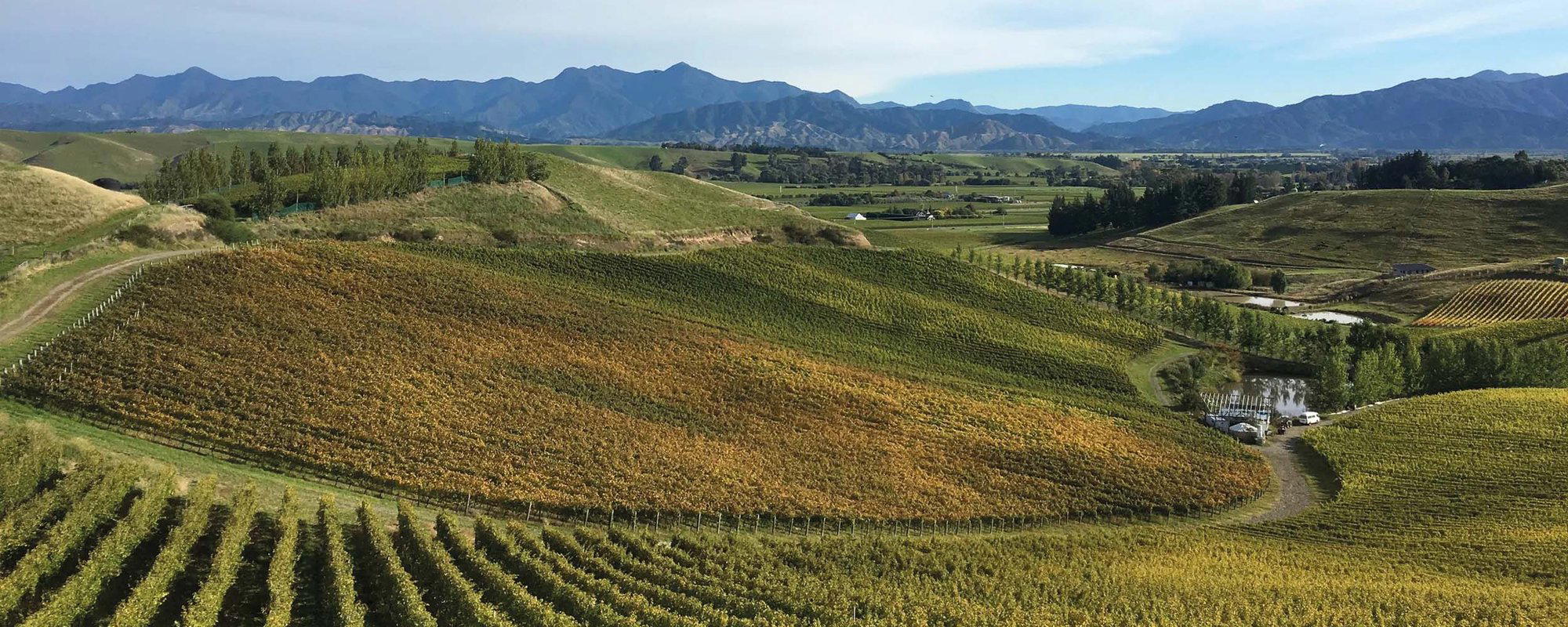
Blank Canvas Wines
Blenheim, New Zealand
Blank Canvas Wines is a tighter pick for repeat Blenheim visitors who want a producer-led Marlborough stop rather than a broad tasting-day itinerary. Its Falstaff Listed recognition for 2026 gives it a useful trust signal, but plan flexibly because visitor specifics are not the main reason to choose it.
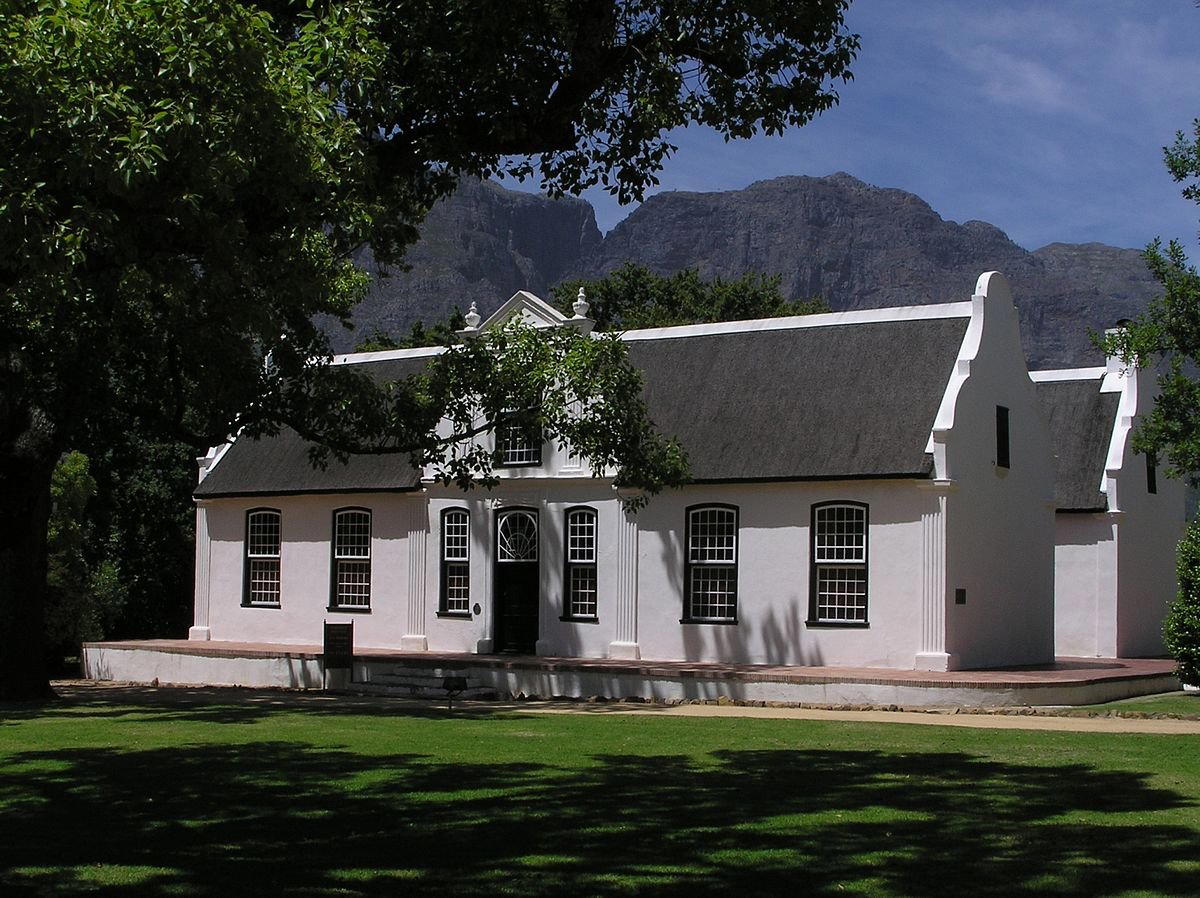
Boschendal
Franschhoek, South Africa
Boschendal is worth booking when the goal is a full Franschhoek estate visit rather than a quick tasting-room stop. Its strength is scale and setting, especially for mixed groups, but wine-focused travelers should pair it with a more narrowly focused producer if they want deeper cellar context.
Viña San Pedro
Curicó, Chile
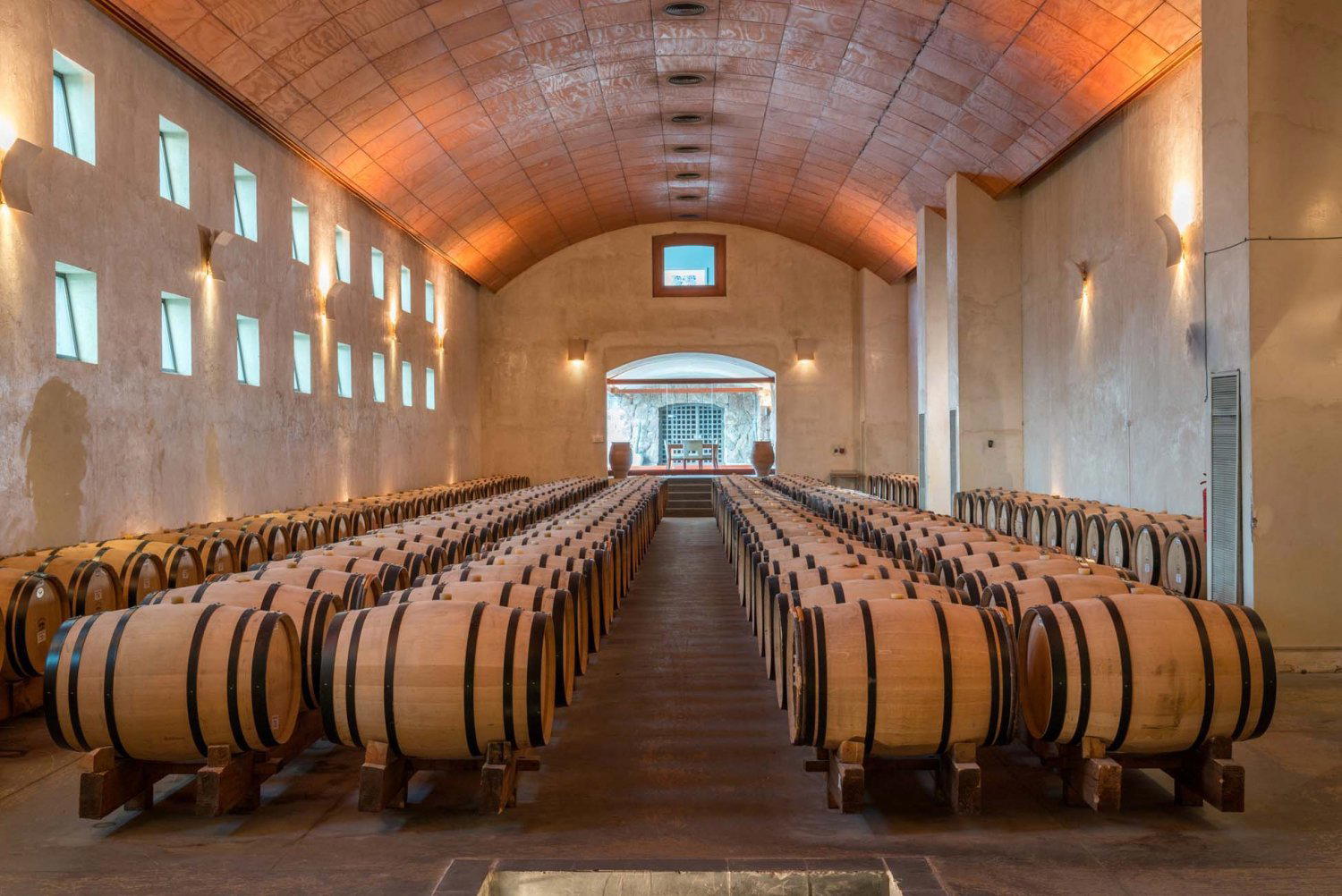
Viña San Pedro is the right call for a serious Maule winery stop near Curicó, especially if the group is wine-focused and comfortable planning ahead. It is less suited to a spontaneous tasting or a food-pairing-first day, since visitor format and dining details should be confirmed before building the route.
Domaine Ansen
Westhoffen, France
Domaine Ansen is a sensible Westhoffen winery stop for travelers prioritizing Alsace context over a resort-style tasting experience. The 2026 Falstaff listing gives it a useful credibility signal, but treat it as one part of a wider wine itinerary rather than a standalone destination with confirmed food, club, or hospitality extras.
Haraszthy Pincészet
Etyek, Hungary
Haraszthy Pincészet is worth booking as a slower Etyek winery stop, especially if you want wine, food and architecture in one visit rather than a quick tasting counter. The portfolio spans fresh white, sparkling and rosé styles, and the Falstaff listing gives it a credible recognition signal. Go when you have time to use the estate setting properly.
Ovid Napa Valley
St. Helena, United States
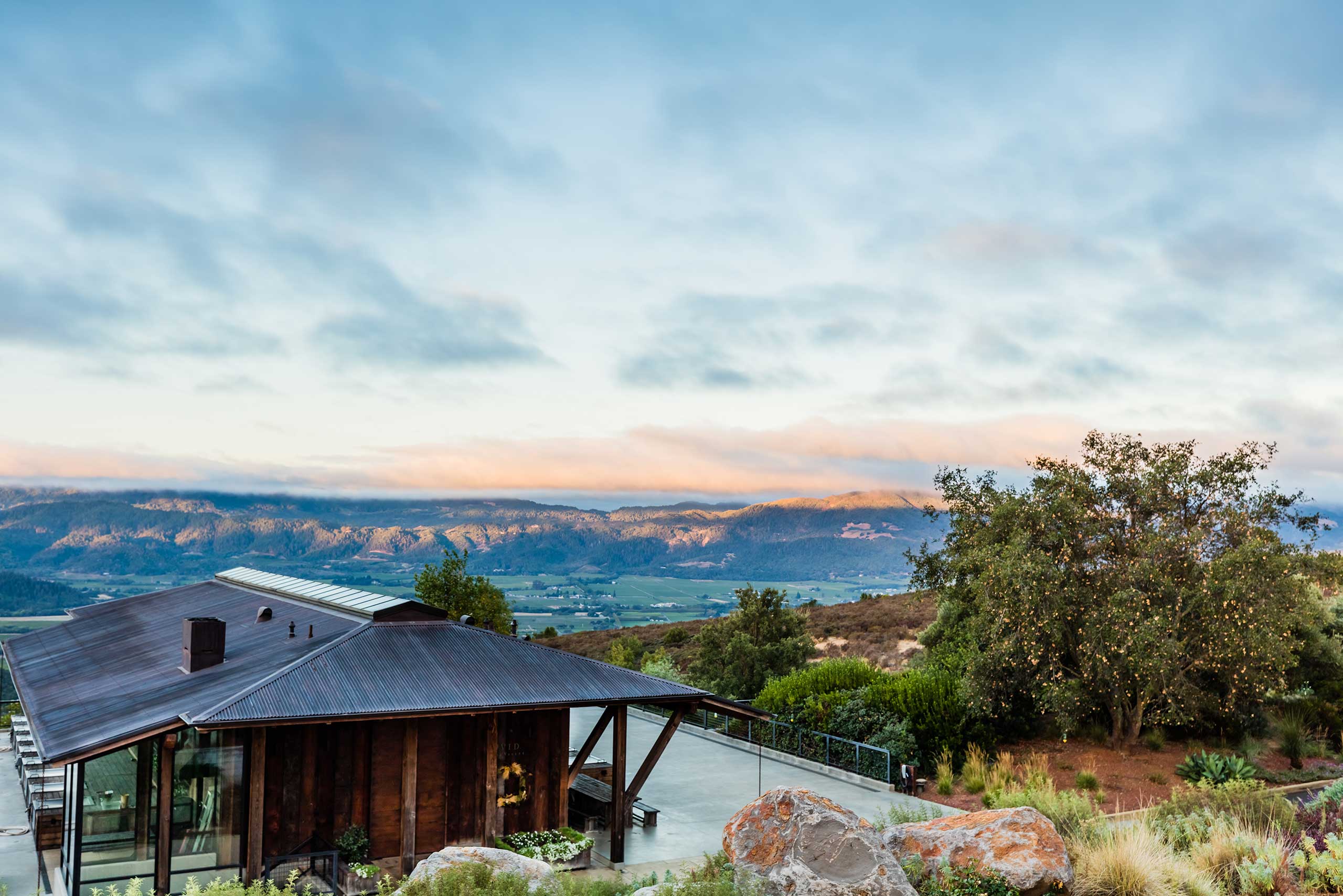
Book Ovid Napa Valley only if the visit is meant to be a serious, private-feeling St. Helena wine stop rather than a casual tasting-room add-on. It suits collectors, couples, and small celebration groups who want a quieter estate experience and are willing to plan ahead.
Finca Sobreño
Toro, Spain
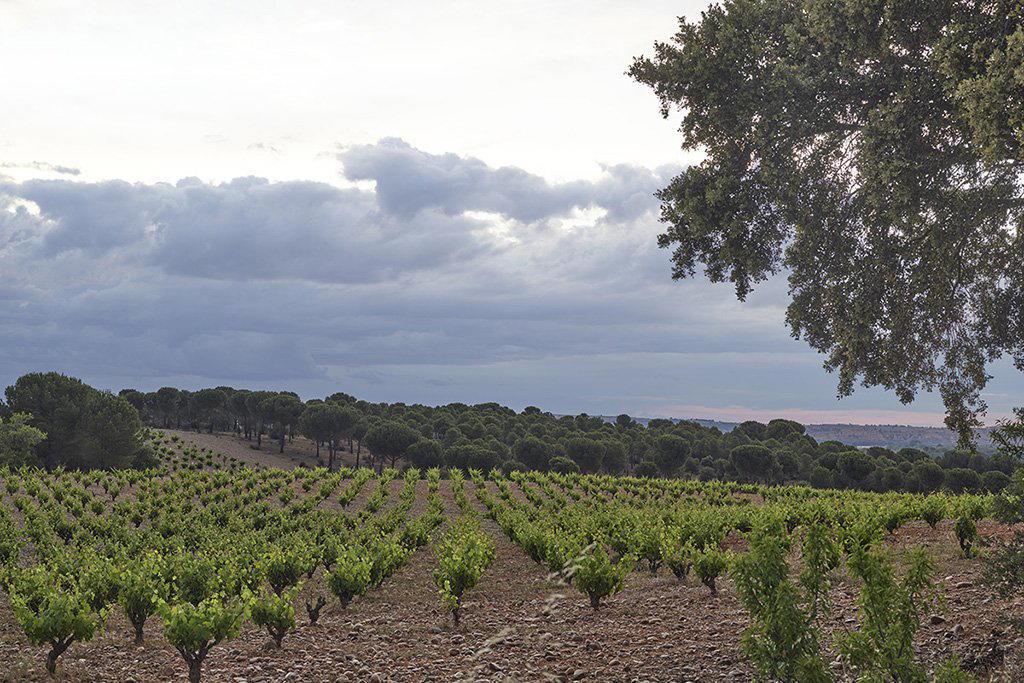
Book Finca Sobreño if the priority is serious Toro red wine rather than a showy hospitality setup. The draw is its Tinta de Toro focus, old-vine vineyard base, and structured portfolio from organic and crianza bottlings through Ildefonso. It works better as a planned, wine-led appointment than as a casual countryside stop.
Château Combel la Serre
Saint Vincent Rive D Olt, France
Château Combel la Serre is a sensible Saint-Vincent-Rive-d’Olt winery pick for travelers who want a focused Occitanie wine stop and are willing to confirm visit details ahead of time. Falstaff Listed (2026) gives it a credible quality signal, but food service, pricing, and group logistics are not clear enough to treat it as an all-in-one day plan.
Weingut Alphart
Traiskirchen, Austria
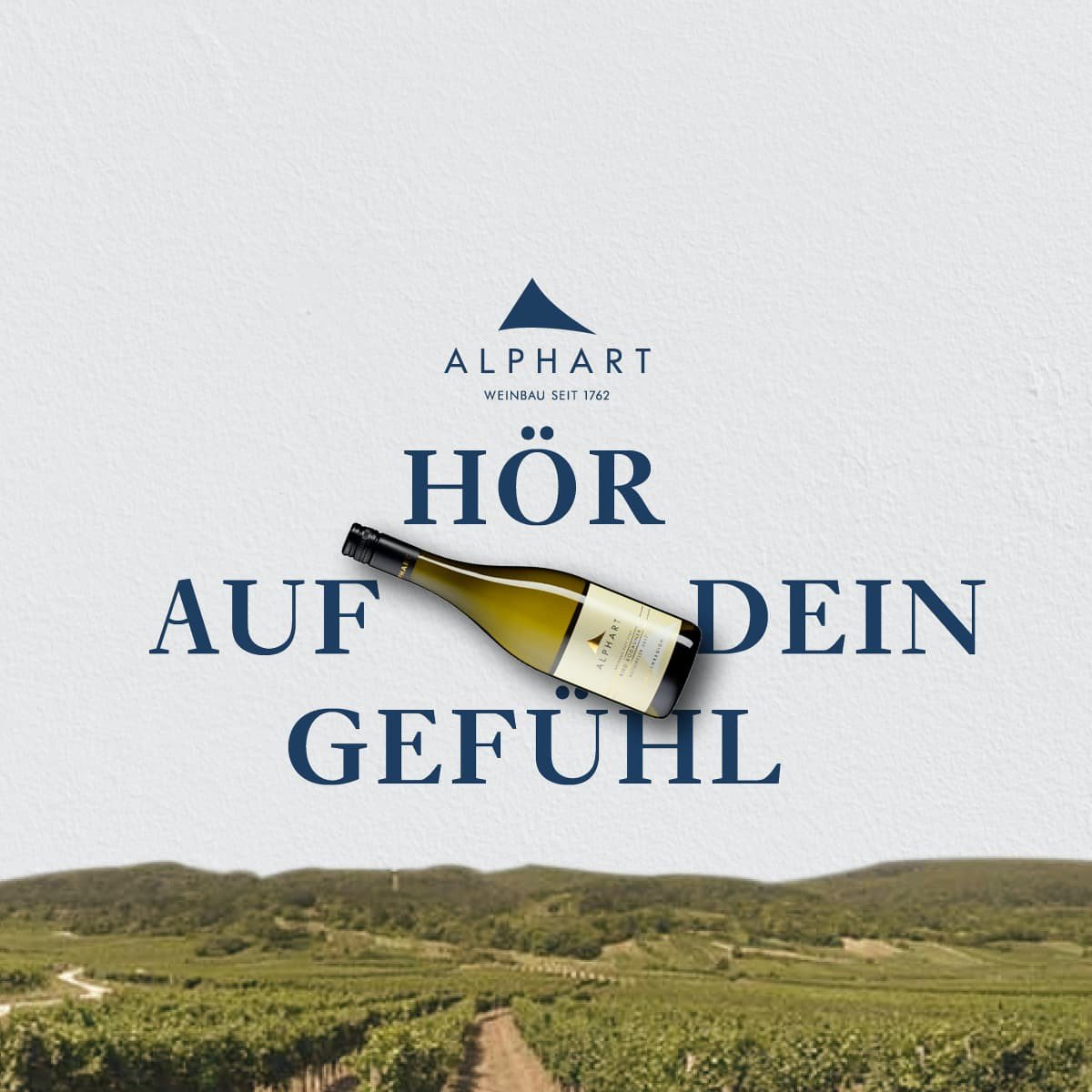
Choose Weingut Alphart for a serious wine-first stop in Traiskirchen, especially if producer recognition matters more than a broad hospitality setup. It is a stronger fit for focused visitors than for groups seeking food, cocktails, or a long social tasting. Cross-shop Weingut Stadlmann if you need another Traiskirchen winery option.
Champagne Étienne Oudart
Brugny, France
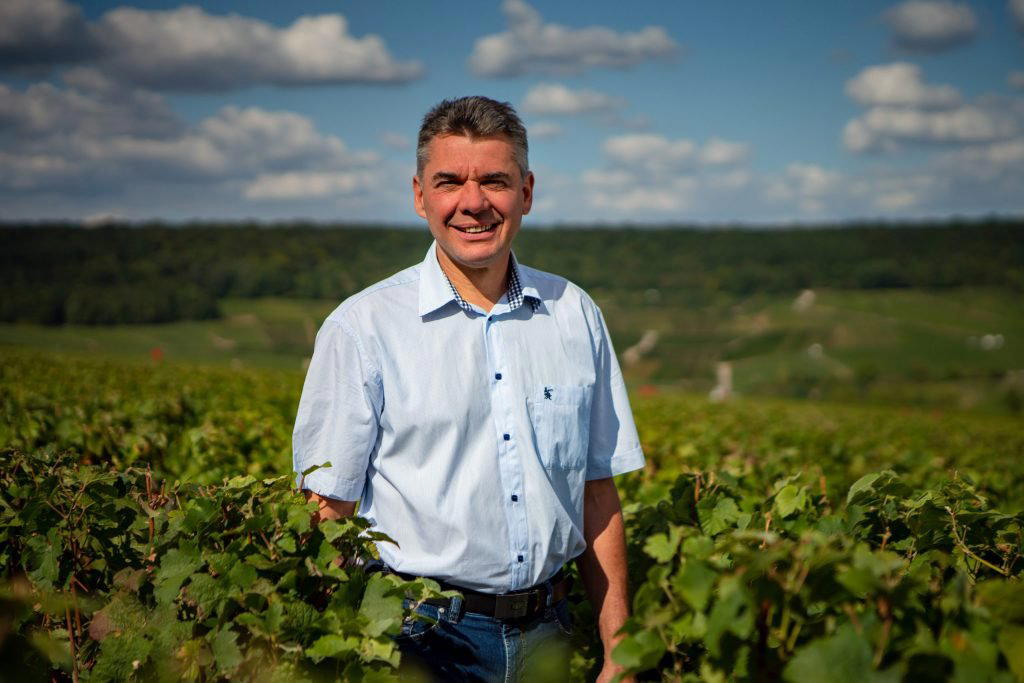
Book Champagne Étienne Oudart if you want a calm grower-producer tasting with a sustainability angle rather than a grand-house spectacle. The draw is its family-run Brugny setting, Falstaff Listed 2026 recognition, and certified environmental approach, with the Brut as the flagship reference point.
Château de Bel-Air
Lalande De Pomerol, France
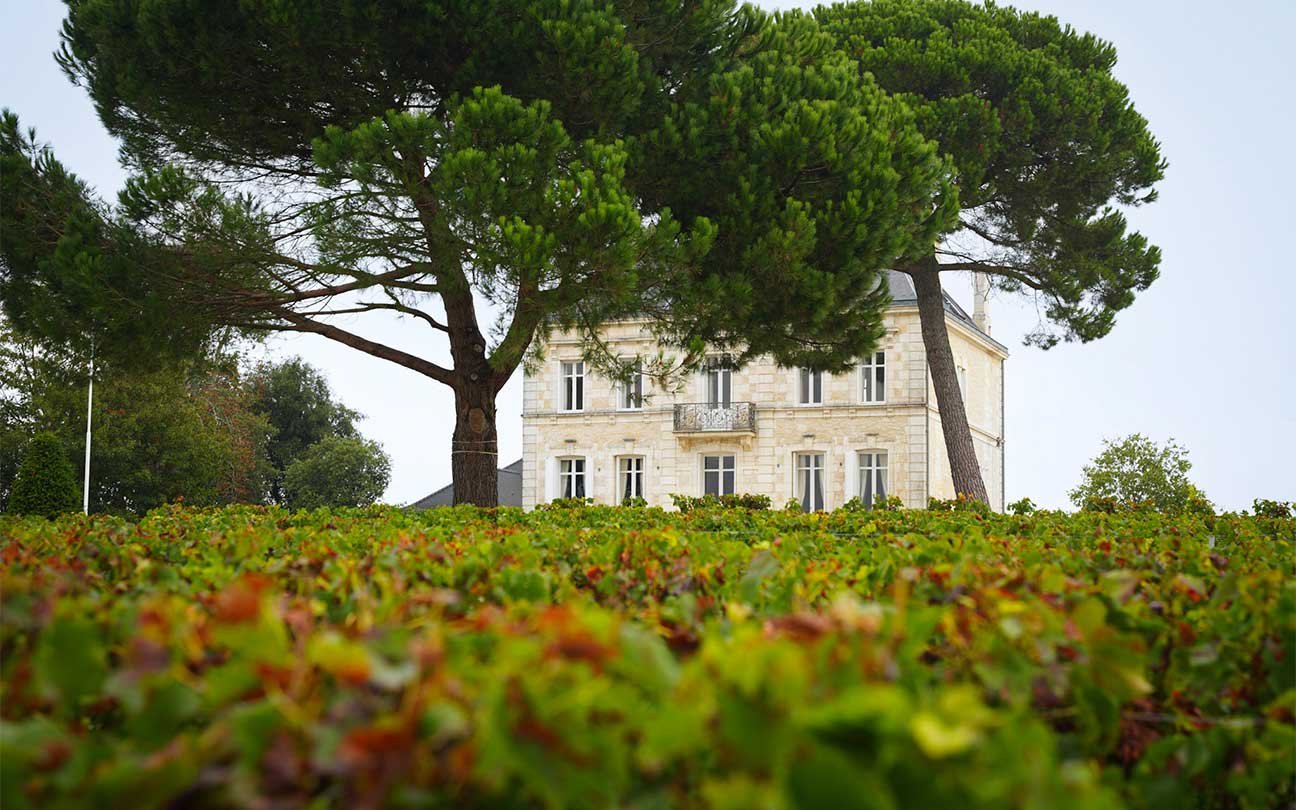
Château de Bel-Air is a good fit for travellers who want a quieter, production-led Lalande-de-Pomerol stop rather than a big hospitality set piece. Book it for Merlot-focused right-bank context, traditional estate atmosphere, and appellation depth; skip it if the group needs published visitor infrastructure, dining, or a spontaneous drop-in format.
Bodegas Murviedro
Requena, Spain
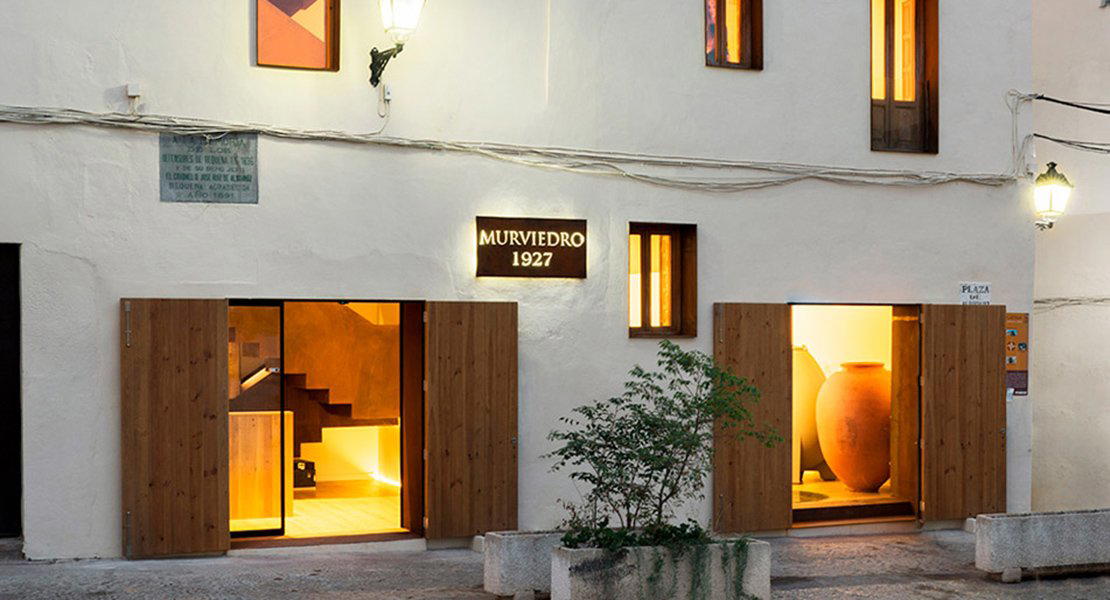
Bodegas Murviedro works as a focused winery stop in Requena, especially for travelers building a compact Valencia-region wine day. The Falstaff 1 Star recognition gives it a useful quality signal, but plan it as one anchor in a broader Requena itinerary rather than a full-day destination.
Château Beau-Site
Saint-Estèphe, France
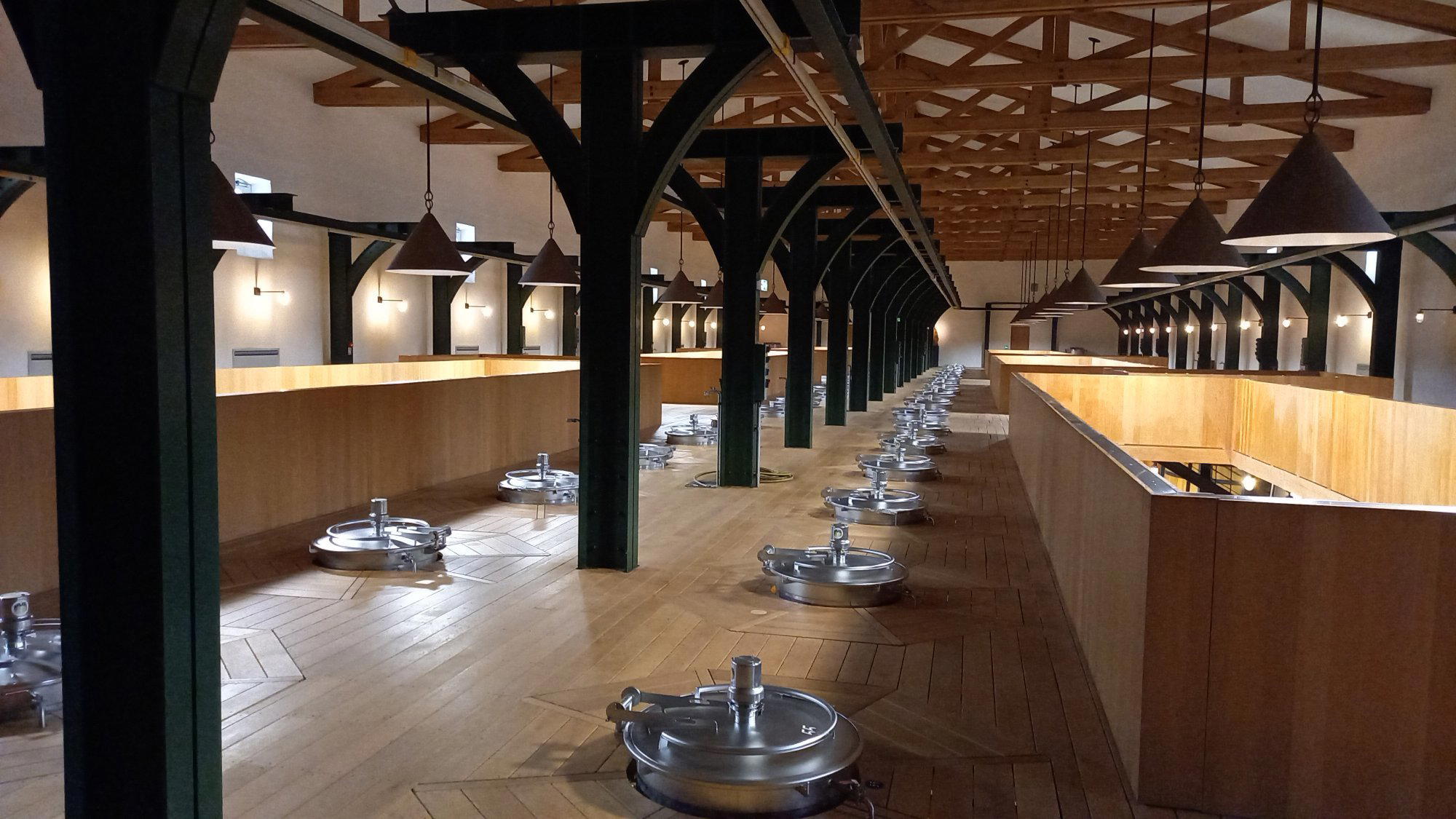
Château Beau-Site is worth booking if you want a serious Saint-Estèphe tasting built around Cabernet-led structure, gravel-slope terroir, and classic Médoc ageing potential. It is a stronger fit for small, wine-focused groups than for visitors looking for a casual drop-in stop or broad hospitality programming.
Dietingerhof
Uesslingen, Switzerland
Dietingerhof works for a quiet Iselisberg countryside stop rather than a formal, bottle-led winery visit. Its 2026 Falstaff listing gives it a useful quality signal, but the main reason to go is the farm setting, walking-trail context, and low-key Thurgau atmosphere.
Donna Olimpia 1898
Bolgheri, Italy
Book Donna Olimpia 1898 if the priority is a serious Bolgheri wine stop with heritage, vineyard detail, and Cabernet-led reds rather than a casual drop-in tasting. The value is strongest for visitors who want production context, structured DOC wines, and a celebration-worthy estate visit in Tuscany.
Castello Luigi - Zanini
Besazio, Switzerland
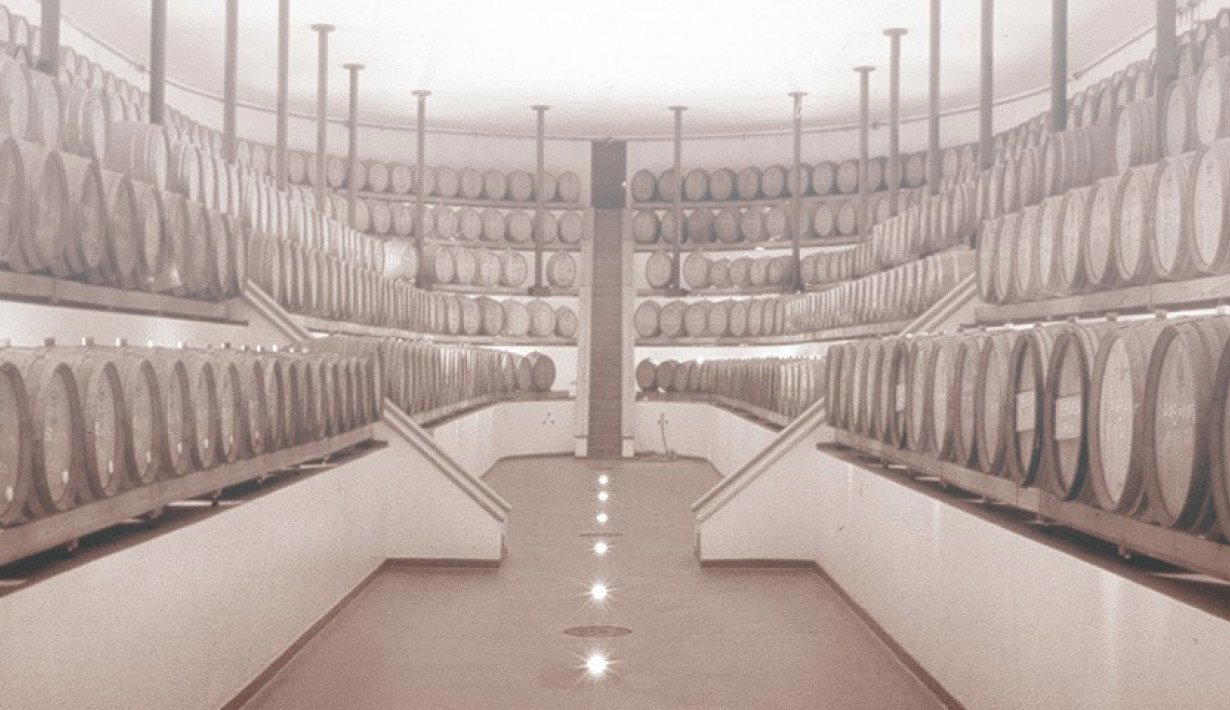
Book Castello Luigi - Zanini if you want a serious Ticino estate visit built around architecture, cellar craft, and structured Swiss reds rather than a casual tasting stop. The appointment-only format and $$$$ positioning make it better for wine-focused travelers than for anyone looking for easy drop-in hospitality or a food-led visit.
Bertè & Cordini
Broni, Italy
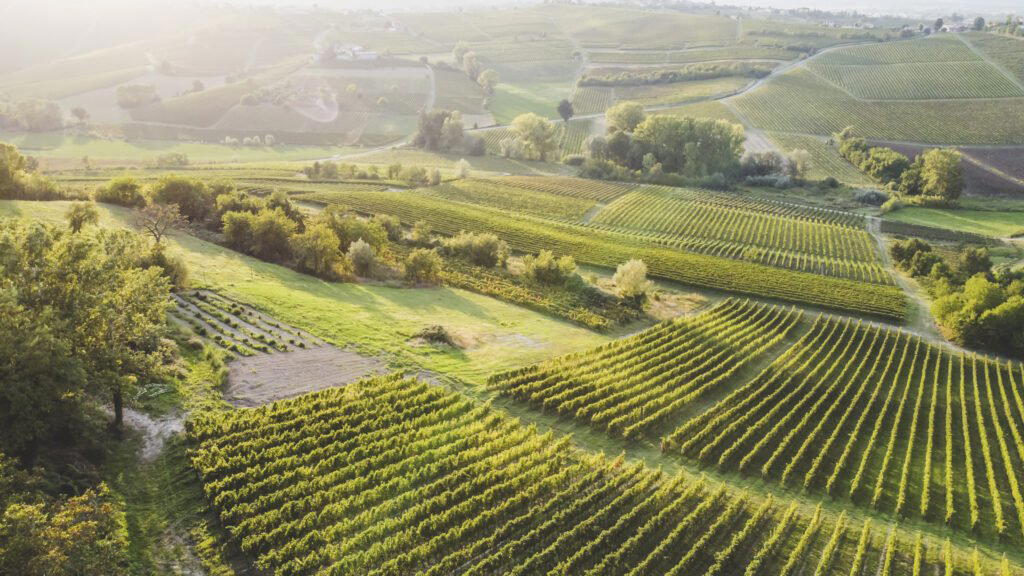
Book Bertè & Cordini if you want a calm Oltrepò Pavese winery visit focused on Pinot Nero metodo classico and a traditional countryside setting. It is strongest for sparkling-wine drinkers who care about regional context; less compelling if you need a full food program or a high-design tasting room.
How many of these have you visited?
Find out on Pearl and keep score across every place in 2026 Falstaff Winery Guide.