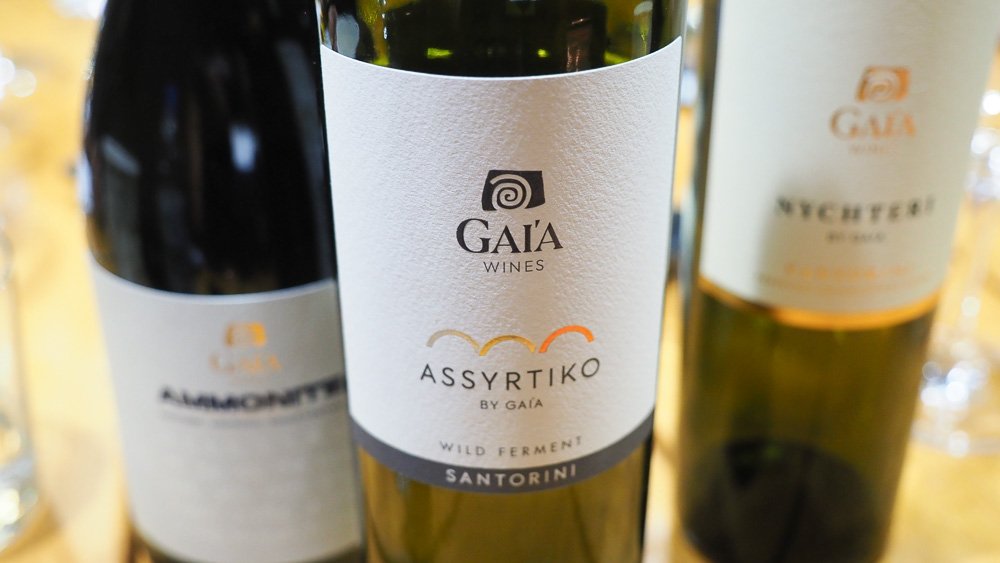

Gaia Wines
Koutsi
Winery in Koutsi, Greece
 Book with Pearl
The Read
Altitude-Driven Agiorgitiko
Why go
Gaia Wines is worth considering for a wine-led celebration in Koutsi, especially if the visit itself is the main event. Planning is the tradeoff: with limited public detail on hours, pricing, food, and booking format, it suits travelers willing to confirm logistics before shaping the day around it.
About Gaia Wines
Gaia Wines is a venue in Koutsi with a casual dress code and Pearl 2 Star Prestige recognition for 2025. Visitors should check directly before assuming specifics about service format, pricing, opening hours, food, group handling, or booking requirements.
The value question depends on how much certainty your plans require. If Gaia Wines is central to the day, confirm the practical details before arranging the rest of your itinerary. If you need a venue with fully settled logistics in advance, compare it with other named options such as Acra Winery, Barafakas Winery, Palivou Estate, Papaioannou Vineyards, or Semeli Estate, as well as other Koutsi venues generically.
Worth prioritizing when the essentials match your plans
Gaia Wines has a strong accolade: Pearl 2 Star Prestige in 2025. That makes it a notable Koutsi listing. Treat the accolade as a reason to look closer, not as a substitute for confirming the visit details that matter to your party.
The dress code is casual, which keeps the planning simple on attire. For everything else, the safest approach is to contact the venue or use current official information before making time-sensitive plans. This is especially important if the visit needs to fit around transportation, meals, or other stops.
How to make the visit make sense in 2026
For 2026 planning, build the day around current practical information rather than assumptions. Gaia Wines can be considered as part of a Koutsi itinerary, but travelers should check timing, availability, and any service details before committing. If you are comparing venues, keep Gaia Wines alongside options such as Acra Winery, Barafakas Winery, Palivou Estate, Papaioannou Vineyards, and Semeli Estate without assuming they offer the same format or logistics.
The practical verdict: Gaia Wines is most compelling for travelers who want a Koutsi venue with Pearl 2 Star Prestige recognition and a casual dress code. It is less suited to plans that depend on specifics such as food service, off-site services, group capacity, or a specific booking process. Confirm the essentials first, then decide whether it fits the day.
Planning details
- Location
- Koutsi 205 00
- Website
- gaiawines.gr/nemea
- Phone
- +30 2746 022057
The take
The Take
The Vibe
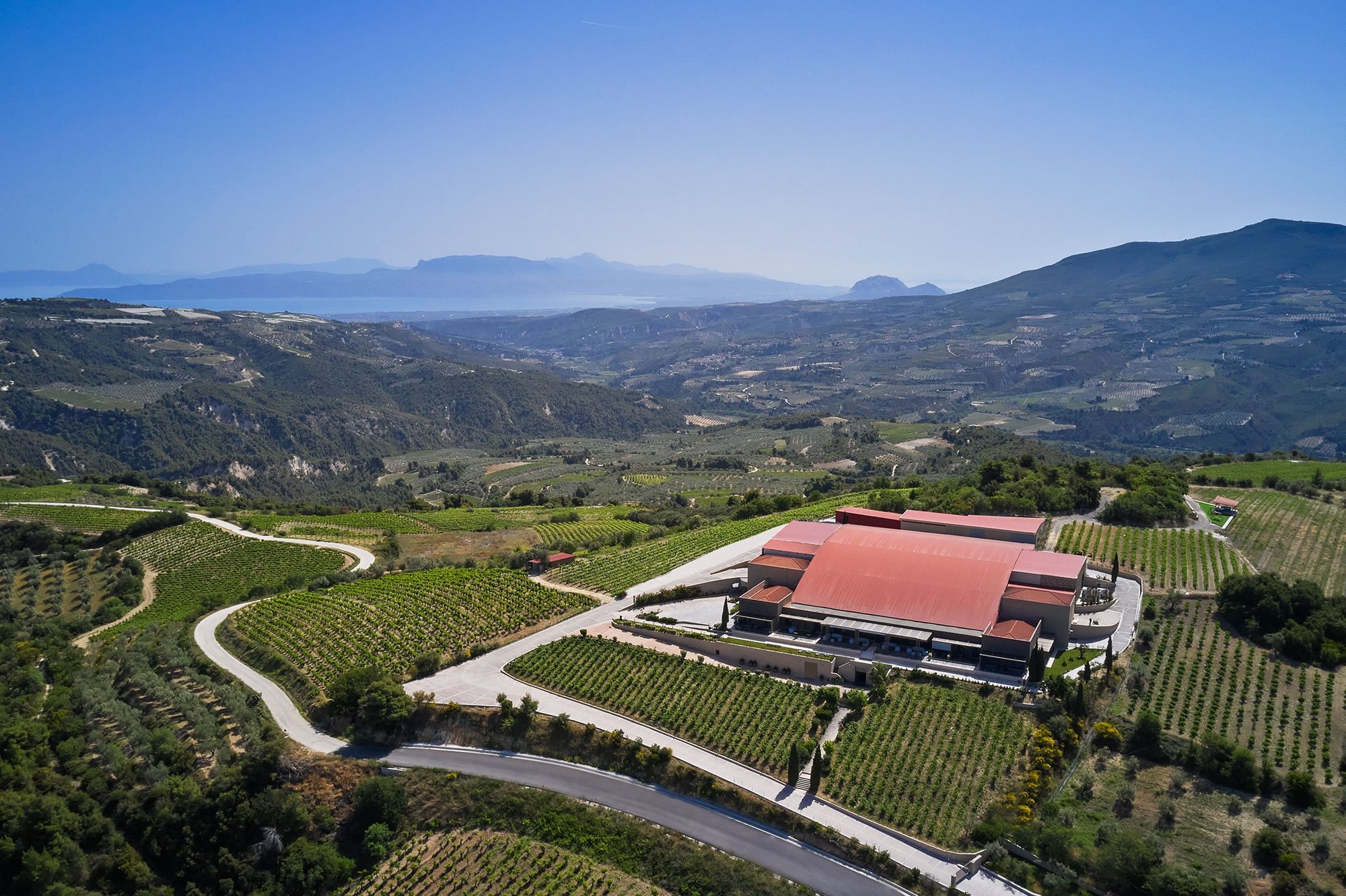
Gaia Wines reads like a focused, terroir-first estate that trades in detail and restraint rather than overt show. Set high on the Koutsi plateau, the cellar translates elevation, limestone and clay into wines with sculpted tannins, mineral lift and length—qualities that push the estate toward a sophisticated, fine-wine profile. The write-up’s emphasis on appellation context and a 2025 Pearl 2 Star Prestige rating frames Gaia as a serious producer: polished and considered rather than trendy. Visitors come for precise expression of Agiorgitiko and a calm, contemplative tasting experience that favors clarity over opulence.
Best For
This is a place built for study and slow appreciation: ideal for wine-education visits and solo exploration. The copy dwells on how elevation and soil differences yield a distinct plateau expression of Agiorgitiko—less jammy, more mineral-edged—making Gaia a useful stop for people comparing micro-terroirs within Nemea. Individuals who want to dissect structure, acidity and finish find more to learn here than those seeking a casual social stop. The estate’s recognition and technical focus make it appropriate for students, enthusiasts and buyers researching fine regional bottlings.
Tasting Tips
When tasting at Gaia, prioritize plateau Agiorgitiko and the estate-labelled bottlings mentioned in the profile; the text specifically flags the estate’s 2025 Pearl 2 Star Prestige rating as a marker of consistent terroir expression. Expect wines that are less overtly fruity and more mineral and structured—look for firm mid-palate weight and lingering finish. If possible, compare plateau examples with valley-floor references to hear the contrast the copy describes: cooler-site acidity and taut tannins versus warmer-site ripeness.
Venue details
Ambiance
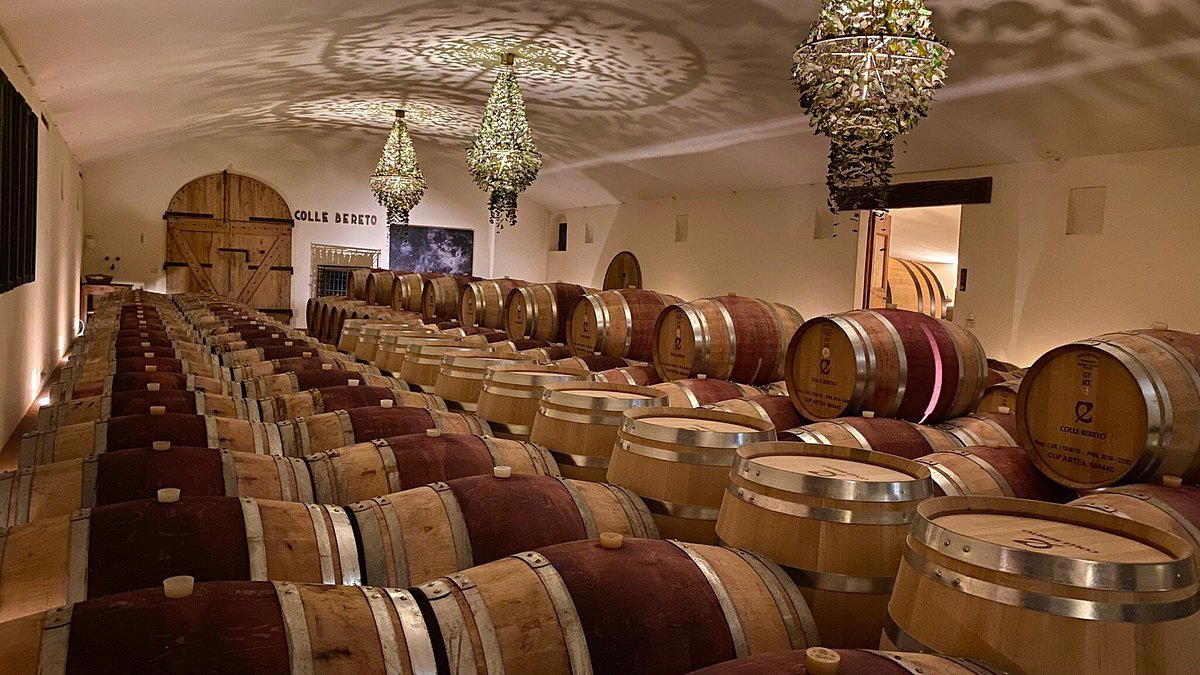
Contemporary industrial building offering magnificent panoramic views, with a welcoming and knowledgeable tasting atmosphere in the cellar.
Tags
Vibe
Best For
Experience
View
At the Vineyard
- Appellation
- Nemea PDO
- Varietals
- Agiorgitiko, Assyrtiko
- Tour Duration
- 1-2 hours
- Tour Languages
- English
- Visits
- By reservation
- Production
- Mid-size producer
- Wine Styles
- Still Red, Still White
- Wine Club
- Not available
Know before you go
Know Before You Go
- Getting there
- Koutsi 205 00
Planning details
Location
Recognition and awards

Also consider
Where to look if Gaia Wines is hard to arrange
Start with Semeli Estate if staying in Koutsi is important. It is the most direct cross-shop from the provided and keeps the itinerary concentrated.
If the group can travel farther, compare Acra Winery or Palivou Estate. Both are better fallback candidates when the priority is keeping a wine day intact rather than holding out for one specific Koutsi stop.
Winery context
How Gaia Wines compares in Koutsi and nearby wine country
Choose Gaia Wines when the priority is a serious, occasion-worthy winery stop in Koutsi and the group is comfortable doing more planning in advance. Semeli Estate is the cleaner comparison for visitors who want to stay in Koutsi but prefer a peer option to cross-check for availability and visit format.
For travelers willing to look beyond Koutsi, Barafakas Winery, Acra Winery, Palivou Estate, and Papaioannou Vineyards are better used as cross-shopping options than direct substitutes. The decision comes down to friction: Gaia Wines makes sense if Koutsi is the anchor, while the out-of-metro peers give more flexibility if the day is built around a wider Nemea-area route.
On value for money, do not judge Gaia Wines only by bottle reputation or prestige signals. Judge it by how much of the day it consumes. If the group wants ambiance and a focused wine-country stop, it can justify the effort. If the group wants easier logistics, compare Semeli Estate first, then widen the search to Acra Winery or Palivou Estate.
Explore Koutsi
Around this place
Discover more on Pearl
Unlock the full Gaia Wines guide in Pearl, including awards, comparisons, FAQs, planning details, and nearby places.
Compare Gaia Wines
| Venue | Location | Awards |
|---|---|---|
| Gaia Wines | Koutsi | 2026 Falstaff Winery Guide |
| Semeli Estate | Koutsi | No published awards |
| Barafakas Winery | Nemea | 2025 Decanter Winery Prestige |
| Acra Winery | Nemea | 2026 Falstaff Winery Guide |
| Palivou Estate | Nemea | 2026 Falstaff Winery Guide |
| Papaioannou Vineyards | Nemea | 2026 Falstaff Winery Guide |

How Gaia Wines Koutsi compares with similar nearby venues.
FAQ
Frequently Asked Questions
When is the best time to visit Gaia Wines?
Check current hours and visiting windows directly before planning around Gaia Wines. The venue is in Koutsi and has Pearl 2 Star Prestige recognition for 2025.
Can Gaia Wines handle large groups?
How long should I plan for a visit to Gaia Wines?
Plan your visit length after checking the current format and timing with Gaia Wines.
Does Gaia Wines offer membership options?
Do not assume a membership program or specific benefits without checking current information from Gaia Wines.
Does Gaia Wines offer off-site services?
Do I need a reservation at Gaia Wines?
Confirm the current booking process with Gaia Wines before visiting.
Does Gaia Wines serve food?
If food is important to your visit, confirm the current offering with Gaia Wines before you go.