
Weingut Alphart
Traiskirchen
Winery in Traiskirchen, Austria
 Book with Pearl
The Read
Thermal-Soil Precision
Why go
Choose Weingut Alphart for a serious wine-first stop in Traiskirchen, especially if producer recognition matters more than a broad hospitality setup. It is a stronger fit for focused visitors than for groups seeking food, cocktails, or a long social tasting. Cross-shop Weingut Stadlmann if you need another Traiskirchen winery option.
About Weingut Alphart
In Traiskirchen, Weingut Alphart is a casual-dress venue with Pearl 2 Star Prestige recognition for 2025. For readers deciding whether to include it in a Traiskirchen plan, the strongest reason to consider it is that recognition, rather than any promise of a particular menu, service format, visitor program, or group experience.
The practical read is simple. Information is limited, so it's best to confirm details directly with the venue. Use it as a Traiskirchen stop to consider on the strength of its recognition, then check Our full Traiskirchen restaurants guide if you also need dining options around the same day.
Book for recognition, not unconfirmed extras
The clearest reason to prioritize Weingut Alphart is its Pearl 2 Star Prestige recognition for 2025. That category should not be stretched into claims about a specific hospitality format, food service, tasting structure, drinks program, pricing, or capacity. If the goal is to choose a Traiskirchen venue with a distinction, Weingut Alphart belongs on the shortlist.
Because information is limited, the safest approach is to confirm any practical needs directly with the venue before planning around them. Dress expectations are casual, but details such as reservations, visit length, group suitability, shipping, club access, and food service should be confirmed directly with the venue.
How to think about other options
For comparison, readers may also look at Ginmacher Distillery, Weingut Christian Fischer Distillery, Weingut Familie Reinisch, Weingut Heinrich Hartl, and Weingut Stadlmann, or consider other dining in Traiskirchen generically. Keep the comparison focused on what each venue confirms directly rather than assuming a shared format, location detail, menu, or service model.
Planning details
- Location
- Wr. Str. 46, 2514 Traiskirchen
- Website
- alphart.com
- Phone
- +43 2252 52328
The take
The Take
The Vibe
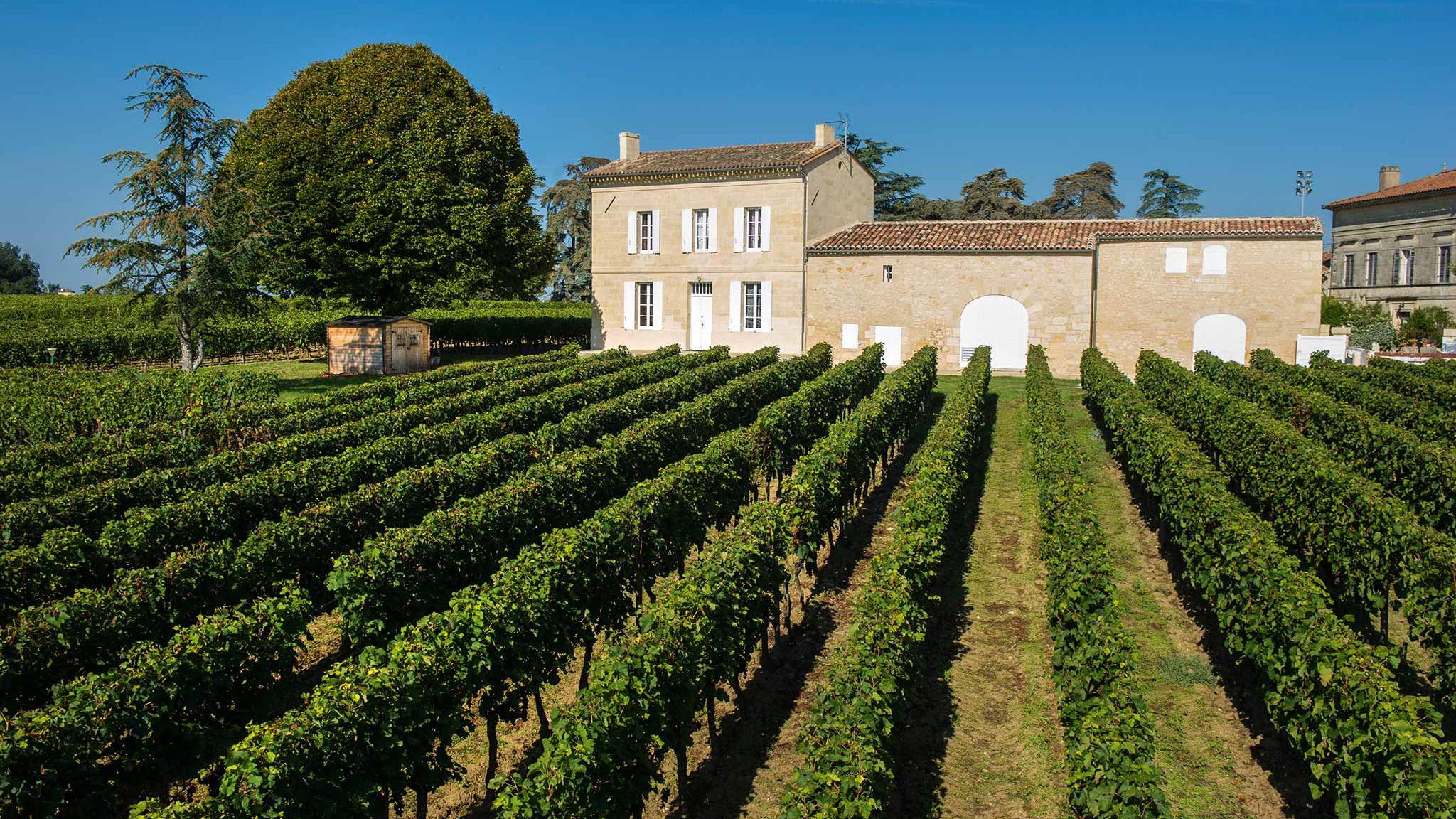
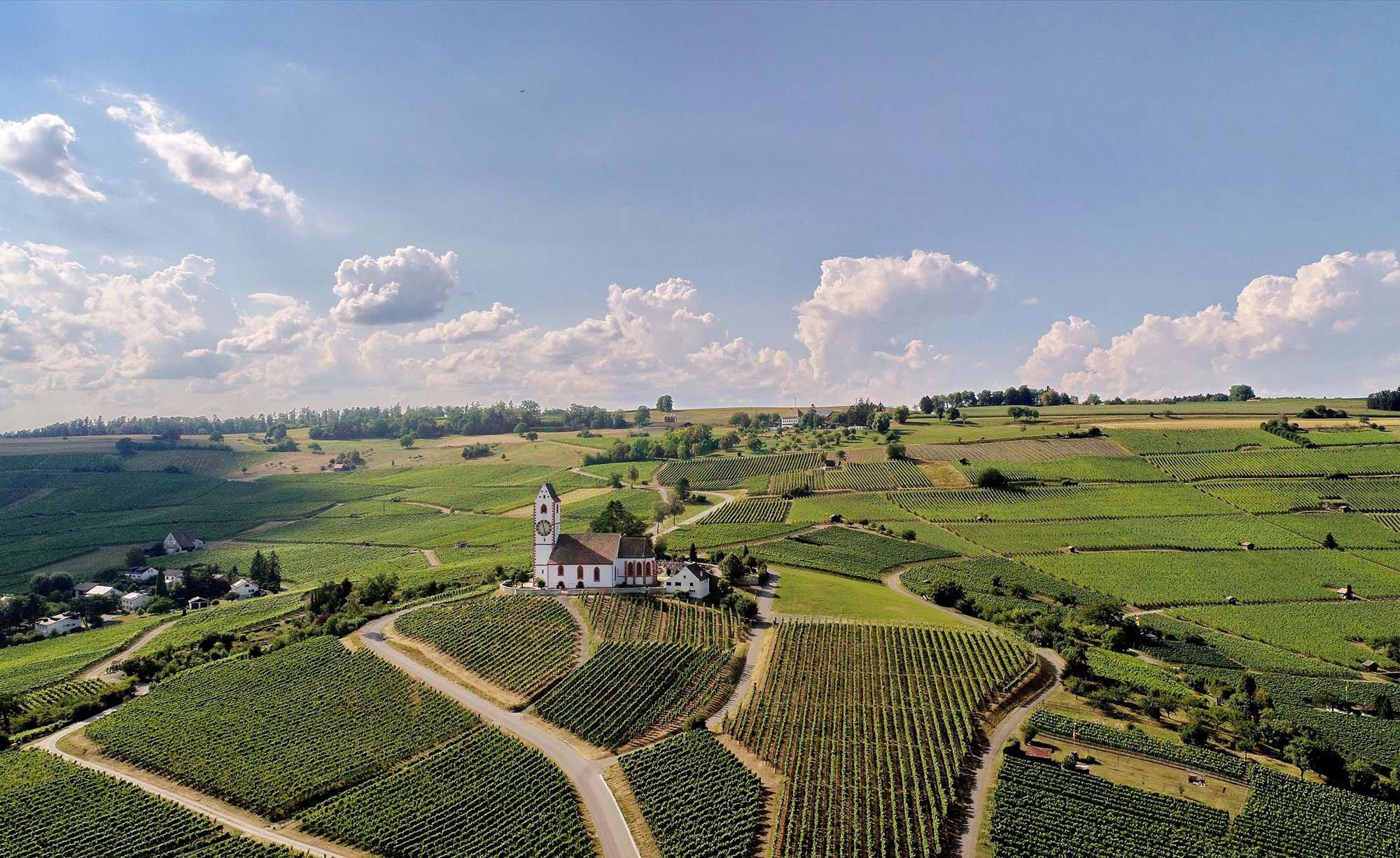
Weingut Alphart presents a warm, terroir-driven presence in the Thermenregion. The copy emphasizes the thermal springs and Pannonian warmth that lengthen the growing season and produce generous, fully ripened styles. Alphart reads like a quietly confident estate: recognized regionally and recently awarded a Pearl 2 Star Prestige in 2025, the winery speaks to consistent cellar work more than singular showpieces. The property is rooted in its vineyards—gravel flats and limestone slopes—so the overall impression is one of sunlit, mature vines and wines that reflect a distinctive, sun‑kissed corner of Austrian viticulture.
Best For
Alphart is best suited to people curious about regional identity and the mechanics of Thermenregion ripeness. The estate is positioned as part of a practical southern-day-trip circuit from Vienna—reachable by S‑Bahn—so it works well for solo visitors, small groups, and anyone seeking wine-focused education without long travel. The Pearl 2 Star Prestige rating signals a reliable cellar worth tasting through, and the vineyard-dominant description makes the estate a good stop for visitors who want to compare plots and styles within the warmer Pannonian-influenced zone.
Tasting Tips
When tasting at Alphart, prioritize wines that showcase Thermenregion identity and the estate's indigenous varieties; the description highlights extended ripening and structural generosity, so look for fuller-bodied examples that reflect warm-site ripeness. Give priority to estate-labeled bottlings and selections noted for consistent cellar quality—the Pearl 2 Star Prestige indicates depth across the range. Because the estate sits amid varied plots, ask about vineyard-specific bottlings or plot-driven cuvées to taste differences between gravel flats and limestone slopes. Plan travel by S‑Bahn if coming from Vienna to keep the visit efficient.
Venue details
Ambiance
Heimelig and welcoming Heuriger atmosphere with shaded garden seating, friendly service, and cozy indoor spaces.
Tags
Vibe
Best For
Experience
Sourcing
View
At the Vineyard
- Appellation
- Thermenregion
- Varietals
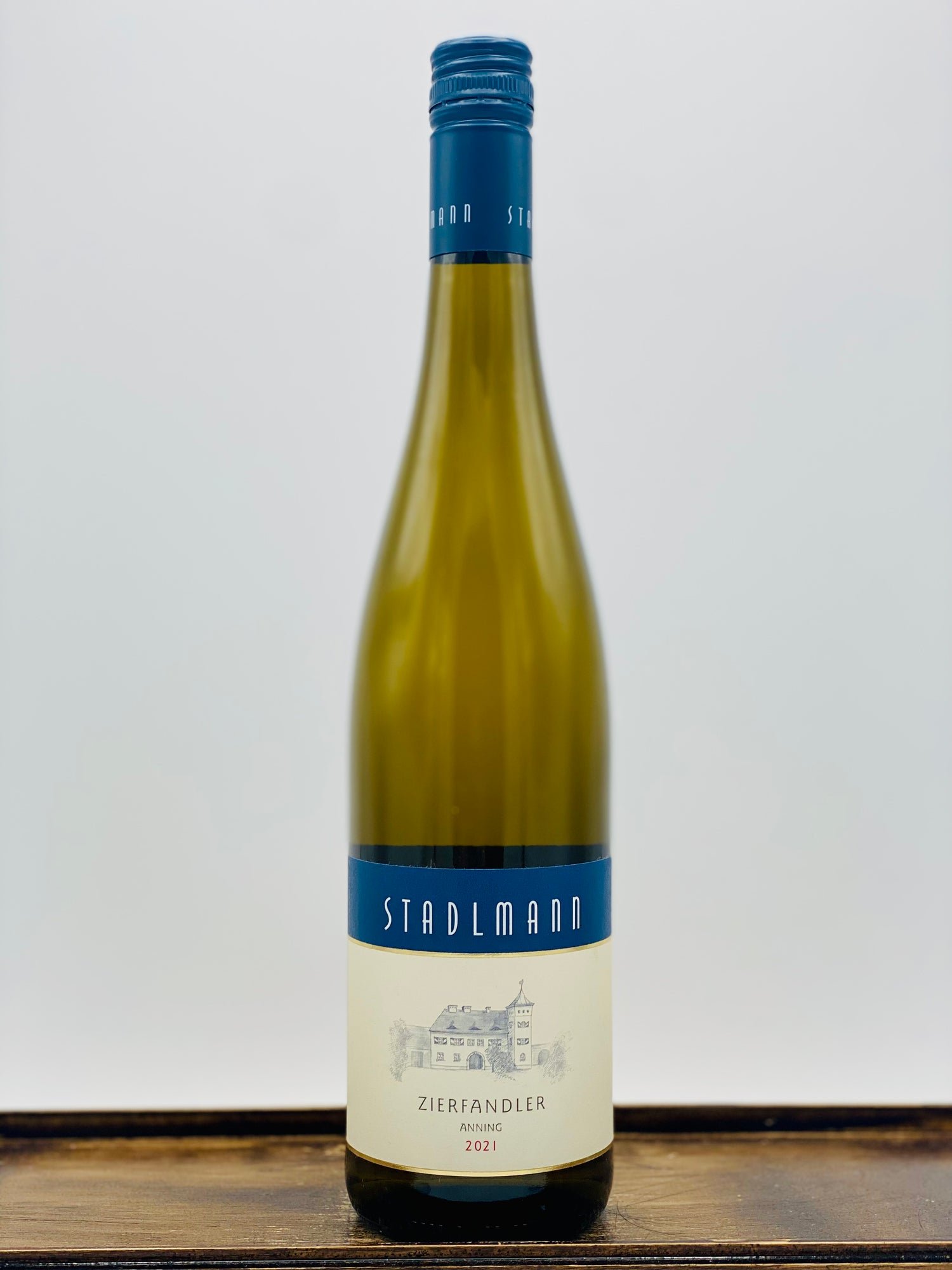
- Rotgipfler, Chardonnay, Zierfandler, Grüner Veltliner, Pinot Noir
- Tour Duration
- 60-90 minutes
- Visits
- By reservation
- Farming
- Sustainable
- Wine Styles
- Still White, Still Red, Still Rose, Sparkling
- Food Pairing
- Offered
- Wine Club
- Not available
Know before you go
Know Before You Go
- Getting there
- Wr. Str. 46, 2514 Traiskirchen
Planning details
Location
Recognition and awards

Also consider
Where to Go If This Is Not the Right Fit
Try Weingut Stadlmann first if the goal is another Traiskirchen winery option. For a non-wine alternative, Ginmacher Distillery is the cleaner switch for groups that would rather make the day about spirits.
Winery context
How It Compares
Against Weingut Stadlmann, Weingut Alphart is the more recognition-led pick, while Stadlmann is the natural backup for readers who want another Traiskirchen winery in the same local orbit. Choose Alphart if the priority is producer credibility; choose Stadlmann if the date, timing, or visit format works better for the group.
Weingut Heinrich Hartl and Weingut Familie Reinisch make more sense as wider-area wine cross-shops than direct substitutes. They are useful when the plan is a broader wine day outside Traiskirchen rather than a single local stop. For value, compare confirmed tasting terms before choosing; no safe price call can be made without current visit pricing.
Weingut Christian Fischer Distillery and Ginmacher Distillery are better for groups that want spirits or a distillery angle. They are not like-for-like winery alternatives. If the group is split between wine and mixed-drink interests, those two may be easier crowd-pleasers; if the brief is focused Austrian wine, keep Alphart ahead of them.
Explore Traiskirchen
Around this place
Discover more on Pearl
Unlock the full Weingut Alphart guide in Pearl, including awards, comparisons, FAQs, planning details, and nearby places.
Compare Weingut Alphart
| Venue | Location | Awards |
|---|---|---|
| Weingut Alphart | Traiskirchen | 2026 Falstaff Winery Guide |
| Weingut Stadlmann | Traiskirchen | 2026 Falstaff Winery Guide |
| Weingut Heinrich Hartl | Oberwaltersdorf | 2026 Falstaff Winery Guide |
| Weingut Familie Reinisch | Tattendorf | 2026 Falstaff Winery Guide |
| Weingut Christian Fischer Distillery | Sooß | 2026 Falstaff Winery Guide |
| Ginmacher Distillery | Brunn am Gebirge | No published awards |
How Weingut Alphart Traiskirchen compares with similar nearby venues.
FAQ
Frequently Asked Questions
When is the best time to visit Weingut Alphart?
Opening hours or a best visiting window are not specified. If you want to include Weingut Alphart in a Traiskirchen itinerary, check directly with the venue before setting your schedule.
Do I need a reservation at Weingut Alphart?
Reservation requirements are not specified. Because Weingut Alphart has Pearl 2 Star Prestige 2025 recognition, it is sensible to confirm arrangements directly before you go.
Does Weingut Alphart ship wine?
Shipping is not specified for Weingut Alphart. Do not plan around delivery or shipment unless the venue confirms it directly.
How long should I plan for a visit to Weingut Alphart?
Visit length is not specified. If you are building a Traiskirchen day around Weingut Alphart, confirm timing directly with the venue before finalizing the rest of your itinerary.