
Viña San Pedro
Molina, Curicó
Winery in Curicó, Chile
 Book with Pearl
The Read
Panamericana Sur Scale
Why go
Viña San Pedro is the right call for a serious Maule winery stop near Curicó, especially if the group is wine-focused and comfortable planning ahead. It is less suited to a spontaneous tasting or a food-pairing-first day, since visitor format and dining details should be confirmed before building the route.
About Viña San Pedro
Viña San Pedro in Curicó is a venue with a casual dress code and Pearl 2 Star Prestige recognition for 2025. Beyond those points, the published record here does not confirm specific visit details such as service format, hours, pricing, address, or visitor arrangements. Treat it as a Curicó option to research directly before building a detailed itinerary around it.
The main decision is whether the confirmed information is enough for your plans. If you need a visit with specific timing, pricing, or group-size requirements, confirm those details with the venue before committing. For comparison, you can also look at El Gobernador (Miguel Torres Chile), Viña Requingua, Viña Santa Cruz, Viña Valdivieso, and Viña Viu Manent, or consider other dining in Curicó generically.
Make it a carefully confirmed Curicó stop
If the day needs food, plan separately rather than assuming the venue will provide it.
For a returning visitor, the value is in comparing Viña San Pedro with other named options in the broader set of venues Pearl tracks, without overstating what is confirmed here. If the group includes people who need detailed logistics in advance, check the venue directly and consider whether another Curicó option is a more clearly documented match for that day.
Plan the logistics before you build the route
The safest approach is to confirm timing, access, availability, and any visitor requirements before setting the rest of the schedule. For a fuller regional plan, cross-check broader Curicó options before committing to a route.
The practical verdict: choose Viña San Pedro when you want a Curicó venue with a casual dress code and confirmed Pearl 2 Star Prestige recognition. Skip building a fixed food, tasting, or group itinerary around it until the details are confirmed directly.
Planning details
- Location
- Ruta Panamericana Sur 205, Molina, Maule
- Website
- sanpedro.cl
- Phone
- +56 75 228 1583
The take
The Take
The Vibe
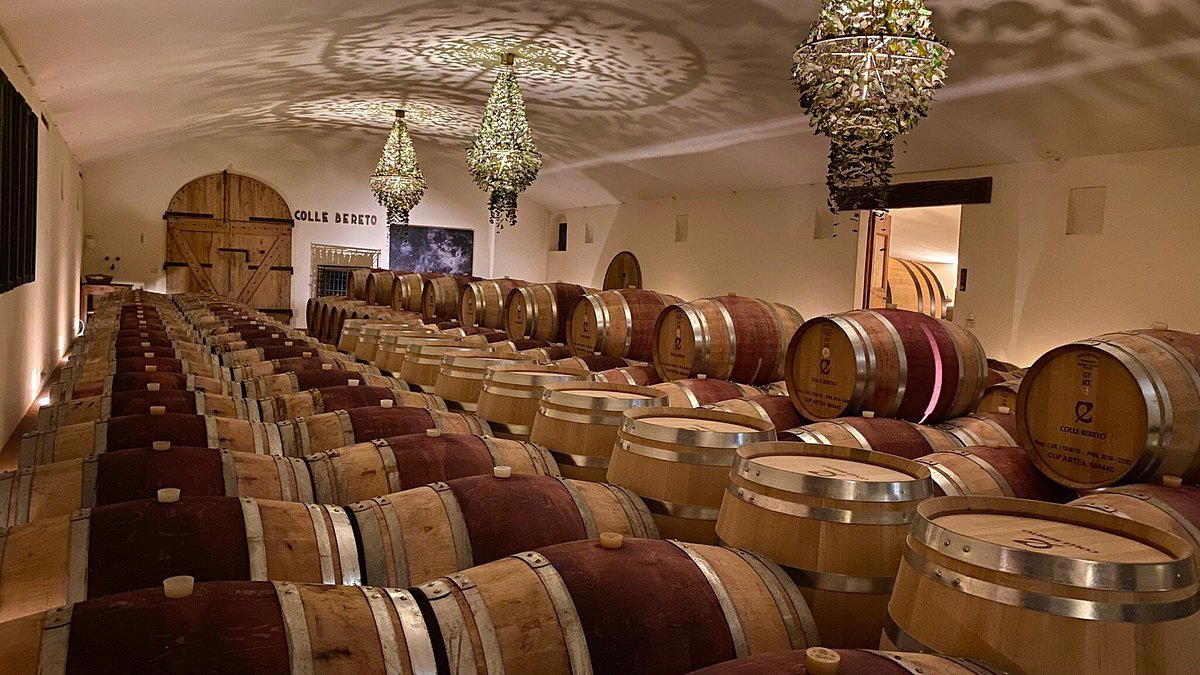
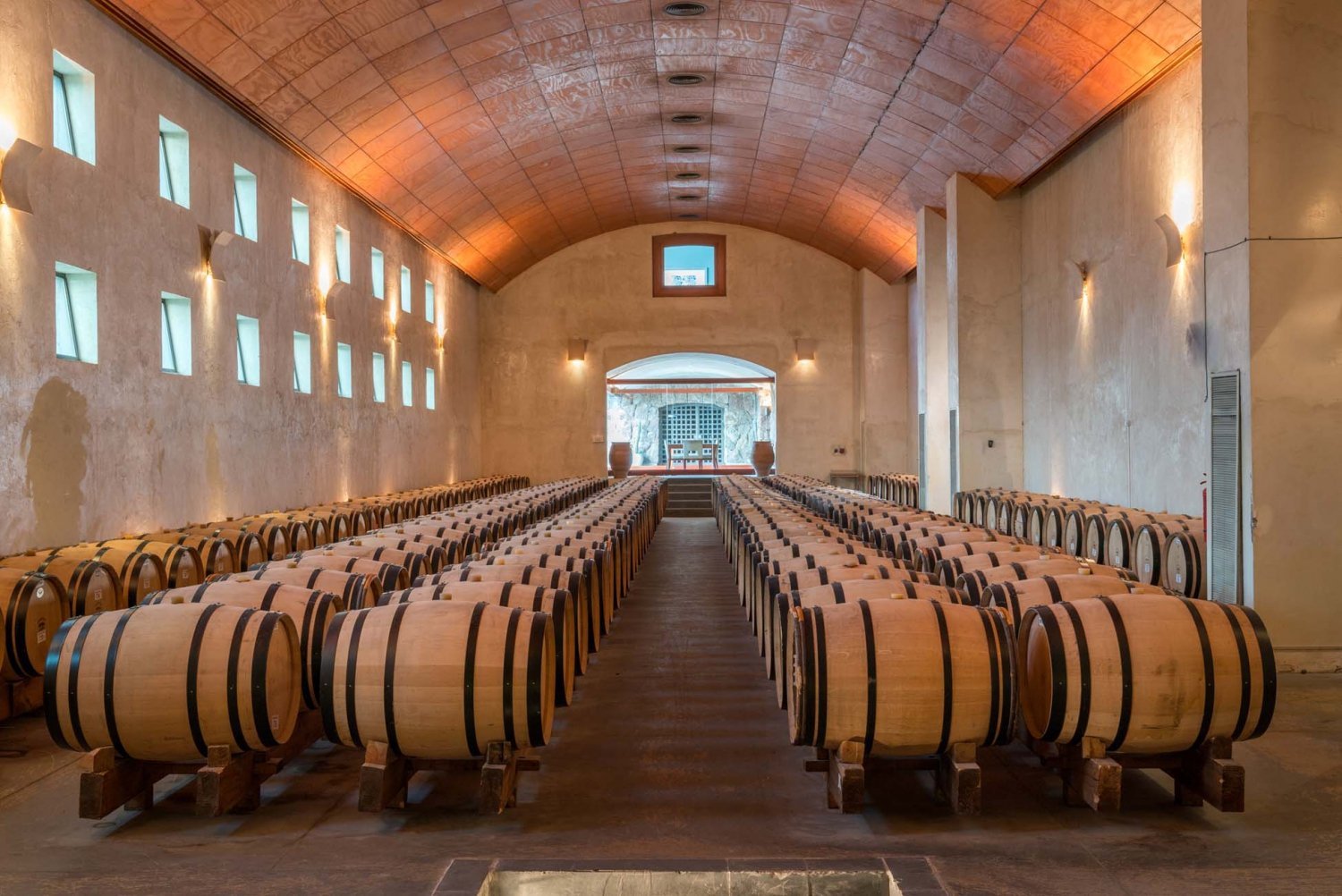
Viña San Pedro reads as an institutional winery rather than a boutique cellar. Located beside the Panamericana Sur, the property projects scale and purpose: working cellar spaces, barrel halls and production areas give the visit an industrious, production-focused feel. The long history of exports and the sense that Chilean markets have matured lend a quietly confident, sophisticated tone to tastings here. Visits feel organized and deliberate — the pleasure comes from seeing how a large, well-established house operates rather than from discovery or rustic seclusion.
Best For
This estate is best for visitors interested in structured wine education and group visits. The description signals organised cellar tours and guided tastings, which suit school groups, wine clubs, or corporate outings looking to learn about large-scale Chilean production. Because the property operates at scale and is not a tucked-away boutique, it works well for parties that expect a formal, informative walkthrough of cellar operations and barrel halls rather than an intimate, improvised tasting.
Tasting Tips
Plan ahead: tastings here are described as structured and guided rather than spontaneous, so booking a cellar tour or tasting in advance is wise. Expect to encounter production areas, barrel halls and a focus on the region’s common varieties — Carménère, Cabernet Sauvignon and Syrah among the reds, with Chardonnay and Sauvignon Blanc for whites — so ask the guide about those wines and the Maule valley’s ripening conditions. Bring a group if you prefer a social, organised visit; solo drop-ins are less likely to match the winery’s operating rhythm.
Venue details
Ambiance
Historic and rustic atmosphere featuring a hundred-year-old underground cava cellar amid extensive vineyards.
Tags
Vibe
Best For
Experience
Sourcing
View
At the Vineyard
- Appellation
- Curicó Valley
- Varietals
- Cabernet Sauvignon, Carmenère, Syrah, Sauvignon Blanc, Merlot
- Tour Duration
- 60-90 minutes
- Wine Club
- Not available
Know before you go
Know Before You Go
- Getting there
- Ruta Panamericana Sur 205, Molina, Maule
Planning details
Location
Recognition and awards

Also consider
Also Consider
- Viña Valdivieso, Notable alternative
- Viña Requingua, Notable alternative
- El Gobernador (Miguel Torres Chile), Notable alternative
- Viña Santa Cruz, Notable alternative
- Viña Viu Manent, Notable alternative
Winery context
How it compares in and around Curicó
Choose Viña San Pedro if the priority is a serious Maule winery anchor and the group can plan around a destination stop. Viña Requingua is the easier cross-shop for travelers who want to stay firmly in the Curicó set, while El Gobernador (Miguel Torres Chile) is the one to compare if the day needs a more curated hospitality feel.
Viña Valdivieso, Viña Santa Cruz, and Viña Viu Manent make more sense as broader Central Valley alternatives than direct Curicó substitutes. They are better cross-shops for travelers building a multi-region wine route, not for someone trying to keep the day tight around Molina and Curicó.
For value, Viña Requingua is the practical backup if access or timing is the main concern. For a more polished, planned outing, compare El Gobernador first. For a benchmark Maule stop with less emphasis on a packaged meal experience, Viña San Pedro remains the stronger fit.
Explore Curicó
Around this place
Discover more on Pearl
Unlock the full Viña San Pedro guide in Pearl, including awards, comparisons, FAQs, planning details, and nearby places.
Compare Viña San Pedro
| Venue | Location | Awards |
|---|---|---|
| Viña San Pedro | Curicó | 2026 Falstaff Winery Guide |
| Viña Valdivieso | Lontué | No published awards |
| Viña Requingua | Curicó | No published awards |
| El Gobernador (Miguel Torres Chile) | Curicó | No published awards |
| Viña Santa Cruz | Lolol | No published awards |
| Viña Viu Manent | Santa Cruz | 2026 Falstaff Winery Guide2025 World's 50 Best Vineyards · #402024 World's 50 Best Vineyards · #192023 World's 50 Best Vineyards · #432022 World's 50 Best Vineyards · #322021 World's 50 Best Vineyards · #452020 World's 50 Best Vineyards · #432019 World's 50 Best Vineyards · #23 |

How Viña San Pedro Curicó compares with similar nearby venues.
FAQ
Frequently Asked Questions
What should I confirm before planning a visit?
What other venues can I compare with Viña San Pedro?
For comparison, consider El Gobernador (Miguel Torres Chile), Viña Requingua, Viña Santa Cruz, Viña Valdivieso, and Viña Viu Manent.