
Boschendal
Groot Drakenstein Valley, Franschhoek, Franschhoek
Winery in Franschhoek, South Africa
 Book with Pearl
The Read
Multi-Terroir Estate Dining
Price
$30–50tasting
Why go
Boschendal is worth booking when the goal is a full Franschhoek estate visit rather than a quick tasting-room stop. Its strength is scale and setting, especially for mixed groups, but wine-focused travelers should pair it with a more narrowly focused producer if they want deeper cellar context.
About Boschendal
Boschendal is a Franschhoek venue with a smart-casual dress code and 3 Star Prestige recognition for 2025. Specific details such as menus, tasting formats, prices, hours, seat counts, service styles, and location beyond Franschhoek are not available.
Boschendal is a recognized Franschhoek name for travelers who prefer to confirm operational details directly with the venue. If timing, food, beverages, accessibility, private experiences, or booking requirements matter to your plans, confirm those directly with the venue before arranging the visit.
Book it for the recognition and Franschhoek setting
A key reason to consider Boschendal is its 3 Star Prestige status in 2025. The dress code is smart casual, so guests should plan for a polished but not overly formal visit.
For comparison within the regional venue conversation, consider Anthonij Rupert Wyne (L'Ormarins), Plaisir de Merle, Rupert & Rothschild Vignerons, Thelema Mountain Vineyards, and Vrede en Lust Wine Estate. Boschendal is a Franschhoek venue with recognition and a smart-casual dress code.
How to fit it into a Franschhoek itinerary
Boschendal is a Franschhoek listing. If the day also includes dining, build the route from the Franschhoek restaurants guide and confirm any time-sensitive plans directly before you go.
For travelers using Franschhoek as a base, Boschendal can sit alongside other named regional options such as Plaisir de Merle, Vrede en Lust Wine Estate, Anthonij Rupert Wyne (L'Ormarins), Rupert & Rothschild Vignerons, and Thelema Mountain Vineyards. Avoid planning around assumptions about lunch, tastings, transport, or on-site services unless those details are checked with the venue.
The verdict: keep Boschendal on the shortlist if you want a Franschhoek venue with 3 Star Prestige recognition for 2025 and a smart-casual dress code. For anything more specific, from timing to facilities, confirm directly before making it the anchor of your itinerary.
Planning details
- Location
- Helshoogte Rd, Pniel, 7681
- Website
- boschendal.com
- Phone
- +27 21 870 4200
The take
The Take
The Vibe
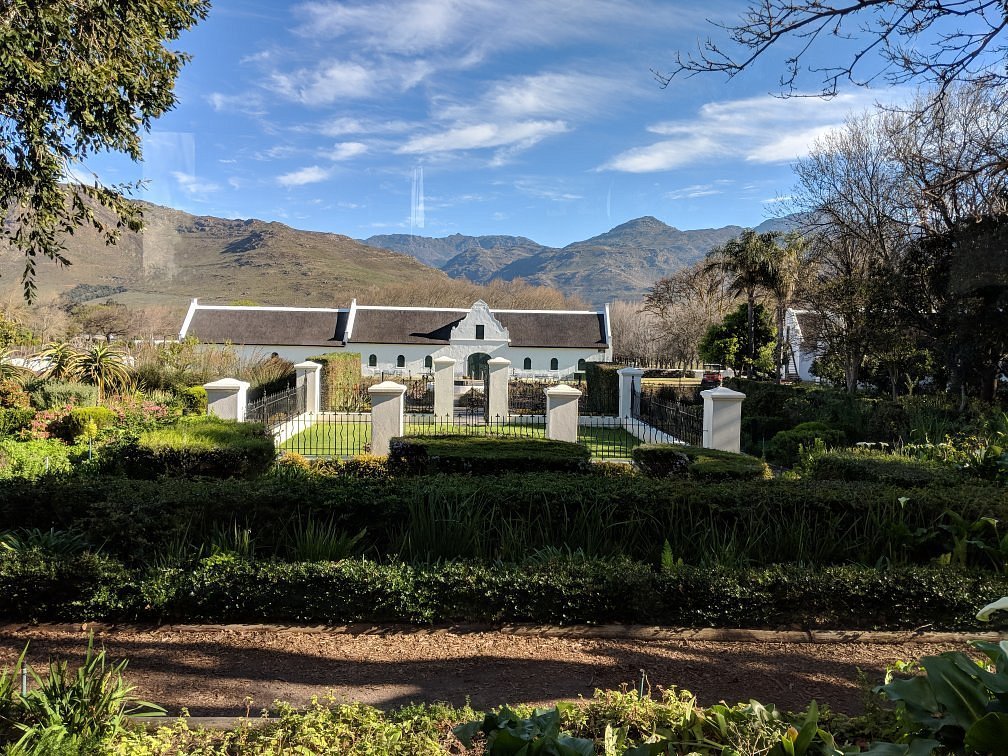
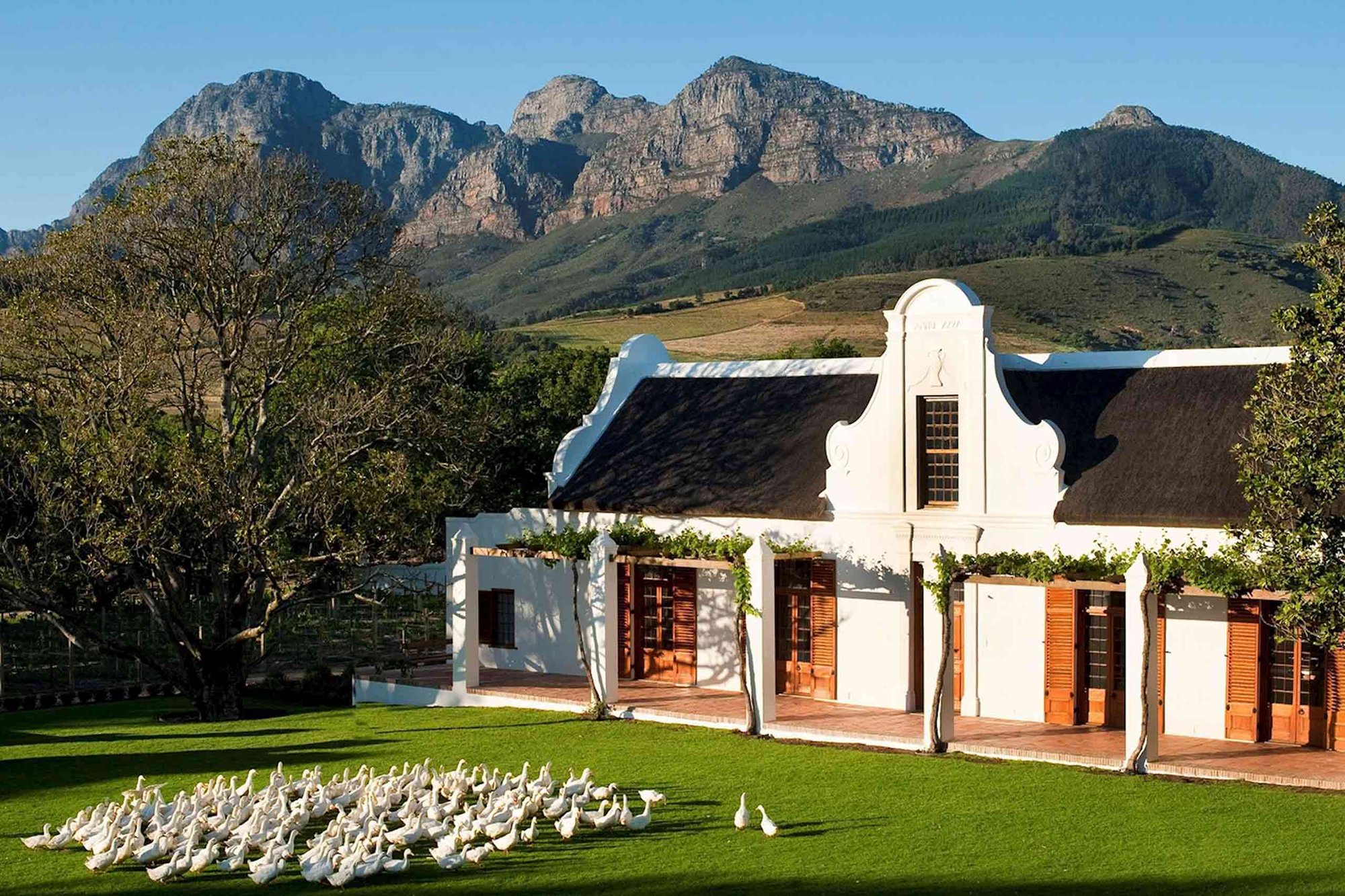
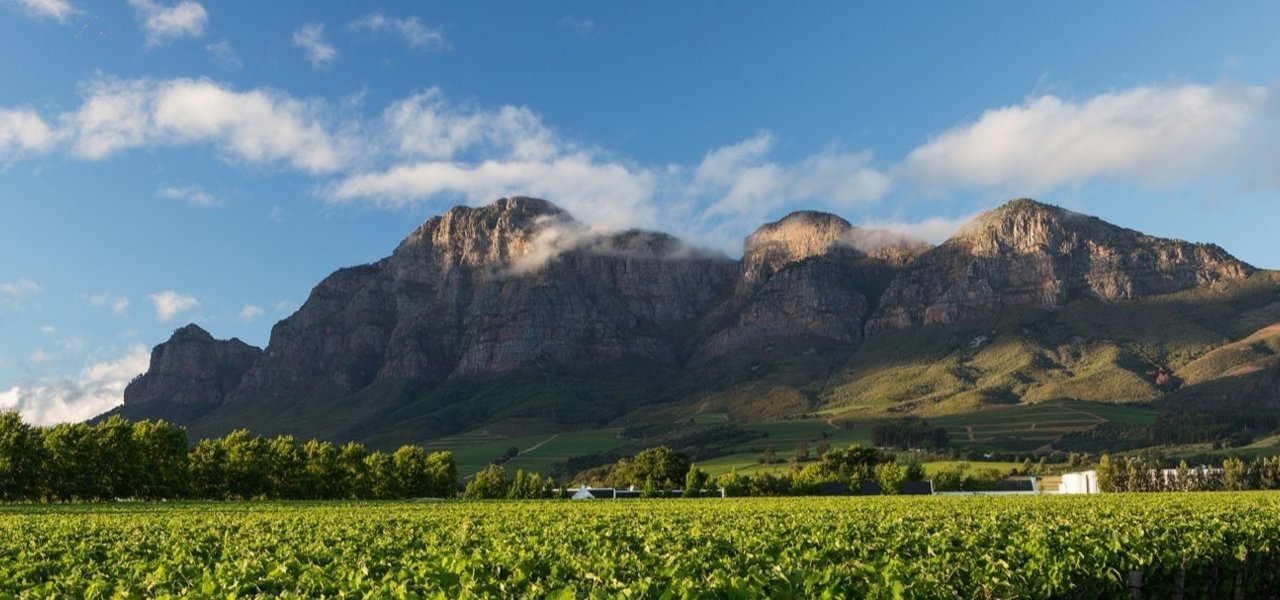
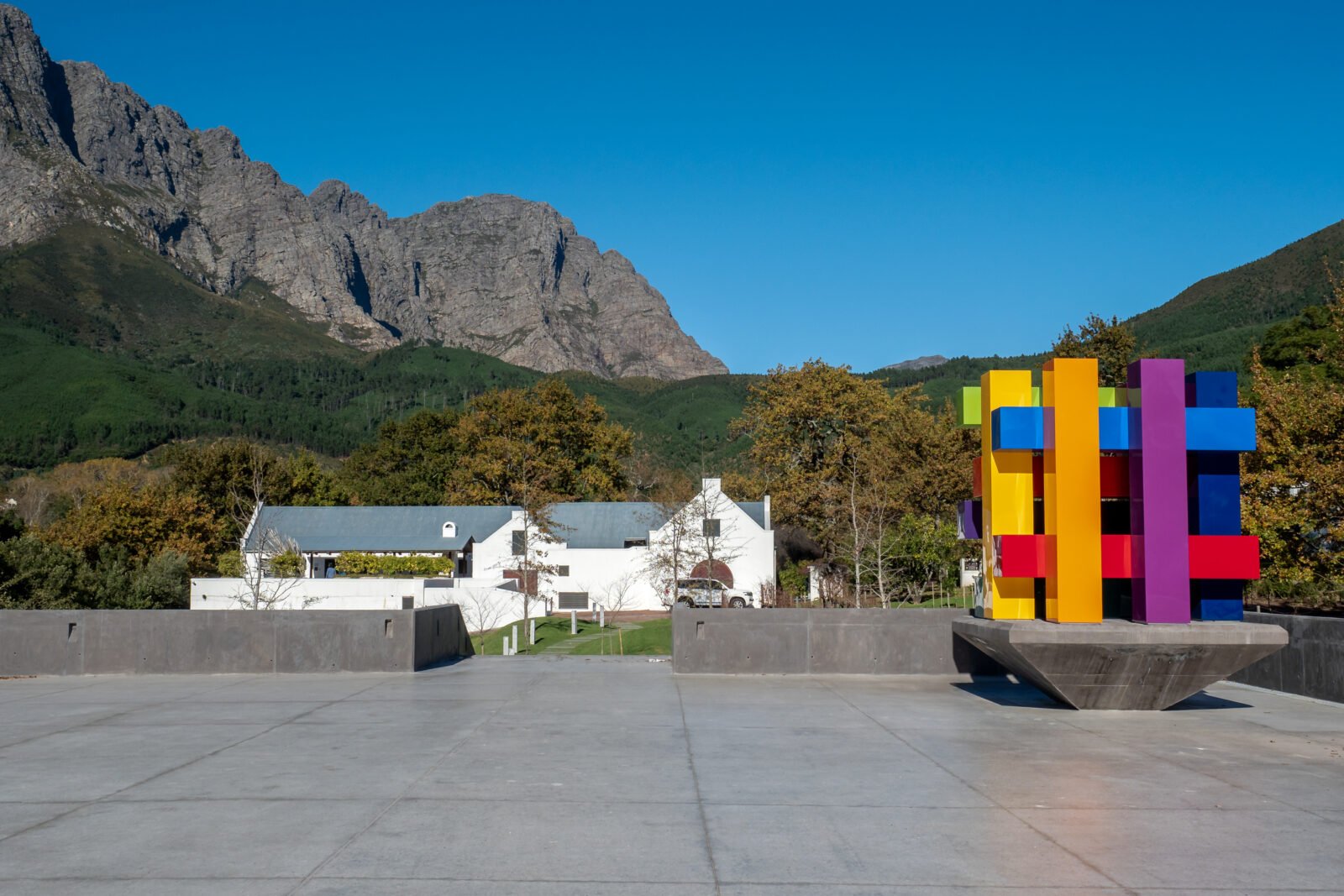
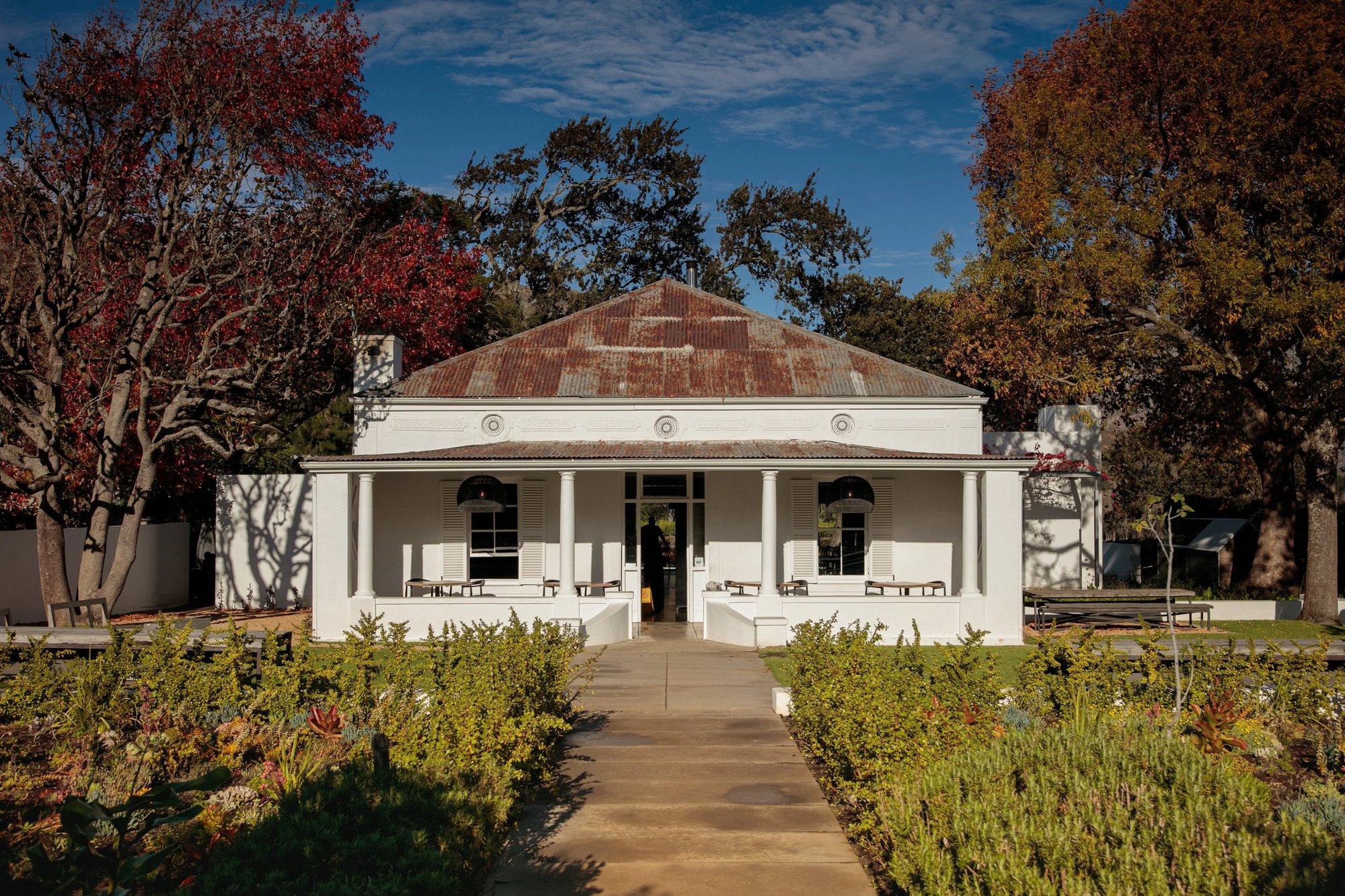
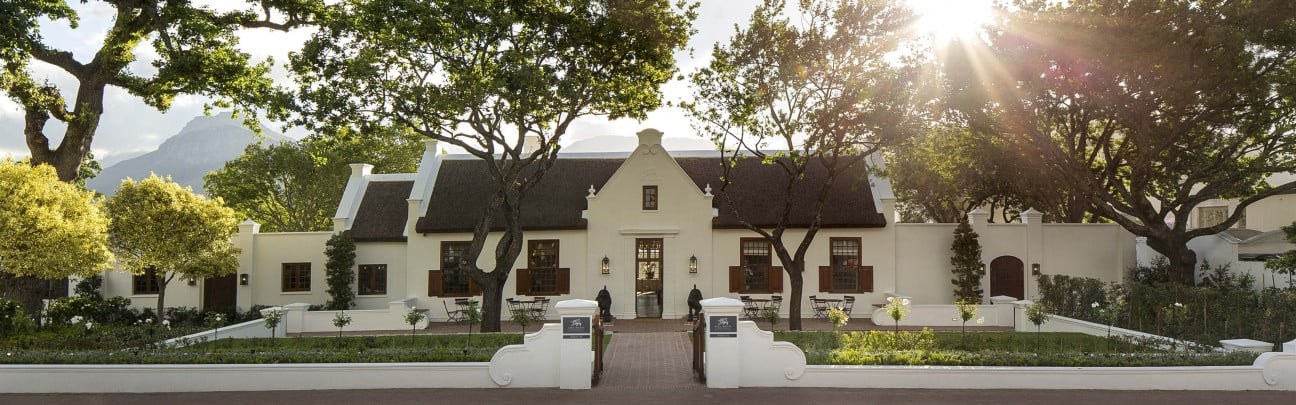
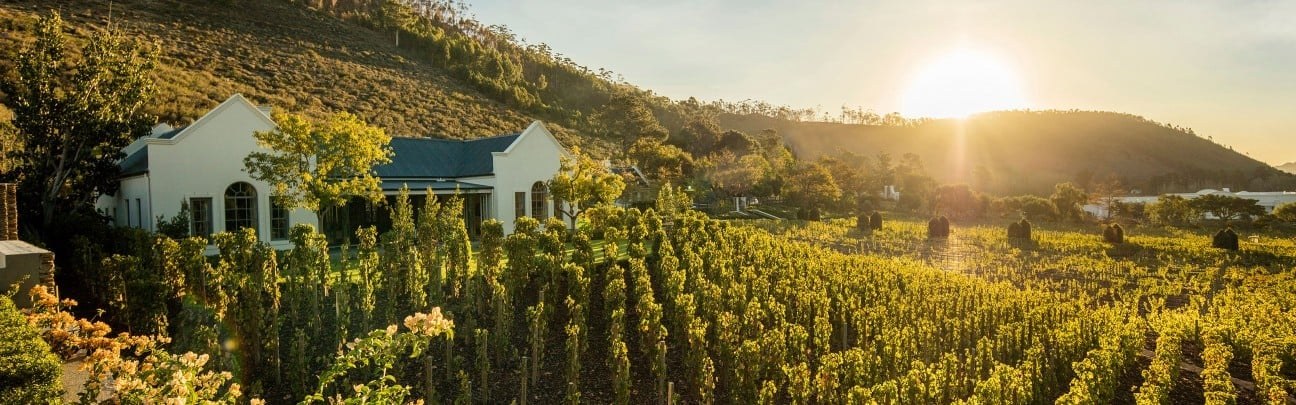
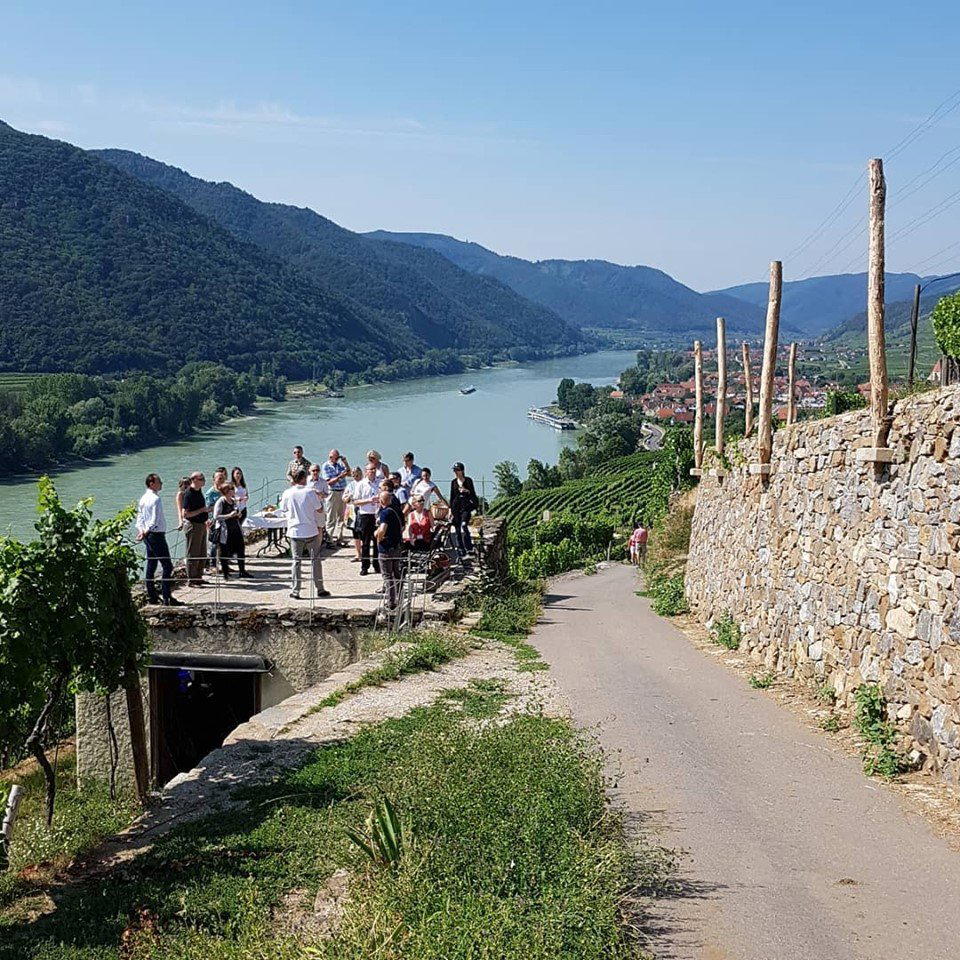
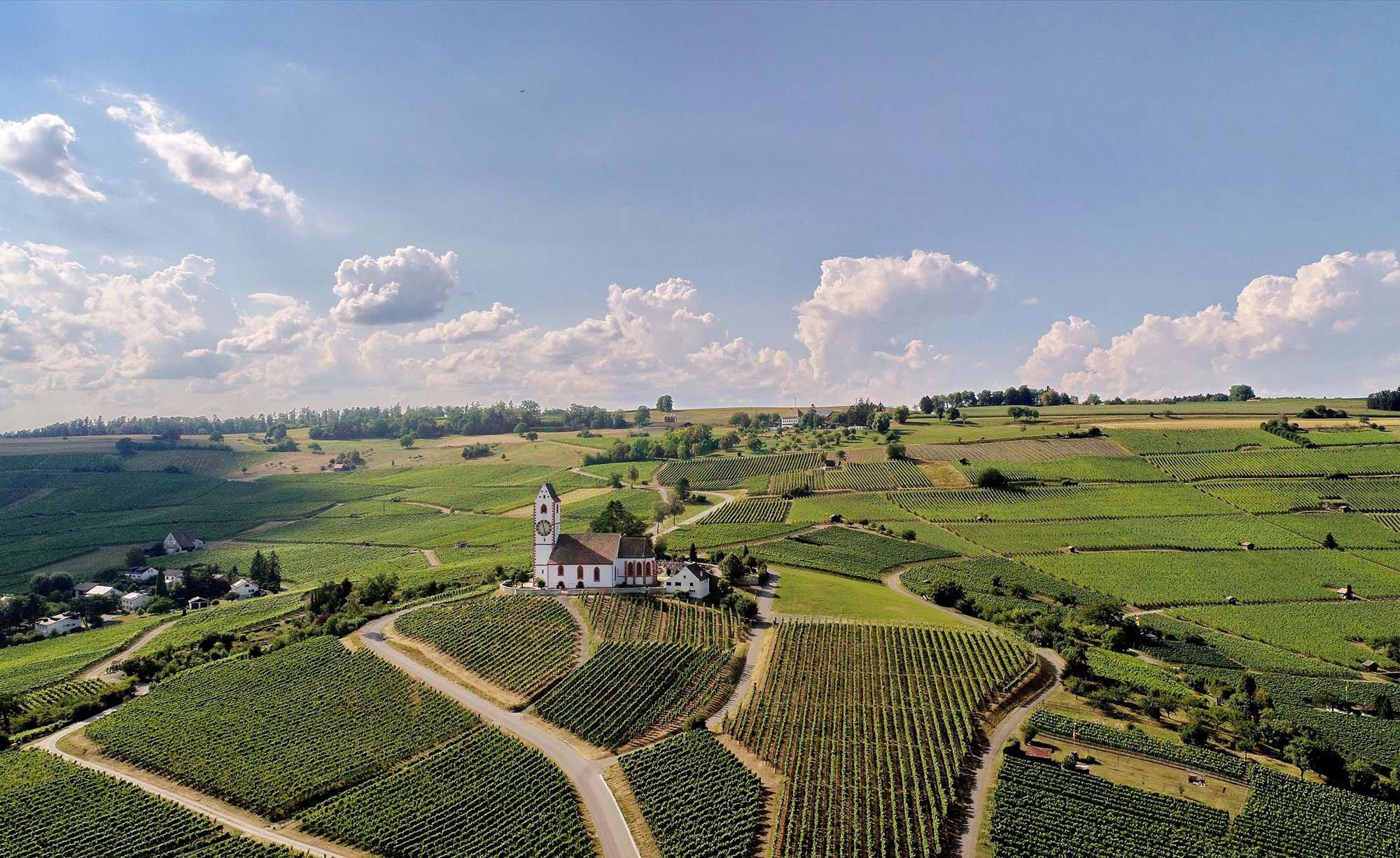
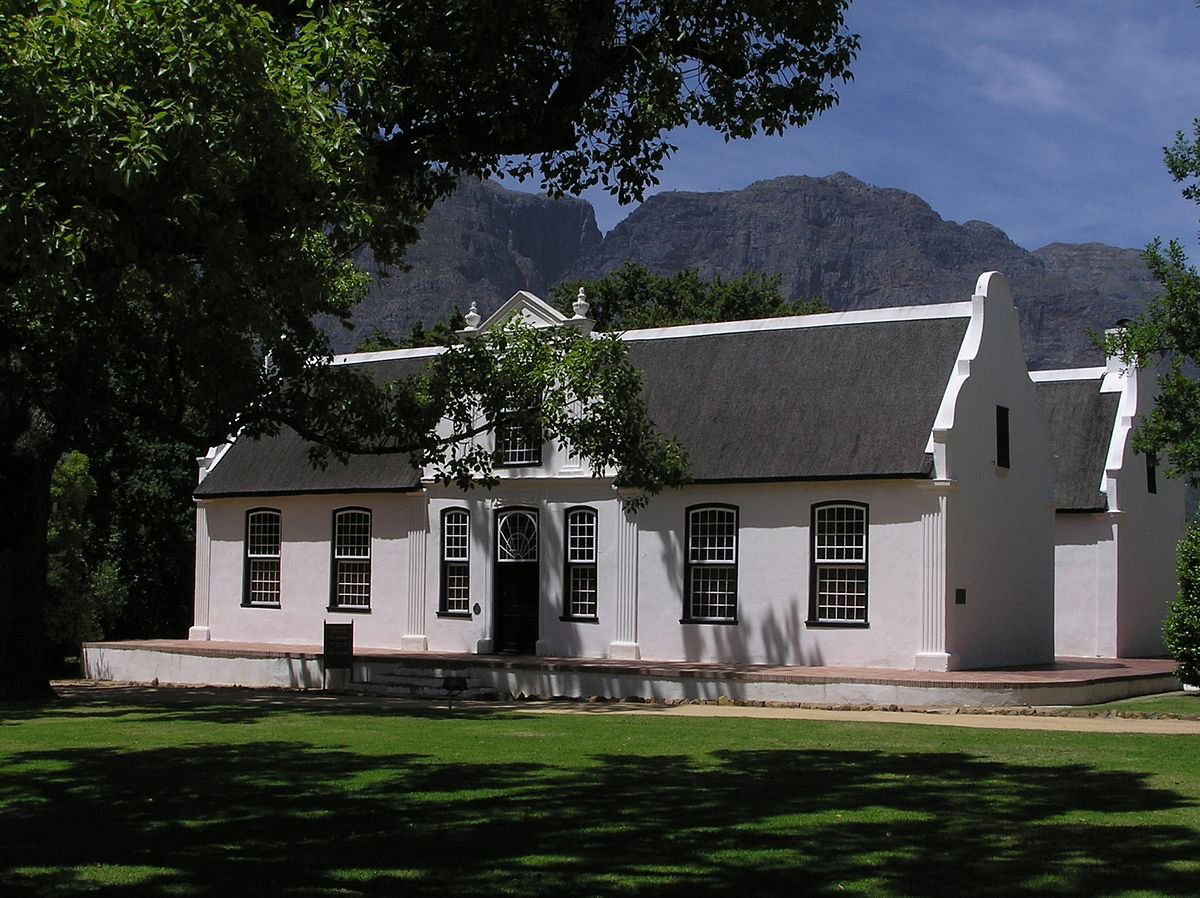
Boschendal reads like a living piece of Cape history. The whitewashed Cape Dutch homestead, the long avenue of oaks and the worked-earth smell of old farmland announce an estate shaped by three centuries of agriculture. The mountains that press in on either side create a contained, almost intimate valley setting, and the property’s convergence of distinct soils and viticultural heritage gives it a density of character that newer estates can’t easily match. With a formal Pearl 3 Star Prestige rating, Boschendal balances heritage gravitas with refined hospitality, feeling at once historically rooted and deliberately composed as a destination.
Best For
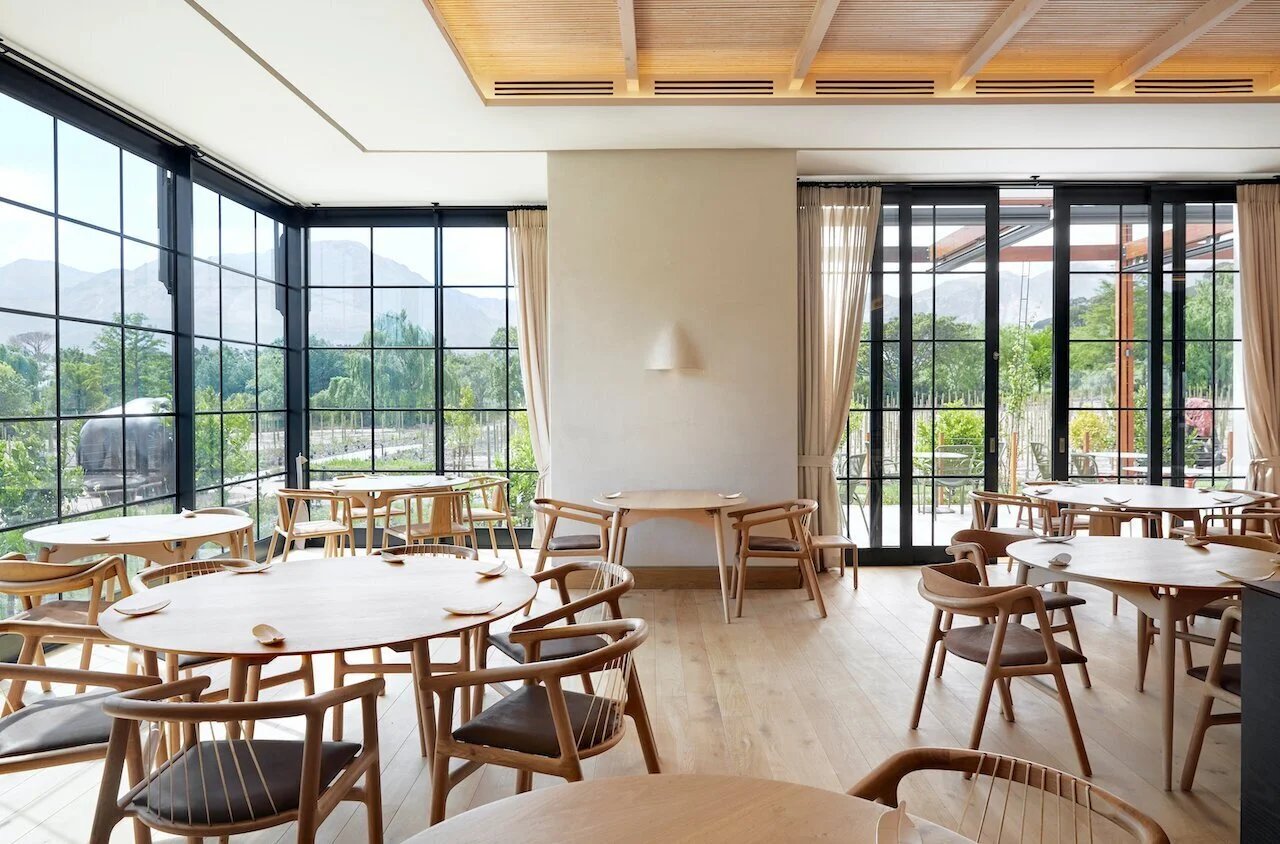
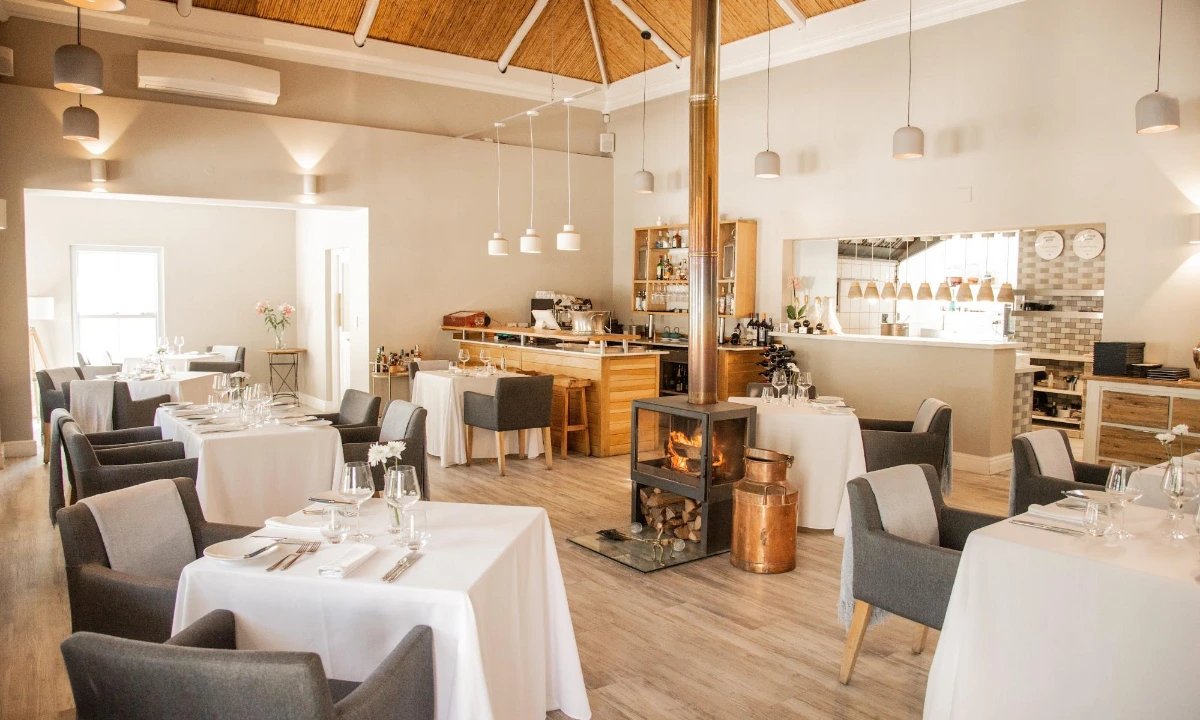
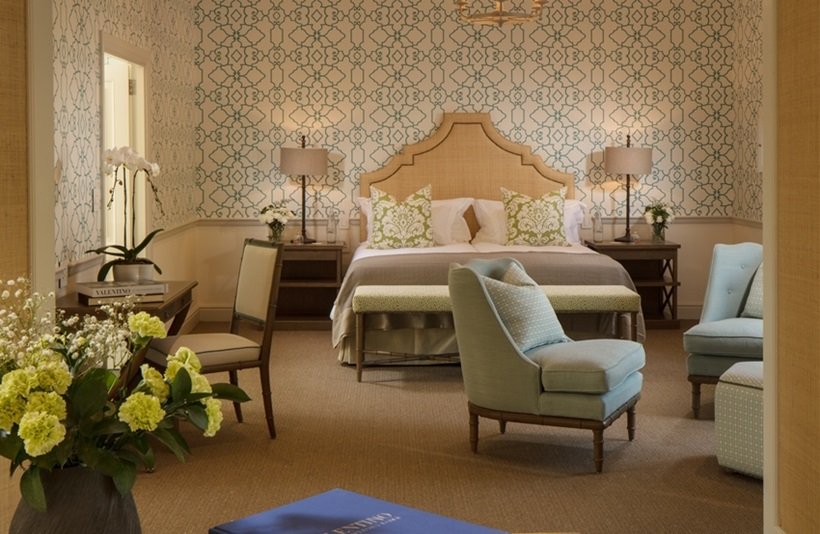
Boschendal is pitched as an estate visit more than a single-stop tasting: it suits romantic getaways, family stays, group outings and serious wine study alike. The estate’s restaurants, accommodation and layered experiences make it easy to spend a full day—or longer—exploring cellar-focused programming, walking the grounds or dining in the homestead setting. Celebrations and structured wine-education visits find a fitting backdrop here, given the property’s scale, history and recognized standing among Western Cape destinations.
Venue details
Ambiance
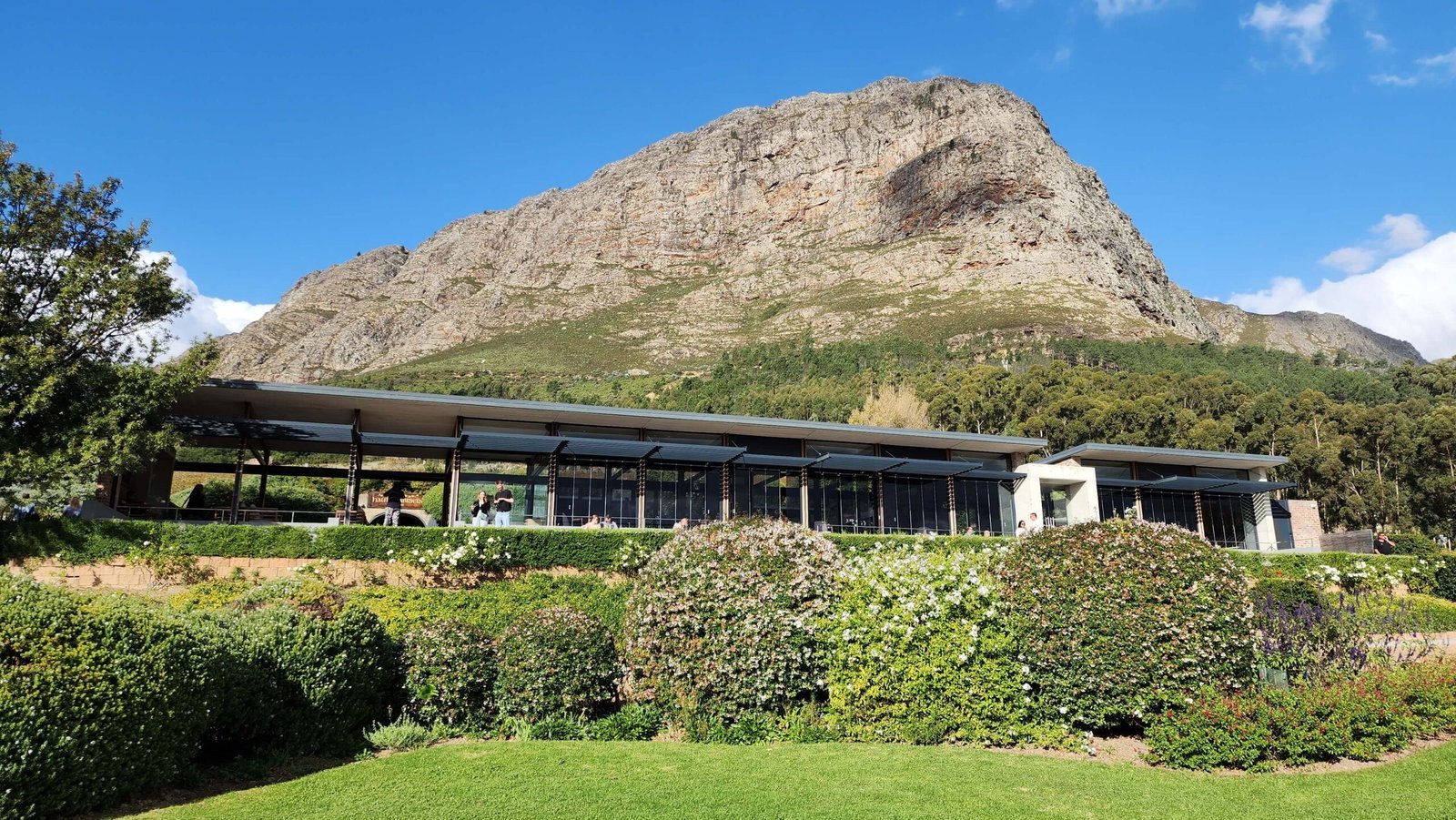
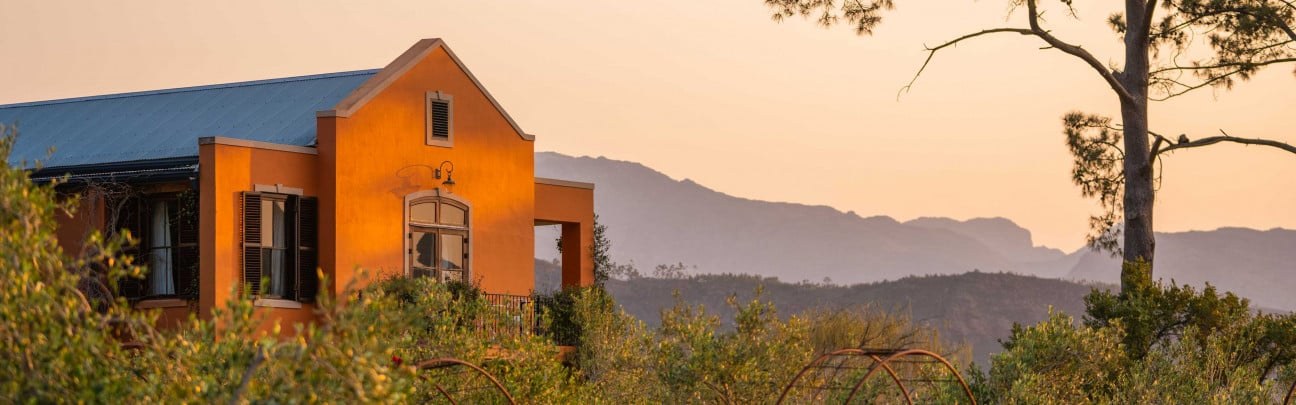
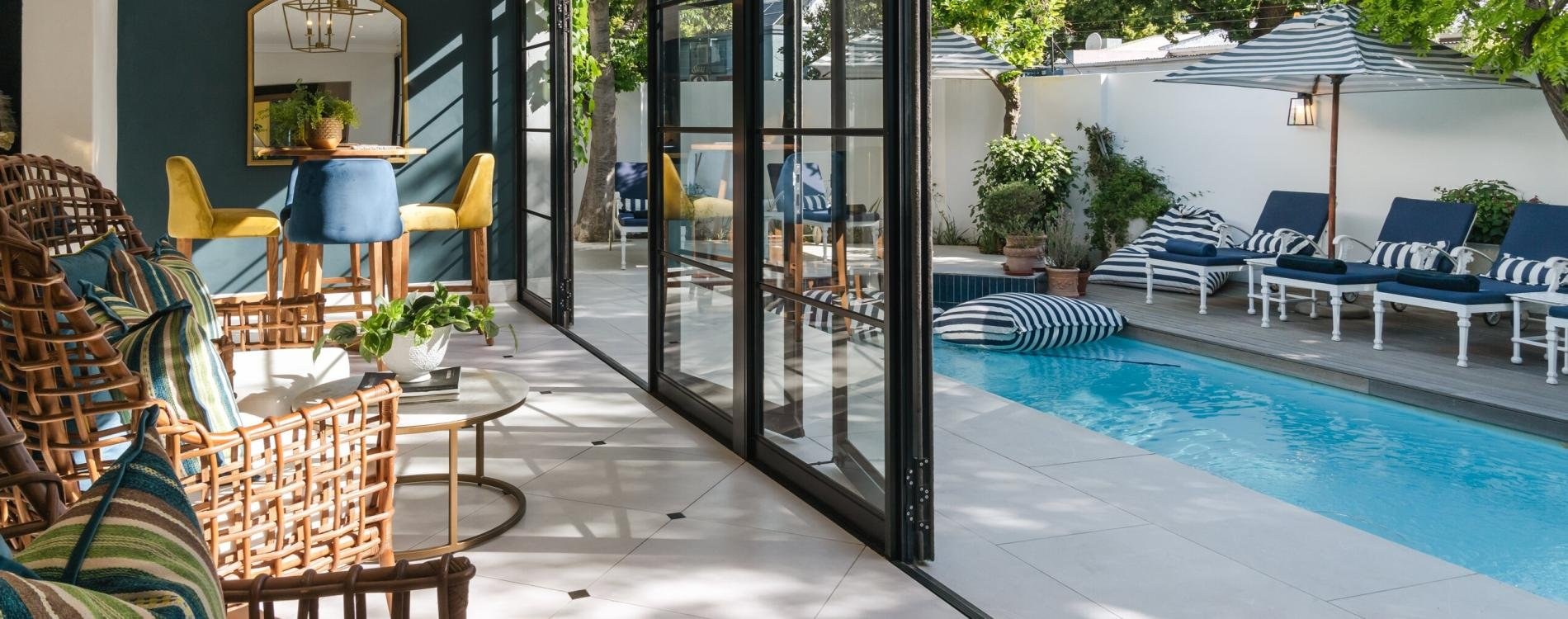
Tranquil and peaceful with breathtaking mountain views, meticulously maintained grounds, and a blend of historic charm with refined hospitality.
Tags
Vibe
Best For
Experience
Sourcing
View
At the Vineyard
- Appellation
- Franschhoek
- Varietals
- Chardonnay, Sauvignon Blanc, Cabernet Sauvignon, Merlot, Shiraz
- Tour Duration
- 30-60 minutes
- Visits
- Walk-ins welcome
- Farming
- Sustainable
- Wine Styles
- Still White, Still Red
- Food Pairing
- Offered
- Wine Club
- Not available
Know before you go
Know Before You Go
- Getting there
- Helshoogte Rd, Pniel, 7681
Planning details
Location
Recognition and awards

Also consider
Also Consider
- Plaisir de Merle, Notable alternative
- Vrede en Lust Wine Estate, Notable alternative
- Anthonij Rupert Wyne (L'Ormarins), Notable alternative
- Rupert & Rothschild Vignerons, Notable alternative
- Thelema Mountain Vineyards, Notable alternative
Winery context
How Boschendal compares in Franschhoek
Boschendal is the better choice for a broad estate day, while Plaisir de Merle and Vrede en Lust Wine Estate make more sense when the plan is a simpler winery stop with less emphasis on spending half a day on one property. If value means getting scenery, scale, and a flexible group format from one booking, Boschendal is the safer pick.
For a more wine-led visit, Anthonij Rupert Wyne (L'Ormarins) and Rupert & Rothschild Vignerons are stronger cross-shops. Choose them when the priority is a focused tasting rather than a wider estate experience. Boschendal wins on breadth; those peers are better for visitors who want the wine program to dominate the day.
Thelema Mountain Vineyards is the better comparison for travelers building a wider Cape Winelands route rather than staying tightly in Franschhoek. Boschendal is the practical anchor if the group wants atmosphere and convenience; Thelema is the better fit when the itinerary is already pushing beyond the Franschhoek core.
Explore Franschhoek
Around this place
Discover more on Pearl
Unlock the full Boschendal guide in Pearl, including awards, comparisons, FAQs, planning details, and nearby places.
Compare Boschendal
| Venue | Location | Awards |
|---|---|---|
| Boschendal | Franschhoek | 2026 Falstaff Winery Guide |
| Plaisir de Merle | Paarl | No published awards |
| Vrede en Lust Wine Estate | Franschhoek | No published awards |
| Anthonij Rupert Wyne (L’Ormarins) | Franschhoek | No published awards |
| Rupert & Rothschild Vignerons | Franschhoek | 2026 Falstaff Winery GuideWe're Smart World Top Restaurants 2025 |
| Thelema Mountain Vineyards | Stellenbosch | 2026 Falstaff Winery Guide |

How Boschendal Franschhoek compares with similar nearby venues.
FAQ
Frequently Asked Questions
Does Boschendal offer membership or purchase programs?
Check directly with the venue for details on any Boschendal membership or purchase program. Base that decision on current information from the venue and whether the terms suit how you plan to buy or visit.
When is the best time to visit Boschendal?
Boschendal is located in Franschhoek. Specific hours, seasonal advice, and best visiting times are not available. Check directly with Boschendal before planning around a particular time.
What other venues can I compare with Boschendal?
Plaisir de Merle and Vrede en Lust Wine Estate are sensible named comparisons, with Anthonij Rupert Wyne (L'Ormarins), Rupert & Rothschild Vignerons, and Thelema Mountain Vineyards also useful in the broader regional conversation. Boschendal is a Franschhoek venue with 3 Star Prestige recognition for 2025.
Does Boschendal serve food?
Does Boschendal offer shipping?
Do I need a reservation at Boschendal?
Information on reservation requirements is not available. Boschendal has 3 Star Prestige recognition for 2025, so it is sensible to check availability and booking guidance directly before visiting.
How long should I plan for a visit to Boschendal?
A recommended visit length is not available. Plan based on current information from Boschendal and the rest of your Franschhoek itinerary.