
Ovid Napa Valley
Pritchard Hill, St. Helena
Winery in St. Helena, United States
 Book with Pearl
The Read
Transformation on Pritchard Hill
Why go
Book Ovid Napa Valley only if the visit is meant to be a serious, private-feeling St. Helena wine stop rather than a casual tasting-room add-on. It suits collectors, couples, and small celebration groups who want a quieter estate experience and are willing to plan ahead.
About Ovid Napa Valley
Ovid Napa Valley is a St. Helena venue with a smart-casual dress code and Pearl 4 Star Prestige recognition for 2025. For specific services, formats, menus, pricing, hours, or access rules, confirm details directly before building an itinerary around a visit.
The practical takeaway is to approach Ovid Napa Valley as a St. Helena stop that calls for advance checking rather than assumptions. If the occasion involves guests, timing, transportation, or a dressed-up plan, use the smart-casual standard as the baseline and confirm any visit details with the venue.
A St. Helena venue with Pearl 4 Star Prestige recognition
Ovid Napa Valley's Pearl 4 Star Prestige recognition in 2025 gives it a clear place on a premium St. Helena shortlist. Its exact experience structure—visit format, service details, appointment policy, pricing, capacity, and access terms—should be confirmed directly.
That makes the safest recommendation simple: plan carefully, dress smart casual, and confirm the details that matter before committing. For a special occasion or hosted St. Helena day, do not rely on assumptions about access, timing, dining, or service style.
Use St. Helena as the base, then choose the intensity level
For nearby planning, pair this with Pearl's broader St. Helena coverage rather than turning the day into a long driving loop: Our full St. Helena planning guide, Our full St. Helena restaurants guide, Our full St. Helena hotels guide, Our full St. Helena bars guide, and Our full St. Helena experiences guide are useful planning companions.
If you are comparing Ovid Napa Valley with other premium regional names, consider Colgin Cellars, Continuum Estate, Dalla Valle Vineyards, David Arthur Vineyards, and Oakville Ranch Vineyards. For meals, bars, hotels, or experiences around the same day, use Pearl's St. Helena guides and confirm each stop's current details directly.
Planning details
- Location
- 255 Long Ranch Rd, St Helena, CA 94574
- Website
- ovidnapavalley.com
- Phone
- +1 707-963-3850
The take
The Take
The Vibe
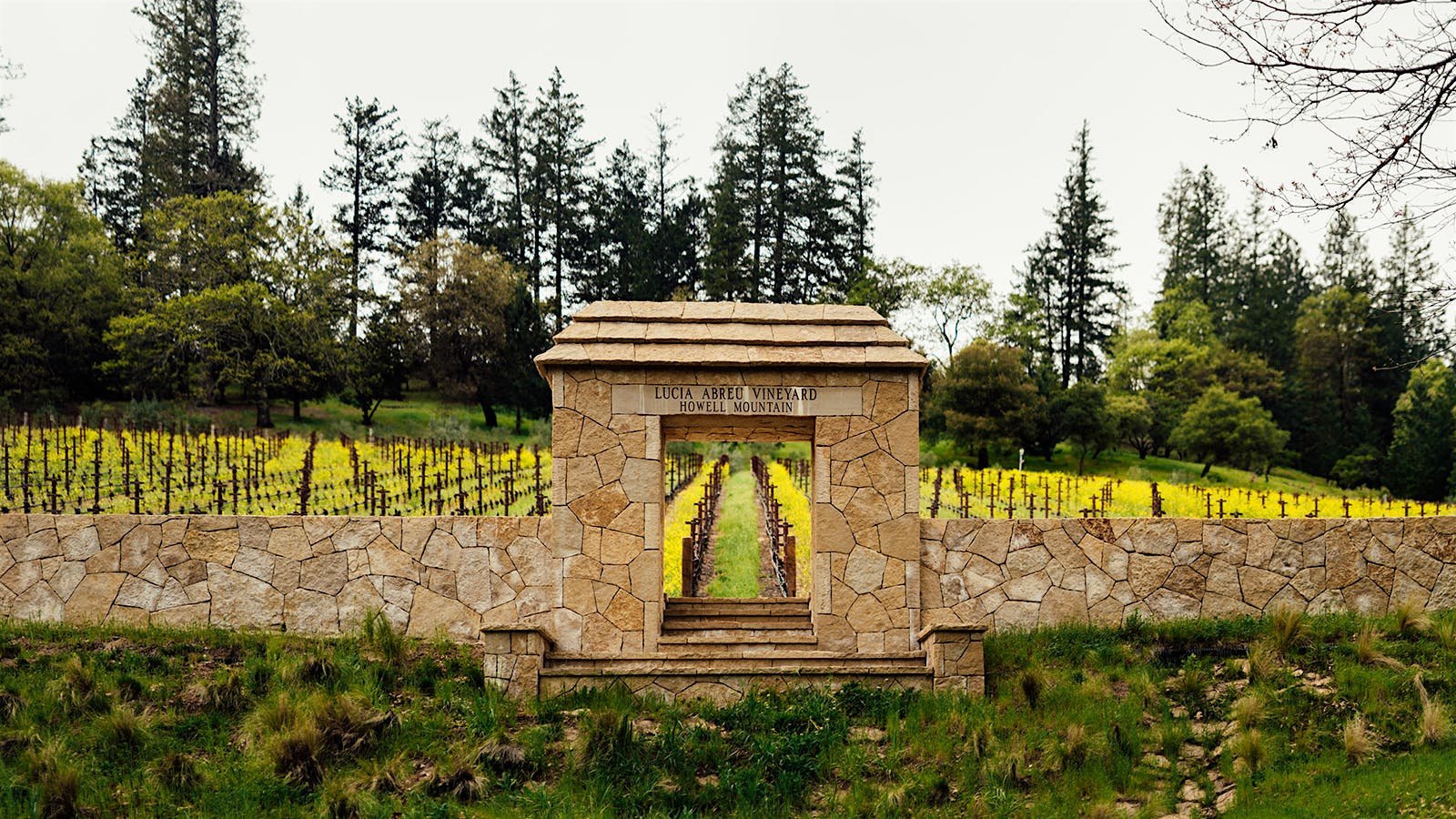
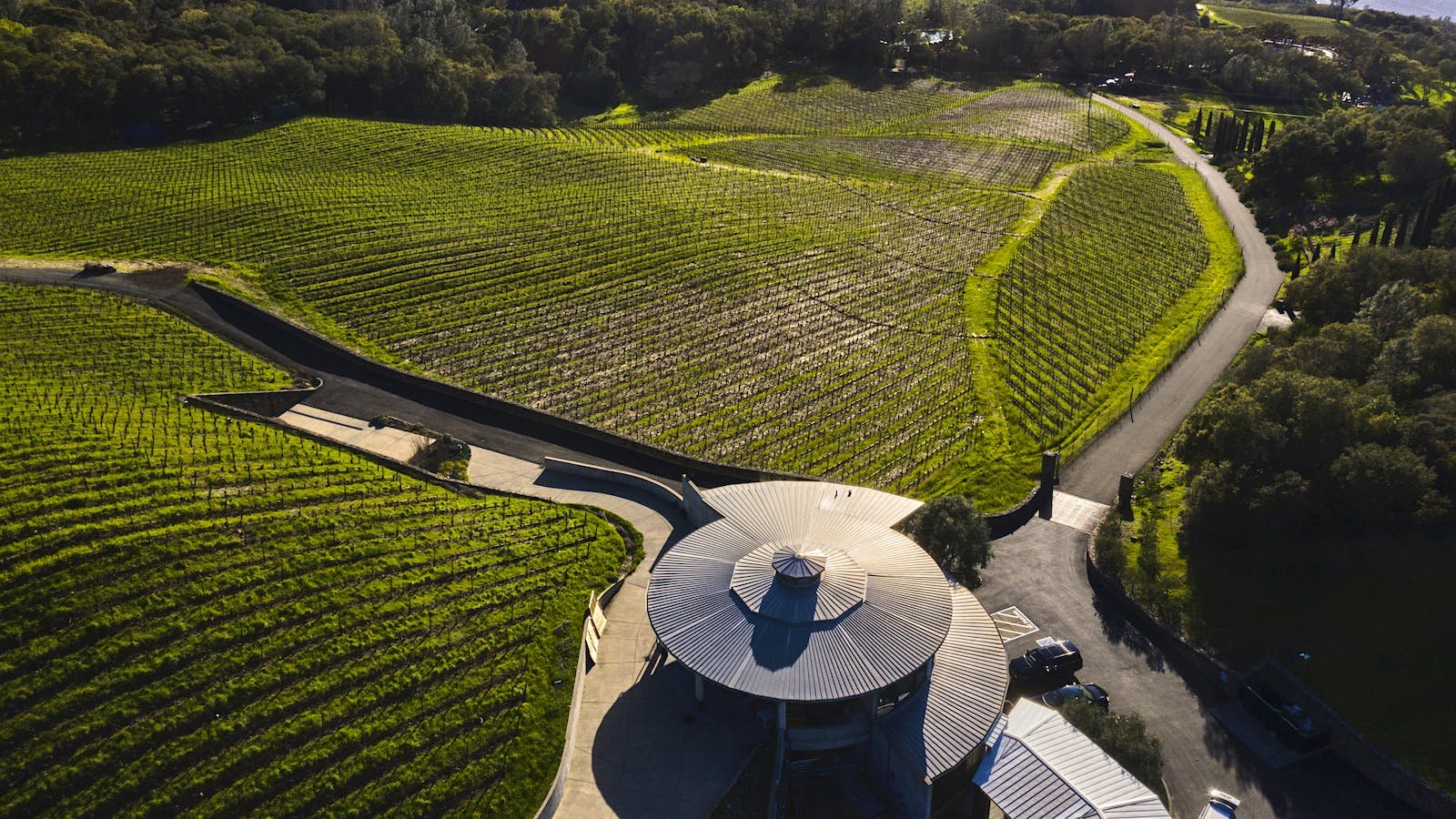
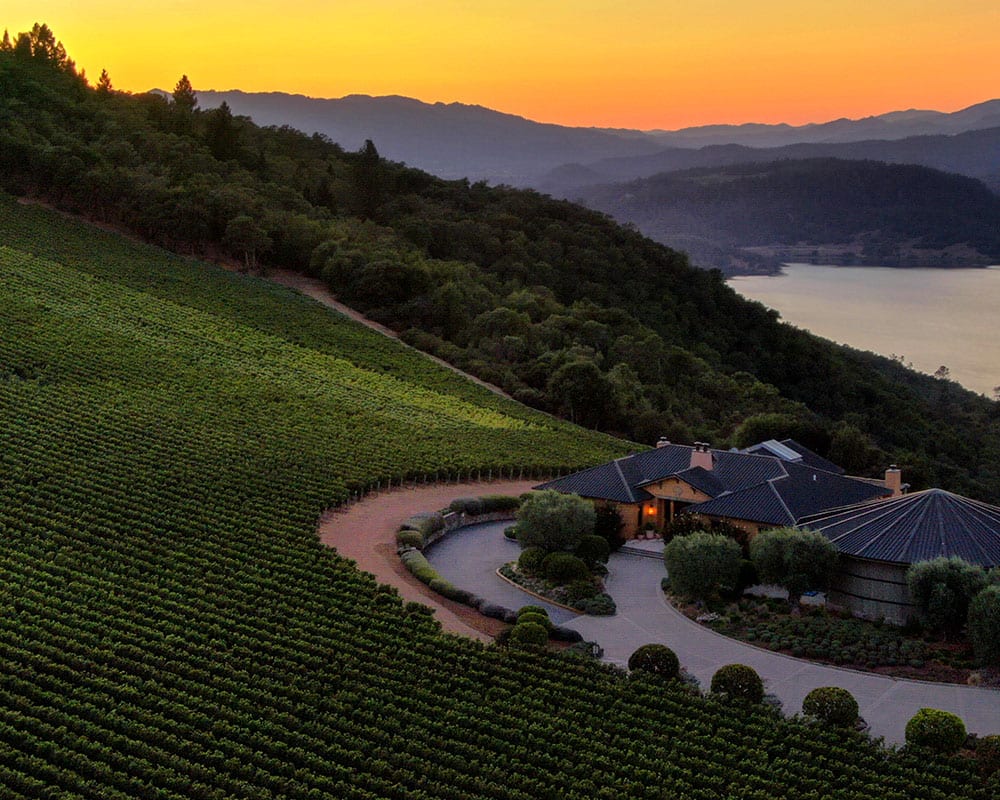
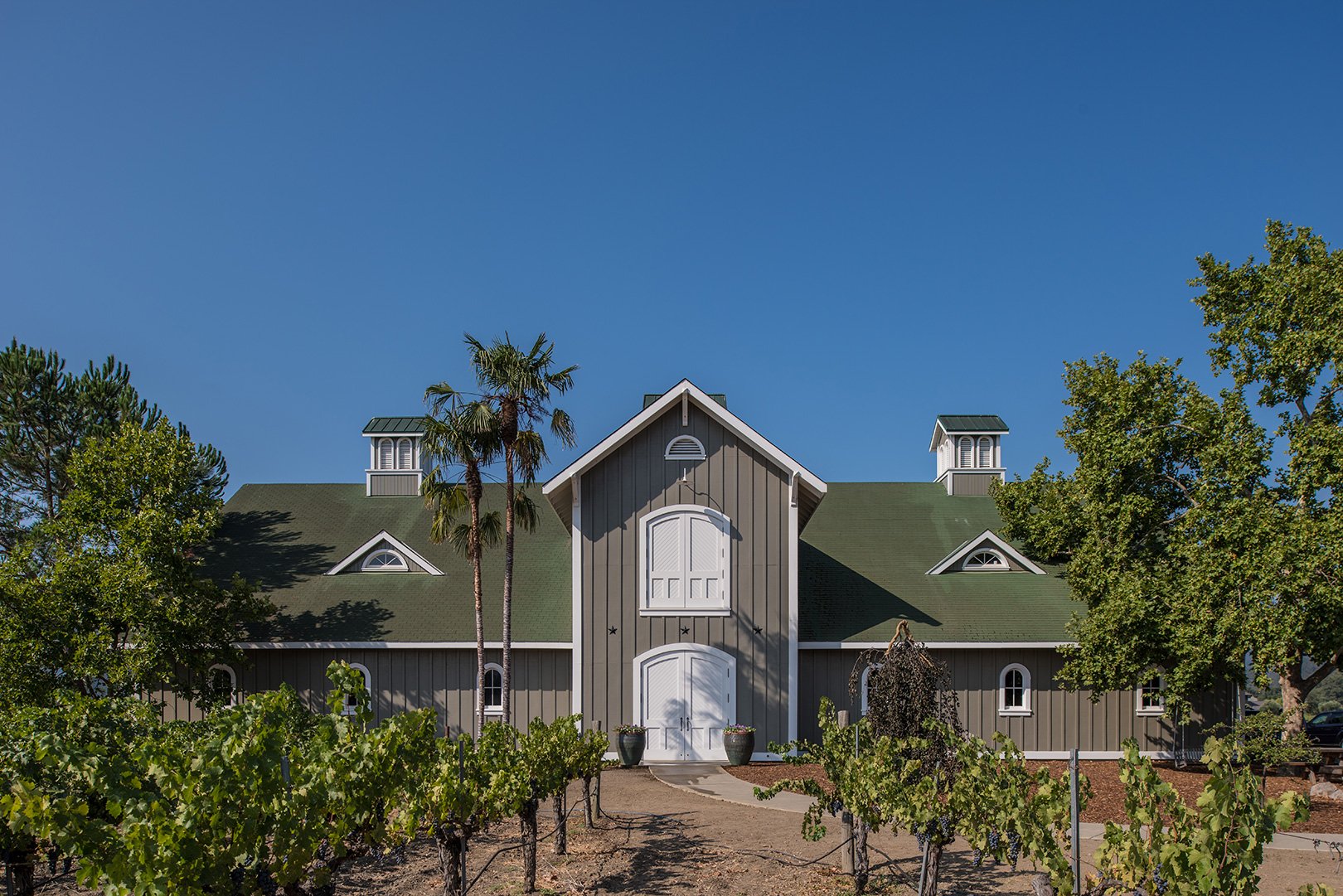
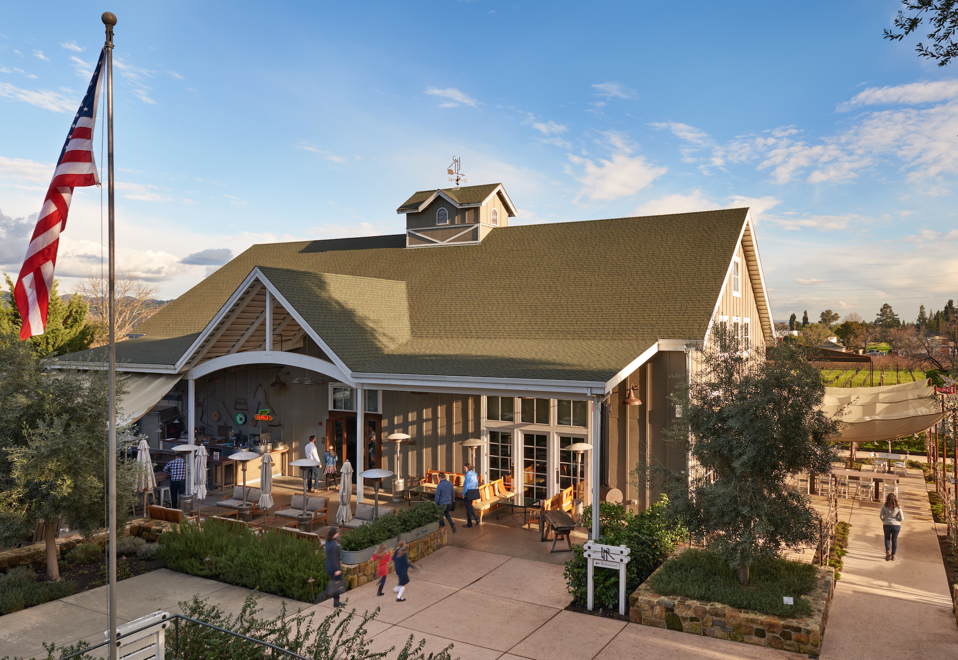
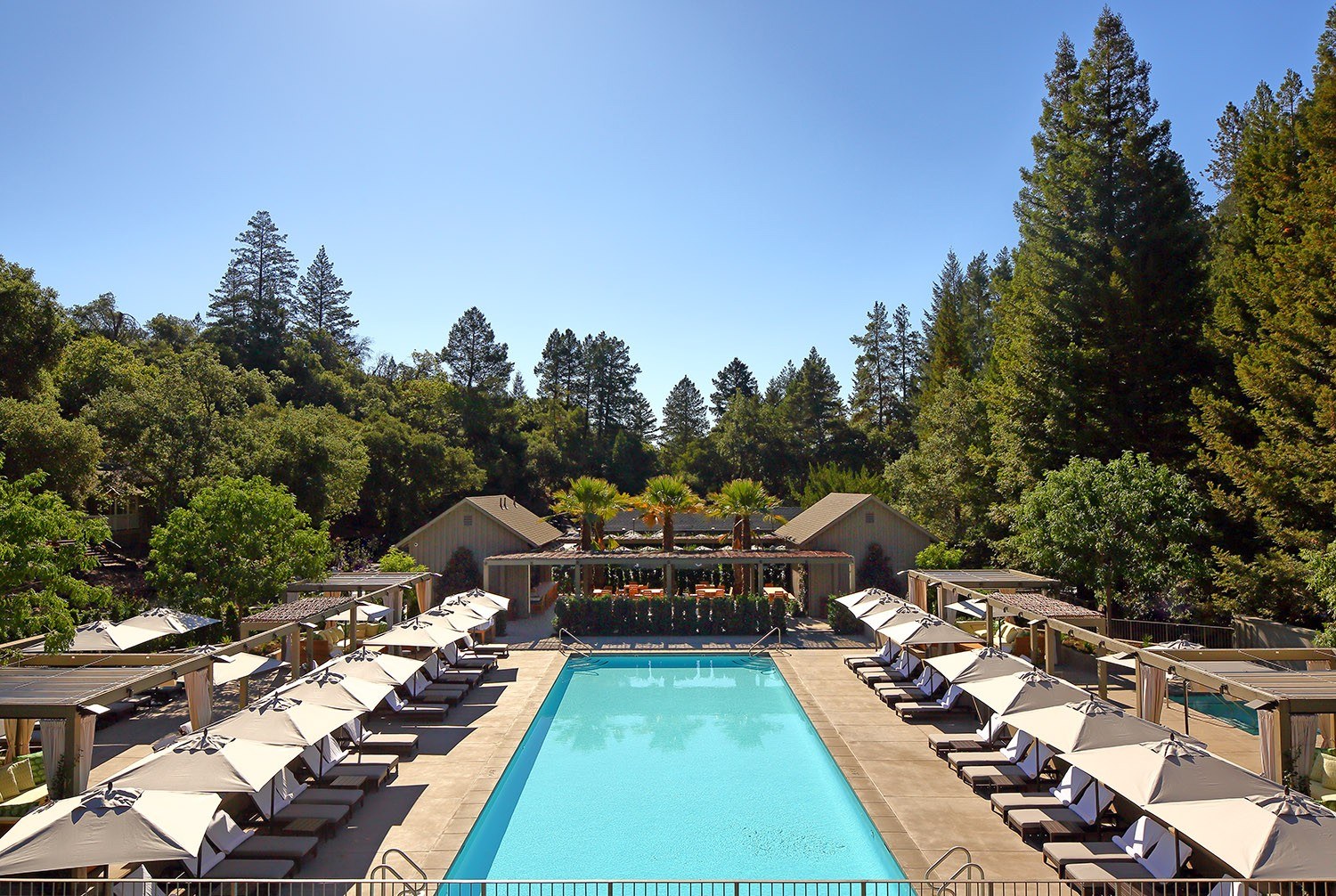
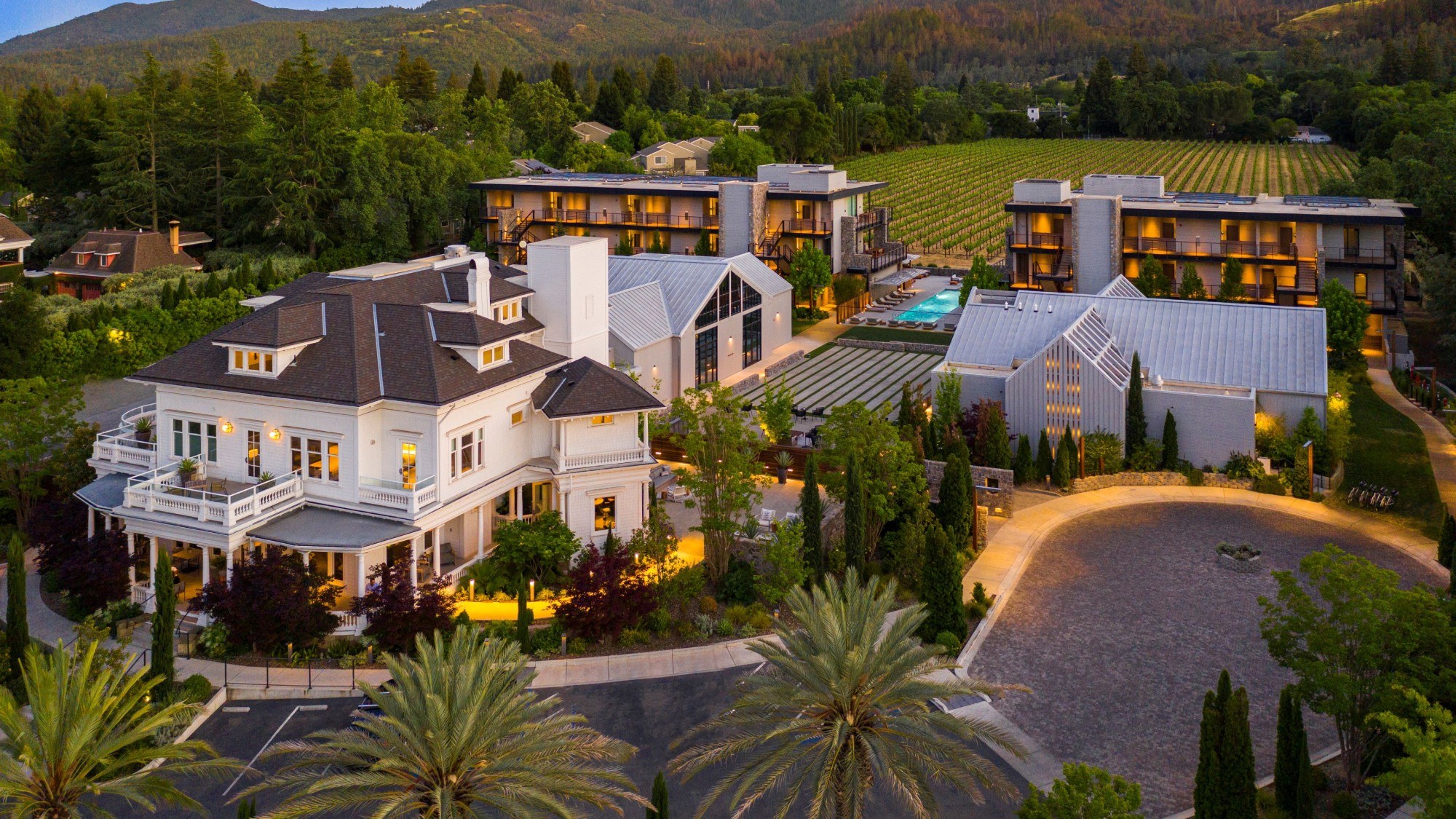
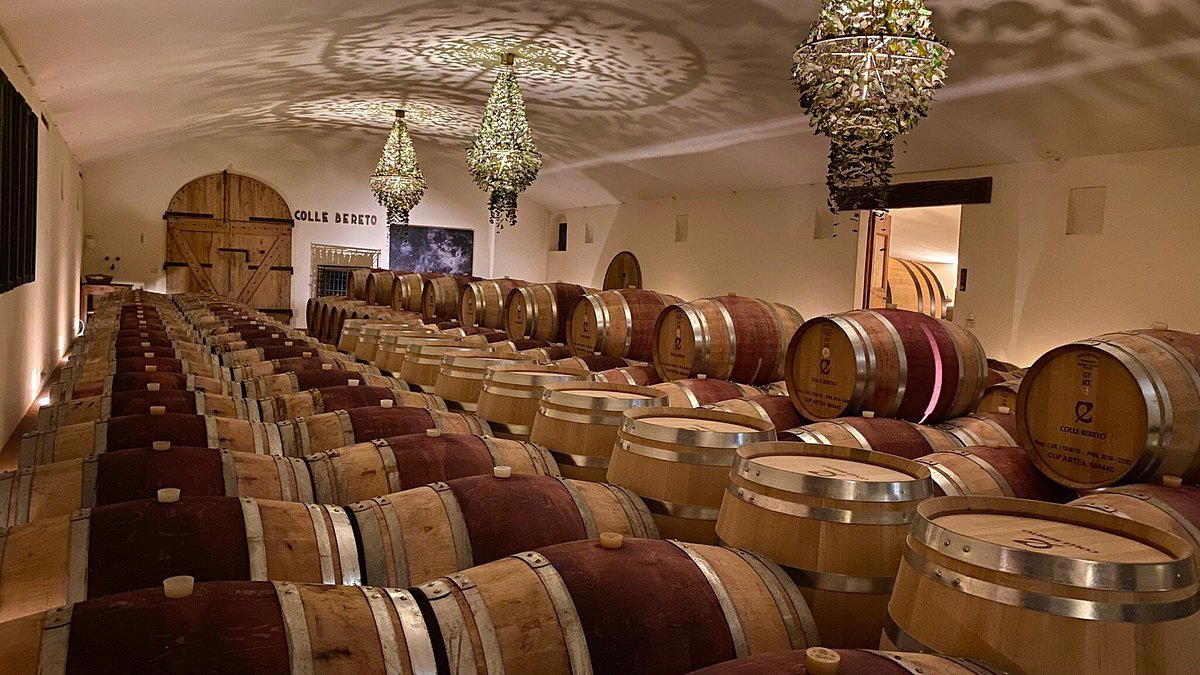
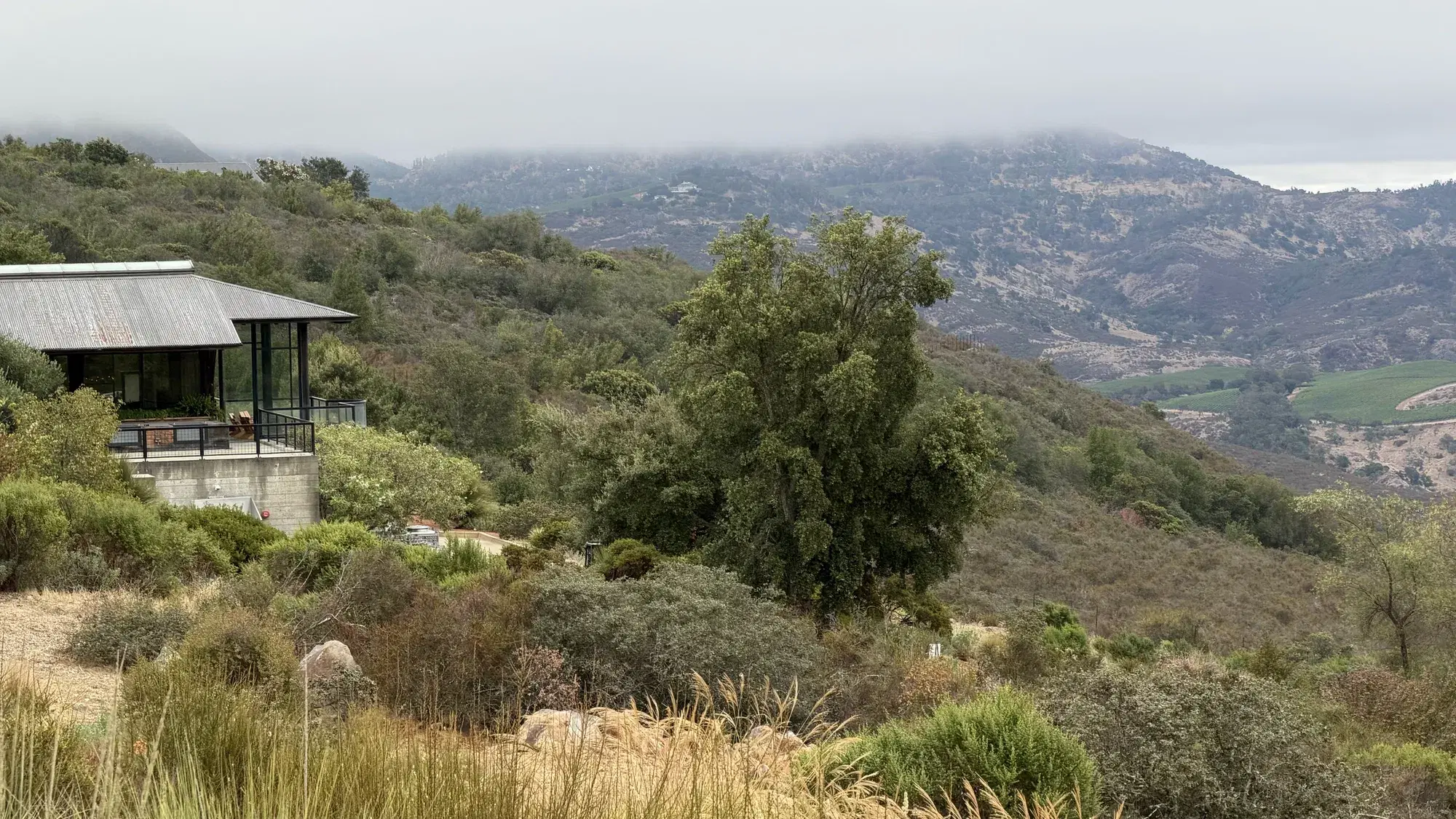
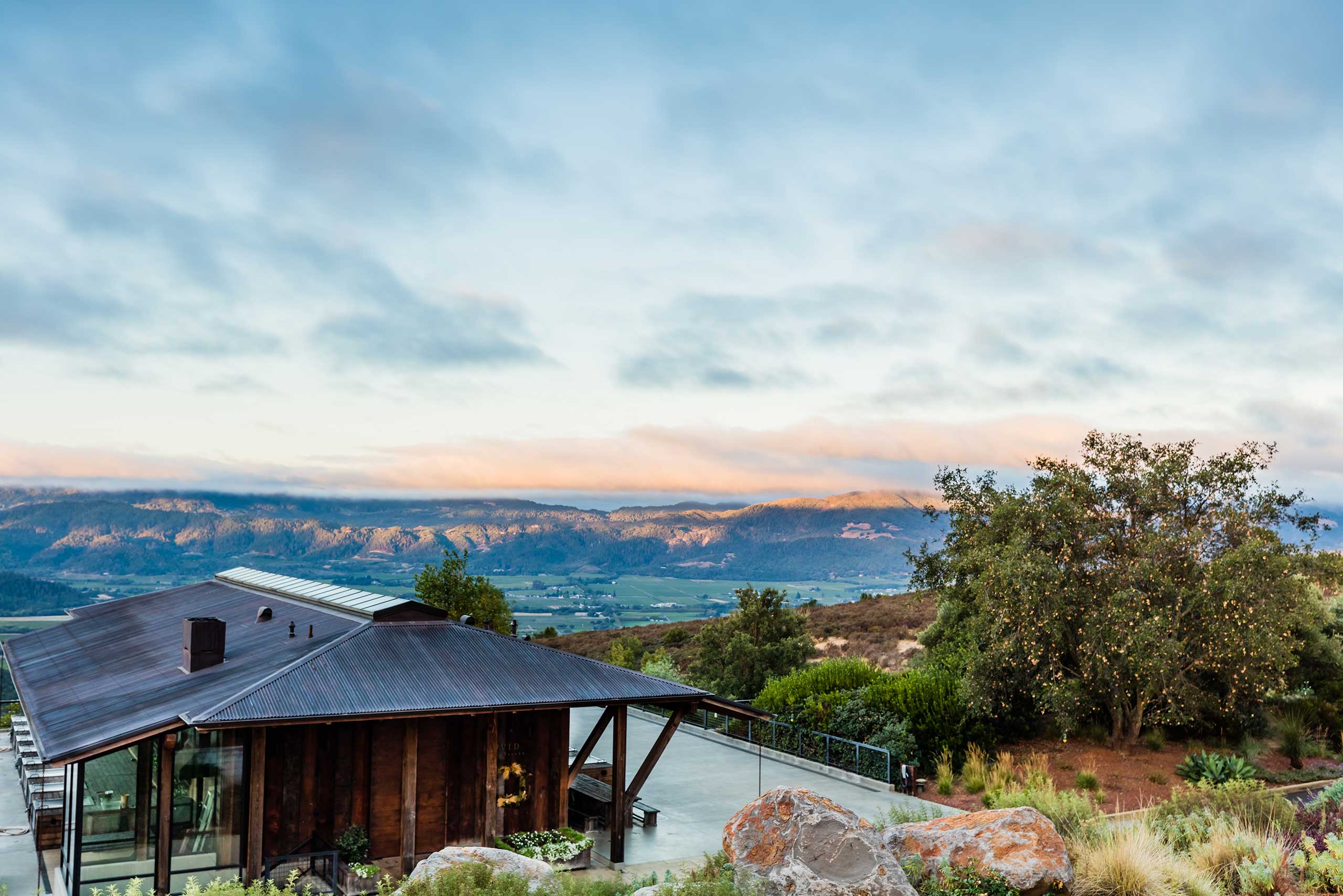
Perched on Pritchard Hill, Ovid projects a deliberate, hillside poise: elevated light, cooler temperatures and a smaller-scale rhythm shape every visit. The estate’s approach favors depth over volume, trading busy tasting-room bustle for quiet, seated engagement. Tastings feel intimate and slow-paced, led by hosts who foreground the blocks and vintages behind each bottle. That restraint translates into a serene, contemplative atmosphere — the kind of high-elevation Napa experience where the scenery and the conversation carry as much weight as the wine itself.
Best For
Ovid is best for guests seeking immersive wine learning and elevated occasions. The estate operates within an allocation-oriented, premium tier and centers on guided, seated tastings with food pairings that prioritize conversation and technical detail. That format suits couples or small parties celebrating a milestone, collectors researching vintages, and anyone who prefers appointment-only, in-depth engagements over casual walk-ins. Expect a measured visit focused on terroir, blocks and production choices rather than a high-turnover tasting-room experience.
Tasting Tips
Book well in advance and expect structured access: Ovid emphasizes allocation-only releases and a guided, seated tasting format with food pairings. Reserve a tasting slot rather than showing up as a walk-in, and plan for a slower, conversation-driven appointment with a host who will discuss blocks, vintages and production decisions. If you’re visiting for research or a special occasion, allow ample time for the tasting format and confirm details about pairings and group size when you make the reservation.
Venue details
Ambiance
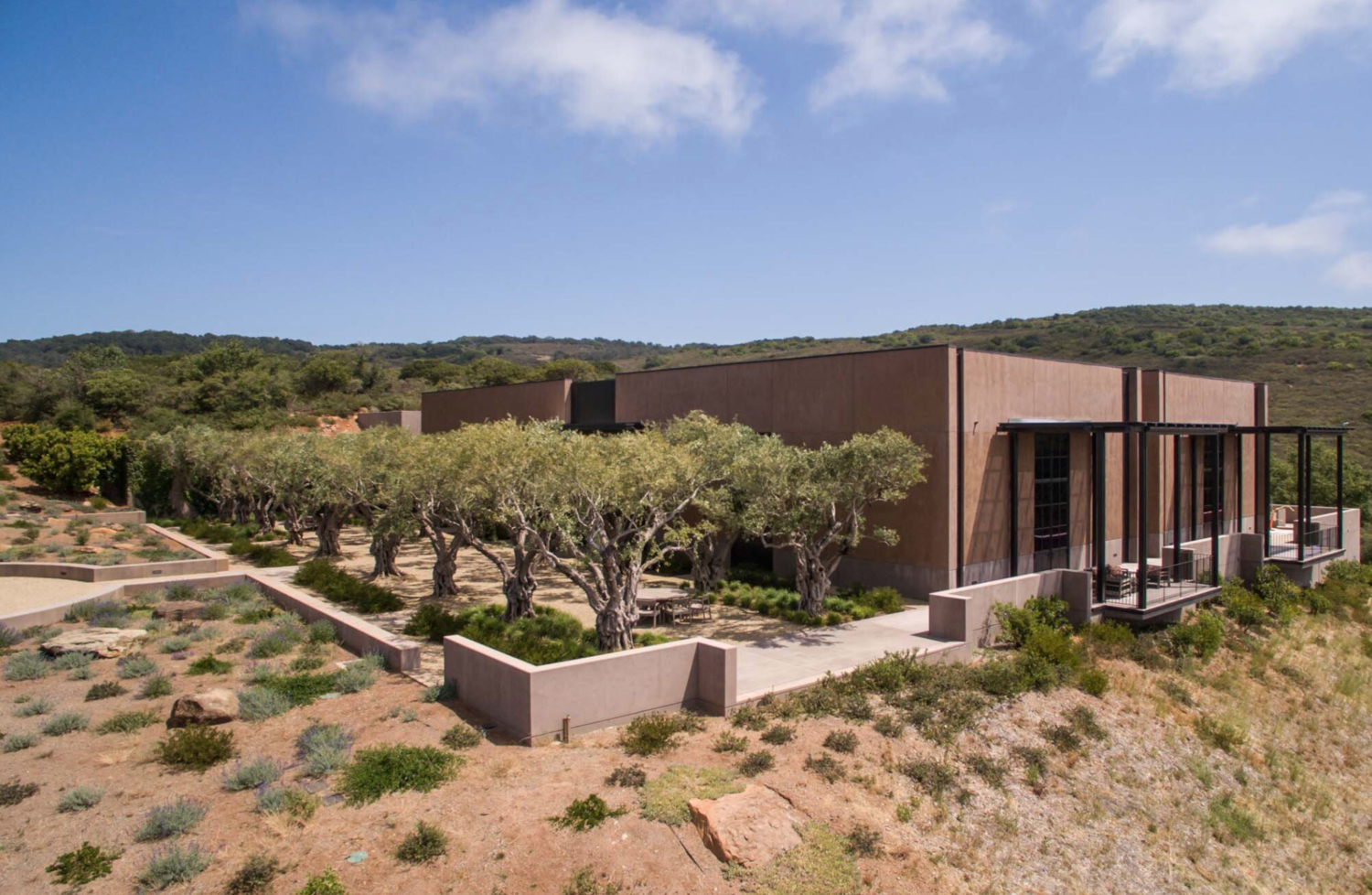
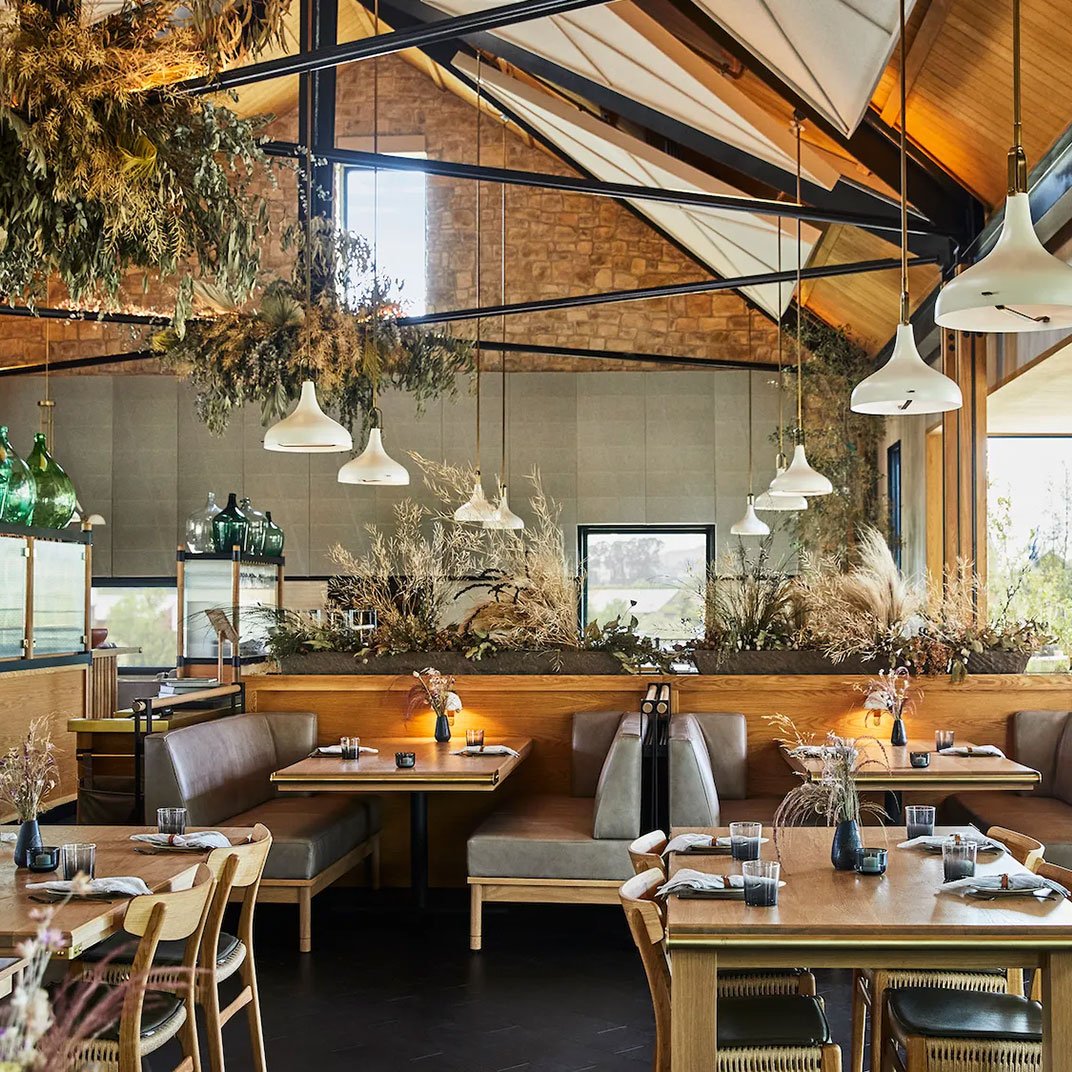
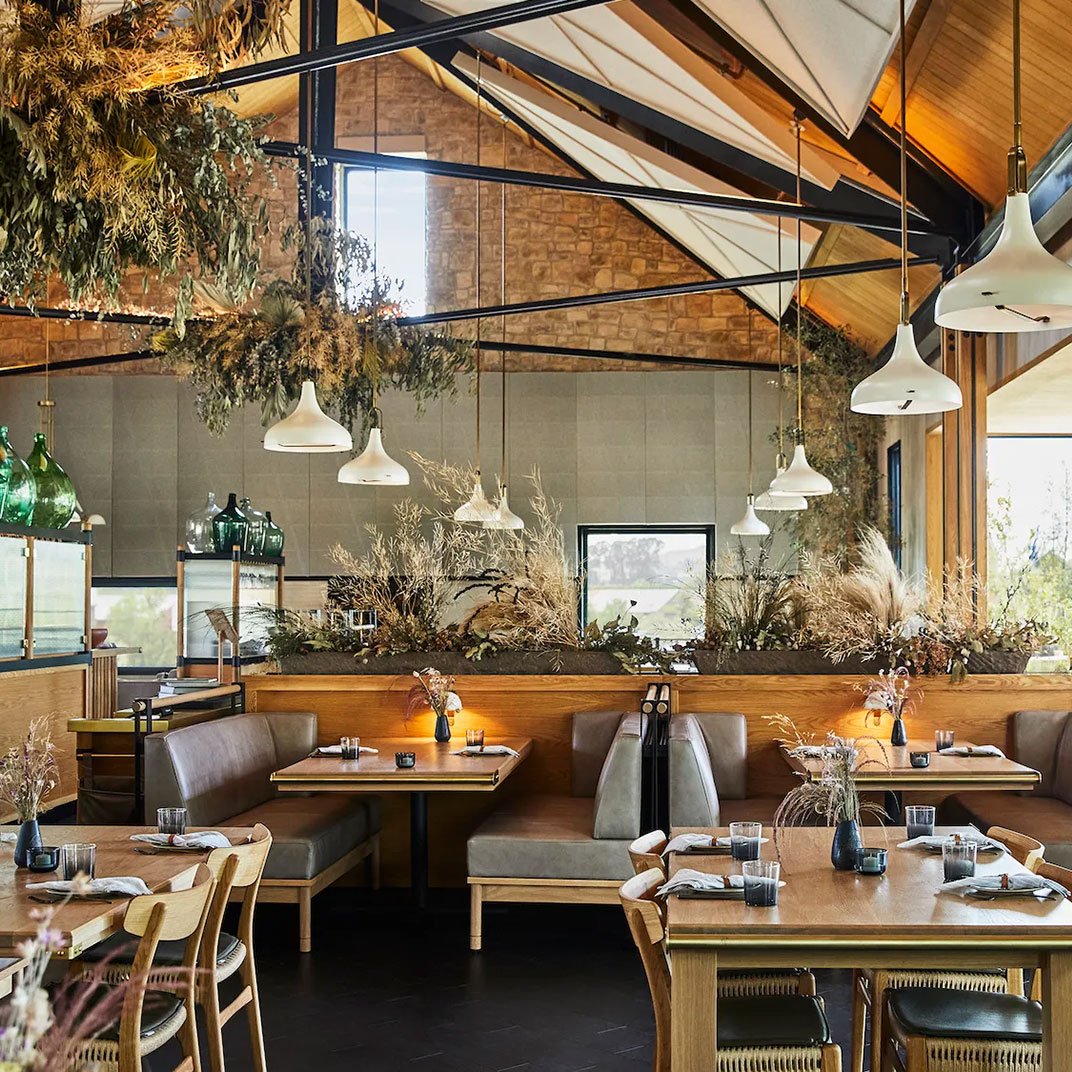
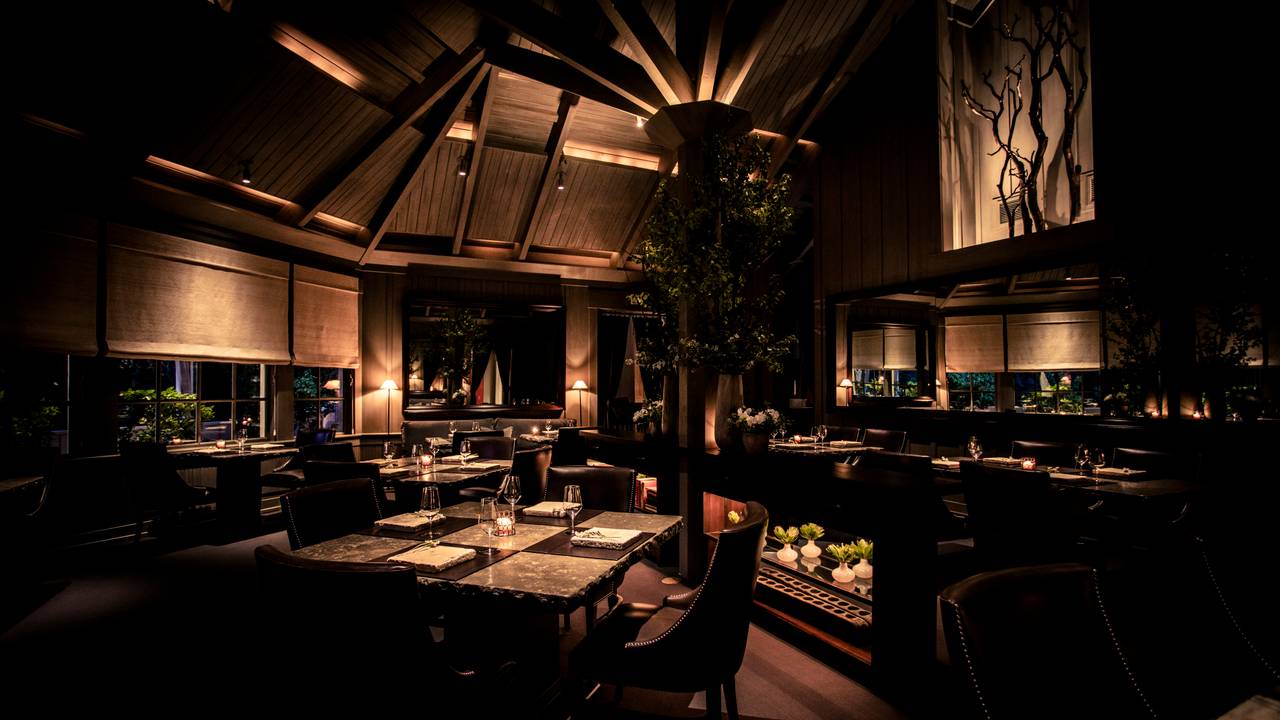
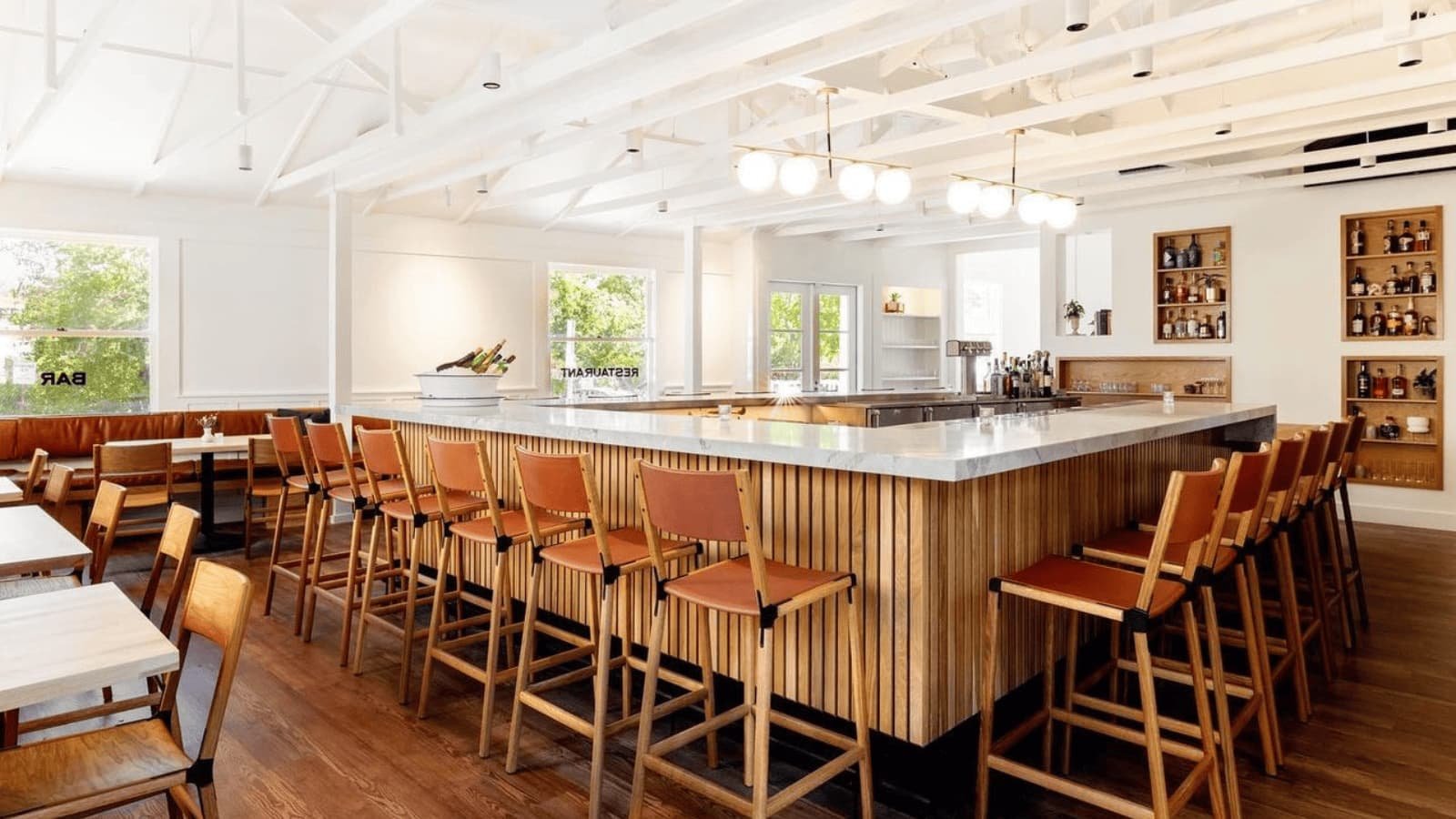
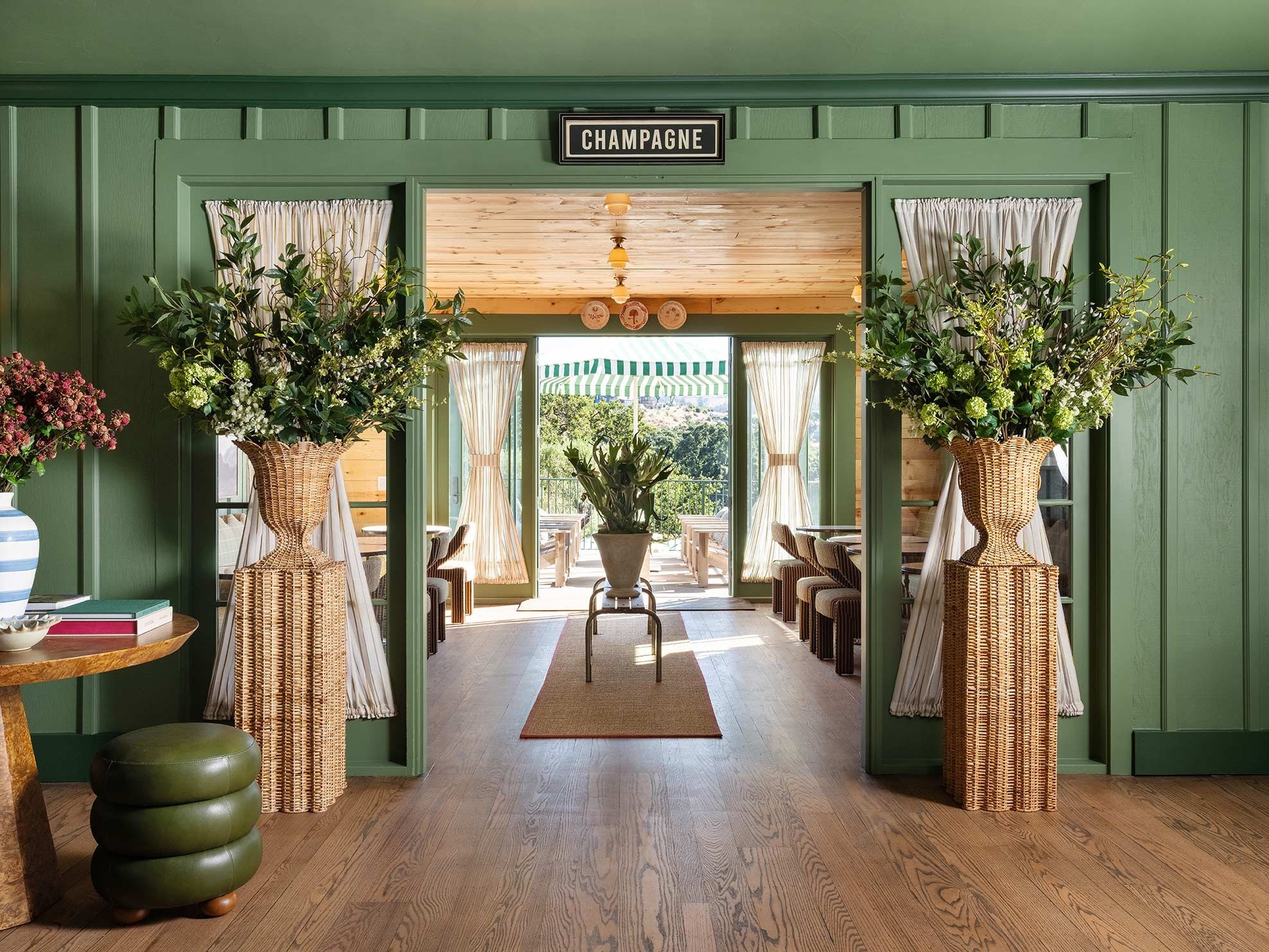
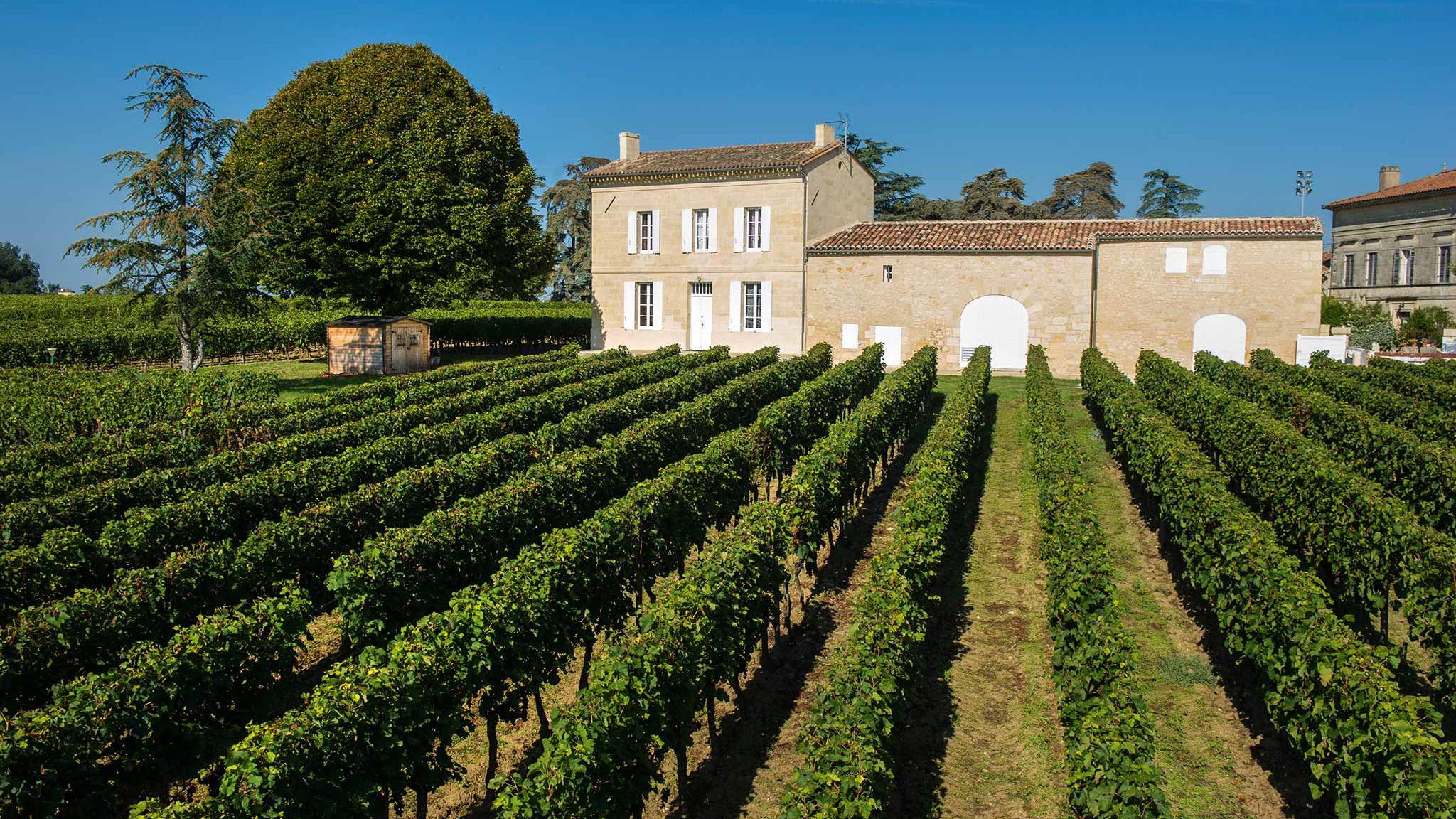
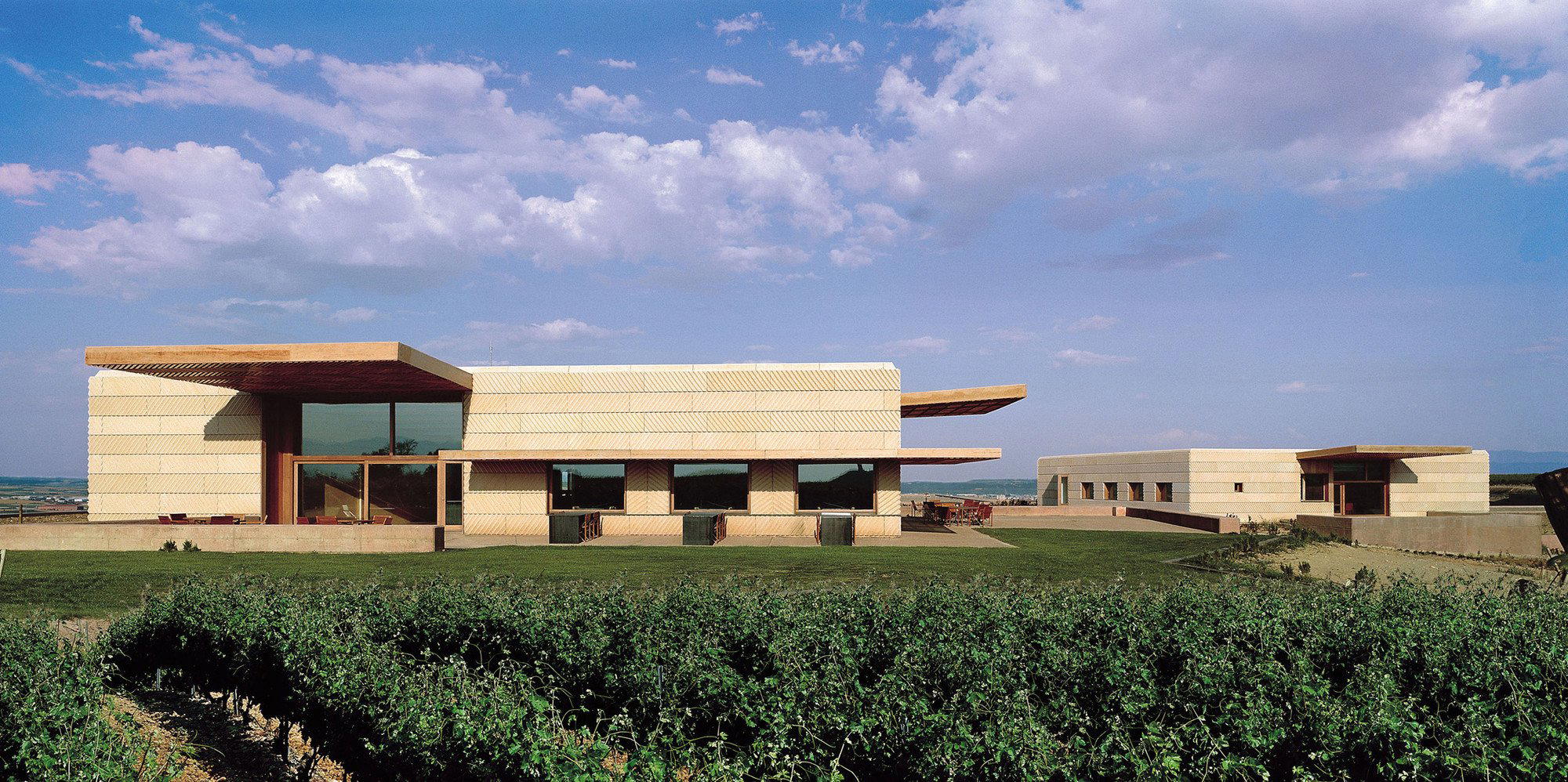
Elegant and serene with natural light illuminating the modern tasting room, offering breathtaking vistas and an intimate, sophisticated atmosphere.
Tags
Vibe
Best For
Experience
Sourcing
View
At the Vineyard
- Appellation
- Napa Valley AVA
- Varietals
- Cabernet Sauvignon, Cabernet Franc, Merlot, Petit Verdot, Syrah
- Visits
- By appointment only
- Farming
- Organic
- Production
- Small producer
- Wine Styles
- Still Red
- Wine Club
- Available
Know before you go
Know Before You Go
- Getting there
- 255 Long Ranch Rd, St Helena, CA 94574
Planning details
Location
Recognition and awards

Also consider
If you cannot get in
Try David Arthur Vineyards first if staying in the St. Helena lane matters. Choose Continuum Estate if the group wants a similarly serious Napa stop and can build the day around one major winery visit.
Winery context
How Ovid Napa Valley compares in St. Helena
Choose Ovid Napa Valley when the priority is a more private, high-commitment Napa visit. David Arthur Vineyards is the cleaner cross-shop for readers who want another St. Helena hillside-style winery to compare, while Continuum Estate belongs on the list for a similarly serious collector itinerary.
Colgin Cellars is the peer to consider if the group is building a prestige-focused Napa day and can handle a harder planning process. Dalla Valle Vineyards and Oakville Ranch Vineyards make more sense when the day can stretch beyond St. Helena and the group is comparing estate atmosphere more than convenience.
For a special occasion, Ovid Napa Valley is the right pick when the room, pacing, and privacy matter as much as the wine itself. For a broader tasting day with less schedule pressure, start with David Arthur Vineyards or Continuum Estate instead, then use Ovid as the anchor only if the group wants the day to feel more reserved and collector-led.
Around this place
Discover more on Pearl
Unlock the full Ovid Napa Valley guide in Pearl, including awards, comparisons, FAQs, planning details, and nearby places.
Compare Ovid Napa Valley
| Venue | Location | Awards |
|---|---|---|
| Ovid Napa Valley | St. Helena | 2026 Falstaff Winery Guide |
| David Arthur Vineyards | St. Helena | No published awards |
| Oakville Ranch Vineyards | Oakville | No published awards |
| Colgin Cellars | St. Helena | 2026 Falstaff Winery Guide2025 Pearl 4 Star Prestige |
| Dalla Valle Vineyards | Napa | 2026 Falstaff Winery Guide2025 Pearl 4 Star Prestige |
| Continuum Estate | St. Helena | 2026 Falstaff Winery Guide2025 Pearl 4 Star Prestige |

How Ovid Napa Valley St. Helena compares with similar nearby venues.
FAQ
Frequently Asked Questions
Do I need a reservation at Ovid Napa Valley?
Confirm reservation and access requirements directly before planning around Ovid Napa Valley. The core planning details are St. Helena, a smart-casual dress code, and Pearl 4 Star Prestige recognition for 2025.
Does Ovid Napa Valley serve food?
Confirm food-service, cuisine, and menu details directly with Ovid Napa Valley. If dining is part of the plan, arrange a separate St. Helena restaurant option and confirm any food-related expectations with the venue directly.
How long should I plan for a visit to Ovid Napa Valley?
What should I wear to Ovid Napa Valley?
The dress code for Ovid Napa Valley is smart casual. If your visit has a specific format or occasion, confirm any additional expectations directly with the venue.
What recognition does Ovid Napa Valley have?
Ovid Napa Valley has Pearl 4 Star Prestige recognition for 2025.
Where is Ovid Napa Valley?
What other venues can I compare with Ovid Napa Valley?
For premium regional comparisons, consider David Arthur Vineyards, Oakville Ranch Vineyards, Colgin Cellars, Dalla Valle Vineyards, and Continuum Estate. Confirm each venue's current access, hours, and visit requirements directly before building an itinerary.