
Domaine Bousquet
Gualtallary, Tupungato
Winery in Tupungato, Argentina
 Book with Pearl
The Read
High-Altitude Organic Viticulture
Price
$50–100tasting
Why go
Domaine Bousquet is a strong Tupungato pick for a planned, wine-first celebration rather than a casual drop-in. The Uco Valley setting and Pearl 2 Star Prestige recognition make it worth considering for date, anniversary, or hosted business visits, but confirm any food or pairing format before building the day around a meal.
About Domaine Bousquet
Domaine Bousquet is a Tupungato venue to consider when you want a more polished stop and are comfortable planning around limited public details. It is in Tupungato, the dress code is smart casual, and it holds 2 Star Prestige recognition for 2025. These are meaningful signals. Beyond that, specific claims about menus, service format, pricing, hours, transport, or on-site offerings should be checked directly before building a day around the visit.
The main reason to choose it is confidence in the recognition. 2 Star Prestige for 2025 places Domaine Bousquet in a higher-consideration tier for travelers comparing premium options, particularly when the day needs to feel deliberate rather than casual. That recognition gives the venue a useful shorthand: it belongs on the shortlist when polish and a sense of occasion are part of the brief. That does not make it the automatic choice for every group. If the goal is a lower-key or more flexible plan, compare the day against Andeluna Cellars, Finca Sophenia, Bodega La Azul, Rutini Wines (La Rural), and Sitio La Estocada before committing.
Book it for a planned Tupungato stop, not an improvised one
This is a stronger fit for guests who want the venue itself to carry part of the occasion. Given the limited details available, the safest approach is to treat Domaine Bousquet as a planned Tupungato stop and confirm practical arrangements directly. That means thinking through the visit before the day is already in motion, rather than assuming it will work as a spontaneous add-on. That is especially important if timing, group size, food, accessibility, or a specific format matters to the visit.
Food and visit details should be handled carefully. Specific cuisine, menu format, pairing structure, or service schedule are not listed, so do not assume those elements without checking the venue's current information. The same caution applies to the rhythm of the stop: whether the group is hoping for a quick visit, a longer stay, or something built around a meal, the details should be confirmed rather than inferred. For a celebration, the smart casual dress code and recognition may be enough to make it feel considered. If a meal or a particular experience is the main event, keep backup options in mind and confirm details before finalizing the plan.
How to place it in a Tupungato itinerary
Domaine Bousquet is easiest to compare as one premium Tupungato option among a small set of named alternatives. Cross-shop the broader options, then decide whether the occasion calls for Domaine Bousquet or another style of stop. This kind of comparison is useful because the best choice may depend less on a single venue label and more on the tone of the day: polished, flexible, food-focused, simple, or built around multiple stops. Rutini Wines (La Rural), Andeluna Cellars, Finca Sophenia, Bodega La Azul, and Sitio La Estocada are useful reference points when shaping the day.
For travelers staying in the area, the practical move is to solve transport and pacing first, then choose the venue mix. That approach helps avoid overloading the itinerary or relying on assumptions about how long a stop may take. The Tupungato hotels guide can help with the broader trip plan. The verdict: consider Domaine Bousquet when recognition, a Tupungato setting, and a smart casual standard matter. If you need guaranteed details on food, pricing, hours, or a specific format, check directly before booking.
Planning details
- Location
- RP89 km 7, M5561 Tupungato, Mendoza
- Website
- domainebousquet.com
- Phone
- +54 2622 48-0011
The take
The Take
The Vibe
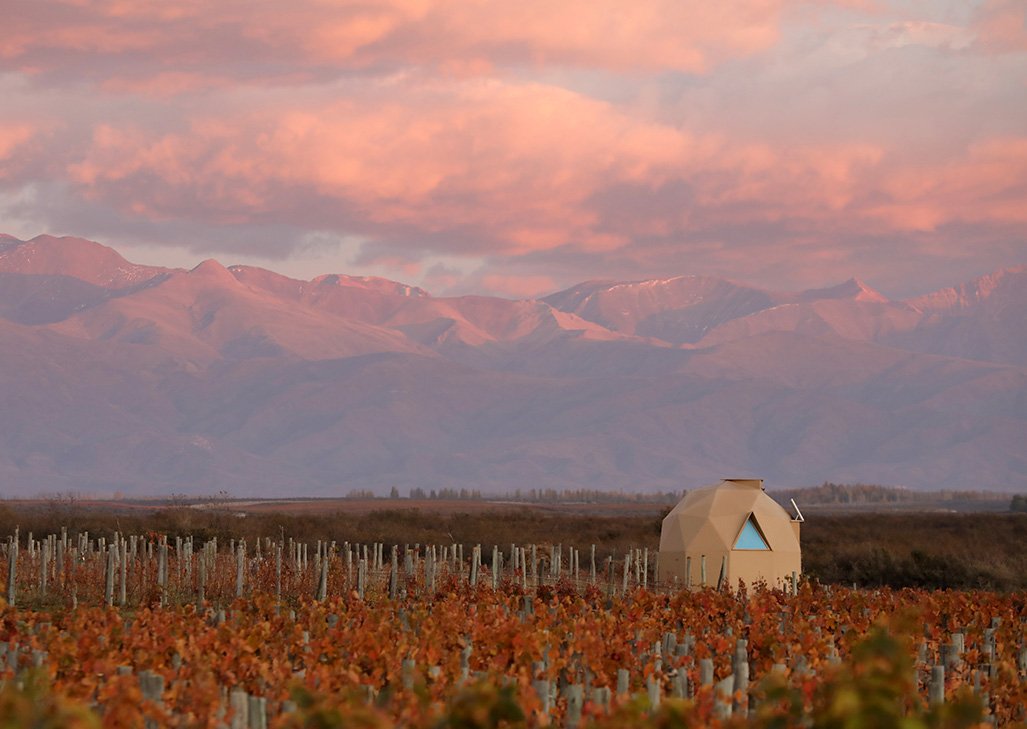
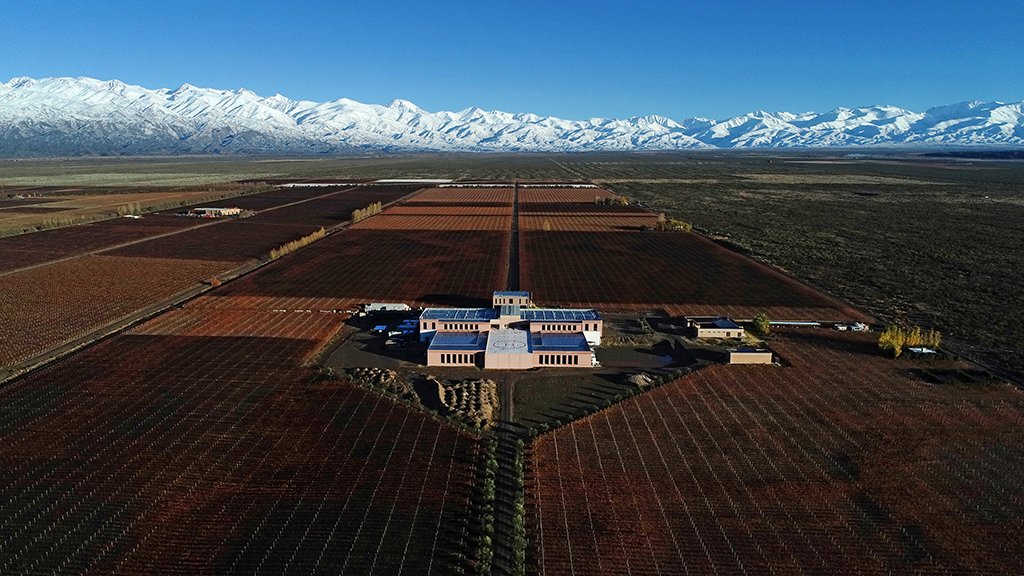
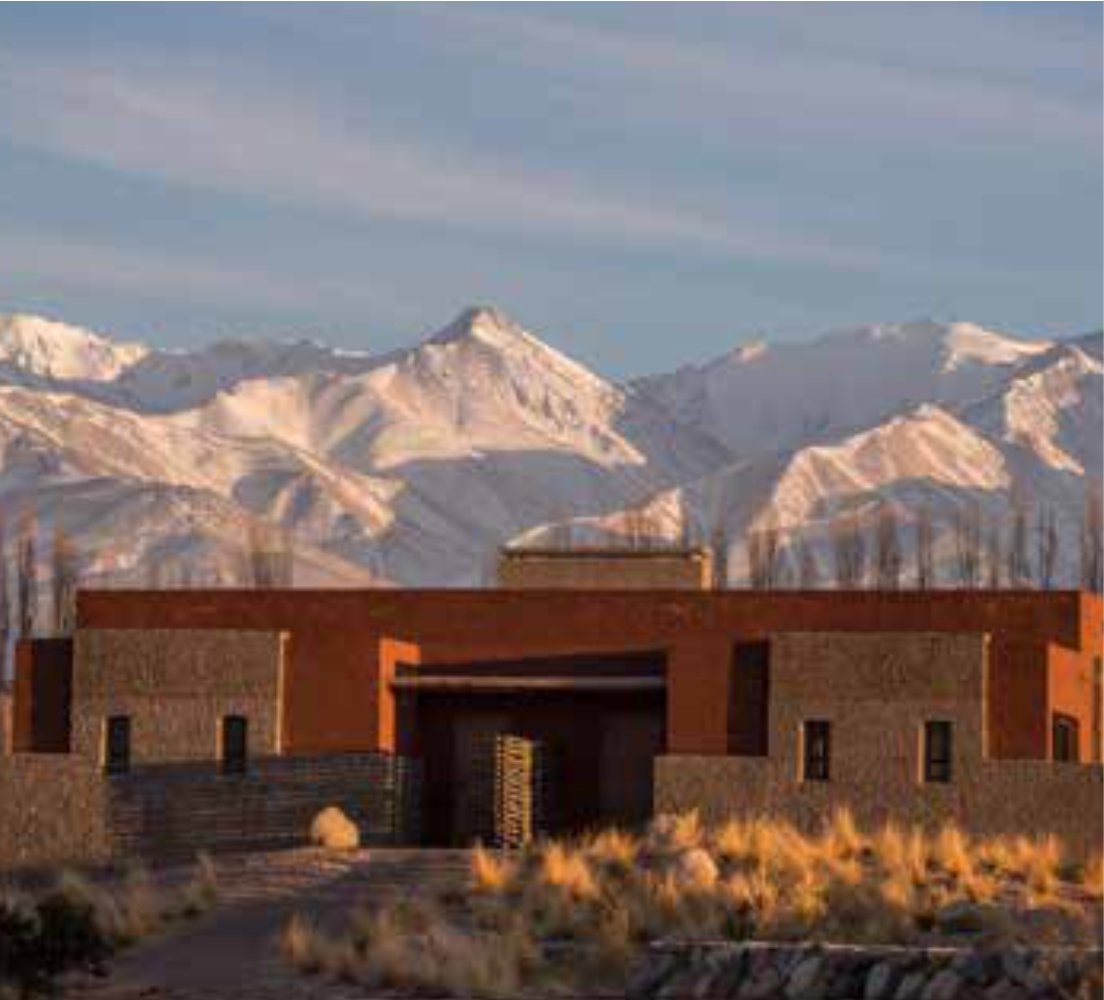
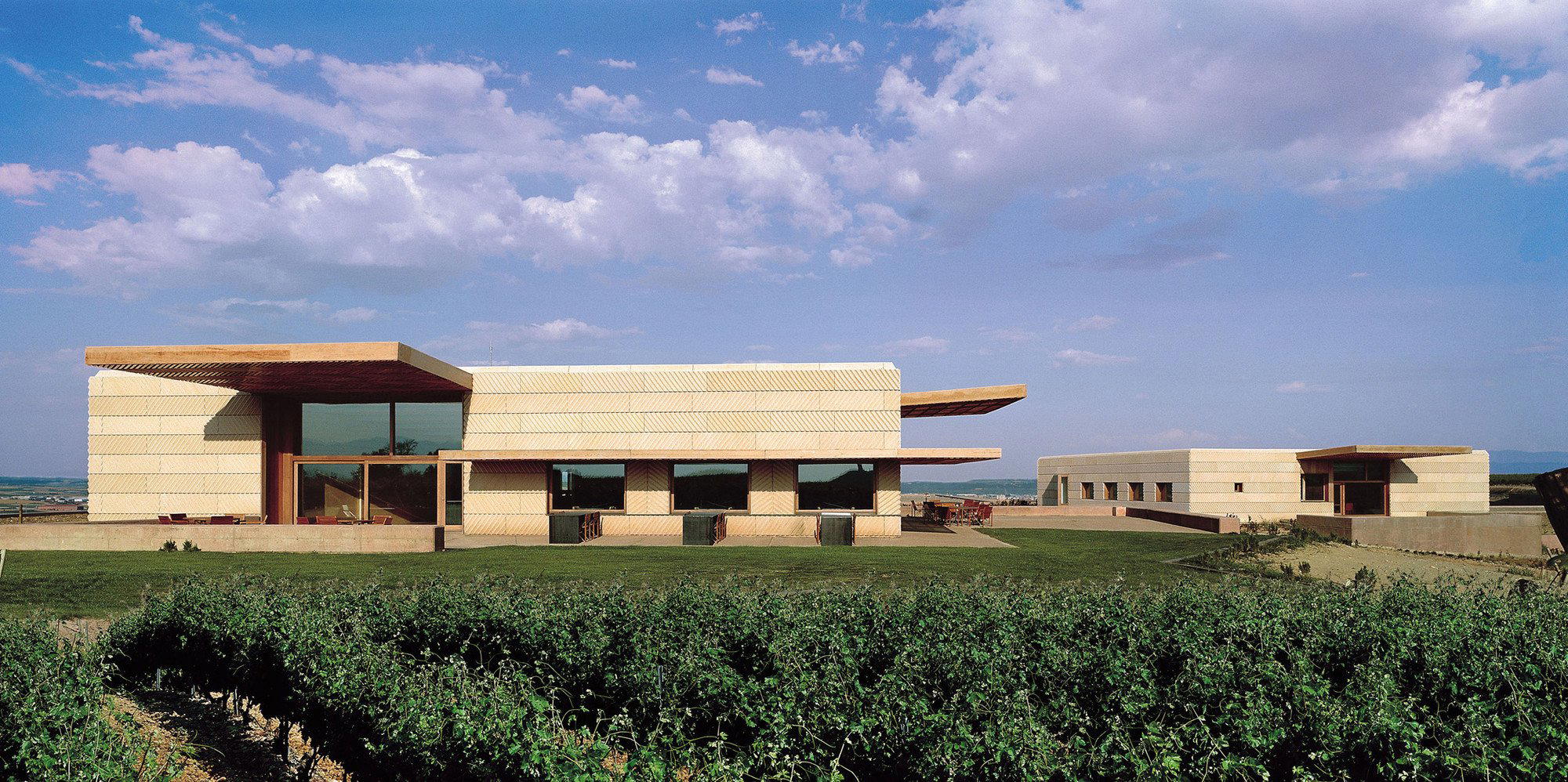
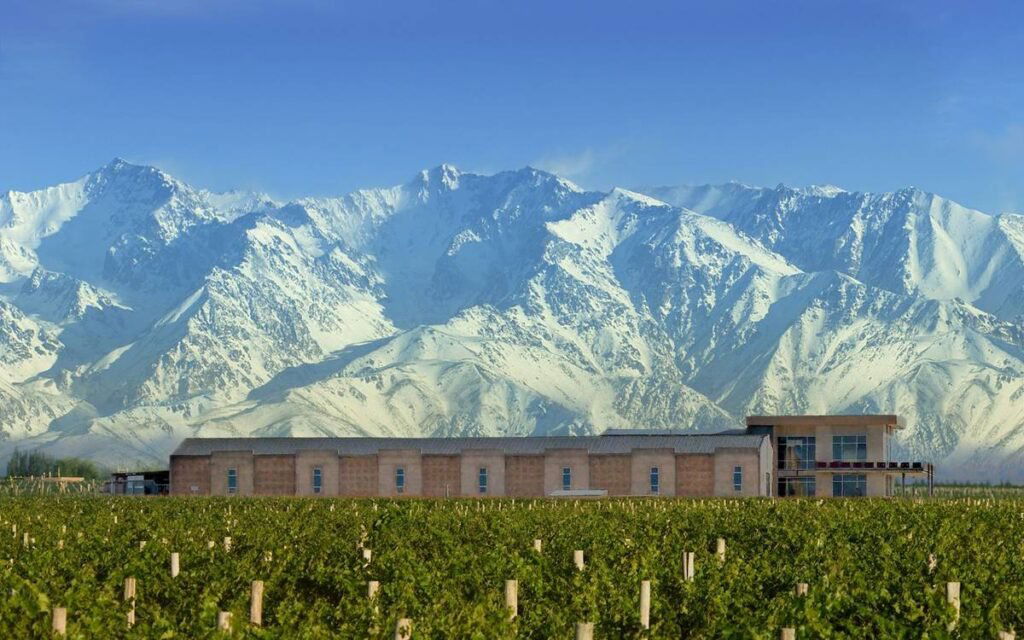
Domaine Bousquet reads like a study in place. The estate foregrounds high-altitude viticulture — thinning air, hard light and gravelly soils — and treats organic farming as a governing method rather than a marketing detail. That seriousness produces wines and a visitor impression that feel measured and refined; the Cordillera on the horizon and wide rows of vines create a composed, contemplative setting. The property is simultaneously elegant and rugged, leaning toward a sophisticated, serene mood that centers on terroir and the craft of organic farming.
Best For
This estate is best suited to guests who want to learn why altitude and farming choices matter to wine. The write-up positions Domaine Bousquet as a place for wine education, where certified organic practices and the Valle de Uco’s slower ripening are central talking points. It also works well for special-occasion visits: the combination of elevated scenery and a considered, estate-driven presentation provides a memorable backdrop for milestone tastings or small celebratory visits focused on place and provenance.
Tasting Tips
When exploring Domaine Bousquet’s wines, prioritize bottles that highlight the estate’s certified-organic status and the influence of altitude on ripeness and acidity. Ask staff about the specific vineyards, elevations and soil types referenced in tasting notes so you can connect flavor to site. If provenance matters to you, request information about the organic certification and the estate's farming practices; those details are foregrounded in the property's narrative and will help you choose wines that reflect its high-altitude, site-driven approach.
Venue details
Ambiance
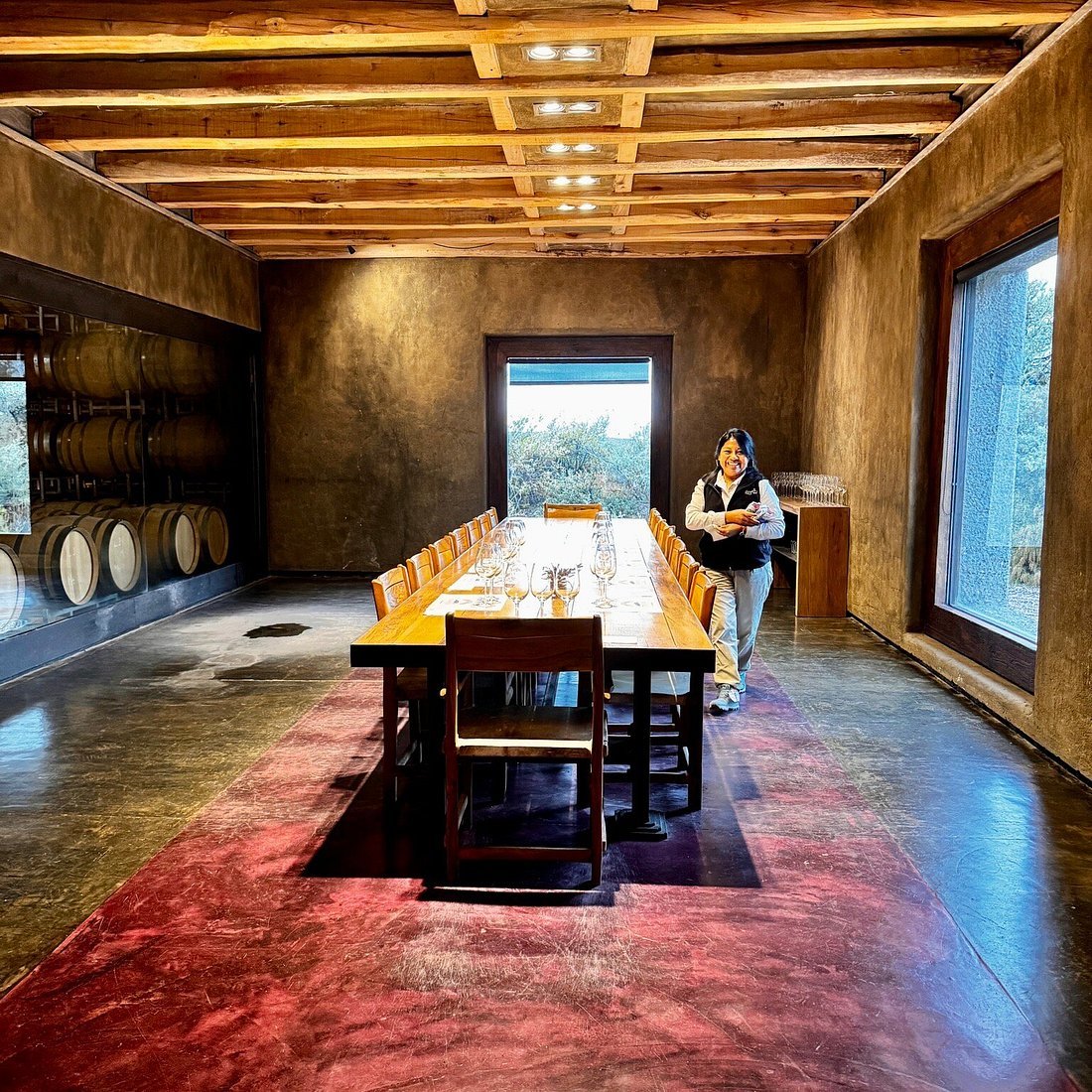
Intimate and scenic with vineyard and mountain views, relaxed atmosphere during tastings paired with cheeses.
Tags
Vibe
Best For
Experience
Sourcing
View
At the Vineyard
- Appellation
- Tupungato
- Varietals
- Malbec, Chardonnay, Pinot Noir, Cabernet Sauvignon, Syrah
- Tour Duration
- 60-90 minutes
- Tour Languages
- Spanish, English
- Visits
- By reservation
- Farming
- Regenerative
- Wine Styles
- Still Red, Still White, Still Rose
- Food Pairing
- Offered
- Wine Club
- Not available
Know before you go
Know Before You Go
- Getting there
- RP89 km 7, M5561 Tupungato, Mendoza
Planning details
Location
Recognition and awards

Also consider
Also Consider
- Sitio La Estocada, Notable alternative
- Rutini Wines (La Rural), Notable alternative
- Andeluna Cellars, Notable alternative
- Finca Sophenia, Notable alternative
- Bodega La Azul, Notable alternative
Winery context
How It Compares
Domaine Bousquet is the higher-commitment choice in this Tupungato set: better for a polished, occasion-led winery visit than for a flexible tasting crawl. Andeluna Cellars and Finca Sophenia are the more sensible cross-shops if the priority is an easiergoing winery day with less pressure on a single booking.
Against Rutini Wines (La Rural), Domaine Bousquet is the pick when the Uco Valley setting is part of the occasion. Rutini is the safer comparison for travelers who want a more established-name frame. Sitio La Estocada is worth checking if the group wants something smaller-feeling or less formal.
If food is the deciding factor, Bodega La Azul belongs on the shortlist before committing here. Choose Domaine Bousquet when wine quality and setting are the main priorities; choose La Azul when the meal is likely to drive the experience.
Explore Tupungato
Around this place
Discover more on Pearl
Unlock the full Domaine Bousquet guide in Pearl, including awards, comparisons, FAQs, planning details, and nearby places.
Compare Domaine Bousquet
| Venue | Location | Awards |
|---|---|---|
| Domaine Bousquet | Tupungato | 2026 Falstaff Winery Guide |
| Sitio La Estocada | Tupungato | 2025 World's 50 Best Vineyards · #91 |
| Rutini Wines (La Rural) | Tupungato | No published awards |
| Andeluna Cellars | Tupungato | 2026 Falstaff Winery Guide |
| Finca Sophenia | Tupungato | 2026 Falstaff Winery Guide |
| Bodega La Azul | Tunuyán | 2026 Falstaff Winery Guide |

How Domaine Bousquet Tupungato compares with similar nearby venues.
FAQ
Frequently Asked Questions
Where is Domaine Bousquet?
Is there a dress code at Domaine Bousquet?
Yes. The dress code for Domaine Bousquet is smart casual.
Can Domaine Bousquet handle large groups?
Large-group details are not available. If you are planning for a group, contact Domaine Bousquet directly before finalizing your Tupungato itinerary.
How long should I plan for a visit to Domaine Bousquet?
What current details should I confirm before visiting Domaine Bousquet?
Confirm the details that matter to your plan, such as hours, reservations, pricing, food, accessibility, and any specific format. Those details are not provided here.