
SantoWines (Santorini Coop)
Pyrgos, Santorini
Winery in Santorini, Greece
 Book with Pearl
The Read
Cooperative Terroir Preservation
Why go
SantoWines (Santorini Coop) is worth prioritizing if you want a broad, practical introduction to Santorini wine before booking smaller cellar visits. Go for regional context, cooperative scale, and a tasting that can work well with food pairings; cross-shop boutique producers if you want a quieter, more intimate appointment.
About SantoWines (Santorini Coop)
SantoWines (Santorini Coop) is a Santorini venue with a smart casual dress code and Pearl 2 Star Prestige recognition for 2025. Travelers should avoid assuming specific service details, formats, food options, pricing, hours, or reservation policies without checking the venue directly.
SantoWines (Santorini Coop) can be considered alongside other Santorini venues, but any visit should be confirmed through official channels before building an itinerary around it.
Plan your visit to SantoWines (Santorini Coop)
If SantoWines (Santorini Coop) is on your Santorini shortlist, check directly for the current experience, availability, and format. It is a recognized Santorini venue, but the details of what is offered on a given day should be confirmed directly.
The most reliable planning guidance is simple: dress smart casual, confirm the current visit details in advance, and compare it with other Santorini options based on your preferred pace and focus.
Because specific atmosphere, menu, tasting, and service details can vary, expectations should stay flexible. Travelers looking for a highly specific experience should contact the venue before committing.
Who should choose SantoWines (Santorini Coop)
Choose SantoWines (Santorini Coop) if you want to include a Pearl 2 Star Prestige 2025 Santorini venue in your plans and are comfortable checking the exact offering directly. If your priority is a particular format, meal, pairing, or guided visit, confirm those details before booking.
For comparison planning, consider other Santorini options such as Artemis Karamolegos Winery, Canava Santorini Distillery (1974), Hatzidakis Winery, Vassaltis Vineyards, and Venetsanos Winery. Keep the final choice grounded in current information from each venue.
Planning details
- Location
- Pyrgos Kallistis 847 00
- Website
- santowines.gr
- Phone
- +30 2286 028058
The take
The Take
The Vibe
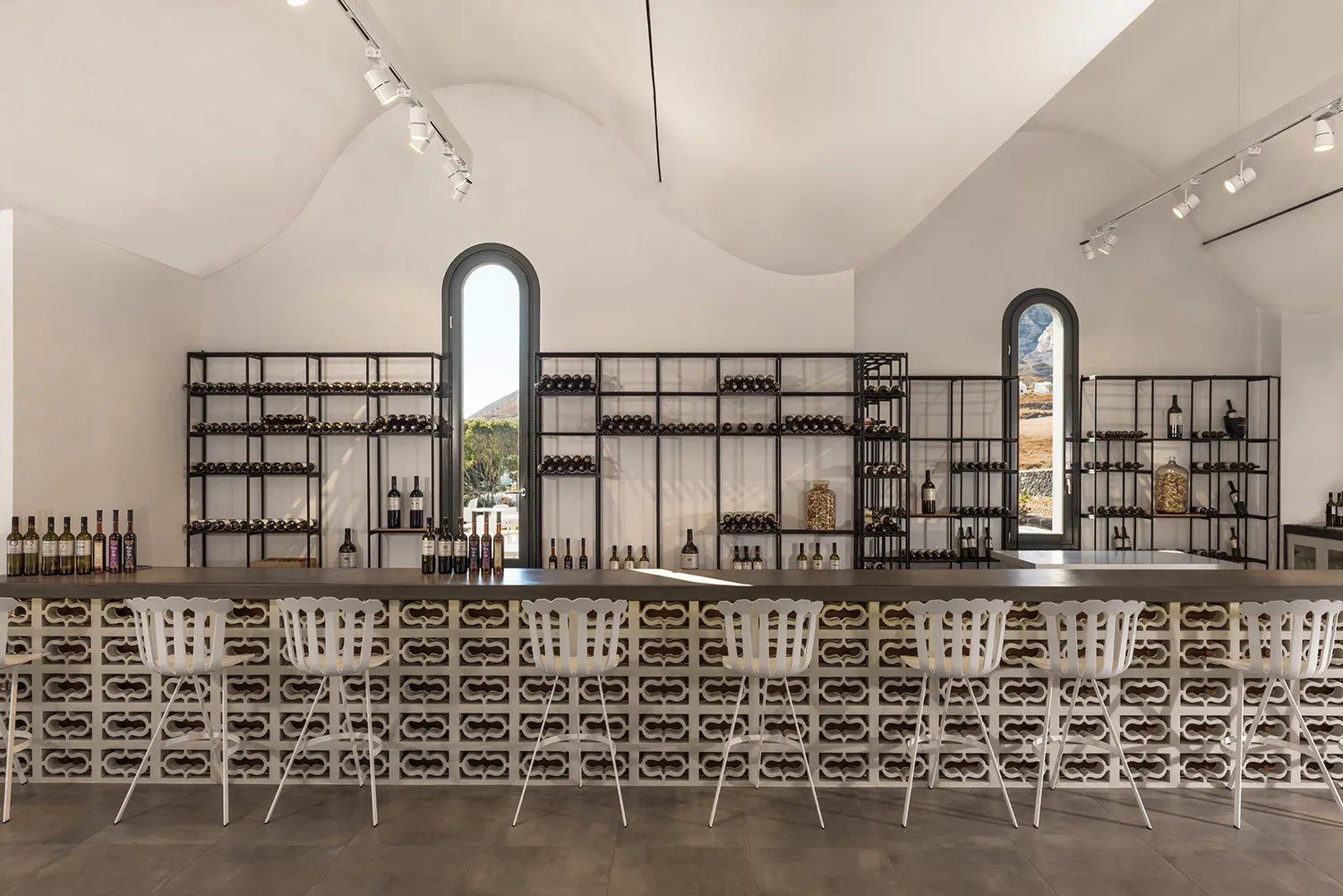
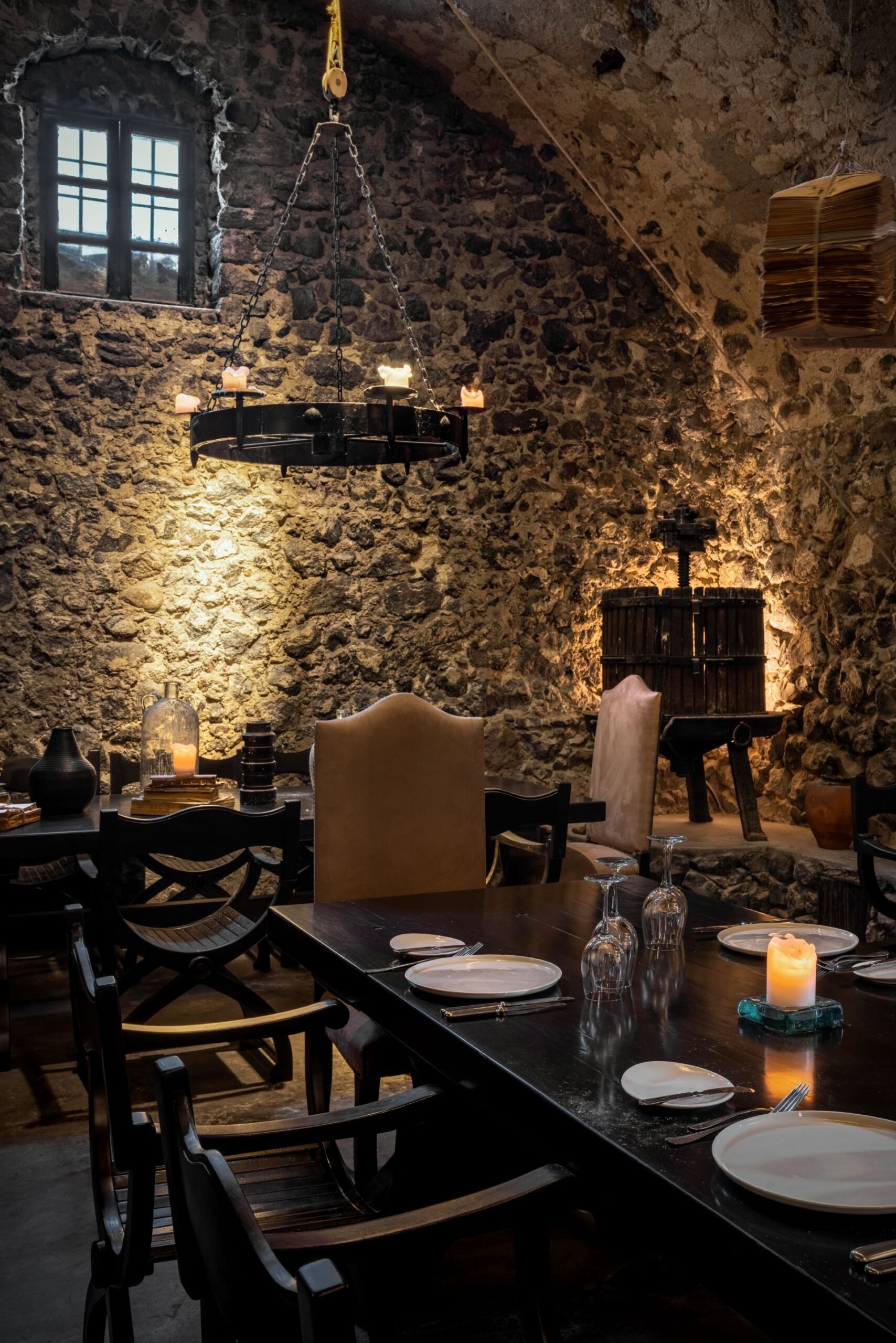
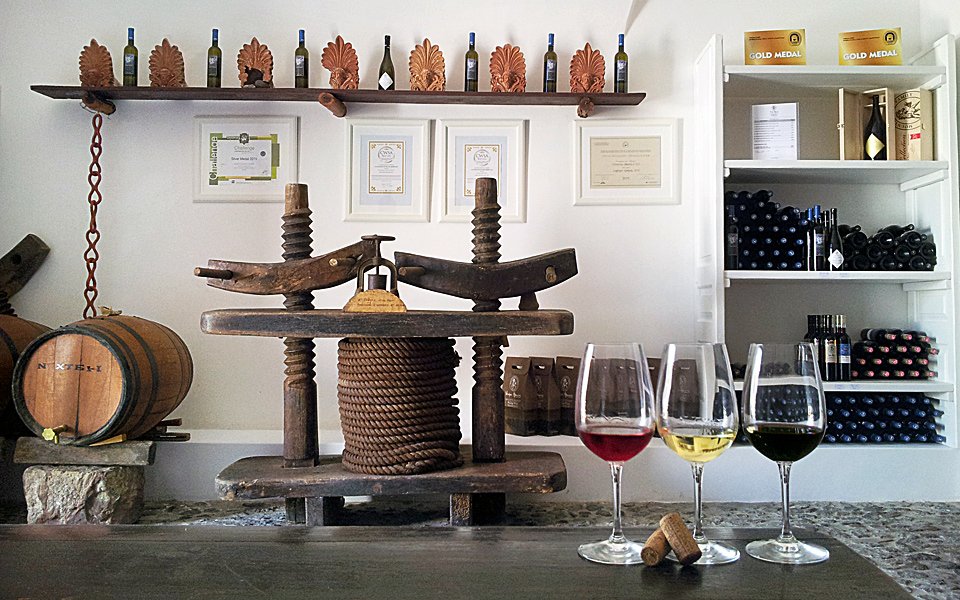
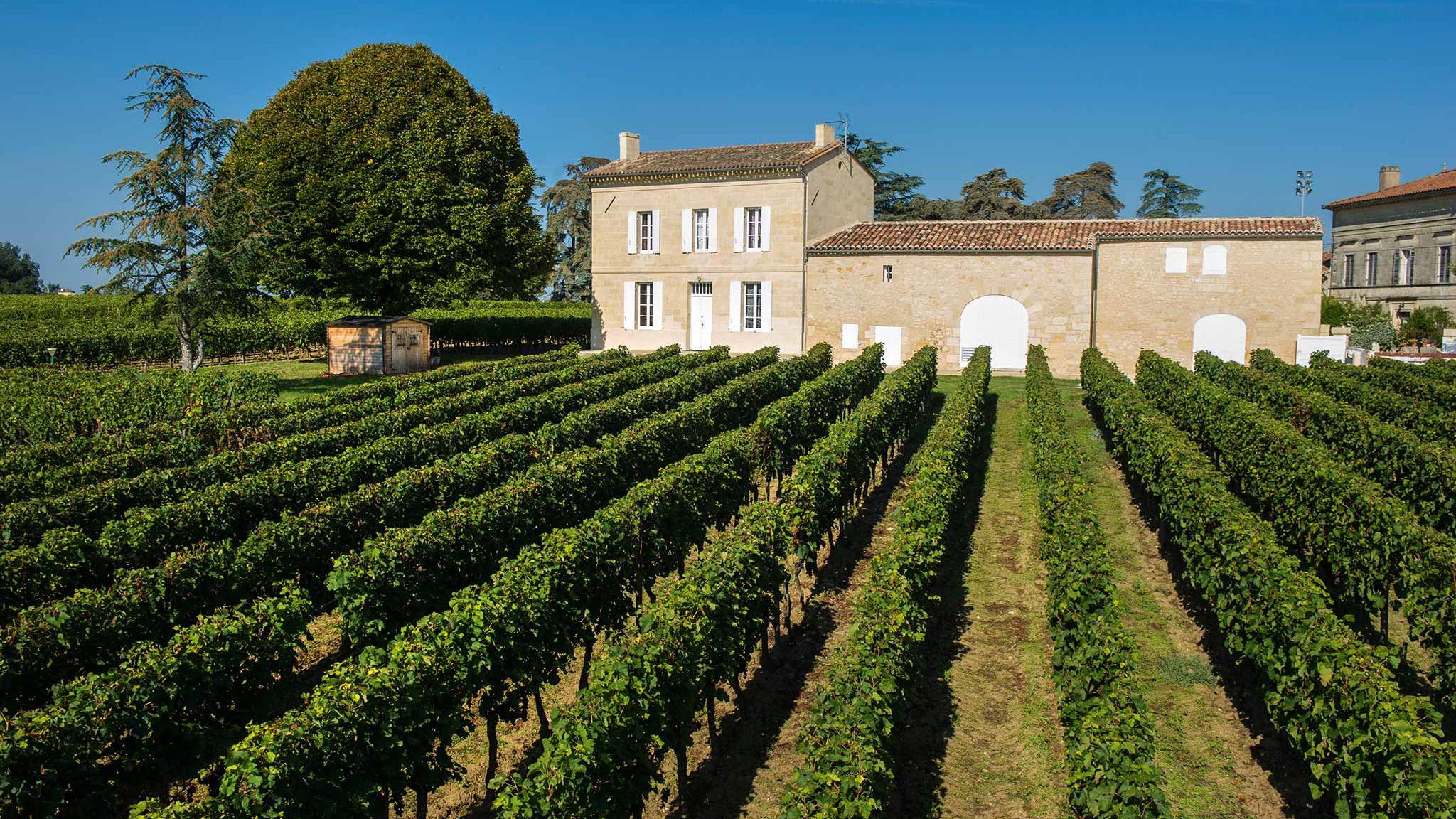
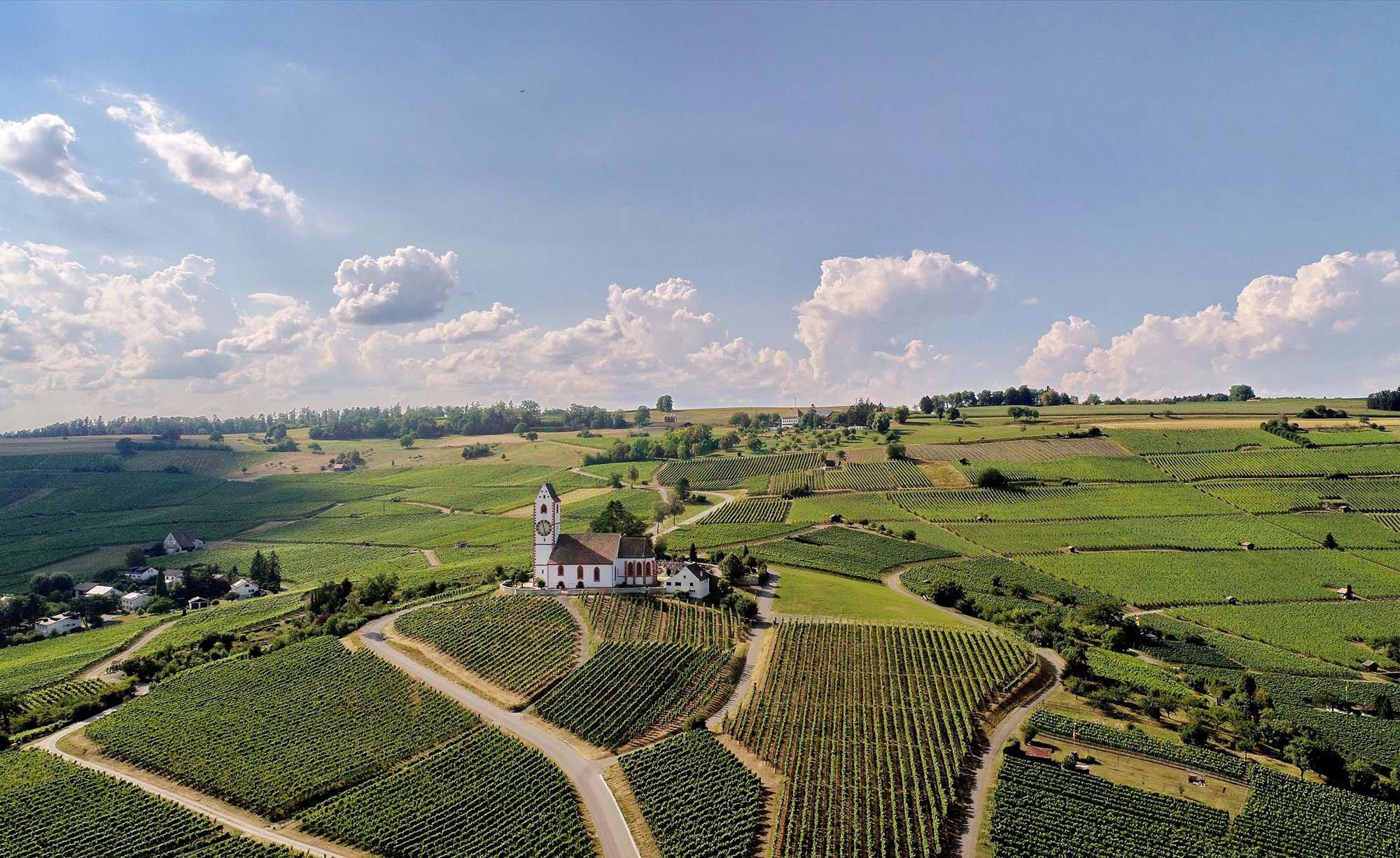
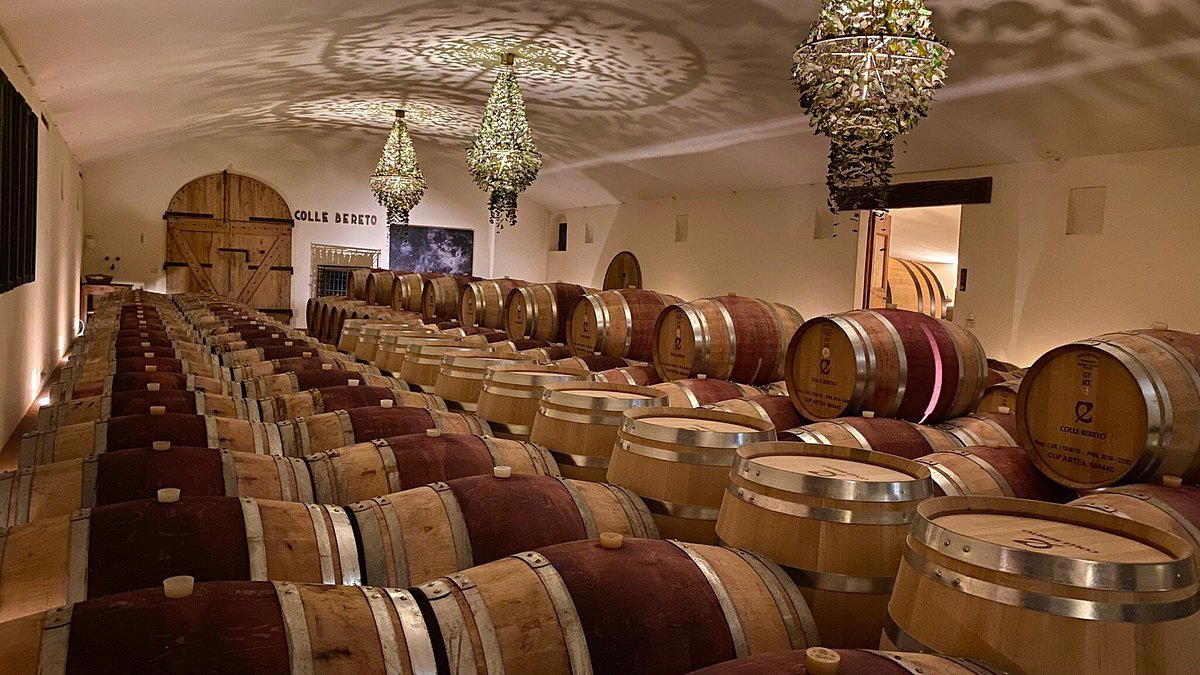
SantoWines feels grounded and quietly purposeful: a cooperative cellar set in Pyrgos’s inland village landscape rather than on the cliff-edge spectacle. The site foregrounds agriculture—basket-trained vines on pumice-rich volcanic soil—and that working, terroir-first identity shapes the visitor experience. The operation balances communal production with a clear commitment to quality, underscored by a Pearl 2 Star Prestige rating, so the place reads as both authentic and assured. Visitors encounter an unglamorous, rural charm rather than performance-driven tourism; the combination of historic village context, volcanic plateau views and an active cellar gives SantoWines a rooted, quietly dignified character.
Best For
SantoWines is best for people who come to learn about Santorini wine in context: students of terroir, serious wine lovers and groups interested in the cooperative model. Because it’s set back from the island’s cliff-edge crowds and emphasizes cellar work and vineyard practice, the visit suits quieter, contemplative experiences—tasting sessions at the cellar door and conversations about Assyrtiko’s minerality and acidity. It also works for small group visits where agriculture and winemaking processes are part of the story, and for anyone seeking a more authentic, village-based perspective on Santorini viticulture.
Tasting Tips
When you arrive, frame your visit around Assyrtiko and the island’s volcanic soils: the description emphasizes Assyrtiko’s signature high acidity and minerality, and the cooperative’s vines grown on pumice-rich ground. Ask staff about the cooperative structure and how cellar discipline and yield control influence wine quality—those themes recur in the write-up. Focus tastings on wines that showcase minerality and structure rather than novelty; request context about specific vineyard sites or basket-trained parcels to connect what you taste with the landscape described.
Venue details
Ambiance
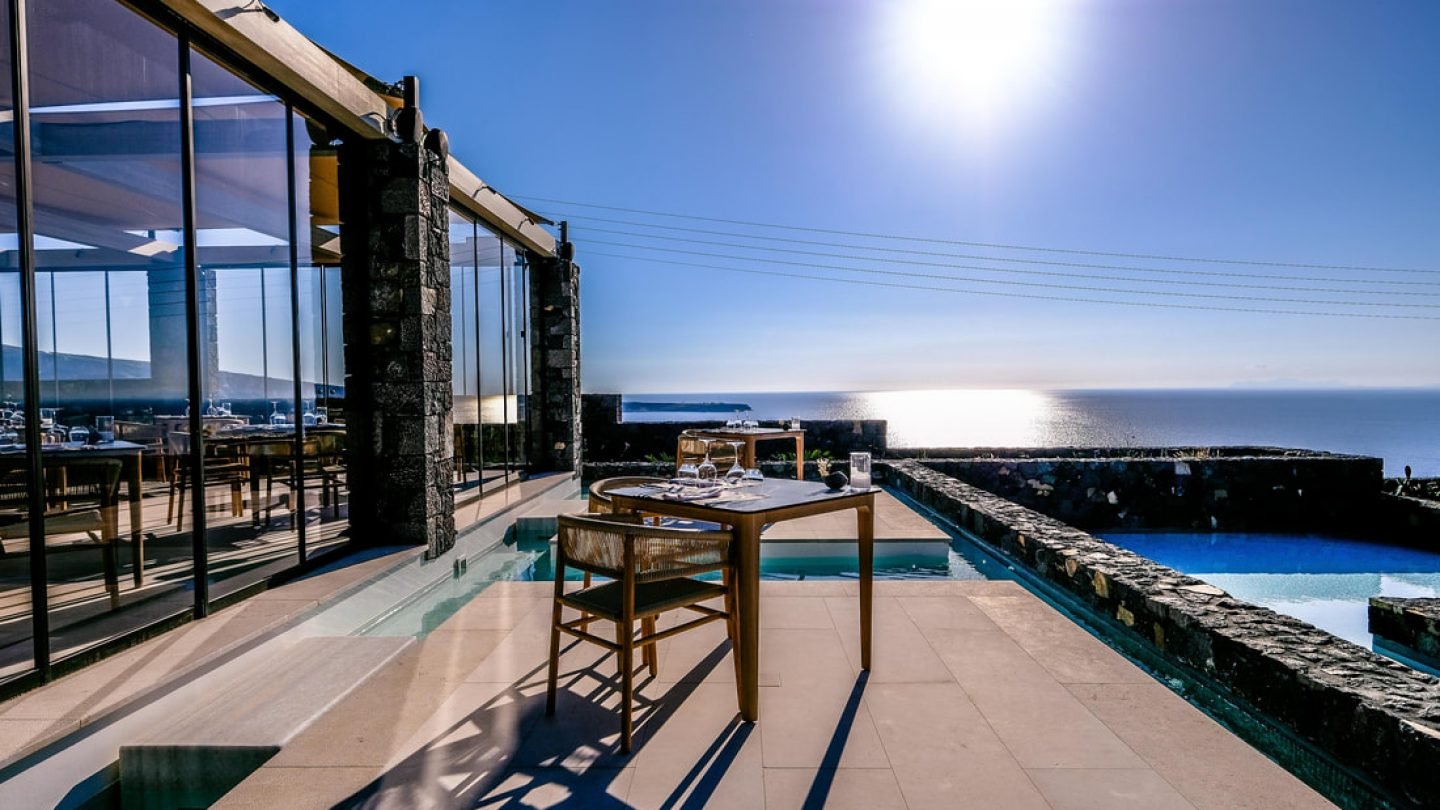
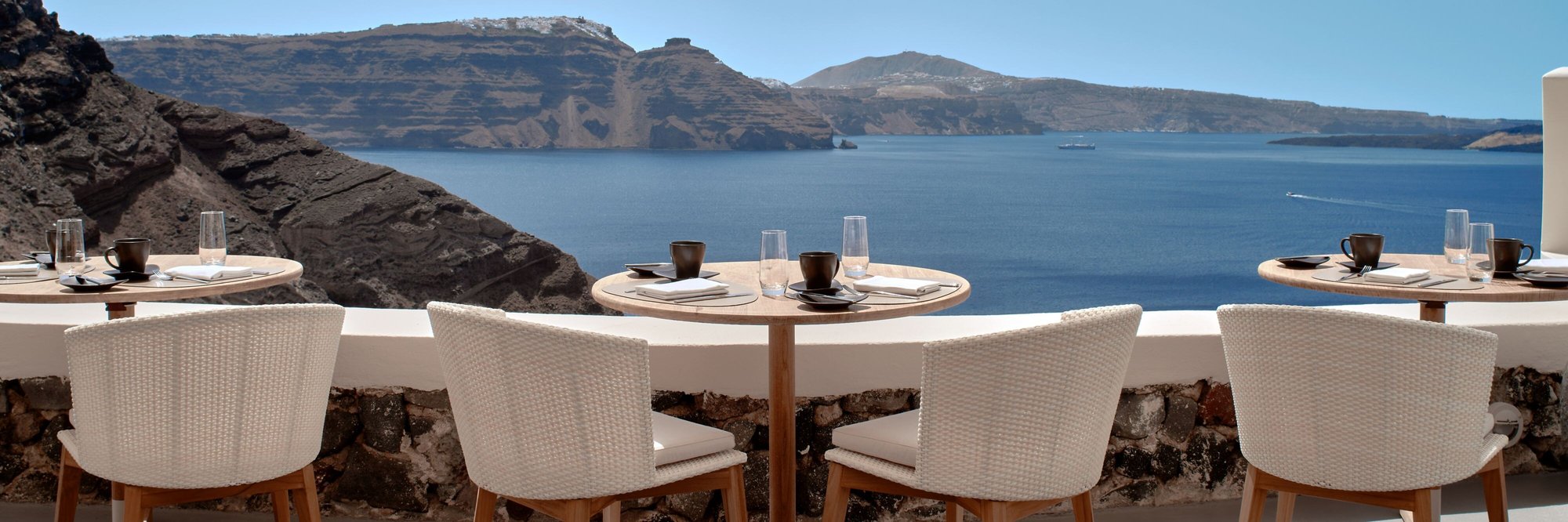
Modern, spacious, and scenic, with a caldera-facing terrace designed for sunset viewing and a contemporary wine tourism center atmosphere.
Tags
Vibe
Best For
Experience
Sourcing
View
At the Vineyard
- Appellation
- Santorini PDO
- Varietals
- Assyrtiko, Vinsanto, red blends, rosé, sparkling
- Tour Duration
- 20-60 minutes
- Wine Club
- Not available
Know before you go
Know Before You Go
- Getting there
- Pyrgos Kallistis 847 00
Planning details
Location
Recognition and awards

Also consider
Where to go if this is not the right fit
If the group wants a more producer-led wine visit, cross-shop Artemis Karamolegos Winery or Vassaltis Vineyards. Both make more sense after travelers already have a basic handle on Santorini wine and want a narrower appointment.
If ambiance is the deciding factor, look at Venetsanos Winery. If the group wants something adjacent but not wine-first, Canava Santorini Distillery (1974) is the cleaner pivot.
Winery context
How SantoWines compares with Santorini winery peers
Choose SantoWines (Santorini Coop) for breadth and context; choose Venetsanos Winery if the priority is a more view-led Santorini tasting. SantoWines is the more useful first stop for understanding the island's cooperative and regional wine picture, while Venetsanos is the stronger fit when ambiance matters as much as what is in the glass.
Artemis Karamolegos Winery, Hatzidakis Winery, and Vassaltis Vineyards are better cross-shops for travelers who want a more producer-specific visit. They make more sense after a broader orientation stop, especially for guests who already know they want a narrower lens on Santorini wine rather than a cooperative overview.
Canava Santorini Distillery (1974) is the outlier: pick it when the group wants distilling heritage rather than a wine-first tasting. For value, the right move is not chasing the fanciest appointment; it is matching the format to the group. SantoWines suits first-timers and mixed-interest groups, while the smaller wine venues suit visitors who already know the style they want to explore.
Around this place
Discover more on Pearl
Unlock the full SantoWines (Santorini Coop) guide in Pearl, including awards, comparisons, FAQs, planning details, and nearby places.
Compare SantoWines (Santorini Coop)
| Venue | Location | Awards |
|---|---|---|
| SantoWines (Santorini Coop) | Santorini | 2026 Falstaff Winery Guide |
| Venetsanos Winery | Santorini | No published awards |
| Canava Santorini Distillery (1974) | Santorini | No published awards |
| Artemis Karamolegos Winery | Santorini | 2026 Falstaff Winery Guide |
| Hatzidakis Winery | Pyrgos Kallistis | 2026 Falstaff Winery Guide |
| Vassaltis Vineyards | Santorini | 2026 Falstaff Winery Guide |
How SantoWines (Santorini Coop) compares with similar nearby venues.
FAQ
Frequently Asked Questions
Is the wine club at SantoWines (Santorini Coop) worth joining?
Does SantoWines (Santorini Coop) ship wine?
What other Santorini venues can I compare with SantoWines (Santorini Coop)?
For Santorini comparison planning, consider Venetsanos Winery, Artemis Karamolegos Winery, Hatzidakis Winery, and Vassaltis Vineyards. Canava Santorini Distillery (1974) is another Santorini option if you want to compare a different venue.
Do I need a reservation at SantoWines (Santorini Coop)?
Reservation requirements vary. Contact SantoWines (Santorini Coop) directly for current booking details before visiting Santorini.