

Château Pédesclaux
Pauillac
Winery in Pauillac, France
 Book with Pearl
The Read
Classified Médoc Precision
Why go
Book Château Pédesclaux if you want a serious Pauillac stop that sits beyond the obvious first-growth circuit. It is better for a planned, wine-led Médoc itinerary than for casual drop-in tasting, and it works especially well for repeat visitors comparing Pauillac estates in the same day.
About Château Pédesclaux
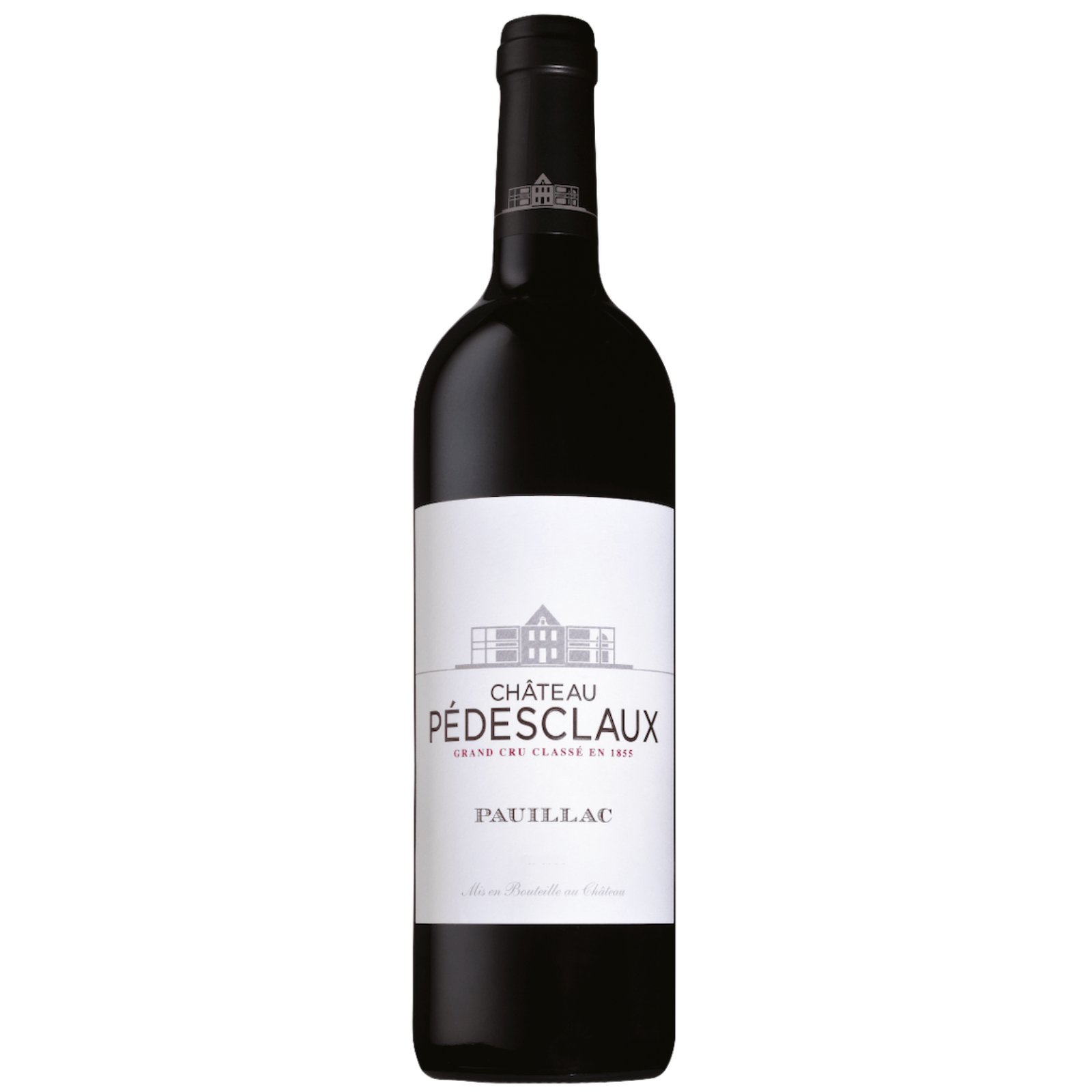
Château Pédesclaux is a Pauillac venue with Pearl 3 Star Prestige recognition for 2025. Use this guide as a concise reference, and check the venue's official channels for visit formats, menus, pricing, or schedules before making plans.
The dress code is smart casual. Specific details such as food service, tasting formats, group capacity, hours, pricing, and walk-in availability should be checked with the venue before making plans.
A Pauillac stop for people moving beyond the obvious names
For visitors comparing Pauillac options, Château Pédesclaux can be considered alongside names such as Chateau Mouton Rothschild, Château Clerc Milon, Château Grand-Puy-Ducasse, Château Pontet-Canet, and Château d'Armailhac. The distinction here is the Pearl 3 Star Prestige recognition for 2025.
Avoid building an itinerary around assumptions about service style, availability, or included experiences. Treat Château Pédesclaux as a Pauillac venue to research directly before confirming the rest of the day.
How to fit it into a Pauillac day
Use Château Pédesclaux as one part of a Pauillac-focused plan, and confirm practical details before arranging surrounding dining, hotels, bars, or other stops. For broader planning, use Our full Pauillac wineries guide alongside Our full Pauillac restaurants guide, Our full Pauillac hotels guide, Our full Pauillac bars guide, and Our full Pauillac experiences guide.
If you are weighing it against other Pauillac options, keep the comparison simple: Château Pédesclaux is a Pauillac venue with a smart casual dress code and Pearl 3 Star Prestige recognition for 2025. More specific trip-planning questions should be checked directly before you go.
Planning details
- Location
- Route de Pédesclaux, 33250 Pauillac
- Website
- chateau-pedesclaux.com
- Phone
- +33 5 56 59 22 59
The take
The Take
The Vibe
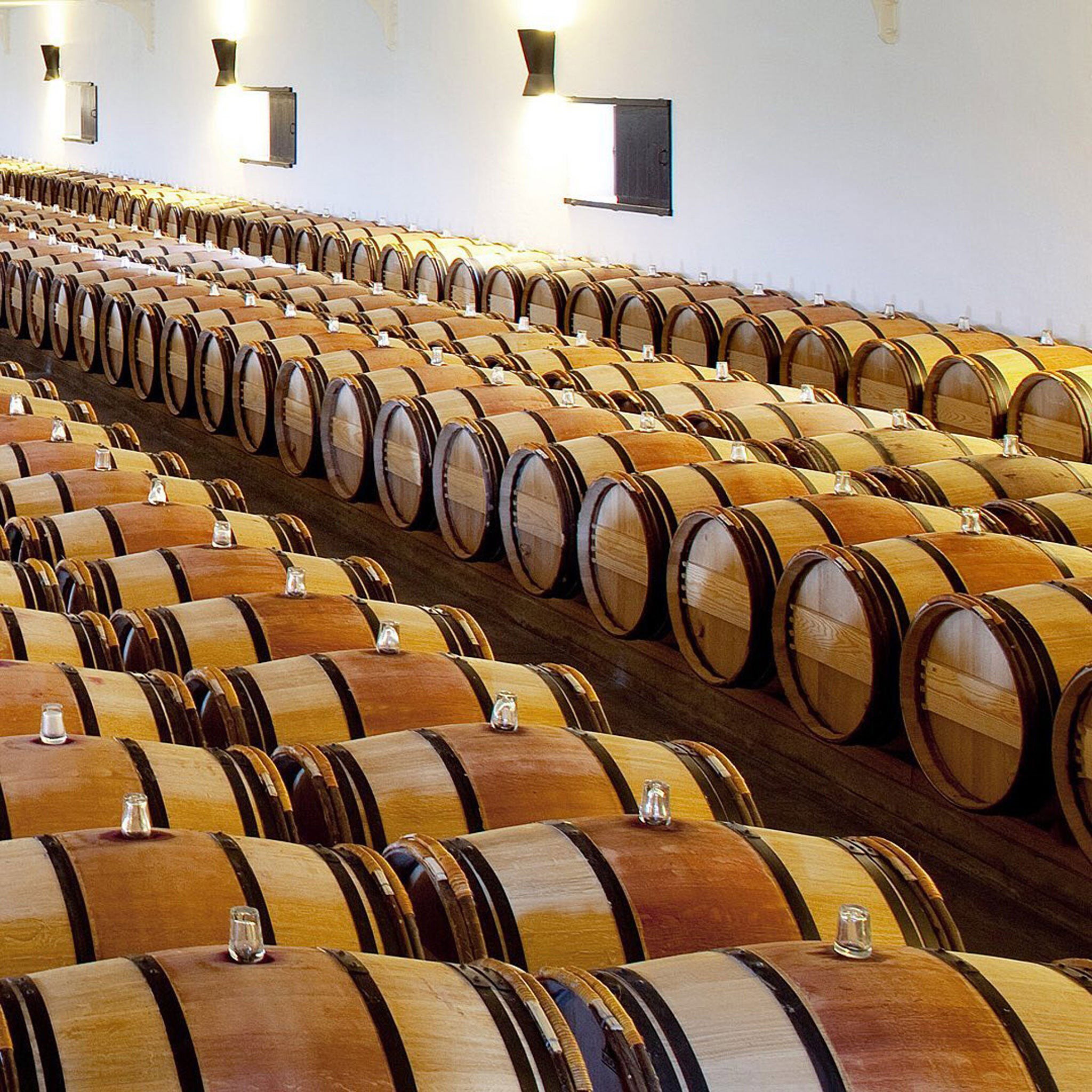
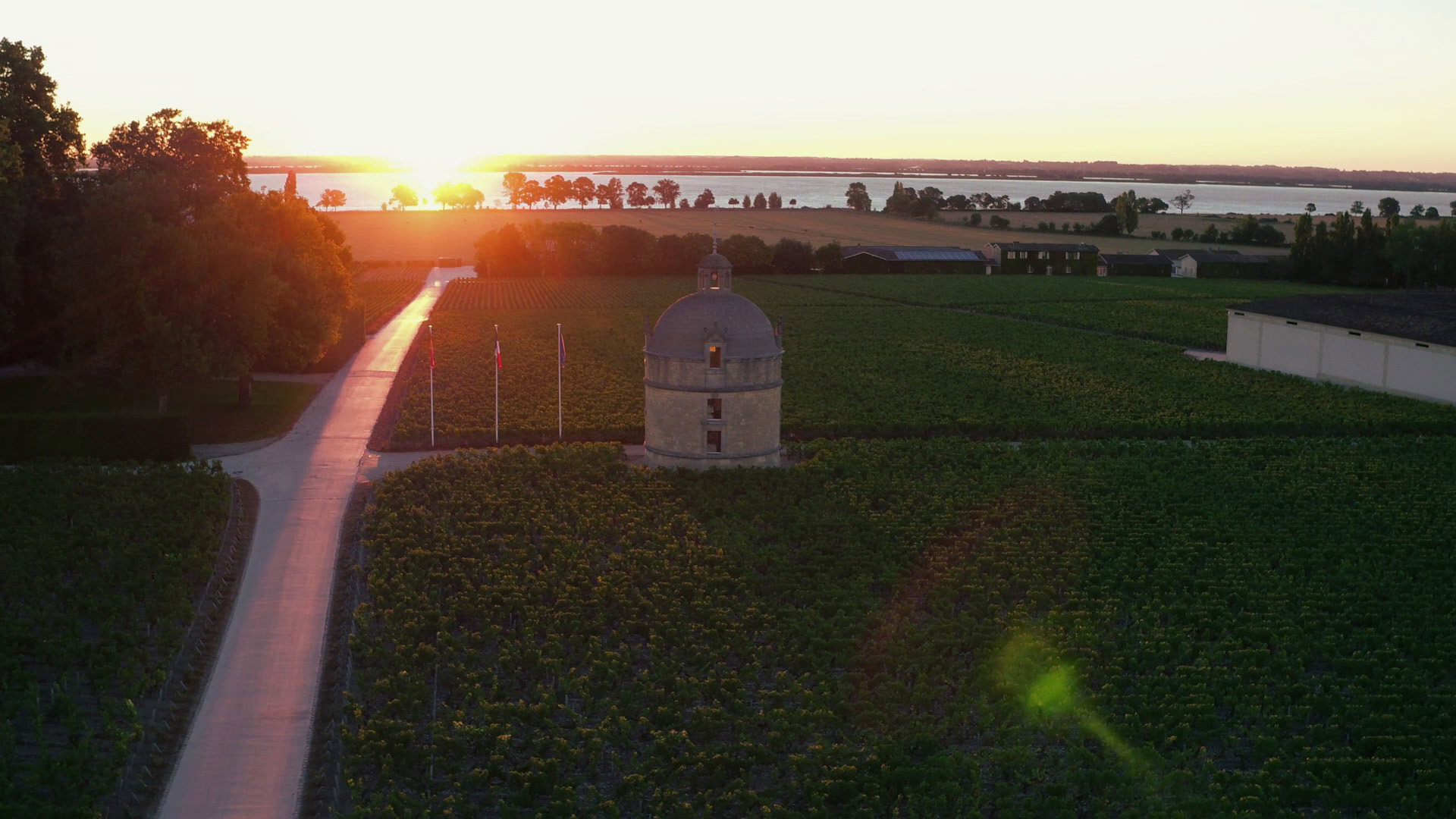
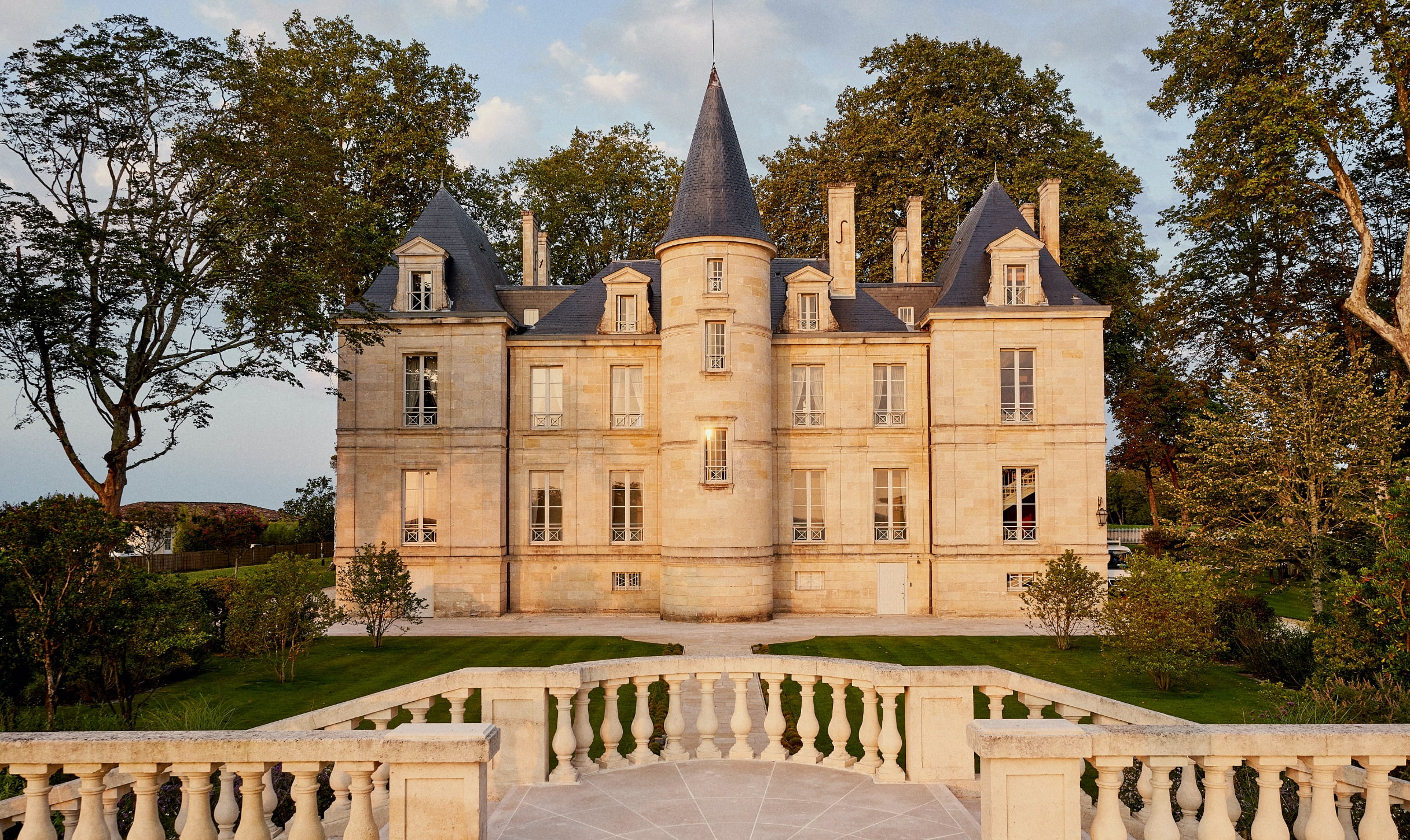
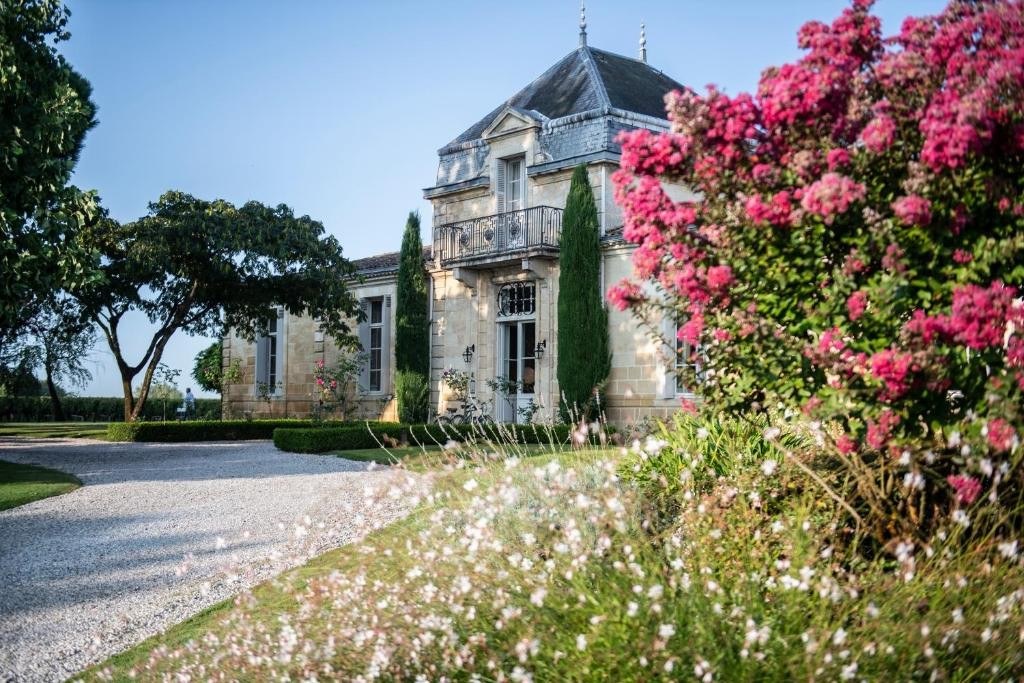
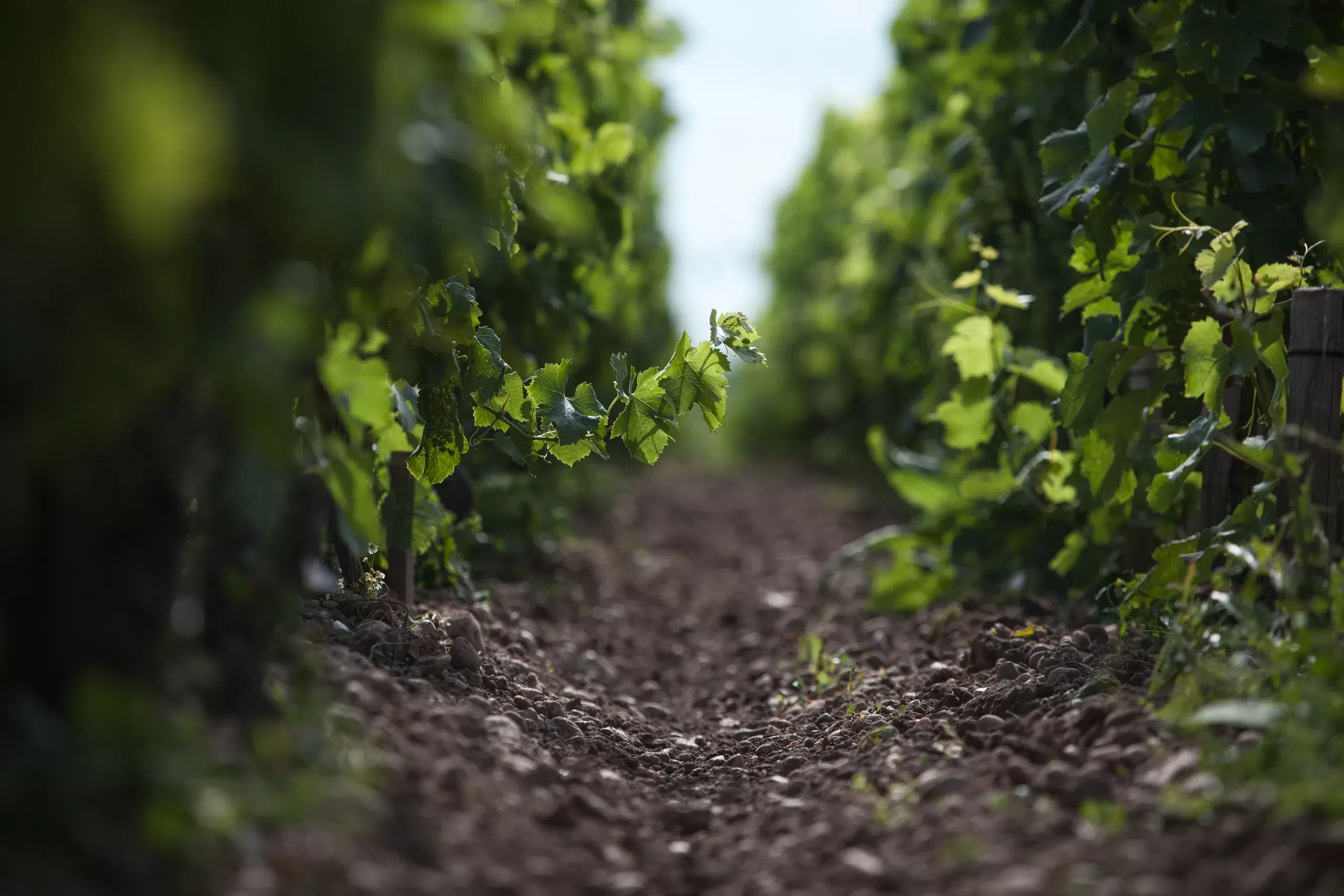
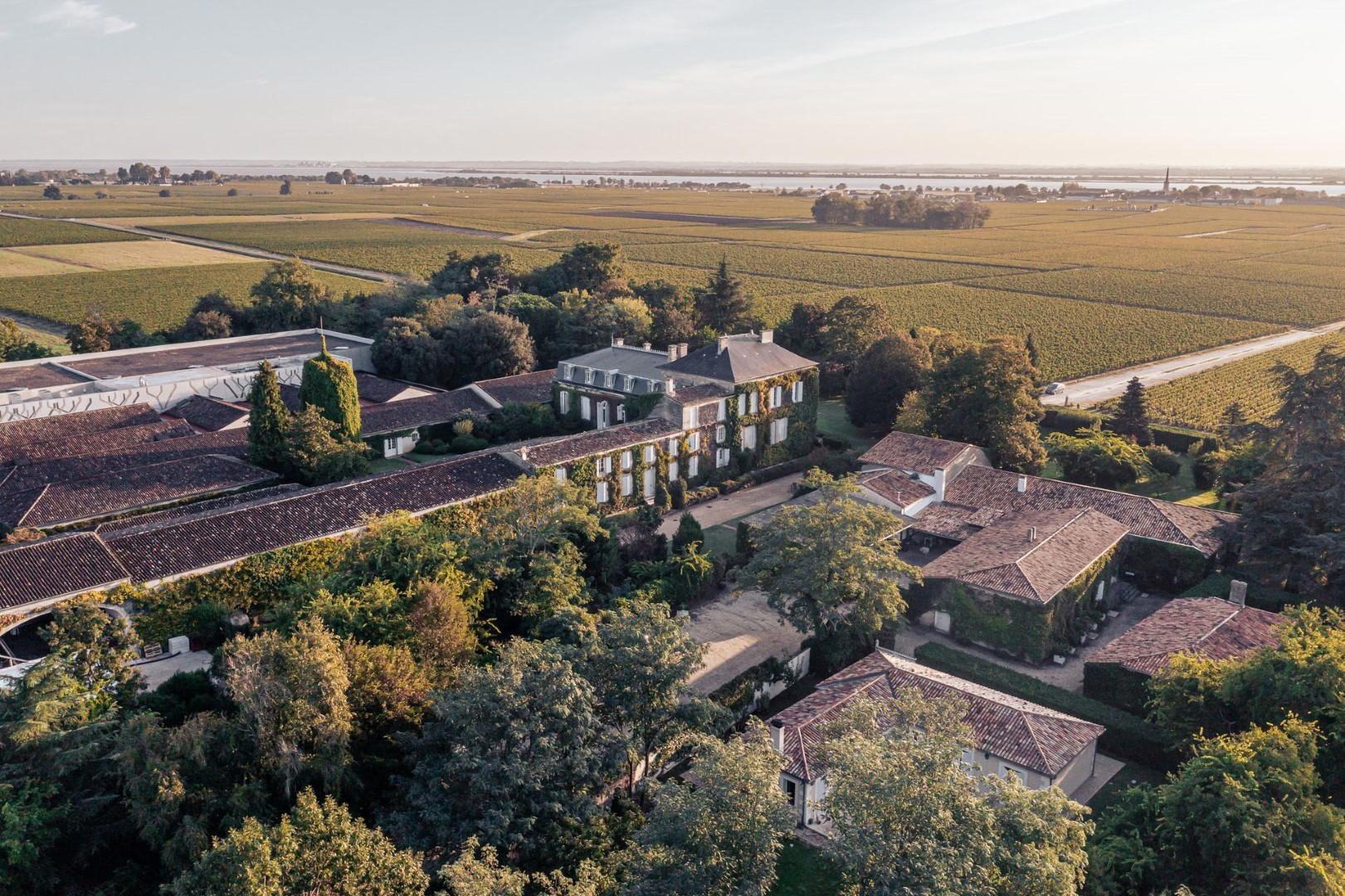
Château Pédesclaux reads like a traditionally minded Pauillac estate: its story is rooted in the appellation’s classic gravel folds, stone gateposts and iron fences that mark long-established boundaries. The copy frames the property as measured and deliberate — rows of vines on Günzian gravel produce the structured Cabernet blends Pauillac is known for, and the château sits within the 1855 classification that still shapes expectations. Visitors encounter a landscape-first sensibility: the setting and historic pedigree are the through-line, lending the estate a composed, scenic atmosphere where terroir and provenance are the principal attractions.
Best For
This château is best for those who come with an interest in Pauillac’s terroir and the mechanics of quality-driven winemaking. The write-up emphasizes viticulture, cellar discipline and classification, so tastings here suit people seeking context — students of Bordeaux, collectors tracking allocations, and wine-focused travelers marking a special visit. The estate’s recent Pearl rating and Fifth Growth status position it as a notable stop for milestone tastings or purchases, rather than casual drop-ins: it rewards time spent talking about soil, grape composition and the estate’s place among its classified neighbors.
Tasting Tips
Pay attention to how the estate is discussed in release materials and allocation cycles: the description highlights "allocation behaviour" and a 2025 Pearl 3 Star Prestige rating, which signals that availability and market positioning matter. For buyers and visitors, prioritize official releases and estate tastings tied to the château so you can hear about vintage-specific choices, cellar approach and blend composition directly from their team. Because the narrative centers on terroir and cellar discipline, ask about gravel composition, Cabernet proportions and the cellar work that informs aging and selection rather than seeking broad tasting-room theatrics.
Venue details
Ambiance
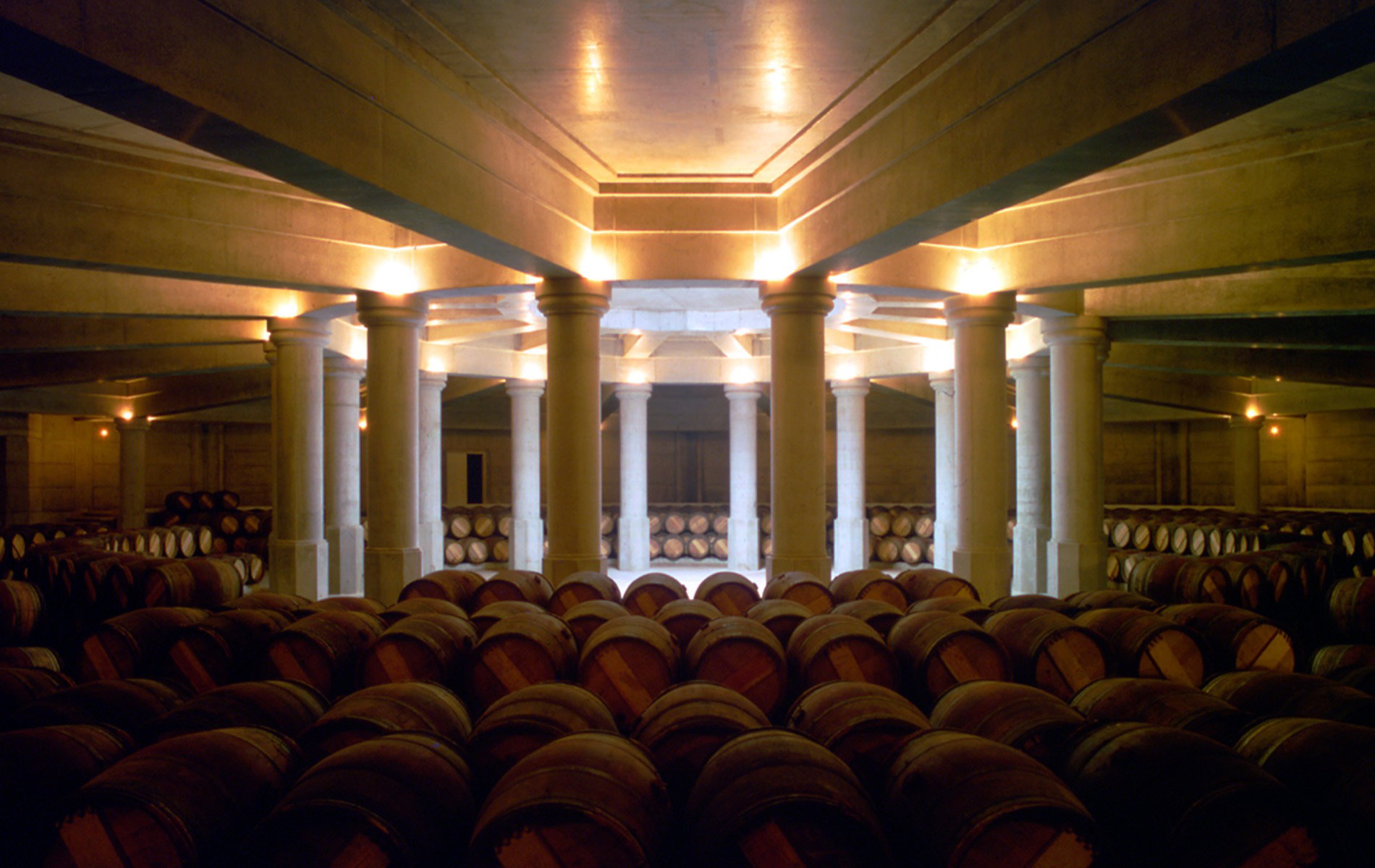
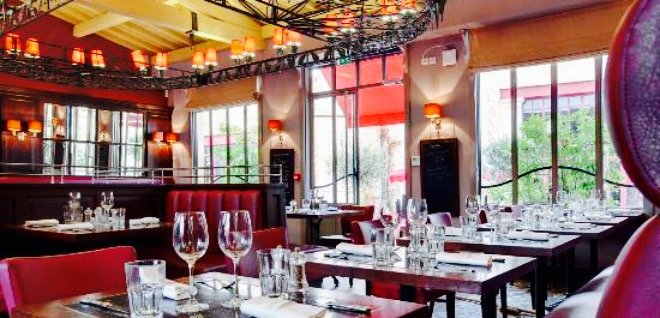
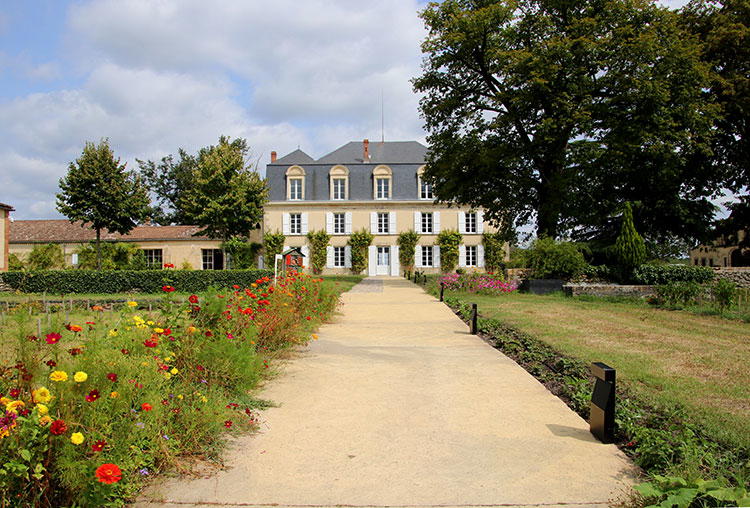
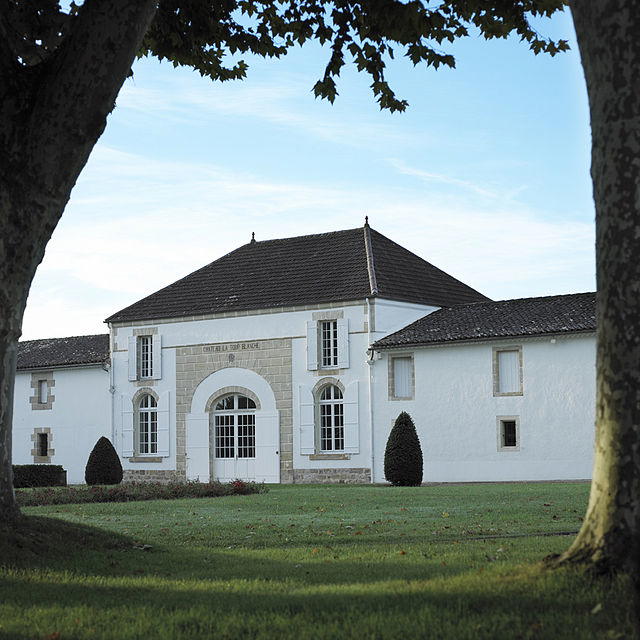
Elegant and sophisticated atmosphere blending historic prestige with modern architectural transparency.
Tags
Vibe
Best For
Experience
Sourcing
View
At the Vineyard
- Appellation
- Pauillac AOC
- Varietals
- Cabernet Sauvignon, Merlot, Petit Verdot, Cabernet Franc
- Tour Duration
- 60-90 minutes
- Visits
- By appointment only
- Farming
- Organic
- Wine Styles
- Still Red
- Wine Club
- Not available
Know before you go
Know Before You Go
- Getting there
- Route de Pédesclaux, 33250 Pauillac
Planning details
Location
Recognition and awards

Also consider
If You Can't Get In
Check Château Pontet-Canet first if you want another high-interest Pauillac estate with a clearly different identity. For a smoother same-commune comparison, try Château Clerc Milon or Château d'Armailhac before widening the day beyond Pauillac.
Winery context
How It Compares
Chateau Mouton Rothschild is the bigger trophy booking, so choose it if the point of the day is name recognition and a landmark Pauillac address. Château Pédesclaux is the more pragmatic pick for visitors who want a serious commune reference without letting one marquee estate dominate the itinerary.
Château Pontet-Canet is the stronger cross-shop for people focused on a distinct estate identity, while Château d'Armailhac and Château Clerc Milon make sense if the day is built around neighboring Pauillac comparisons. For a lower-pressure Pauillac plan, Château Grand-Puy-Ducasse is the alternate to check before overloading the schedule with harder asks.
For value of time, Pédesclaux works well as the middle slot: more focused than a casual regional stop, less obvious than Mouton, and easier to justify for someone who has already done the headline circuit. If availability is tight, cross-shop Pontet-Canet first for a different style of Pauillac visit, then Clerc Milon or d'Armailhac for a clean same-commune comparison.
Explore Pauillac
Around this place
Discover more on Pearl
Unlock the full Château Pédesclaux guide in Pearl, including awards, comparisons, FAQs, planning details, and nearby places.
Compare Château Pédesclaux
| Venue | Location | Awards |
|---|---|---|
| Château Pédesclaux | Pauillac | 2026 Michelin Grape Main Selection - Bordeaux2026 Falstaff Winery Guide |
| Chateau Mouton Rothschild | Pauillac | 2026 Michelin 2 Grapes - Bordeaux2026 Falstaff Winery Guide2025 Pearl 5 Star Prestige2022 World's 50 Best Vineyards · #222021 World's 50 Best Vineyards · #362020 World's 50 Best Vineyards · #332019 World's 50 Best Vineyards · #39 |
| Château Pontet-Canet | Pauillac | 2026 Michelin 2 Grapes - Bordeaux2026 Falstaff Winery Guide2025 Pearl 4 Star Prestige |
| Château d’Armailhac | Pauillac | 2026 Michelin Grape Main Selection - Bordeaux2026 Falstaff Winery Guide |
| Château Clerc Milon | Pauillac | 2026 Michelin 1 Grape - Bordeaux2026 Falstaff Winery Guide2025 Pearl 4 Star Prestige |
| Château Grand-Puy-Ducasse | Pauillac | 2026 Falstaff Winery Guide |


How Château Pédesclaux Pauillac compares with similar nearby venues.
FAQ
Frequently Asked Questions
Can Château Pédesclaux handle large groups?
If you are planning for a larger Pauillac group, contact the venue directly before arranging the rest of the itinerary.