

2026 Falstaff Winery Guide: The Ultimate Wine Authority — Page 23
Falstaff's 2026 Wineries guide.

Venues on this list
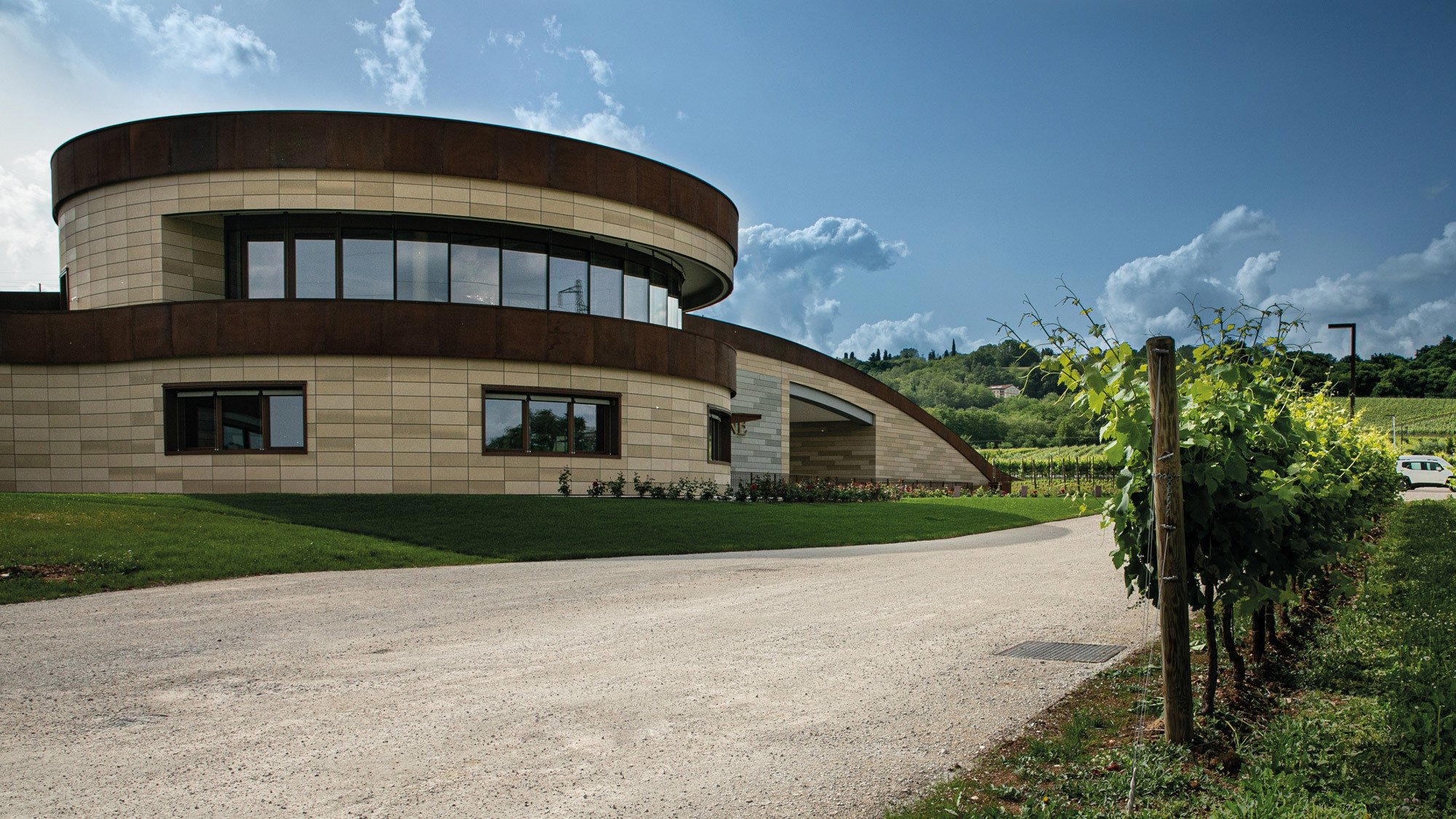
Giusti Wine
Nervesa Della Battaglia, Italy
Giusti Wine is worth booking if the goal is a calm, estate-style winery visit in Nervesa della Battaglia rather than a technical collector tasting. The $$ positioning makes it a sensible value play for travelers who care about atmosphere and guided hospitality, but it is less suited to guests who need a published flagship wine, food program, or detailed cellar notes before deciding.
Ermita del Conde
Coruna Del Conde, Spain
Ermita del Conde works for a serious Ribera del Duero wine stop, especially for travelers who value context over convenience. Its Falstaff 2 Stars recognition in 2026 is a useful quality signal, but plan ahead: public details on visits, food, shipping, and booking are not enough to treat it as an easy walk-in choice.
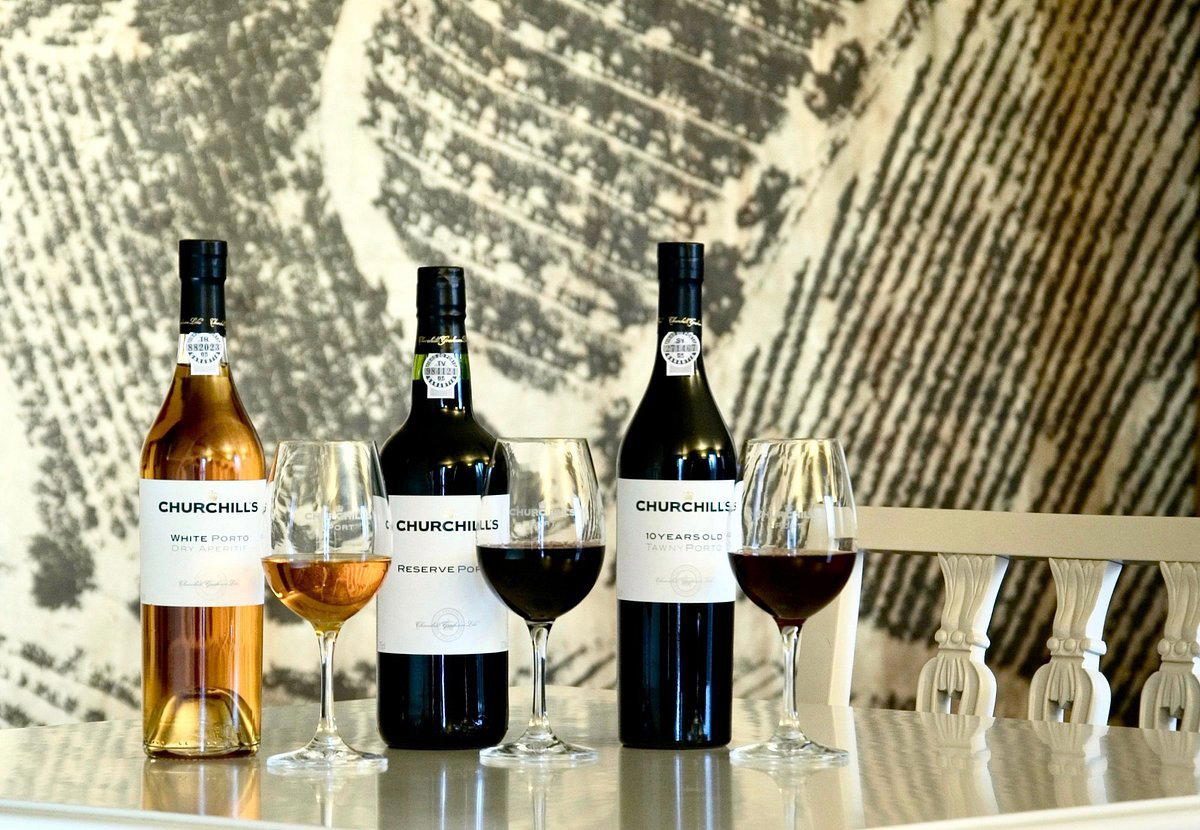
Churchill's
Vila Nova de Gaia, Portugal
Churchill's works for a wine-focused Gaia itinerary, especially if you want a specialist port stop rather than a broad visitor attraction. Plan it with a nearby backup and pair it with a larger lodge if this is a first Vila Nova de Gaia trip.
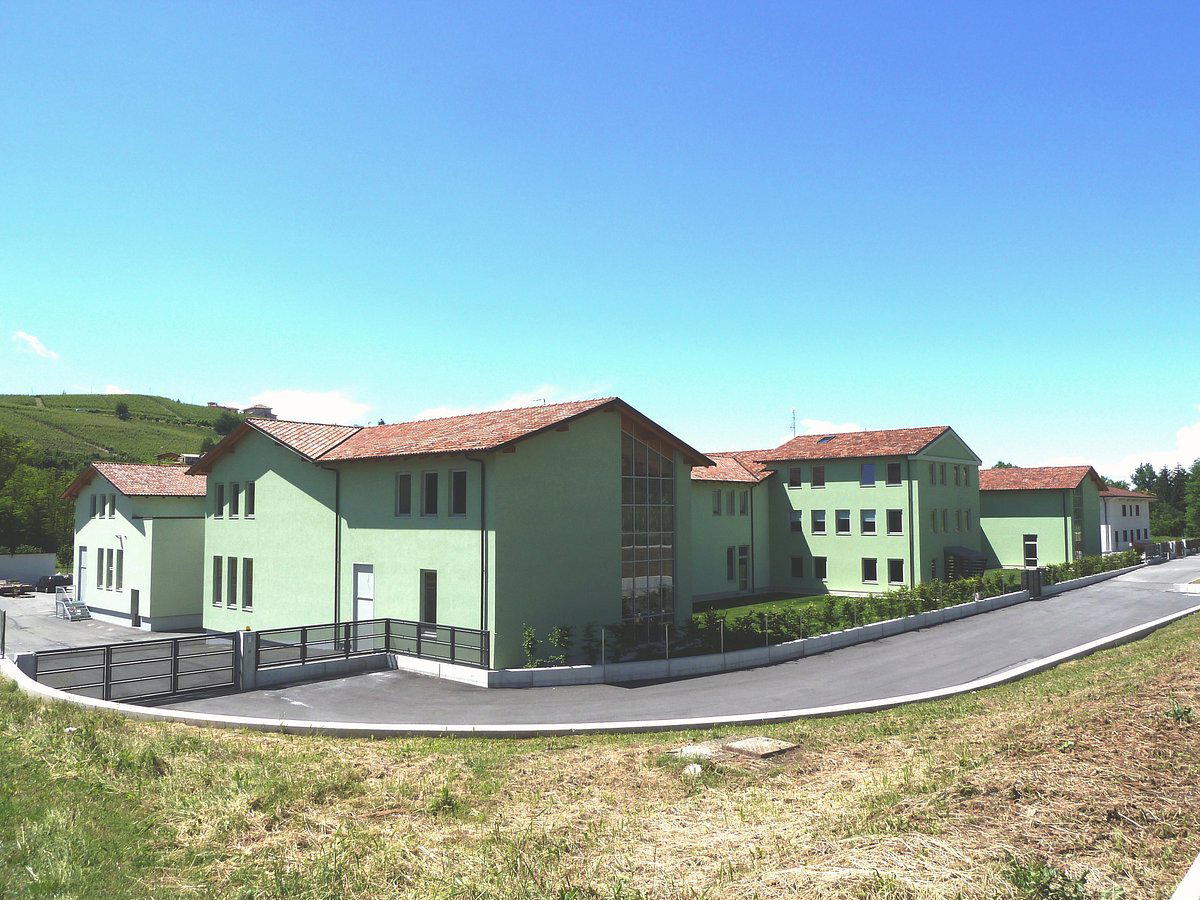
Azienda Agricola Luigi Pira
Serralunga d'Alba, Italy
A focused Serralunga d’Alba winery pick for travelers who care more about Barolo village context than a high-production visitor experience. Azienda Agricola Luigi Pira makes the most sense as part of a tight local wine route, especially if the goal is to understand the estate setting and compare several nearby producers in one day.
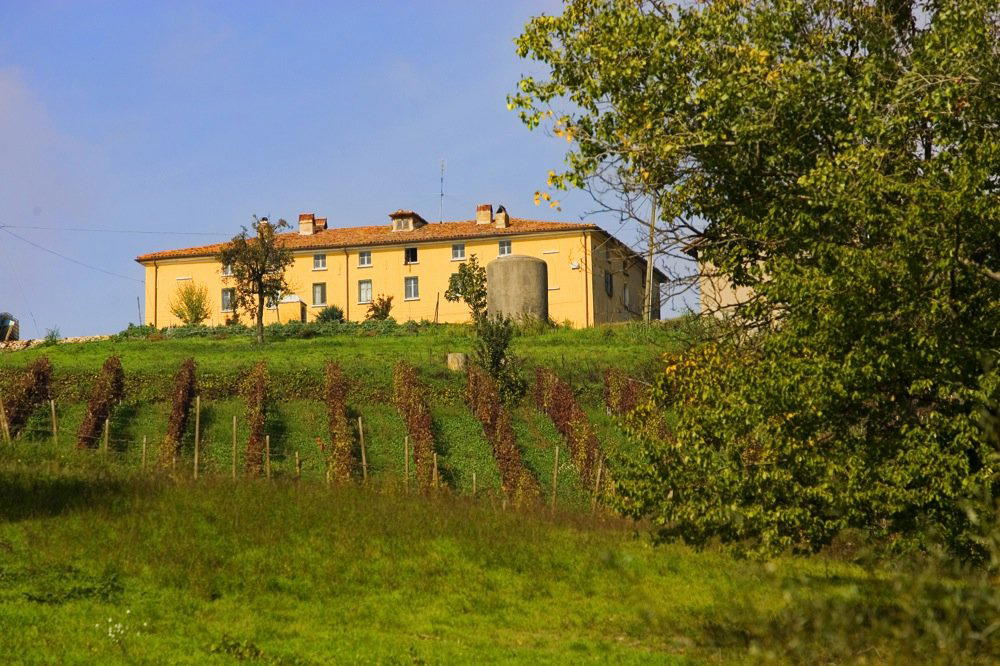
Conte Vistarino
Rocca De Giorgi, Italy
A strong choice for travellers who want Oltrepò Pavese Pinot Nero in its proper estate context, not just a tasting counter. Conte Vistarino is most compelling for its historic role in Italian Pinot Noir, quiet countryside setting, and current Falstaff 4 Stars recognition; less ideal for anyone seeking a casual walk-in or high-energy wine bar feel.
Dotto Lidio
Vo, Italy
Book Dotto Lidio if you want a grounded Colli Euganei winery visit with a family-run, rural feel rather than a polished hospitality showcase. The private tasting makes sense for small celebrations or wine-focused groups who want a quieter pace across whites, reds, Passito, and Spumanti.
Corte Bacaro
Portogruaro, Italy
A Falstaff-listed Portogruaro wine stop that makes sense as part of a wider Veneto day, not as the sole anchor for a trip. Book it if you want a regional, low-friction wine angle; skip it if you need published pricing, named flagship bottles, or a fully structured tasting program before committing.
Danbury Ridge Wine Estate
Chelmsford, United Kingdom
Danbury Ridge Wine Estate is worth shortlisting if the priority is credible Essex wine rather than a guaranteed food-led day out. Its Falstaff Listed status for 2026 gives it a useful external quality signal, but plan the visit around the wine first and confirm any hospitality needs before committing a group itinerary.
Il Pianzio
Galzignano Terme, Italy
Il Pianzio is the right Galzignano Terme pick for a relaxed Colli Euganei tasting with family continuity, direct cellar sales, and a terrace-led sense of place. Go for the four-generation story, DOC wines, and olive oil; skip it if the priority is a formal luxury winery format or a trophy-label tasting.
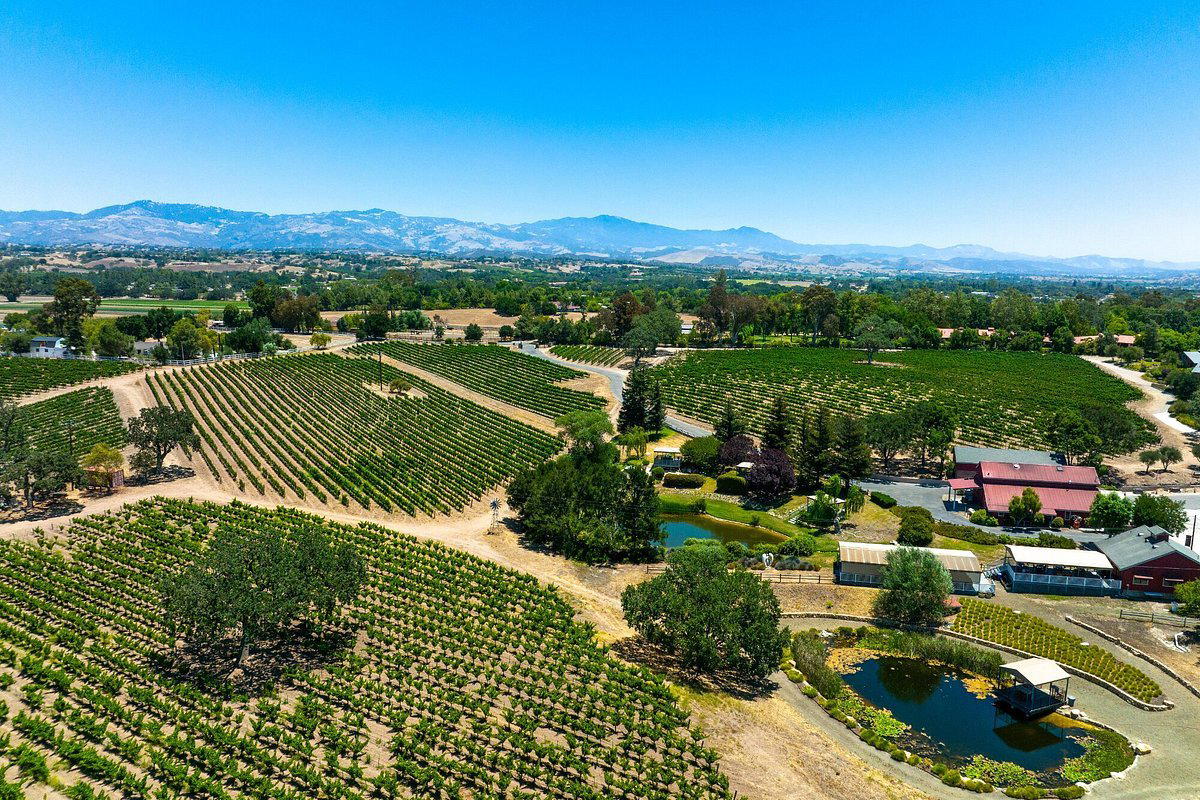
Beckmen Vineyards
Solvang, United States
Prioritize Beckmen Vineyards if the Solvang wine day needs one serious anchor rather than a loose tasting-room crawl. Access can be difficult, so plan early and keep nearby backups ready. Its 2025 Pearl 2 Star Prestige signal makes it a stronger pick for quality-focused first-timers than for groups chasing maximum flexibility.
Château Laforge
Vignonet, France
Château Laforge is worth targeting if the priority is a serious, Merlot-led Saint-Émilion Grand Cru rather than a conventional château tasting day. The value is strongest for collectors and Bordeaux drinkers who care about garagiste influence, French oak, and allocation access; casual visitors wanting food, flexible hours, or a polished hospitality setup may prefer a more visitor-oriented stop.
Domaine Metrat et Fils
Fleurie, France
Plan Domaine Metrat et Fils as a concise Fleurie wine stop, not a full-day centerpiece. It works well for visitors building a calm Beaujolais itinerary around one or two village appointments, with restaurant and hotel choices handled separately. Falstaff Listed in 2026 gives it a useful recognition signal for shortlisting.
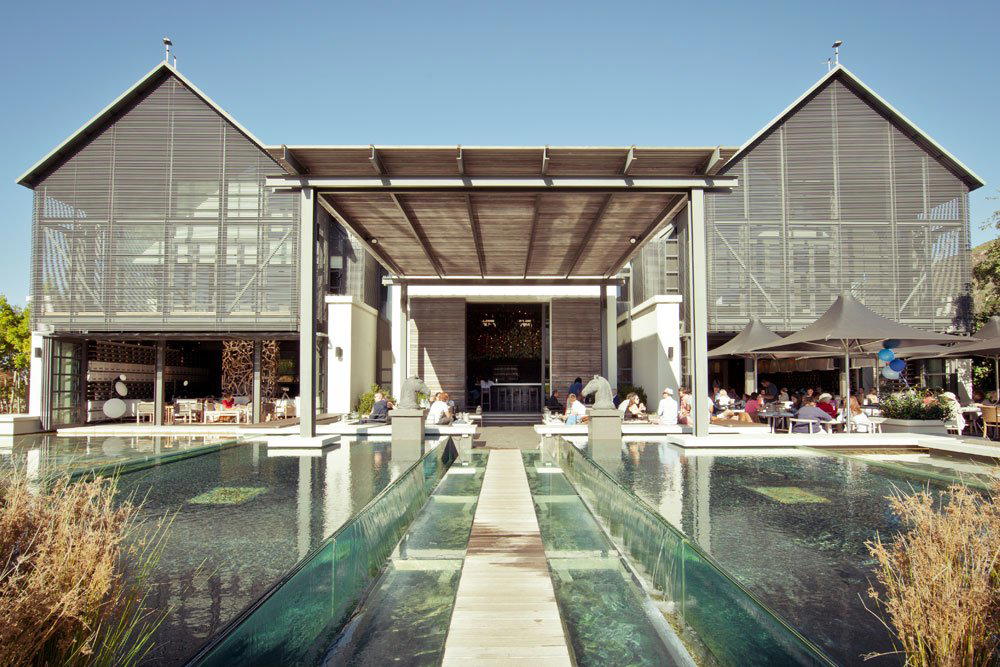
Steenberg Vineyards
Cape Town, South Africa
Steenberg Vineyards is worth shortlisting for a Constantia wine visit where food pairing and a fuller estate experience matter. Treat it as a planned stop rather than a casual add-on, and compare it against Buitenverwachting, Klein Constantia, Cape Point Vineyards, Groot Constantia, and Eagles' Nest Wines before deciding how much of the day to give it.
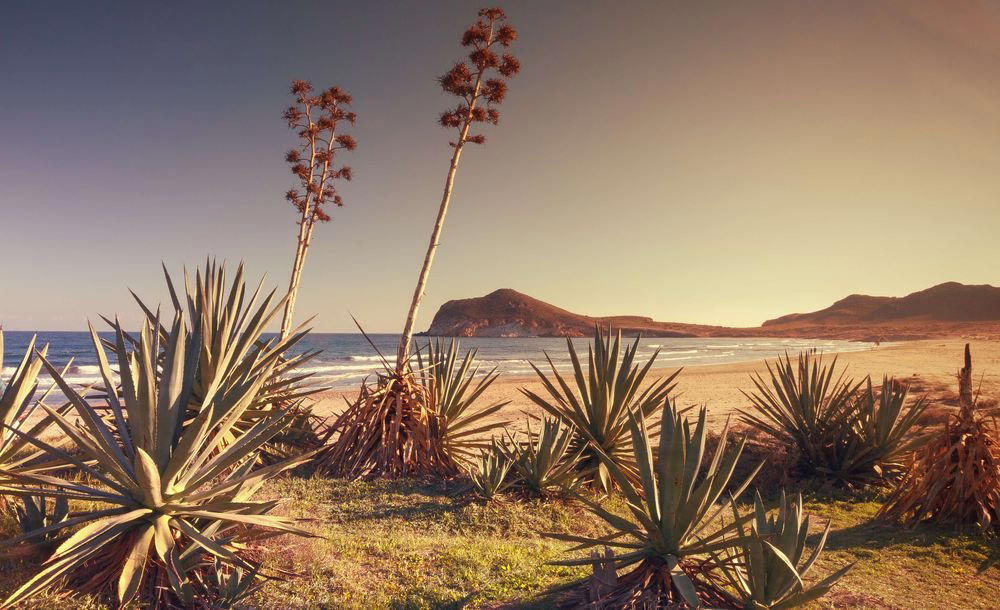
Alborán
Huercal De Almeria, Spain
Alborán is worth shortlisting for a wine-focused Huercal De Almeria stop, mainly because its 2026 Falstaff 3 Stars recognition gives it a credible quality signal. Treat it as a selective add-on rather than the whole plan: confirm the tasting format, timing, food options, and group fit before building a celebration or business itinerary around it.
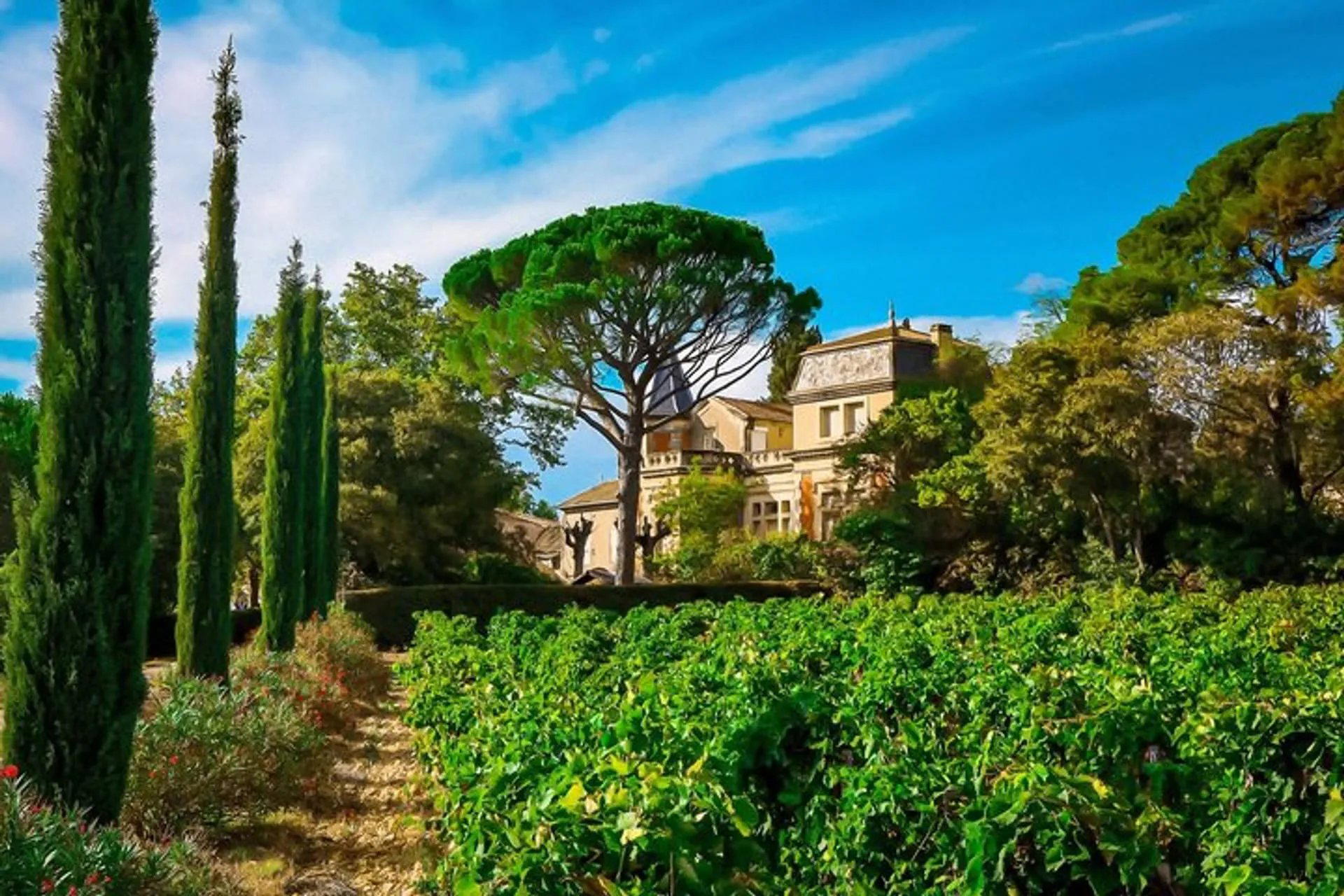
Chateau Fortia
Châteauneuf-du-Pape, France
Book Chateau Fortia if you want a focused, small-group Châteauneuf-du-Pape tasting with real historical context rather than a quick retail pour. The value is strongest for couples or small groups who care about AOC history, cellar setting, and a Syrah-forward estate style explained in practical terms.
Boisset Collection
St. Helena, United States
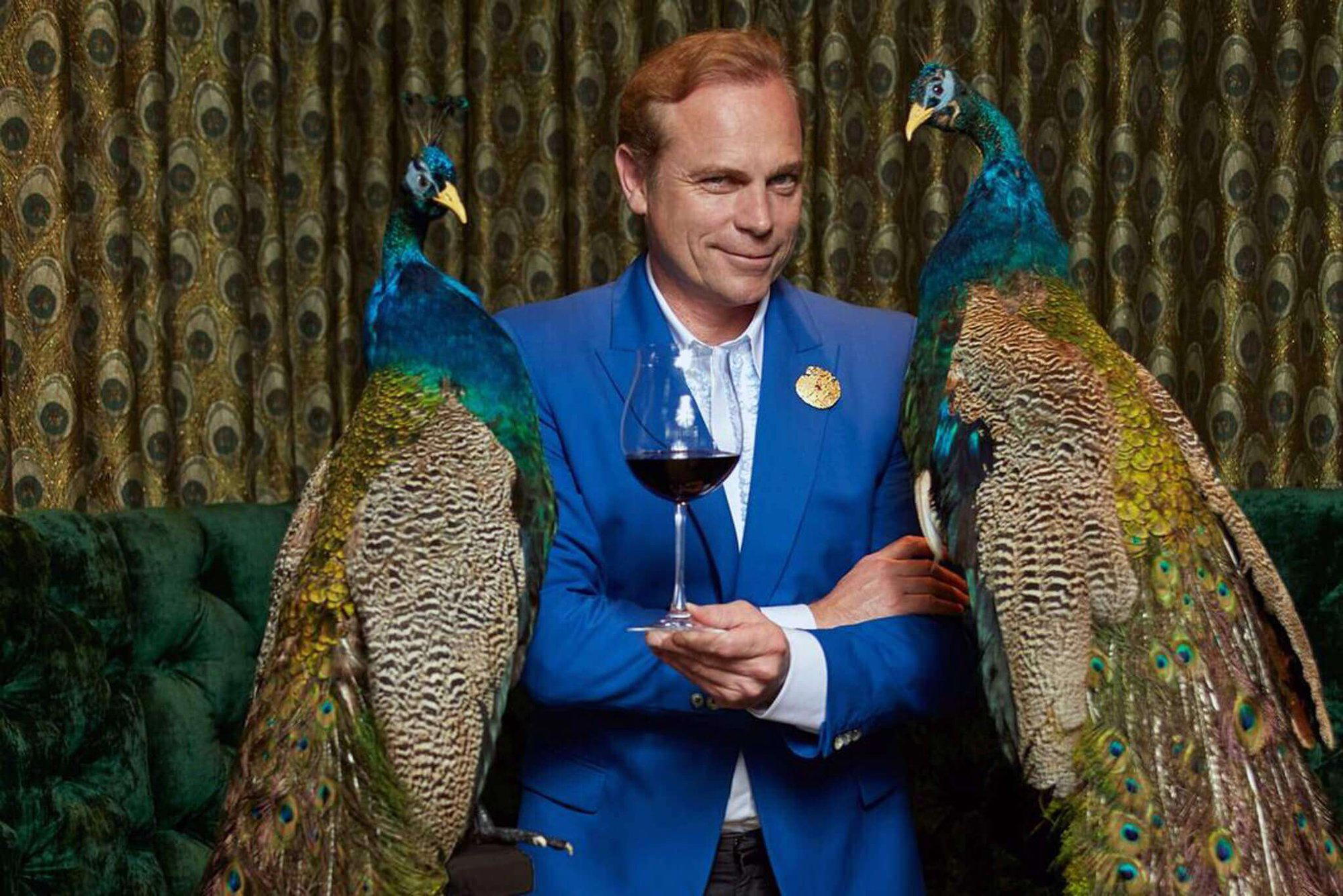
Boisset Collection works for an easy St. Helena wine-country stop, especially if the priority is a recognizable Napa Valley name and a flexible itinerary. The 2026 Falstaff listing adds a useful recognition signal, but confirmed details on format, pricing, and flagship wines are thin, so collector-focused visitors should pair it with more researched winery appointments.
Chateau Quattre
Bordeaux, France
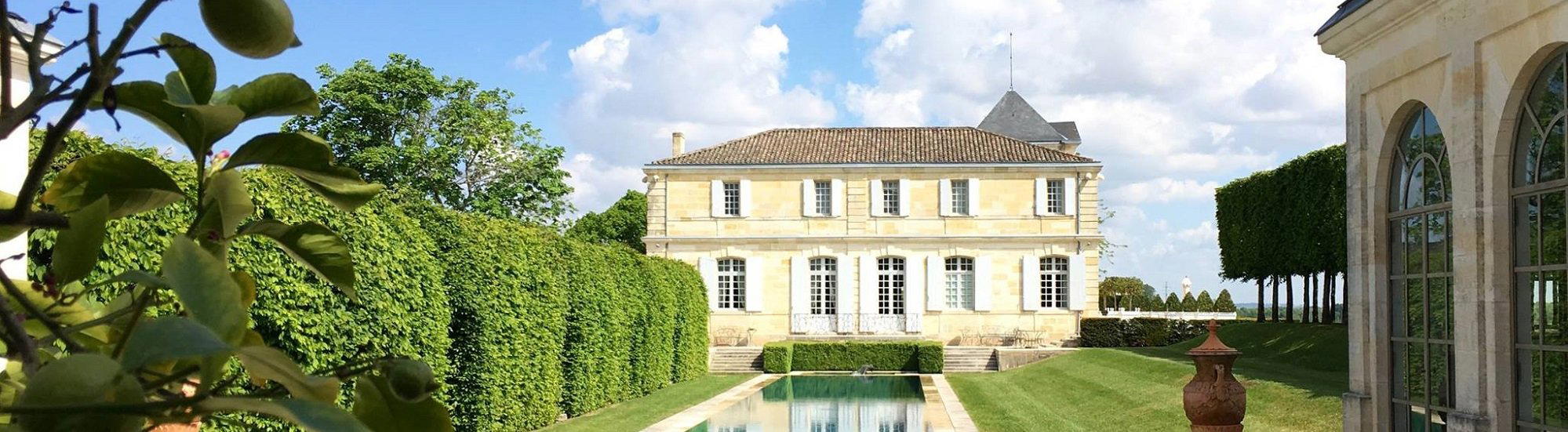
Chateau Quattre is worth a look if powerful Cahors Malbec is the point, especially for drinkers chasing structure and value over château spectacle. The appeal is in the vineyard and bottle profile: Malbec-led reds, clay-limestone terraces, mature vines, and a style built for concentration rather than easy softness.
Alvar de Dios Hernández
El Pego Zamora, Spain
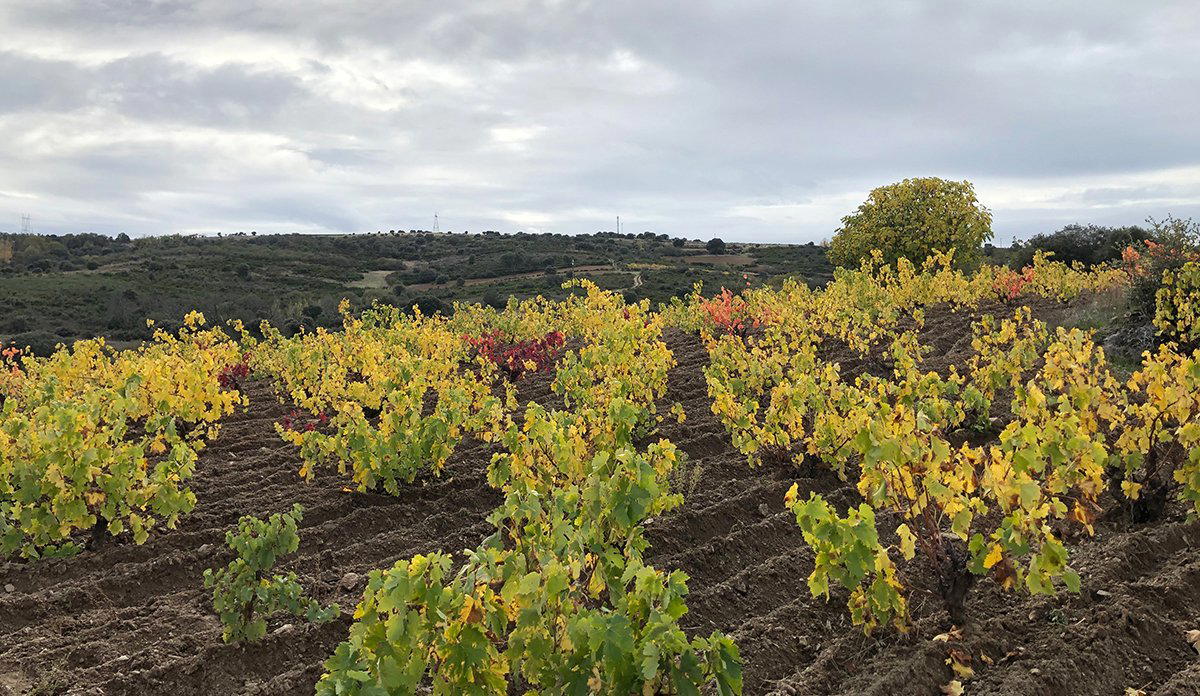
Worth pursuing for serious wine travelers who care about old-vine Toro, Arribes del Duero varieties, and low-intervention farming more than polished hospitality. The strongest case is the combination of Aciano’s sandy-soil Tinta de Toro source, a 12-hectare organic and biodynamic footprint, and critical recognition for Camino de los Arrieros. Plan around an appointment-only format, not a casual tasting-room visit.
Domaine Cecile Tremblay
Vosne-Romanée, France
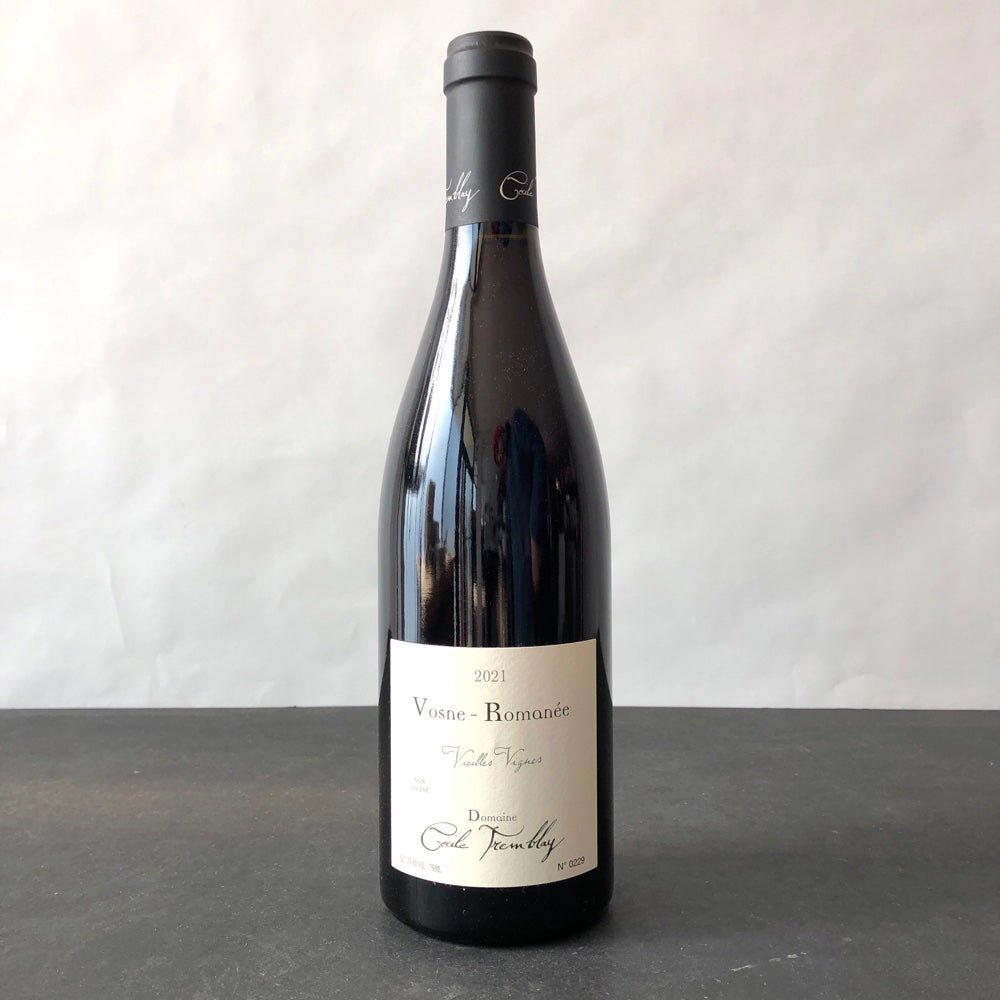
Domaine Cecile Tremblay is worth pursuing for serious Burgundy collectors who care about allocation access more than visitor amenities. Treat it as a high-difficulty, appointment-led target in the Côte de Nuits, not a casual tasting stop. Build fallback winery plans nearby if the trip depends on a confirmed visit.
Es Verger
Esporles, Spain
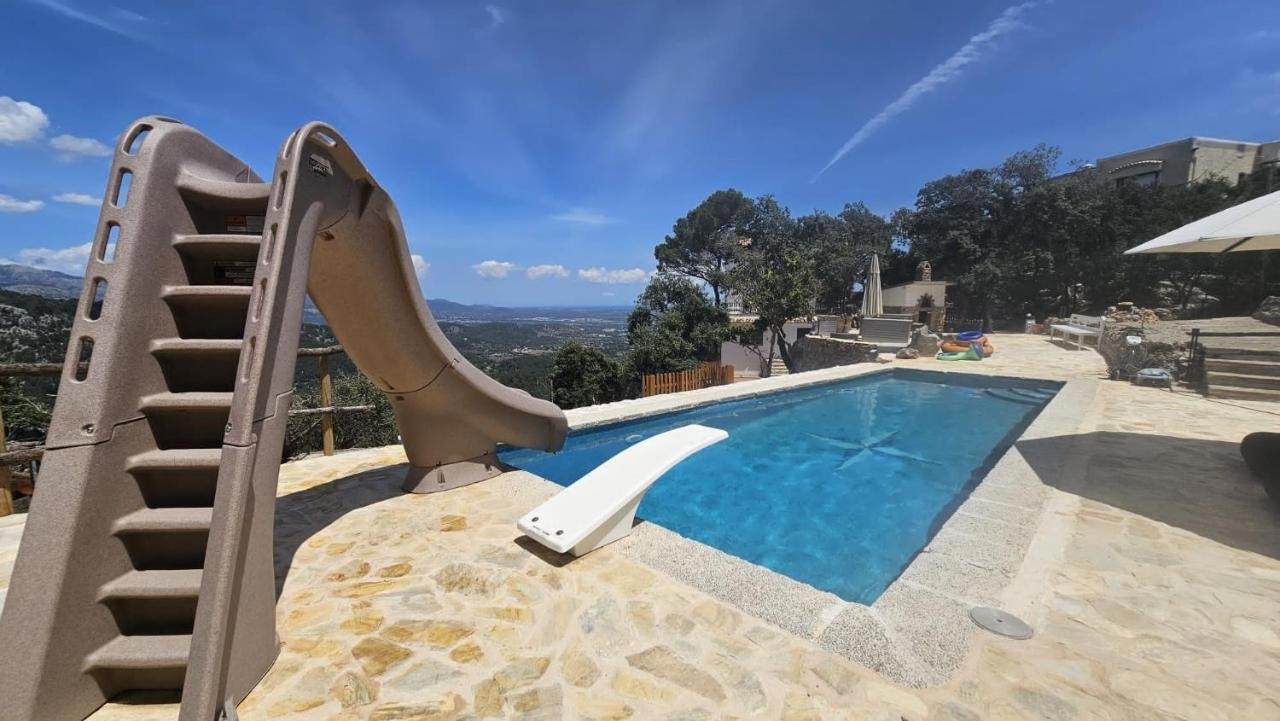
Es Verger is worth planning around if you want a small, organic Tramuntana winery rather than a conventional tasting room. Go for an intimate, slower visit focused on Mallorcan mountain terroir, Manto Negro, and small-scale family production; skip it if you need flexible timing or a large-group setup.
Château du Paradis
Vignonet, France
Book Château du Paradis if you want a calm, educational Saint-Émilion Grand Cru visit rather than a glossy tasting-room circuit. The draw is the estate’s Vignonet riverbank setting, family winegrowing history, agroecology focus, and barrel-cellar explanation, with enough technical detail to reward a repeat visitor to the region.
Ramos Pinto
Vila Nova de Gaia, Portugal
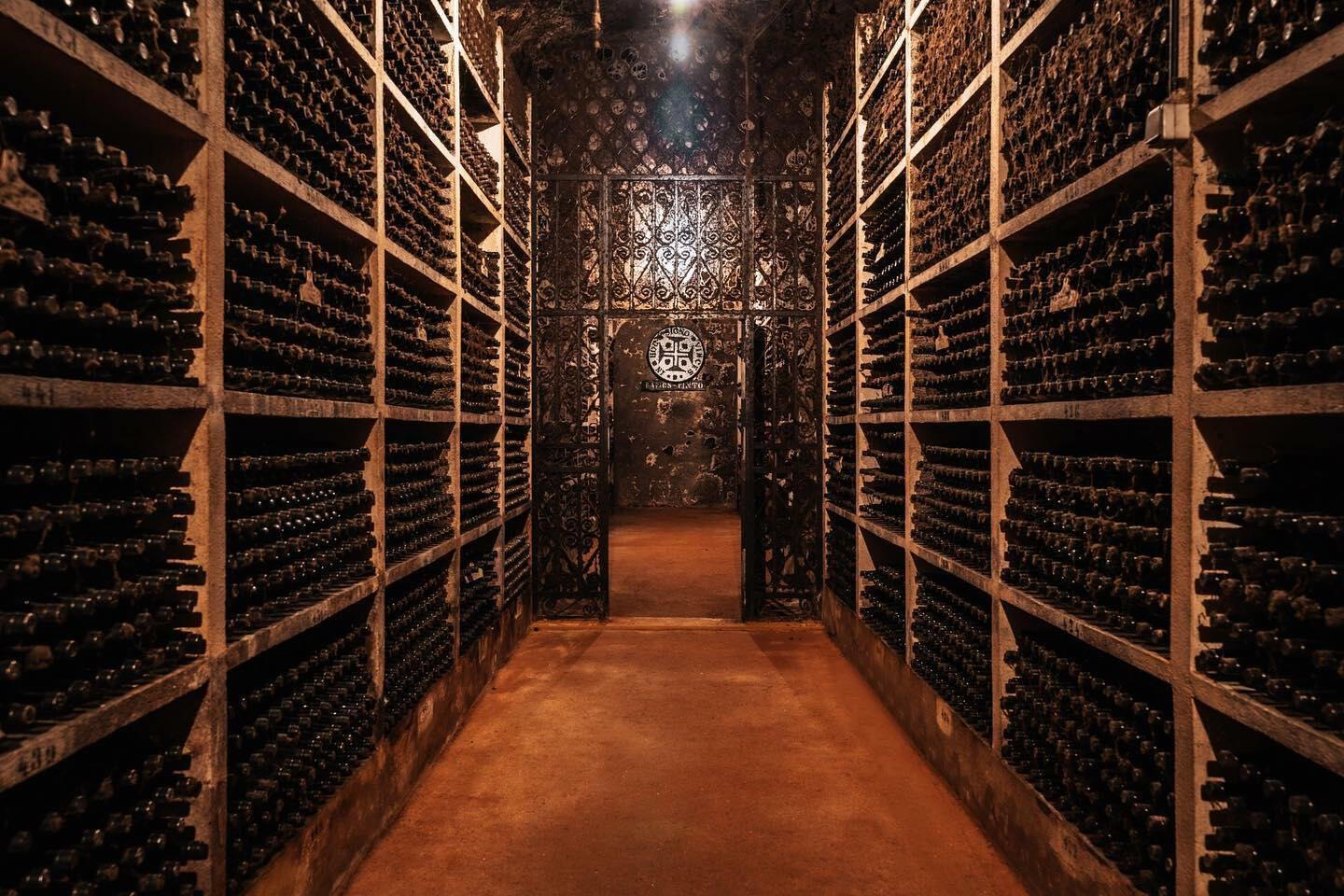
Ramos Pinto is a smart pick for a first Vila Nova de Gaia port visit when the setting matters as much as the tasting. Choose it for a slower, more considered cellar stop; cross-shop Sandeman or Taylor's Port if the goal is a more obvious big-name visit.
Domaine Moreau-Naudet
Chablis, France
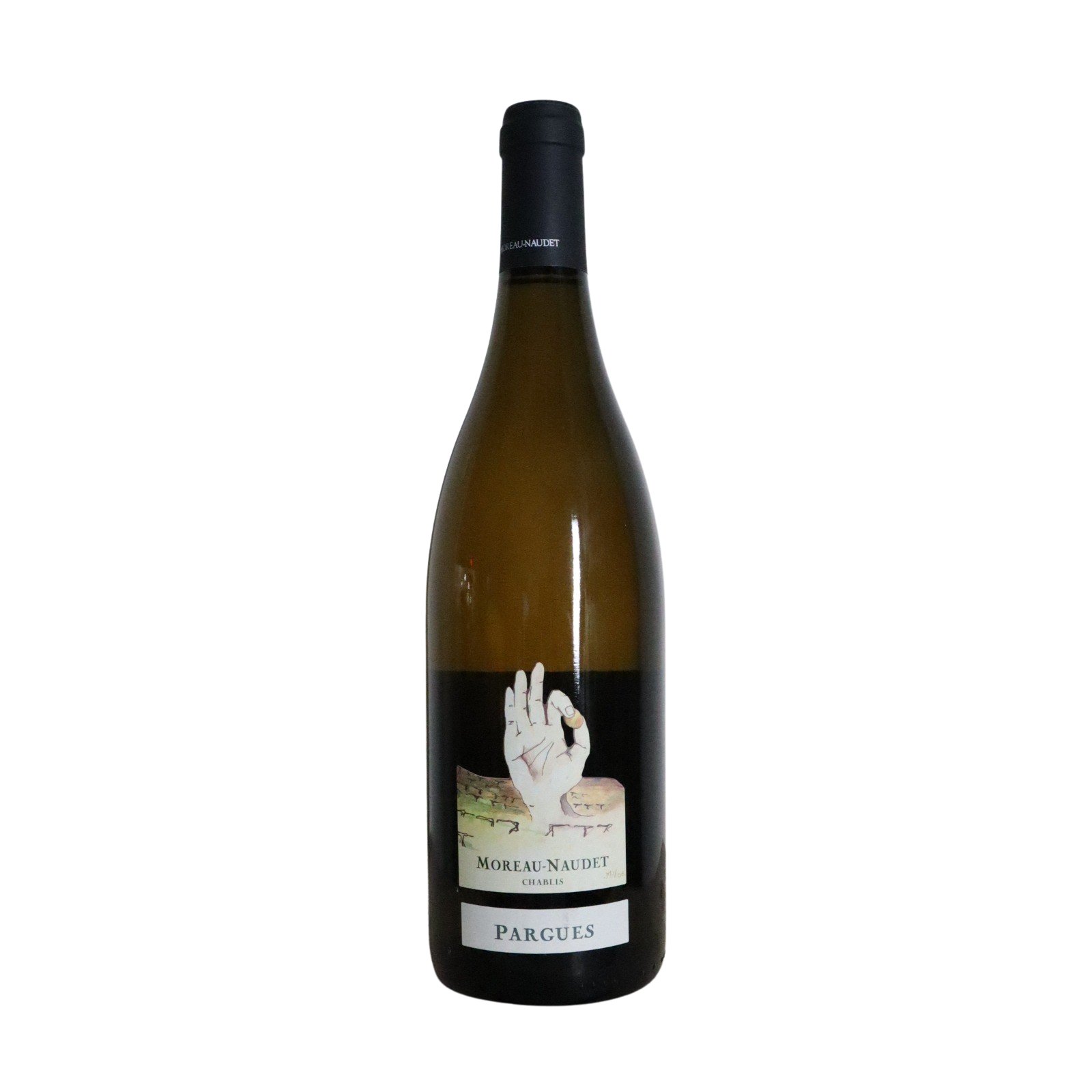
Book Domaine Moreau-Naudet if your Chablis trip is built around serious producer visits and you are willing to work around difficult access. It is less suited to casual walk-in tasting plans, but worth prioritizing for wine travelers comparing the region's more respected addresses.
Antoniazzi Oreste & Fils
Savièse, Switzerland
Book Antoniazzi Oreste & Fils if you want a quiet, appointment-only Valais cellar tasting focused on estate wines rather than a food pairing or large visitor experience. The $$ positioning, 2026 Falstaff listing, and broad local-variety range make it a strong fit for curious wine travelers planning a Savièse-focused day.
Henri Badoux
Aigle, Switzerland
Book Henri Badoux if the aim is a heritage-led Aigle wine stop centered on Chasselas and the Clos les Murailles story. At $$$ with Falstaff 1 Star in 2026, it suits travelers who value Vaud wine history and food-friendly Swiss whites more than a heavily programmed tasting experience.
Bodegas Reyes
Peñafiel, Spain
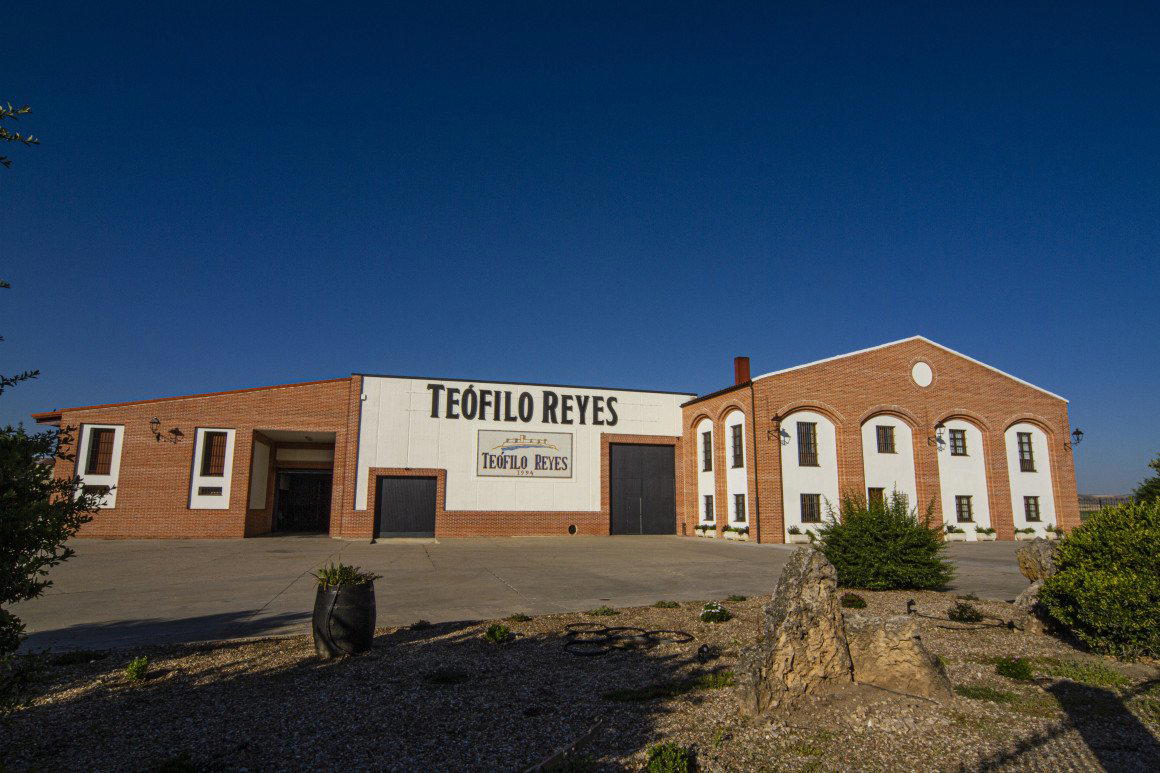
A strong Ribera del Duero pick for travelers who want classic Tempranillo context rather than a design-forward winery stop. Bodegas Reyes is appointment-only and better for wine-focused visitors interested in hand-harvested fruit, stainless-steel fermentation, and French and American oak aging than for casual drop-ins.
Bidoli
Rive D Arcano, Italy
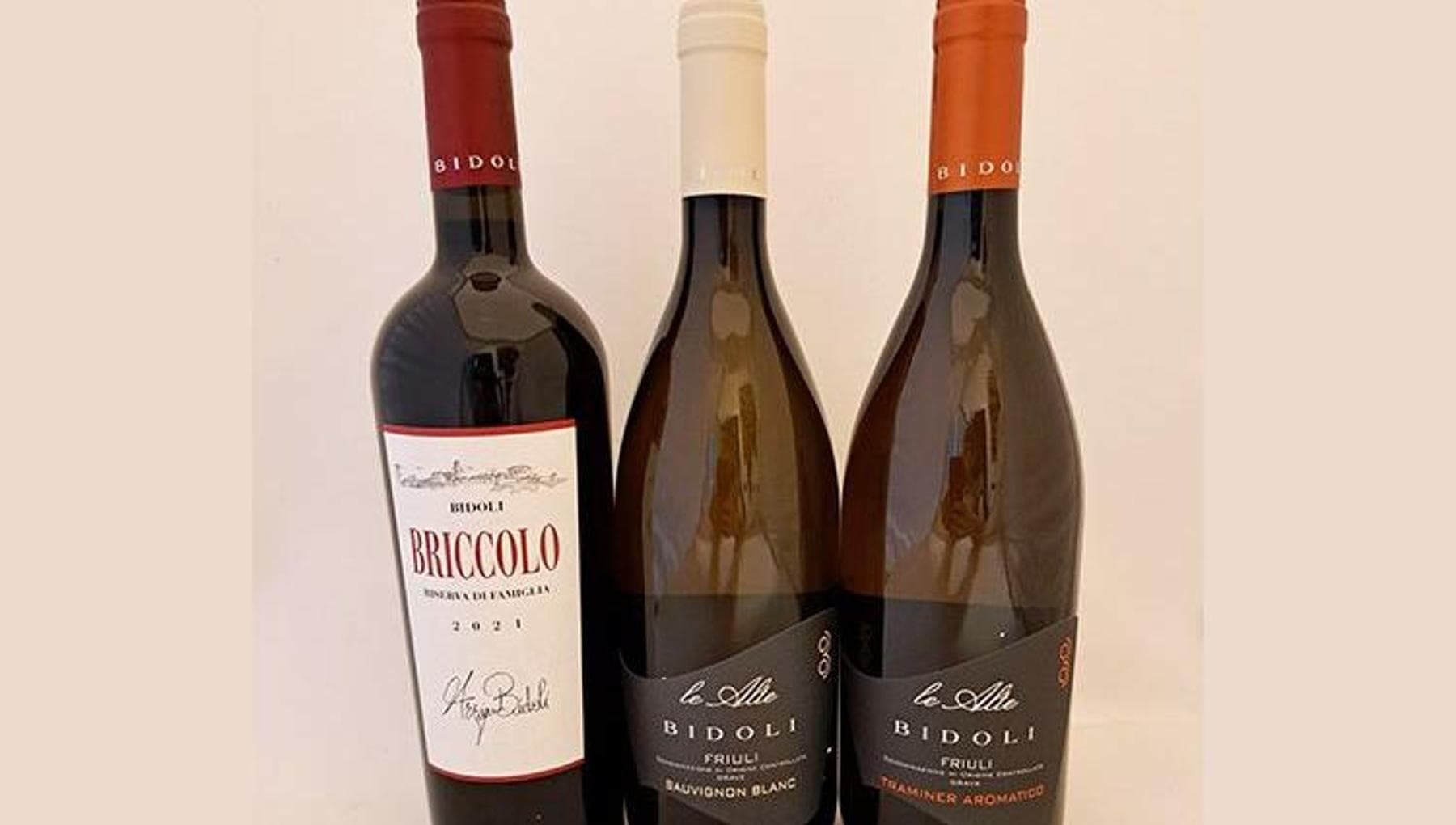
Bidoli works for a low-friction Friuli winery stop focused on value, regional grape varieties, and a working-winery feel. Go for approachable Pinot Grigio, Sauvignon, Chardonnay, Refosco, and Prosecco in a family-run setting; skip it if the trip needs a polished estate experience or a guaranteed structured tasting.
Cencing
Manzano, Italy
Cencing is worth shortlisting if Sauvignon from Friuli is the point of the visit, especially given the 91-point score attached to Ronco Dolina Sauvignon FCO DOC White Wine. Treat it as a focused Manzano producer stop rather than a full private-tasting destination unless the format is confirmed in advance.
Domaine Durieu
Châteauneuf-du-Pape, France
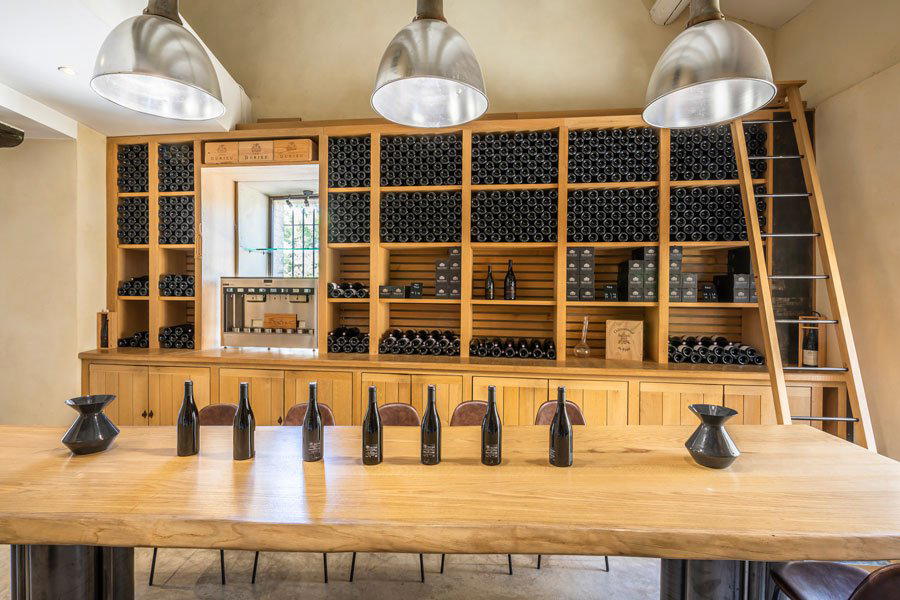
A strong choice for returning Châteauneuf-du-Pape visitors who want old-vine Grenache, traditional cellar work, and a family-estate feel rather than a high-design tasting setup. Go for substance: whole-cluster fermentation, concrete aging, limited cuvées, and a clear Southern Rhône identity backed by Falstaff recognition in 2026.
Château Haura
Beguey, France
Château Haura works for a quiet Graves-focused wine stop, especially if the point is classic red Bordeaux structure rather than a showy visitor experience. The estate’s Falstaff listing and place within the Denis Dubourdieu Domaines portfolio give it more credibility than its low-key profile suggests.
Champagne Vincent d'Astrée
Pierry, France
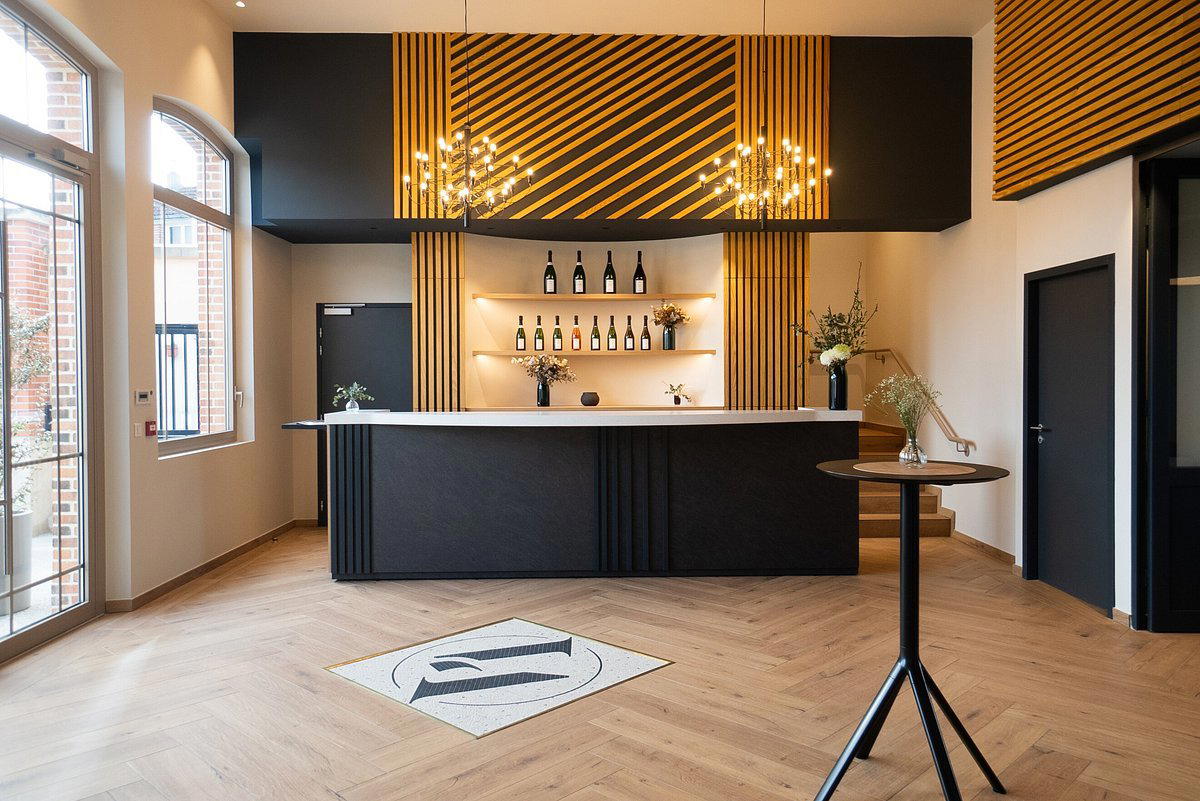
Book Champagne Vincent d'Astrée if the goal is a focused Pierry tasting rather than a big-house spectacle. The draw is Premier Cru terroir, Meunier-led blending, historic underground cellars, and guided formats that suit couples or small groups who want to understand which bottles are worth taking home.
Altos Las Hormigas
Mendoza, Argentina
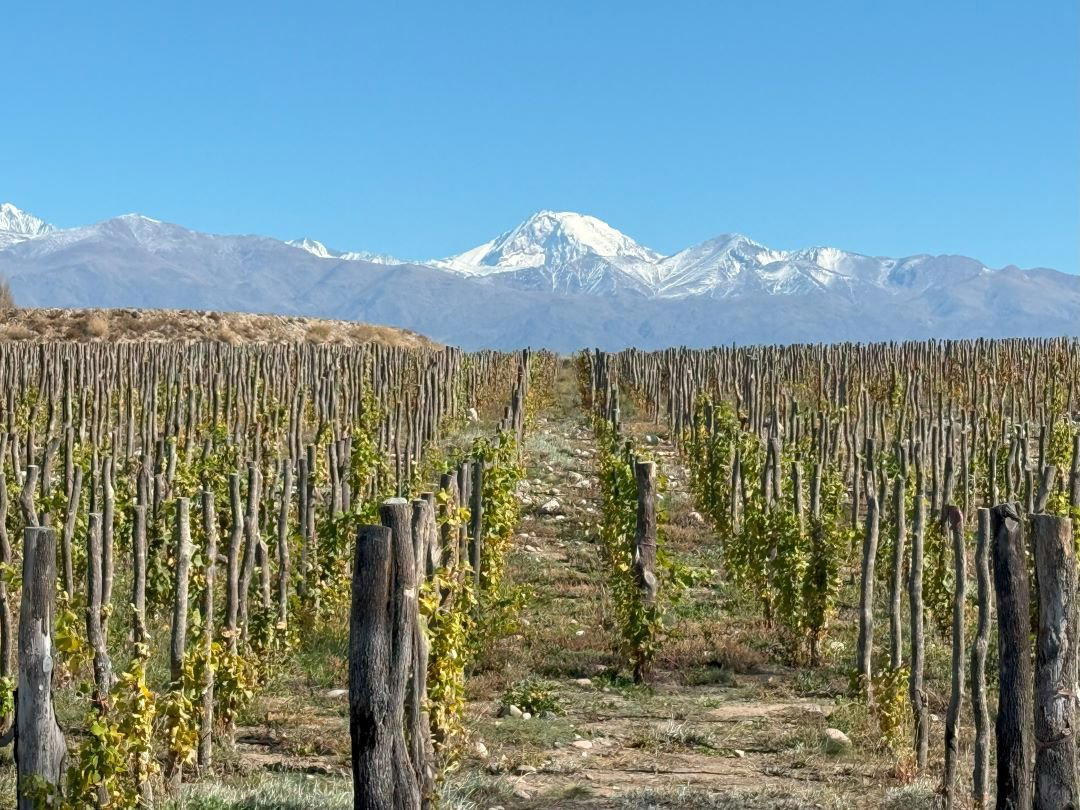
Altos Las Hormigas is a sensible Mendoza pick for wine travelers who care more about bottle context than a long hospitality setup. Booking difficulty is easy, but food, hours, pricing, and visit format are not confirmed here, so treat it as a focused winery stop and anchor meals or longer experiences elsewhere.
Château Lynch-Moussas
Saint Sauveur, France
Château Lynch-Moussas is a better choice for serious Bordeaux drinkers than casual tasting groups. The 2026 Falstaff 2 Stars signal gives it credibility, but the lack of published visit details means it suits planned special-occasion itineraries where the wine is the reason to go.
Bodega Señorío de Chozas
Chozas De Abajo Leon, Spain
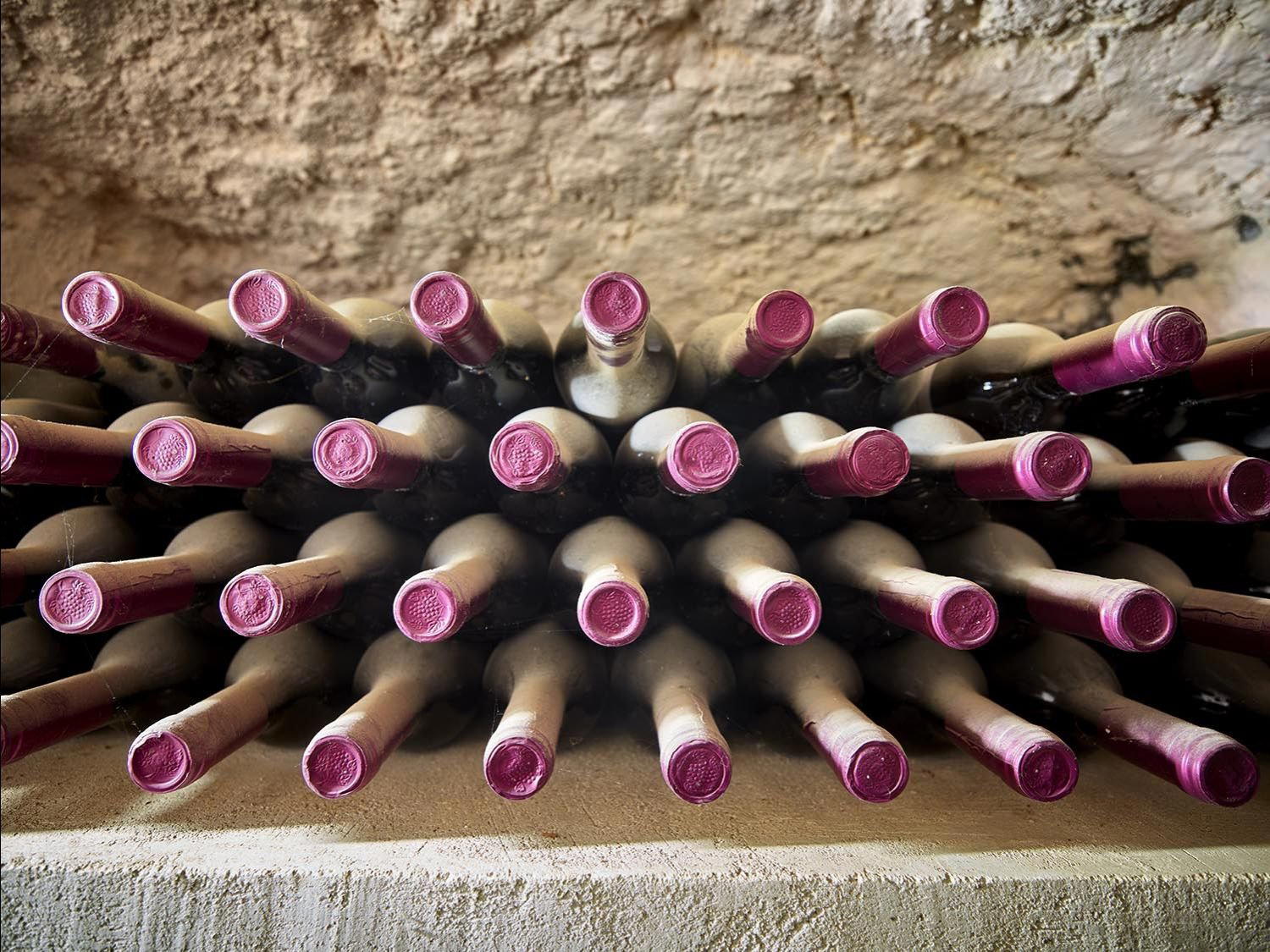
Worth considering for a quiet León winery visit built around regional context, vineyard access, tastings, and rural hospitality. Bodega Señorío de Chozas is a better fit for wine travelers exploring Castilla y León than for visitors chasing famous labels, published scores, or a luxury tasting format.
Château Bonalgue
Libourne, France
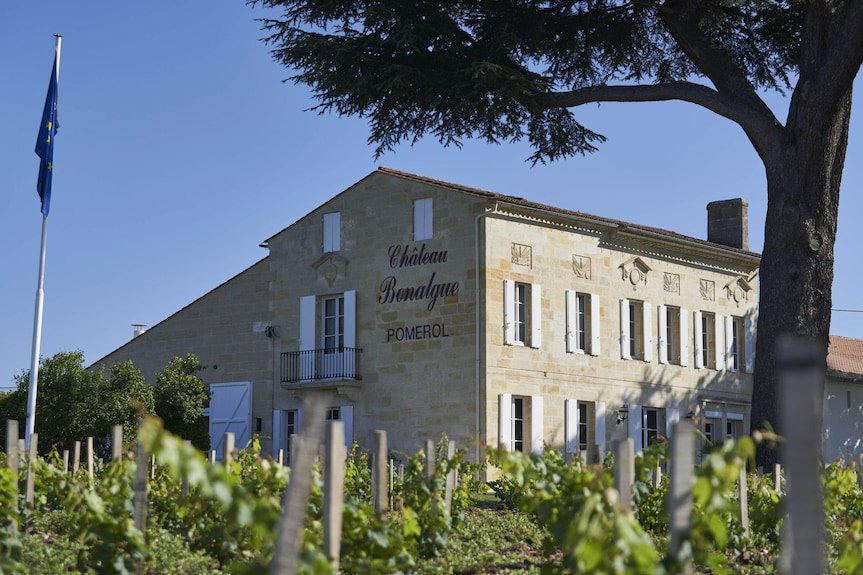
Book Château Bonalgue if you want a personal Pomerol tasting with vineyard context, family ownership and a renovated château setting rather than a large-scale showcase. The private and sensory-focused formats are the strongest reasons to plan ahead, especially for first-time Right Bank visitors who want more than a basic pour-and-go stop.
Güntherslay - Günther Klum
Odenthal, Germany
A cautious yes for curious wine travelers already spending time in Odenthal. Güntherslay - Günther Klum has 2026 Falstaff listing recognition, but confirmed visitor details, wine portfolio, pricing, and food service are not established, so treat it as a flexible discovery stop rather than the anchor of a wine trip.
Fiamberti Vini
Canneto Pavese, Italy
Fiamberti Vini works for an easy Canneto Pavese wine stop, especially if the setting matters more than a highly structured tasting program. The 2026 Falstaff listing gives it a credible recognition signal, but plan flexibly because detailed public logistics are sparse.
Can Majoral
Algaida, Spain
Can Majoral works for a wine-focused Algaida outing, especially if Mallorca bottles are already on the radar and the decision is about longer-term access rather than a casual tasting. Treat any club or allocation choice as a fit test: style, availability, and flexibility matter more than the romance of joining.
Bio-Weingut Martin Conrad
Brauneberg, Germany
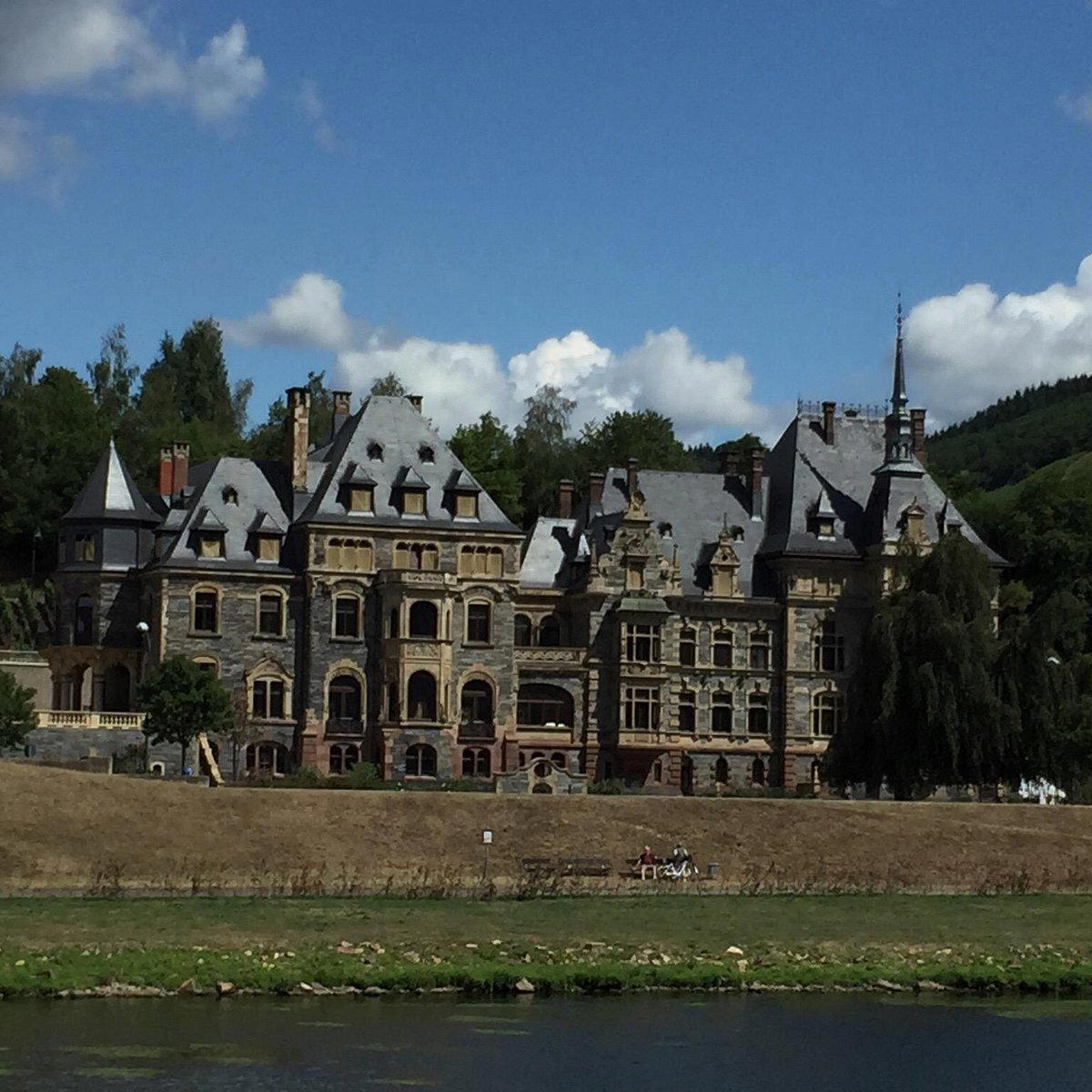
Bio-Weingut Martin Conrad is worth prioritising for organic Moselle buyers who care about cellar access more than a casual tasting-room outing. Falstaff 3 Stars in 2026 gives it a credible quality signal, but the practical decision is allocation-led: confirm availability, shipping, and bottle access before building a Brauneberg trip around it.
J. P. Vinhos
Azeitão, Portugal
J. P. Vinhos works for value-led Azeitão wines, especially the Syrah blend with Castelão and Aragonez. Treat it as a casual, walk-in friendly producer for approachable bottles rather than a polished special-occasion tasting anchor.
Bodega Abadía De Acón, S.L.
Castrillo De La Vega, Spain
A sensible Ribera del Duero pick for visitors who want a quieter, family-run winery focused on vineyard-led Tempranillo rather than a staged hospitality complex. Go for regional context, value-minded red wines, and a compact portfolio that includes Roble and Reserva styles; skip it if the priority is a fully programmed tasting-day experience.
Bodega Vina Nora
As Neves Pontevedra, Spain
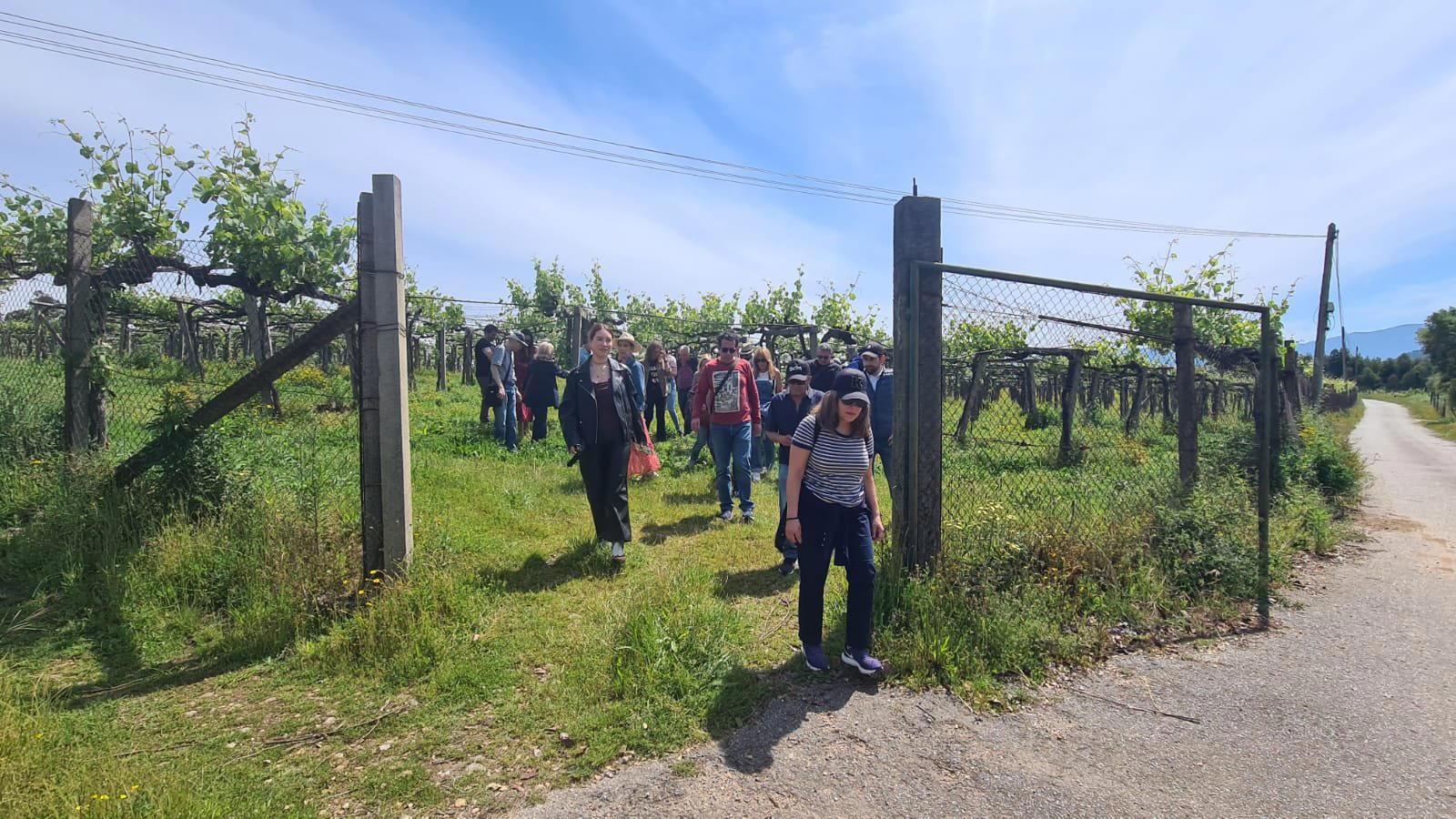
Book Bodega Viña Nora if the goal is serious Albariño rather than a broad winery-tourism day. The draw is a focused Condado do Tea portfolio, lees-driven texture, restrained barrel use, and hillside vineyards over the Miño River; it is strongest for wine travelers who want context and weaker for groups seeking food-led hospitality.
Ktima Tselepos
Mantinia, Greece
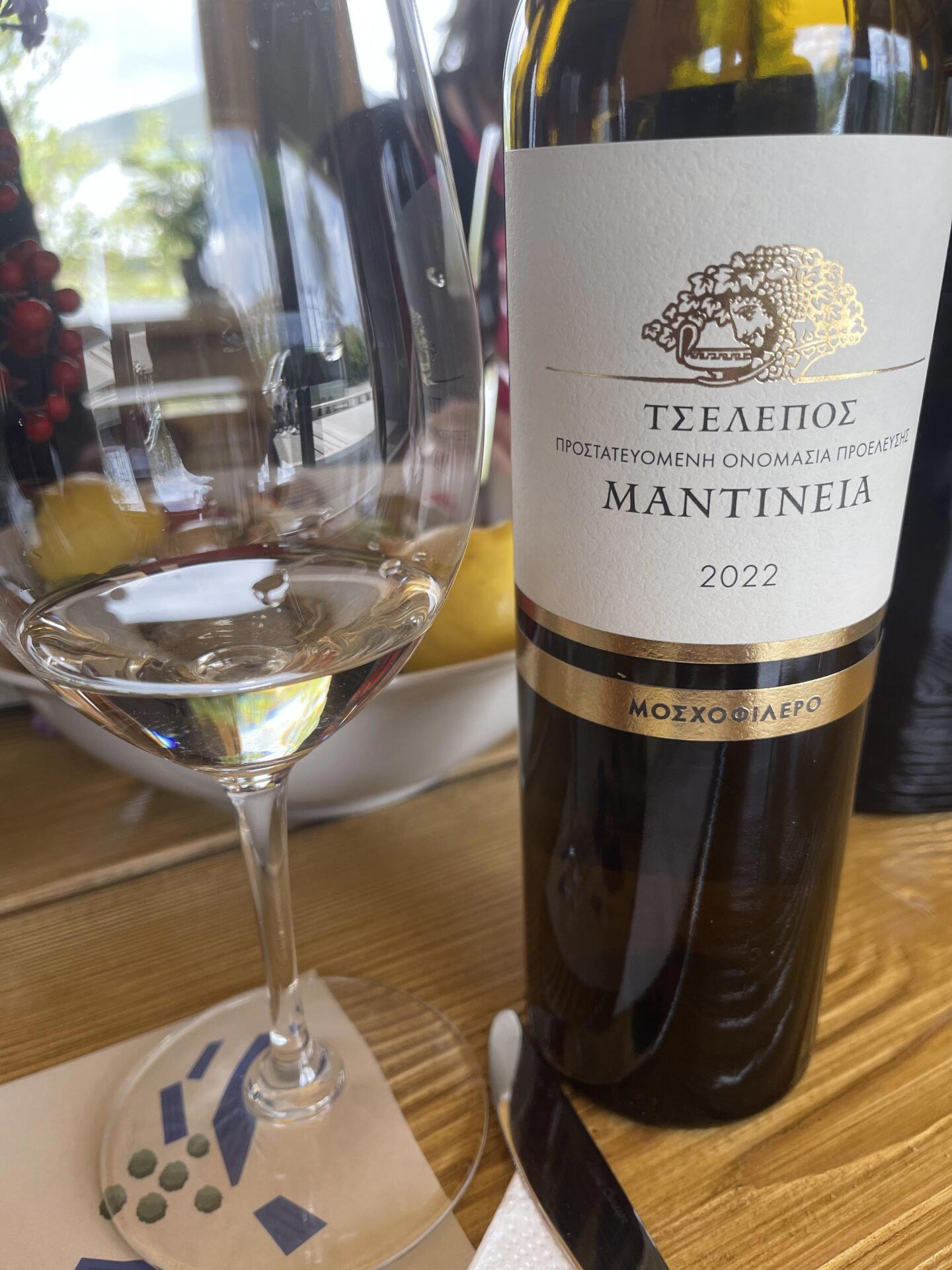
Ktima Tselepos is worth prioritising for a serious Mantinia wine itinerary, especially for a celebration or client-friendly stop where producer reputation matters. Treat it as a planned visit rather than a casual add-on; if timing is difficult, cross-shop Troupis Winery or Boutari Winery (Mantinia) for a broader local comparison.
Fattoria di Valiano
Castelnuovo Berardenga, Italy
Fattoria di Valiano works if the aim is a Castelnuovo Berardenga wine stop with regional context rather than a luxury-led tasting production. Details on format and pricing are thin, so plan it as part of a broader Tuscan wine day and use local restaurant, hotel, and winery planning to make the visit work smoothly.
Benoit Vallerie
Parempuyre, France
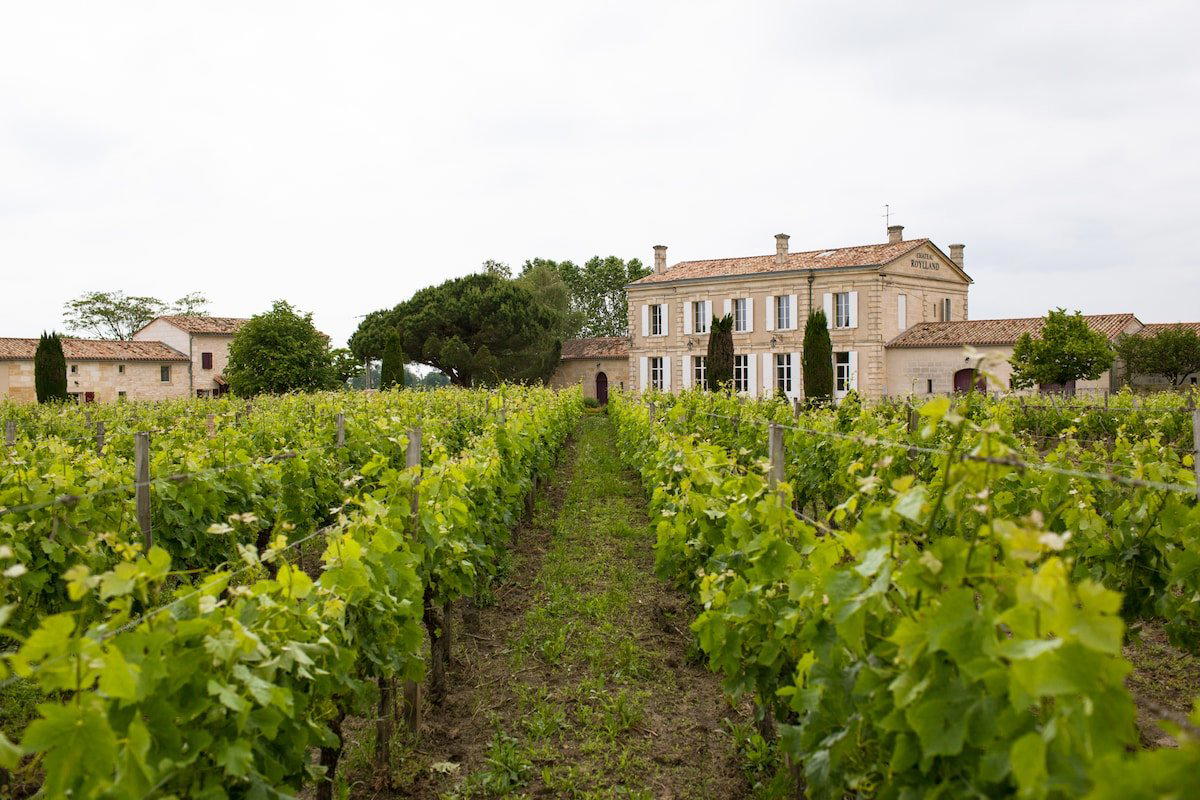
A practical Parempuyre winery option for travelers who want a relaxed, low-friction stop rather than a heavily structured tasting day. Benoit Vallerie is easiest to justify as part of a wider local route; confirm any private tasting, food, or flagship-wine expectations before making it the main event.
Chateau Lisennes
Tresses, France
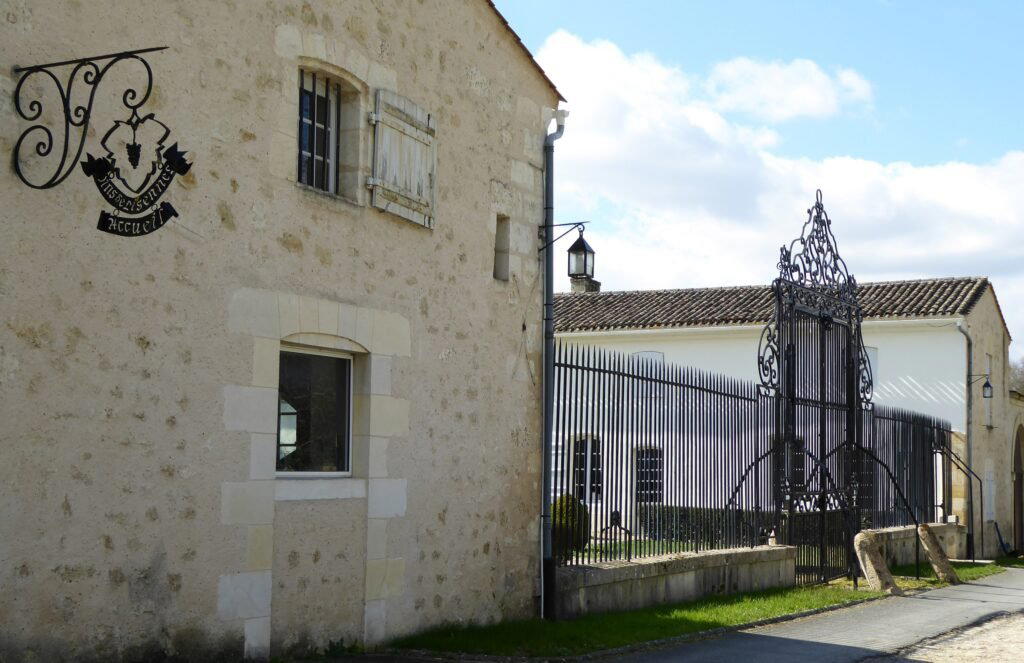
Chateau Lisennes is worth booking for a relaxed Bordeaux-side winery visit with real regional range: organic Merlot, Bordeaux Supérieur, white Entre-deux-Mers, rosé, clairet, and Crémant. It is better for context and sustainability than collector-level rarity, with Falstaff Listed recognition in 2026 and a family-estate setting in Tresses.
How many of these have you visited?
Find out on Pearl and keep score across every place in 2026 Falstaff Winery Guide.