

Domaine Cecile Tremblay
Vosne-Romanée
Winery in Vosne-Romanée, France
 Book with Pearl
The Read
Côte de Nuits Small-Grower Precision
Why go
Domaine Cecile Tremblay is worth pursuing for serious Burgundy collectors who care about allocation access more than visitor amenities. Treat it as a high-difficulty, appointment-led target in the Côte de Nuits, not a casual tasting stop. Build fallback winery plans nearby if the trip depends on a confirmed visit.
About Domaine Cecile Tremblay
Domaine Cecile Tremblay is a Vosne-Romanée venue with a smart casual dress code and Pearl 2 Star Prestige recognition for 2025. Details regarding hours, pricing, visitor format, food service, bottle availability, or reservation requirements are not available. Use this listing as an introduction to a recognized venue, and confirm all visit logistics directly with the venue.
Worth considering with limited detail
The reason to keep Domaine Cecile Tremblay on a Vosne-Romanée shortlist is its Pearl 2 Star Prestige recognition in 2025. That accolade supports treating it as a notable venue, but information on a particular tasting format, access path, visit, menu, tour length, or hospitality setup is not available. If you are planning around it, confirm all practical details directly before making the venue central to a trip.
Avoid assuming a specific price point, membership structure, or buying opportunity unless the venue confirms it. A useful planning approach is to compare Domaine Cecile Tremblay with Domaine Dujac, Domaine Hubert Lignier, Domaine Robert Groffier Père & Fils, Domaine des Lambrays, and Domaine du Clos de Tart, while keeping any final decision grounded in confirmed availability and your own itinerary needs.
How to frame a trip around it
Do not build the day around uncertain details. If Domaine Cecile Tremblay is a priority, contact the venue directly and use Vosne-Romanée restaurants, Vosne-Romanée hotels, Vosne-Romanée bars, and Vosne-Romanée experiences to shape the rest of the trip. Other dining in Vosne-Romanée can also help anchor the day if venue-specific timing is uncertain.
The verdict: Domaine Cecile Tremblay is worth considering for travelers who value a Pearl-recognized Vosne-Romanée venue and are comfortable confirming logistics directly. Skip any assumptions about tours, tastings, food, shipping, prices, hours, or access unless the venue provides those details. Smart casual dress is the only dress guidance available.
Planning details
- Location
- 8 Rue de Très Girard, 21220 Morey-Saint-Denis
- Website
- domaine-ceciletremblay.fr
- Phone
- +33 3 45 83 60 08
The take
The Take
The Vibe
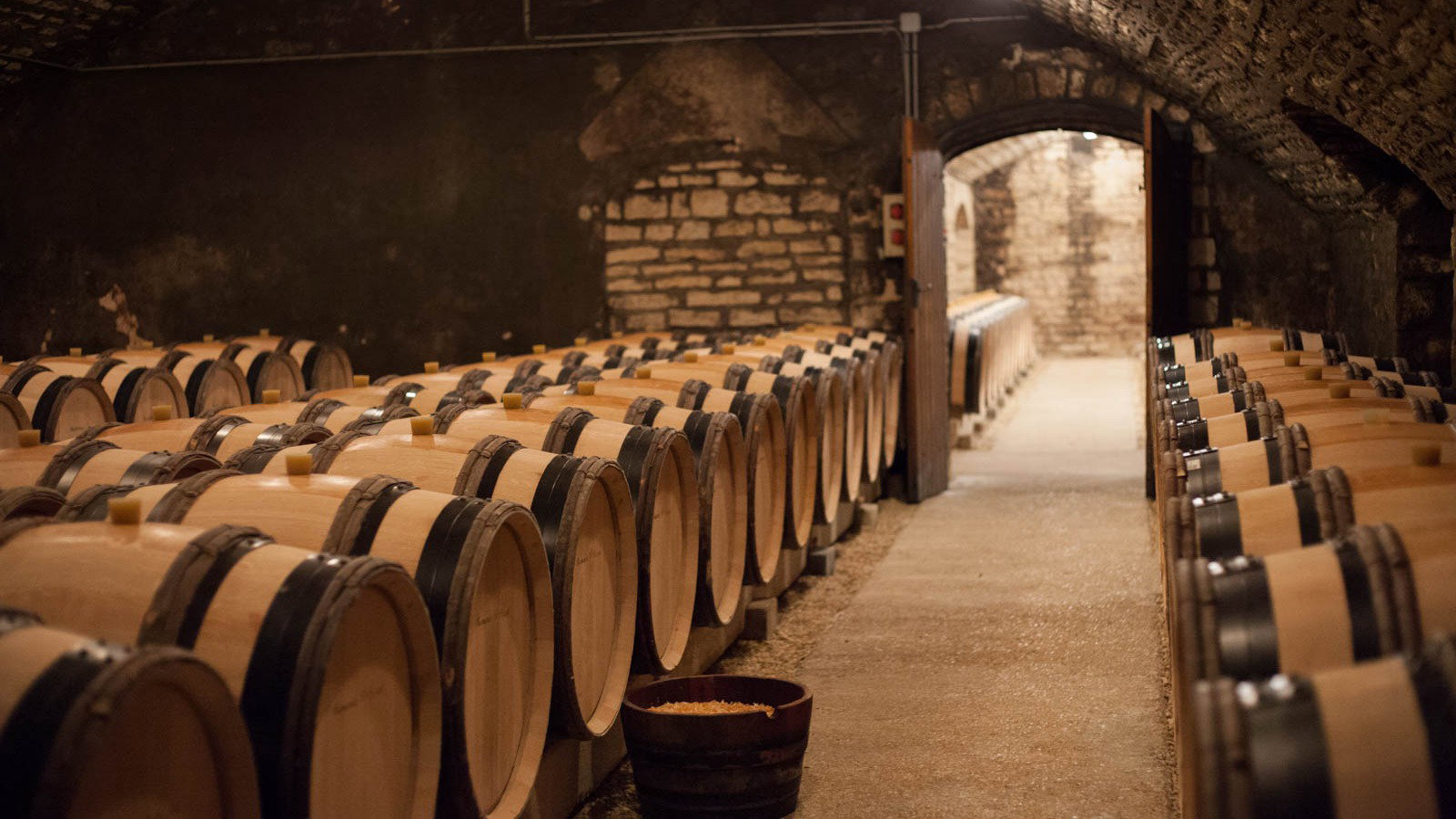
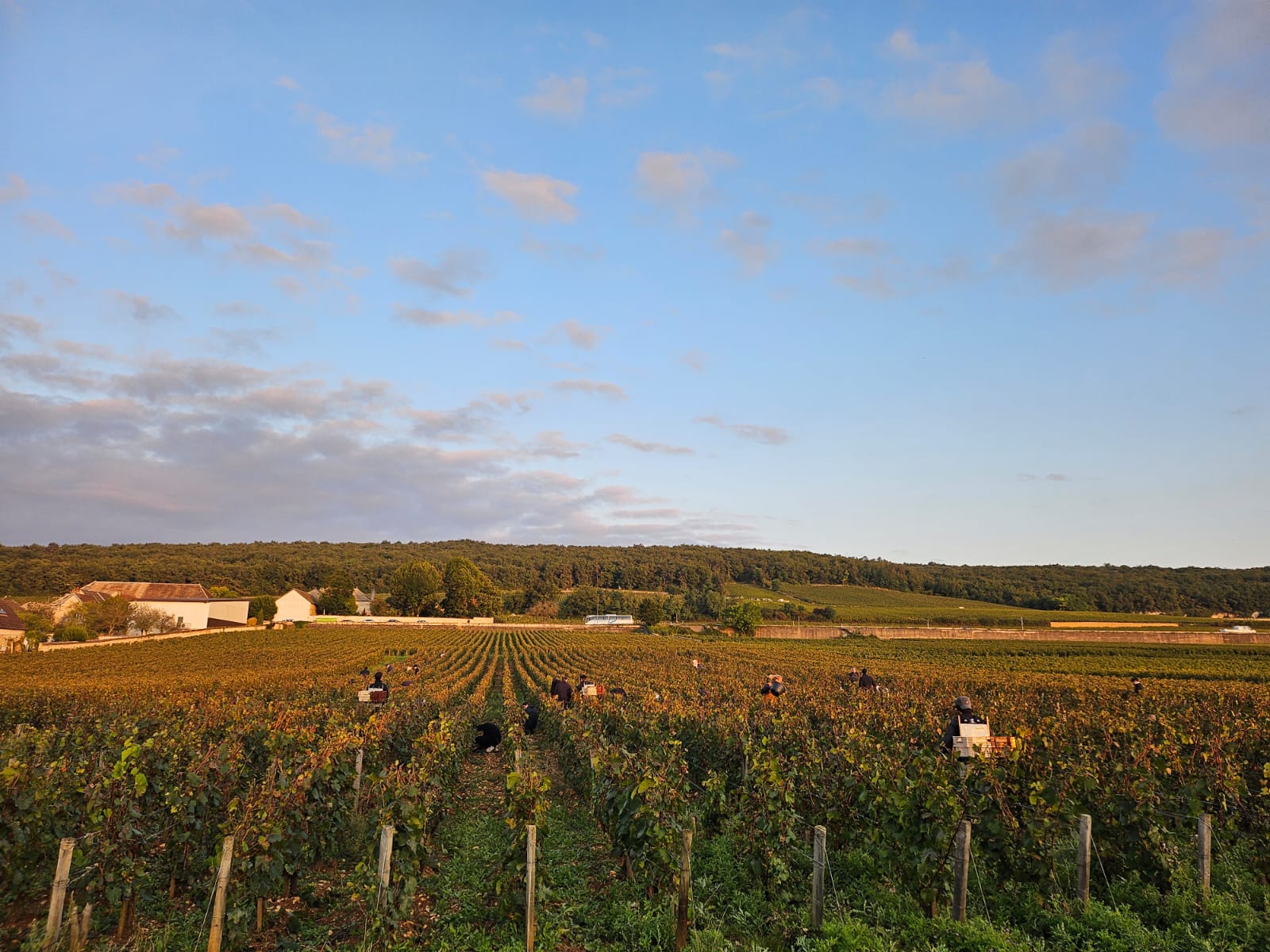
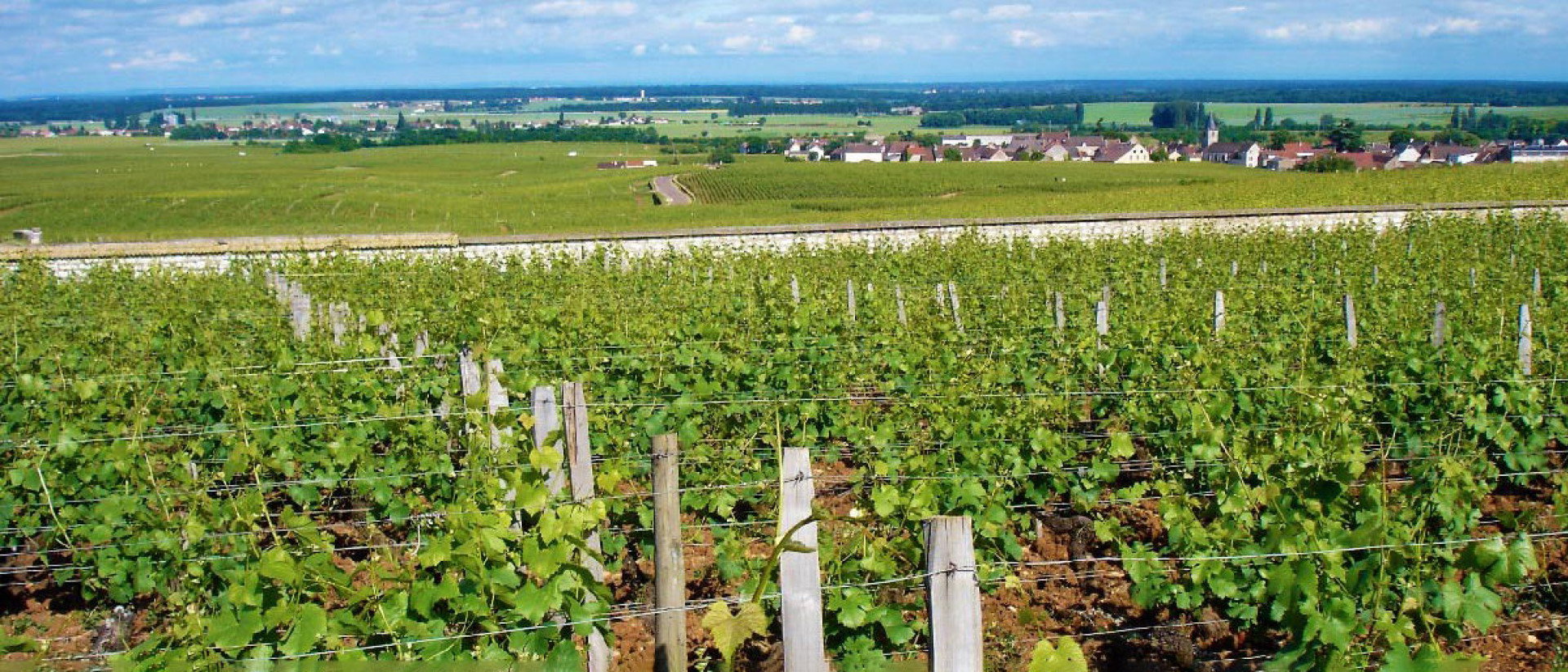
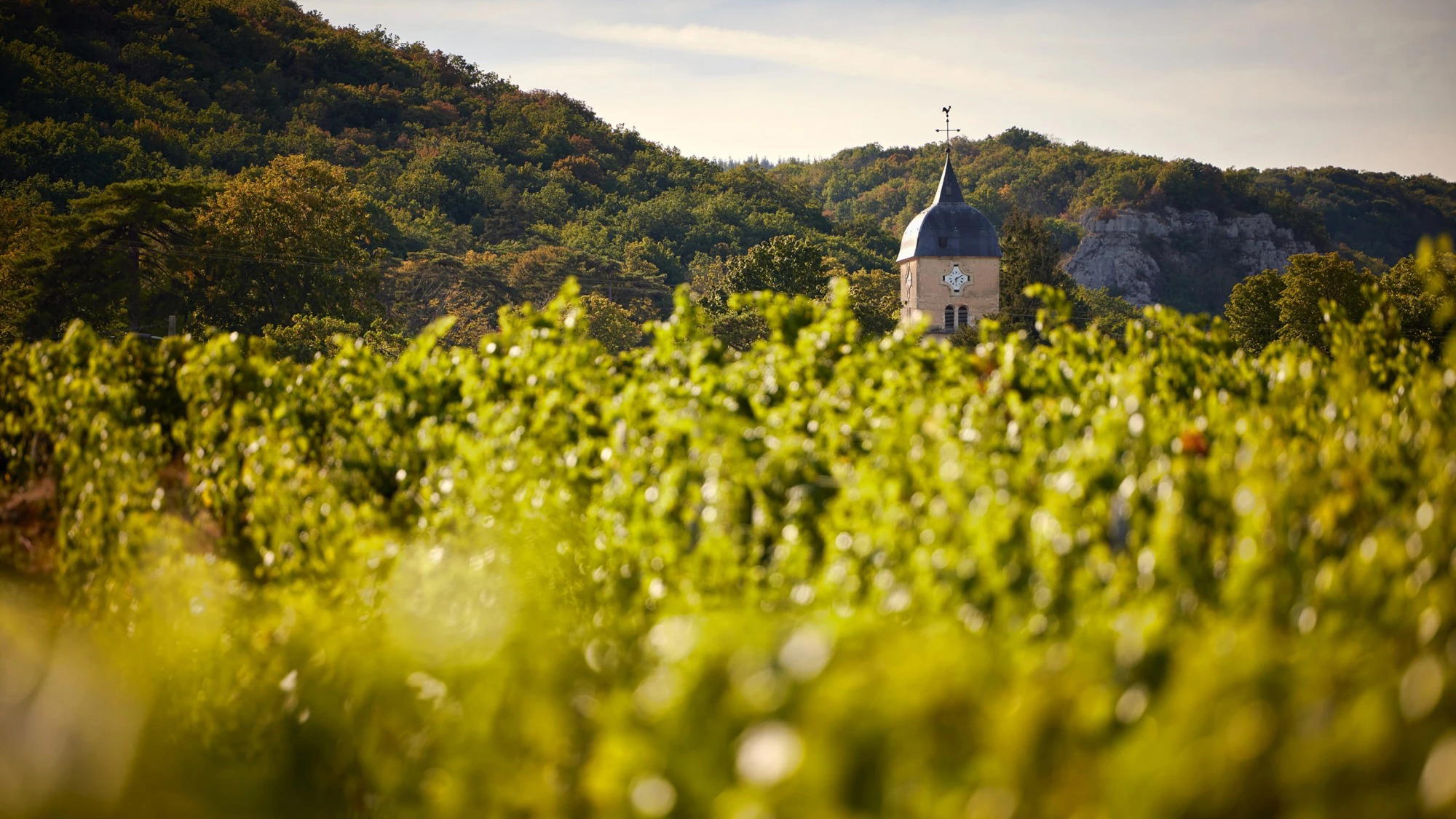
Domaine Cécile Tremblay sits in the quiet, stone-carved folds of the Côte de Nuits and reads like a study in place. The lane through Morey-Saint-Denis, the limestone escarpment catching late light, and the village silence all underscore a terroir-first sensibility: wines that are careful, articulate translations of soil, slope and exposure. Historic layers—mapped by Cistercian monks in the twelfth century—lend a literary weight to the estate’s work, while the relative calm of this commune keeps attention where it belongs, on the vines and the rigorous, low-noise scrutiny of each parcel.
Best For
This domaine is especially well suited to people who come for study as much as pleasure. It is a natural fit for wine education and quiet, contemplative tastings—solo exploration or focused visits where the terroir story matters. The producer’s recent 2025 Pearl 2 Star Prestige recognition positions the wines for special-occasion interest as well; collectors and serious drinkers who want to compare mid-slope and uphill expressions will find the setting and the maker’s rigour rewarding, away from the busiest tourist routes.
Tasting Tips
When you engage at the domaine, center the conversation on place. Ask about the specific plots, the Bathonian and Callovian limestone layers, and how drainage and aspect shape individual cuvées—those microdifferences are the point here. Note the domaine’s 2025 Pearl 2 Star Prestige recognition and ask which wines or vintages best illustrate the estate’s approach. Keep tastings unhurried: the silence and landscape invite slow, attentive comparison rather than rapid sampling.
Venue details
Ambiance
Elegant and pure with weightless concentration, capturing the essence of Côte de Nuits terroir through utmost purity and finesse.
Tags
Vibe
Best For
Experience
Sourcing
View
At the Vineyard
- Appellation
- Vosne-Romanée AOC
- Varietals
- Pinot Noir
- Tour Duration
- 60-90 minutes
- Visits
- By appointment only
- Farming
- Organic
- Wine Styles
- Still Red
- Wine Club
- Available
Know before you go
Know Before You Go
- Getting there
- 8 Rue de Très Girard, 21220 Morey-Saint-Denis
Planning details
Location
8 Rue de Très Girard, 21220 Morey-Saint-Denis · Directions
Recognition and awards

Also consider
If You Cannot Get In
Cross-shop Domaine Dujac first if the trip is anchored in serious Morey-Saint-Denis wine. For a second fallback, Domaine du Clos de Tart gives the itinerary another high-recognition Burgundy target nearby.
Winery context
How It Compares
Domaine Cecile Tremblay is the highest-friction choice in this set for readers focused on access and allocation value. Domaine Dujac and Domaine du Clos de Tart are better comparison points for visitors who want a more established Burgundy name attached to the itinerary, while Tremblay is the sharper play for collectors who are comfortable with uncertainty.
For a trip built around Morey-Saint-Denis rather than Vosne-Romanée alone, Domaine Hubert Lignier and Domaine des Lambrays are more practical cross-shops because they keep the focus close geographically. Domaine Robert Groffier Père & Fils makes sense for readers comparing Côte de Nuits prestige across nearby villages rather than trying to secure one specific domaine.
The practical recommendation: make Tremblay the aspirational request, then support it with one or two peer targets. For a special occasion, that protects the day from access risk while keeping the wine quality bar high.
Explore Vosne-Romanée
Around this place
Discover more on Pearl
Unlock the full Domaine Cecile Tremblay guide in Pearl, including awards, comparisons, FAQs, planning details, and nearby places.
Compare Domaine Cecile Tremblay
| Venue | Location | Awards |
|---|---|---|
| Domaine Cecile Tremblay | Vosne-Romanée | 2026 Michelin 3 Grapes - Burgundy2026 Falstaff Winery Guide |
| Domaine Dujac | Morey-Saint-Denis | 2026 Michelin 2 Grapes - Burgundy2026 Falstaff Winery Guide2025 Pearl 5 Star Prestige |
| Domaine Hubert Lignier | Morey-Saint-Denis | 2026 Michelin Grape Main Selection - Burgundy2025 Pearl 5 Star Prestige |
| Domaine du Clos de Tart | Morey-Saint-Denis | 2026 Michelin 1 Grape - Burgundy2026 Falstaff Winery Guide2025 Pearl 5 Star Prestige |
| Domaine Robert Groffier Père & Fils | Morey-Saint-Denis | 2025 Pearl 4 Star Prestige |
| Domaine des Lambrays | Morey-Saint-Denis | 2026 Falstaff Winery Guide2026 Michelin 1 Grape - Burgundy2025 Pearl 4 Star Prestige |




How Domaine Cecile Tremblay Vosne-Romanée compares with similar nearby venues.
FAQ
Frequently Asked Questions
How long should I plan for a visit to Domaine Cecile Tremblay?
What other venues can I compare with Domaine Cecile Tremblay?
Relevant comparisons include Domaine Dujac, Domaine Hubert Lignier, Domaine du Clos de Tart, Domaine Robert Groffier Père & Fils, and Domaine des Lambrays. Use them as reference points when shaping a wider itinerary.
When is the best time to visit Domaine Cecile Tremblay?
Information on the best time to visit is not available. Check directly with Domaine Cecile Tremblay for current availability and any timing guidance for Vosne-Romanée.
Are membership or allocation details available for Domaine Cecile Tremblay?
Do I need a reservation at Domaine Cecile Tremblay?
Reservation requirements are not available. Contact Domaine Cecile Tremblay directly before going to Vosne-Romanée.
Are food-service details available for Domaine Cecile Tremblay?
Food service is not available. Plan meals separately in Vosne-Romanée unless Domaine Cecile Tremblay confirms otherwise.
Are purchase or shipping details available for Domaine Cecile Tremblay?
Purchase and shipping details are not available. Ask Domaine Cecile Tremblay directly about any options for your market.