
Ktima Tselepos
Mantinia
Winery in Mantinia, Greece
 Book with Pearl
The Read
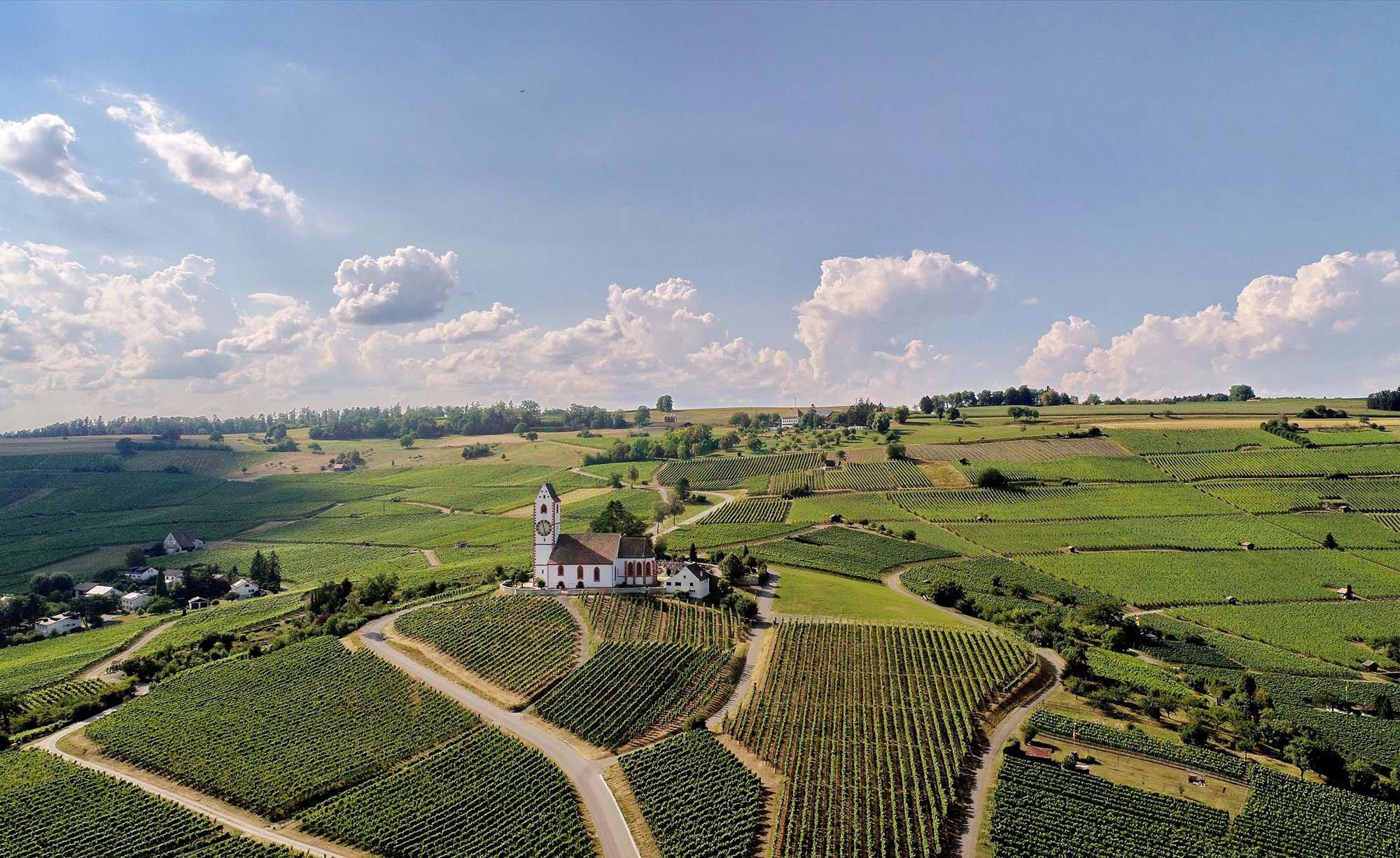
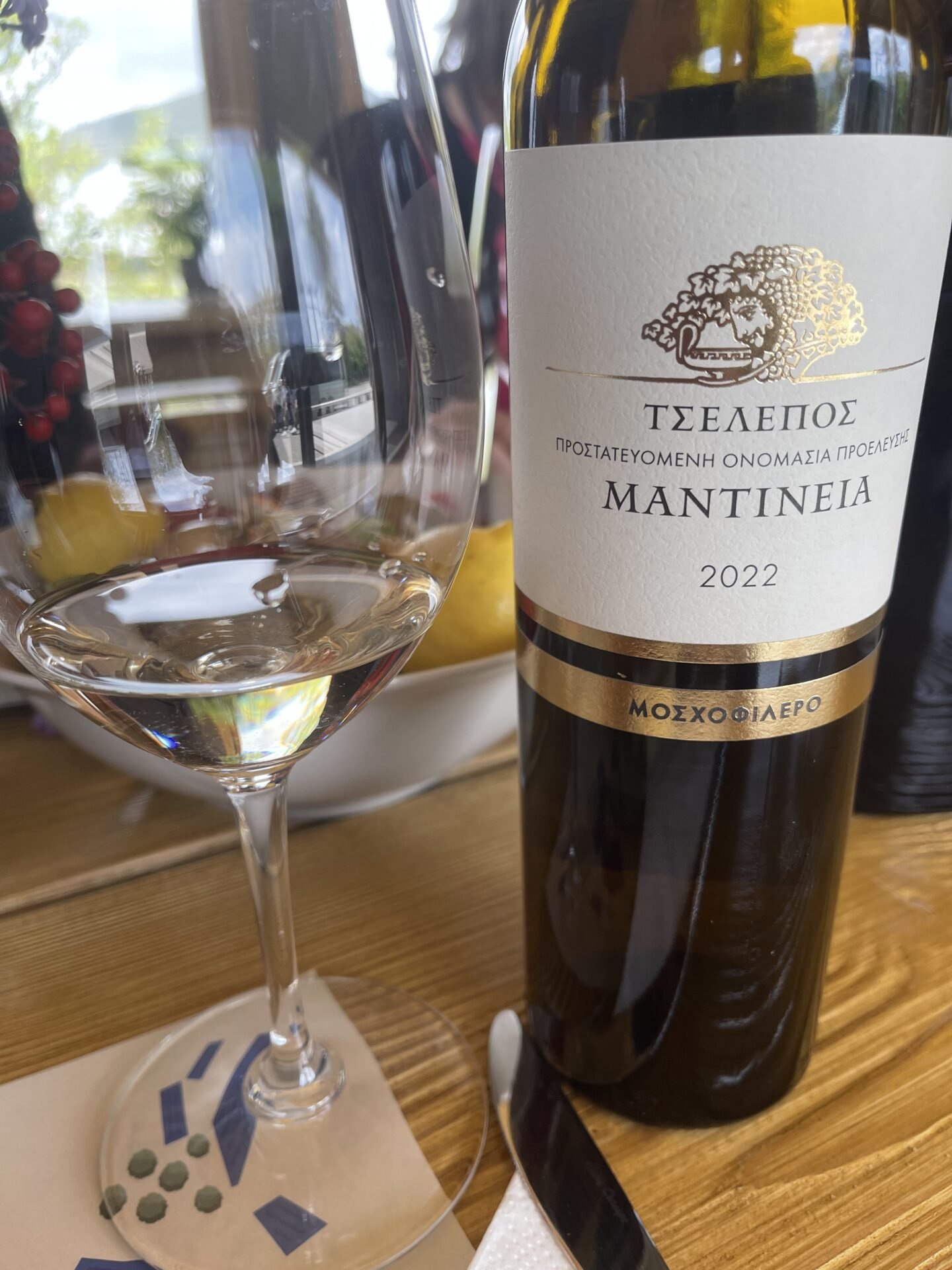
Altitude-Driven Moschofilero
Why go
Ktima Tselepos is worth prioritising for a serious Mantinia wine itinerary, especially for a celebration or client-friendly stop where producer reputation matters. Treat it as a planned visit rather than a casual add-on; if timing is difficult, cross-shop Troupis Winery or Boutari Winery (Mantinia) for a broader local comparison.
About Ktima Tselepos
Is Ktima Tselepos worth visiting? It can be, if you are looking for a planned Mantinia stop with Pearl 2 Star Prestige recognition in 2025. Details are limited, so plan carefully rather than approaching with assumptions about format, services, pricing, or availability.
For readers building a Mantinia itinerary, key details are simple: Ktima Tselepos is in Mantinia, carries Pearl 2 Star Prestige (2025), and has a smart casual dress code. Use those facts as the basis for planning, then compare it with other options generically if you need a broader day out.
Plan this as a Prestige stop, not one with extensive details
The decision case is strongest for visitors who value the Pearl 2 Star Prestige (2025) signal and are comfortable confirming practical details directly before going. Do not assume specific services, formats, menus, prices, opening hours, or access arrangements.
If the goal is a broader comparison, consider Boutari Winery (Mantinia) as a Mantinia reference point. Troupis Winery can also be useful as another comparison, while Domaine Skouras, Verino Distillery, and Karonis Distillery may help visitors weigh different kinds of nearby or regional stops.
Who should choose it over a distillery or broader region stop
Choose Ktima Tselepos when the Prestige recognition and Mantinia location are enough to make it a priority. The smart casual dress code also makes it a better fit for visitors who prefer to plan the stop with some polish rather than treat it as an entirely casual add-on.
Pick Verino Distillery or Karonis Distillery if your group is specifically weighing distillery options. Consider Domaine Skouras if you are comparing a wider set of venues. For Mantinia itself, Ktima Tselepos remains a high-interest option because of its Pearl 2 Star Prestige (2025) recognition.
Planning details
- Location
- 14th klm. Tripolis - Kastri Road, Rizes, Arcadia 220 12
- Website
- tselepos.gr
- Phone
- +30 271 054 4440
The take
The Take
The Vibe
Ktima Tselepos reads like a sophisticated expression of Mantinia’s high-altitude terroir. The estate’s placement on the Mantinian plateau—above 600 metres—drives a style defined by aromatic precision rather than weight, and the write-up frames the property as part of the region’s more carefully followed producers. The Pearl 2 Star Prestige recognition underlines a measured, quality-focused approach; tasting notes emphasize floral lift, citrus tension and structural dryness. The overall impression is one of quiet refinement: wines and the estate’s identity are tuned to nuance and minerality rather than overt ripeness.
Best For
This estate is best suited to visitors interested in deepening their understanding of Moschofilero and high‑altitude Greek wines. The profile of the wines—focused on aromatic clarity and acidity—makes Ktima Tselepos a strong stop for wine education and solo exploration, as well as for small groups of serious wine lovers who want a terroir-driven perspective on Peloponnesian viticulture. The producer’s positioning in the upper tier of the appellation also appeals to those seeking more refined, regionally distinctive bottles rather than mass-market examples.
Tasting Tips
Prioritize the estate’s Moschofilero expressions and any bottles that reference altitude or vineyard origin; the description highlights floral lift, citrus tension and a structurally dry profile, so vintages that emphasize those traits illustrate the site’s strengths. Expect wines that pair well with food—seek out seafood, grilled vegetables or fresh goat cheeses that can match the acidity. Given the Pearl 2 Star recognition, consider estate- or prestige-labeled bottlings when available, as they are most likely to showcase the careful, higher-tier work called out in the profile.
Venue details
Ambiance
Scenic highland setting with picturesque views of earthen hills and Mount Parnonas, offering a serene and elegant atmosphere.
Tags
Vibe
Best For
Experience
Sourcing
View
At the Vineyard
- Appellation
- PDO Mantinia
- Varietals
- Moschofilero, Agiorgitiko, Assyrtiko, Chardonnay, Merlot
- Tour Duration
- 60-90 minutes
- Wine Club
- Not available
Know before you go
Know Before You Go
- Getting there
- 14th klm. Tripolis - Kastri Road, Rizes, Arcadia 220 12
Planning details
Location
Recognition and awards

Also consider
Where to look if timing does not work
Try Troupis Winery first if the goal is to stay in Mantinia and keep the day wine-focused. Boutari Winery (Mantinia) is the other logical local backup for readers who want a familiar regional point of comparison.
If the group is split on wine, Verino Distillery or Karonis Distillery will suit a spirits-led outing better. Domaine Skouras is the stronger cross-shop for a broader Peloponnese wine day rather than a Mantinia-only plan.
Winery context
How Ktima Tselepos compares in Mantinia
Choose Ktima Tselepos when the occasion calls for the more reputation-led winery stop in Mantinia. Troupis Winery is the cleaner cross-shop for readers who want another local producer in the same area, while Boutari Winery (Mantinia) makes sense for a broader, more familiar regional benchmark.
If booking friction is the deciding factor, do not build the whole day around one address without a backup. Verino Distillery and Karonis Distillery suit groups that care more about spirits than winery comparison, while Domaine Skouras is the better alternative when the itinerary can expand outside Mantinia.
For value, the smarter move is not to judge by price alone, since public price details are not listed. Judge by fit: Ktima Tselepos for a wine-focused occasion, Troupis Winery or Boutari Winery (Mantinia) for a local comparison day, and the distillery options for mixed-interest groups.
Explore Mantinia
Around this place
Discover more on Pearl
Unlock the full Ktima Tselepos guide in Pearl, including awards, comparisons, FAQs, planning details, and nearby places.
Compare Ktima Tselepos
| Venue | Location | Awards |
|---|---|---|
| Ktima Tselepos | Mantinia | 2026 Falstaff Winery Guide |
| Troupis Winery | Mantinia | 2026 Falstaff Winery Guide |
| Boutari Winery (Mantinia) | Mantinia | 2026 Falstaff Winery Guide |
| Verino Distillery | Argos | No published awards |
| Domaine Skouras | Argos | 2026 Falstaff Winery Guide |
| Karonis Distillery | Nafplio | No published awards |
How Ktima Tselepos Mantinia compares with similar nearby venues.
FAQ
Frequently Asked Questions
How long should I plan for a visit to Ktima Tselepos?
Plan enough time for a focused Mantinia stop and confirm practical details directly before you go. Hours, visit format, or duration are not available, so avoid building the schedule around assumptions. The Pearl 2 Star Prestige (2025) recognition makes it worth treating as a planned part of the itinerary.
Is there a membership or club at Ktima Tselepos?
Ktima Tselepos' offerings of a membership program, allocations, shipping benefits, or special pricing are not available. If membership matters to you, confirm the current details directly with the venue before making plans. Its Mantinia location, smart casual dress code, and Pearl 2 Star Prestige (2025) recognition are key points.
Does Ktima Tselepos offer shipping?
Shipping information is not available. If shipping matters, confirm the policy directly with Ktima Tselepos before visiting or purchasing. Do not assume delivery, export, or holding services.
When is the best time to visit Ktima Tselepos?
The best time to visit is whenever you have confirmed the current practical details directly and can fit the stop comfortably into a Mantinia itinerary. Opening hours, seasonal access, or appointment requirements are not available. Because Ktima Tselepos has Pearl 2 Star Prestige (2025), it is sensible to plan ahead rather than treat the visit casually.
What other venues are near Ktima Tselepos?
Boutari Winery (Mantinia) is a useful Mantinia comparison. Troupis Winery, Domaine Skouras, Verino Distillery, and Karonis Distillery are other possible benchmarks depending on the kind of stop you are considering. Ktima Tselepos stands out for its Pearl 2 Star Prestige (2025) recognition.