

Henri Giraud
Aÿ, Germenay
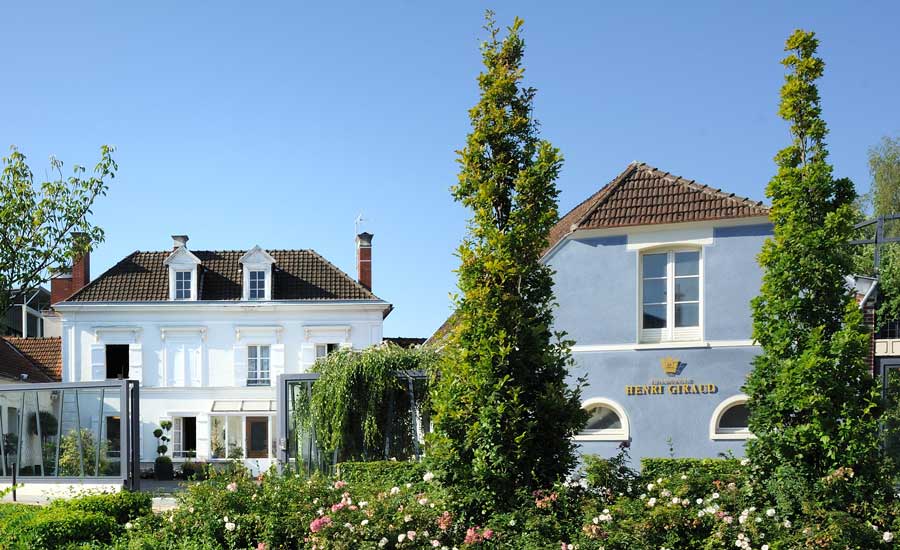
Winery in Germenay, France
 Book with Pearl
The Read
Aÿ Grand Cru Terroir
Price
$50–100tasting
Why go
Henri Giraud is worth pursuing for a serious Champagne itinerary, especially if the occasion calls for heritage and a more limited-access tasting format. The first vintage dates to 1775, with Giraud listed as winemaker, so it suits collectors better than casual walk-in planners. Build a backup nearby if timing is tight.
About Henri Giraud
Henri Giraud is a Pearl 3 Star Prestige venue in Germenay. Claude Giraud is listed as honorary chairman, and the dress code is smart casual, giving the profile a few useful anchors without filling in the many operational details that should still be checked before arrival.
A 3 Star Prestige venue in Germenay
The clearest reason to keep Henri Giraud on a Germenay shortlist is its Pearl 3 Star Prestige recognition for 2025. That designation is enough to place the venue in a more considered category than a casual, purely improvised stop. Beyond that recognition, do not assume a specific menu style, service format, price point, or booking process unless those details are confirmed for your visit. A careful planner should read the listing as promising but incomplete, not as a substitute for direct confirmation.
For planning, use the confirmed basics and keep them separate from anything that has not been established. Henri Giraud is in Germenay, Claude Giraud is the chef/owner, and smart casual dress is appropriate. Those facts help set expectations at a broad level: the location identifies where it fits geographically, the chef/owner listing gives the venue a named point of identity, and the smart casual guidance suggests polished but not overly formal attire. They do not, however, establish opening patterns, available services, or the structure of a visit. If comparing options, Ayala, Bollinger, Deutz, Lallier, and Philipponnat are names to consider alongside Henri Giraud, while other dining in Germenay can be reviewed more generally. That comparison is best used as a way to organize research, not as evidence that the venues share the same format or visitor experience.
How to fit it into an itinerary
Make Henri Giraud a confirmed stop only after checking the details that matter for your group. Confirm current timing, booking expectations, and any other practical requirements directly before building plans around the venue. This is especially useful if your day is tightly sequenced, if you are coordinating multiple people, or if the visit needs to connect cleanly with other stops in Germenay. In that kind of itinerary, a single assumption can create avoidable friction. Treat direct confirmation as part of the planning process rather than as a final afterthought.
Choose Henri Giraud if Pearl 3 Star Prestige recognition, Germenay location, and a smart casual setting match the kind of visit you want. Those are the dependable reasons to keep it in consideration, and they may be enough for travelers who are comfortable confirming the remaining details themselves. Look elsewhere first if your plans depend on published hours, a stated price range, a specific service style, or other details not yet available. In practical terms, Henri Giraud is best approached as a potentially strong option with a deliberately narrow profile: attractive on the basis of recognition and place, but not yet detailed enough to support assumptions about the visit without checking directly.
Planning details
- Location
- 75 Bd Charles de Gaulle, 51160 Aÿ-Champagne
- Website
- champagne-giraud.com
- Phone
- +33 3 26 55 18 55
The take
The Take
The Vibe
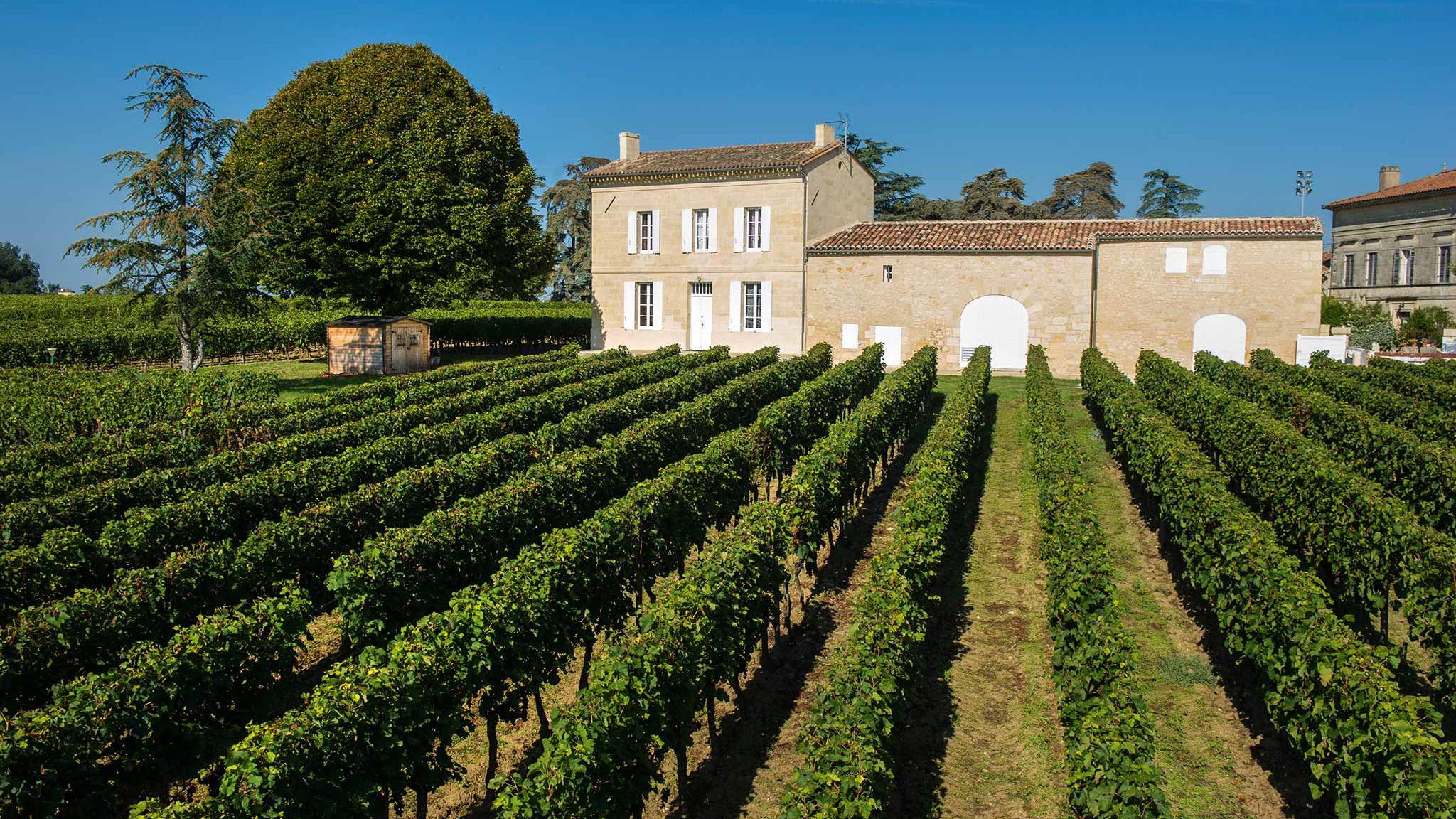
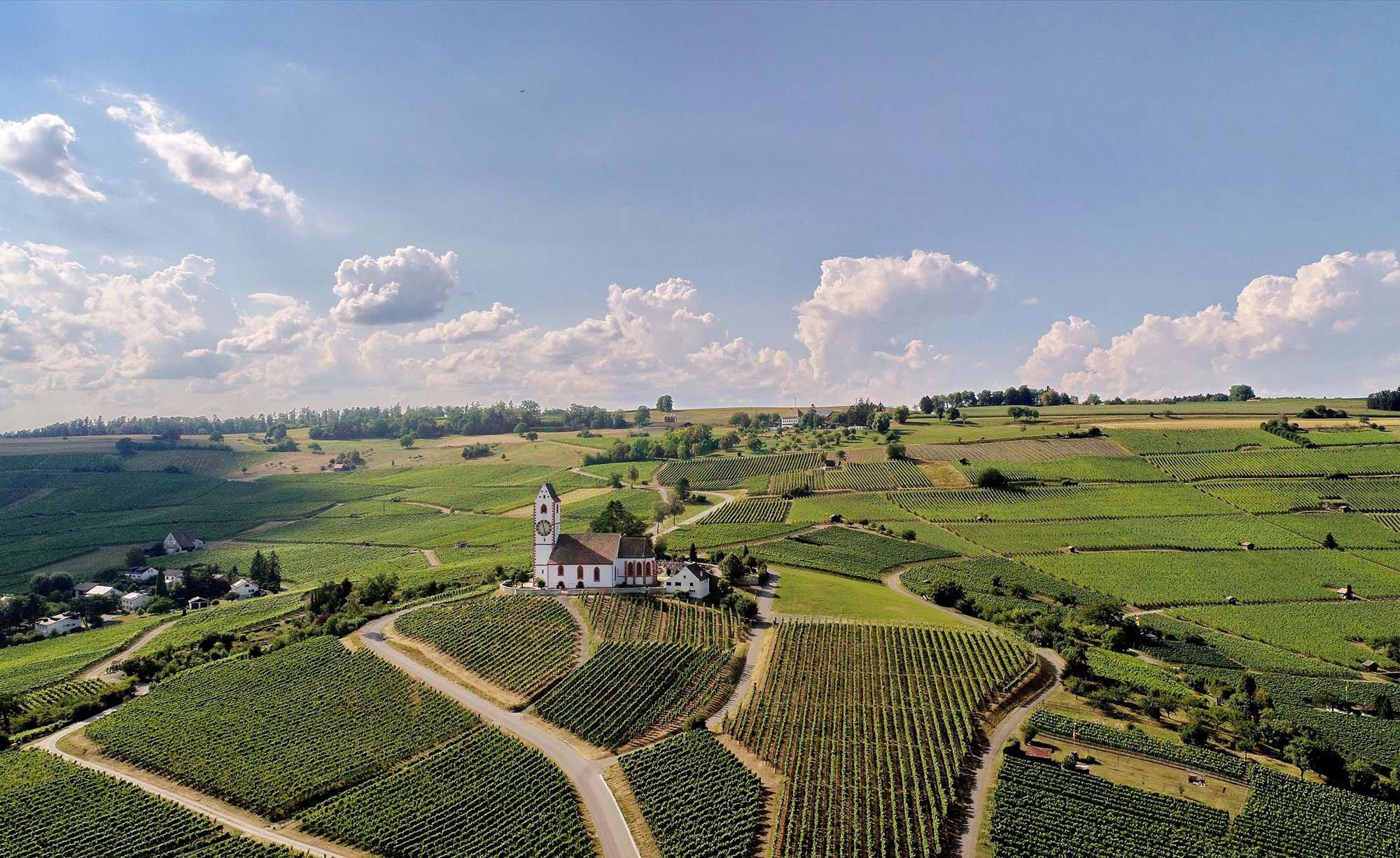
Henri Giraud presents as a deeply historic Champagne house rooted in Aÿ’s Grand Cru landscape. The narrative emphasizes continuity — a claimed first vintage in 1775 and an unbroken relationship with local parcels — so the place reads as measured and place-driven rather than trend-led. The writing highlights the village’s geography, between the Marne and southern-facing slopes, which gives the estate a scenic, terroir-forward personality. Visitors encounter a producer that privileges vineyard specificity and long-term knowledge, giving the estate a composed, time-honored character that appeals to serious wine lovers and those drawn to historic houses.
Best For
This house is best for visitors seeking deep wine education and a sense of historical lineage. The profile frames Henri Giraud as a reference point for producers and collectors: the estate is particularly well suited to tastings focused on terroir distinctions, vintage comparison, and the structure of Aÿ Pinot Noir. It also suits milestone moments — purchases for collectors or special-occasion visits — when provenance and age are part of the appeal. Travelers who prioritize vineyard stories and place-specific production will find the visit especially rewarding.
Tasting Tips
When engaging with Henri Giraud, focus questions and tastings on place and vintage. Ask about the parcels referenced in the house’s history and how chalk-heavy lower slopes versus clay-influenced mid-slope sites shape the wines. Request explanations of the house’s place-specific approach — the description highlights a preference for vineyard identity over broad blending — and inquire about older vintages or bottlings that illustrate that continuity. Framing your tasting around terroir and vintage differences yields the clearest sense of what distinguishes this Grand Cru producer.
Venue details
Ambiance
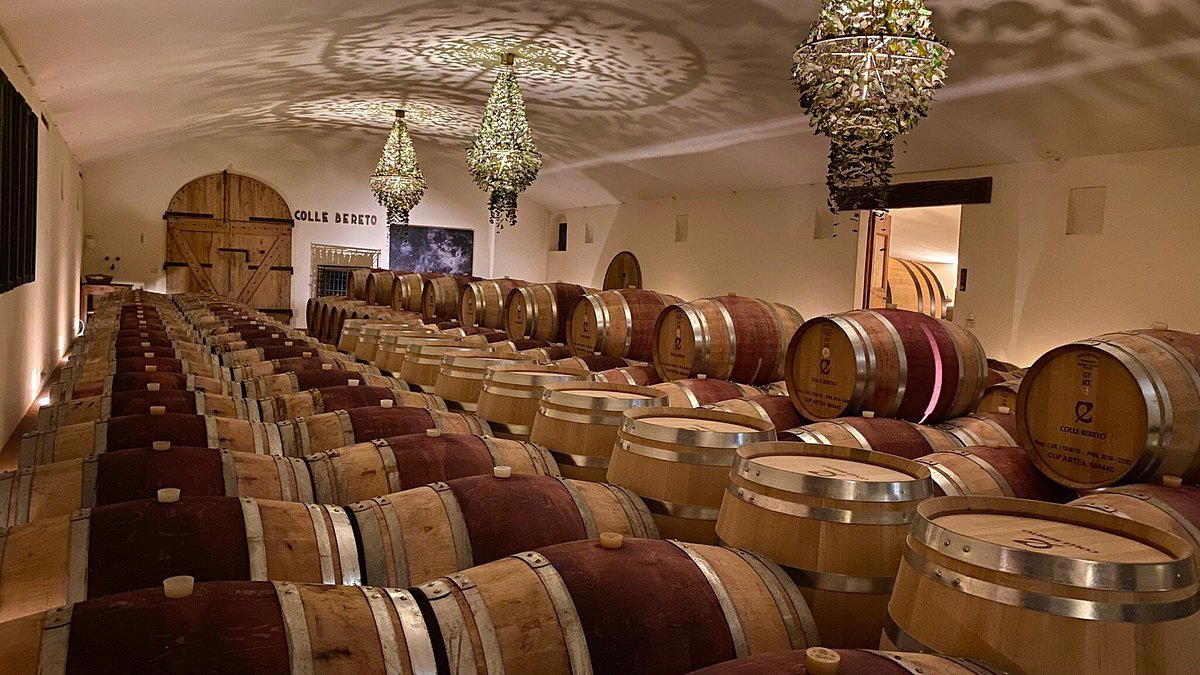
Refined and intimate with an immense oak table made from Argonne Forest wood; tasting room exudes heritage craftsmanship and natural modernity.
Tags
Vibe
Best For
Experience
Sourcing
View
At the Vineyard
- Appellation
- Champagne AOC
- Varietals
- Pinot Noir, Chardonnay
- Tour Duration
- 90-120 minutes
- Tour Languages
- French, English
- Visits
- By appointment only
- Farming
- Natural wine
- Wine Styles
- Sparkling
- Food Pairing
- Offered
- Wine Club
- Not available
Know before you go
Know Before You Go
- Getting there
- 75 Bd Charles de Gaulle, 51160 Aÿ-Champagne
Planning details
Location
Recognition and awards

Also consider
Also Consider
- Philipponnat, Notable alternative
- Deutz, Notable alternative
- Lallier, Notable alternative
- Ayala, Notable alternative
- Bollinger, Notable alternative
Winery context
How It Compares
Choose Henri Giraud when the priority is a harder-to-secure, heritage-led Champagne appointment rather than the easiest logistics. Against Philipponnat, Deutz, and Lallier, the better fit is the reader who wants one serious stop to anchor the day, not a fast sequence of accessible tastings.
Ayala is the smarter cross-shop if the group wants to stay near Aÿ and needs a more flexible fallback. Bollinger is the obvious comparison for travelers chasing major-house Champagne energy, while Henri Giraud reads more like a collector-oriented request: stronger for a special occasion, weaker for convenience.
For value, the decision turns on access rather than a visible price tier. If a confirmed appointment is available and the trip is built around Champagne, Henri Giraud earns the effort. If the schedule is tight, start with Ayala or Deutz, then keep this as the higher-friction booking to pursue when dates are flexible.
Explore Germenay
Around this place
Discover more on Pearl
Unlock the full Henri Giraud guide in Pearl, including awards, comparisons, FAQs, planning details, and nearby places.
Compare Henri Giraud
| Venue | Location | Awards |
|---|---|---|
| Henri Giraud | Germenay | 2026 Falstaff Winery Guide2025 Pearl 3 Star Prestige |
| Philipponnat | Aÿ | 2025 World's 50 Best Vineyards · #762025 Pearl 3 Star Prestige |
| Deutz | Aÿ | 2026 Falstaff Winery Guide2025 Pearl 4 Star Prestige |
| Lallier | Aÿ | 2026 Falstaff Winery Guide |
| Ayala | Aÿ | 2026 Falstaff Winery Guide2025 Pearl 4 Star Prestige |
| Bollinger | Aÿ | 2026 Falstaff Winery Guide2025 World's 50 Best Vineyards · #152025 Pearl 4 Star Prestige2024 World's 50 Best Vineyards · #122023 World's 50 Best Vineyards · #23 |

How Henri Giraud Germenay compares with similar nearby venues.
FAQ
Frequently Asked Questions
When is the best time to visit Henri Giraud?
The best time depends on the details you confirm directly with the venue. Henri Giraud is in Germenay and has Pearl 3 Star Prestige recognition.
Do I need a reservation at Henri Giraud?
Reservation requirements should be confirmed directly before planning around a visit. The confirmed details are that Henri Giraud is in Germenay, Claude Giraud is chef/owner, and the dress code is smart casual.
How long should I plan for a visit to Henri Giraud?
Plan only after confirming the current format, timing, and any booking requirements directly with Henri Giraud in Germenay.
What should I confirm before visiting Henri Giraud?
Confirm current hours, booking requirements, pricing, and any services you need directly with the venue. Henri Giraud is a Pearl 3 Star Prestige venue in Germenay.
Can Henri Giraud handle large groups?
If you are planning for a group, contact Henri Giraud directly and confirm availability, timing, and any requirements before finalizing plans.
What is about Henri Giraud?
Henri Giraud is in Germenay, Claude Giraud is chef/owner, the dress code is smart casual, and the venue has Pearl 3 Star Prestige recognition for 2025.