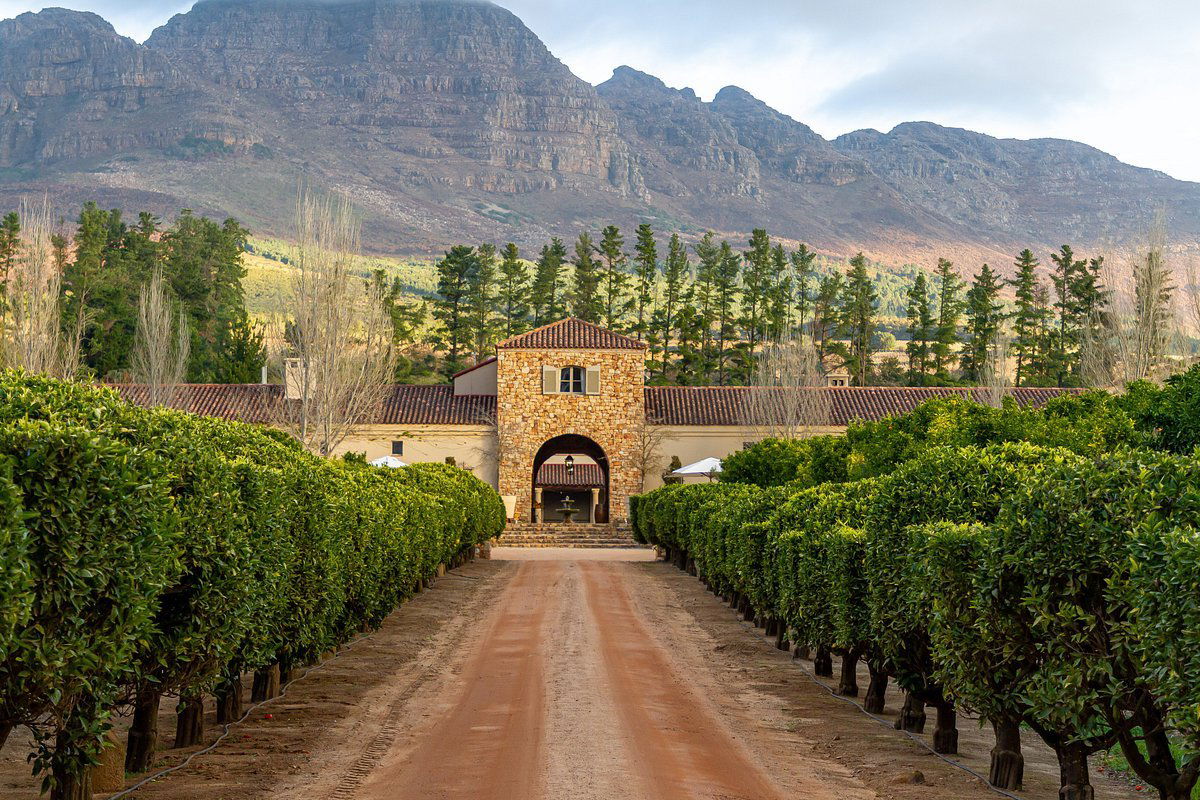

Waterford Estate
Helderberg, Stellenbosch
Winery in Stellenbosch, South Africa
 Book with Pearl
The Read
Helderberg Slope Viticulture
Why go
Waterford Estate is a strong choice for a wine-focused Stellenbosch itinerary, especially if the day is planned around Helderberg-area tastings rather than a long meal. Treat it as a planned appointment, pair it with nearby estates such as Blaauwklippen or Alto, and confirm the current tasting and food setup before arranging the rest of the day.
About Waterford Estate
Waterford Estate is a Stellenbosch venue with Pearl 2 Star Prestige recognition for 2025. The venue is in Stellenbosch and the dress code is smart casual, making Waterford Estate a serious Stellenbosch shortlist option. Any specific visit format should be checked directly with the venue before you build a day around it. If you are comparing other options, Blaauwklippen Wine Estate and Alto Wine Estate are natural reference points.
For itinerary planning, keep the essentials clear: the venue is in Stellenbosch, the dress code is smart casual, and the recognition is Pearl 2 Star Prestige for 2025. Those points are enough to place Waterford Estate on a serious Stellenbosch shortlist. Any specific visit format should be checked directly with the venue before you build a day around it, because the gap between a promising listing and a workable itinerary can be significant. If you are comparing other options, Blaauwklippen Wine Estate and Alto Wine Estate are natural reference points.
Make it the planned stop, not the filler stop
The strongest practical advice is to confirm current arrangements before going. Avoid assuming a food offering, tasting format, prices, hours, reservations policy, or service style. That is especially important if Waterford Estate is being considered as the anchor of the day rather than a quick addition between other confirmed stops. If dining is central to the day, use Our full Stellenbosch restaurants guide to plan separately rather than relying on Waterford Estate.
For a broader itinerary, compare Waterford Estate with names such as Alto Wine Estate, Blaauwklippen Wine Estate, Ernie Els Wines, Rust en Vrede Wine Estate, and Uva Mira Mountain Vineyards. The value of that comparison is not just in deciding which name sounds most appealing, but in checking which venue can actually support the kind of visit you want. For wider planning, check Our full Stellenbosch hotels guide and Our full Stellenbosch bars guide so the rest of the trip is built around established options.
Who should choose it over another Stellenbosch estate
Choose Waterford Estate if Pearl 2 Star Prestige recognition and a smart-casual Stellenbosch setting are enough to make it a priority on your shortlist. That profile suits a planner who is comfortable doing a final direct check, and who does not need every service detail settled before adding the venue to a route. The recognition gives the listing weight, while the smart-casual note gives at least some guidance on the tone of the visit. Choose another venue if you need confirmed information on menus, pricing, hours, tasting formats, accessibility, family suitability, or other operational details before deciding.
For comparison within the same broader category, look at Alto Wine Estate, Blaauwklippen Wine Estate, Ernie Els Wines, Rust en Vrede Wine Estate, and Uva Mira Mountain Vineyards. Keep the comparison practical: check each venue directly for current services, availability, and visit requirements before finalising the itinerary. That approach keeps the planning grounded, avoids disappointment, and lets Waterford Estate sit in the right place: a recognised Stellenbosch option worth considering, but one that still needs direct confirmation before it becomes the centrepiece of the day.
Planning details
- Location
- Upper Blaauwklippen Rd, Helderberg Rural, Stellenbosch, 7600
- Website
- waterfordestate.co.za
- Phone
- +27 21 880 5300
The take
The Take
The Vibe
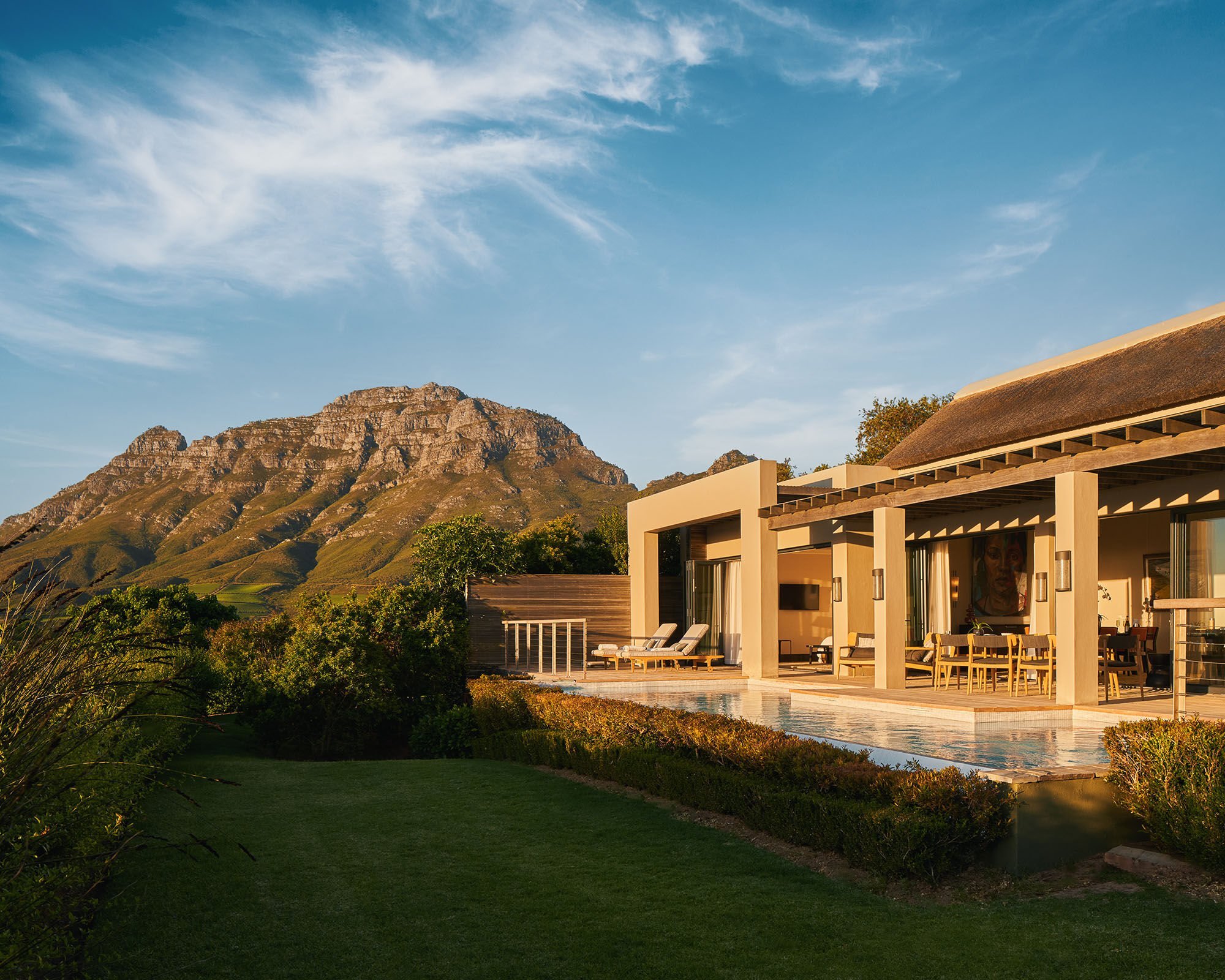
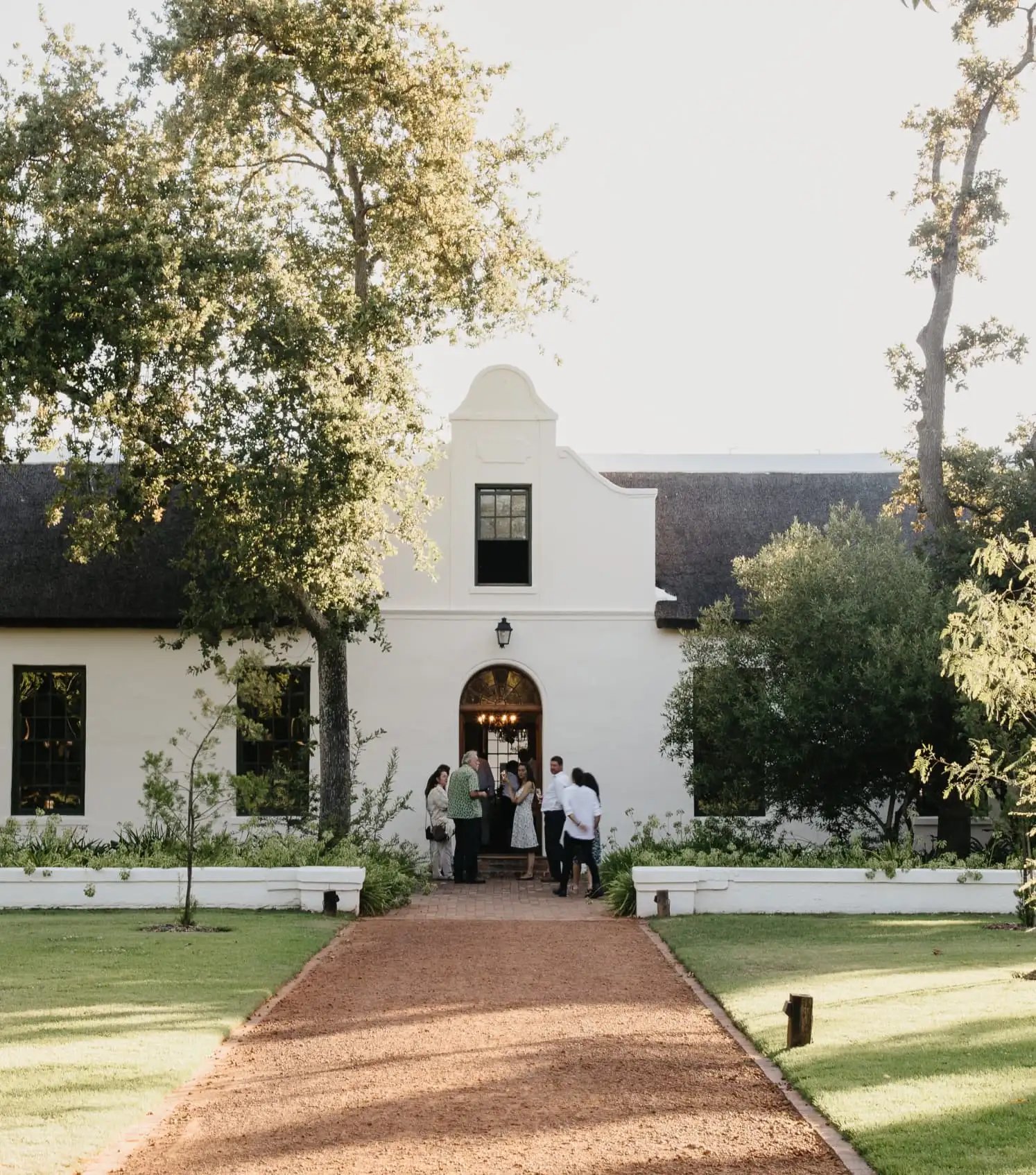
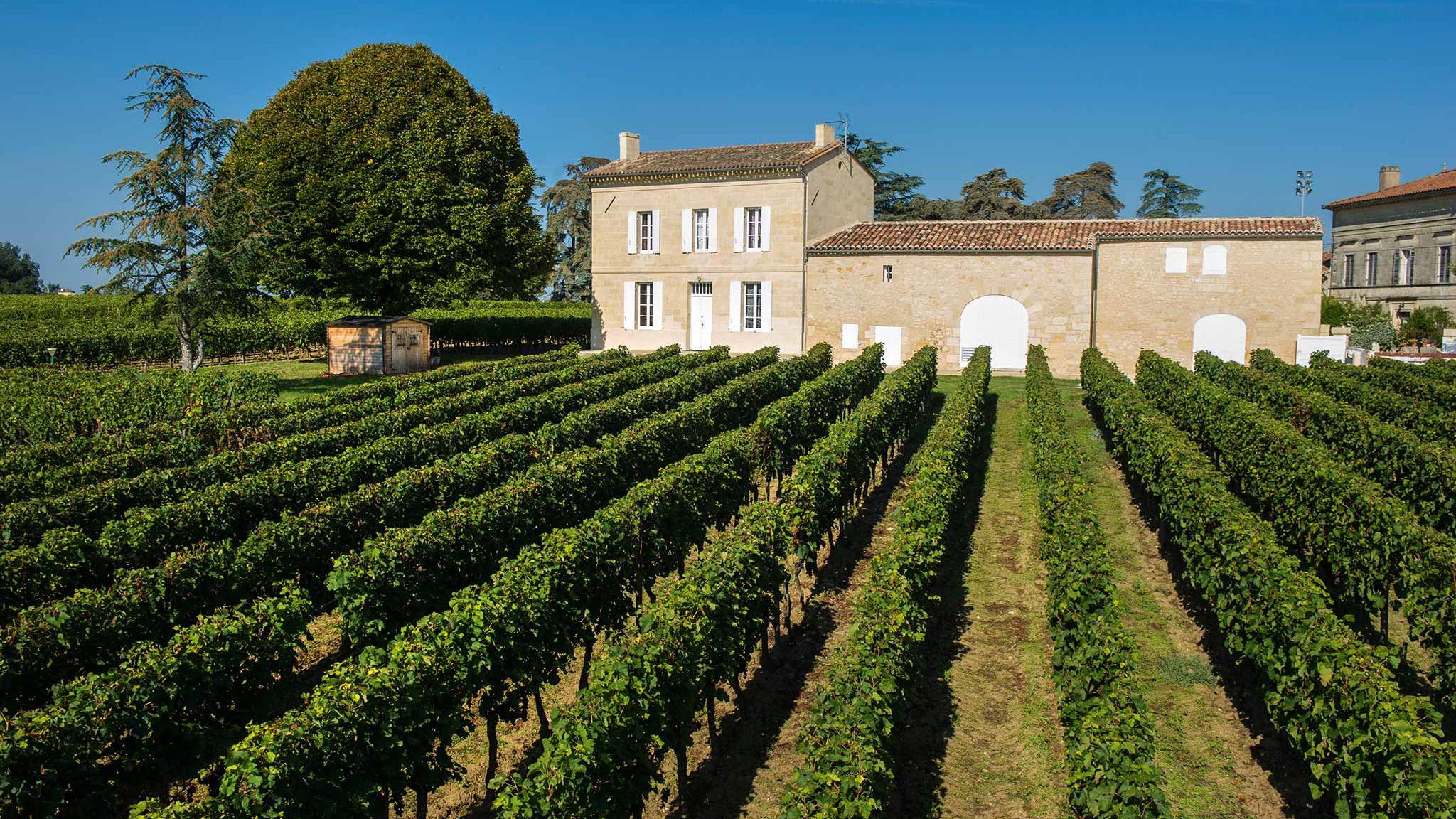
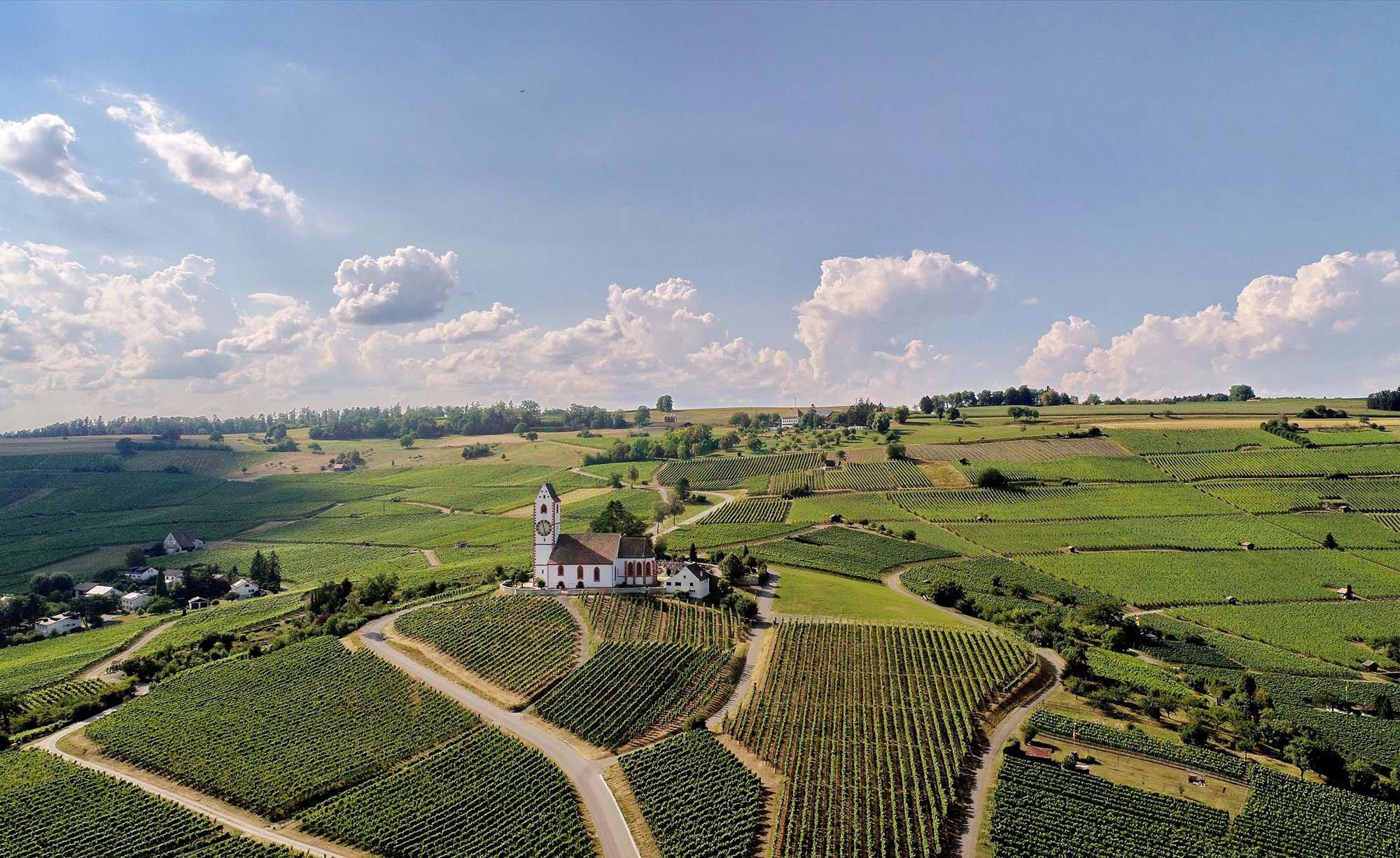
Waterford Estate presents as a considered, classic Cape estate where place and process take center stage. The Helderberg foothills and the estate’s granite and sandstone soils shape a cooler, wind‑swept growing environment; that elemental setting underpins the winery’s low‑intervention approach and patient growing cycles. The copy positions Waterford among Stellenbosch’s more restrained, prestige properties, so the overall impression is refined and quietly assured rather than flashy. Visitors encounter an estate driven by terroir and sustainability, where the landscape and long attention to vineyard management set a calm, scholarly tone.
Best For
This estate is best for visitors who come to learn about place-driven winemaking and to experience wines that emphasize site, acidity and structure. Its positioning in the upper tier of Stellenbosch makes it a natural stop for serious wine drinkers, small groups focused on tasting and people seeking a tasteful countryside escape. The property’s sustainability credentials and vineyard focus also make it a strong fit for wine-education visits and special celebrations that value provenance and thoughtful viticulture over high‑volume spectacle.
Tasting Tips
When you visit, center your tasting on wines that showcase the Helderberg soils and cooler‑climate character—the copy emphasizes slower ripening and preserved acidity. Ask staff about the Pearl 2 Star Prestige recognition and which labels best express single‑site differences or lower‑intervention practices. Inquire specifically about vineyard blocks or recent vintages that reflect the estate’s sustainability approach; those conversations will illuminate how soil, exposure and wind influence the wines. Prioritize structured, ageworthy whites and reds that speak to the cool‑site profile described.
Venue details
Ambiance
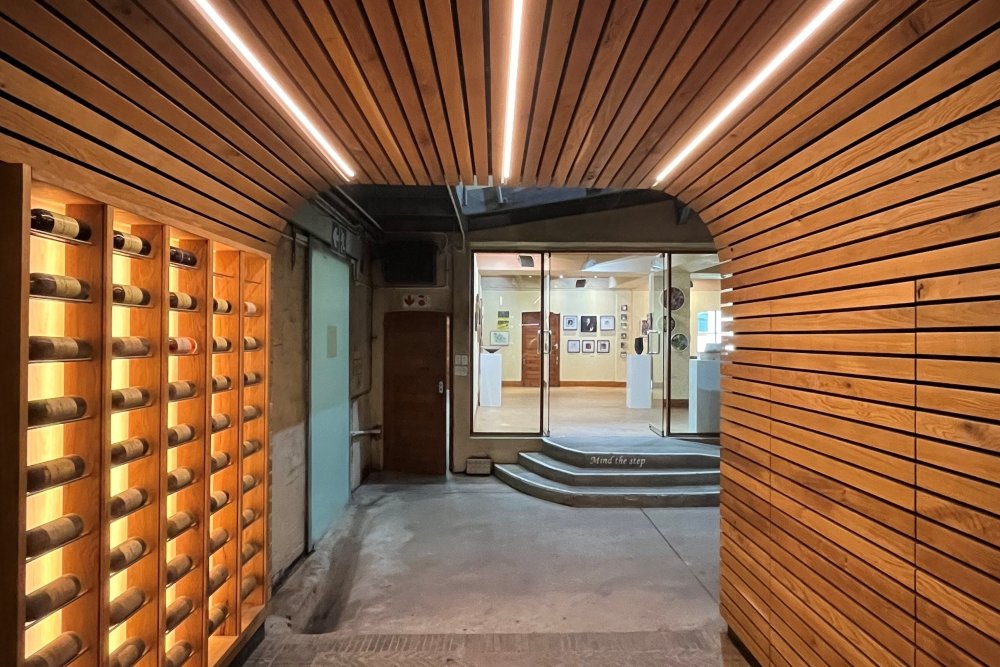
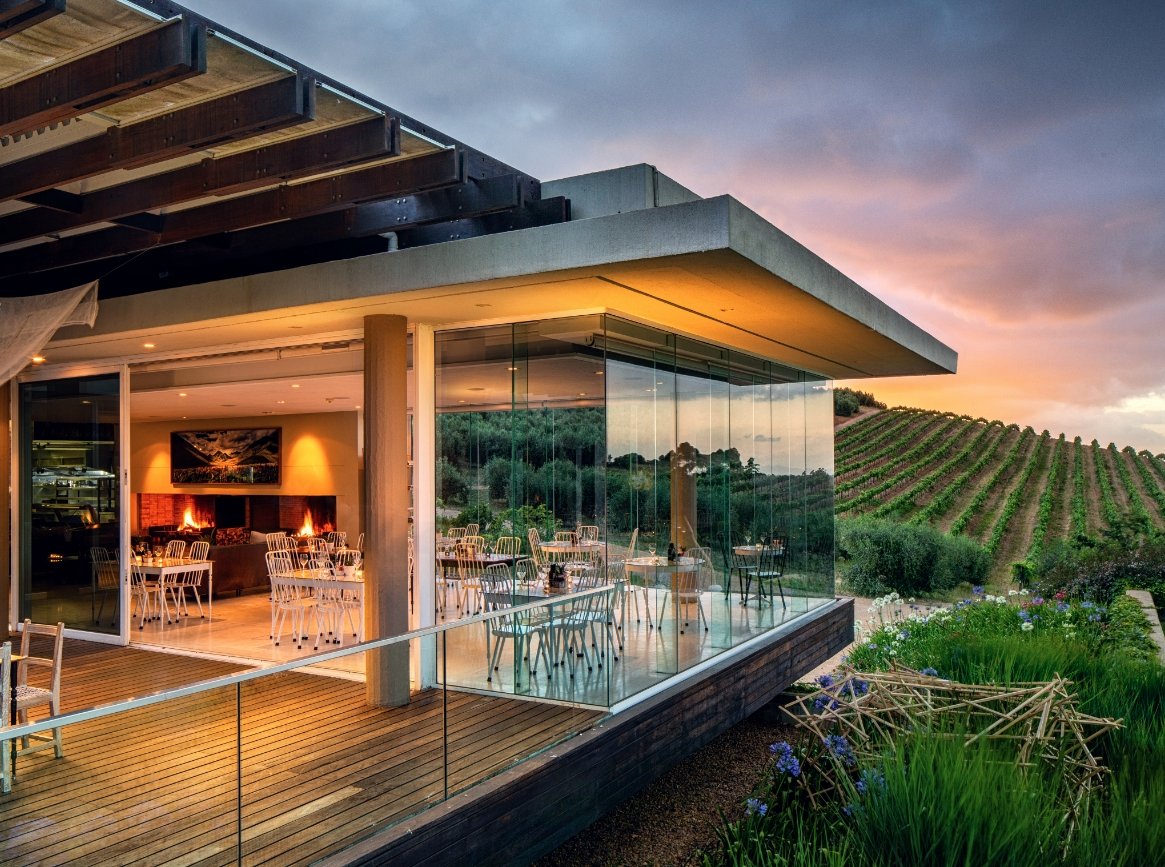
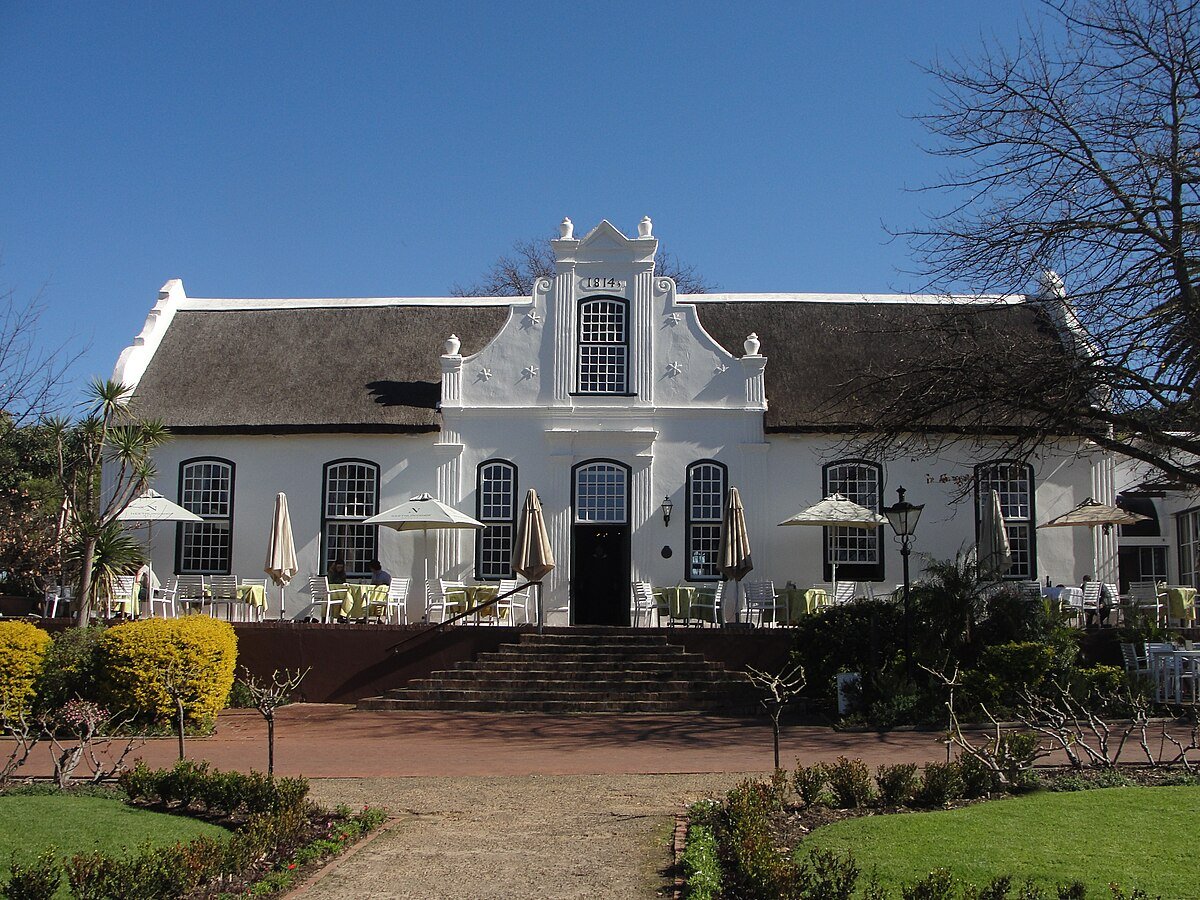
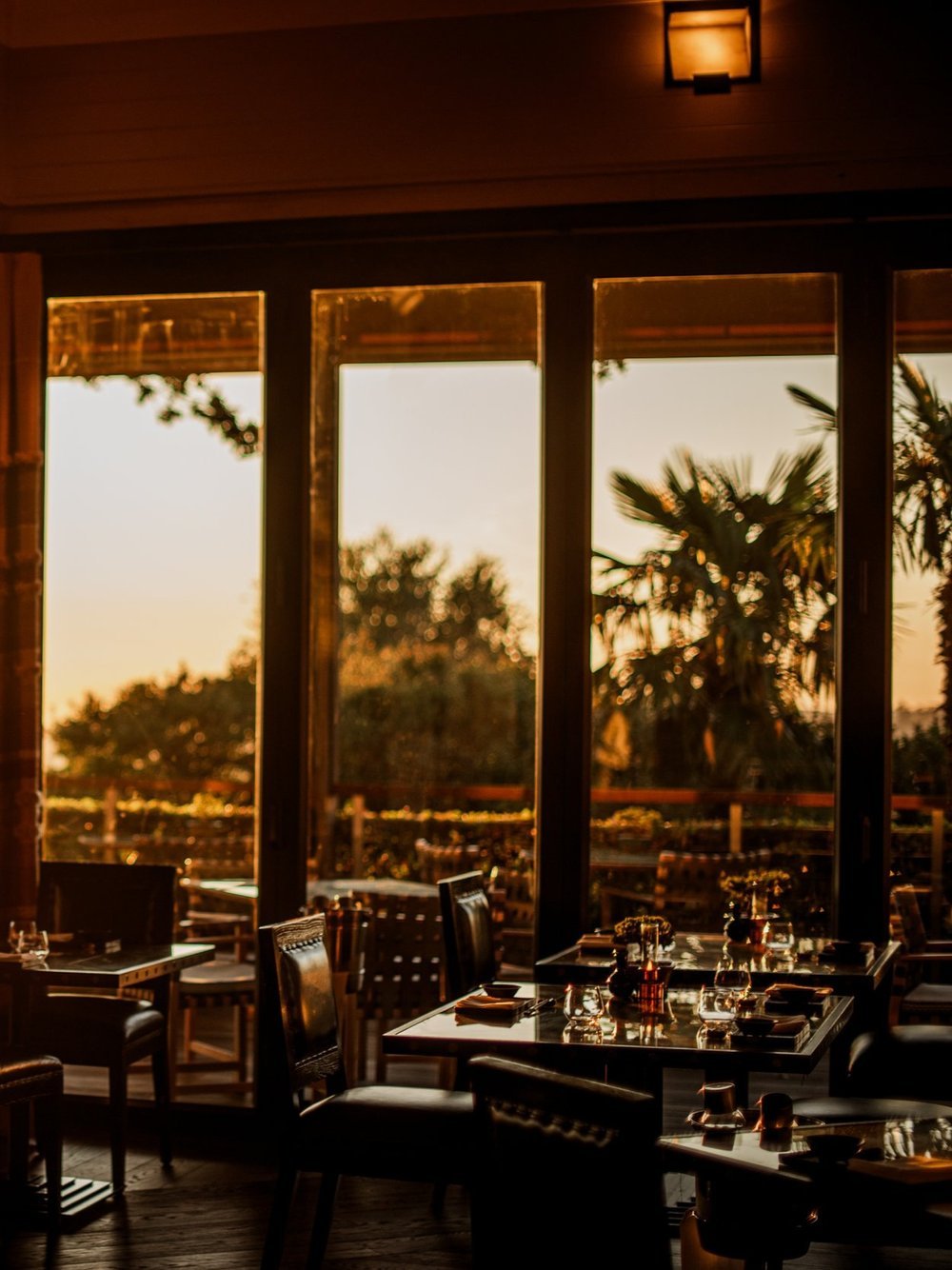
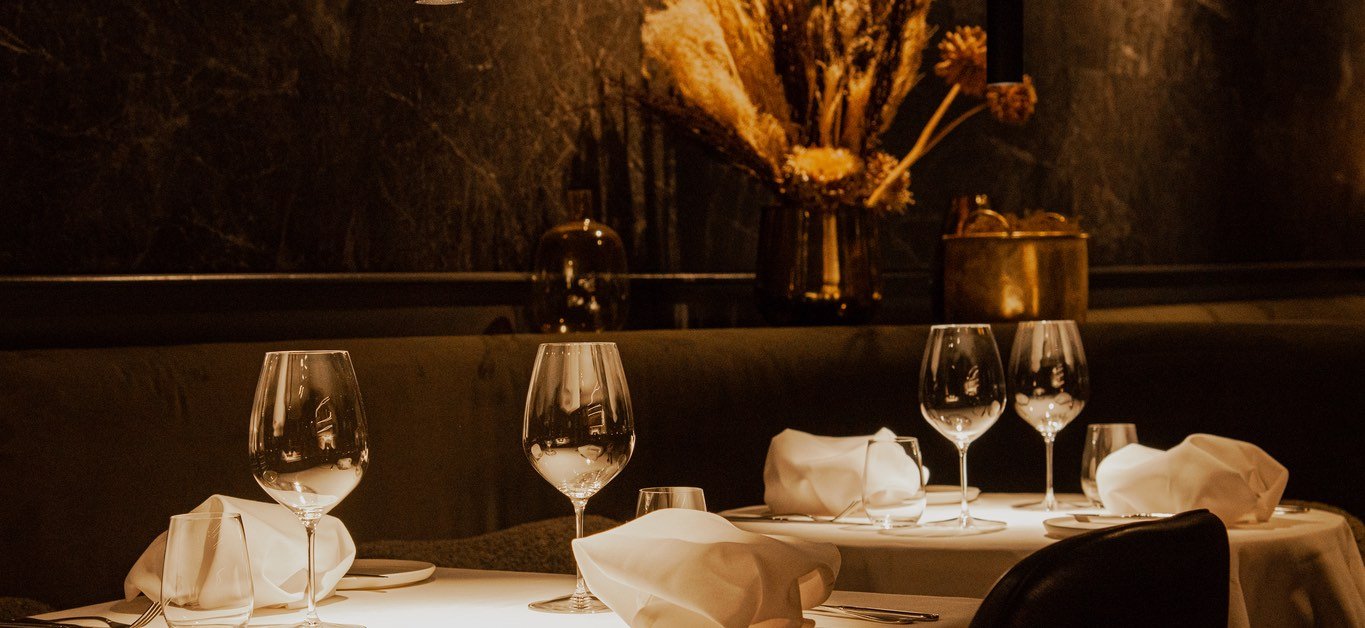
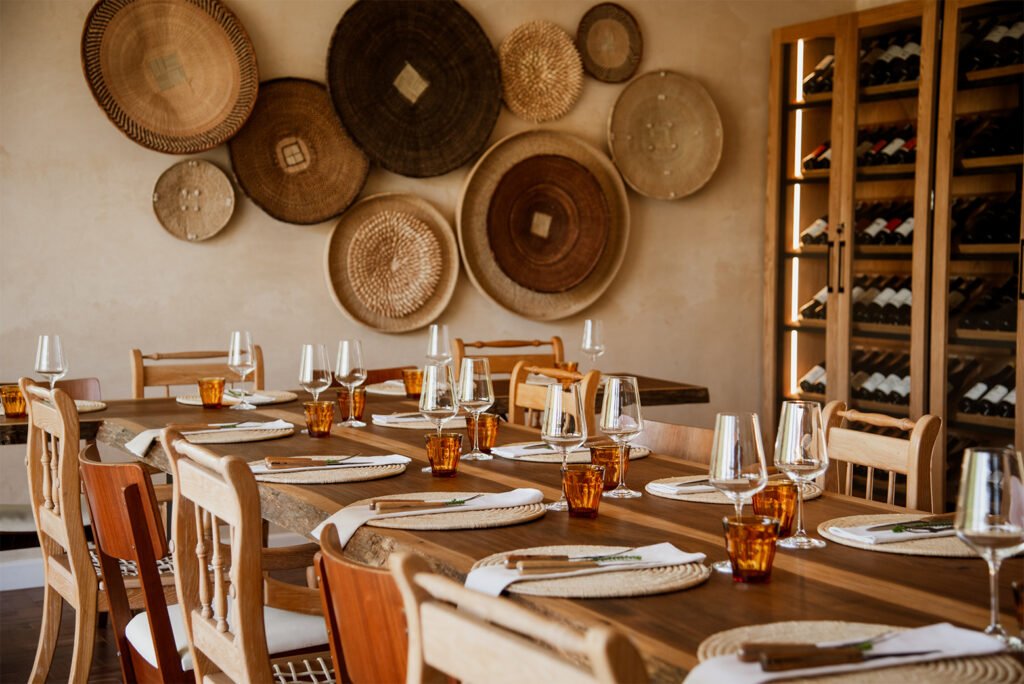
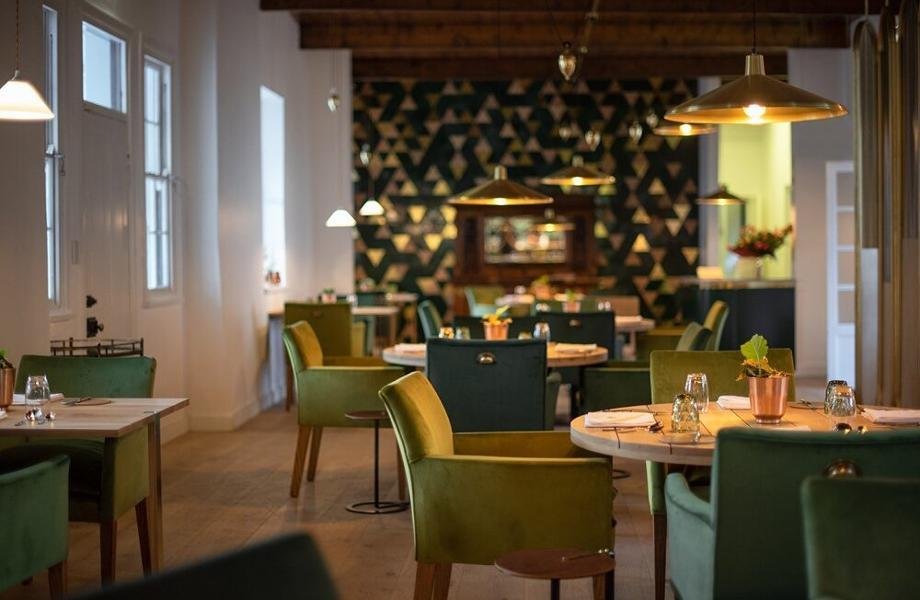
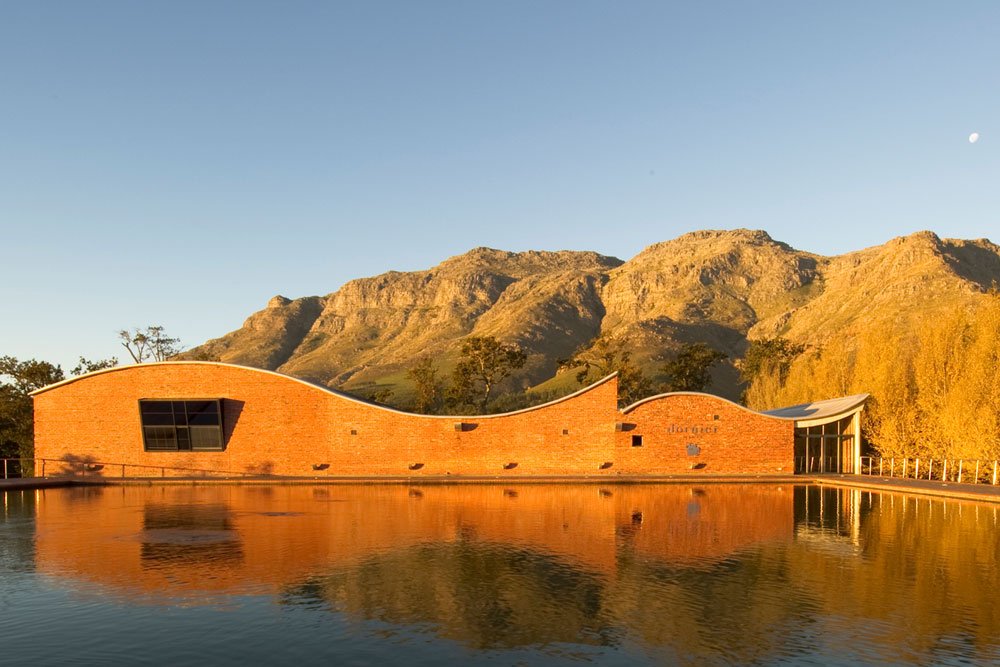
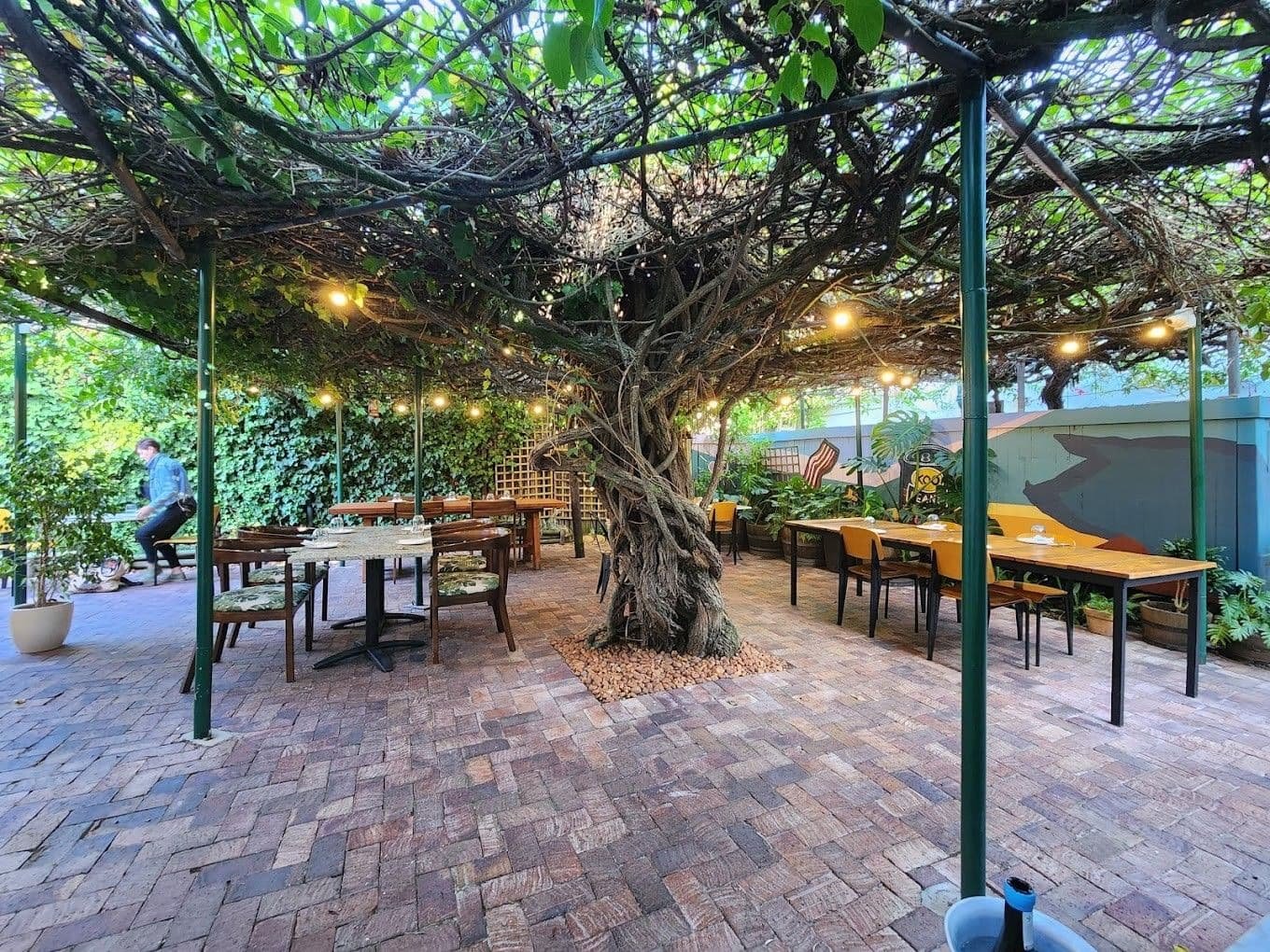
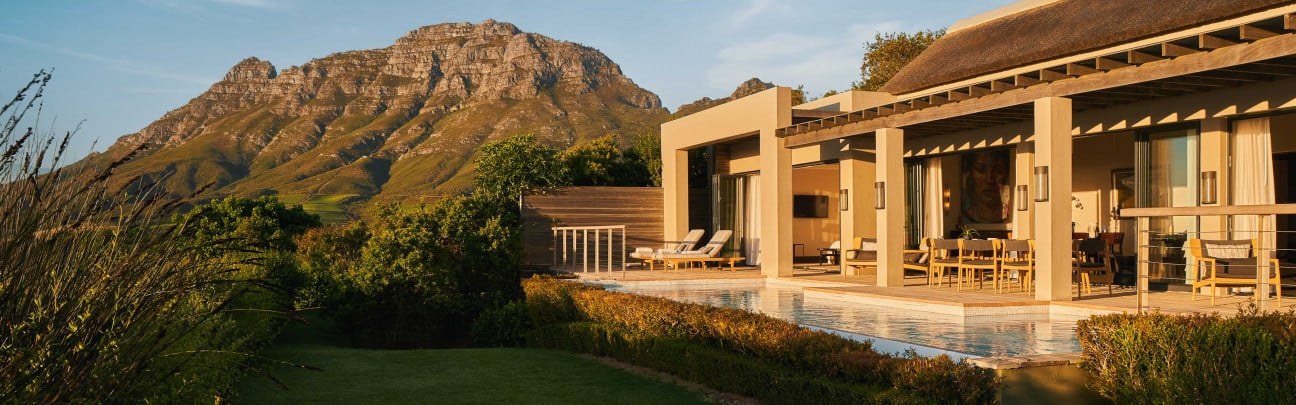
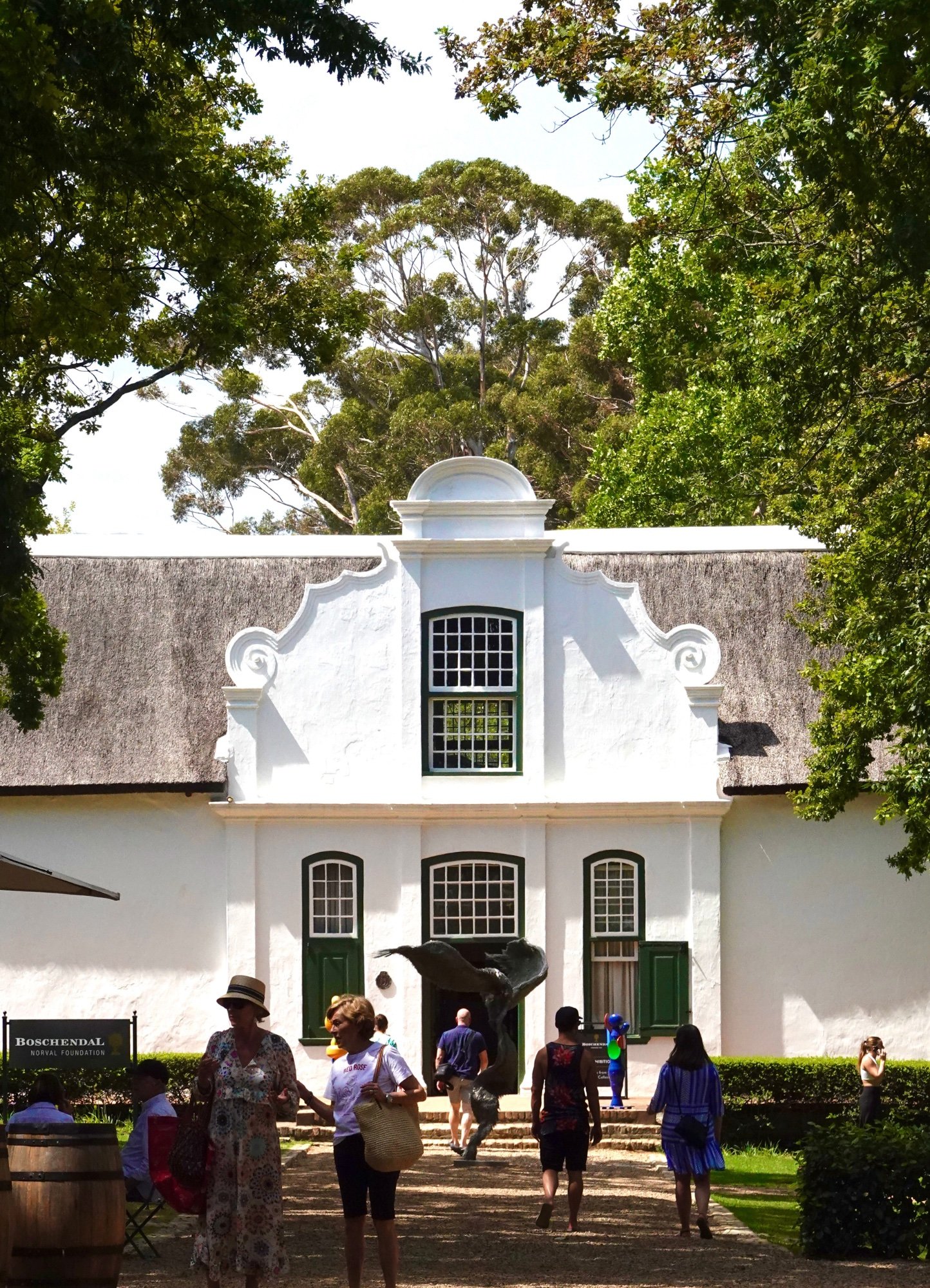
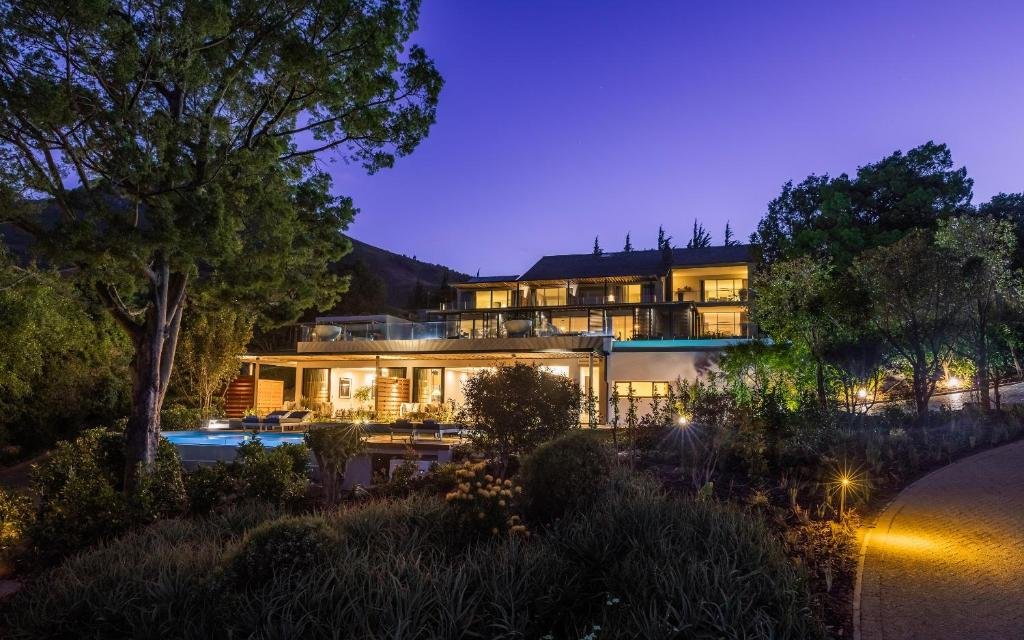
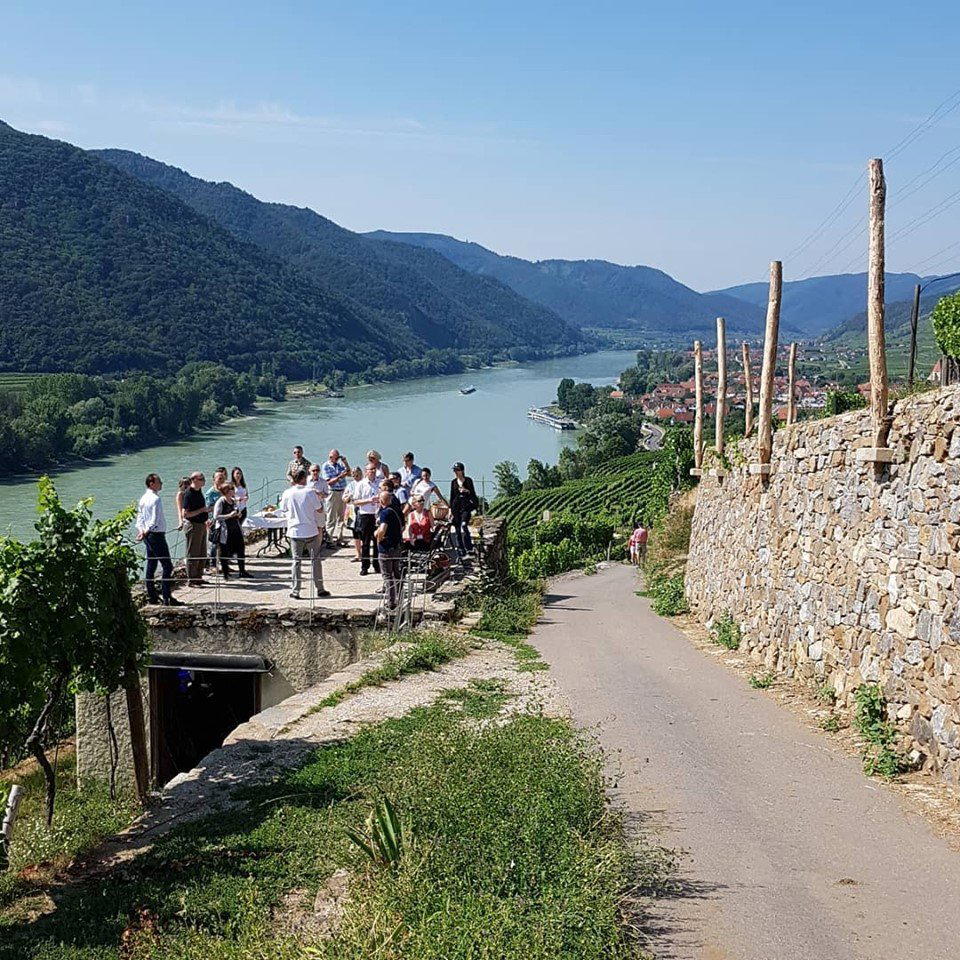
Warm, serene, and welcoming atmosphere with fantastic live music, breathtaking scenery of Table Mountain and Helderberg slopes, elegant Cape-Mediterranean courtyard design with natural lighting and covered veranda areas.
Tags
Vibe
Best For
Experience
Sourcing
View
At the Vineyard
- Appellation
- Stellenbosch
- Varietals
- Cabernet Sauvignon, Chardonnay, Shiraz, Merlot, Grenache
- Tour Duration
- 120-180 minutes
- Wine Club
- Not available
Know before you go
Know Before You Go
- Getting there
- Upper Blaauwklippen Rd, Helderberg Rural, Stellenbosch, 7600
Planning details
Location
Upper Blaauwklippen Rd, Helderberg Rural, Stellenbosch, 7600 · Directions
Recognition and awards

Also consider
Also Consider
- Rust en Vrede Wine Estate, Notable alternative
- Alto Wine Estate, Notable alternative
- Ernie Els Wines, Notable alternative
- Uva Mira Mountain Vineyards, Notable alternative
- Blaauwklippen Wine Estate, Notable alternative
Winery context
How it compares with nearby Stellenbosch wineries
Choose Waterford Estate when the priority is a more deliberate winery stop and the group is comfortable planning around a harder-to-secure visit. Rust en Vrede Wine Estate is the better cross-shop for a more dining-led Stellenbosch outing, while Waterford is the cleaner pick when the tasting itself is the centre of the day.
Alto Wine Estate and Blaauwklippen Wine Estate are more useful if the group wants an easier, lower-friction route with nearby stops and less pressure on a single booking. Waterford is the stronger choice for travellers who would rather do fewer wineries with more focus than move quickly between estates.
Ernie Els Wines and Uva Mira Mountain Vineyards are better comparisons for visitors weighing ambience and a more polished estate feel. If booking difficulty is the deciding factor, start with Alto or Blaauwklippen as backups; if the day is built around quality of experience over convenience, keep Waterford high on the list.
Around this place
Discover more on Pearl
Unlock the full Waterford Estate guide in Pearl, including awards, comparisons, FAQs, planning details, and nearby places.
Compare Waterford Estate
| Venue | Location | Awards |
|---|---|---|
| Waterford Estate | Stellenbosch | 2026 Falstaff Winery Guide |
| Rust en Vrede Wine Estate | Stellenbosch | Star Wine Lists 20262026 Falstaff Winery Guide |
| Alto Wine Estate | Stellenbosch | 2026 Falstaff Winery Guide |
| Ernie Els Wines | Stellenbosch | 2026 Falstaff Winery Guide |
| Uva Mira Mountain Vineyards | Stellenbosch | No published awards |
| Blaauwklippen Wine Estate | Stellenbosch | 2025 Decanter Winery Prestige |


How Waterford Estate Stellenbosch compares with similar nearby venues.
FAQ
Frequently Asked Questions
Does Waterford Estate serve food?
Waterford Estate’s food offering should be checked directly with the venue. Waterford Estate is confirmed as a Stellenbosch venue with Pearl 2 Star Prestige recognition for 2025.
Do I need a reservation at Waterford Estate?
Waterford Estate’s reservation policy should be checked directly with the venue before relying on availability.
Does Waterford Estate offer shipping?
Waterford Estate’s shipping or delivery details should be checked directly with the venue before counting on any shipping option.
What is Waterford Estate known for in the record?
Waterford Estate is in Stellenbosch, has a smart-casual dress code, and holds Pearl 2 Star Prestige recognition for 2025. Other specific offerings should be checked directly with the venue.