
Beyerskloof
Koelenhof, Stellenbosch
Winery in Stellenbosch, South Africa
 Book with Pearl
The Read
Bottelary Hills Pinotage Authority
Why go
Beyerskloof is worth booking for a wine-first Stellenbosch itinerary, especially if you are exploring producers around the Koelenhof and R304 side of town. Do not treat it as a confirmed restaurant stop; plan it as a focused tasting visit and build food, hotels, or bars elsewhere in the day.
About Beyerskloof
Is Beyerskloof worth planning into a Stellenbosch itinerary? It can be: Beyerskloof is in Stellenbosch, has a casual dress code, and holds Pearl 2 Star Prestige (2025). It is a venue to check directly before building a detailed plan around specific services, menus, formats, or timing.
Specific address, hours, pricing, food service, booking format, and visit details are not available, so keep the planning flexible. If the day also includes town dining or hotel time, use Our full Stellenbosch restaurants guide, Our full Stellenbosch hotels guide, and Our full Stellenbosch bars guide to avoid overloading the itinerary.
Plan this as a confirmed Stellenbosch stop
The safest expectation is simple: Beyerskloof is a Stellenbosch venue with casual dress and Pearl 2 Star Prestige (2025). Restaurant cuisine, chef, menu, price range, seat count, service format, or dietary information is not available, so avoid assuming a full meal, a particular tasting structure, or a specific hospitality setup without checking the venue directly.
The planning call is practical rather than elaborate: shortlist Beyerskloof if its Stellenbosch location and recognition fit your route. If you are comparing broader options around town, use broader Stellenbosch planning guides as tools, then confirm current details with each venue before committing.
Who should put it ahead of other stops
Choose Beyerskloof if you want a Stellenbosch stop with a casual dress code and Pearl 2 Star Prestige (2025), and you are comfortable confirming the finer details before you go. For comparison, names to consider include Kanonkop Wine Estate, L'Avenir Wine Estate, Muratie Wine Estate, Simonsig Wine Estate, and Vilafonté. Other Stellenbosch dining and hospitality options may suit visitors who need confirmed food, timing, or group arrangements.
Planning details
- Location
- Koelenhof Street, R304, Koelenhof, Stellenbosch, 7600
- Website
- beyerskloof.co.za
- Phone
- +27 21 865 2135
The take
The Take
The Vibe
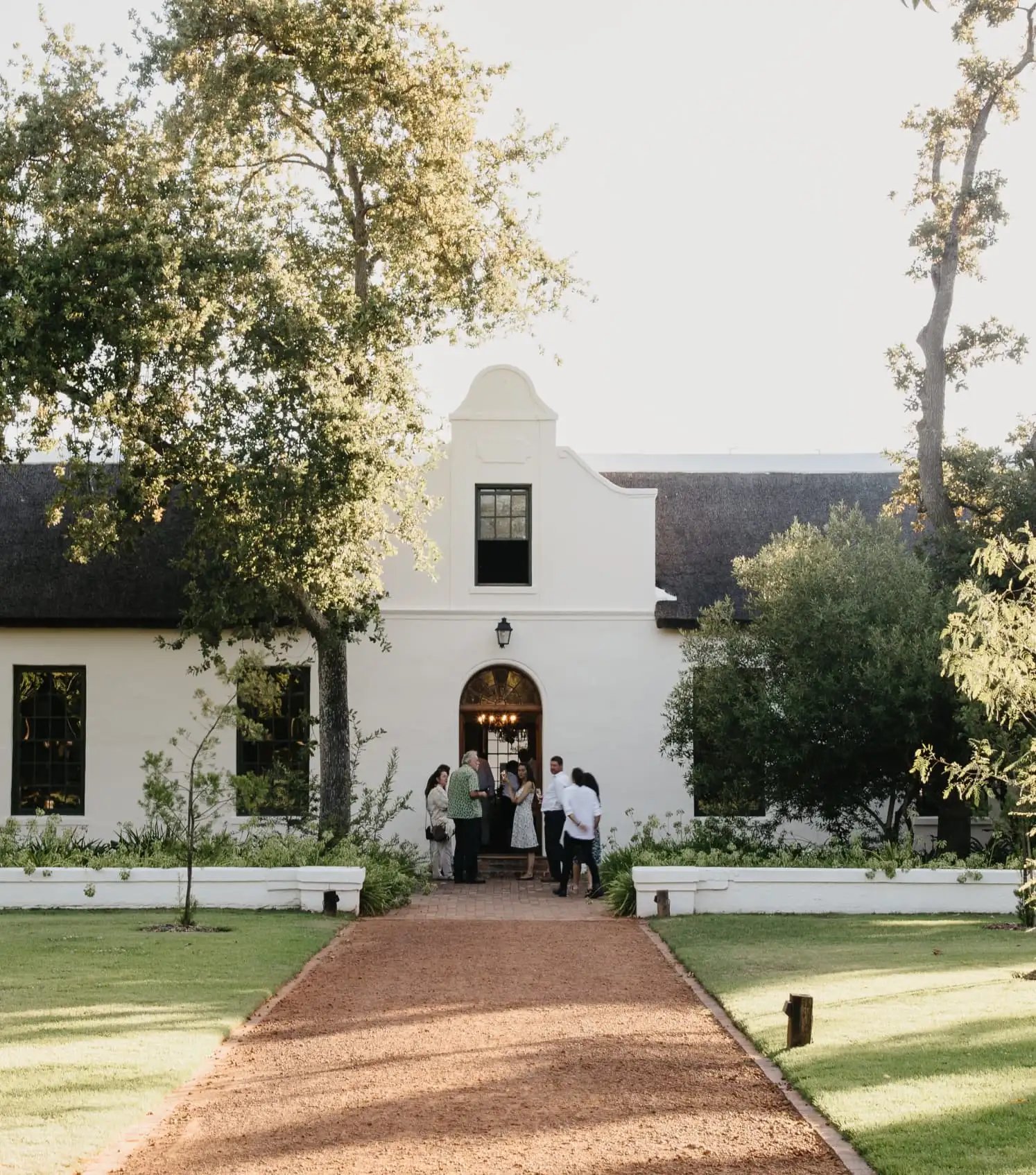
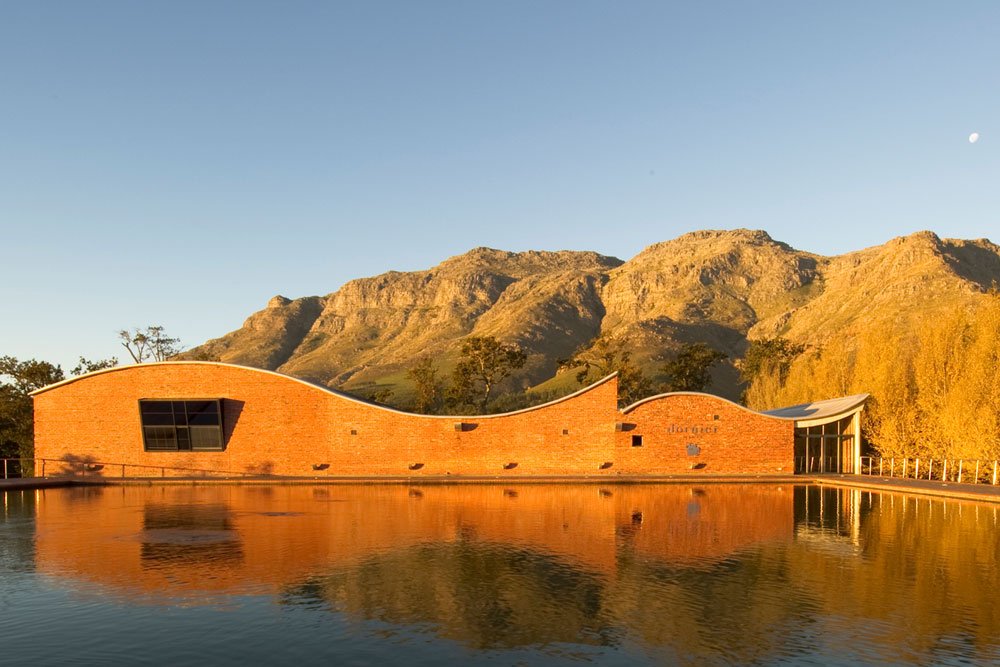
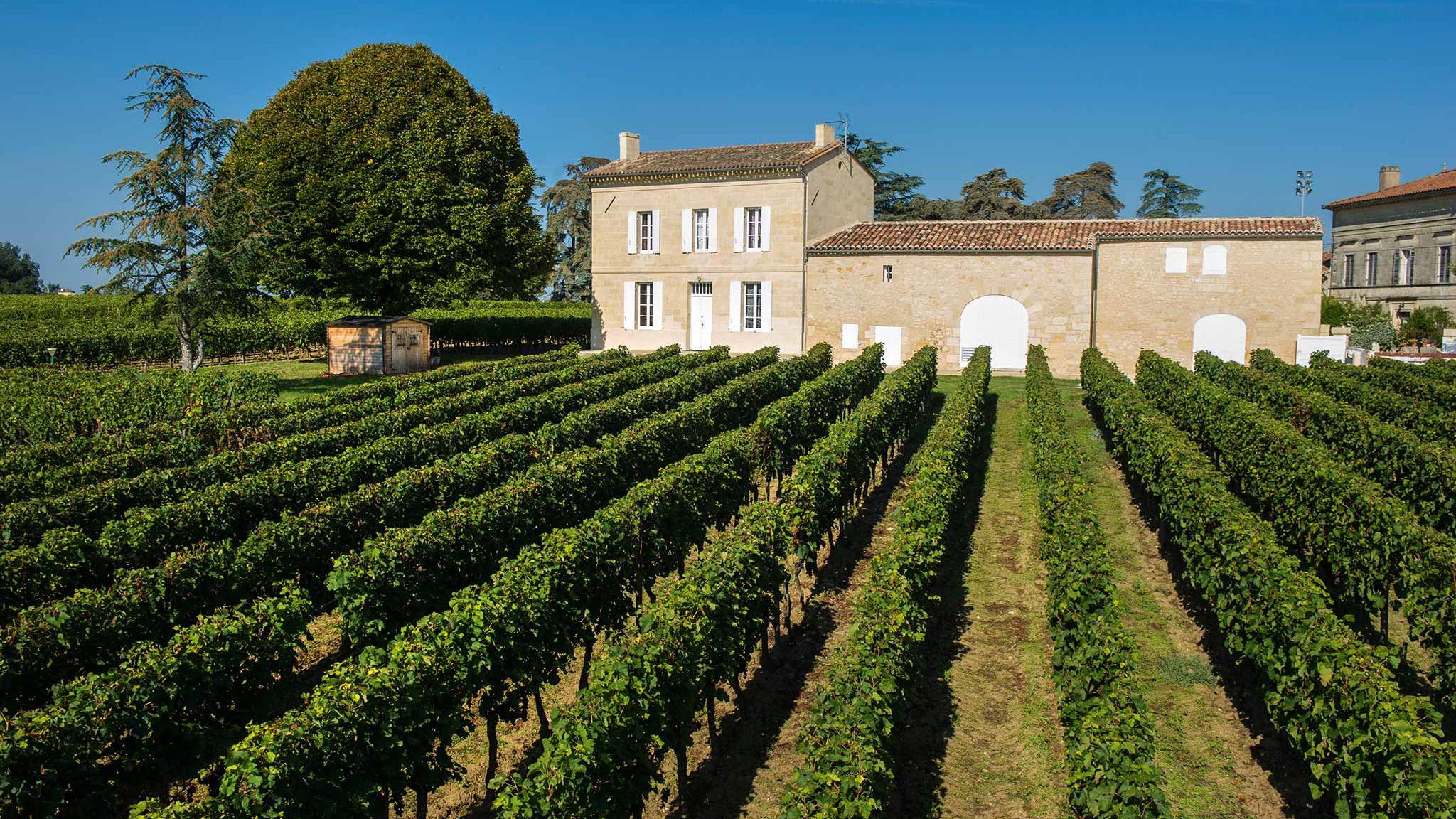
Beyerskloof presents an unvarnished, agricultural personality that privileges what’s in the glass over theatrical scenery. Set along a working stretch of the R304, the estate foregoes grand architecture and marketing gloss in favour of modest signage, vine rows close to the road, and a matter-of-fact cellar door. The place reads as classic and quietly resolute: decades of work on a single variety—Pinotage—shape the atmosphere more than Instagram-ready vistas. Visitors encounter a focused, unpretentious winery where craft and continuity trump spectacle.
Best For
This is a destination for people who care about varietal identity and wine history rather than postcard views. Enthusiasts of Pinotage and students of South African wine benefit most from a visit—Beyerskloof foregrounds its wine programme and its role in rehabilitating the variety’s reputation. The estate also fits well into route-style group visits where tasting and learning are the priority. Travelers seeking architectural showpieces or sweeping panoramas should look elsewhere; those after serious cellar-door encounters will find this place rewarding.
Tasting Tips
At the cellar door, center your tasting on Pinotage and the estate’s expressions of the variety—the description makes clear that the winery’s reputation rests on that work. Ask staff about the range of Pinotage bottlings, any Prestige-graded releases, and how styles have evolved over recent vintages to understand the variety’s rehabilitation. Because the visit emphasizes wine over view, plan time for conversation with the tasting host and for comparative sips rather than relying on scenery or food pairings when making selections.
Venue details
Ambiance
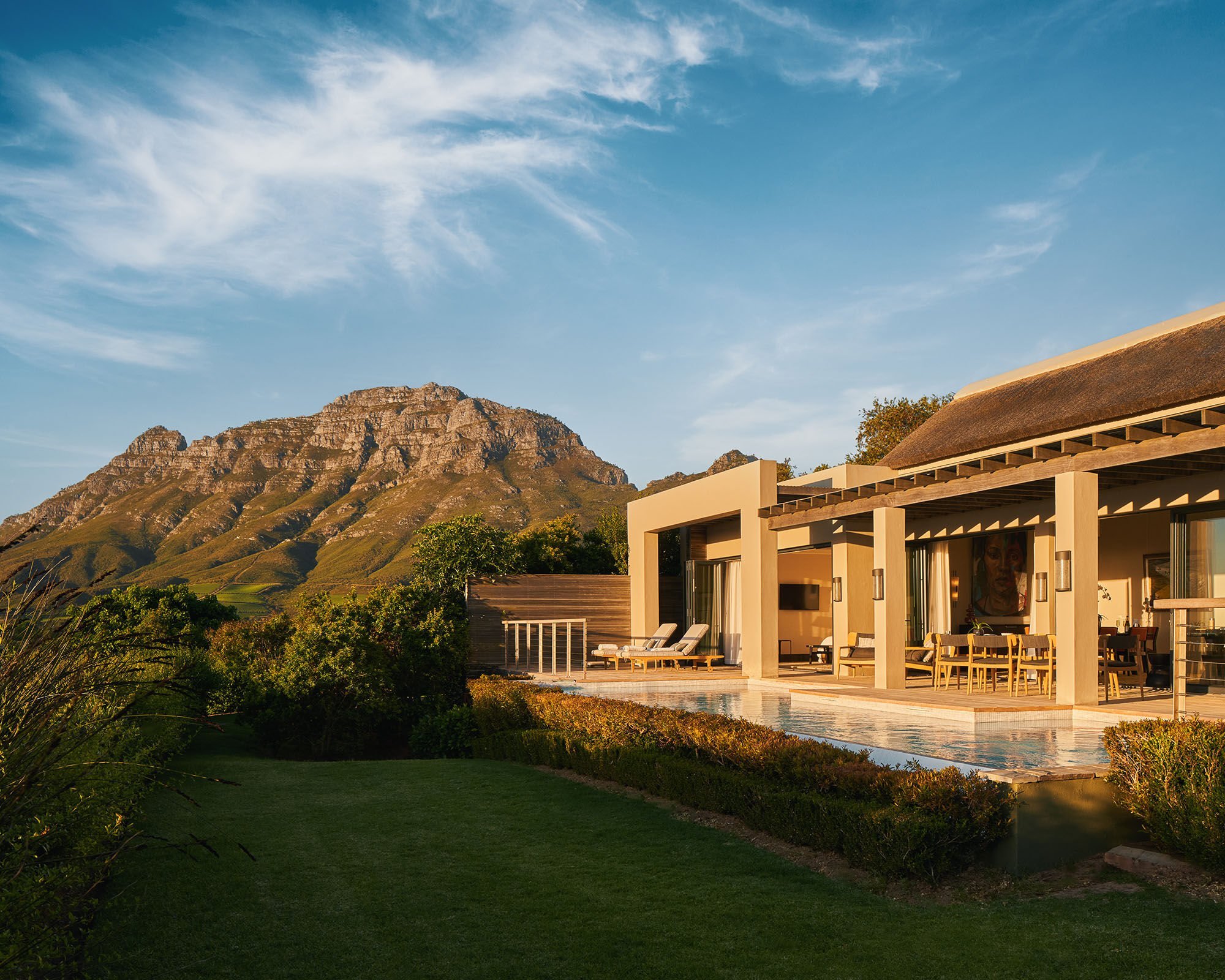
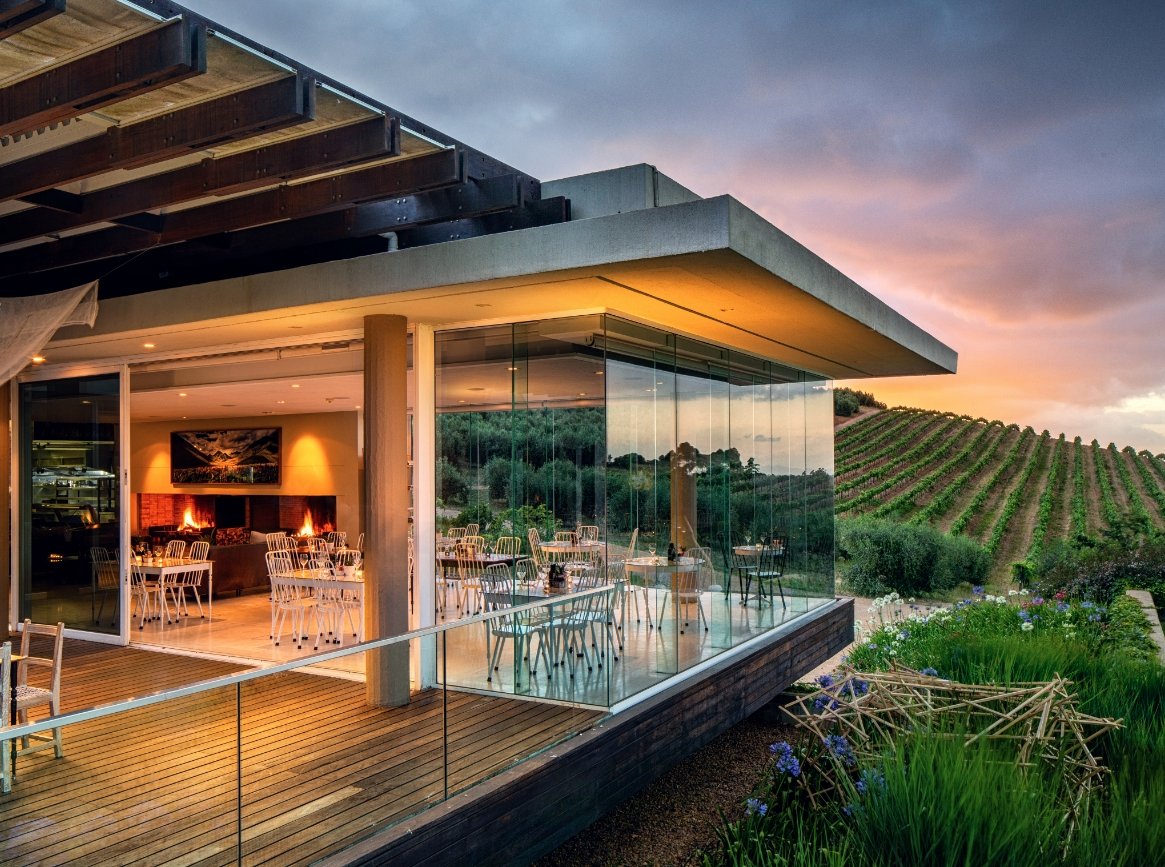
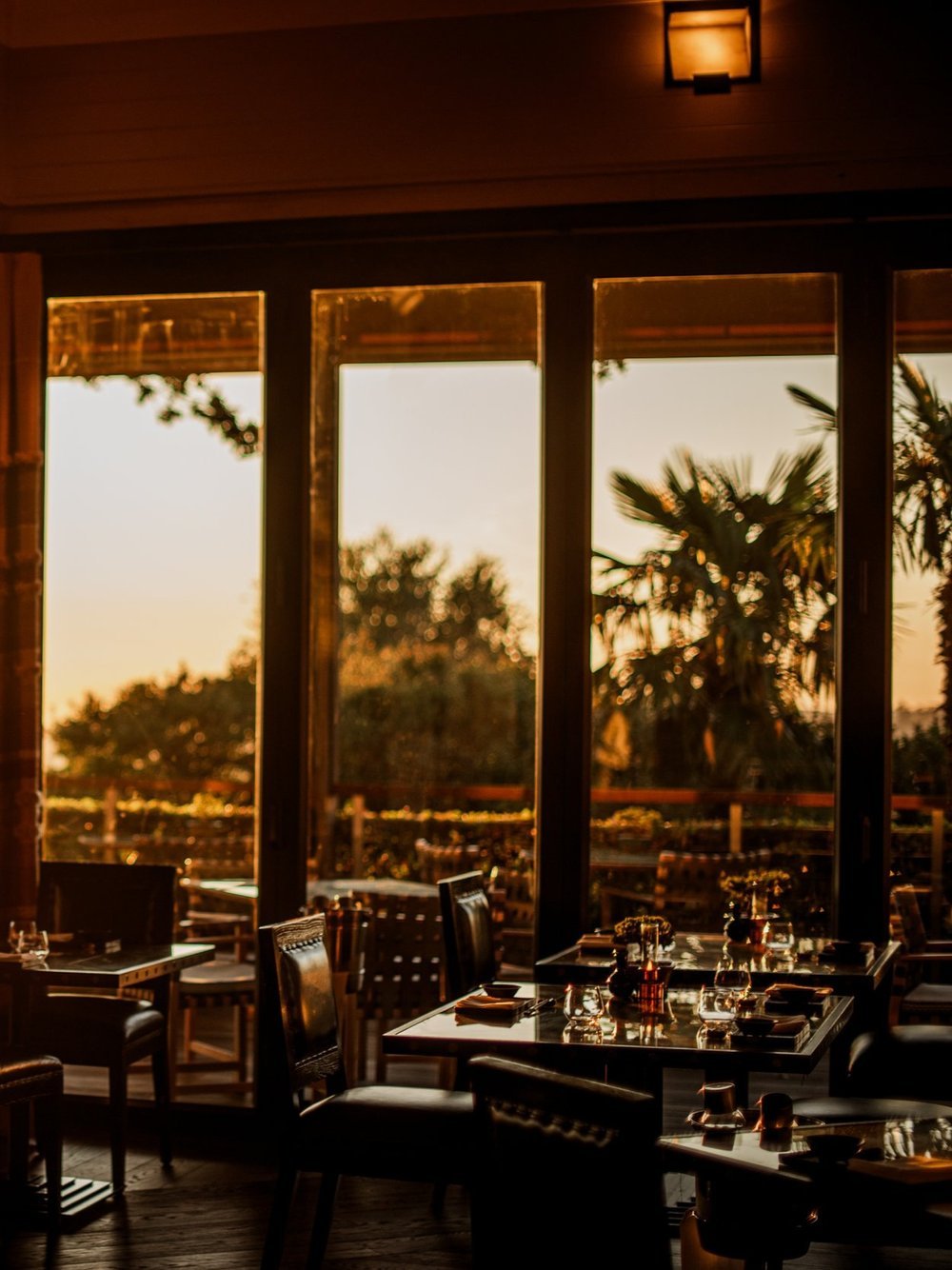
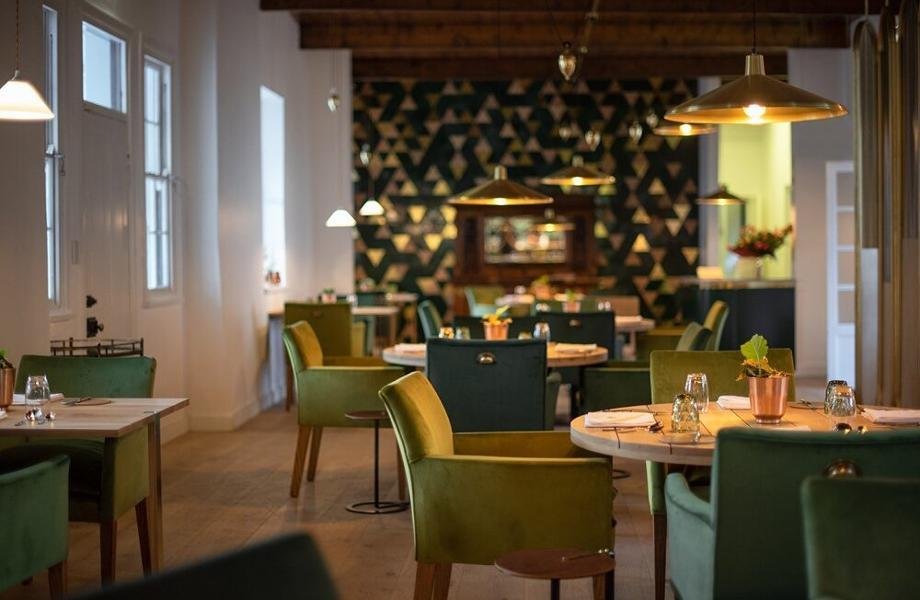
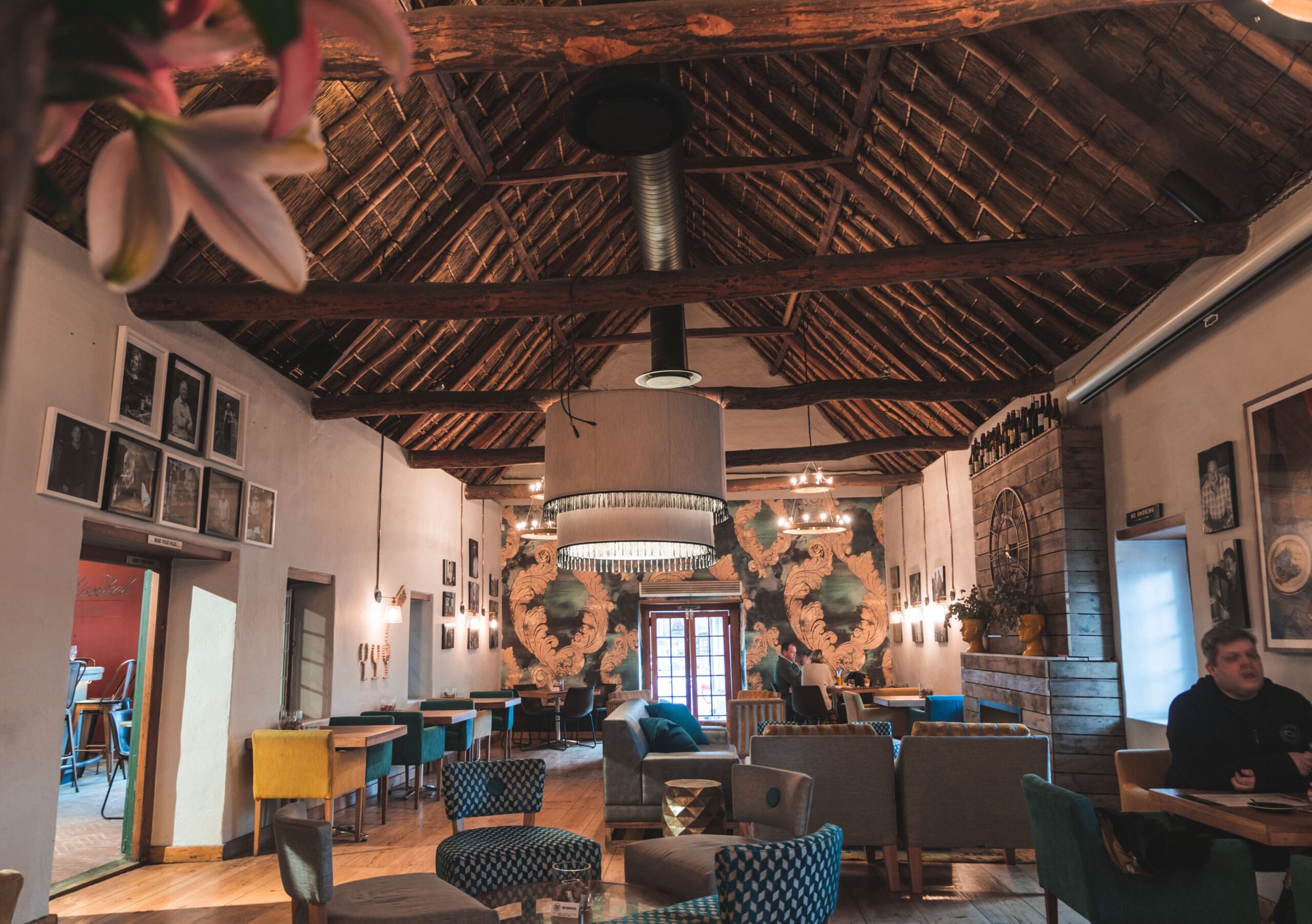
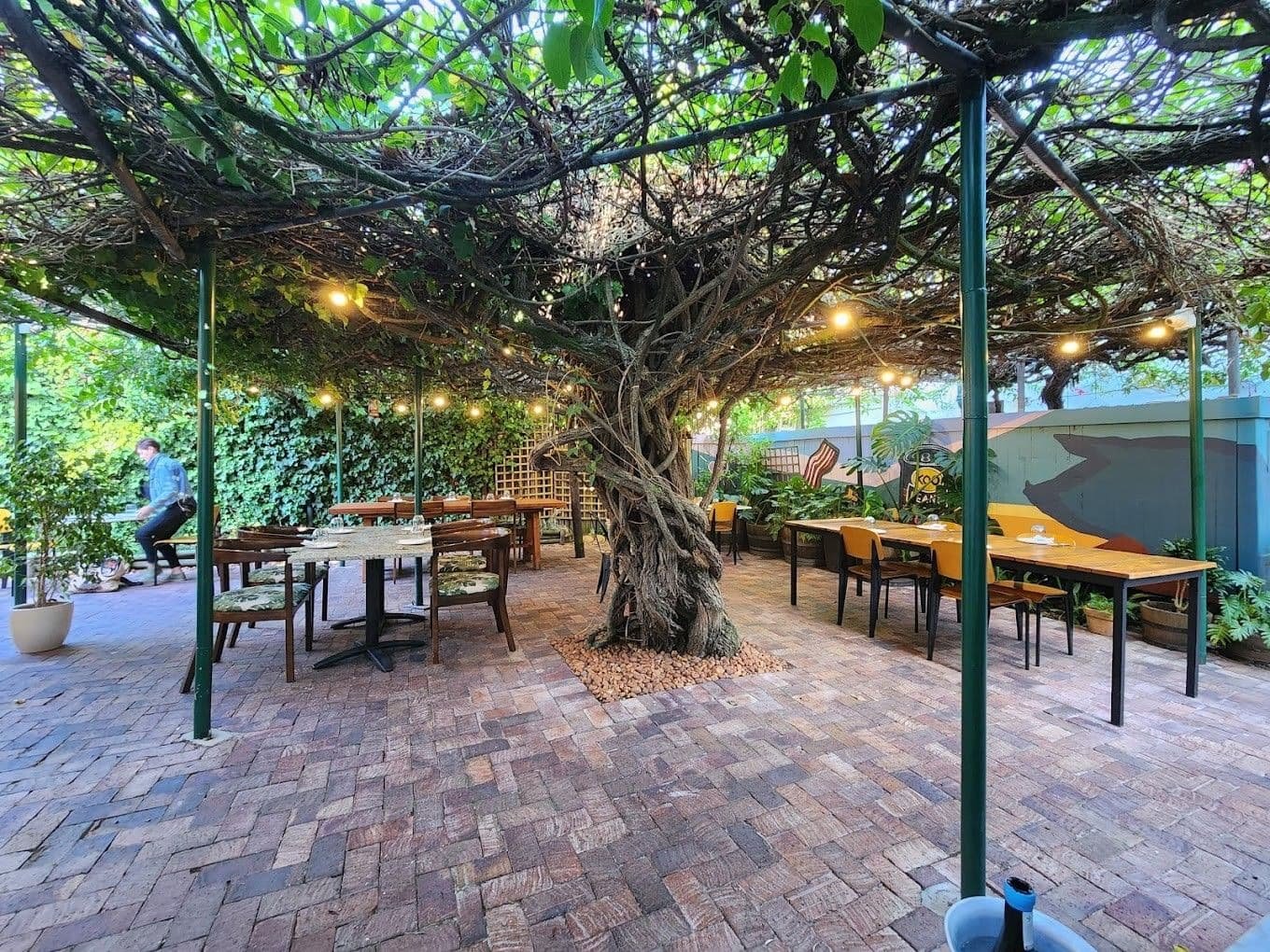
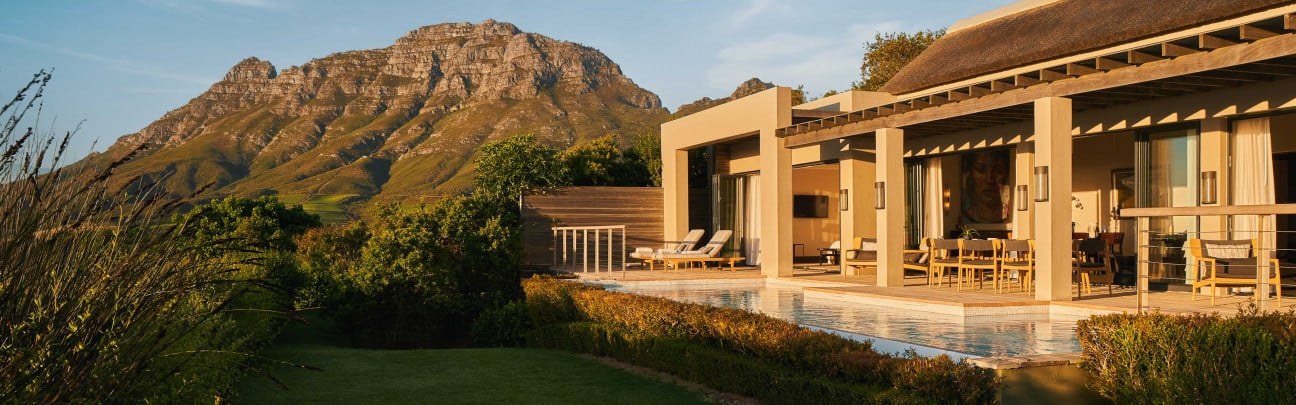
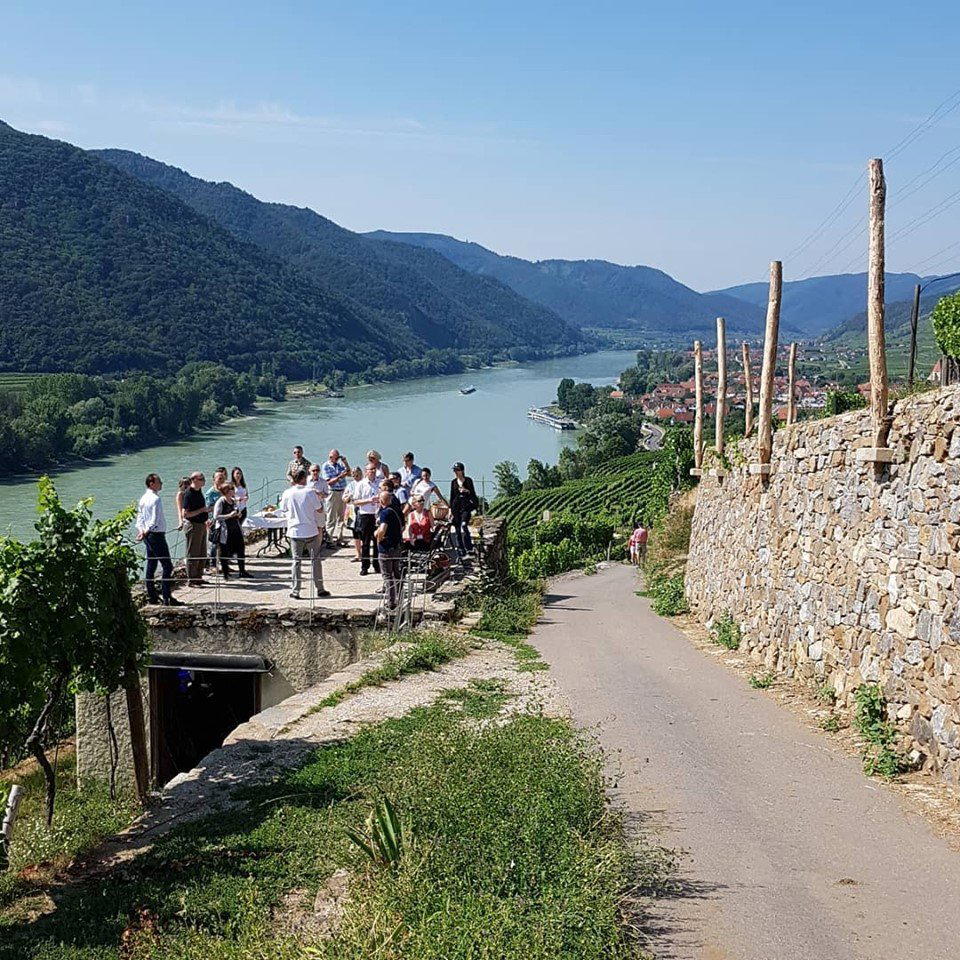
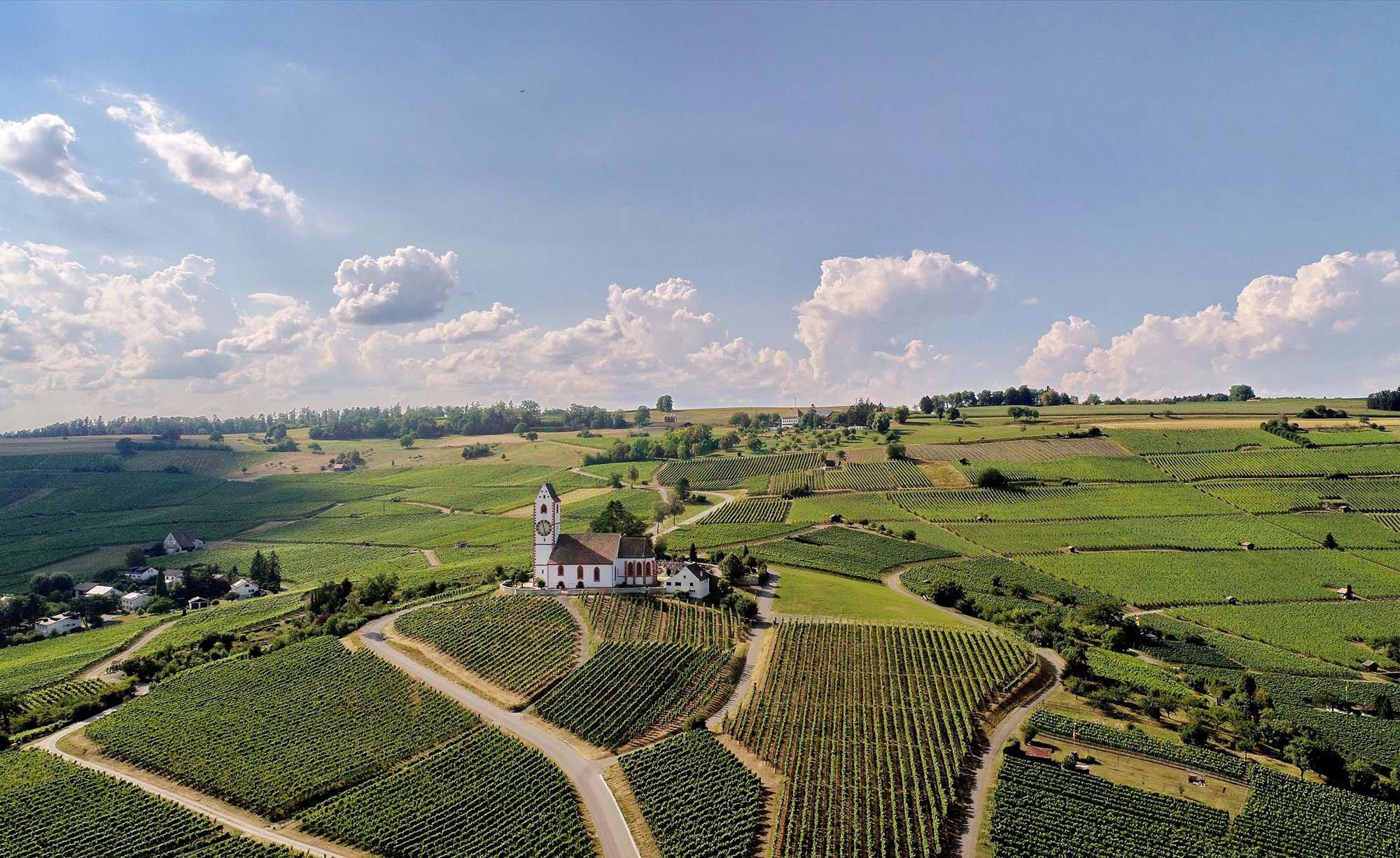
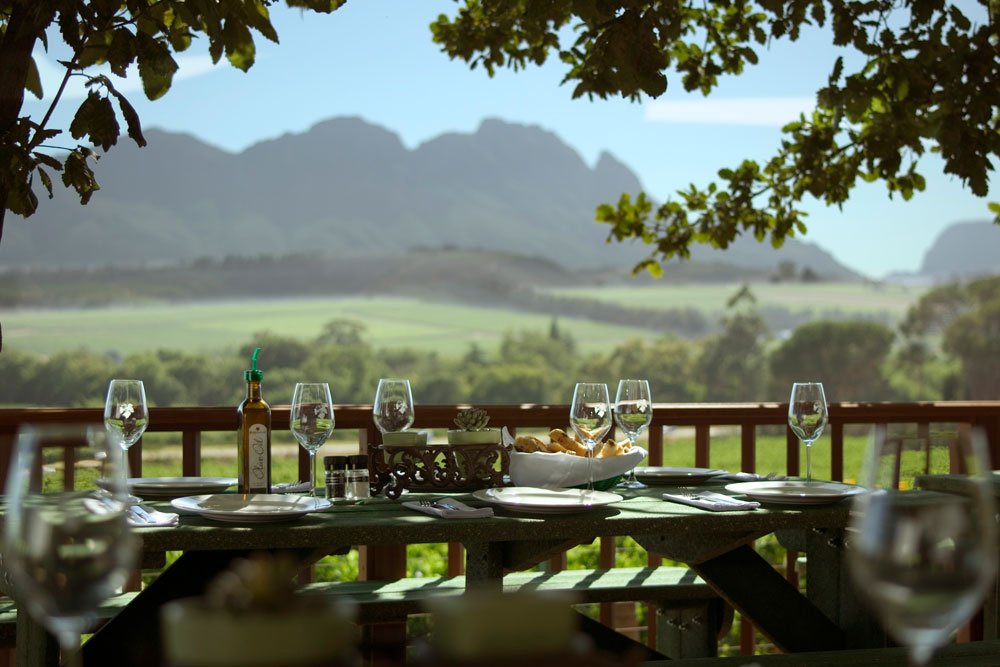
Relaxed atmosphere in a dedicated tasting room with stunning views of vineyards and mountains, praised for its serene and welcoming vibe.
Tags
Vibe
Best For
Experience
Sourcing
View
At the Vineyard
- Appellation
- Stellenbosch
- Varietals
- Pinotage, Cabernet Sauvignon, Merlot, Cinsaut
- Tour Duration
- 60-90 minutes
- Visits
- By reservation
- Farming
- Sustainable
- Wine Styles
- Still Red
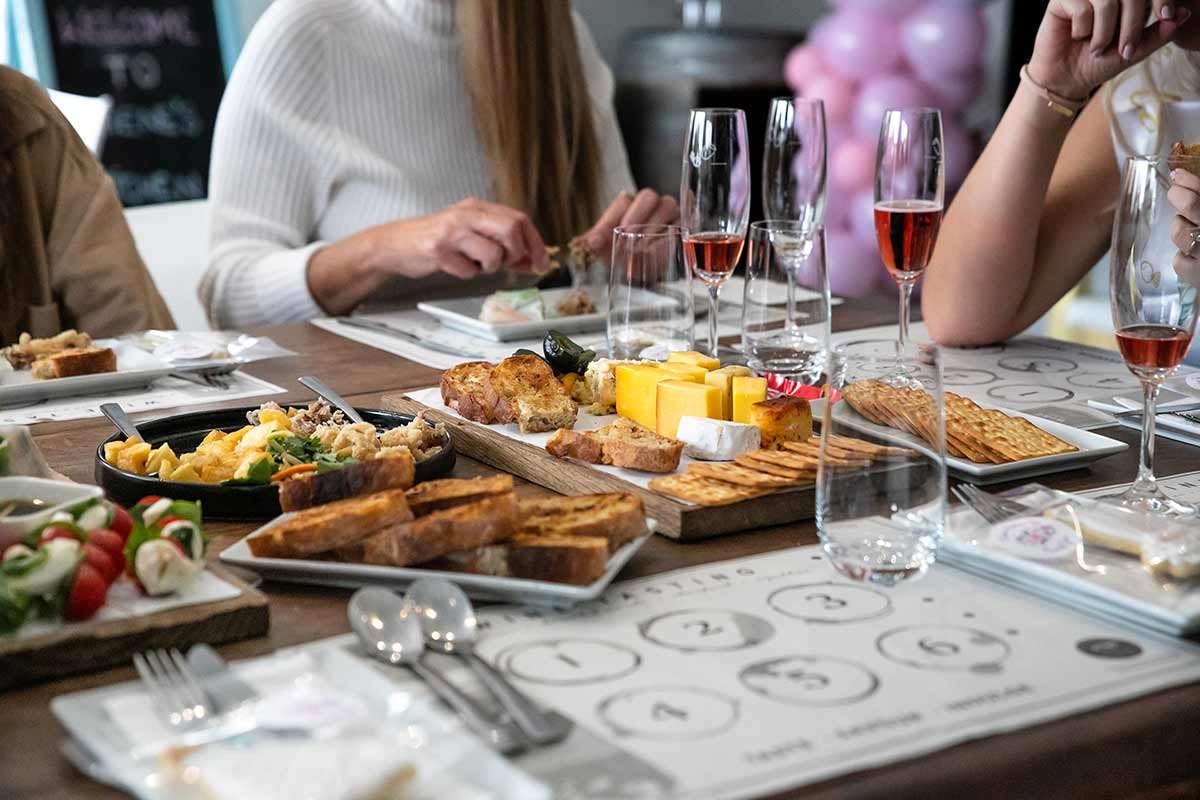
- Food Pairing
- Offered
- Wine Club
- Not available
Know before you go
Know Before You Go
- Getting there
- Koelenhof Street, R304, Koelenhof, Stellenbosch, 7600
Planning details
Location
Recognition and awards

Also consider
Also Consider
- L'Avenir Wine Estate, Notable alternative
- Simonsig Wine Estate, Notable alternative
- Kanonkop Wine Estate, Notable alternative
- Muratie Wine Estate, Notable alternative
- Vilafonté, Notable alternative
Winery context
How Beyerskloof compares in Stellenbosch
Choose Beyerskloof when the brief is a focused wine stop on the Koelenhof side of Stellenbosch. L'Avenir Wine Estate and Simonsig Wine Estate are stronger cross-shops for visitors who want a more classic estate circuit feel, while Beyerskloof is the cleaner pick for a tighter producer-led route.
Kanonkop Wine Estate is the tougher comparison for serious wine travelers: if only one prestige-minded stop fits, Kanonkop is likely the more competitive booking target, while Beyerskloof works well as the practical companion stop nearby. Muratie Wine Estate is better for visitors who care about old-estate atmosphere; Beyerskloof is better when the day is structured around efficient tasting rather than lingering over setting.
Vilafonté sits outside the immediate Stellenbosch set, so use it as a quality benchmark rather than a direct same-day substitute. If availability is tight, cross-shop Simonsig or Muratie first for a smoother group itinerary; if the group is small and wine-focused, keep Beyerskloof high on the list.
Around this place
Discover more on Pearl
Unlock the full Beyerskloof guide in Pearl, including awards, comparisons, FAQs, planning details, and nearby places.
Compare Beyerskloof
| Venue | Location | Awards |
|---|---|---|
| Beyerskloof | Stellenbosch | 2026 Falstaff Winery Guide |
| L’Avenir Wine Estate | Stellenbosch | 2026 Falstaff Winery Guide |
| Simonsig Wine Estate | Stellenbosch | 2026 Falstaff Winery Guide |
| Kanonkop Wine Estate | Stellenbosch | 2026 Falstaff Winery Guide |
| Muratie Wine Estate | Stellenbosch | 2026 Falstaff Winery Guide |
| Vilafonté | Paarl | No published awards |
How Beyerskloof Stellenbosch compares with similar nearby venues.
FAQ
Frequently Asked Questions
How long should I plan for a visit to Beyerskloof?
Visit length, hours, or service format are not specified. Plan conservatively, confirm directly with Beyerskloof before going, and keep the rest of your Stellenbosch itinerary flexible.
Can Beyerskloof handle large groups?
Group capacity is not specified. If you are planning for a larger party, contact Beyerskloof directly and compare the practical fit with other options such as L'Avenir Wine Estate or Simonsig Wine Estate.
What other venues can I compare with Beyerskloof?
Useful comparisons include L'Avenir Wine Estate, Simonsig Wine Estate, Kanonkop Wine Estate, Muratie Wine Estate, and Vilafonté. Beyerskloof is a Stellenbosch venue with Pearl 2 Star Prestige (2025).
Are membership or club details at Beyerskloof available?
Membership or club details are not specified, so do not make that decision from this guide alone. Confirm the current terms directly with Beyerskloof, then compare the commitment with other options such as Simonsig Wine Estate or L'Avenir Wine Estate.
When is the best time to visit Beyerskloof?
Specific hours and best-visit timing are not specified. Check Beyerskloof's official channels before setting a time, especially if you are pairing it with other Stellenbosch stops.
Does Beyerskloof serve food?
Food service details are not specified. Treat any meal planning as unconfirmed until you check directly with Beyerskloof, or choose another Stellenbosch venue with current food details available.