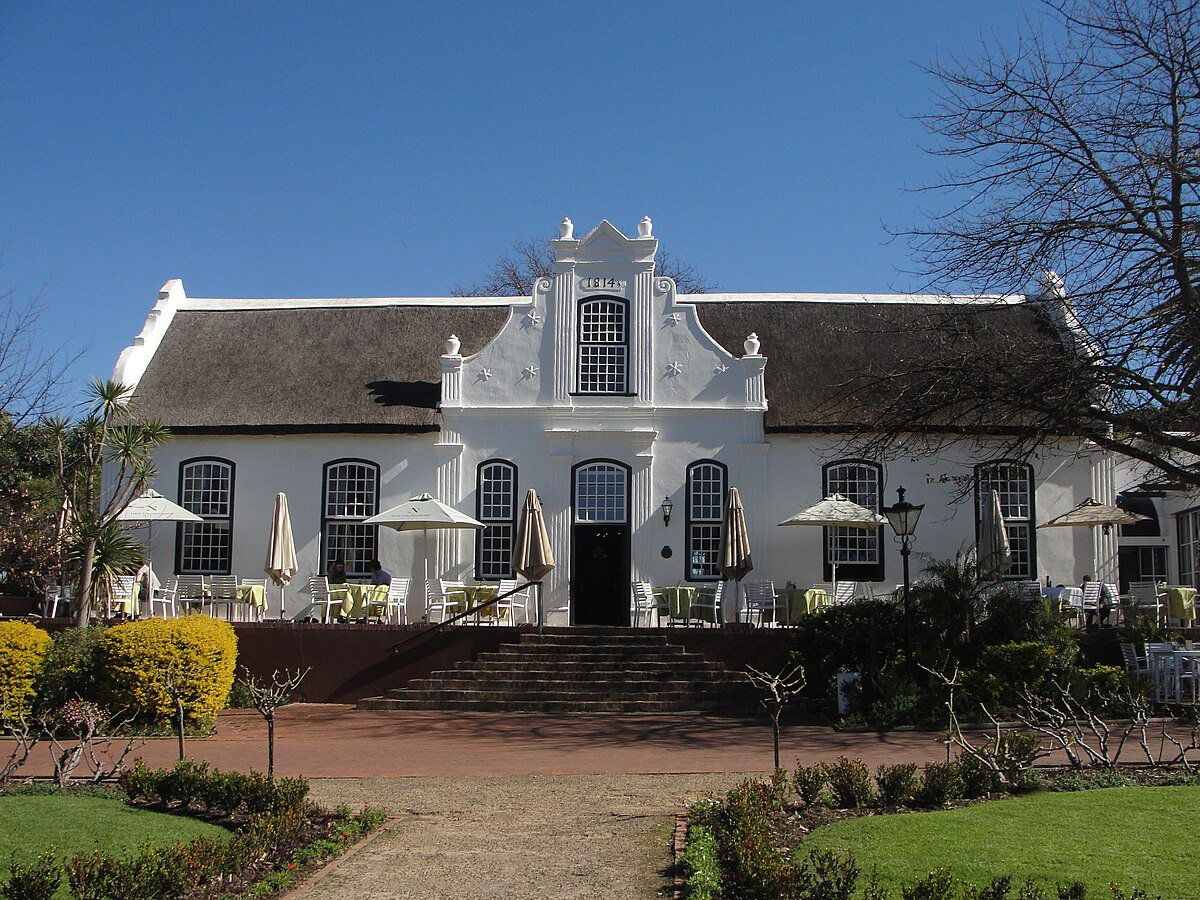

Neethlingshof Estate
Stellenbosch
Winery in Stellenbosch, South Africa
 Book with Pearl
The Read
Pearl-Tier Cape Winelands
Price
$20–30tasting
Why go
Neethlingshof Estate is worth prioritizing if your Stellenbosch day is wine-led rather than built around restaurants, hotels, or family activities. It works especially well as one stop on a focused Polkadraai Road route, with Asara Wine Estate and Spier Wine Farm stronger alternatives for visitors who want a broader estate experience.
About Neethlingshof Estate
Neethlingshof Estate is a Stellenbosch venue with a smart-casual dress code and Pearl 3 Star Prestige recognition for 2025. It is a notable option in this guide for visitors planning a premium stop in Stellenbosch.
If you are comparing premium options, Asara Wine Estate, Spier Wine Farm, Autograph Distillery, Van Ryn's Distillery, and Vilafonté are natural names to consider alongside Neethlingshof Estate, depending on the kind of stop you want to build into the day.
A Stellenbosch estate with confirmed recognition
Neethlingshof Estate's clearest signal is its Pearl 3 Star Prestige recognition for 2025. That makes it a notable Stellenbosch entry in this guide, but it does not confirm any specific service format, menu, tasting structure, opening schedule, price point, or visitor experience.
The most reliable planning advice is to treat Neethlingshof Estate as a smart-casual Stellenbosch venue and confirm practical information directly before visiting. If you want to compare different premium stops, Spier Wine Farm, Asara Wine Estate, Autograph Distillery, Van Ryn's Distillery, and Vilafonté are useful names to review in the wider planning set.
Who should choose it, and who should cross-shop
Choose Neethlingshof Estate if you are looking for a Pearl 3 Star Prestige-recognized Stellenbosch venue and are comfortable confirming the practical details yourself before arrival. Cross-shop Asara Wine Estate, Spier Wine Farm, Autograph Distillery, Van Ryn's Distillery, or Vilafonté if you are still deciding what kind of premium stop best fits the day. For broader planning, use Our full Stellenbosch restaurants guide, Our full Stellenbosch hotels guide, Our full Stellenbosch bars guide, Our full Stellenbosch wineries guide, and Our full Stellenbosch experiences guide.
For other dining and hospitality options in Stellenbosch, compare Neethlingshof Estate with other local venues based on timing, booking requirements, dress code, and the type of experience you want.
Planning details
- Location
- Polkadraai Rd, Stellenbosch, 7600
- Website
- neethlingshof.co.za
- Phone
- +27 21 883 8988
The take
The Take
The Vibe
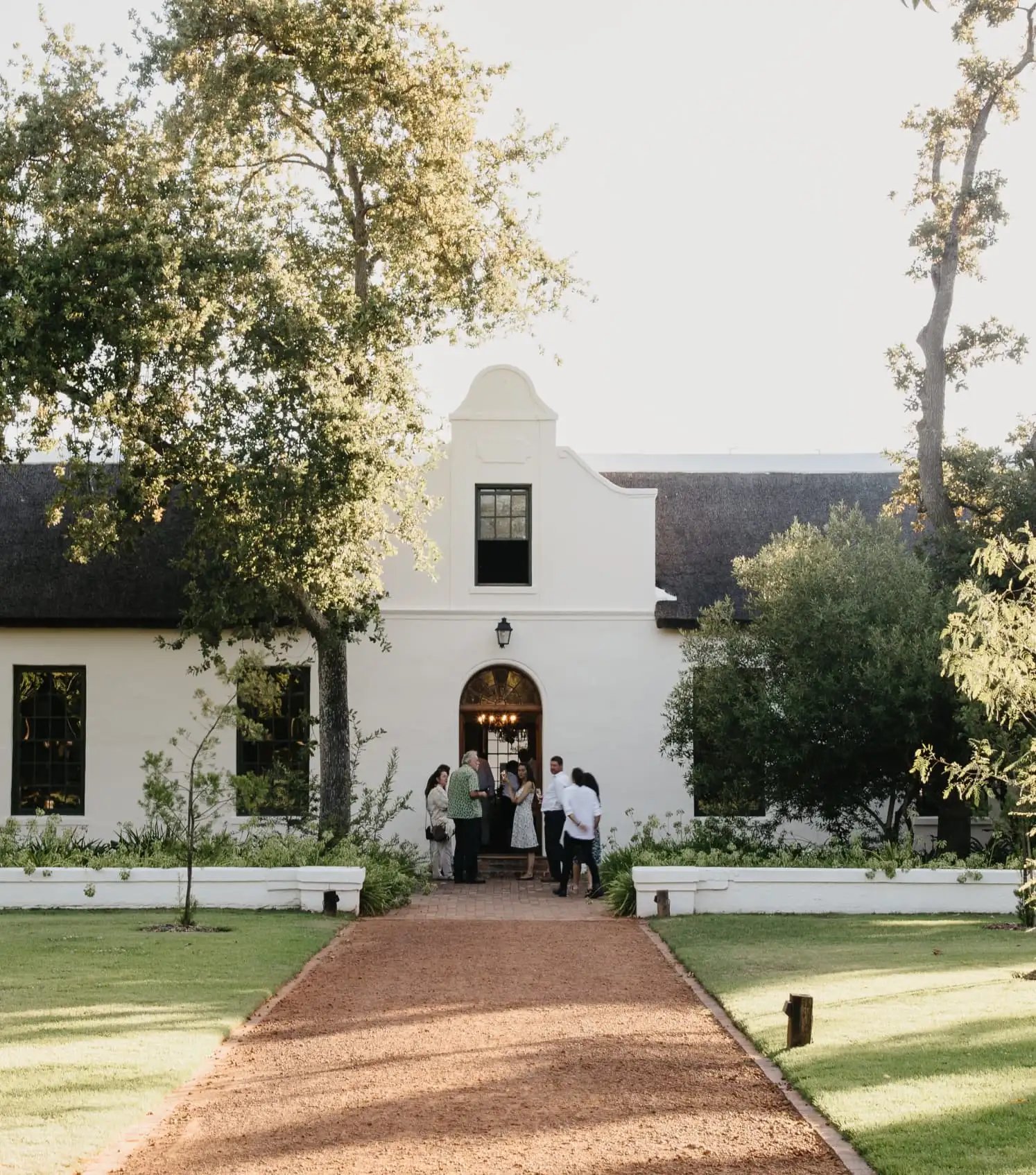
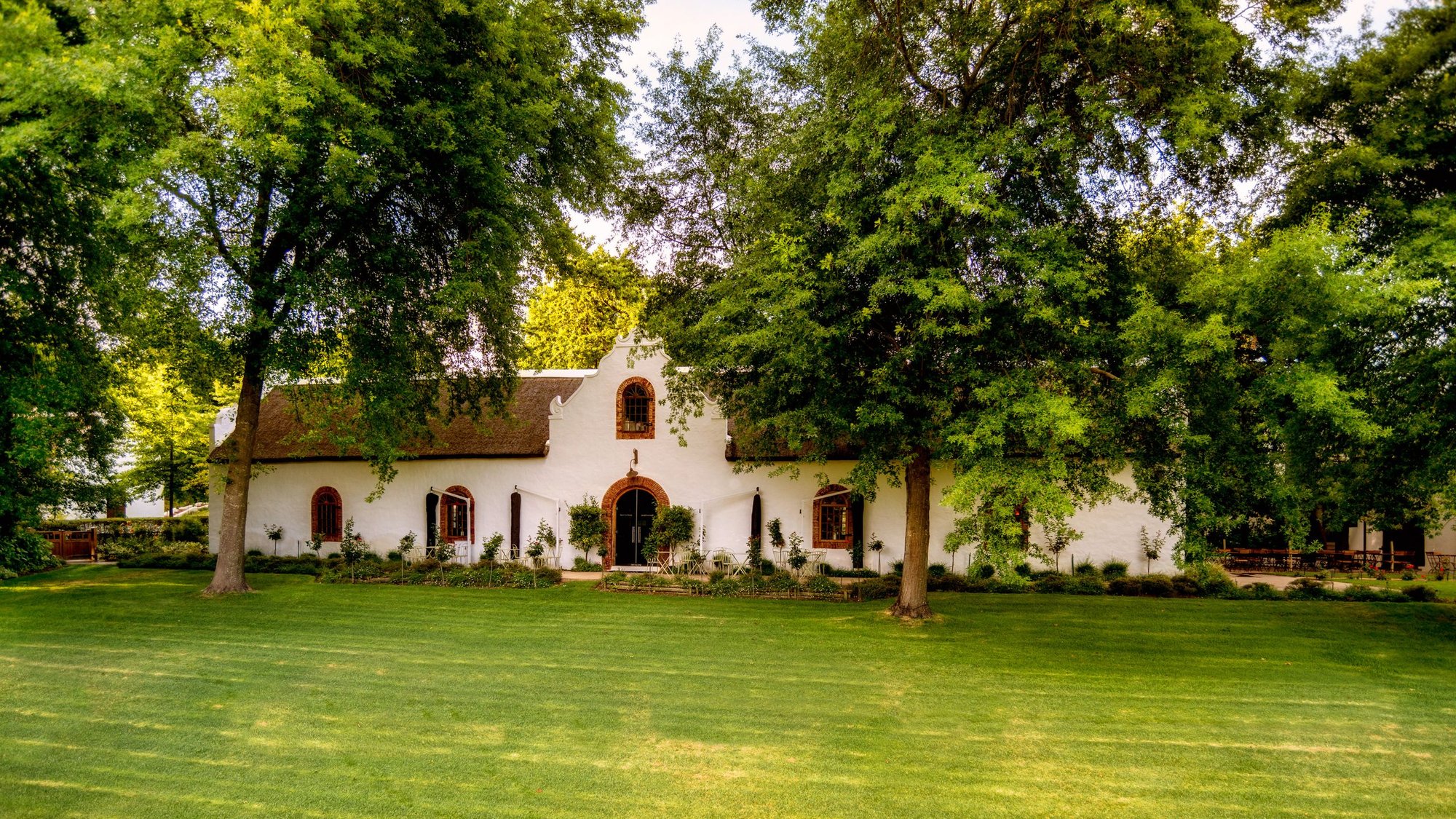
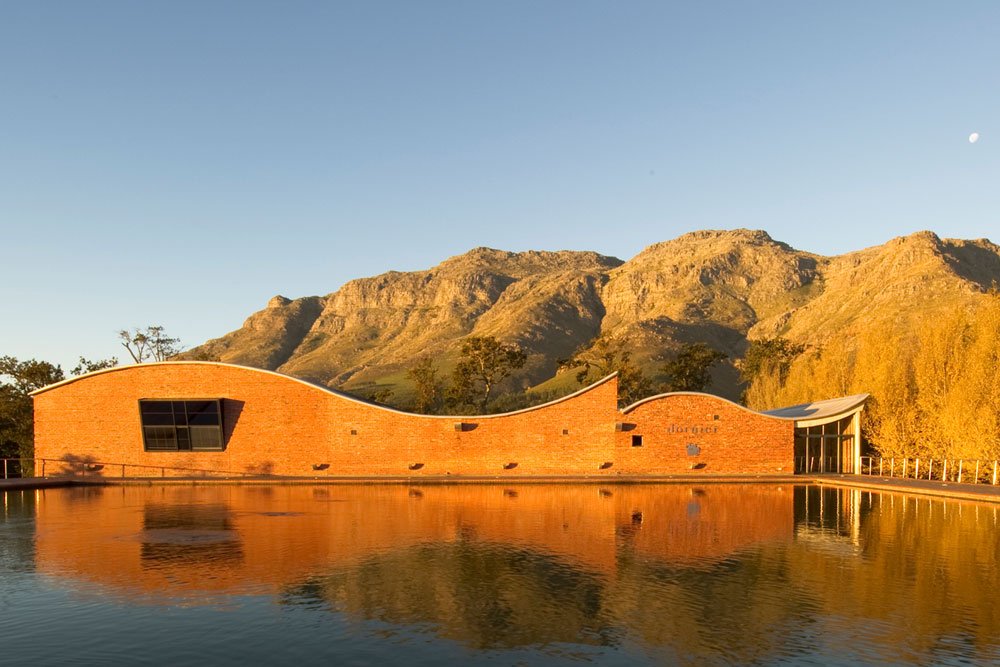
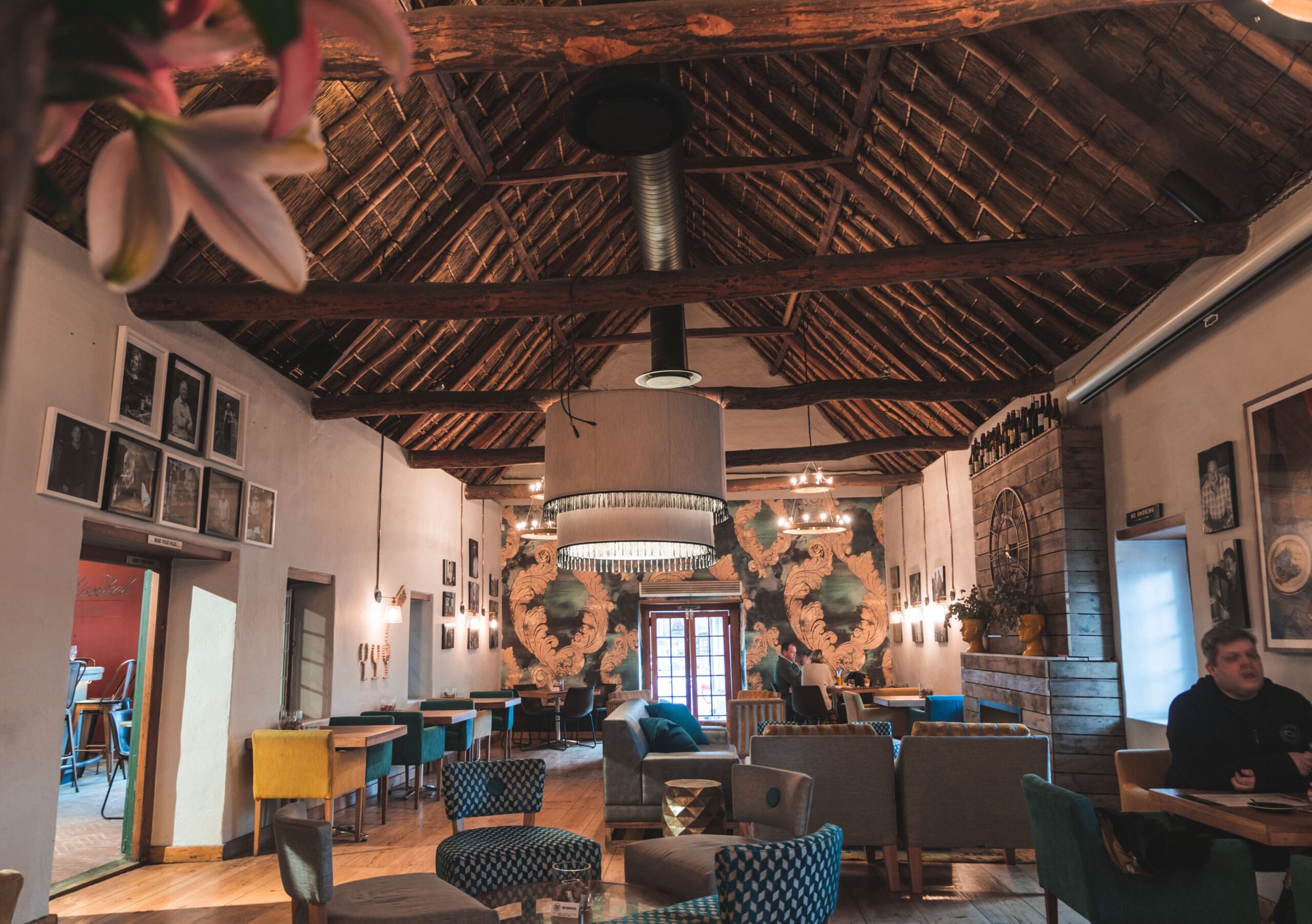
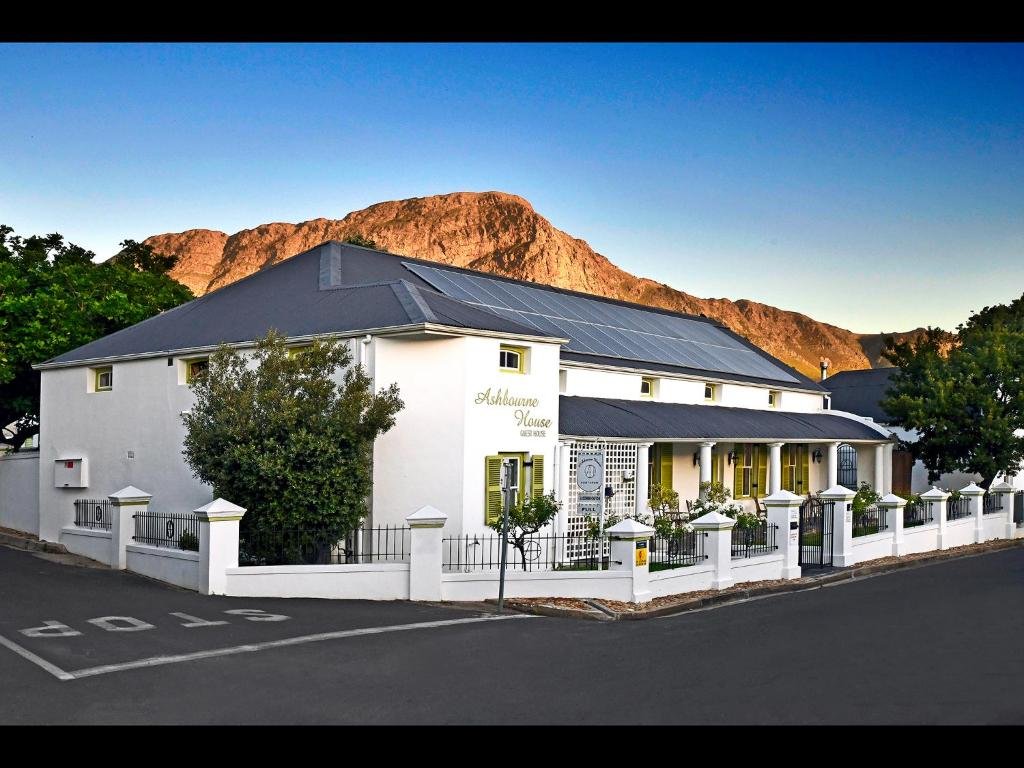
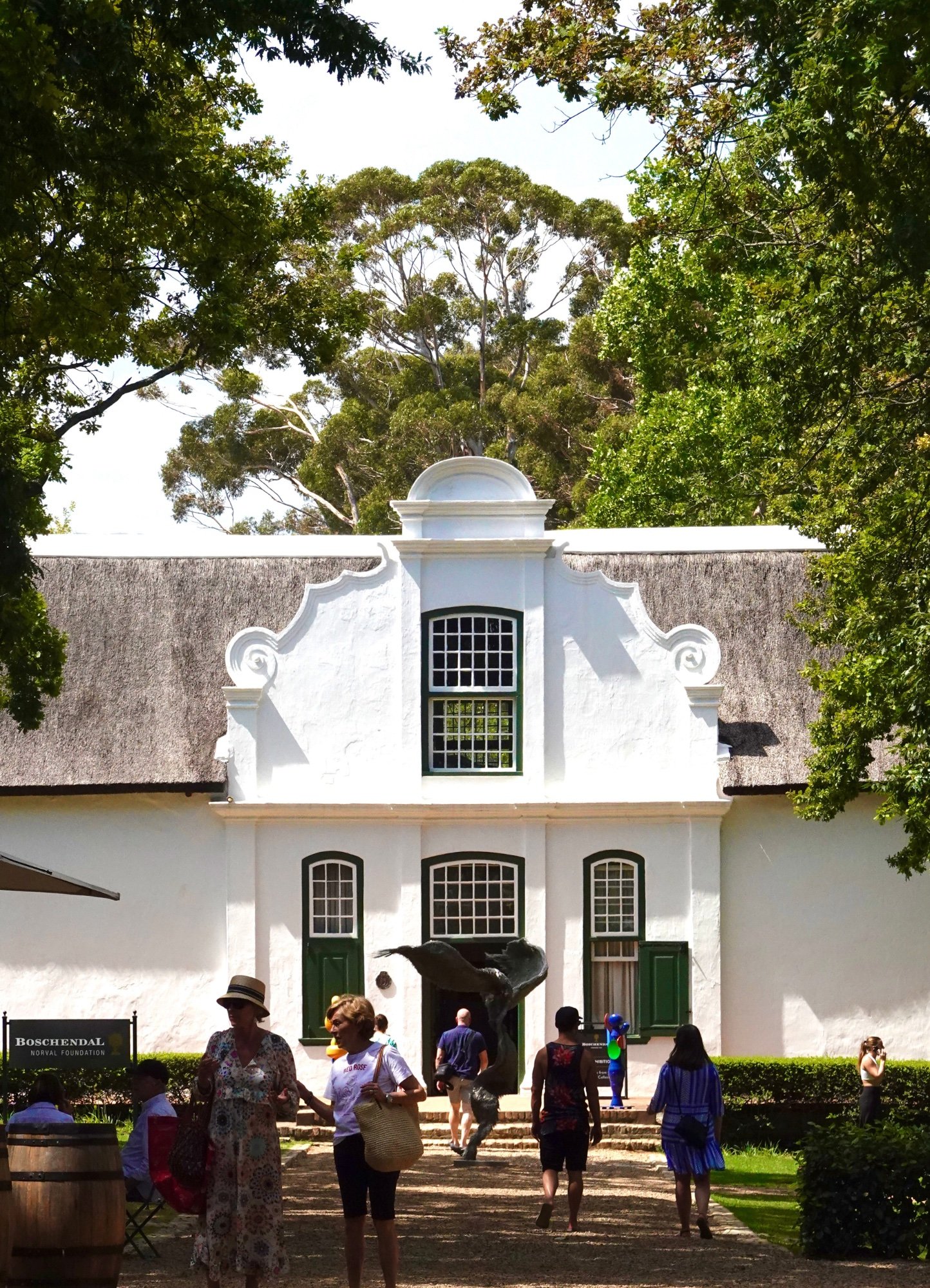
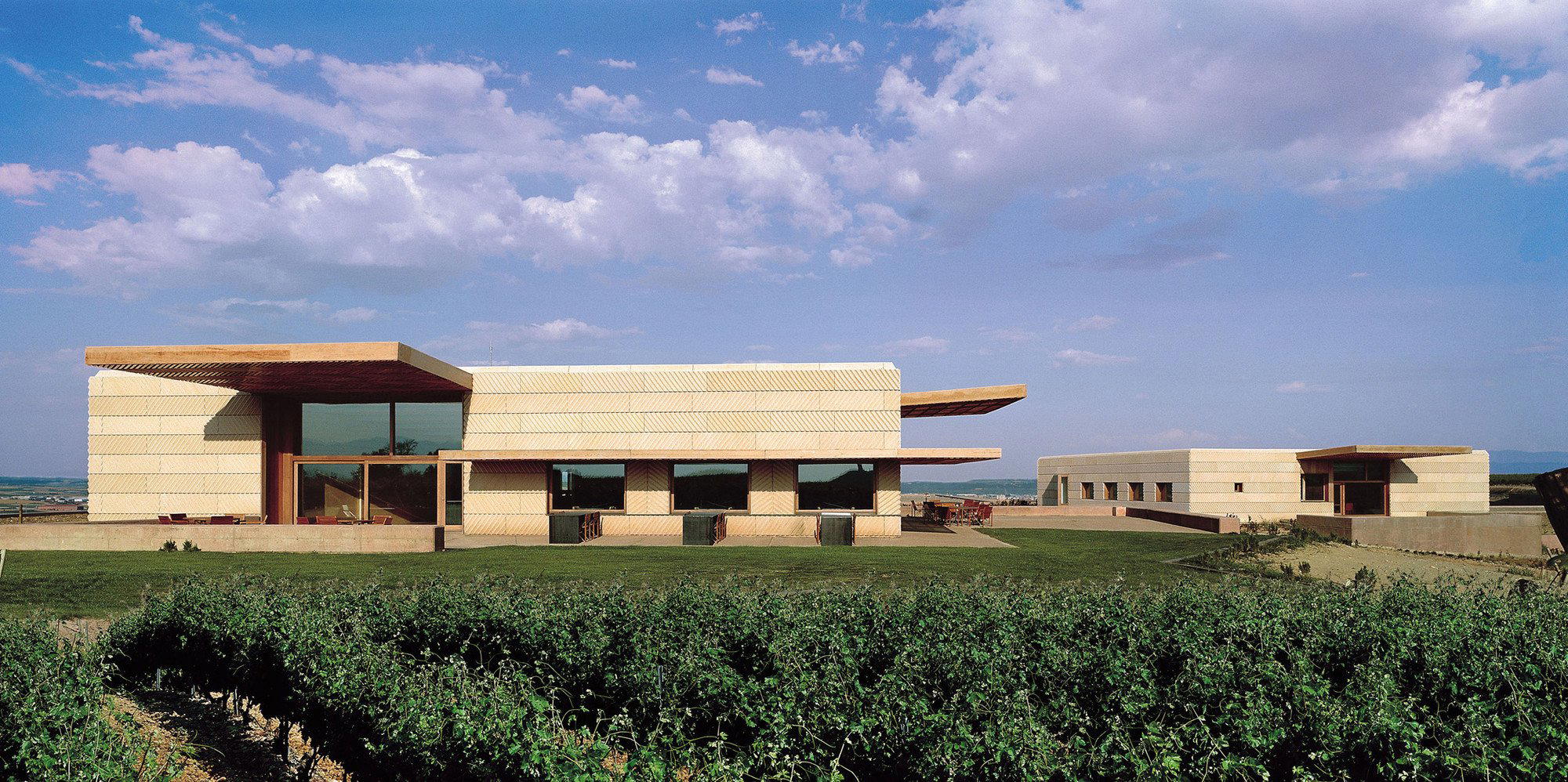
Neethlingshof reads as a living example of Cape Dutch estate culture: a long oak-lined approach, whitewashed gables and the manor’s historic skeleton anchor the arrival sequence. The estate’s built fabric—thick walls, thatched or slate roofs and symmetrical plasterwork—keeps the feeling deliberately old-world, tempering light and temperature so interiors feel cooler and quieter than modern hospitality projects. Visiting here is a slow, perceptive experience: architecture still organises movement and mood, and the place rewards guests who appreciate subtle, historically grounded design rather than overtly theatrical winery amenities.
Best For
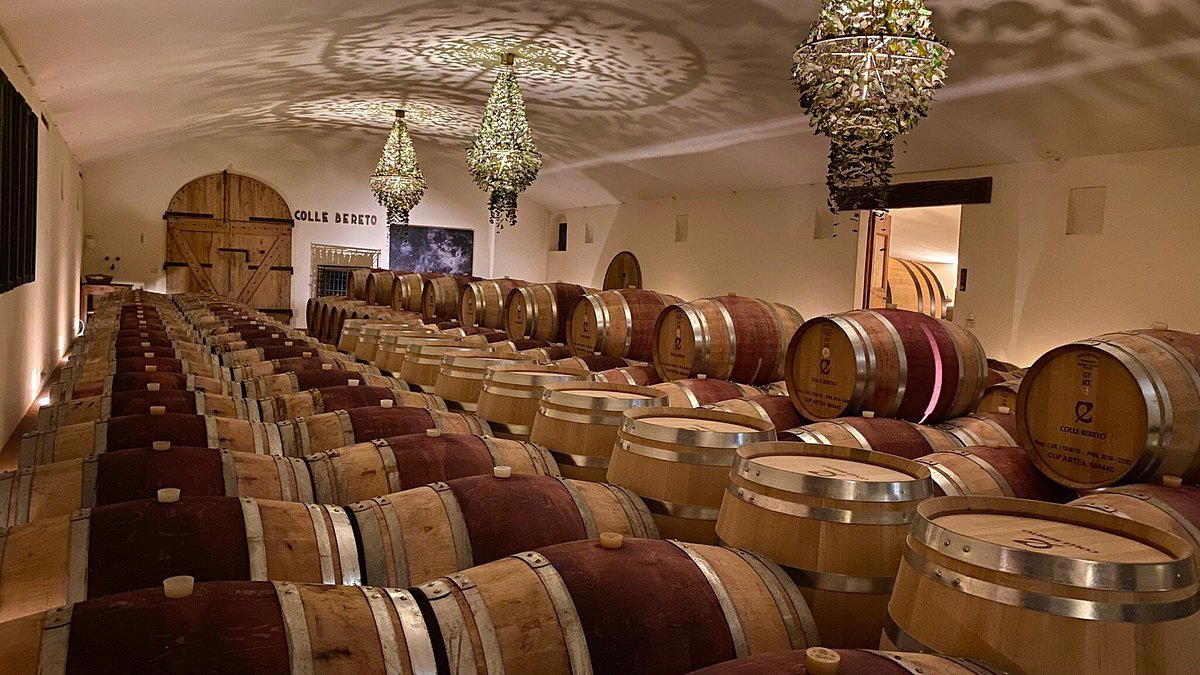
This is a destination for people who want to engage with the history and craft of a Stellenbosch estate. The writing emphasises cellar buildings and the estate’s agricultural character, so Neethlingshof suits visitors interested in wine-focused learning and contemplative tastings framed by a preserved historic setting. It also works well for those seeking a measured, scenic estate visit—guests who prefer architecture, quiet rooms and the rhythms of an older wine property to flashier, contemporary tasting-room formats.
Venue details
Ambiance
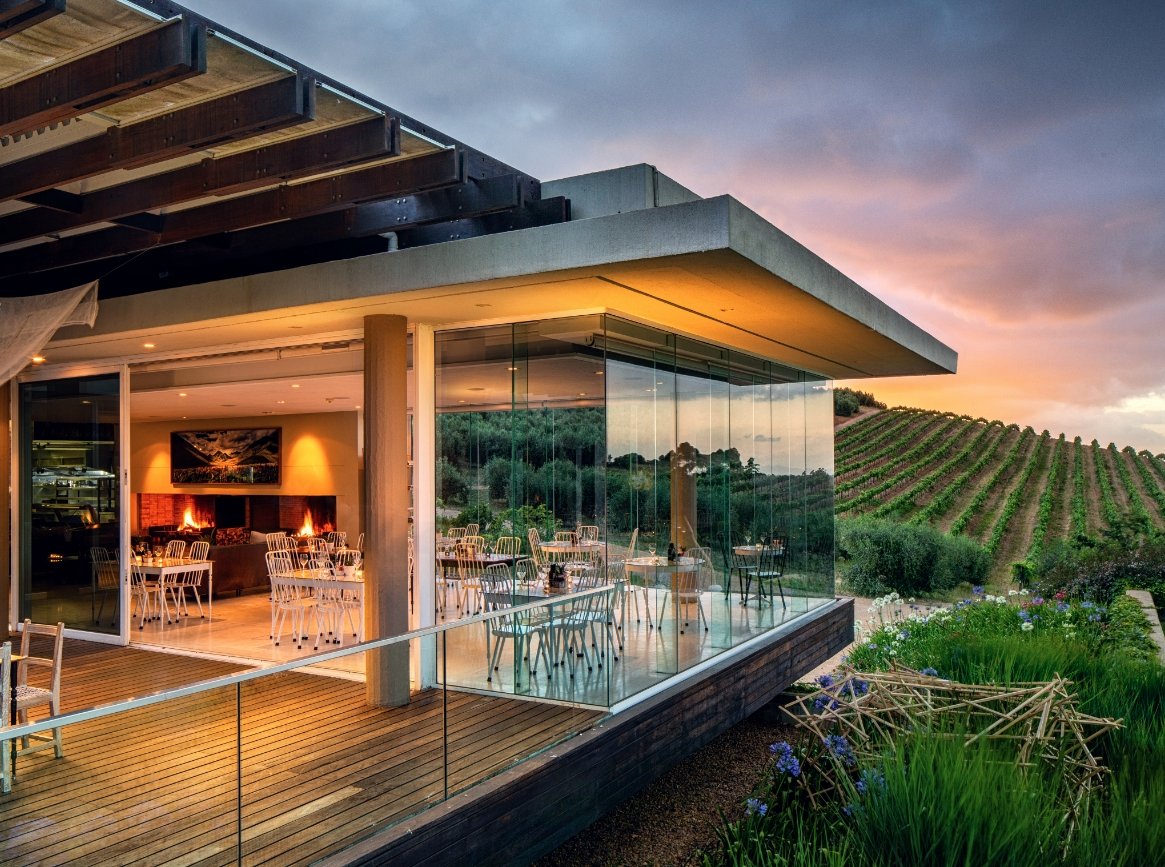
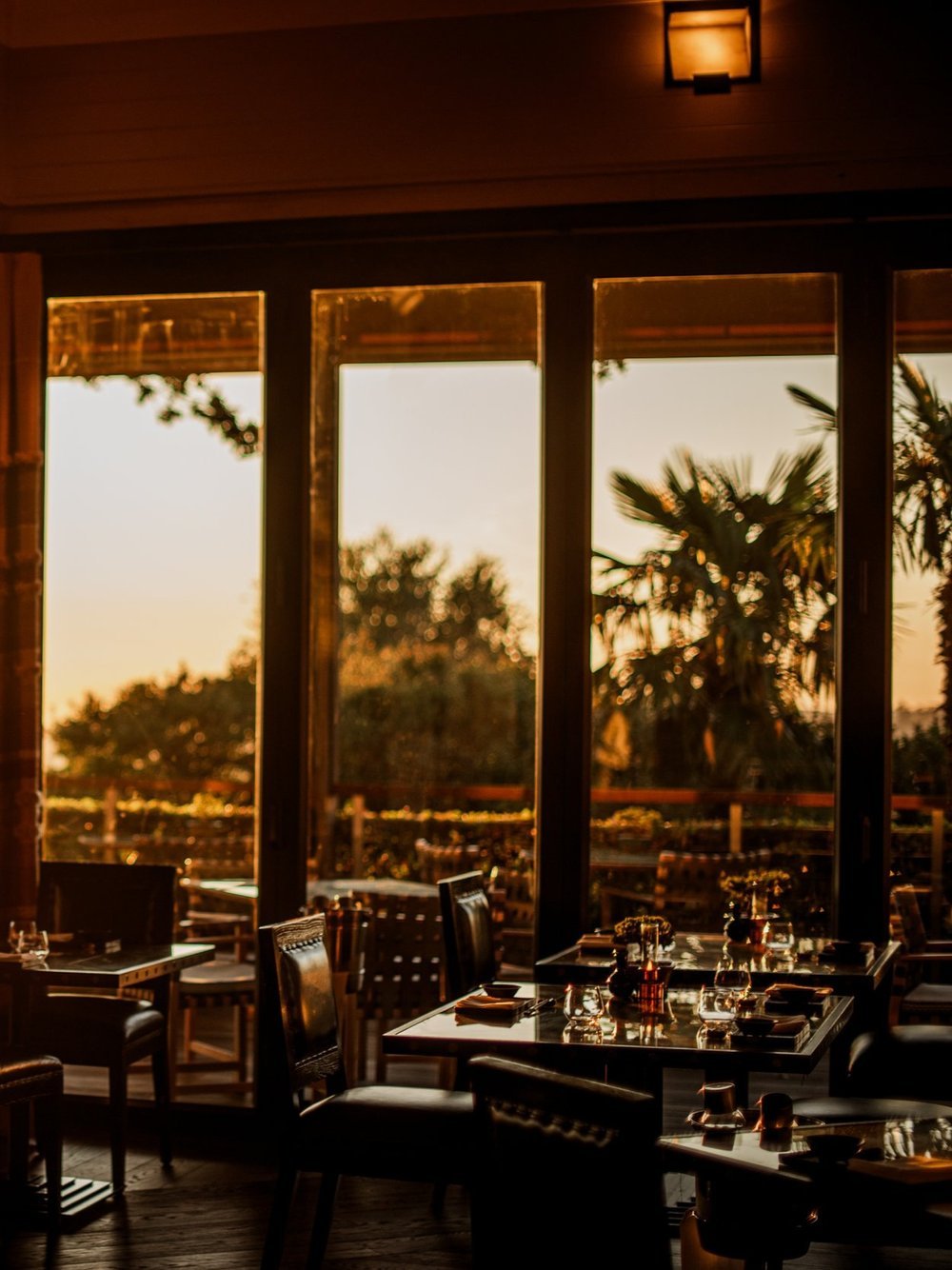
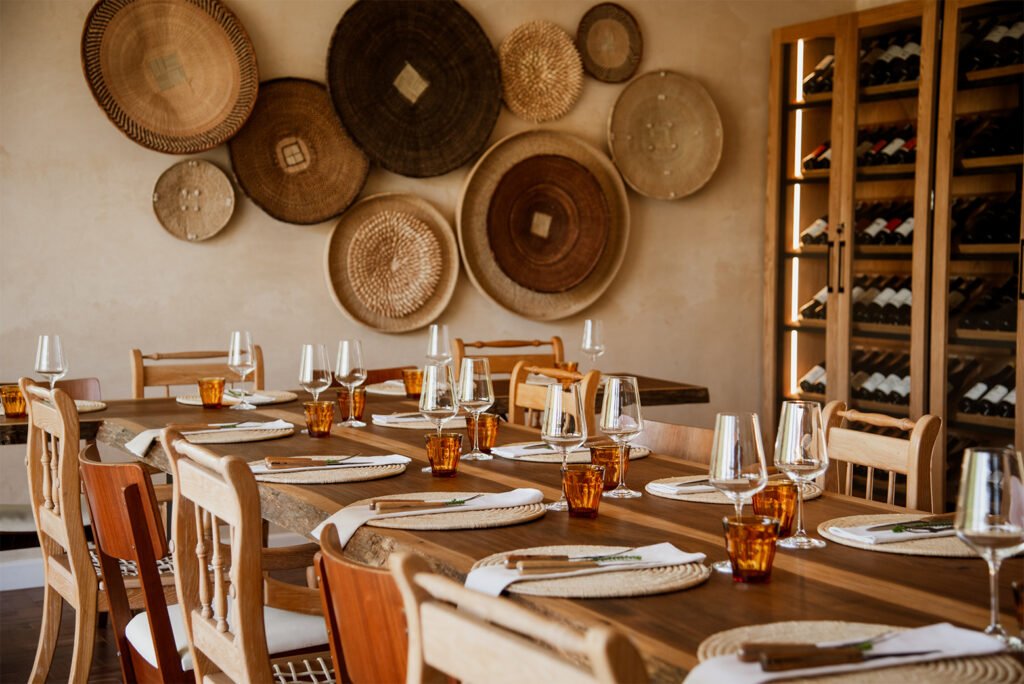
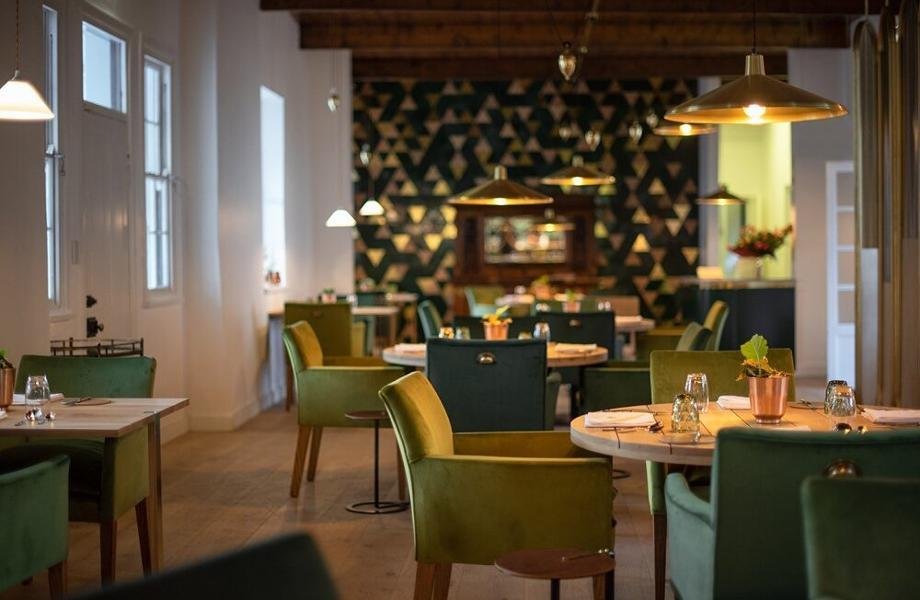
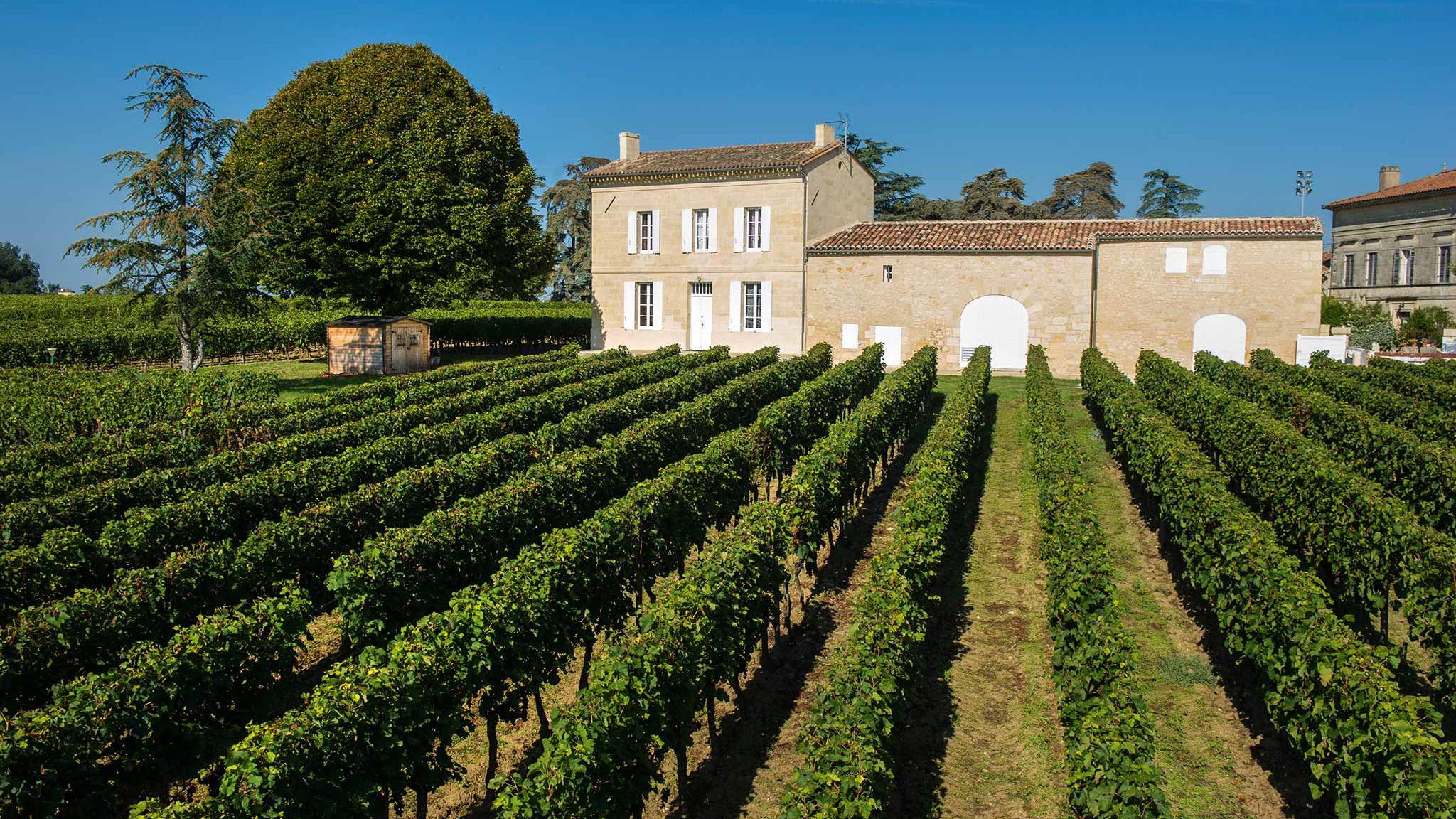
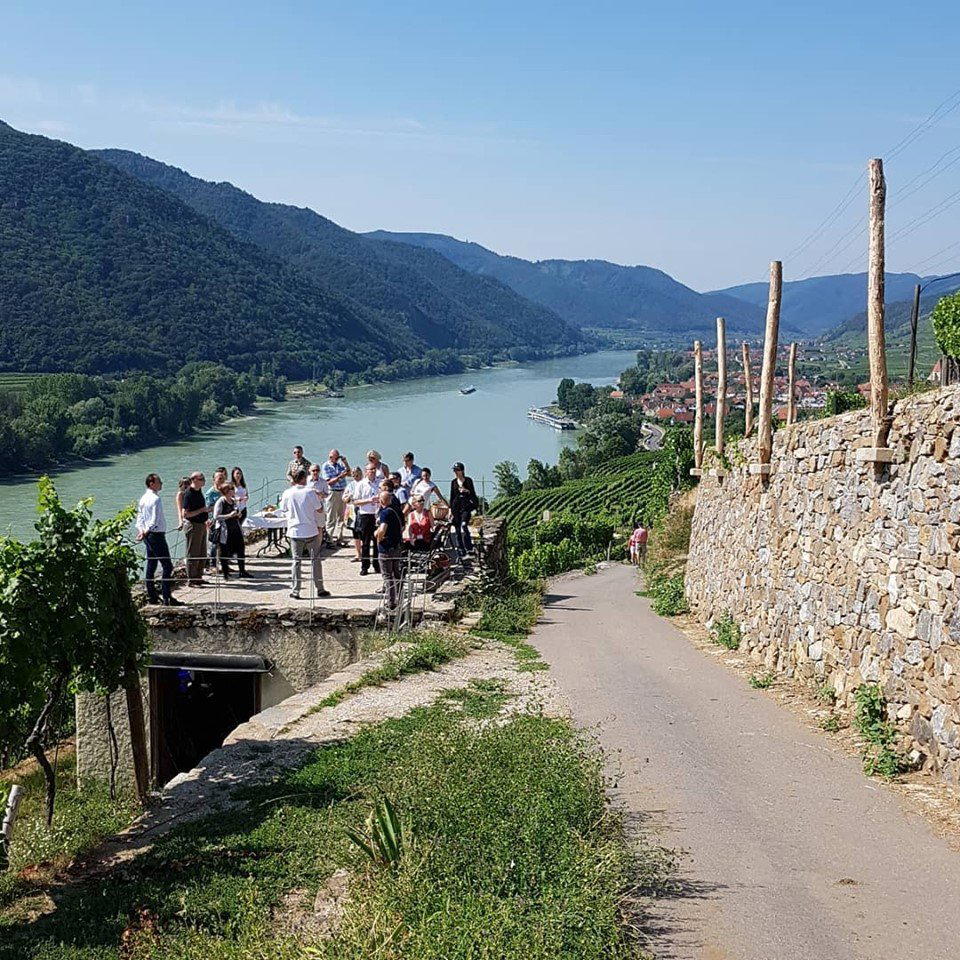
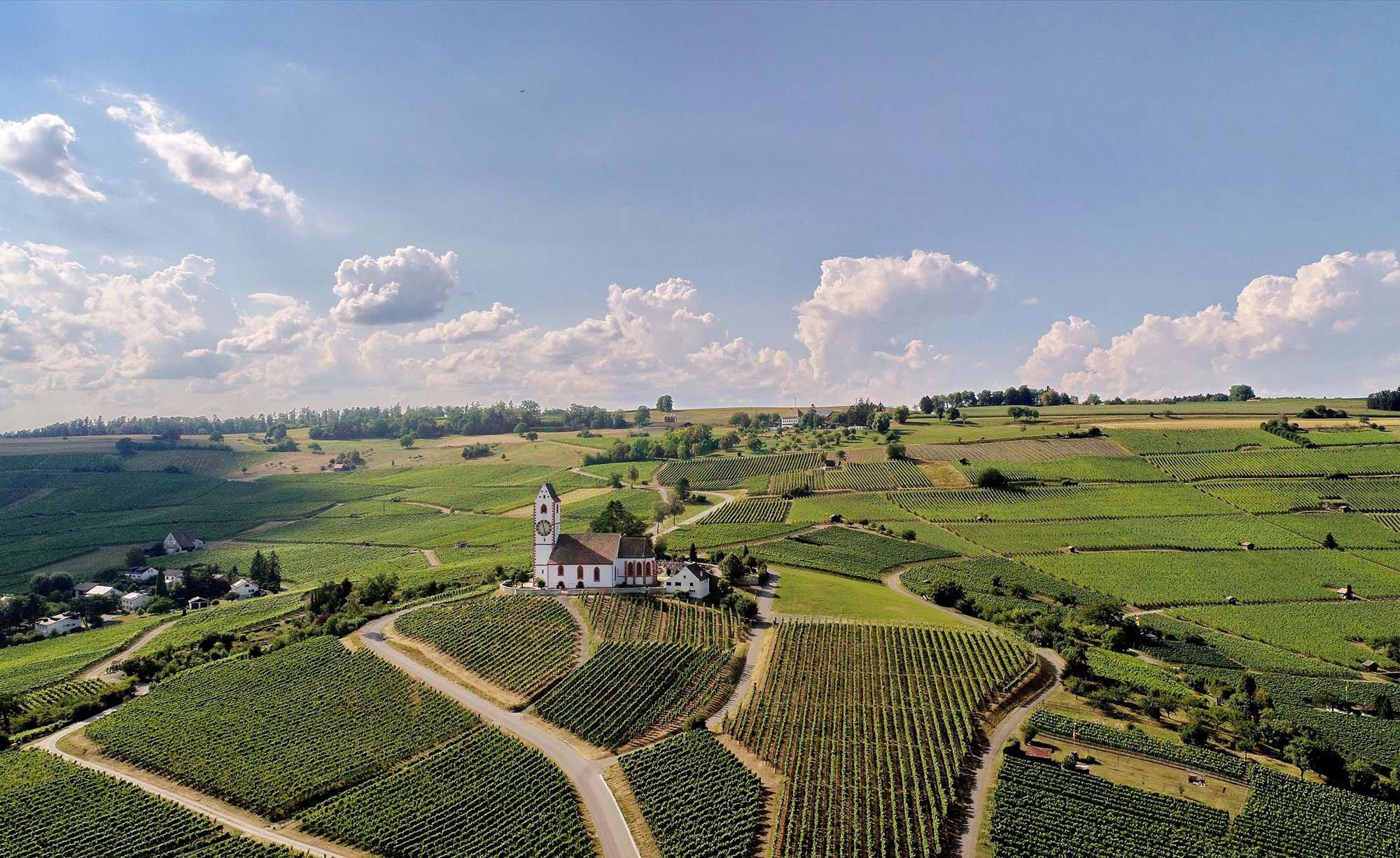
Historic and elegant with breathtaking vineyard and mountain views, traditional Cape culture blended with natural serenity.
Tags
Vibe
Best For
Experience
Sourcing
View
At the Vineyard
- Appellation
- Stellenbosch
- Varietals
- Pinotage, Cabernet Sauvignon, Merlot, Shiraz, Sauvignon Blanc
- Tour Duration
- 60-90 minutes
- Visits
- By reservation
- Farming
- Sustainable
- Wine Styles
- Still Red, Still White, Still Rose, Dessert
- Food Pairing
- Offered
- Wine Club
- Not available
Know before you go
Know Before You Go
- Getting there
- Polkadraai Rd, Stellenbosch, 7600
Planning details
Location
Recognition and awards

Also consider
Also Consider
- Asara Wine Estate, Notable alternative
- Van Ryn's Distillery, Notable alternative
- Spier Wine Farm, Notable alternative
- Autograph Distillery, Notable alternative
- Vilafonté, Notable alternative
Winery context
How it compares in Stellenbosch
Against Asara Wine Estate, Neethlingshof Estate is the better pick for a cleaner wine-route stop, while Asara makes more sense if ambiance and a polished estate-hotel setting matter as much as the tasting. For value, Neethlingshof is easier to justify when it is part of a two- or three-stop Stellenbosch plan rather than the main event.
Spier Wine Farm is the safer choice for groups with mixed interests, especially if some people care more about the wider farm experience than the wine itself. Van Ryn's Distillery and Autograph Distillery are better cross-shops when the brief is spirits rather than wine, or when the day needs a break from cellar-door tastings.
Vilafonté is the more serious cross-shop for collectors or visitors who want a tighter premium-wine appointment outside the immediate city rhythm. Choose Neethlingshof for a Stellenbosch estate stop with easier route logic; choose Vilafonté when the whole visit is about the wine rather than the setting.
Around this place
Discover more on Pearl
Unlock the full Neethlingshof Estate guide in Pearl, including awards, comparisons, FAQs, planning details, and nearby places.
Compare Neethlingshof Estate
| Venue | Location | Awards |
|---|---|---|
| Neethlingshof Estate | Stellenbosch | 2026 Falstaff Winery Guide |
| Asara Wine Estate | Stellenbosch | 2026 Falstaff Winery Guide |
| Van Ryn’s Distillery | Stellenbosch | No published awards |
| Spier Wine Farm | Stellenbosch | 2026 Falstaff Winery Guide |
| Autograph Distillery | Stellenbosch | No published awards |
| Vilafonté | Paarl | No published awards |
How Neethlingshof Estate Stellenbosch compares with similar nearby venues.
FAQ
Frequently Asked Questions
What other venues should I compare with Neethlingshof Estate?
Asara Wine Estate, Spier Wine Farm, Autograph Distillery, Van Ryn's Distillery, and Vilafonté are useful comparisons when planning around Neethlingshof Estate. Choose between them based on confirmed practical details and the kind of stop you want.
How long should I plan for a visit to Neethlingshof Estate?
Plan your visit length according to your Stellenbosch itinerary and the kind of stop you want to make.
Do I need a reservation at Neethlingshof Estate?
Reservation requirements should be checked directly before visiting. Because Neethlingshof Estate has Pearl 3 Star Prestige recognition for 2025, it is sensible to confirm in advance.
What is the dress code at Neethlingshof Estate?
The dress code for Neethlingshof Estate is smart casual.
What is Neethlingshof Estate recognized for?
Neethlingshof Estate has Pearl 3 Star Prestige recognition for 2025.
When is the best time to visit Neethlingshof Estate?
Check Neethlingshof Estate's current information before arranging a Stellenbosch visit.