

Kanonkop Wine Estate
Stellenbosch
Winery in Stellenbosch, South Africa
 Book with Pearl
The Read
Simonsberg Pinotage Authority
Price
$20–30tasting
Why go
Kanonkop Wine Estate is the Stellenbosch choice for visitors who care more about serious wine access than a casual estate day. Treat it as the anchor booking, not a backup plan, and cross-shop Warwick Estate, Muratie Wine Estate, Delheim Wine Estate, Simonsig Wine Estate, or L'Avenir Wine Estate if flexibility matters more.
About Kanonkop Wine Estate
Kanonkop Wine Estate is a Stellenbosch wine estate with limited public detail. The clearest signals are its Pearl 4 Star Prestige (2025) recognition and a smart casual dress code, which are useful anchors but not enough to define the full visitor experience on their own. Treat the visit as one to confirm directly with the estate before building a detailed itinerary around specific services, formats, or availability. In practice, that means viewing the estate as a notable candidate within a Stellenbosch wine-estate plan, while leaving room to verify the practical elements that can affect the day.
Because public detail is limited, avoid assuming details, including dining, tasting formats, group arrangements, shipping, or wine-club access. Those omissions matter because different visitors need different kinds of certainty: some are happy with a simple wine-estate stop, while others need food, structured tastings, accessible timing, or arrangements for a larger party. For broader planning around the area, use Our full Stellenbosch wineries guide and confirm current visit details through the venue's own channels. That direct confirmation is the safest way to turn a promising listing into a reliable plan.
Worth prioritising if you want a Stellenbosch wine-estate stop
Kanonkop Wine Estate can sit naturally within a Stellenbosch wine day alongside Warwick Estate, Muratie Wine Estate, Delheim Wine Estate, Simonsig Wine Estate, and L'Avenir Wine Estate. The practical approach is to treat Kanonkop as a point of interest, then confirm the details that matter for your party before arrival. This is especially important if the day has a fixed structure, because an unconfirmed assumption can affect the timing, pace, and comfort of the wider route.
Because public detail is thin, avoid overplanning around extras. Do not assume a restaurant-style visit, a named tasting format, or group hospitality unless those details are arranged in advance through the estate's own channels. Pair it with other Stellenbosch options that fit the rest of the day's needs, and let those details determine whether Kanonkop works best as a central stop, a shorter visit, or one point in a broader wine-estate sequence. The smart casual dress code also gives a simple cue for visitors who want to arrive appropriately without overcomplicating the plan.
Plan the wider Stellenbosch day around details
The better decision is not whether this estate is “nice”; it is whether the facts fit the purpose of the trip. Visitors who value recognised Stellenbosch wine estates may want to include it, while mixed groups should confirm practical details before committing. That distinction keeps the planning realistic: a wine-focused visitor may need very little beyond the estate itself, while a group with different expectations may need certainty around timing, food, comfort, and the shape of the visit. For food, lodging, and after-hours planning, use Our full Stellenbosch restaurants guide, Our full Stellenbosch hotels guide, Our full Stellenbosch bars guide, and Our full Stellenbosch experiences guide.
If the itinerary extends beyond a single stop, compare Kanonkop Wine Estate with other named wine estates such as Delheim Wine Estate, L'Avenir Wine Estate, Muratie Wine Estate, Simonsig Wine Estate, and Warwick Estate, or consider other dining and hospitality options in Stellenbosch generically. The comparison should be based on what is known rather than what is hoped for: recognition, dress code, location within a Stellenbosch wine day, and any current details obtained directly before visiting. Used that way, Kanonkop can be planned with confidence without stretching the public record.
Planning details
- Location
- R44, Stellenbosch, 7600
- Website
- kanonkop.co.za
- Phone
- +27 21 884 4656
The take
The Take
The Vibe
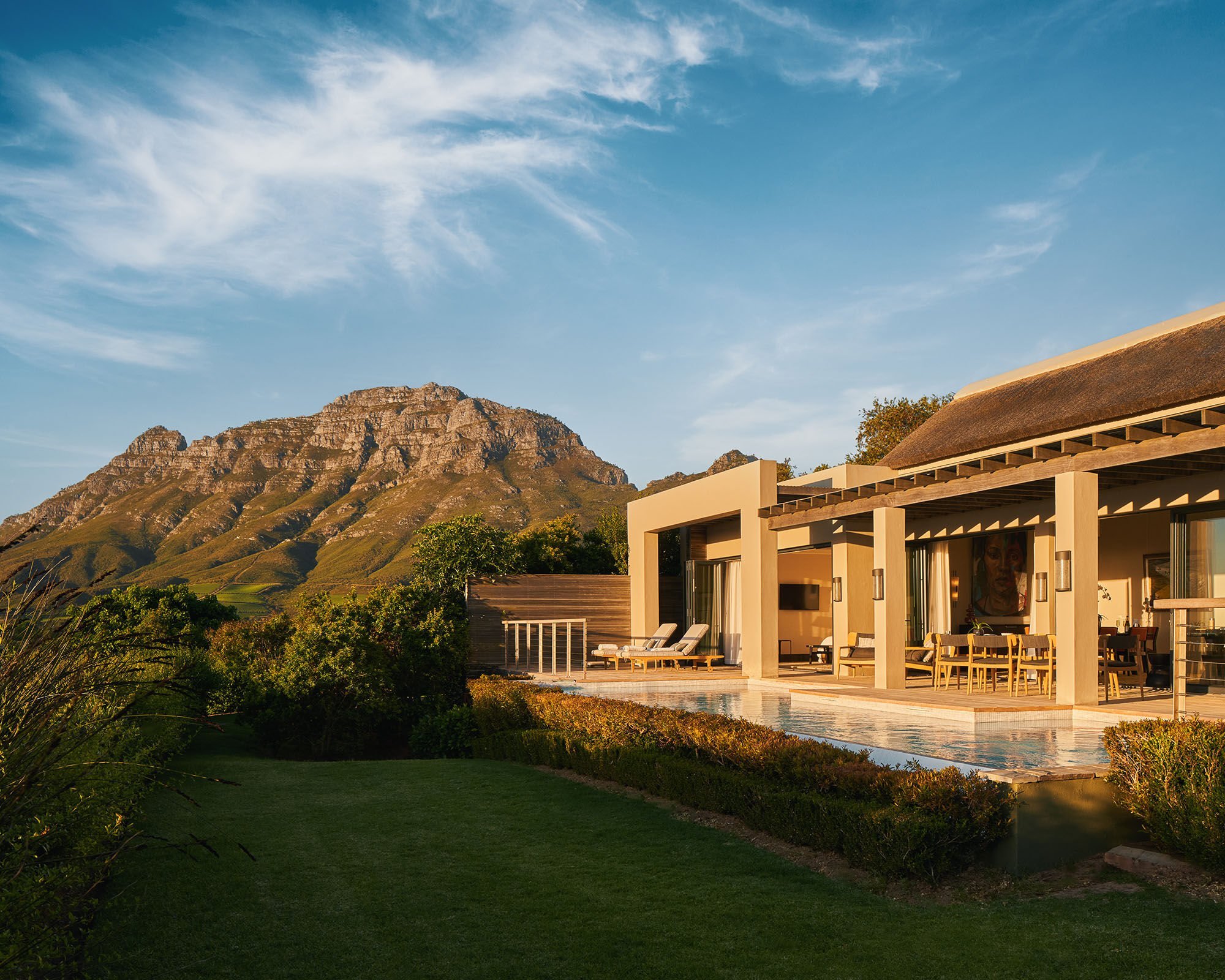
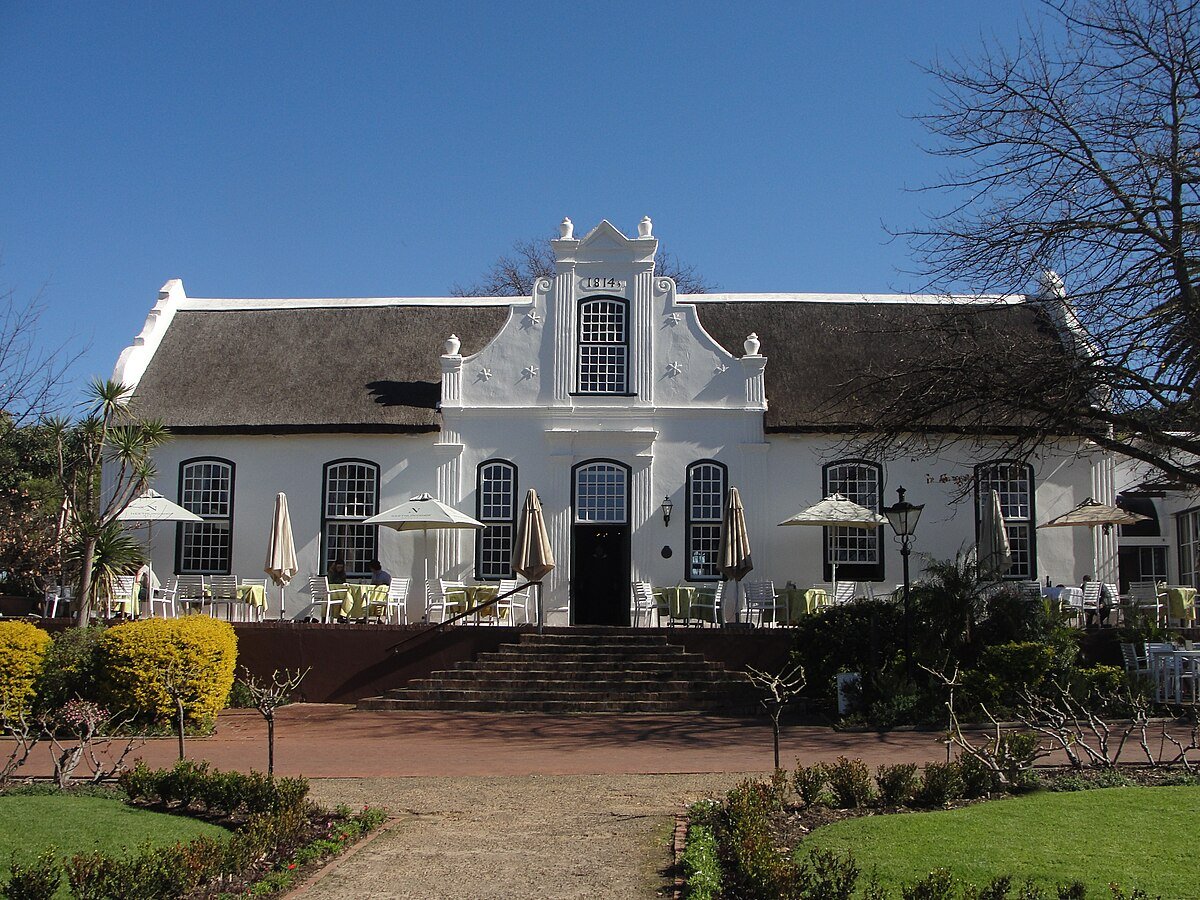
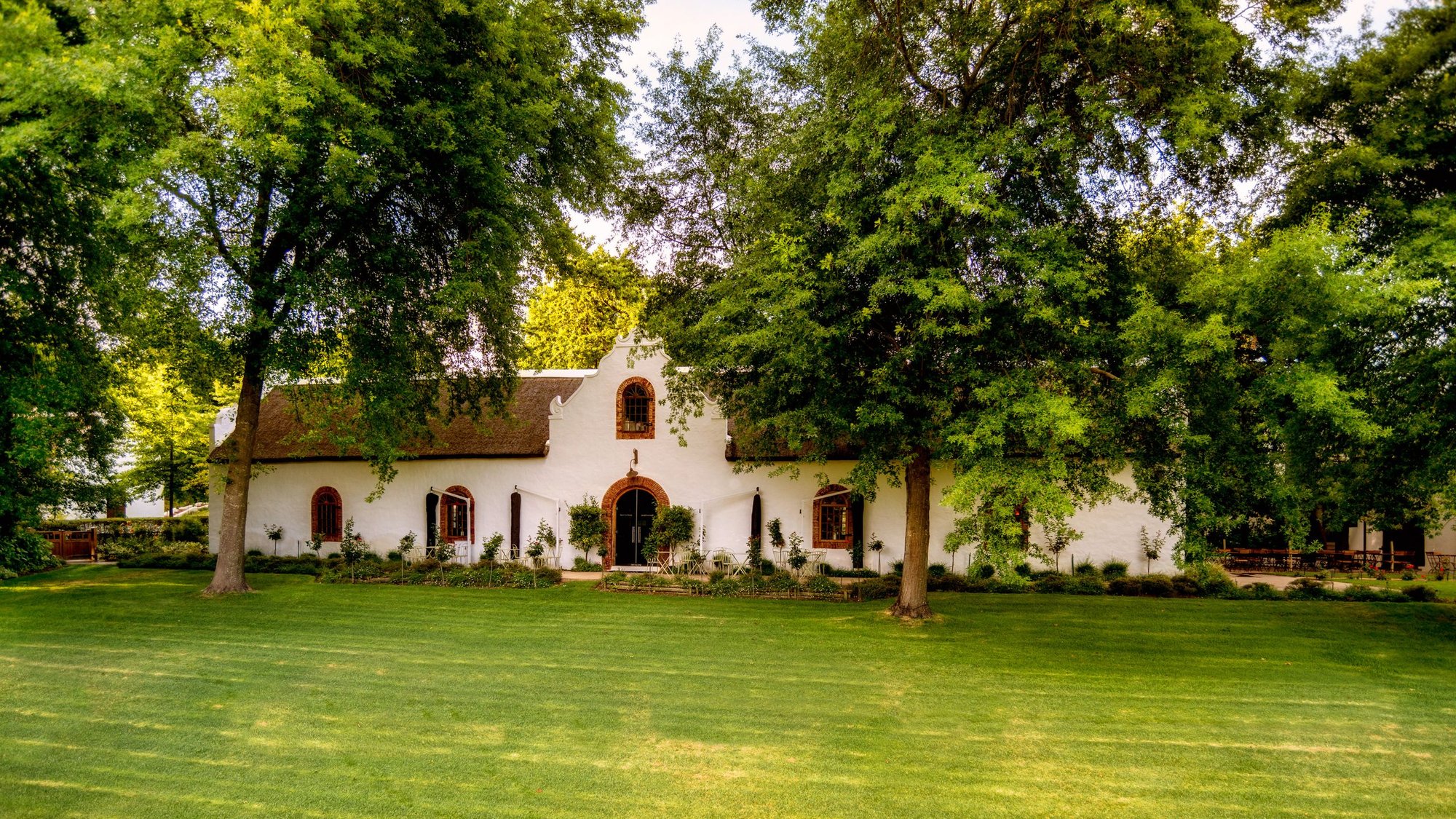
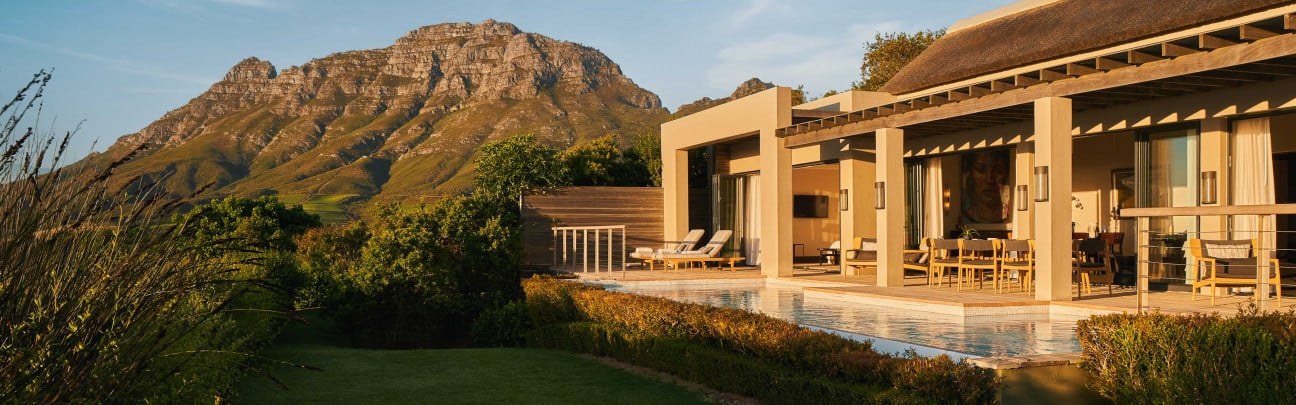
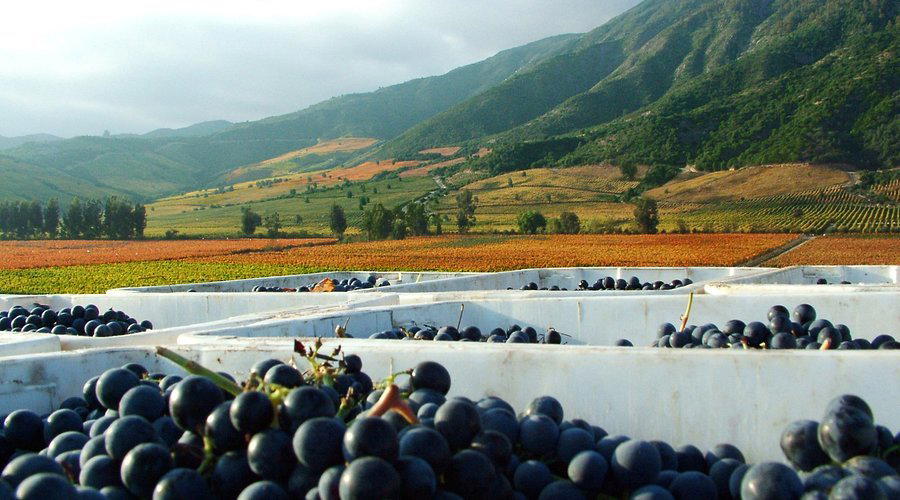
Kanonkop reads like a working benchmark of Stellenbosch rather than a hospitality showcase. The estate's identity is rooted in place — granitic soils, altitude variation and a Simonsberg piedmont setting — and its reputation has been earned through wine rather than flashy amenities. The tone is measured and authoritative: this is a producer whose Cabernet Sauvignon and Pinotage enter regional conversations about structure and ageability. Visitors encounter a serious, historically grounded winery focused on varietal expression and longevity, where the landscape and the cellar craft are the primary gestures.
Best For
Kanonkop is best for visitors who come with a clear vinous purpose: study, comparison and serious tasting. Collectors, students of South African varieties and anyone interested in the contested story of Pinotage will find the estate especially rewarding. Because the property functions as a regional benchmark with highly age-worthy wines, it suits solo exploration and focused wine-education visits as well as special-occasion stopovers for those who prize depth over hospitality theatrics. Casual drop-ins expecting broad leisure facilities may find the experience more about terroir and tasting than resort-style amenities.
Tasting Tips
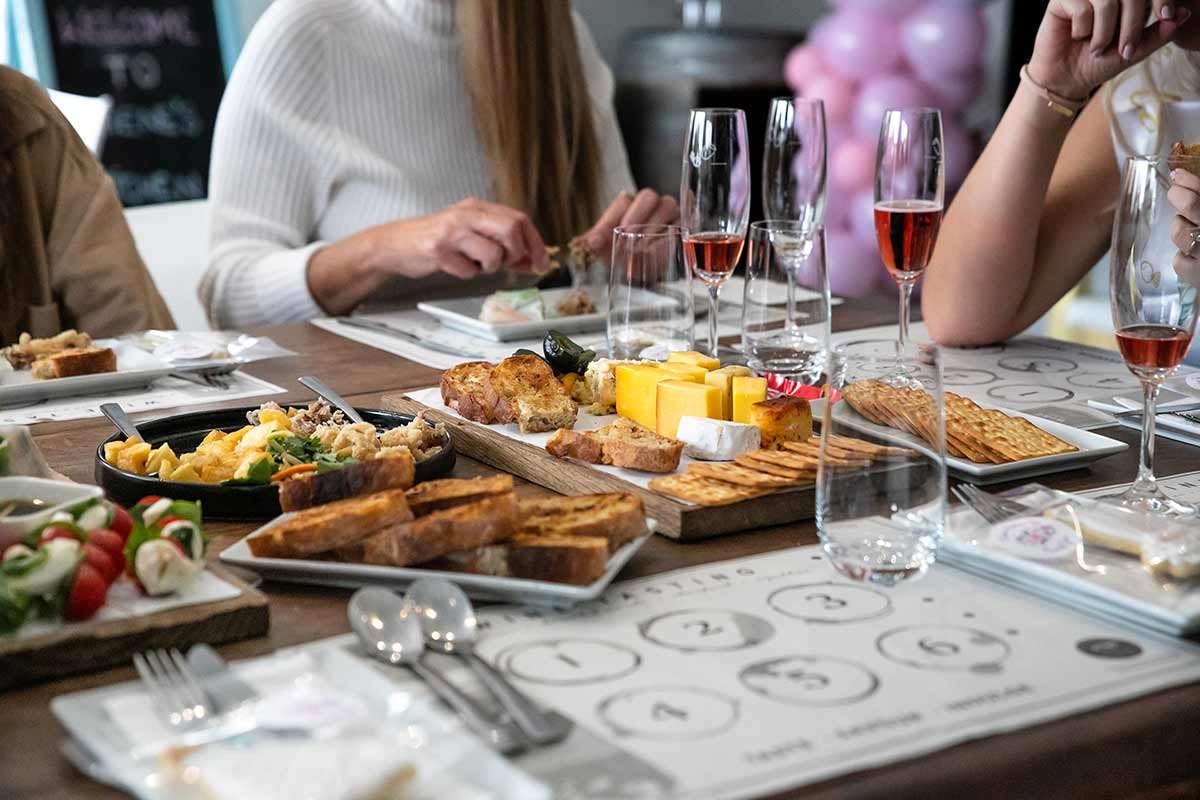
Center your tasting on the estate’s signature varieties. Pinotage is described as the lens through which Kanonkop is most often discussed, and the estate’s Cabernet Sauvignon is repeatedly cited in regional conversations about structure and age. Prioritize vertical or reserve bottlings when available — the write-up highlights age potential — and ask staff to contextualize wines relative to the Simonsberg piedmont and granitic soils. Keep the focus on varietal expression and cellar-aged examples rather than lighter, mass-market styles.
Venue details
Ambiance
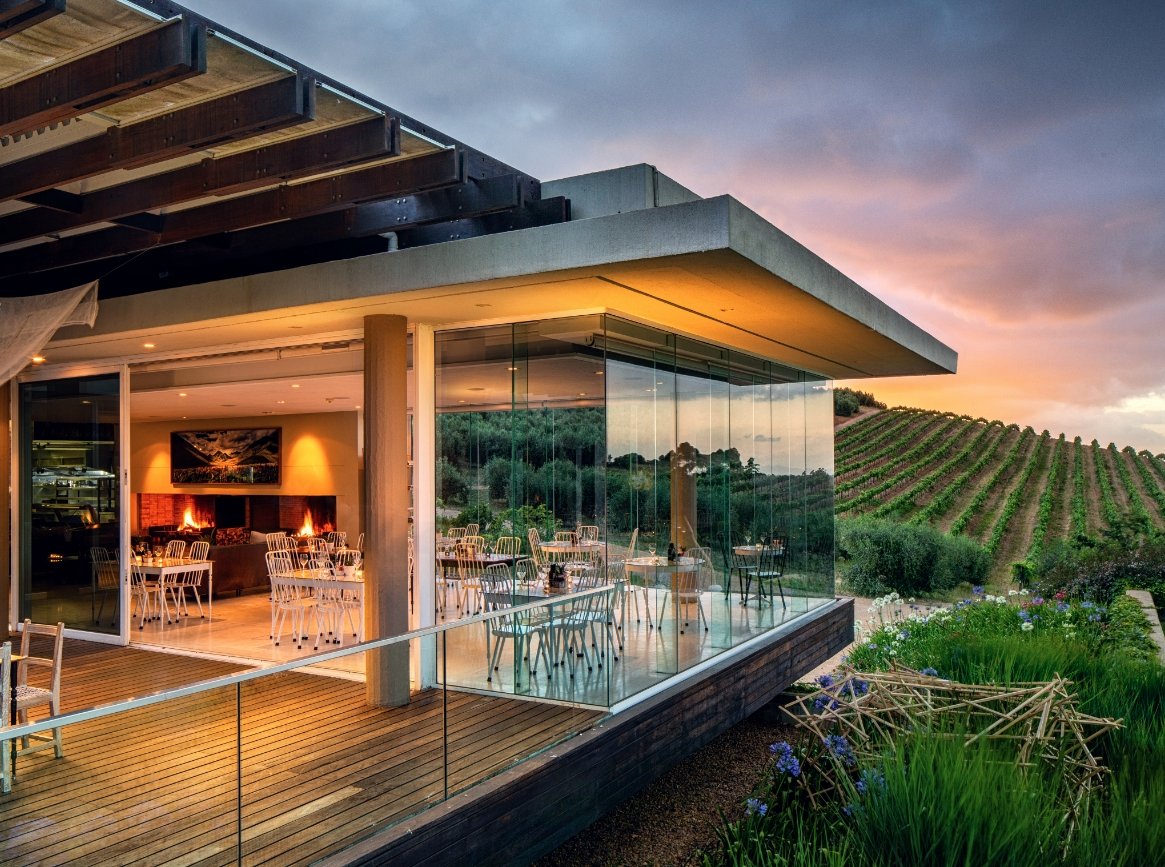
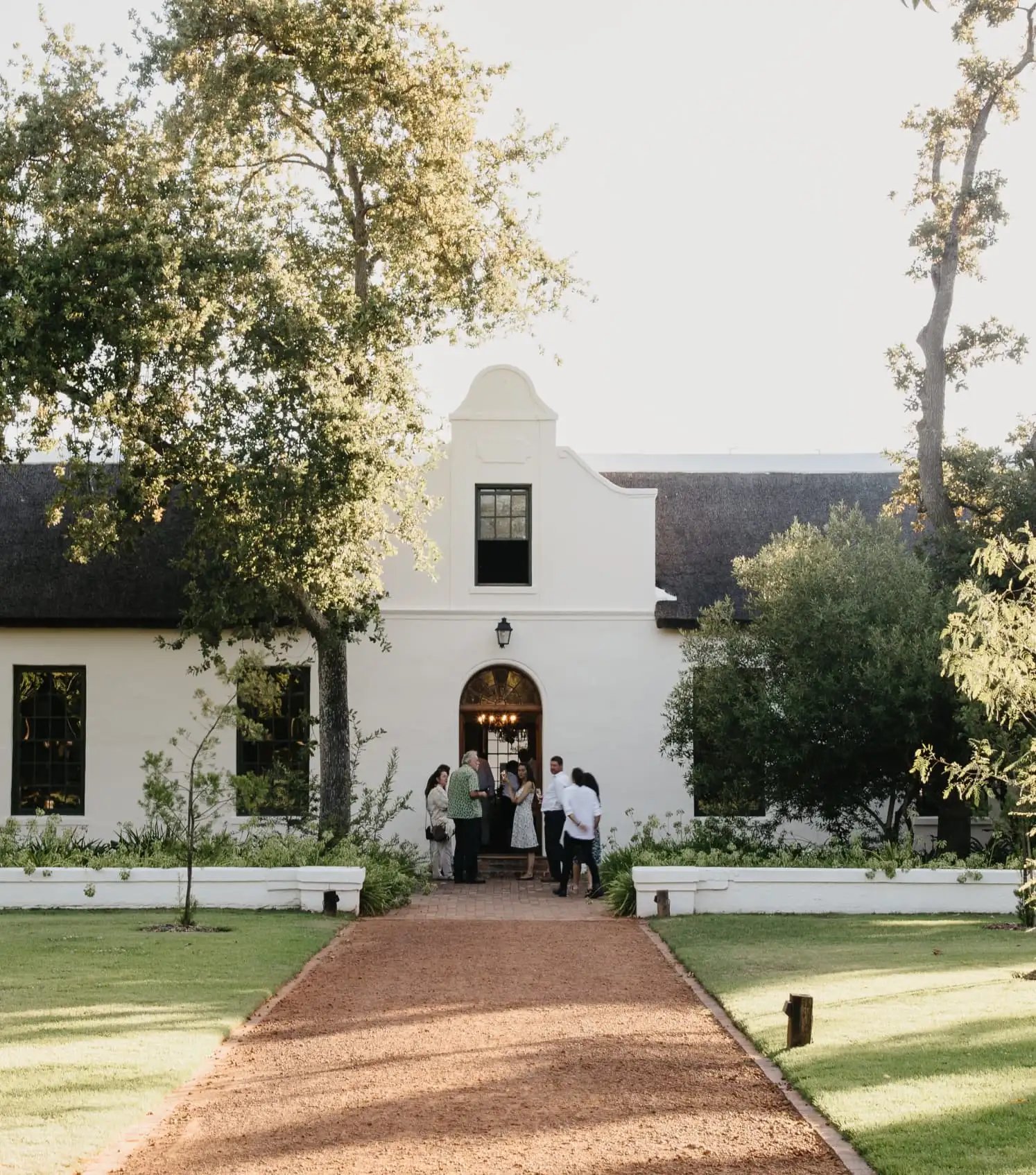
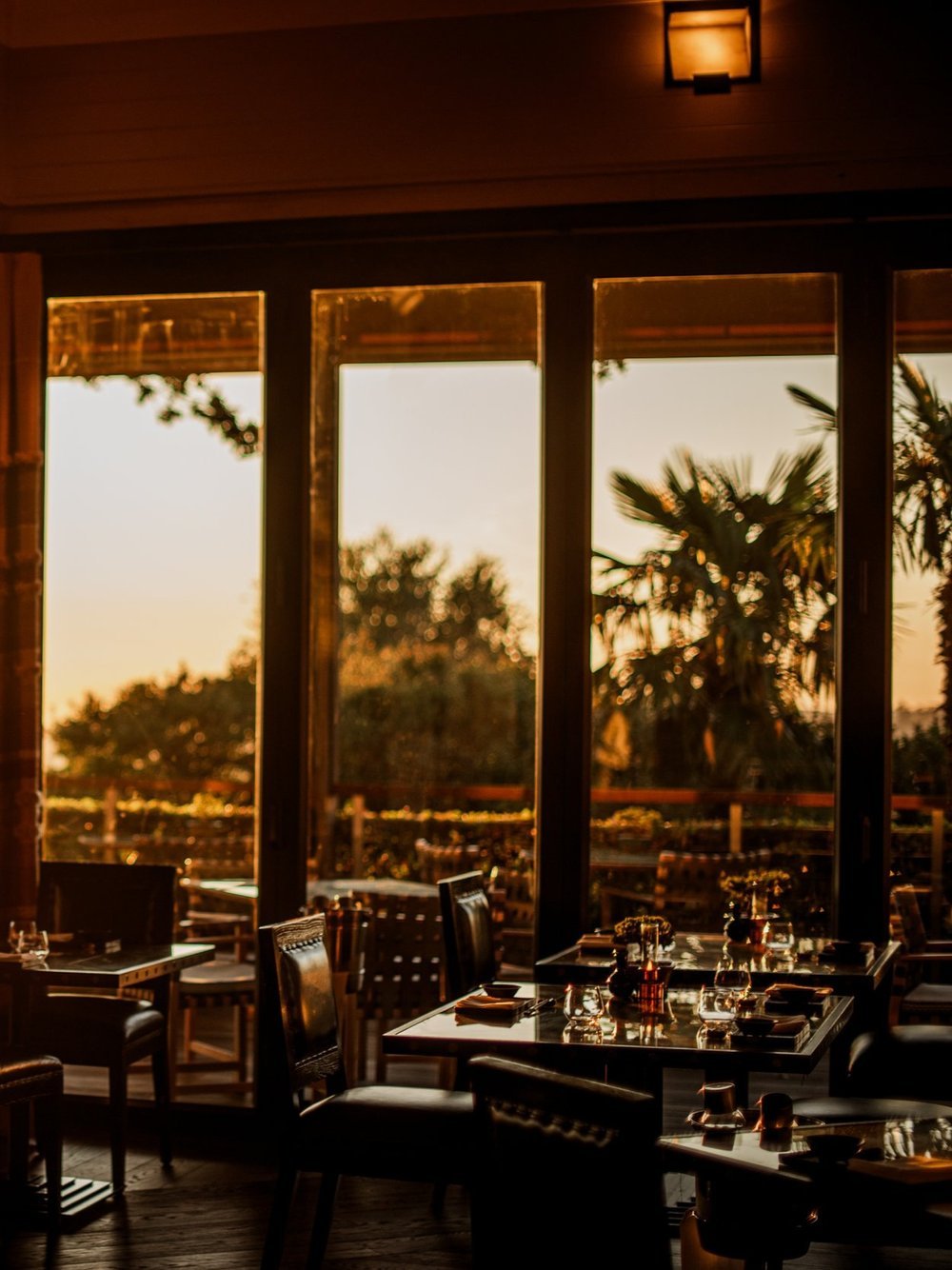
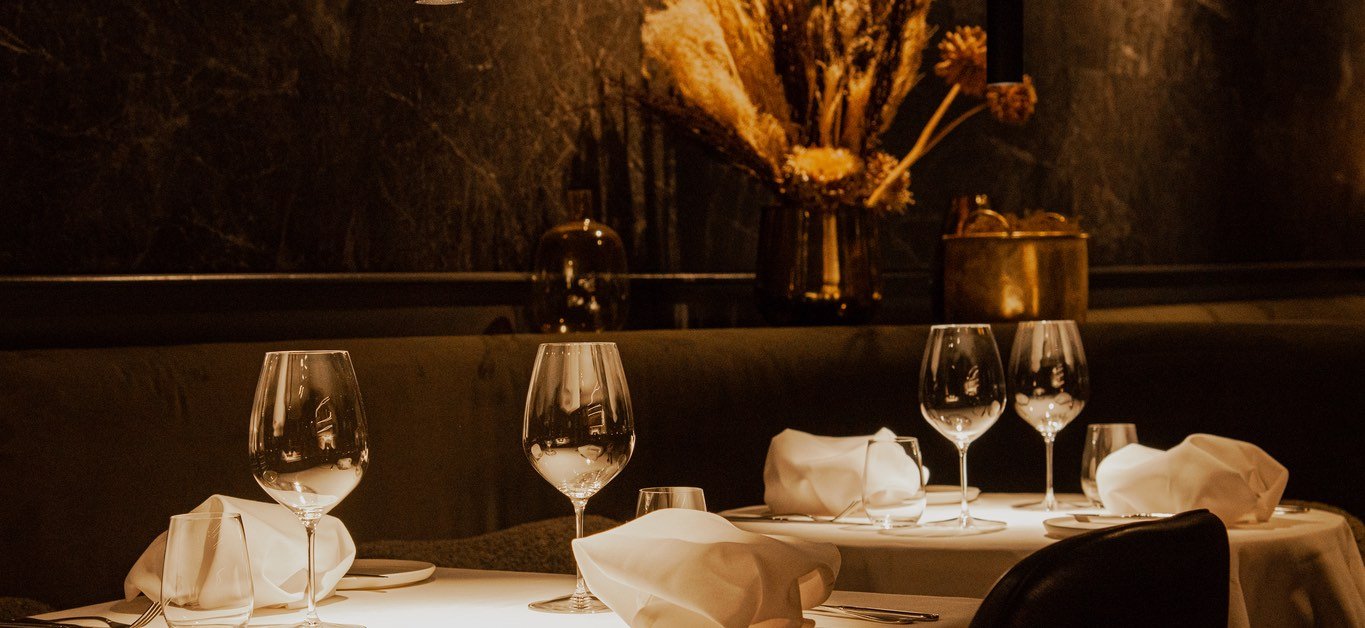
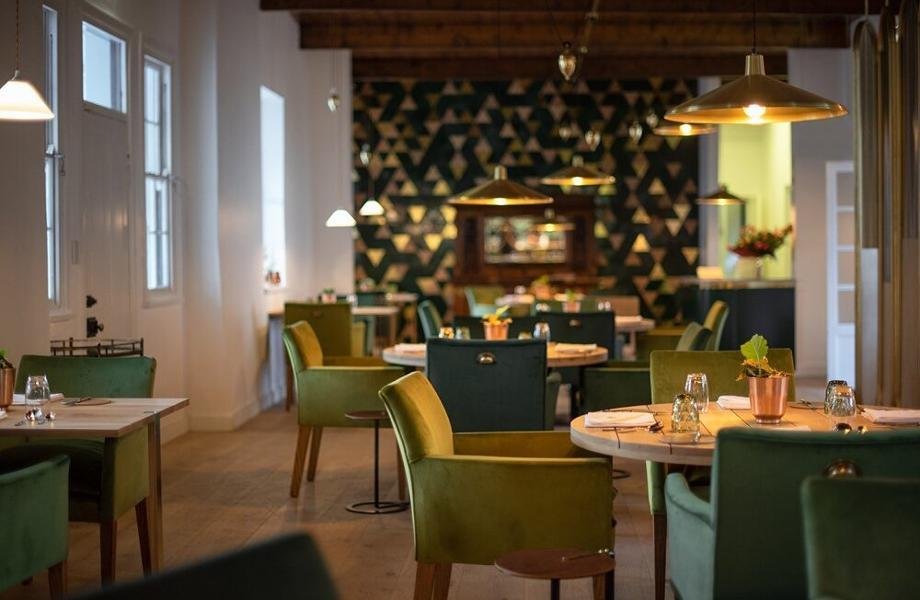
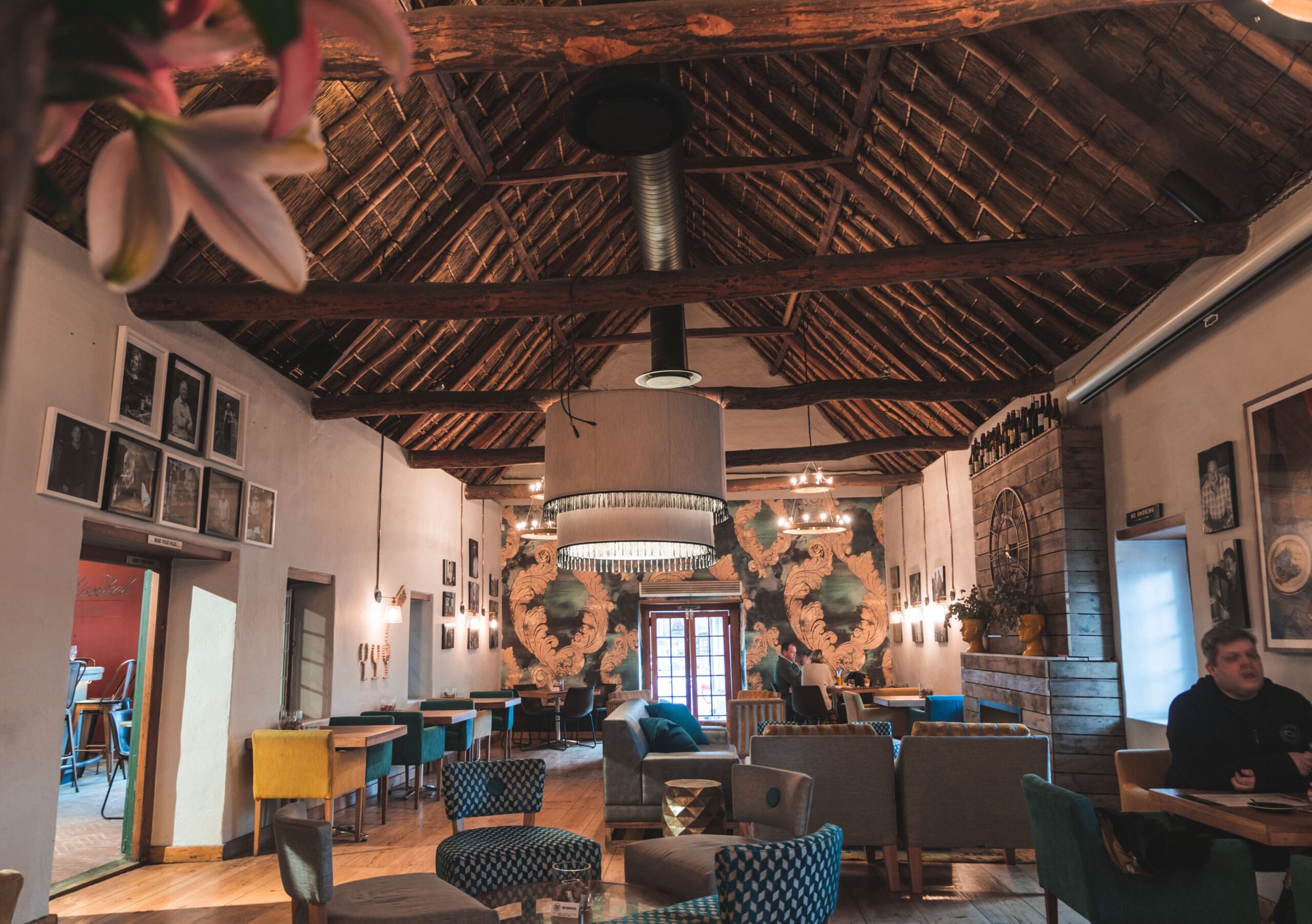
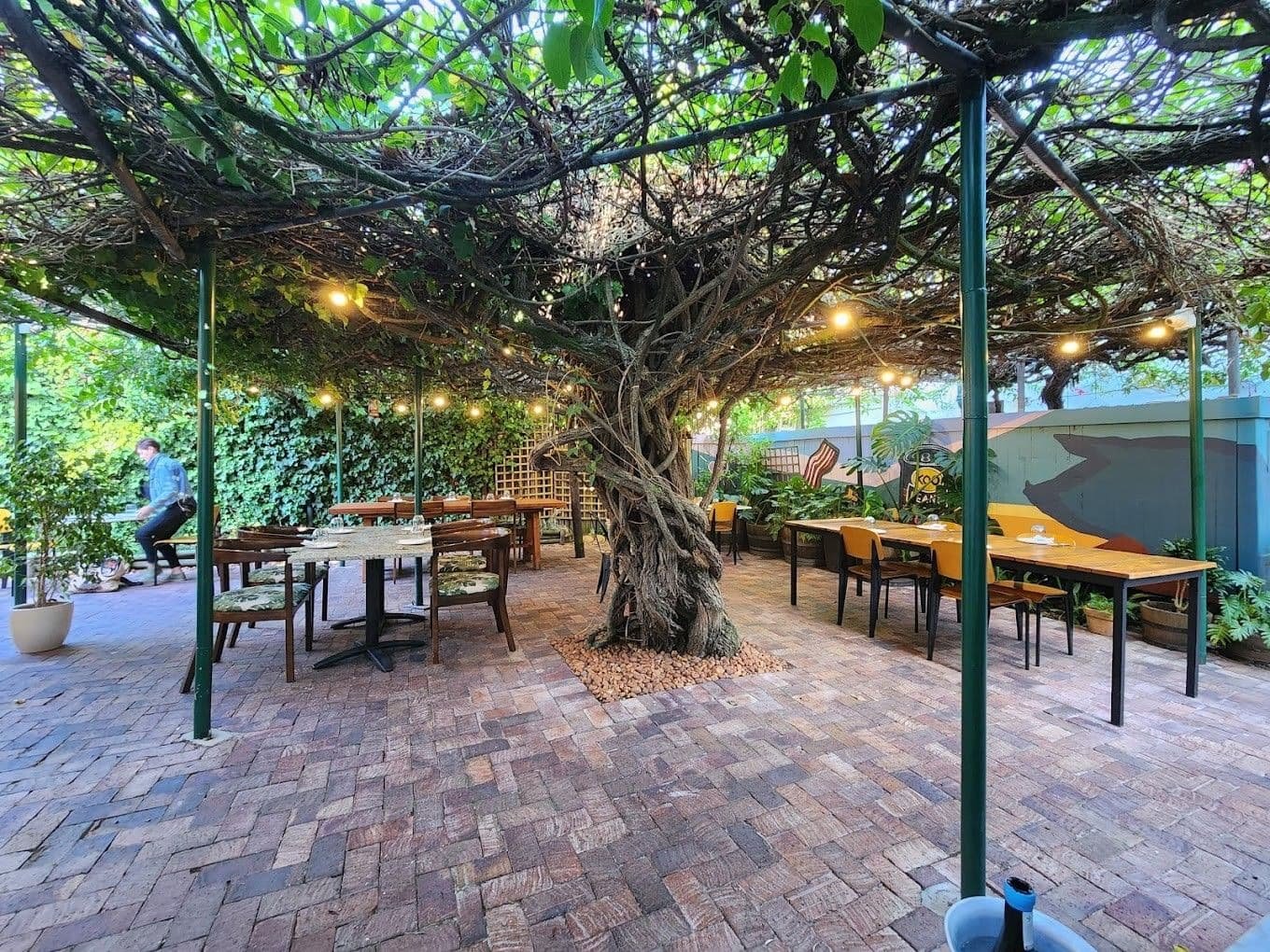
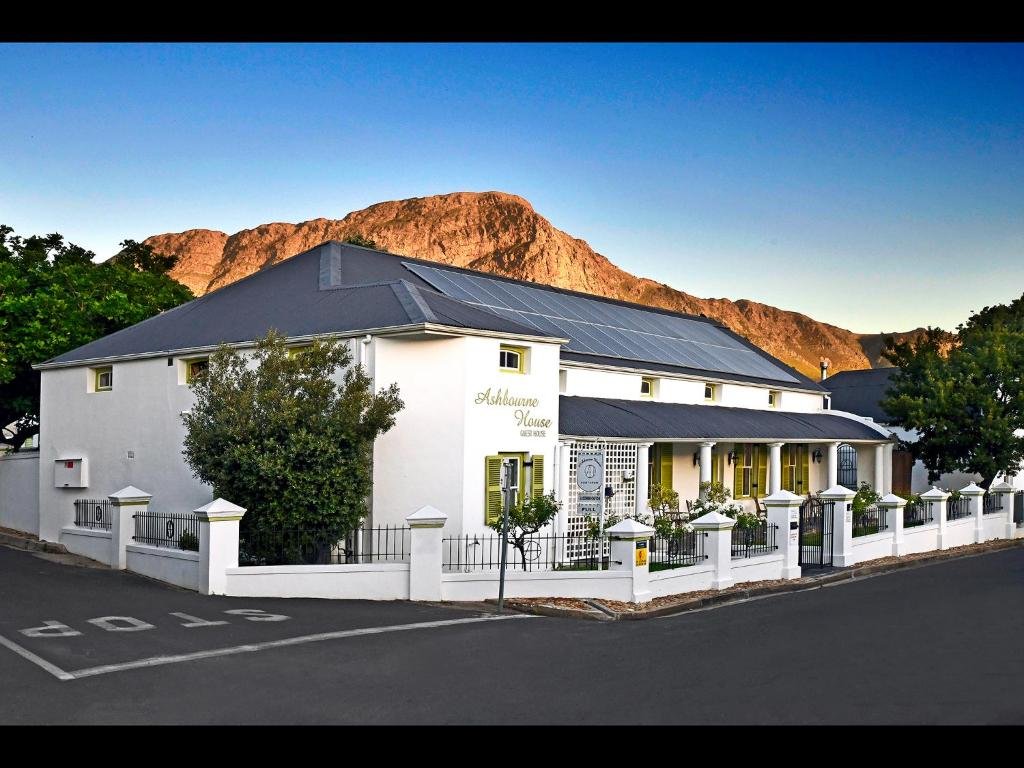
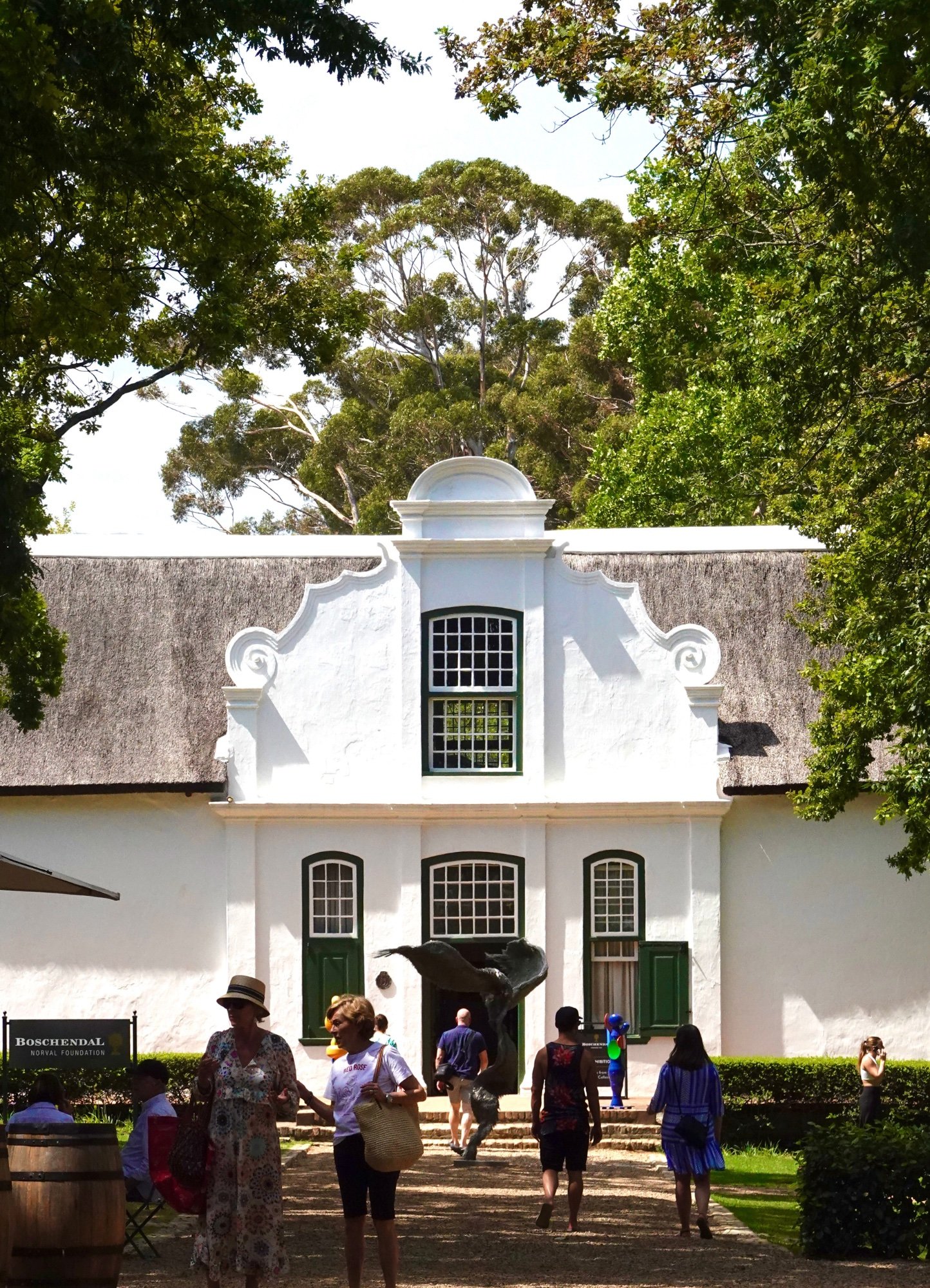
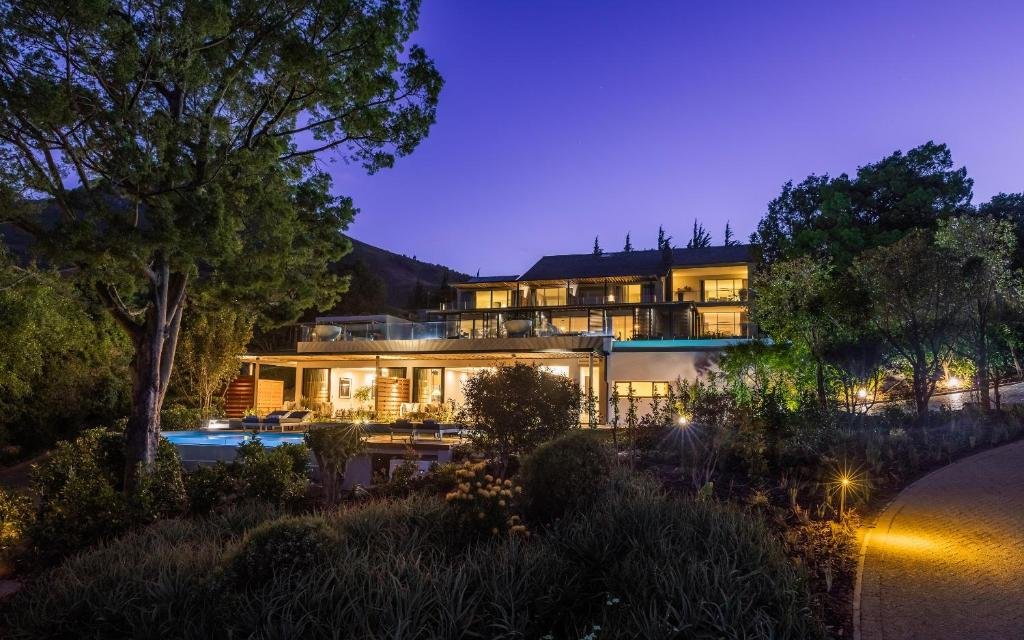
Classic and elegant with natural beauty,family tradition, and serene estate atmosphere highlighted in guest reviews.
Tags
Vibe
Best For
Experience
Sourcing
View
At the Vineyard
- Appellation
- Stellenbosch
- Varietals
- Pinotage, Cabernet Sauvignon, Merlot, Cabernet Franc
- Tour Duration
- 60-90 minutes
- Tour Languages
- English
- Visits
- By reservation
- Wine Styles
- Still Red
- Food Pairing
- Offered
- Wine Club
- Available
Know before you go
Know Before You Go
- Getting there
- R44, Stellenbosch, 7600
Planning details
Location
Recognition and awards


Also consider
Where to look if this is full
If Kanonkop Wine Estate is not workable, start with Warwick Estate for a polished Stellenbosch alternative or Simonsig Wine Estate for an easier group-friendly plan. For a more atmospheric backup, Muratie Wine Estate is the more relaxed cross-shop.
Winery context
How it compares in Stellenbosch
Kanonkop Wine Estate is the pick for collectors and allocation-minded visitors; Warwick Estate is the easier cross-shop if the group wants a broader estate experience with less pressure around the booking. For value, Kanonkop makes sense when wine access is the main goal. Warwick is the safer call when the day needs to work for mixed-interest guests.
Muratie Wine Estate and Delheim Wine Estate are better backup choices when ambiance and a looser Stellenbosch rhythm matter more than cellar seriousness. Kanonkop is harder to treat casually; plan it first, then use Muratie or Delheim to round out the day.
Simonsig Wine Estate and L'Avenir Wine Estate are useful alternatives if availability drives the decision. Choose Kanonkop when the trip is wine-led and worth planning around; choose Simonsig or L'Avenir when the group needs a smoother, easier Stellenbosch booking.
Around this place
Discover more on Pearl
Unlock the full Kanonkop Wine Estate guide in Pearl, including awards, comparisons, FAQs, planning details, and nearby places.
Compare Kanonkop Wine Estate
| Venue | Location | Awards |
|---|---|---|
| Kanonkop Wine Estate | Stellenbosch | 2026 Falstaff Winery Guide2025 World's 50 Best Vineyards · #44 |
| Warwick Estate | Stellenbosch | 2026 Falstaff Winery Guide |
| Muratie Wine Estate | Stellenbosch | 2026 Falstaff Winery Guide |
| Delheim Wine Estate | Stellenbosch | 2026 Falstaff Winery Guide |
| Simonsig Wine Estate | Stellenbosch | 2026 Falstaff Winery Guide |
| L’Avenir Wine Estate | Stellenbosch | 2026 Falstaff Winery Guide |
How Kanonkop Wine Estate Stellenbosch: Pearl Prestige Guide compares with similar nearby venues.
FAQ
Frequently Asked Questions
Can Kanonkop Wine Estate handle large groups?
Group capacity is not available. If you are planning for a party, contact the estate directly before arrival and confirm what arrangements are possible.
Is the wine club at Kanonkop Wine Estate worth joining?
What other wineries can I compare with Kanonkop Wine Estate?
Warwick Estate, Muratie Wine Estate, Delheim Wine Estate, Simonsig Wine Estate, and L'Avenir Wine Estate are natural comparisons. Confirm current visit details with each estate before finalising the day.
When is the best time to visit Kanonkop Wine Estate?
Does Kanonkop Wine Estate ship wine?
Shipping details are not available. If shipping matters, ask Kanonkop Wine Estate directly before or during your visit.