

2026 Falstaff Winery Guide: The Ultimate Wine Authority — Page 129
Falstaff's 2026 Wineries guide.

Venues on this list
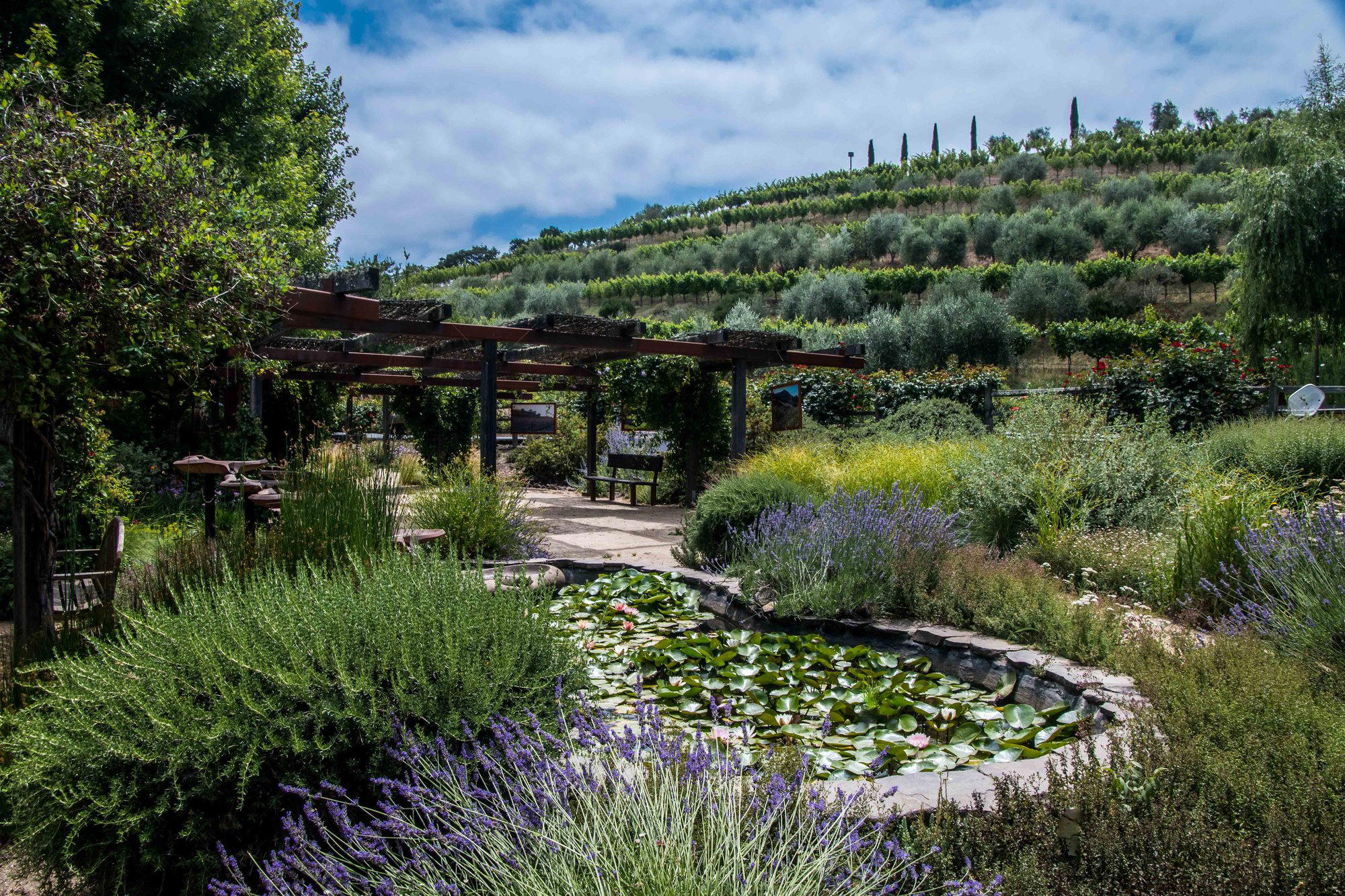
Benziger Family Winery
Glen Ellen, United States
Book Benziger Family Winery when you want a Glen Ellen winery visit to anchor the day rather than act as a casual add-on. The 2025 Pearl 2 Star Prestige signal makes it worth planning around, but food expectations should be handled carefully unless confirmed before visiting.
Château Les Trois Croix
Fronsac, France
Château Les Trois Croix is a Fronsac winery to shortlist for a wine-led stop, especially if recent Falstaff recognition matters in your planning. It is better suited to visitors building a focused Right Bank itinerary than to travelers who need a fully packaged hospitality experience with dining, hours, and booking details already laid out.
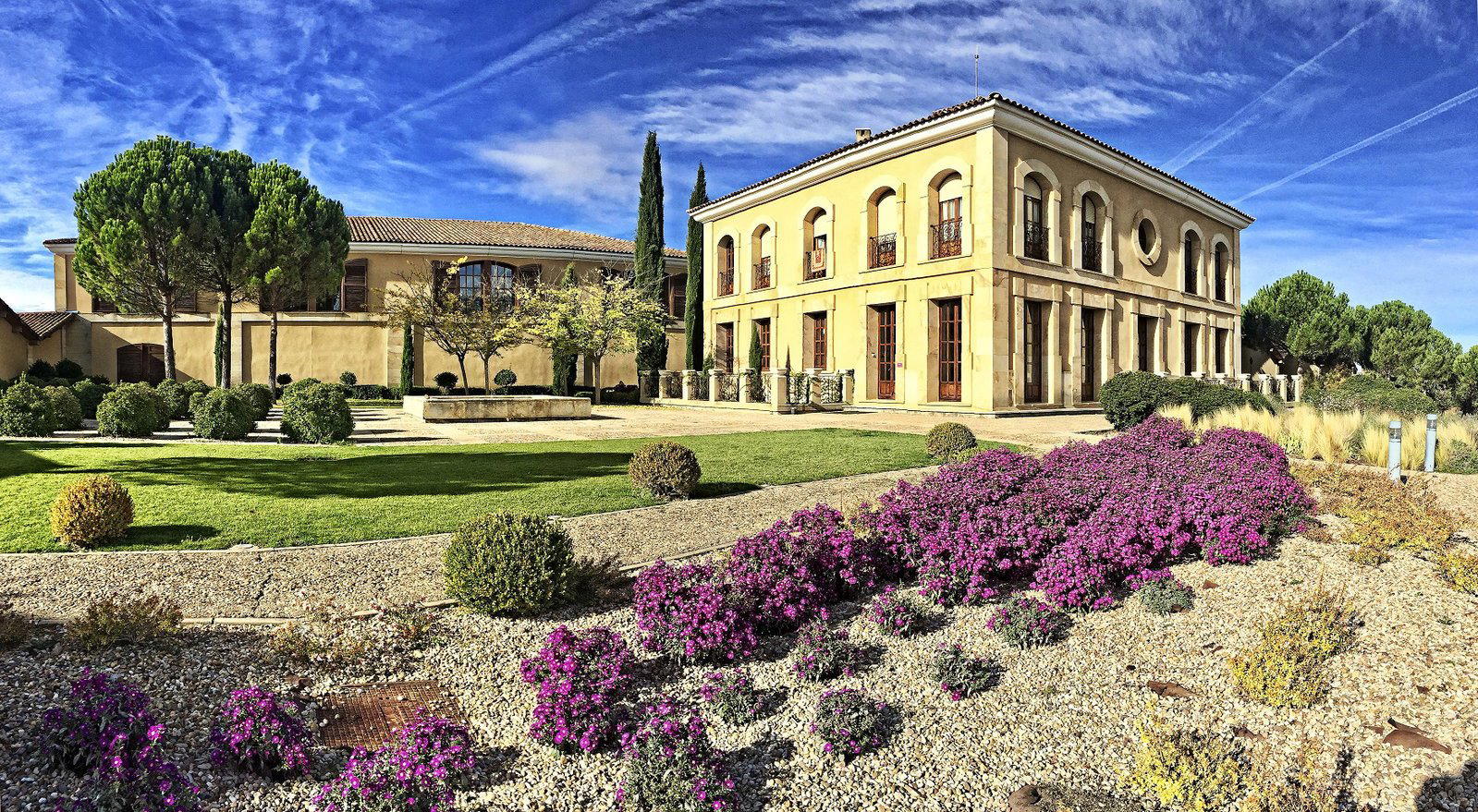
Bodegas Mambrilla
Mambrilla De Castrejon, Spain
Bodegas Mambrilla is a strong choice for Ribera del Duero visitors who want a quiet, cellar-led Tempranillo stop rather than a glossy wine-tourism production. The draw is its family-owned profile, 70 hectares of Tinta del País vineyards, underground aging tunnels, and focused Alidis portfolio. Plan ahead and treat it as a deliberate winery appointment, not a casual drop-in.
Giovinco
Sambuca Di Sicilia, Italy
Book Giovinco if you want a thoughtful Sicilian winery visit built around contrast: Sambuca di Sicilia’s organic inland vineyards set against volcanic Etna sites. It is a better fit for wine travelers who like farming, soils, and native varieties than for casual groups looking for a packaged tasting room or a clearly defined wine-club program.
Weingut Fritz Haag
Brauneberg, Germany
Book Weingut Fritz Haag if the goal is a serious Brauneberg Riesling stop, not a casual tasting-room afternoon. It suits collectors, couples, and small celebration plans better than large-group itineraries, and the rest of the day should stay flexible around the appointment.
Goretti
Perugia, Italy
Book Goretti if a first Umbrian winery visit should feel rooted in Perugia rather than generic wine tourism. The draw is the family estate atmosphere, historic tower setting, Colli Perugini and Montefalco range, and experience formats that can stretch from a tasting to a fuller food or activity-led visit.
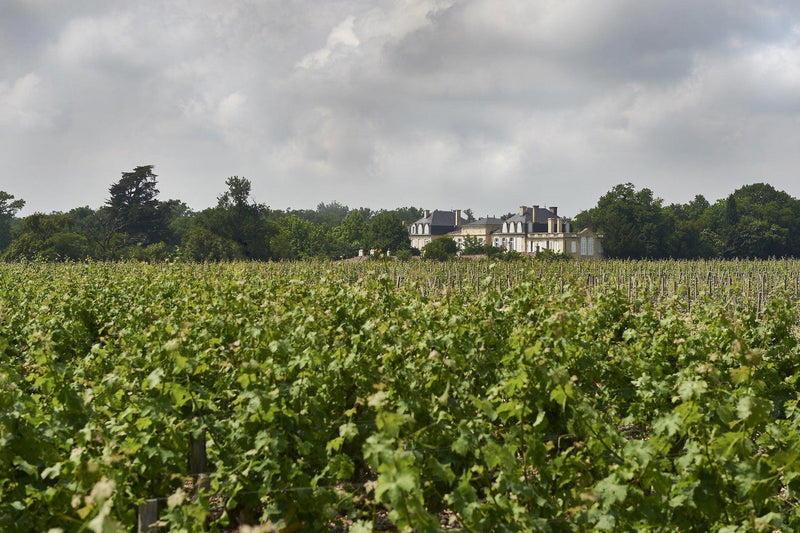
Château Léoville Barton
Saint-Julien-Beychevelle, France
Book Château Léoville Barton if the goal is a serious Saint-Julien wine stop with historical weight, not a casual tasting-room visit. Its first vintage dates to 1821, and the decision comes down to access: plan well ahead, build a flexible Médoc day, and compare it with nearby peers if availability is limited.
Domaine Sauvète
Monthou Sur Cher, France
Book Domaine Sauvète if you want an approachable organic Touraine tasting near Monthou-sur-Cher with real vineyard context and a family-friendly feel. It is strongest for Sauvignon Blanc drinkers, Loire explorers, and visitors pairing wine with Chenonceau or Beauval plans; less suited to anyone seeking a formal luxury tasting or dining-led estate visit.
Domaine Perrot-Minot
Morey-Saint-Denis, France
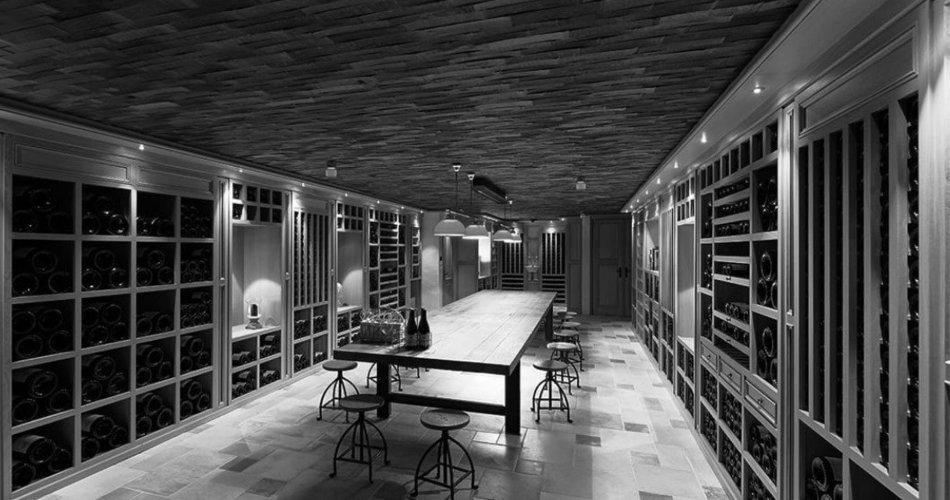
Domaine Perrot-Minot is worth targeting if the Morey-Saint-Denis plan is wine-first and built around serious Burgundy context. Do not treat it as a casual food-pairing stop; plan meals separately and keep backup winery options nearby in case access is tight.
Francesco Rinaldi e Figli
Alba, Italy
Book Francesco Rinaldi e Figli if the priority is traditional Barolo, cellar context, and serious Nebbiolo buying decisions. The $$$ value is in the heritage, Cannubi and Brunate credibility, large-cask aging, and appointment-only focus, not in high-touch tourism extras or a food program.
Hillepranter
Marlengo, Italy
Hillepranter works if the goal is a quiet Marlengo base with rural South Tyrolean character rather than a fully defined winery experience. The $$ positioning and Falstaff Listed recognition help the value case, but first-timers should not expect a clearly published tasting program, wine club, or chef-led hospitality format.
Château Quintus
Saint-Émilion, France
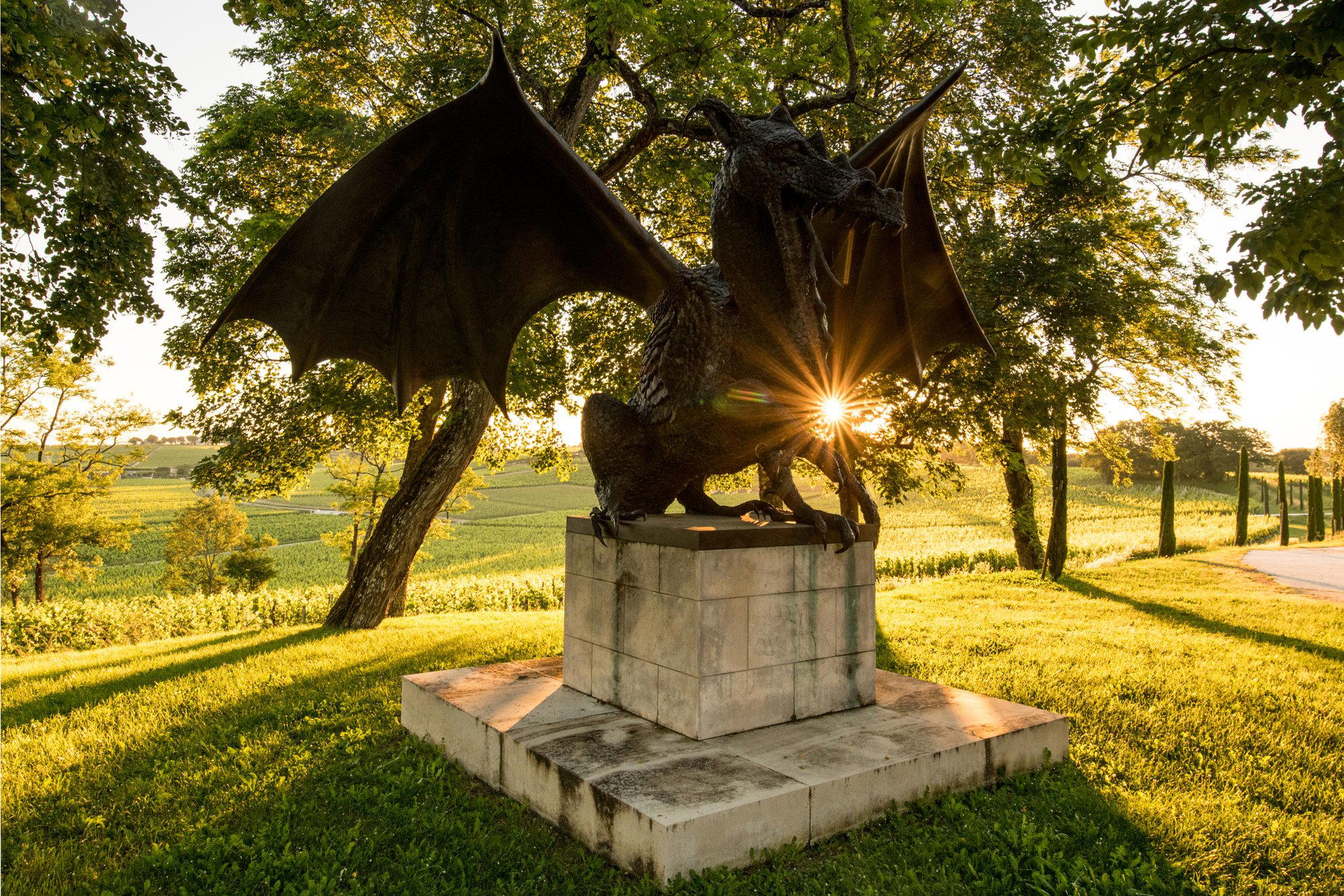
Château Quintus is a strong Saint-Émilion choice for a special-occasion tasting focused on limestone terroir, Merlot-Cabernet Franc blends, and a calm Right Bank setting. The value case is clearest if visitors compare the Grand Vin with Le Dragon de Quintus rather than assuming the flagship is the only worthwhile bottle.
Scarecrow
Napa, United States
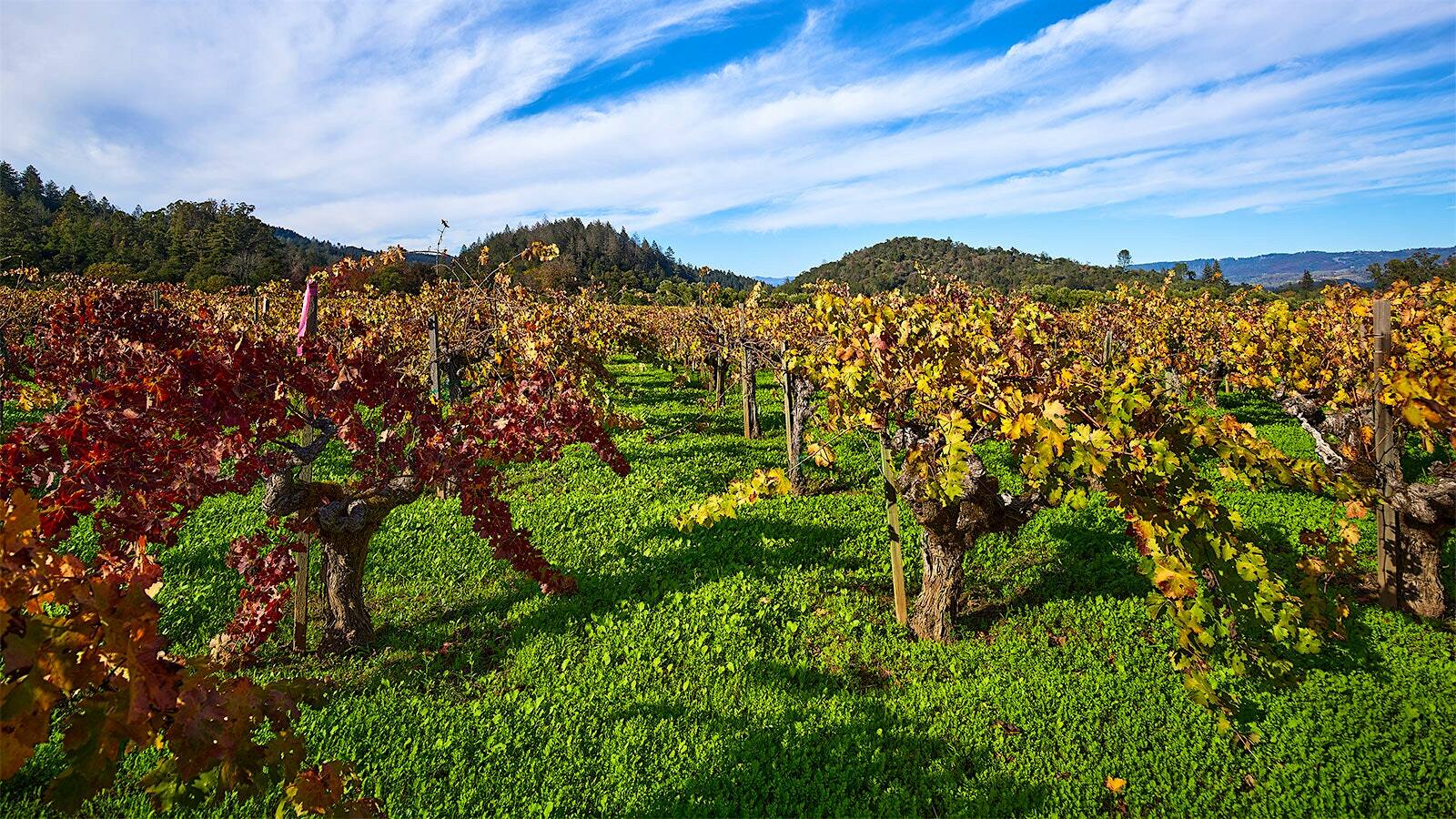
Scarecrow is a Napa Valley wine producer.
Chiorri
Perugia, Italy
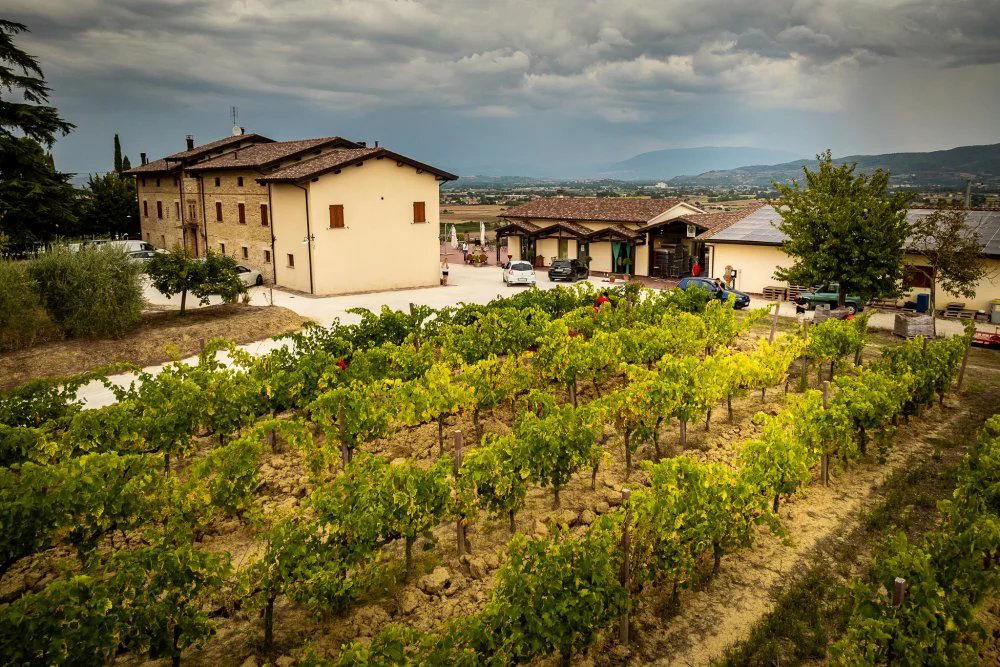
Chiorri is worth booking if the goal is a relaxed, family-run Umbrian winery visit near Perugia rather than a formal luxury tasting. The strongest reasons to go are the guided format, long family history, estate-grown approach and SQNPI sustainability certification, all of which make it a useful first stop for understanding local Perugia wine.
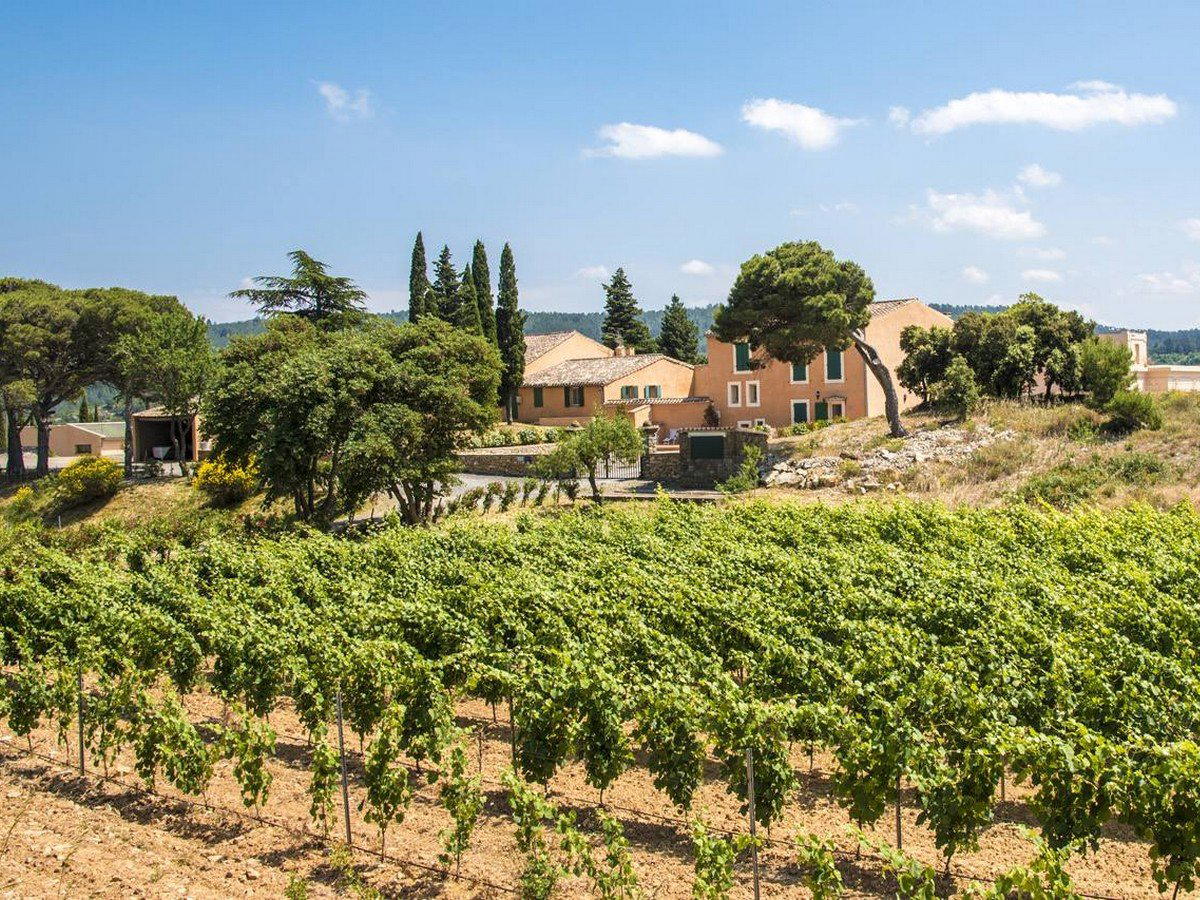
Château Cicéron
Lezignan Corbieres, France
Château Cicéron is worth booking if you want a relaxed Corbières estate stop with organic-winemaking context and rustic outdoor character. It is better suited to curious wine travelers than anyone looking for a formal luxury tasting room or restaurant-style hospitality.
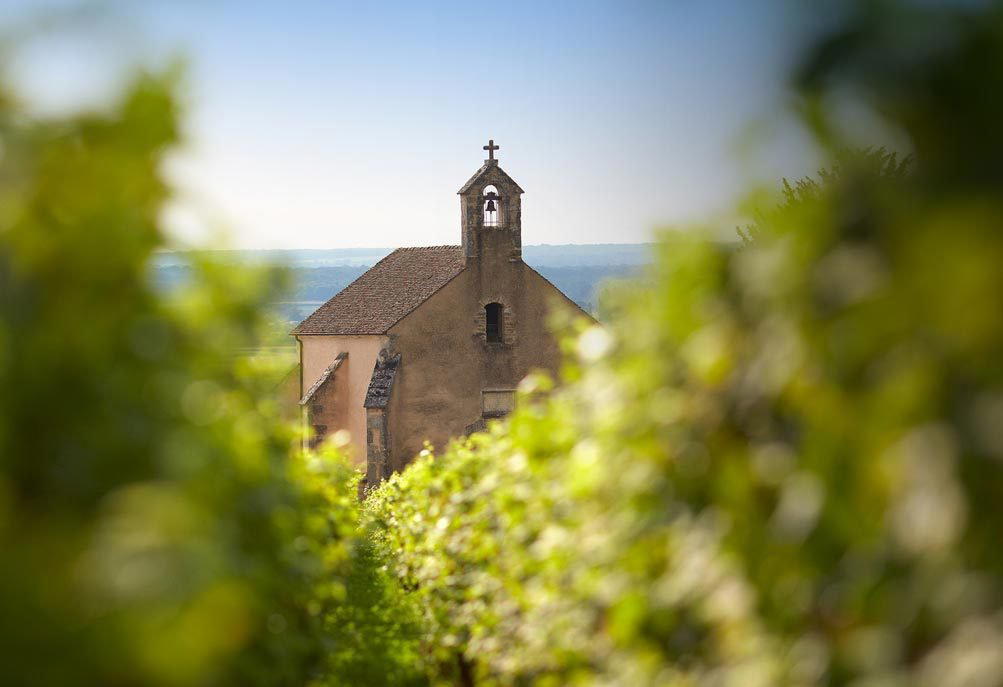
Domaine Clos de la Chapelle
Beaune, France
Domaine Clos de la Chapelle is a better fit for a second Beaune visit than a first-time tasting circuit. Choose it if the goal is a focused Burgundy winery stop and the itinerary can handle tighter access; choose a larger Beaune house if the group needs easier planning, clearer visitor infrastructure, or a confirmed food-led experience.

A-Nobis Sektkellerei Norbert Szigeti
Zurndorf, Austria
A-Nobis Sektkellerei Norbert Szigeti is worth prioritising if sparkling wine is the point of a Burgenland itinerary. The Zurndorf setting suits focused wine travelers more than casual drop-ins, and Falstaff 3 Stars (2026) gives it a clear quality signal. Plan it as part of a wider Lake Neusiedl winery route rather than a quick add-on.
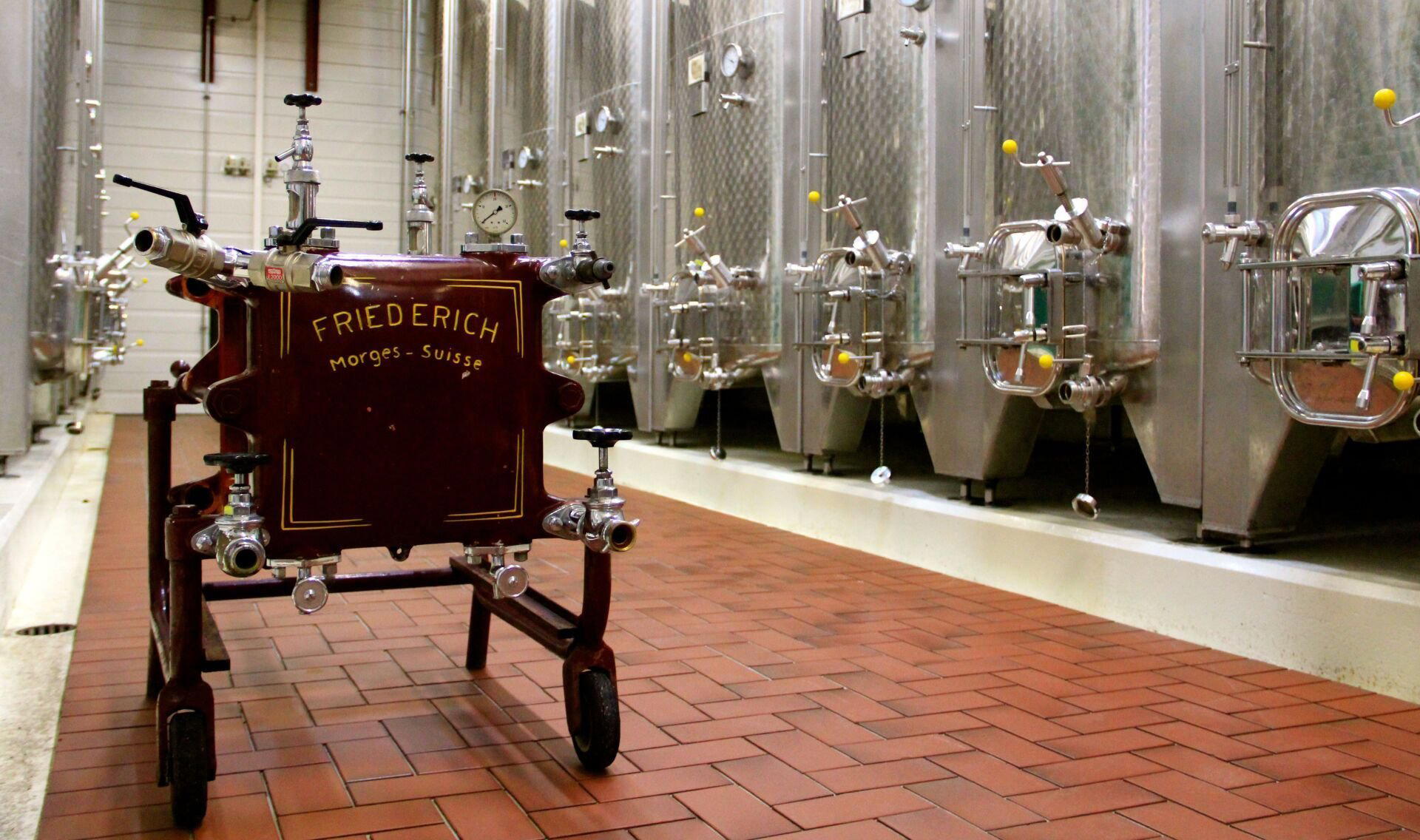
Domaine Rosset
Rolle, Switzerland
Domaine Rosset is a good fit for a quiet, appointment-led winery visit in Rolle, especially for couples or small groups who care about La Côte vineyards and Swiss varieties. Expect a rural cellar feel rather than a flashy hospitality setup, with Falstaff Listed recognition in 2026 and a portfolio spanning Chasselas, Pinot Noir, Gamay, Gamaret, Garanoir, and more.
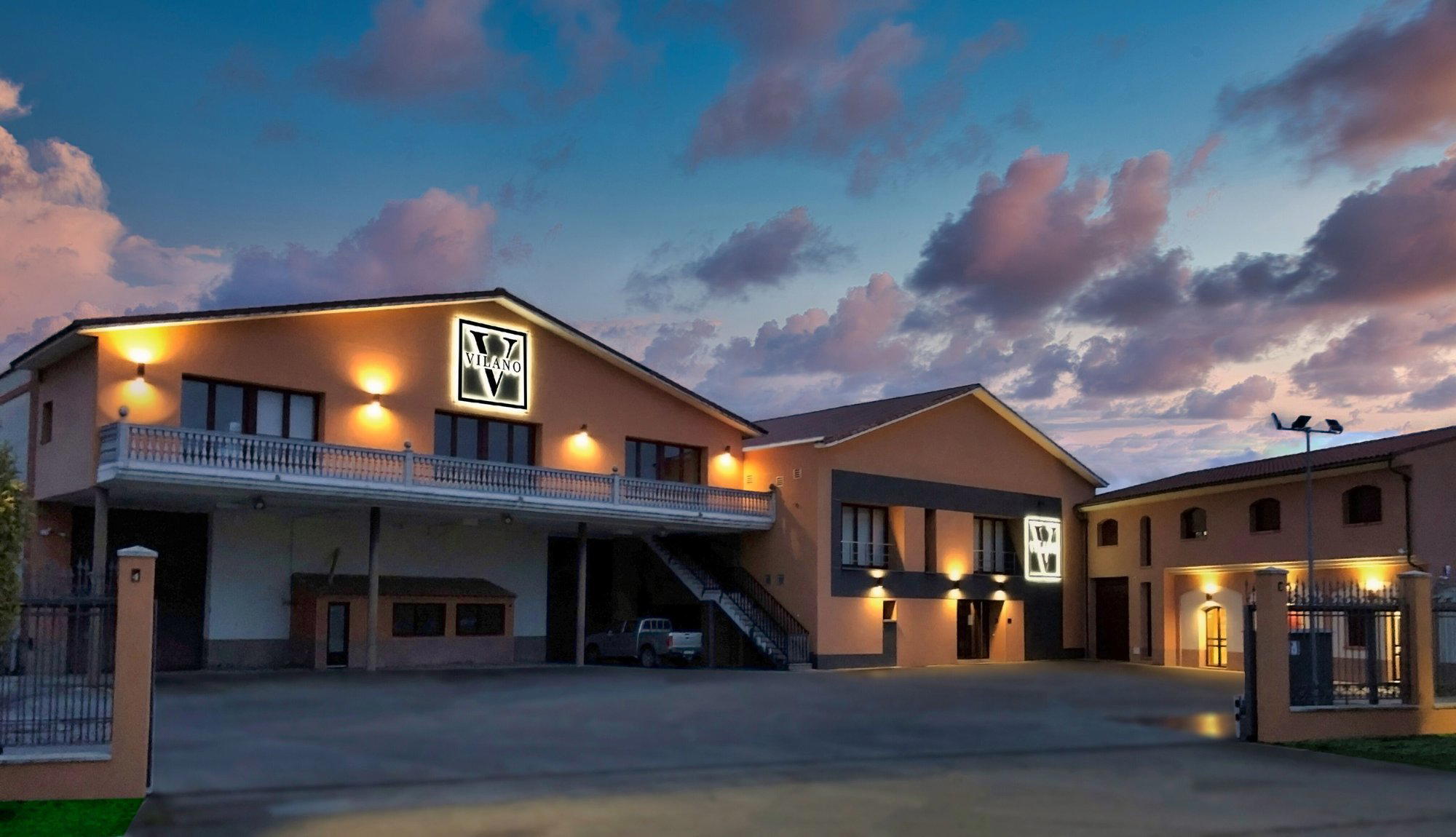
Bodegas Vilano
Pedrosa De Duero, Spain
Book Bodegas Vilano if you want a serious Ribera del Duero cooperative tasting rather than a luxury-estate spectacle. The private or upgraded format is the better call for first-timers because the portfolio spans young, oak-aged, reserva, and author-style reds, with Falstaff 2-star recognition in 2026 supporting the quality case.
Abbadia Ardenga
Torrenieri, Italy
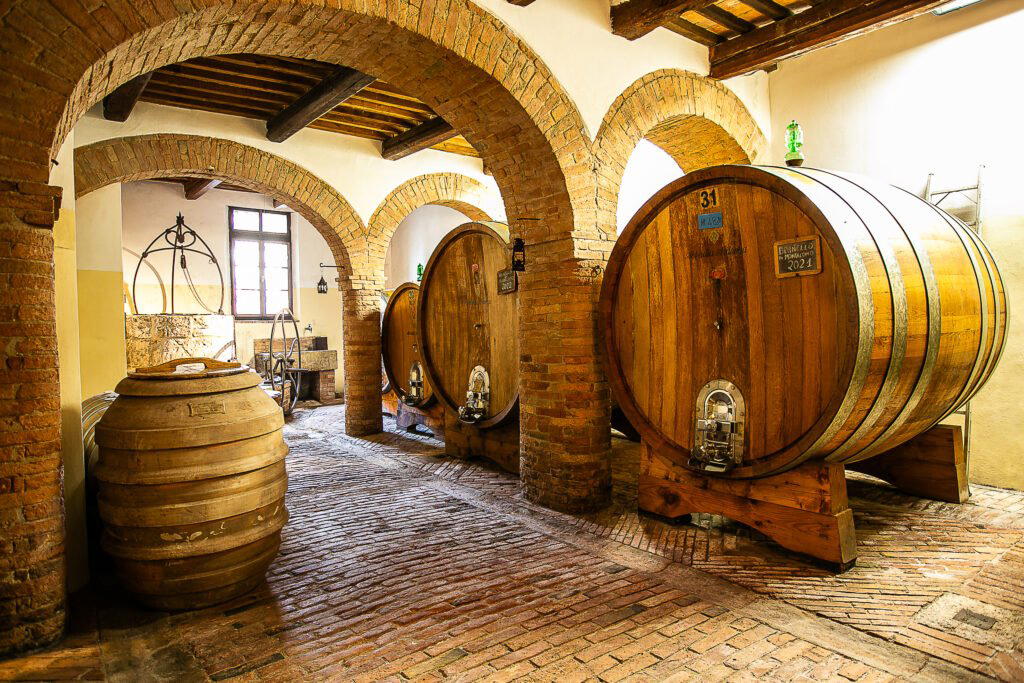
Abbadia Ardenga is worth prioritizing if the goal is a relaxed, small-scale Brunello di Montalcino tasting rather than a polished hospitality production. Go for Sangiovese context, rustic cellar atmosphere, and a slower conversation-led visit; skip it if the itinerary needs broad varietal range or a large-group setup.
Castel Pietra
Mezzocorona, Italy
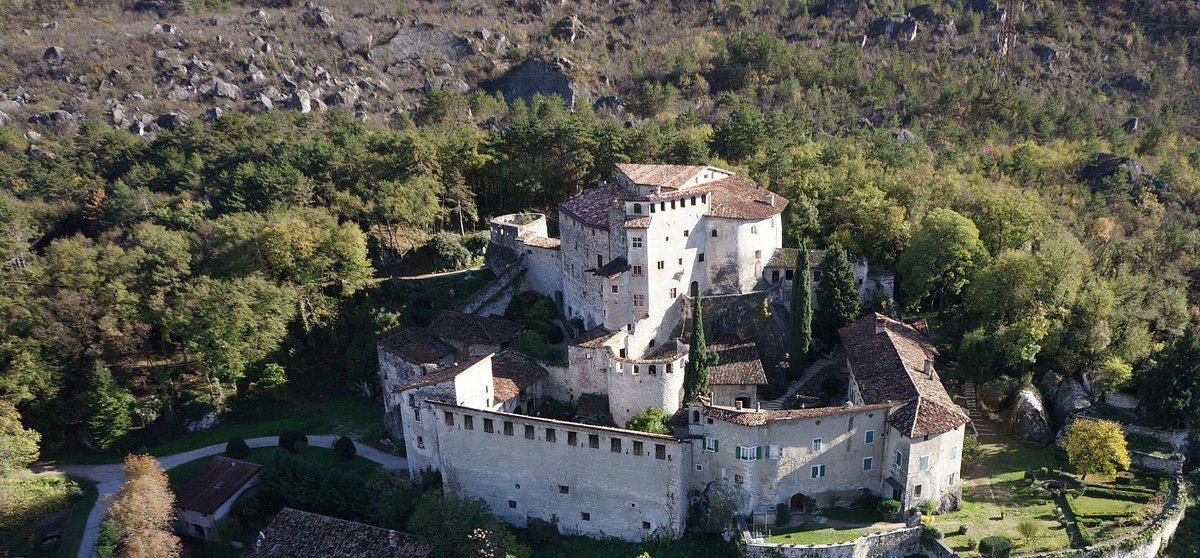
Book Castel Pietra if you want a compact Trentino wine stop with Mezzacorona wines and an accessible guided format. The draw is the combination of Gothic rooms, vineyard setting, and fresh, stainless-steel-led Pinot Grigio rather than a deep cellar tasting or food-led experience.
Domaine de Chantegrive
Gilly, Switzerland
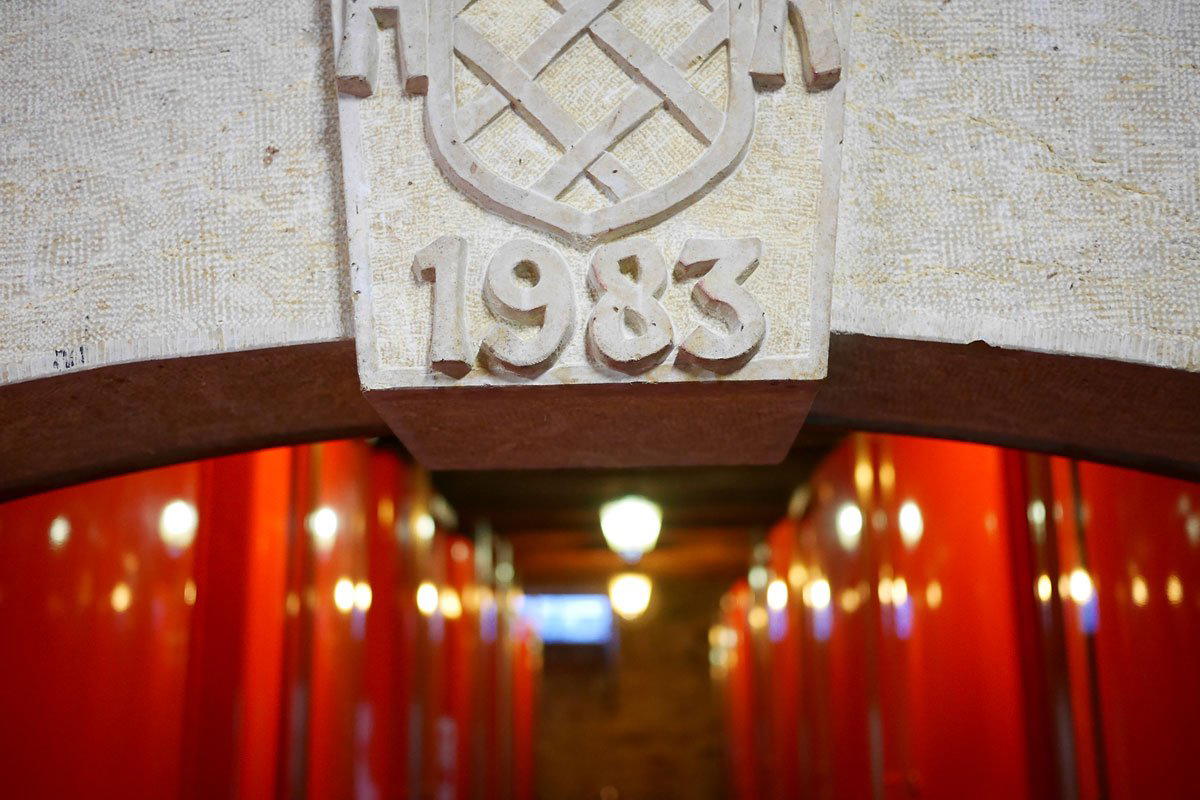
Domaine de Chantegrive is worth pursuing for wine-focused travelers in Gilly, especially because its Falstaff 3 Stars in 2026 gives it a clear quality signal. Do not join any club or allocation model without confirming pricing, release rules, and access first; the value depends on those details, not the badge alone.
Viña VIK
San Vicente De Tagua Tagua, Chile
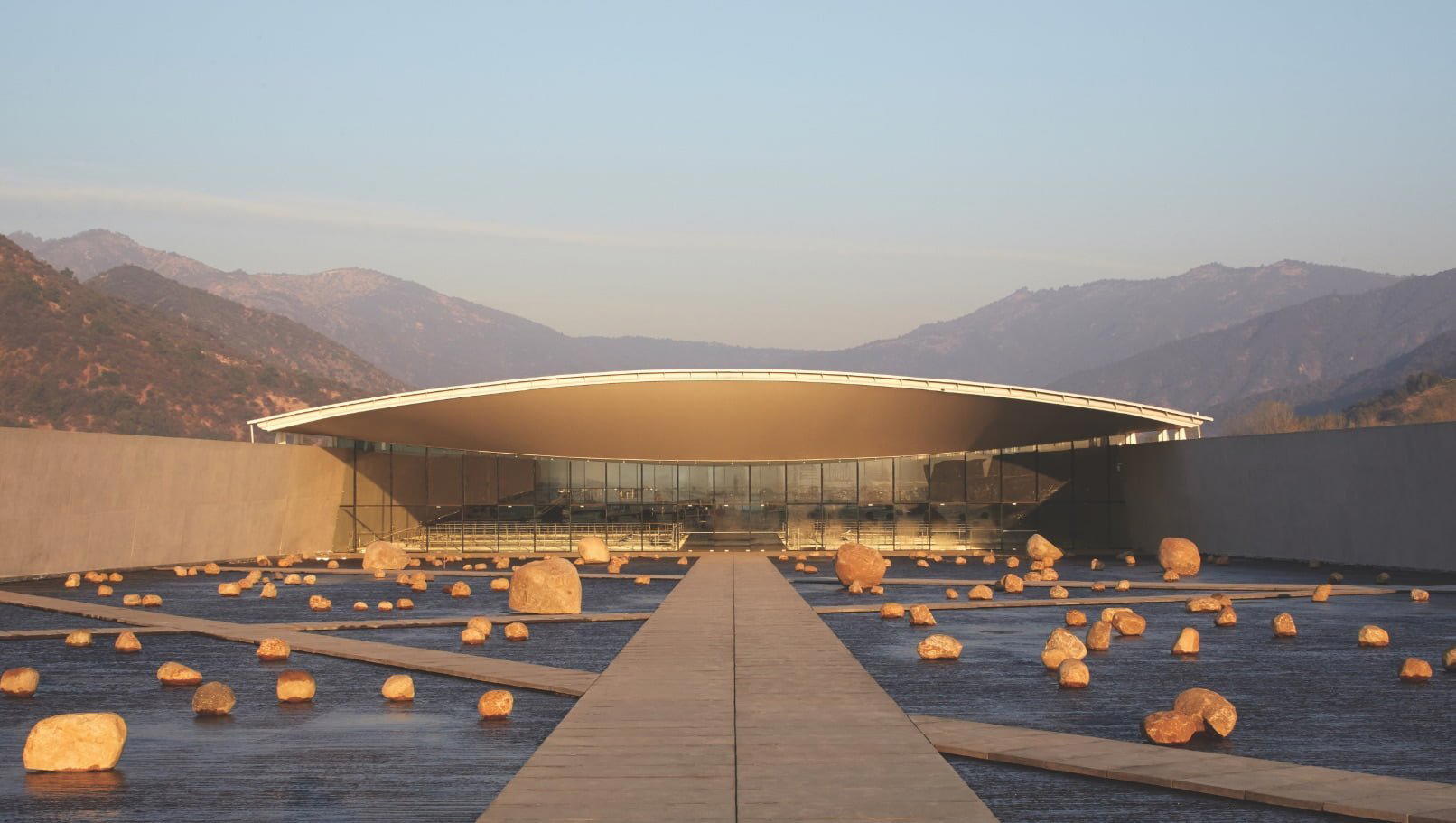
Viña VIK is a winery in Chile's Millahue Valley near San Vicente de Tagua Tagua.
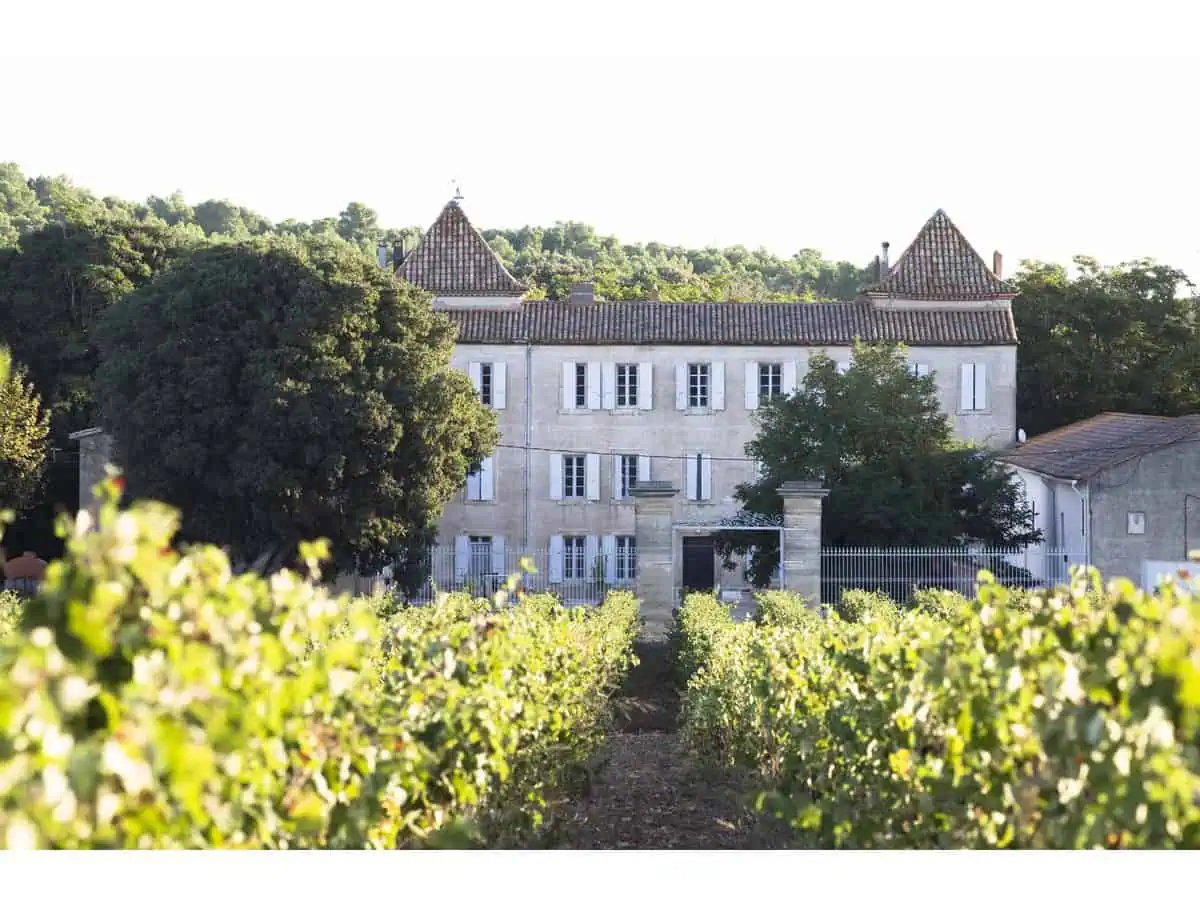
Château de Marmorières
Vinassan, France
Château de Marmorières works as an easy Vinassan wine-country stop if the estate setting matters as much as the tasting itself. It is better for flexible regional planning than for travelers who need published pricing, named flagship wines, or a tightly defined food-and-wine format before they go.
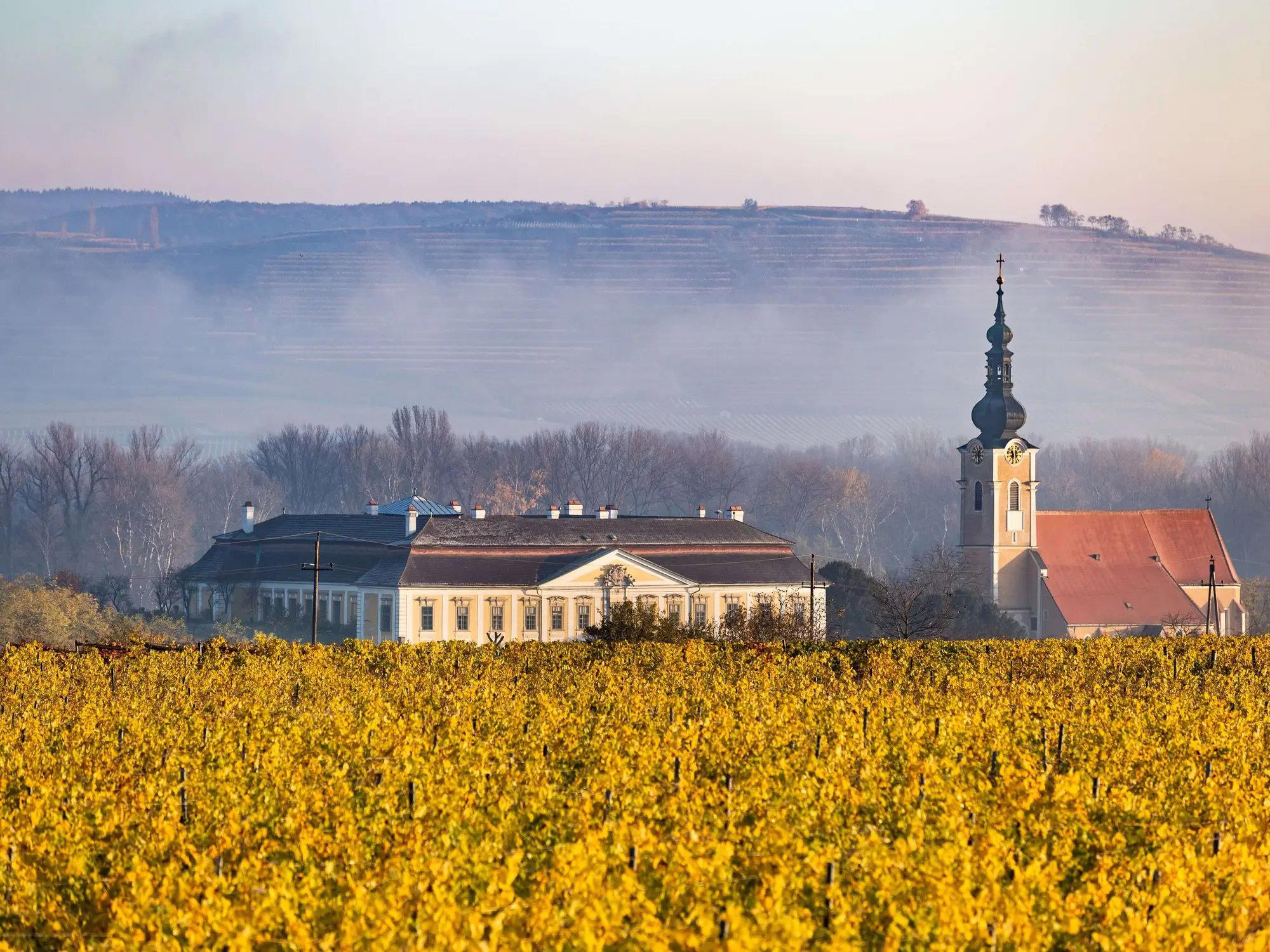
Schloss Gobelsburg (Weingut)
Langenlois, Austria
Schloss Gobelsburg (Weingut) is worth prioritizing for wine travelers who want a serious Langenlois producer with strong recognition and a heritage-led frame. It is a difficult booking, so treat it as an anchor stop rather than a casual add-on, and cross-shop nearby Langenlois wineries if the schedule is tight.
Château Meyre
Avensan, France
Château Meyre is worth choosing if the estate setting matters as much as the tasting. The appeal is a calm Haut-Médoc château experience with organic vineyards, guided wine context, and small-scale hospitality, better for a slow wine-country stay than a quick tasting-room sprint.
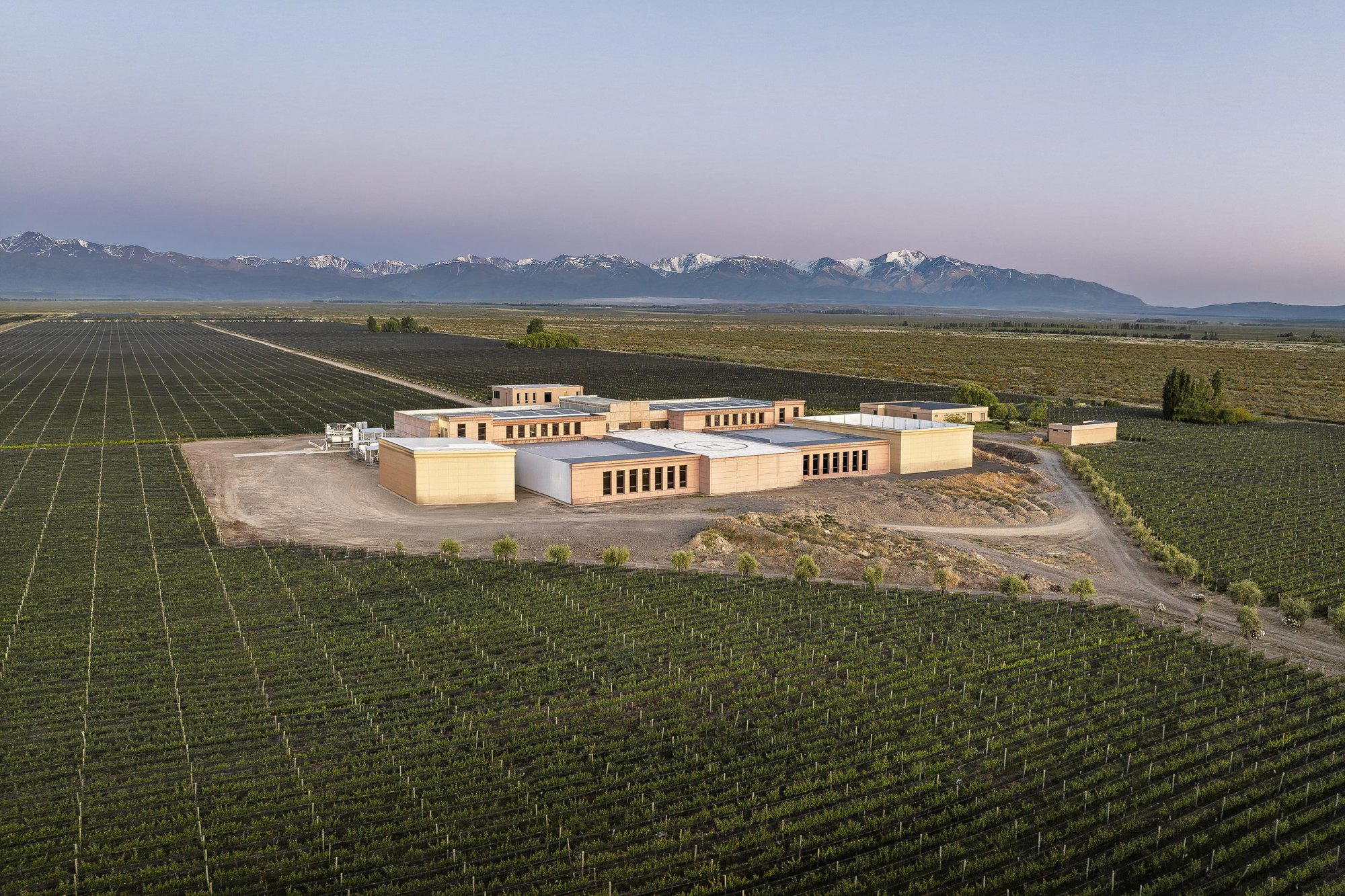
Cape Wine Makers Guild
Olive Grove, South Africa
Cape Winemakers Guild works for a wine-focused Olive Grove stop, especially if external recognition matters and the itinerary needs an easier booking. It is less suited to visitors who want a fully planned estate day with confirmed food, grounds, club benefits, or shipping details.
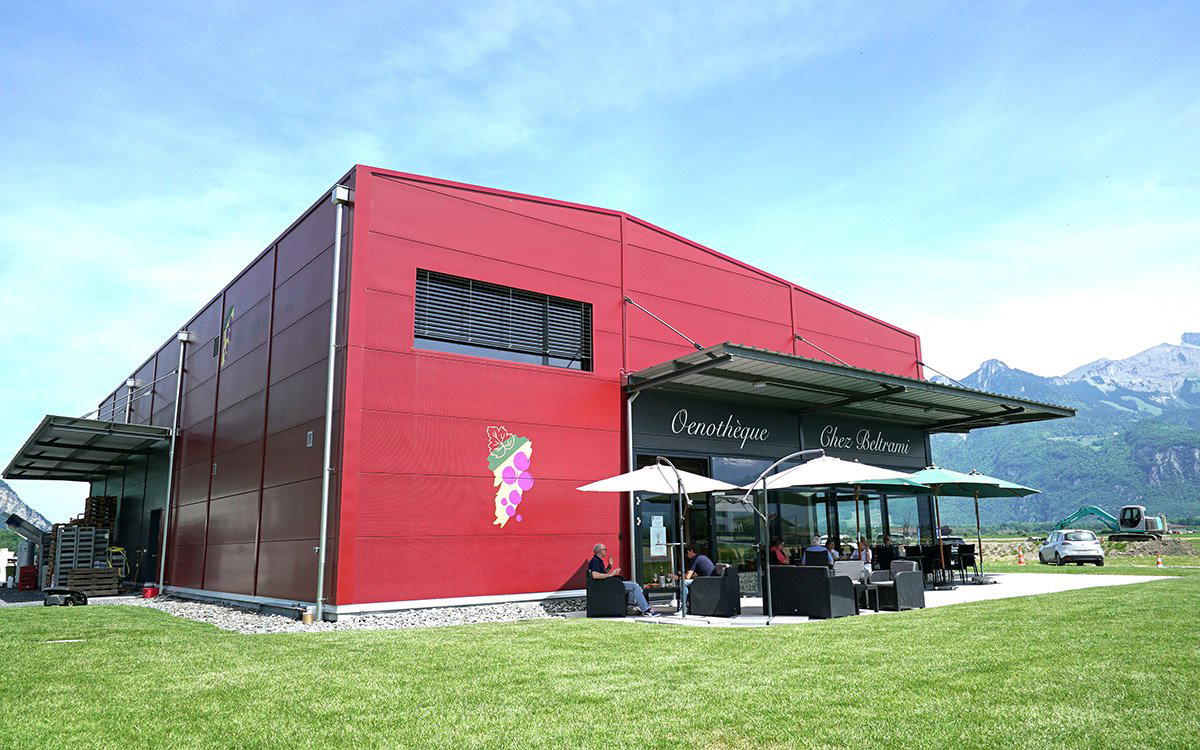
Cave Beltrami & Fils
Vionnaz, Switzerland
A good walk-in pick for wine travelers who want a relaxed Valais tasting with range rather than ceremony. Cave Beltrami & Fils works across Vionnaz, Chamoson, and St-Pierre-de-Clages, with known bottles including Liserose, Les Folies, and Harmonie. Book for family-run context, local grapes, and an intimate cellar feel.
Enosophia
Fericanci, Croatia
Enosophia works if Fericanci or inland Croatia is already on the route and the goal is a serious regional wine stop with 2026 Falstaff recognition. Plan ahead rather than treating it as a guaranteed walk-in tasting, since public practical details are thin.
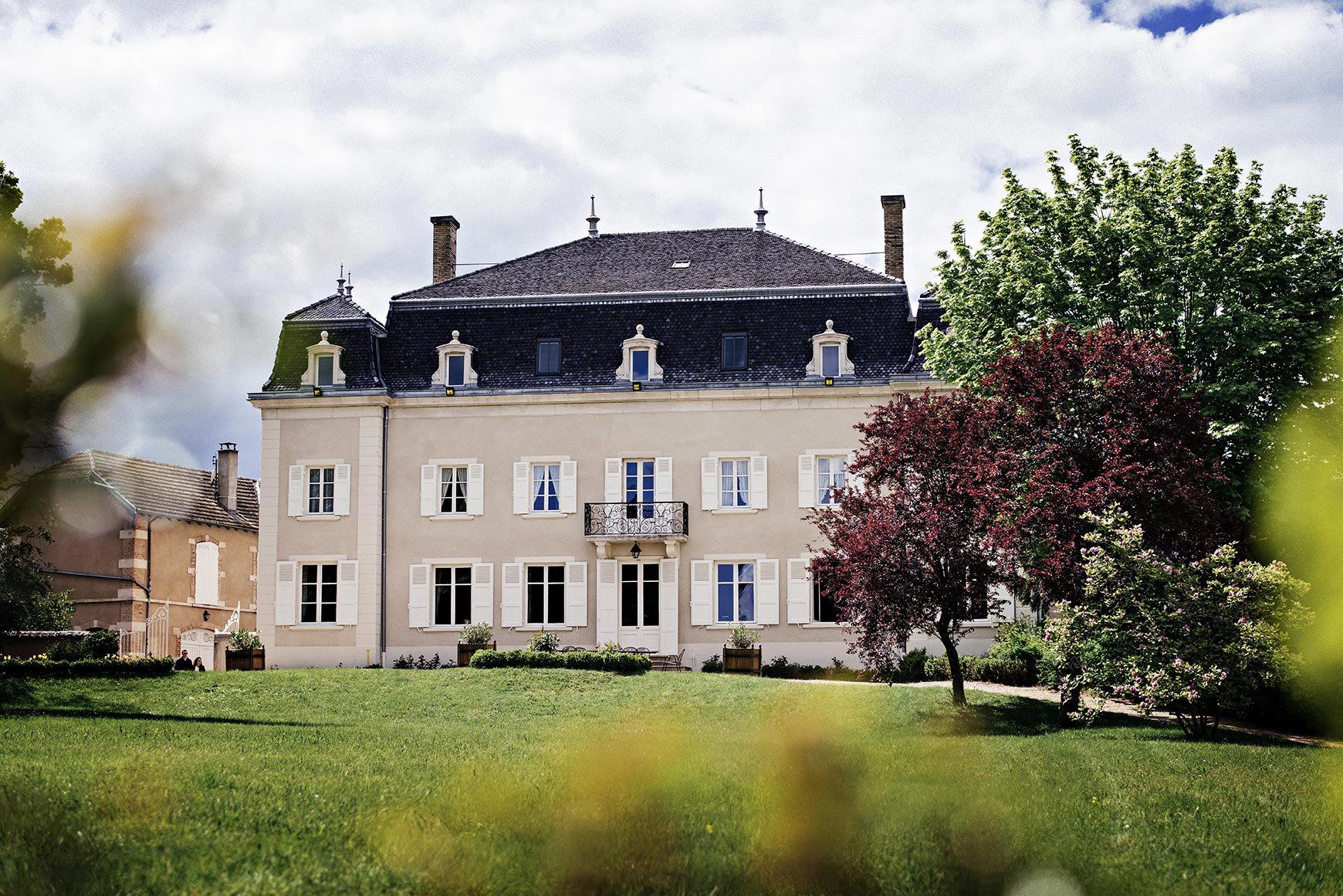
Château Moulin à Vent
Romanèche-Thorins, France
Château Moulin à Vent is a practical pick for wine-focused travellers in Romanèche-Thorins who want an appellation-led stop rather than a meal-led experience. Its 2026 Falstaff listing gives it a useful trust signal, but any wine club or allocation decision should come after checking purchase terms, shipping options, and whether the wines fit your cellar habits.
Donna Paolina
Casavecchia Di Pontelatone, Italy
Book Donna Paolina if you care more about Campanian grape character than a polished visitor setup. The value is in organic farming, high-elevation Fiano d’Avellino, and Taurasi aged in large casks; skip it if you need confirmed food service, published tasting formats, or a broad hospitality program.
Delegat
Auckland Central, New Zealand
Delegat works if the goal is a formal, appointment-led look at a major New Zealand wine company rather than a relaxed cellar-door tasting. The appeal is the portfolio story across Marlborough, Hawke’s Bay, and Barossa Valley; casual visitors wanting food, vineyard views, or easy walk-in energy should plan a regional tasting day instead.
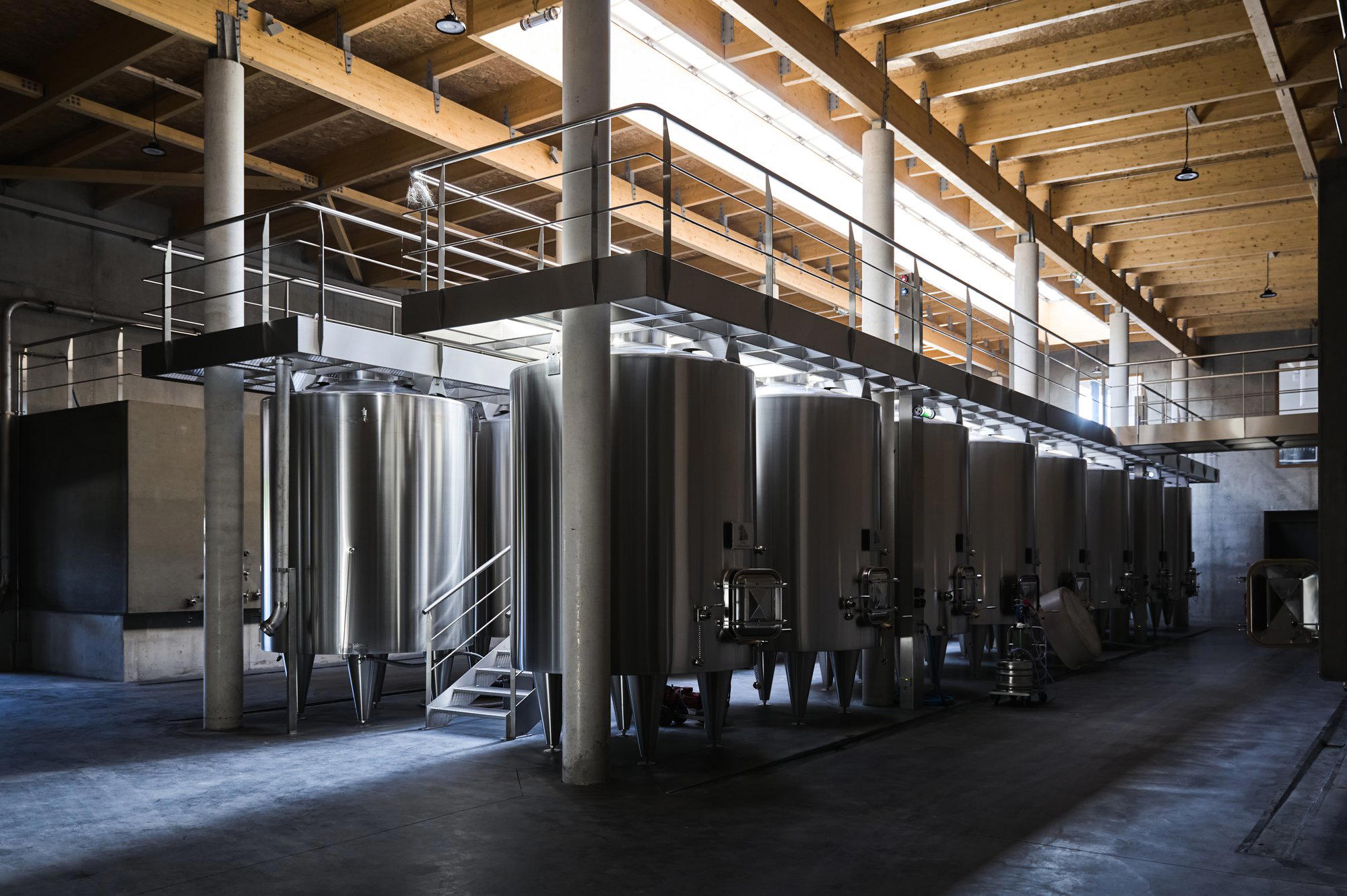
Château La Tour de Bessan
Margaux Cantenac, France
Worth booking for visitors who want a calm, educational Margaux tasting rather than a grand château spectacle. Château La Tour de Bessan is strongest on production context: parcel work, sustainable farming, and blending logic give the visit more depth than a basic pour-through.
Domaine Laurent Martray
Odenas, France
Domaine Laurent Martray works for a focused Odenas winery stop, especially if the priority is assessing bottles rather than planning a full hospitality-driven day. Falstaff recognition for 2026 gives it a useful quality signal, but groups and celebration planners should confirm the visit format before building an itinerary around it.
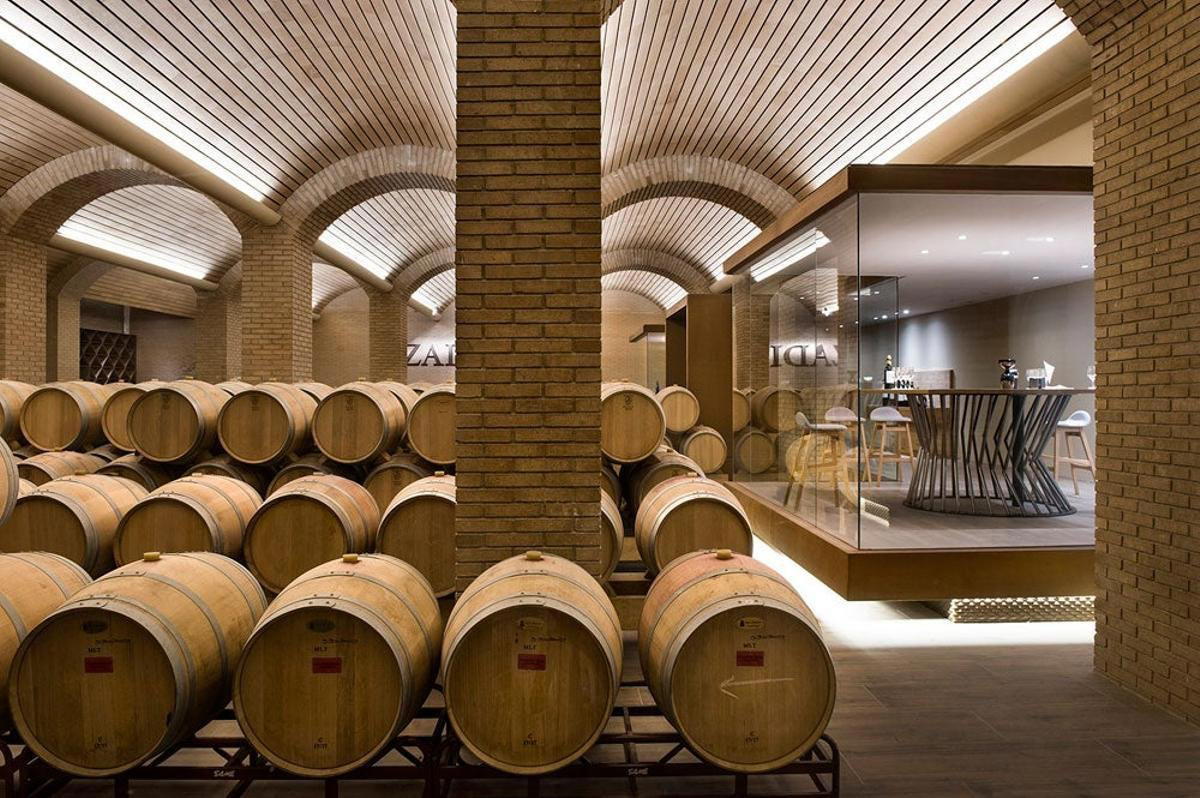
Bodegas Diosares
Alava, Spain
Bodegas Diosares is a shortlist-worthy Alava winery for serious wine travelers, especially anyone weighing future purchases or allocation value. Falstaff 1 Star recognition in 2026 gives it a credible quality signal, but treat the visit as planning-heavy: confirm reservations, tasting format, food, shipping, and group capacity before building a special-occasion itinerary around it.
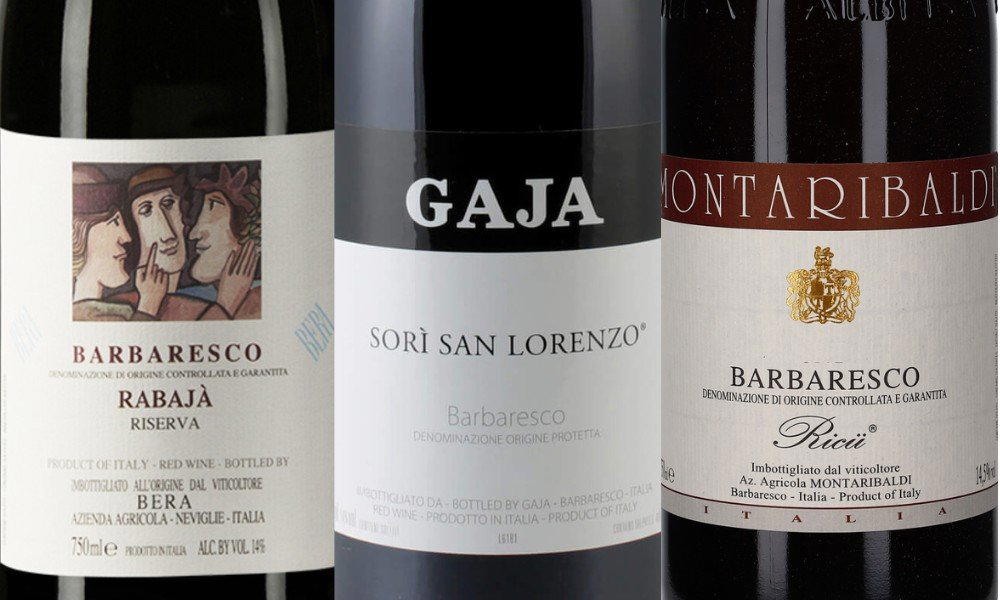
Azienda Vinicola Ugo Lequio
Neive, Italy
Azienda Vinicola Ugo Lequio works as a focused Neive winery stop, especially for visitors who already know the Langhe and want to compare producers rather than book a full food-led experience. Keep meal planning separate and use it as one part of a wider Piedmont wine day.
Champagne Gaston Cheq
Meurville, France
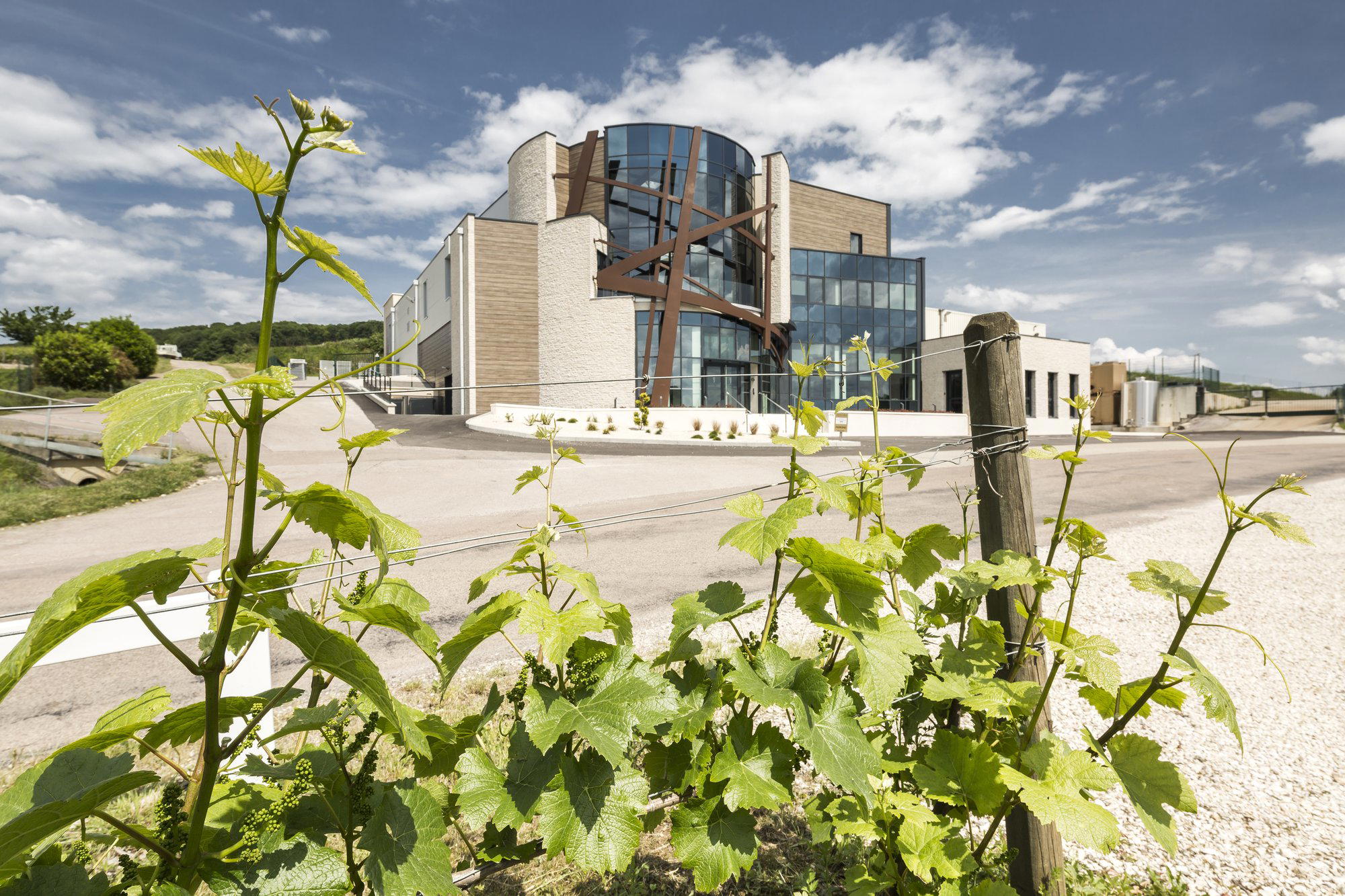
Book Champagne Gaston Cheq if the goal is a grounded Côte des Bar tasting rather than a prestige-house showpiece. The draw is a cooperative founded in 1961, a Chardonnay-led portfolio, vineyard views, and Falstaff Listed recognition in 2026. It is strongest for wine travelers who want regional context and a relaxed tasting-room setting.
Cantine di Priocca da MCG Spa
Priocca, Italy
A good fit for travelers who want a quiet, appointment-led winery stop in Priocca rather than a casual walk-in tasting. Book it for a slower special-occasion visit, but do more planning first if pricing, food service, shipping, or large-group logistics are central to the decision.
Cantina Fratelli Pardi
Montefalco, Italy
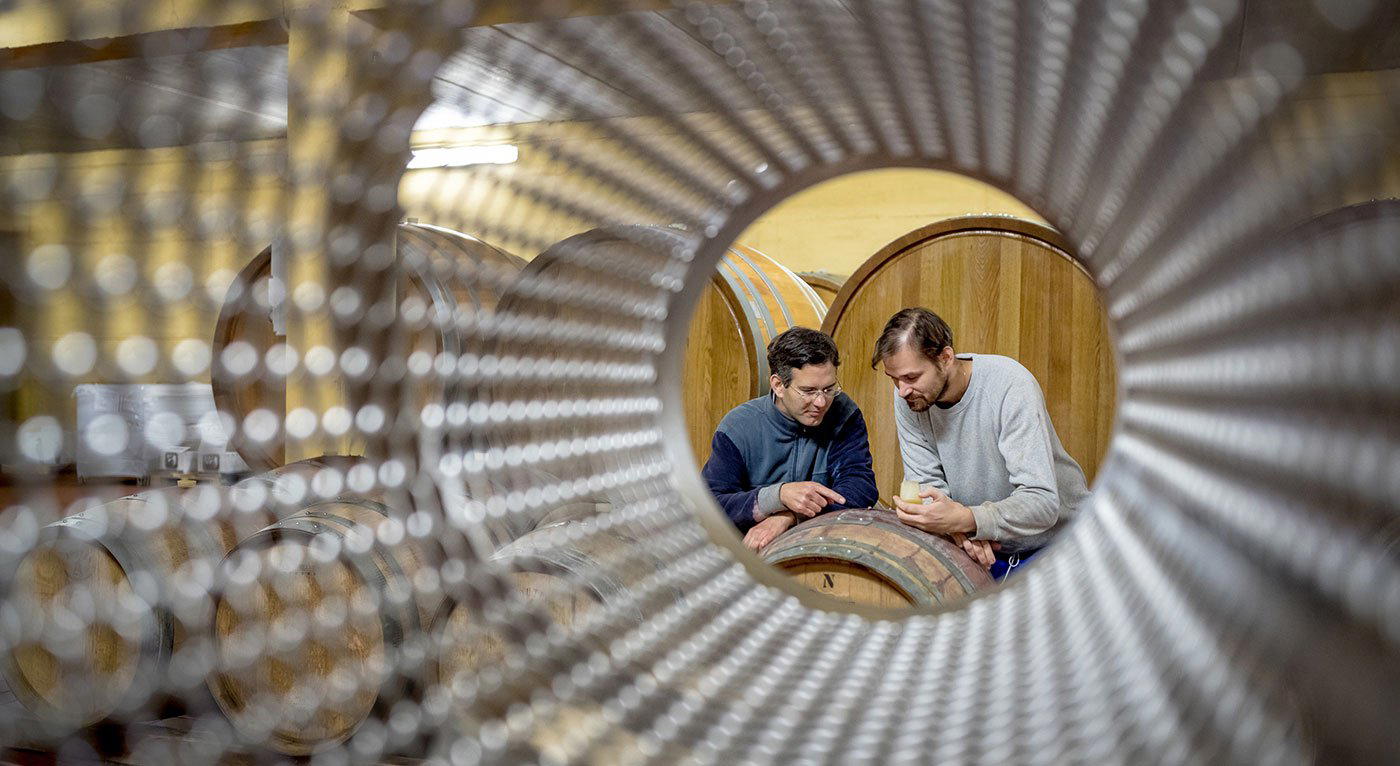
Cantina Fratelli Pardi works as part of a Montefalco wine day, especially for travelers building a route around Umbria’s Sagrantino country. Its Falstaff Listed 2026 recognition gives it a credible signal, but plan it as a compact winery stop rather than a whole-day destination.
Hauksson Weine
Remingen, Switzerland
Hauksson Weine is a small, appointment-only Swiss winery in Remingen with a low-intervention, artisanal profile and Falstaff 3 Stars for 2026. It is worth prioritizing if you want a quieter producer visit over a polished tasting-room format; less ideal for groups or travelers who need fixed hours and a predictable walk-in setup.
Château Grand Corbin-Despagne
Saint-Émilion, France
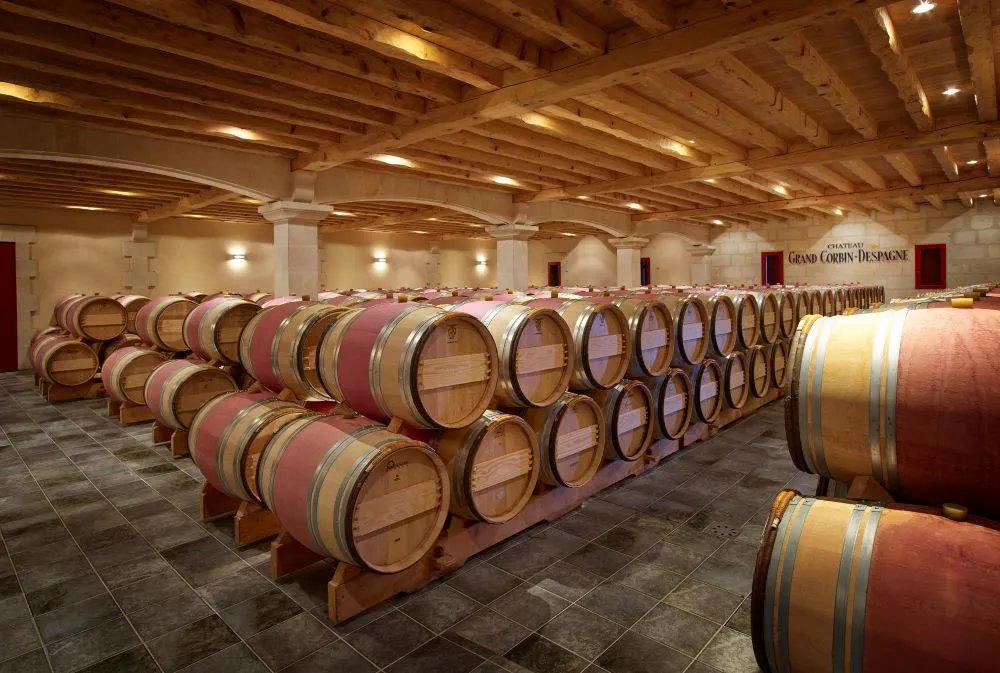
Worth prioritising for a serious Saint-Émilion winery visit, especially if the goal is producer credibility rather than casual tasting. Falstaff 1 Star recognition in 2026 gives Château Grand Corbin-Despagne a clear trust signal, but plan it as a focused appointment and avoid overloading the same day.
Herdade do Mouchão
Casa Branca, Portugal
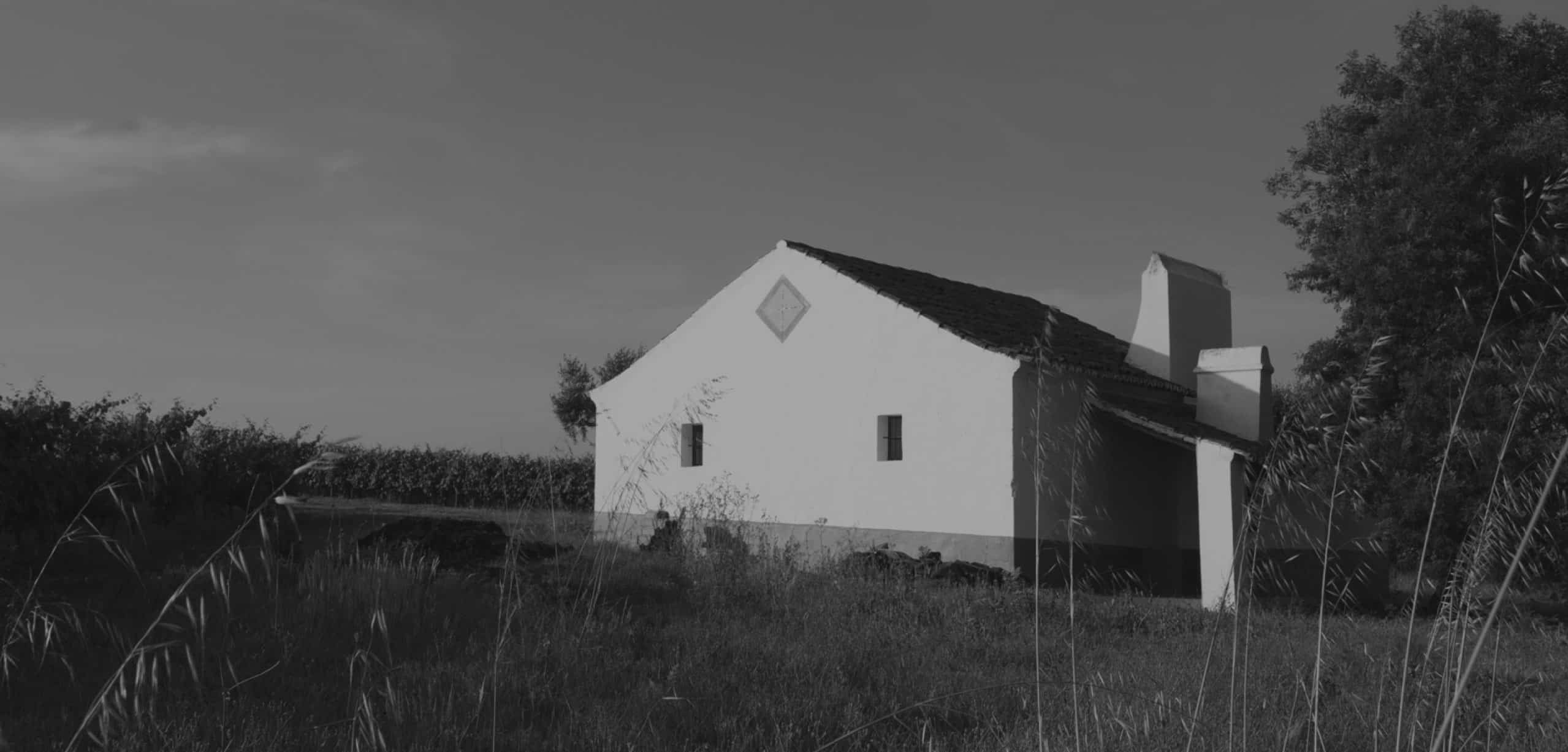
Worth prioritising if the goal is a serious Alentejo estate visit, not a casual tasting-room stop. Herdade do Mouchão is better treated as the anchor of a Casa Branca wine day; travellers who need easier access or a broader visitor setup should compare it with Borba, Évora, or larger regional wineries first.
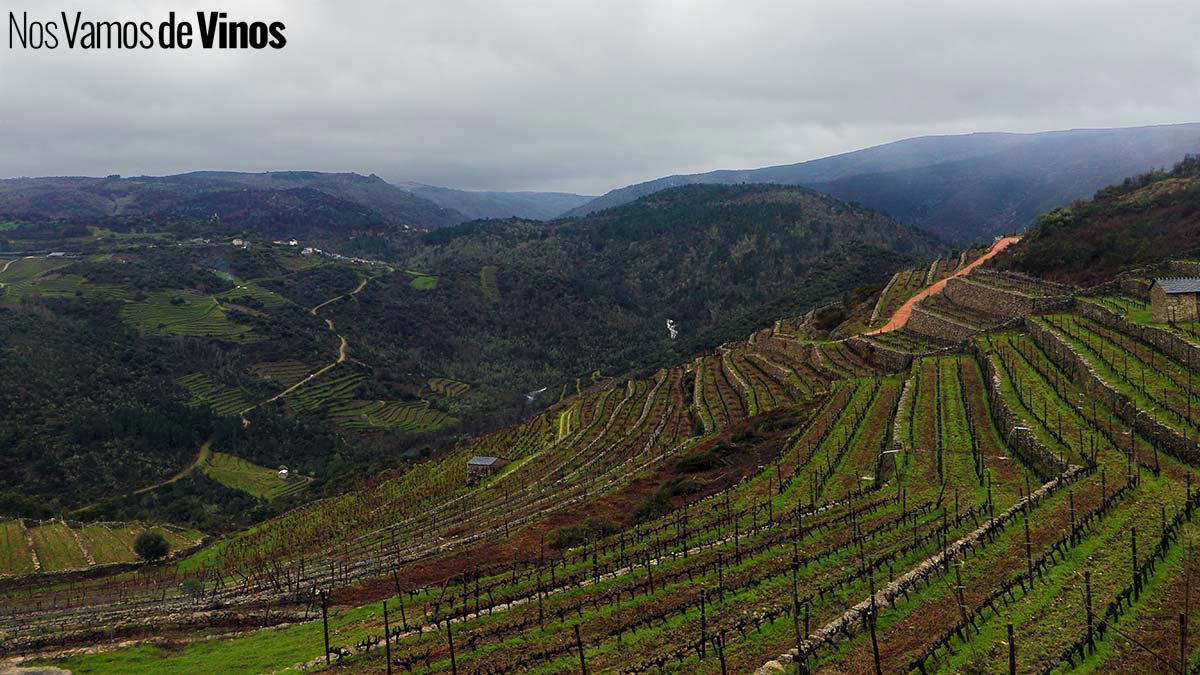
Bodegas y Vinedos Forjas del Salnes
Cambados Santa Marina, Spain
A strong choice for serious Rías Baixas drinkers who want old-vine Albariño and a low-key Galician producer appointment rather than polished wine tourism. The $$$ value is clearest if the tasting includes Leirana, Finca Genoveva or rare indigenous reds; casual visitors may find the appointment-only format less forgiving.
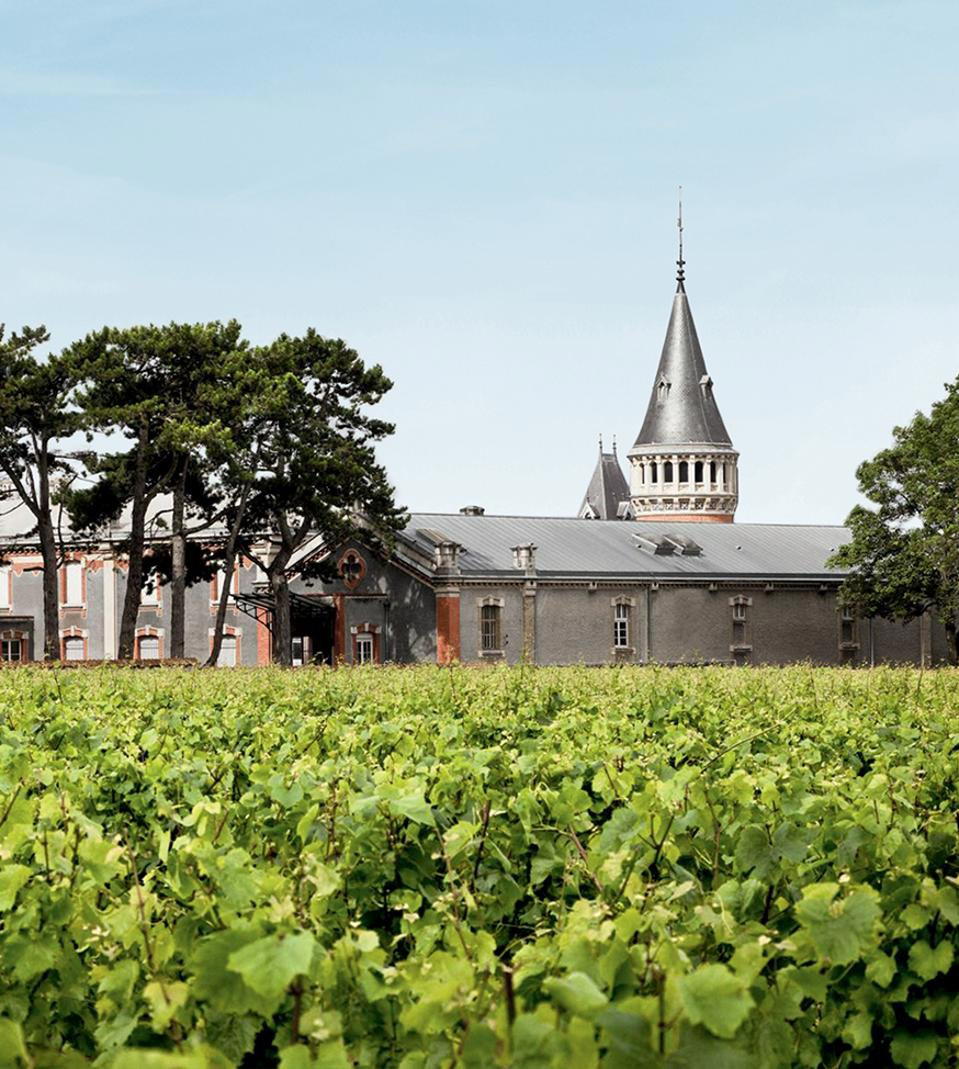
Champagne Pommery
Reims, France
A Reims Champagne-house visit to choose for cellar setting and visual impact rather than a meal or casual drop-in tasting. Champagne Pommery carries Falstaff Winery 3 Stars for 2026, so plan ahead and treat it as an anchor stop in the day, with restaurants and bars scheduled separately.
GunDog Estate
Pokolbin, Australia
A smart $$ Hunter Valley pick for visitors who want a relaxed boutique cellar door rather than a formal winery production tour. The converted old school house setting, cosy room, deck, and knowledgeable staff make it strongest for couples or small groups seeking an easy Pokolbin tasting stop.
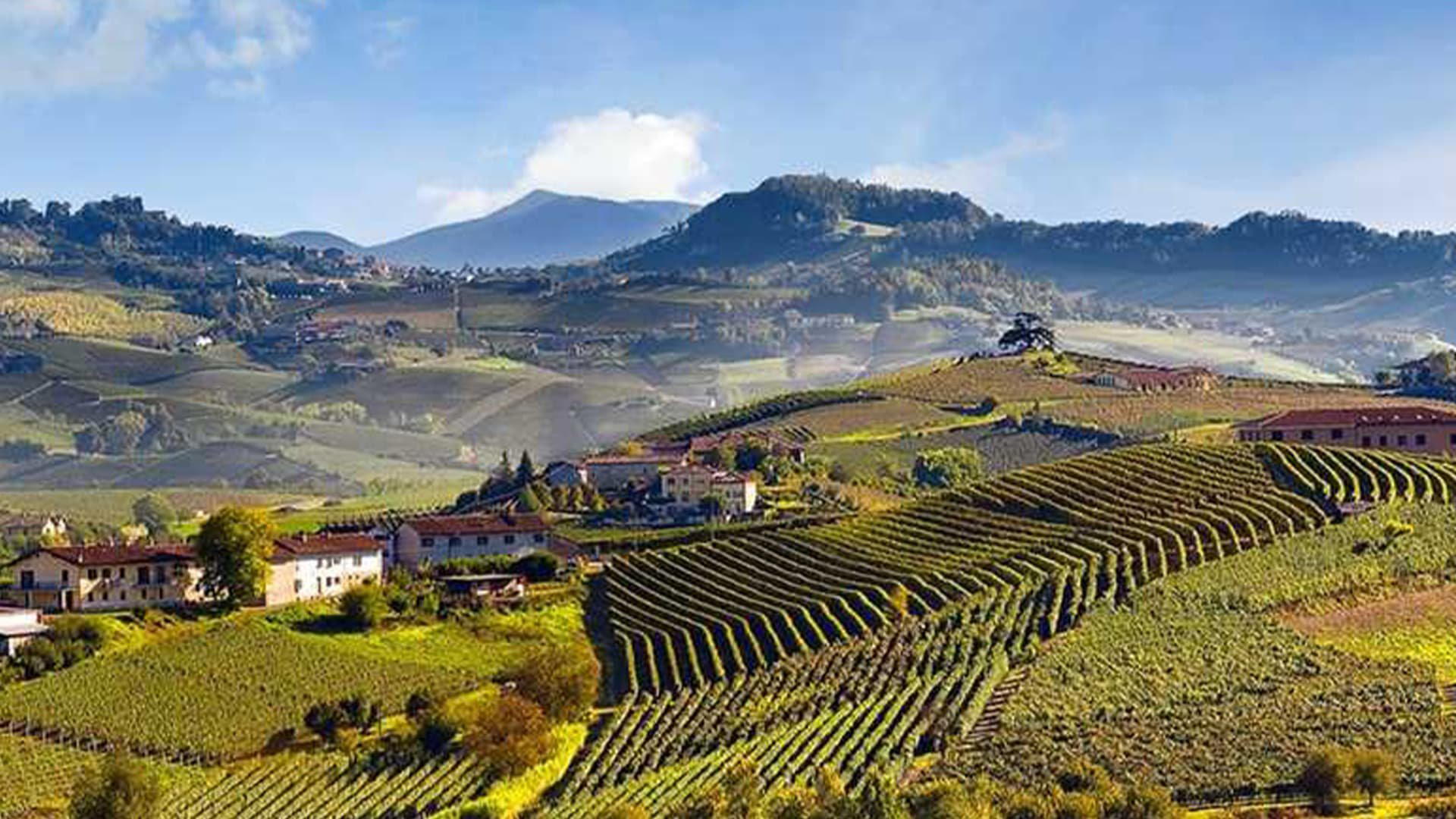
Produttori del Barbaresco
Barbaresco, Italy
A practical Barbaresco choice for travelers who want regional context rather than a showy winery visit. Prioritize it as an anchor stop for understanding the village, then compare with Gaja for prestige, Roagna for producer depth, or Engine Gin when the group needs a non-wine pivot.
Cantine Massimo Leone
Foggia, Italy
Book Cantine Massimo Leone if you want a wine-first look at northern Puglia rather than a restaurant-style vineyard lunch. The value is in the Tavoliere delle Puglie context, local grapes like Nero di Troia and Falanghina, and a $$ profile with Falstaff Listed recognition for 2026.
Creaciones Exeo
Labastida, Spain
Book Creaciones Exeo if you want a focused look at modern Rioja Alavesa rather than a large-estate tasting. The draw is high-altitude Labastida fruit, minimal oak influence, and a small grower-led format that suits serious wine travelers more than casual groups looking for broad hospitality extras.
Domaine de Joy
Panjas, France
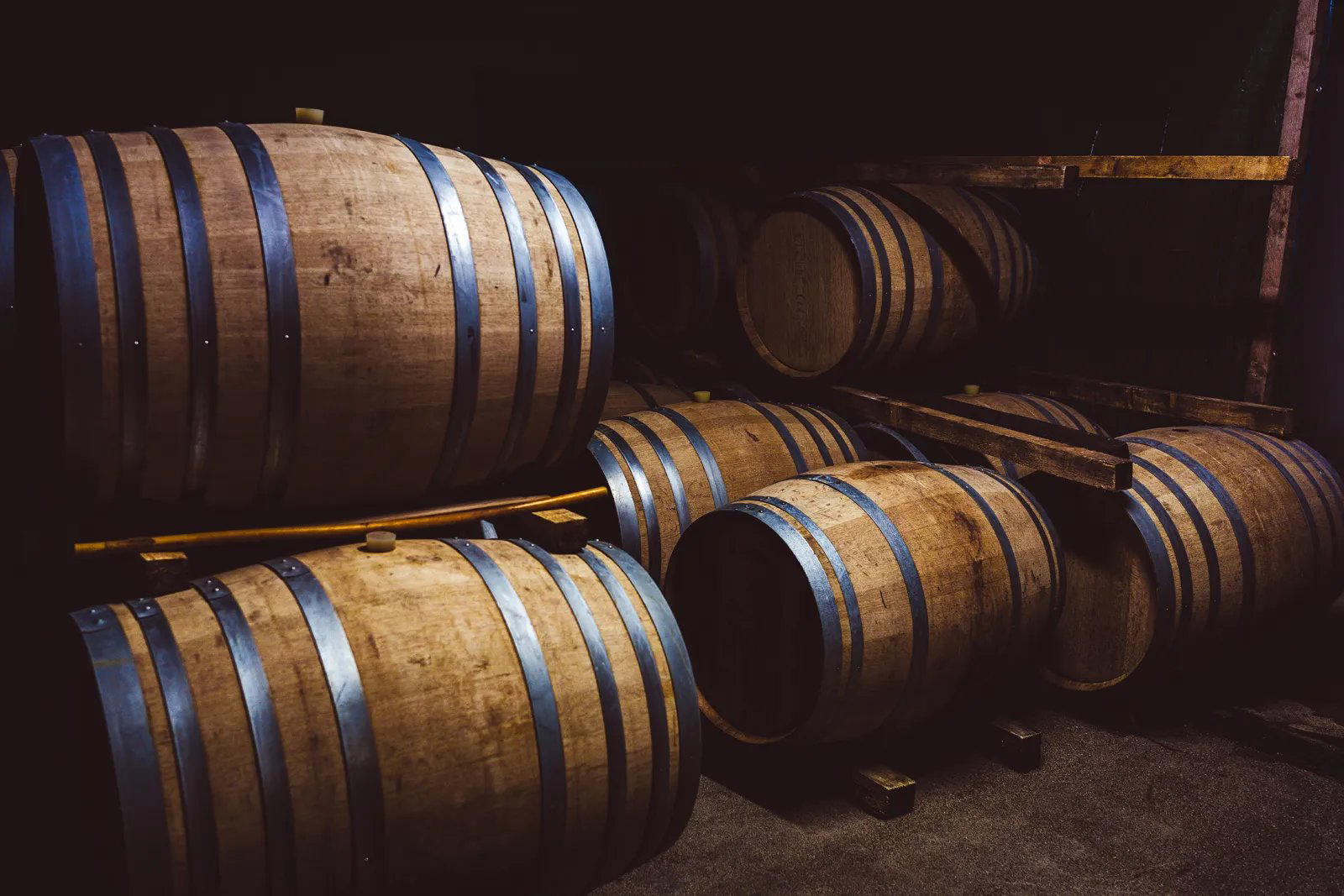
Book Domaine de Joy for an accessible Gascony winery visit with strong value, family heritage and enough range for mixed groups. It is especially useful for visitors who want Côtes de Gascogne whites, Floc de Gascogne and Bas-Armagnac in one relaxed stop, rather than a formal prestige-cellar experience.
Drei Donà - Tenuta la Palazza
Forlì, Italy
Book Drei Donà - Tenuta la Palazza if the occasion calls for a serious Romagna estate visit centered on Sangiovese, vineyard views, and production detail. It is better for wine-focused couples or small groups than for travelers seeking a casual drop-in tasting, with the main value coming from organic and biodynamic vineyard work, varied aging vessels, and strong regional credentials.
Château de la Commanderie Pomerol
Pomerol, France
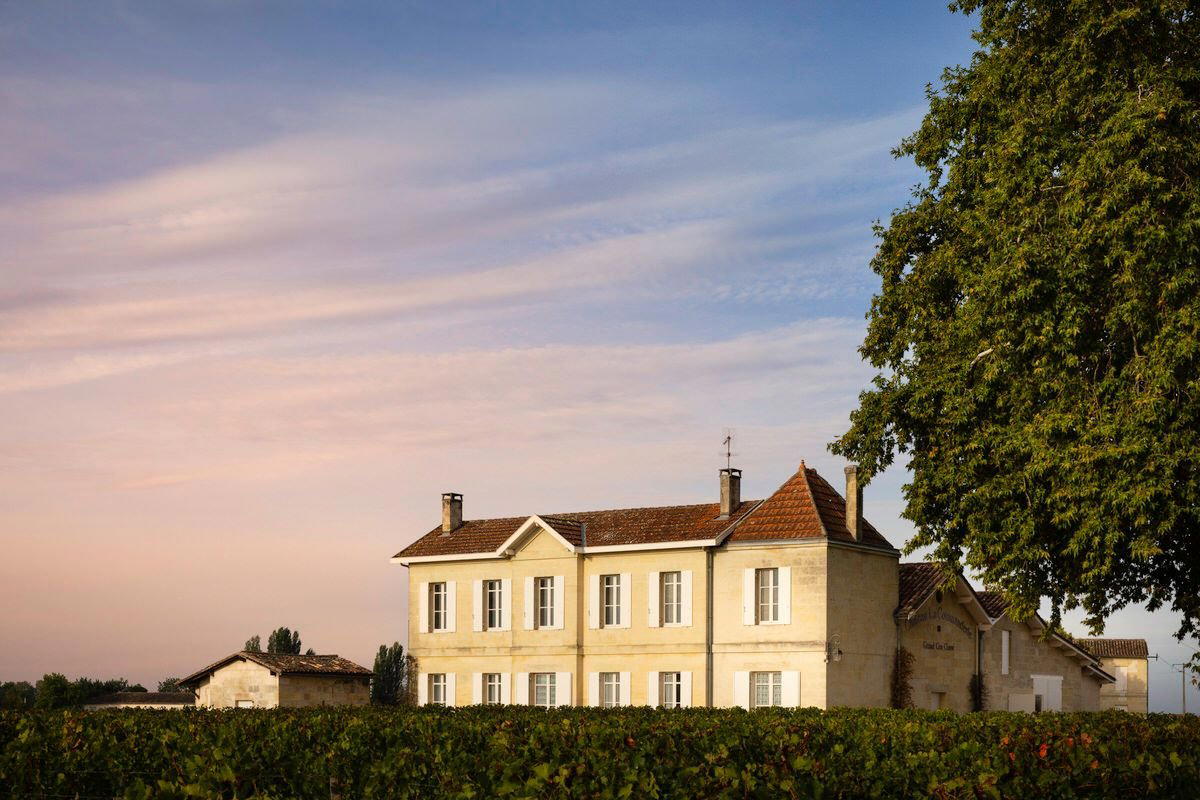
Book Château de la Commanderie Pomerol for a quiet, appointment-only Pomerol tasting built around 100% Merlot, small-estate scale, and production detail. It is strongest for collectors, couples, or business guests who want depth and history, not a casual drop-in or high-energy tasting-room scene.
Bodegas Diez Mérito
Jerez de la Frontera, Spain
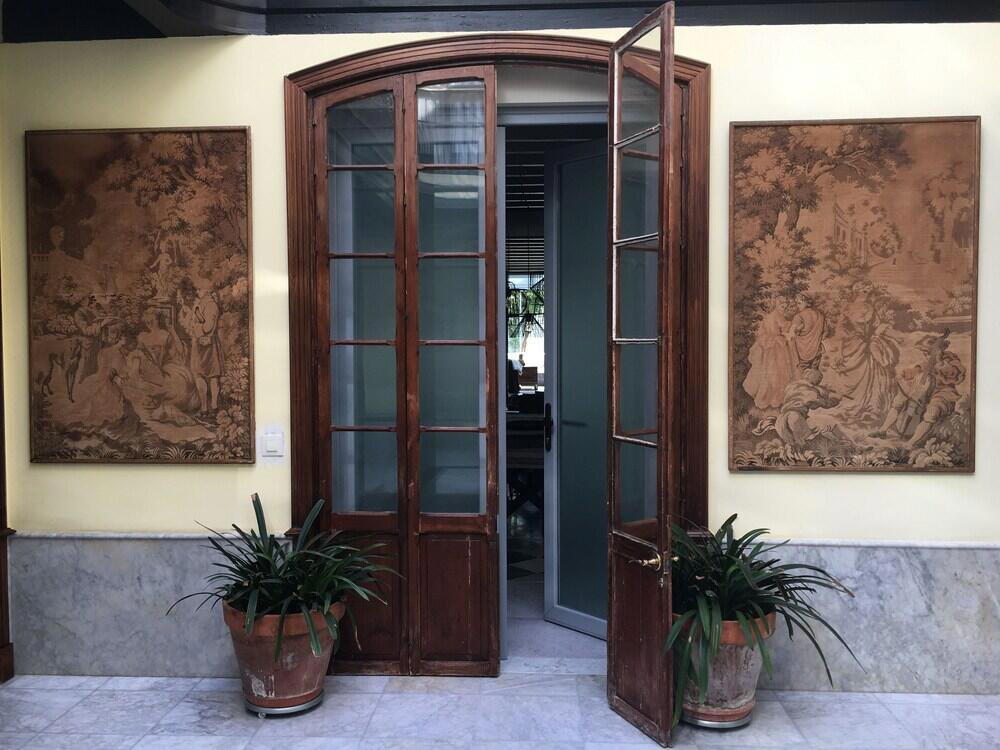
Worth booking if mature sherry is the reason for the trip. Bodegas Diez Mérito is strongest for visitors who want old-Jerez atmosphere, solera context and access to serious VORS wines, especially Fino Imperial. Skip it only if the priority is a sleek, modern tasting-room experience rather than a historic working-bodega feel.
Biohof Pomper
Neuberg Im Burgenland, Austria
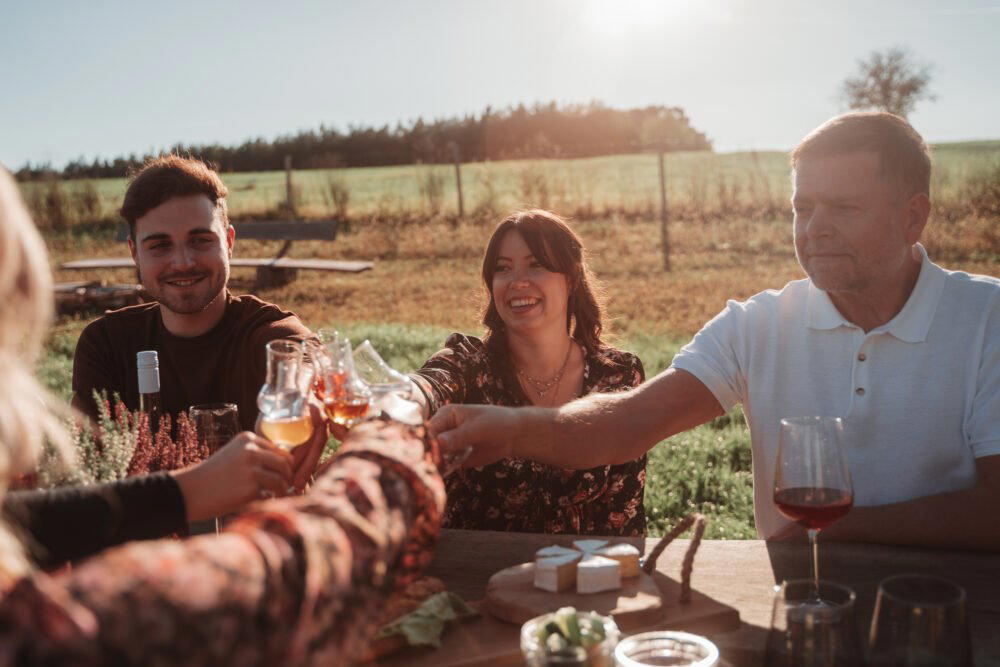
Biohof Pomper is a cautious, route-dependent pick in Neuberg im Burgenland: interesting if the draw is a small organic farm producer, less useful if you need a clearly packaged tasting-room visit. The Falstaff listing adds credibility, but practical details should be settled before building a day around it.
Château Croque Michotte
Saint-Émilion, France
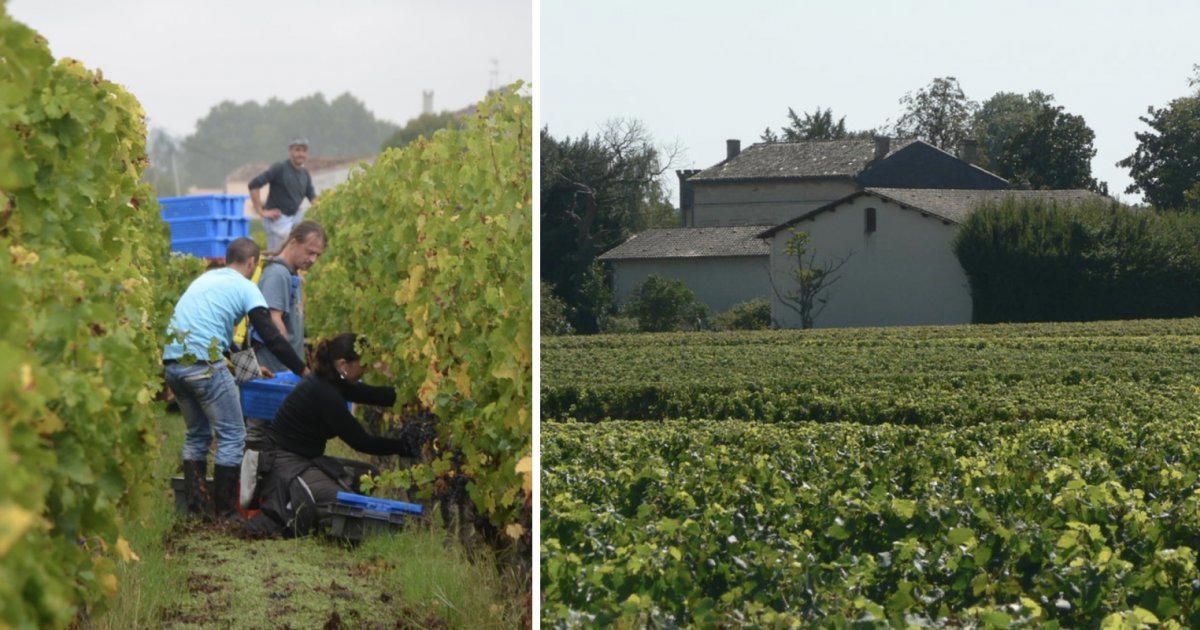
Château Croque Michotte is a strong choice for a quieter Saint-Émilion tasting focused on organic viticulture, mature vines, and a restrained Right Bank style. Book it if you value cellar substance over hospitality gloss; skip it if you want a broad visitor program or food-led experience.
Jairdinièrs Vignerons Bertin-Delatte
Rablay-sur-Layon, France
Book this if the goal is a quiet, wine-first Loire stop built around dry Chenin Blanc. The appeal is small scale, organic farming, native-yeast cellar work, and a focused Rablay-sur-Layon identity rather than polished visitor amenities. It is strongest for couples, collectors, and serious drinkers who value producer context over a broad tasting-room experience.
Viña Los Vascos
Peralillo, Chile
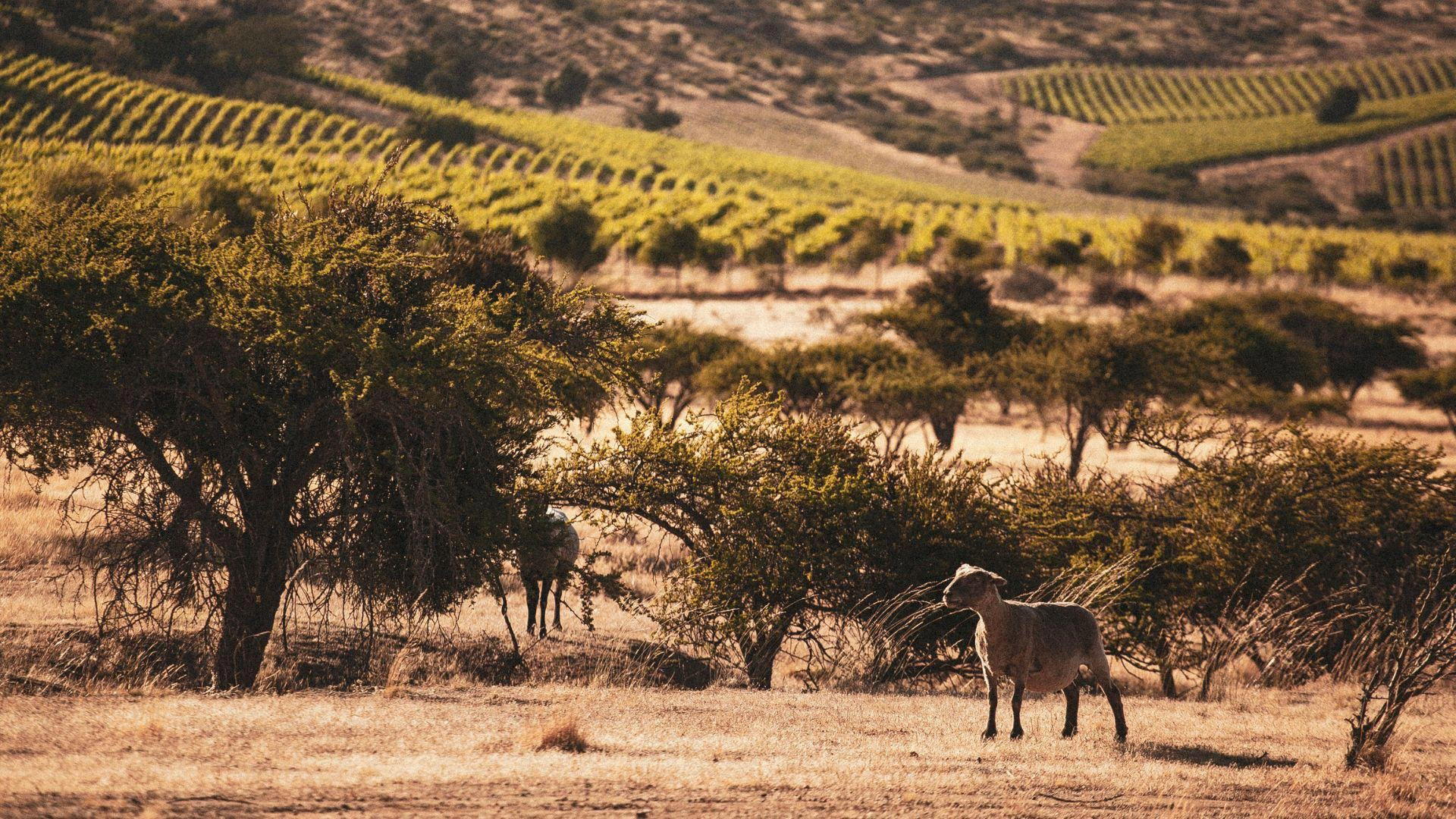
Choose Viña Los Vascos if the winery visit is the anchor of your Peralillo day, not a casual add-on. Its Pearl 2 Star Prestige recognition gives it a strong quality signal, but the smart move is to confirm access and tasting details before building the itinerary around it.
How many of these have you visited?
Find out on Pearl and keep score across every place in 2026 Falstaff Winery Guide.