

2026 Falstaff Winery Guide: The Ultimate Wine Authority — Page 128
Falstaff's 2026 Wineries guide.

Venues on this list
DiCarlo
Egna, Italy
DiCarlo works if the plan already includes Egna and the goal is a quiet, appointment-led Alto Adige winery stop rather than a heavily programmed destination tasting. The $$ positioning keeps it approachable, and Falstaff Listed recognition in 2026 gives it a useful credibility signal, but plan it as part of a wider Egna wine day.
Viña Santa Rita
Buin, Chile
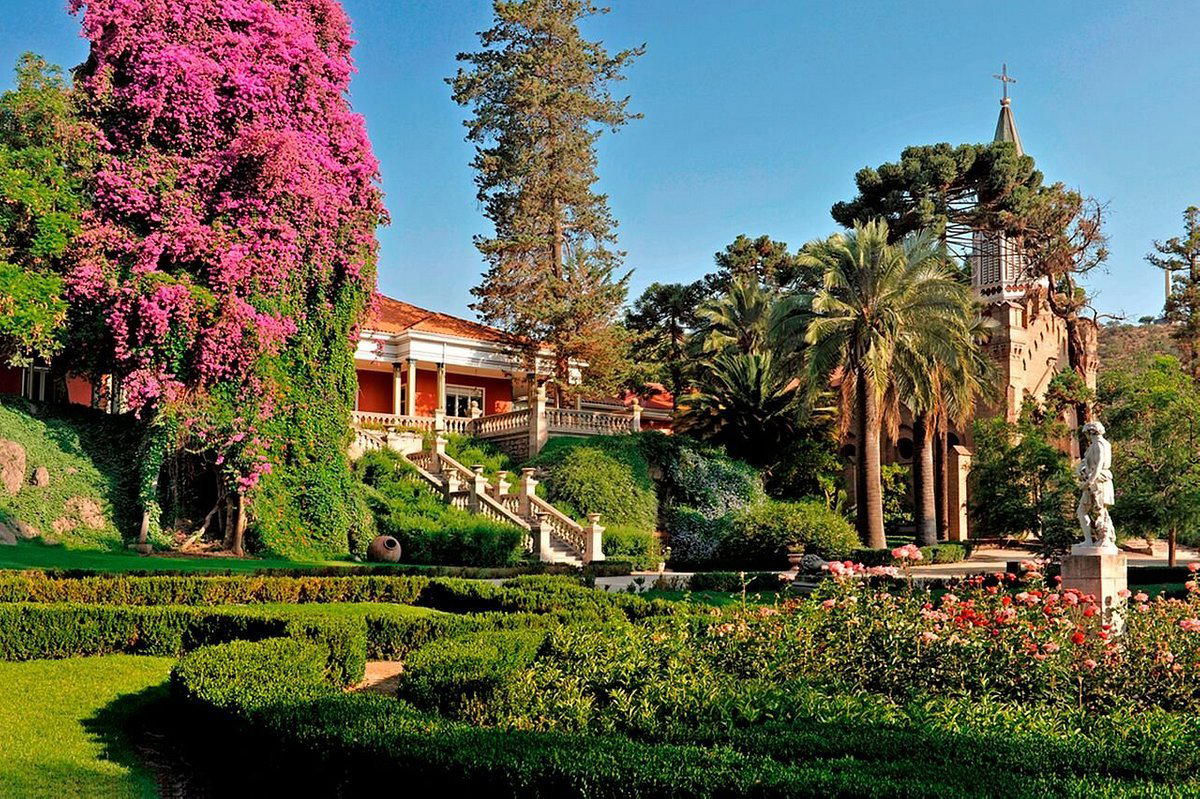
Viña Santa Rita is the practical anchor for a Buin wine day: heritage-led, large-scale, and easier to build an itinerary around than a smaller specialist appointment. Its Pearl 3 Star Prestige recognition and World's 50 Best Vineyards #41 ranking make it worth prioritizing if the goal is a serious Chilean estate visit rather than a quick tasting stop.
Cooperativa Agricola Sto. Isidro de Pegões
Pegoes Velhos, Portugal
A strong-value Setúbal Peninsula winery visit for travelers who want production context over luxury hospitality. Book it for an informal, educational tasting with cooperative scale, regional grapes, and credible awards behind the wines; skip it if the occasion needs food, scenery, or a polished tasting-room setting.
Azienda Agricola Schiavenza
Serralunga d'Alba, Italy
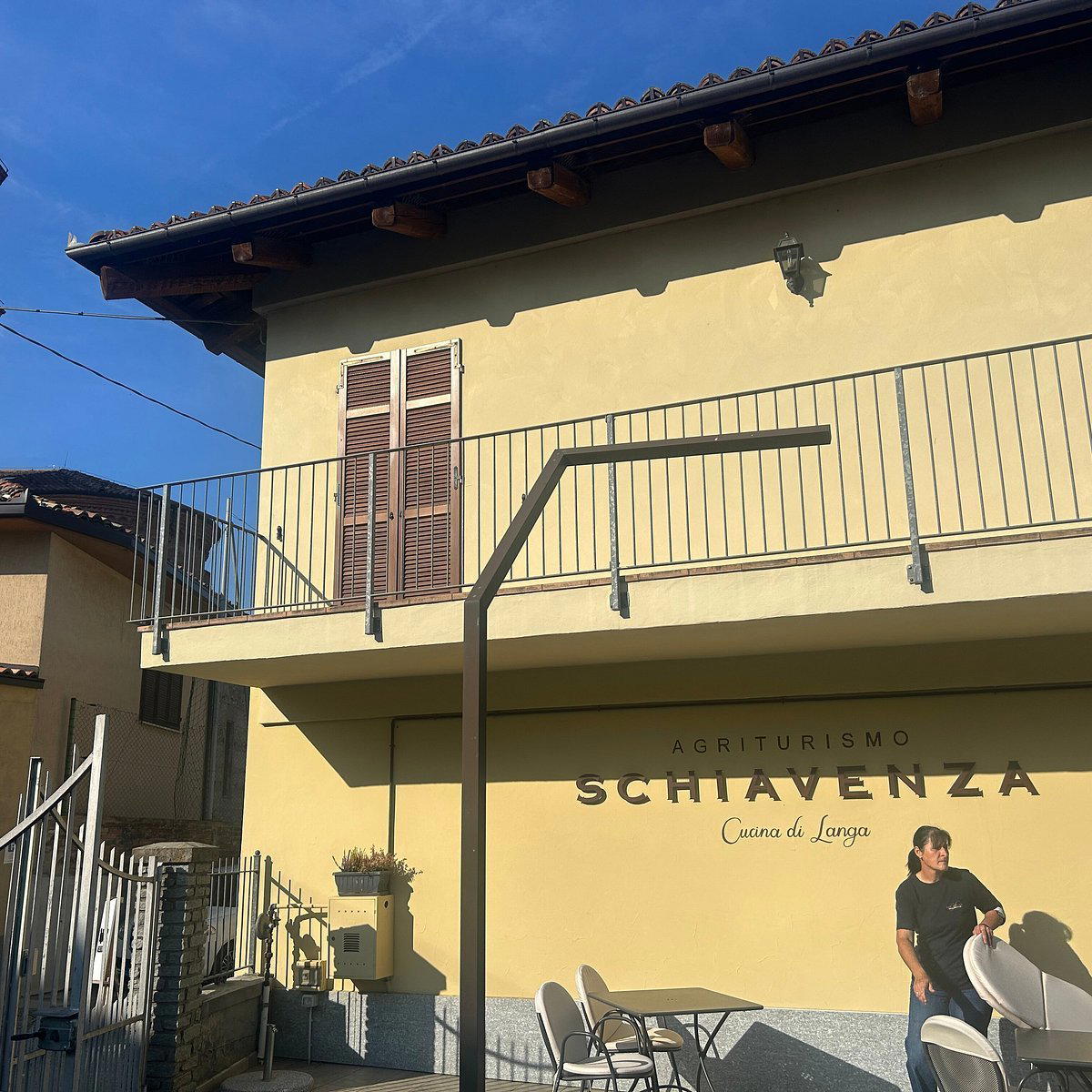
Azienda Agricola Schiavenza is a sensible Serralunga d’Alba stop for travellers focused on Barolo evaluation and bottle decisions rather than a full hospitality setup. Prioritise it for a wine-led visit, especially if the plan is to compare producers across the village and decide what is worth buying or shipping.
Domaine Demontmerot
Dracy Les Couches, France
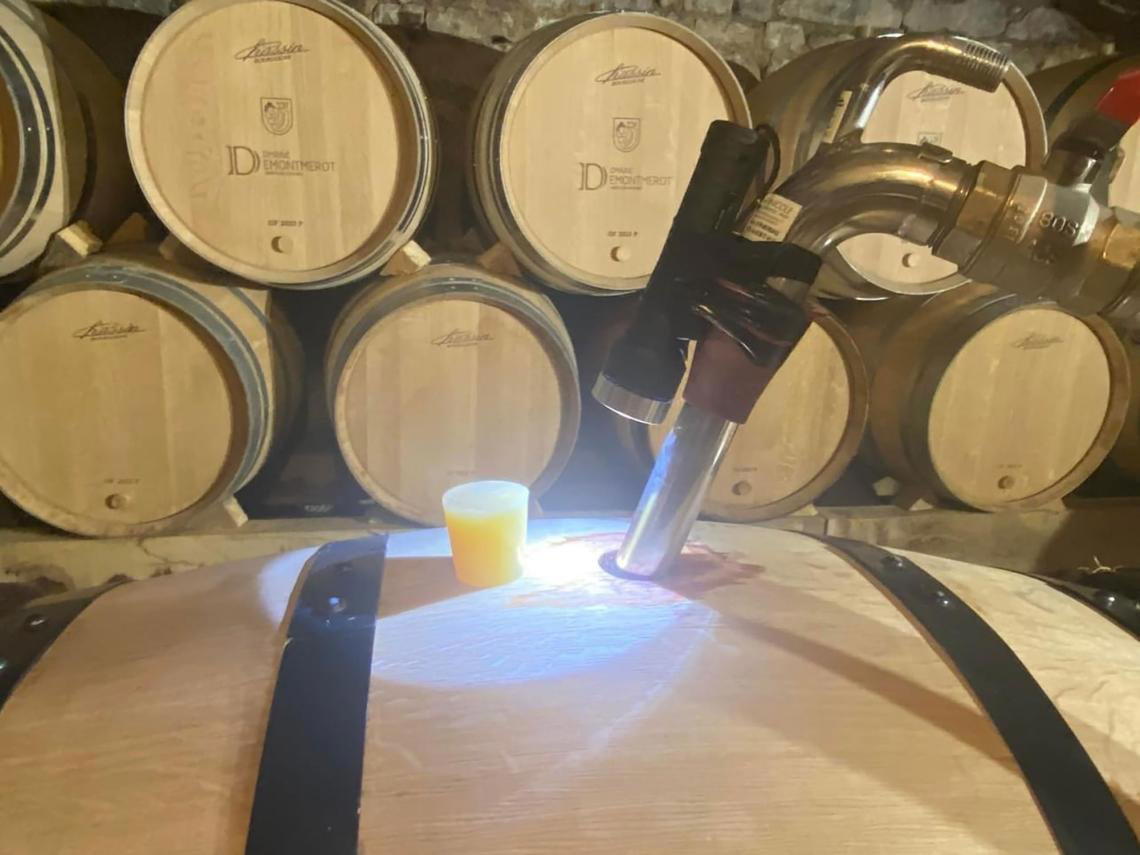
Domaine Demontmerot is a cautious yes for wine-focused travelers already passing through Dracy-lès-Couches. Recognition from Falstaff gives it a useful trust signal, but the public-facing visitor details are sparse, so it is better for bottle discovery than for a celebration that needs a tightly planned tasting format.
Cantina Loda
Pozzolengo, Italy
Cantina Loda is worth booking if the goal is organic Lugana-area wine in a relaxed agriturismo setting, not a formal destination cellar. The value is in estate-grown grapes, Turbiana-based whites, a frizzante Chardonnay, and countryside context around Pozzolengo, with Falstaff Listed status in 2026 adding a useful trust signal.
Domain Road Vineyard
Bannockburn, New Zealand
A $$ Bannockburn winery to prioritise for cool-climate Pinot Noir and a production-led visit rather than a big cellar-door experience. Domain Road Vineyards suits couples and serious wine drinkers who want estate-grown Central Otago wines, traditional methods, and a quieter setting, with Falstaff Listed recognition in 2026 adding a useful quality signal.
Blaufränkischhof Familie Zistler
Deutschkreutz, Austria
Blaufränkischhof Familie Zistler is worth booking as a quiet Deutschkreutz base for exploring Mittelburgenland’s Blaufränkisch identity, not as a polished luxury winery experience. The appeal is small-scale lodging, courtyard calm, breakfast, and Falstaff-listed wine credibility, with expectations kept practical.
Artner Bodentreu
Göttlesbrunn, Austria
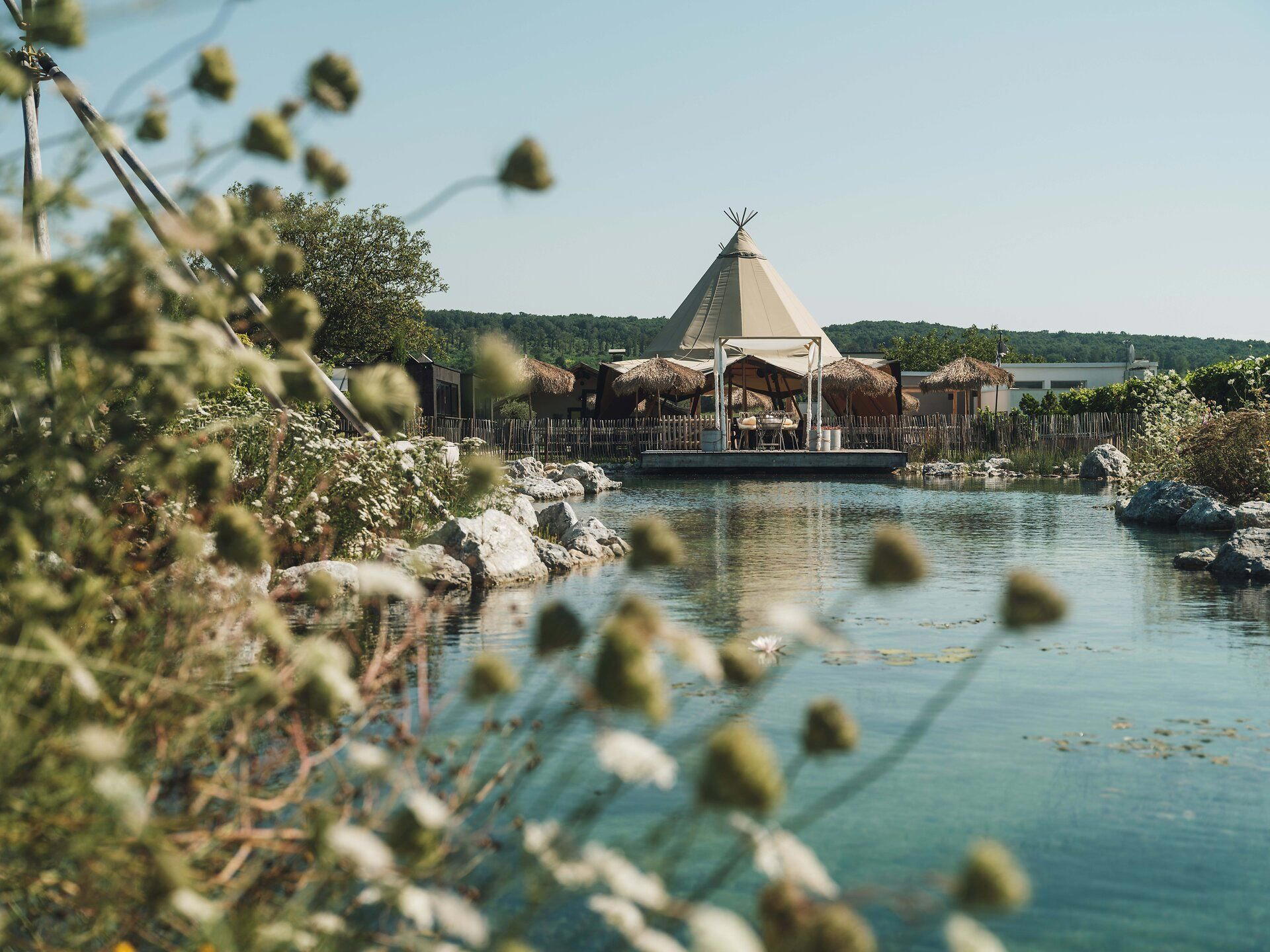
A practical pick for a wine-led stop in Göttlesbrunn, especially if the occasion is more about tasting and buying than a full meal. Falstaff Listed 2026 gives Artner Bodentreu a clear trust signal, and easy booking makes it useful when building a Carnuntum wine route around several nearby addresses.
Les Héritiers du Comtes Lafon
Milly Lamartine, France
Book Domaine Héritiers du Comte Lafon if the priority is serious Mâconnais Chardonnay rather than a polished tasting-room outing. The value is strongest for Burgundy drinkers comparing appellations across the estate’s focused white-wine range, especially Viré-Clessé, Saint-Véran, and Pouilly-Fuissé.
Fliederhof
Bolzano, Italy
Book Fliederhof if the goal is a focused Alto Adige wine visit built around St. Magdalener, Schiava, Lagrein, and low-intervention hillside farming. It is better for small, serious wine travelers than for groups seeking a polished tasting-room stop, with Falstaff 4 Stars (2026) adding a useful quality signal.
Domaine Pierre-Yves Colin-Morey
Chassagne-Montrachet, France
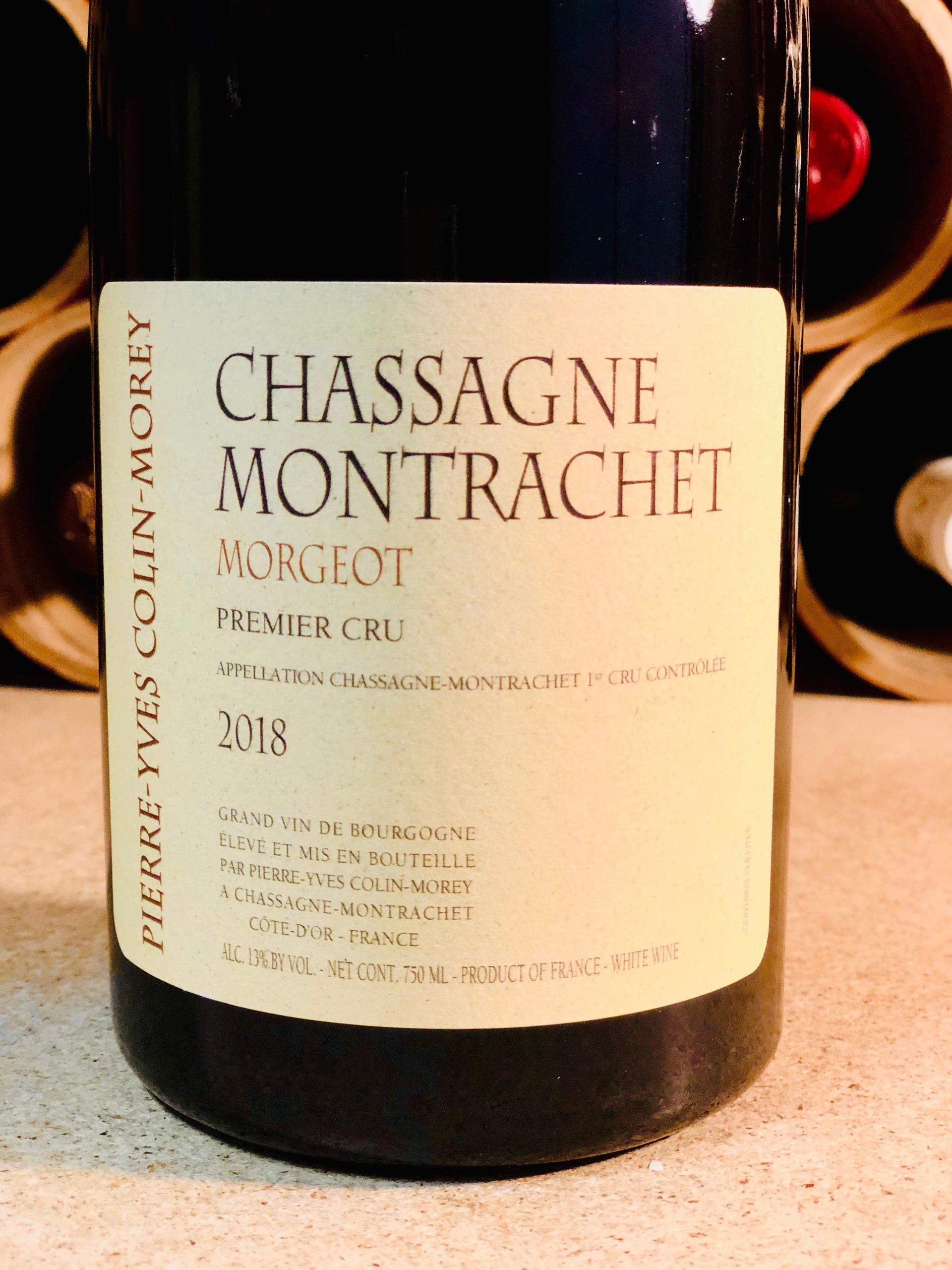
Plan around Domaine Pierre-Yves Colin-Morey only if the trip is driven by serious white Burgundy and producer-level comparison. It is a strong fit for collectors and special-occasion wine travelers, but a poor fallback for casual tasting plans. Cross-shop Chassagne peers if timing and access matter more than chasing a hard-to-secure producer.
Bindella Weinbau-Weinhandel AG
Zürich, Switzerland
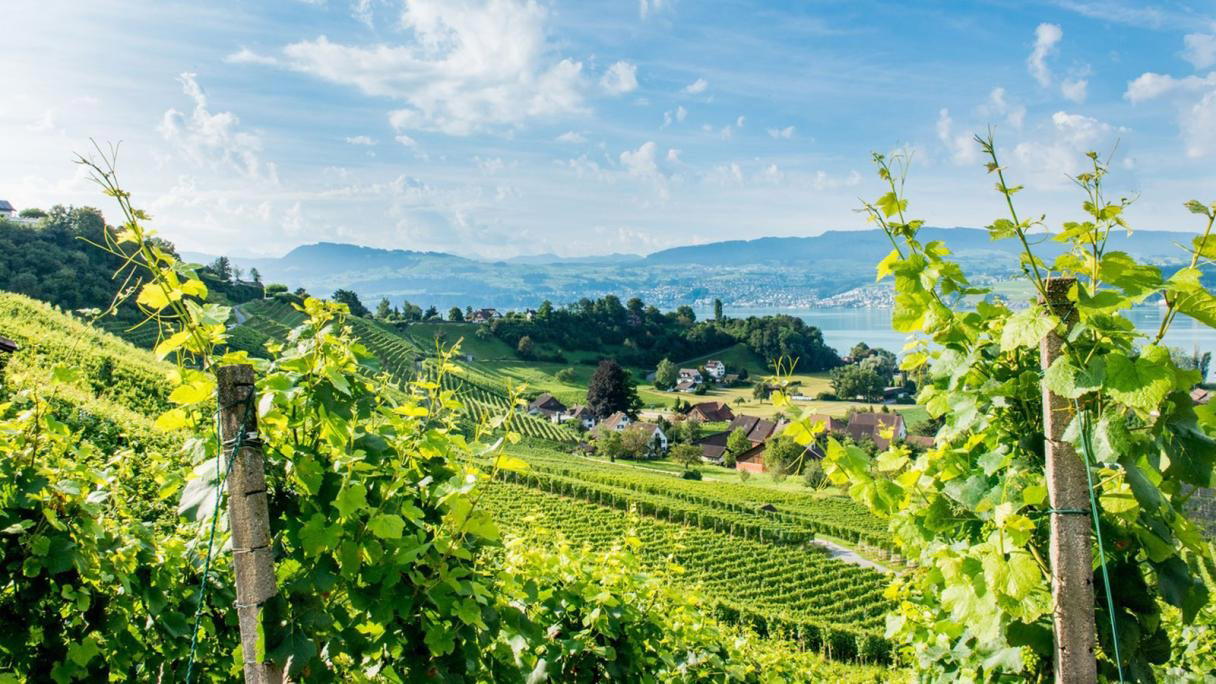
Bindella Weinbau-Weinhandel AG is worth prioritizing if the goal is guided wine buying rather than a public tasting-room experience. The appeal is its classic vinoteca-meets-import office style, Italian and French portfolio depth, and service geared toward serious private, gastronomy, and trade clients.
Harmwein
Krustetten, Austria
Choose Harmwein for a relaxed Kremstal wine-and-restaurant visit built around organic farming, garden-led hospitality, and site-specific Grüner Veltliner and Riesling. It is a stronger fit for an evening meal or small celebration than a quick tasting stop, with Falstaff 2026 listing adding a useful credibility signal.
Cline Cellars
Sonoma, United States
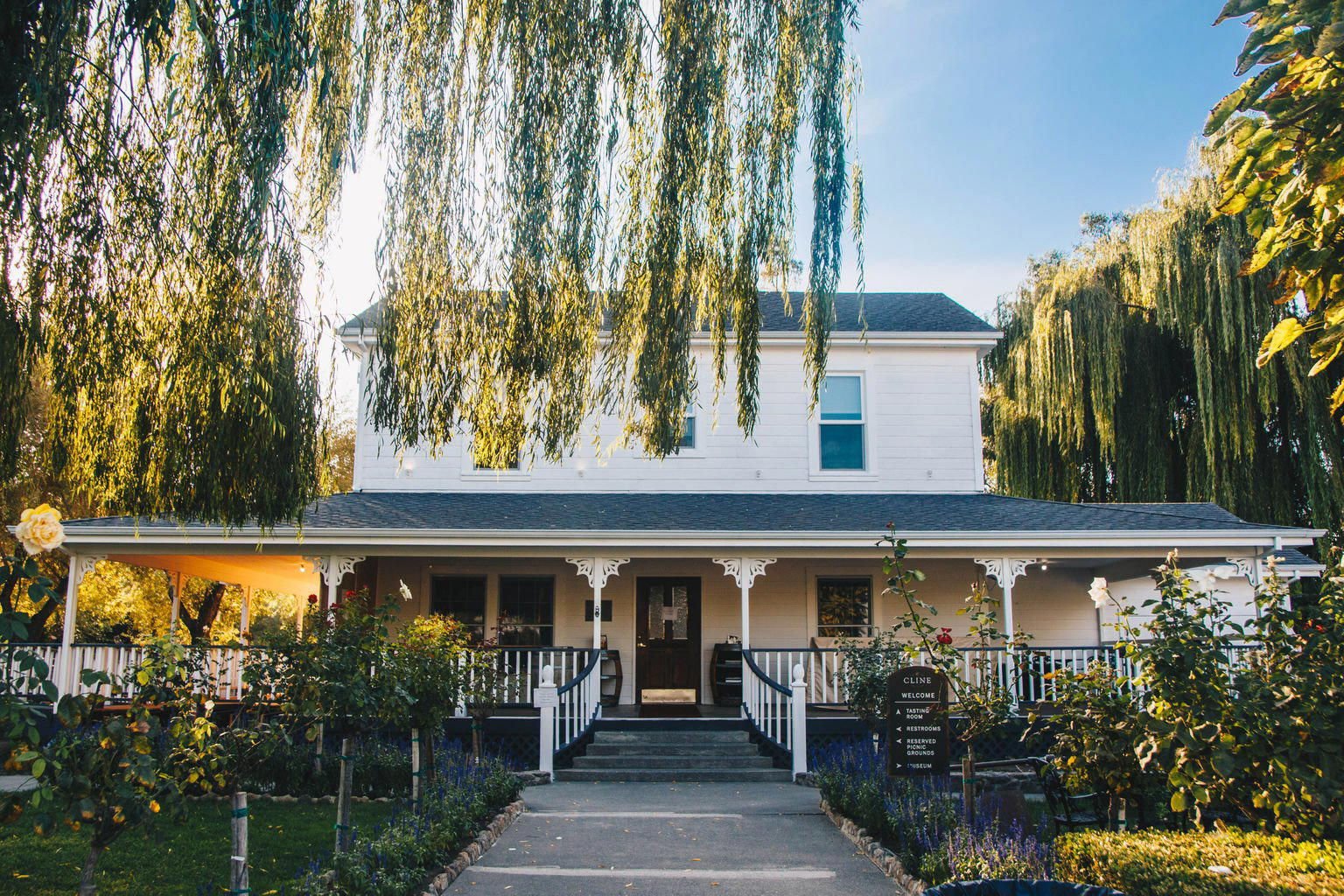
Book Cline Cellars when the brief is an easygoing Sonoma winery stop for a date, birthday, or visiting-family day. It is stronger as a relaxed experience choice than as a tightly documented value play, since public detail on pricing, food, and tasting format is limited here.
Corison Winery
St. Helena, United States
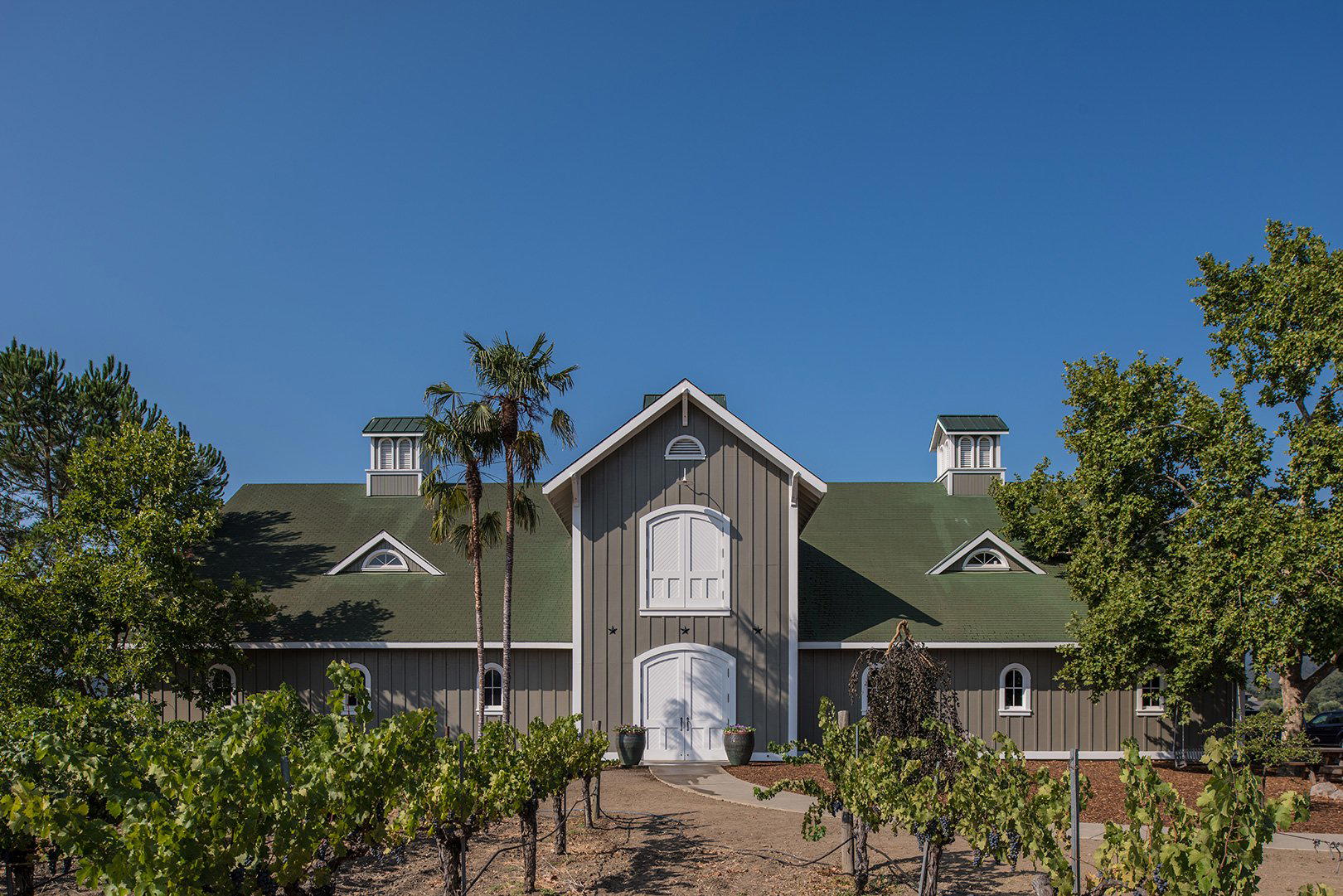
Against larger St. Helena stops, Corison Winery is the sharper choice for a focused, wine-led tasting rather than a casual crowd-pleaser. Book it as an anchor appointment for a small group that values producer context and a quieter format; choose V. Sattui or HALL Wines St. Helena if the priority is easier group energy or a broader visitor setup.
Charles Rolaz
Rolle, Switzerland
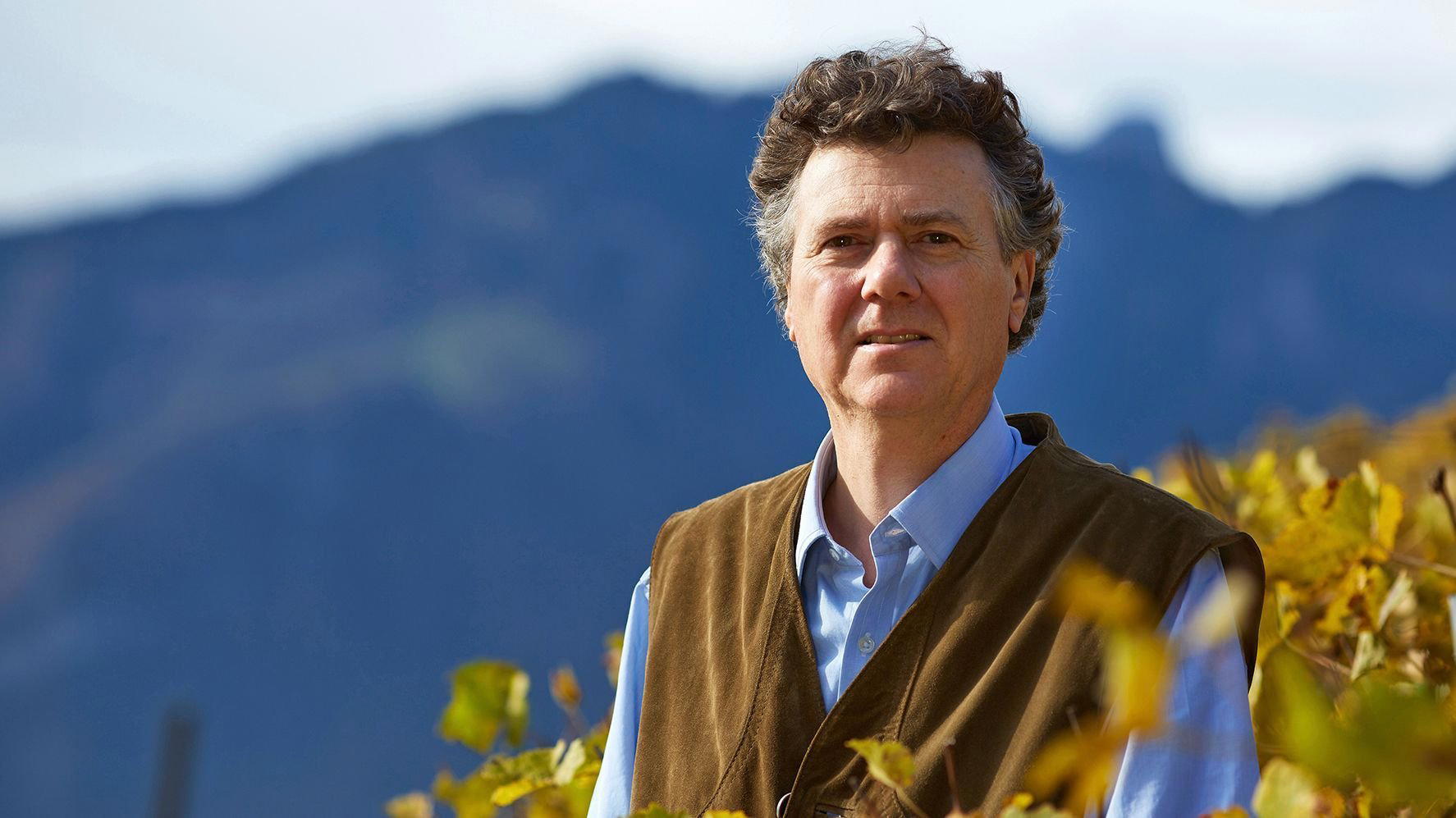
Charles Rolaz is worth booking if you want a serious, appointment-led Swiss wine tasting in Rolle rather than a casual cellar-door stop. The $$$ positioning makes sense for guests interested in Chasselas, multi-region Vaud terroir, and a historic cellar atmosphere, especially for a quiet celebration or business tasting.
Cave Berthod-Vogel
Bramois, Switzerland
Cave Berthod-Vogel works if the goal is a small, family-rooted Valais producer rather than a polished tasting-room experience. Go for local Bramois context and direct-sales character, not for a clearly published flagship bottle or formal hospitality program. Appointment-only planning makes it better for flexible small parties than large, tightly scheduled groups.
Big Red Beast
Roubaix, France
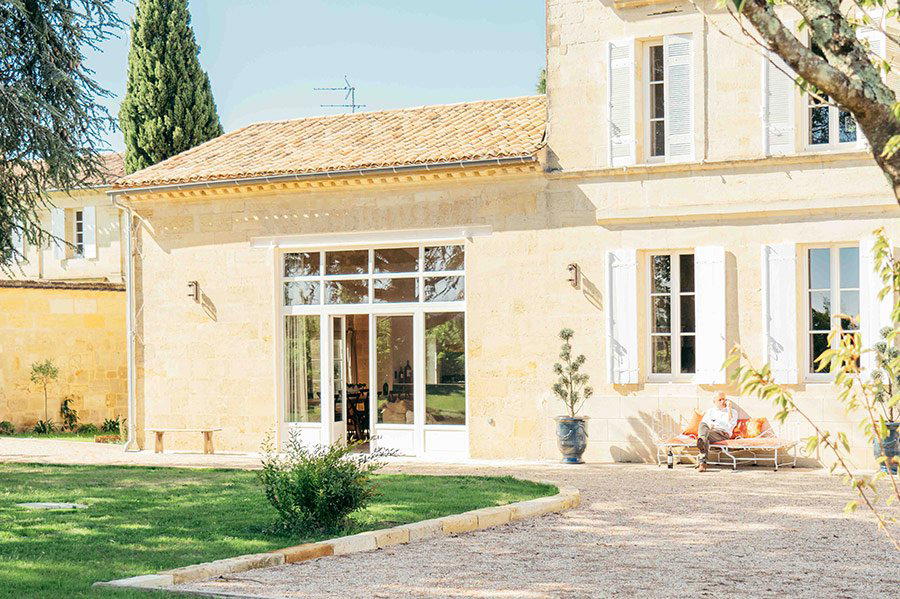
Do not plan a Roubaix wine visit around Big Red Beast unless a confirmed appointment and location are already secured. The name is better treated as a wine to try through retail or a list than as a dependable estate or tasting-room stop for travelers.
Château La Grave Trignant de Boisset
Libourne Cedex, France
A serious Pomerol choice for travellers who care about terroir, provenance, and Merlot more than casual tasting-room amenities. Book Château La Grave Trignant de Boisset for a focused Right Bank appointment tied to gravel soils, Moueix ownership, and a compact historic estate; skip it if the group wants drop-in tasting or a broad hospitality setup.
Château Citran
Avensan, France
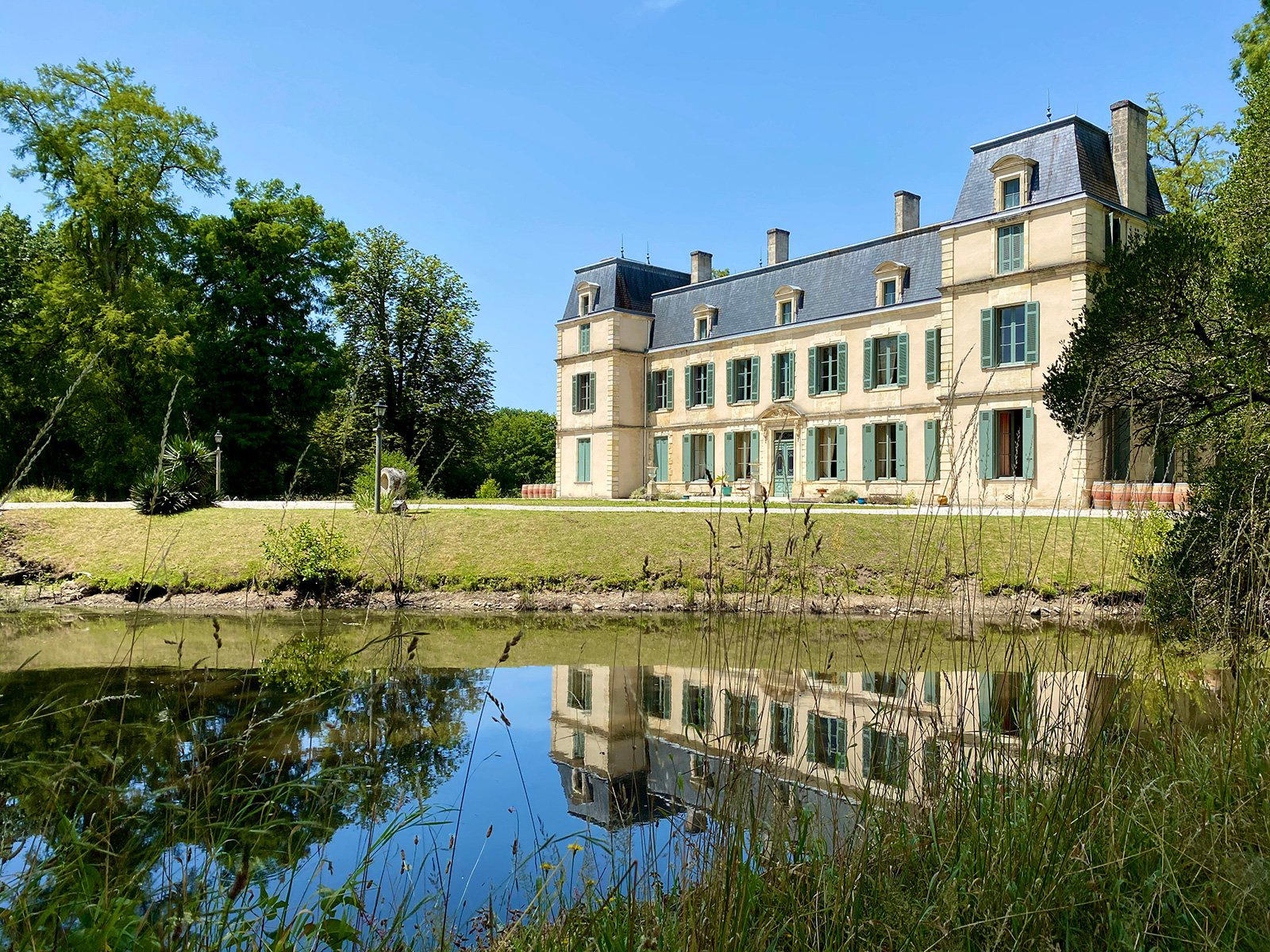
Château Citran works for a calm Haut-Médoc winery stop in Avensan, especially when an easy booking matters more than a restaurant-style experience. Plan food and lodging separately, and treat this as a wine-focused visit rather than a full hospitality day on its own. Falstaff listing adds a useful recognition signal for value-minded planning.
Château les Ormes Sorbet
Couqueques, France
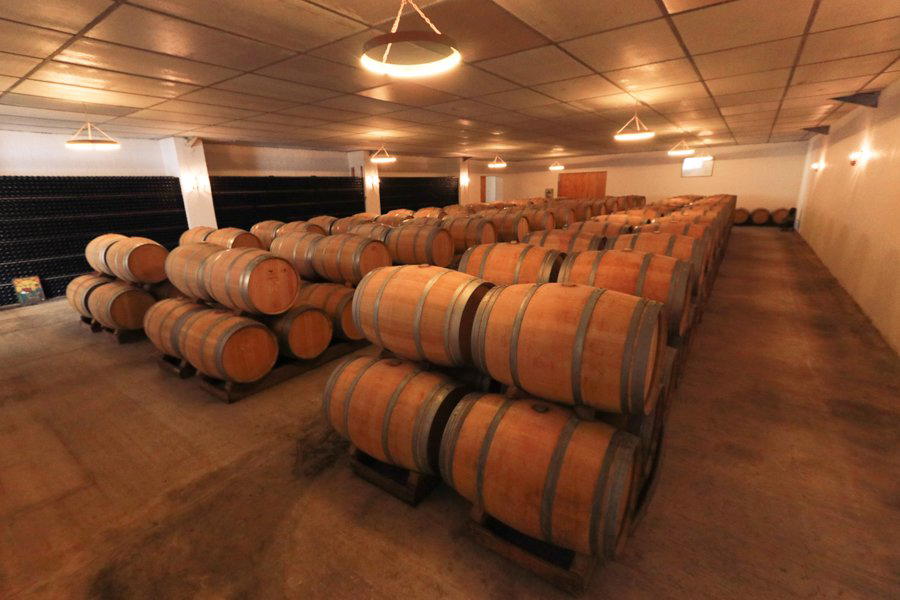
Choose Château les Ormes Sorbet for a quiet, traditional Médoc tasting with real family-estate credibility. The value is strongest for first-timers who want to understand Cabernet-led Cru Bourgeois Bordeaux, limestone-influenced terroir, and cellar-facing tasting-room atmosphere without paying for grand château theater.
Keller Estate
Petaluma, United States
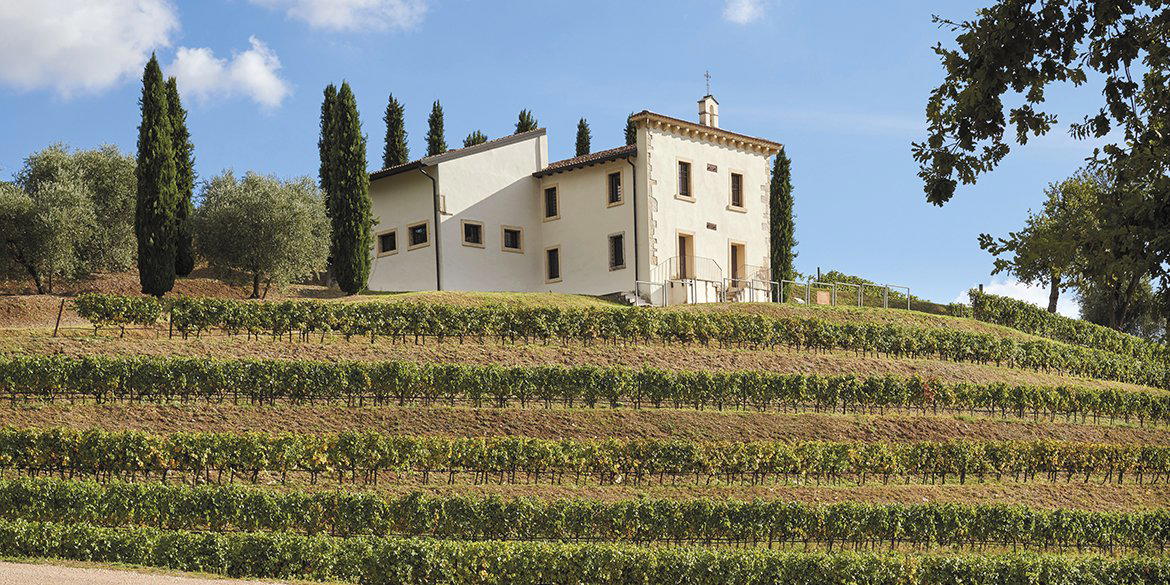
Keller Estate is worth booking if you want a calm Petaluma estate tasting with gardens, lakes, vineyard views, and a seated pace. At $45 per person and appointment only, it works better as a planned anchor stop than a spontaneous add-on; the draw is relaxed hospitality and cool-climate wines rather than a trophy-label chase.
Antichi Poderi Jerzu
Jerzu, Italy
A practical pick for travelers building a wine-focused stop in Jerzu, especially for a celebration where Sardinian bottles matter more than a restaurant-style meal. The main trust signal is Falstaff 3 Stars (2026), but treat membership or repeat buying as something to assess only after confirming the wines fit your cellar goals.
Clos des Baies
Saint Etienne De Lisse, France
Worth considering if you want a quieter Saint-Étienne-de-Lisse wine stop with a grounds-led feel rather than a full hospitality production. Clos des Baies is Falstaff Listed for 2026, which gives it a useful recognition signal, but plan it as part of a wider local winery route rather than as a standalone dining or lodging anchor.
Ébano Viñedos y Bodegas
Castrillo de Duero, Spain
Book Ébano Viñedos y Bodegas if the goal is focused Ribera del Duero Tempranillo at a sensible price tier, not a broad winery-hospitality day. The draw is estate-grown fruit, French oak aging, a compact red-wine portfolio, and Falstaff 2 Stars recognition in 2026.
Château La Sergue
Neac, France
Château La Sergue is a focused Lalande-de-Pomerol estate for visitors who care about Merlot-based Right Bank Bordeaux, vineyard detail and vintage comparison. It is a stronger choice for serious wine travellers than casual groups seeking a broad hospitality stop, with Falstaff 1 Stars recognition in 2026 adding a useful quality signal.
Dell'Erba Azienda Agricola
Albenga, Italy
Book Dell'Erba Azienda Agricola for a relaxed Ligurian vineyard experience rather than a formal cellar tasting. The draw is regional specificity: Pigato, Vermentino and rosé from the Albenga area, with “Brezza” Riviera Ligure di Ponente Pigato DOC 2023 as the bottle to focus on first.
Domaine La Boutinière
Châteauneuf-du-Pape, France
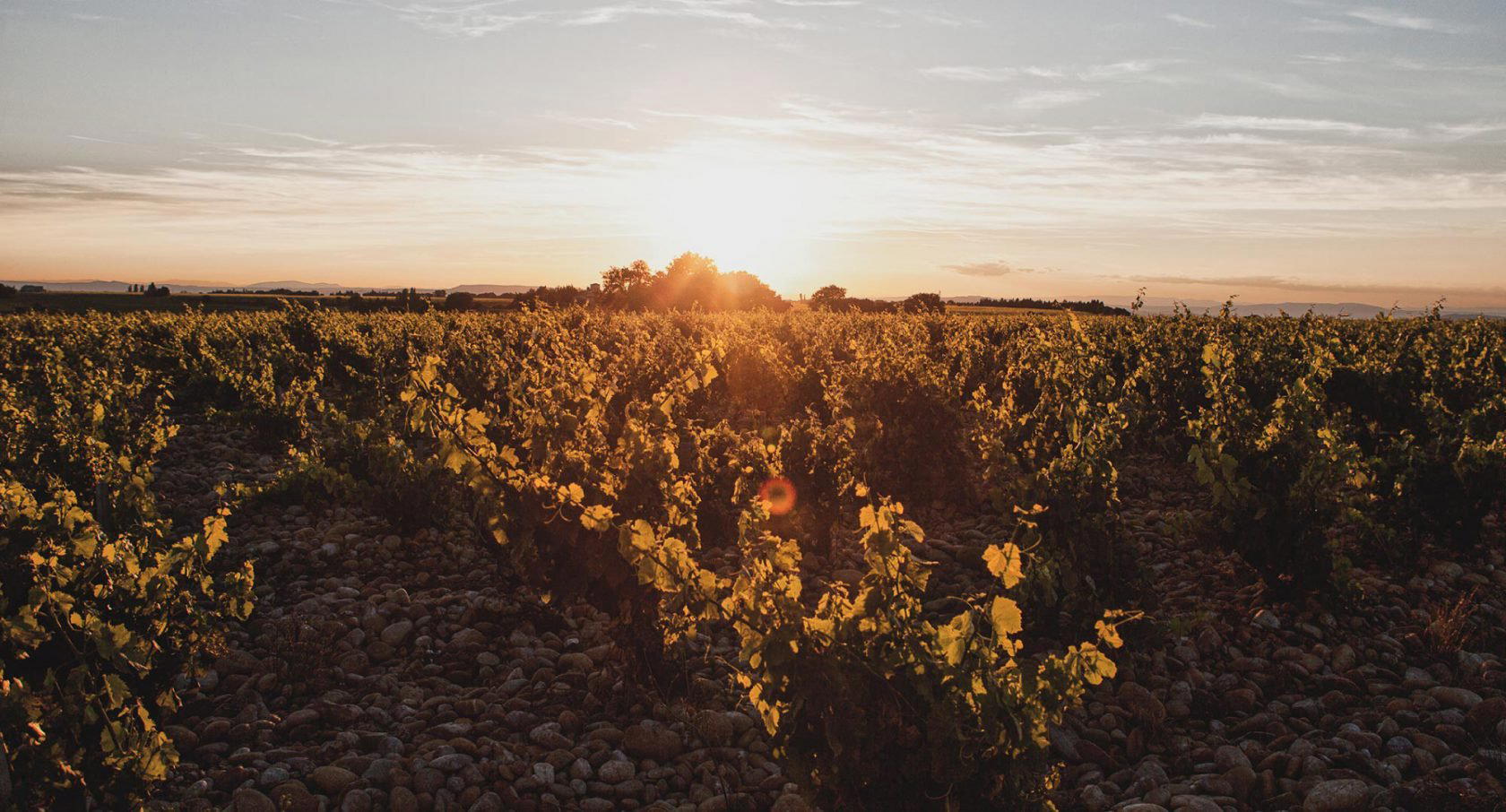
A good-value Châteauneuf-du-Pape stop for travelers who want a relaxed family estate rather than a formal prestige tasting. The draw is old-vine material, 14 plots, traditional cellar work, and a rustic countryside feel; choose it for context and warmth, not high-gloss hospitality.
I Pastini
Martina Franca, Italy
I Pastini is worth booking if the goal is a Valle d’Itria tasting with local-grape substance, not just countryside atmosphere. The $20 per person fee is easy to defend for an educational winery visit, especially if Verso Sud, Le Rotaie, Cupa, sparkling wines, or grappa are available to compare.
Gebrüder Kauer
Windesheim, Germany
Gebrüder Kauer is worth booking for a personal Windesheim tasting built around Riesling, Chardonnay, and a Burgundian-leaning family range. Choose it for a quiet date, small celebration, or business stop where conversation and regional context matter more than a large visitor-center setup.
Borgo Magredo
Tauriano Di Spilimbergo, Italy
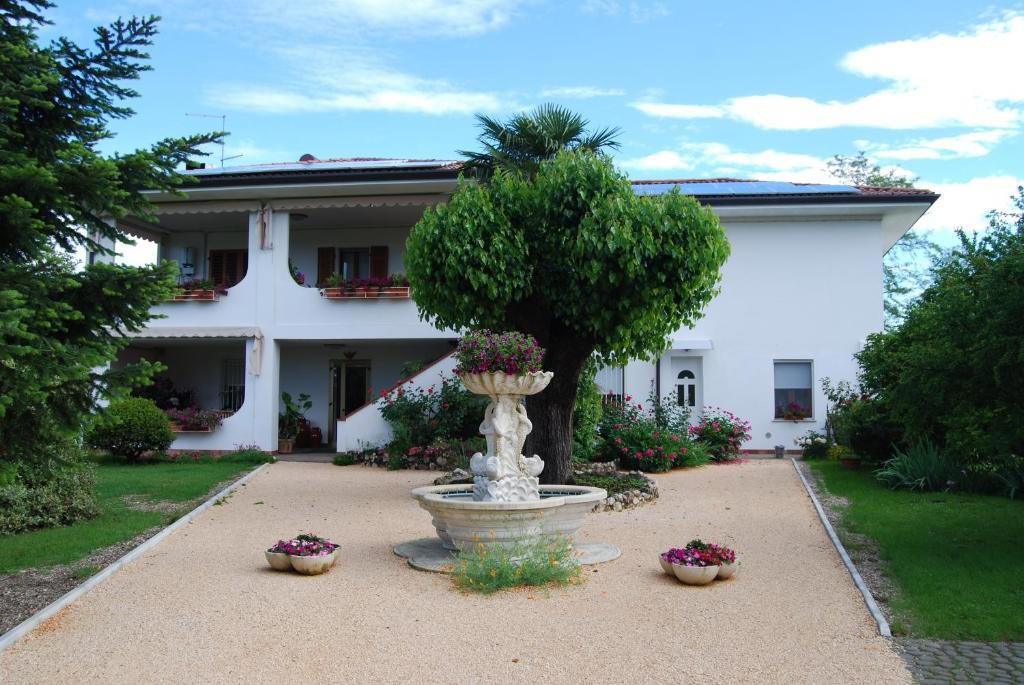
Book Borgo Magredo if you want an accessible, modern Friulian estate tasting with broad regional context rather than a tiny cellar experience. The value is strongest for travelers interested in Grave del Friuli whites, especially Pinot Grigio and Friulano, with enough reds in the portfolio to make the stop feel rounded.
Galgo Wines
Madrid, Spain
Galgo Wines is worth pursuing for serious Iberian-wine drinkers who want a Madrid-based producer with projects across several Spanish regions, not a standard estate visit. The draw is its collaborative, producer-negociant model and portfolio breadth; the trade-off is a quieter, more professional feel that suits appointments better than casual tourism.
Deltetto 1953
Canale, Italy
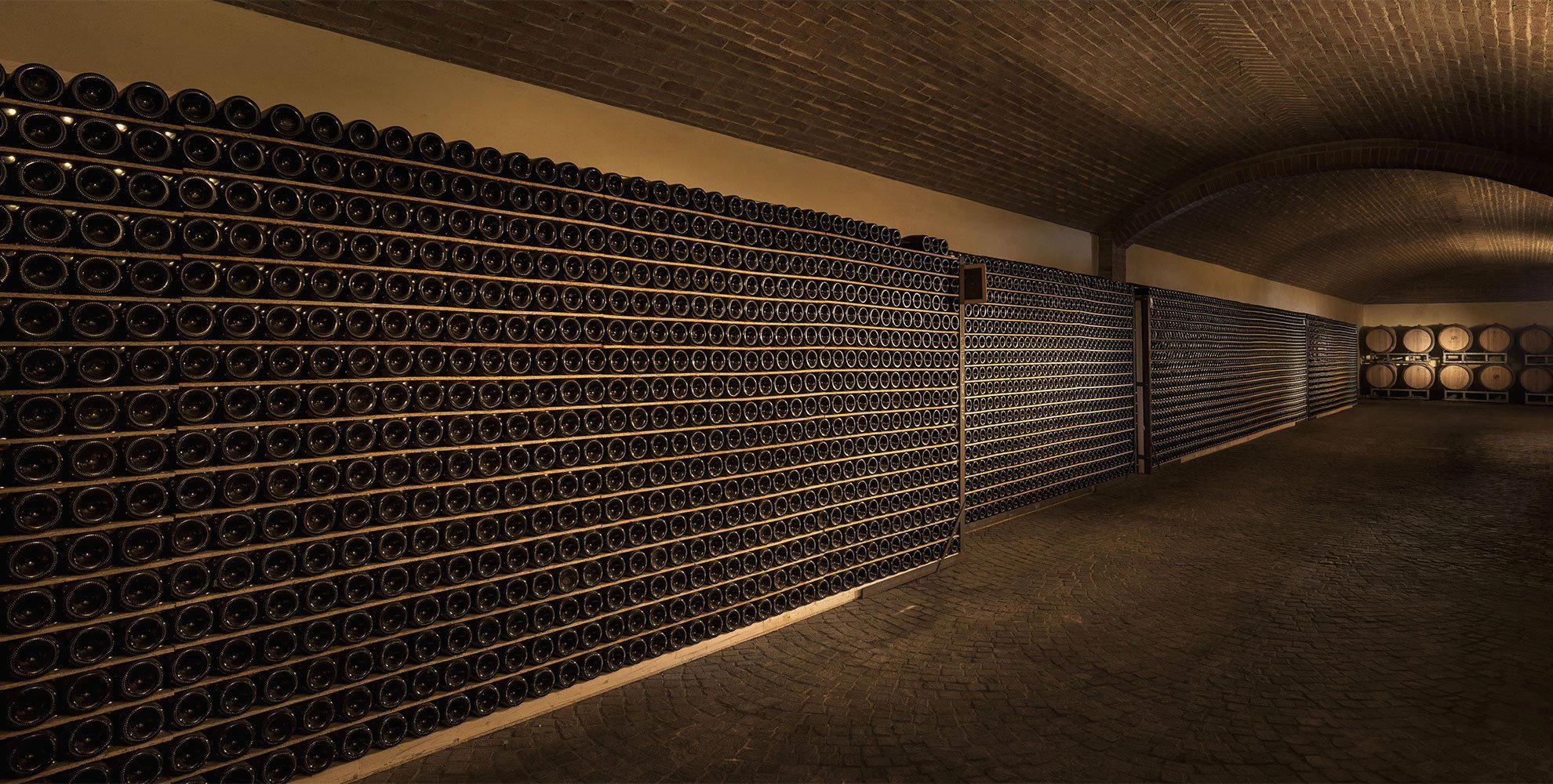
Deltetto 1953 is a strong Canale booking for travellers who want Roero context in one guided stop: Nebbiolo, Arneis, rosé, and Alta Langa sparkling wine, backed by a family-run cellar and historical displays. It suits wine-focused itineraries better than casual drop-ins, especially for visitors building a full day around Canale and the wider Roero area.
Domaine de la Planta
Dardagny, Switzerland
Domaine de la Planta is worth booking for an informal Geneva countryside tasting where the value comes from estate-grown wines, a broad 21-bottle portfolio, and direct family-producer context. It is better for small celebrations, dates, and bottle-buying visits than for a formal food-led outing or polished hospitality experience.
Chablis Gautheron
Fleys, France
Book Chablis Gautheron if the goal is a focused Chablis producer visit in Fleys, not a full hospitality production. The 2026 Falstaff listing gives it a credible quality signal, but value is easiest to judge if you are tasting with a buying mindset rather than looking for food, broad amenities, or a long guided experience.
Cantina del Nebbiolo
Vezza D Alba, Italy
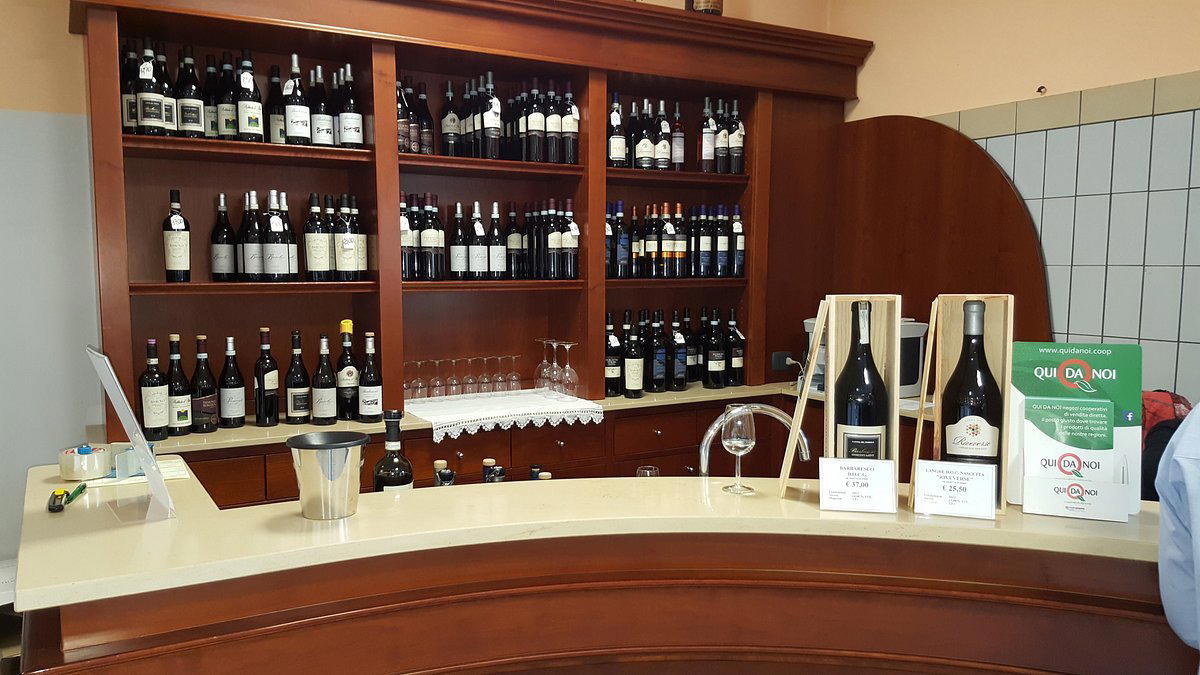
Visit Cantina del Nebbiolo if you want a practical, broad read on Nebbiolo and Piedmont’s cooperative wine culture rather than a luxury tasting-room production. The draw is its 1959 cooperative model, 170-plus growers, 300 hectares across Langa and Roero, and a portfolio anchored by Barbaresco DOCG and Nebbiolo d’Alba. Falstaff Listed in 2026.
Banfi Piemonte
Strevi, Italy
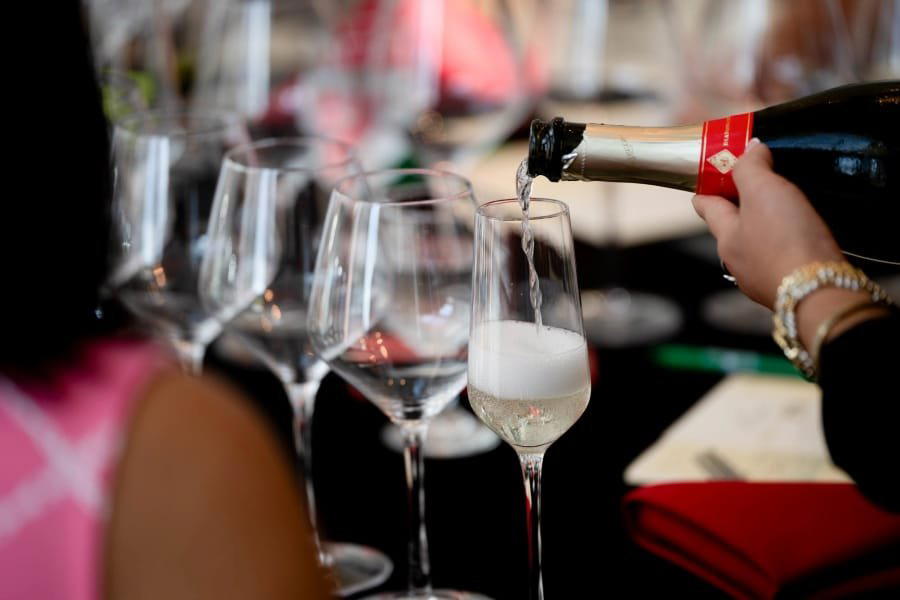
Book Banfi Piemonte if the priority is a polished, production-led winery visit in Strevi with a strong sparkling-wine angle. The value is clearest for guests who want cellar context, Metodo Classico and Charmat comparison, and a structured tasting rather than a casual drop-in pour.
Il Pollenza
Tolentino, Italy
Il Pollenza is a good fit if you want an elegant countryside winery stop in Tolentino without turning the visit into a formal wine seminar. The value case is strongest for relaxed tasting and bottle shopping in a historic-estate setting; Falstaff listing adds a useful recognition signal, but this is better approached as an accessible visit than a trophy-booking destination.
Domäne Schloss Johannisberg
Geisenheim, Germany
Prioritize Domäne Schloss Johannisberg if the trip is built around serious Rheingau Riesling. The draw is the estate’s long Riesling history, cellar context, and on-site regional food option, which make it more rewarding as a planned half-day visit than a quick tasting stop.
Domaine De Boisseyt
Chavanay, France
Domaine De Boisseyt is a practical Chavanay winery stop for travelers who want a focused, low-friction tasting rather than a heavily scripted experience. Its Falstaff Listed 2026 recognition gives it a credible quality signal, but plan flexibly: published details on pricing, flagship wines, and visit format are not part of the listing.
How many of these have you visited?
Find out on Pearl and keep score across every place in 2026 Falstaff Winery Guide.