
Corison Winery
St. Helena
Winery in St. Helena, United States
 Book with Pearl
The Read
Old-Vine Cabernet Restraint
Why go
Against larger St. Helena stops, Corison Winery is the sharper choice for a focused, wine-led tasting rather than a casual crowd-pleaser. Book it as an anchor appointment for a small group that values producer context and a quieter format; choose V. Sattui or HALL Wines St. Helena if the priority is easier group energy or a broader visitor setup.
About Corison Winery
For a St. Helena winery day, Corison Winery is a Pearl 4 Star Prestige (2025) venue with a smart casual dress code. Before building a tight itinerary around it, check current visit details directly with the winery.
The main reason to consider Corison Winery is simple: it is a St. Helena venue that may fit a more intentional wine-country plan. If your group needs specific details about reservations, food, group size, timing, or visit format, confirm those points with the venue rather than assuming they are part of the experience.
A St. Helena winery stop to plan with direct confirmation
Corison Winery makes the most sense as a considered stop within a St. Helena itinerary. Pair it with a meal plan from Our full St. Helena restaurants guide, then build lodging and post-visit plans through Our full St. Helena hotels guide and Our full St. Helena bars guide.
Do not rely on assumptions about availability, service format, food, or group accommodations. Use Our full St. Helena wineries guide to review current options and build a backup route if Corison Winery does not fit your timing.
How to choose it against other winery options
Compared with V. Sattui or HALL Wines St. Helena, Corison Winery is best chosen when you specifically want to include this Pearl 4 Star Prestige (2025) winery in a St. Helena day. For any details about the visit format or guest experience, check directly before deciding.
Other comparison points include Accendo Cellars, Heitz Cellar Estate, and Sutter Home Winery, along with unnamed options you may review separately. If Corison Winery is only one part of the trip, round out the day with a broader St. Helena plan.
Planning details
- Location
- 987 St Helena Hwy, St Helena, CA 94574
- Website
- corison.com
- Phone
- +1 707-963-0826
The take
The Take
The Vibe
Corison presents a restrained, tradition-forward character that favors balance and longevity over flash. The writing positions the winery within a deliberate Napa current: wines intended for the table, shaped to age and reveal themselves over time. The overall impression is composed and refined rather than theatrical—an estate where subtlety, consistency and structural finesse define the experience. That temperament reads as classic and sophisticated: visitors can expect focused, well-made Cabernet-driven wines that reward patience and thoughtful tasting rather than immediate sensory spectacle.
Best For
This is a fitting stop for visitors who prioritize learning about style and structure and for moments that call for careful wines—think contemplative tastings and special occasions. The profile stresses Corison's long-term consistency and its place in Napa as an exemplar of restraint, making it appealing to collectors, students of aging and diners seeking wines that pair seamlessly with food. In short, the winery suits guests who appreciate measured winemaking, historical perspective and bottles built to evolve rather than dominate the table.
Tasting Tips
When engaging with Corison's wines, approach the tasting with an eye toward structure and provenance rather than immediate opulence. Ask about the winery's philosophy—its emphasis on balance and time in bottle—to understand why certain releases are made with aging in mind. Prioritize wines that showcase tannic finesse and acidity for food pairing, and inquire about the estate's key Cabernet bottlings and their evolution across vintages. Note the mention of Pearl 4 Star Prestige recognition as a shorthand for consistency when evaluating current releases.
Venue details
Ambiance
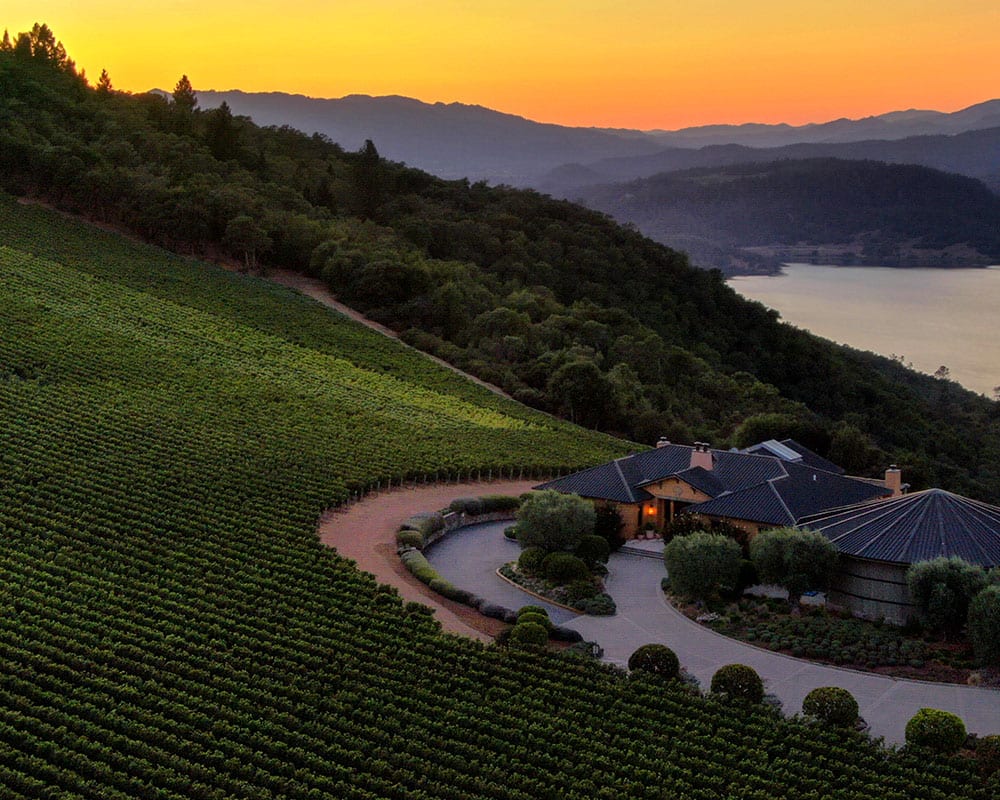
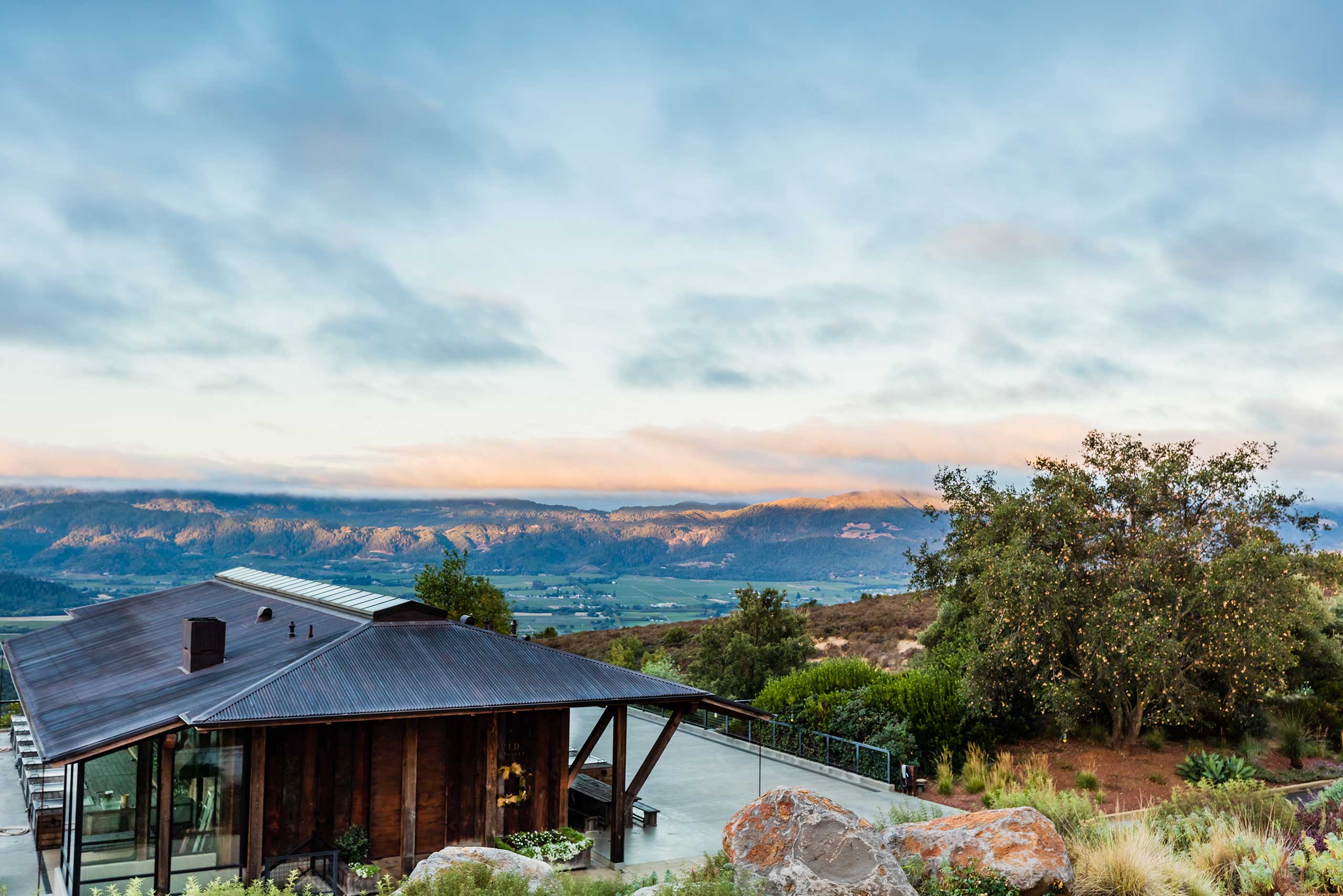
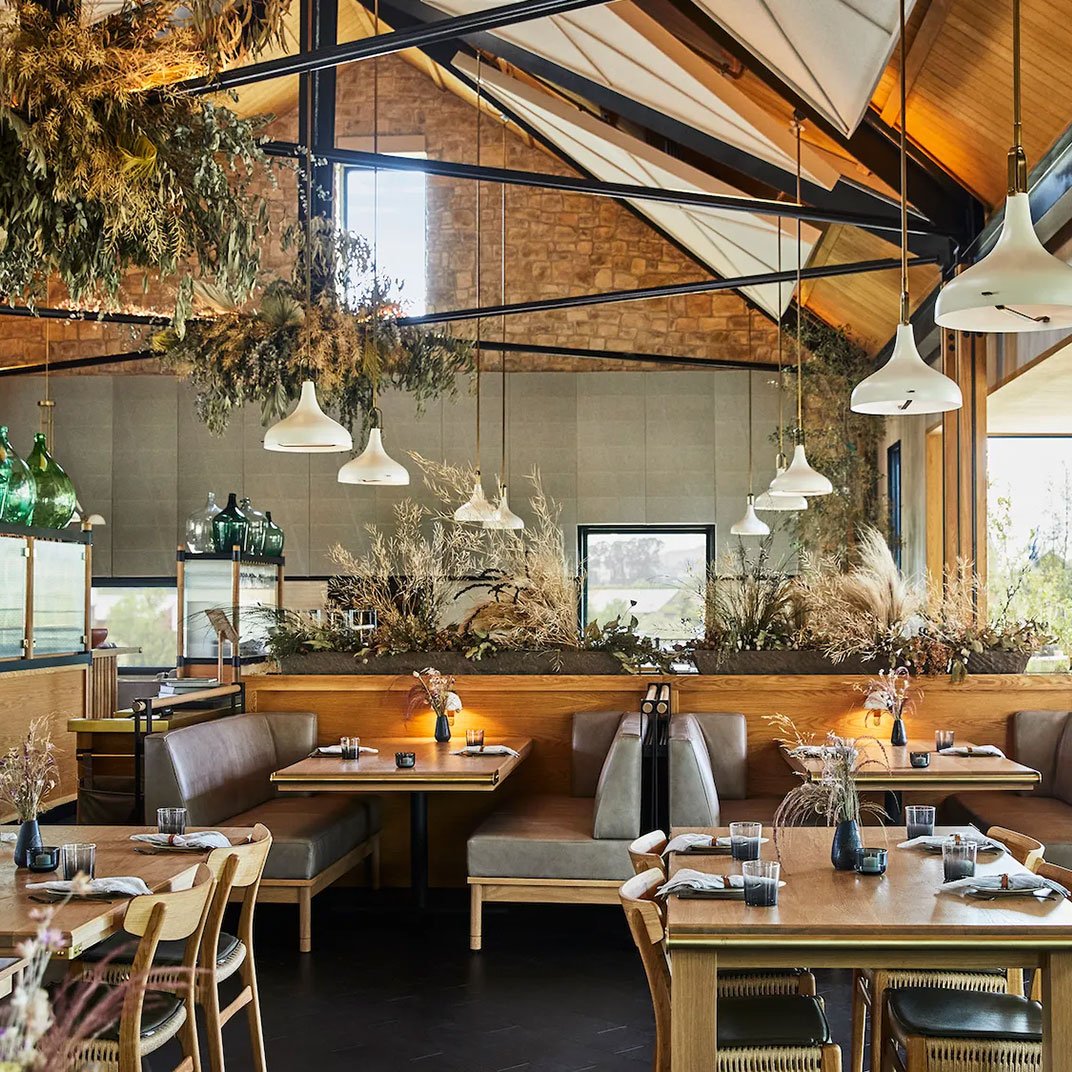
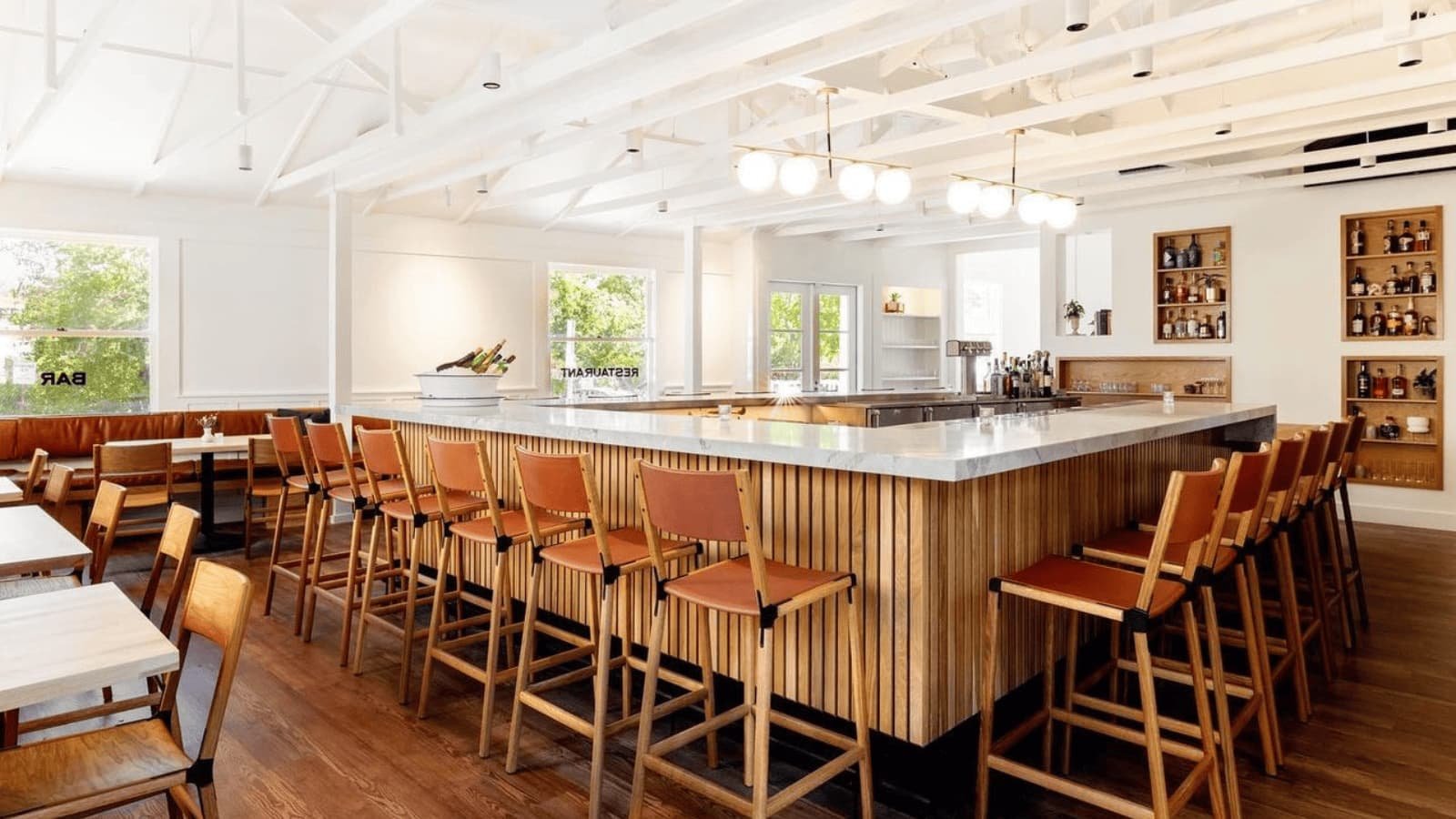
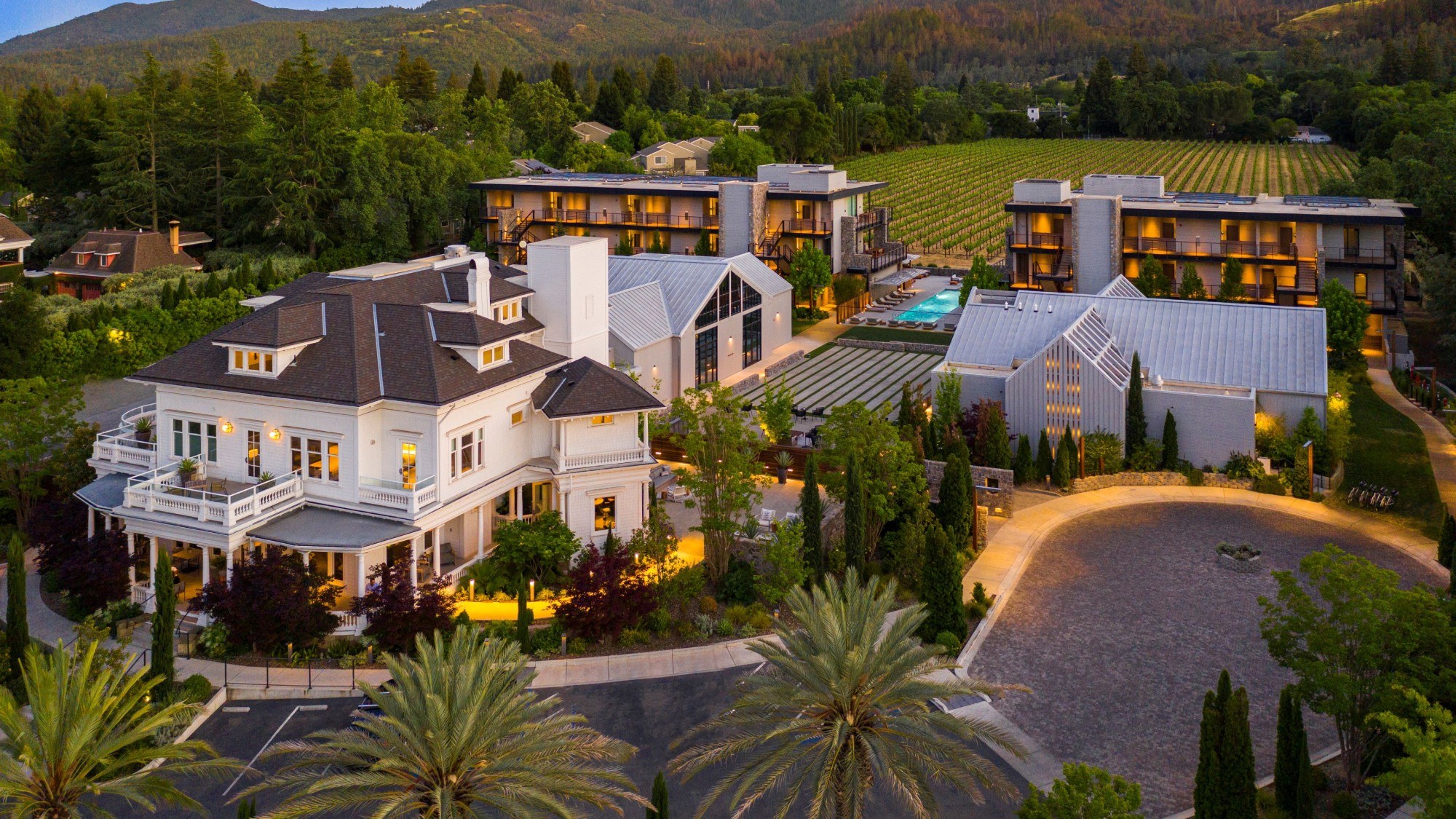
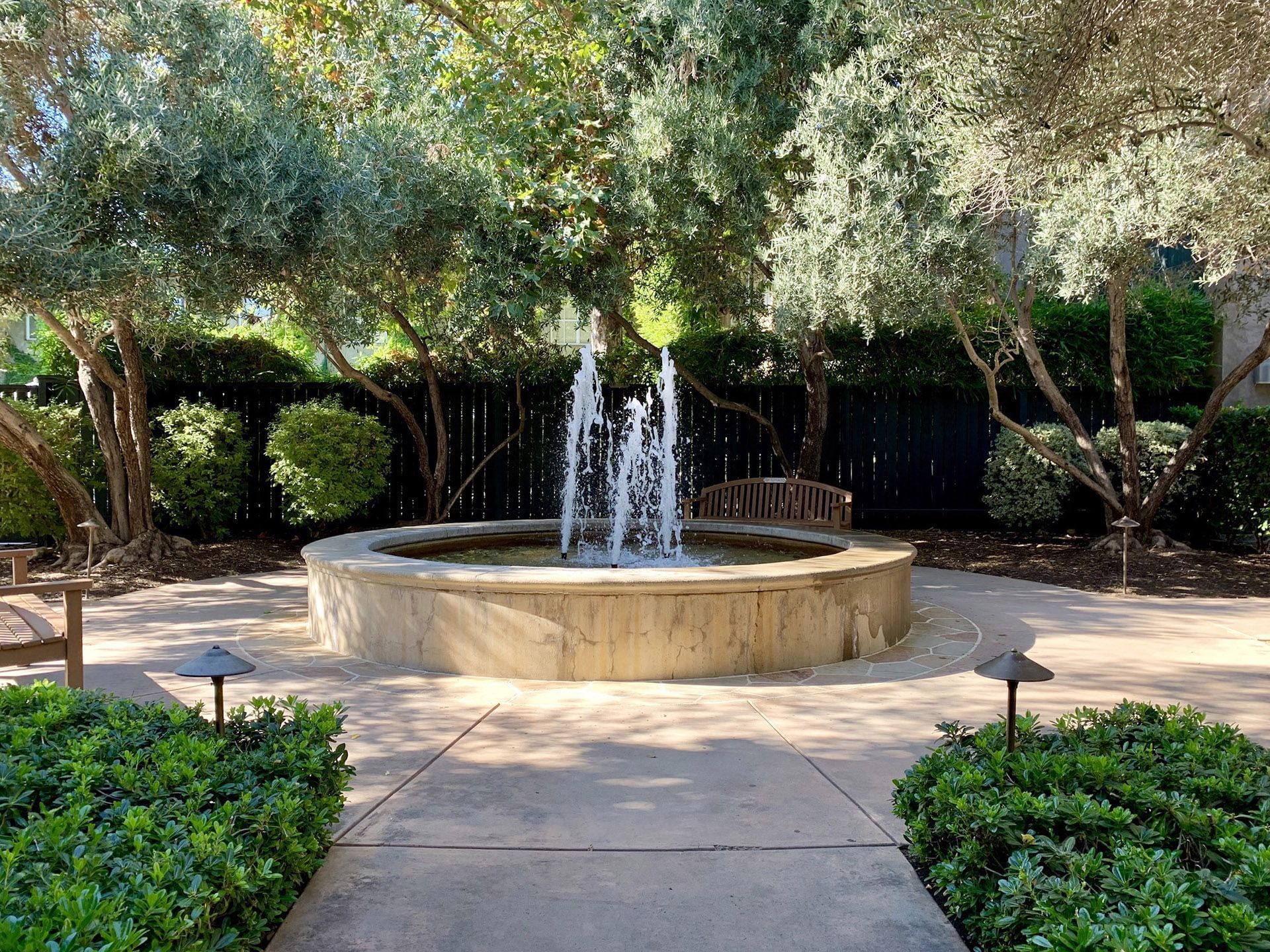
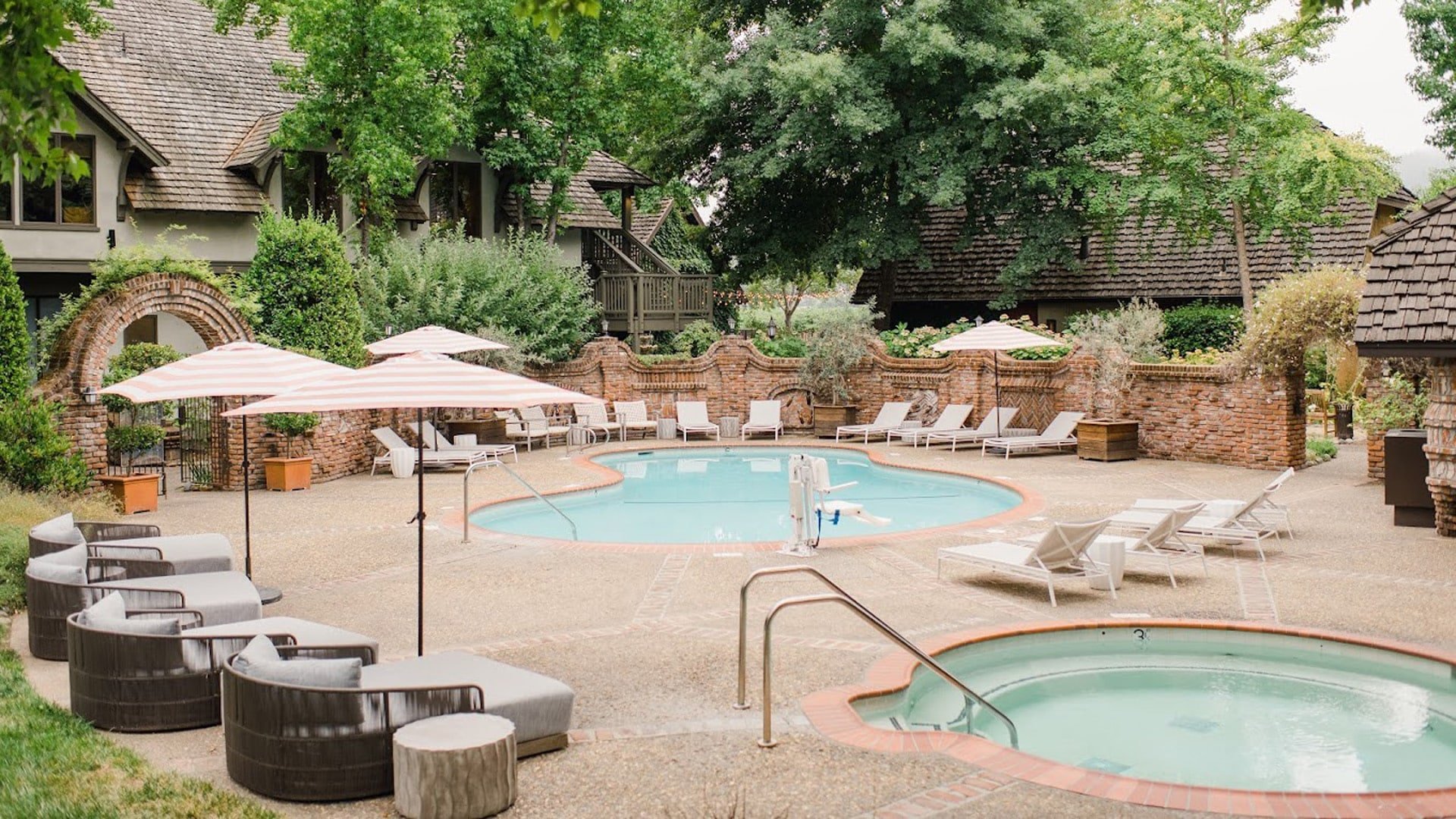
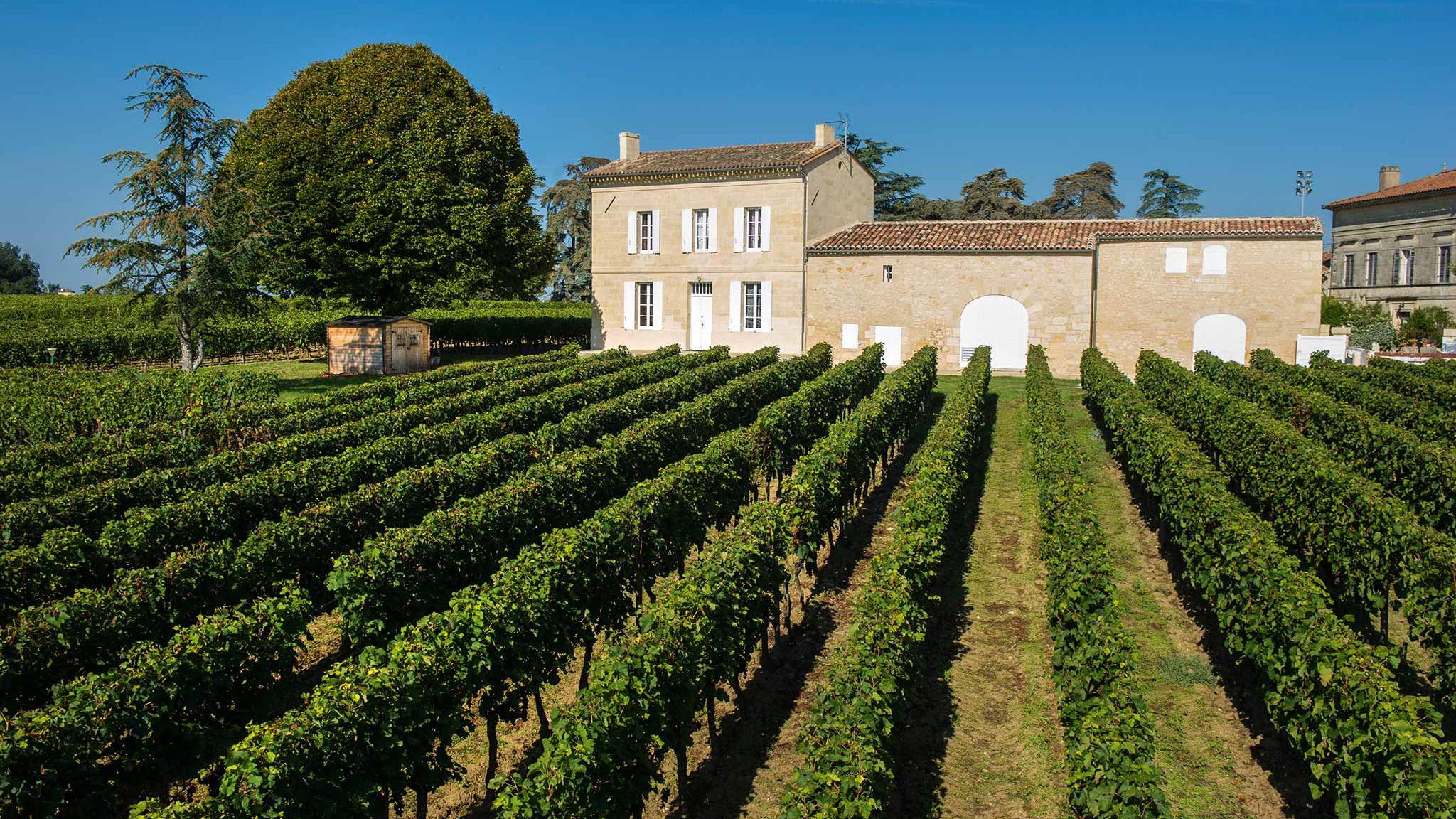
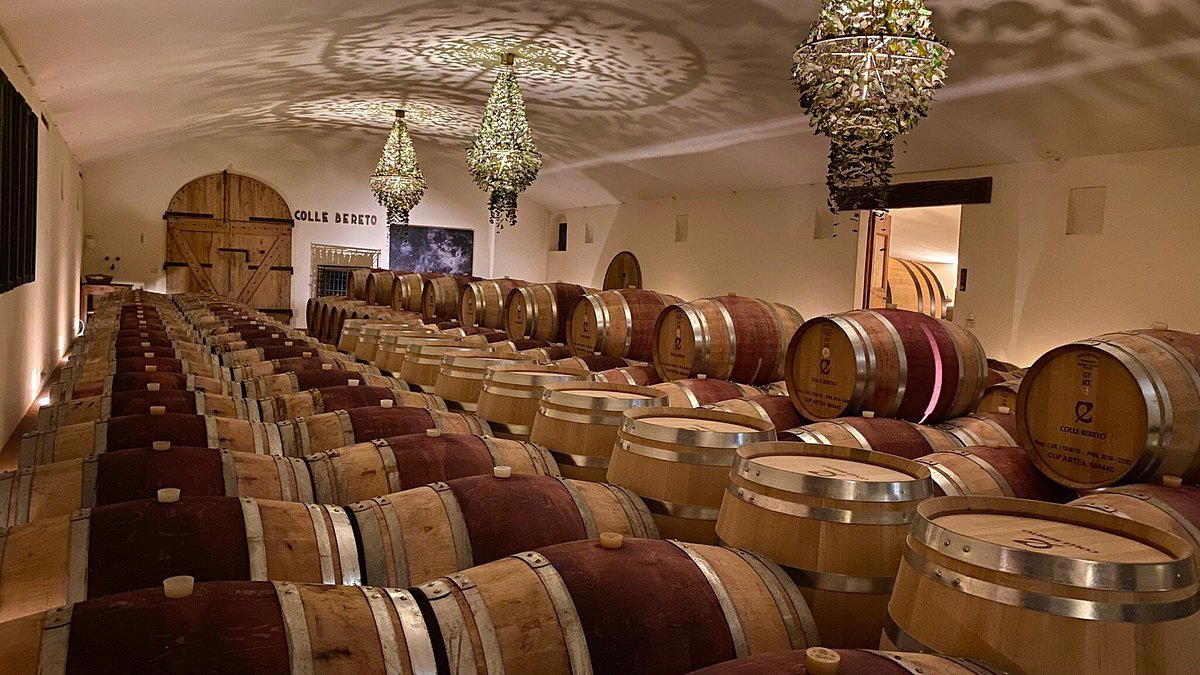
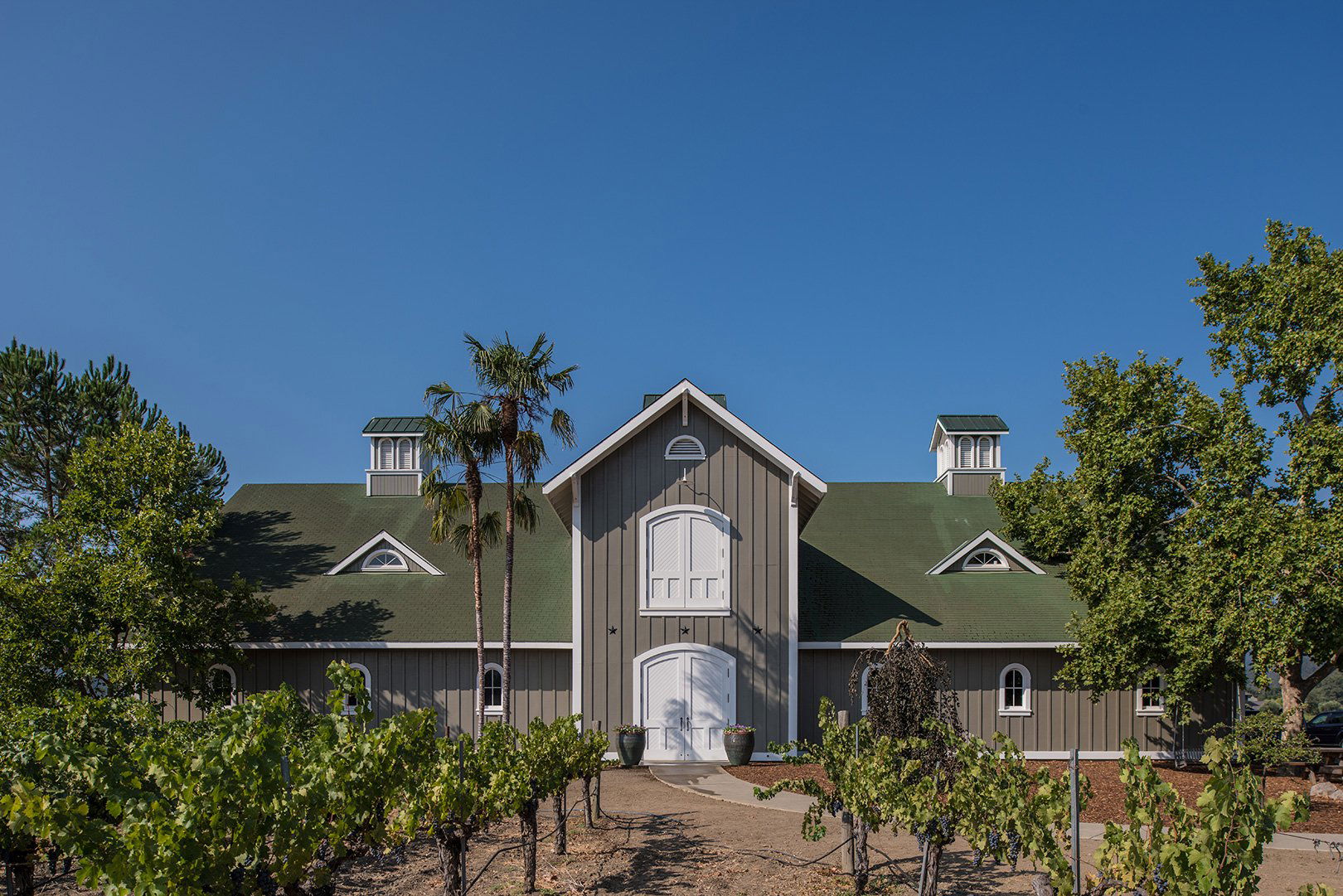
Laid-back and welcoming atmosphere in a stately Victorian-style barn with barrel room tastings, cozy private residence feel, and vineyard views.
Tags
Vibe
Best For
Experience
Sourcing
View
At the Vineyard
- Appellation
- Napa Valley AVA
- Varietals
- Cabernet Sauvignon
- Tour Duration
- 60-90 minutes
- Visits
- By appointment only
- Farming
- Organic
- Production
- Small producer
- Wine Styles
- Still Red
- Wine Club
- Available
Know before you go
Know Before You Go
- Getting there
- 987 St Helena Hwy, St Helena, CA 94574
Planning details
Location
Recognition and awards

Also consider
Where to look if this is unavailable
If availability does not line up, try Accendo Cellars for a serious St. Helena alternative or HALL Wines St. Helena for a more flexible group-friendly stop.
For a wider trip beyond St. Helena, compare 00 Wines in Carlton, 13th Vineyard in Angwin, 50 West Vineyards in Aldie, 1310 Spirit of the Country Distillery in Sierning, and 1404 Manufacturing Distillery in Sankt Peter-Freienstein as different styles of producer visit.
Winery context
How it compares in St. Helena
Choose Corison Winery over V. Sattui if the group wants a more focused wine appointment rather than a casual, higher-traffic stop. V. Sattui is the easier fit for mixed-interest groups; Corison is the better fit when the tasting is the reason for the visit.
Accendo Cellars is the closer cross-shop for collectors and serious Napa drinkers, while HALL Wines St. Helena is better for visitors who want a more expansive public-facing experience. If the day needs to feel polished but not overly formal, compare availability carefully before committing.
Heitz Cellar Estate and Sutter Home Winery serve different needs: Heitz is the more serious historical Napa reference point, while Sutter Home is the more accessible mainstream name. Corison sits closer to the small-group, wine-first end of that set.
Around this place
Discover more on Pearl
Unlock the full Corison Winery guide in Pearl, including awards, comparisons, FAQs, planning details, and nearby places.
Compare Corison Winery
| Venue | Location | Awards |
|---|---|---|
| Corison Winery | St. Helena | 2026 Falstaff Winery Guide |
| V. Sattui | Napa | 2025 Pearl 2 Star Prestige |
| Accendo Cellars | St. Helena | 2025 Pearl 3 Star Prestige |
| HALL Wines St. Helena | St. Helena | 2025 Pearl 2 Star Prestige |
| Heitz Cellar Estate | Napa | 2026 Falstaff Winery Guide2025 Pearl 4 Star Prestige |
| Sutter Home Winery | St. Helena | No published awards |

How Corison Winery St. Helena compares with similar nearby venues.
FAQ
Frequently Asked Questions
How long should I plan for a visit to Corison Winery?
Does Corison Winery serve food?
Ask Corison Winery directly about food service, and plan dining separately if needed for your St. Helena winery day.
Where should I confirm current visit details for Corison Winery?
Review Corison Winery's official information directly before making plans. The venue is a Pearl 4 Star Prestige (2025) winery with a smart casual dress code.
Can Corison Winery handle large groups?
Contact Corison Winery directly before planning a group visit, and compare the fit with options such as HALL Wines St. Helena or Sutter Home Winery.
What should I ask before visiting Corison Winery?
Ask Corison Winery directly about current availability, timing, format, and any practical requirements, and compare your visit with options such as Accendo Cellars and Heitz Cellar Estate.
What other wineries can I compare with Corison Winery?
Comparison options include V. Sattui, Accendo Cellars, HALL Wines St. Helena, Heitz Cellar Estate, and Sutter Home Winery. Choose among them based on each venue's current offerings, availability, and visit format.