
Produttori del Barbaresco
Barbaresco
Winery in Barbaresco, Italy
 Book with Pearl
The Read
Parcel-Driven Cooperative Nebbiolo
Why go
A practical Barbaresco choice for travelers who want regional context rather than a showy winery visit. Prioritize it as an anchor stop for understanding the village, then compare with Gaja for prestige, Roagna for producer depth, or Engine Gin when the group needs a non-wine pivot.
About Produttori del Barbaresco
Produttori del Barbaresco is a Barbaresco venue with Pearl 3 Star Prestige recognition for 2025. The dress code is smart casual.
Use this page as a concise planning note rather than a full service description. Before building an itinerary around menus, visit formats, hours, prices, group arrangements, or food availability, check directly with the venue. If you are comparing other options, Gaja, Roagna, Engine Gin, Bruno Giacosa, and Distilleria Romano Levi may also be relevant names to consider, depending on the shape of your trip.
A Barbaresco stop for a concise itinerary
The grounded reason to keep Produttori del Barbaresco on a Barbaresco shortlist is its Pearl 3 Star Prestige recognition for 2025. Pair that shortlist decision with direct checks on visit format, food offering, beverage program, price point, and schedule.
For planning, contact the venue directly before arrival. If you want to compare it with other named stops, consider Gaja or Roagna as separate options, or look at Engine Gin, Bruno Giacosa, or Distilleria Romano Levi without assuming the same format or setting. For dining research, use Our full Barbaresco restaurants guide.
Who should prioritize it on a Barbaresco itinerary
Prioritize Produttori del Barbaresco if you want a Barbaresco venue with Pearl 3 Star Prestige recognition and you are comfortable confirming practical details yourself. Dress code: smart casual.
Cross-shopping should stay practical. Gaja, Roagna, Engine Gin, Bruno Giacosa, and Distilleria Romano Levi can be considered as other named options, while other dining in Barbaresco should be researched separately for meals. For the broader trip plan, use relevant Barbaresco guides and confirm each stop directly; for bars research, see Our full Barbaresco bars guide.
Quick reference: Barbaresco location, smart casual dress code, and Pearl 3 Star Prestige (2025). Confirm service, timing, booking, food, and group details directly before you go.
Planning details
- Location
- Via Torino, 54, 12050 Barbaresco CN
- Website
- produttoridelbarbaresco.com
- Phone
- +39 0173 635139
The take
The Take
The Vibe
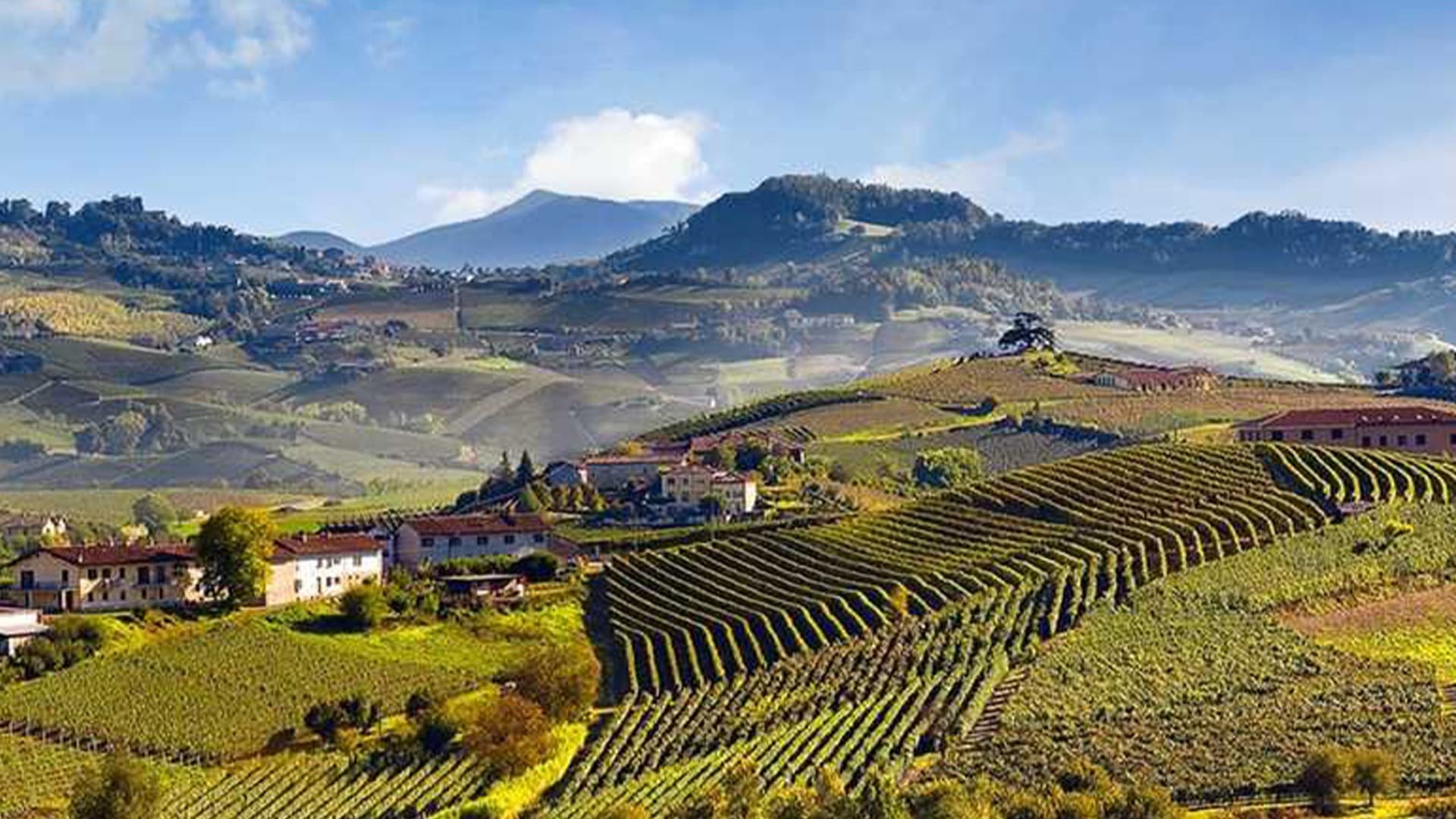
Produttori del Barbaresco feels rooted in place more than in presentation. You approach the cooperative through a medieval village—a tower, stone buildings and narrow ridge roads—then arrive at a functional, collective facility rather than a theatrical tasting pavilion. The tone is deliberately unembellished: architecture and operation reflect the cooperative model, focused on shared standards and the fruit of many growers. The sense here is scholarly and sincere rather than styled; the experience centers on tasting the wines as direct translations of soil, aspect and village tradition.
Best For
This is a destination for people who want to study Nebbiolo and understand Barbaresco’s internal differences. The write-up positions the cooperative as a living map of the appellation, so it suits wine-education outings and solo exploration by enthusiasts who want to trace how altitude, soils and proximity to the Tanaro shape wines. Visitors seeking theatrical tasting rooms or estate spectacle should look elsewhere; those seeking grounded, terroir-focused encounters get the clearest value here.
Tasting Tips
Ask for a tasting that highlights the cooperative’s geographic range: request comparative pours that make the central Tortonian clays and the sandier Helvetian parcels easy to distinguish. Inquire about how proximity to the Tanaro influences ripening and how growers’ plots vary across the denomination. Because the cooperative sources from many member vineyards, ask staff to map bottles back to their crus or village sites to understand how soil and exposure drive the stylistic differences you taste.
Venue details
Ambiance
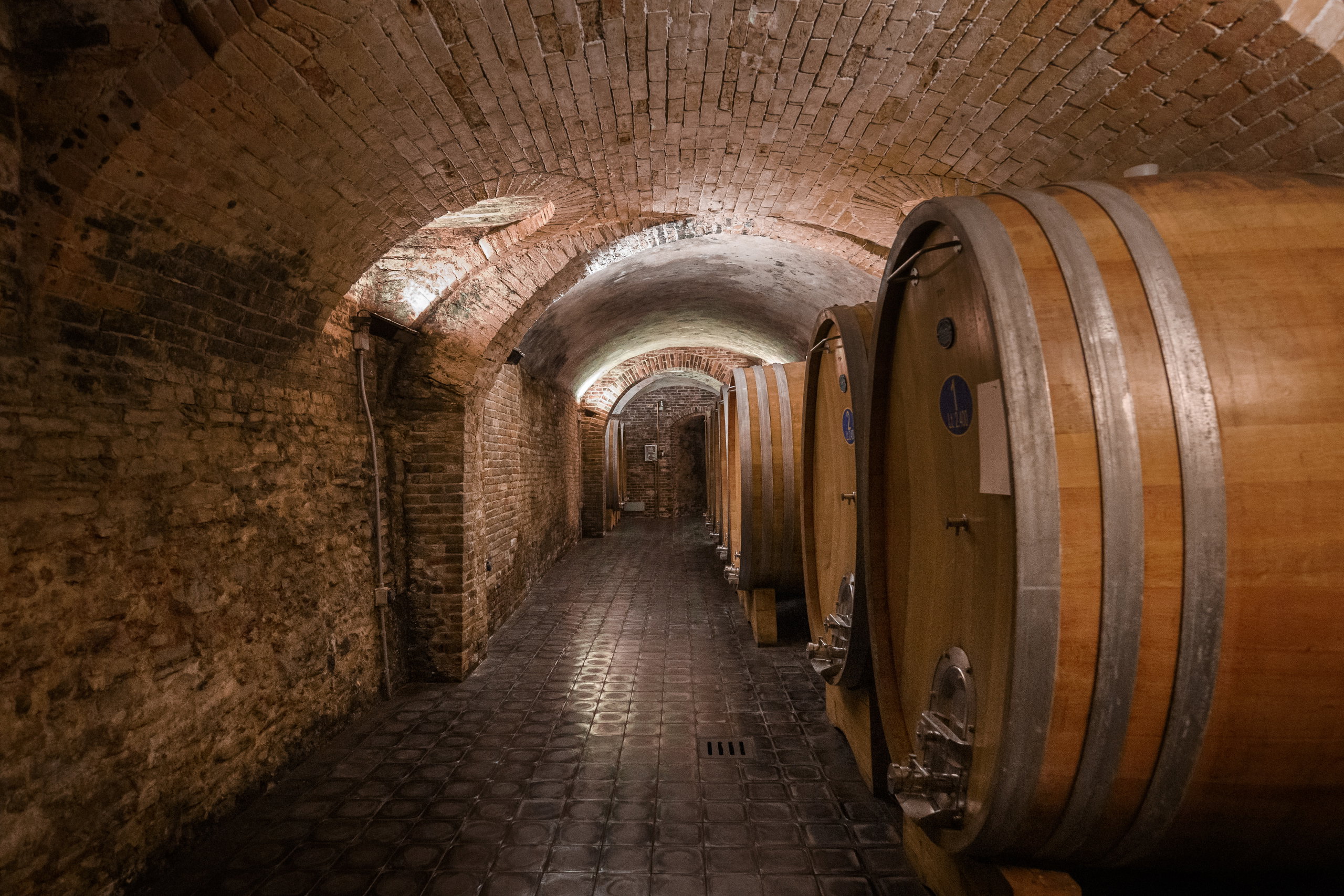
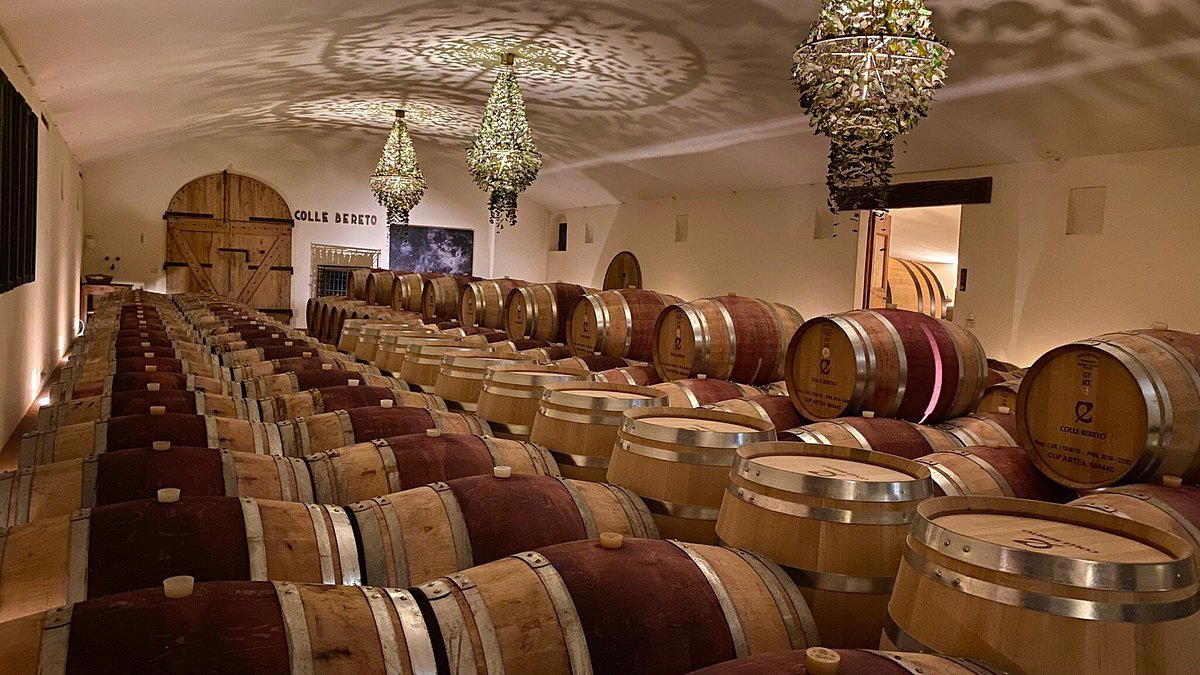
Classic rustic winery atmosphere with traditional stone cellars and focus on terroir-driven elegance from multi-generational farming.
Tags
Vibe
Best For
Experience
View
At the Vineyard
- Appellation
- Barbaresco DOCG
- Varietals
- Nebbiolo
- Tour Duration
- 60-90 minutes
- Tour Languages
- English, Italian
- Visits
- By appointment only
- Wine Styles
- Still Red
- Wine Club
- Available
Know before you go
Know Before You Go
- Getting there
- Via Torino, 54, 12050 Barbaresco CN
Planning details
Location
Recognition and awards

Also consider
Where to go if this does not fit
Try Gaja if the group wants the prestige Barbaresco name and can plan around harder access. Choose Roagna if the priority is a more producer-led wine visit rather than a broad appellation reference.
Winery context
How it compares in Barbaresco
Gaja is the prestige play: choose it when the point is access to a major Barbaresco name and the group is comfortable building the day around one high-demand appointment. Produttori del Barbaresco is the more practical reference stop for visitors who want the appellation to make sense before moving on to smaller or harder-to-read producers.
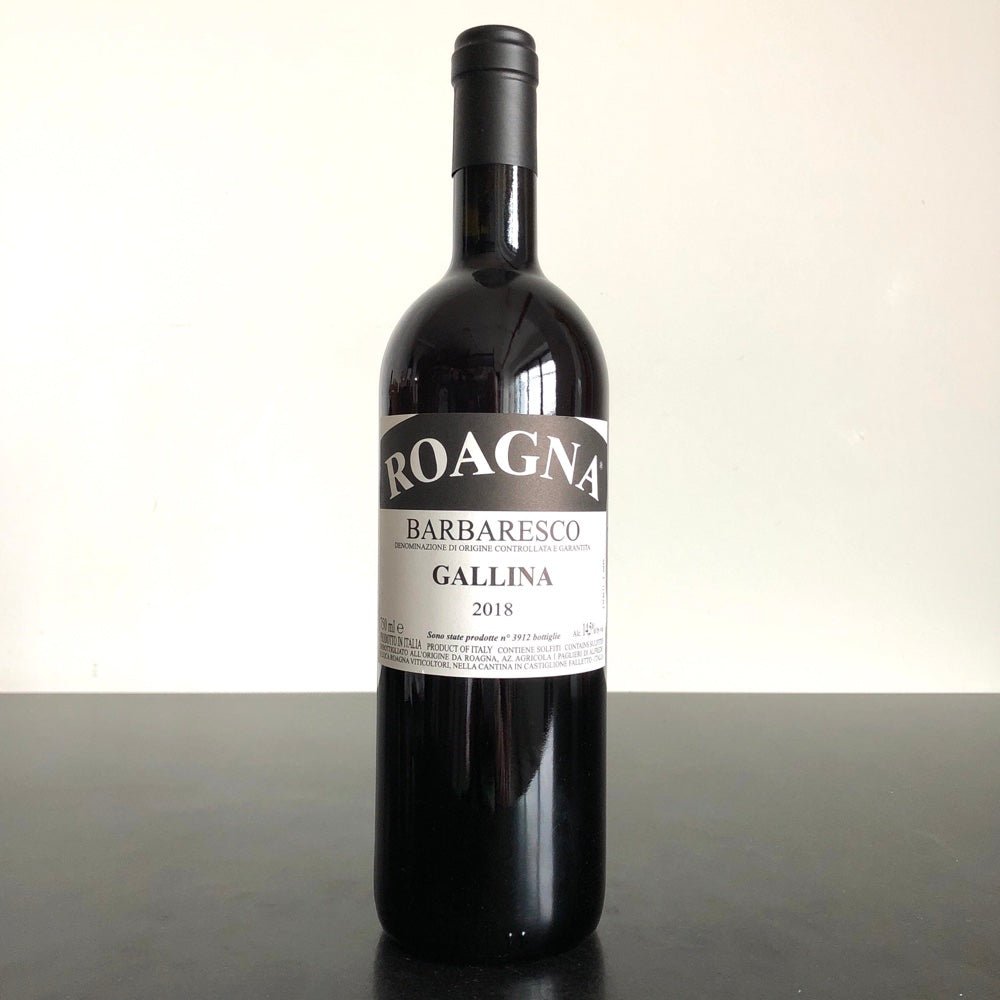
Roagna is the better cross-shop for serious wine travelers who want a producer-specific lens and are willing to work harder for the right fit. Engine Gin is not a direct wine comparison, but it is useful for mixed groups in Barbaresco when not everyone wants another cellar visit.
If the itinerary can stretch beyond the village, Distilleria Romano Levi and Bruno Giacosa are stronger alternates for travelers who want a broader Langhe drinks day. Stay with Produttori del Barbaresco when the priority is Barbaresco itself; look outward when the group wants variety or a more appointment-led route.
Explore Barbaresco
Around this place
Discover more on Pearl
Unlock the full Produttori del Barbaresco guide in Pearl, including awards, comparisons, FAQs, planning details, and nearby places.
Compare Produttori del Barbaresco
| Venue | Location | Awards |
|---|---|---|
| Produttori del Barbaresco | Barbaresco | 2026 Falstaff Winery Guide |
| Gaja | Barbaresco | 2026 Falstaff Winery Guide2025 Pearl 5 Star Prestige2020 World's 50 Best Vineyards · #36 |
| Engine Gin | Barbaresco | No published awards |
| Roagna | Barbaresco | No published awards |
| Distilleria Romano Levi | Neive | No published awards |
| Bruno Giacosa | Neive | 2026 Falstaff Winery Guide2025 Pearl 4 Star Prestige |


How Produttori del Barbaresco compares with similar nearby venues.
FAQ
Frequently Asked Questions
What is Produttori del Barbaresco known for?
Produttori del Barbaresco is a Barbaresco venue with Pearl 3 Star Prestige recognition for 2025. The dress code is smart casual.
Where is Produttori del Barbaresco located?
Produttori del Barbaresco is located in Barbaresco.