



Scarecrow
Rutherford, Napa
Winery in Napa, United States
 Book with Pearl
The Read
Allocation-Tier Precision
Why go
Scarecrow is a Napa Valley wine producer.
About Scarecrow
Scarecrow is a Napa venue with Celia Welch as chef/owner, a smart casual dress code, and Pearl 5 Star Prestige (2025). This makes it a notable Napa name for travelers who value recognition and a distinctive profile.
Consider Scarecrow if its Napa reputation and recognition make it a priority for your trip, but confirm any appointment, service, or access details directly before building an itinerary around it.
Choose it for confirmed Prestige recognition
The strongest reason to pay attention to Scarecrow is its Pearl 5 Star Prestige (2025) recognition. That makes it a notable Napa name within this guide, though specific service format, tasting availability, pricing, or beverage focus should be checked directly.
For comparison, Robert Mondavi Winery, Vermeil Wines, Brown Estate Vineyards, Levendi Winery, and John Anthony Vineyards are other names travelers may consider when shaping a broader plan. Scarecrow should be evaluated on the confirmed facts above, while any detailed logistics should be checked directly before visiting.
Plan Napa around confirmed details
For now, the safest planning approach is to keep the Scarecrow portion of a Napa itinerary flexible until direct details are confirmed. Smart casual dress is the attire guidance, and Celia Welch is the confirmed chef/owner. Beyond that, avoid assuming hours, appointment structure, seating, price, menu, or tasting details from this guide.
If Scarecrow does not fit the timing of your trip, keep the itinerary balanced with other Napa planning resources. Use our full Napa restaurants guide, our full Napa hotels guide, and our full Napa bars guide to avoid building a trip around one stop.
The bottom line: Scarecrow is a Pearl 5 Star Prestige (2025) Napa venue associated with Celia Welch and a smart casual dress code. For anything more specific, verify details directly before committing travel time.
Planning details
- Location
- 308 Soscol Ave STE A, Napa, CA 94559
- Website
- scarecrowwine.com
The take
The Take
The Vibe
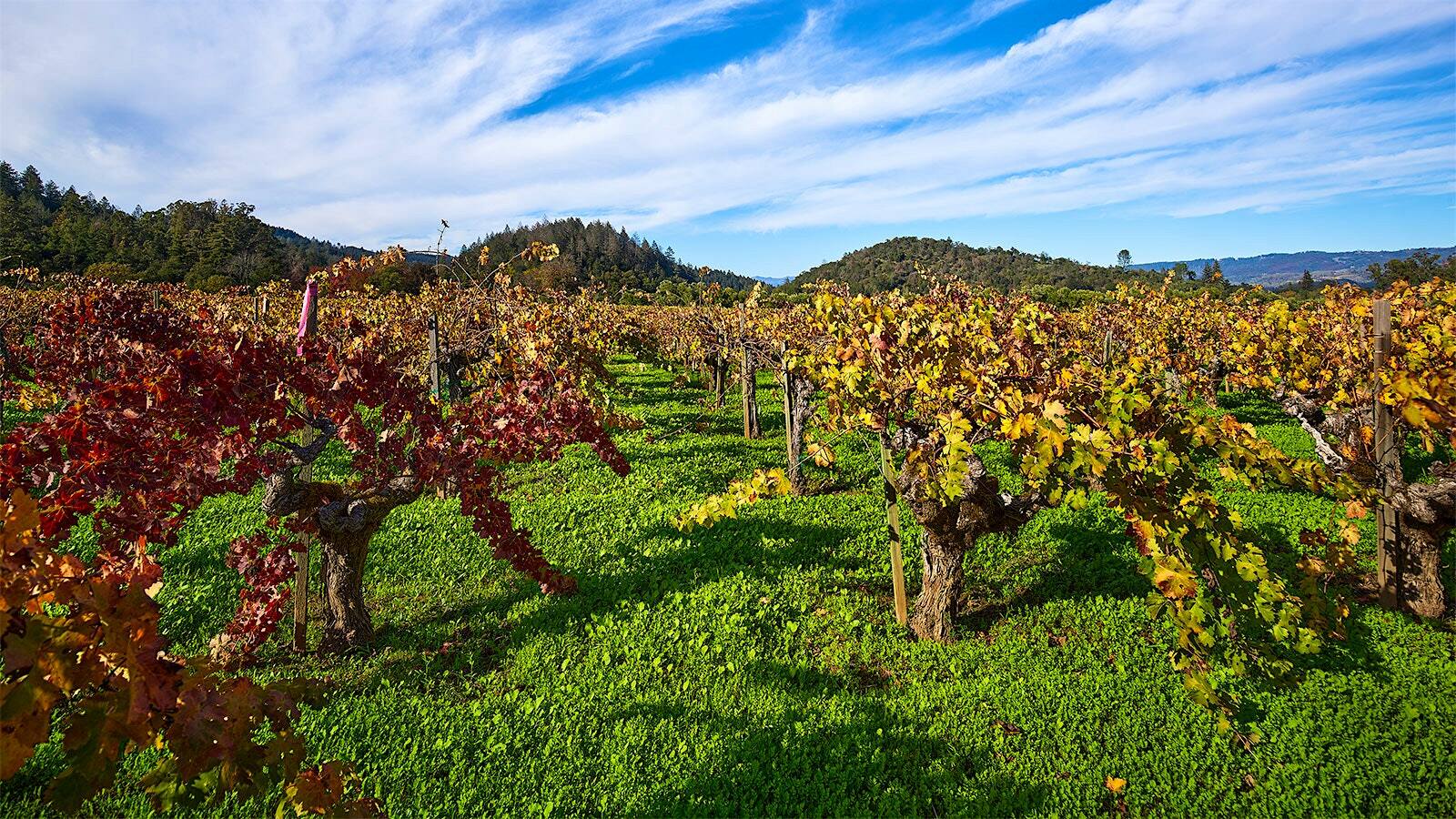
Scarecrow positions itself deliberately off the usual tourist circuit, favoring a quieter, wine-first presence over design-forward hospitality. The tasting experience reads as restrained and refined: the focus is on pedigree and bottle quality rather than on architecture or spectacle. That ethos feels classic and sophisticated, rooted in Rutherford farming history and the J.J. Cohn Estate fruit that defines the wines. Visiting here is less about a theatrical Napa outing and more about encountering carefully tended Cabernet with a serious sense of provenance; the setting underscores scarcity and craft rather than loud visitor amenities.
Best For
Scarecrow is best suited to visitors seeking a focused, premium-wine experience—think special occasions or enthusiasts interested in Napa's allocation-driven producers. The write-up frames the winery as part of the valley's upper tier of small-production, allocation-first estates, so it appeals to collectors and curious drinkers who want to study Rutherford Cabernet and winemaking pedigree. This is not positioned as a family-friendly attraction or busy tasting-room scene; instead, it fits moments when the wine itself is the reason for the trip, and when scarcity and vintage track record matter.
Tasting Tips
Expect an emphasis on the bottle rather than a broad portfolio of visitor amenities: the narrative repeatedly stresses allocation, scarcity and winemaking pedigree. If you want to engage with Scarecrow, come prepared to talk about specific vintages and provenance—the copy highlights a track record across multiple vintages and secondary-market circulation. Because the property's identity centers on estate fruit from the J.J. Cohn site and an allocation-first business model, prioritize learning about site character and vintage differences rather than sightseeing or hospitality bells and whistles.
Venue details
Ambiance
Serene and intimate setting amid historic old vines, offering a sacred and spiritual experience with elegant, refined atmosphere.
Tags
Vibe
Best For
Experience
Sourcing
View
At the Vineyard
- Appellation
- Rutherford AVA
- Varietals
- Cabernet Sauvignon, Merlot, Malbec, Petit Verdot
- Tour Duration
- 60-90 minutes
- Visits
- By appointment only
- Farming
- Sustainable
- Production
- Small producer
- Wine Styles
- Still Red
- Wine Club
- Available
Know before you go
Know Before You Go
- Getting there
- 308 Soscol Ave STE A, Napa, CA 94559
Planning details
Location
308 Soscol Ave STE A, Napa, CA 94559 · Directions
Recognition and awards

Also consider
Where to look if this does not work
Try John Anthony Vineyards if the goal is to stay in Napa with a more practical wine stop. Choose Robert Mondavi Winery if the group wants a more established, broadly accessible winery experience.
Winery context
How it compares in Napa
Scarecrow is the harder, more collector-led choice in this set. Robert Mondavi Winery is better for visitors who want a classic Napa winery experience with broader appeal, while Scarecrow makes more sense when the main question is whether a flagship Cabernet pursuit justifies the planning effort.
Vermeil Wines and Brown Estate Vineyards are better fits for travelers who want a wine-country stop with less pressure around access. They are stronger cross-shops for mixed groups where ambiance and ease matter as much as bottle reputation.
For Napa-based alternatives, Levendi Winery and John Anthony Vineyards are the practical backups. Pick them when the itinerary needs a workable booking; keep Scarecrow for the trip where the wine target comes first.
Around this place
Discover more on Pearl
Unlock the full Scarecrow guide in Pearl, including awards, comparisons, FAQs, planning details, and nearby places.
Compare Scarecrow
| Venue | Location | Awards |
|---|---|---|
| Scarecrow | Napa | 2026 Falstaff Winery Guide2025 Pearl 5 Star Prestige |
| Robert Mondavi Winery | Oakville | 2026 Falstaff Winery Guide2025 World's 50 Best Vineyards · #392025 Pearl 3 Star Prestige2024 World's 50 Best Vineyards · #162022 World's 50 Best Vineyards · #72021 World's 50 Best Vineyards · #402020 World's 50 Best Vineyards · #52019 World's 50 Best Vineyards · #12 |
| Vermeil Wines | Calistoga | No published awards |
| Brown Estate Vineyards | St. Helena | No published awards |
| Levendi Winery | Napa | No published awards |
| John Anthony Vineyards | Napa | No published awards |

How Scarecrow Napa compares with similar nearby venues.
FAQ
Frequently Asked Questions
Do I need a reservation at Scarecrow?
Reservation requirements are not listed in the guide. Scarecrow has Pearl 5 Star Prestige (2025), so it is sensible to confirm access and timing directly before planning a visit. Robert Mondavi Winery is another name to compare when shaping a broader itinerary.
When is the best time to visit Scarecrow?
A specific best time to visit is not listed in the guide. Plan around confirmed Napa logistics and check current details directly with Scarecrow before making the stop central to your day. Brown Estate Vineyards and Levendi Winery are other names travelers may consider when building a broader route.
How long should I plan for a visit to Scarecrow?
A specific visit length is not listed in the guide. If you are considering Scarecrow because of its Pearl 5 Star Prestige (2025) recognition and Celia Welch association, confirm the expected timing directly before finalizing plans. John Anthony Vineyards is another name to compare when organizing the day.
What other venues can I compare with Scarecrow?
Robert Mondavi Winery, Brown Estate Vineyards, Levendi Winery, John Anthony Vineyards, and Vermeil Wines are useful names to compare when planning around Scarecrow. Keep the Scarecrow portion grounded in confirmed facts: Napa location, Celia Welch, smart casual dress, and Pearl 5 Star Prestige (2025).