
Herdade do Mouchão
Casa Branca, Portalegre District, Casa Branca
Winery in Casa Branca, Portugal
 Book with Pearl
The Read
Indigenous-Varietal Terroir Holding
Price
$30–50tasting
Why go
Worth prioritising if the goal is a serious Alentejo estate visit, not a casual tasting-room stop. Herdade do Mouchão is better treated as the anchor of a Casa Branca wine day; travellers who need easier access or a broader visitor setup should compare it with Borba, Évora, or larger regional wineries first.
About Herdade do Mouchão
Herdade do Mouchão is a Pearl 2 Star Prestige venue in Casa Branca. The dress code is casual, and the venue holds Pearl 2 Star Prestige recognition for 2025. Beyond those points, specific claims about visit format, food, drinks, opening hours, pricing, reservations, or services should be confirmed directly with the venue before planning around them.
Use this page as a conservative planning note rather than a full service description. If you are deciding whether to include Herdade do Mouchão in a Casa Branca itinerary, treat the confirmed facts as the starting point and check directly with the venue for current arrangements.
Choose it for a Pearl-recognised Casa Branca stop
The clearest reason to keep Herdade do Mouchão on your shortlist is its Pearl 2 Star Prestige recognition in 2025. That makes it a notable Casa Branca venue within this guide, while still leaving practical details to be before you go.
The dress code is casual, so there is no need to plan around formal attire. For anything more specific, including availability, services, or the shape of a visit, confirm directly with the venue.
Where it fits in an itinerary
For readers already building plans around Casa Branca, consider Herdade do Mouchão as a Pearl-recognised venue to research directly. If you need meals, lodging, bars, or other experiences around the same day, use current local sources and direct venue information rather than assuming those details are included here.
If you are comparing regional options, you may also look at Adega Cooperativa de Borba, Adega Cartuxa (Fundação Eugénio de Almeida), Herdade do Esporão, Luis Pato, or Quinta do Carmo. Herdade do Mouchão remains the Casa Branca venue covered on this page.
Planning details
- Location
- Herdade Mouchao, 7470-158 Casa Branca
- Website
- mouchao.pt
- Phone
- +351 268 530 210
The take
The Take
The Vibe
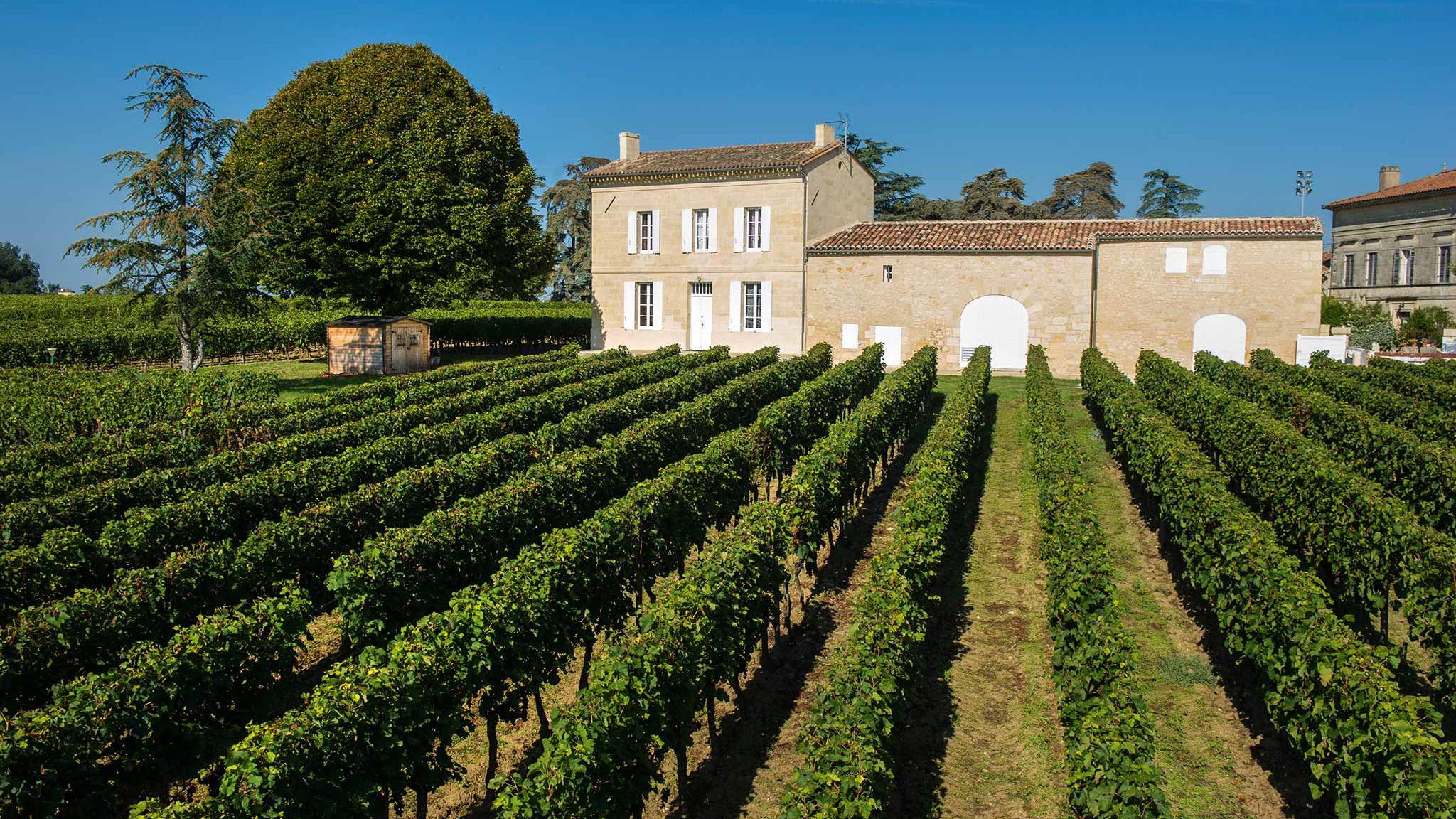
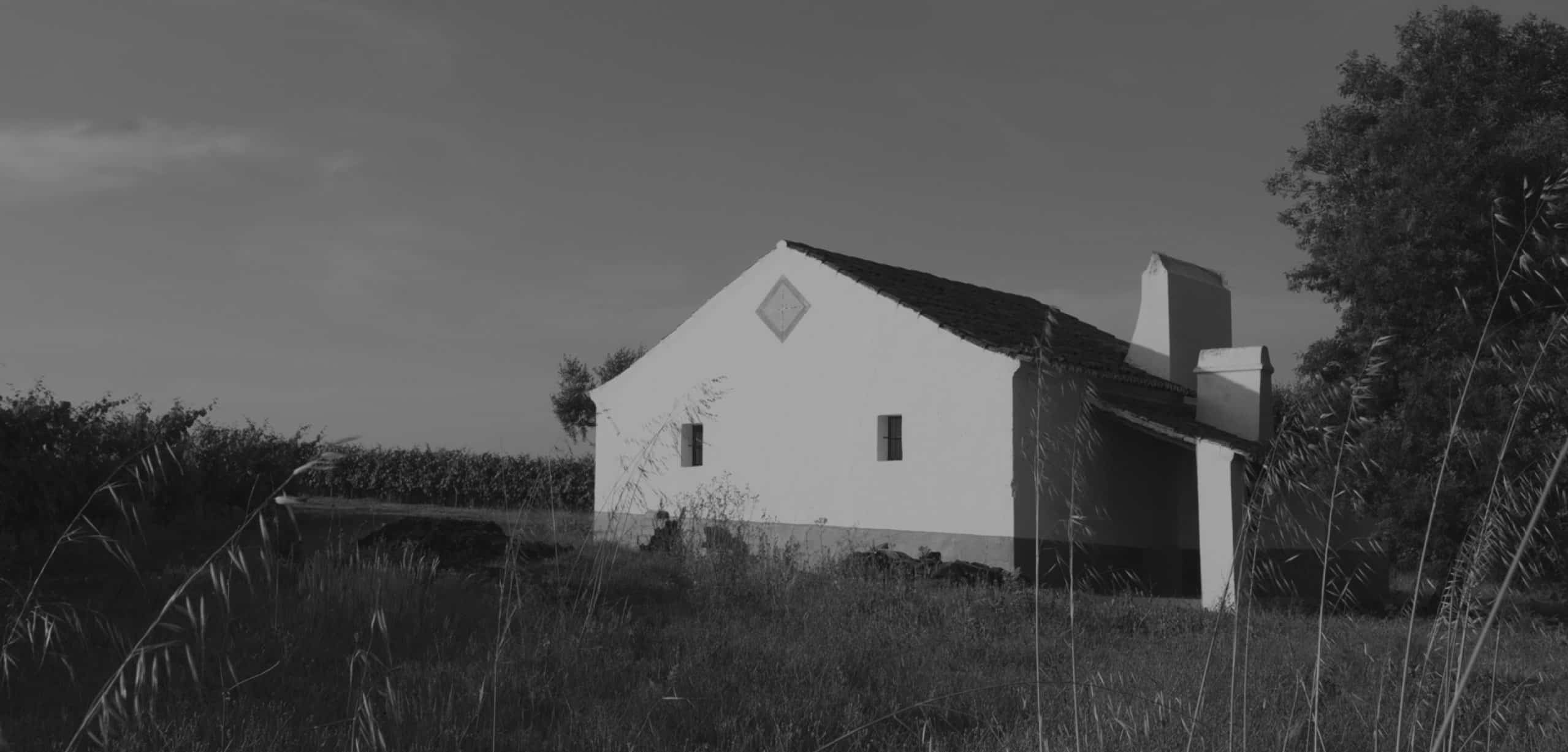
Herdade do Mouchão reads as an old Alentejo estate that settles into the landscape rather than reshaping it. Cork oak and white farmhouses punctuate broad fields under a wide sky, and the writing emphasizes patience and continuity: the property feels like something that has slowly absorbed time. The overall effect is serene and quietly historic, with a charming rural character rooted in agricultural rhythms rather than flash. Visitors encounter an understated confidence—this is a place defined by lineage and terroir, not by modern spectacle.
Best For
This is a winery for people who come to learn, reflect and mark a moment. The estate’s focus on old indigenous varieties, clay-rich soils and a low-intervention approach makes it well suited to wine-education visits and tastings that dig into terroir and vine age. Its 2025 Pearl 2 Star Prestige recognition also positions the house as a destination for special occasions or small group outings where the setting and pedigree matter. Expect deliberate pacing rather than a boisterous tasting-room scene; it’s a place for considered conversation about craft and place.
Tasting Tips
When tasting at Mouchão, lean into what the text highlights: seek wines that showcase the estate’s old indigenous varieties and the structural depth the clay soils produce. The notes emphasize minimal intervention and age-worthy structure rather than modern, fruit-forward styles, so prioritize estate bottlings and single-vineyard expressions that speak to soil and diurnal swings. Ask about vineyard parcels, vine age and how the estate’s approach differs from more export-oriented, modern Alentejo labels to better understand the wines’ lines and longevity.
Venue details
Ambiance
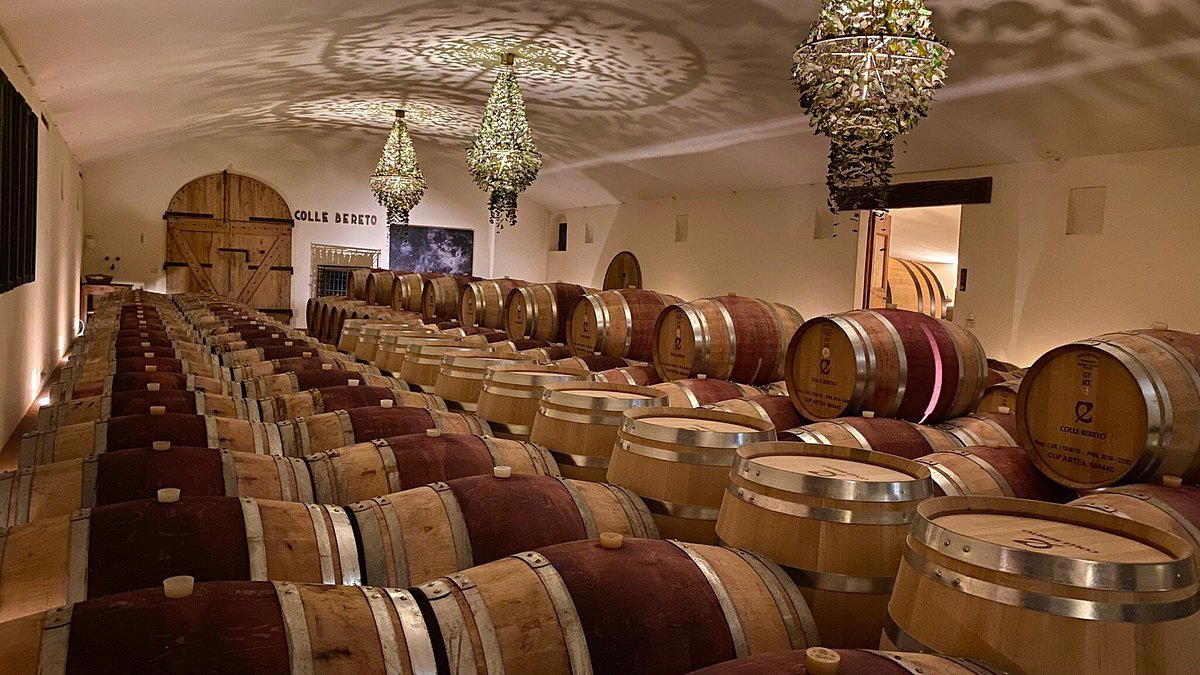
Traditional whitewashed adobe winery with thick mud-brick walls and Portuguese tile roof, featuring vintage equipment and a blend of old and new winemaking technology in a serene rural setting.
Tags
Vibe
Best For
Experience
View
At the Vineyard
- Appellation
- Alentejo DOC
- Varietals
- Alicante Bouschet, Trincadeira, Aragonez, Touriga Nacional, Touriga Franca
- Tour Duration
- 90-120 minutes
- Tour Languages
- Portuguese, Spanish, English
- Visits
- By appointment only
- Wine Styles
- Still Red, Fortified, Dessert
- Food Pairing
- Offered
- Shipping
- Available
- Wine Club
- Not available
Know before you go
Know Before You Go
- Getting there
- Herdade Mouchao, 7470-158 Casa Branca
Planning details
Location
Recognition and awards

Also consider
If you cannot get in
Try Herdade do Esporão if the group wants a smoother hospitality setup, or Adega Cartuxa (Fundação Eugénio de Almeida) if Évora is already part of the route.
Winery context
How it compares in the Alentejo set
Herdade do Mouchão is the high-effort choice in this group: stronger for a focused estate visit than for a flexible tasting day. Herdade do Esporão is the safer cross-shop if the priority is a more developed visitor experience, while Adega Cartuxa (Fundação Eugénio de Almeida) makes more sense for travellers tying wine into an Évora itinerary.
For value and lower-friction planning, Adega Cooperativa de Borba is the pragmatic alternative: less destination-driven, but easier to fold into a day without making the winery the whole plan. Quinta do Carmo is the better comparison if the reader wants another Alentejo estate name without committing to the same level of logistical pressure.
Luis Pato is the out-of-region contrast, useful for travellers deciding between an Alentejo itinerary and a broader Portugal wine route. Choose Mouchão for rural estate atmosphere and Alentejo identity; choose Luis Pato when the trip is more about comparing Portuguese regions than going deep in one place.
Explore Casa Branca
Around this place
Discover more on Pearl
Unlock the full Herdade do Mouchão guide in Pearl, including awards, comparisons, FAQs, planning details, and nearby places.
Compare Herdade do Mouchão
| Venue | Location | Awards |
|---|---|---|
| Herdade do Mouchão | Casa Branca | 2026 Falstaff Winery Guide |
| Luis Pato | Anadia | No published awards |
| Quinta do Carmo | Estremoz | 2026 Falstaff Winery Guide |
| Adega Cooperativa de Borba | Borba | No published awards |
| Adega Cartuxa (Fundação Eugénio de Almeida) | Évora | 2026 Falstaff Winery Guide |
| Herdade do Esporão | Reguengos de Monsaraz | Michelin Guide Portugal 20262026 Falstaff Winery Guide2026 La Liste Top Restaurants2025 World's 50 Best Vineyards · #692025 The Best Chef One Knife2025 Michelin 1 Star2024 Michelin 1 Star |





How Herdade do Mouchão Casa Branca compares with similar nearby venues.
FAQ
Frequently Asked Questions
What is confirmed about Herdade do Mouchão?
Herdade do Mouchão is in Casa Branca, has a casual dress code, and holds Pearl 2 Star Prestige recognition for 2025. Confirm any other current visit details directly with the venue before you go.
Do I need a reservation at Herdade do Mouchão?
The reservation policy is not stated. Contact Herdade do Mouchão directly before travelling to Casa Branca so you can confirm access, timing, and any current requirements.
What should I wear to Herdade do Mouchão?
How long should I plan for a visit to Herdade do Mouchão?
Visit length or format is not stated. If you plan to include Herdade do Mouchão in a Casa Branca itinerary, check directly with the venue before setting your schedule.
Does Herdade do Mouchão serve food?
Food service is not stated. Do not plan around a meal at Herdade do Mouchão unless the venue confirms it directly; otherwise, look for dining in Casa Branca separately.