
Domaine Clos de la Chapelle
Volnay, Beaune
Winery in Beaune, France
 Book with Pearl
The Read
Prestige Burgundian Négociant
Why go
Domaine Clos de la Chapelle is a better fit for a second Beaune visit than a first-time tasting circuit. Choose it if the goal is a focused Burgundy winery stop and the itinerary can handle tighter access; choose a larger Beaune house if the group needs easier planning, clearer visitor infrastructure, or a confirmed food-led experience.
About Domaine Clos de la Chapelle
For Domaine Clos de la Chapelle in Beaune, the essential details are concise. The venue name, the city, a smart casual dress code, and Pearl 2 Star Prestige recognition for 2025 are confirmed. It is best approached as a venue to research directly before making plans.
That limited profile matters for trip planning. Rather than assuming a walk-up visit, a tasting format, a meal component, or a particular service style, use the known facts as a starting point and confirm all practical details with the venue before arrival. The strongest grounded takeaway is simple: Domaine Clos de la Chapelle is a Beaune venue with a smart casual dress code and Pearl 2 Star Prestige recognition in 2025.
Choose it for a focused Beaune stop, with details confirmed in advance
No visit format or specific offering is provided here. That should shape the decision. Do not plan around lunch, dinner, pairings, or any specific menu unless a current offering is confirmed before the visit. For readers building a full Beaune day, pair this kind of stop with broader planning from Our full Beaune restaurants guide, Our full Beaune hotels guide, Our full Beaune bars guide, Our full Beaune wineries guide, and Our full Beaune experiences guide.
As a planning choice, keep the focus on what is known rather than on assumed services. The venue is in Beaune, the dress code is smart casual, and it carries Pearl 2 Star Prestige recognition for 2025. If your group needs confirmed timing, a clearly described format, or any specific offering, verify those points directly before building the day around the visit.
How to cross-shop it in Beaune
For a broader Beaune frame, compare it with Domaine Bouchard Père et Fils, Maison Champy, Maison Louis Latour, Maison Albert Bichot, and Domaine Louis Jadot. Those names can help travelers think through different Beaune options without assuming that Domaine Clos de la Chapelle offers the same format, services, or visitor experience.
If the trip is expanding beyond one stop, keep comparisons practical and fact-based. Domaine Clos de la Chapelle is best described here only by its Beaune location, smart casual dress code, and Pearl 2 Star Prestige recognition for 2025. Other dining, hotel, bar, winery, and experience planning in Beaune should be checked separately for current services, hours, pricing, and availability.
Planning details
- Location
- 3 Rue du Grenier À Sel, 21200 Beaune
- Website
- closchapelle.com/en/contact
- Phone
- +33 3 80 26 55 00
The take
The Take
The Vibe
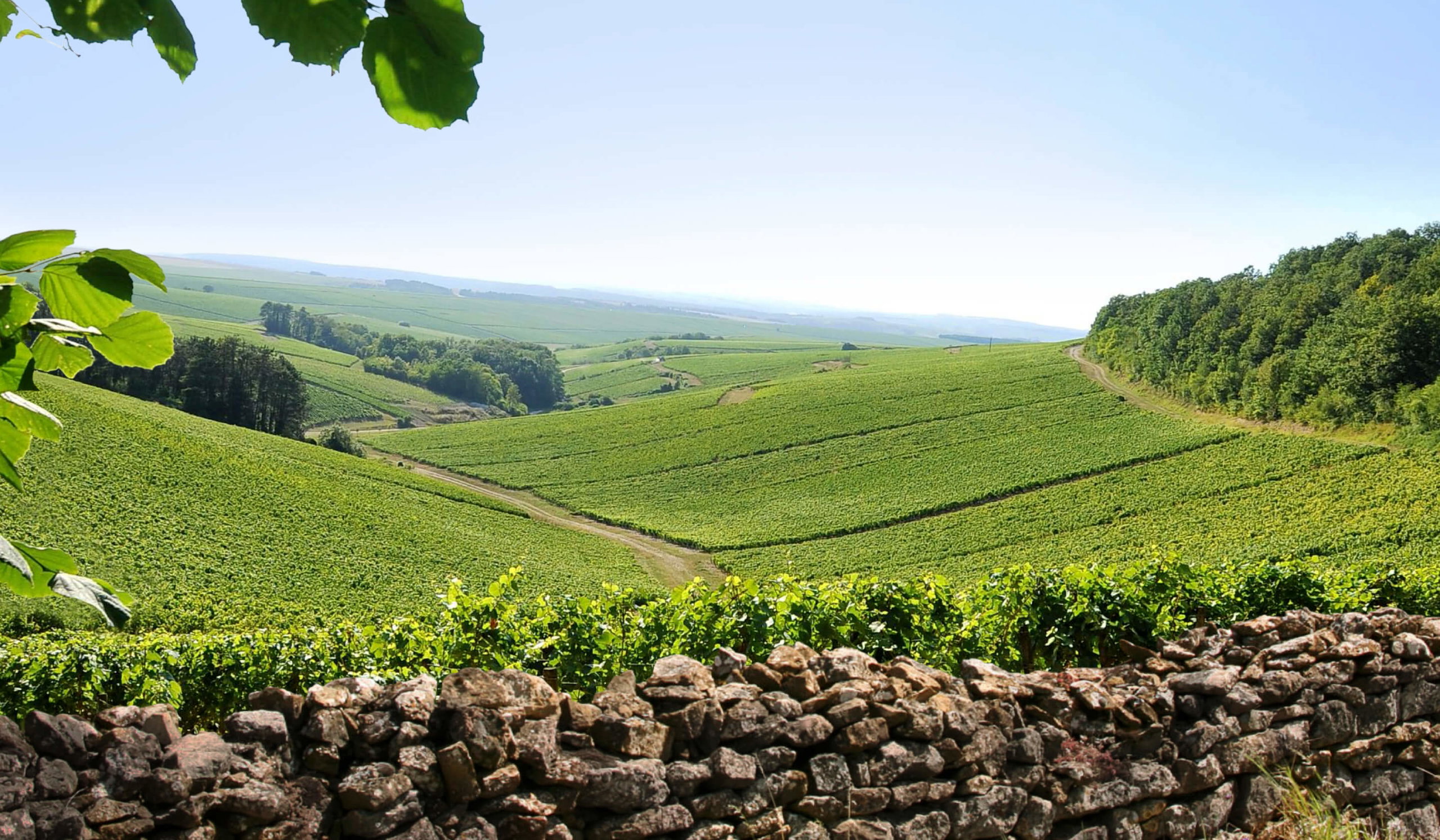
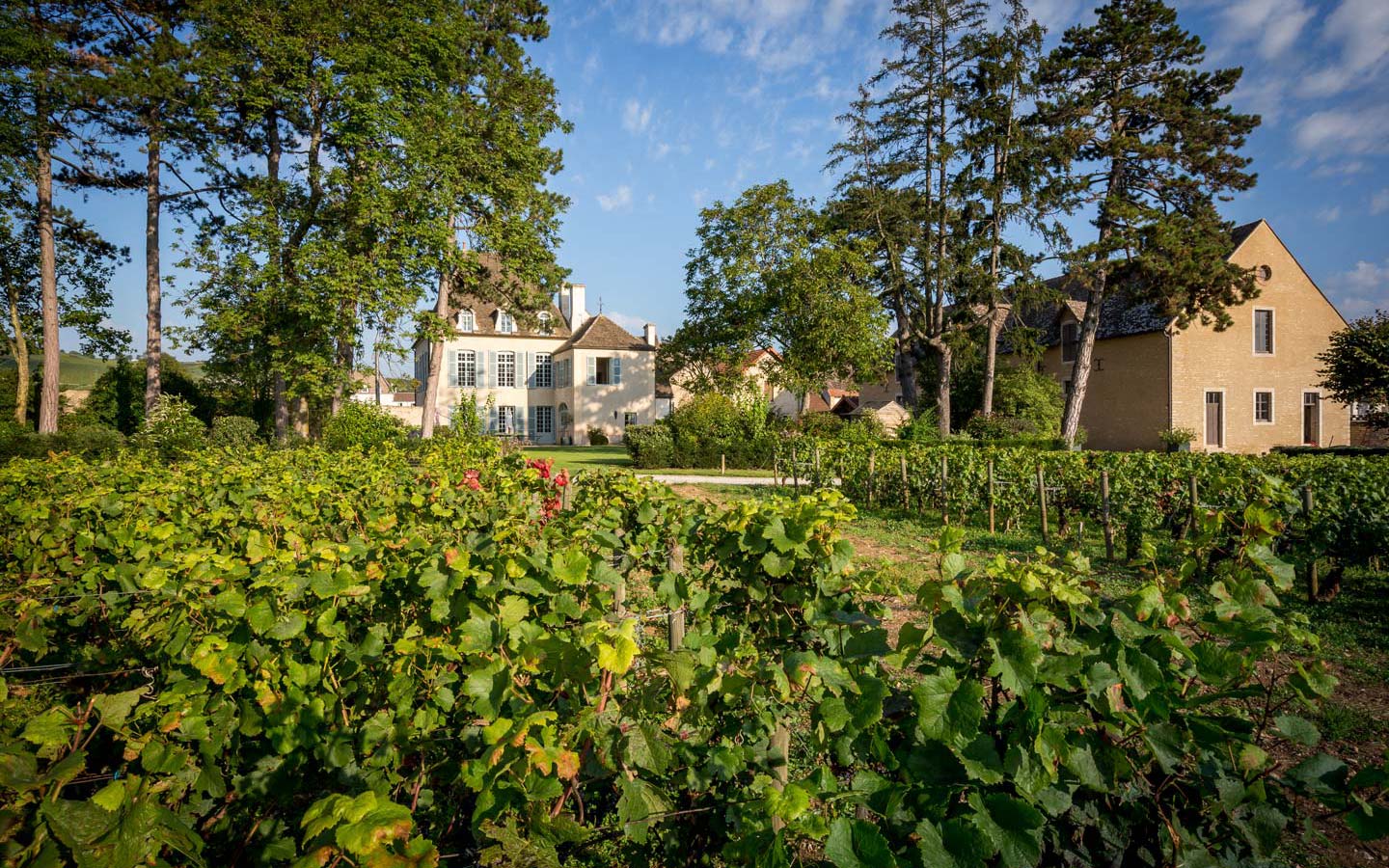
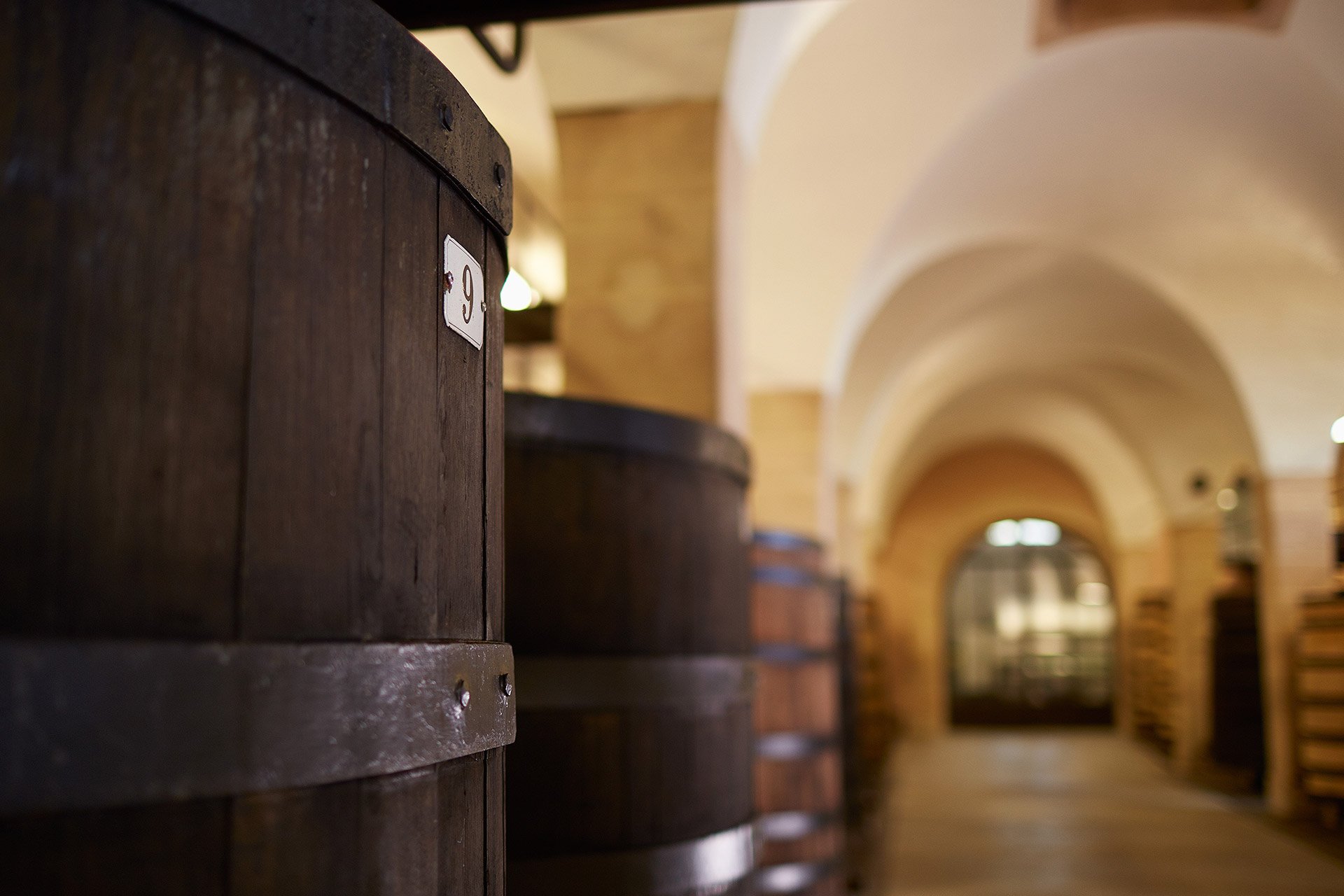
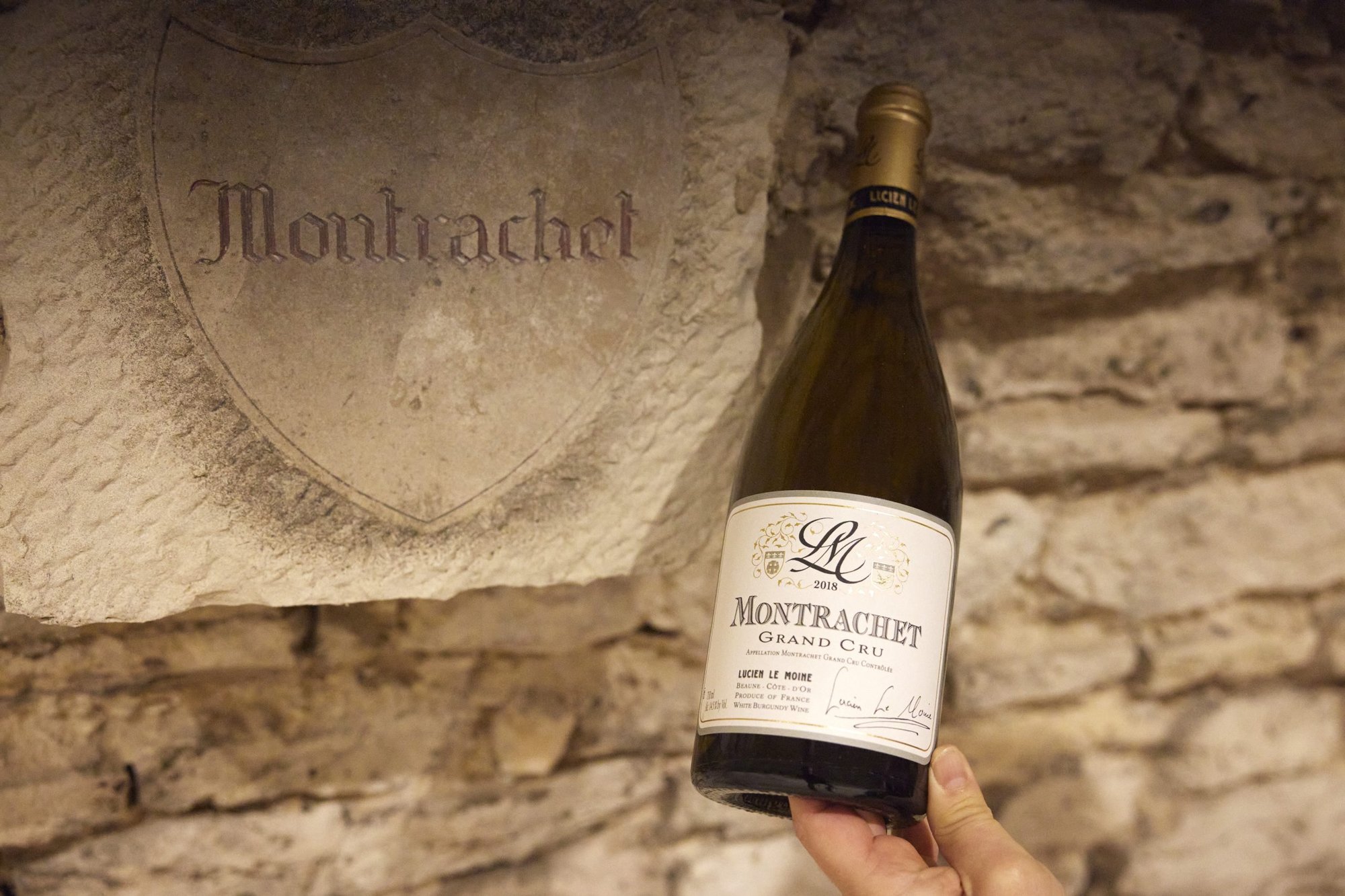
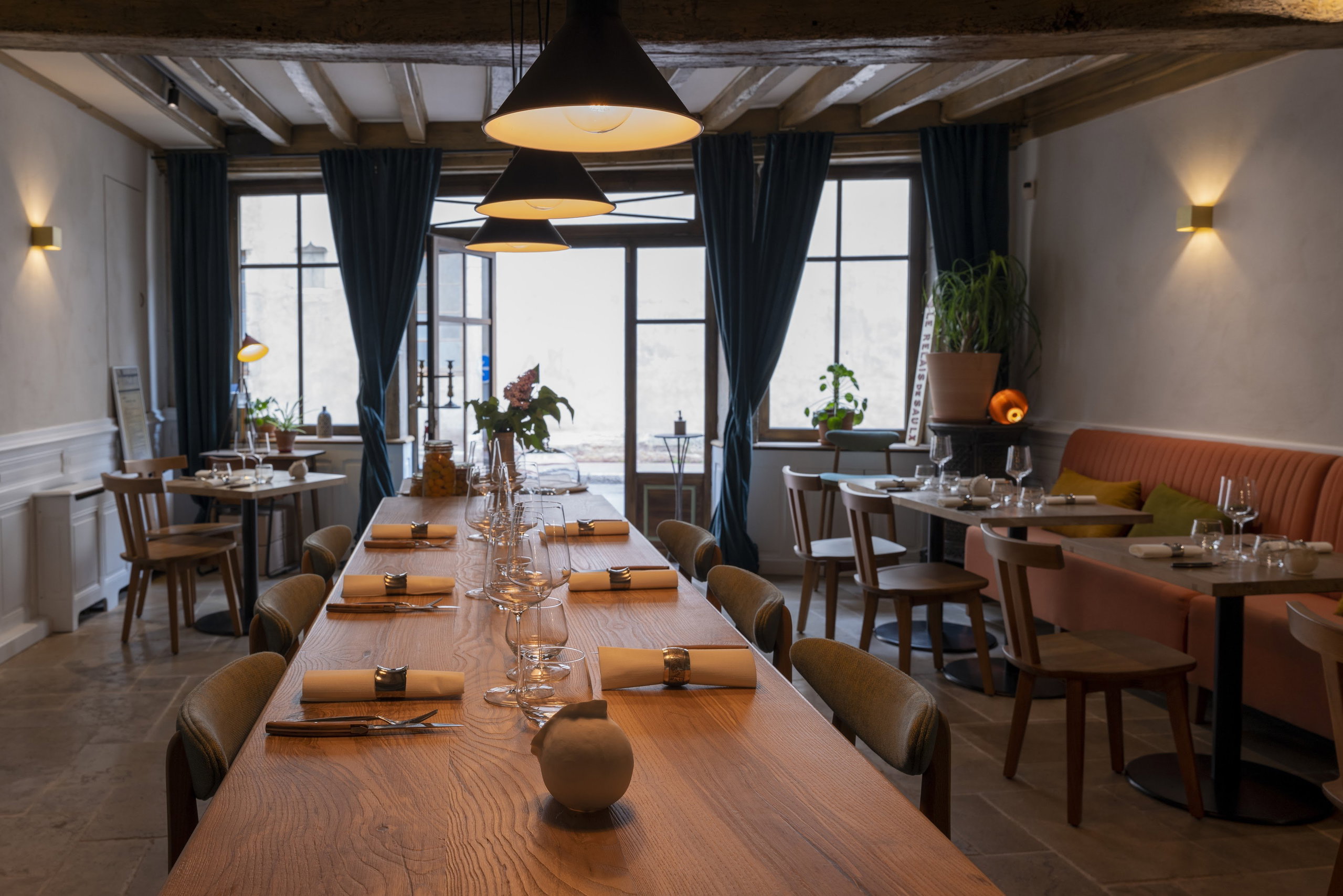
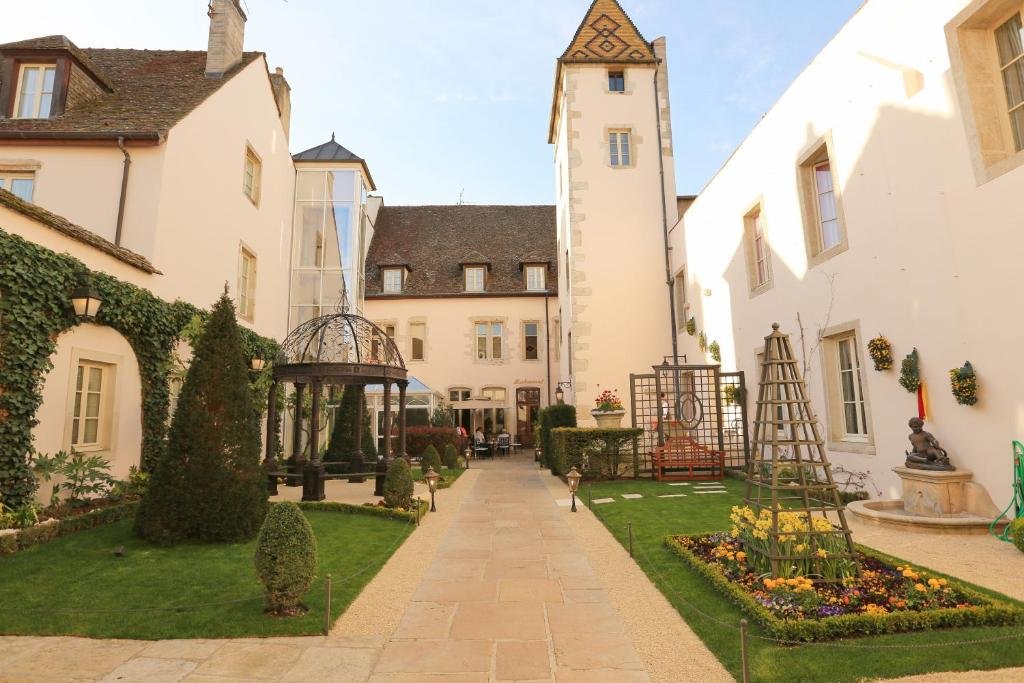
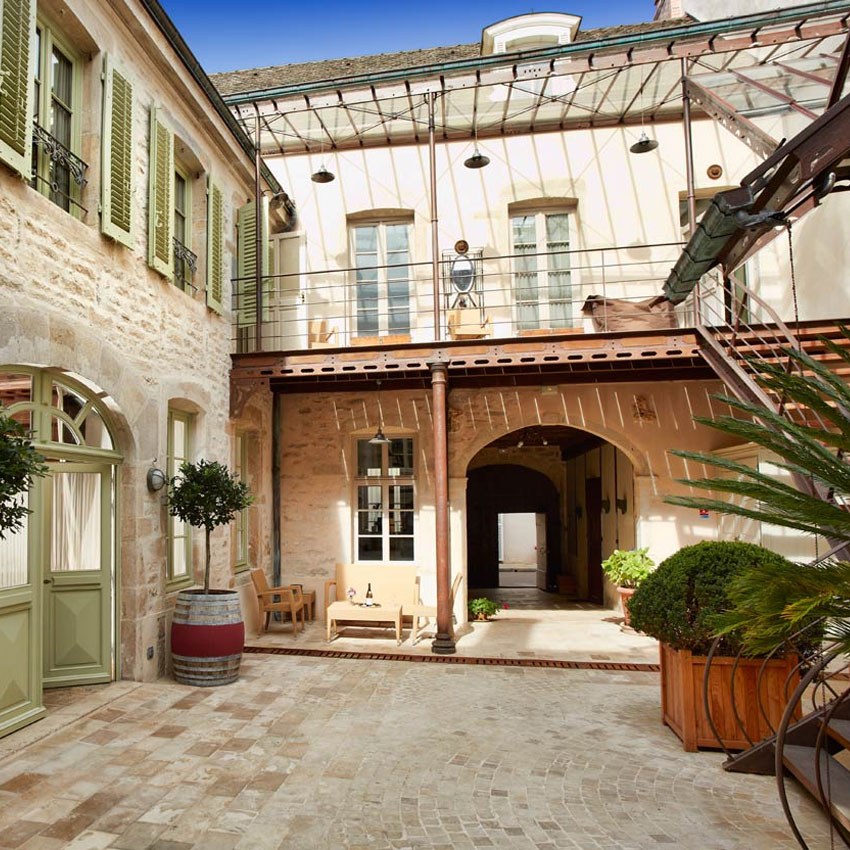
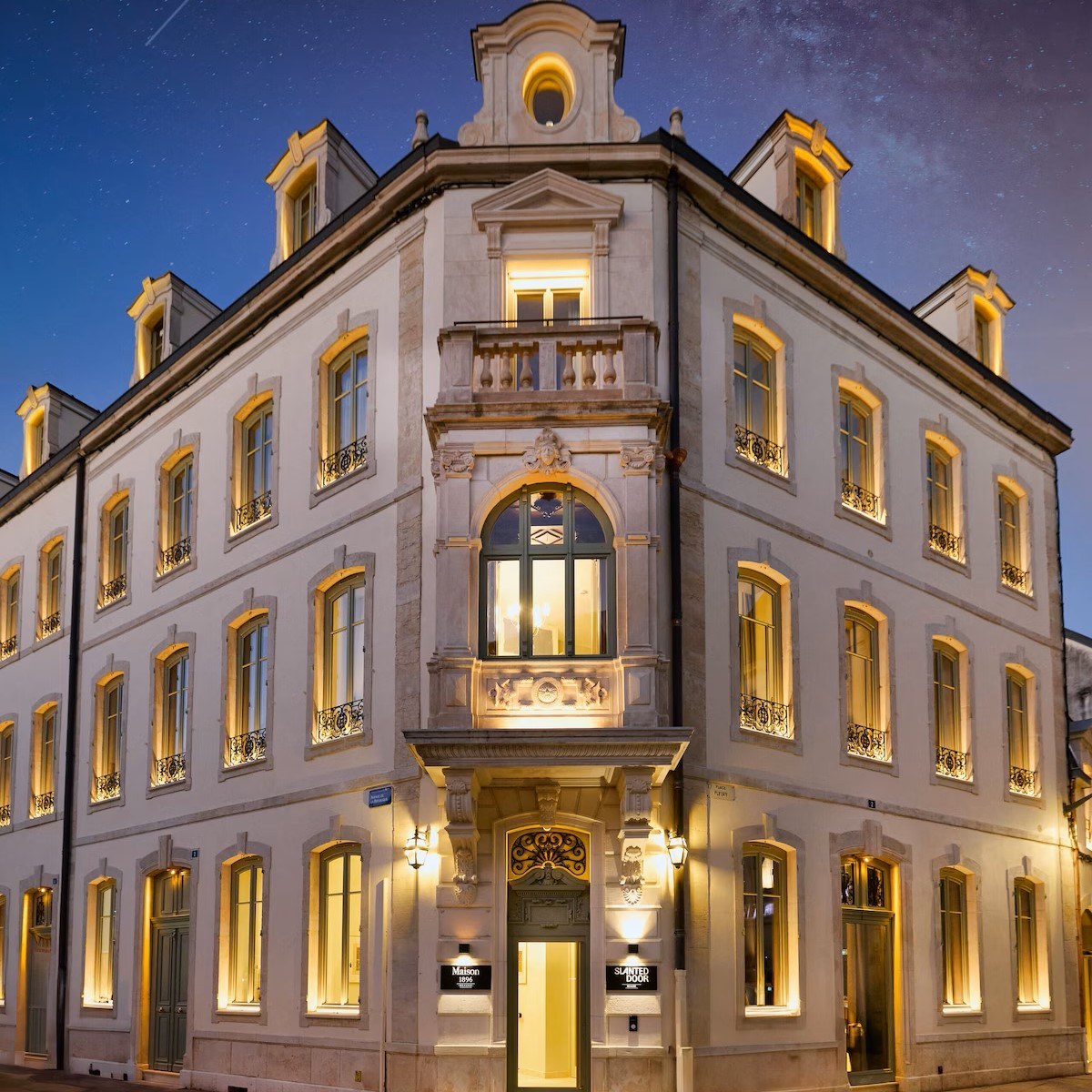
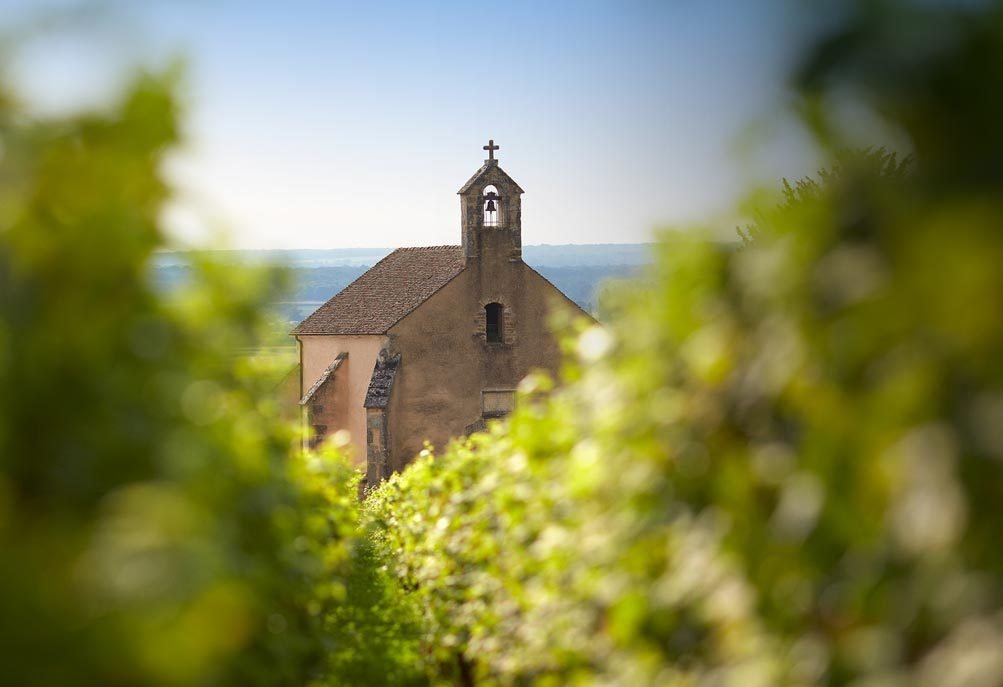
Domaine Clos de la Chapelle sits deep in Beaune's preserved medieval quarter, where narrow limestone streets and centuries of architecture create a hushed, intimate atmosphere. The domaine reads as a working production spot rather than a tourist tasting hall: cellars are literally embedded in the town's bones, and the feeling is of focused craftsmanship rather than spectacle. Visitors encounter a historic, quietly evocative setting where Burgundy's production heritage is palpable in the stonework and the scale of operations. The overall impression is measured, refined and quietly charming, favoring serious wine engagement over flash.
Best For
This domaine is best for people who come to Beaune to understand Burgundy rather than to chase a spectacle. It suits wine students, collectors and curious solo travellers seeking concentrated, cellar‑level context — and it works well as a setting for a low‑key special occasion where provenance and focus matter. Because the domaine operates within the old town and emphasizes a direct relationship between cellar and vineyard, tastings here reward guests who want technical detail, vineyard context and bottles produced in limited volumes rather than broad, coach‑oriented experiences.
Tasting Tips
Expect a focused, small‑scale tasting rather than a coach‑friendly tasting hall: the copy contrasts this domaine with places "designed for passing coaches" and notes its limited‑volume, working‑domaine character. Approach on foot through Beaune's medieval streets (the description references routes from Place Carnot and the Hospices) and look for the address on Rue du Grenier à Sel. If you visit, orient questions toward the cellar‑to‑vineyard relationship and single‑estate production; avoid large groups and prepare to engage with careful, site‑specific explanations rather than broad commercial narratives.
Venue details
Ambiance
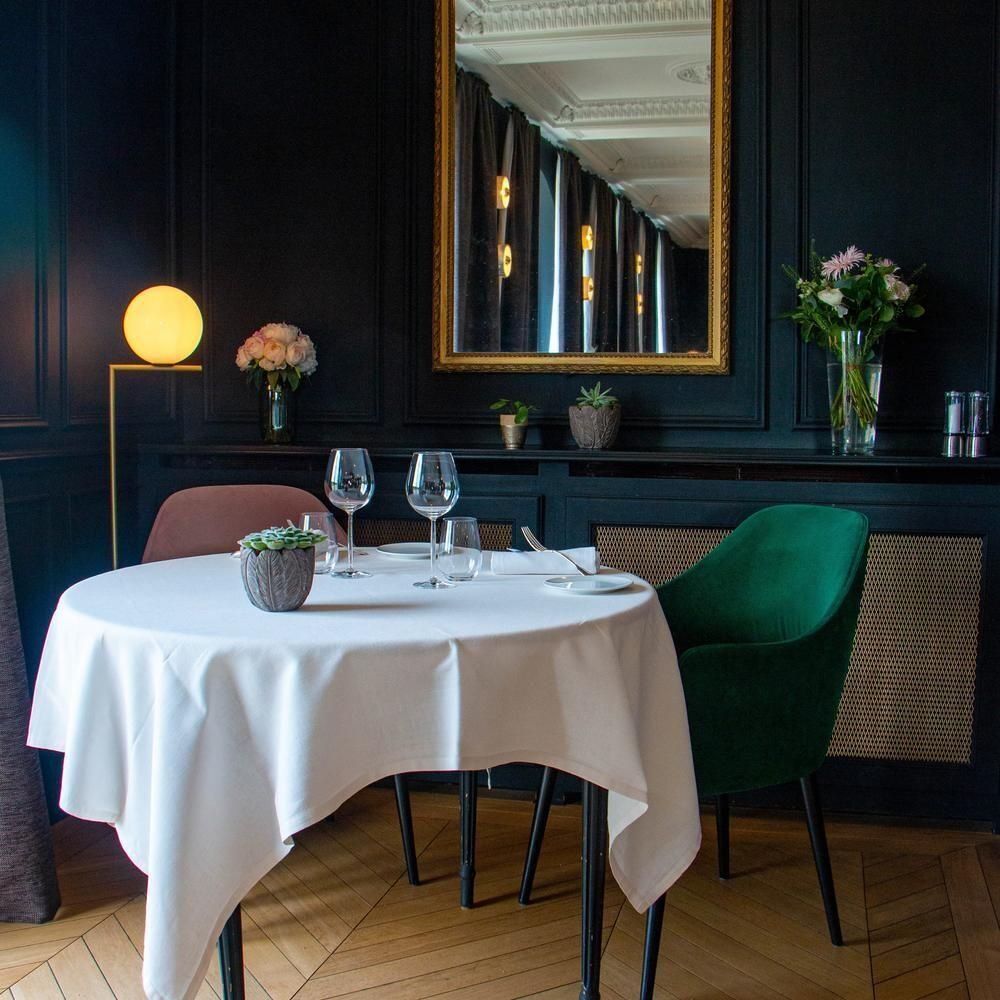
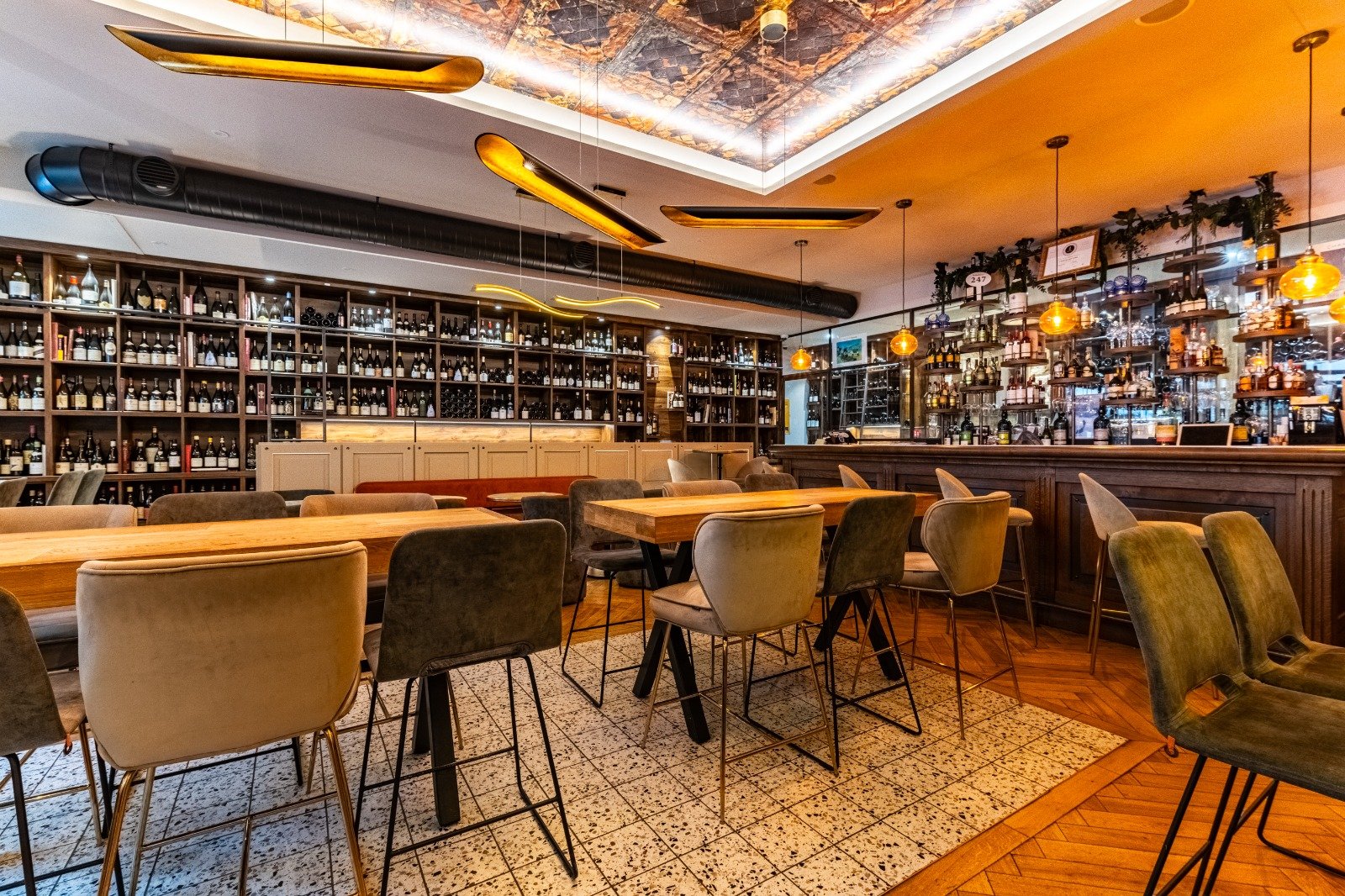
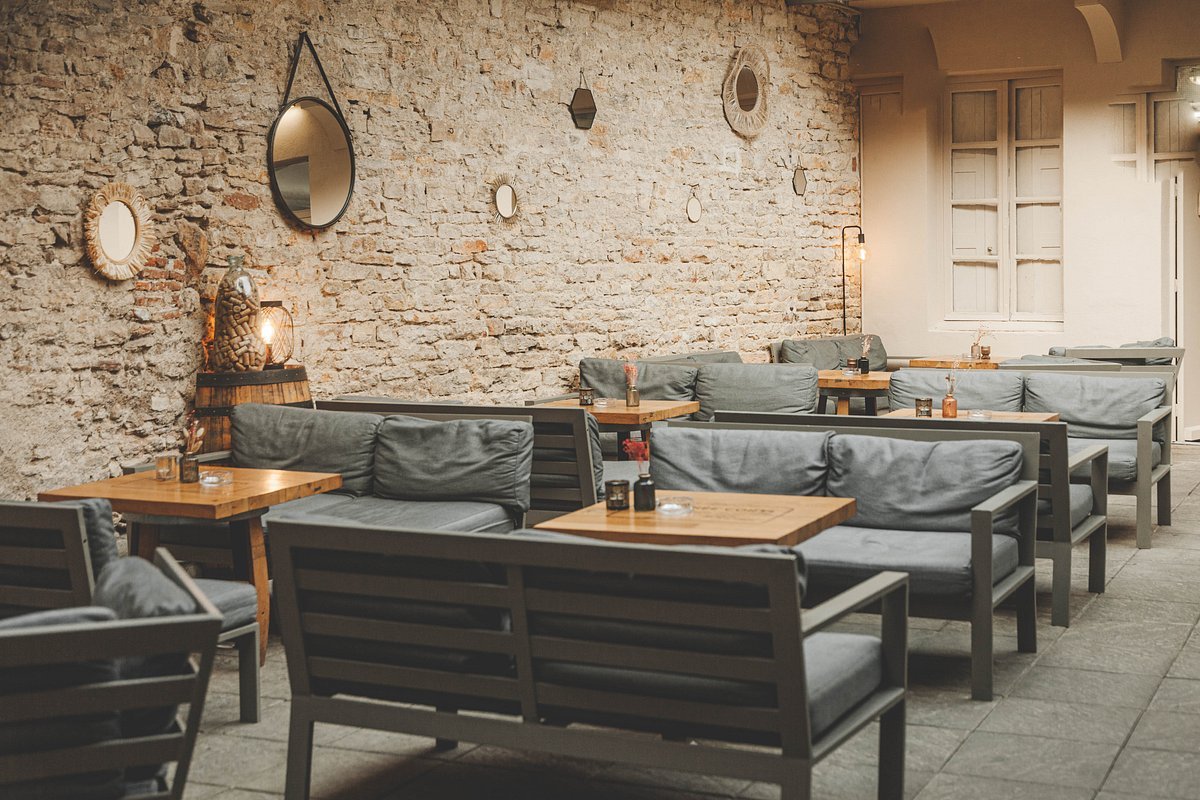
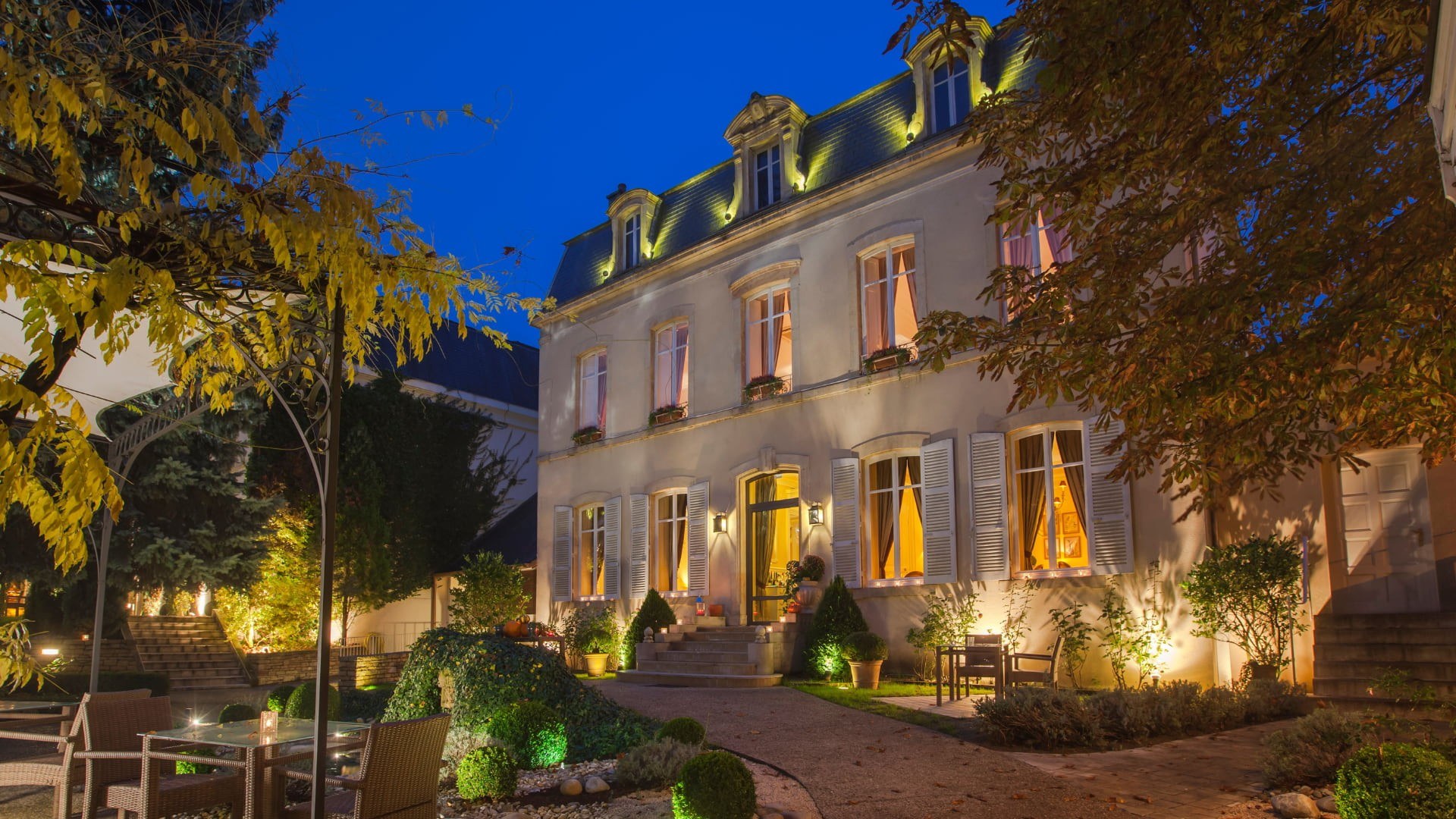
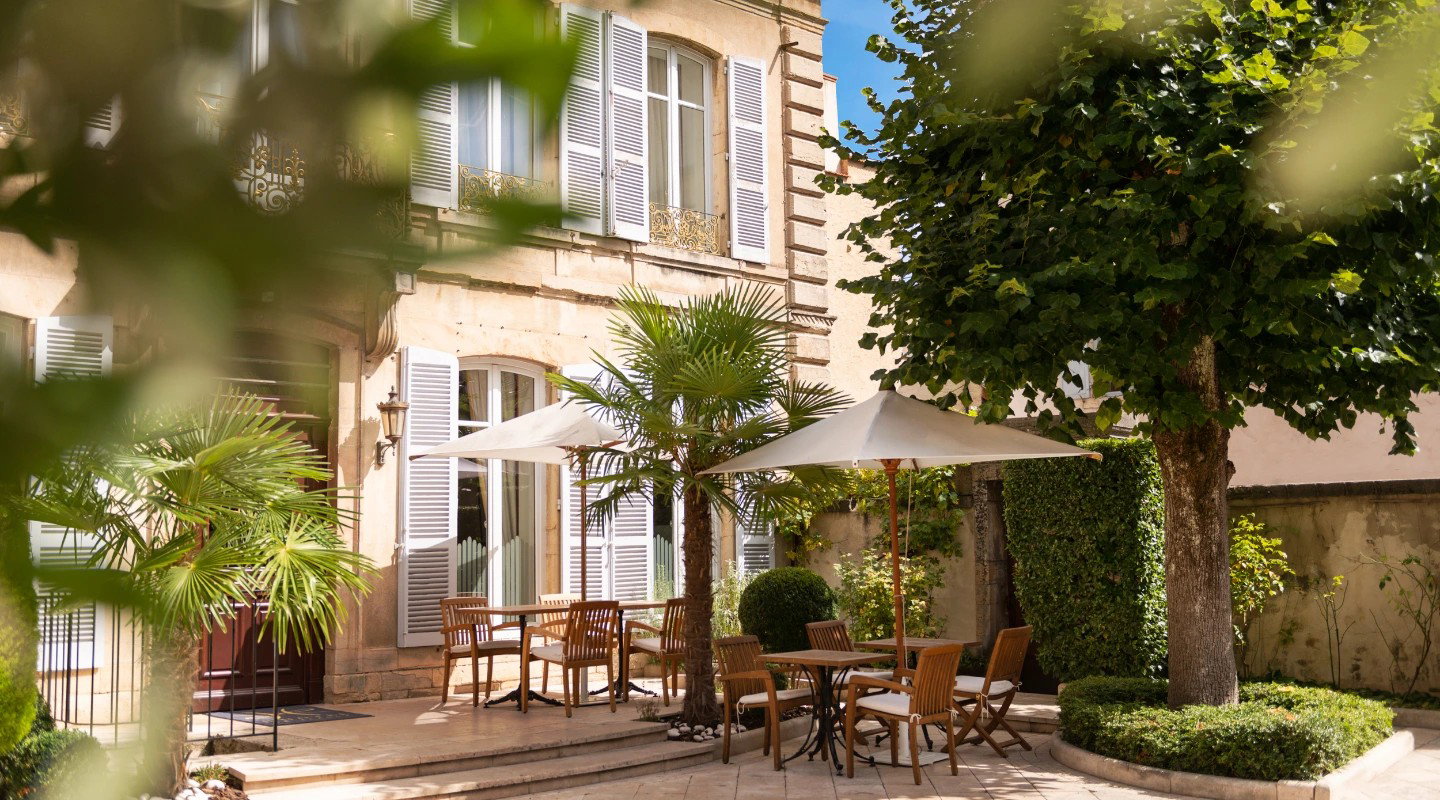
Traditional Burgundian elegance with respect to historic terroir in a quiet, intimate setting.
Tags
Vibe
Best For
Experience
Sourcing
View
At the Vineyard
- Appellation
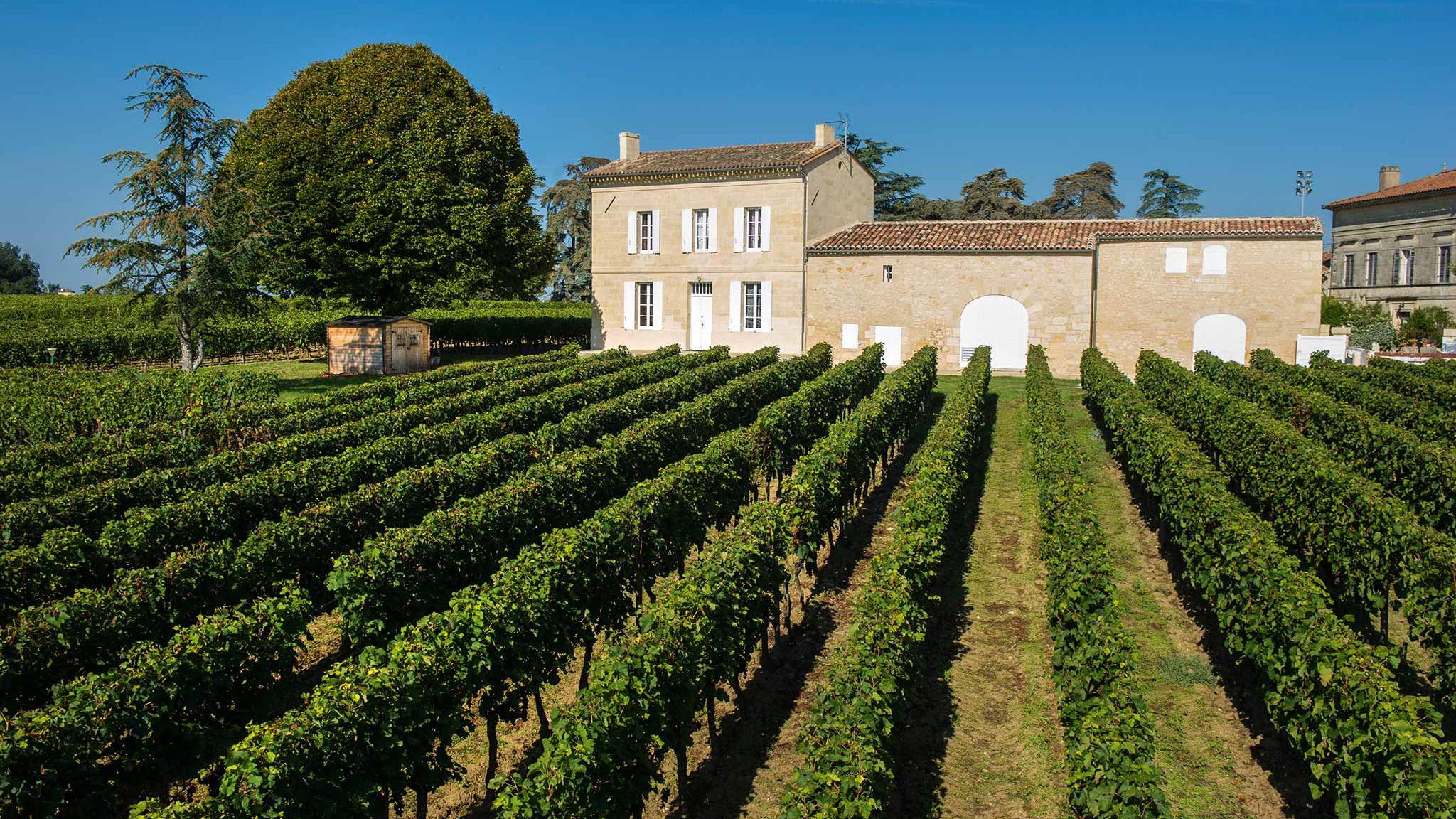
- Côte de Beaune
- Varietals
- Pinot Noir, Chardonnay
- Tour Duration
- 60-90 minutes
- Tour Languages
- English, French
- Visits
- By appointment only
- Farming
- Biodynamic
- Wine Styles
- Still Red, Still White
- Shipping
- Available
- Wine Club
- Available
Know before you go
Know Before You Go
- Getting there
- 3 Rue du Grenier À Sel, 21200 Beaune
Planning details
Location
Recognition and awards

Also consider
If access is tight, book these instead
If Domaine Clos de la Chapelle is not practical for the itinerary, start with Domaine Bouchard Père et Fils for a more classic Beaune-house experience. For a second fallback, choose Maison Champy if staying central in Beaune matters more than chasing a more selective appointment.
Winery context
How It Compares
Domaine Clos de la Chapelle is the sharper choice for return visitors who want a narrower Beaune winery stop rather than a broad house experience. Maison Champy, Maison Louis Latour, and Maison Albert Bichot are easier choices for travelers who want recognizable Beaune names and a more conventional visit structure.
For planning confidence, Domaine Bouchard Père et Fils is the safer cross-shop because it sits firmly in Beaune and suits visitors who want a classic house comparison. Domaine Louis Jadot is a useful peer for those weighing larger Burgundy names, though it is less of an in-town Beaune convenience play than the central Beaune options.
Choose Domaine Clos de la Chapelle when the trip can be planned around selectivity and a quieter wine-first agenda. Choose Maison Champy, Maison Louis Latour, Maison Albert Bichot, or Domaine Bouchard Père et Fils when the priority is simpler logistics, easier group coordination, and a more familiar Beaune-house setting.
Around this place
Discover more on Pearl
Unlock the full Domaine Clos de la Chapelle guide in Pearl, including awards, comparisons, FAQs, planning details, and nearby places.
Compare Domaine Clos de la Chapelle
| Venue | Location | Awards |
|---|---|---|
| Domaine Clos de la Chapelle | Beaune | 2026 Falstaff Winery Guide |
| Maison Champy | Beaune | 2026 Falstaff Winery Guide |
| Domaine Louis Jadot | Chapelle-Voland | 2025 Pearl 3 Star Prestige |
| Maison Louis Latour | Beaune | 2026 Falstaff Winery Guide |
| Domaine Bouchard Père et Fils | Beaune | 2026 Falstaff Winery Guide2026 Michelin Grape Main Selection - Burgundy2025 Pearl 4 Star Prestige |
| Maison Albert Bichot | Beaune | 2026 Michelin Grape Main Selection - Burgundy2026 Falstaff Winery Guide2025 Decanter Winery Prestige |



How Domaine Clos de la Chapelle Beaune compares with similar nearby venues.
FAQ
Frequently Asked Questions
Do I need a reservation at Domaine Clos de la Chapelle?
Reservation details are not provided. Domaine Clos de la Chapelle is in Beaune and has Pearl 2 Star Prestige recognition for 2025, so confirm current visit or booking details directly with the venue before making plans.