

2026 Falstaff Winery Guide: The Ultimate Wine Authority — Page 117
Falstaff's 2026 Wineries guide.

Venues on this list
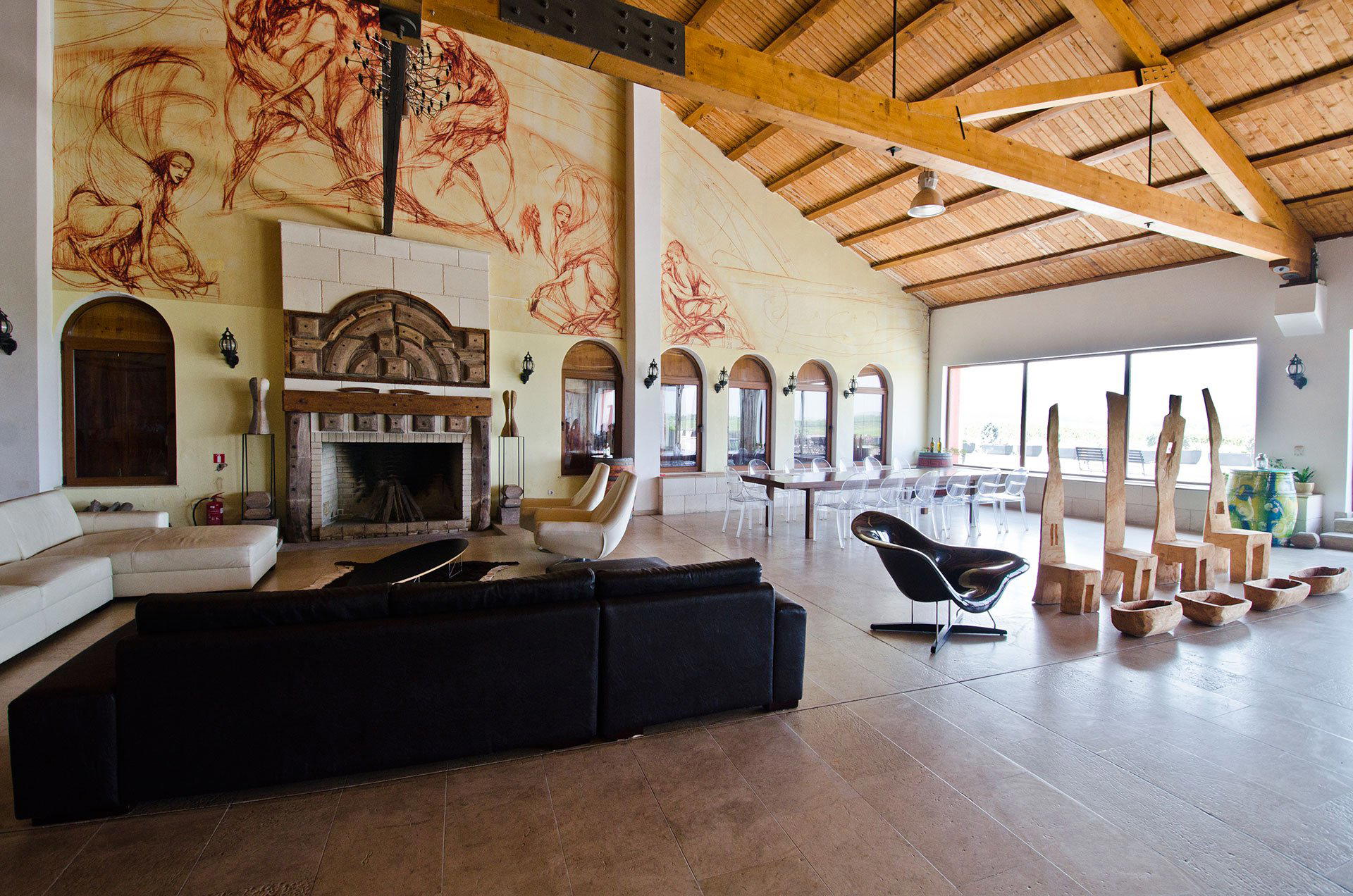
Domaine Bessa Valley
Ognyanovo, Bulgaria
Domaine Bessa Valley is worth planning for if Bulgarian reds are the point of the trip. The strongest reason to go is the award-backed Syrah 2021, supported by a serious French-influenced cellar program, Thracian Lowlands terroir, and a quiet rural estate setting rather than a broad hospitality pitch.
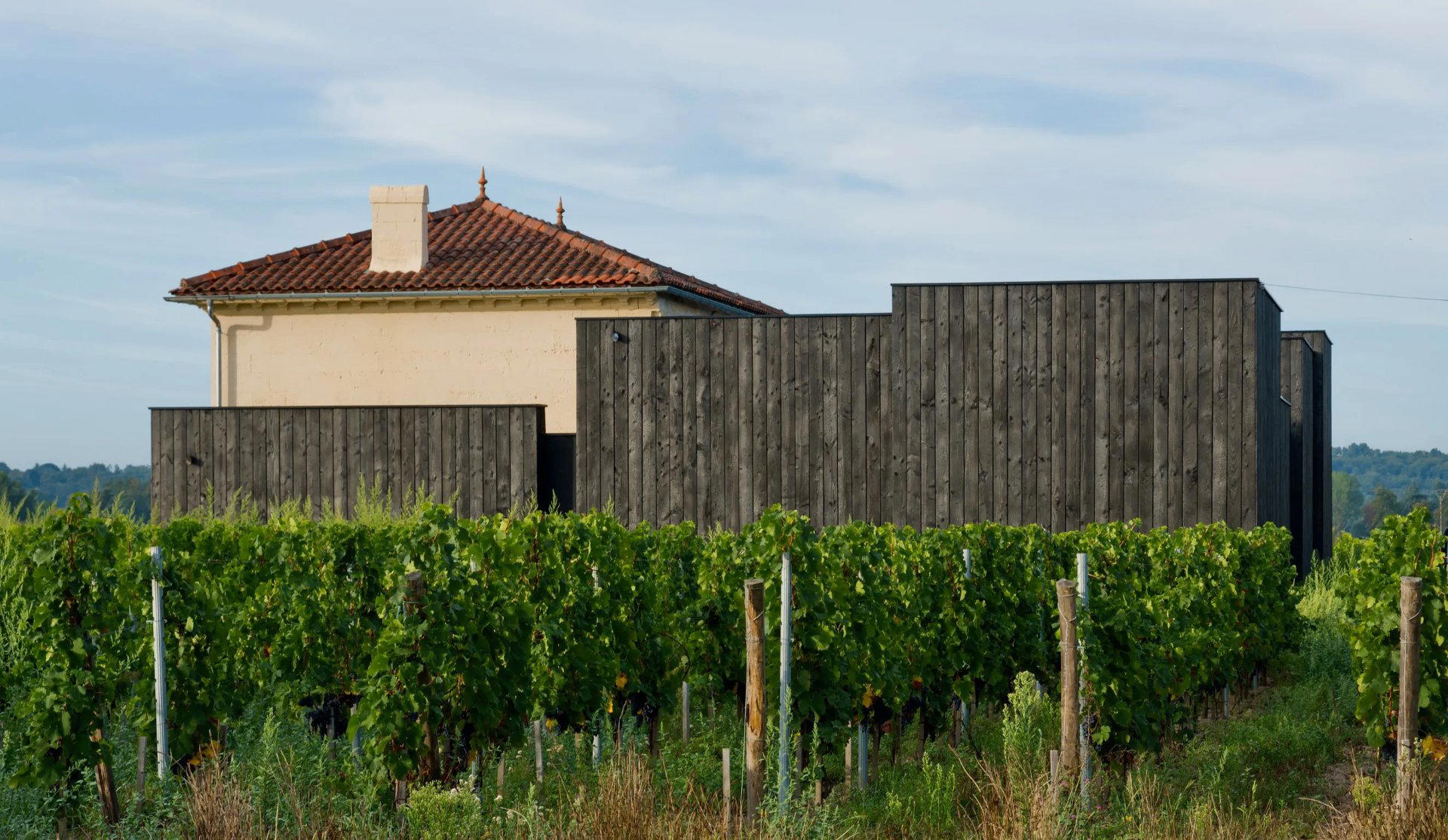
Château Grand Destieu
Saint-Sulpice-de-Faleyrens, France
Château Grand Destieu works as a calm Saint-Sulpice-de-Faleyrens winery stop, especially for couples or small celebration groups building a broader Saint-Émilion-side route. It is Falstaff Listed for 2026, so it has a clear recognition signal, but the smarter plan is to pair it with nearby wineries rather than make it the only anchor of the day.
Dilema
Mendoza, Argentina
Choose Dilema for a relaxed Mendoza wine decision, especially if the occasion is social rather than formal. The Malbec is the safest first bottle, with Dry Pink and sweet or sparkling options giving the range more group flexibility. Falstaff Listed in 2026, it is better suited to easy celebrations than collector-style tasting plans.
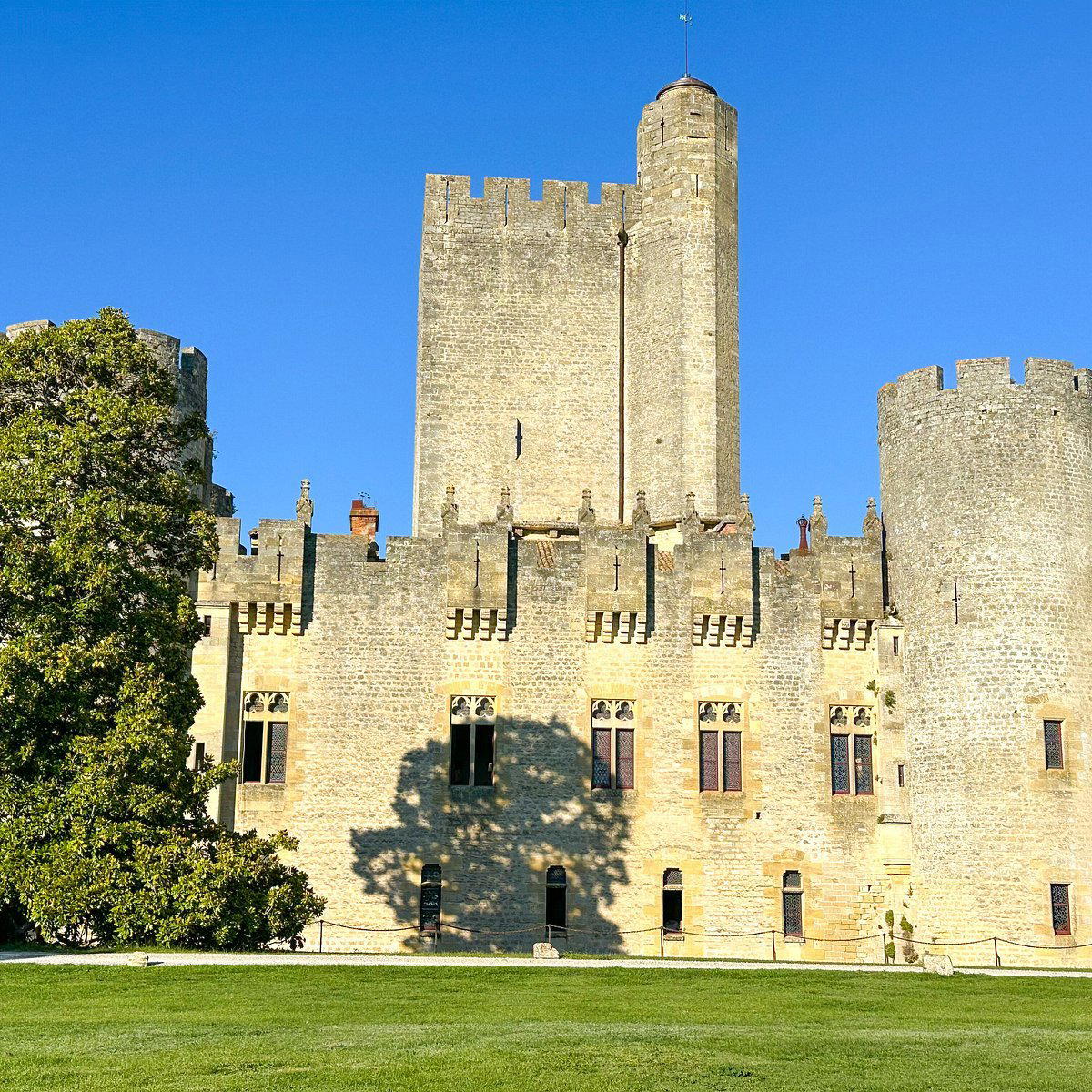
Château Brondelle
Langon, France
Château Brondelle is worth arranging if the goal is a serious, low-key Graves buy rather than a polished tasting-room outing. Prioritise the Cabernet-led red Graves, then look at the barrel-aged dry white if the cellar needs something more versatile from Bordeaux’s left bank.
Henri Delacotte
Saumur, France
A worthwhile Saumur stop if you want a quiet, traditional Loire grower atmosphere at a $$ price tier. Henri Delacotte is better for wine-focused travelers seeking context than for anyone expecting a structured food-pairing program or polished visitor facilities, so plan meals and backup winery stops separately.
K. Cimicky & Son
Lyndoch, Australia
Book K. Cimicky & Son if the priority is an easy Lyndoch cellar-door stop with heritage-leaning atmosphere and casual pacing. The $$ positioning and Falstaff 2026 listing make it a sensible first-timer option, especially for groups that want a relaxed winery visit rather than a collector-level appointment.
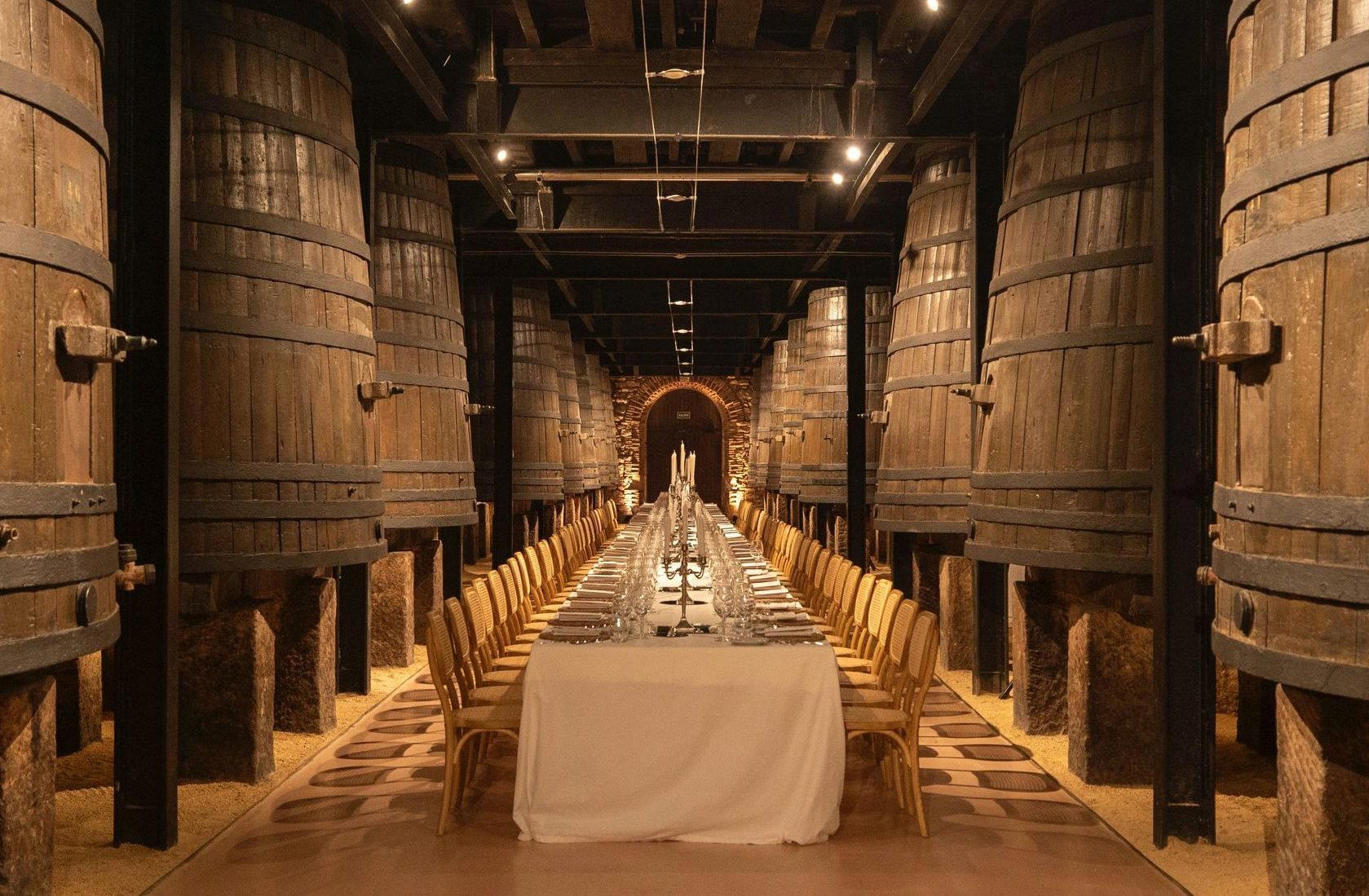
Bodegas Larraz Caudum
Cenicero, Spain
Book Bodegas Larraz Caudum if the goal is a focused, small-producer Rioja visit rather than a polished cellar circuit. The strongest case is its limited-production, single-vineyard Tempranillo focus and Falstaff Listed recognition; it is less compelling for large groups or anyone looking for a broad wine-club-style offering with lots of perks.
Henri Kieffer & Fils
Blienschwiller, France
Choose Henri Kieffer & Fils for a practical Alsace cellar-door visit built around range rather than spectacle. It is strongest for returning wine-route visitors who want to compare regional grapes, Crémant, Grand Cru Winzenberg and Vendanges Tardives in a family-run setting.
Allan Scott Family Winemakers
Blenheim, New Zealand
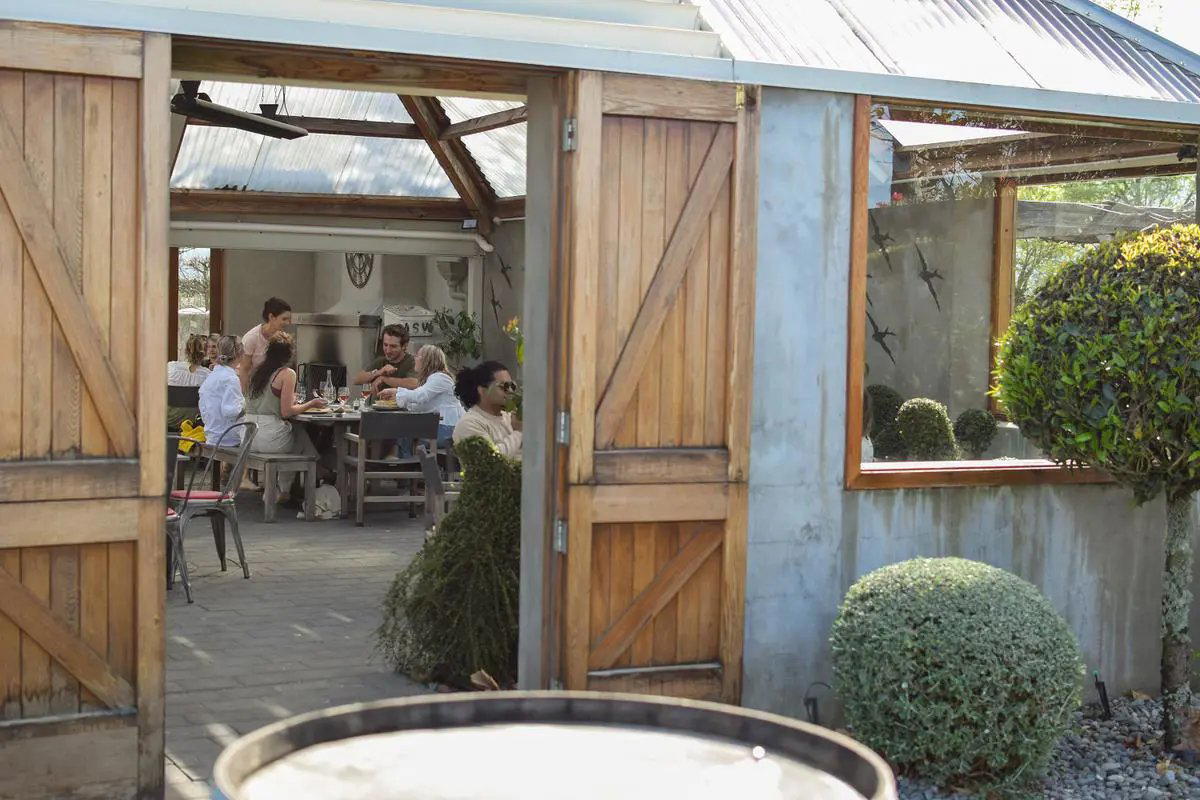
Allan Scott Family Winemakers is a practical Blenheim pick for travellers who want a recognised Marlborough producer rather than an unknown cellar-door gamble. The key trust signal is Falstaff 3 Stars in 2026; book it into a wider winery route, but choose another plan if confirmed food service or detailed group logistics are essential.
Botter
Fossalta Di Piave, Italy
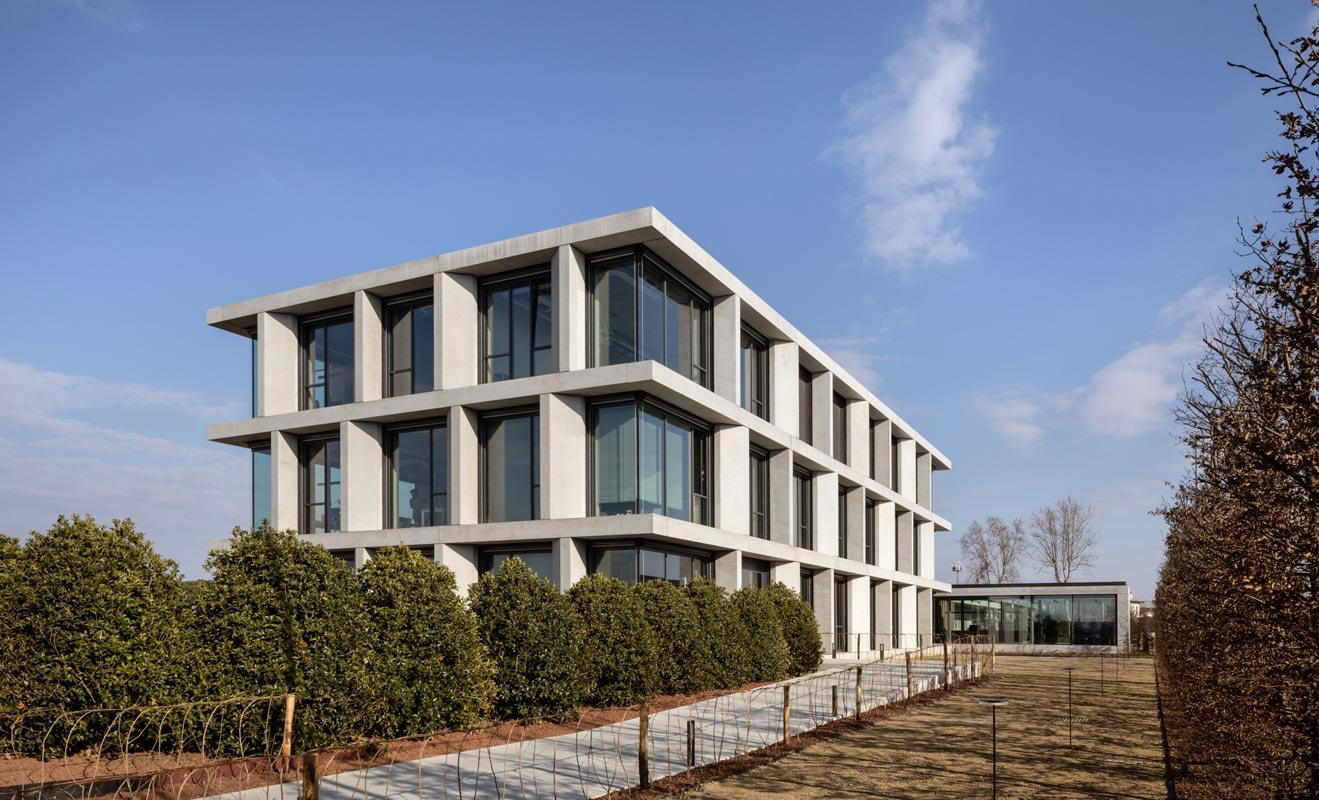
Botter is worth booking if you want a polished, production-focused look at modern Italian wine rather than a rustic cellar-door visit. The stronger move is a guided or private tasting, since the value comes from understanding its multi-region portfolio and large-scale Veneto headquarters, not from a slow vineyard setting.
Herdade do Arrepiado Velho
Sousel, Portugal
Book Herdade do Arrepiado Velho if you want a calm Alto Alentejo estate visit with vineyard context, restored 19th-century architecture, and a design-led wine identity. It is better for a slower private-style appointment than a quick tasting stop, with the strongest value for travelers who care about setting as much as the wines.
Château Toumalin
Fronsac, France
Château Toumalin is worth booking for wine travelers who want a focused Canon-Fronsac visit with moderate Bordeaux pricing and real regional context. Expect a small family-run estate centered on Merlot-led reds, mature vines, and a restrained Right Bank style rather than a polished public tasting circuit.
Bodega Son Campaner
Sencelles, Spain
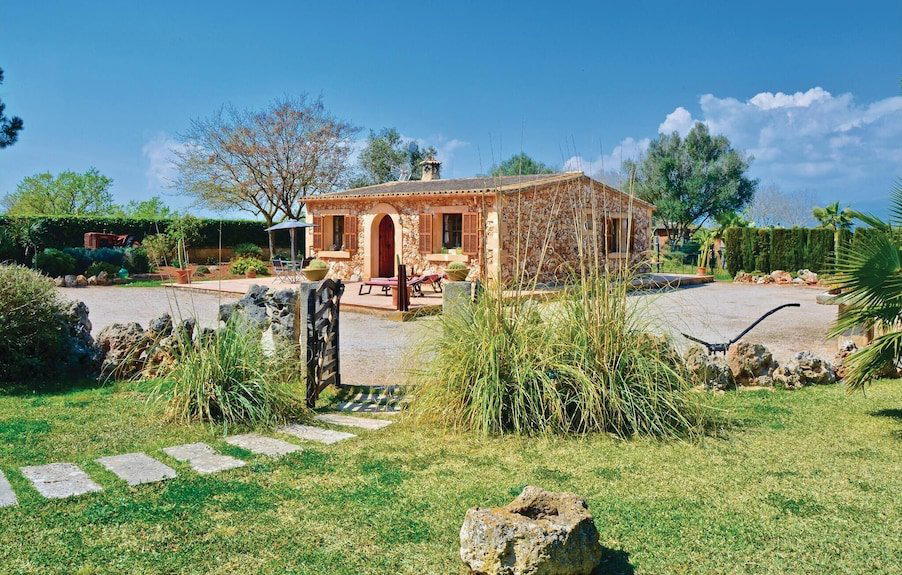
Choose Bodega Son Campaner for a personal, appointment-led Mallorcan winery visit with countryside views and a stronger sense of producer context than a casual tasting stop. The value is clearest if you want guided explanation, organic viticulture, and a compact portfolio spanning local Manto Negro and international varieties. Falstaff 3 Stars in 2026 adds a useful quality signal.
Chris Ringland
Eden Valley, Australia
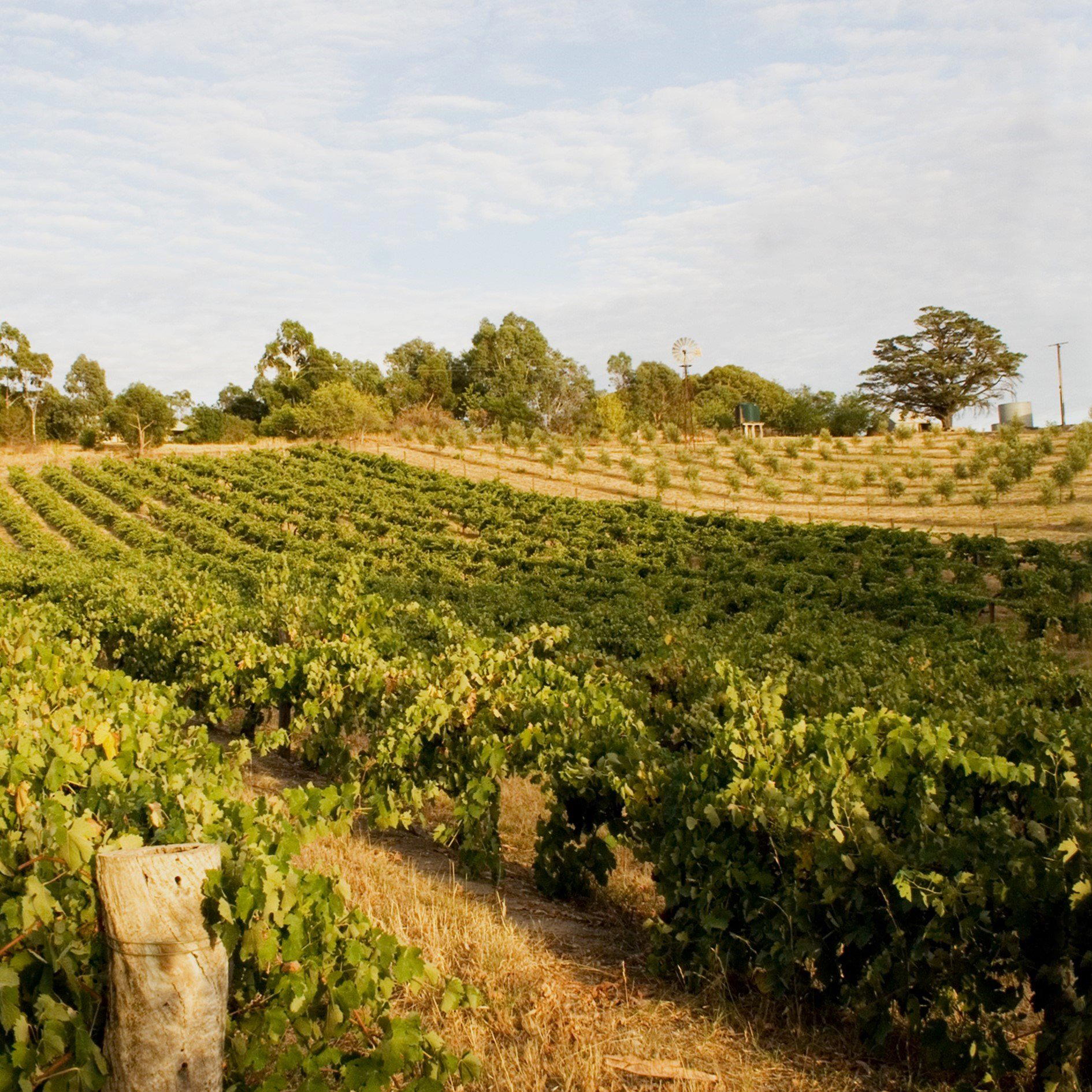
Chris Ringland is a wine-first Eden Valley pick for buyers who care more about producer reputation than a built-out hospitality experience. Falstaff Listed in 2026, it makes sense for a special-occasion bottle or focused winery stop; plan meals, group logistics, and timing separately.
Château Nairac
Barsac, France
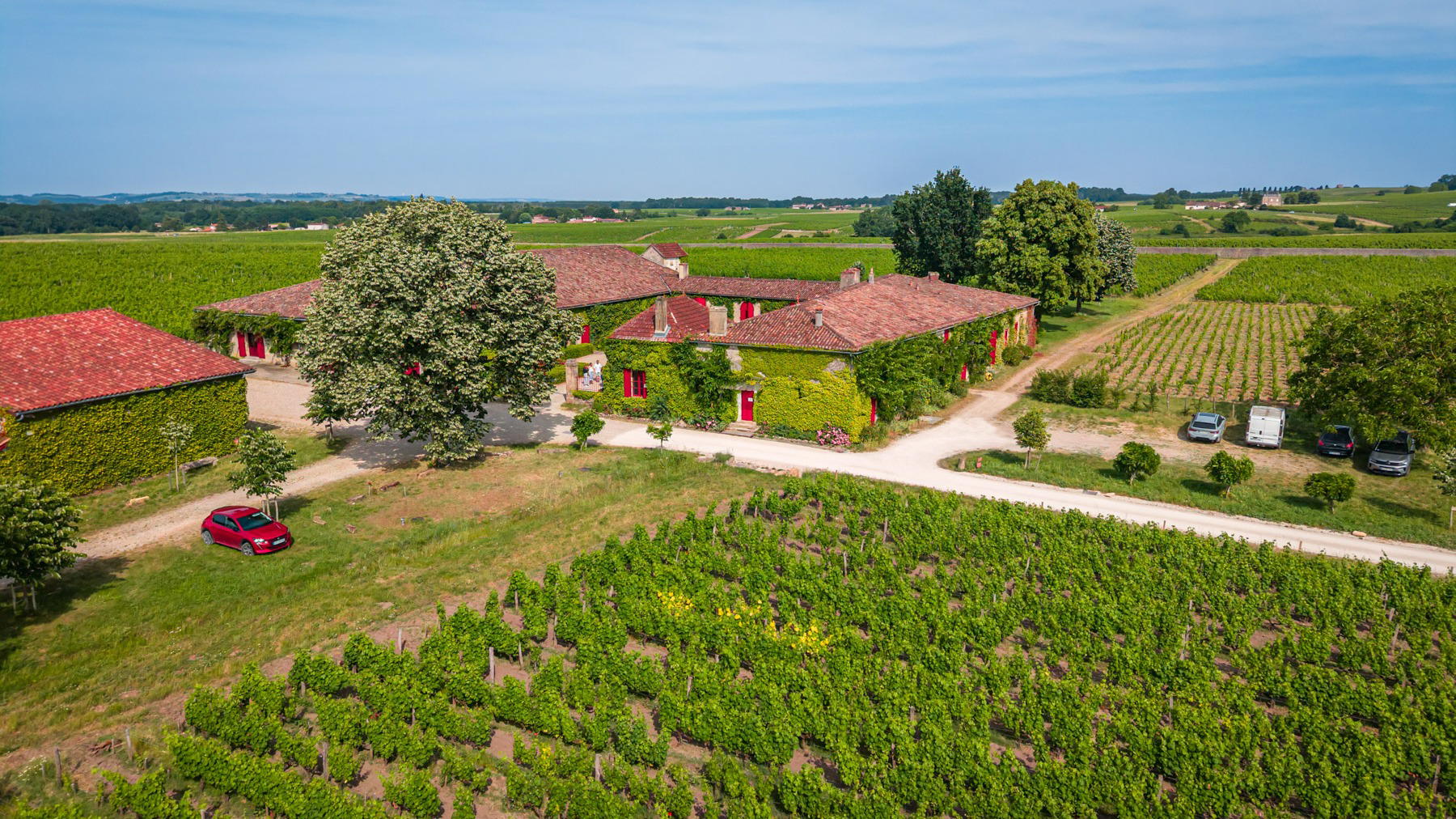
Château Nairac is a serious Barsac pick for travellers who care about sweet-wine depth, ageing potential, and bottle decisions more than casual cellar-door ease. Prioritise it if the day is built around understanding Barsac; cross-shop Château Climens or Château Doisy-Daëne if you want a more familiar regional benchmark.
Eguren Ugarte
Páganos, Spain
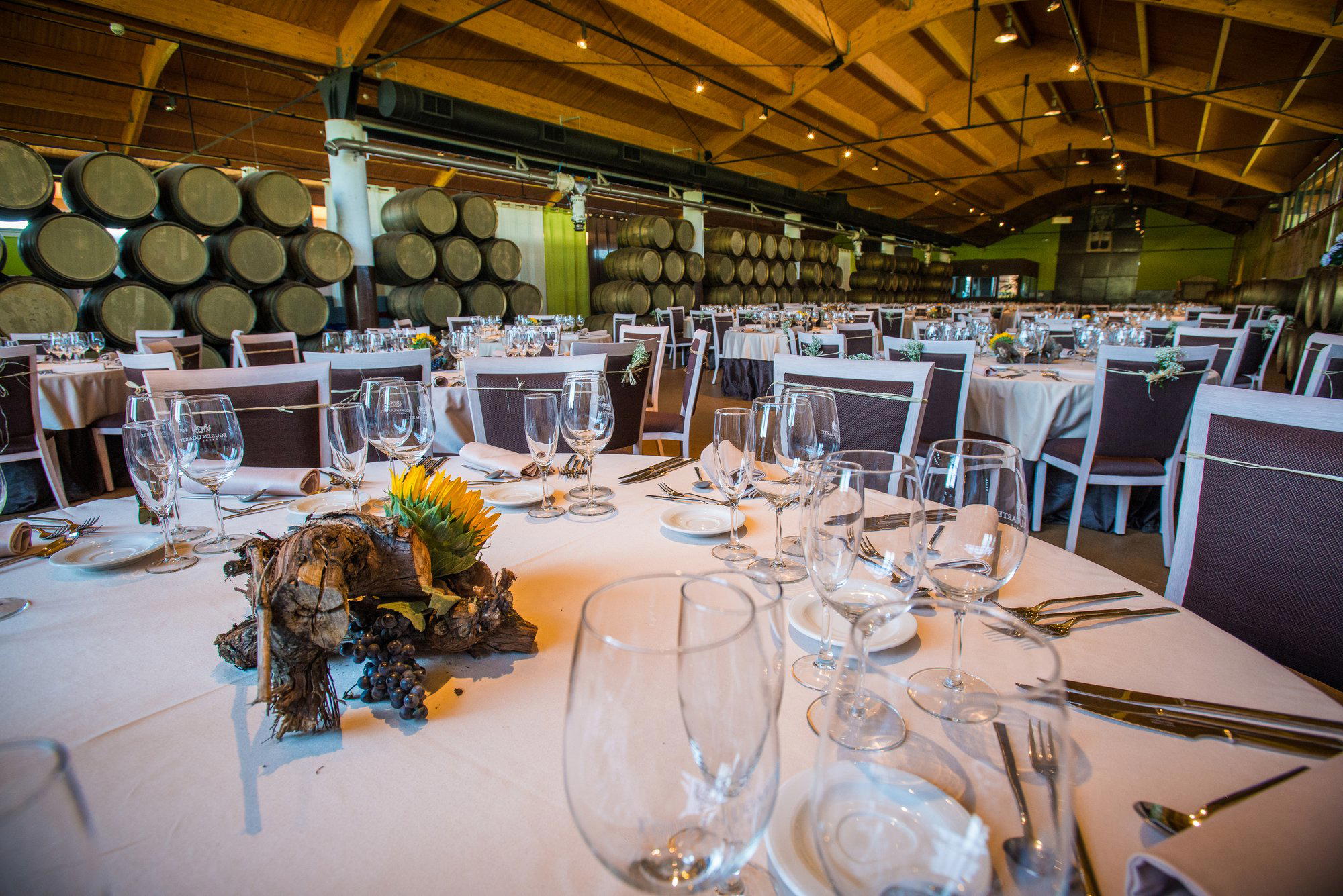
Eguren Ugarte is a smart pick if the goal is a slower Rioja Alavesa visit built around estate wines, cave-cellar context, and a proper food pairing. At $20 per person with Falstaff 1 Star recognition in 2026, the value case is strongest for travellers who want lunch and tasting in one calm winery estate setting.
Domaine viticole Kohll-Leuck
Wormeldingen, Luxembourg
Book Domaine viticole Kohll-Leuck for an appointment-only Moselle tasting that feels calm, traditional, and better suited to wine-focused couples or small groups than casual drop-ins. The value is in the family estate context, Crémant “Grande Cuvée,” Riesling, and barrique-aged reds, with Falstaff 2026 recognition adding a useful trust signal.
Forge Cellars
Burdett, United States
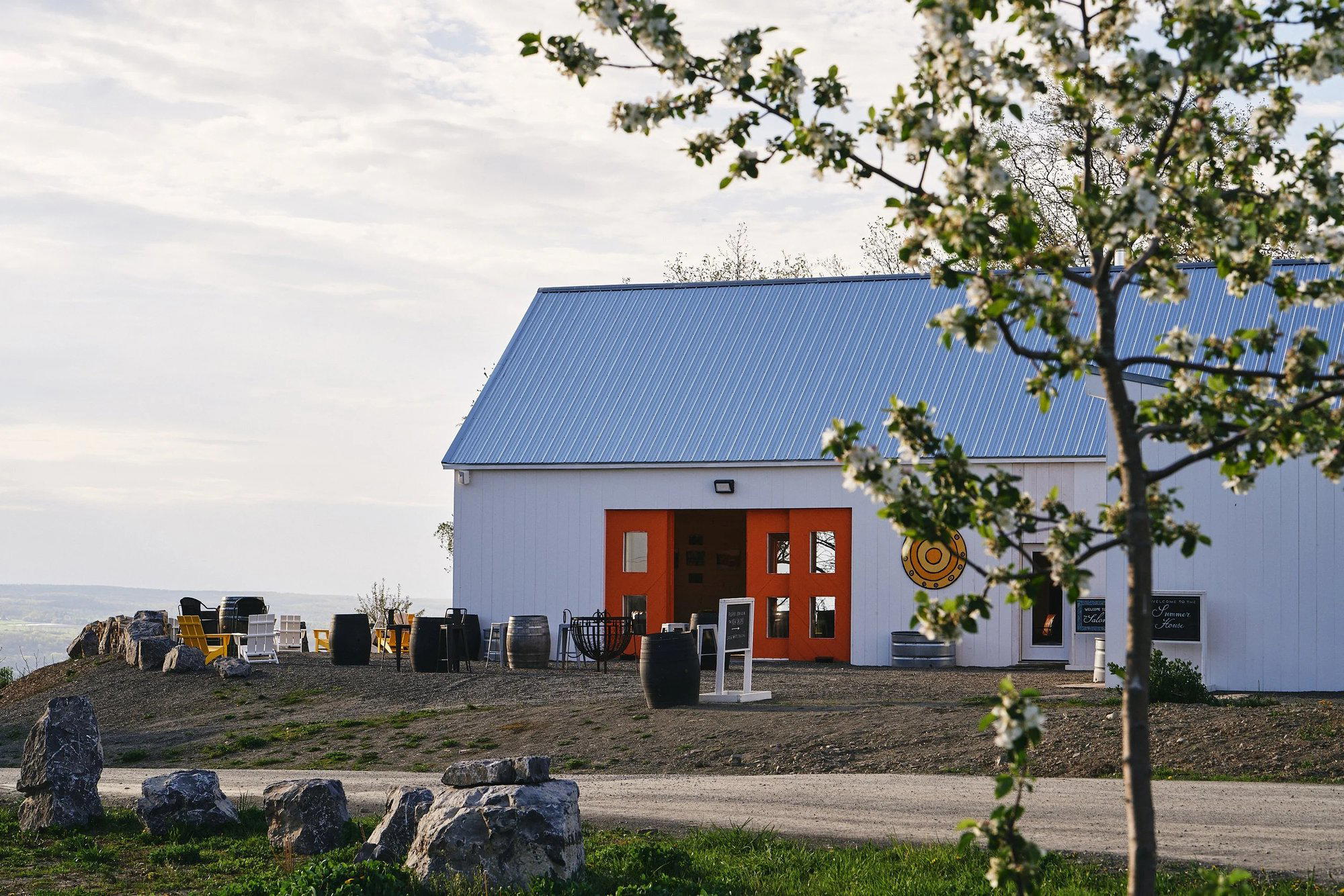
Book Forge Cellars if the goal is a focused Finger Lakes tasting rather than a food-led winery stop. The stronger play is the guided format for Riesling, Pinot Noir, and terroir context; use the Salon for an easier lake-view visit with light fare and a casual group.
Illahe Vineyards and Winery
Dallas, United States
Illahe Vineyards and Winery is worth choosing when the vineyard setting and relaxed pace are part of the appeal. Expect a casual, walk-in-friendly Oregon tasting room with a $$ price signal, Falstaff Winery listing recognition, and a reported lineup spanning Pinot Noir, whites, Tempranillo, barrel samples, and Cap Fizz.
Domaine le Petit Cottens
Begnins, Switzerland
Domaine le Petit Cottens works as a wine-first Begnins stop, especially if the plan is a focused tasting rather than a full meal. Its Falstaff Listed recognition in 2026 gives it a useful quality signal, but food, pricing, and visit-format details should not be assumed from the listing alone.
Balfour Winery
Staplehurst, United Kingdom
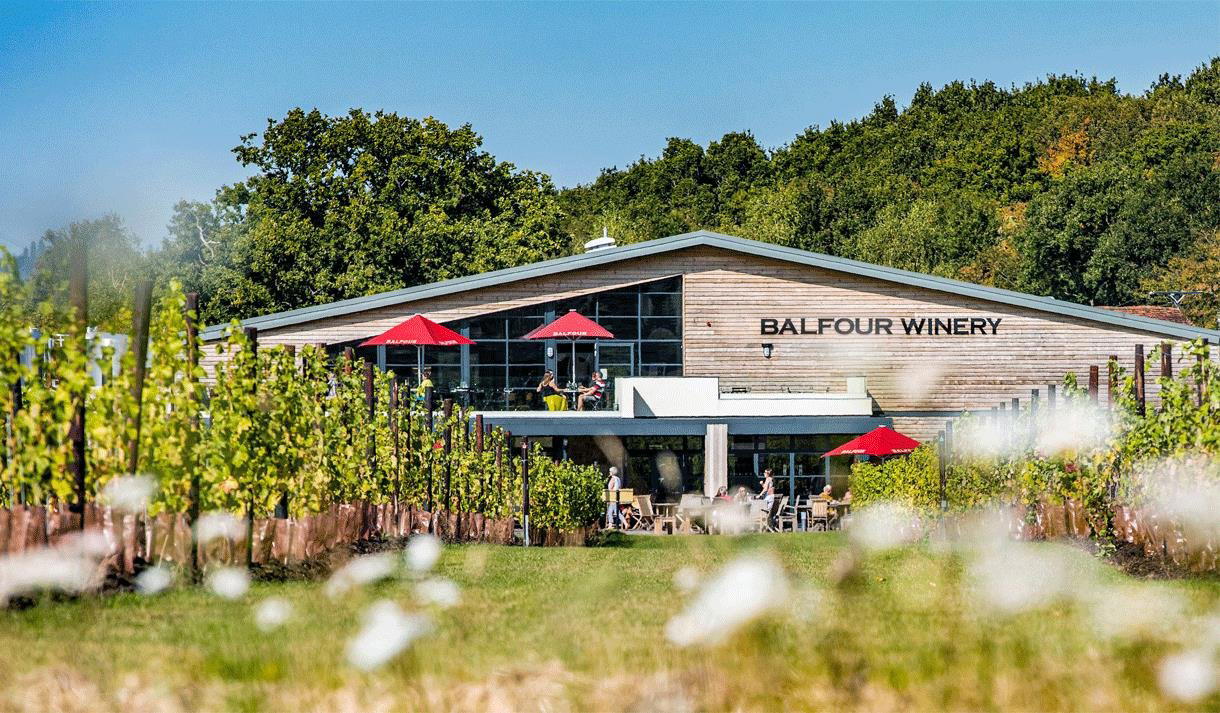
Among Kent wine-country options, Balfour Winery is worth prioritising when the estate setting matters as much as the tasting itself. Recent 2025 recognition strengthens the case, but plan it as a wine-focused countryside visit rather than assuming a full dining or large-group format.
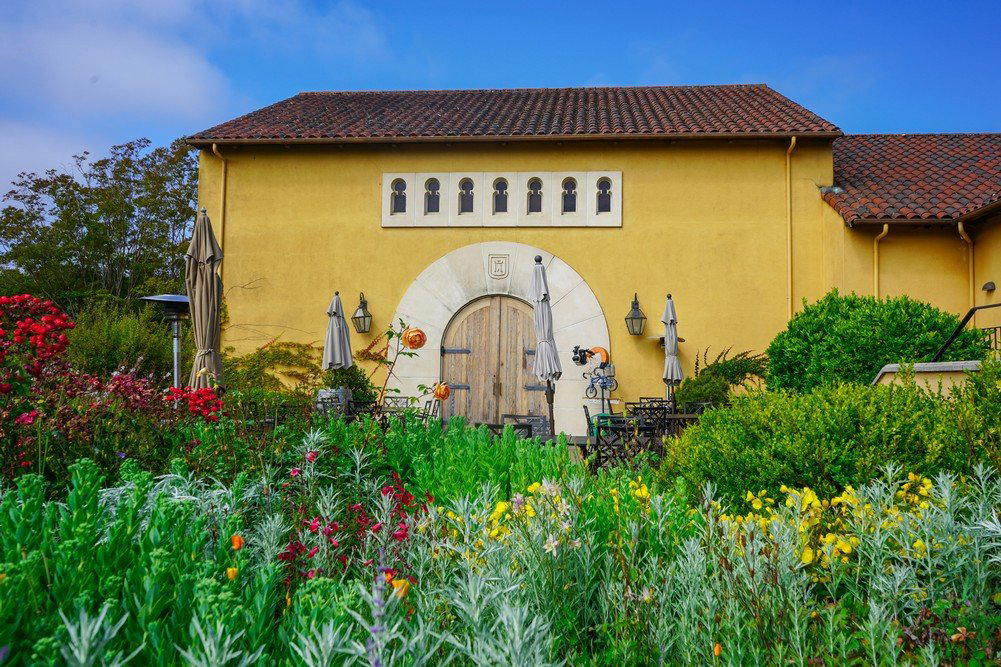
Marimar Estate Vineyards & Winery
Sebastopol, United States
Marimar Estate Vineyards & Winery is a strong Sebastopol choice for travelers who want a focused, wine-first visit rather than a quick tasting-room circuit. Its Pearl 2 Star Prestige recognition makes it worth prioritizing, but wine club value should be judged after comparing nearby Freeman, Iron Horse, Dutton-Goldfield, Merry Edwards, and Paul Hobbs.
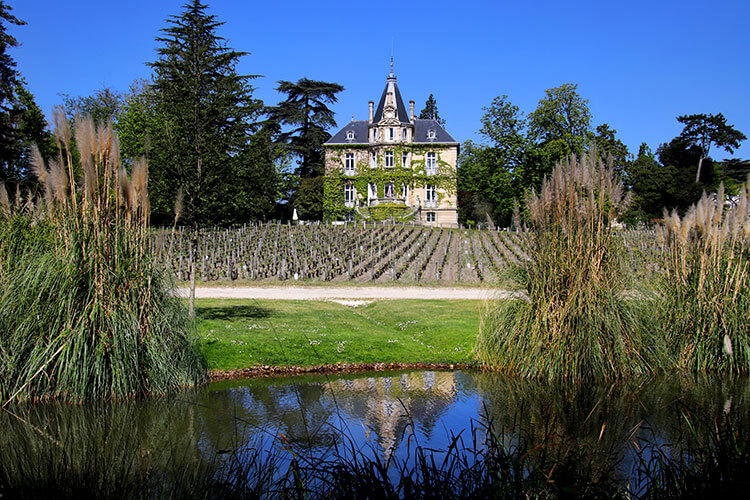
Château Les Carmes Haut-Brion
Bordeaux, France
Château Les Carmes Haut-Brion is worth pursuing for a serious Bordeaux itinerary if the goal is flagship-wine assessment, not a casual drop-in tasting. Its 1782 first vintage and Guillaume Pouthier's winemaking role give collectors enough reason to prioritise it, but the practical fit is strongest for planned special-occasion or cellar-focused trips.
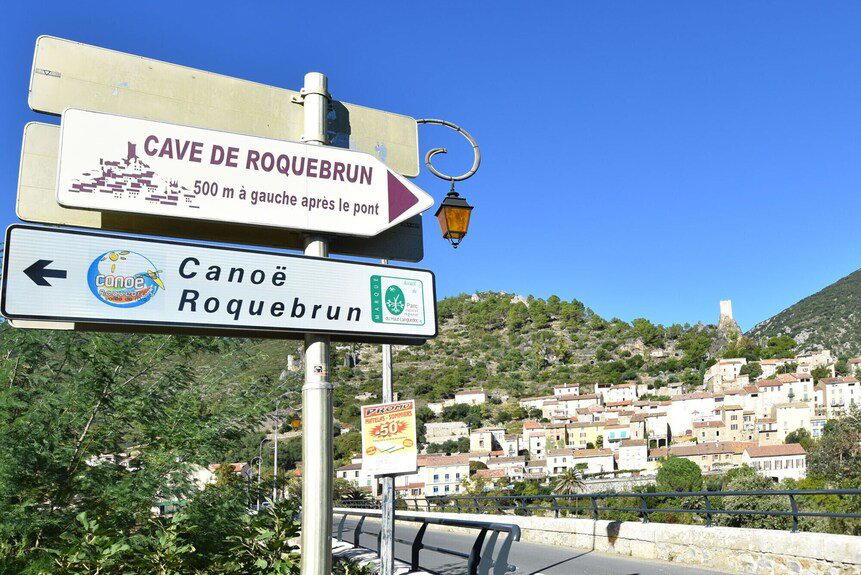
Cave de Roquebrun
Roquebrun, France
Cave de Roquebrun is a smart Roquebrun stop for wine travelers who care more about Saint-Chinian Roquebrun terroir and bottle value than polished château hospitality. Go for schist-driven Languedoc reds, cooperative-cellar character, and a practical tasting-buying experience with real regional depth.
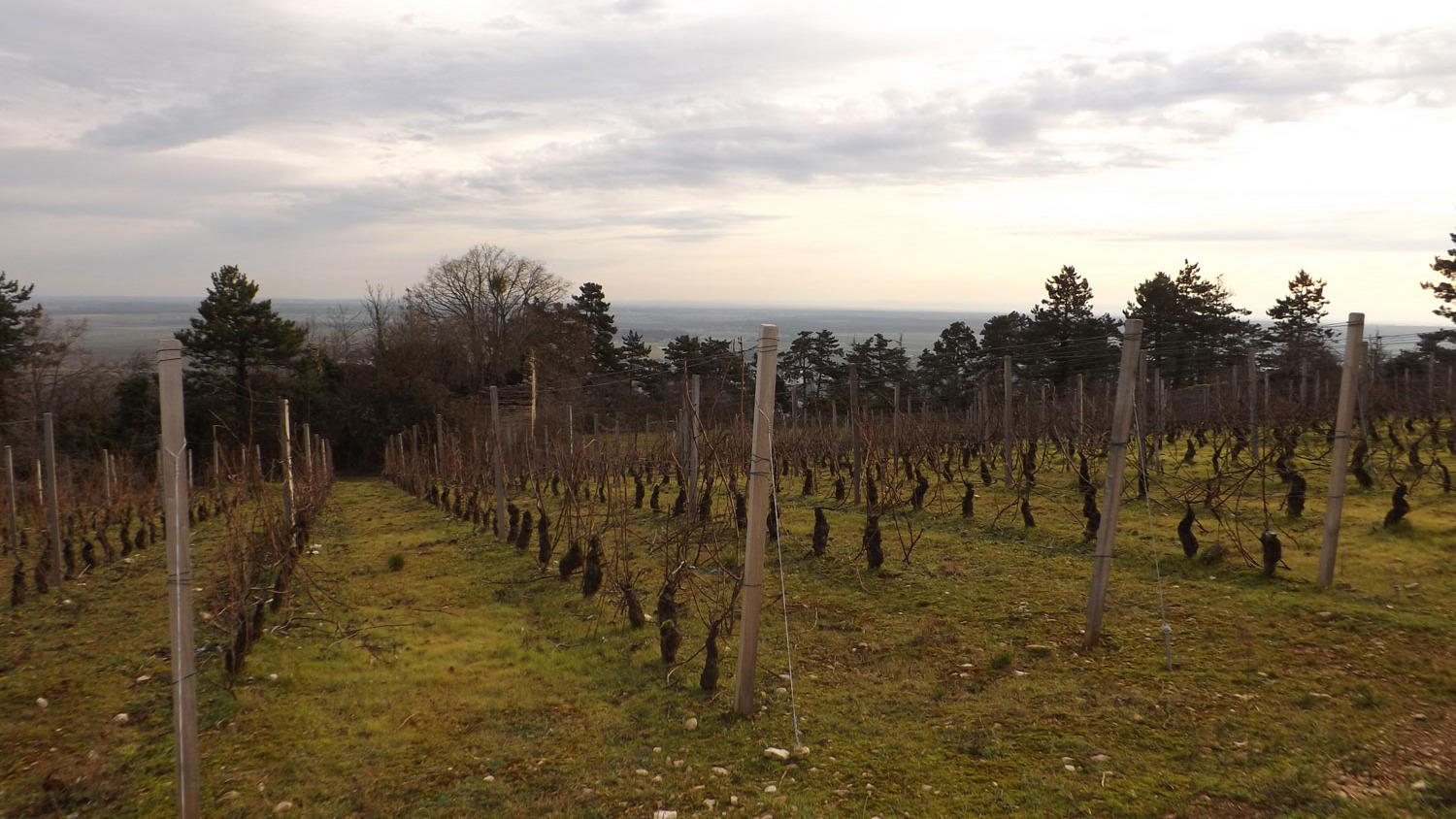
Domaine Dauvissat
Chablis, France
Domaine Dauvissat is a serious Chablis target for Burgundy drinkers who value producer pedigree and cellar-focused decision-making over a casual tasting-room setup. Build the trip around it only if access is already secure; otherwise, pair the plan with easier Chablis peers so the day still works.
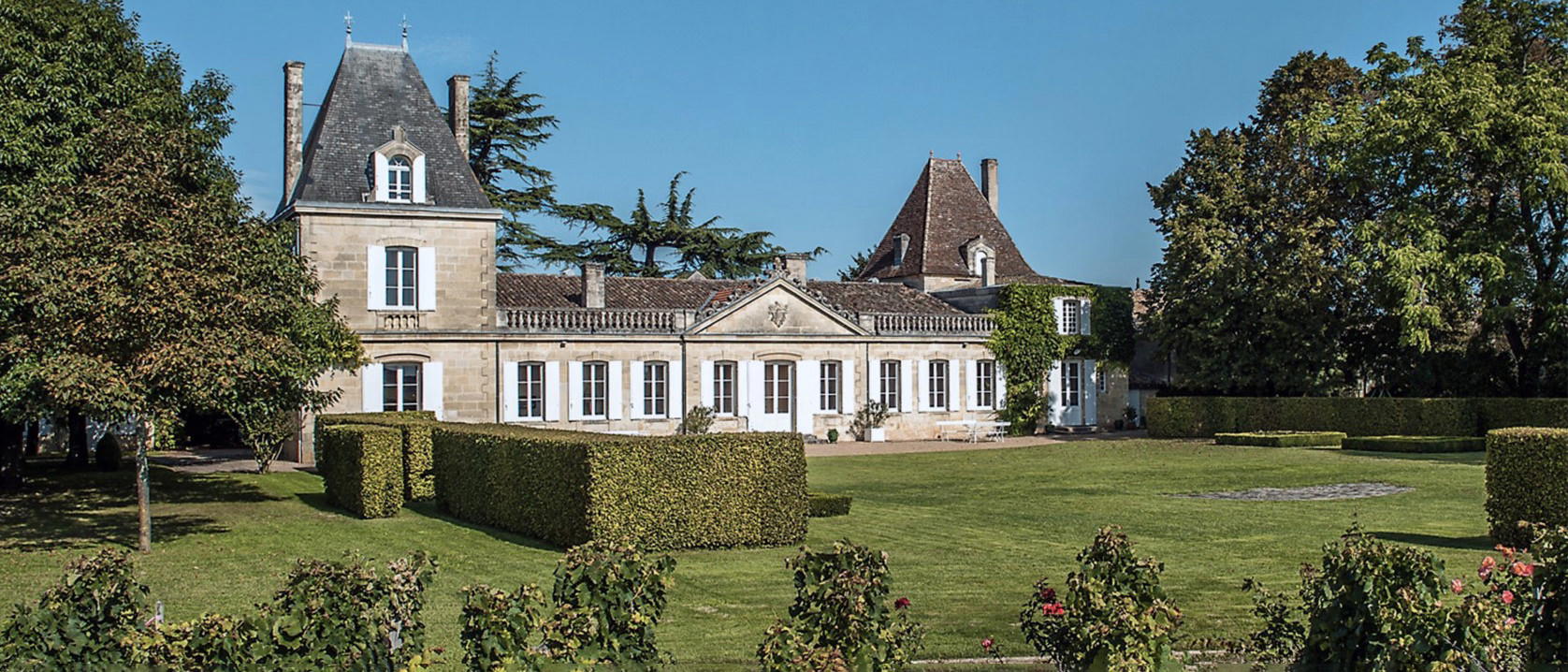
Vieux Château Certan
Pomerol, France
Vieux Château Certan is worth pursuing if the trip is built around serious Pomerol wine rather than casual tasting-room convenience. Plan well ahead, keep the group small, and treat it as the anchor of the day. For easier backup options in the same area, compare it with Château La Conseillante, Château La Fleur Petrus, Chateau Beauregard, Château L'Évangile, and Chateau Petrus.
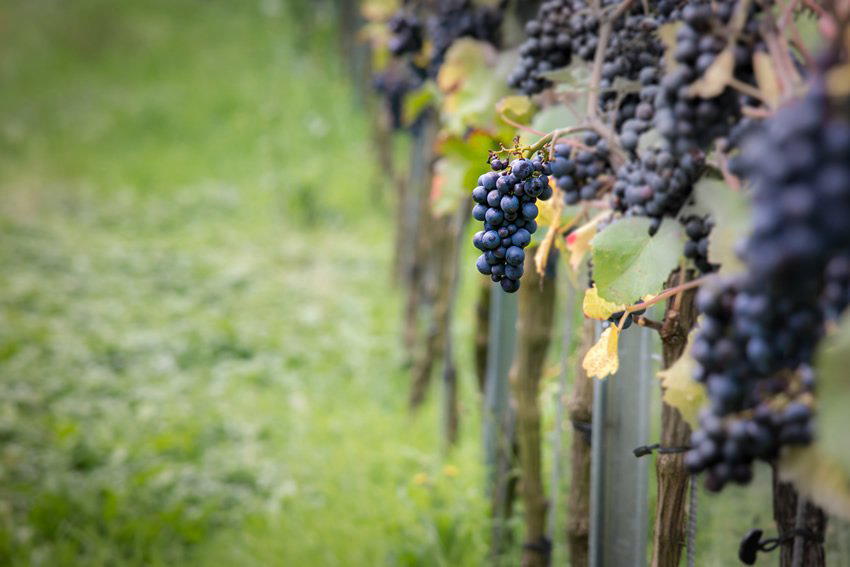
Château Clement Pichon
Parempuyre, France
A strong choice if you want a Haut-Médoc tasting with château atmosphere, parkland and a clear Bordeaux blend focus. The setting carries real weight, but the visit makes the most sense for travelers who value heritage and guided context over a casual drop-in tasting or restaurant-style food program.
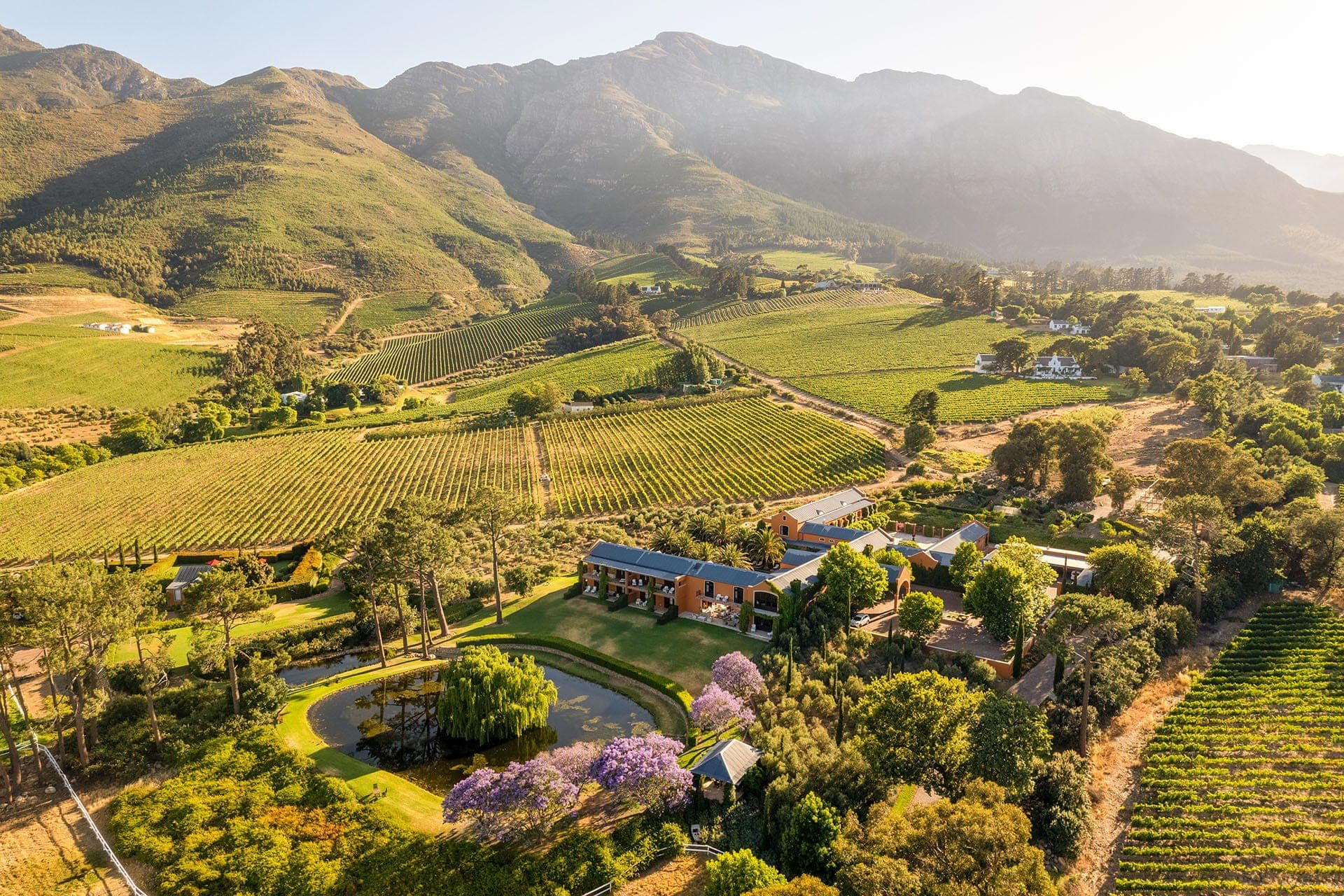
Baglio Gibellina
Gibellina, Italy
Baglio Gibellina is a good first stop in Gibellina if you want approachable Sicilian wines built around native grapes, especially Nero d’Avola, Frappato, Grillo, and Zibibbo. The case for a private tasting is strongest for groups interested in the passimiento process, organic farming, and vineyard context rather than a high-production hospitality experience.
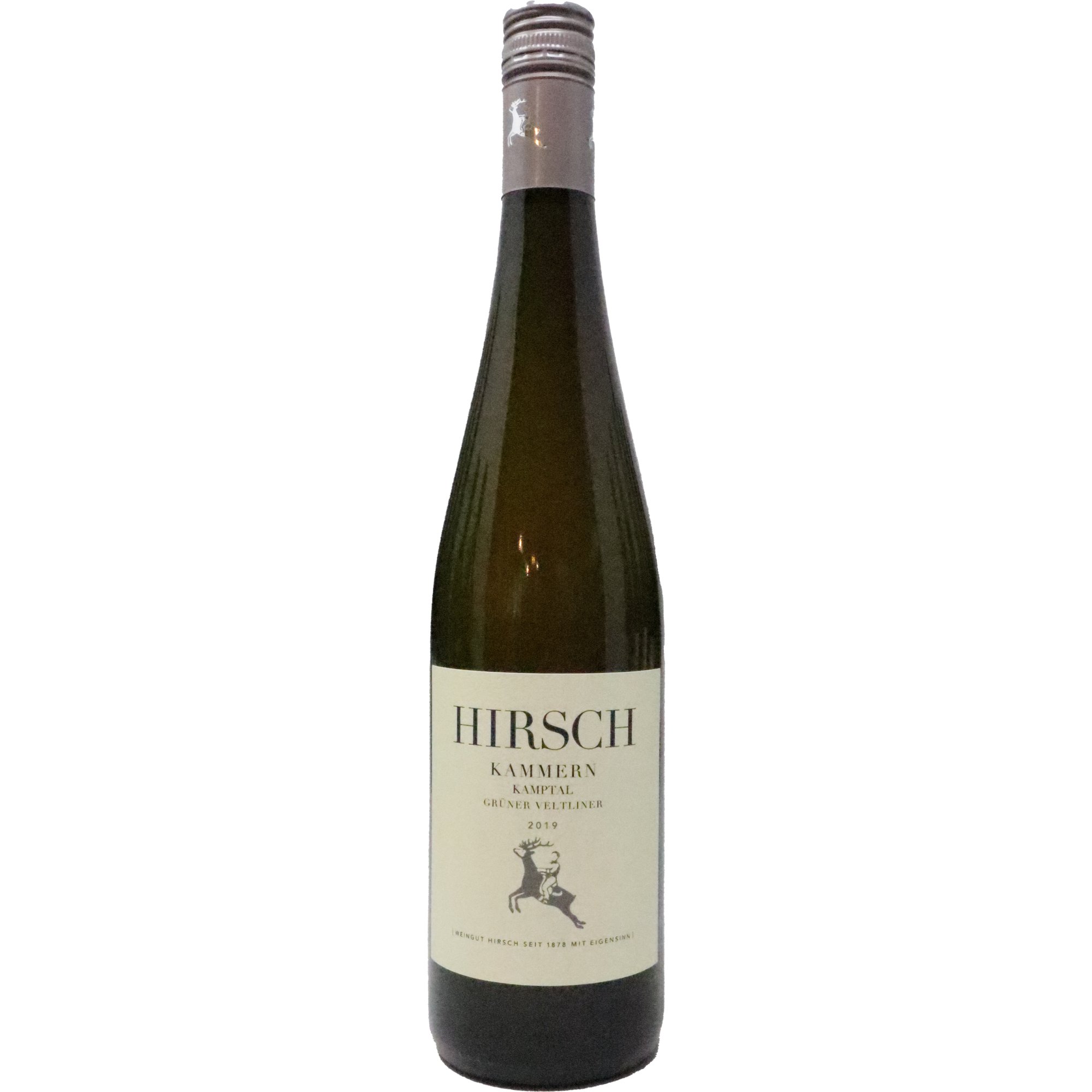
Weingut Hirsch
Kammern, Austria
A strong pick for wine travellers building a focused Kammern itinerary rather than chasing a casual tasting stop. Weingut Hirsch is worth prioritising if regional depth matters, but plan around access and compare it with Schloss Gobelsburg, Johann Topf, and Allram before locking the day.
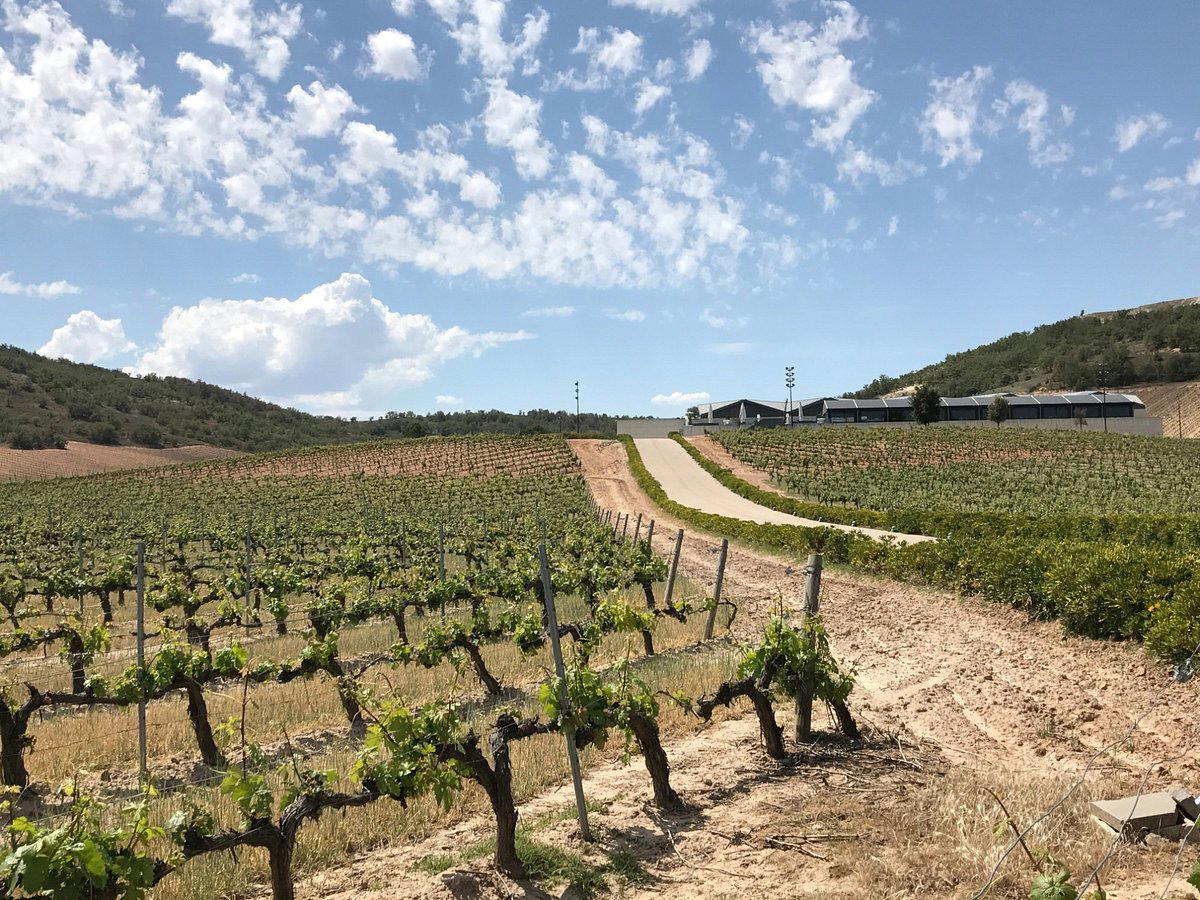
Bodegas y Vinedos Montecastro
Castrillo de Duero, Spain
Book Bodegas y Vinedos Montecastro if you want a modern Ribera del Duero winery visit with real vineyard and cellar context. The private format is the better value for serious wine travellers, especially those interested in estate-grown Tinto Fino, native-yeast fermentation, and how a newer Ribera project expresses place.
Compañía Bodeguera de Valenciso
Ollauri, Spain
Worth booking for serious Rioja drinkers who want a quiet, production-led tasting rather than a busy wine-tourism stop. The draw is Valenciso’s restrained Tempranillo focus, concrete vinification, low-yield farming, and calm Ollauri setting, making it strongest for couples, small celebrations, and wine-focused business hosting.
Joseph Phelps Vineyards
Napa, United States
Joseph Phelps Vineyards is a winery on Taplin Road in St. Helena.
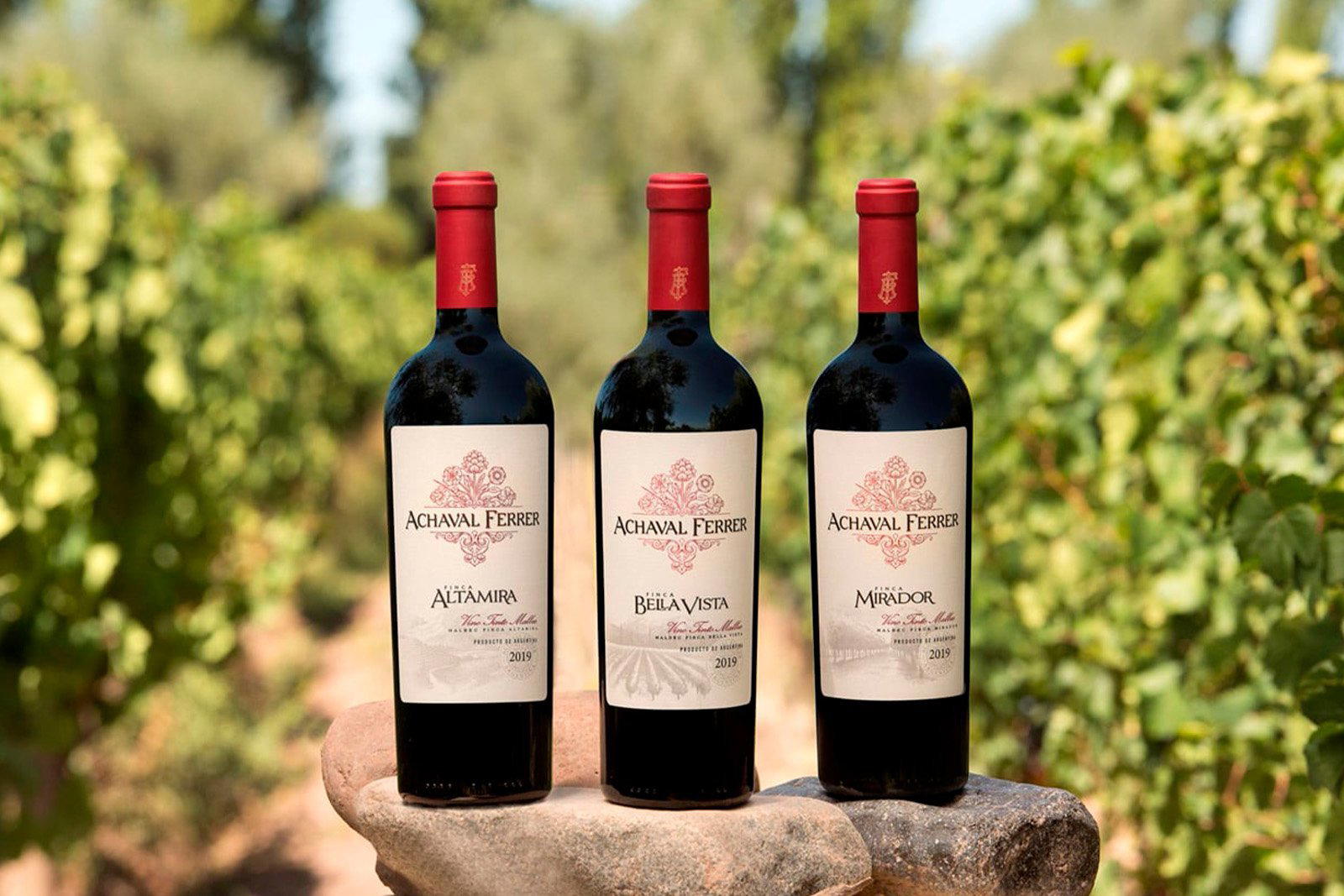
Achaval Ferrer
Luján de Cuyo, Argentina
Achaval Ferrer is the Luján de Cuyo pick for a serious, wine-first occasion where prestige matters more than a confirmed food program. Book it as the anchor stop for a celebration or client visit; if the group needs a meal-led winery day, compare Bodega Vistalba and Bodega Casarena before committing.
Granite Hills Wines
Baynton, Australia
Granite Hills Wines is worth planning around if the priority is cool-climate Macedon Ranges wine with estate continuity, not a restaurant-led winery day. The strongest value sits in riesling, shiraz, current releases, and reserve or museum bottles, with a relaxed cellar-door style that works well for explorers, families, and picnic-minded visitors.
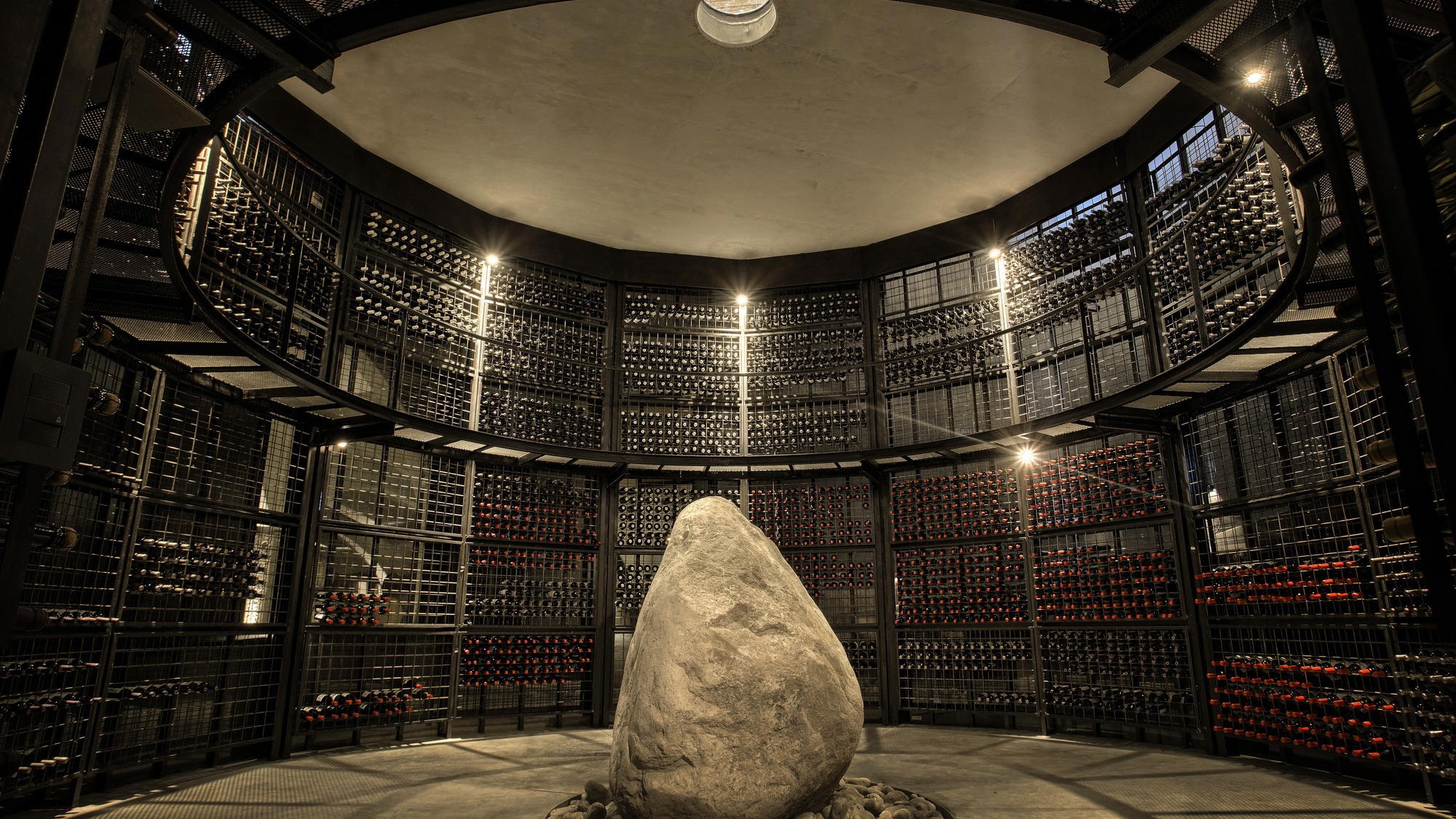
Zuccardi Valle de Uco
Tunuyán, Argentina
Zuccardi Valle de Uco is the Paraje Altamira winery to prioritize when the estate setting matters as much as the tasting. The Andes-facing location gives first-time Mendoza visitors a clear sense of why the Uco Valley is worth the drive, but access is difficult enough that it should be planned before the rest of the day.
Château Lusseau
Ayguemorte Les Graves, France
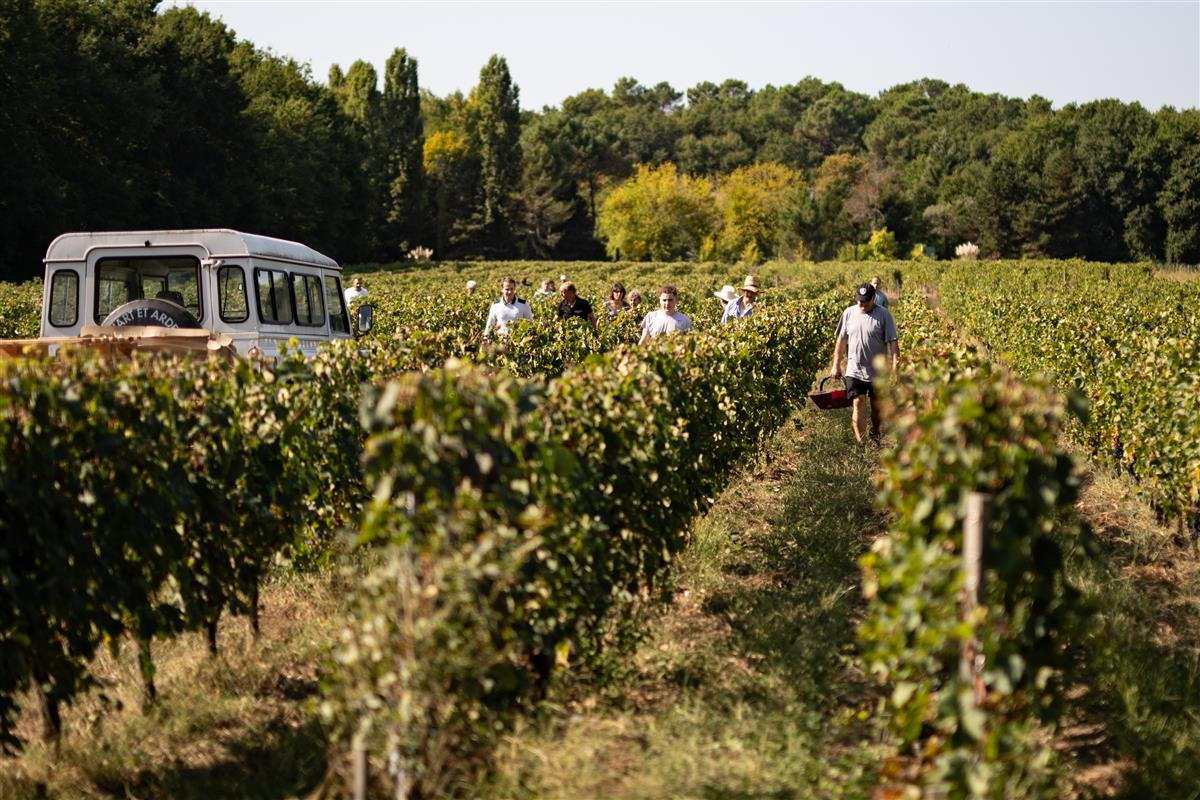
Château Lusseau works if the plan already centers on Ayguemorte-les-Graves or the wider Graves area. Falstaff 2 Stars in 2026 gives it a credible quality signal, but this is a planning-first winery stop: confirm access in advance and pair it with nearby appointments rather than treating it as a casual walk-in.
Bodegas Bordoy
Llucmajor, Spain
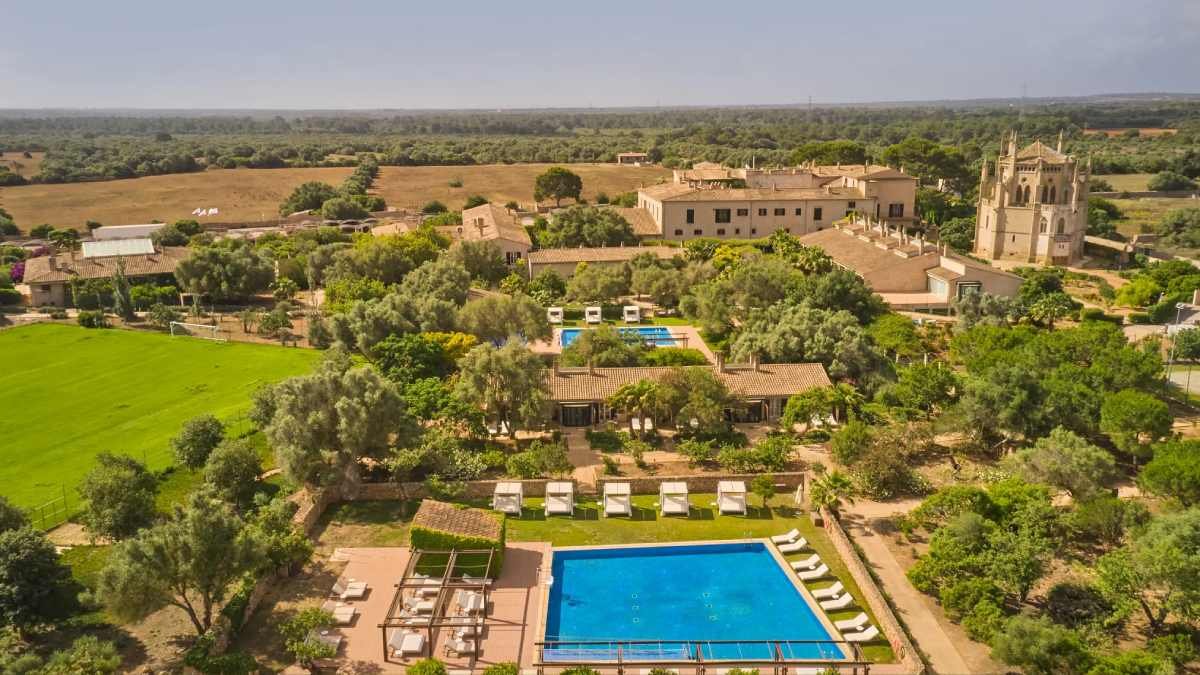
Book Bodegas Bordoy if the goal is a calm Mallorcan estate tasting with vineyard setting, local grape context, and a hosted pace. It is strongest for couples and small groups who value place and conversation over a fast tasting flight or trophy-label checklist.
Garbara
Valdobbiadene, Italy
Garbara is a good fit for travellers who want a quiet Cartizze-focused tasting in the Valdobbiadene hills rather than a large, highly programmed winery visit. Go for the focused sparkling-wine range, especially the contrast between Cartizze DOCG, Col Fondo, and Souvignier Gris, and treat any longer-term buying relationship as something to decide after tasting across the portfolio.
How many of these have you visited?
Find out on Pearl and keep score across every place in 2026 Falstaff Winery Guide.