

Domaine Dauvissat
Chablis
Winery in Chablis, France
 Book with Pearl
The Read
Kimmeridgian Restraint
Price
$50–100tasting
Why go
Domaine Dauvissat is a serious Chablis target for Burgundy drinkers who value producer pedigree and cellar-focused decision-making over a casual tasting-room setup. Build the trip around it only if access is already secure; otherwise, pair the plan with easier Chablis peers so the day still works.
About Domaine Dauvissat
Domaine Dauvissat is a Chablis venue to approach with a careful, accuracy-first mindset. The basics are simple: Vincent Dauvissat is the named chef/owner, the dress code is casual, and the venue is recognised with Pearl 4 Star Prestige (2025). Those facts are enough to place it clearly in a Chablis plan, but not enough to build assumptions around the experience. Use this guide as a grounded starting point, and check services, schedules, pricing, menus, visits, or amenities directly before making plans. In practical terms, the restraint matters: it helps keep expectations aligned with details that may change or vary by date.
Choose this for a Chablis listing, not assumed extras
Chablis rewards careful planning, especially when a day depends on a specific venue and when timing, travel, or expectations need to line up neatly. For Domaine Dauvissat, keep expectations tied to the essentials: the venue is in Chablis, Vincent Dauvissat is the named chef/owner, the dress code is casual, and Pearl recognises it with 4 Star Prestige for 2025. Those points give the listing its shape, but they should not be stretched into conclusions about how a visit works. Do not plan around details such as hours, booking process, format, pricing, menu, or visitor setup unless you have checked them directly.
The right approach is to treat Domaine Dauvissat as one carefully checked stop within a broader Chablis plan, rather than the entire framework for the day. For a date, business trip, or celebration-adjacent day, avoid making it the only pillar of the itinerary unless the current details are checked in advance. This is particularly important if the rest of the day has limited flexibility, because an assumption can quickly affect pacing and alternatives. Use Our full Chablis restaurants guide, Our full Chablis hotels guide, and Our full Chablis bars guide to build the rest of the day around additional options.
How to think about the decision
The appeal here should be framed around the essentials: Domaine Dauvissat is in Chablis, Vincent Dauvissat is the named chef/owner, casual dress is noted, and Pearl recognises it with 4 Star Prestige for 2025. That combination may be enough for travellers who are specifically assembling a Chablis-focused list and want to keep notable local names in view. The practical takeaway is simple: choose it if those anchors fit your plan, and check any operational details before making firm arrangements.
For context, compare it with Domaine Billaud-Simon, Domaine Eleni & Edouard Vocoret, Domaine Louis Michel & Fils, and Domaine Willian Fevre when planning within Chablis. The point of comparison is not to imply identical access, style, or setup, but to keep your decision grounded in a wider local shortlist while you check the details that matter for your own itinerary. If the wider Burgundy trip extends beyond Chablis, Domaine François Lamarche can be considered separately as part of that broader route. For a wider route, keep Our full Chablis wineries guide and Our full Chablis experiences guide close.
Bottom line: make Domaine Dauvissat a considered Chablis choice, not an assumed drop-in. Let the basic profile guide interest, then check logistics directly. If current access, hours, or other practical details are unclear, do not force the itinerary around uncertainty; compare other Chablis options and save Domaine Dauvissat for a plan that can be arranged in advance.
Planning details
- Location
- 8 Rue Émile Zola, 89800 Chablis
- Phone
- +33 3 86 42 11 58
The take
The Take
The Vibe
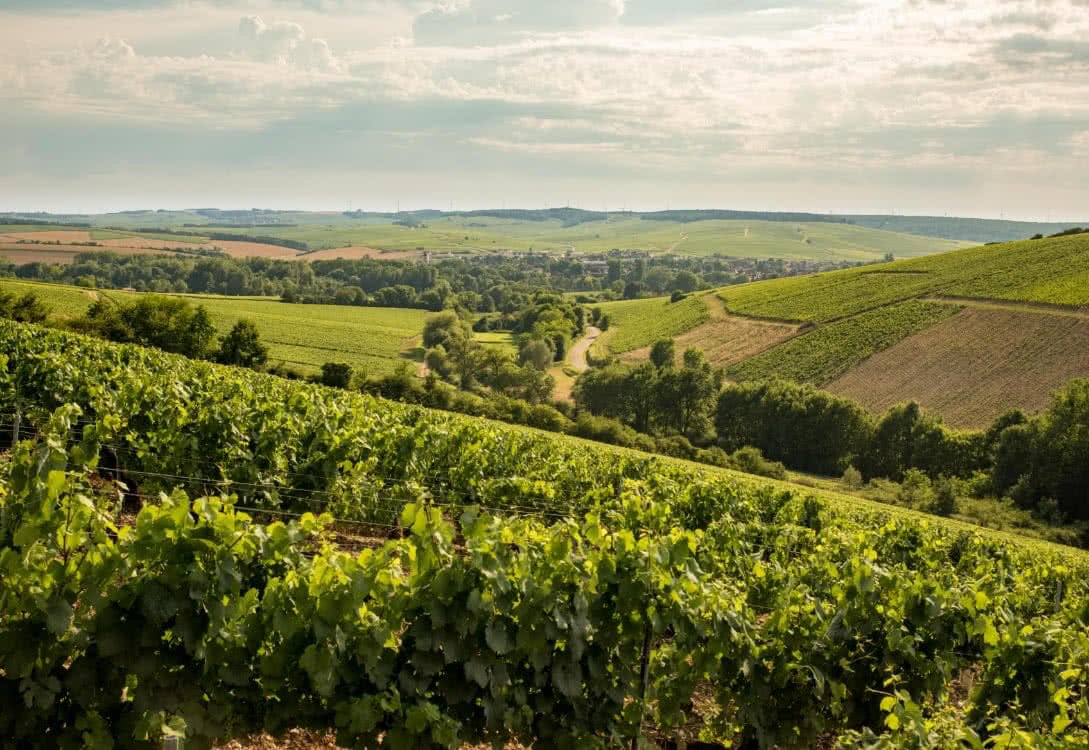
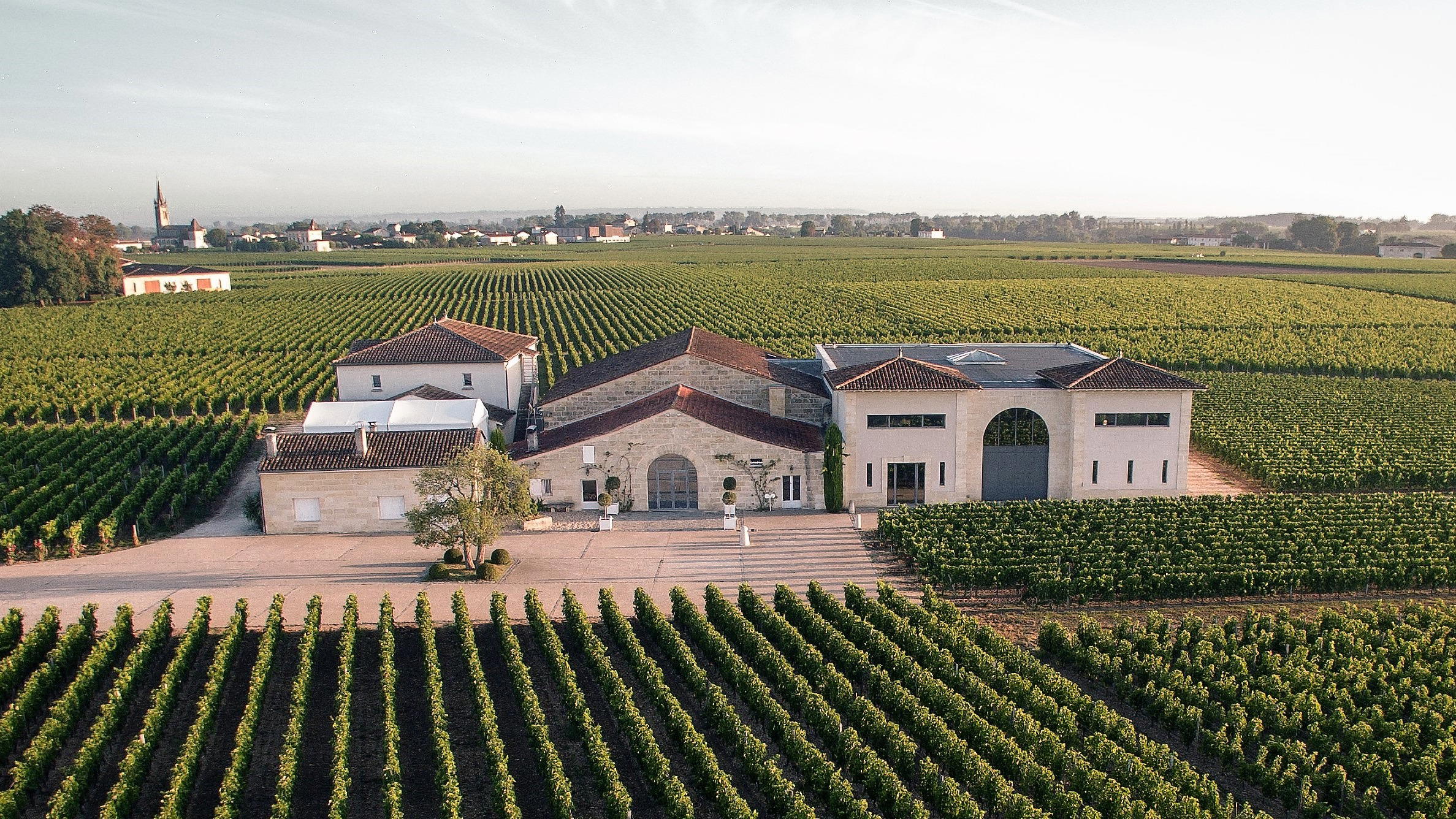
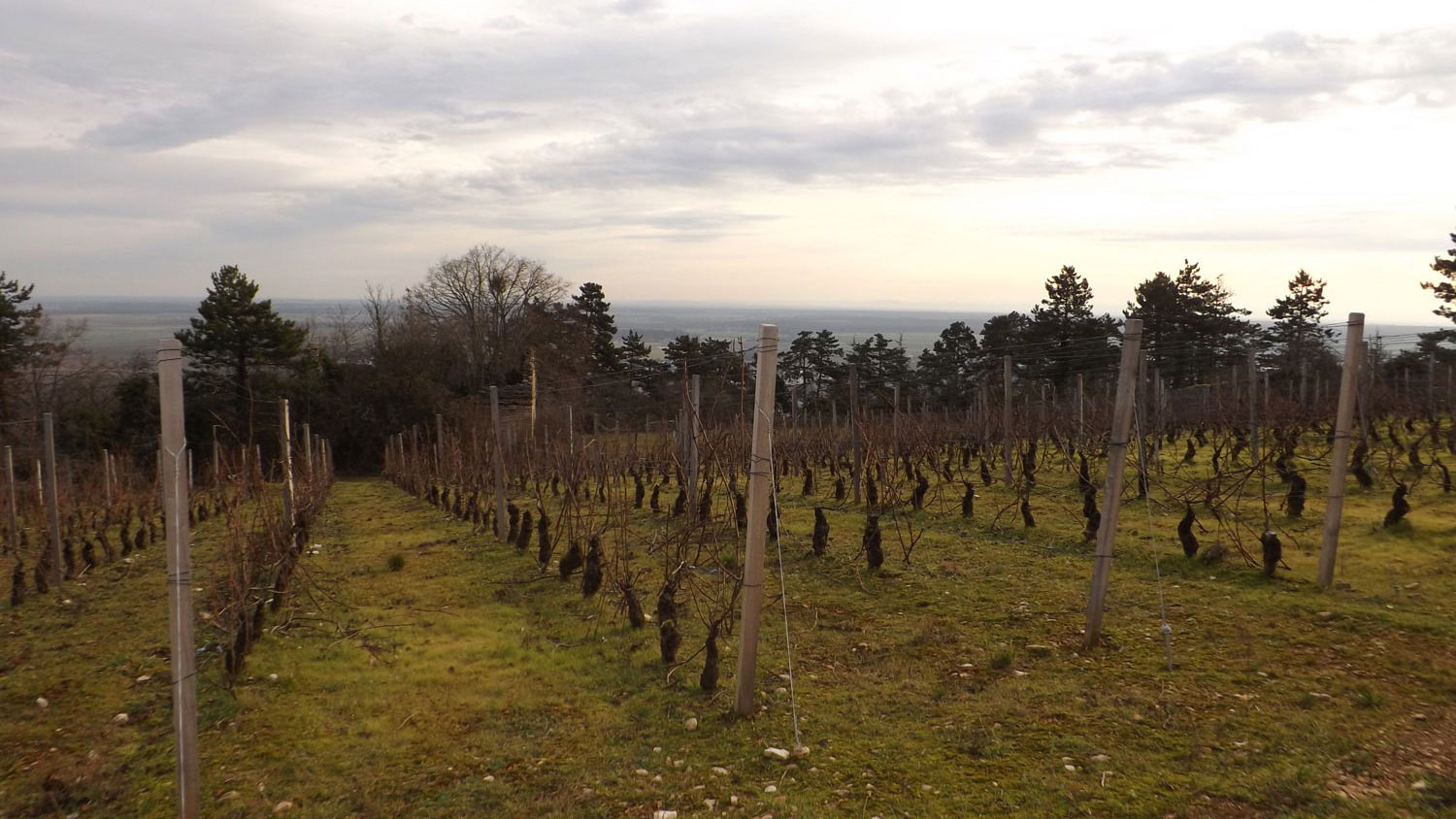
Domaine Dauvissat presents a quietly authoritative presence in Chablis: wines and place are both rooted in long history and geological specificity. The domaine speaks in the language of Kimmeridgian limestone, old vines and restrained, low‑intervention farming, and that seriousness translates into an intimate, slightly old‑world sensibility. Visitors encounter a working town rather than a polished tourist hub, so the experience feels earned rather than staged. Expect a contemplative, scenic setting alongside a focused, tradition‑minded cellar where subtle oak and mineral tension govern the house style.
Best For
Dauvissat is ideal for visitors interested in deepening their understanding of terroir and ageing potential: the domaine’s wines foreground Kimmeridgian limestone and long ageing trajectories, so tastings reward comparison and study. It also suits special occasions for collectors or enthusiasts who prize allocation‑limited bottles and provenance. Because the domaine sits in a small, working Chablis town and production is modest, solo explorers and serious wine students find particular value in the visit—it’s a place for focused tasting rather than casual sampling.
Tasting Tips
Plan ahead: production is limited and the estate 'commands allocation lists that far outpace production,' so access to sought‑after bottlings often requires patience and advance inquiry. When you can, sample across vintages to appreciate the wines’ mineral lift and ageing trajectory; the domaine’s use of old oak is discussed in the tasting notes and rewards comparative tasting rather than single‑bottle sampling. Treat visits as purposeful—this is a working domaine in a small town, so expect a deliberate, education‑focused experience rather than tourist amenities.
Venue details
Ambiance
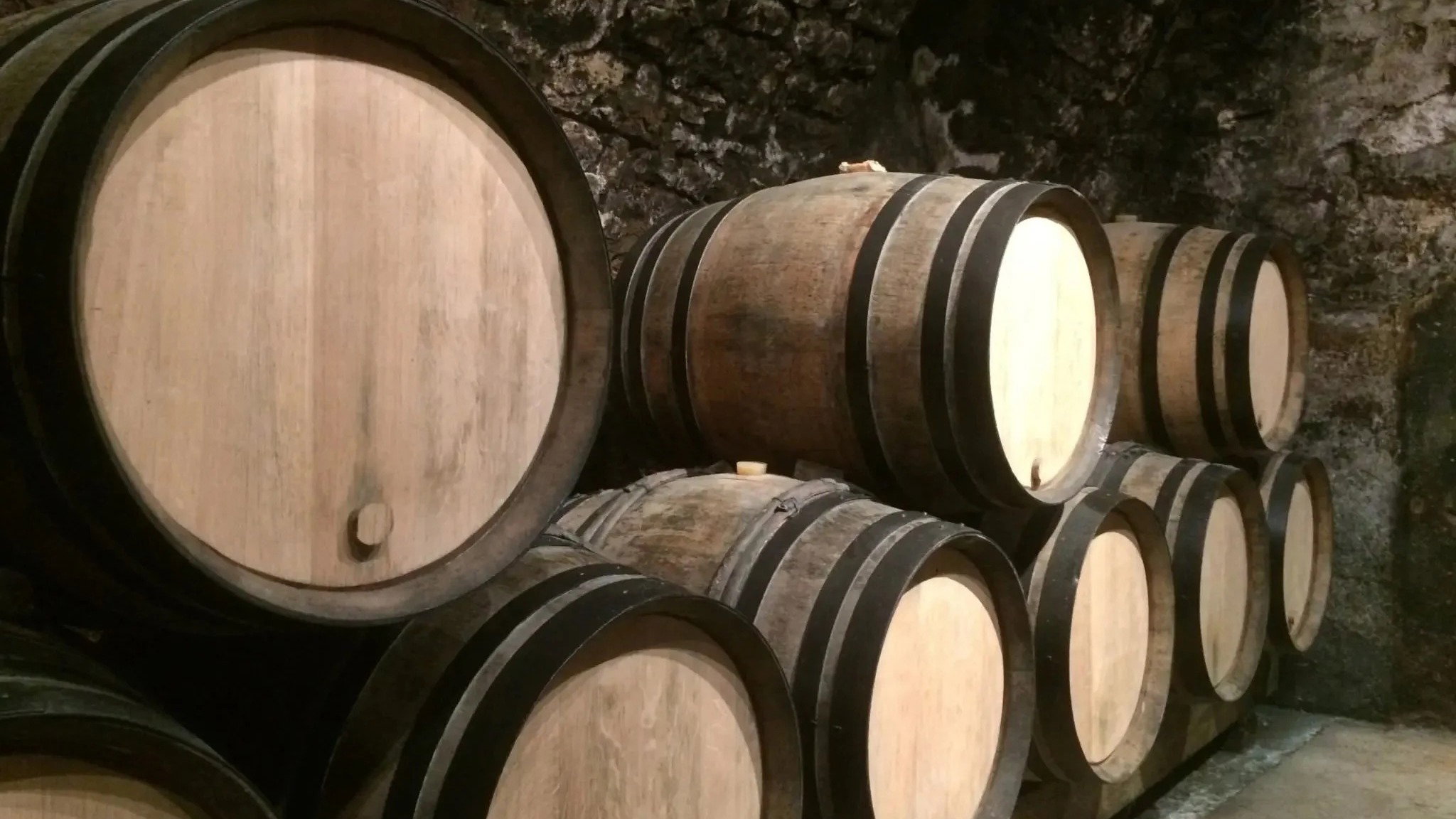
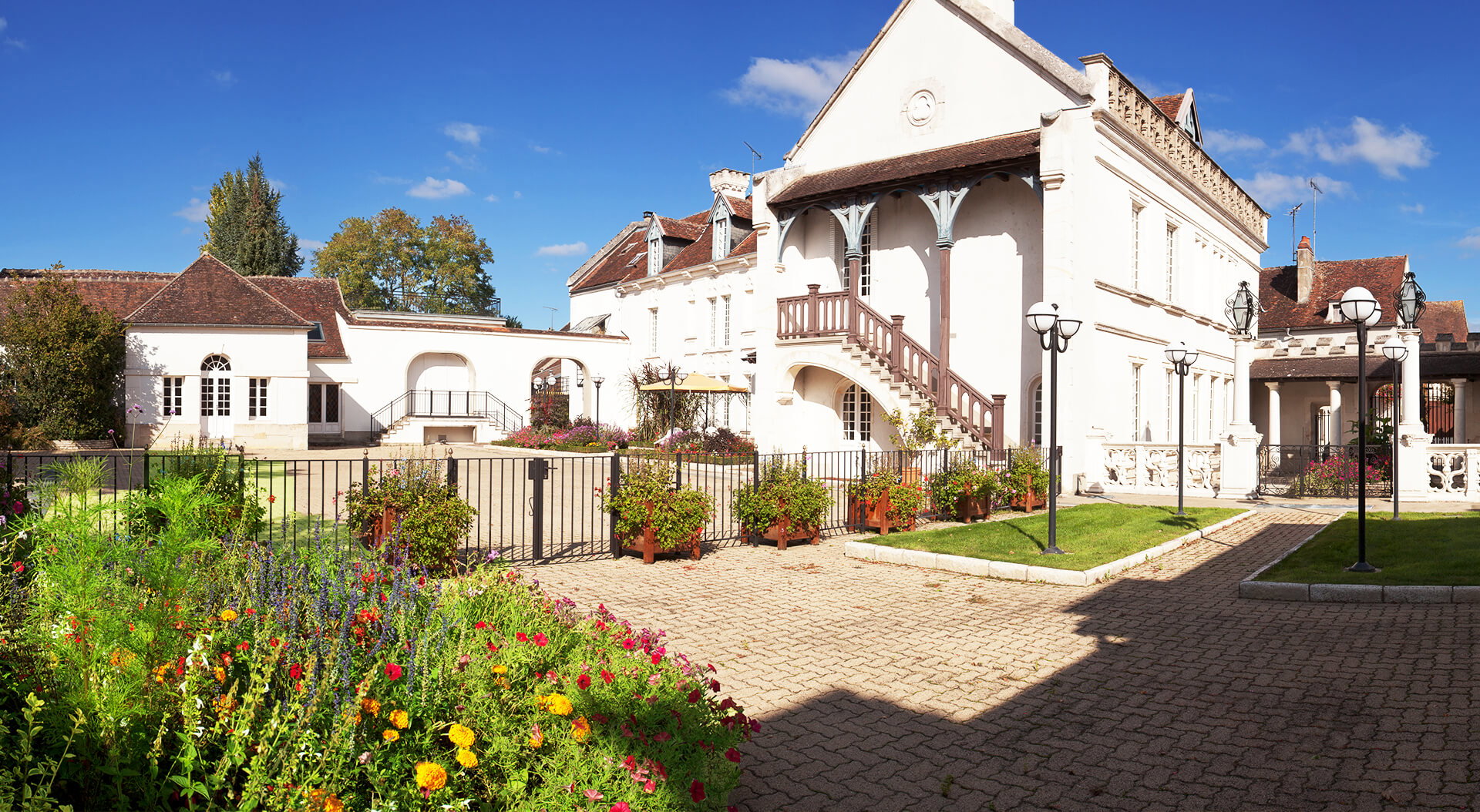
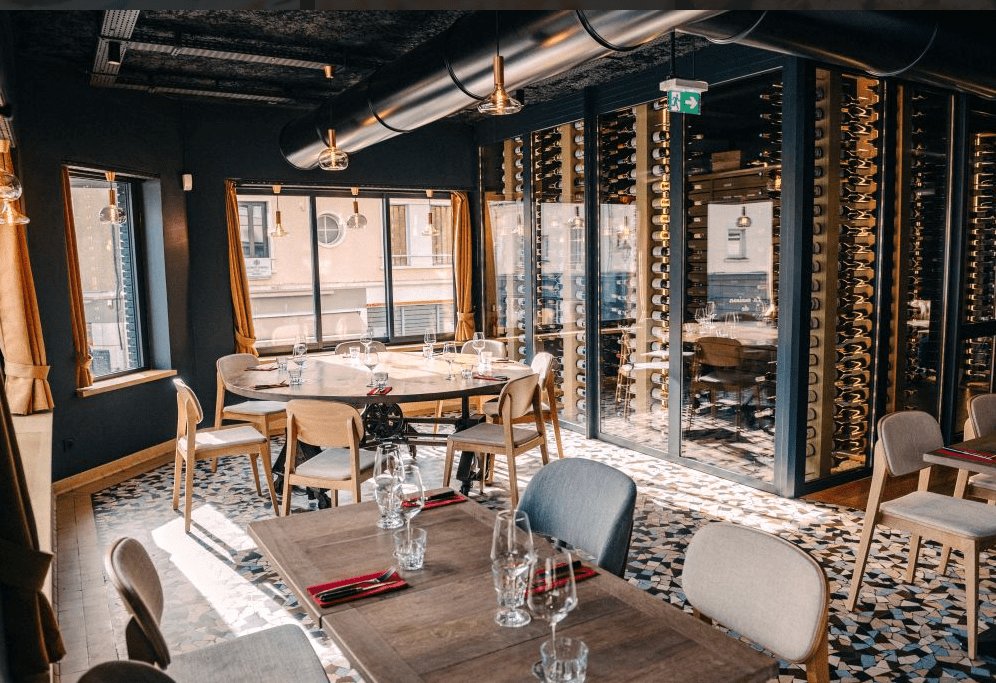
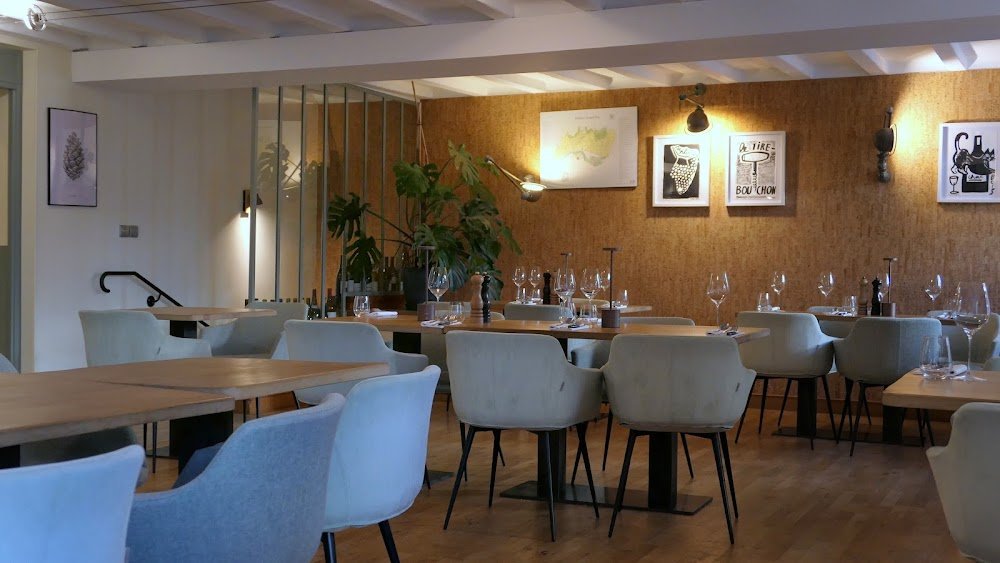
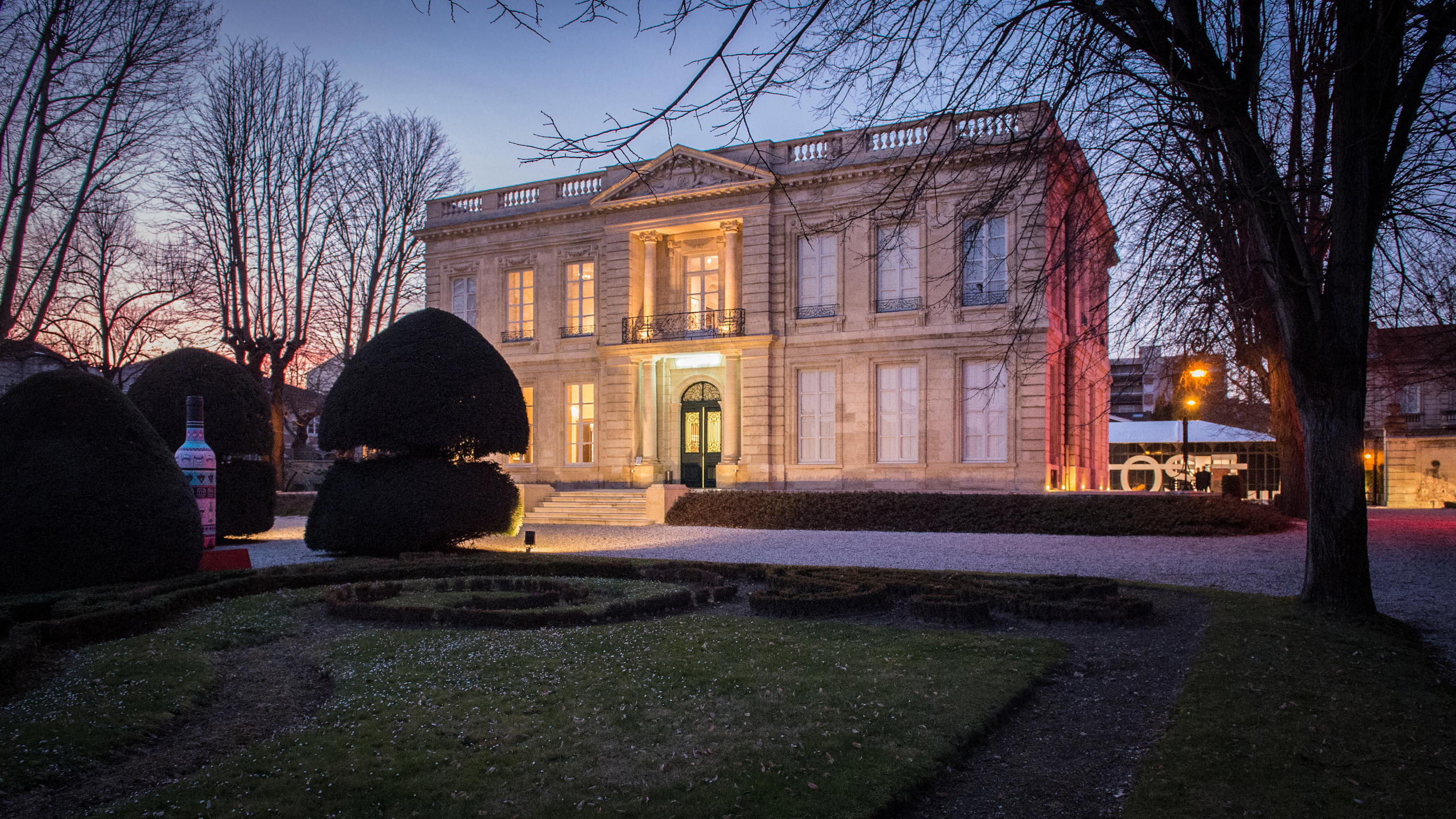
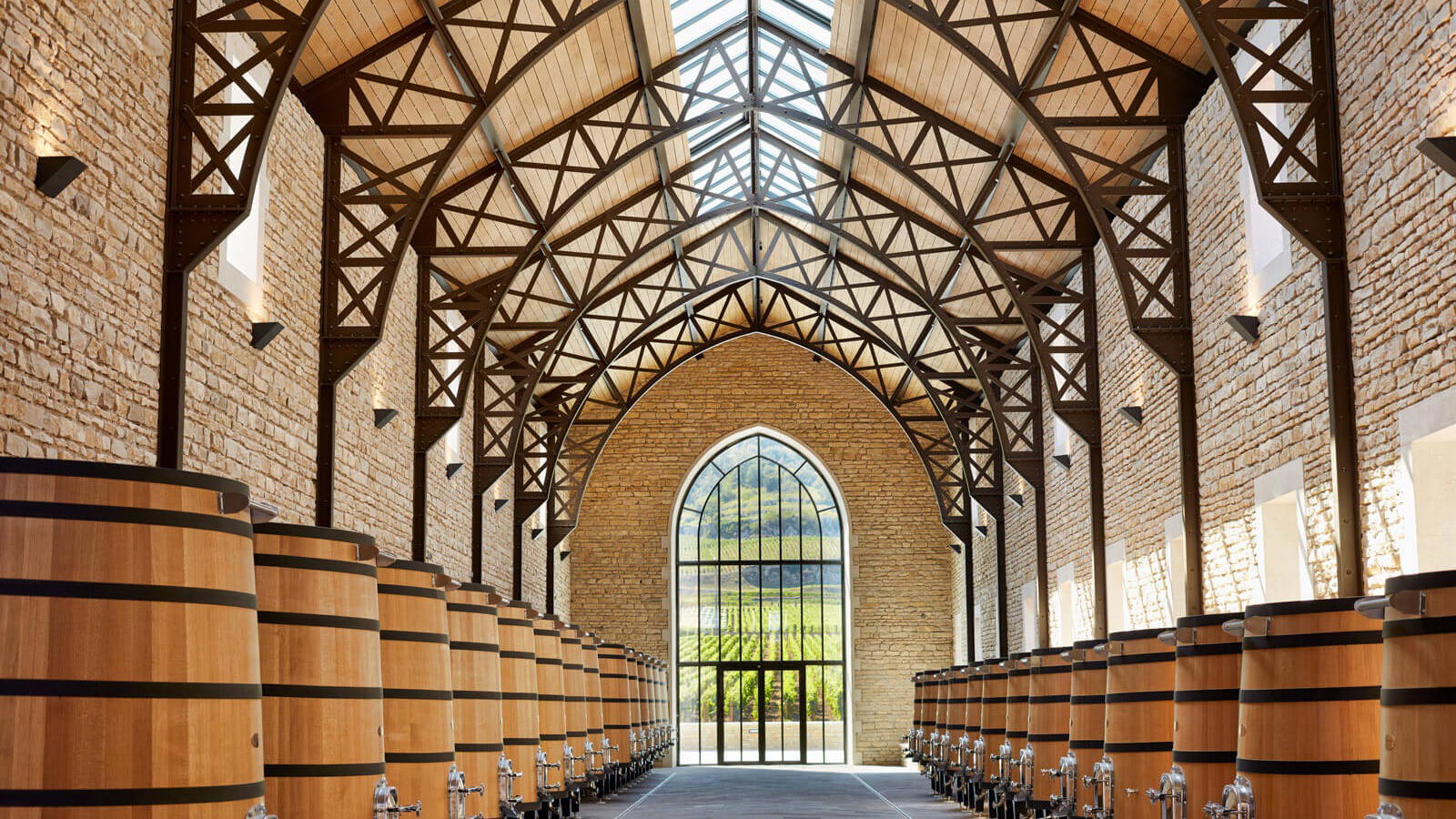
Traditional cellar environment housed in a 17th-century former presbytery, cool stone cellars maintained at 10-15°C year-round, austere and focused on terroir expression rather than opulence.
Tags
Vibe
Best For
Experience
Sourcing
View
At the Vineyard
- Appellation
- Chablis AOC
- Varietals
- Chardonnay
- Tour Duration
- 90-120 minutes
- Tour Languages
- French, English
- Visits
- By appointment only
- Farming
- Biodynamic
- Wine Styles
- Still White
- Wine Club
- Not available
Know before you go
Know Before You Go
- Getting there
- 8 Rue Émile Zola, 89800 Chablis
Planning details
Location
8 Rue Émile Zola, 89800 Chablis · Directions
Recognition and awards

Also consider
Also Consider
- Domaine Eleni & Edouard Vocoret, Notable alternative
- Domaine Willian Fevre, Notable alternative
- Domaine Louis Michel & Fils, Notable alternative
- Domaine Billaud-Simon, Notable alternative
- Domaine François Lamarche, Notable alternative
Winery context
How It Compares
Against Domaine Eleni & Edouard Vocoret, Domaine Dauvissat is the more collector-led choice; Vocoret is the smarter cross-shop for readers who want a contemporary Chablis stop with less pressure on access. For a celebration where the bottle conversation matters more than visitor polish, prioritise Dauvissat. For a looser day in town, Vocoret is easier to build around.
Domaine Willian Fevre, Domaine Louis Michel & Fils, and Domaine Billaud-Simon are better fallbacks when the priority is a more practical Chablis itinerary. They make sense for visitors who want regional context without placing the whole day on one difficult appointment. Dauvissat is the splurge in planning energy, not necessarily in stated price, because the value is access to a high-pedigree producer rather than a broad hospitality format.
Domaine François Lamarche is the outlier in this set: useful if the trip is widening into Burgundy beyond Chablis. Keep Dauvissat for a focused Chablis thesis; choose Lamarche when the point is to compare Chablis with another Burgundy expression rather than stay inside one village.
Explore Chablis
Around this place
Discover more on Pearl
Unlock the full Domaine Dauvissat guide in Pearl, including awards, comparisons, FAQs, planning details, and nearby places.
Compare Domaine Dauvissat
| Venue | Location | Awards |
|---|---|---|
| Domaine Dauvissat | Chablis | 2026 Falstaff Winery Guide2025 Pearl 4 Star Prestige |
| Domaine Eleni & Edouard Vocoret | Chablis | 2026 Falstaff Winery Guide |
| Domaine Willian Fevre | Chablis | No published awards |
| Domaine Louis Michel & Fils | Chablis | 2026 Falstaff Winery Guide |
| Domaine Billaud-Simon | Chablis | 2026 Falstaff Winery Guide |
| Domaine François Lamarche | Chablis | 2025 Pearl 3 Star Prestige |
How Domaine Dauvissat Chablis compares with similar nearby venues.
FAQ
Frequently Asked Questions
When is the best time to visit Domaine Dauvissat?
What other venues should I compare with Domaine Dauvissat?
For Chablis planning, compare Domaine Dauvissat with Domaine Louis Michel & Fils, Domaine Billaud-Simon, Domaine Willian Fevre, and Domaine Eleni & Edouard Vocoret. Domaine François Lamarche can be considered separately if your wider Burgundy trip extends beyond Chablis.