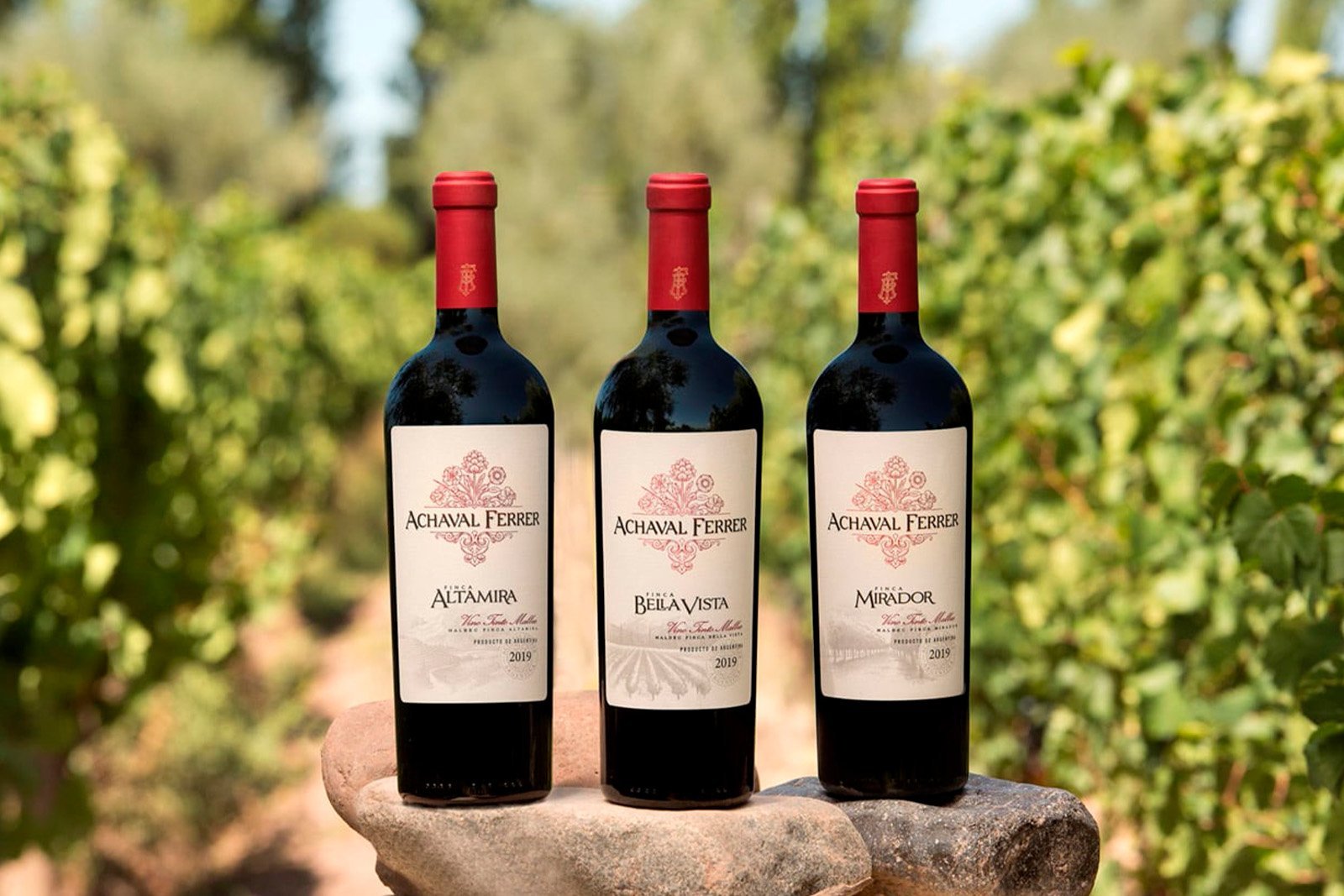


Achaval Ferrer
Luján de Cuyo
Winery in Luján de Cuyo, Argentina
 Book with Pearl
The Read
Perdriel Terroir Precision
Price
$50–100tasting
Why go
Achaval Ferrer is the Luján de Cuyo pick for a serious, wine-first occasion where prestige matters more than a confirmed food program. Book it as the anchor stop for a celebration or client visit; if the group needs a meal-led winery day, compare Bodega Vistalba and Bodega Casarena before committing.
About Achaval Ferrer
In Luján de Cuyo, Achaval Ferrer is best approached as a prestige-led venue visit rather than a dining-led stop. The venue has 2 Star Prestige recognition for 2025 and Decanter World Wine Awards Derived Winery Prestige for 2025, and the dress code is smart casual.
The recommendation is direct: choose this when recognition and a more considered setting matter, rather than for a defined restaurant format, tasting menu, pairing structure, lunch service, or named food offering. If the meal is the centre of the plan, compare the fit carefully with Bodega Vistalba and Bodega Casarena before making Achaval Ferrer the main stop of the day.
Choose it for a polished occasion, not a food-first itinerary
The strongest case for Achaval Ferrer is its recognition. 2 Star Prestige for 2025 and Decanter World Wine Awards Derived Winery Prestige for 2025 place it among the more notable Luján de Cuyo venue options in this guide.
Food angle should be handled with discipline. Do not plan around a pairing menu or restaurant service unless the venue has confirmed those details directly. That is the practical way to avoid choosing a prestige-led visit when the group actually wants a meal-led itinerary.
Plan this as the anchor stop, then build the rest of the day around easier alternatives
For a special occasion, Achaval Ferrer can be treated as an anchor idea because its recognition gives it clear planning value. If the fit is not right, keep the plan focused by comparing Bodega Casarena, Fabre Montmayou, Bodega Kaiken, Bodega Vistalba, or Casa Tapaus Destilados.
For broader planning, use the Luján de Cuyo restaurants guide and the Luján de Cuyo hotels guide to shape the rest of the visit around dining and accommodation needs.
Bottom line: prioritise Achaval Ferrer when prestige, Luján de Cuyo, and a smart-casual visit are the main requirements. If the day depends on a specific meal format, group setup, or service detail, confirm those points directly before committing.
Planning details
- Location
- J F Cobos 2601, M5509 Perdriel, Mendoza
- Website
- achaval-ferrer.com
- Phone
- +54 261 338-8699
The take
The Take
The Vibe
Achaval Ferrer reads as a terroir-first, classic Mendoza winery: a serious, restrained house that emphasizes structure and concentration in its Perdriel Malbecs rather than overt fruitiness. The copy foregrounds altitude, diurnal range and soil expression, and positions the estate among consistently medal-winning, mid-to-upper-tier producers. That combination produces an experience that feels measured and refined—more study than spectacle—where the landscape and vineyard conditions are the protagonists. Visitors should expect an understated, contemplative tasting environment anchored in place-driven wines rather than theatrical tasting-room theatrics.
Best For
This is a destination for people who want to learn on-site and taste with purpose. The write-up frames Achaval Ferrer as particularly valuable for wine education—understanding how Perdriel’s elevation and diurnal shifts shape Malbec—and for anyone seeking reliably high-quality Mendoza bottlings. Its medal record and focused stylistic identity also make it a reasonable pick for special occasions where a thoughtful bottle matters, and for solo explorers who want to concentrate on terroir and structural expression without distraction.
Tasting Tips
Prioritize the house’s Perdriel Malbecs and any bottlings highlighted for structure and concentration—the profile the copy identifies as the sub-zone’s signature. The account also notes recent Decanter awards, so asking the tasting staff about the wines that earned medals (or current releases tied to those vintages) is a practical way to sample the winery’s most-recognized expressions. In tasting, look for the interplay of preserved aromatics and firm phenolics that the description links to altitude and diurnal range.
Venue details
Ambiance
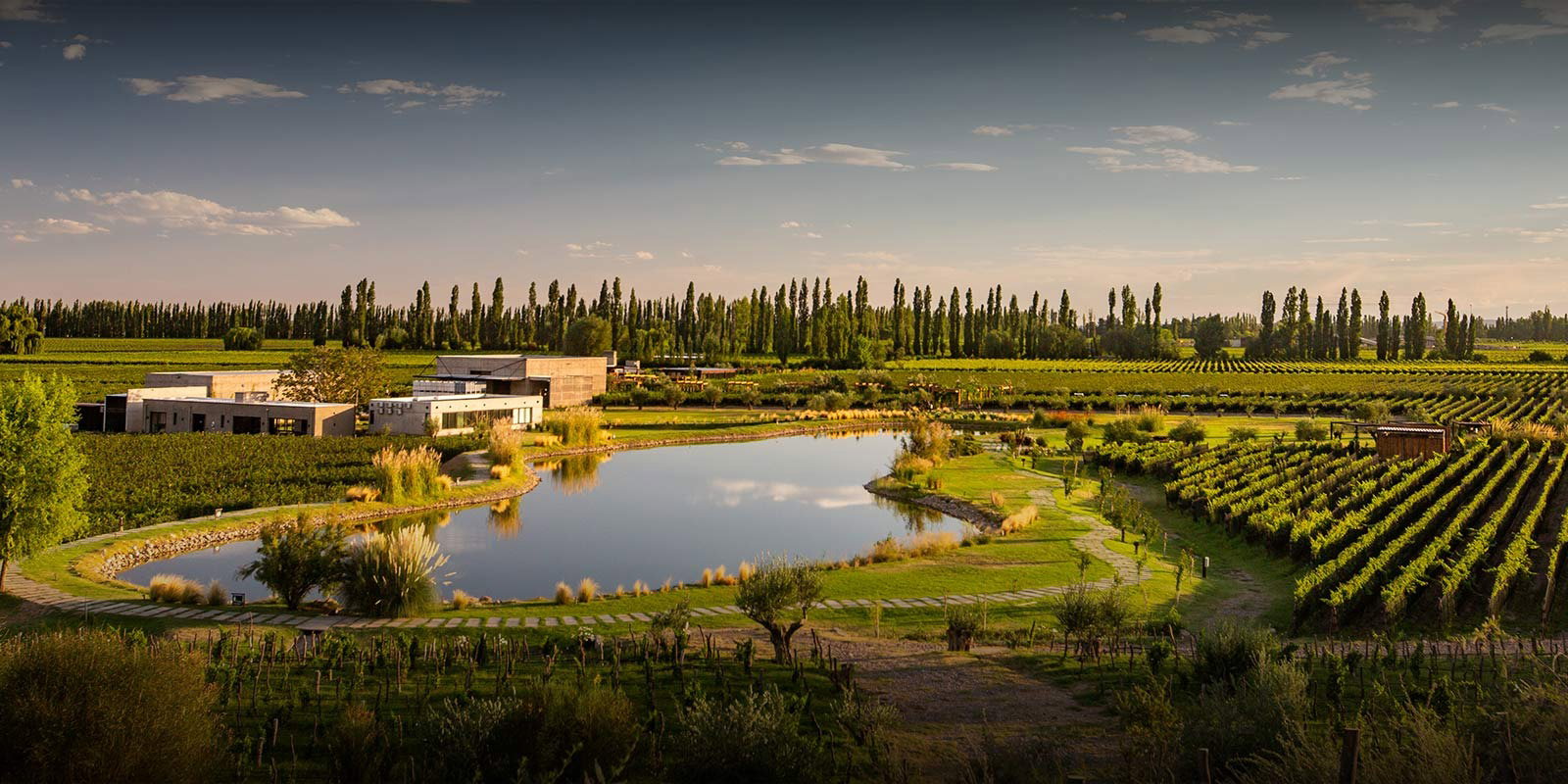
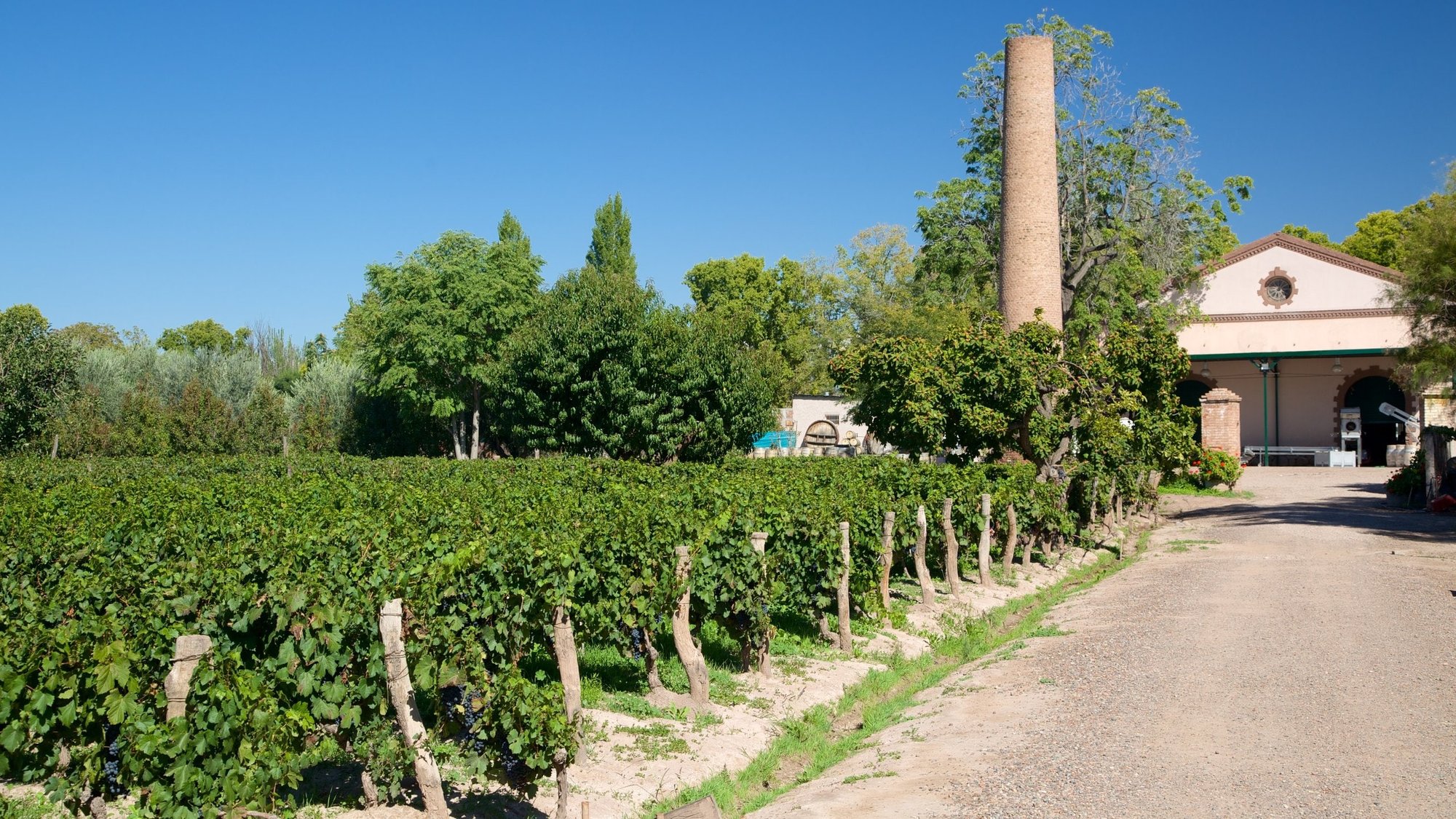
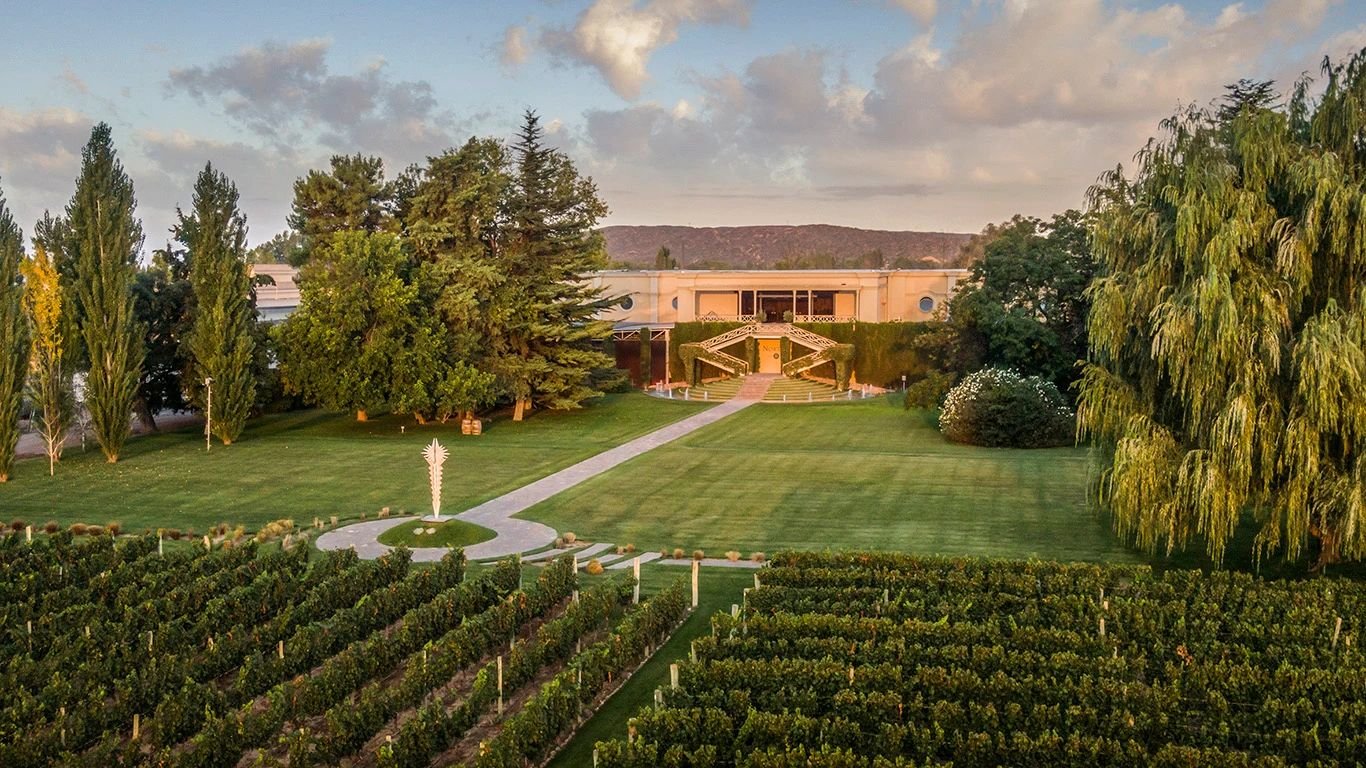
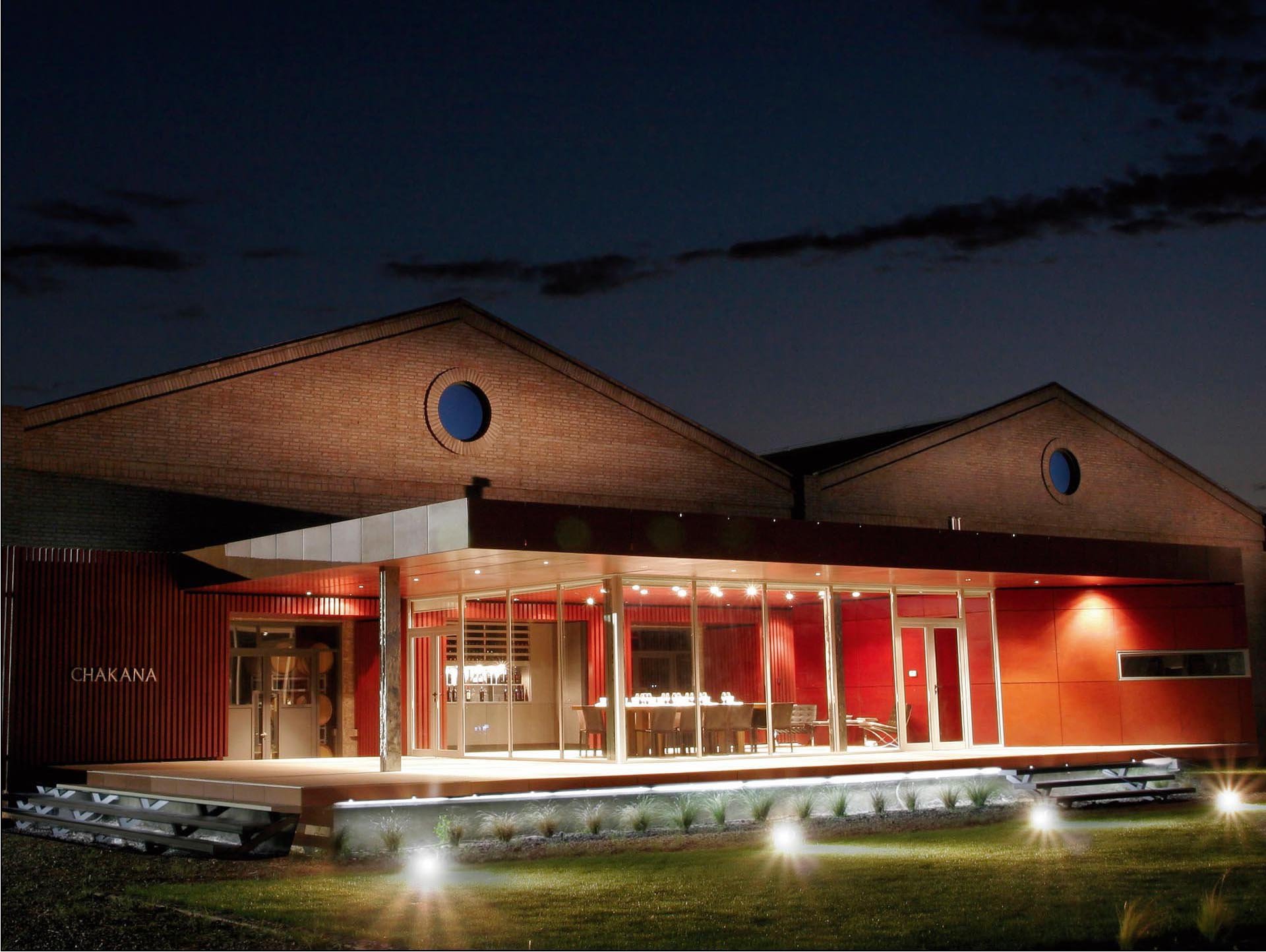
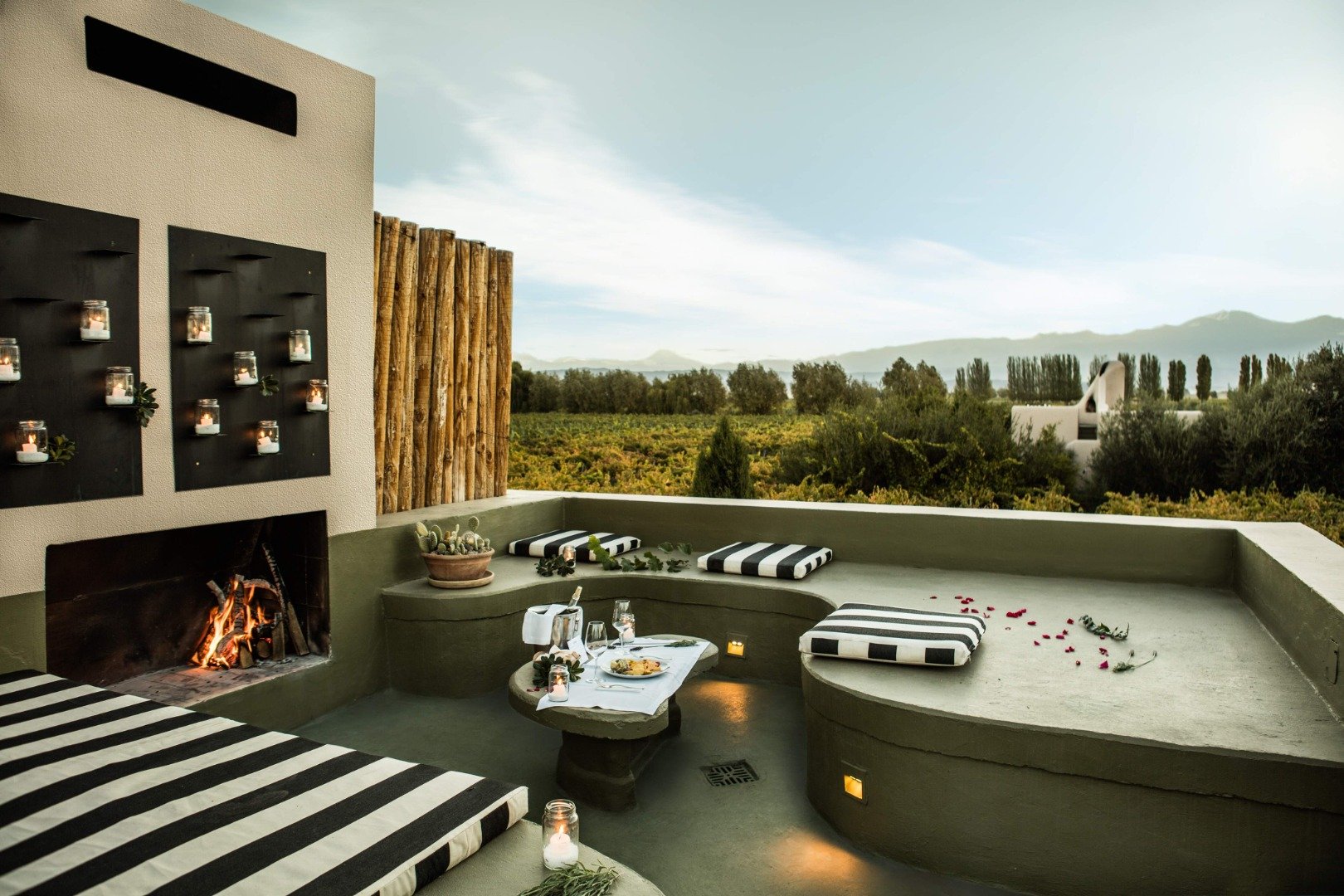
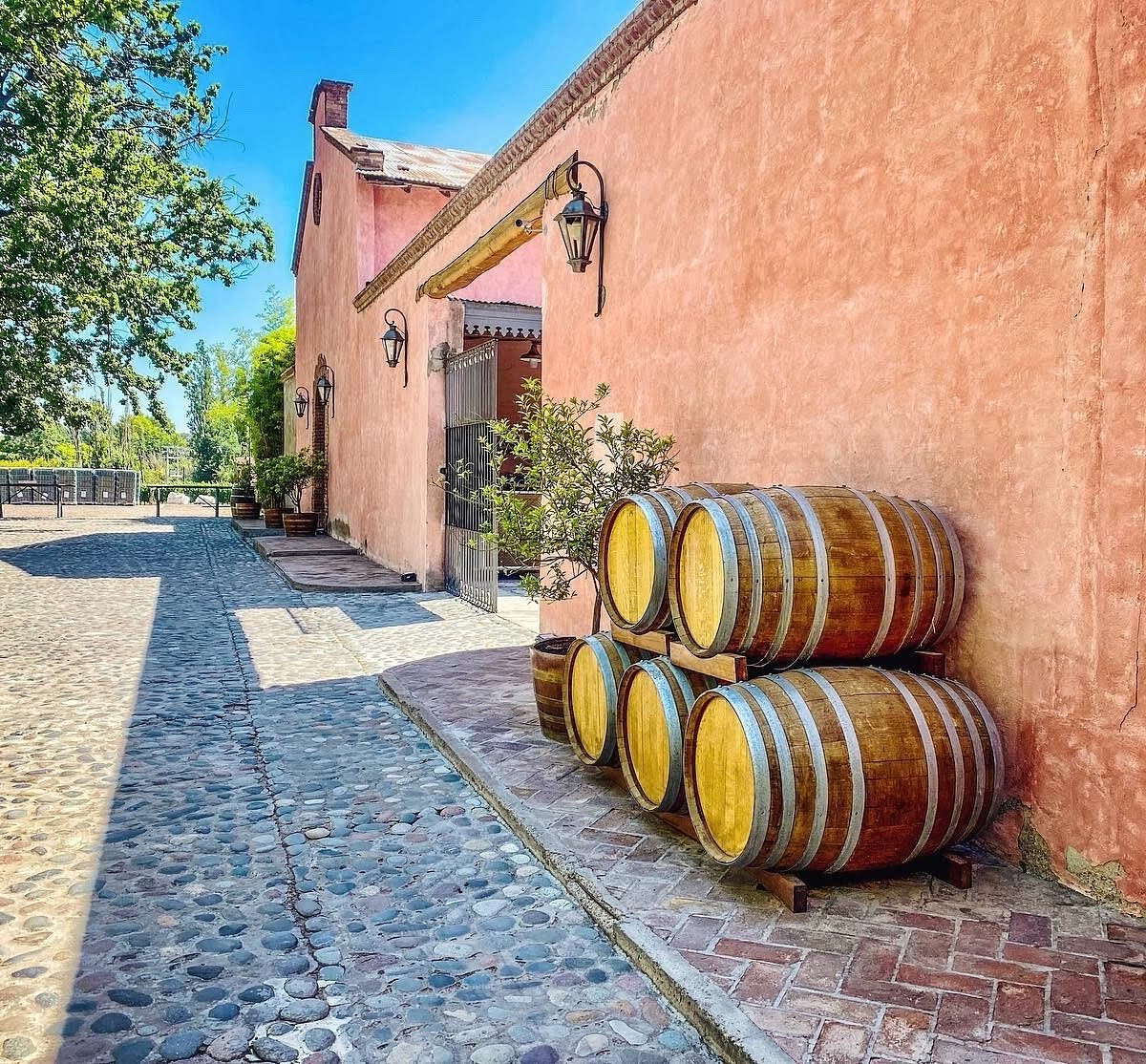
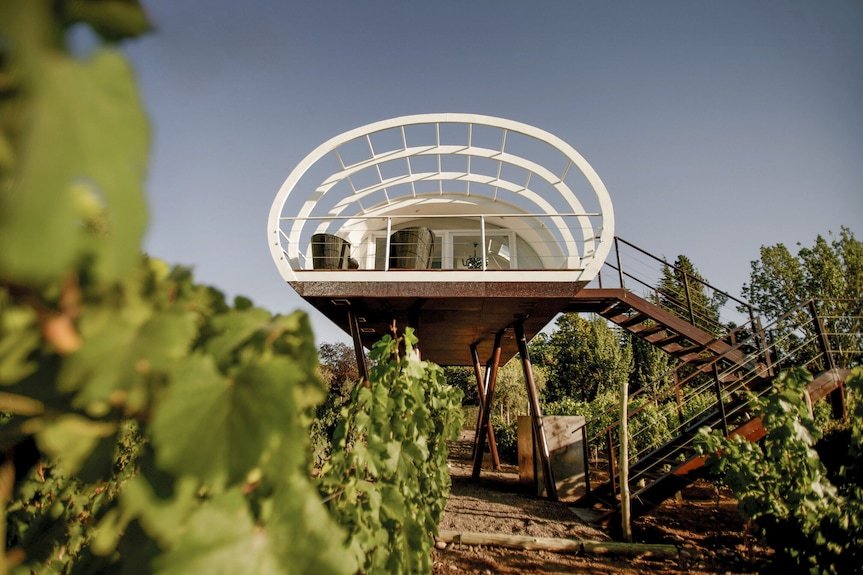
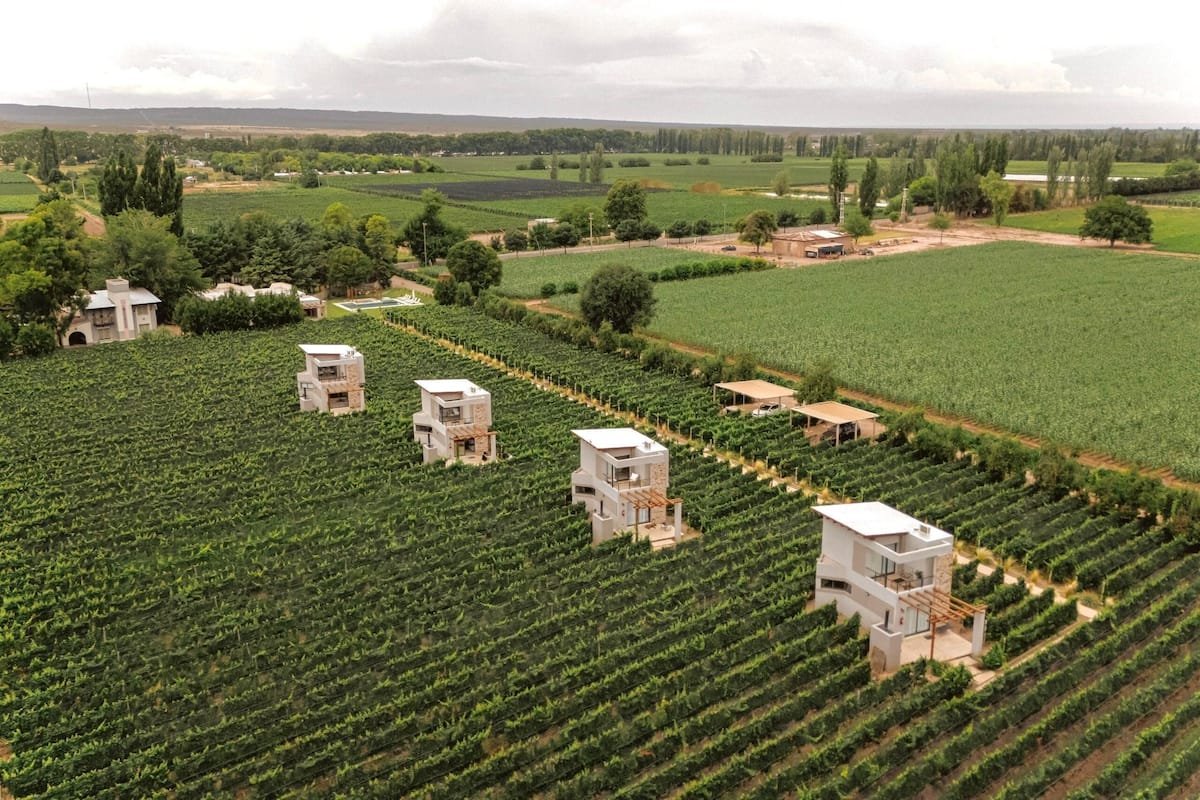
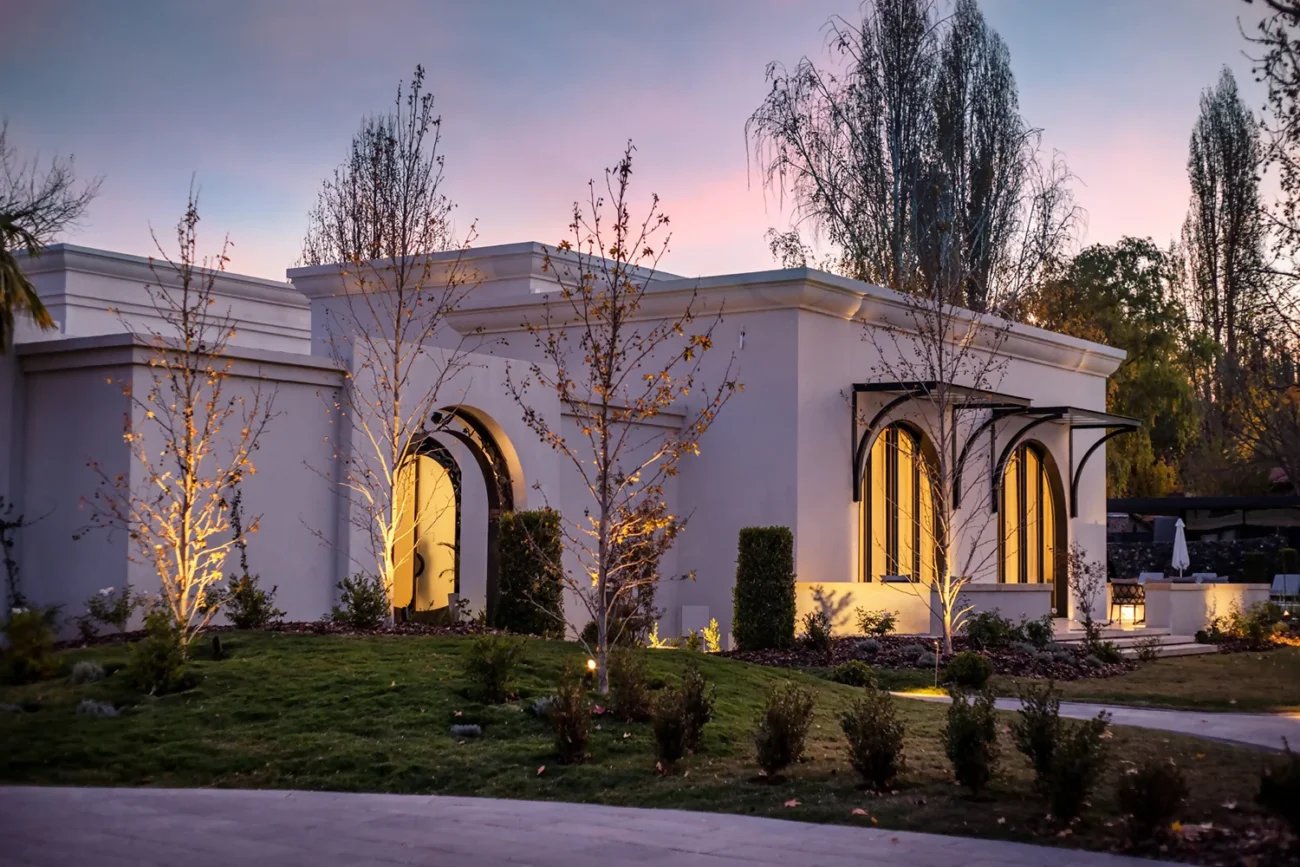
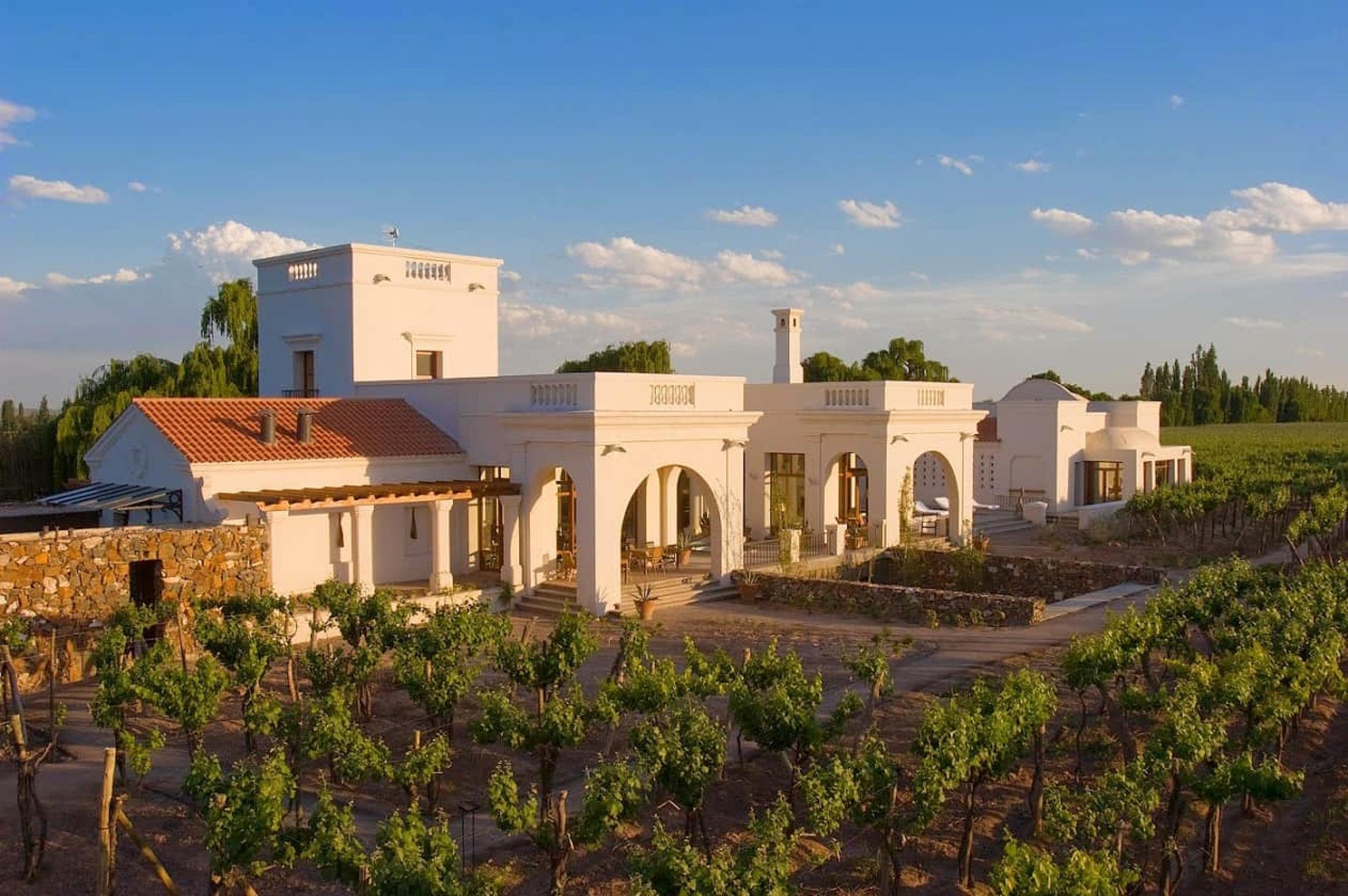
Elegant and sophisticated with a rustic charm from old vineyards, offering an intimate and serene atmosphere amid the Andes foothills.
Tags
Vibe
Best For
Experience
Sourcing
View
At the Vineyard
- Appellation
- Luján de Cuyo
- Varietals
- Malbec, Cabernet Sauvignon, Merlot, Cabernet Franc, Chardonnay
- Tour Duration
- 60-90 minutes
- Tour Languages
- Spanish, English
- Visits
- By appointment only
- Farming
- Sustainable
- Wine Styles
- Still Red
- Food Pairing
- Offered
- Wine Club
- Available
Know before you go
Know Before You Go
- Getting there
- J F Cobos 2601, M5509 Perdriel, Mendoza
Planning details
Location
Recognition and awards

Also consider
Where to look if this is unavailable
Try Bodega Casarena first if the group wants to stay in Luján de Cuyo and keep the day wine-focused without making the whole itinerary depend on one hard booking. Fabre Montmayou is the other sensible fallback for a simpler plan.
Winery context
How it compares in Luján de Cuyo
Achaval Ferrer is the prestige-led choice in this set. Compared with Bodega Vistalba and Bodega Casarena, it is the stronger pick when the occasion is centred on wine credibility and a composed, higher-stakes visit rather than a relaxed meal or easier group logistics.
For value and flexibility, Fabre Montmayou and Bodega Kaiken are the safer cross-shops if Achaval Ferrer is too difficult to secure. Choose them when the priority is keeping the day moving rather than anchoring it around one prestige stop.
Casa Tapaus Destilados is the outlier: it makes more sense for a spirits-focused detour than a direct winery substitute. For a classic Luján de Cuyo wine itinerary, keep Achaval Ferrer near the front of the list, then use Bodega Casarena or Fabre Montmayou as practical fallbacks.
Explore Luján de Cuyo
Around this place
Discover more on Pearl
Unlock the full Achaval Ferrer guide in Pearl, including awards, comparisons, FAQs, planning details, and nearby places.
Compare Achaval Ferrer
| Venue | Location | Awards |
|---|---|---|
| Achaval Ferrer | Luján de Cuyo | 2026 Falstaff Winery Guide2025 Decanter Winery Prestige |
| Bodega Vistalba | Luján de Cuyo | 2025 Decanter Winery Prestige |
| Bodega Casarena | Luján de Cuyo | No published awards |
| Fabre Montmayou | Luján de Cuyo | No published awards |
| Bodega Kaiken | Mendoza | 2026 Falstaff Winery Guide2025 World's 50 Best Vineyards · #36 |
| Casa Tapaus Destilados | Mendoza | No published awards |

How Achaval Ferrer Luján de Cuyo compares with similar nearby venues.
FAQ
Frequently Asked Questions
Can Achaval Ferrer handle large groups?
For group capacity or a specific large-party format, contact Achaval Ferrer directly and compare the fit with Bodega Casarena or Casa Tapaus Destilados if you need another option.
What is Achaval Ferrer known for?
Achaval Ferrer is a Luján de Cuyo venue with 2 Star Prestige recognition for 2025 and Decanter World Wine Awards Derived Winery Prestige for 2025. The dress code is smart casual.
Where is Achaval Ferrer located?
Achaval Ferrer is located in Luján de Cuyo.