


Joseph Phelps Vineyards
St. Helena, Napa
Winery in Napa, United States
 Book with Pearl
The Read
Cabernet Benchmark Precision
Why go
Joseph Phelps Vineyards is a winery on Taplin Road in St. Helena.
About Joseph Phelps Vineyards
Joseph Phelps Vineyards is a Napa winery to consider when the goal is a wine-country visit built around notable recognition. Joseph Phelps Vineyards holds Pearl 4 Star Prestige (2025) and was ranked #37 on World's 50 Best Vineyards in 2025.
The reason to choose Joseph Phelps Vineyards is confidence. Ashley Hepworth is the chef/owner associated with the venue, the dress code is smart casual, and the winery's current recognition gives travelers a clearer planning signal than a visit chosen only by convenience.
Book this for the Napa winery experience
The strongest case here is for guests who want Joseph Phelps Vineyards to be a meaningful stop in a Napa itinerary. Visit formats, timing, pricing, and service details can change, so confirm the current options directly with the winery before planning the day around it.
For travelers building a broader Napa plan, pair this with category planning rather than random proximity. Use Our full Napa wineries guide to round out winery options, then decide whether the rest of the day should lean dining, lodging, or low-key drinks through Our full Napa restaurants guide, Our full Napa hotels guide, and Our full Napa bars guide. If the trip includes non-wine activities, check current Napa experience options separately.
Visit value depends on availability
Tasting formats, length, food components, and pricing can vary. If the visit is for a celebration, client outing, or collector-focused day, ask Joseph Phelps Vineyards directly what experiences are available and what the current booking requirements are.
For a higher-intent wine itinerary, this can be considered alongside other producers such as Anderson's Conn Valley Vineyards, Crocker & Starr Wines, Forman Vineyard, Seavey Vineyard, and William Harrison Vineyards. Those names are useful reference points when deciding whether the trip should emphasize recognized wineries or a mix of producer visits.
The verdict: prioritize Joseph Phelps Vineyards when you want a Napa winery with clear recognition. If the plan depends on a specific tasting style, food offering, group size, or schedule, confirm those details with the winery before committing.
Planning details
- Location
- 200 Taplin Rd, St Helena, CA 94574
- Website
- josephphelps.com
- Phone
- +1 800-707-5789
The take
The Take
The Vibe
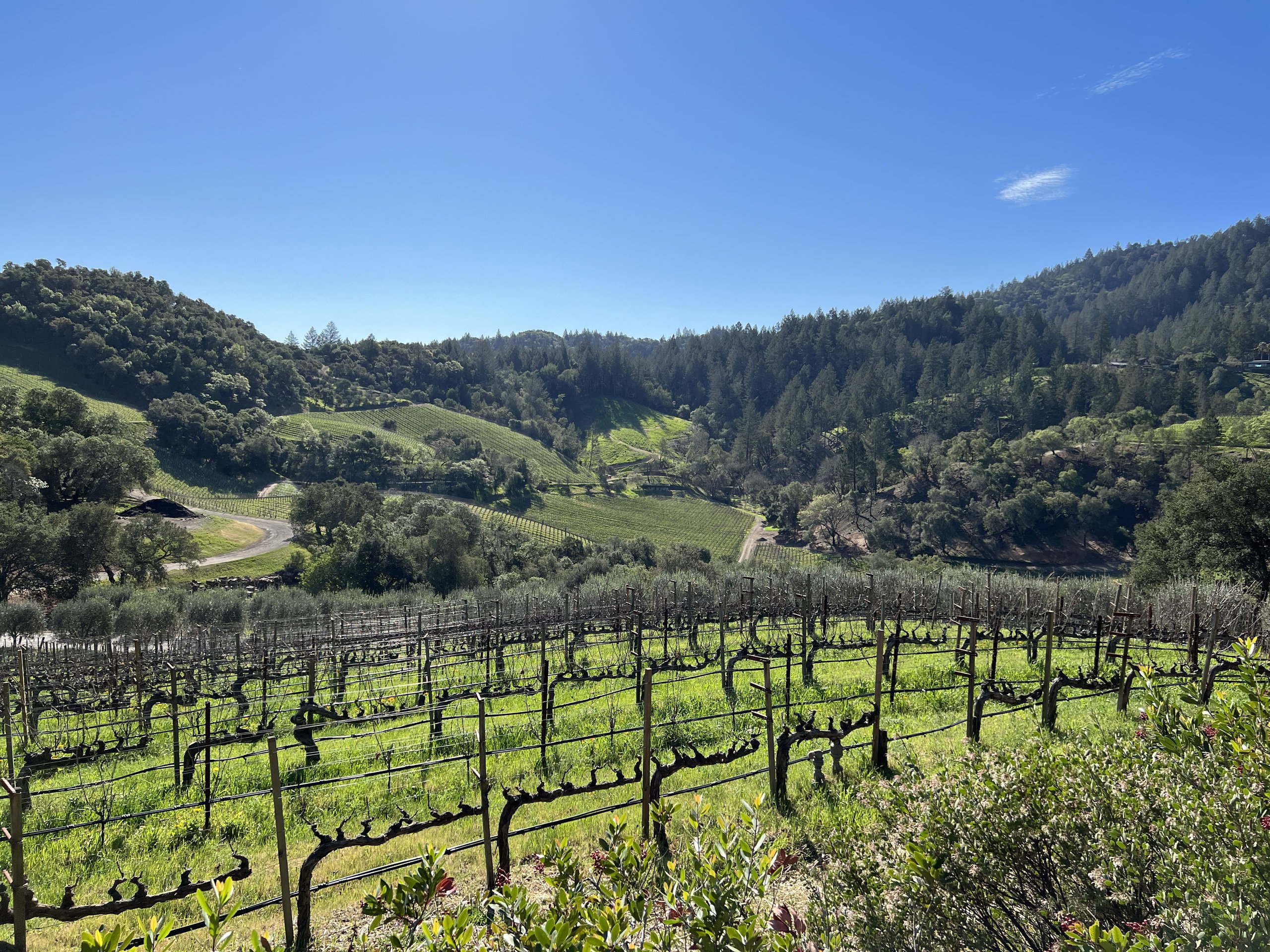
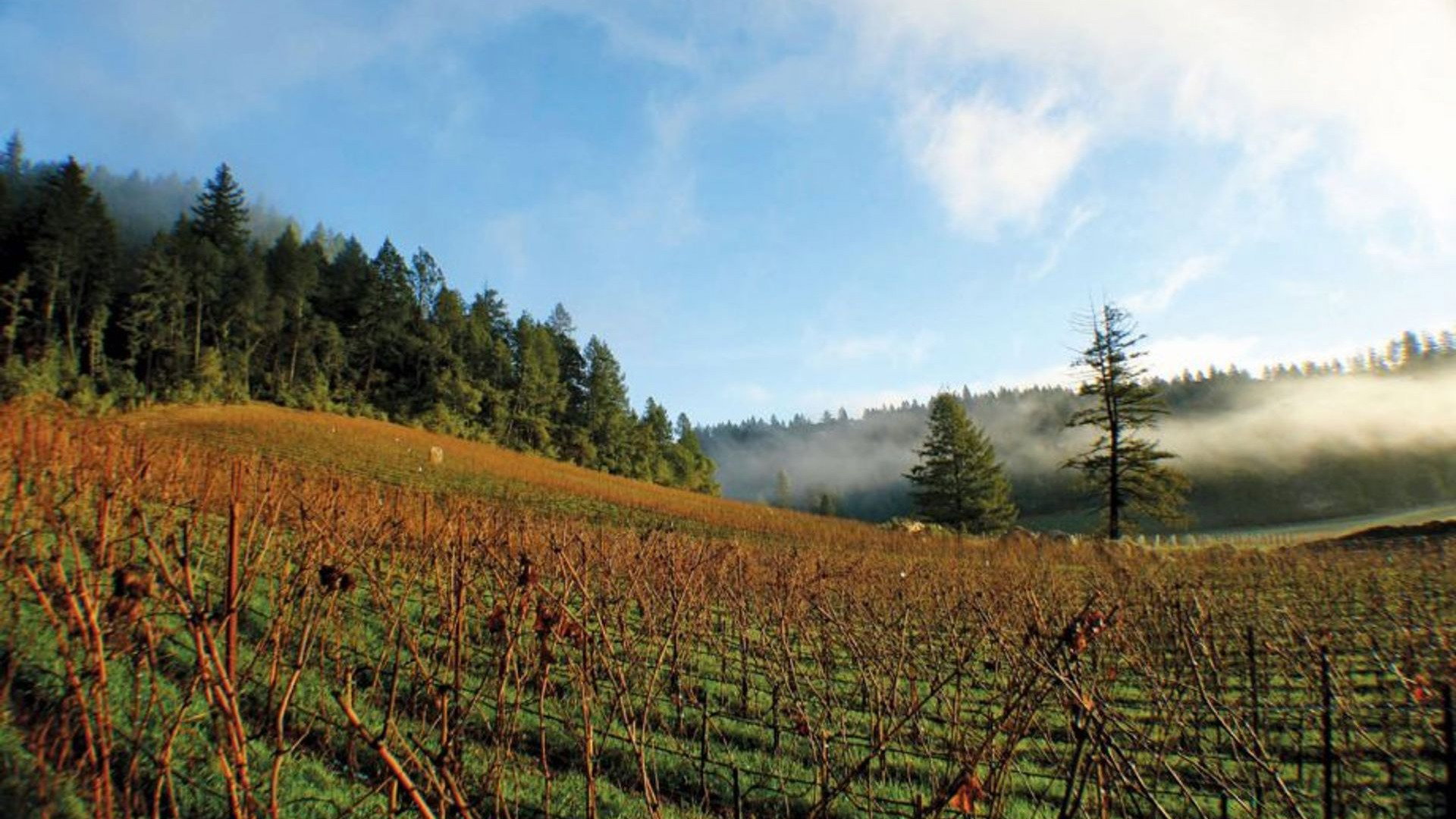
Joseph Phelps Vineyard presents as a terroir-forward Napa estate defined by hillside exposure and long-established Cabernet authority. The copy emphasizes the ridge-leading site on Taplin Road, the foothills of the Vaca Range and a hands-off respect for what the land produces; the result is a composed, serious atmosphere that reads less like hype and more like craft refined over decades. Visitors encounter a place where geology, elevation and climate are the protagonists — the estate’s personality is measured, focused and rooted in vineyard expression rather than stylistic flash.
Best For
This estate suits visitors who come for focused exploration and pedigree. Wine students and collectors will appreciate discussions of ripening rates, tannin structure and hillside influence; those marking a special occasion find reassurance in the property’s long history and high peer ratings. The setting also works well for solitary tasting and reflection, where the vineyard and soils are the main attractions. In short, Joseph Phelps is best for people who want to foreground place, provenance and structured Cabernet-driven wines in their visit.
Tasting Tips
When tasting here, prioritize the estate Cabernet expressions and any bottlings that reference hillside blocks or Taplin Road fruit, since the write-up centers on elevation-driven structure. Ask tasting-room staff about site differences, soil variation and how cellar choices interact with that terroir — the text explicitly frames vineyard factors as decisive. Inquire about recent vintages and the specific phenolic profile the estate targets, and favor structured, ageworthy selections if you’re evaluating the house style or considering cellaring purchases.
Venue details
Ambiance
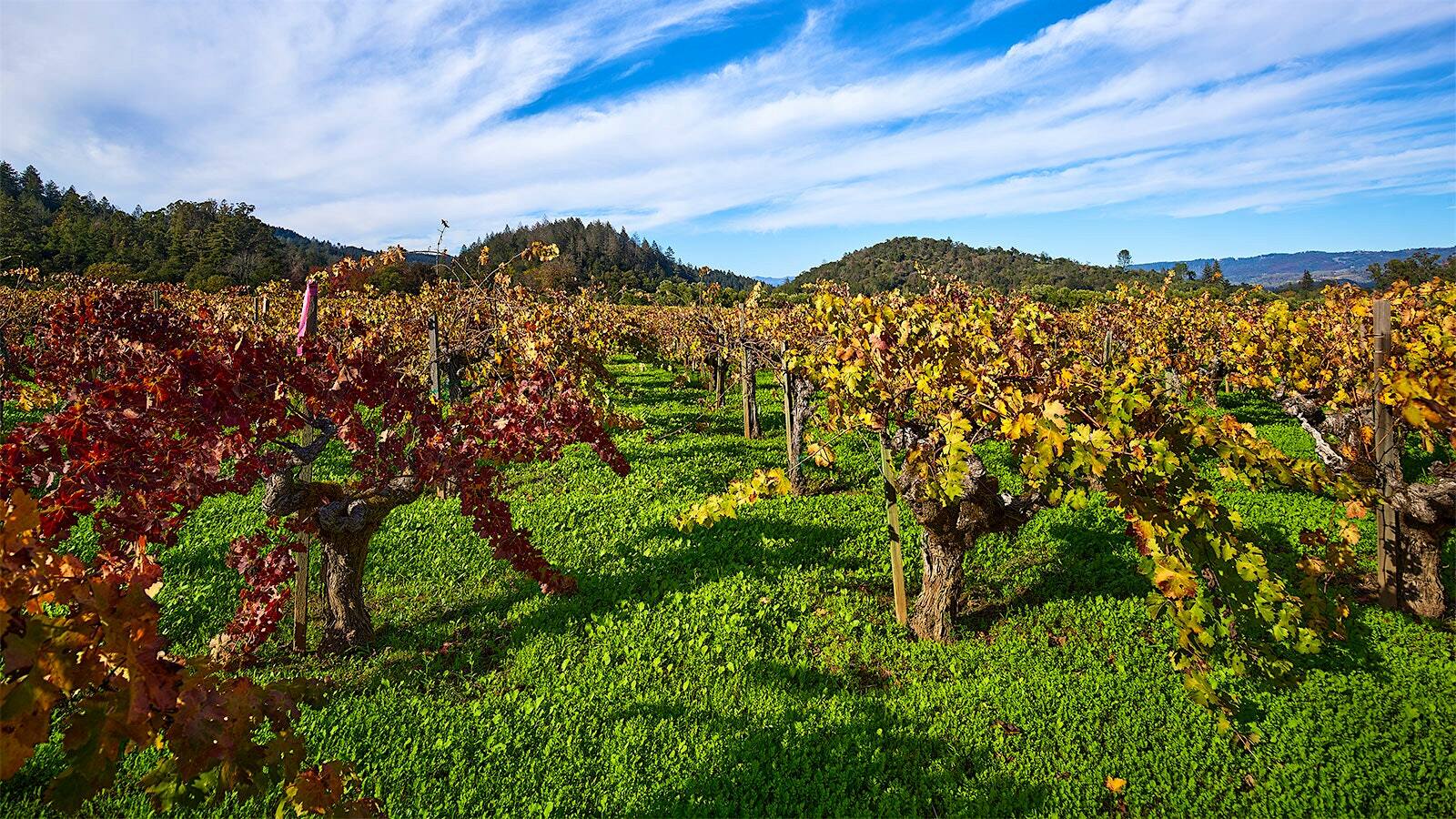
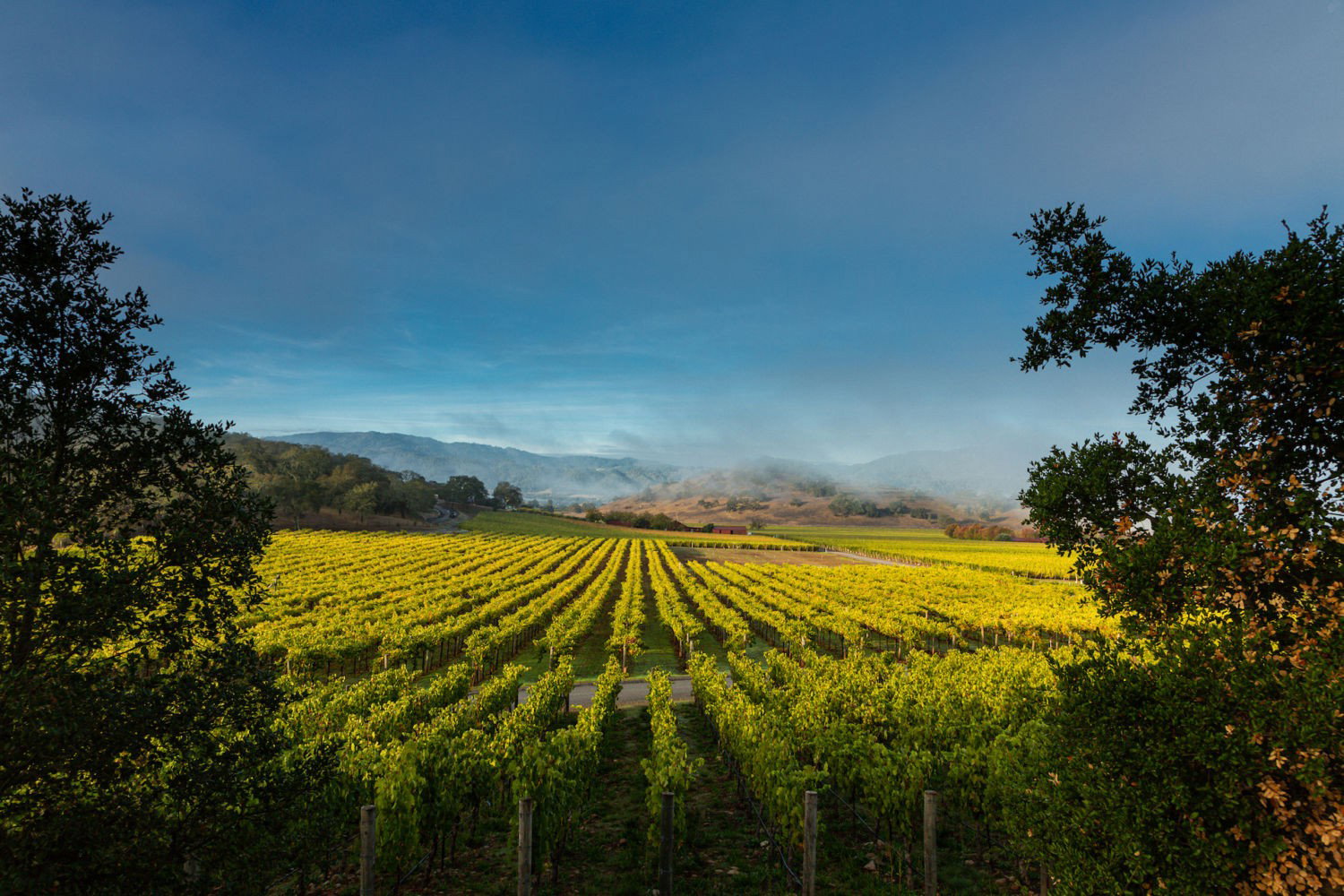
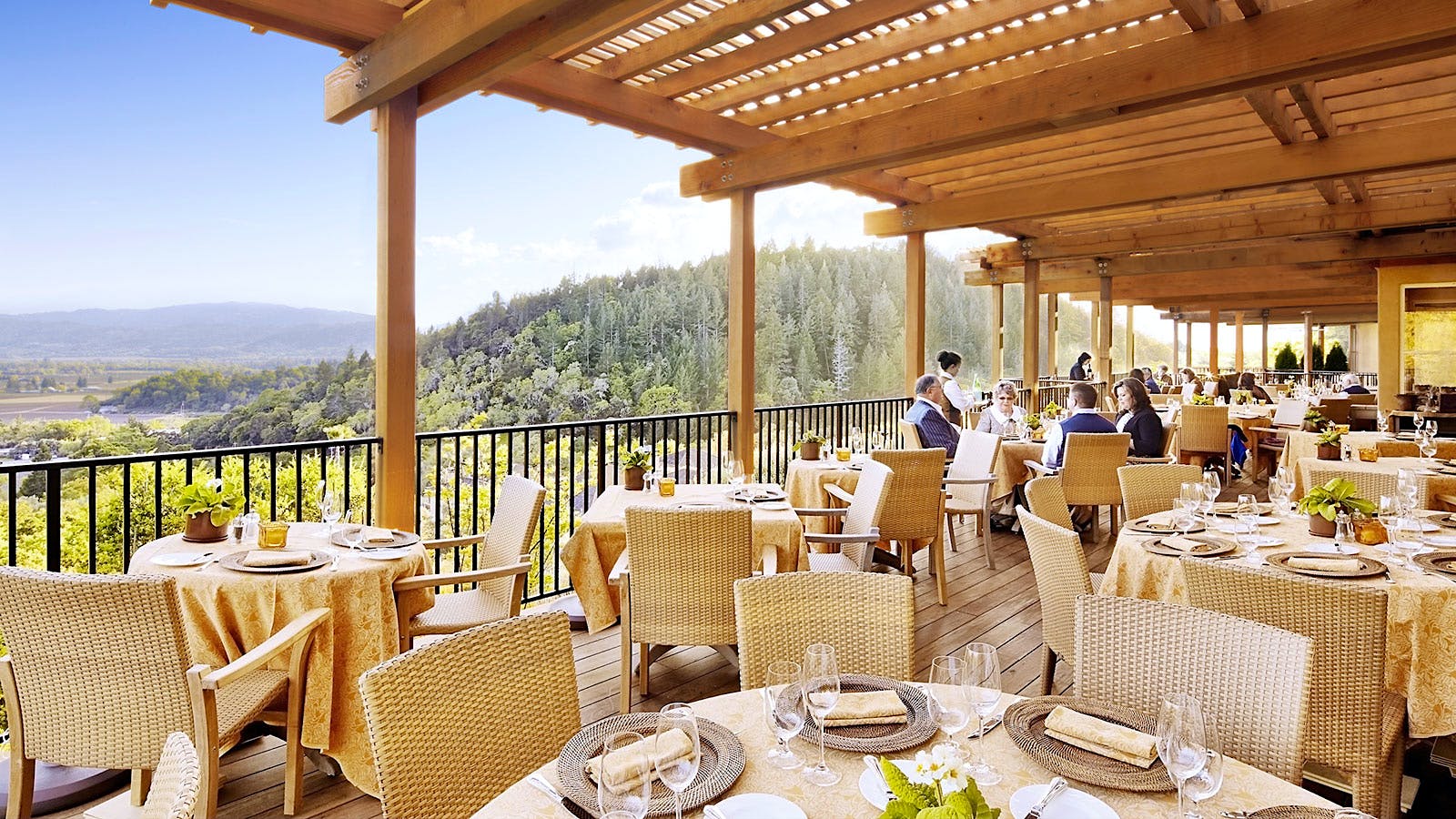
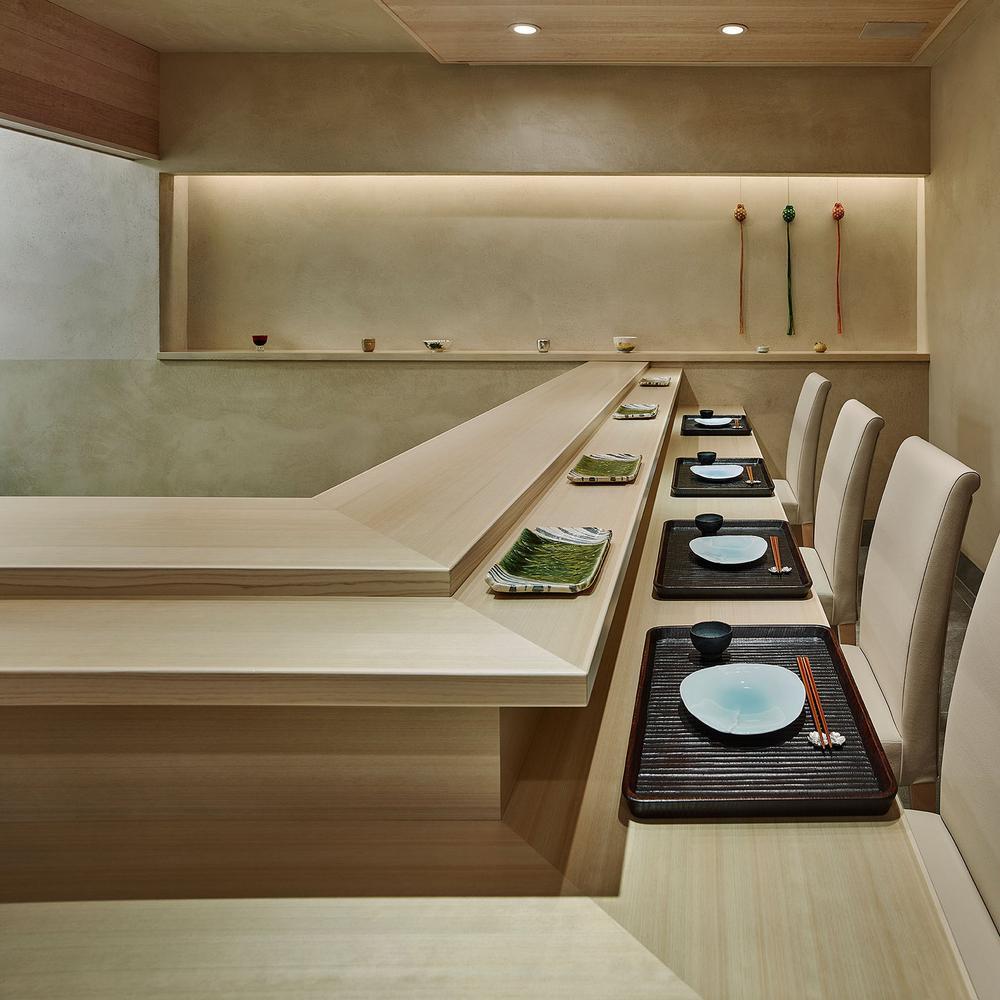
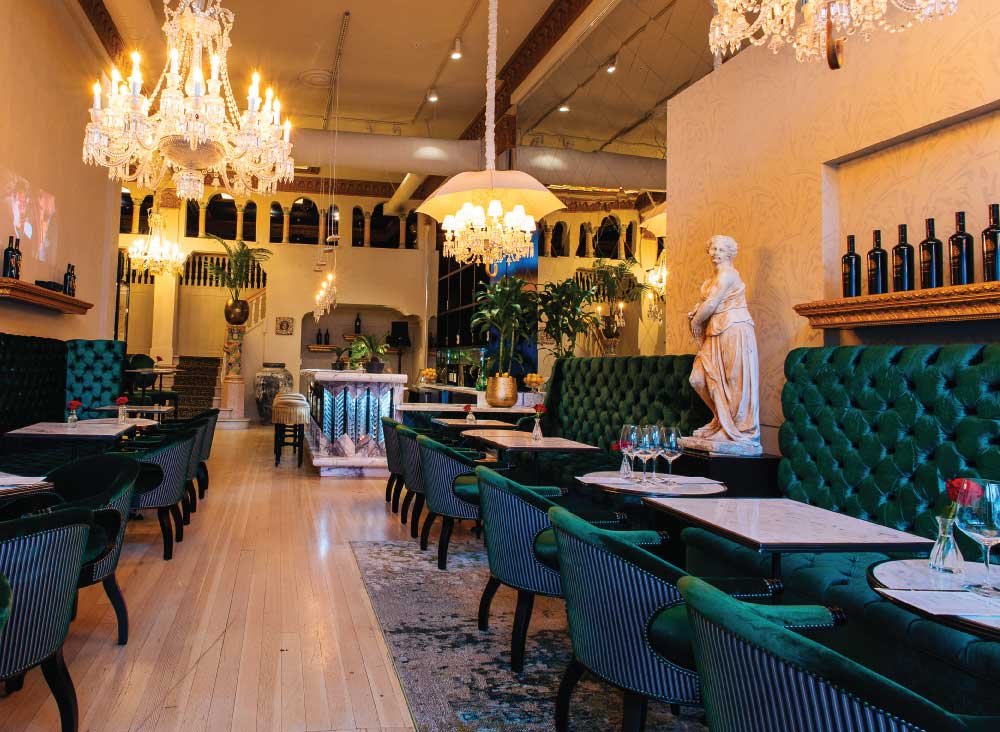
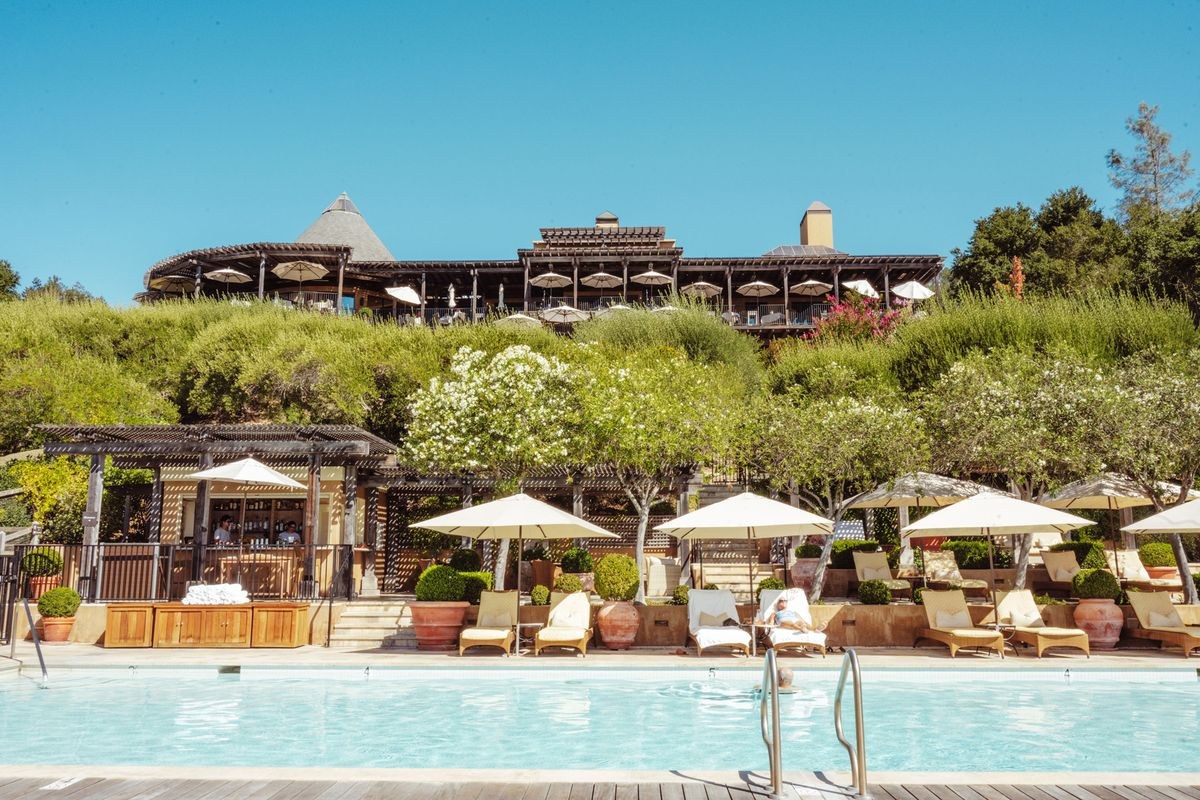
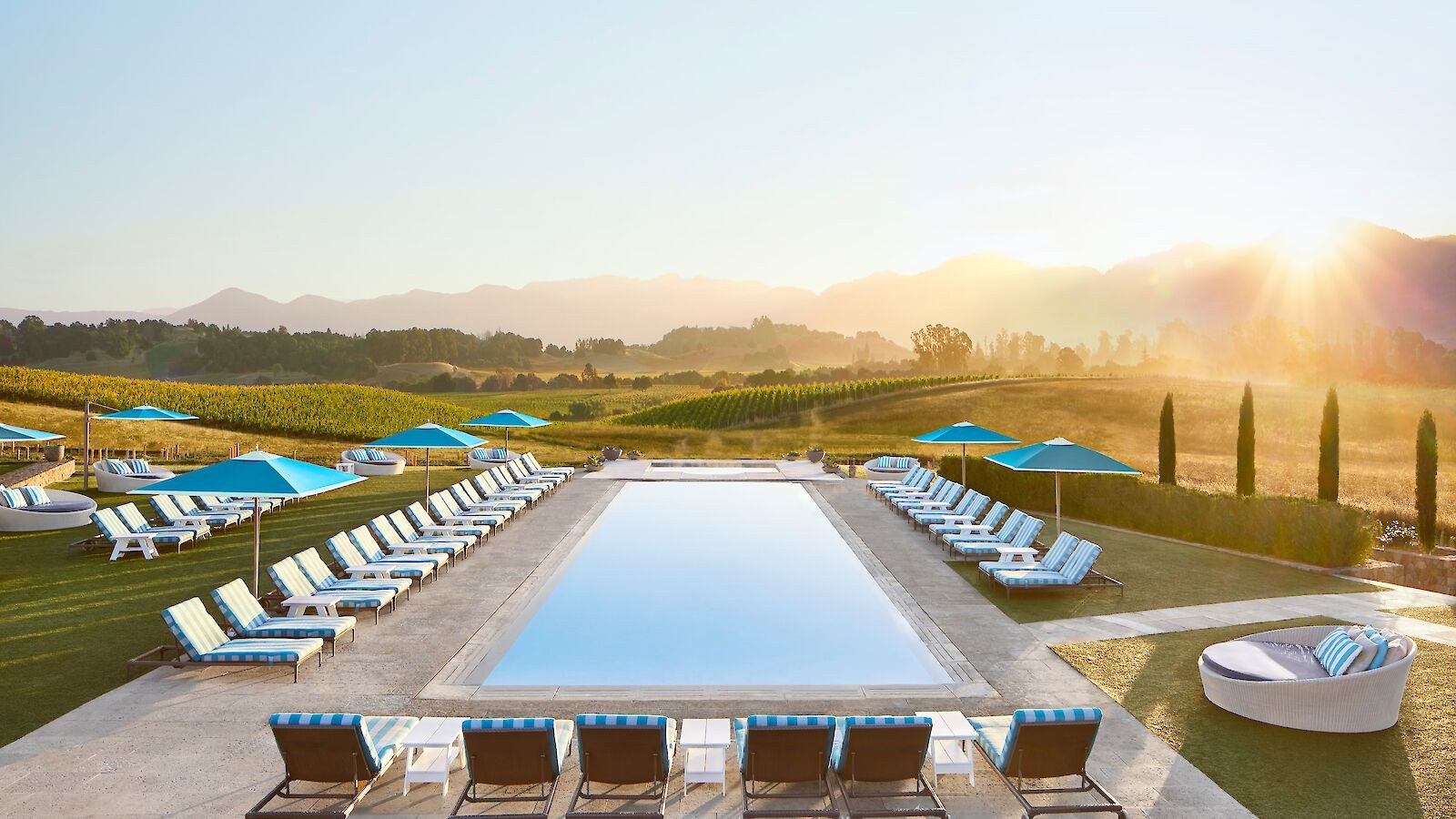
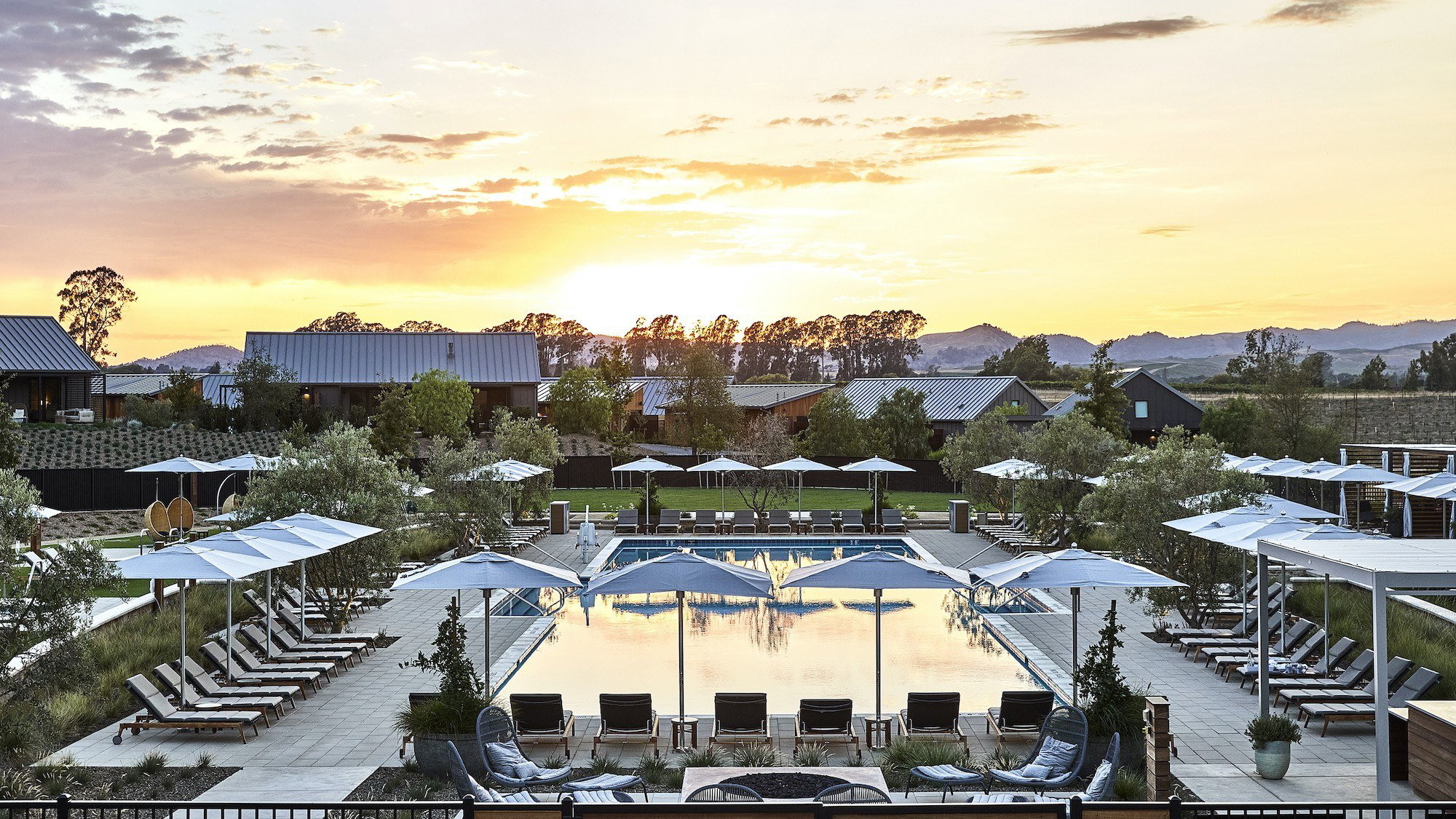
Elegant and sophisticated with scenic vineyard views, classic winery architecture featuring redwood, and a serene, intimate tasting atmosphere.
Tags
Vibe
Best For
Experience
Sourcing
View
At the Vineyard
- Appellation
- Napa Valley AVA
- Varietals
- Cabernet Sauvignon, Petit Verdot, Malbec, Cabernet Franc, Merlot
- Tour Duration
- 60-90 minutes
- Tour Languages
- English
- Visits
- By appointment only
- Farming
- Sustainable
- Wine Styles
- Still Red
- Shipping
- Available
- Wine Club
- Available
Know before you go
Know Before You Go
- Getting there
- 200 Taplin Rd, St Helena, CA 94574
Planning details
Location
Recognition and awards


Also consider
Where to Look If This Is Full
If Joseph Phelps Vineyards is not workable, try Seavey Vineyard for a serious Napa appointment with a quieter feel, or Crocker & Starr Wines for a more social visit. For a wine-focused group that wants depth over estate polish, Forman Vineyard is the sharper cross-shop.
Winery context
How It Compares
Joseph Phelps Vineyards is the more reputation-led choice in this set, especially for guests who want a polished St. Helena estate visit with a recognized name attached. William Harrison Vineyards and Anderson's Conn Valley Vineyards read as better alternatives when the priority is a quieter, lower-profile appointment rather than a high-demand Napa classic.
For serious wine travelers, Forman Vineyard and Seavey Vineyard are the better cross-shops if the goal is depth over polish. Choose Joseph Phelps when the occasion matters and the setting needs to carry weight; choose Forman or Seavey when the group cares more about focused wine conversation than a broader estate impression.
Crocker & Starr Wines is the more relaxed counterpoint for travelers who want Napa personality without the same formal feel. Joseph Phelps is the splurge-style booking in this peer group; Crocker & Starr is the easier recommendation for a social group that wants quality without turning the visit into the centerpiece of the day.
Around this place
Discover more on Pearl
Unlock the full Joseph Phelps Vineyards guide in Pearl, including awards, comparisons, FAQs, planning details, and nearby places.
Compare Joseph Phelps Vineyards
| Venue | Location | Awards |
|---|---|---|
| Joseph Phelps Vineyards | Napa | 2026 Falstaff Winery Guide2025 World's 50 Best Vineyards · #372025 Pearl 4 Star Prestige |
| William Harrison Vineyards | Rutherford | No published awards |
| Anderson's Conn Valley Vineyards | St. Helena | No published awards |
| Forman Vineyard | St. Helena | 2026 Falstaff Winery Guide |
| Seavey Vineyard | St. Helena | No published awards |
| Crocker & Starr Wines | St. Helena | No published awards |
How Joseph Phelps Vineyards Napa compares with similar nearby venues.
FAQ
Frequently Asked Questions
When is the best time to visit Joseph Phelps Vineyards?
Check directly with Joseph Phelps Vineyards for current availability and booking guidance. Its recognition — Pearl 4 Star Prestige (2025) and World's 50 Best Vineyards #37 (2025) — is the reason to plan ahead.
How long should I plan for a visit to Joseph Phelps Vineyards?
What is the flagship wine at Joseph Phelps Vineyards?
Ask Joseph Phelps Vineyards what is currently featured. The clearest fixed recognition points are Pearl 4 Star Prestige (2025) and World's 50 Best Vineyards #37 (2025).
Is the wine club at Joseph Phelps Vineyards worth joining?
If membership matters to your visit, ask Joseph Phelps Vineyards directly about current benefits, access, pricing, and terms before joining.
Does Joseph Phelps Vineyards ship wine?
Can Joseph Phelps Vineyards handle large groups?
Larger parties should contact Joseph Phelps Vineyards in advance and confirm whether the winery can accommodate the requested date, size, and format.
Does Joseph Phelps Vineyards serve food?
Do not assume food service unless Joseph Phelps Vineyards confirms it for your date.