

Château Nairac
Barsac
Winery in Barsac, France
 Book with Pearl
The Read
Botrytised Precision
Why go
Château Nairac is a serious Barsac pick for travellers who care about sweet-wine depth, ageing potential, and bottle decisions more than casual cellar-door ease. Prioritise it if the day is built around understanding Barsac; cross-shop Château Climens or Château Doisy-Daëne if you want a more familiar regional benchmark.
About Château Nairac
The recognition for the venue is Pearl 4 Star Prestige (2025). Beyond those points, specific service details, menus, prices, hours, and booking policies should be checked directly before making plans.
Use this page as a concise, fact-checked snapshot rather than a promise of a particular tasting, dining, or hospitality format. If you are comparing options, keep the decision grounded in confirmed details and verify current arrangements with each venue.
Plan around confirmed Barsac context, not extras
The available data does not establish a specific menu format, price point, service style, visitor schedule, or group policy.
For comparison, travellers may also look at Château Climens, Château Doisy-Daëne, Château Bastor-Lamontagne, Château de Myrat, and Château de l'Aumérade, while keeping each venue's current arrangements separate and confirming details directly.
Who should choose it for confirmed essentials
Do not assume specific food, drink, tasting, tour, lunch, dinner, allergy, delivery, or take-out options unless the venue confirms them.
If you are building a broader itinerary, compare Château Nairac with other named venues such as Château Bastor-Lamontagne, Château Climens, Château Doisy-Daëne, Château de Myrat, and Château de l'Aumérade, along with other dining in Barsac generically. Verify current opening, booking, and visit details before relying on any plan.
Planning details
- Location
- 81 Av. Aristide Briand, 33720 Barsac
- Website
- chateau-nairac.com
- Phone
- +33 5 56 27 16 16
The take
The Take
The Vibe
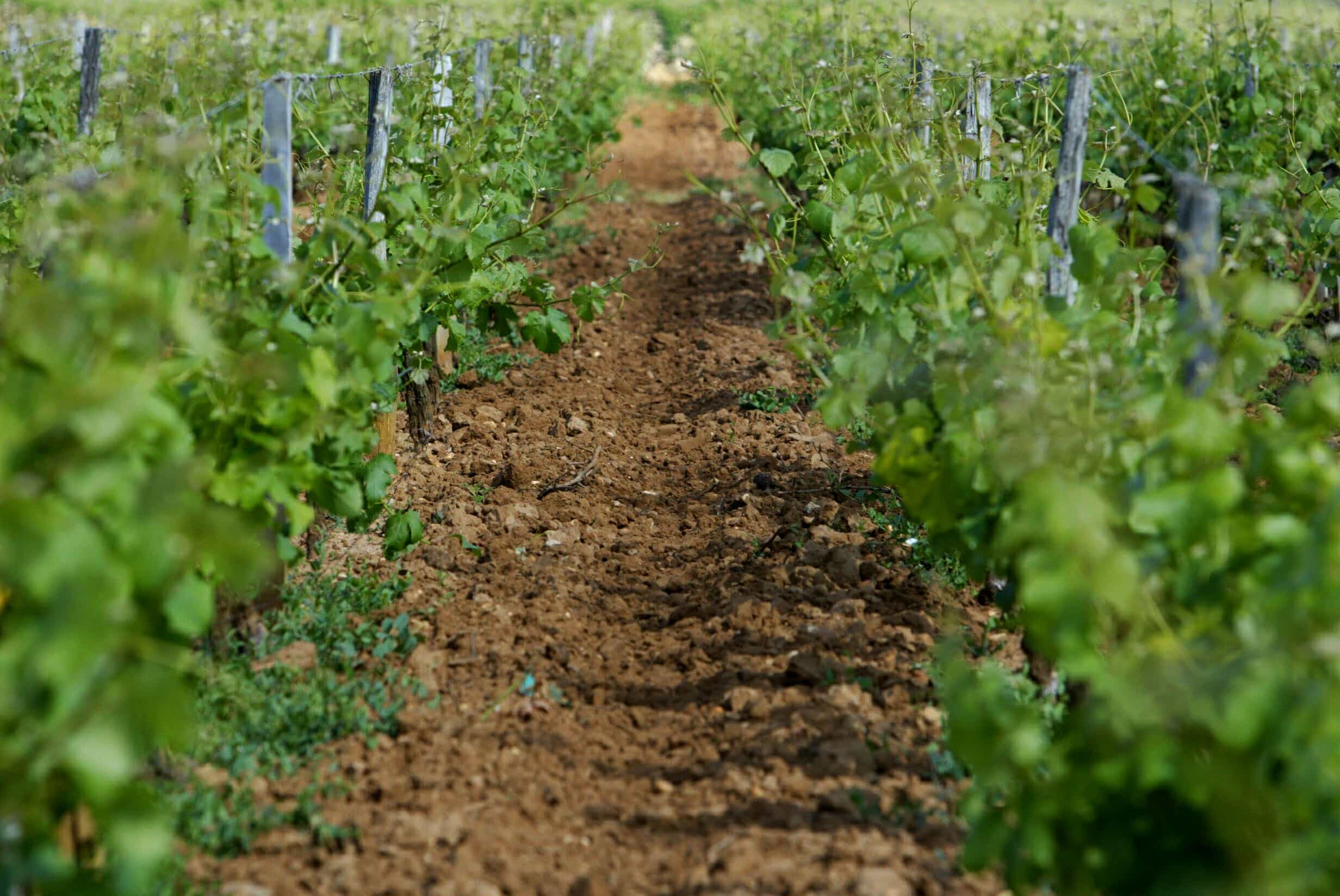
Château Nairac reads like a quietly authoritative Barsac estate: historically rooted, wine-focused and measured. The narrative of the place is tied to the Ciron’s autumn fog and the botrytis-driven sweetness that defines Sémillon and Muscadelle in this appellation. Visitors encounter a deliberate, contemplative atmosphere — not theatrical hospitality but rather an emphasis on process, lineage and terroir. The property’s long production history and compact placement within the appellation make the experience feel intimate and grounded, a contemplative stop for those who come to appreciate the mechanics and history of sweet Bordeaux wines.
Best For
Château Nairac is best for visitors who want to learn — serious wine students, couples on a quiet wine-focused getaway and small groups celebrating a special occasion with a tasting. The standard visit pattern is practical and focused: a reception near the chai, a short walk through vineyards or cellars depending on the vintage, followed by a seated tasting that moves through current and back vintages. That structure makes Nairac well suited to wine education and contemplative tastings rather than loud social gatherings or theatrical wine tourism.
Tasting Tips
Plan a visit around the harvest season if you want to see the estate operating as a working producer; the description notes that harvest visits are a working environment rather than a staged hospitality show. Opt for the seated tasting that covers current and back vintages to understand the estate’s stylistic range, and allow time for the short vineyard or cellar walk that typically precedes tastings. Practical details in the text — the approach via the D114 and the estate’s address on Avenue Aristide Briand — help orient arrival, but expect the emphasis to remain on wine and terroir rather than extras.
Venue details
Ambiance
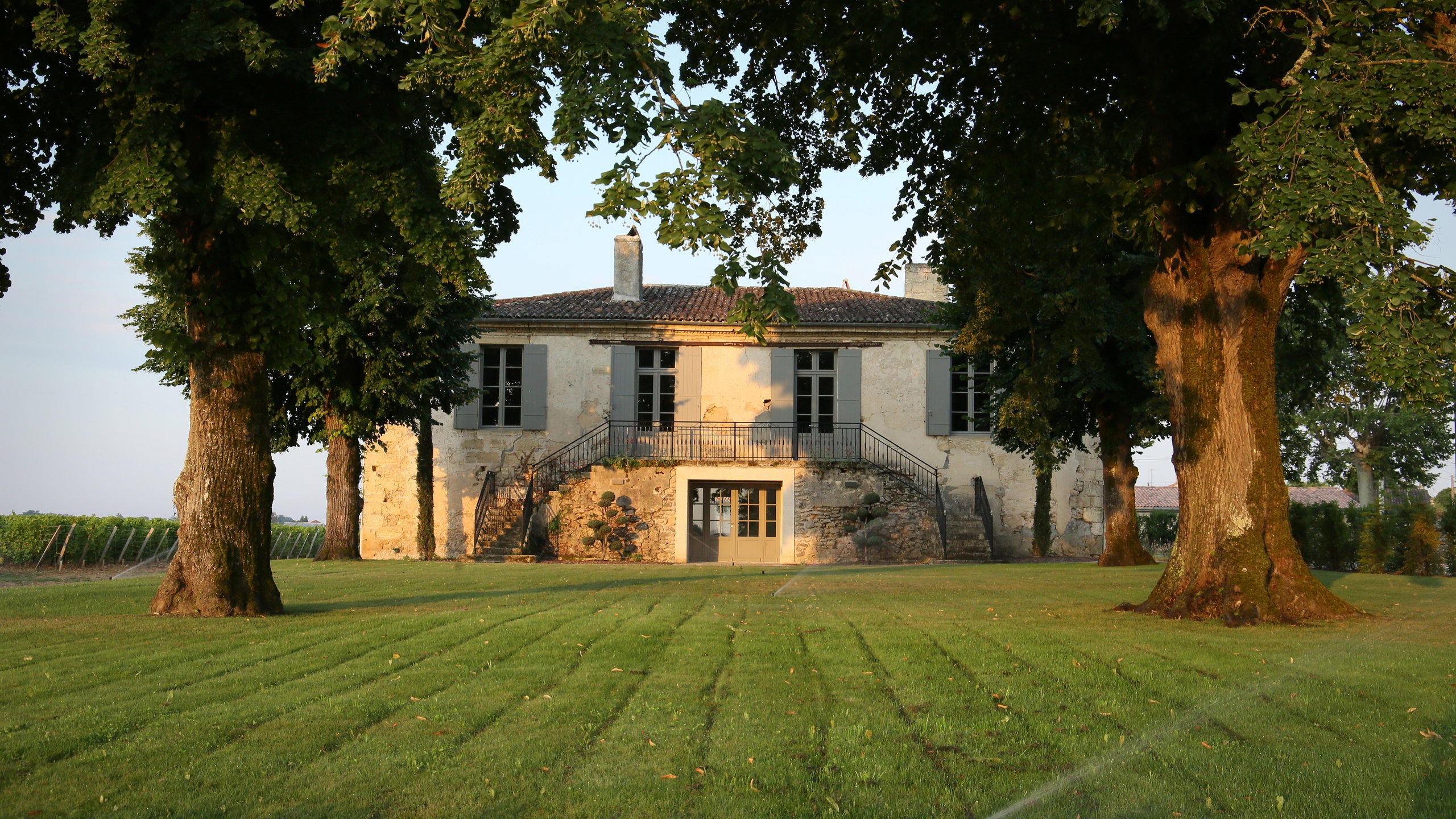
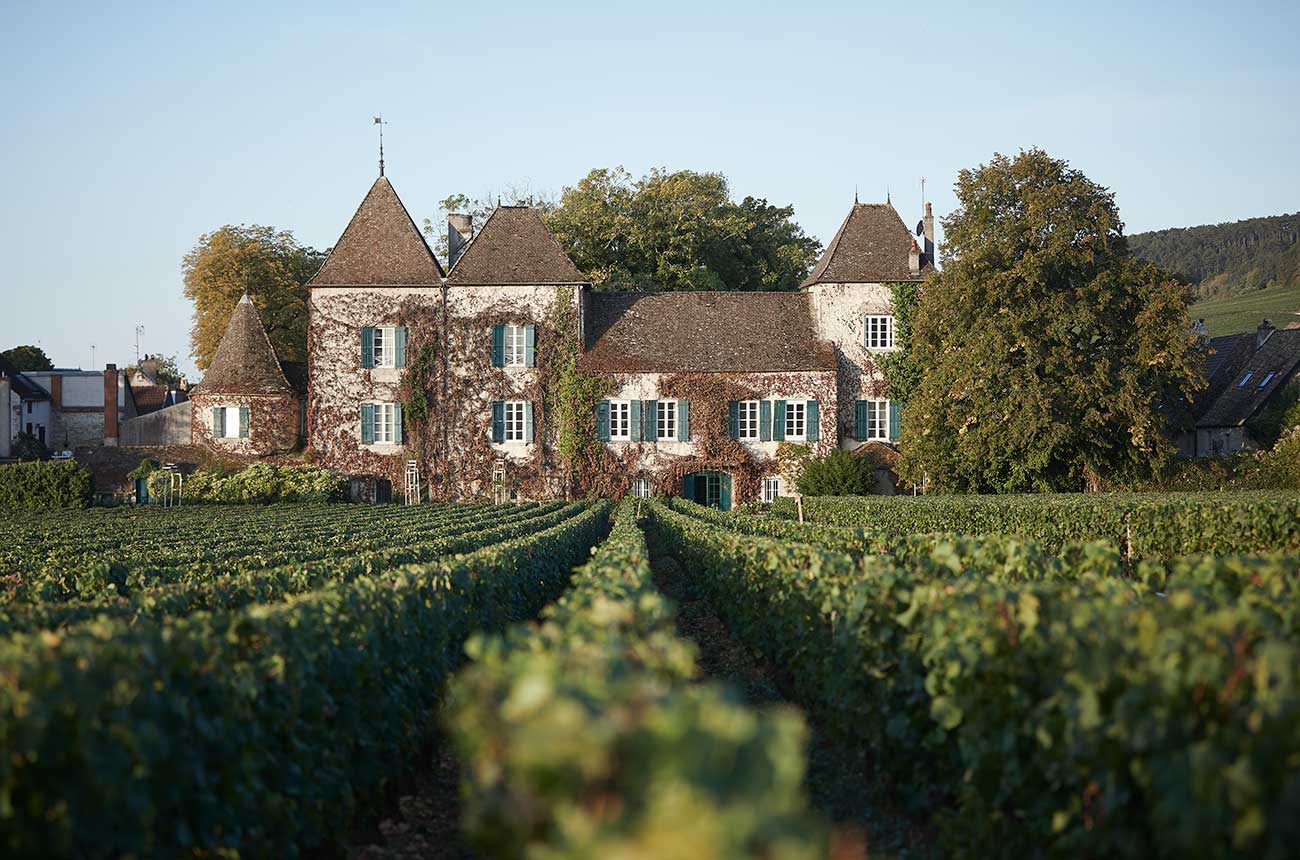
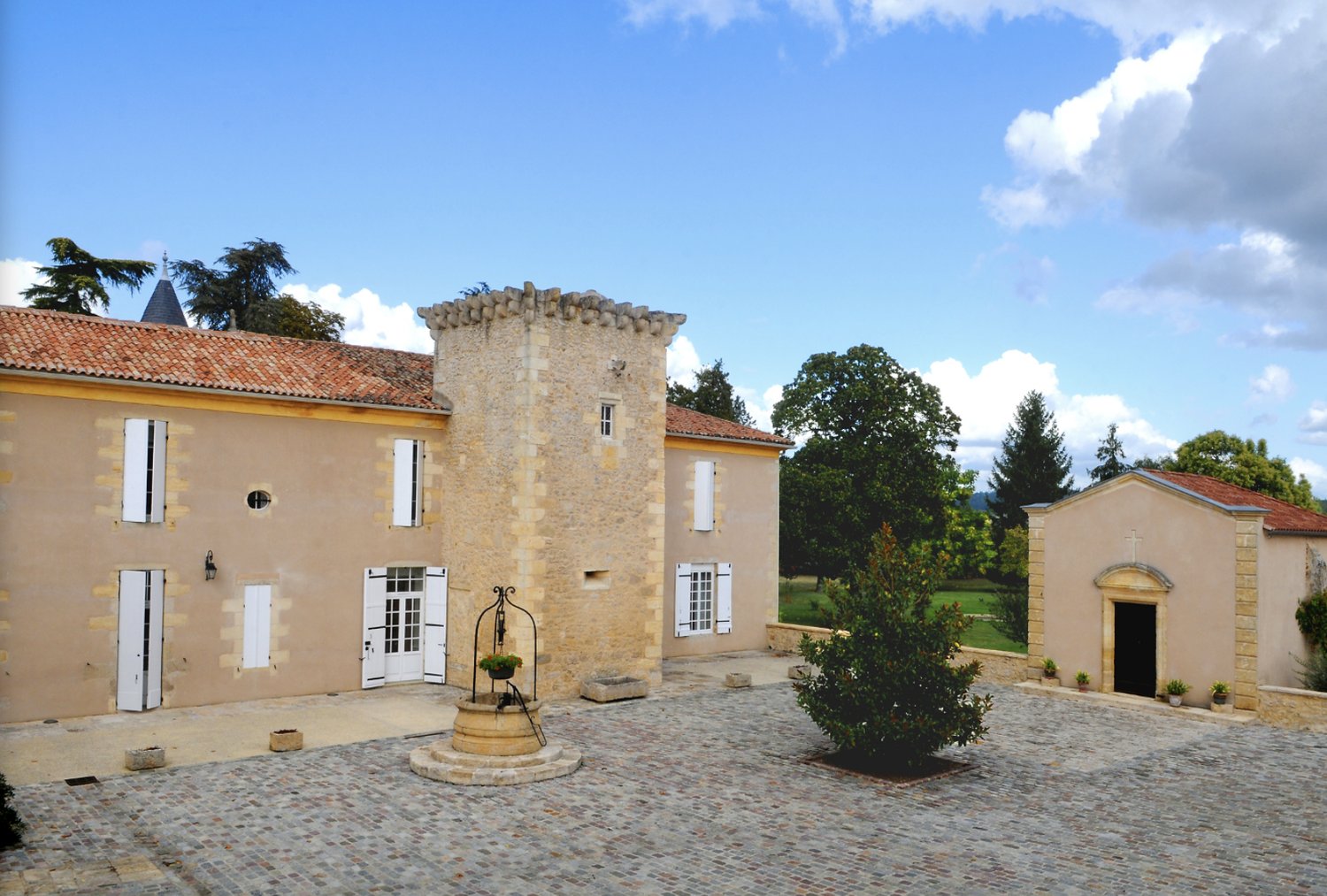
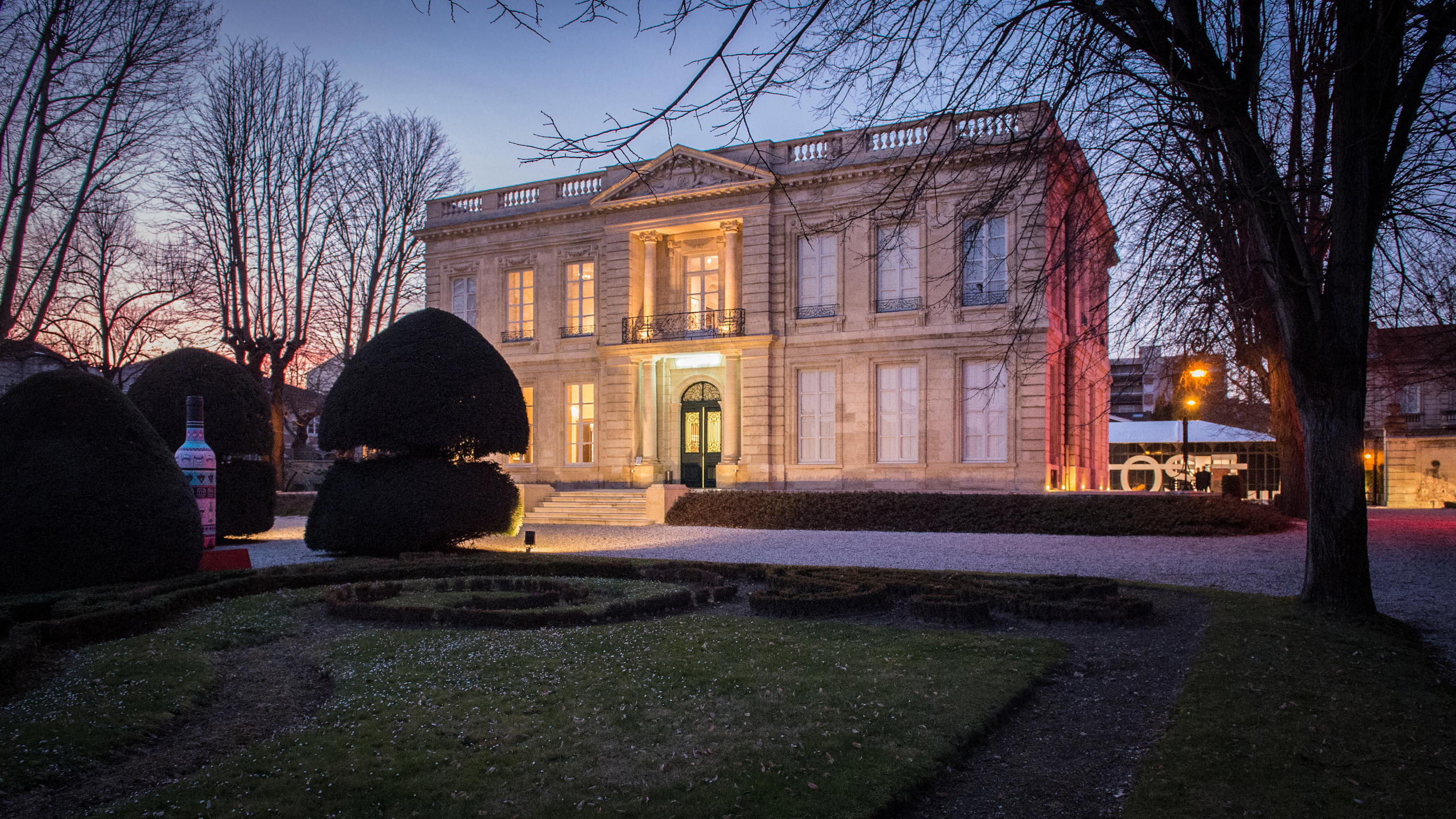
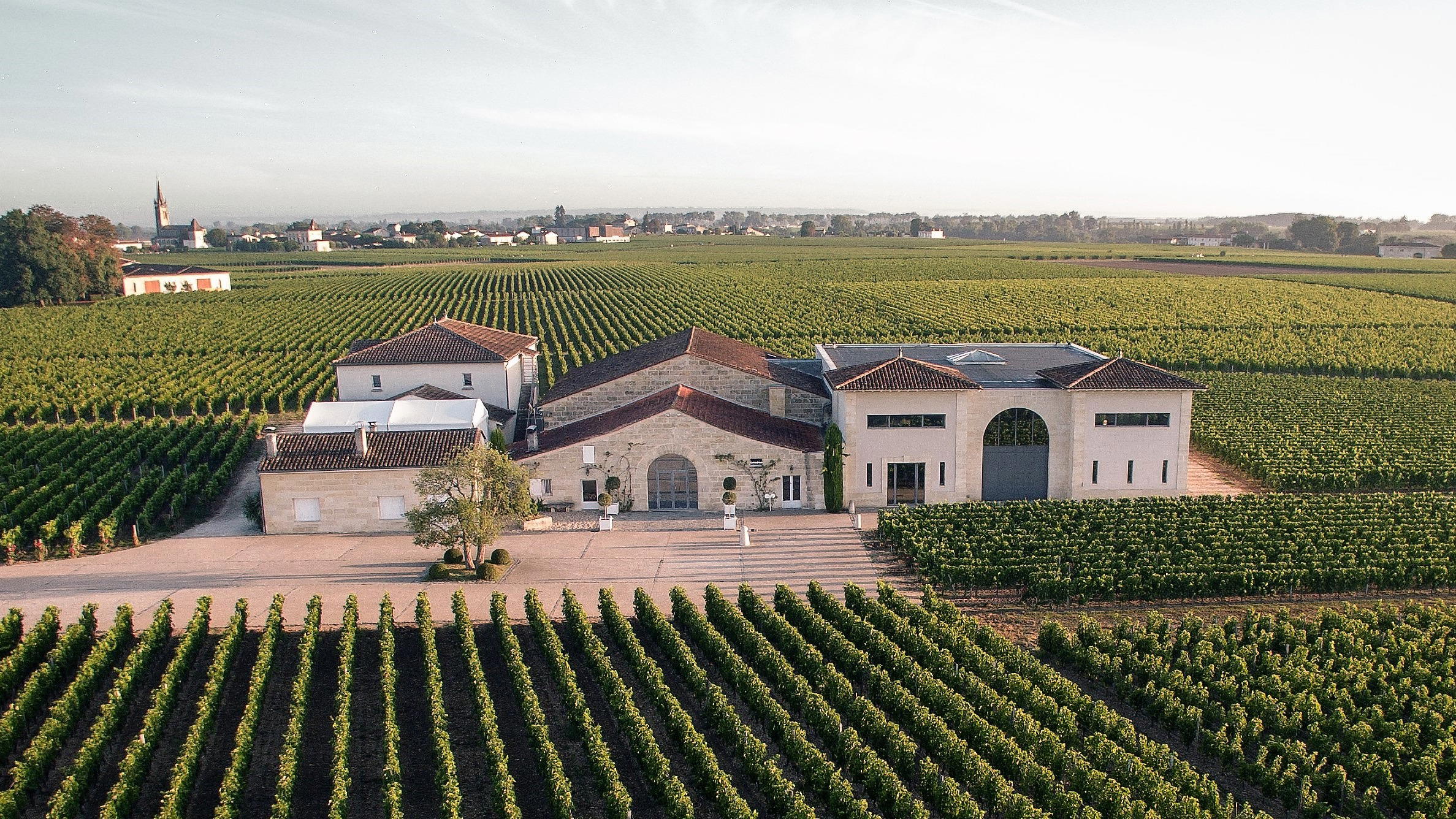
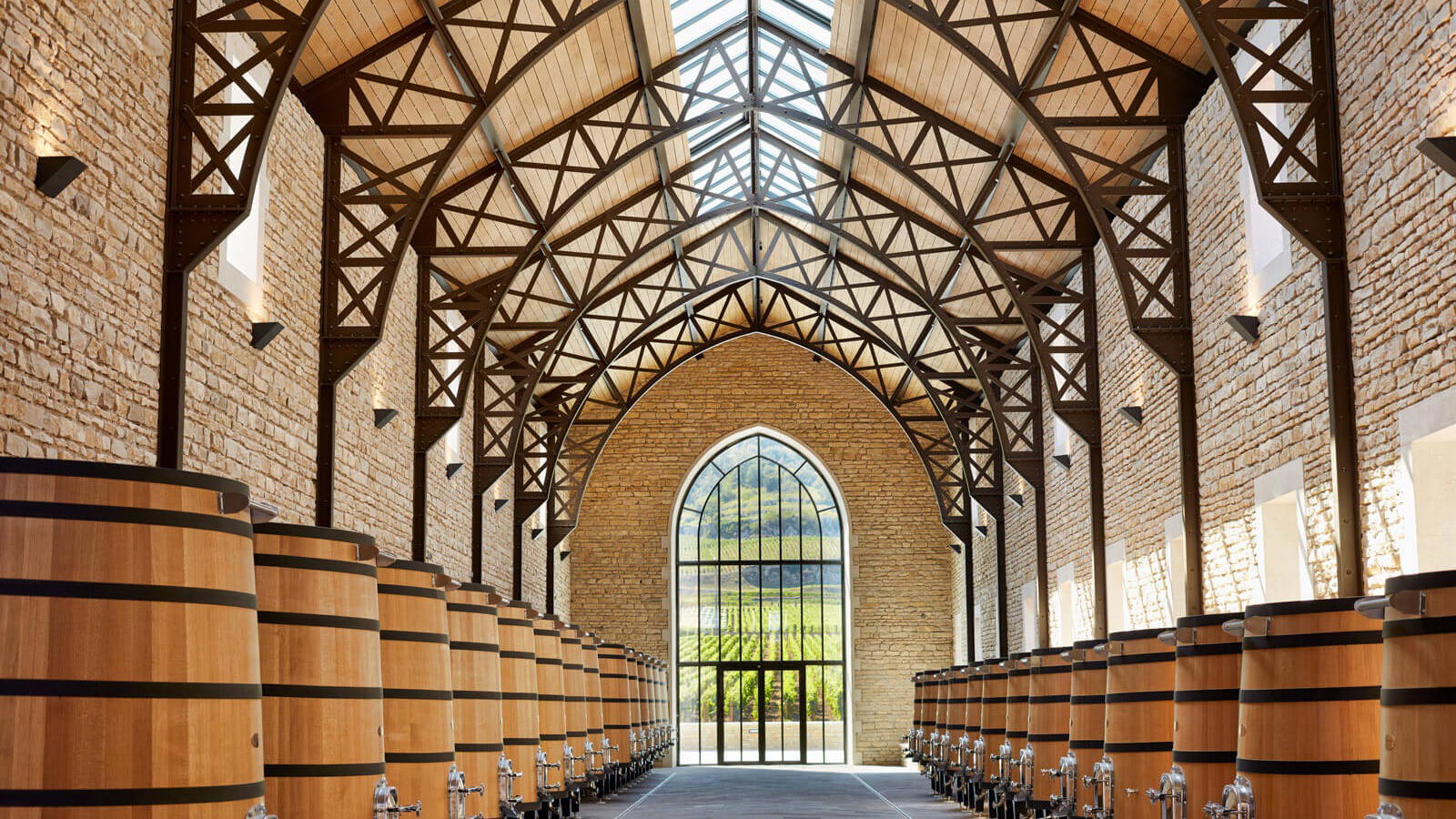
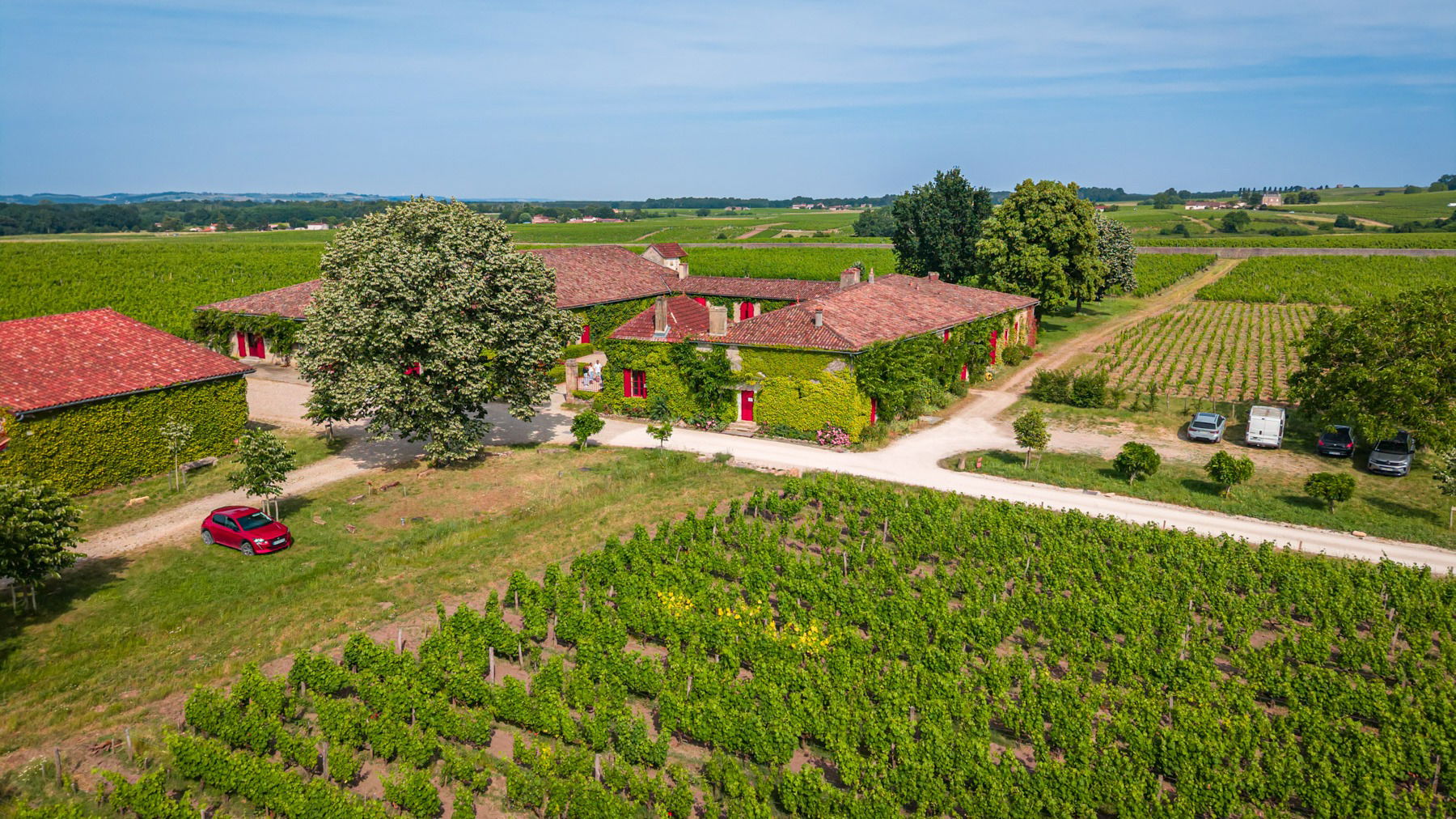
Historic and refined, with architectural elements spanning from the 17th century through modern restoration, set amid rolling vineyard terraces in the heart of the Sauternes region.
Tags
Vibe
Best For
Experience
View
At the Vineyard
- Appellation
- Barsac AOC
- Varietals
- Sémillon, Sauvignon Blanc, Muscadelle
- Visits
- By appointment only
- Wine Styles
- Dessert
- Wine Club
- Not available
Know before you go
Know Before You Go
- Getting there
- 81 Av. Aristide Briand, 33720 Barsac
Planning details
Location
Recognition and awards

Also consider
If you cannot book here
Try Château Climens if you want a high-recognition Barsac comparison, or Château Doisy-Daëne if the goal is a more precision-led sweet-wine tasting. For a softer group itinerary, Château Bastor-Lamontagne is the more forgiving backup.
Winery context
How it compares in Barsac
Château Nairac is the pick for visitors who want a focused Barsac appointment with historic depth rather than a broad, easy hospitality stop. Château Climens is the stronger choice for travellers who want the most recognisable Barsac benchmark, while Château Doisy-Daëne is the better cross-shop for a precision-led comparison within the appellation.
Château de l'Aumérade and Château Bastor-Lamontagne make more sense if the priority is an easier-feeling group outing or a less narrowly collector-minded stop. Château Nairac is better for a smaller, wine-focused itinerary where the point is to decide what Barsac can deliver in the cellar, not just to add another château to the day.
For value, think in terms of learning return rather than entry price. If the visit helps clarify whether Barsac belongs in the cellar, Château Nairac earns the slot. If the group wants broader ambience with lower commitment, start with Château de Myrat or Château Bastor-Lamontagne instead.
Explore Barsac
Around this place
Discover more on Pearl
Unlock the full Château Nairac guide in Pearl, including awards, comparisons, FAQs, planning details, and nearby places.
Compare Château Nairac
| Venue | Location | Awards |
|---|---|---|
| Château Nairac | Barsac | 2026 Falstaff Winery Guide2025 Pearl 4 Star Prestige |
| Château de l'Aumérade | Barsac | 2025 Pearl 2 Star Prestige |
| Château de Myrat | Bommes | 2026 Falstaff Winery Guide2025 Pearl 3 Star Prestige |
| Château Doisy-Daëne | Barsac | 2026 Falstaff Winery Guide2025 Pearl 4 Star Prestige |
| Château Climens | Barsac | 2026 Falstaff Winery Guide2025 Pearl 4 Star Prestige |
| Château Bastor-Lamontagne | Preignac | 2026 Falstaff Winery Guide2025 Pearl 3 Star Prestige |
How Château Nairac Barsac compares with similar nearby venues.
FAQ
Frequently Asked Questions
What other venues can I compare with Château Nairac?
Useful named comparisons include Château Climens, Château Doisy-Daëne, Château de Myrat, Château Bastor-Lamontagne, and Château de l'Aumérade. Confirm each venue's location and current visit details directly before building an itinerary around Château Nairac.