

2026 Falstaff Winery Guide: The Ultimate Wine Authority — Page 116
Falstaff's 2026 Wineries guide.

Venues on this list
Cafetin
Luján de Cuyo, Argentina
Cafetin is worth booking if you want a small, family-run Luján de Cuyo winery rather than a polished visitor-center experience. The appeal is approachable Mendoza wine, rural simplicity, and a production-first feel; travelers seeking a large hospitality setup or formal food pairing should look elsewhere.
Weingut Johann Schwarz
Andau, Austria
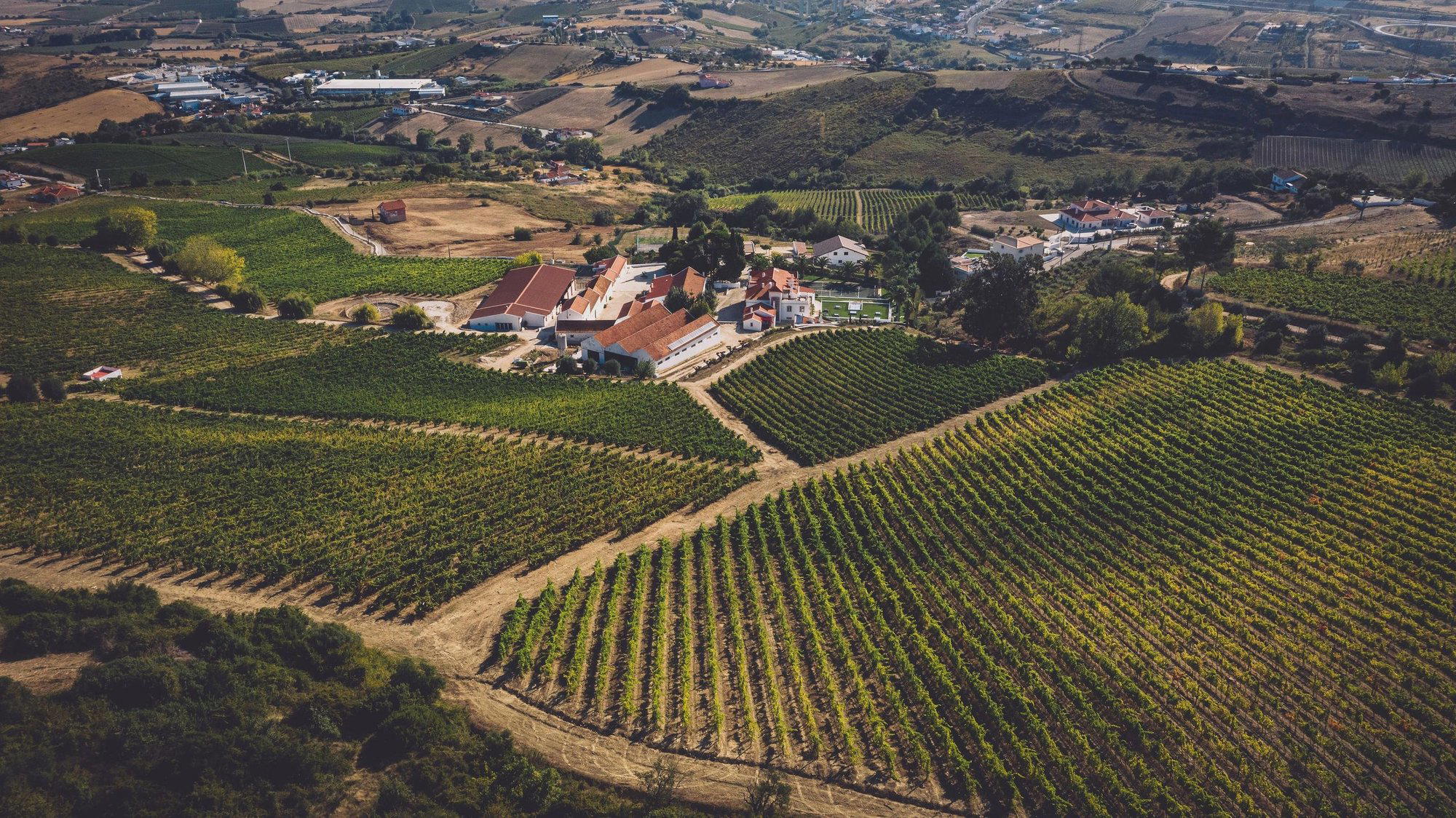
Weingut Johann Schwarz is the Andau pick for a serious, appointment-minded wine stop rather than a casual drop-in. Prioritize it if wine reputation is the point of the trip; cross-shop nearby Andau peers if the group needs easier logistics, a broader visitor setup, or more flexibility around timing.
Château Cap de Faugères
Saint-Émilion, France
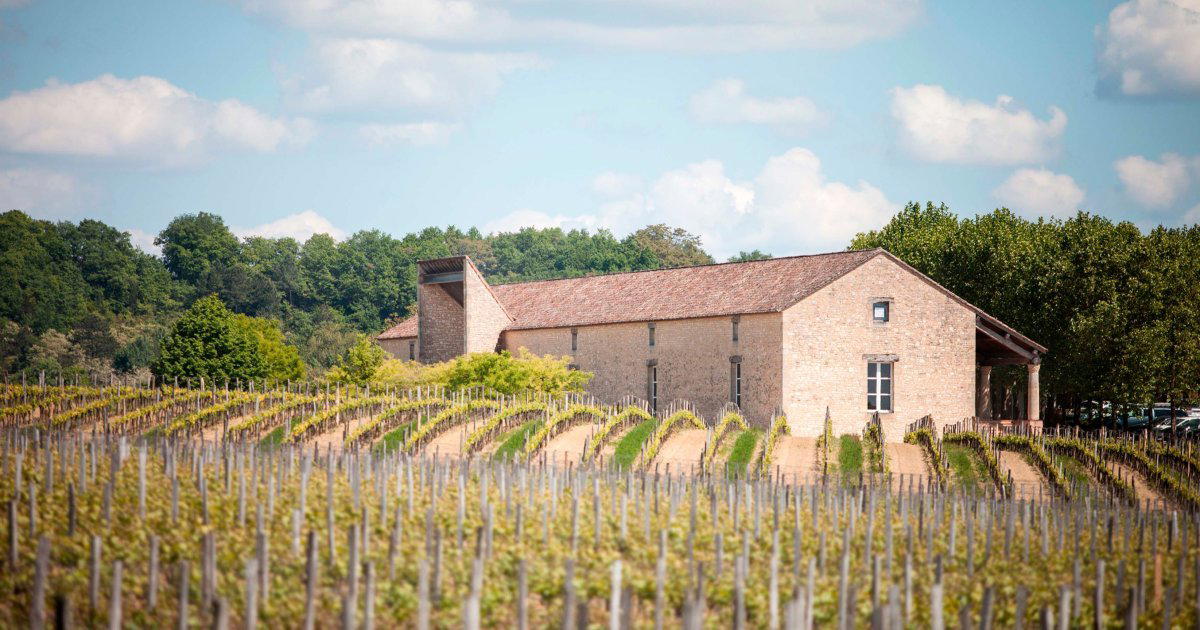
Book Château Cap de Faugères if you want a production-led Saint-Émilion visit with serious architecture and modern Right Bank winemaking detail. It is better suited to repeat visitors, collectors, and design-minded travelers than to anyone just looking for a quick casual tasting.
Bodegas Jiménez Landi
Mentrida, Spain
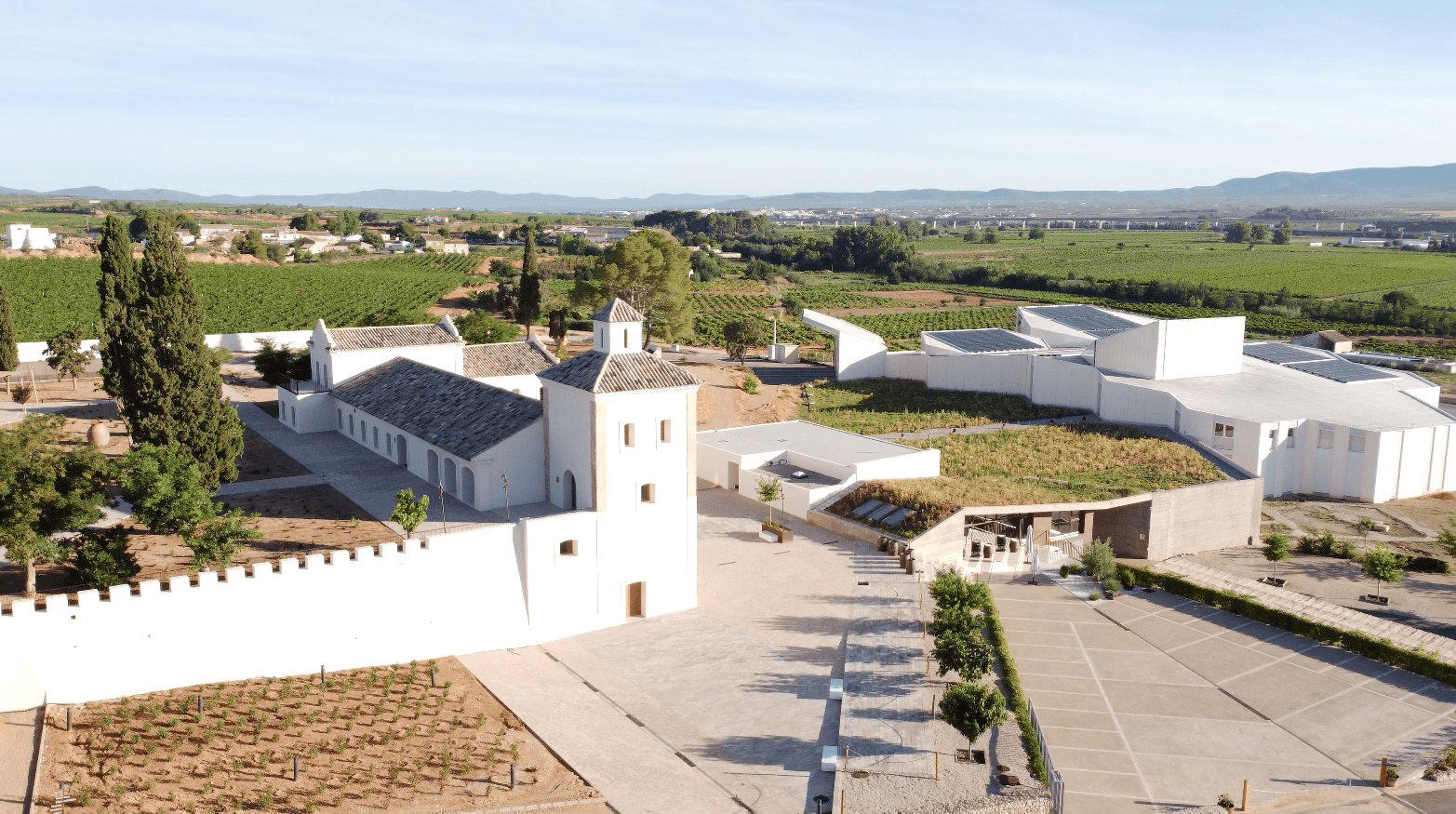
Bodegas Jiménez Landi is worth pursuing for wine-focused travelers building a serious Méntrida itinerary, especially given its Falstaff 2 Stars recognition in 2026. It is not the right choice for a casual, logistics-light tasting day; plan backups around Méntrida restaurants, hotels, bars, and wineries.
Casa Vinicola Abbazia di San Gaudenzio SRL
Santo Stefano Belbo, Italy
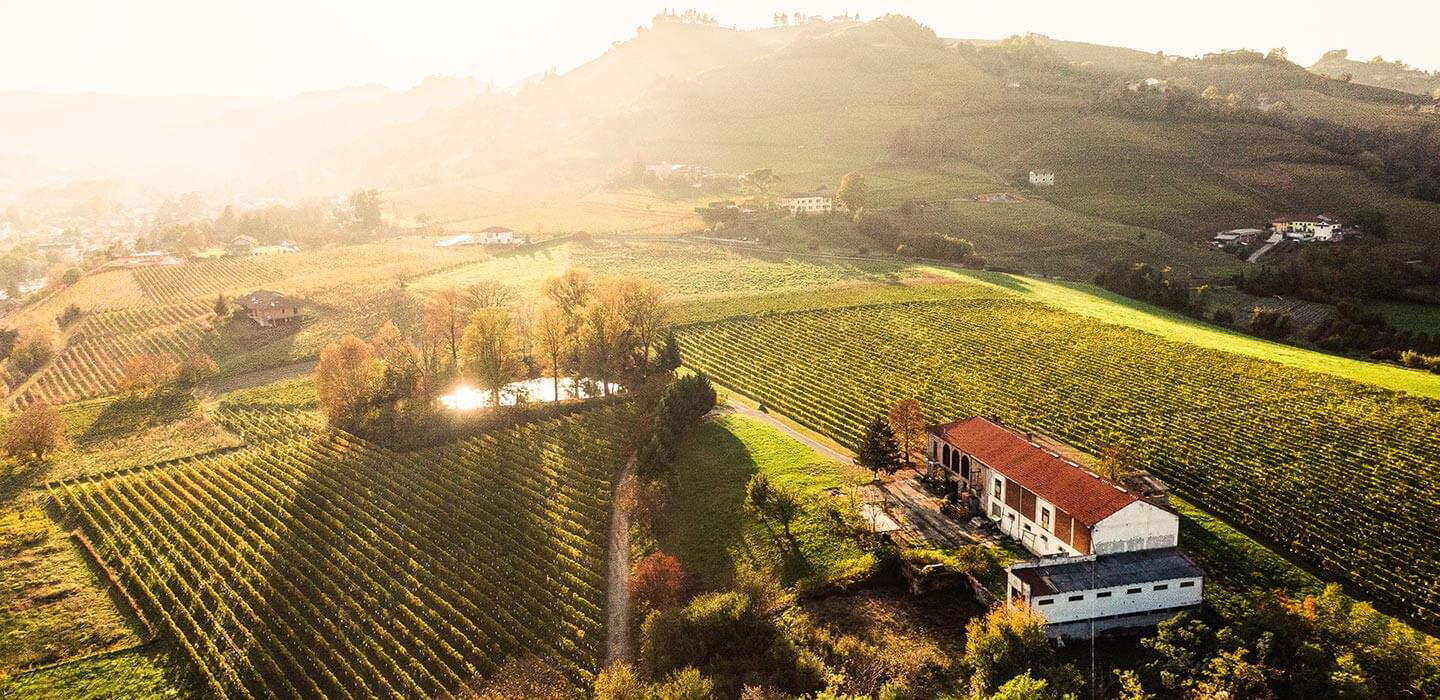
A $$ Santo Stefano Belbo winery with vineyard views, abbey-linked cellars, and a sparkling-wine focus. Worth booking for an easy celebration or scenic Langhe stop, especially if the group likes Asti Spumante, Prosecco, Moscato, and approachable aromatic styles. Falstaff Listed for 2026, with additional medal recognition for its organic Prosecco.
Domaine Chappuis
Rivaz, Switzerland
A serious Rivaz winery to consider if Lavaux producer depth matters more than a fully published visitor setup. The strongest reason to prioritize it is Falstaff 2 Stars in 2026; the main caution is that price, food, tasting format, and group details are not specified here, so plan it as an advance-confirmed wine stop.
Harald Groll
Schiltern, Austria
Harald Groll is a small Schiltern winery worth considering for an easy Lower Austria wine stop, especially if direct producer access matters more than a scripted hospitality format. It is walk-in friendly, Falstaff Listed for 2026, and better suited to flexible wine-country exploring than to travelers who need a fully published tasting structure.
Folini Valtellina
Chiuro, Italy
Folini Valtellina works for a Chiuro wine itinerary if the goal is regional depth rather than a fully structured visitor experience. The 2026 Falstaff listing gives it a credible wine signal, but unconfirmed food, pricing, hours, and flagship-bottle details mean it works better as a flexible stop than as the anchor of the day.
Dry River Wines
Martinborough, New Zealand
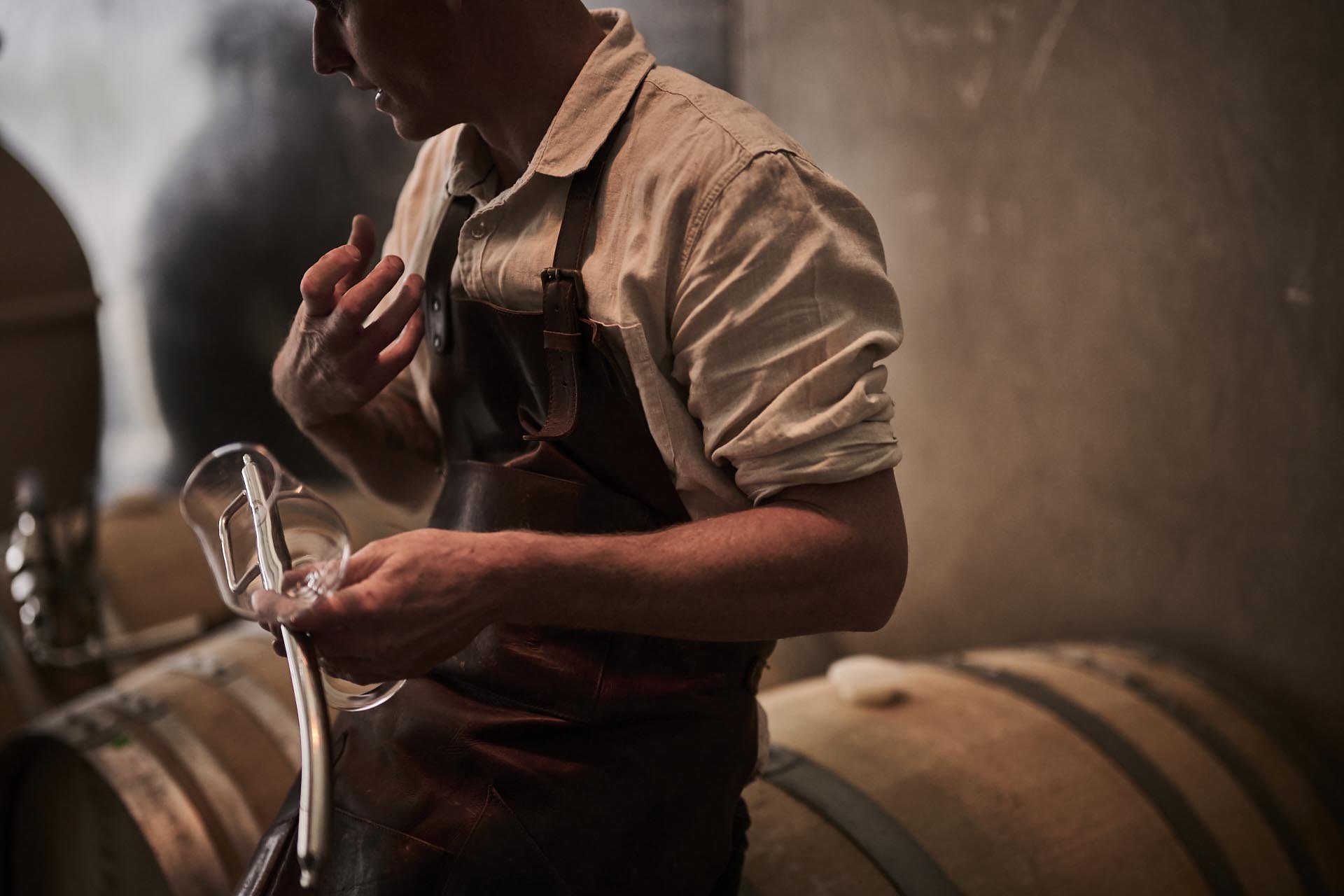
Dry River Wines is worth the effort for collectors and serious wine travellers who value scarcity, age-worthiness, and a focused tasting over casual cellar-door hospitality. It is a premium, hard-to-access Martinborough estate with a strong case for Pinot Noir and structured aromatic wines, but less suitable for groups seeking food, easy drop-ins, or a social tasting day.
Canestrini
Catania, Italy
Canestrini is worth booking if the goal is a small, appointment-led winery visit with a rural, food-and-wine focus rather than a formal tasting room. The $$ positioning and Falstaff Listed 2026 recognition make it a sensible pick for couples or small groups seeking a quieter countryside stop near Catania.
Domaine des Pradels Quartironi
Saint Chinian, France
Choose Domaine des Pradels Quartironi for a quiet, organic Saint-Chinian tasting where the renovated hamlet and working cellar add real context. It is strongest for travelers who care about estate-grown wines, family scale, and white cuvées in a red-leaning appellation; skip it if the priority is food service or a polished hospitality complex.
Château Grand Mayne
Saint-Émilion, France
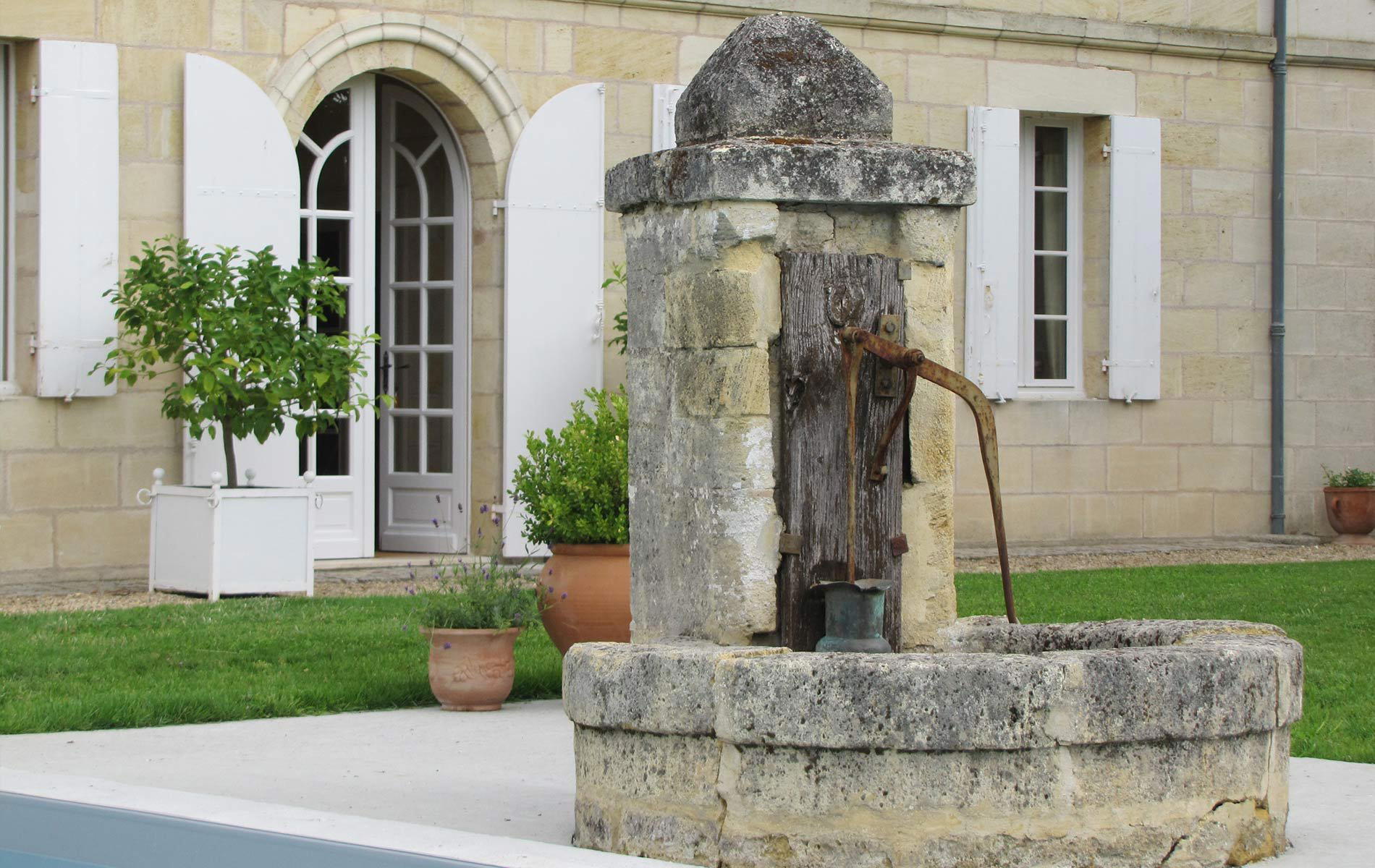
A strong Saint-Émilion pick if the visit can be arranged as a focused tasting rather than a quick cellar stop. Château Grand Mayne has a 2026 Falstaff 2 Stars signal, so it is worth prioritising for wine travellers who care about Right Bank context and are willing to plan ahead.
Bodega Viña Artuke
Banos De Ebro, Spain
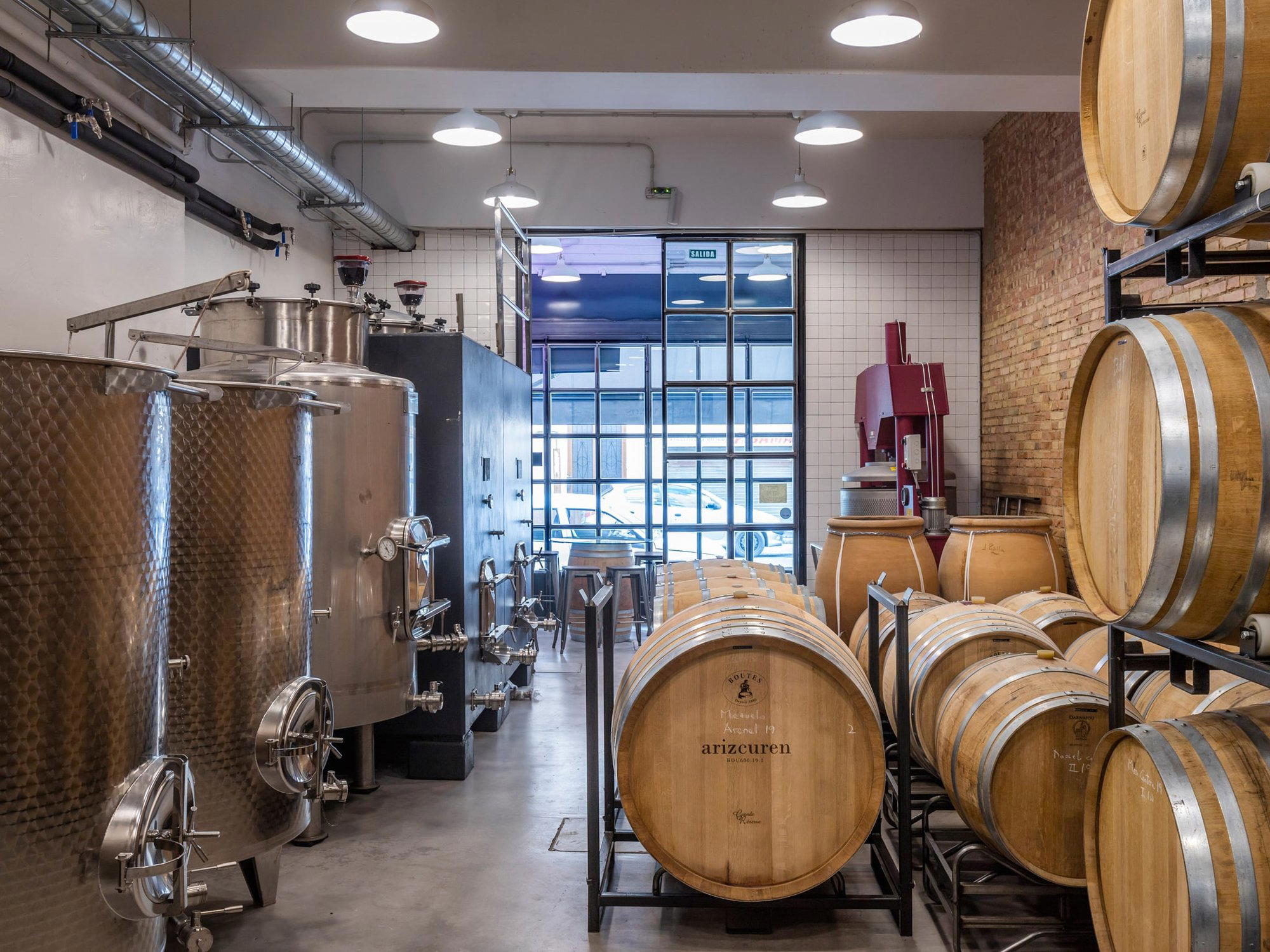
Prioritize Bodegas Artuke if your Rioja trip is about terroir, small parcels, and fresher low-intervention reds rather than showpiece architecture. It is a better fit for collectors and serious wine travelers than casual drop-ins, with Falstaff 5 Stars in 2026 adding credibility to the effort required.
Compagnie Médocaine des Grands Crus
Blanquefort Cedex, France
Compagnie Médocaine des Grands Crus is not the right pick for a classic château tasting, but it is useful for understanding Bordeaux’s trade machinery. Go for the négociant-éleveur angle, AXA Millésimes portfolio context, and value logic behind distribution; skip it if vineyard scenery or a leisure tasting is the priority.
Azienda Agricola Meroni
Sant'Ambrogio di Valpolicella, Italy
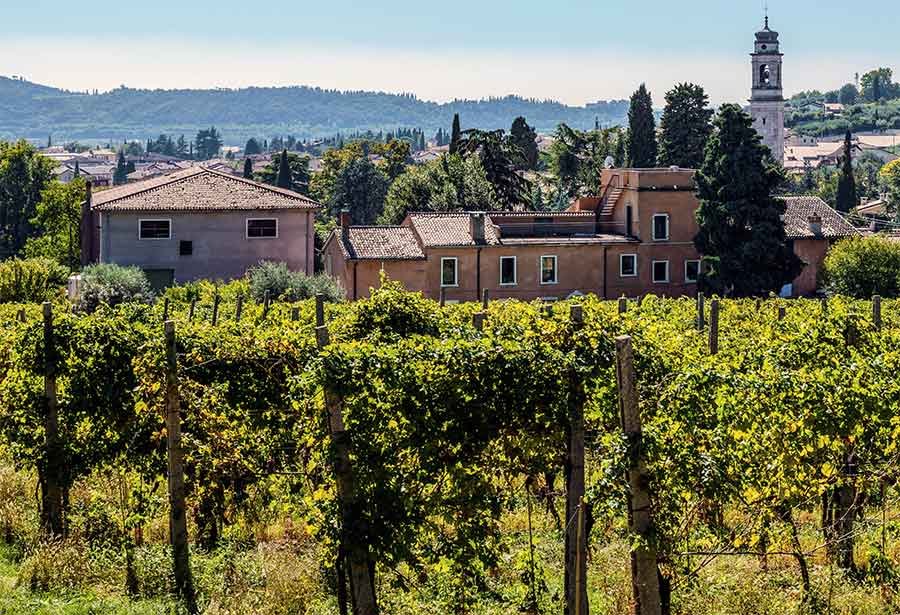
Azienda Agricola Meroni is a better fit for wine-focused visitors than casual drop-ins. Its 2026 Falstaff listing gives it a useful quality signal, but practical details should be confirmed before planning a celebration or buying-focused visit in Sant'Ambrogio di Valpolicella.
Aganis
Treppo Grande, Italy
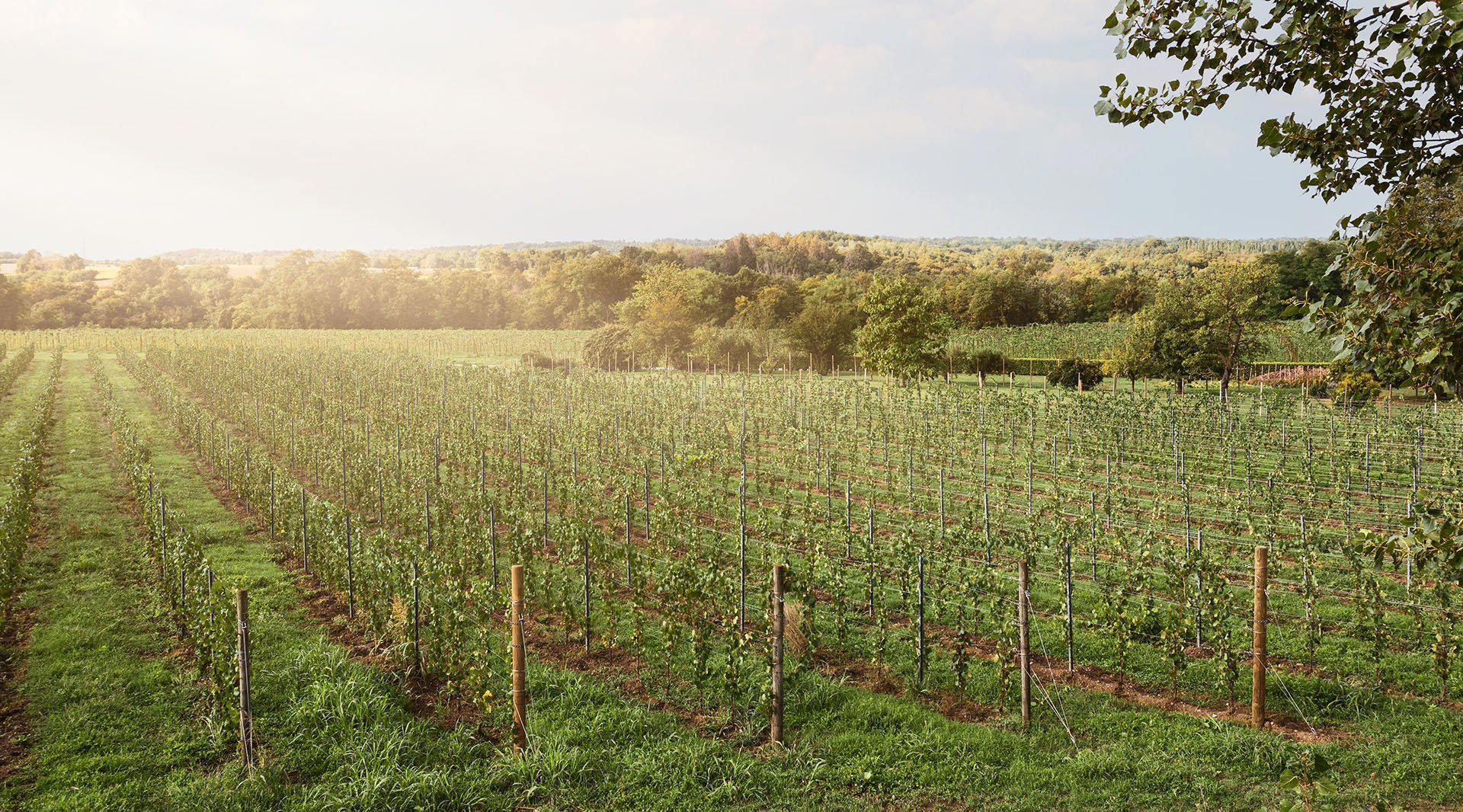
Book Aganis if Friuli’s white grapes and vineyard context are the point of the trip. The Treppo Grande winery is strongest as a guided, appointment-led visit focused on Ribolla Gialla, Friulano, Malvasia, ponca soils, and a restored rural site, rather than a casual drop-in tasting stop.
De Toren Private Cellar
Stellenbosch, South Africa
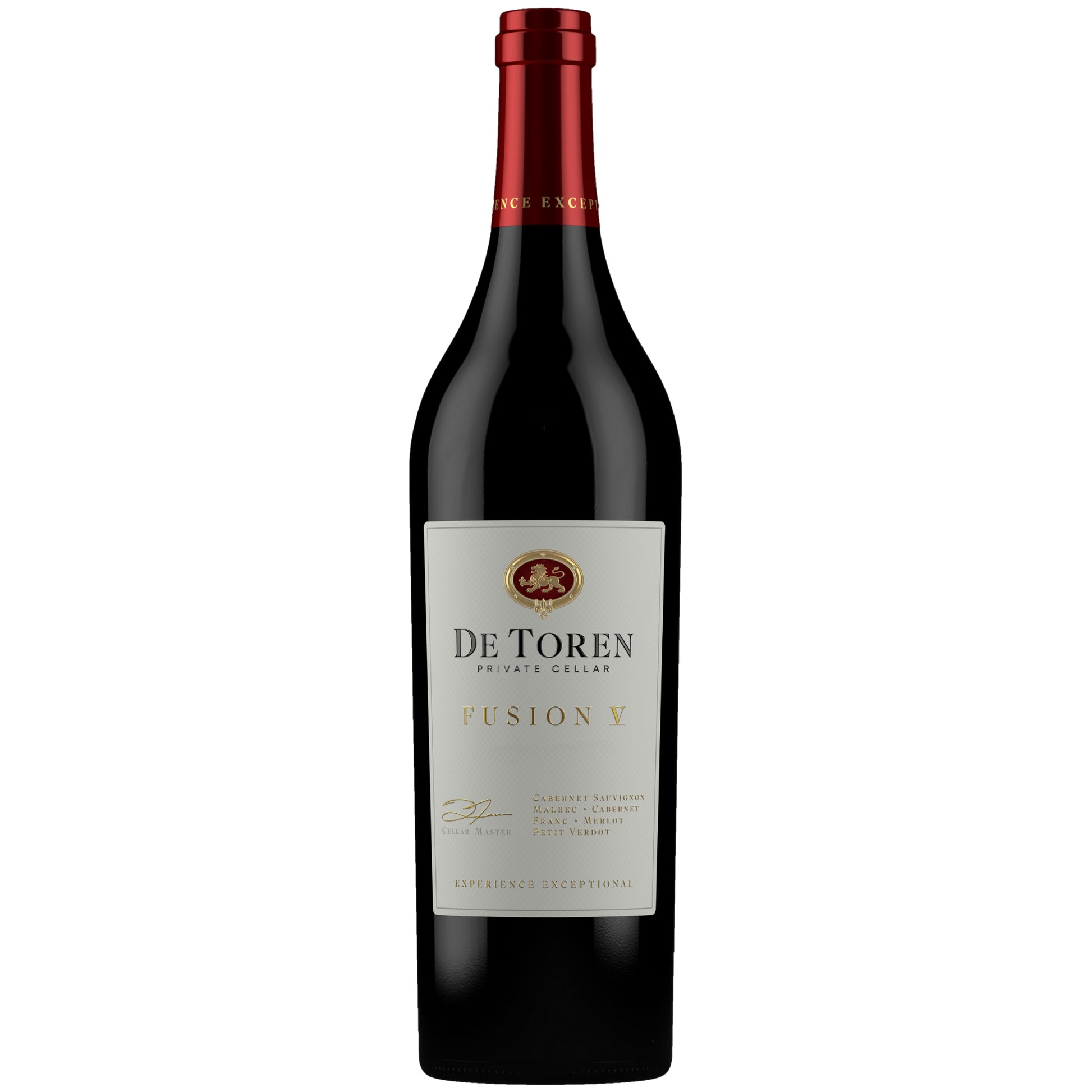
De Toren Private Cellar is the right Stellenbosch choice for travelers who want a focused, wine-led estate visit rather than a broad farm outing. It suits smaller groups and serious wine enthusiasts; mixed groups may be happier cross-shopping Spier Wine Farm, Jordan Wine Estate, or De Morgenzon.
Giorgio Gianatti
Montagna In Valtellina, Italy
Giorgio Gianatti is worth planning around if the goal is a small, serious Valtellina winery visit focused on Grumello reds and terraced Alpine viticulture. Expect the value to come from scale, place, and vineyard stewardship rather than hospitality extras; this is strongest for couples or small wine-led groups.
Domaine Commune de Corcelles-le-Jorat
Corcelles Le Jorat, Switzerland
A modest, appointment-led Lavaux stop for travelers who specifically want Chasselas and a quiet rural cellar feel. Domaine Commune de Corcelles-le-Jorat is better for wine enthusiasts building a focused Vaud itinerary than for groups seeking food, broad flights, or polished visitor facilities.
Monte Bernardi
Panzano In Chianti, Italy
Monte Bernardi is a sensible anchor for a Panzano-focused Chianti winery day, especially if the trip is about regional depth rather than covering multiple Tuscan zones. Plan ahead: public practical details are sparse, so confirm tasting format, group suitability, food service, and shipping before building the day around it.
Cacciagrande
Tirli, Italy
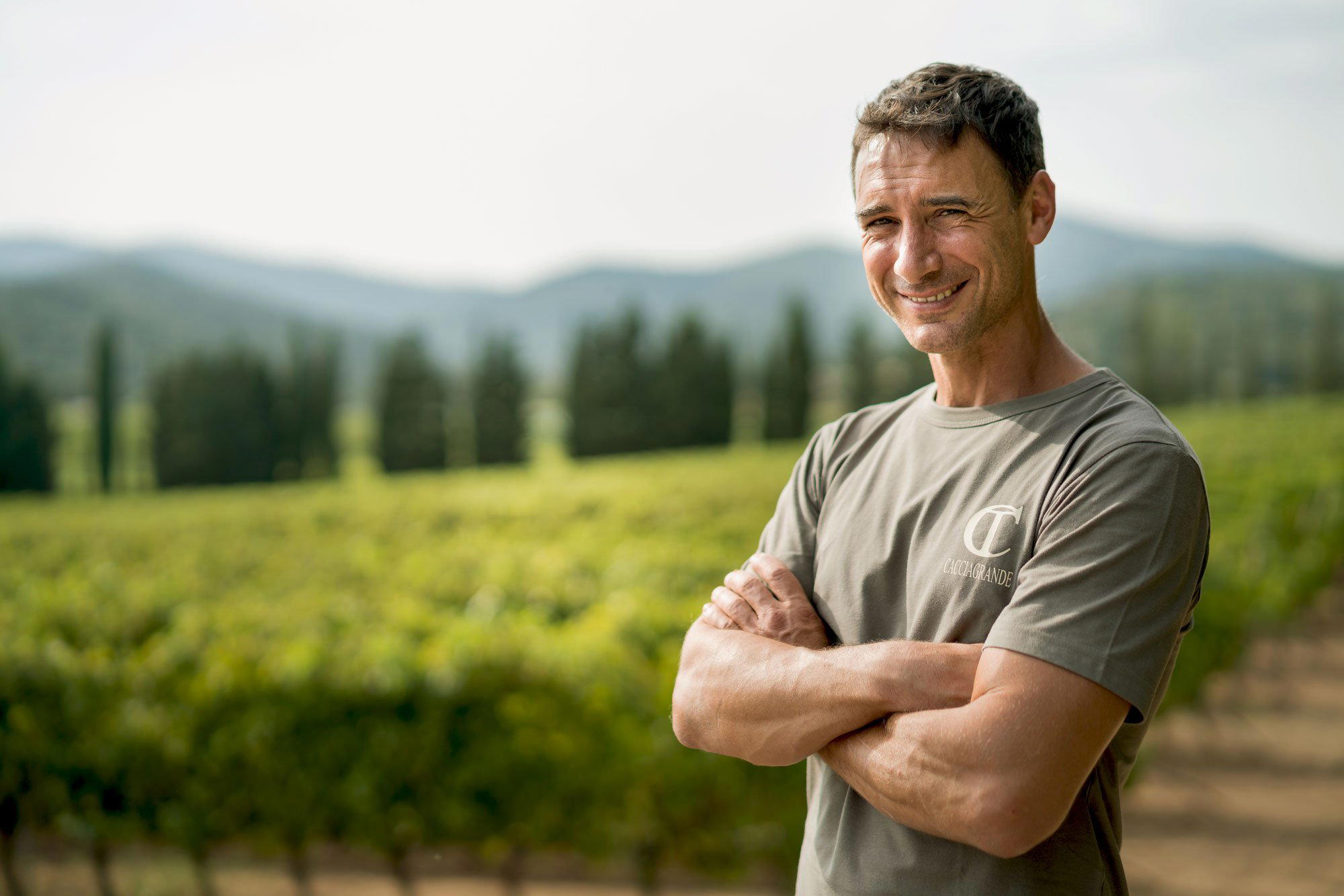
Book Cacciagrande for a relaxed Tuscan Maremma tasting where the terrace and estate setting matter as much as the wine. The $$ price signal, casual dress code, easy booking profile, and Falstaff Listed 2026 recognition make it a strong special-afternoon choice for couples or small groups near Tirli.
Bodega del Abad
Carracedelo El Bierzo, Spain
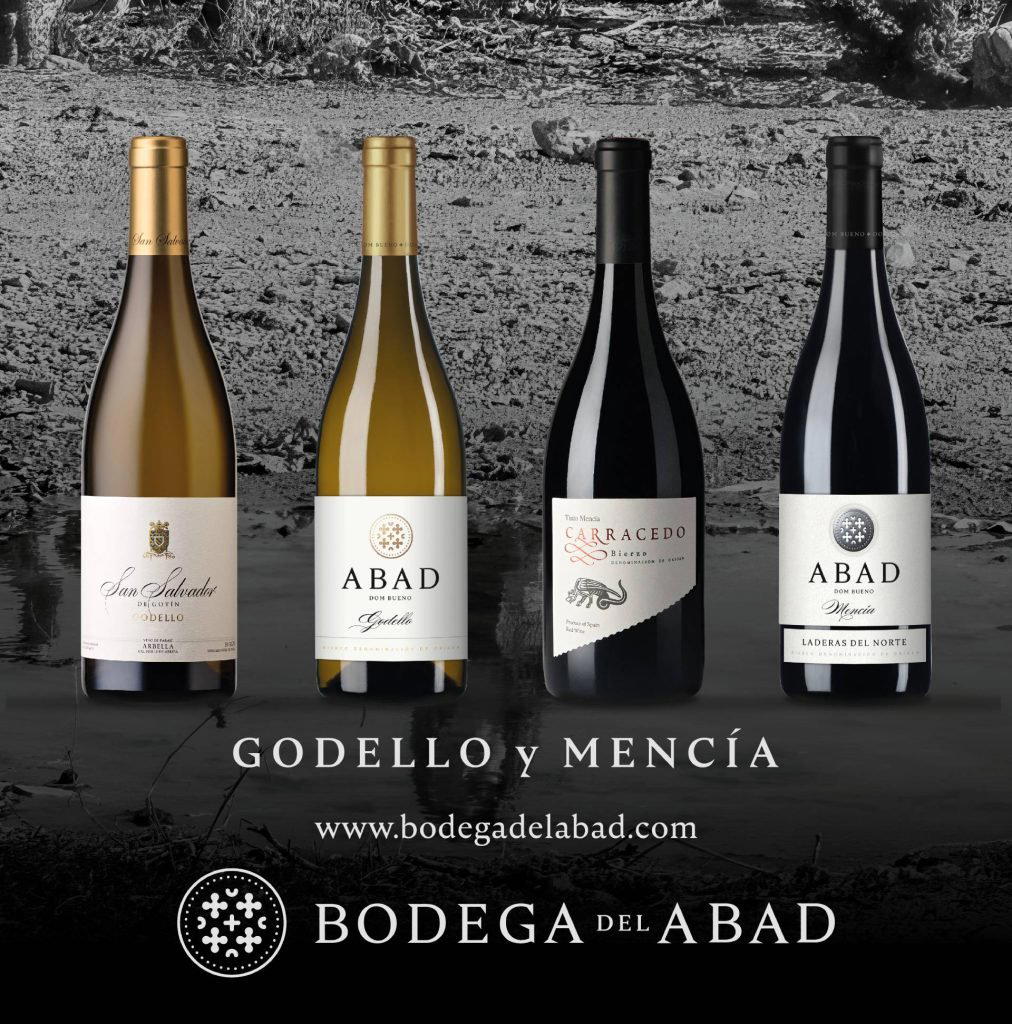
Prioritise Bodega del Abad if the goal is a serious Bierzo winery appointment centred on Mencía, Godello, old vines, and Carracedelo’s monastery-linked wine history. It is a better fit for travellers seeking context and production detail than for anyone looking for a casual walk-in tasting or food-led winery outing.
Casa de Cello
Mancelos, Portugal
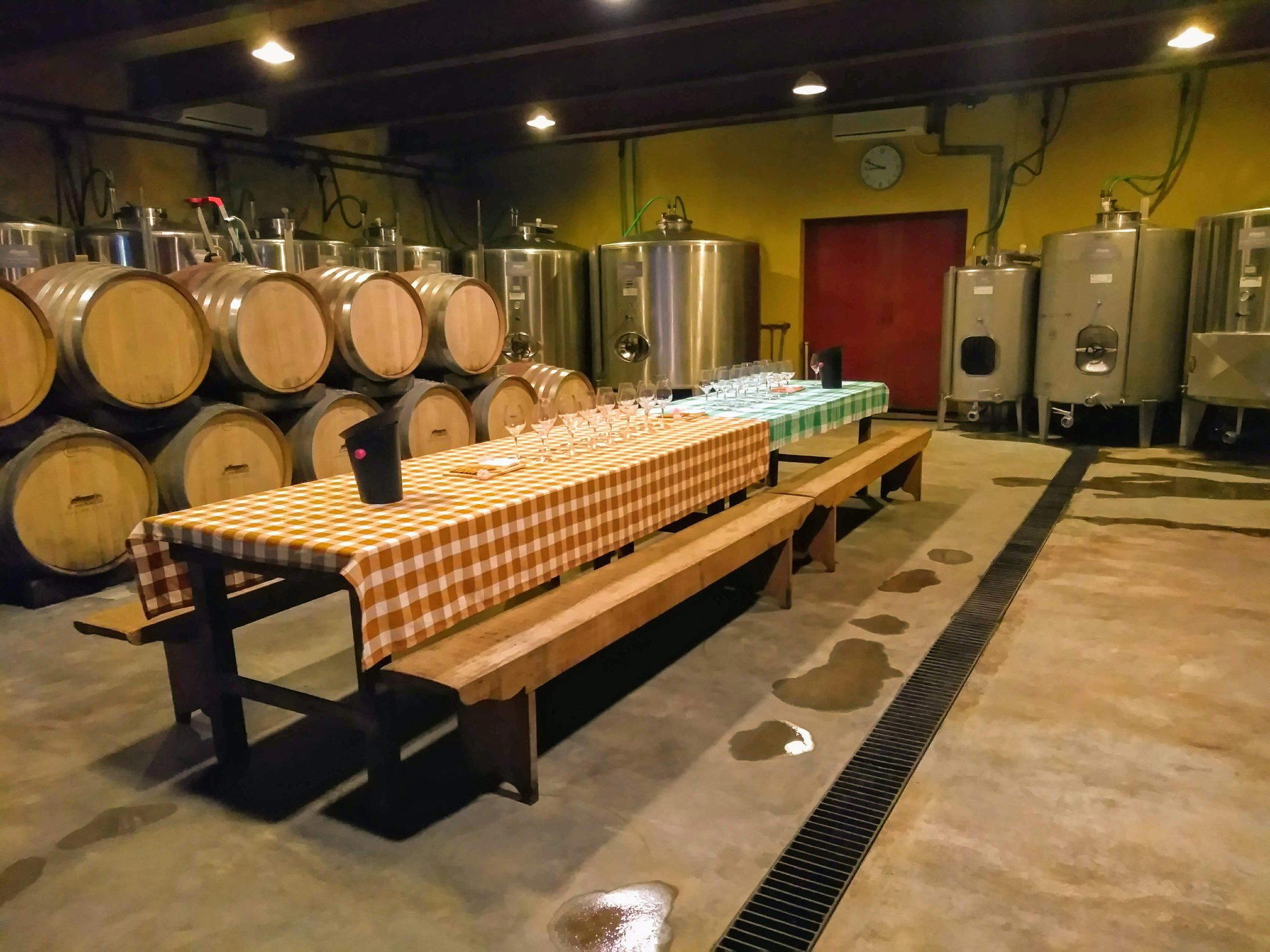
Casa de Cello is worth booking if you want a quiet, region-focused Vinho Verde tasting rather than a quick cellar stop. The appeal is the Mancelos setting, estate-grown fruit, certified sustainable farming and a farmhouse atmosphere that gives useful context to Amarante’s granite-influenced wines.
Bodegas Maurodos
Pedrosa Del Rey Valladolid, Spain
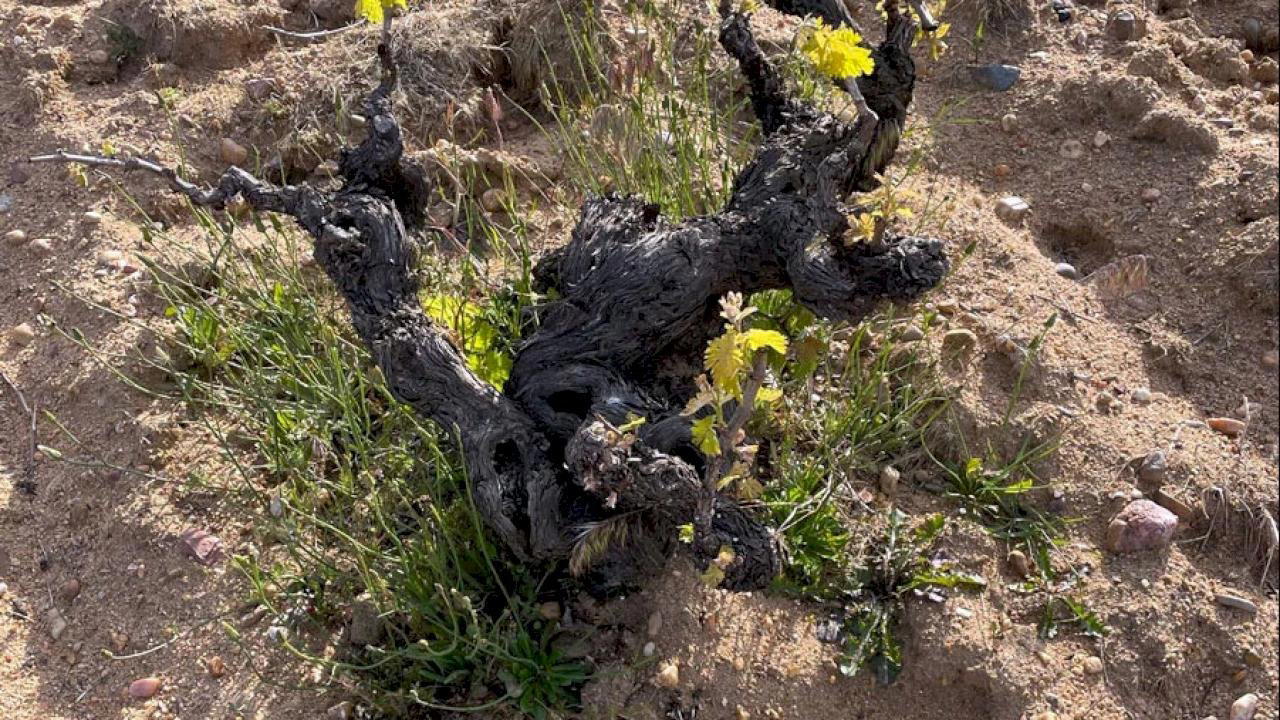
Bodegas Maurodos is worth prioritizing if the goal is serious Spanish red-wine assessment rather than a casual winery day with food and easy logistics. Falstaff 3 Stars in 2026 gives it a clear credibility signal, but visitors should treat access as difficult and confirm details before building an itinerary around Pedrosa del Rey.
I Dof Mati Viticultrici
Fara Novarese, Italy
Choose I Dof Mati Viticultrici for a small, women-led winery stop in Fara Novarese, not for a resort-style tasting program. The draw is intimate Piedmontese wine context in a historic town-center setting, with Falstaff 2026 listing as a credibility signal. Book ahead rather than treating it as a casual drop-in.
Château La Branne
Begadan, France
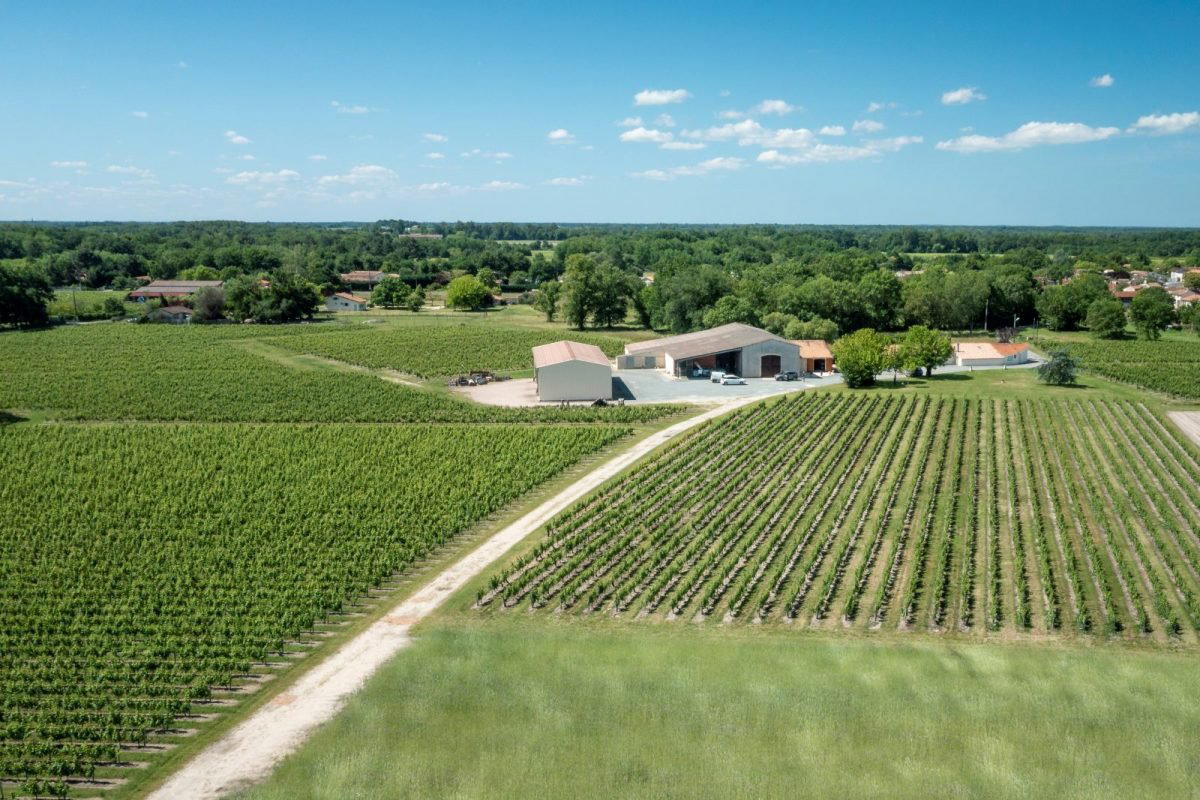
Book Château La Branne if you want a calm, good-value Médoc tasting with family-run character and credible Cru Bourgeois Supérieur standing. It is better for a relaxed date, small celebration, or easy winery route than for a formal luxury château experience.
Château Tour Seran
Begadan, France
Château Tour Seran works for a polished Médoc red rather than a broad tasting-room outing. The appeal is its 15-hectare estuary-side site, Merlot-led Bordeaux profile, Cru Bourgeois Supérieur identity, kosher certification, and Falstaff 2-star winery recognition for 2026.
Genossenschaft Syydebändel
Maisprach, Switzerland
Genossenschaft Syydebändel is worth booking if you want a quiet, appointment-only look at Baselland cooperative winegrowing rather than a polished estate experience. Its strongest appeal is the 12-member grower model across several nearby villages, with Pinot Noir as the clearest documented wine anchor and Falstaff Listed recognition in 2026.
Fontana Reale
Benevento, Italy
Fontana Reale works if the draw is organic Campanian wine, vegan-friendly production and a quiet farm setting outside Benevento. The strongest reason to go is the local-grape portfolio built around Aglianico, Falanghina, Fiano and Greco, backed by Falstaff Listed recognition in 2026; skip it if you want a highly polished tasting-room format.
Azienda Vitivinicola Miriam Hermann-Gaudio
Monteggio, Switzerland
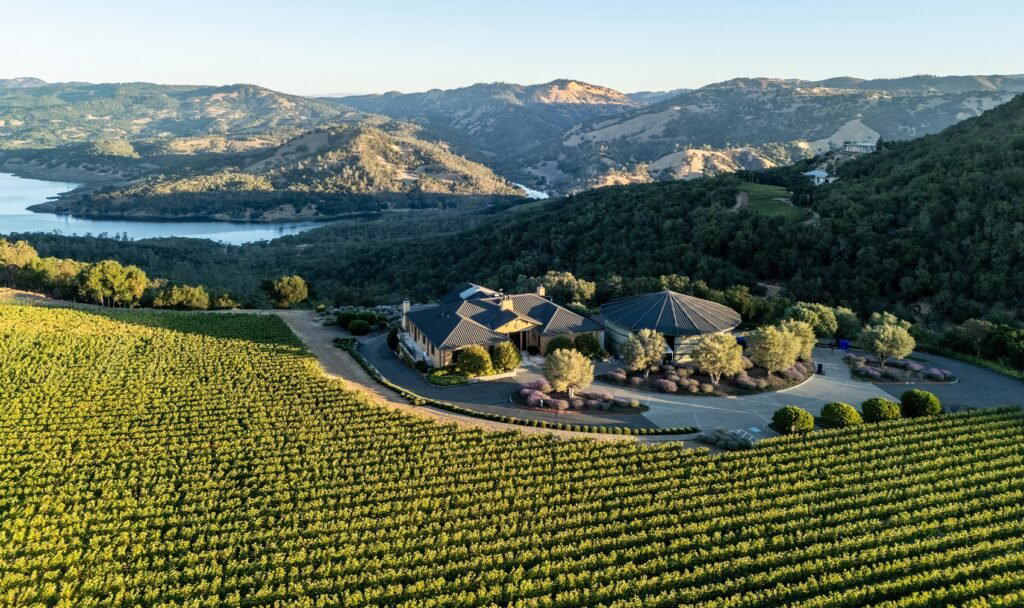
Azienda Vitivinicola Miriam Hermann-Gaudio is a better fit for a focused Ticino wine stop than a polished visitor-center experience. Its Falstaff Listed recognition in 2026 gives it a useful quality signal, but plan it as a small-scale, appointment-minded visit rather than a large-group anchor.
Brivio Vini
Mendrisio, Switzerland
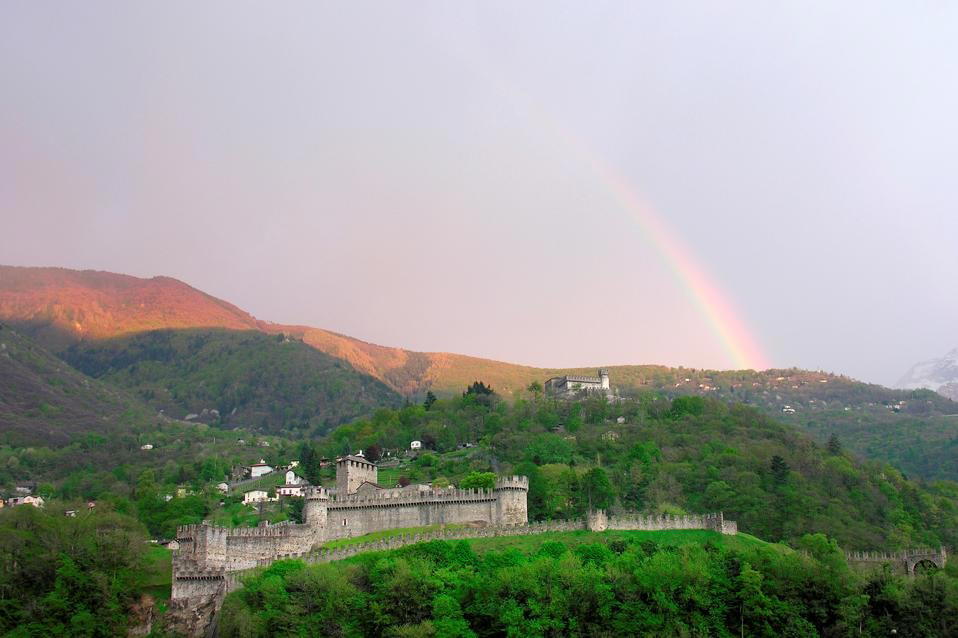
A focused Mendrisio winery choice for visitors who want the wine stop itself, not a restaurant-style experience. Brivio Vini is strongest as part of a wider Ticino itinerary, with Falstaff listing recognition for 2026 adding a useful trust signal, but details on food, pricing, and formal visit format should be checked before planning the day around it.
Domaine Yannick Amirault
Bourgueil, France
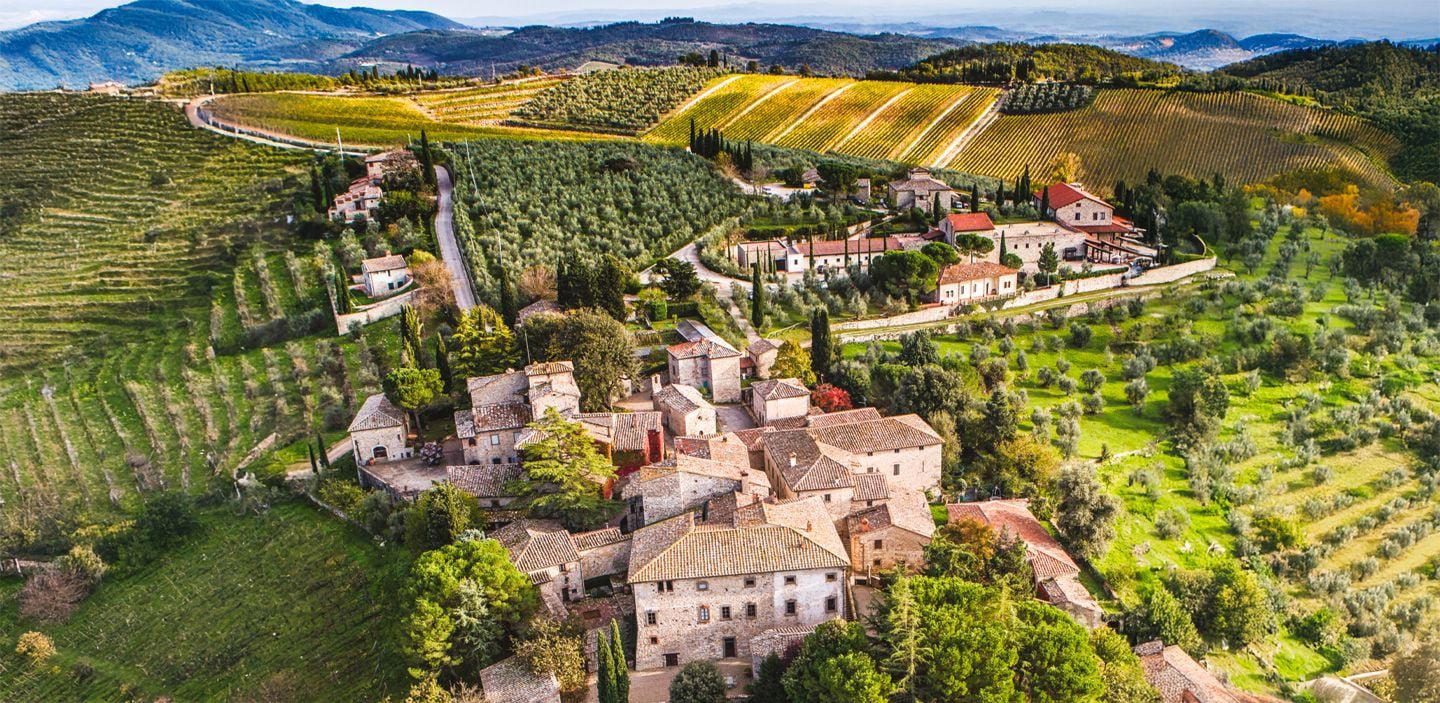
Domaine Yannick Amirault is a focused Bourgueil winery pick for visitors who care about Cabernet Franc buying decisions more than a full hospitality setup. Go for a calm, appointment-led wine stop, especially if cellar access or allocations matter; casual tasters should confirm terms before joining any club-style offer.
Cambria Estate Winery
Santa Maria, United States
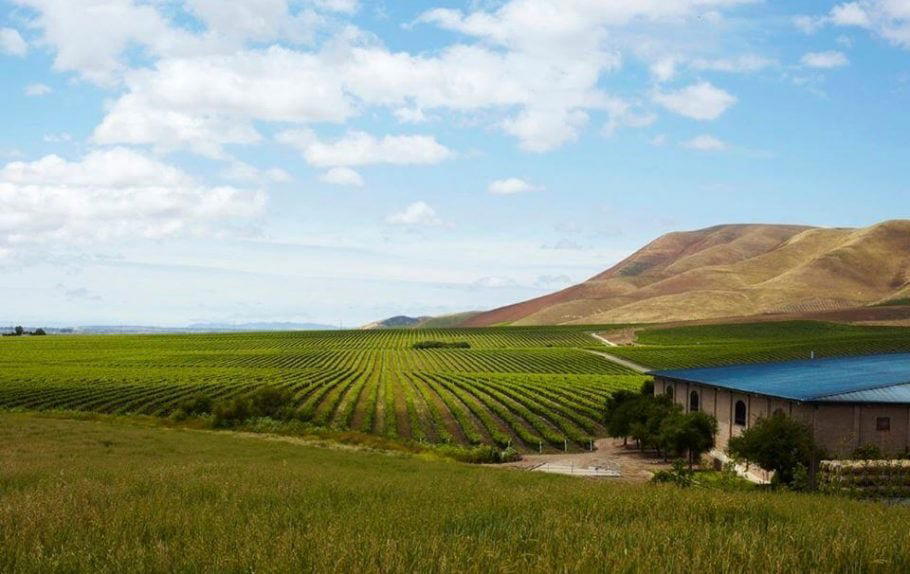
Cambria Estate Winery is a better fit for serious Santa Maria wine planning than for a casual tasting-room crawl. Prioritize it if the decision is whether to build a repeat-buying or club relationship; cross-shop first if confirmed food service, pricing, or a looser drop-in plan matters more.
Haardt Hills
Gimmeldingen An Der Weinstra E, Germany
Haardt Hills works for a polished, appointment-led winery stop in Gimmeldingen, especially for couples or small groups building a Palatinate wine-country day. The draw is the contemporary boutique feel and 2026 Falstaff Listed recognition; do not book expecting a full restaurant-style hospitality program.
Flam Winery
Eshtaol, Israel
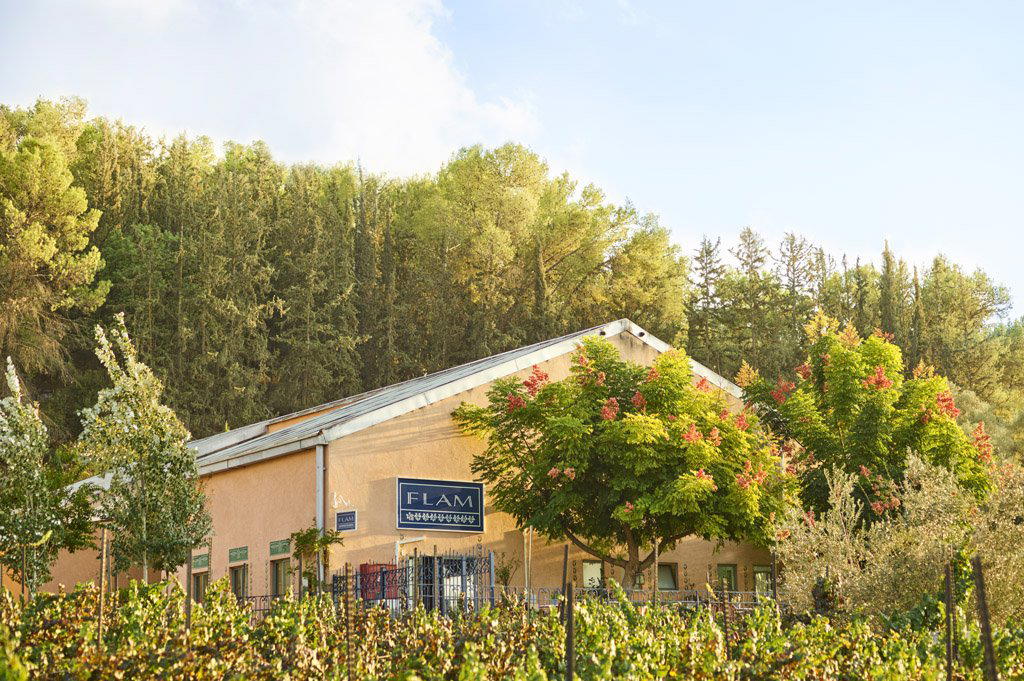
Book Flam Winery if the priority is a polished Judean Hills tasting with regional context, vineyard views, and a family-estate feel. The value is strongest for wine travelers who want a guided experience and a relaxed outdoor add-on, not for visitors seeking a full restaurant-style meal. Falstaff Listed in 2026, with White Label 2021 also carrying major Wine Spectator recognition.
Gebr. Kümin Weinbau und Weinhandel
Freienbach, Switzerland
Worth booking for a grounded Lake Zurich winery visit with family history, regional grapes, and a practical cellar-door feel. Gebr. Kümin Weinbau und Weinhandel is strongest for travelers who want Räuschling, local spirits, and seasonal food-and-drink context rather than a high-gloss tasting-room production.
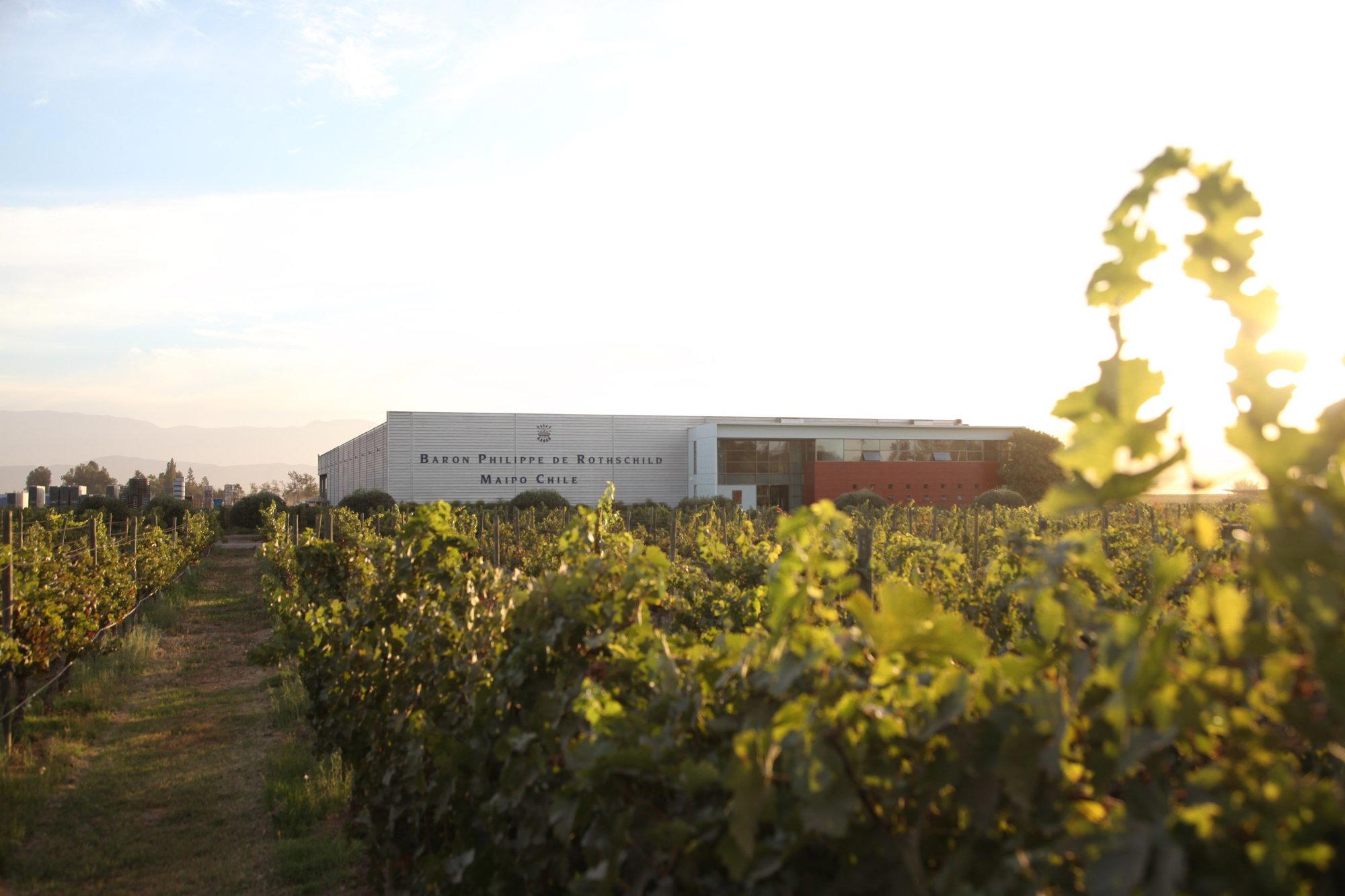
Baron Philippe de Rothschild (Chile)
Buin, Chile
A reputation-led Buin winery to consider if the priority is recognized wine credibility rather than a fully spelled-out visitor experience. Best for wine-focused couples or small groups comfortable planning around sparse practical details; cross-shop Viña Santa Rita if the day needs a clearer visitor-facing anchor.
Domaine Mardon
Quincy, France
Domaine Mardon works if your Quincy plans are built around Loire wine rather than a full-service tasting itinerary. The smart move is to treat it as a focused producer stop, with timing and group details confirmed in advance; Falstaff listing for 2026 gives it a useful external recognition signal, but visitor logistics should be kept flexible.
Domaine Escher
Conthey, Switzerland
Domaine Escher is a smart Conthey pick for visitors who want a broader read on Valais wine rather than a single-estate tasting. The draw is its multi-vineyard portfolio across indigenous reds, Pinot Noir, Fendant, Petite Arvine, and Marsanne; plan flexibly, since the strongest reason to go is the range of wines, not a heavily published visitor format.
How many of these have you visited?
Find out on Pearl and keep score across every place in 2026 Falstaff Winery Guide.