

2026 Falstaff Winery Guide: The Ultimate Wine Authority — Page 115
Falstaff's 2026 Wineries guide.

Venues on this list
Domaine Andau
Andau, Austria
Book Domaine Andau if you want a modern, group-friendly view of Burgenland wine rather than a hushed estate tasting. The cooperative format is the point: it gives visitors a practical read on Andau through regional varieties, modern production infrastructure, and an appointment-only tasting setup that works well for celebrations or business groups.
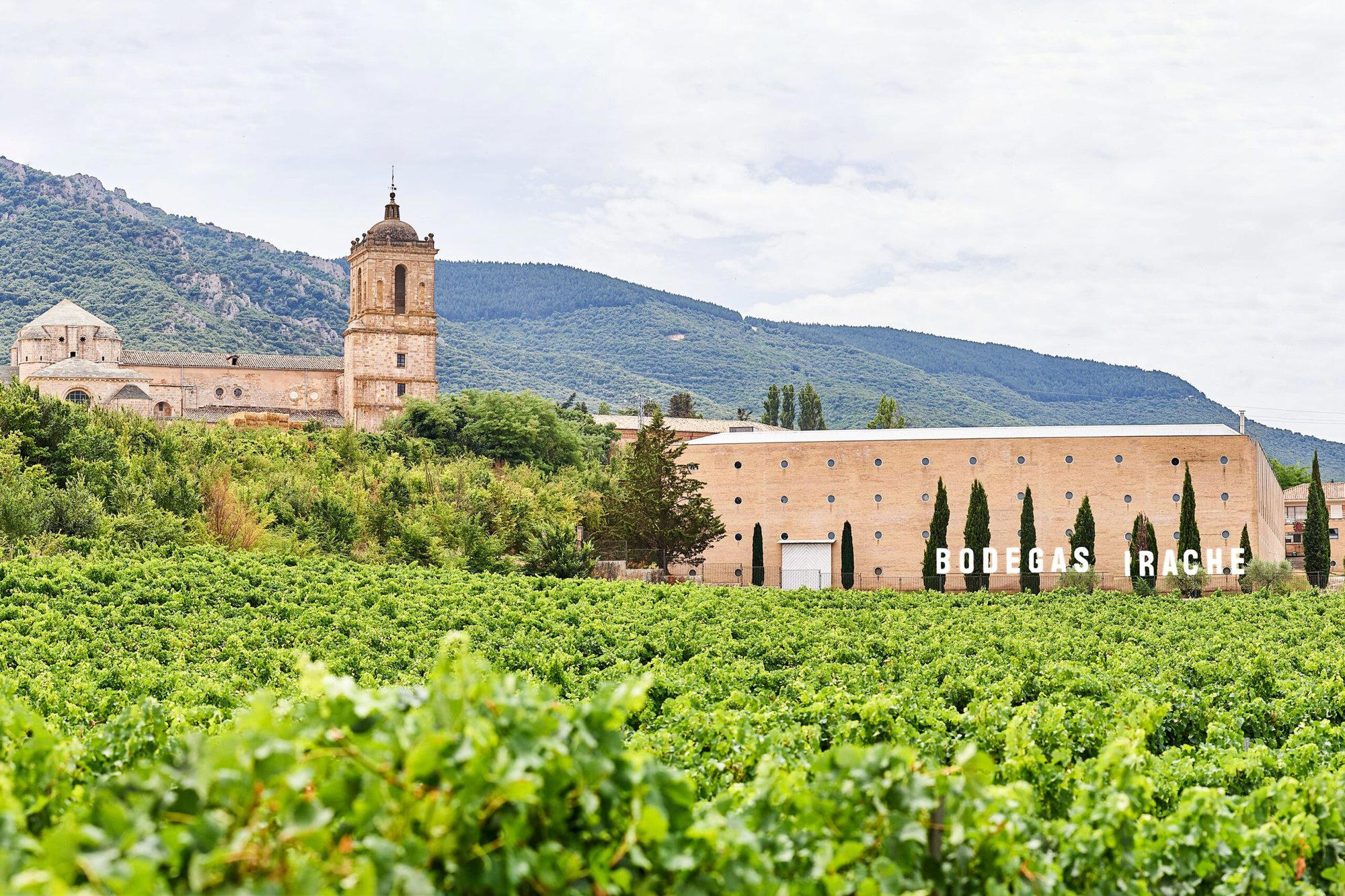
Bodegas Olimpia
Caseda, Spain
Book Bodegas Olimpia if you want a quieter Navarra winery visit with real regional substance: native varieties, family continuity, hand-harvested fruit, concrete tanks, and oak aging across French, American, and Navarra barrels. It is better for wine travelers seeking context than for groups looking for a highly produced tasting-room experience.
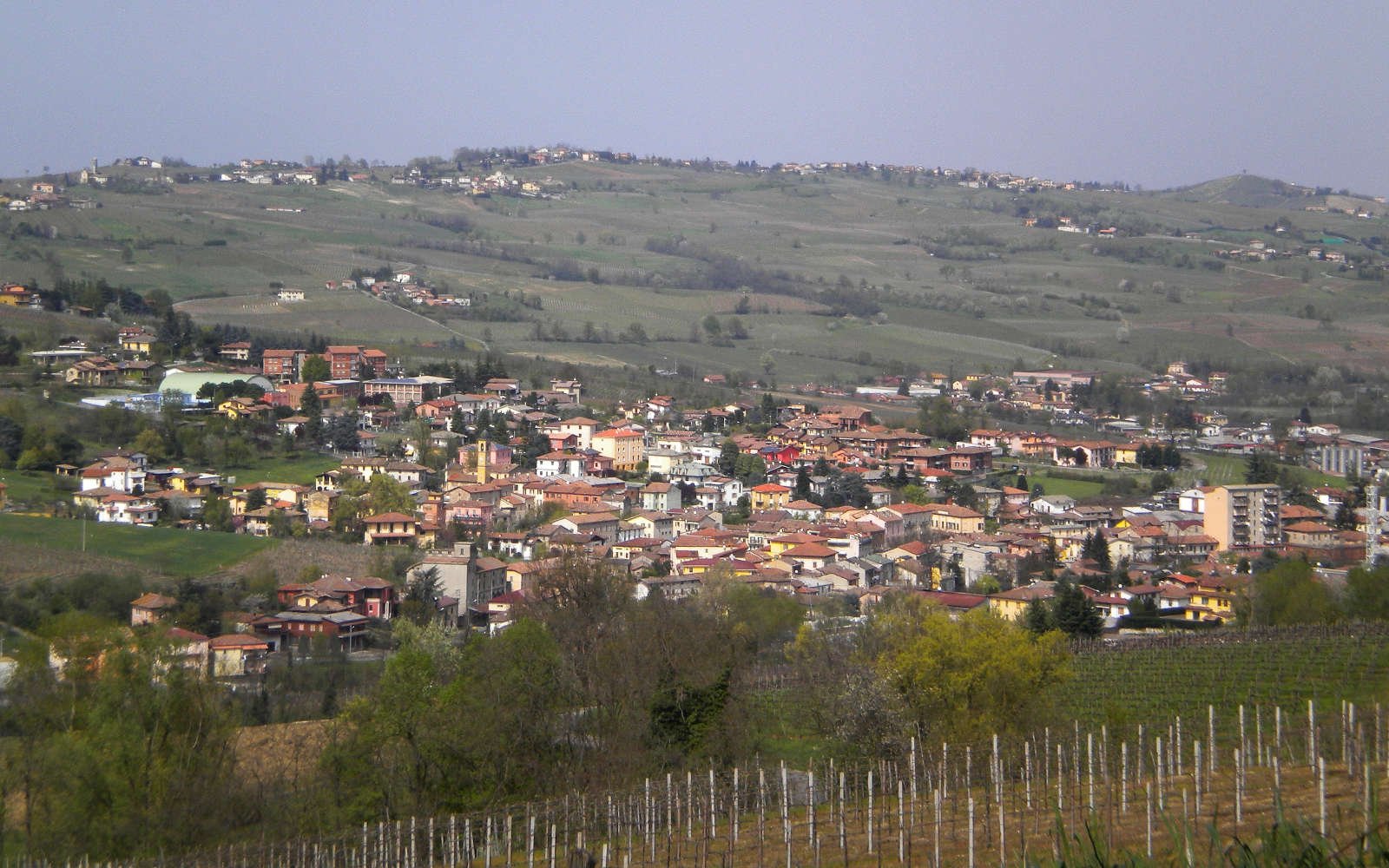
Bosco Longhino
Santa Maria della Versa, Italy
Book Bosco Longhino if you want an Oltrepò Pavese tasting built around Pinot Nero, Metodo Classico, organic farming, and relaxed agriturismo hospitality. The value is strongest for wine travelers who want vineyard context and a countryside setting rather than a quick tasting-room pour.
Familienweingut Kolkmann
Fels am Wagram, Austria
A strong-value Wagram winery for drinkers who want dry, full-bodied Grüner Veltliner, Roter Veltliner, and estate-grown whites without a luxury tasting-room setup. Book it into a Fels am Wagram wine day if bottle buying, sustainability credentials, and a family-run vinothek matter more than a full food-pairing experience.
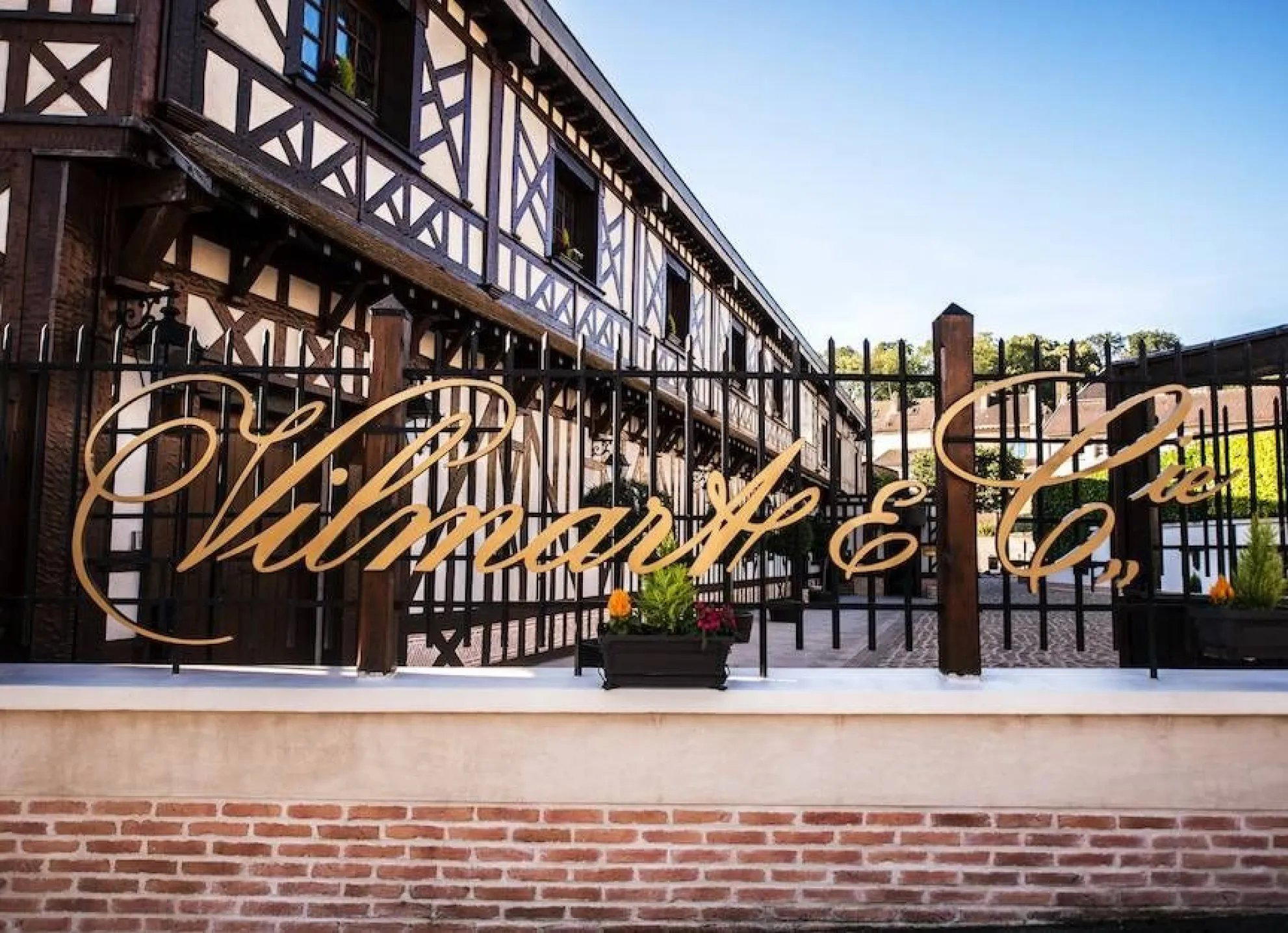
Vilmart & Cie
Rilly-la-Montagne, France
Vilmart & Cie offers classic tastings and focused vineyard and cellar experiences in Rilly-la-Montagne. Founded in 1890, the Premier Cru grower estate works mainly with Chardonnay and Pinot Noir, and wood ageing is central to its wines.
Cave BBN
Grimentz, Switzerland
Cave BBN is worth prioritizing if you want a small, understated Valais winery experience in Grimentz rather than a polished visitor-center tasting. The draw is its mountain-village setting, $$ positioning, and AOC Valais Pinot Blanc context, especially for wine travelers interested in how local producers fit into the Sierre district’s alpine wine culture.
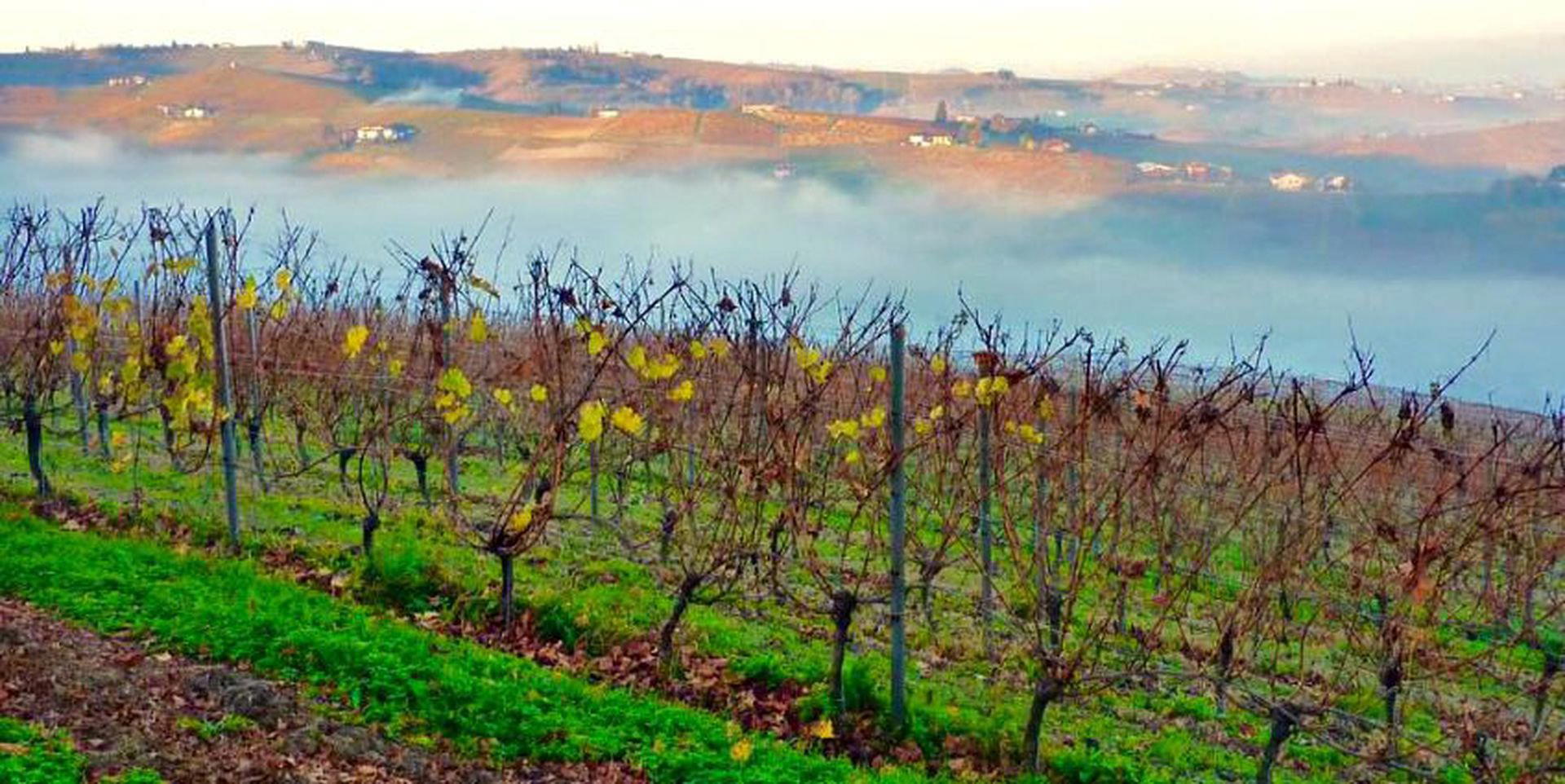
Dacapo Ca ed Balos winery
Agliano Terme, Italy
Dacapo is worth choosing for a small, organic Piedmont winery visit with real production substance rather than a polished tasting-room show. The draw is its 7 hectares across three sites, covering Barbera, Nizza, Grignolino, Ruchè, Moscato d’Asti and more, with a rustic farmhouse-cellar feel that suits couples and serious wine drinkers.
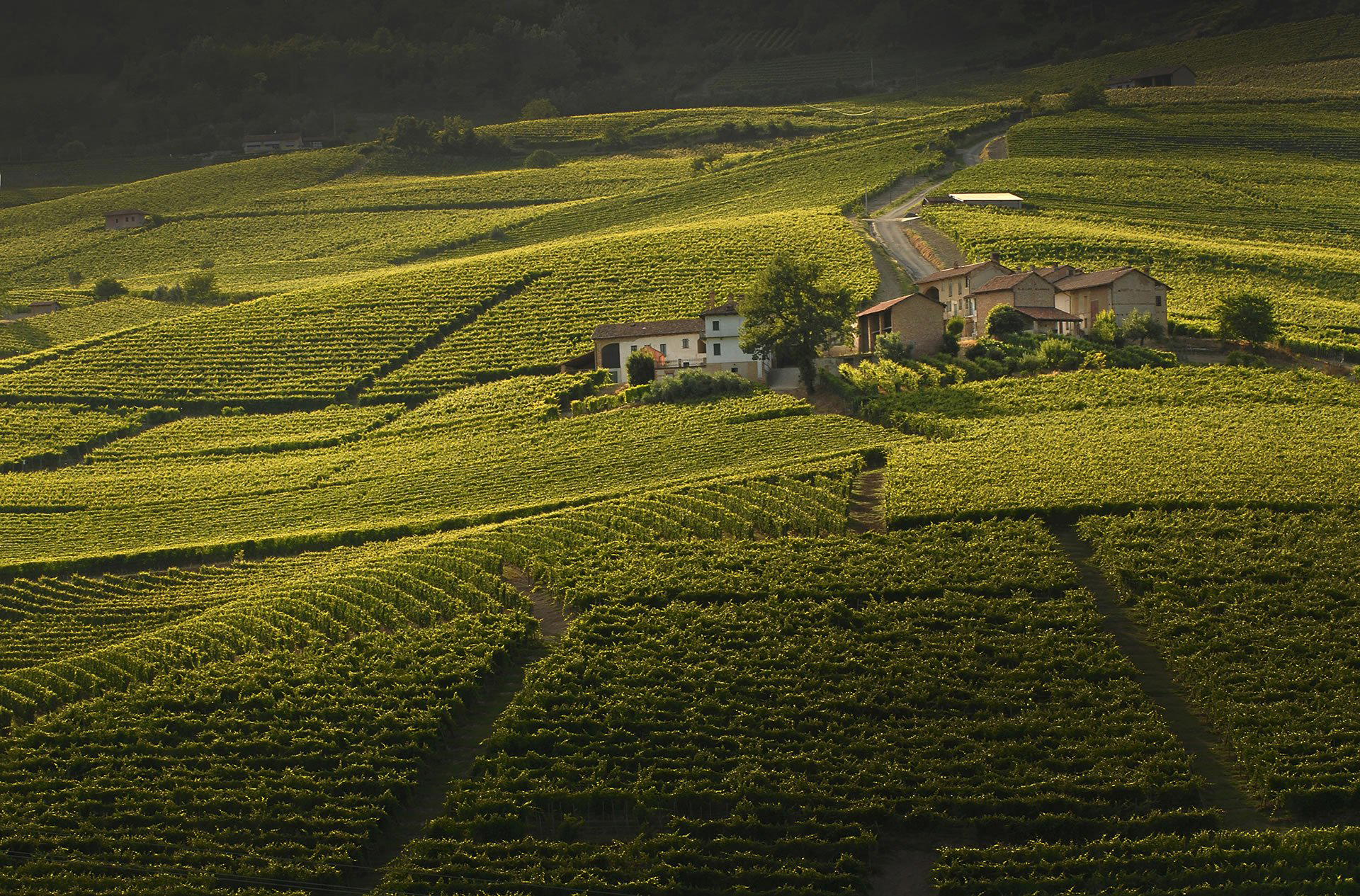
Azienda Agricola Eugenio Bocchino
La Morra, Italy
A cautious yes for wine-focused visitors planning a La Morra day around Piedmont producers rather than luxury hospitality. Azienda Agricola Eugenio Bocchino has a 2026 Falstaff listing, which is the strongest trust signal here, but bottle lineup, tasting format, and pricing should not be assumed.
Château Brulesécaille
Tauriac, France
Book Château Brulesécaille if you want a calm, good-value Côtes de Bourg tasting rather than a high-gloss Bordeaux château visit. The $$ positioning, 2026 Falstaff listing, and Hachette recognition for the 2022 red make it a sensible choice for couples or small groups seeking classic Merlot-led Bordeaux in a rural appointment-only setting.
DREI ZEILEN WEIN aka Weinmanufaktur 3 Zeilen
Rodelsee, Germany
Worth pursuing if the goal is a focused Franconian wine stop rather than a high-touch visitor setup. Falstaff 3 Stars (2026) gives it a credible quality signal, but plan carefully: public hospitality details are sparse, so this suits wine-focused travelers more than groups needing food, fixed hours, or a broad tour program.
Benoît Dorsaz
Fully, Switzerland
Benoît Dorsaz is a serious Fully wine shortlist pick, especially for travelers building a Valais itinerary around producer credibility rather than estate amenities. With Falstaff 3 Stars in 2026 and little public practical detail, treat it as a planning-first stop: confirm visit logistics before anchoring a day around it.
Domaine Sylvain Bzikot Père & Fils
Puligny-Montrachet, France
Domaine Sylvain Bzikot Père & Fils is worth prioritizing for a Puligny-Montrachet trip if the goal is serious Burgundy detail rather than a polished visitor-center experience. Expect a traditional, cellar-focused family estate with 15 hectares across Côte de Beaune communes, old-vine material, estate bottling since 1995, and Falstaff listing in 2026.
Domaine Dominique Roy-Jacquelin
Pommard, France
Book Domaine Dominique Roy-Jacquelin if the goal is serious small-production Pommard rather than a high-service winery visit. The value case rests on 4 hectares, old-vine Pinot Noir, Premier Cru holdings, Falstaff Listed recognition in 2026, and a $149 2017 Pommard AOC with ST 94 and JR 16.5.
Château Greysac
Begadan, France
Worth planning for if the day is focused on the northern Médoc and the goal is a credible château stop rather than a casual drop-in. Château Greysac has a Falstaff 1 Star signal for 2026, so it makes sense for couples or small celebration groups building a measured Bégadan wine itinerary.
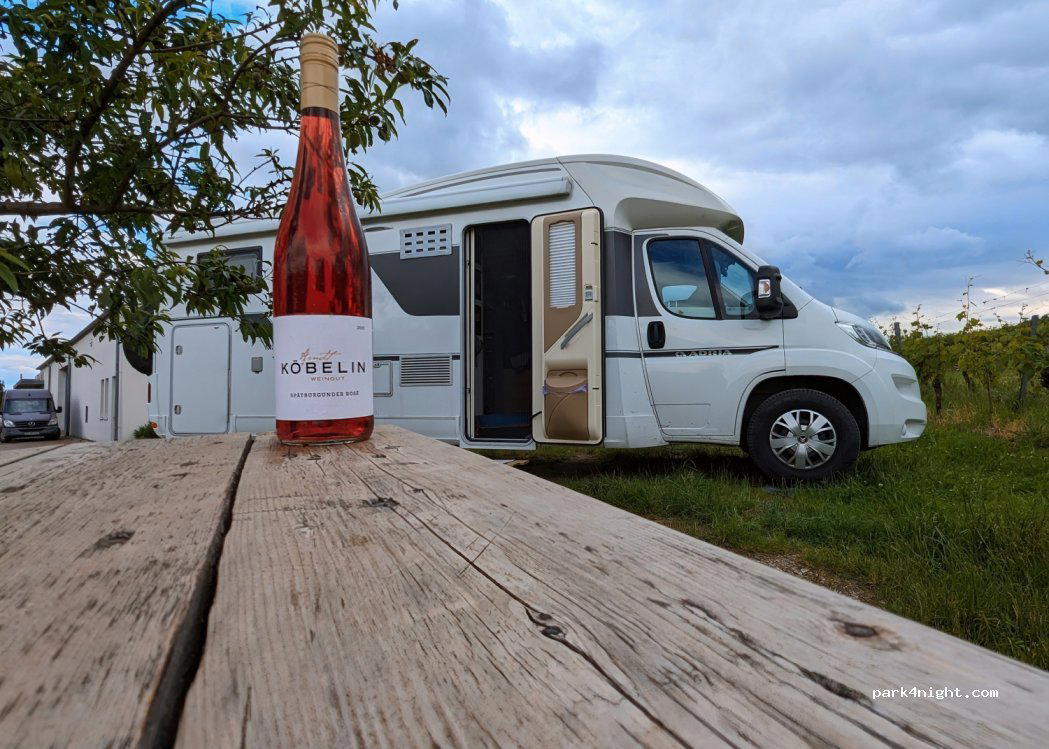
Arndt Köbelin Weingut
Eichstetten, Germany
Against other Eichstetten wine stops, Arndt Köbelin Weingut is worth prioritizing when outside recognition matters: Falstaff lists it at 2 Stars for 2026. Book it as a focused Baden winery visit rather than a full-day hospitality experience, and confirm tasting logistics before building a larger group plan around it.
Huis van Chevallerie
Swartland, South Africa
A focused Swartland winery for travelers who care about old-vine Chenin, dry-farmed Paardeberg vineyards, and small-production sparkling wine. Book it as a specialist wine stop, not as a food-led estate visit or polished visitor-centre experience.
Finca Rodma Bodegas y Viñedos
Quintanilla De Arriba, Spain
Book Finca Rodma Bodegas y Viñedos if you want a calm, appointment-led Ribera del Duero tasting built around Tempranillo, vineyard context, and Duero views. It suits couples, small celebrations, and hosted wine days better than casual walk-in tasting, with the strongest case coming from its focused production choices and intimate visit formats.
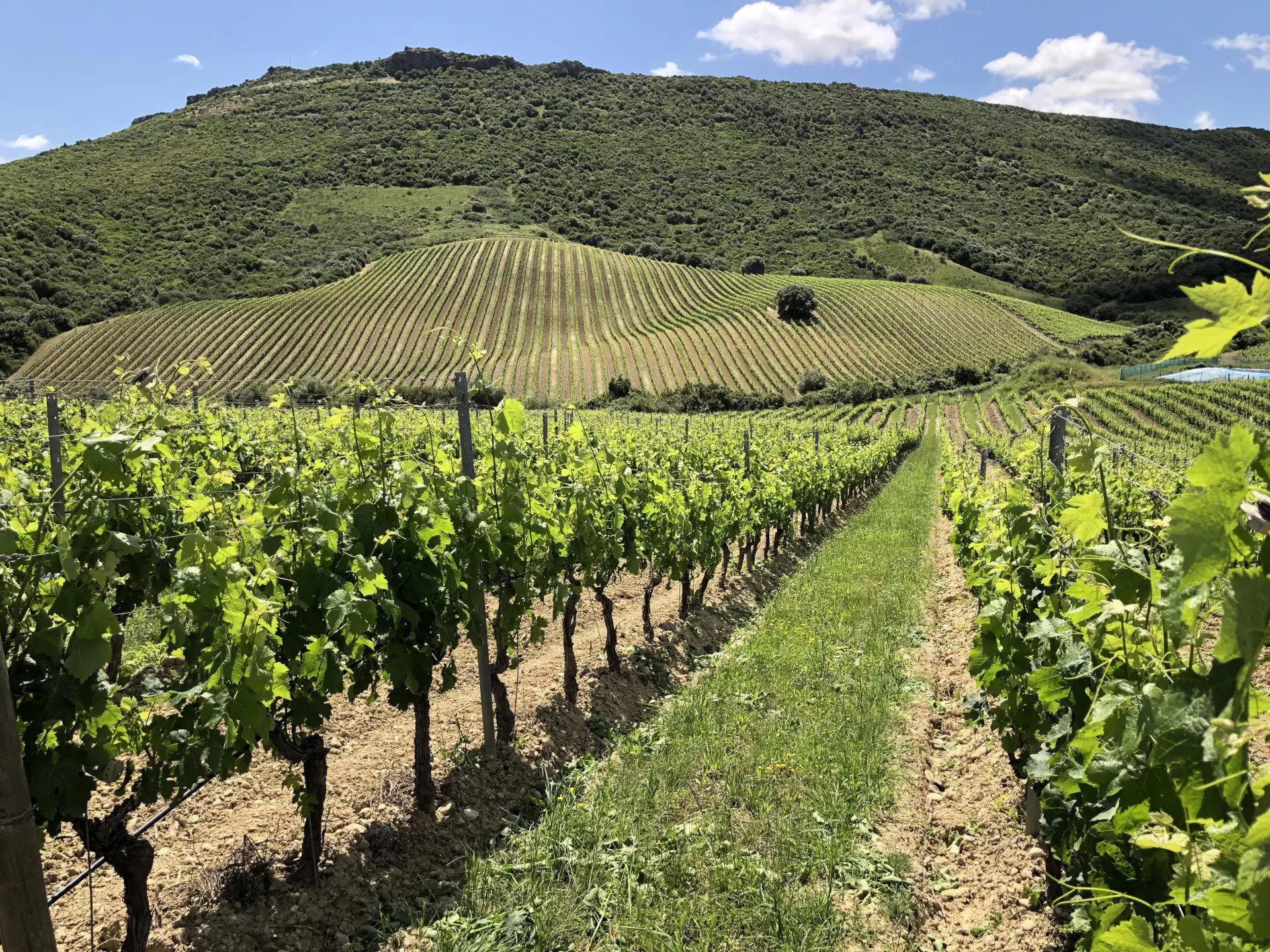
Agripunica
Santadi, Italy
Agripunica is worth targeting for a Santadi wine-focused celebration, especially if the plan is built around a private or upgraded tasting rather than a casual stop. Falstaff 3 Stars for 2026 gives it a clear quality signal, but treat access as difficult and do not rely on it for a meal unless food service is confirmed separately.
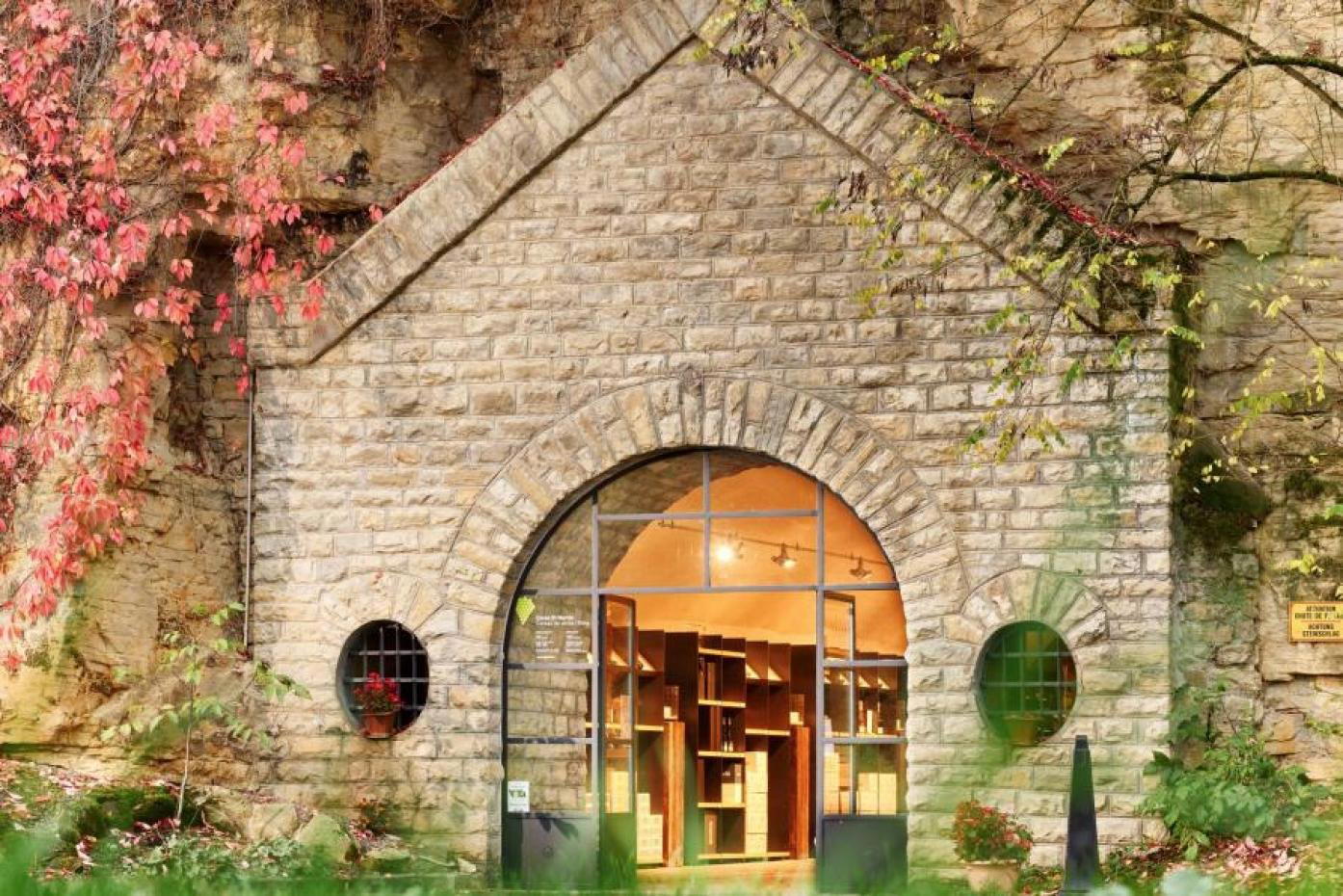
Caves St. Martin Remich S.A.
Remich, Luxembourg
Book Caves St. Martin Remich S.A. if the cellar setting matters as much as the tasting. The draw is the cool limestone gallery experience paired with a Moselle-facing terrace, making it a strong first stop for travelers trying to understand Luxembourg wine without turning the day into a technical masterclass.
Domaine Philippe Gilbert
Menetou Salon, France
Domaine Philippe Gilbert is worth targeting if the priority is serious Menetou-Salon wine rather than a polished tourist tasting. The draw is biodynamic farming, long family continuity, and mineral-driven Sauvignon Blanc and Pinot Noir from limestone soils. Best for small, wine-focused occasions or allocation-minded buyers; less certain for large groups or travellers who need a highly structured visitor setup.
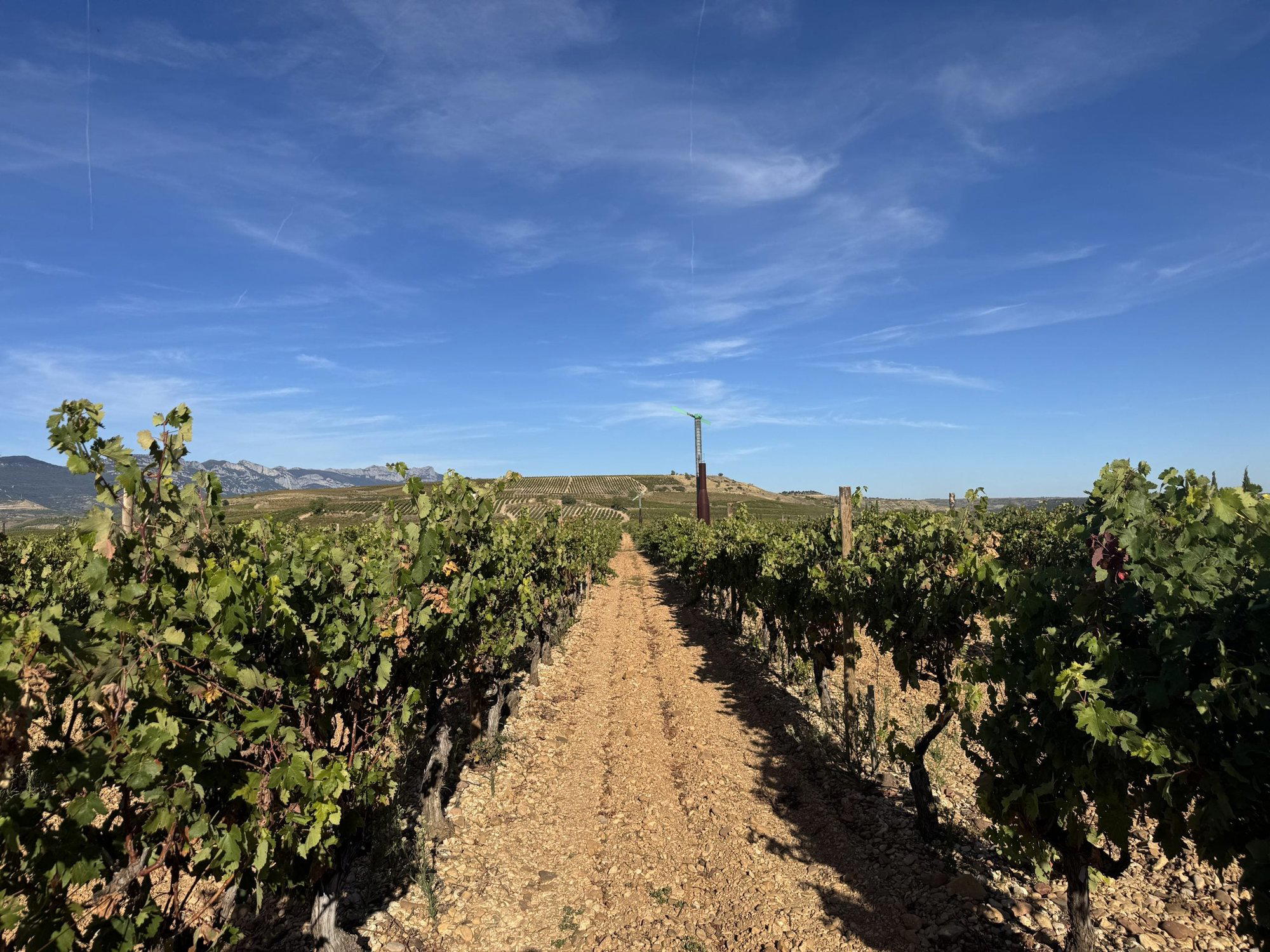
Castagnoli
Castellina in Chianti, Italy
Castagnoli is worth booking if you want a quiet, wine-focused Chianti Classico visit built around organic Sangiovese rather than a broad tasting-room circuit. The strongest fit is a couple or small celebration group that wants estate context, old terraces, and a clear flagship-to-riserva conversation without a resort-style experience.
Domaine Albert Grivault
Meursault, France
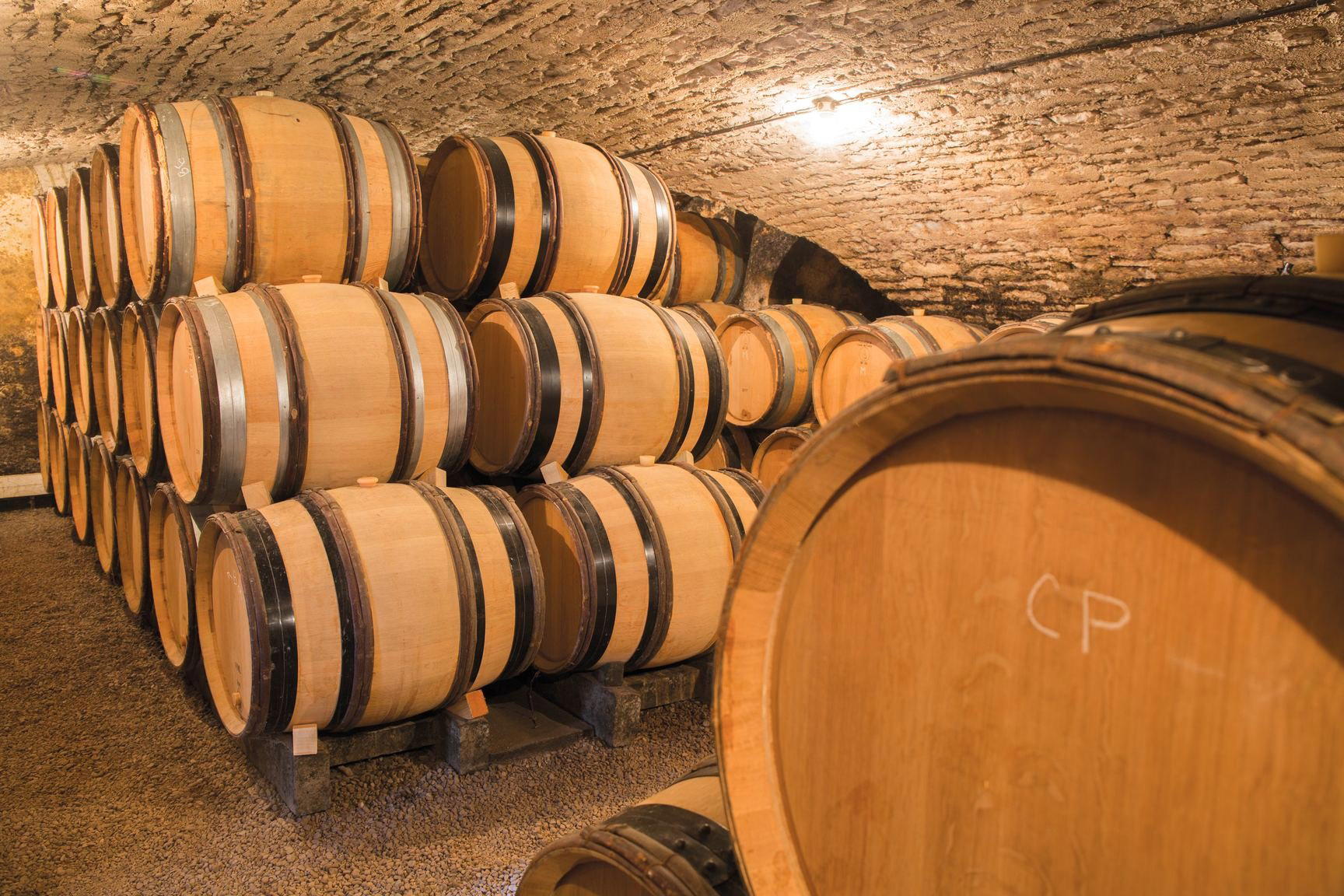
Domaine Albert Grivault is a practical first-timer choice in Meursault if the goal is a focused producer stop rather than a high-touch visitor attraction. Its Falstaff Listed 2026 recognition gives it a clear trust signal, but plan the visit around confirmed access and keep nearby Meursault wineries as backups for a fuller day.
Corte Sant'Arcadio
Castelnuovo Del Garda, Italy
Corte Sant'Arcadio is a better pick for a quiet rural winery stay than for a highly structured tasting-led visit. Choose it for countryside atmosphere, simple rustic rooms, and a calm Castelnuovo del Garda base; look wider if named wines, formal flights, or detailed cellar programming are the main reason for the trip.
Buschenschank Mayer - Moar Pertl
Edelsbach Bei Feldbach, Austria
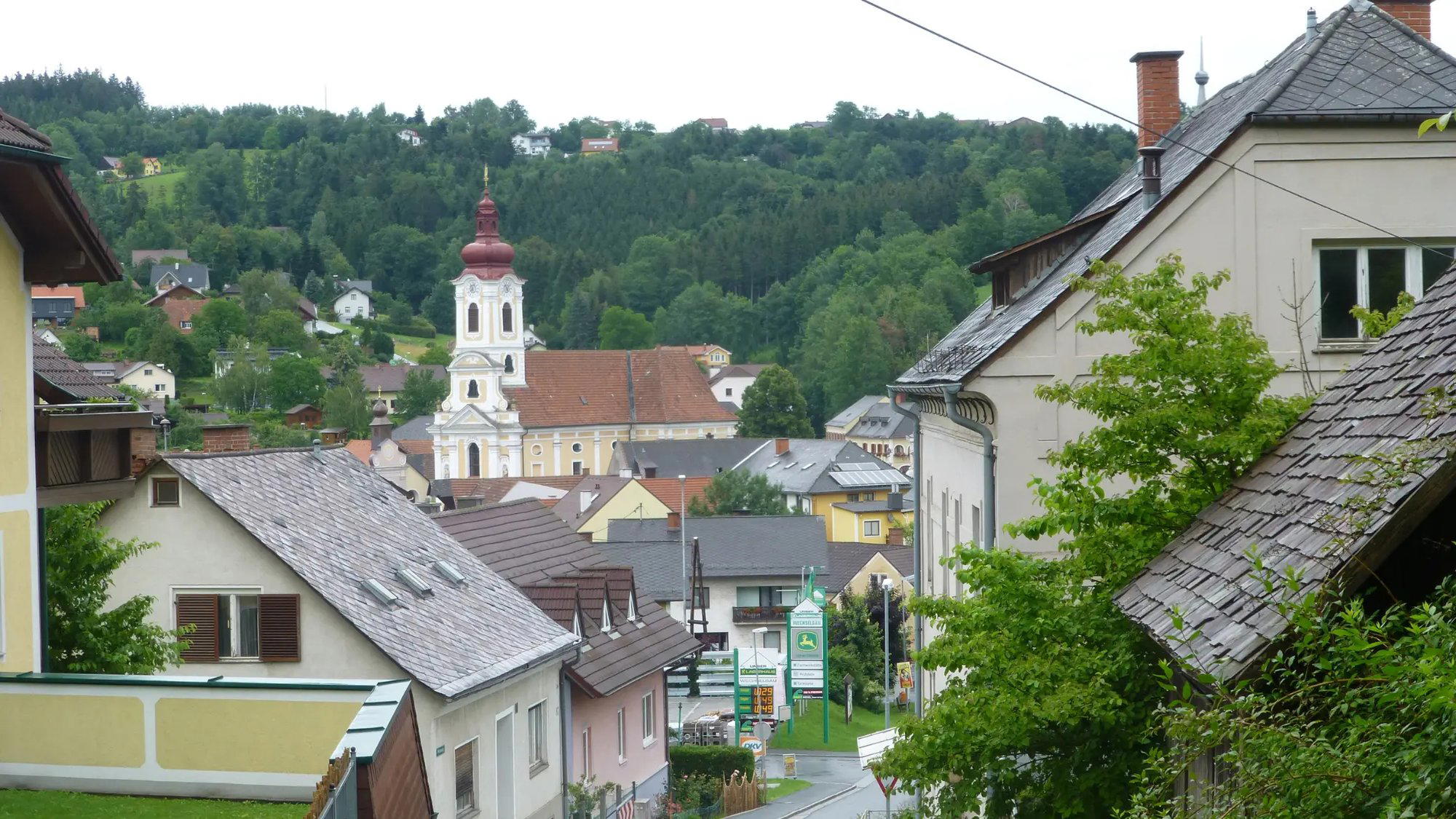
Choose Buschenschank Mayer - Moar Pertl for a relaxed Styrian buschenschank meal with estate wine, rustic indoor charm, terrace seating, and countryside views. It is stronger as a slow regional food-and-wine stop than as a formal tasting appointment, and it suits couples or small groups exploring Südoststeiermark.
Bodegas Altanza
Fuenmayor, Spain
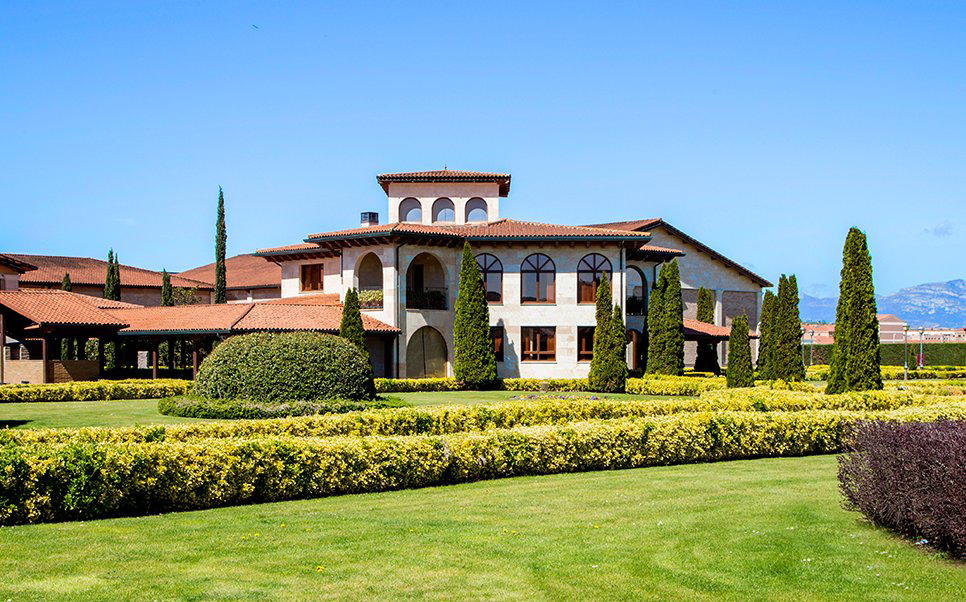
Book Bodegas Altanza if you want a polished Rioja Alta winery visit with Tempranillo at the center and enough hospitality infrastructure for a special lunch or business outing. It is a stronger fit for structured tastings, food pairings, and group-friendly occasions than for a tiny cellar experience.
Domaine de la Barthe
Béziers, France
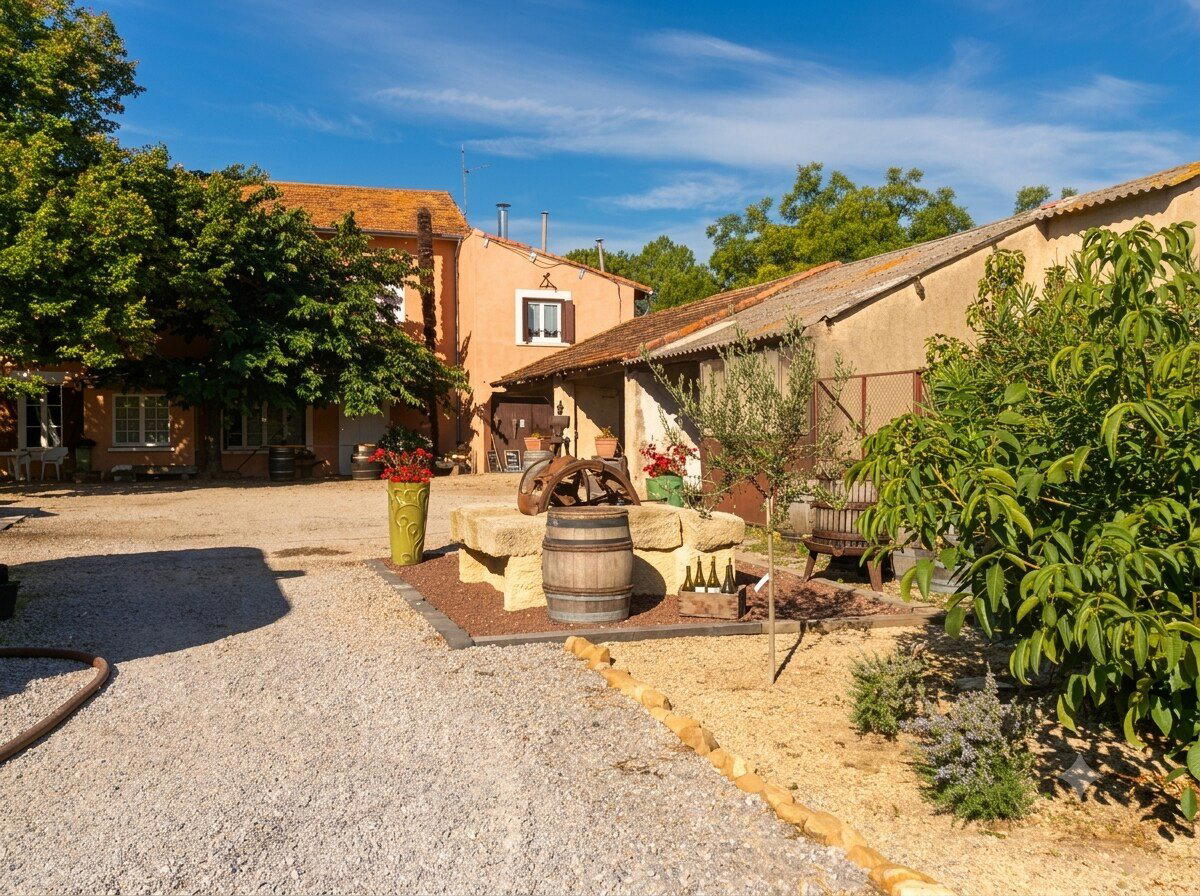
Book Domaine de la Barthe for an easygoing, family-run Languedoc tasting near Béziers rather than a formal trophy-cellar experience. It suits couples, small groups, and low-key celebrations that want regional context, direct cellar sales, and a rural setting between sea and garrigue.
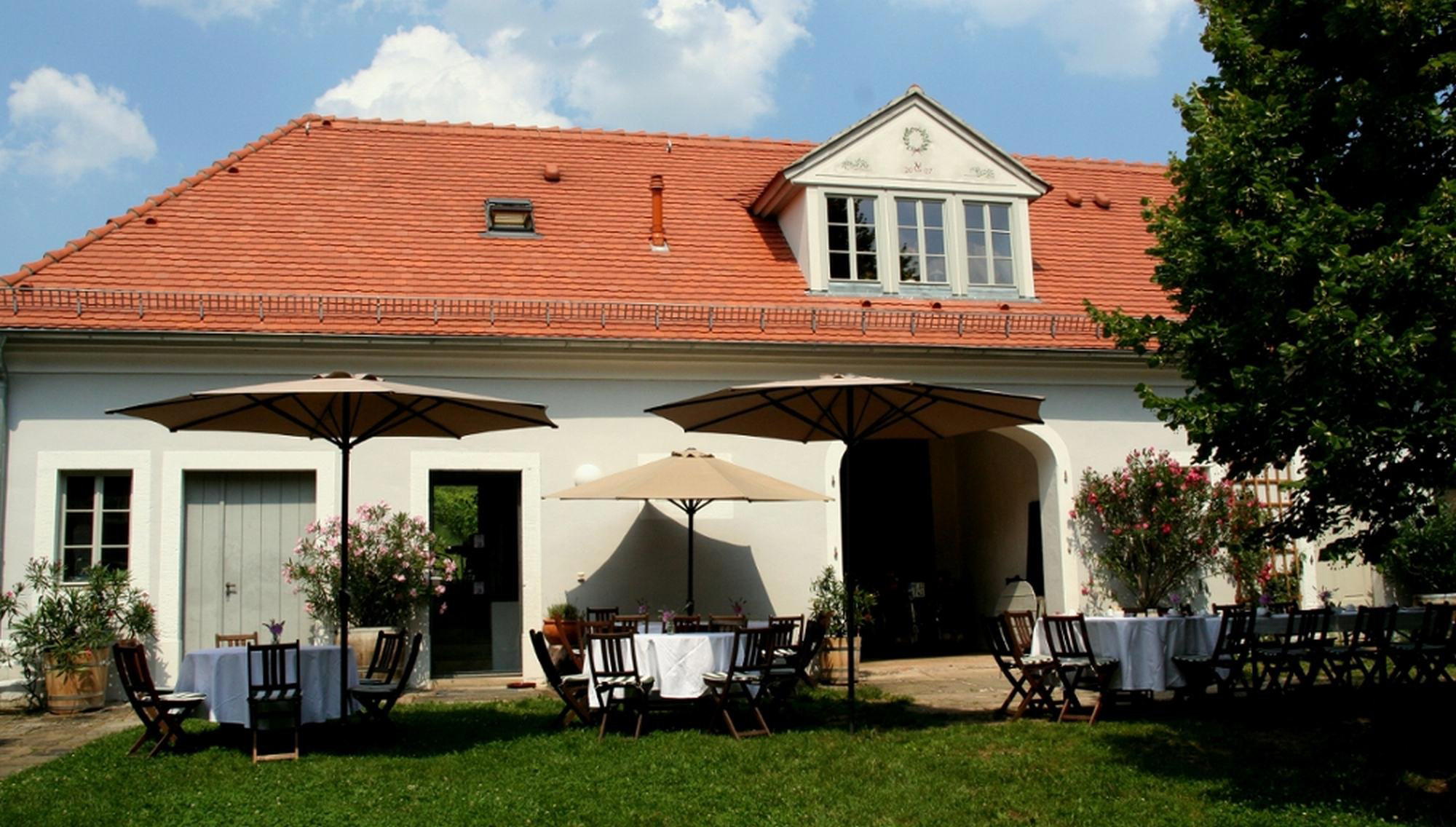
Haus Steinbach
Radebeul, Germany
Haus Steinbach is worth booking as a quiet, self-catering Radebeul base, not as a winery tasting destination. The appeal is the small historic-building setting, compact two-person units, and access to Saxony wine-country stops; travellers wanting a staffed hotel, group-friendly setup, or formal wine program should look elsewhere. Falstaff Listed in 2026, with a $$ price signal.
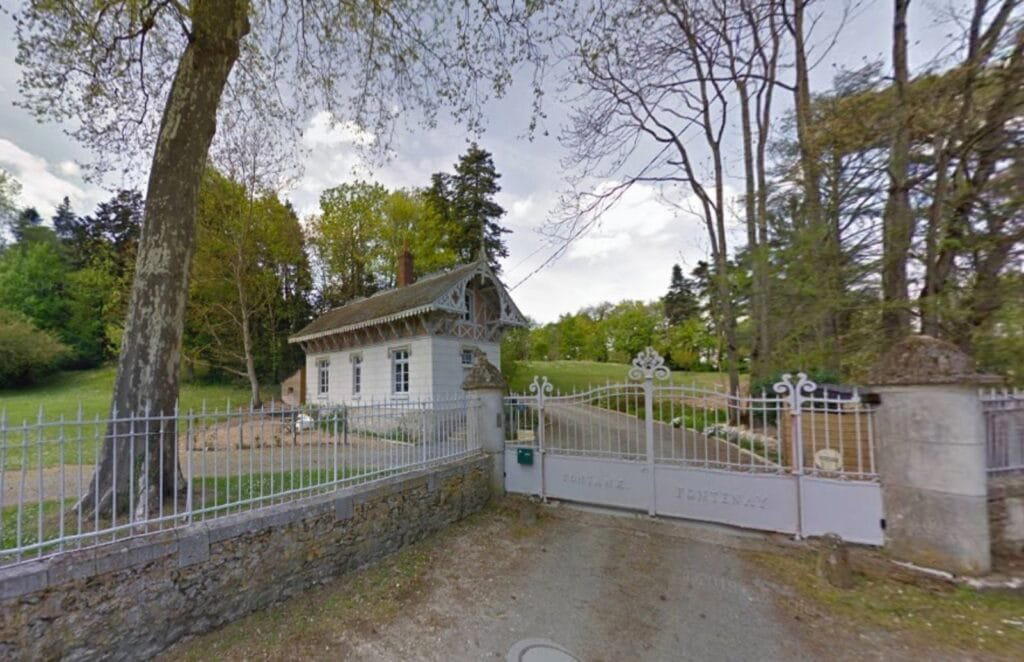
Clos du Tue Bœuf
Les Montils, France
Worth pursuing for serious natural-wine travelers who want organic Loire farming, low-intervention cellar work, and a rural working-estate feel rather than a polished visitor center. Clos du Tue Bœuf is strongest for small, curious parties focused on production philosophy, rare Loire varieties, and plot-led wines; it is less suited to drop-in tasting, food pairing, or large-group planning.
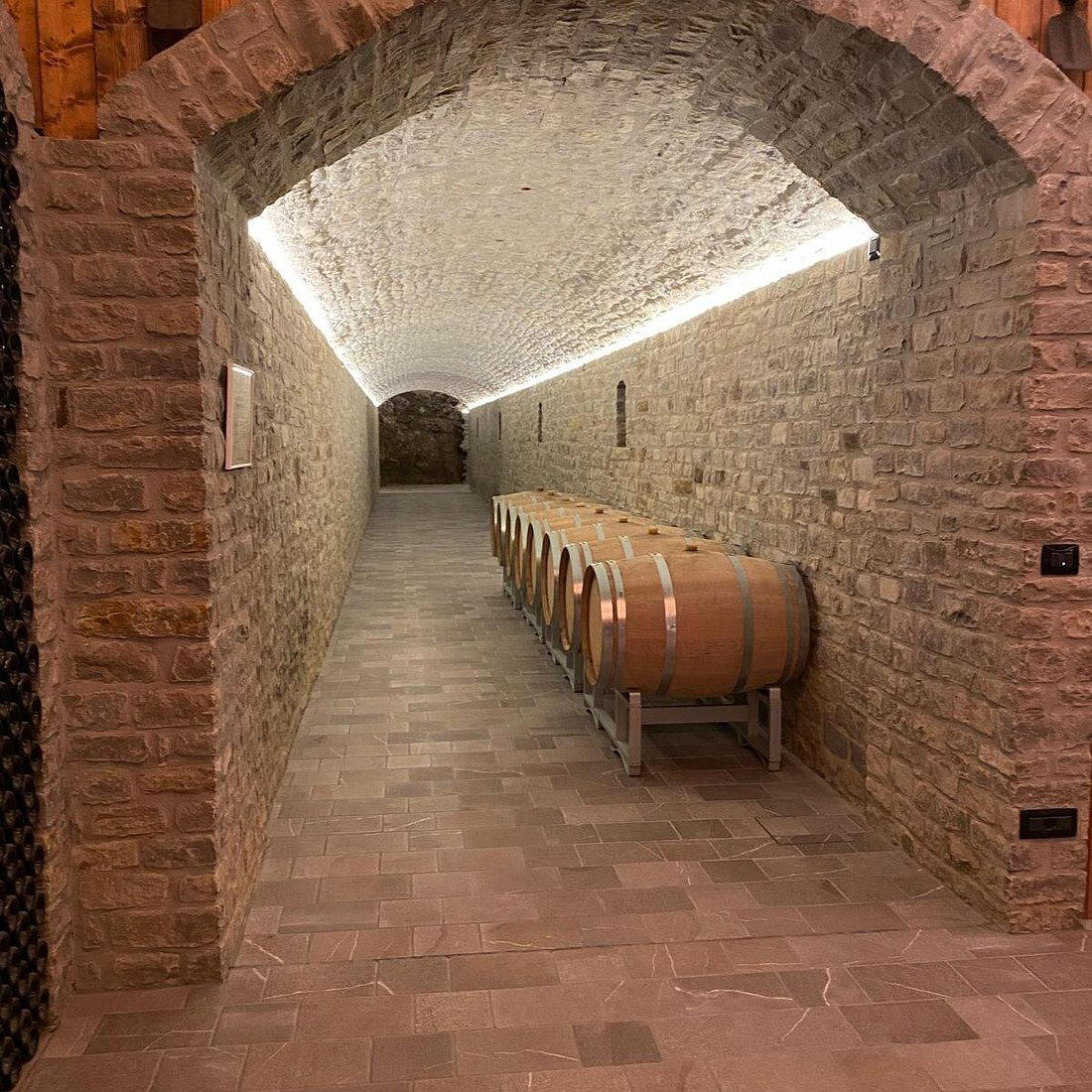
Borgo Maragliano
Loazzolo, Italy
Book Borgo Maragliano if you want a quiet Loazzolo tasting where the hilltop setting and cellar work matter as much as the pours. It is strongest for first-timers interested in Piedmont sparkling wine, Moscato d’Asti, and late-harvest Loazzolo, and less suited to spontaneous drop-ins or large groups without a confirmed appointment.
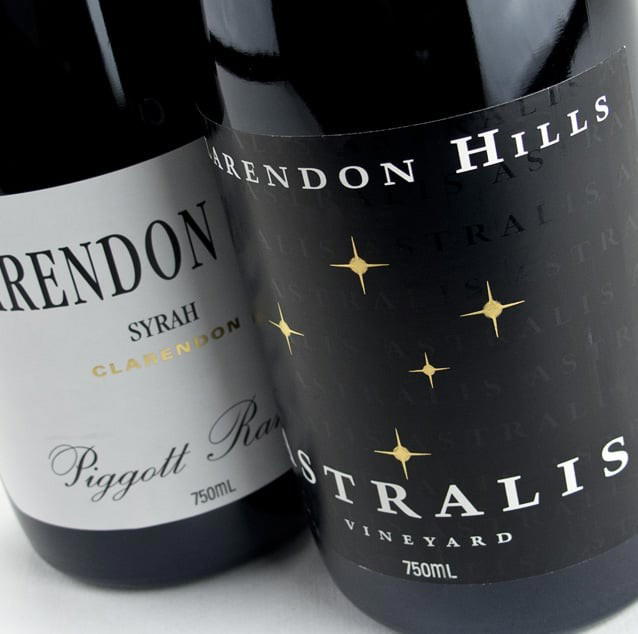
Clarendon Hills
Blewitt Springs, Australia
Clarendon Hills is worth prioritising if the goal is collector access and a focused Blewitt Springs wine stop, especially around scarce allocations or milestone bottles. It is less suited to casual group outings or visitors who need food, easy scheduling, and broad hospitality infrastructure; cross-shop nearby wineries if logistics matter more than cellar depth.
Domaine de Mauperthuis
Préhy, France
A good Préhy booking for visitors who want classic northern Burgundy without a showy tasting-room experience. Domaine de Mauperthuis is strongest for its regional breadth across Chablis, Irancy, Saint-Bris, and broader Burgundy styles, backed by estate-grown fruit, low-yield farming, and 2026 Falstaff listing. Better for couples or wine-focused groups than guests seeking luxury hospitality.
Eldridge Estate
Red Hill, Australia
Eldridge Estate works for a Red Hill wine-focused stop, especially with its Falstaff Listed 2026 recognition. Treat it as part of a Mornington Peninsula winery route rather than a fully specified dining or events choice, since pricing, hours, group capacity, and food format are not confirmed here.
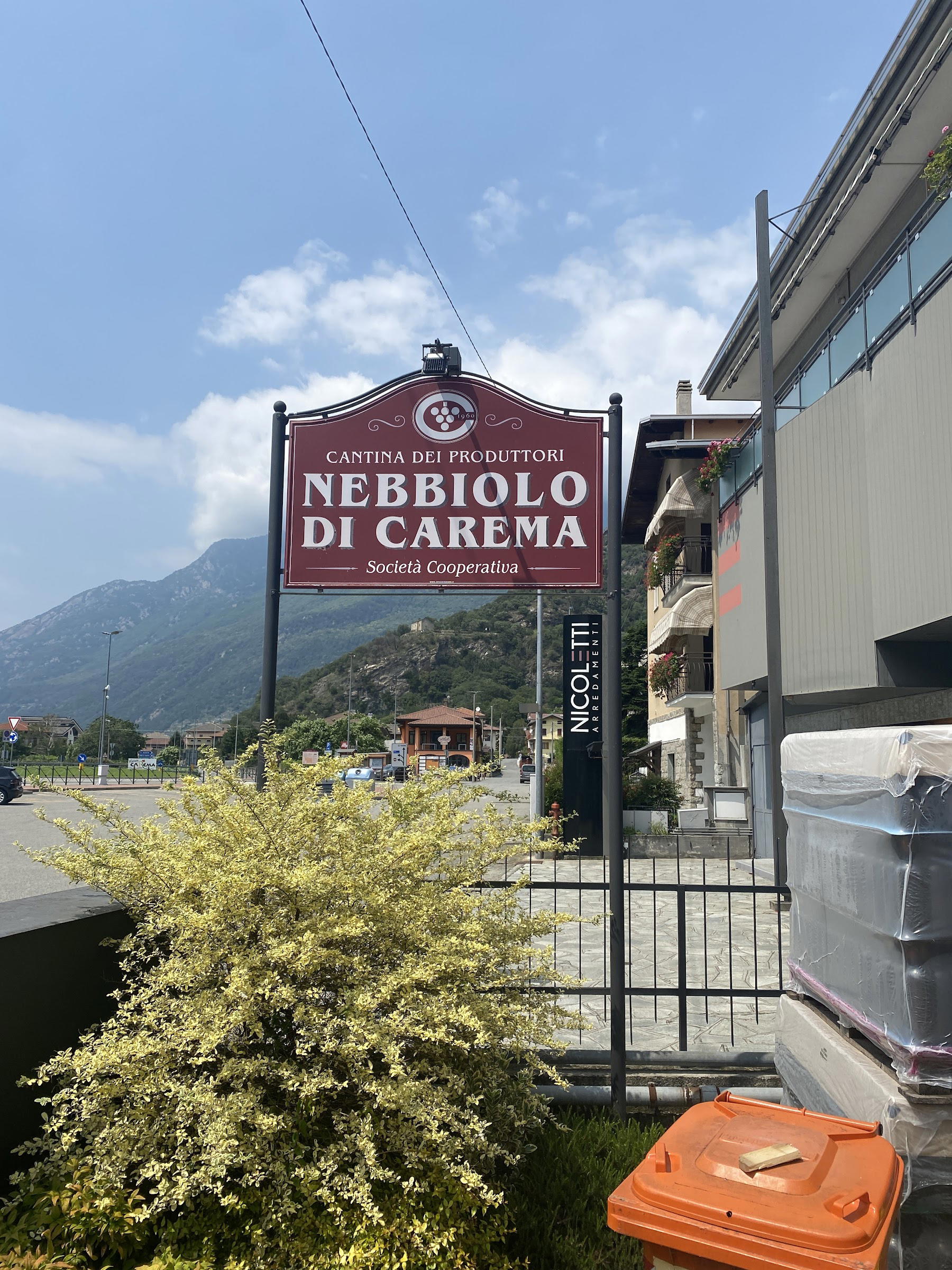
Cantina Produttori Nebbiolo di Carema
Carema, Italy
A practical Carema pick for travelers who want to understand the area's mountain Nebbiolo identity rather than chase a high-production tasting room. Confirm the current tasting setup before planning a special occasion around it, then use the stop as the anchor for a slower Carema wine day.
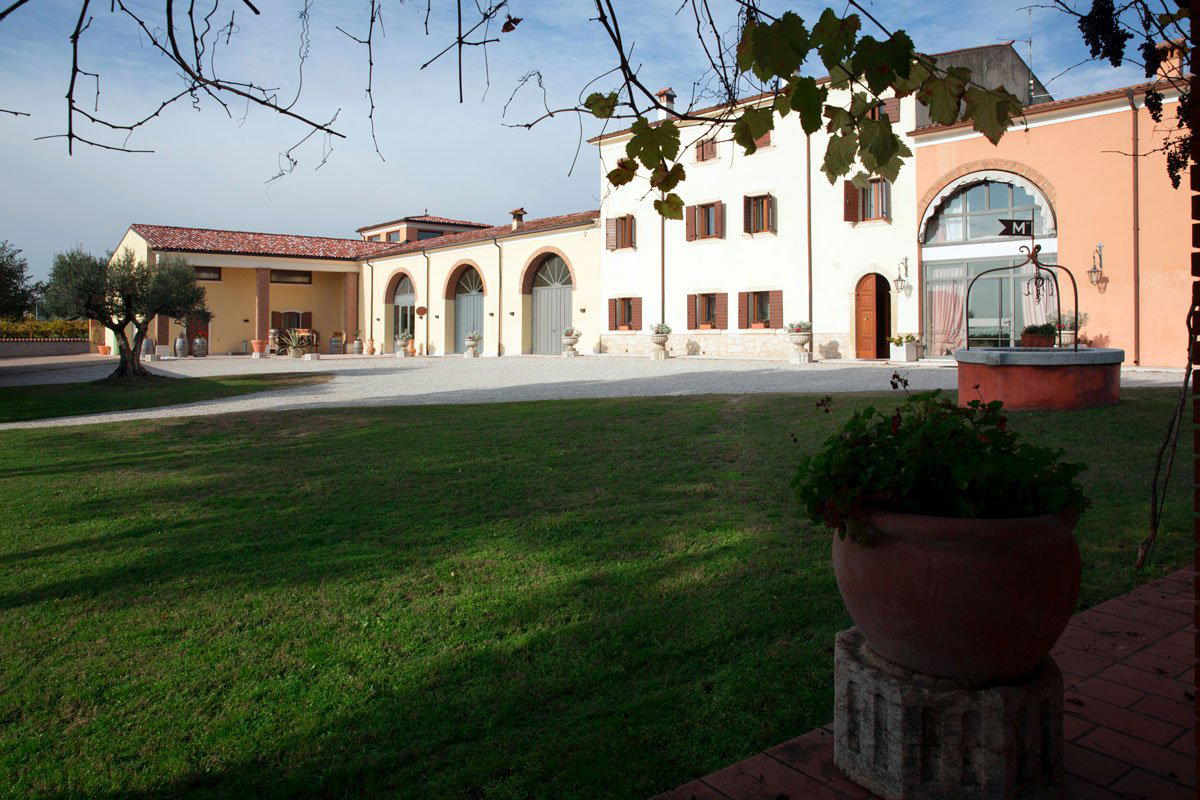
Azienda Agricola Marco Mosconi
Verona, Italy
Azienda Agricola Marco Mosconi works for a wine-first Verona itinerary, especially if producer context matters more than a polished hospitality setup. Falstaff recognition for 2026 gives it a credible quality signal, but confirm the visit format before going if food, group size, timing, or shipping matter to the plan.
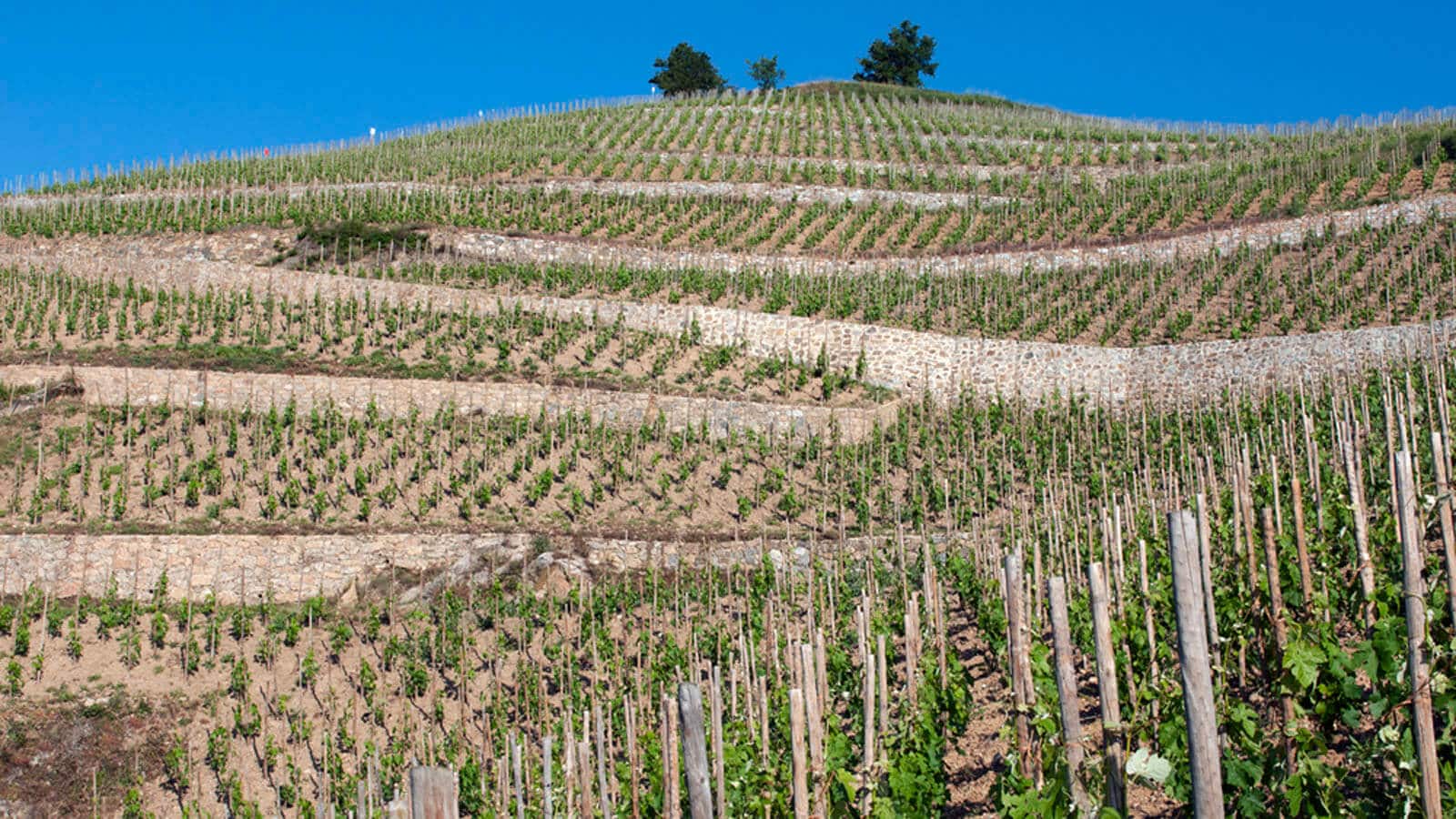
Domaine Jean-Louis Chave
Mauves, France
Domaine Jean-Louis Chave is a wine estate in Mauves in France's Northern Rhône.
Domaine Rémi Jobard
Meursault, France
Domaine Rémi Jobard is worth targeting if the goal is serious Meursault Chardonnay from a focused family grower, not a casual wine-tourism stop. It is strongest for collectors and allocation-minded buyers who care about precise, mineral white Burgundy and are comfortable planning around an appointment-led visit.
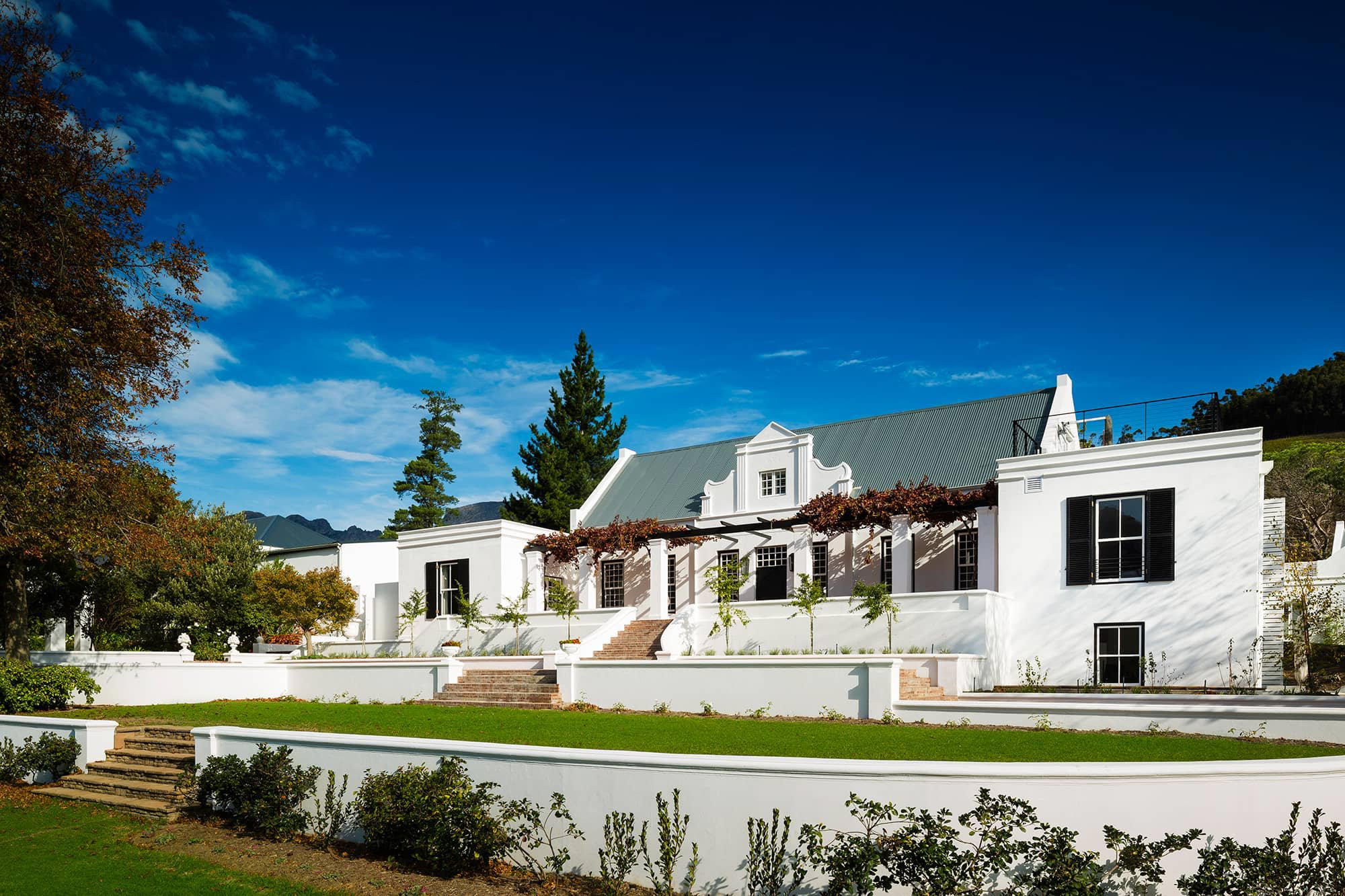
Mont Rochelle
Franschhoek, South Africa
Mont Rochelle is a stronger choice for a polished Franschhoek occasion than for a fast, information-heavy tasting crawl. Prioritize it for anniversaries, date weekends, or hosted wine-country time, and cross-shop Boekenhoutskloof or Mullineux & Leeu Family Wines if bottle depth is the main reason for the visit.
Artur de Barros e Sousa
Funchal, Portugal
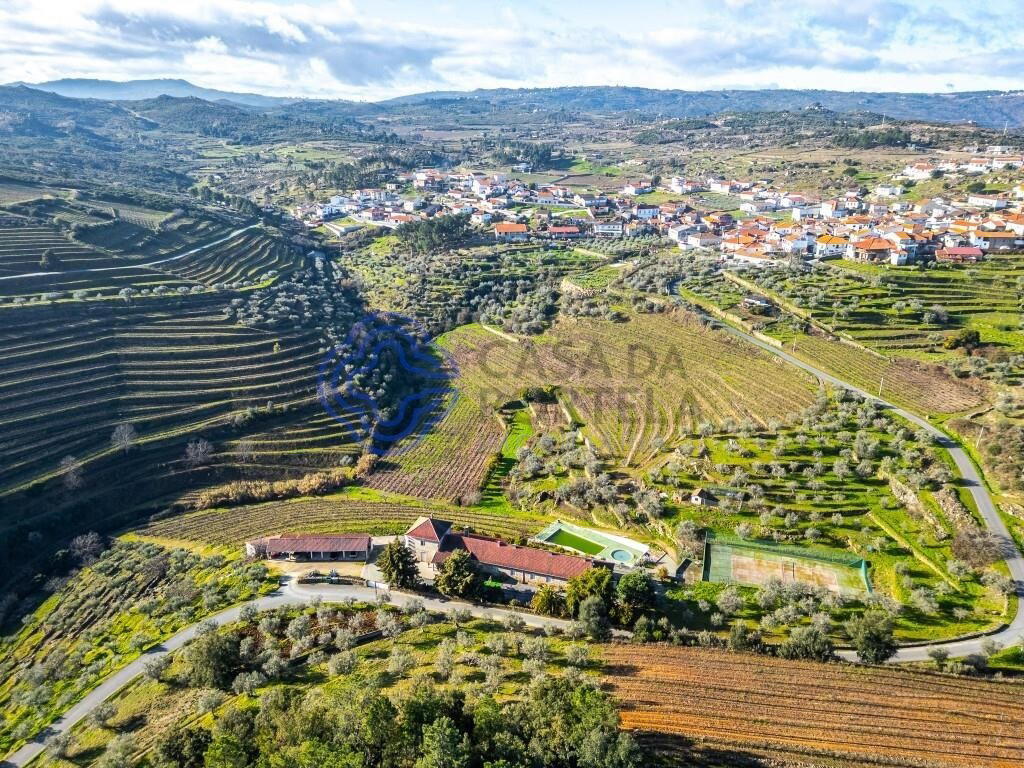
Book Artur de Barros e Sousa only if Madeira wine history is the point of the outing. Its appeal is the old-school Funchal lodge feel, old oak atmosphere, rare Madeira associations, and 2026 Falstaff listing, not a broad visitor-center experience. Better for collectors, anniversaries, and serious wine travelers than casual groups looking for food or polished tourism logistics.
Château Haut Ballet
Saint Michel De Fronsac, France
Book Château Haut Ballet if you want a quiet, wine-first Canon-Fronsac visit focused on limestone-grown Merlot rather than a broad tasting-room experience. It is strongest for couples, collectors, and special-occasion guests who value structure, oak aging, and Right Bank terroir; less suited to large casual groups or anyone seeking a wide portfolio.
Château Peyredoulle
Berson, France
Book Château Peyredoulle if the priority is a wine-focused look at Blaye - Côtes de Bordeaux rather than a polished tourism circuit. The draw is its historic Berson setting, clay-limestone vineyard, viticulture raisonnée approach, and Merlot-led red blend with Malbec and Petit Verdot. Appointment planning matters, and the experience is better suited to curious Bordeaux drinkers than amenity-driven visitors.
Domaine William Fèvre
Chablis, France
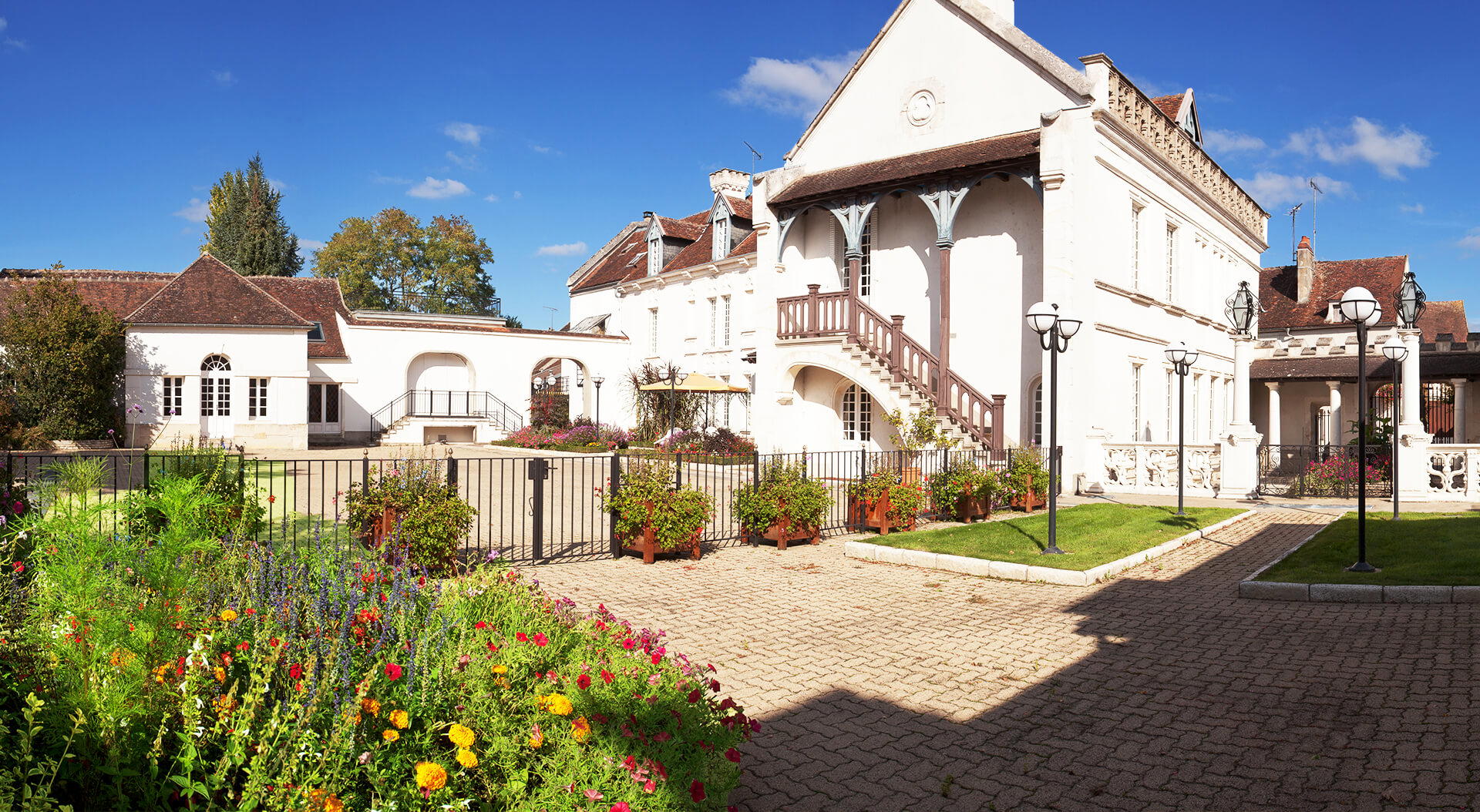
Visit Domaine William Fèvre's Chablis tasting space to compare Chardonnay across appellations. The estate itself can be toured by appointment through the proprietor's booking form.
Domaine l'Abbe Dîne
Courthézon, France
A practical Courthézon pick for a wine-led Châteauneuf-du-Pape stop, especially if flexibility matters more than a formal dining or pairing program. Domaine l'Abbe Dîne is Falstaff Listed for 2026, but treat the visit as bottle-focused and confirm any food, group, or tasting details before shaping the day around it.
Parker Coonawarra Estate
Coonawarra, Australia
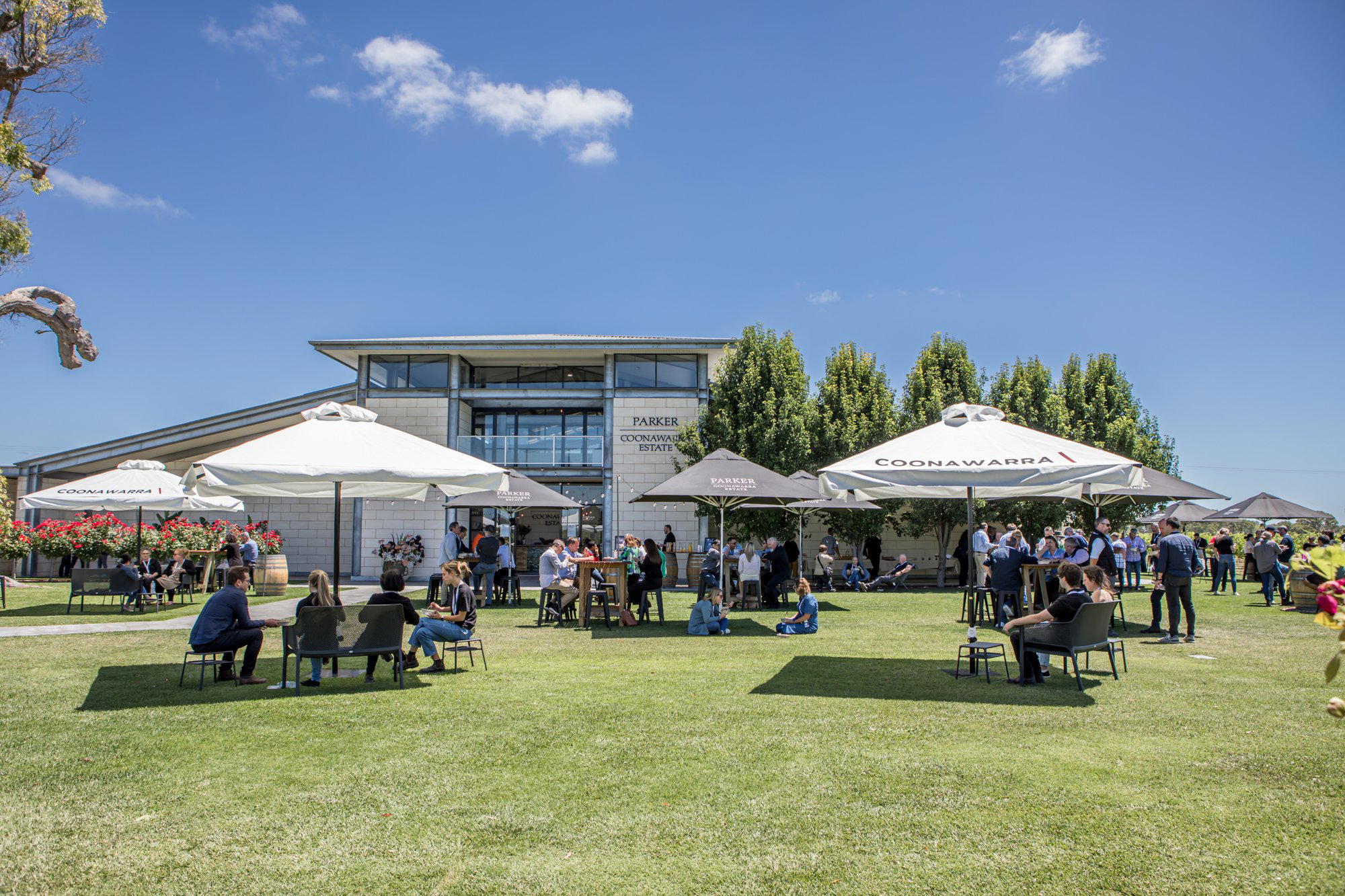
Parker Coonawarra Estate is worth prioritising for a wine-first Coonawarra itinerary, especially if the goal is a serious regional benchmark rather than a casual drop-in. The fit is strongest for travellers comparing established producers; groups needing food, large-party certainty, or a more social format should cross-shop nearby estates first.
Mabis
San Bonifacio, Italy
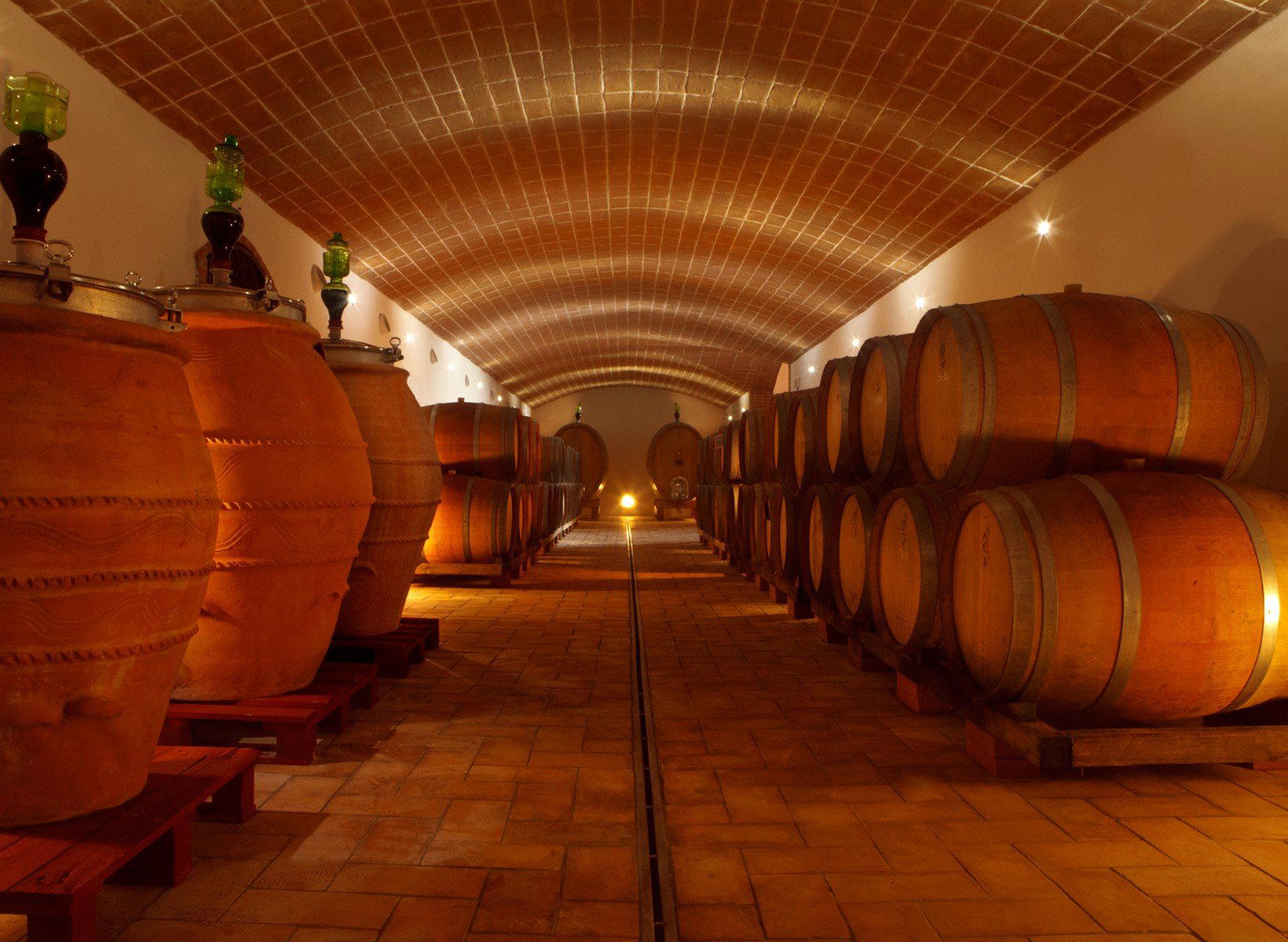
Book Biscardo if the goal is a focused Veneto winery stop built around family history, Amarone, Ripasso and broader regional range. It suits small celebrations, wine-focused couples and business guests better than casual groups looking for a drop-in tasting with food and fixed visitor details.
Colombaio
Montalcino, Italy
Colombaio is worth prioritising if the point of the trip is serious Brunello rather than a broad Tuscan tasting-room experience. The value case rests on traditional Sangiovese production, cellar-led atmosphere, Falstaff recognition for 2026, and named Brunello bottlings with strong critical attention; casual groups may prefer a more hospitality-heavy stop.
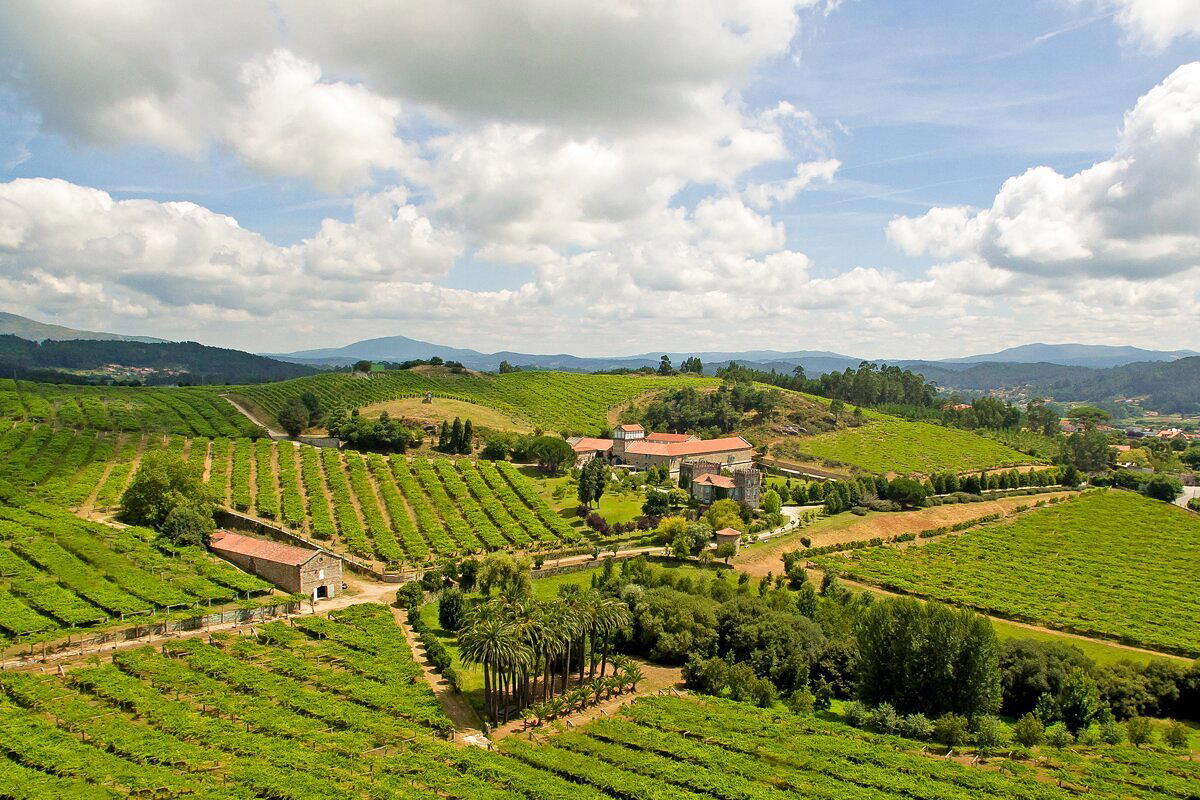
Bodega Benito Santos
Vilanova de Arousa, Spain
A quiet, Atlantic-facing Rías Baixas winery to book if Albariño depth matters more than a broad hospitality setup. The draw is organic Val do Salnés farming, named vineyard bottlings, and Falstaff 1 Star recognition in 2026. Consider a private tasting only if it adds vineyard comparison or access to reserve-style wines.
Jakob Stierschneider – Kartäuserhof
Weißenkirchen in der Wachau, Austria
Jakob Stierschneider – Kartäuserhof works for a quiet Wachau winery appointment with a classic working-estate feel. The Falstaff 3 Stars 2026 signal helps justify the detour, but this is better for wine-focused travelers than for groups needing food, fixed hours, or a heavily structured visitor experience.
Weingut Hannes Reeh
Andau, Austria
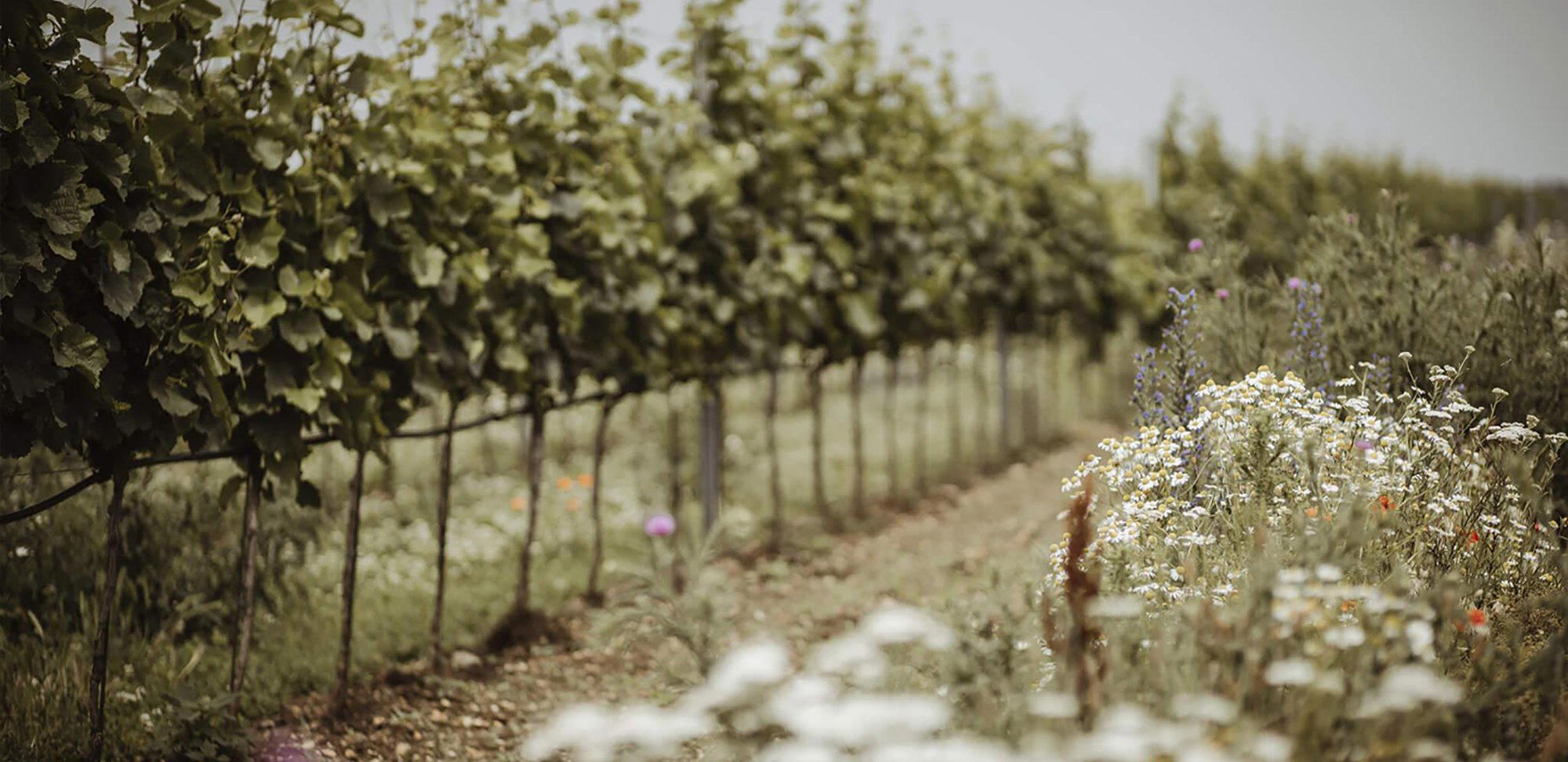
A serious Andau winery to pursue when wine is the point of the trip, not a casual add-on. Best for collectors, couples, and small celebration groups who want a focused producer visit; cross-shop Weingut Johann Schwarz for another serious Andau stop, Weingut Scheiblhofer Distillery for a broader drinks outing, and Zantho when availability matters more.
Fattoria Machiavelli
S Casciano, Italy
Fattoria Machiavelli is worth booking if the appeal is Chianti Classico with genuine historical context, not a flashy tasting-room experience. The strongest bottle focus is the Vigna di Fontalle Gran Selezione, while the Riserva pricing keeps the estate in a practical $$ lane for visitors who want to buy after tasting.
Bodegas Valdecuriel
Curiel De Duero, Spain
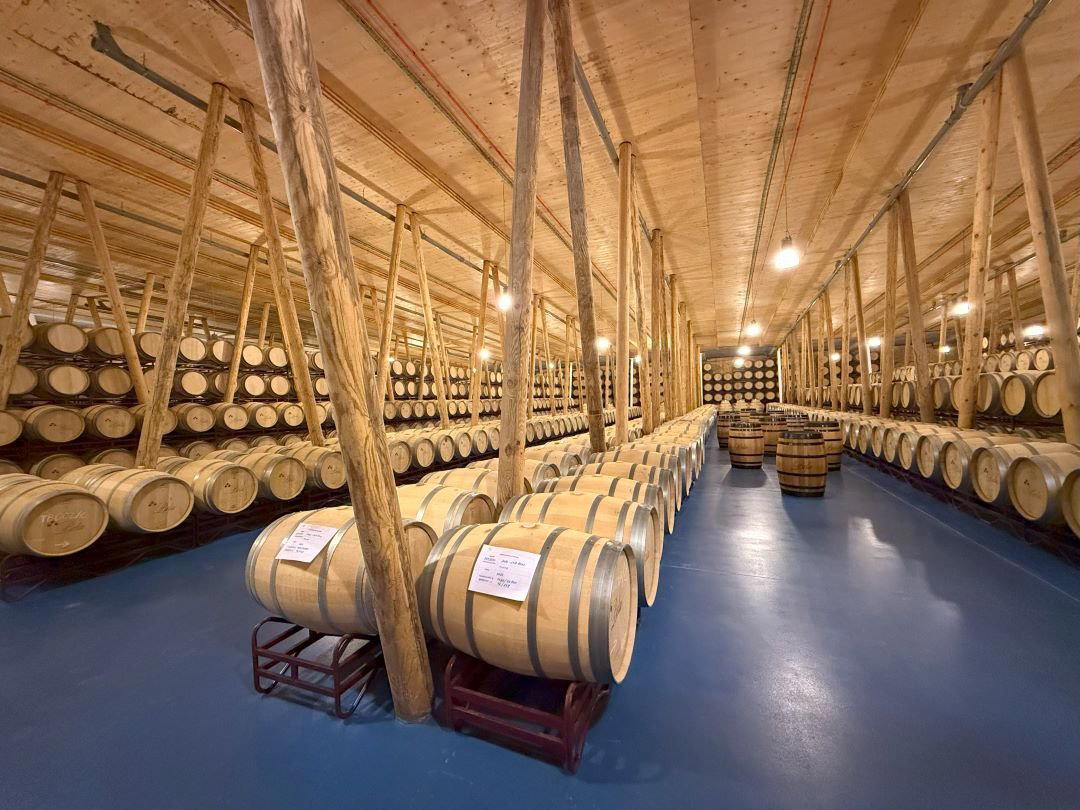
Bodegas Valdecuriel is a good Ribera del Duero pick for travellers who want a quieter, Tempranillo-focused winery rather than a high-production visitor experience. The value is in the compact Roble, Crianza, and Reserva range, the Las Pinzas valley setting, and the Muriel Wines backing; book it for context and buying clarity, not for elaborate hospitality extras.
Celler Kripta
Sant Sadurní d'Anoia, Spain
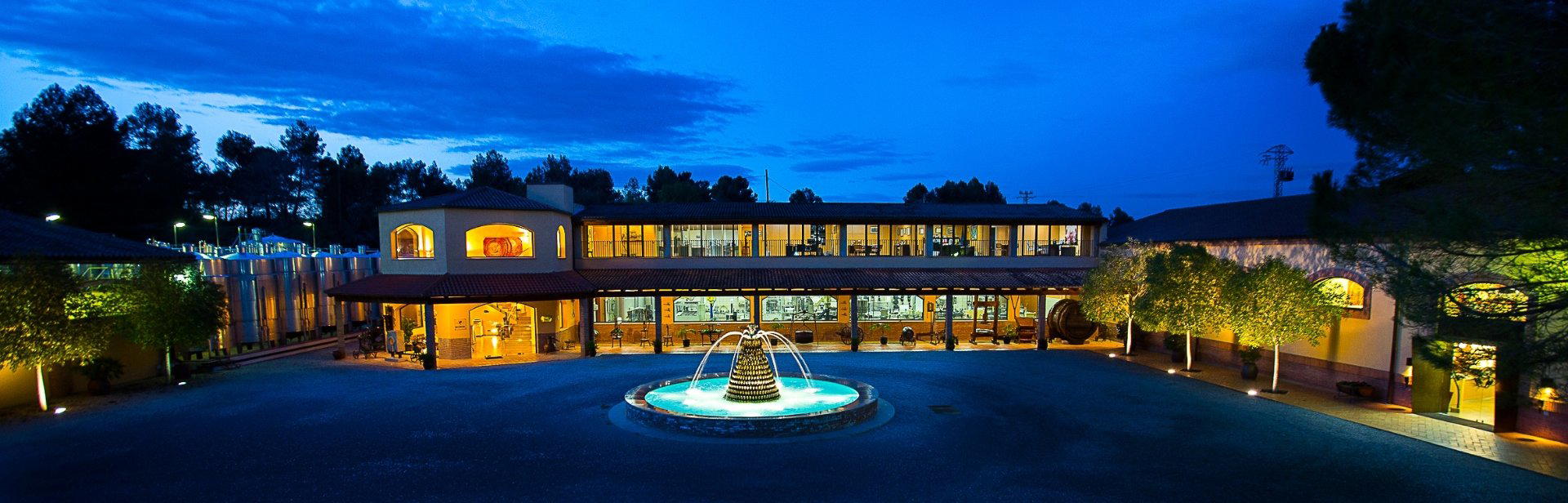
Celler Kripta is a sensible shortlist pick for a sparkling-wine-focused visit in Sant Sadurní d'Anoia, especially if producer context matters more than a restaurant-style program. Its 2026 Falstaff listing gives it a credible recognition signal, but practical details should be checked before shaping a full itinerary around it.
Dorfgeist
Tegerfelden, Switzerland
Worth a stop if the goal is local farm products, casual bottle shopping, or a practical Aargau hamper rather than a hosted tasting. Dorfgeist is self-service, rustic, and easy to fold into a Tegerfelden day, but it is not the right choice for a formal celebration, business outing, or wine-focused visit that needs guided hospitality.
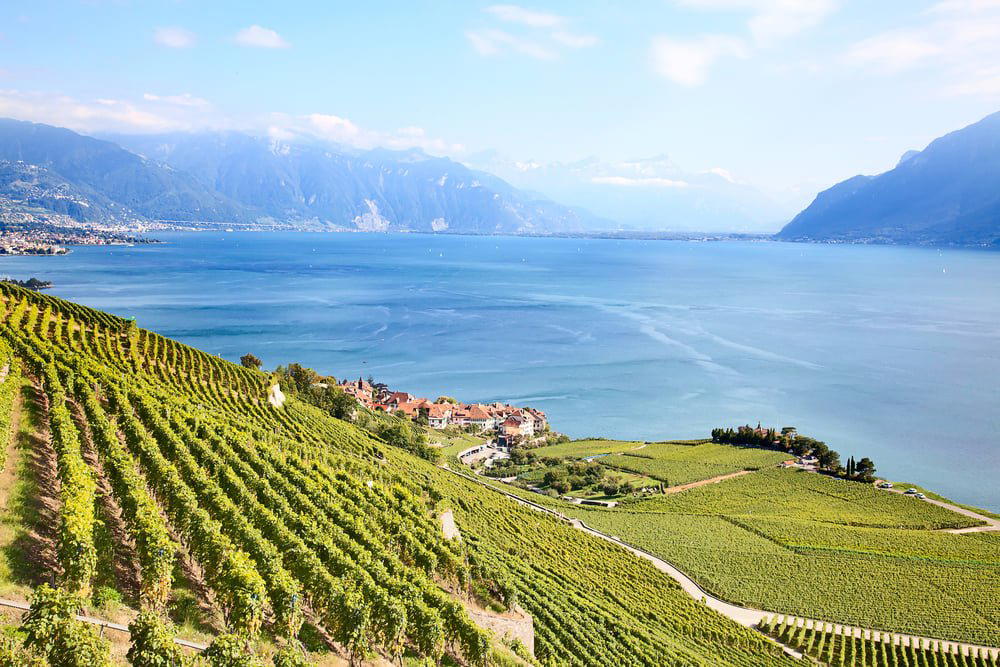
Anima Vins
Vevey, Switzerland
Anima Vins works as a focused Vevey wine stop, especially for travelers who want a compact addition to a Vaud itinerary rather than a fully built-out estate visit. Its 2026 Falstaff listing gives it a useful credibility signal, but confirm tasting, shipping, and club details before planning around it.
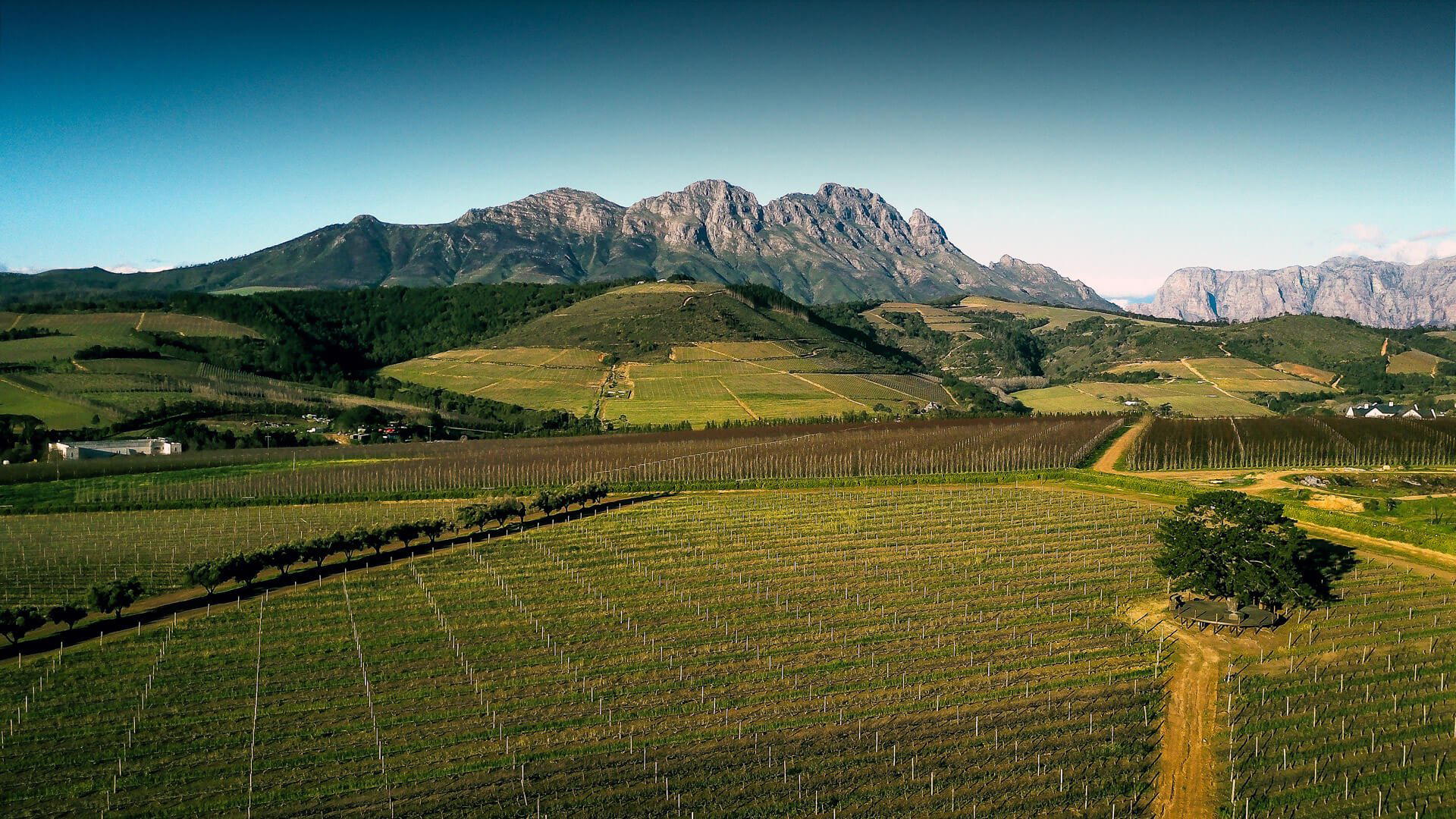
L’Avenir Wine Estate
Stellenbosch, South Africa
L'Avenir Wine Estate is a stronger pick for a focused Stellenbosch tasting than for a loose, walk-in style estate day. Book it when the group wants a slower wine-led stop on the R44 side of Stellenbosch, and cross-shop Beyerskloof or Blaauwklippen if the brief needs a broader visitor experience.
How many of these have you visited?
Find out on Pearl and keep score across every place in 2026 Falstaff Winery Guide.