
Winery in Carema, Italy
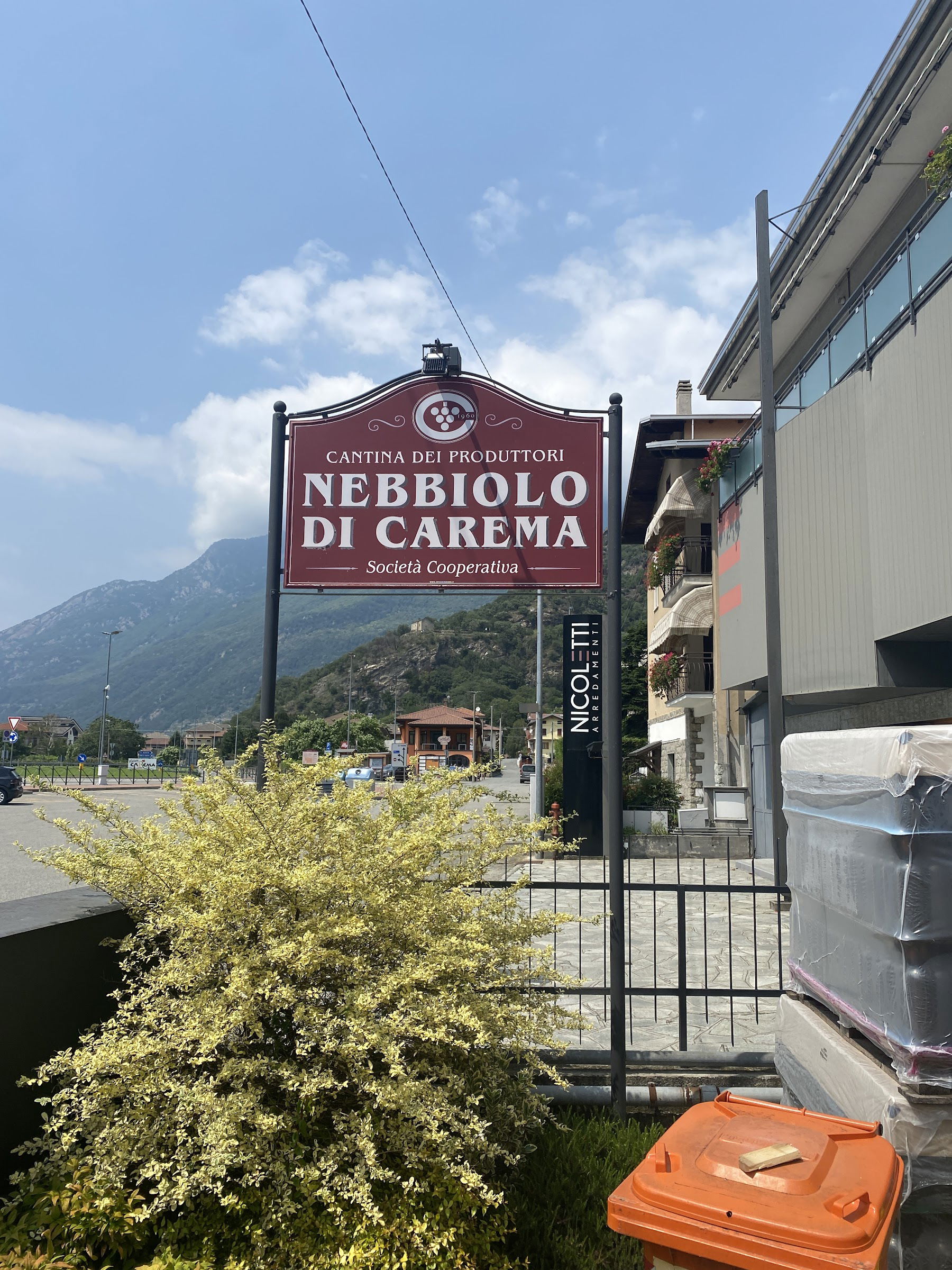
Cantina Produttori Nebbiolo di Carema
150Pearl PointsMountain Nebbiolo Cooperative
About Cantina Produttori Nebbiolo di Carema
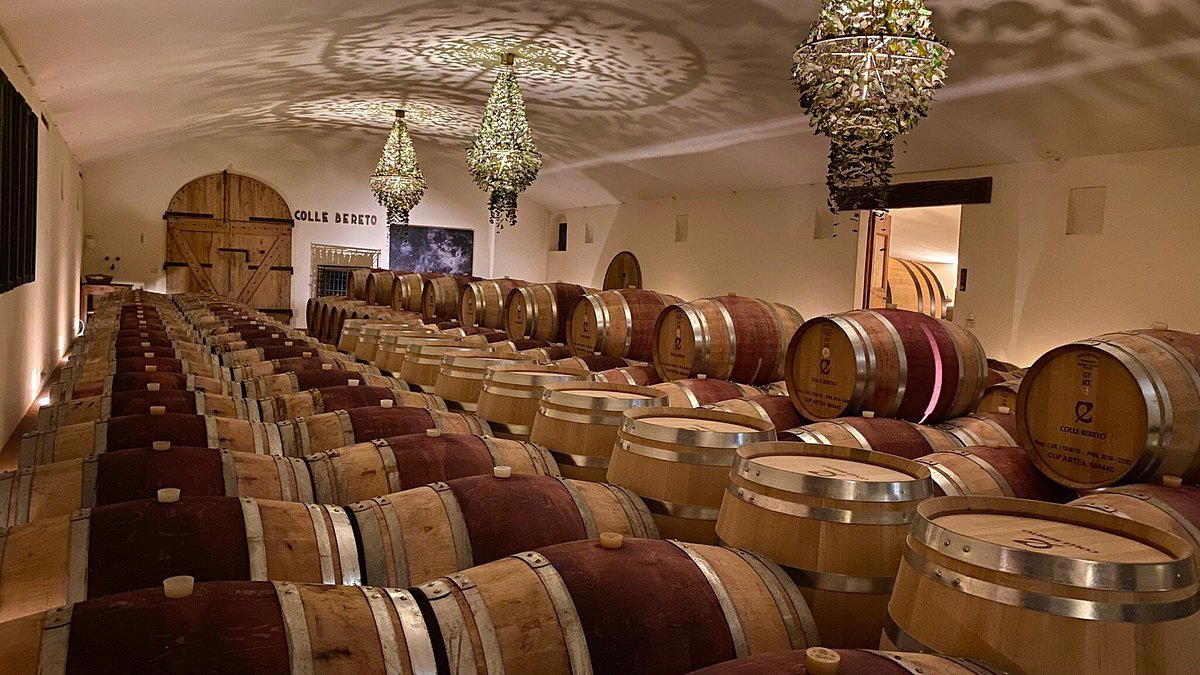
<strong>Cantina Produttori Nebbiolo di Carema</strong> belongs <strong>to Italy’s mountain</strong>-<strong>wine</strong> conversation, where Nebbiolo is shaped less by power than by altitude, stone, and narrow vineyard terraces. In Carema, on <strong>Piedmont</strong>’s northern edge near the Valle d’Aosta border, the appeal is the appellation itself: a small, disciplined expression of Nebbiolo that asks visitors to think beyond Barolo and Barbaresco.
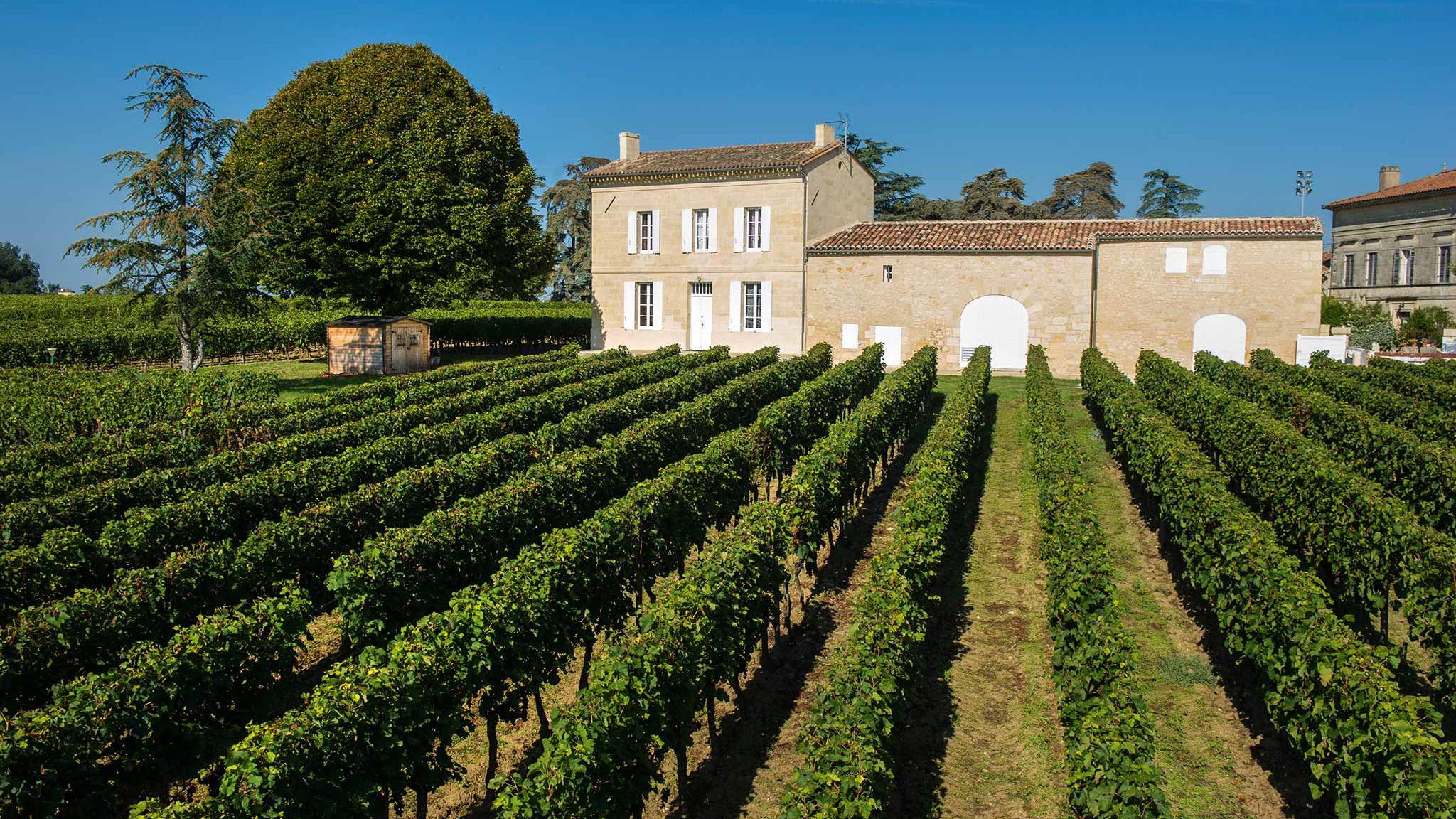
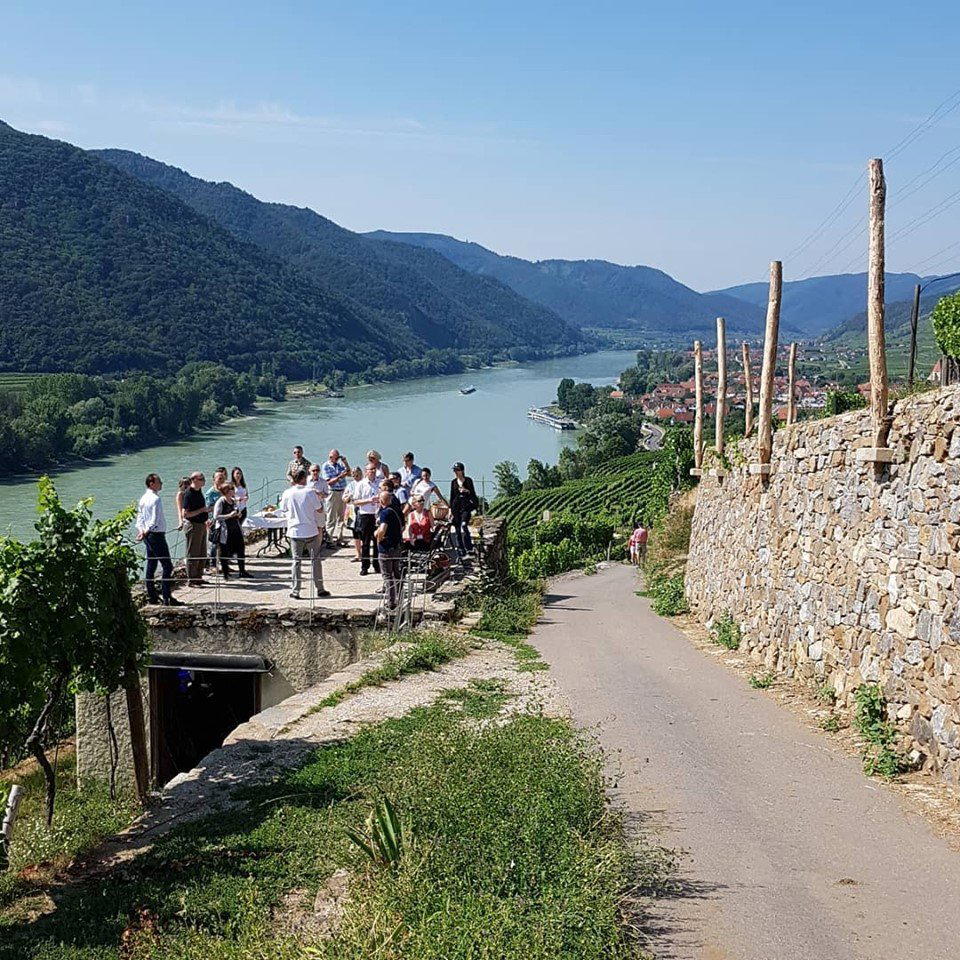
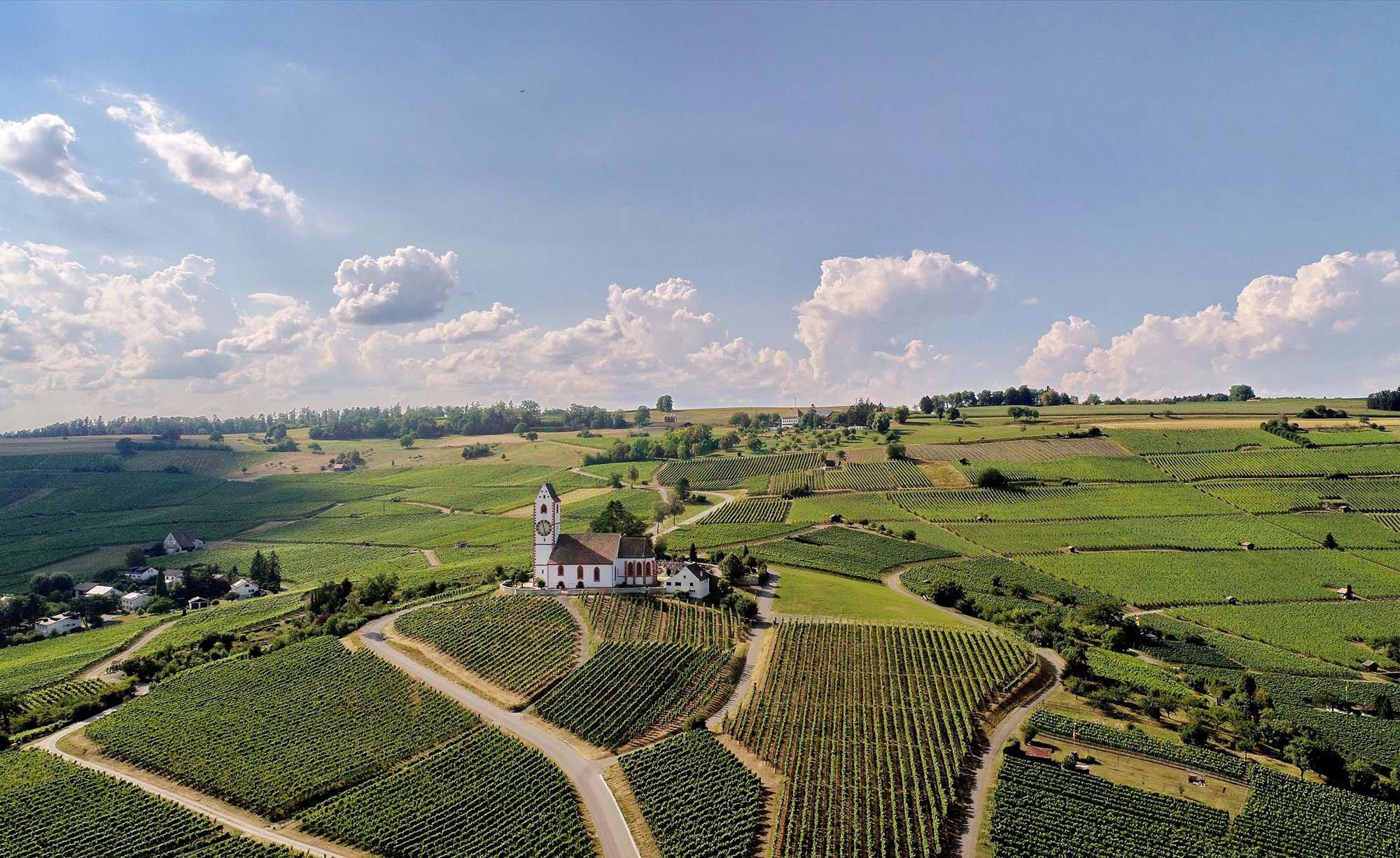
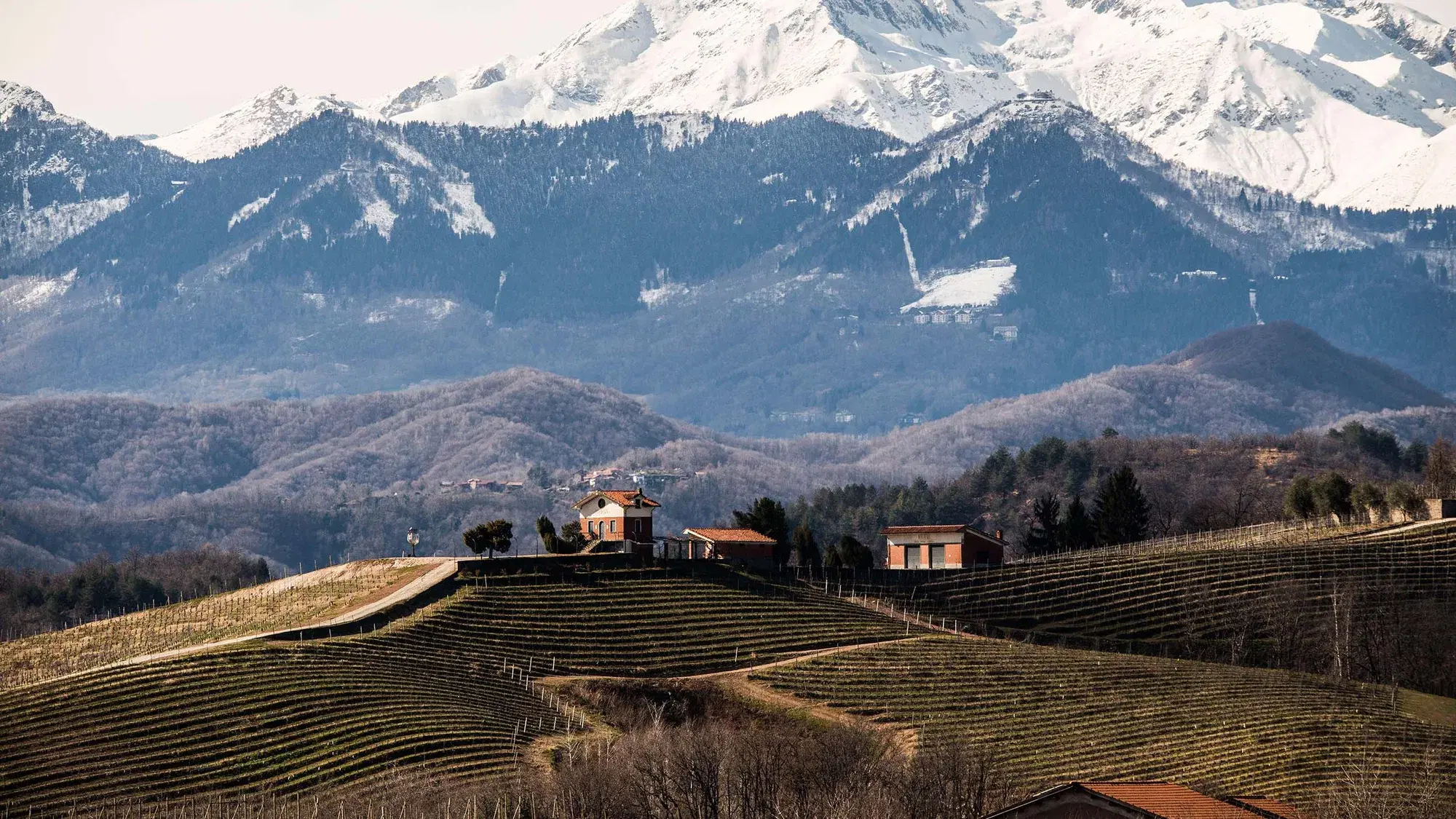
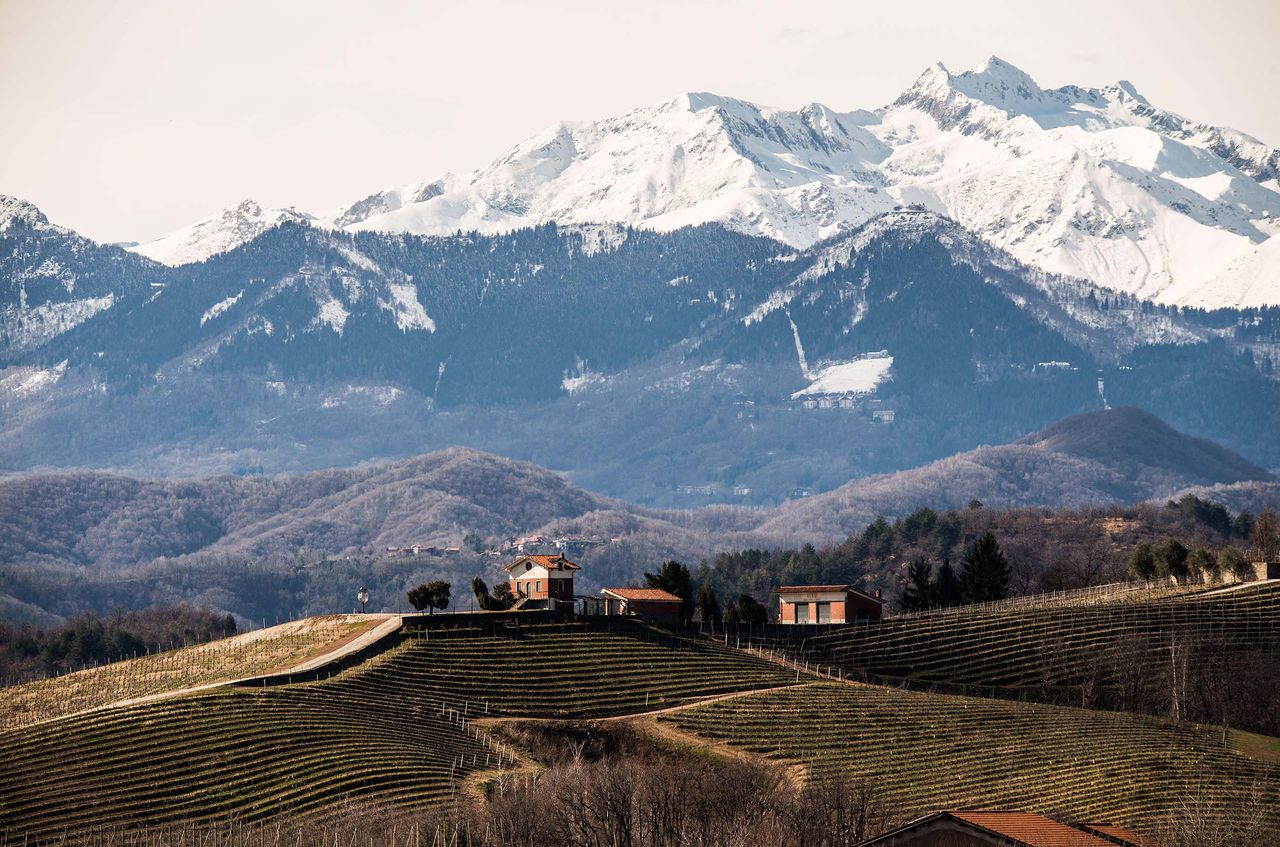
Approaching wine country in Carema means looking upward. The vineyards climb steep slopes at the edge of Piedmont, where stone walls, pergola-trained vines, and Alpine air change the usual Nebbiolo conversation. This is not the broad, cellar-door theatre of a famous Langhe hill town. The setting is tighter, quieter, and more geological: rock, altitude, terraces, and a grape that behaves differently when it is forced to grow on the margins.
Cantina Produttori Nebbiolo di Carema should be read through that landscape first. With no public database detail here on awards, winemaker, tasting formats, pricing, or opening hours, the honest editorial frame is the appellation rather than a claim-heavy venue portrait. The name itself signals a cooperative tradition built around Nebbiolo in Carema, a small northern Piedmont wine zone whose identity depends on mountain structure rather than glossy hospitality cues. For travellers building a wider itinerary, it belongs beside Our full Carema wineries guide, with city planning supported by Our full Carema restaurants guide, Our full Carema hotels guide, Our full Carema bars guide, and Our full Carema experiences guide.
Carema's Nebbiolo, Seen from the Slope
Nebbiolo is too often discussed as though Piedmont begins and ends in the Langhe. Carema corrects that habit. The town sits in the far north of the region, close to the Alpine threshold, where vineyards occupy steep ground and the growing season is shaped by altitude, sun exposure, and temperature swing. Those conditions matter because Nebbiolo is a late-ripening grape with a long memory of place. In warmer, fuller-bodied interpretations it can feel expansive; in mountain settings it tends to read through line, tension, and aromatic lift.
The terroir angle is not decorative here. In Carema, terraces are not a scenic accessory but a farming necessity. Narrow vineyard parcels, stone supports, and slope management create a labour equation that differs sharply from flatter or more mechanised zones. This is one reason Carema wines occupy a smaller, more specialist space within Piedmont. The wines ask to be understood by comparison: not as miniature Barolo, not as a lighter Barbaresco, but as Nebbiolo translated through Alpine foothill conditions.
That comparison is useful for travellers because it changes expectations at the cellar door. A visit to a producer in Carema is less about grand architecture and more about the link between topography and taste. The practical reward is context. Seeing the terrain explains why these wines have a different register from the more widely collected Nebbiolo bottles further south. The trust signal is geographical rather than trophy-led: Carema is an established denominated wine area, and the cooperative name places the cantina within the local producer structure rather than a personality-driven estate narrative.
Why This Cooperative Format Matters
Cooperatives can be misunderstood by travellers who equate prestige with single-estate authorship. In small or difficult growing zones, the cooperative model often tells a more precise story about survival. Terraced vineyards demand labour, continuity, and pooled infrastructure. A producer name built around Nebbiolo di Carema points toward that shared agricultural base, which is central to how marginal wine zones maintain identity across generations.
This matters because Carema does not have the international volume or auction glare of Piedmont’s better-known Nebbiolo districts. Its appeal is narrower and, for many serious drinkers, more instructive. A cooperative in this context functions as a lens on village-scale production: growers working within the same steep amphitheatre of climate and stone, with the resulting wines carrying a collective signature of place. That is a different kind of authority from the star-winemaker model, and it suits a town where terroir is the headline.
Carema also complicates the idea of Italian wine tourism as a sequence of grand tasting rooms and manicured estates. The region asks for slower reading. The vines and built structures do much of the explaining before any glass is poured. Visitors who have already spent time at famous Italian names such as Marchesi di Barolo in Barolo or Roagna in Barbaresco will recognise the grape variety, but the grammar changes in Carema. The fruit expression, tannic shape, and aromatic emphasis are tied to altitude and exposure, not to a copy of Langhe conventions.
How It Compares with Other Italian Wine Stops
Italy’s serious winery circuit is not one circuit at all. Franciacorta speaks through méthode traditionnelle precision and cellar scale, which makes Ca’ del Bosco in Erbusco a different category of visit from a mountain Nebbiolo cooperative. Sicily brings another set of questions around Mediterranean light, island agriculture, and regional breadth, the frame that makes Planeta in Menfi useful as a southern counterpoint. Tuscany often binds wine to village life and historic estates, a pattern visible around Castello di Volpaia in Radda in Chianti.
Carema’s difference lies in scale and pressure. The town has neither the broad international shorthand of Chianti nor the sparkling-wine machinery of Franciacorta. It sits in a more compressed register, closer to the wine traveller who wants to understand how marginal conditions shape a grape with high sensitivity to site. That makes Cantina Produttori Nebbiolo di Carema a useful stop for comparative drinking: it adds a northern, high-slope perspective to an itinerary that might otherwise overrepresent Italy’s better-known wine corridors.
Even within a broader drinks itinerary, the contrast is clear. Fratelli Branca Distillerie in Milan and Poli Distillerie in Schiavon (Vicenza) belong to the world of distillation, brand history, and spirit production. Carema belongs to a colder, more patient question: what happens when Nebbiolo is grown against the practical limits of mountain agriculture? That question is the reason the town rewards serious attention.
The Terroir Signal: Altitude, Stone, and Restraint
The central pleasure of Carema is intellectual before it is luxurious. Mountain Nebbiolo tends to make the drinker think about structure before abundance. Altitude can preserve acidity; slope exposure can determine ripeness; stone terraces can influence drainage and heat retention. These are general viticultural principles, but in Carema they are visible rather than abstract. The geography makes the explanation legible.
That visibility is part of the value. Many wine regions require a guide to translate vineyard differences that sit behind hedgerows or on barely perceptible gradients. In Carema, the physical challenge is apparent from the road and the town itself. The vines are not merely planted; they are held in place. A cooperative connected to this terrain therefore carries more than a commercial identity. It signals participation in a demanding local system where the cost of farming is written into the architecture of the hillsides.
This is also why the area attracts a different kind of wine traveller from those seeking cellar spectacle. The reward is not necessarily a polished sequence of hospitality rooms, and the available database does not confirm any tasting-room format, appointment policy, or pricing. The reward is the chance to understand a small Nebbiolo appellation on its own terms. That is a sharper reason to go than generic winery collecting.
Planning a Visit with Limited Public Detail
The practical approach should be conservative. The current venue record does not provide an address, phone number, website, hours, price range, booking method, or confirmed tasting structure. That absence matters. Travellers should not assume walk-in access, English-language programming, regular public hours, or a fixed tasting tariff from this data alone. In smaller European wine towns, especially those built around working production rather than visitor volume, arrangements can depend on season, staffing, and local rhythm.
Carema itself is the anchor. Because the town is compact and the wine area is small, a visit works better as part of a northern Piedmont or Alpine-edge itinerary than as a high-volume tasting day. Build in time to read the slopes, not just the bottle labels. Pairing the stop with local dining research through Our full Carema restaurants guide is the sensible move, particularly when tasting times are not confirmed in the available data. Overnight planning should be handled separately through Our full Carema hotels guide, since lodging choices shape whether Carema feels like a brief stop or a slower regional study.
Season also deserves attention, even without venue-specific hours. In northern Italian wine country, harvest periods can change producer availability, while winter travel can make smaller towns feel quiet outside local routines. Spring and autumn usually offer stronger vineyard context than high summer for travellers focused on agriculture, though exact access should be verified directly through current sources before travel. The key point is not to treat Cantina Produttori Nebbiolo di Carema like a guaranteed drop-in bar. Treat it as a working wine address in a small appellation, then plan around confirmation.
Who Should Prioritise Carema
Carema suits travellers who already know the broad Piedmont categories and want the edges of the map to speak. Anyone comparing Nebbiolo across altitude, soil, and producer structure will learn more here than from adding another famous label to a crowded itinerary. The town is especially useful after Barolo or Barbaresco because it interrupts the hierarchy that often dominates Piedmont discussion. It asks whether prestige should be measured only by global demand, or also by the clarity with which a place expresses constraint.
For a broader cellar-minded journey, Carema pairs well with contrasting reference points. Poggio Antico in Monte San Vito introduces a different Italian regional frame, while international comparisons such as Haute Cabrière in Franschhoek and Strathisla in Keith show how wine and spirits tourism shift when landscape, production scale, and visitor infrastructure change. Those links are not substitutes for Carema; they sharpen what makes Carema specific.
The editorial recommendation is focused: go for terroir literacy, not hospitality theatre. The available data supports a restrained reading, with no awards, prices, chef, winemaker, or tasting details listed. That lack of embellishment fits the subject better than a glossy profile would. Cantina Produttori Nebbiolo di Carema belongs in a serious itinerary because Carema itself deserves close attention as a mountain Nebbiolo zone with a cooperative signal at its centre.
FAQ
Is Cantina Produttori Nebbiolo di Carema more low-key or high-energy?
It reads as low-key from the available information. The venue record lists Carema as the city but provides no awards, price range, tasting-room format, or hospitality details, so the safer interpretation is a focused wine stop tied to a small Nebbiolo appellation rather than a high-energy visitor complex.
What is the venue spotlight for Cantina Produttori Nebbiolo di Carema?
The spotlight is Carema’s mountain expression of Nebbiolo. The database does not list awards, cuisine, chef, or winemaker details, which means the editorial emphasis should remain on the place: a northern Piedmont wine town where steep terrain and cooperative production shape the experience.
Why do people go to Cantina Produttori Nebbiolo di Carema?
People go to understand Nebbiolo through Carema rather than through the more familiar Langhe frame. With no confirmed awards or price data in the record, the reason to prioritise it is terroir: altitude, terraced vineyards, and the disciplined character of a small northern Piedmont appellation.
How hard is it to get in to Cantina Produttori Nebbiolo di Carema?
If current contact details, website information, or booking methods are unavailable, assume access needs verification before arrival. The venue record does not include a phone number, website, price range, hours, or awards, so travellers should not rely on walk-in access without checking current local sources or direct contact information from a confirmed channel.
Location
Carema, Italy
Related editorial
- Asia's 50 Best Restaurants 2026: The Chairman and Wing Go 1-2 from the Same BuildingThe Chairman takes No. 1 and Wing climbs to No. 2 at Asia's 50 Best Restaurants 2026. Both operate from the same Hong Kong building. Here's what it means.
- Four Seasons Yachts Debut: 95 Suites, 11 Restaurants, and a March 2026 Maiden VoyageFour Seasons I launches March 20, 2026, with 95 suites, a one-to-one staff ratio, and 11 onboard restaurants. Worth tracking if you want hotel-grade service at sea.
- LA Michelin Guide 2026: Seven New Restaurants from Tlayudas to Uzbek DumplingsMichelin's March 2026 California Guide update adds six LA restaurants and one Montecito newcomer, spanning Oaxacan tlayudas, Uzbek manti, and Korean-Italian pasta.
Save or rate Cantina Produttori Nebbiolo di Carema on Pearl
Keep this venue in your Pearl passport, rate it after you visit, and track it alongside every other place you collect.