
Weingut Hannes Reeh
Andau
Winery in Andau, Austria
 Book with Pearl
The Read
Pannonian Terroir Precision
Why go
A serious Andau winery to pursue when wine is the point of the trip, not a casual add-on. Best for collectors, couples, and small celebration groups who want a focused producer visit; cross-shop Weingut Johann Schwarz for another serious Andau stop, Weingut Scheiblhofer Distillery for a broader drinks outing, and Zantho when availability matters more.
About Weingut Hannes Reeh
Weingut Hannes Reeh is a winery in Andau with a casual dress code and Pearl 2 Star Prestige recognition for 2025. Plan around the essentials rather than assuming specific visitor services, food options, tasting formats, prices, hours, or reservation rules.
For trip planning, start with the essentials: the venue is in Andau, the dress code is casual, and the recognition is the main quality signal. For broader planning, use the Andau wineries guide first, then build the rest of the trip through the Andau restaurants guide, Andau hotels guide, Andau bars guide, and Andau experiences guide.
Worth planning around if wine is the occasion
Weingut Hannes Reeh is best considered by travelers who are specifically building time in Andau around wineries. The Pearl 2 Star Prestige recognition makes it a notable name for a wine-focused itinerary, but details such as visitor format, food service, bottle availability, and appointment requirements should be confirmed directly with the winery before you plan the day around it.
The safest approach is to keep expectations simple: casual dress is appropriate, and the visit should be planned as part of an Andau wine itinerary rather than around specific amenities unless the winery has confirmed them for your visit. If your group needs a particular service, schedule, tasting structure, or dining component, confirm those details through the venue before committing.
How to decide between producers
For comparison planning, consider Weingut Hannes Reeh alongside other notable names such as Weingut Johann Schwarz, Weingut Scheiblhofer Distillery, Zantho (Weingut Zantho), and Weingut Umathum. Schloss Halbturn Winery may also be useful as another regional point of comparison. Use these names to shape a short list, then check current visitor details directly with each venue.
Because details about clubs, allocations, bottle availability, prices, and tasting formats can vary, avoid making a decision based on assumptions. The grounded way to compare options is to start with the recognition, the Andau location, and the casual dress code, then contact the winery for current practical details.
Timing should also be confirmed directly. If you are organizing a wine day in Andau, build in flexibility and avoid relying on assumed opening hours, visit length, or walk-in availability. A simple plan with confirmed stops is safer than assuming a full schedule of winery visits will be possible.
Planning details
- Location
- Augasse 11, 7163 Andau
- Website
- hannesreeh.at
- Phone
- +43 2176 27011
The take
The Take
The Vibe
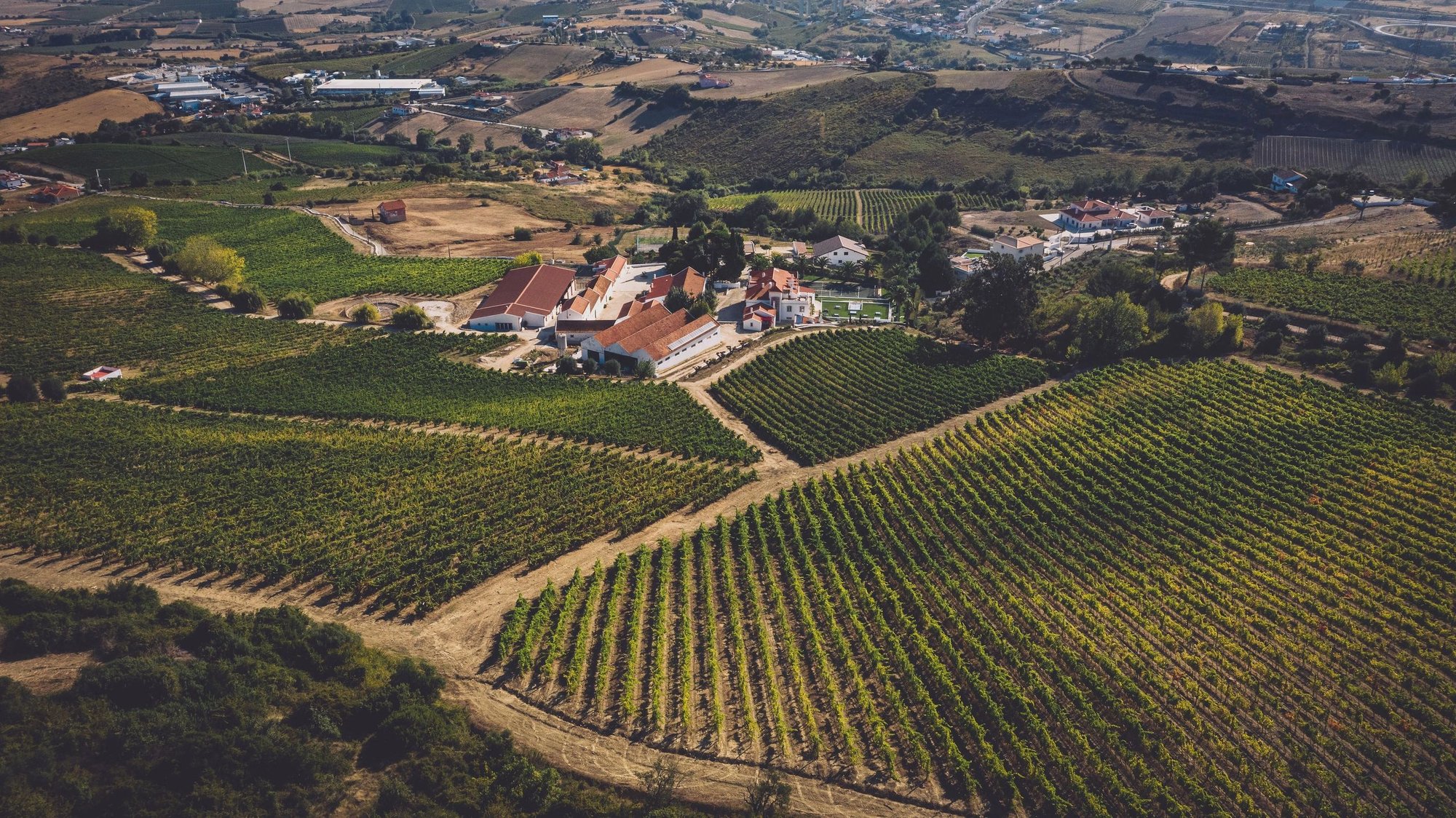
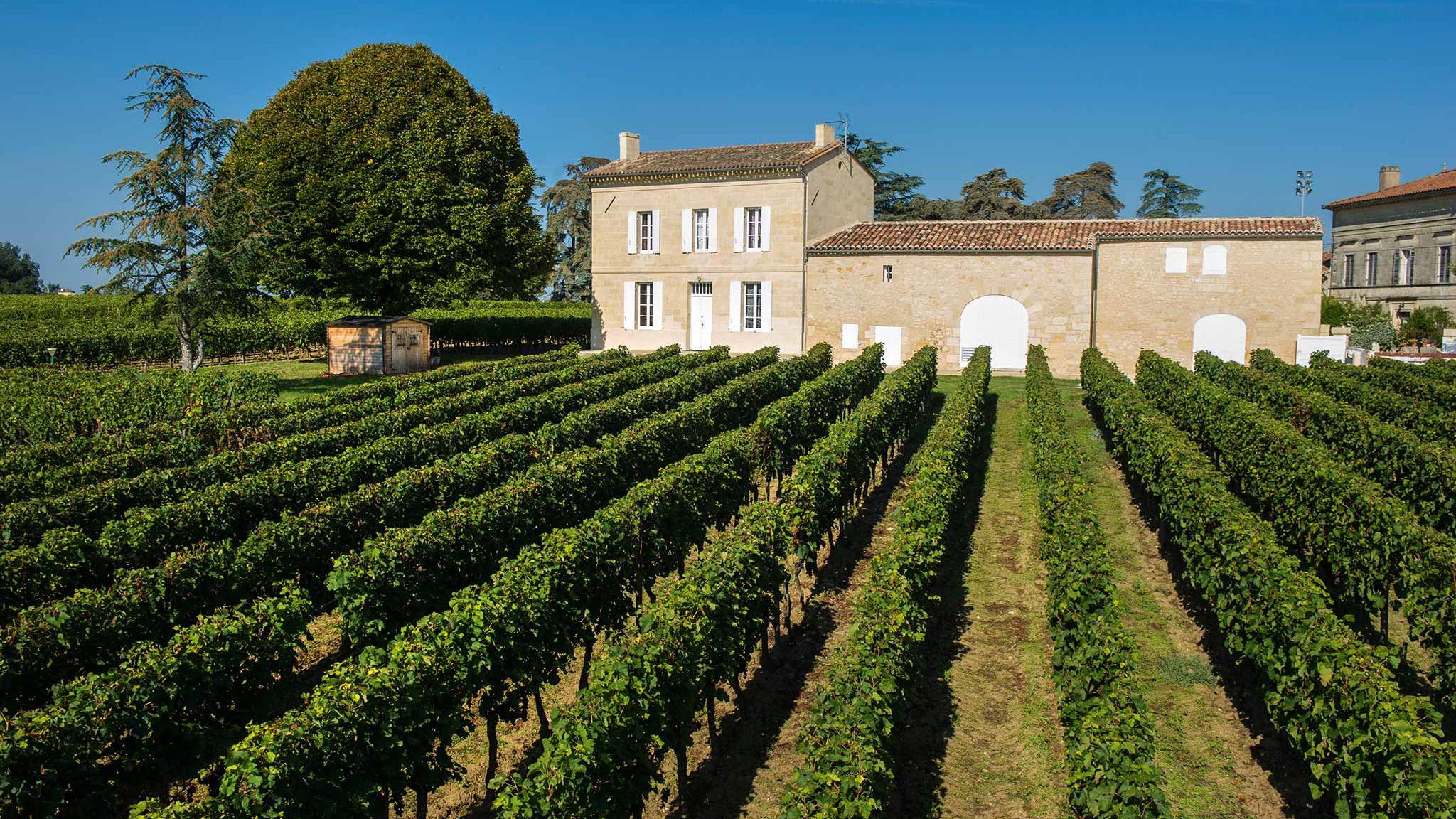
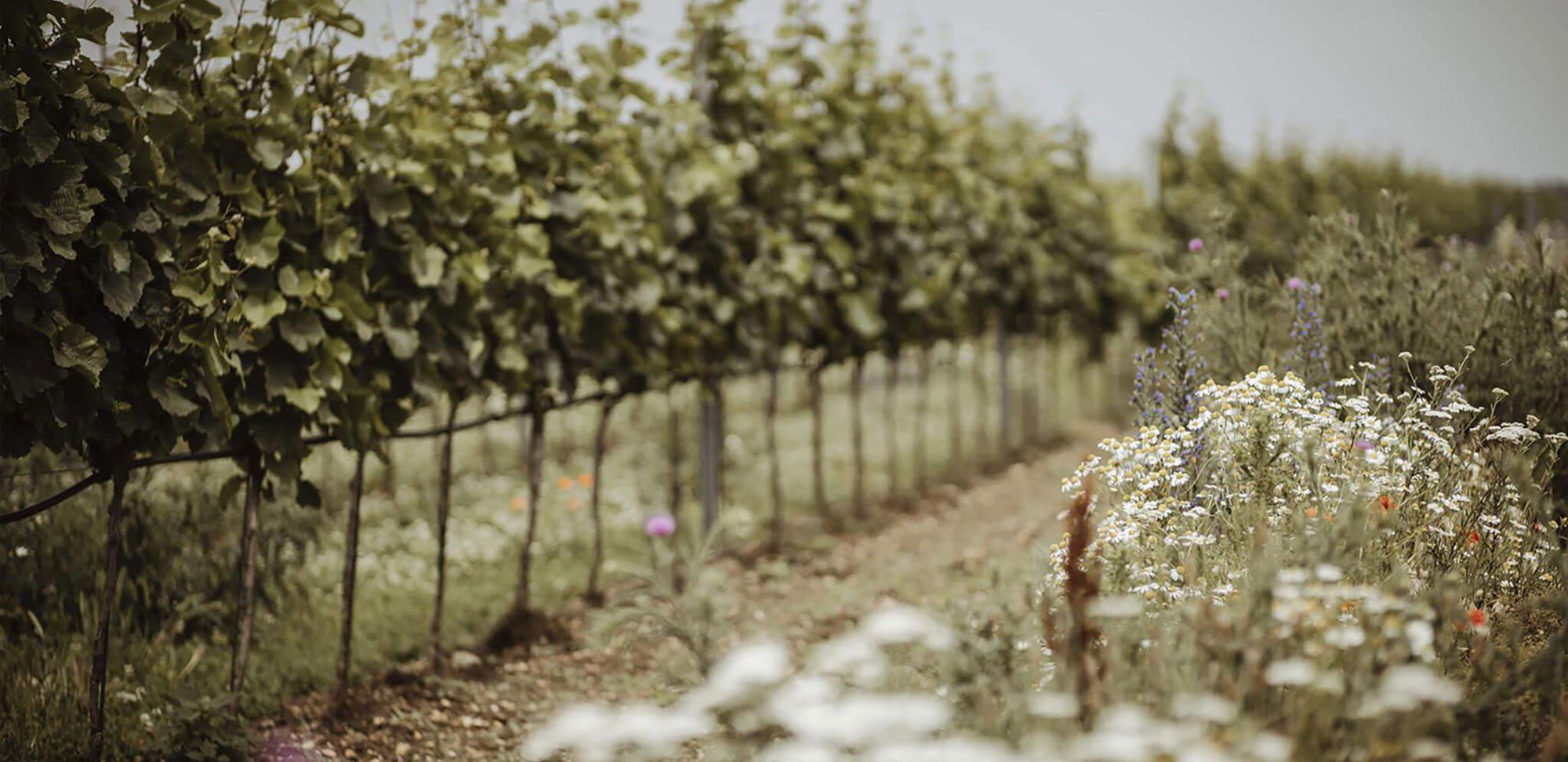
Weingut Hannes Reeh presents a direct, elemental personality rooted in the Pannonian Plain. The writing emphasizes a forceful climate and sandy soils that drive concentrated, unapologetically ripe wines; that sense of terroir gives the place a quietly weighty presence rather than polish. The mention of old ungrafted vines and a village location in Andau reinforces a feeling of continuity and tradition. Visitors can expect a focused, workmanlike winery where the landscape is the protagonist: unvarnished, characterful wines that wear their origin on the sleeve rather than seeking refinement through artificial means.
Best For
This winery is best for people who want to study how extreme site conditions shape wine. The description foregrounds terroir, sandy soils, late‑harvest mists and old vines, so it suits tasting visits geared toward wine education, comparative tasting and solo exploration of regional character. The recent Pearl 2 Star Prestige recognition signals a producer of note for collectors and curious drinkers tracing Burgenland’s Pannonian signature. It’s well suited to visitors who appreciate context and geology as much as varietal expression.
Tasting Tips
Order wines that explicitly reference the Pannonian conditions or late‑harvest styles: the copy highlights autumn mists and the area’s propensity for late harvesting, so bottles labeled by vintage and vineyard or those noting "late harvest" or similar terms will illustrate the region’s character. Look for references to old vines or ungrafted material and for estate bottlings that speak to sandy‑soil concentration. Also keep an eye out for the winery’s Pear l 2 Star Prestige mention from 2025 as an indicator of current recognition.
Venue details
Ambiance
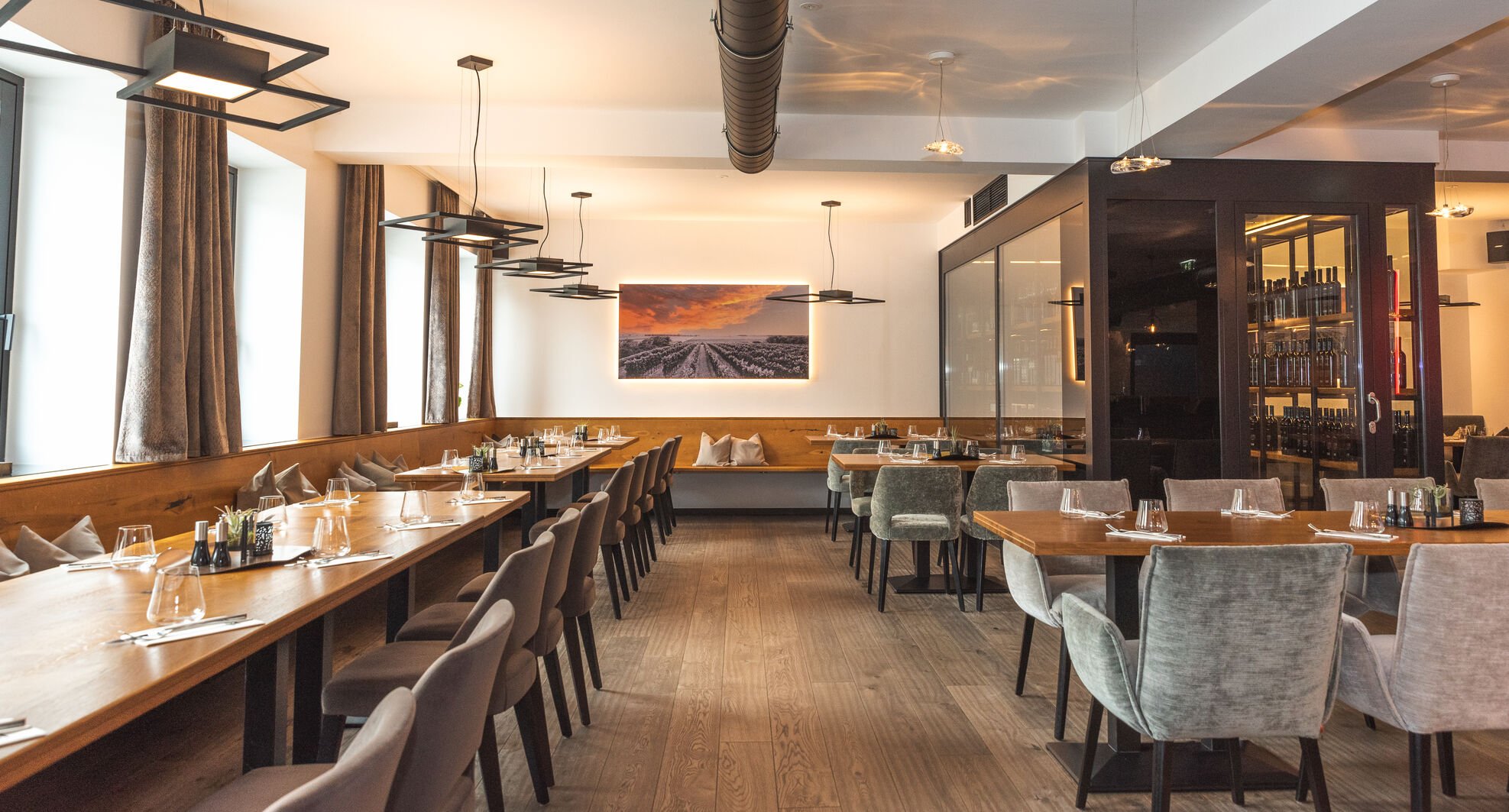
Rustic and authentic winery atmosphere in the sunny steppe landscape.
Tags
Vibe
Best For
Experience
Sourcing
View
At the Vineyard
- Appellation
- Burgenland
- Varietals
- Zweigelt, Merlot, Cabernet Sauvignon, Cabernet Franc, Chardonnay
- Tour Duration
- 60-120 minutes
- Tour Languages
- German, English
- Visits
- By reservation
- Wine Styles
- Still Red, Still White, Still Rose
- Shipping
- Available
- Wine Club
- Not available
Know before you go
Know Before You Go
- Getting there
- Augasse 11, 7163 Andau
Planning details
Location
Recognition and awards

Also consider
If this is not available
Try Weingut Johann Schwarz first if the goal is another serious Andau wine stop. Choose Zantho (Weingut Zantho) if the schedule needs more flexibility, or Weingut Scheiblhofer Distillery for a group that wants a broader drinks-focused outing.
Winery context
How It Compares
Choose Weingut Hannes Reeh when the priority is a focused Andau wine visit with a strong reputation signal. Weingut Johann Schwarz is the closest like-for-like alternative for serious wine buyers, while Weingut Scheiblhofer Distillery is better for groups that want a broader drinks experience rather than a wine-only appointment.
Zantho (Weingut Zantho) is the more practical fallback if the goal is to keep the day flexible in Andau. Weingut Umathum and Schloss Halbturn Winery sit outside the immediate Andau set, so they make more sense for a wider Burgenland route than for a tight Andau-only plan.
For a special occasion, the target venue is strongest when the group is small and wine-led. For easier logistics, start with Zantho; for a more varied drinks itinerary, choose Weingut Scheiblhofer Distillery; for the closest serious cross-shop, look at Weingut Johann Schwarz.
Around this place
Discover more on Pearl
Unlock the full Weingut Hannes Reeh guide in Pearl, including awards, comparisons, FAQs, planning details, and nearby places.
Compare Weingut Hannes Reeh
| Venue | Location | Awards |
|---|---|---|
| Weingut Hannes Reeh | Andau | 2026 Falstaff Winery Guide |
| Weingut Johann Schwarz | Andau | 2026 Falstaff Winery Guide |
| Weingut Scheiblhofer Distillery | Andau | No published awards |
| Zantho (Weingut Zantho) | Andau | 2026 Falstaff Winery Guide |
| Weingut Umathum | Frauenkirchen | 2026 Falstaff Winery Guide |
| Schloss Halbturn Winery | Halbturn | No published awards |
How Weingut Hannes Reeh Andau compares with similar nearby venues.
FAQ
Frequently Asked Questions
What is the flagship wine at Weingut Hannes Reeh?
Use the Pearl 2 Star Prestige (2025) recognition as the quality signal, and ask the winery directly which bottlings best represent the estate.
Is the wine club at Weingut Hannes Reeh worth joining?
If membership, allocations, or repeat ordering matter to you, ask the winery directly for current terms before deciding.
How long should I plan for a visit to Weingut Hannes Reeh?
Do I need a reservation at Weingut Hannes Reeh?
Contact Weingut Hannes Reeh directly before visiting, especially if your plans depend on a specific time or group arrangement.