

2026 Falstaff Winery Guide: The Ultimate Wine Authority — Page 114
Falstaff's 2026 Wineries guide.

Venues on this list
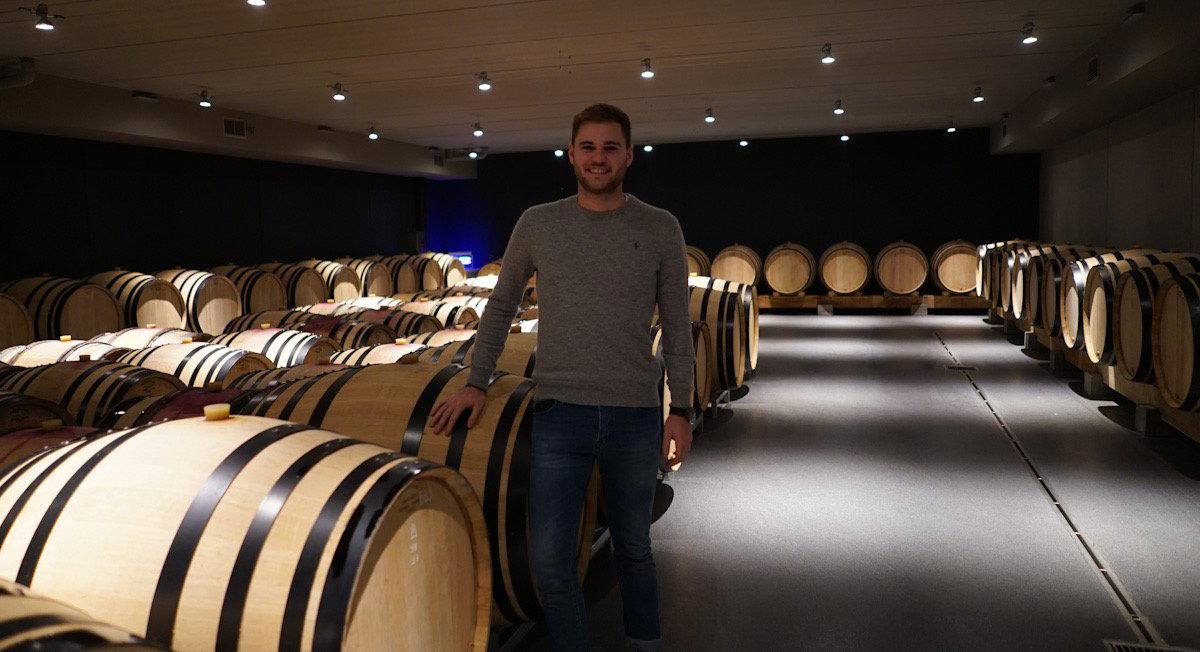
Domaine Pierre Girardin
Meursault, France
Prioritise Domaine Pierre Girardin if your Meursault plans are about serious Côte de Beaune terroir rather than a polished visitor circuit. The draw is a compact, young domaine with organic farming principles, larger-format barrel work, no filtration or fining, and a range that runs from Bourgogne bottlings to Premier Cru sites and Montrachet.
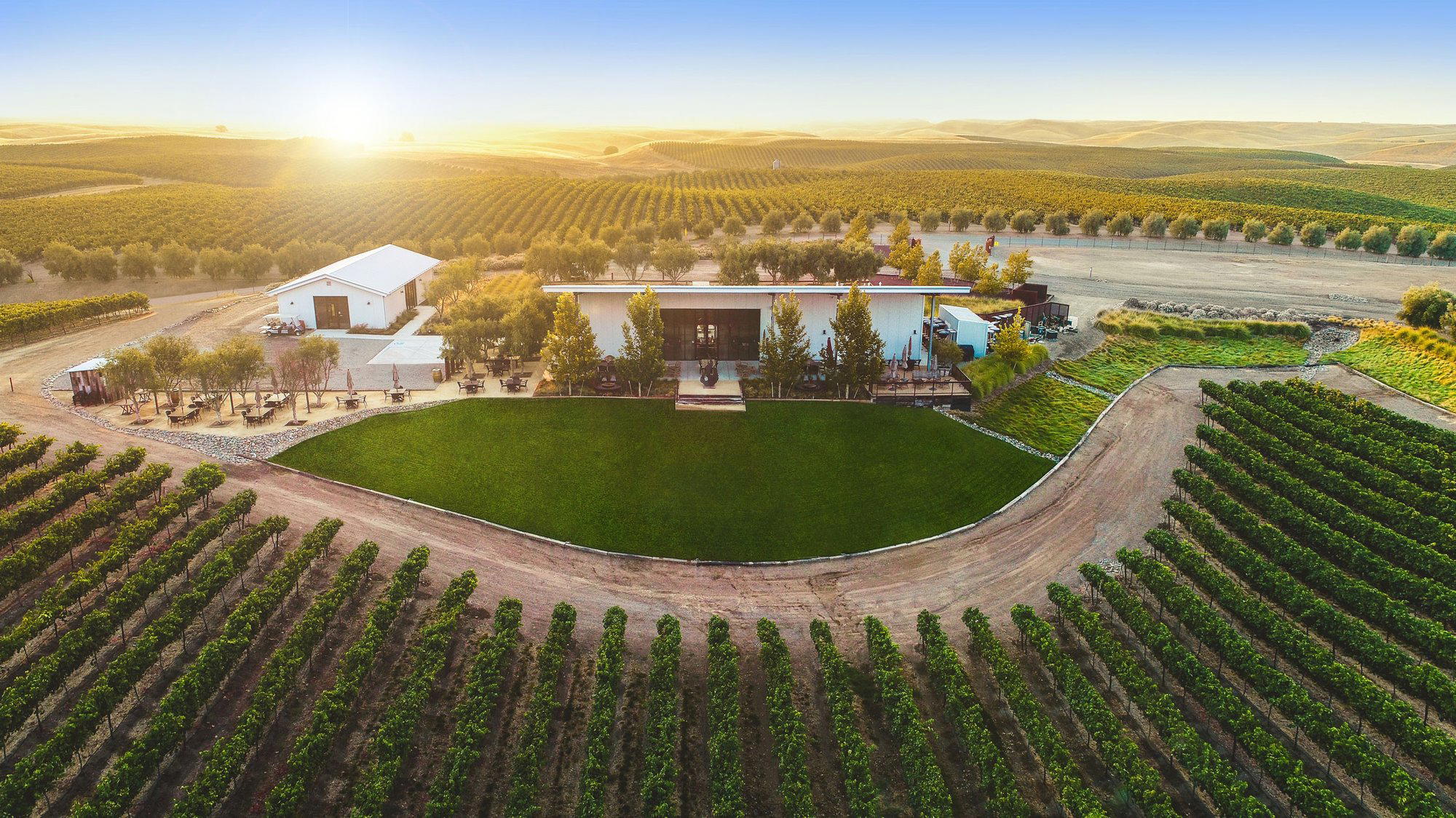
Cannonball Wine Company
Healdsburg, United States
Cannonball Wine Company is a Healdsburg-based wine brand, Falstaff Listed in 2026, focused on bold, approachable California wines rather than a formal estate experience.
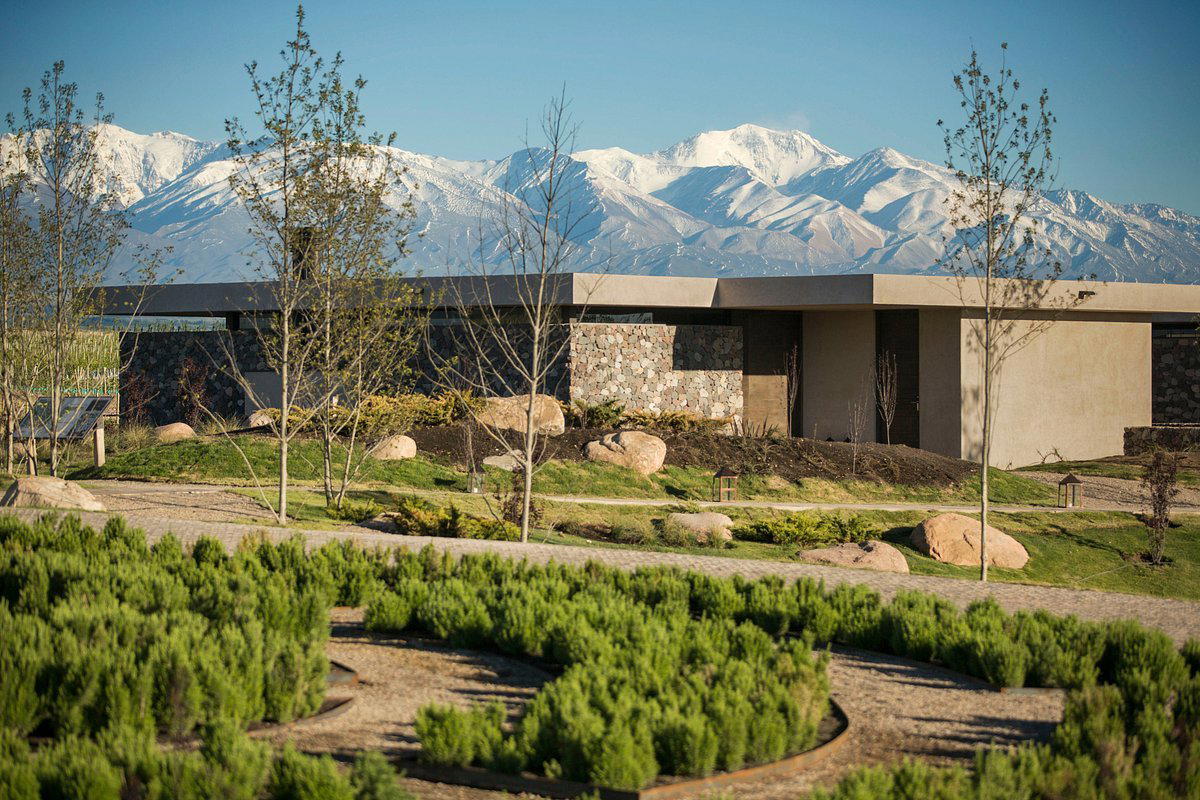
Bodega Viñas Don Martin
Mendoza, Argentina
Book Bodega Viñas Don Martin if your Mendoza itinerary has room for a design-led winery stop with a red-wine focus and biodynamic-calendar angle. It is more compelling for travelers who value architecture and context than for those seeking a fully published tasting format. Falstaff Listed (2026) adds a useful recognition signal.
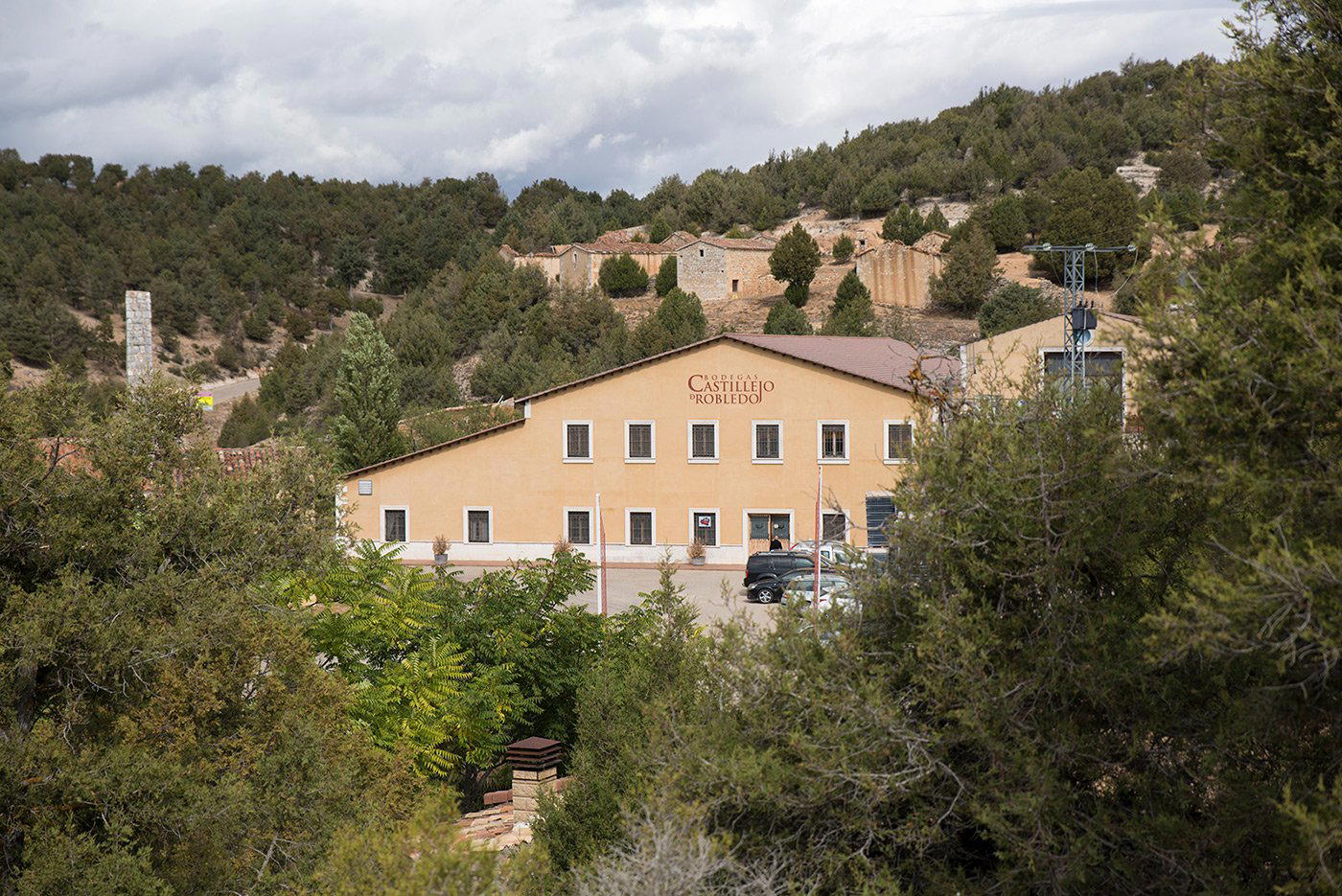
Bodegas Castillejo de Robledo
Castillejo De Robledo, Spain
A good booking for wine travelers who want the quieter Soria side of Ribera del Duero rather than a showy tasting-room experience. The draw is high-altitude Tempranillo, a broad house portfolio, and cellar decisions such as natural ventilation and extended aging for higher-tier wines. Go for production context and a rural atmosphere, not elaborate hospitality.
Familienweingut Oberer Germuth
Leutschach, Austria
A worthwhile Leutschach winery target for travelers building a Southern Styria wine-route day, especially if producer recognition matters more than published visitor amenities. Falstaff 2 Stars (2026) gives it a credible quality signal, but plan with flexibility because food, hours, booking route, and tasting details are not clearly established here.
Château Boyd-Cantenac
Cantenac, France
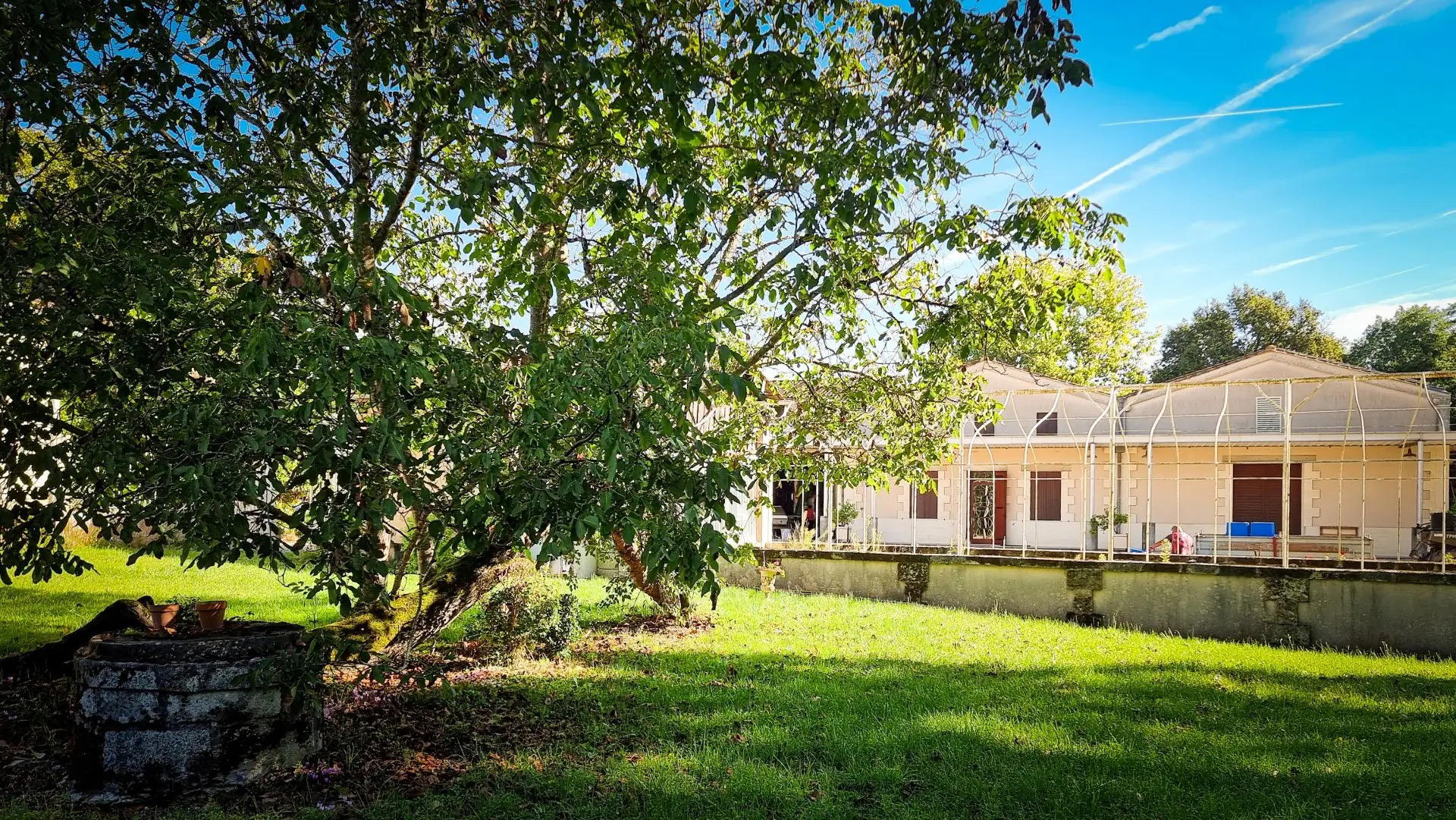
Château Boyd-Cantenac is a better choice for serious Margaux-Cantenac drinkers than for casual tasting-room browsers. Book it as part of a focused village comparison with nearby estates such as Château Kirwan, Château Pouget, Château Prieuré-Lichine, and Château d'Issan rather than as a standalone day out.
Champagne Tsarine
Reims, France
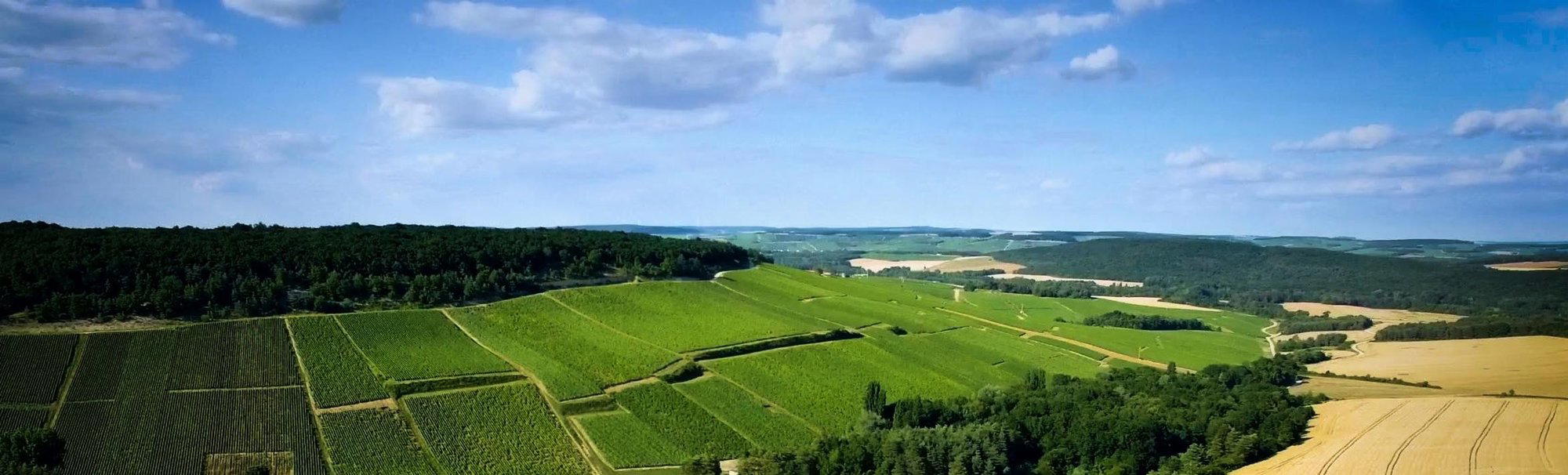
Champagne Tsarine is a good fit for a Reims wine itinerary when the priority is Champagne context, not a full meal-led pairing experience. The 2026 Falstaff 1 Stars recognition adds a quality signal, but travelers who need confirmed food, pricing, or timing details should treat it as a tasting stop and plan restaurants separately.
Cantine Paololeo
San Donaci, Italy
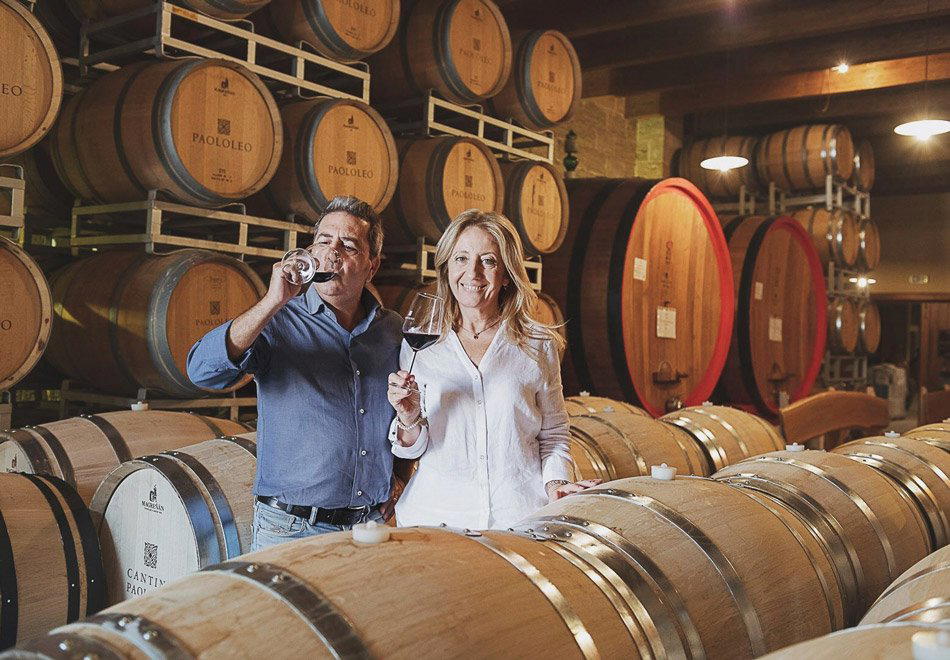
Book Cantine Paololeo if you want a structured Salento winery visit with production context, native grapes, and a $$ price signal. It is better for wine travelers who care about Primitivo, Negroamaro, cellar work, and certified sustainability than for visitors looking for a casual drop-in tasting.
Cantina Valpolicella Negrar
Negrar, Italy
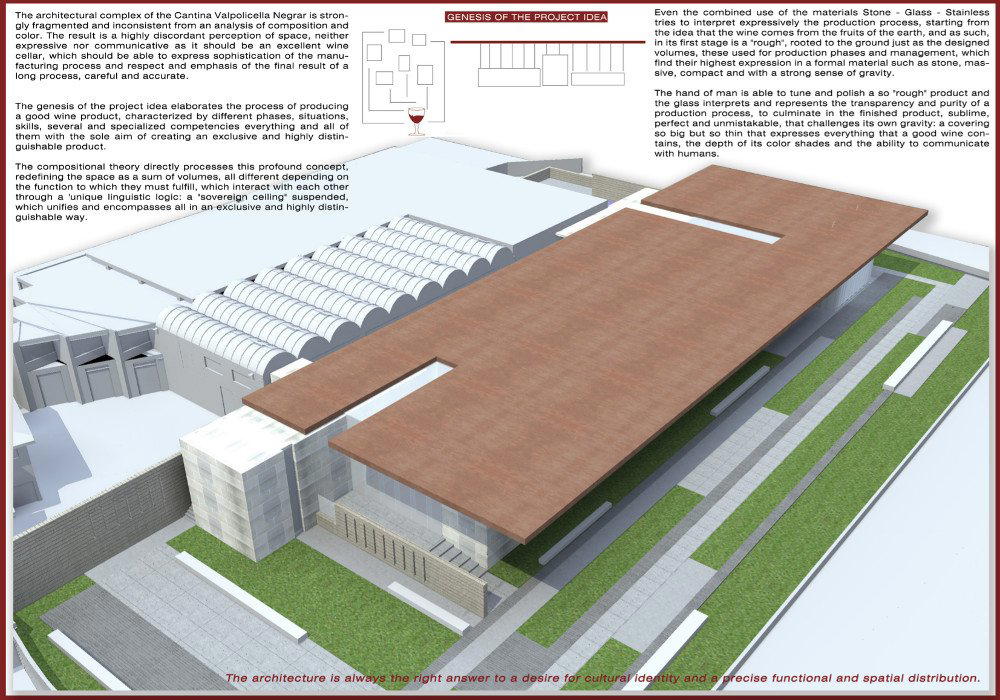
A practical Negrar winery pick for travelers who want a credible Valpolicella reference point rather than a small-estate, host-led visit. Falstaff’s 3 Stars for 2026 gives it enough external validation to justify planning around it, but confirm the tasting format before building the day around the stop.
Finca Inanna
Las Mesas, Spain
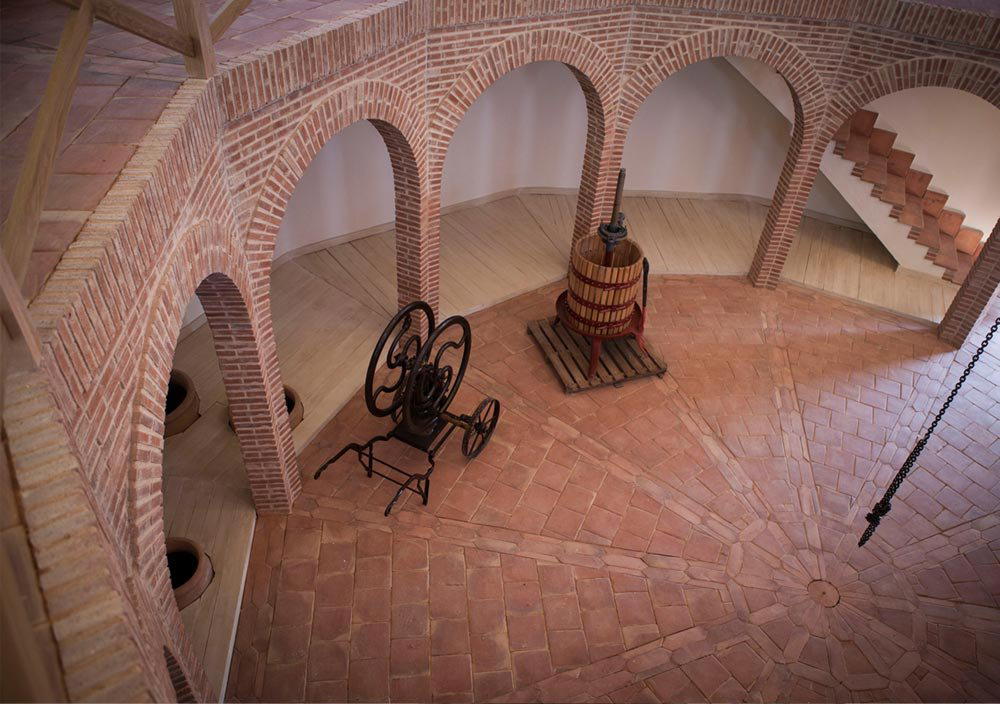
Book Finca Inanna if the appeal is a visually distinctive, contemplative La Mancha winery built around manual cellar work and a temple-like production space. It is better for first-timers who want atmosphere and craft context than for visitors seeking a conventional tasting bar, published flight structure, or restaurant-style hospitality.
Bodegas Montecillo
Fuenmayor, Spain
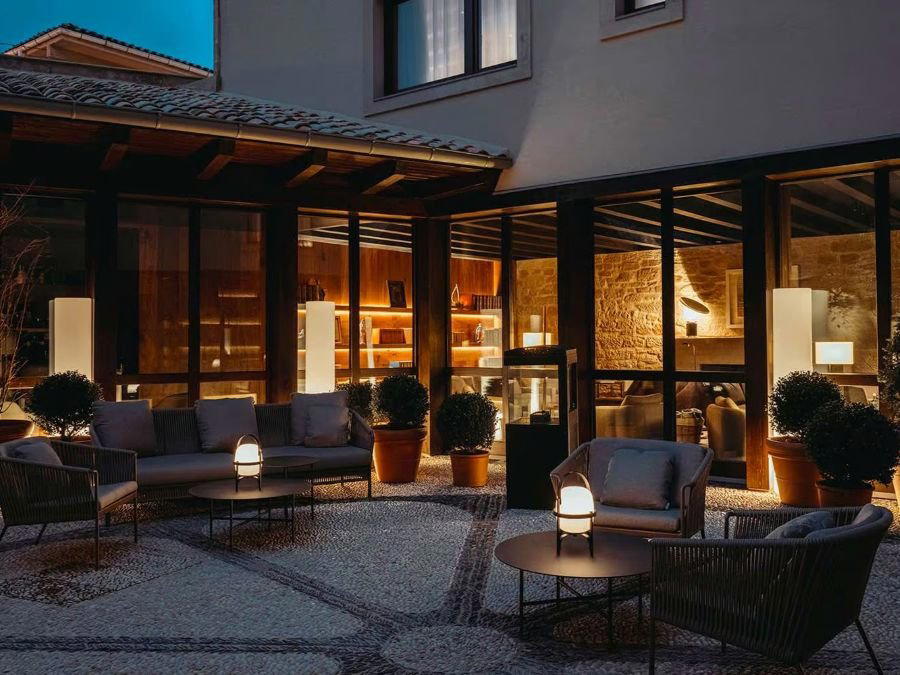
Shortlist Bodegas Montecillo for a Rioja Alta wine day if you want a recognized Fuenmayor producer with a 2026 Falstaff 2 Stars signal. For wine-club value, wait until pricing, access, and allocation terms are clear rather than joining on reputation alone.
Champagne Lucien Roguet
Mailly Champagne, France
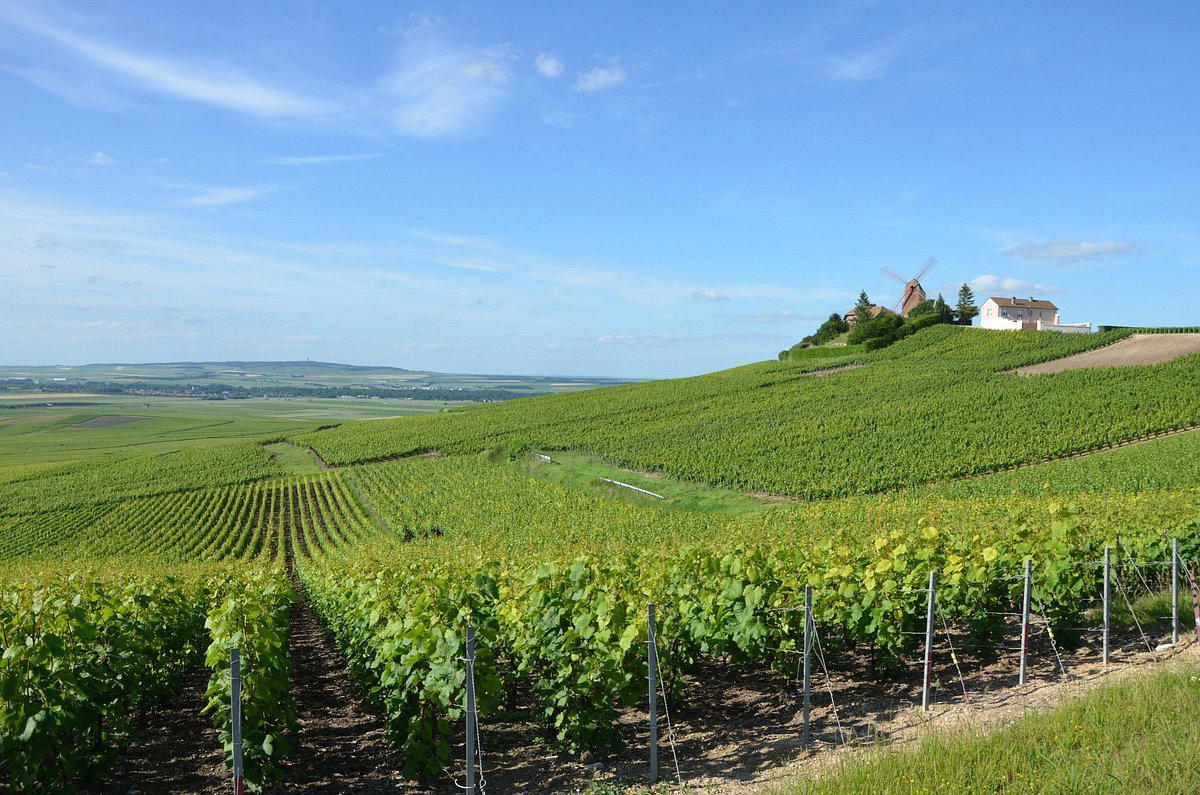
A strong pick for Champagne travelers who want a focused Grand Cru grower visit rather than a large-house production. Champagne Lucien Roguet is strongest for single-village context, estate-grown fruit, and sustainable viticulture credentials; plan around an appointment and use the No. 1 Tradition Grand Cru Brut as the starting point.
Chamonix Wine Farm
Franschhoek, South Africa
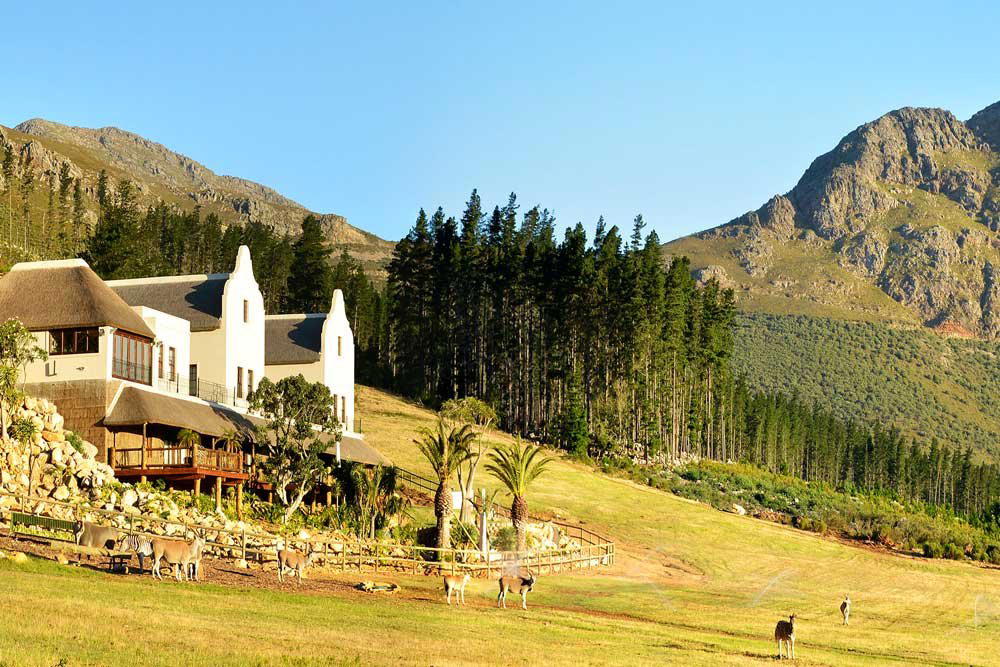
Chamonix Wine Farm is worth booking for a wine-first Franschhoek stop with strong farm-setting appeal. It is a better fit for travelers building a focused Winelands day than for anyone expecting a fully defined food-pairing program, so pair the visit with a separate restaurant plan if the meal matters.
Château Robert Giraud
Saint-André-de-Cubzac, France
A practical pick for travelers who want Bordeaux estate context without a luxury-château production. Château Robert Giraud works for its historic Saint-André-de-Cubzac setting, Bordeaux Supérieur focus, négociant-winery model, and 2026 Falstaff listing; it is less compelling for visitors seeking a food-led tasting or a highly formal hospitality experience.
Ferienweingut Lönartz-Thielmann
Ernst, Germany
A good fit for a quiet Mosel stay rather than a high-production tasting stop. Ferienweingut Lönartz-Thielmann is strongest for travelers who want a family-run Ernst winery with guesthouse hospitality, vineyard access, and a sweet-wine thread anchored by Riesling and Kerner. Falstaff Listed in 2026, it works if setting matters as much as the bottles.
Annisse Vingård
Helsinge, Denmark
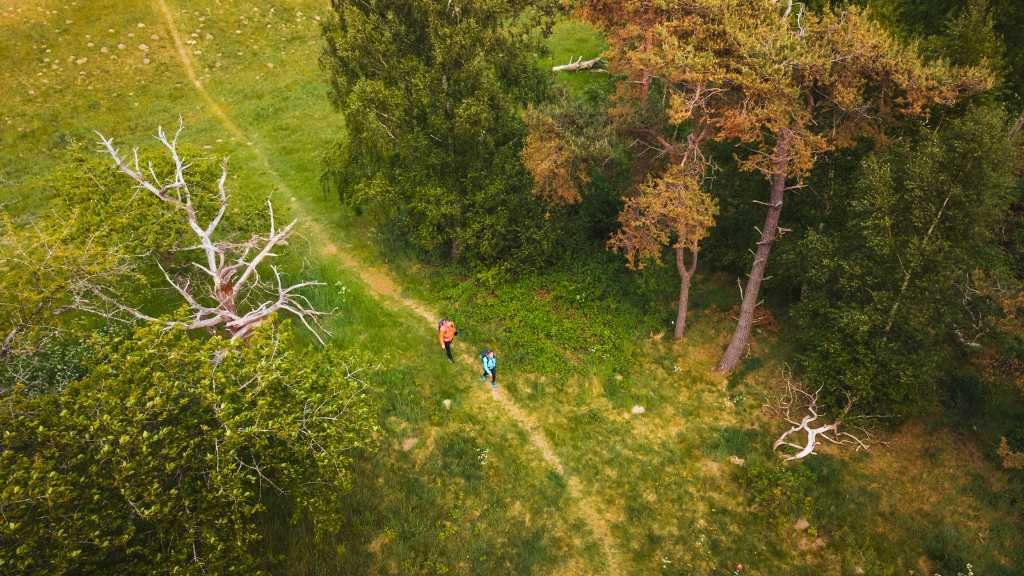
Annisse Vingård is worth booking if you want a quiet, close-up look at Danish wine production rather than a polished estate tasting. The appeal is its tiny farm-winery scale, local focus, and educational feel; skip it if your group wants a large-format cellar-door experience or a broad tasting-room program.
Domaine Galevan
Courthézon, France
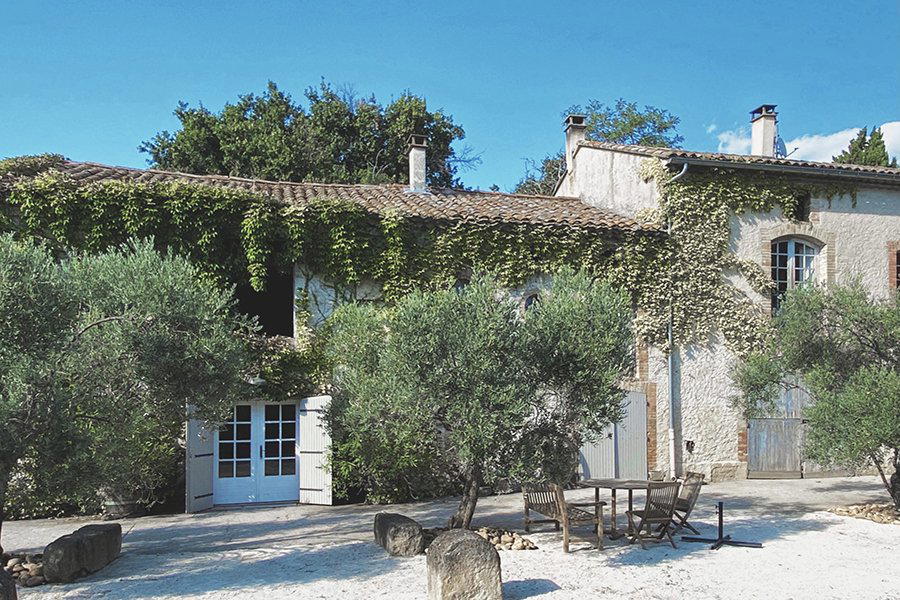
Domaine Galevan is a sensible Courthézon choice for travelers building a Châteauneuf-du-Pape wine day around producer context rather than a restaurant-style stop. Treat it as a focused cellar or tasting visit, plan meals separately, and use it as part of a broader Vaucluse wine itinerary rather than a stand-alone destination.
Araex Grands Villa Conchi
Vitoria-Gasteiz, Spain
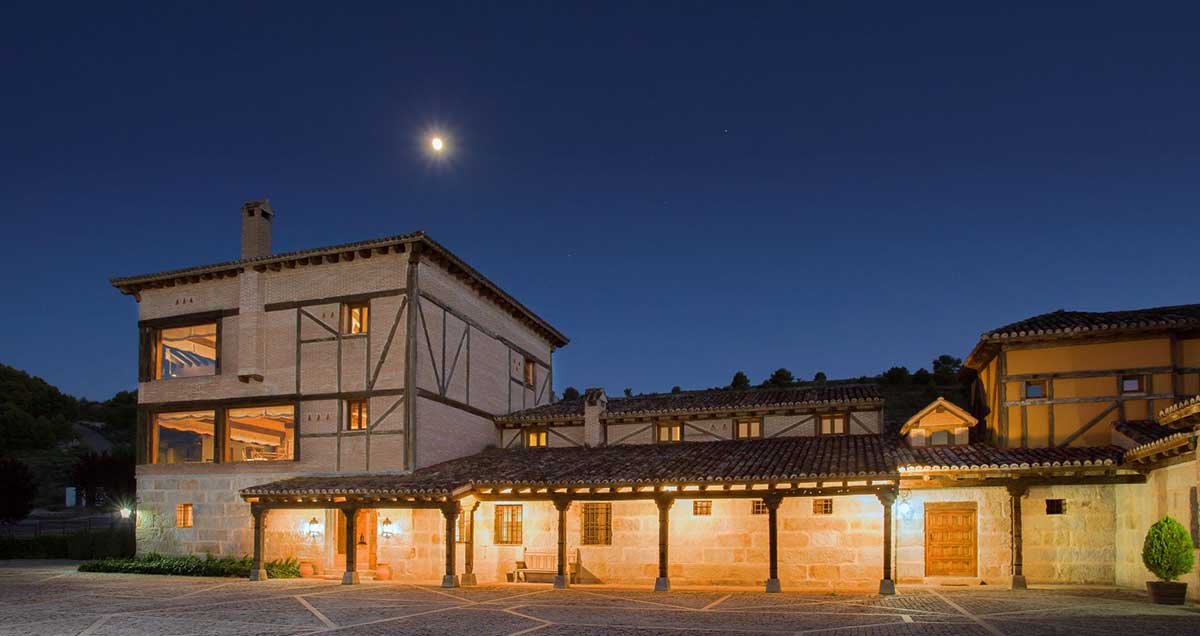
Araex Grands Villa Conchi is worth planning for if the goal is modern, polished Cava with credible external recognition rather than a casual drop-in winery stop. The strongest reason to go is the combination of Alt Penedès context, traditional-method sparkling production, and Falstaff 2 Stars in 2026 at a $$ price tier.
Casa Girelli
Trento, Italy
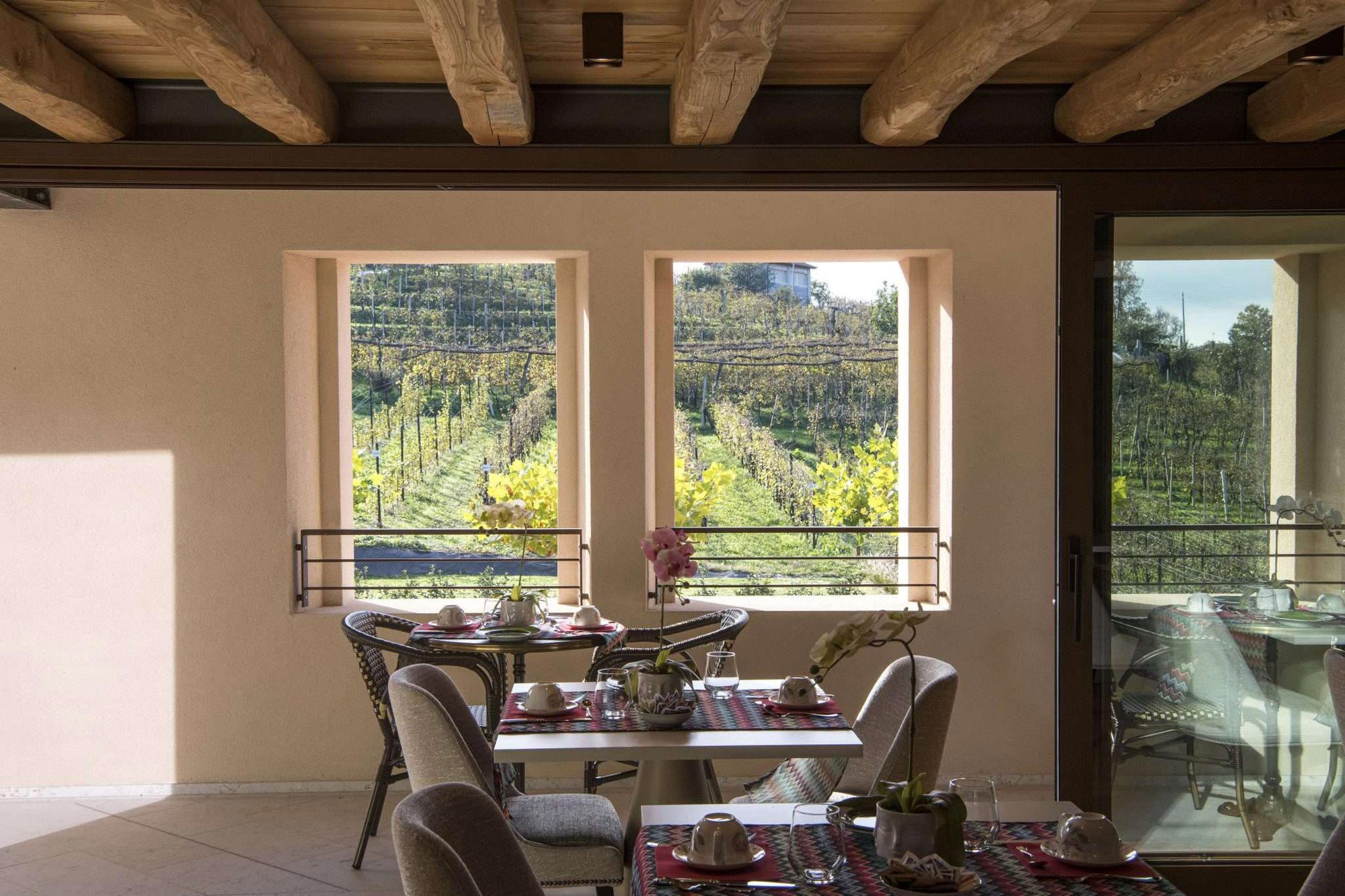
Casa Girelli is a smart Trento pick if you want a wine-first visit with industrial scale, historic roots, and a broad Italian portfolio rather than a small-estate tasting. The $$ positioning works well for groups and special occasions where different wine preferences need to be covered in one stop.
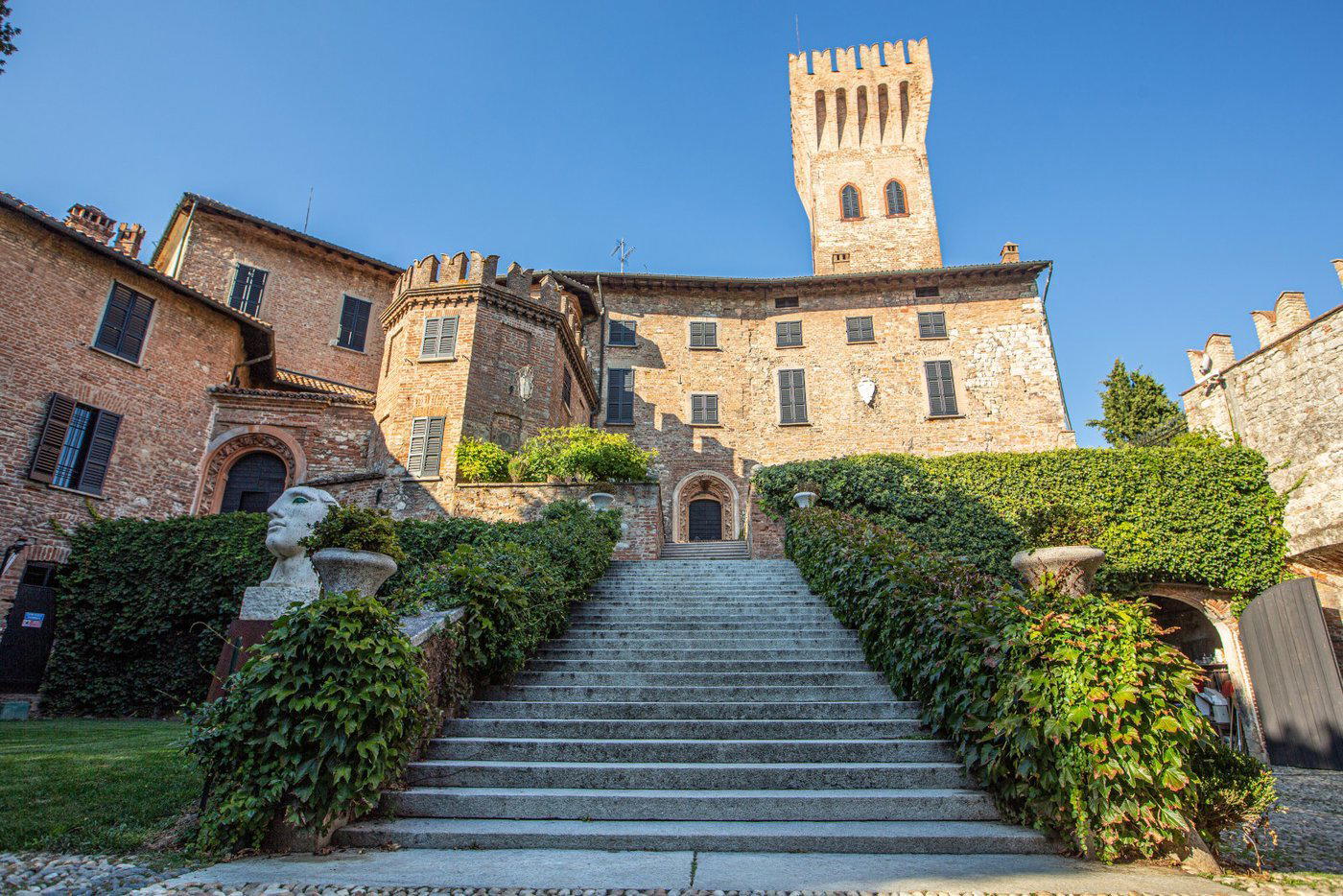
Castello di Cigognola
Cigognola, Italy
Book Castello di Cigognola if the priority is a private-feeling Oltrepò Pavese winery visit built around Pinot Nero Metodo Classico, castle architecture, and vineyard context. It is better suited to serious sparkling-wine drinkers than casual drop-ins, with a $$$ signal and Falstaff Listed recognition in 2026 supporting the splurge.
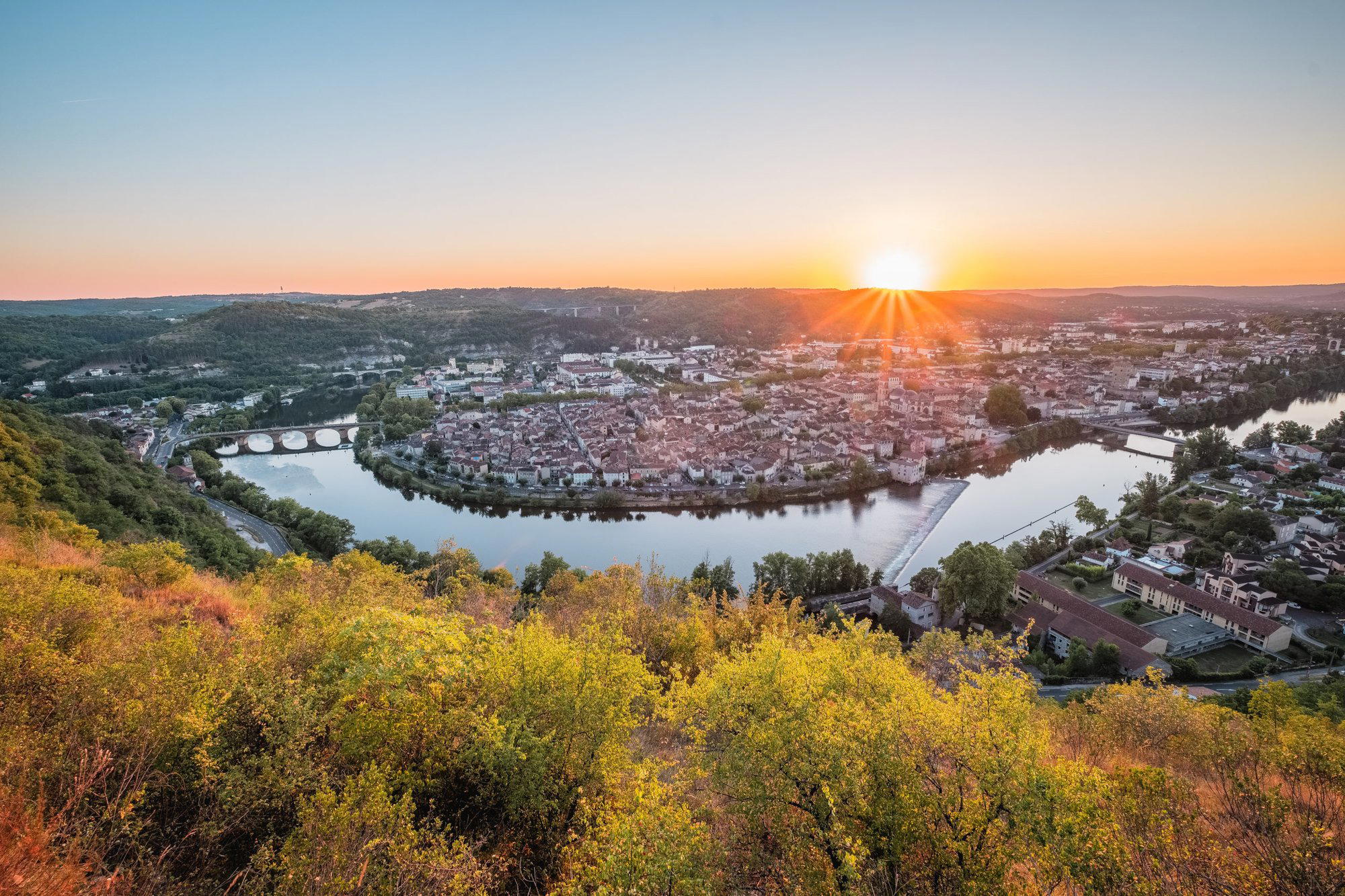
Château Eugénie
Albas, France
Château Eugénie is worth a stop if the goal is an approachable Cahors tasting with real regional context rather than a formal luxury visit. The family-run Albas estate offers a traditional cellar-and-tasting-room experience, walk-in-friendly access, and an approachable price signal, with Falstaff Listed recognition in 2026 adding credibility for wine-focused travelers.
Dorigo
Premariacco, Italy
Prioritise Dorigo if the goal is a guided Friuli winery visit with cellar context, local pairings, and a broad look at Colli Orientali del Friuli grapes. It is better for couples and small wine-focused groups than casual drop-ins, with the pairing option adding useful regional food context rather than a full restaurant experience.
Frank Brohl
Pünderich, Germany
Frank Brohl is a strong pick for Riesling-focused drinkers who want an organic Mosel estate rather than a glossy tasting room. Expect a rural Pünderich feel, steep-slope vineyard identity, and a portfolio centered on dry, feinherb, Kabinett, Spätlese, sparkling, and experimental formats. At $25 per person and appointment only, it works well for a small celebration if wine quality matters more than hospitality theater.
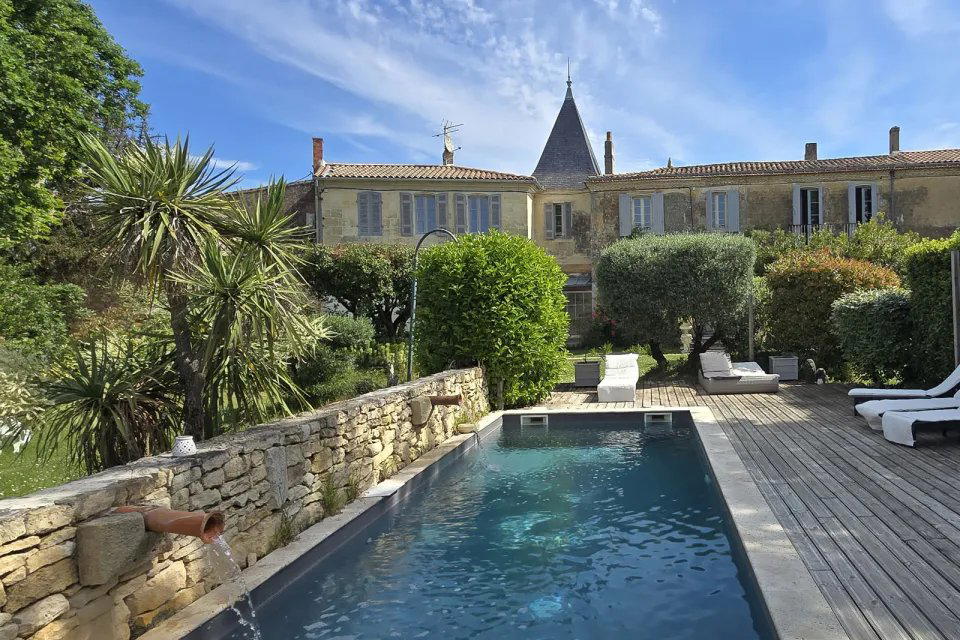
Château Pierre de Montignac
Civrac En Medoc, France
Book Château Pierre de Montignac if you want an accessible, family-run Médoc estate with organic farming, cellar context, and lodging on site. It is better for travelers who value a grounded winery visit over grand château formality, with the extended tasting format making the strongest case for wine-focused groups.
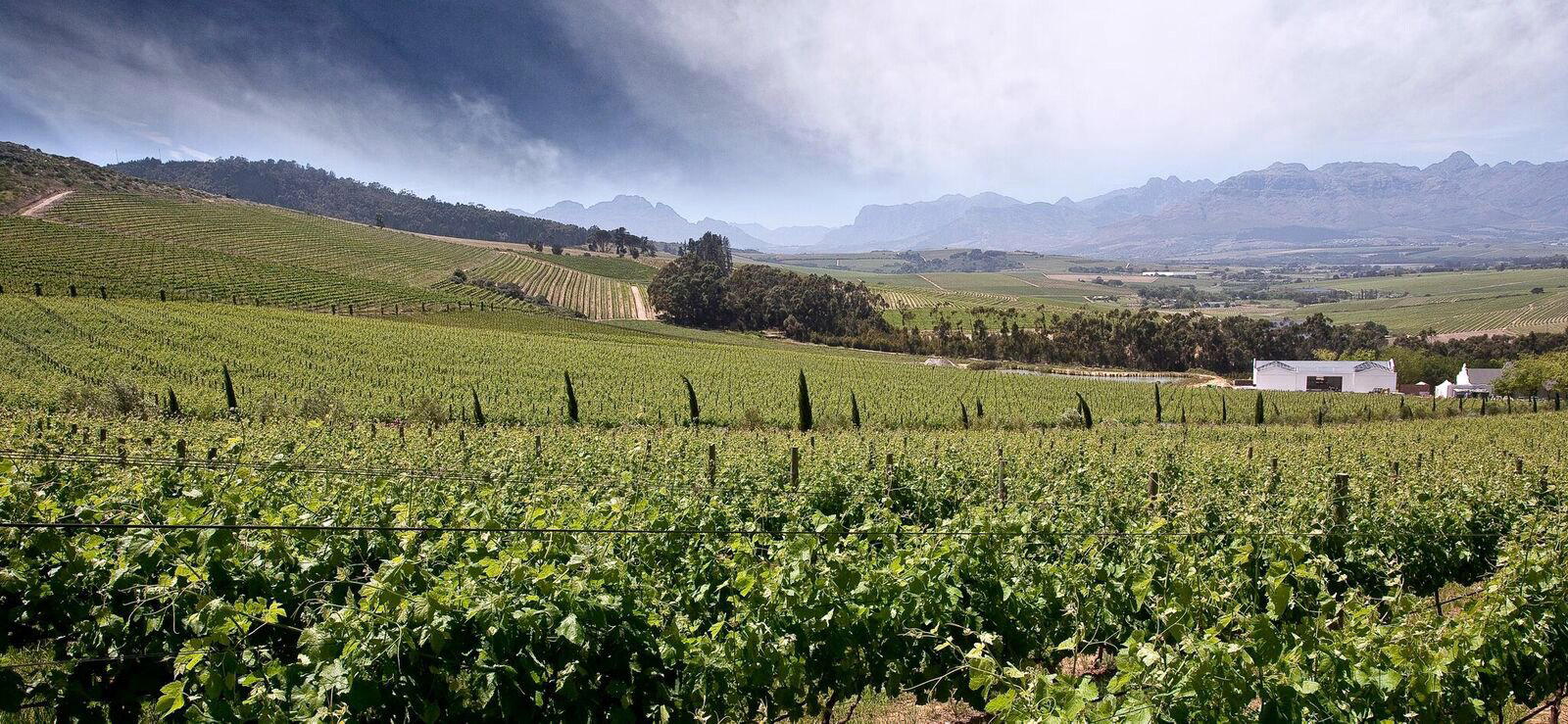
De Morgenzon
Stellenbosch, South Africa
De Morgenzon is a strong Stellenbosch choice for a planned, occasion-led winery visit rather than a casual extra stop. Book it when the wine experience is the main event; cross-shop if the group needs easier logistics, a broader estate day, or a more flexible route.
Domaine Vincent Grall
Sancerre, France
Domaine Vincent Grall is a good Sancerre pick for wine-focused travelers who want a compact producer visit rather than a food-led or highly programmed experience. It works better as part of a wider winery day than as the sole anchor, especially for small parties seeking appellation context.
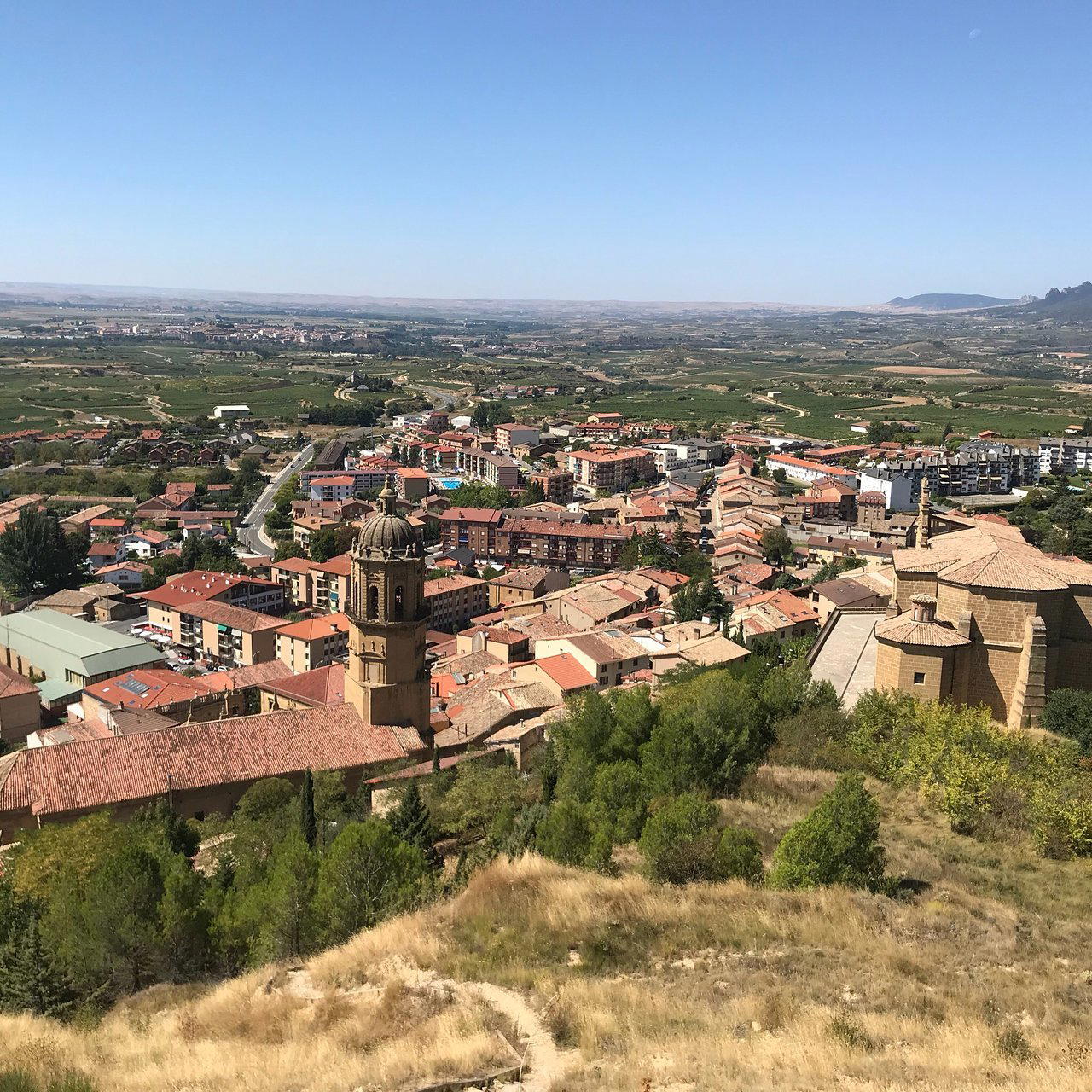
Bodegas Tierra Agrícola Labastida
Labastida, Spain
A focused Rioja Alavesa winery pick for travelers who want producer depth in Labastida rather than a casual tasting stop. The 2026 Falstaff 1 Star recognition gives it a useful quality signal, but plan around confirmed access and use Pearl’s Labastida guides to build the rest of the day.
Equipe
Vicenza, Italy
Equipe is worth planning around only if the goal is premium equestrian saddlery, Italian manufacturing, or a serious custom-fit consultation. It is not a wine or food-led stop, so visitors looking for tastings should use Pearl’s Vicenza winery and experience guides instead.
Domaine Chartron & Trébuchet
Puligny-Montrachet, France
A serious Puligny-Montrachet stop for Chardonnay drinkers who care more about terroir, portfolio depth, and buying context than hospitality theatre. Worth planning for a celebration tasting if white Burgundy is the point; less useful if the group wants food, views, or a highly produced estate visit.
Domaine Tour Saint Michel
Châteauneuf-du-Pape, France
Book Domaine Tour Saint Michel if you want a focused Châteauneuf-du-Pape estate visit with guided cellar context, Grenache-led wines, and practical pairing advice rather than a formal food program. At about $20 per person and appointment-only, it is a strong-value stop for curious wine travelers who want explanation, not just pours.
Emerson Beach Club
Cagliari, Italy
Emerson Beach Club is worth booking when the plan is a full Poetto Beach day with loungers, bar service, restaurant dining, and easy seaside logistics. It is less compelling as a standalone tasting or wine-focused stop, but Falstaff Listed recognition in 2026 gives it a useful quality signal for travelers choosing a more polished Cagliari beach-club setup.
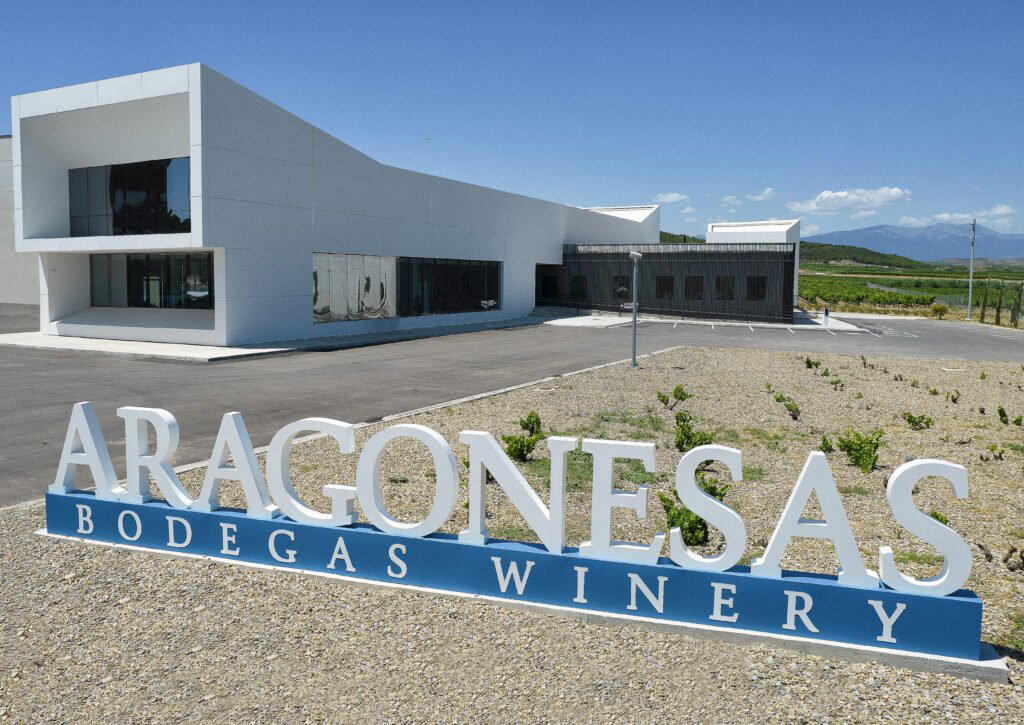
Bodegas Aragonesas
Fuendejalon, Spain
Worth booking for a practical, good-value introduction to Campo de Borja Garnacha, especially for groups who want a structured tasting rather than a meal-led winery visit. The draw is old-vine Garnacha, broad regional scale, and clear education at a modest fee, with Falstaff Listed recognition in 2026 adding credibility.
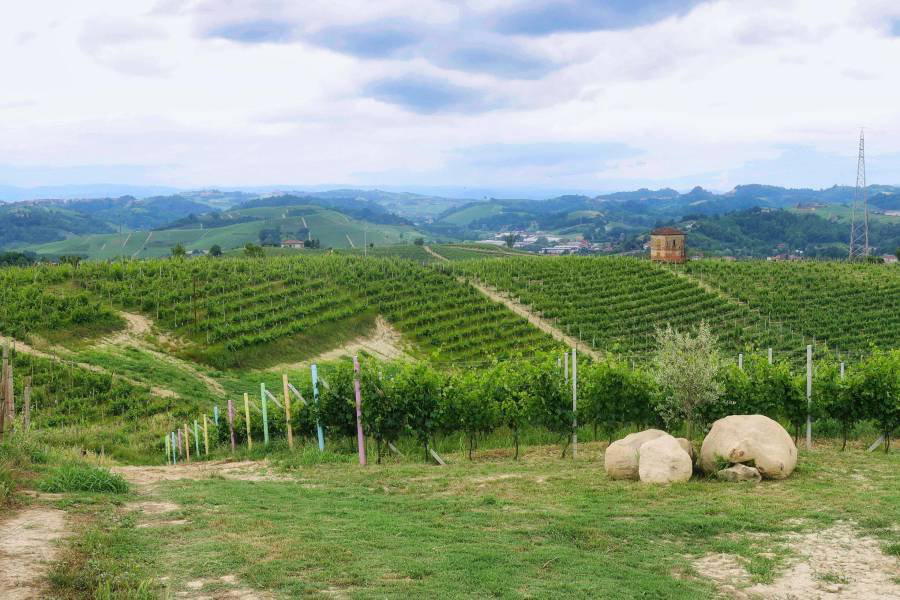
Azienda Vitivinicola Cascina Casanova
Alba, Italy
Azienda Vitivinicola Cascina Casanova is worth booking for a small, appointment-only Alba tasting focused on Piedmont varieties and vineyard context. The value is strong, especially with free tastings and tours by reservation, but it suits small groups better than travellers looking for polished wine-tourism facilities. Falstaff listing in 2026 adds a useful recognition signal.
Domaine du Château-Gris
Nuits-Saint-Georges, France
Prioritise Domaine du Château-Gris if the trip is about serious Burgundy site context, not a food-heavy tasting afternoon. The draw is a walled Premier Cru monopole in Nuits-Saint-Georges, centred on a single Pinot Noir from terraced vines under Albert Bichot stewardship. Pairing expectations should stay modest; plan restaurants separately.
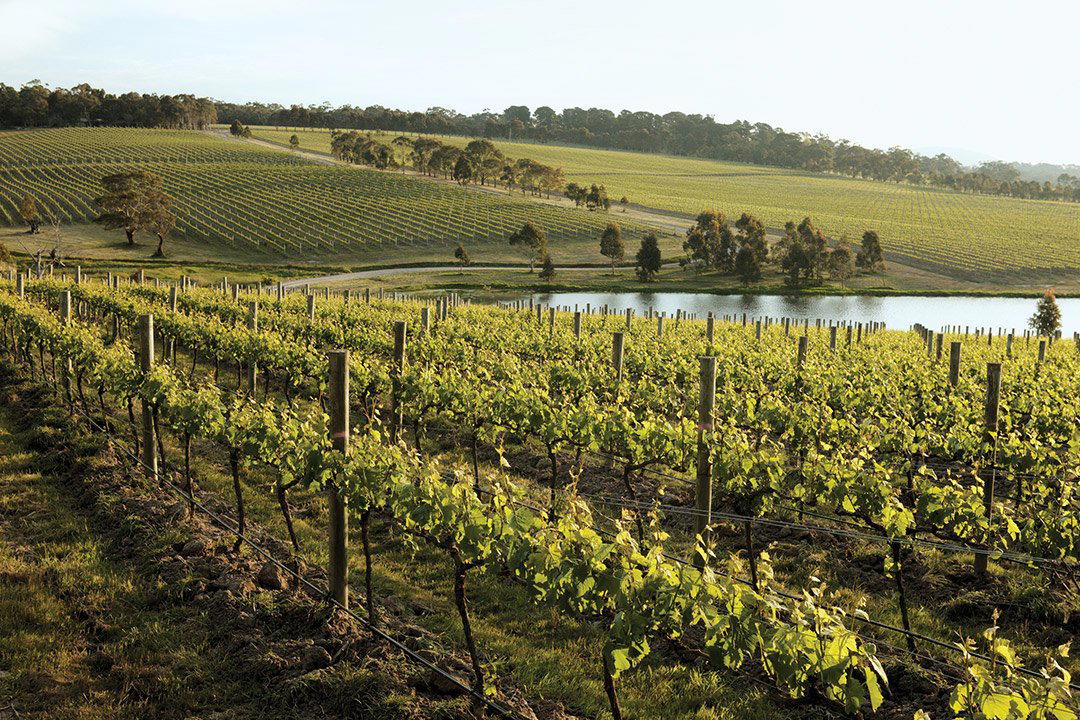
Yabby Lake Vineyard
Mornington Peninsula, Australia
Yabby Lake Vineyard is worth prioritising for a calmer, wine-led Mornington Peninsula visit, especially if a more structured tasting is the goal. It is a better fit for couples or small groups than loose large-party touring, with stronger appeal for visitors choosing one serious cellar-door stop over a packed regional circuit.
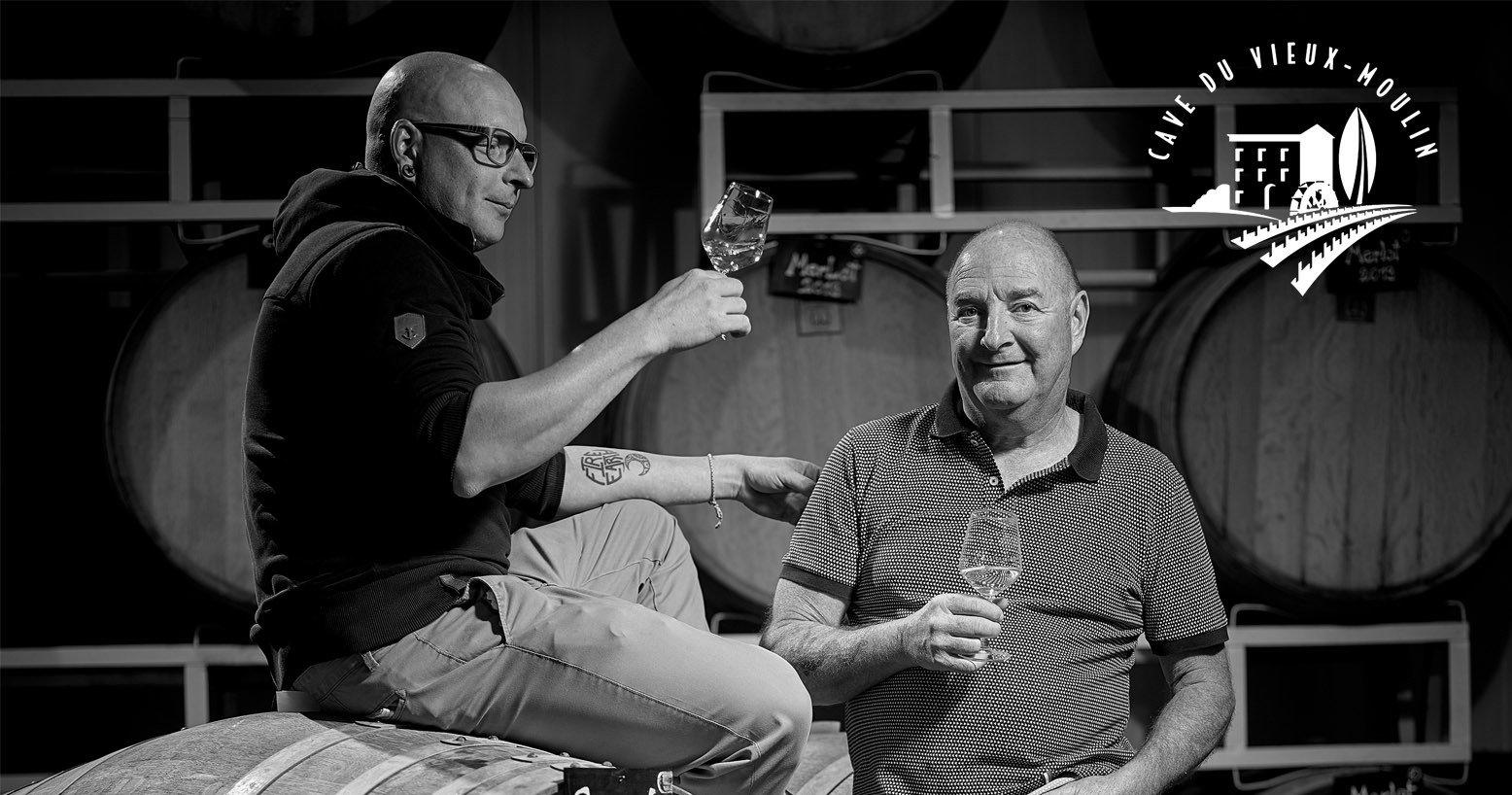
Cave du Vieux Moulin – Famille Papilloud
Vetroz, Switzerland
A good fit for wine travelers building a focused Vétroz tasting route, especially if value and local depth matter more than a highly produced visitor experience. Falstaff listing for 2026 gives it a useful quality signal, but travelers who need confirmed food service, flagship bottle details, or extensive published logistics should keep the visit flexible.
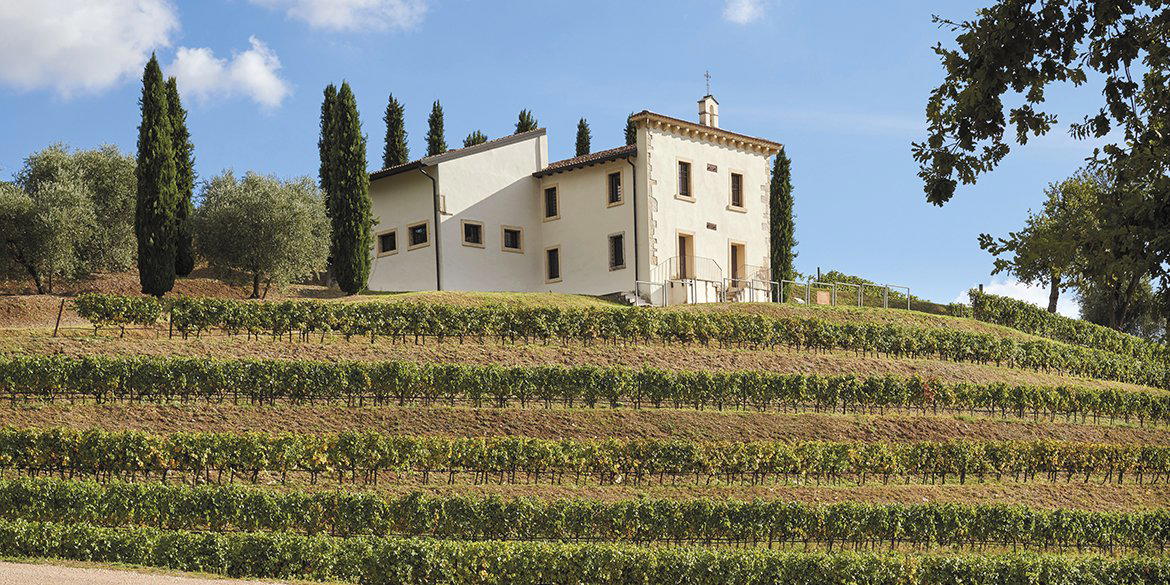
Angelini Wines & Estates
Grezzana, Italy
Book Angelini Wines & Estates if the goal is a serious Valpolicella-focused visit with Amarone context and broader Italian portfolio depth. It suits collectors, business guests, and celebration groups better than casual drop-ins, especially if the day is planned around Grezzana wineries rather than squeezed between other stops.
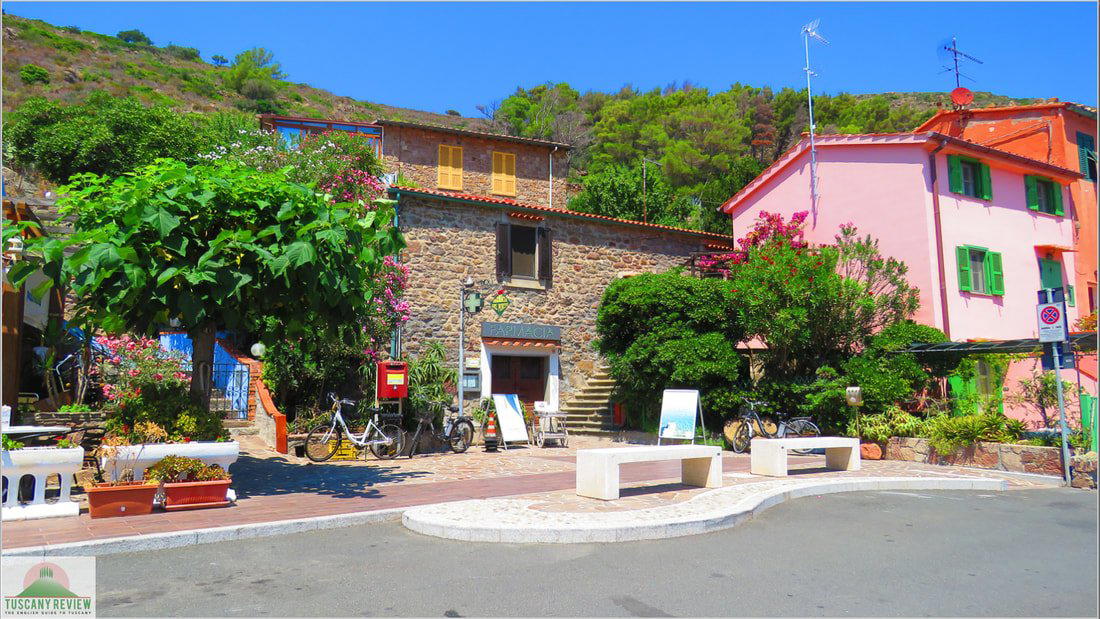
Capraia
Gaiole in Chianti, Italy
Capraia is worth booking for a quieter Gaiole in Chianti tasting focused on structured Chianti Classico, cellar context, and a rustic estate atmosphere. It suits wine travelers who want to understand Sangiovese, vineyard detail, and the difference between core, Riserva, and Gran Selezione expressions more than casual groups looking for a quick scenic pour.

Fattoria Le Pupille
Grosseto, Italy
Fattoria Le Pupille is worth prioritizing if the trip is focused on Maremma wine rather than a casual tasting stop. The 2026 Falstaff 5 Stars recognition is the key trust signal; plan ahead, because public details on visit format, food, and hours are not part of the core listing.
Crama Gîrboiu
Vrancea, Moldova
Book Crama Gîrboiu if the goal is a serious but relaxed Vrancea tasting built around Romanian varieties, cellar context and bottle discovery. The strongest value is for wine travellers deciding what to buy from lines like Bacanta, Constantin and Tectonic, not for visitors seeking a restaurant-led day out.
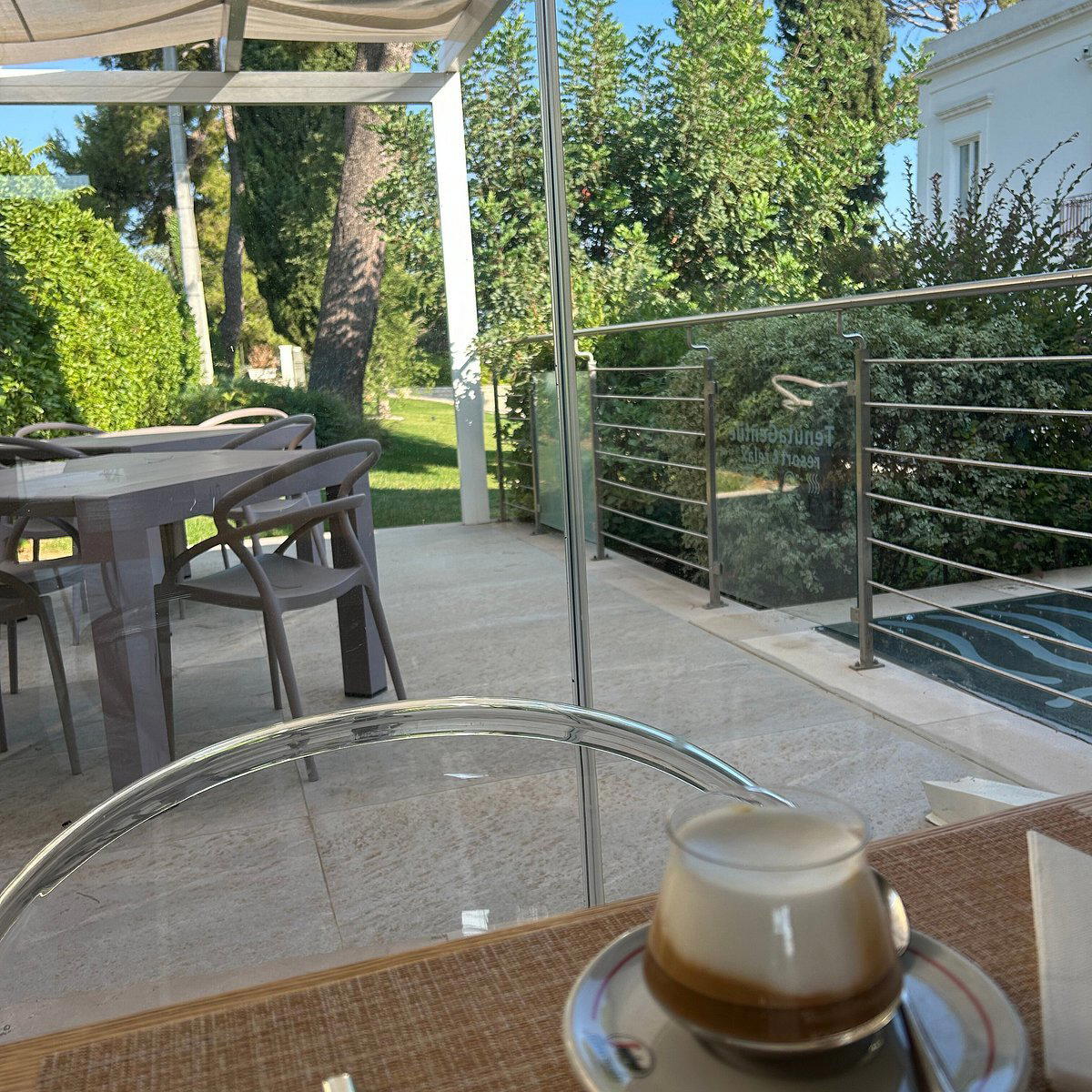
Cantina Gentile
Cassano Delle Murge, Italy
A good first stop in Cassano delle Murge if the priority is value, local grape character, and a working cooperative cellar rather than a polished lounge. Book by appointment, go with buying in mind, and expect a practical tasting setup backed by Falstaff Listed 2026 recognition.
Cipriana
Castagneto Carducci, Italy
Cipriana works for a relaxed Bolgheri wine stay, especially for couples or small celebrations that want an agriturismo setting rather than a high-volume tasting room. The strongest draw is the estate-grown Bolgheri DOC portfolio, led by “San Martino,” plus the farmhouse-and-cellar format.
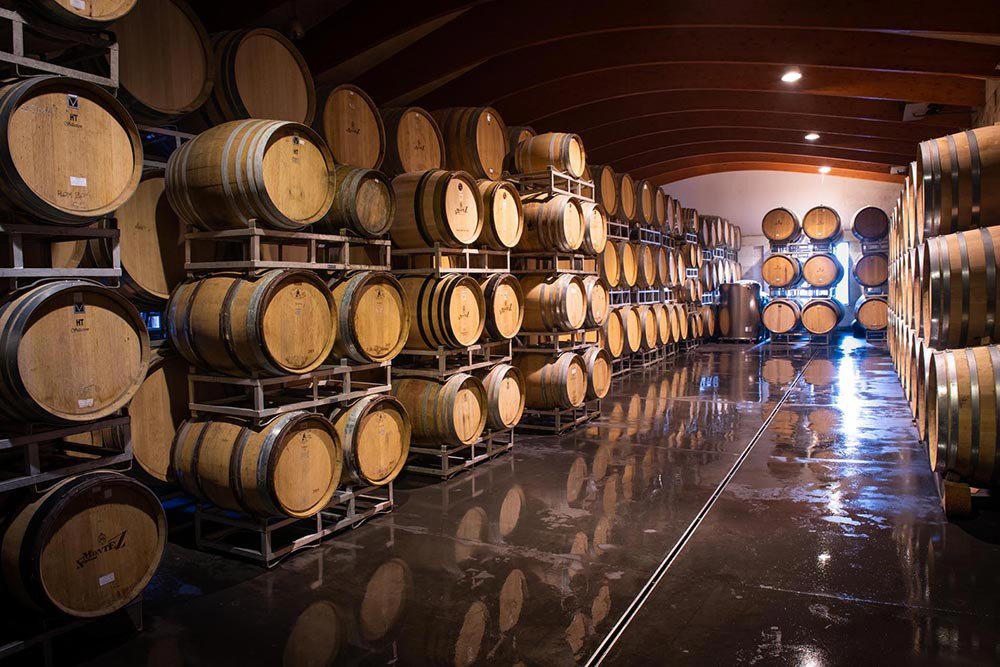
Domaine du Monteillet
Chavanay, France
Domaine du Monteillet works for a calm Chavanay wine stop, especially if the plan is a focused visit rather than a full-service outing. Its Falstaff Listed 2026 recognition gives it a useful quality signal, but confirm food, shipping, group capacity, and club details before building the day around those specifics.
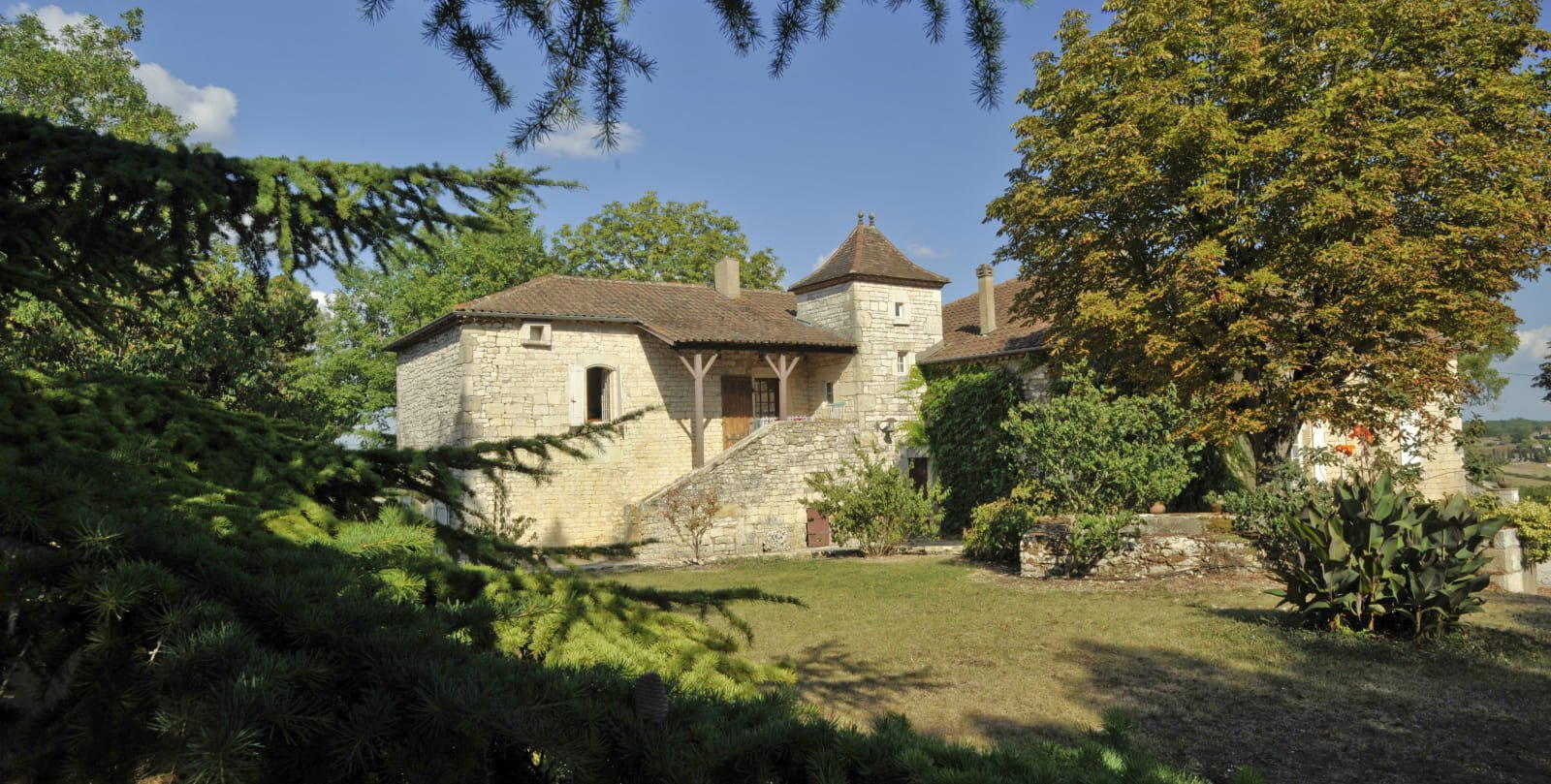
Château de Ponzac
Carnac Rouffiac, France
Château de Ponzac works as a focused wine-country stop in Carnac Rouffiac, especially for travelers building a wider Occitanie itinerary. Go for producer context and an easy-planning visit, not for a fully specified dining or tasting format.
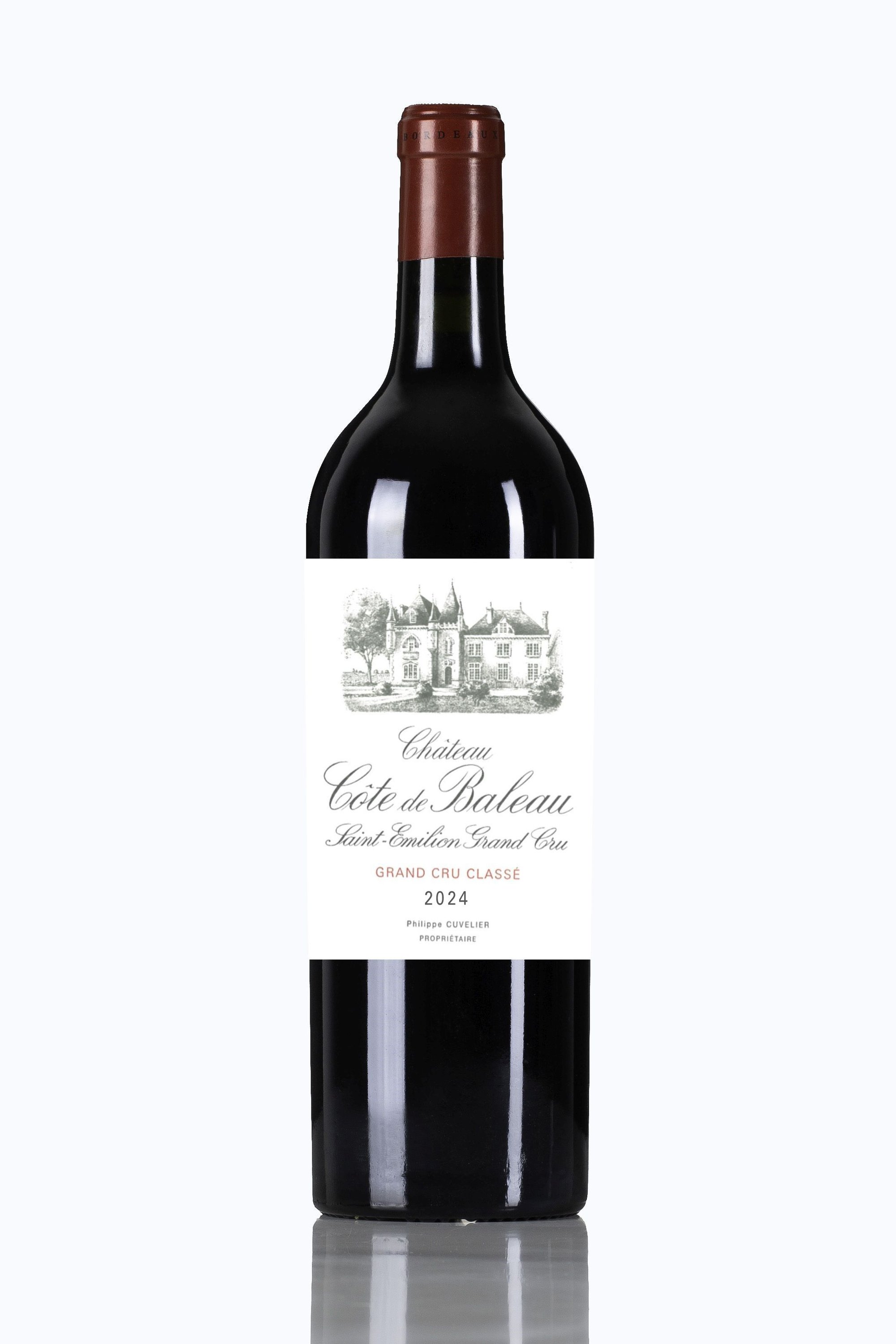
Château Côte de Baleau
Saint-Émilion, France
Château Côte de Baleau is a strong Saint-Émilion pick for first-timers who want a classic château setting, a serious Merlot-led Grand Cru Classé profile, and a calmer tasting style. It is better for focused Right Bank buyers than for travellers seeking a broad wine-club assortment or a high-design hospitality show.
Albinea Canali
Reggio Emilia, Italy
Albinea Canali works as a wine-focused Reggio Emilia stop if the priority is bottle research rather than a confirmed restaurant-style visit. Its 2026 Falstaff listing gives it a useful external signal, but travelers should build the day with separate meal and logistics plans rather than assuming a full hospitality format.
Domaine Saint-Laurent
Courthézon, France
Domaine Saint-Laurent is worth booking if you want a traditional Southern Rhône family estate with Grenache-led Châteauneuf-du-Pape, Vacqueyras, and strong bottle value. The draw is the countryside cellar, five-generation Sinard family continuity, old-tools museum, and vineyard activities rather than luxury hospitality polish.
Domaine de Champ-Long
Entrechaux, France
A quiet, rustic Ventoux estate that is worth booking for organic Rhône context rather than polished hospitality. Free appointment-based tastings and cellar visits make the value strong, especially for small groups that want to compare reds, whites, rosés, IGP wines, and natural sparkling wine from one family-run producer. Falstaff Listed in 2026.
Château Le Lau
Arveyres, France
A quiet Graves de Vayres estate for travelers who want a focused Merlot tasting rather than a polished château production. Book it for a low-key date, anniversary, or small-group stop built around old vines, fine gravel soils, and a rustic cellar-door feel; skip it if the group needs food service or a broad tasting lineup.
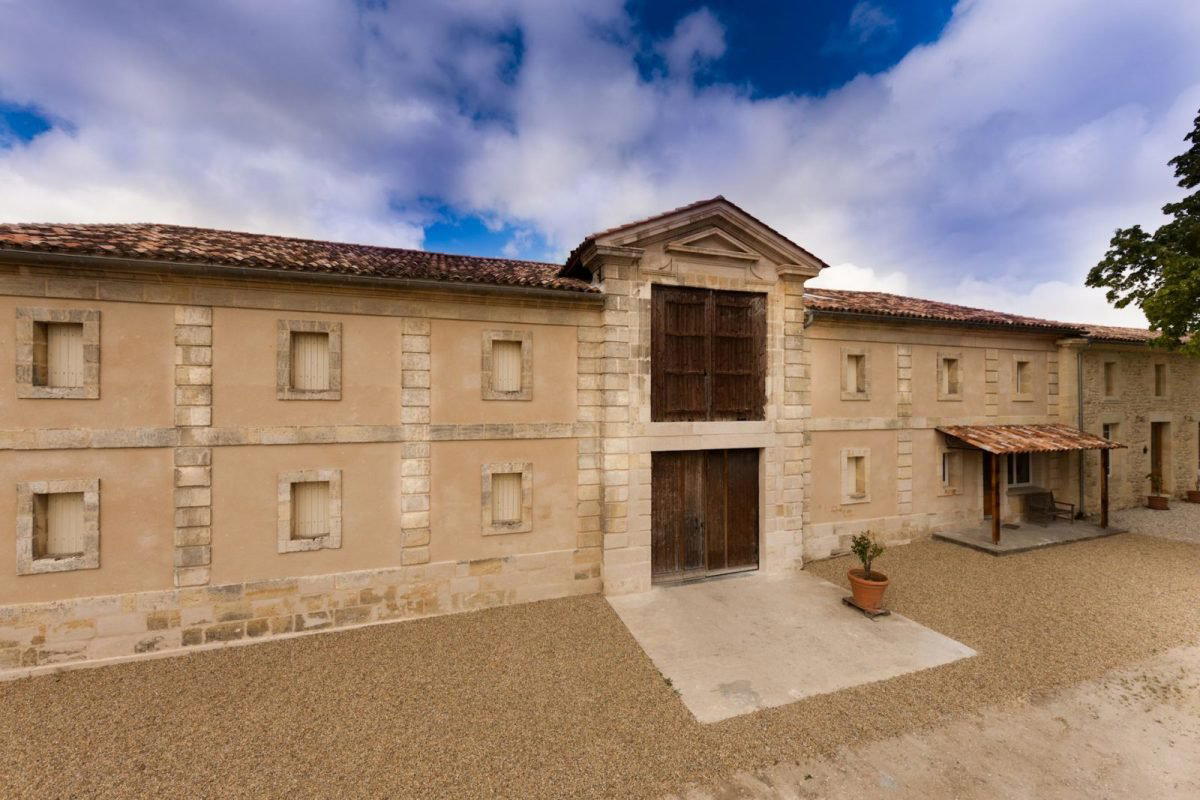
Château Lassus
Begadan, France
Worth it for a low-key Médoc tasting focused on value, tradition and red Bordeaux rather than château spectacle. Château Lassus suits visitors who want an easy, rural stop in Bégadan, with Cru Bourgeois credibility, accessible tasting costs and a working-estate feel that fits a quiet wine day better than a formal celebration.
How many of these have you visited?
Find out on Pearl and keep score across every place in 2026 Falstaff Winery Guide.