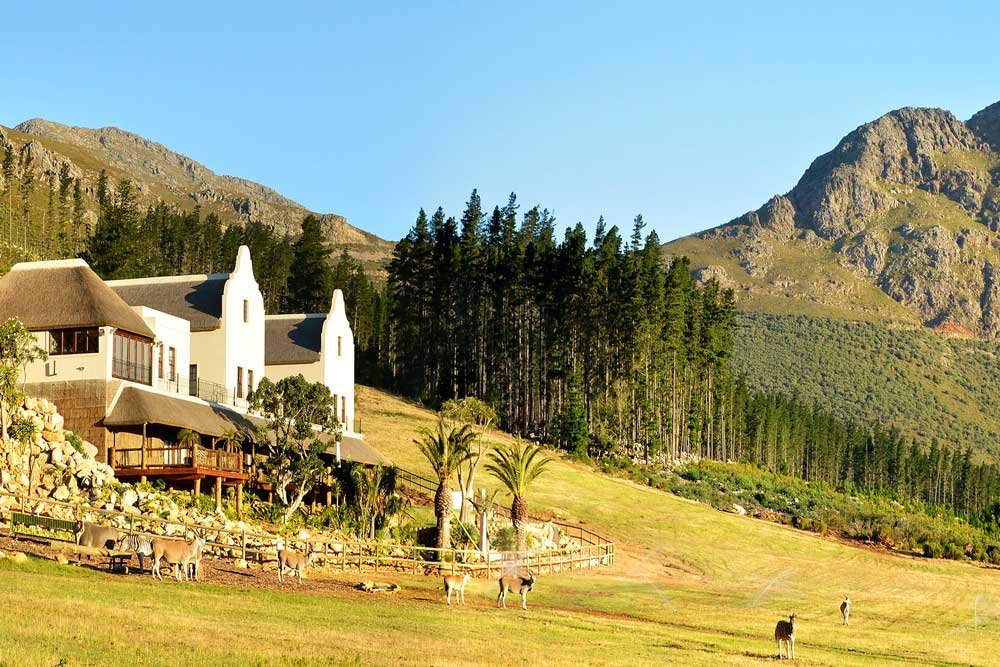

Chamonix Wine Farm
Franschhoek
Winery in Franschhoek, South Africa
 Book with Pearl
The Read
Mountain-Valley Terroir Precision
Price
$30–50tasting
Why go
Chamonix Wine Farm is worth booking for a wine-first Franschhoek stop with strong farm-setting appeal. It is a better fit for travelers building a focused Winelands day than for anyone expecting a fully defined food-pairing program, so pair the visit with a separate restaurant plan if the meal matters.
About Chamonix Wine Farm
Chamonix Wine Farm is a Franschhoek venue with a casual dress code and Pearl 2 Star Prestige recognition for 2025. For planning, treat it as a concise Franschhoek listing: a recognized stop that may suit travelers building a considered route through the area. Before relying on details such as menus, tastings, hours, prices, or specific on-site services, check directly with the venue.
For travelers comparing options, the safest way to frame Chamonix Wine Farm is as a named Franschhoek stop, not as a fully mapped experience with every practical detail already settled. That approach keeps expectations realistic and avoids turning general reputation into assumptions about what will be available on the day. If you need details such as current visit format, food availability, booking requirements, or purchase arrangements, check directly with the venue before building the day around those specifics. A short confirmation step is especially important when an itinerary depends on timing, meals, or a particular style of visit.
Plan for a Franschhoek stop, then confirm the details
Chamonix Wine Farm is a Franschhoek venue with casual dress and Pearl 2 Star Prestige recognition in 2025. That is enough to place it on a shortlist for visitors who want a recognized stop in the area, especially if they are assembling a day around Franschhoek rather than around one fixed restaurant brief. Before treating a specific dining program, tasting format, flagship bottle, price point, chef, seating count, or service schedule as part of the plan, confirm those details with the venue.
That distinction is useful when planning because days with multiple stops often succeed or fail on practical fit. A venue can be worth considering while still requiring direct checks before it becomes the anchor of the day. If the meal is the anchor, use Our full Franschhoek restaurants guide to plan separately rather than assuming Chamonix Wine Farm will cover the full food brief. This keeps the restaurant decision separate from the Chamonix Wine Farm decision and gives you more control over pacing, expectations, and backup options. For broader comparison, Grande Provence, Haute Cabrière, Mont Rochelle, Backsberg, and other options can be considered according to the specific experience you want.
Where it fits in a serious Franschhoek itinerary
For a Franschhoek-based itinerary, place Chamonix Wine Farm only after confirming the practical details that matter to your day. Its profile is focused: casual dress code, Franschhoek location, and Pearl 2 Star Prestige recognition for 2025. That makes it appropriate to keep on the map, but not to overbuild the plan around details that still need current confirmation. Check anything more specific before travel, particularly if the day involves multiple stops, transport timing, guests with food expectations, or arrangements beyond the visit itself.
The verdict: consider Chamonix Wine Farm if you want to include a recognized Franschhoek venue in your plans. Its strongest role is as a recognized Franschhoek option rather than a broad claim about every possible aspect of the experience. Do not rely on assumptions about food, timing, reservations, purchases, or a particular visit format. Treat confirmation as part of the planning process, not as an afterthought, and build the rest of the day with enough flexibility to suit your priorities. For comparison, Backsberg, Grande Provence, Haute Cabrière, Mont Rochelle, Mullineux & Leeu Family Wines, and other dining options may help you shape the rest of the itinerary.
Planning details
- Location
- Uitkyk St, Franschhoek, 7690
- Website
- chamonix.co.za
- Phone
- +27 21 876 8400
The take
The Take
The Vibe
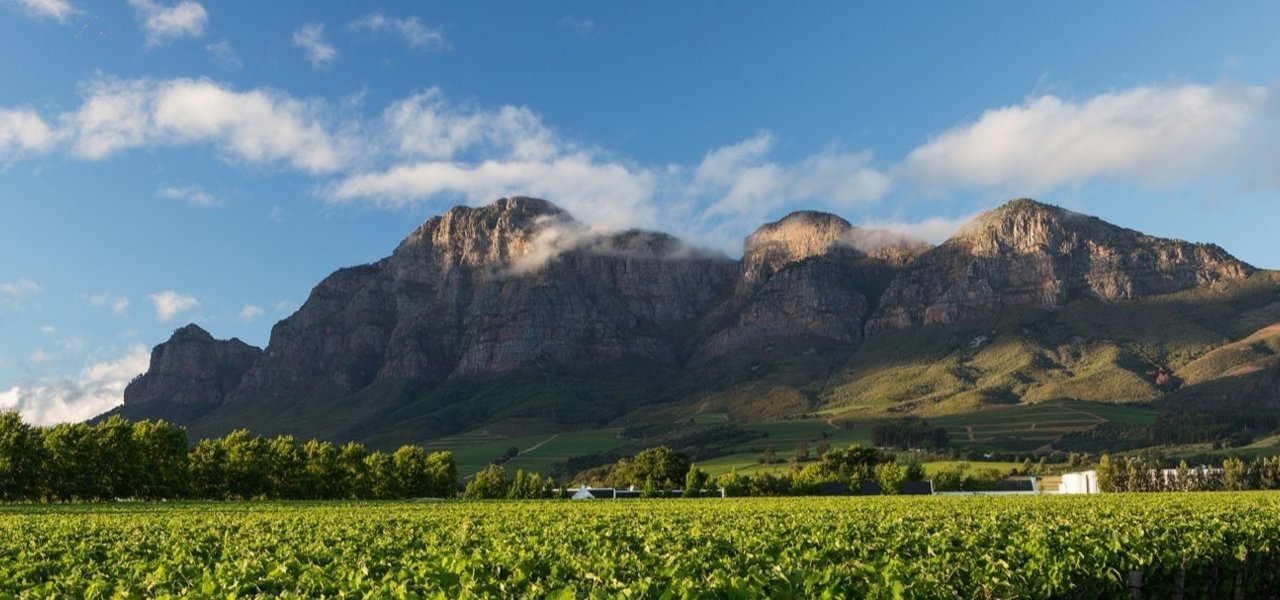
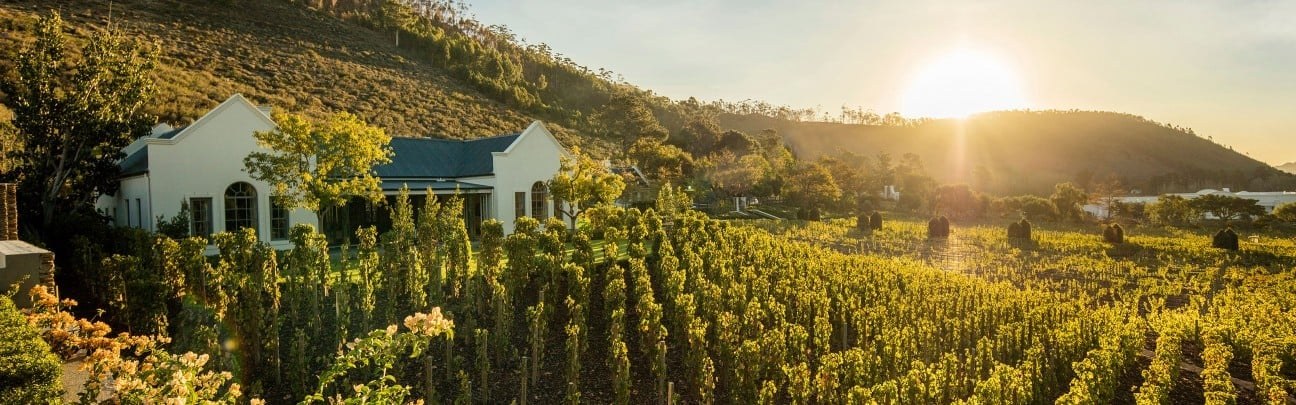
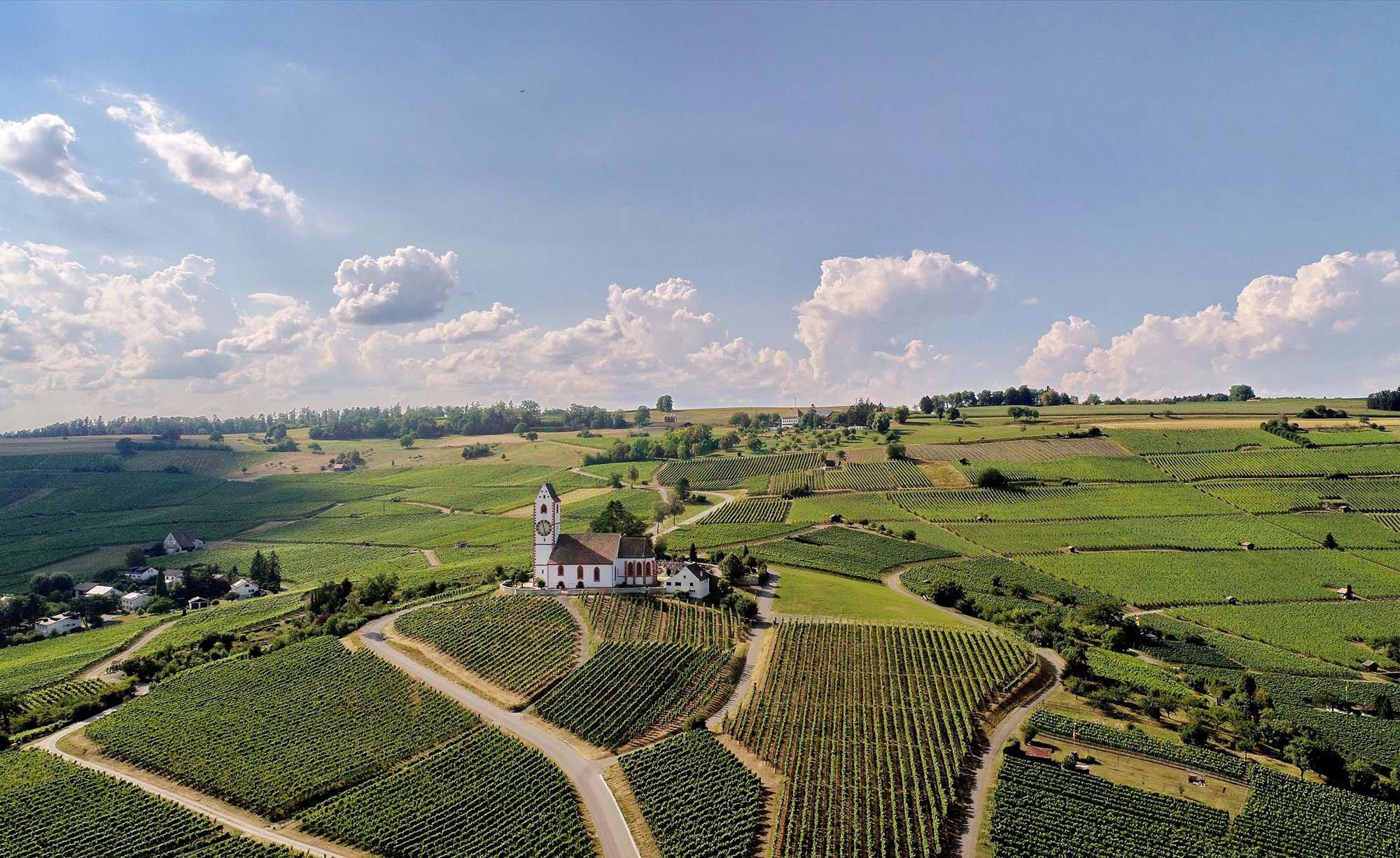
Chamonix presents a quietly assured character that foregrounds place and precision. Perched higher in the Franschhoek valley, the estate conveys a sense of history and measured refinement: the property’s long relationship with the valley and its cooler, steeper blocks informs every decision in the vineyard and cellar. Visitors encounter a terroir-first mentality rather than flash, with careful attention to altitude, soil and microclimate shaping the house style. The overall effect is sophisticated and rooted in the landscape — a winery experience built around clarity, restraint and the nuances of high-elevation viticulture.
Best For
This estate is best for curious wine lovers and anyone interested in how site influences style. The narrative of altitude viticulture and the estate’s distinct position in the valley make visits rewarding for people seeking a thoughtful tasting focused on terroir and freshness. It also suits small groups who want to compare vineyard blocks and learn about upslope plantings; the setting supports deliberate tasting sessions rather than loud, casual gatherings. If you value context — soils, aspect and elevation — Chamonix is tailored to educational, focused tasting experiences.
Tasting Tips
When you visit, center your tasting on wines that demonstrate the estate’s altitude-driven character: ask which bottles showcase retained acidity, cooler-site ripening and differences between blocks. Request any vertical or block-specific tastings if available, and inquire about guided explanations of how elevation and soils shape each wine. Avoid assuming heavy, oak-driven styles; the description emphasizes freshness and slower ripening, so prioritize wines presented as examples of site expression. Also ask staff about the tasting format so you can plan for a focused, informative experience.
Venue details
Ambiance
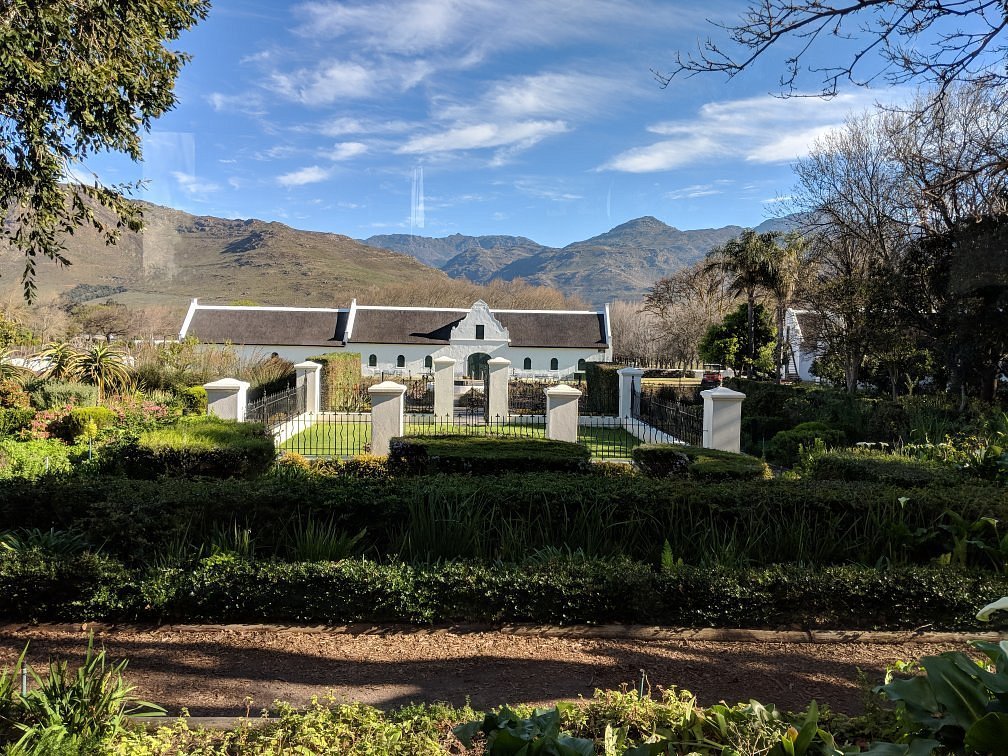
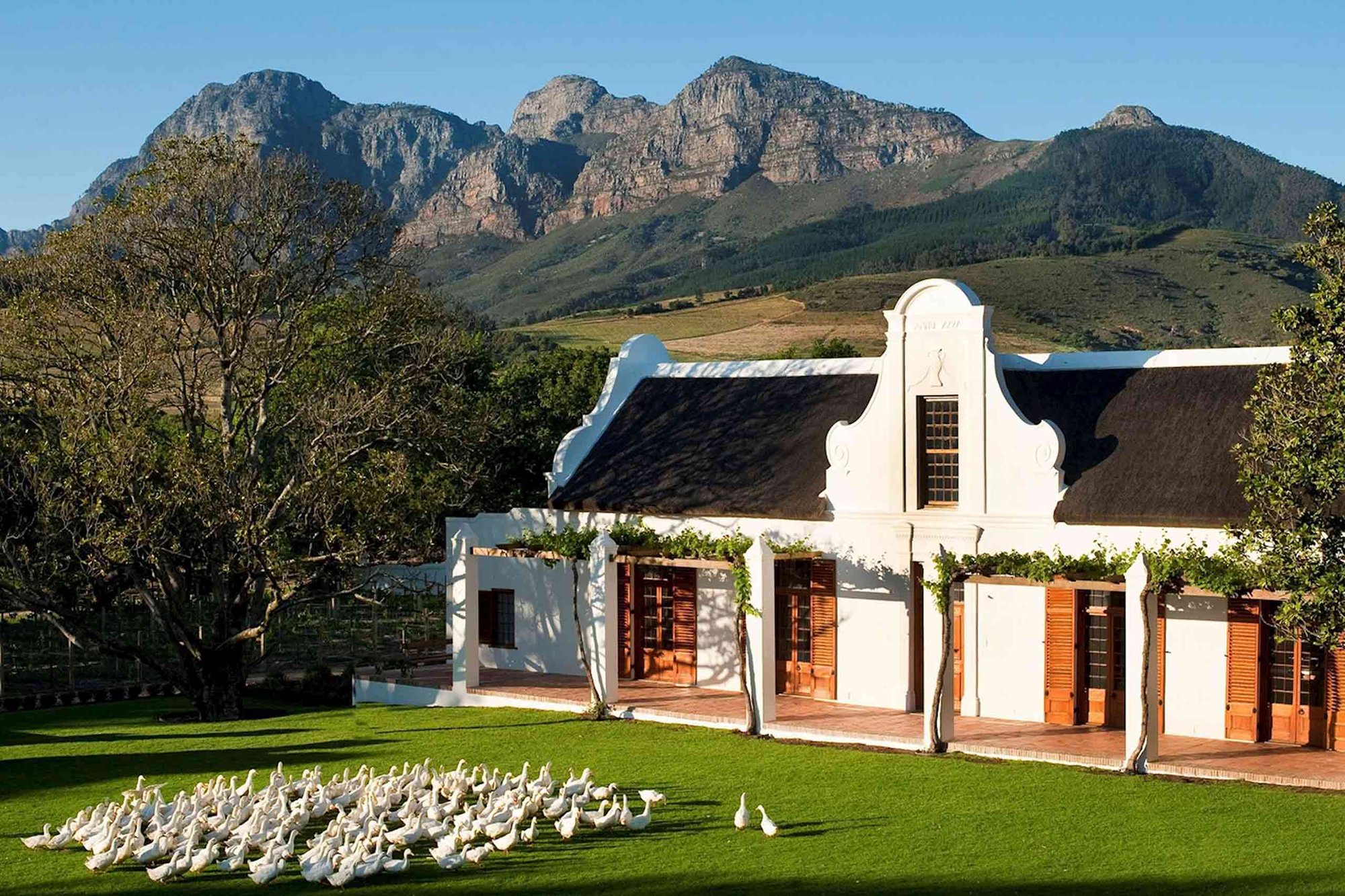
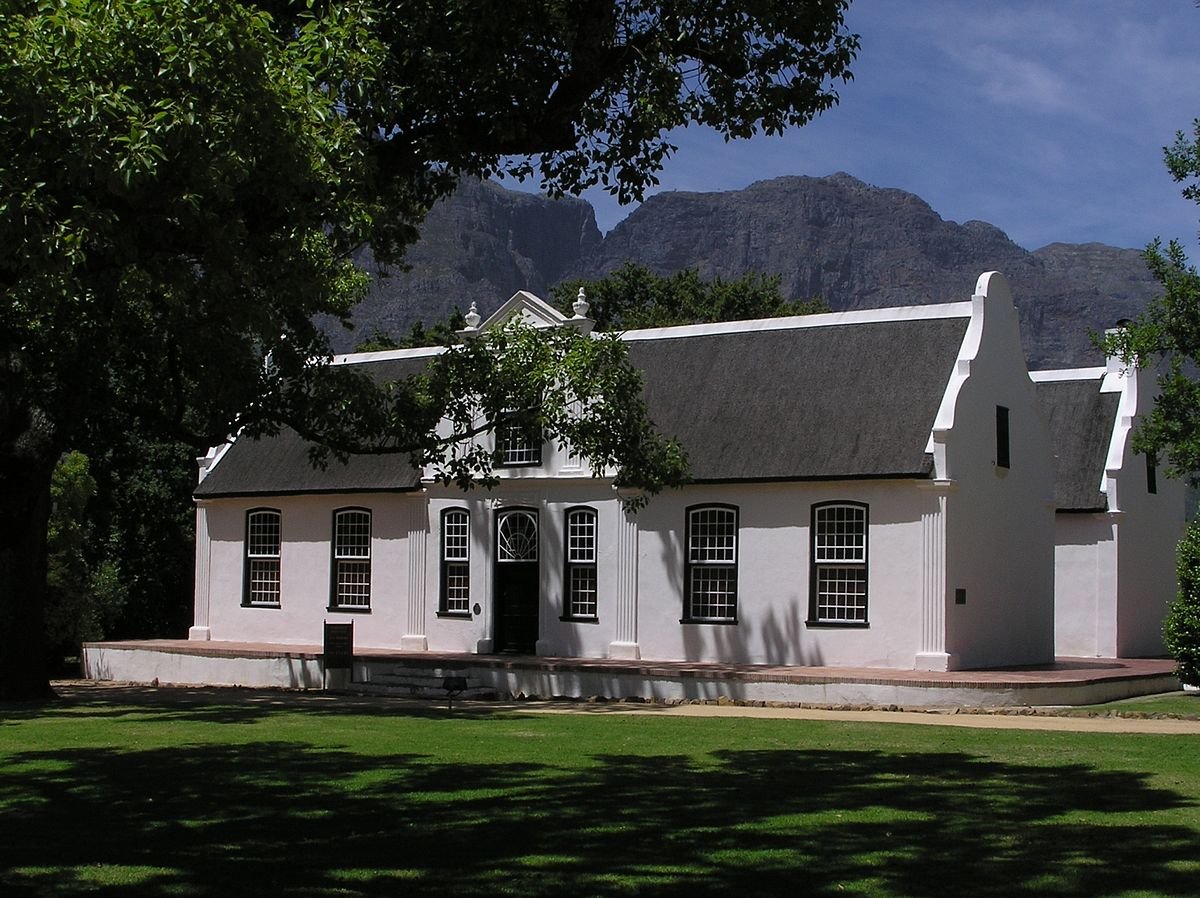
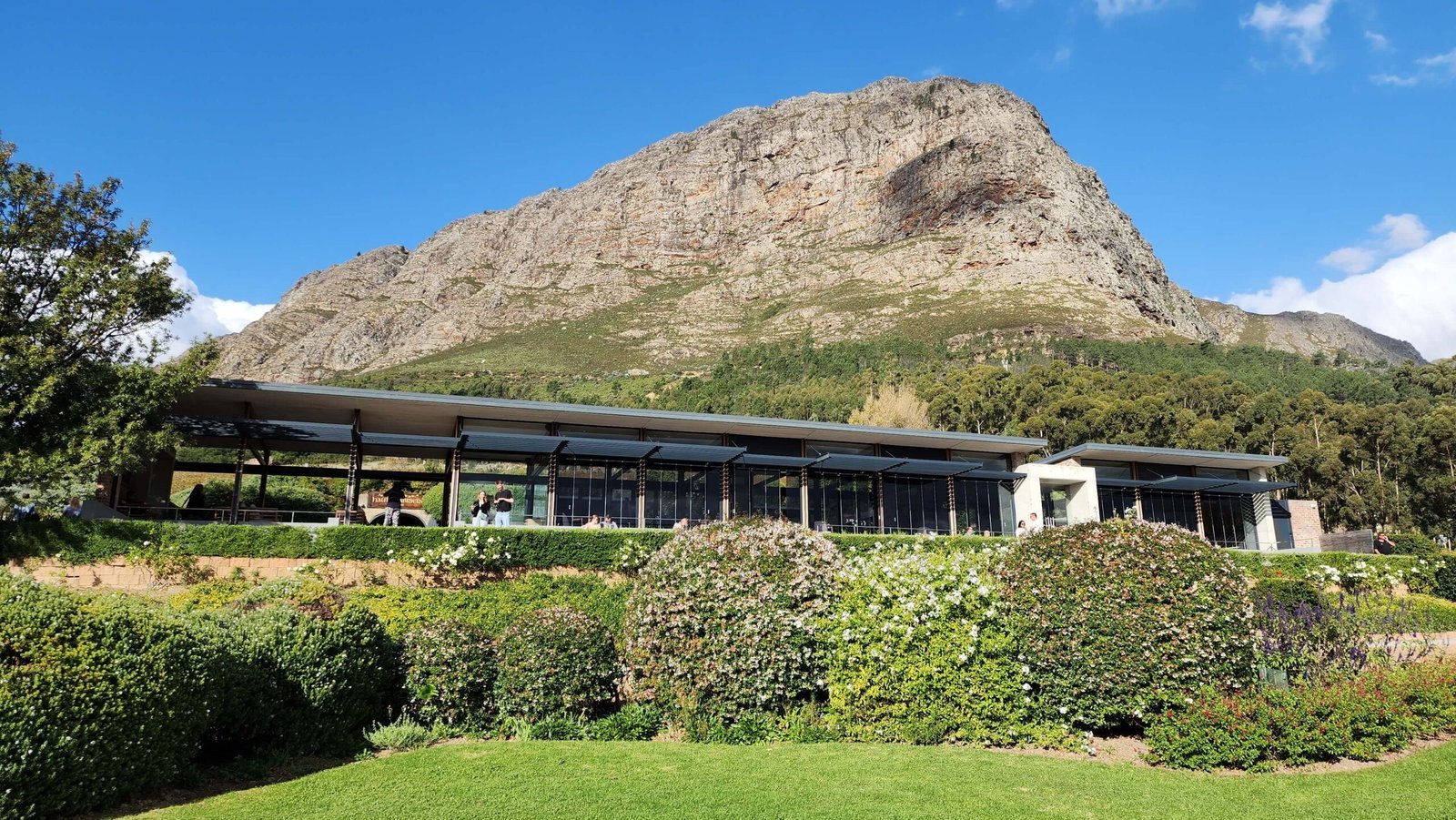
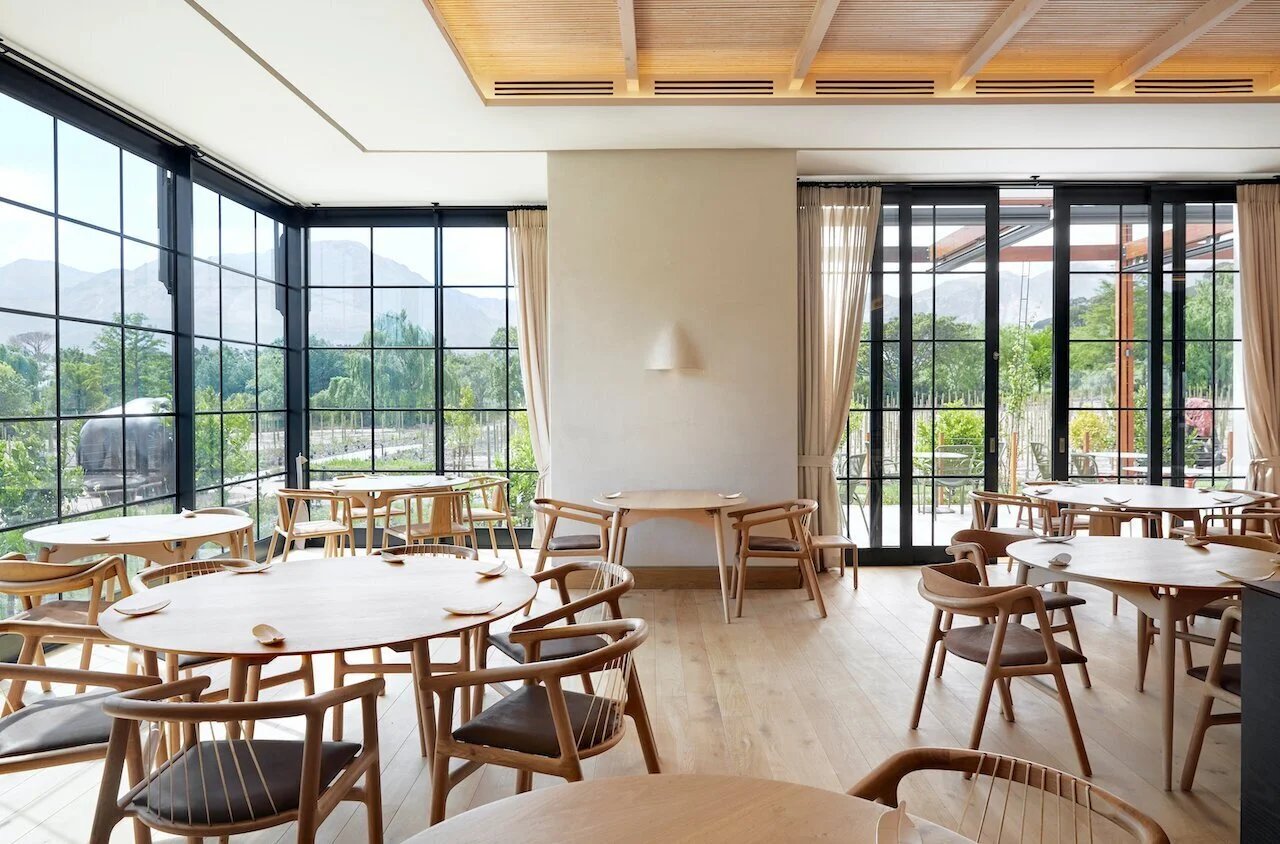
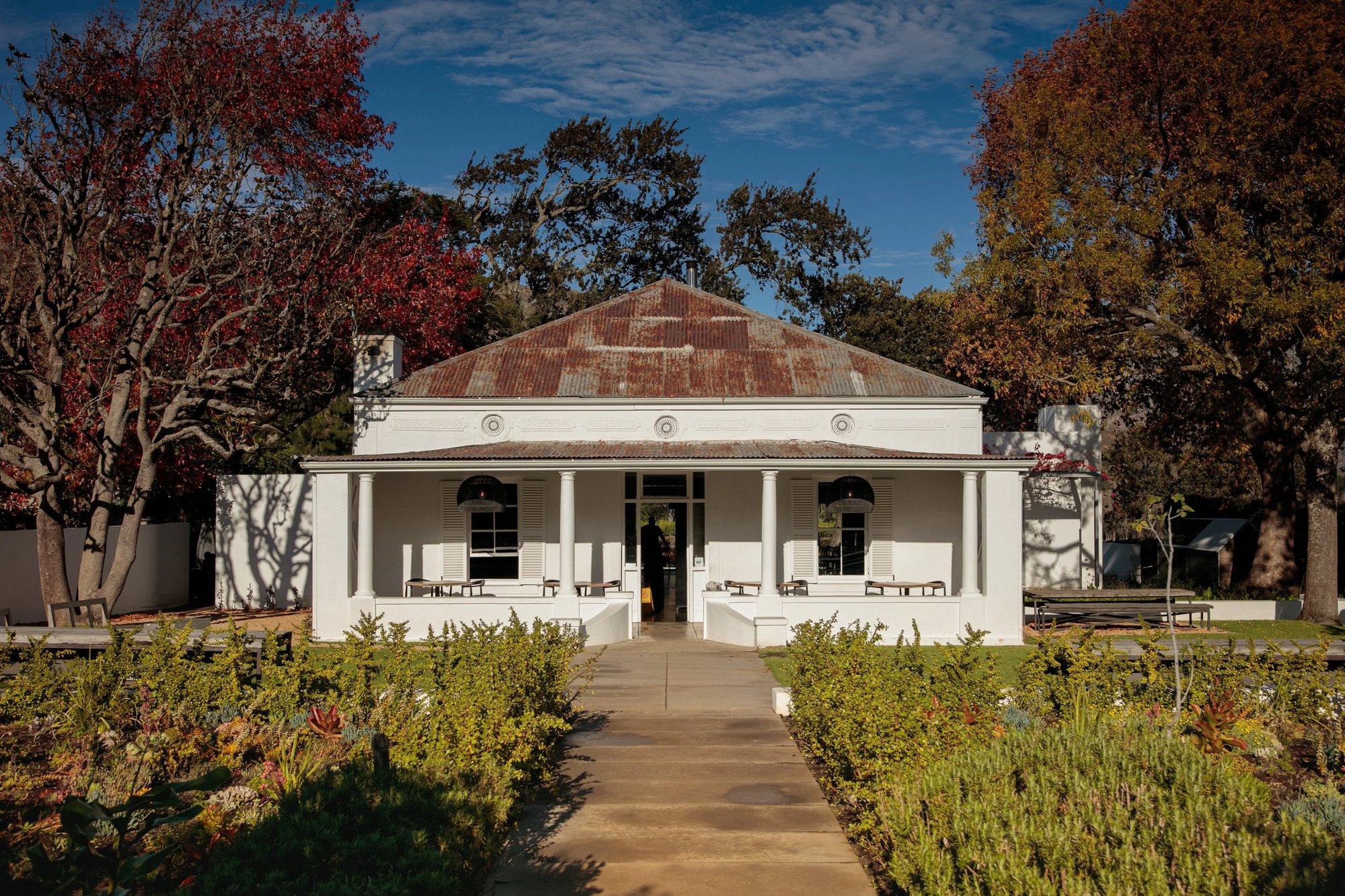
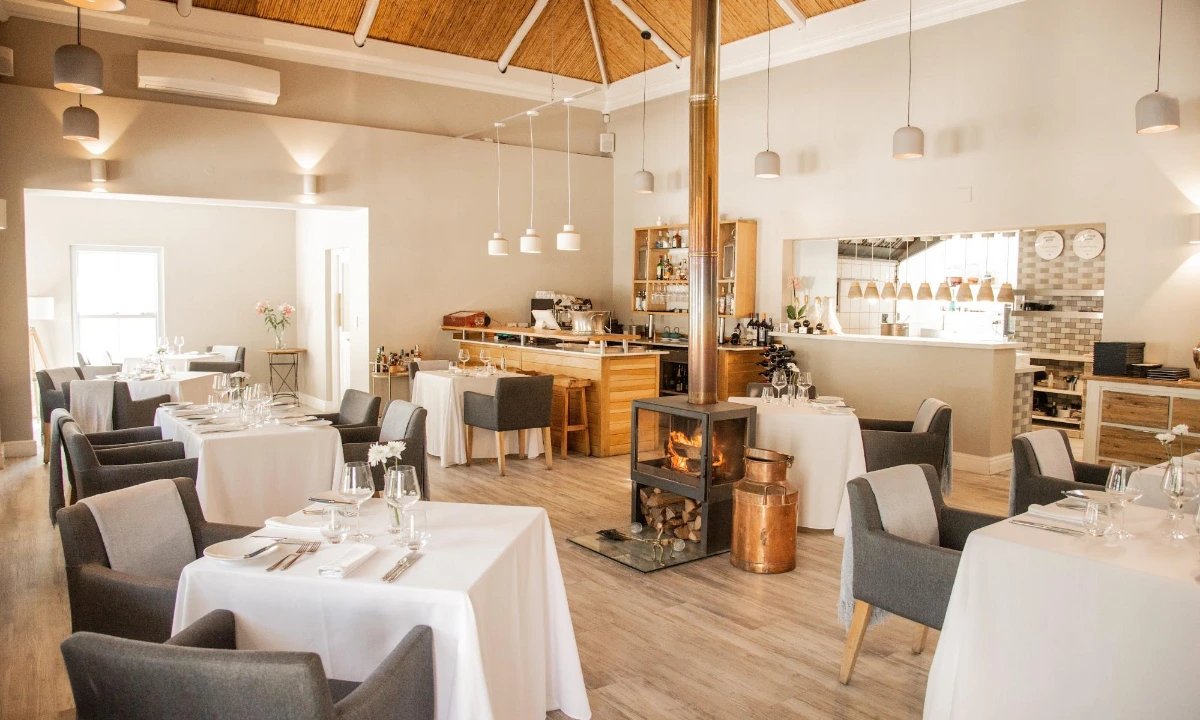
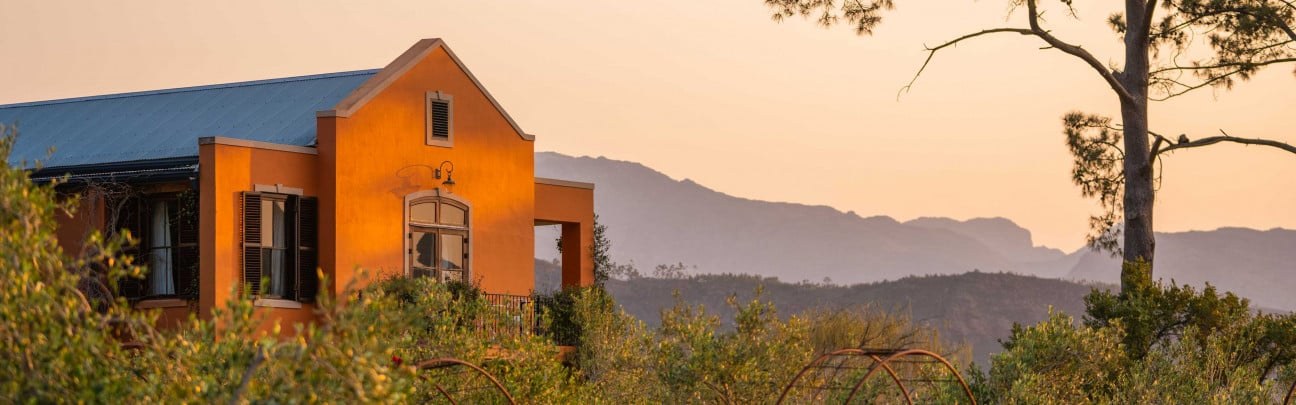
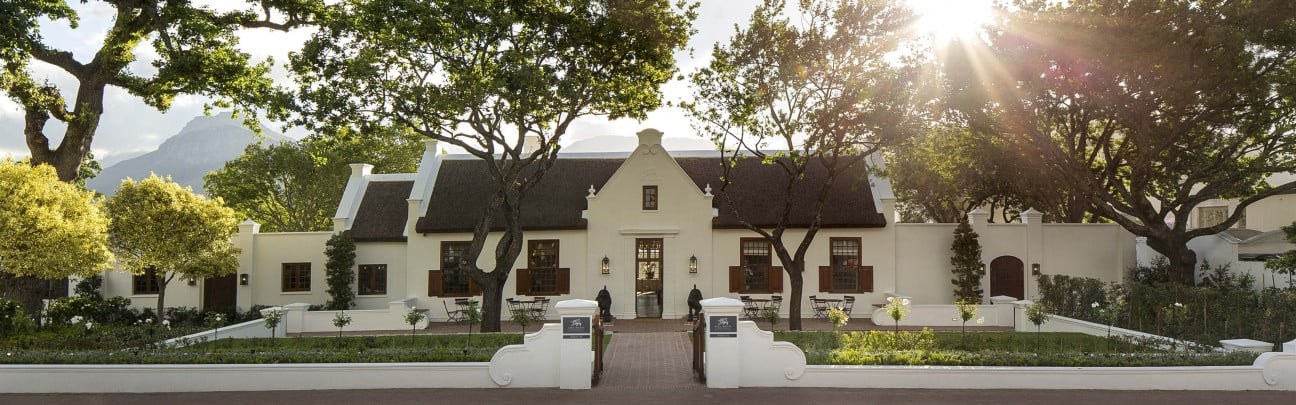
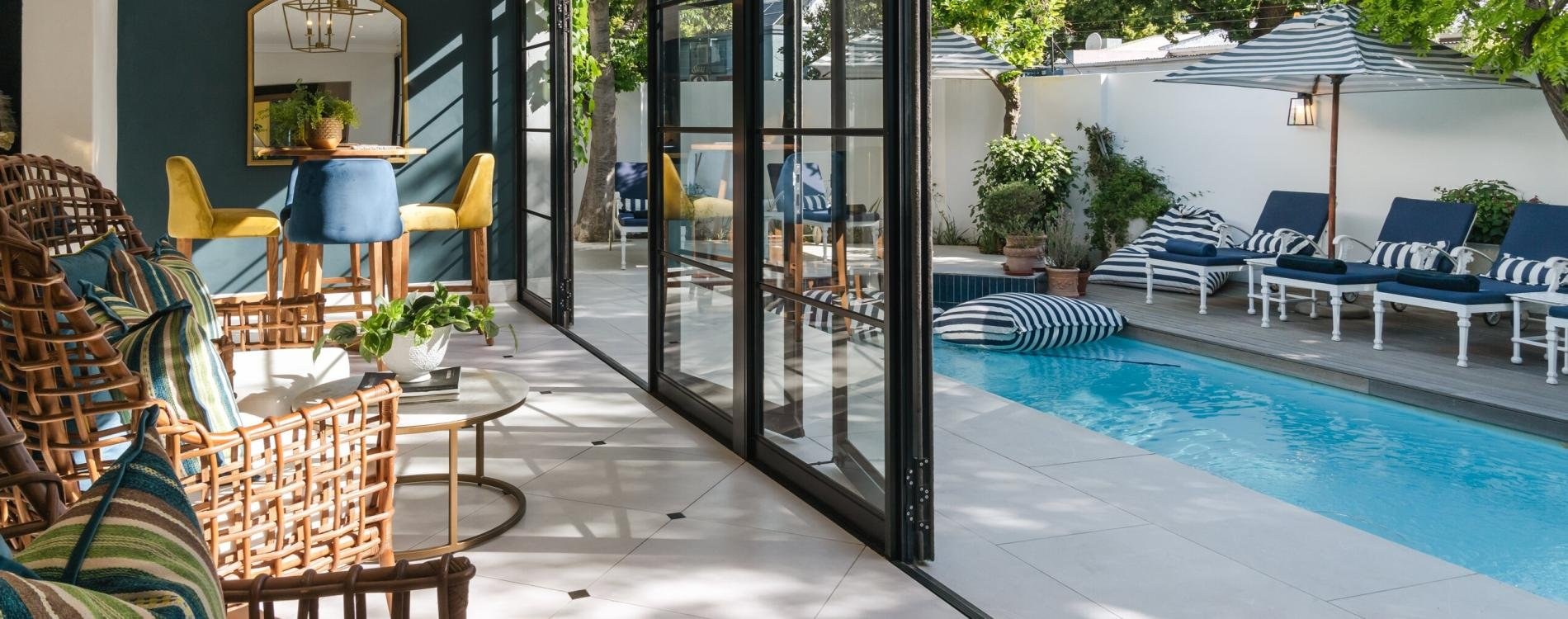
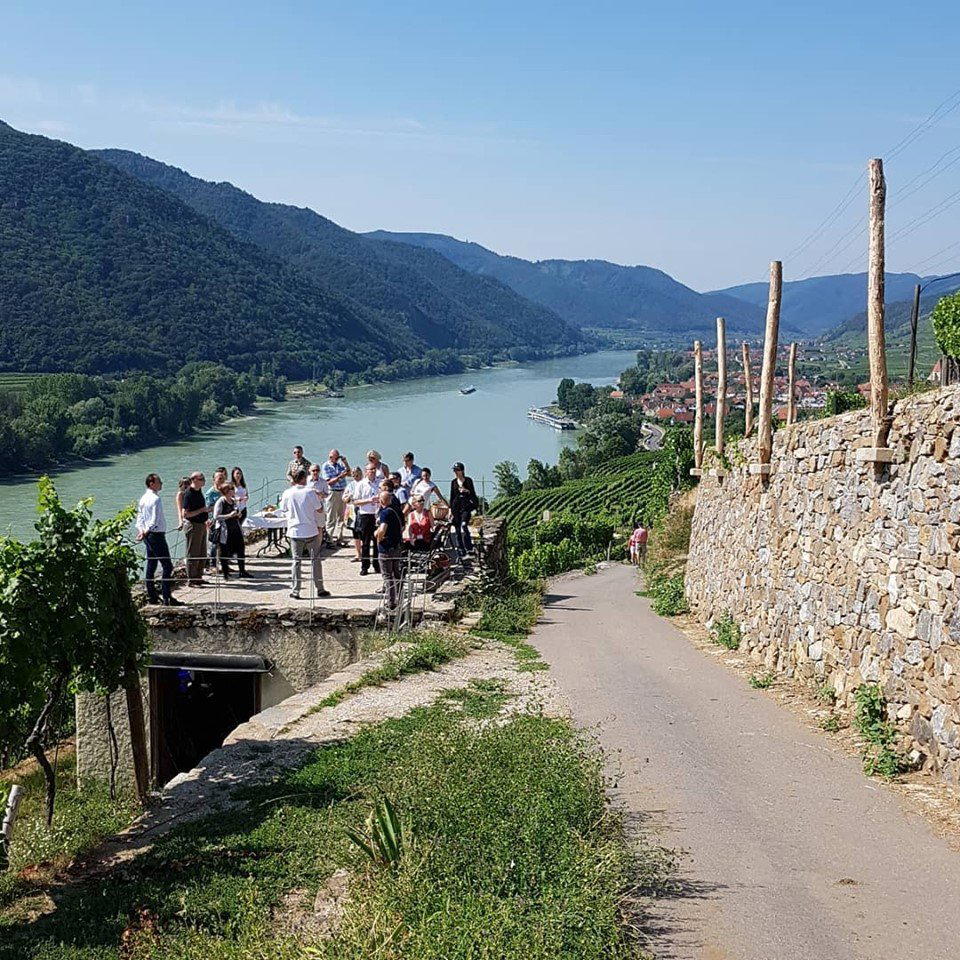
Serene mountain setting with natural light in the 18th-century Blacksmith's Cottage tasting room and shaded outdoor areas; elegant restaurant with valley views; peaceful, unhurried atmosphere.
Tags
Vibe
Best For
Experience
Sourcing
View
At the Vineyard
- Appellation
- Franschhoek Valley
- Varietals
- Chardonnay, Pinot Noir, Sauvignon Blanc, Chenin Blanc, Cabernet Franc
- Tour Duration
- 90-120 minutes
- Tour Languages
- English
- Visits
- Walk-ins welcome
- Farming
- Sustainable
- Production
- Boutique
- Wine Styles
- Still White, Still Red
- Food Pairing
- Offered
- Wine Club
- Not available
Know before you go
Know Before You Go
- Getting there
- Uitkyk St, Franschhoek, 7690
Planning details
Location
Recognition and awards

Also consider
Where to look if Chamonix is not available
If availability is the problem, start with Grande Provence for a broader Franschhoek estate experience. If the priority is a recognisable wine-focused stop in town, try Mullineux & Leeu Family Wines instead.
Winery context
How Chamonix Wine Farm compares in Franschhoek
Choose Chamonix Wine Farm when the priority is a focused Franschhoek wine stop with a strong sense of setting. Haute Cabrière is the easier pick for visitors who want a more established tourist-facing cellar-door feel, while Grande Provence is the stronger cross-shop if the day needs a broader estate experience.
For booking difficulty, treat Chamonix as the harder commitment in this group and plan ahead. Mullineux & Leeu Family Wines is the better option for travelers prioritising a serious wine name in Franschhoek, while Mont Rochelle makes more sense when hotel polish and valley views matter as much as the tasting.
Backsberg sits outside the immediate Franschhoek set, so use it as a cross-shop only if the route already extends beyond town. For a tight Franschhoek day, Chamonix is a stronger fit than adding drive time, provided the goal is wine and setting rather than a packed estate itinerary.
Explore Franschhoek
Around this place
Discover more on Pearl
Unlock the full Chamonix Wine Farm guide in Pearl, including awards, comparisons, FAQs, planning details, and nearby places.
Compare Chamonix Wine Farm
| Venue | Location | Awards |
|---|---|---|
| Chamonix Wine Farm | Franschhoek | 2026 Falstaff Winery Guide |
| Backsberg | Paarl | 2025 Decanter Winery Prestige |
| Haute Cabrière | Franschhoek | 2026 Falstaff Winery Guide |
| Grande Provence | Franschhoek | No published awards |
| Mullineux & Leeu Family Wines | Franschhoek | 2026 Falstaff Winery Guide |
| Mont Rochelle | Franschhoek | 2026 Falstaff Winery Guide |

How Chamonix Wine Farm Franschhoek compares with similar nearby venues.
FAQ
Frequently Asked Questions
What should I know before visiting Chamonix Wine Farm?
Chamonix Wine Farm is in Franschhoek, has a casual dress code, and holds Pearl 2 Star Prestige recognition for 2025. For current details about menus, tastings, prices, hours, or services, check directly with the venue before you go.
Are membership or purchase benefits available at Chamonix Wine Farm?
Check current membership and purchase-benefit terms directly with Chamonix Wine Farm before planning around them. Chamonix Wine Farm is in Franschhoek, has a casual dress code, and holds Pearl 2 Star Prestige recognition for 2025.
When is the best time to visit Chamonix Wine Farm?
Before setting your route, confirm current hours and the best visiting window directly with Chamonix Wine Farm, then plan around the current schedule for Franschhoek.
How long should I plan for a visit to Chamonix Wine Farm?
Build in enough flexibility for a Franschhoek stop, and confirm any time-sensitive details with Chamonix Wine Farm before finalizing the day.
Do I need a reservation at Chamonix Wine Farm?
If your schedule is fixed, contact Chamonix Wine Farm directly before visiting, especially if you are also considering options such as Grande Provence, Haute Cabrière, Backsberg, or Mont Rochelle.