
De Morgenzon
Stellenbosch Kloof, Stellenbosch
Winery in Stellenbosch, South Africa
 Book with Pearl
The Read
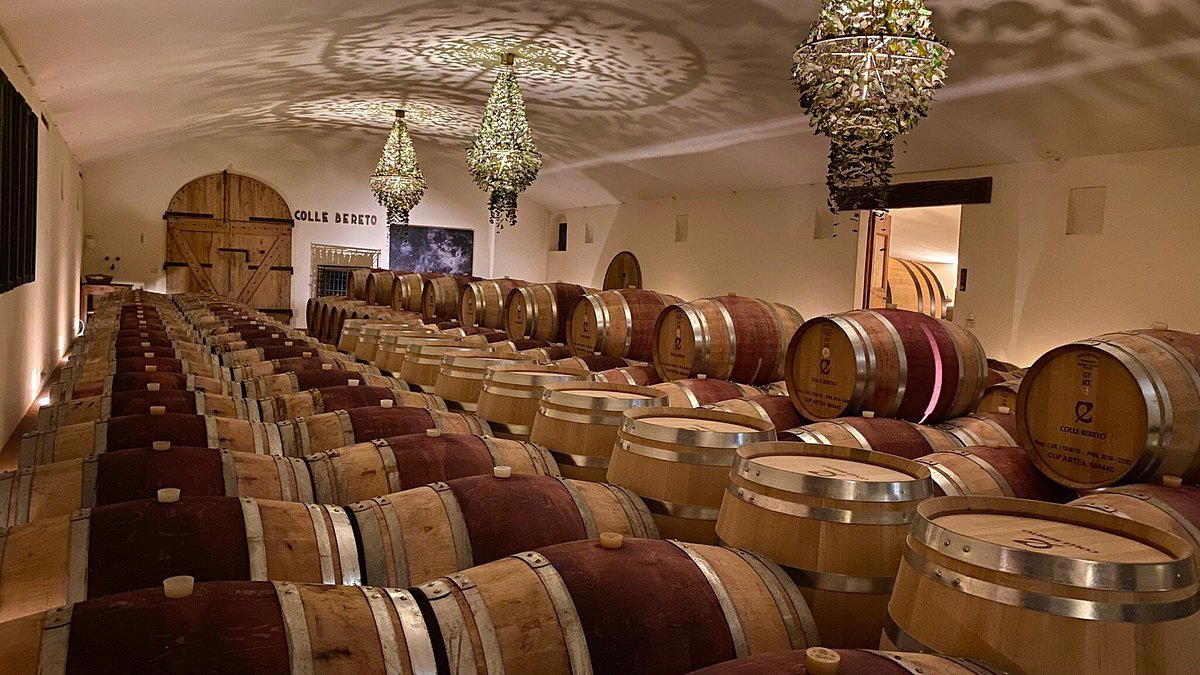
Kloof-Side Cellar Precision
Price
$50–100tasting
Why go
De Morgenzon is a strong Stellenbosch choice for a planned, occasion-led winery visit rather than a casual extra stop. Book it when the wine experience is the main event; cross-shop if the group needs easier logistics, a broader estate day, or a more flexible route.
About De Morgenzon
De Morgenzon is a Stellenbosch venue with a Pearl 2 Star Prestige recognition for 2025. Given the limited public details, plan around the basics rather than assuming a specific tasting format, dining offer, menu, price, hours, or service style.
The most useful planning note is the dress code: smart casual. That makes De Morgenzon a fit for visitors who want to treat the stop as a considered Stellenbosch appointment rather than something too informal. For broader dining plans around the same trip, use Our full Stellenbosch restaurants guide.
Plan this as a confirmed Stellenbosch stop with limited public detail
For visitors comparing premium options, De Morgenzon has one firm distinction to note: Pearl 2 Star Prestige (2025). Beyond that, details such as cuisine, tasting structure, food service, price, hours, group capacity, delivery, shipping, or other practical details are not specified. Confirm the current offering directly before building an itinerary around a specific experience.
If De Morgenzon is one stop in a wider regional plan, compare it naturally with other names such as De Toren Private Cellar, Jordan Wine Estate, Neethlingshof Estate, Spier Wine Farm, and Zevenwacht Wine Estate. For hotels, bars, and other add-ons around the same trip, use Our full Stellenbosch hotels guide, Our full Stellenbosch bars guide, and Our full Stellenbosch experiences guide.
Who should book it, and who should cross-shop
Book De Morgenzon if the brief is a smart-casual Stellenbosch visit with a Pearl 2 Star Prestige (2025) signal. Cross-shop if your plans depend on specific details not publicly available, such as a meal format, a particular tasting structure, delivery options, accessibility needs, or exact operating hours.
For wider planning, start with Our full Stellenbosch venue guide. De Toren Private Cellar, Jordan Wine Estate, Neethlingshof Estate, Spier Wine Farm, and Zevenwacht Wine Estate are useful names to consider alongside De Morgenzon, depending on what each venue confirms for your date.
Planning details
- Location
- Stellenbosch Kloof Rd, Stellenbosch, 7599
- Website
- demorgenzon.com
- Phone
- +27 21 881 3030
The take
The Take
The Vibe
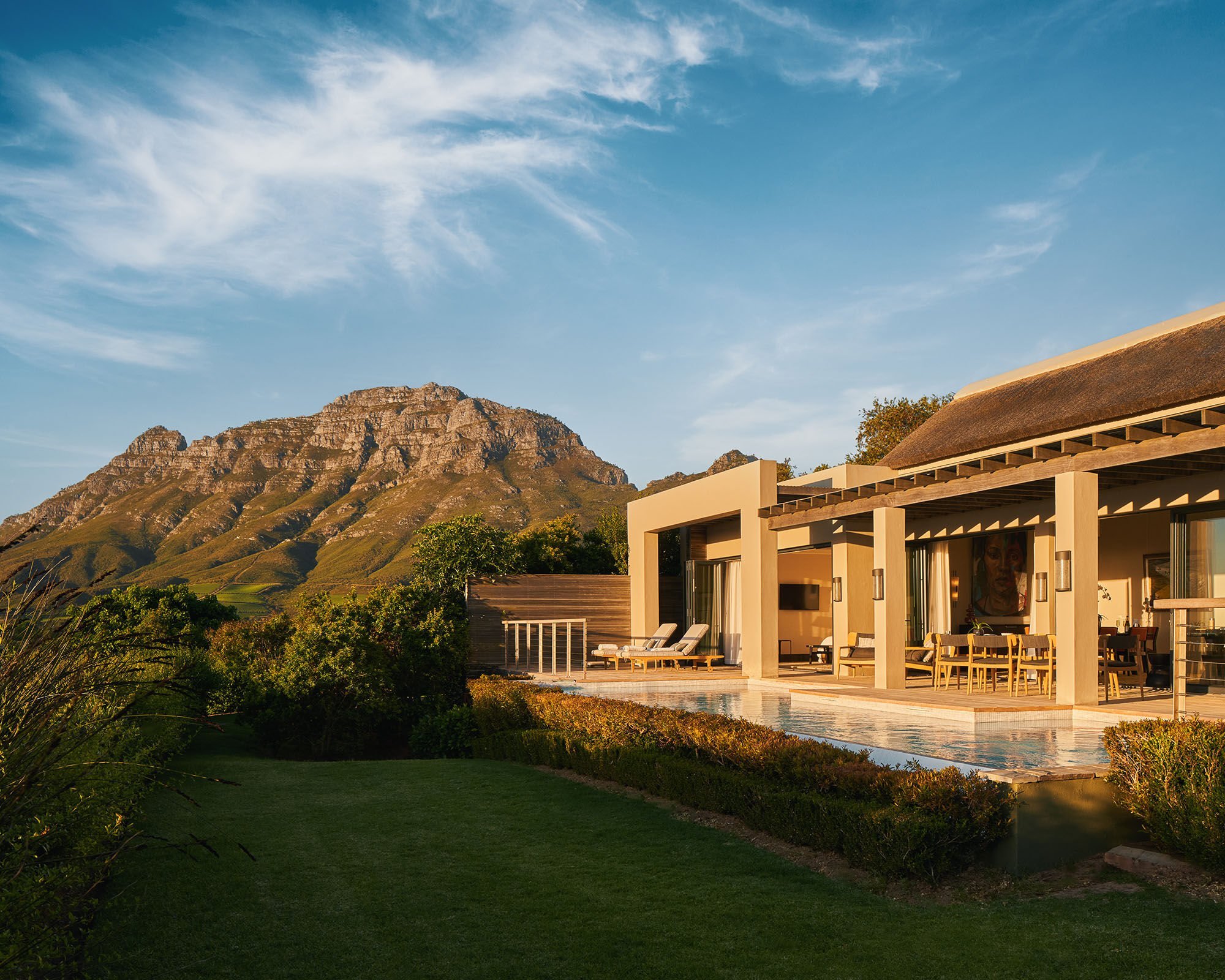
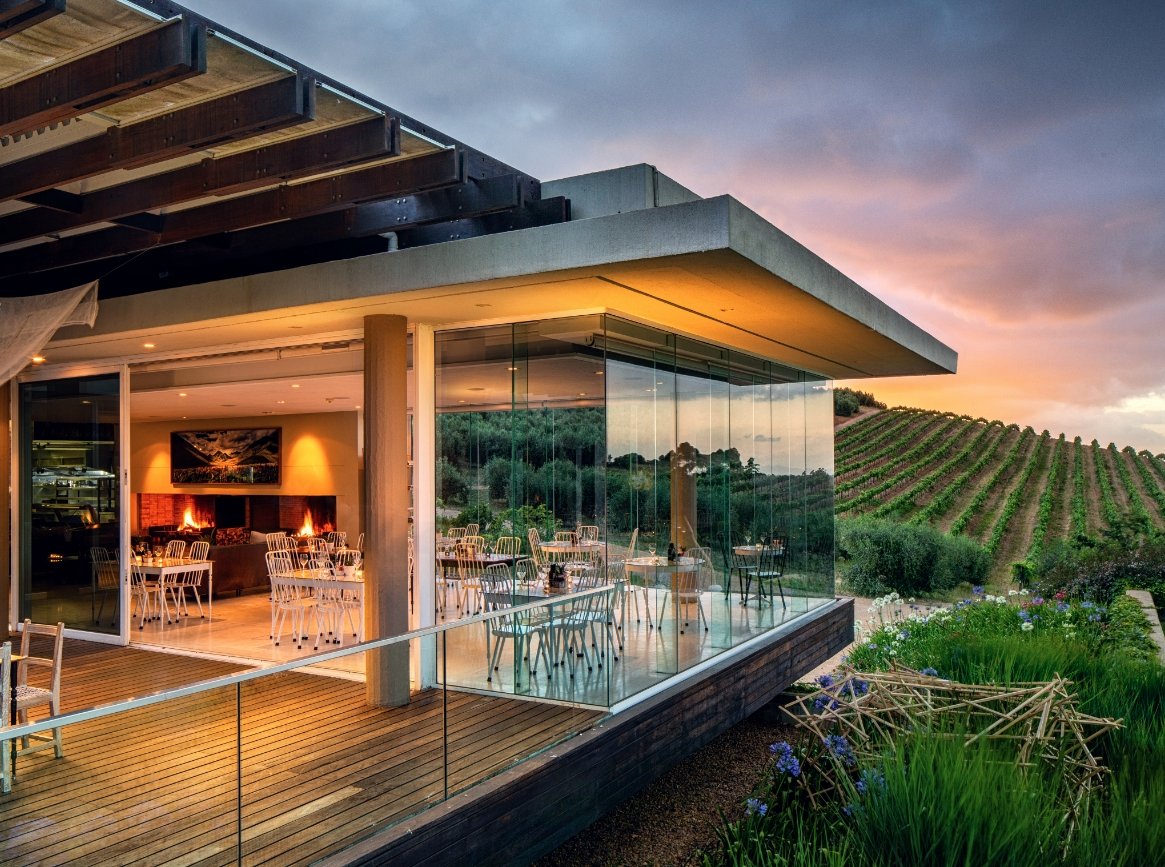
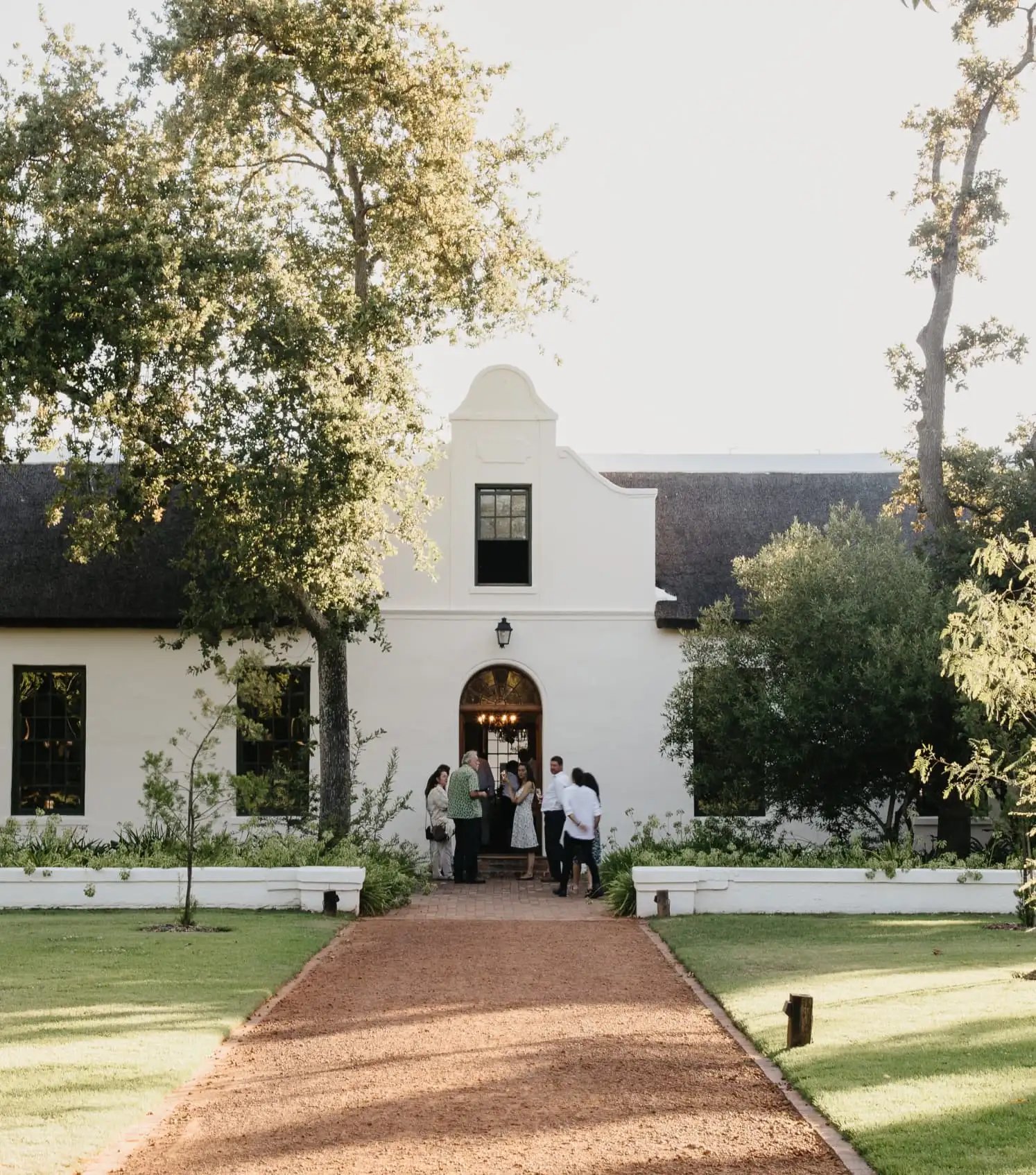
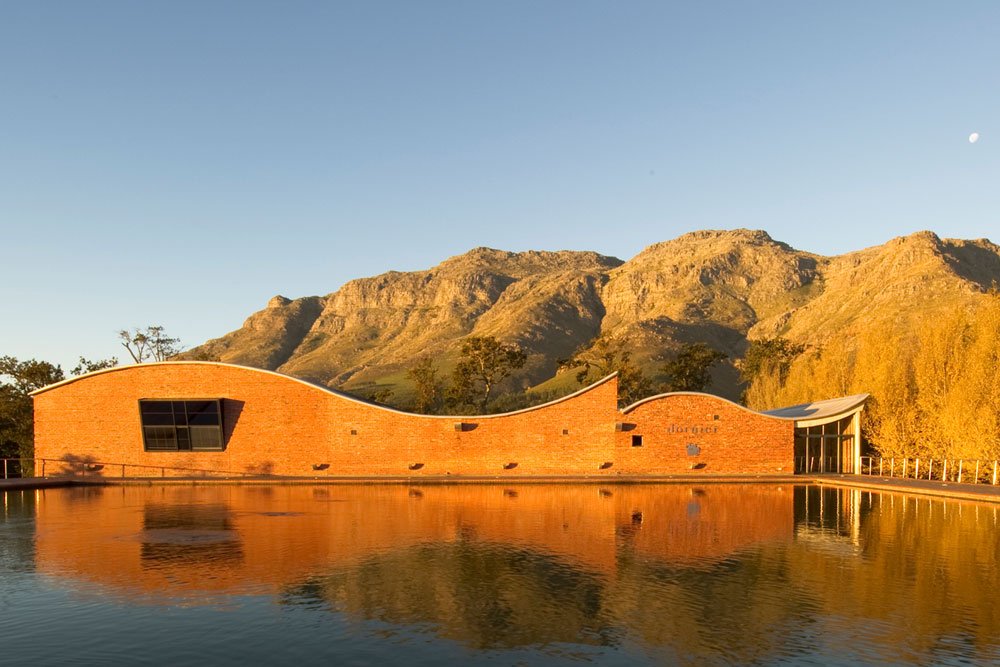
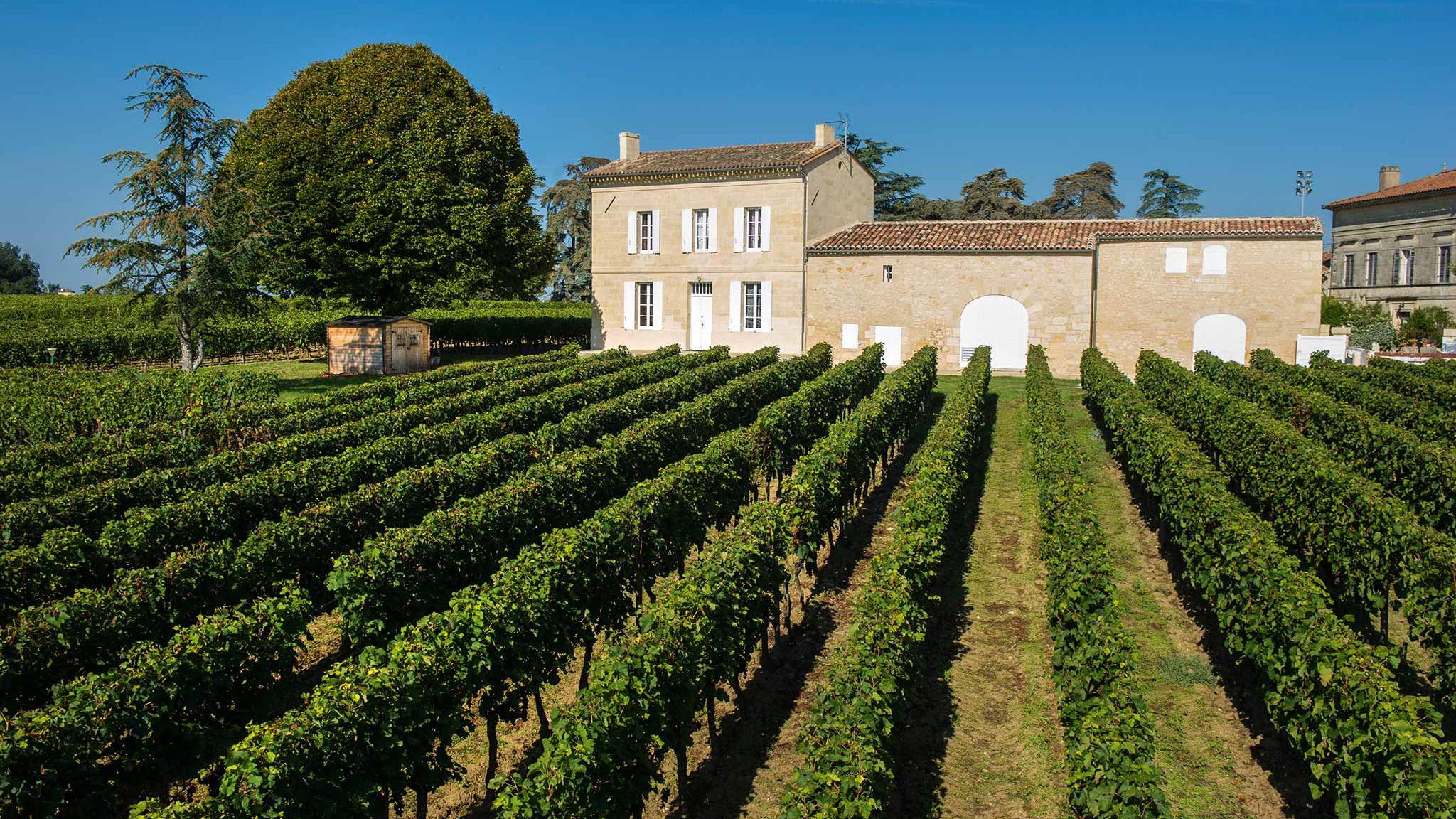
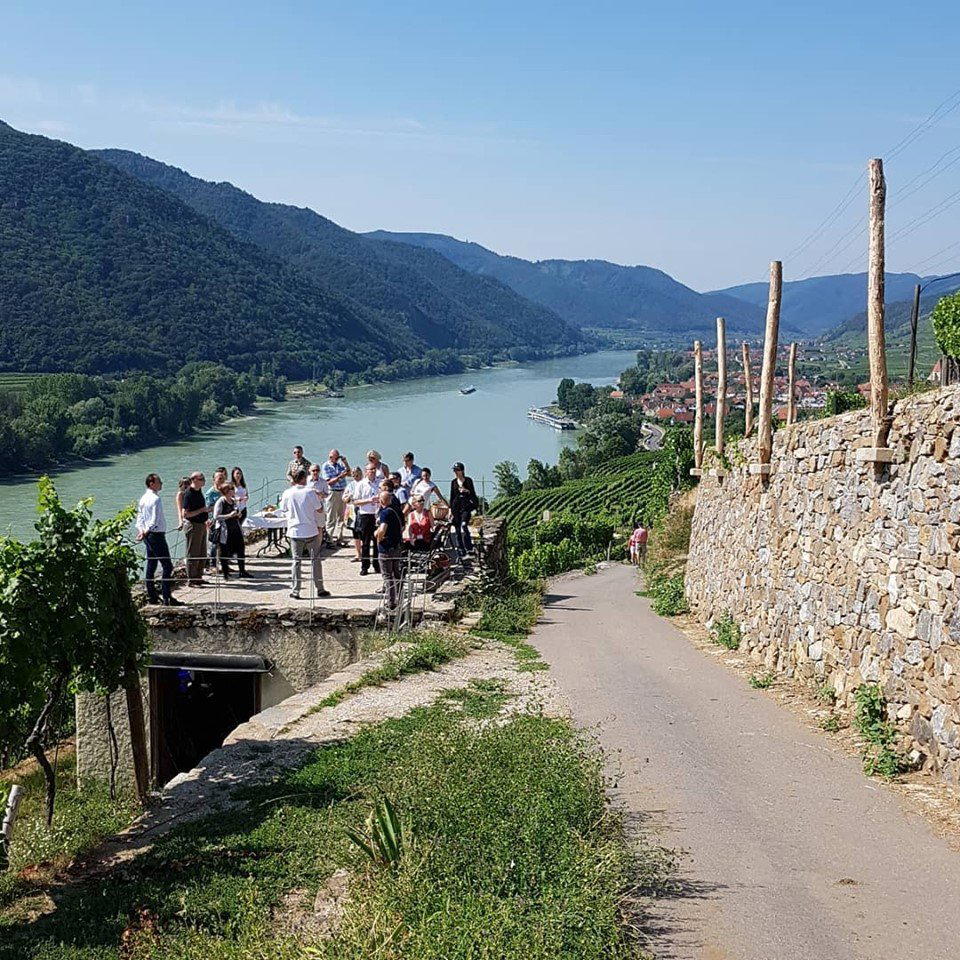
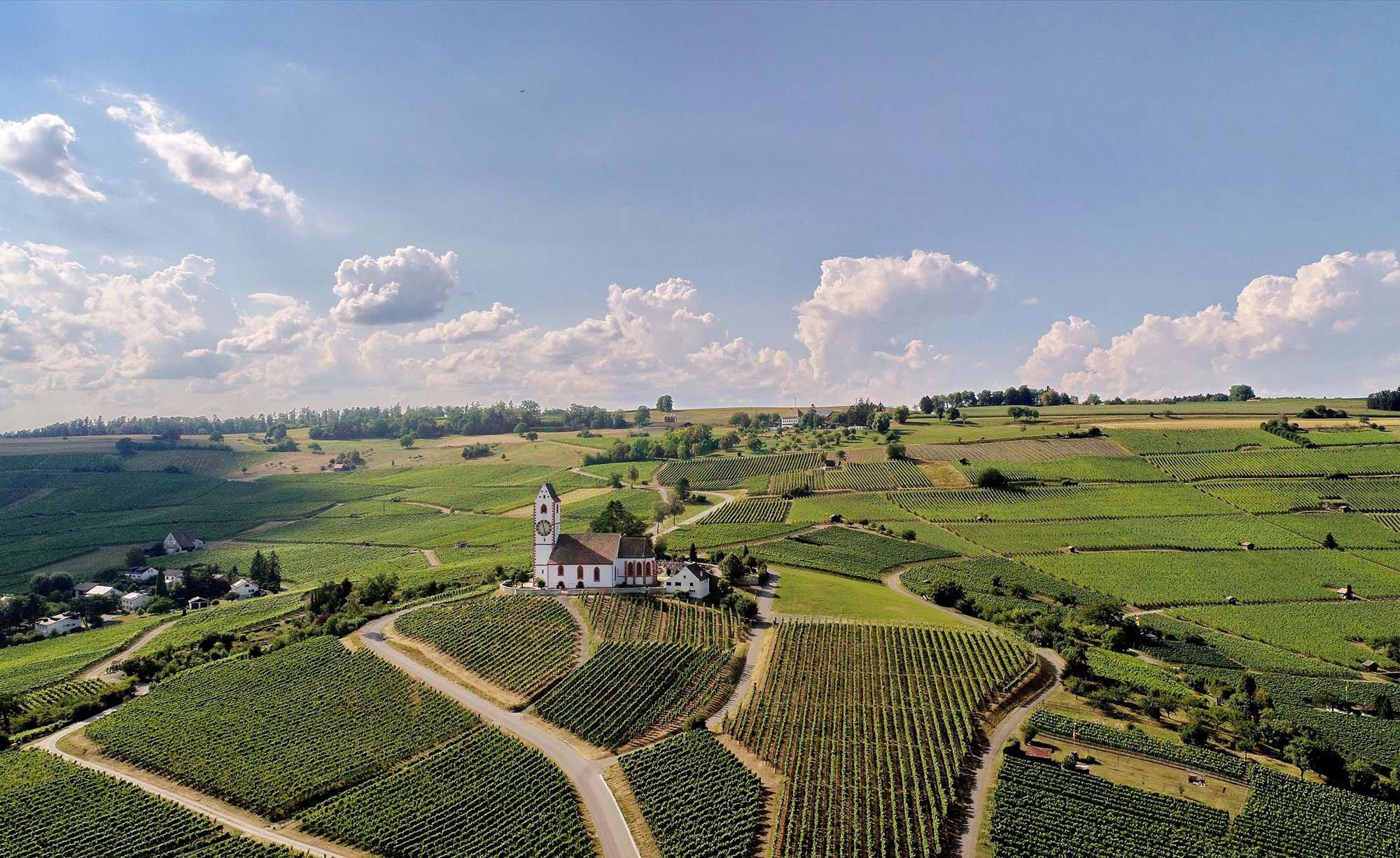
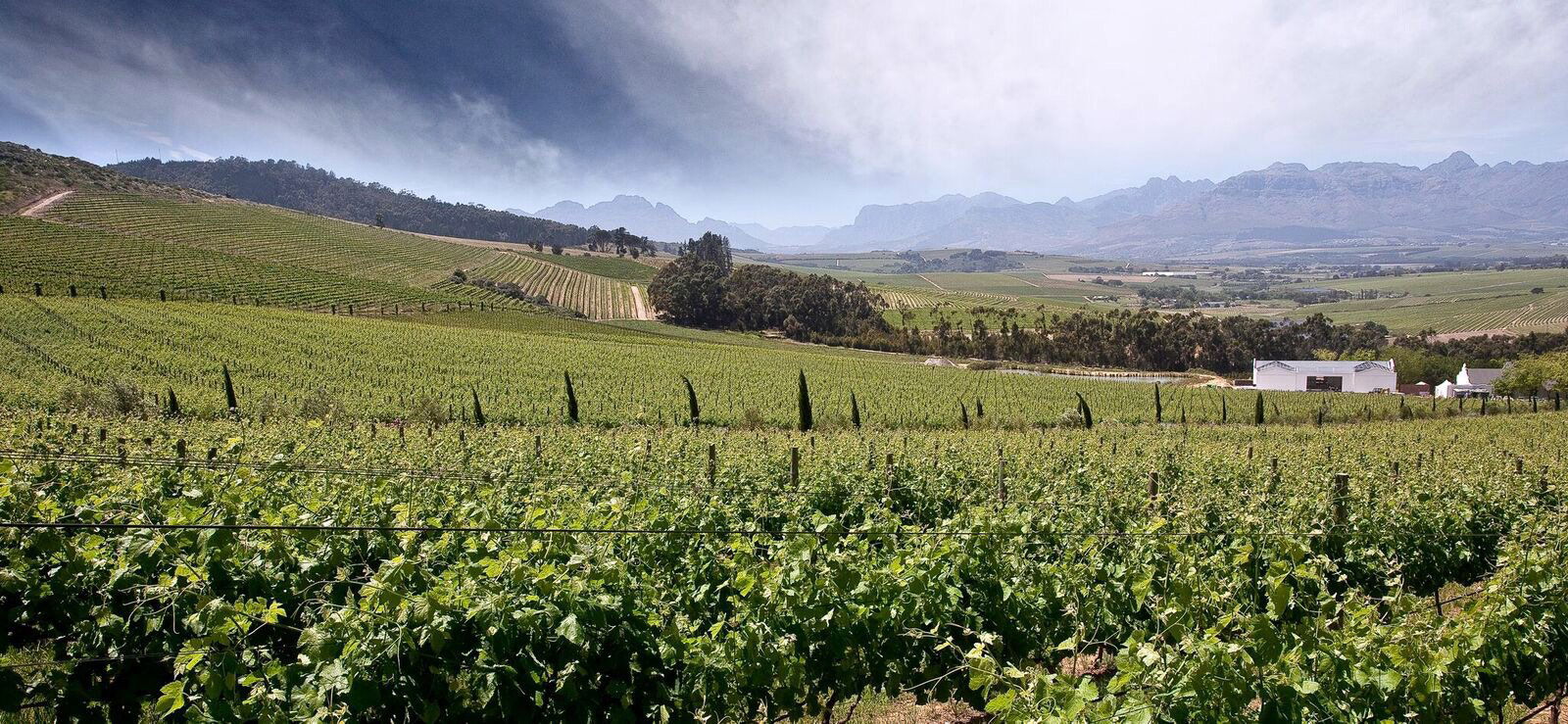
De Morgenzon feels quietly assured: the winery sits in a cooler, narrower corridor of Stellenbosch Kloof where the landscape itself slows the pace. The copy leans into a cellar-first philosophy—structural tension in the fruit, an emphasis on cellaring, and a recent Pearl 2 Star Prestige recognition—so the overall mood is refined and measured rather than loud or touristic. Visitors encounter a thoughtful, wine-focused place where the setting and growing conditions produce wines built for aging; the sense is elegant and restrained, more about long-term quality than immediate spectacle.
Best For
This is a destination for people who care about how wines age and why terroir matters. The notes on cooler slopes, slowed ripening and cellaring as a central concern point to experiences suited to wine education and focused tastings. It also reads as a good choice for romantic or special-occasion visits where the scenery and quietly refined character enhance the moment. Groups interested in tasting serious, age-worthy bottlings will find the estate’s cellar-driven approach rewarding rather than visitors seeking broad tourism-style attractions.
Tasting Tips
Prioritize wines that reflect structure and ageability: the text repeatedly highlights slower ripening, finer tannins and cellaring decisions, so look for bottlings described as reserve or cellar-worthy. The mention of a 2025 Pearl 2 Star Prestige rating signals noteworthy releases to ask about. When engaging with staff, steer conversations toward vintage variation and the estate’s cellaring recommendations—these topics will reveal which wines are meant for immediate drinking and which benefit from extended bottle age.
Venue details
Ambiance
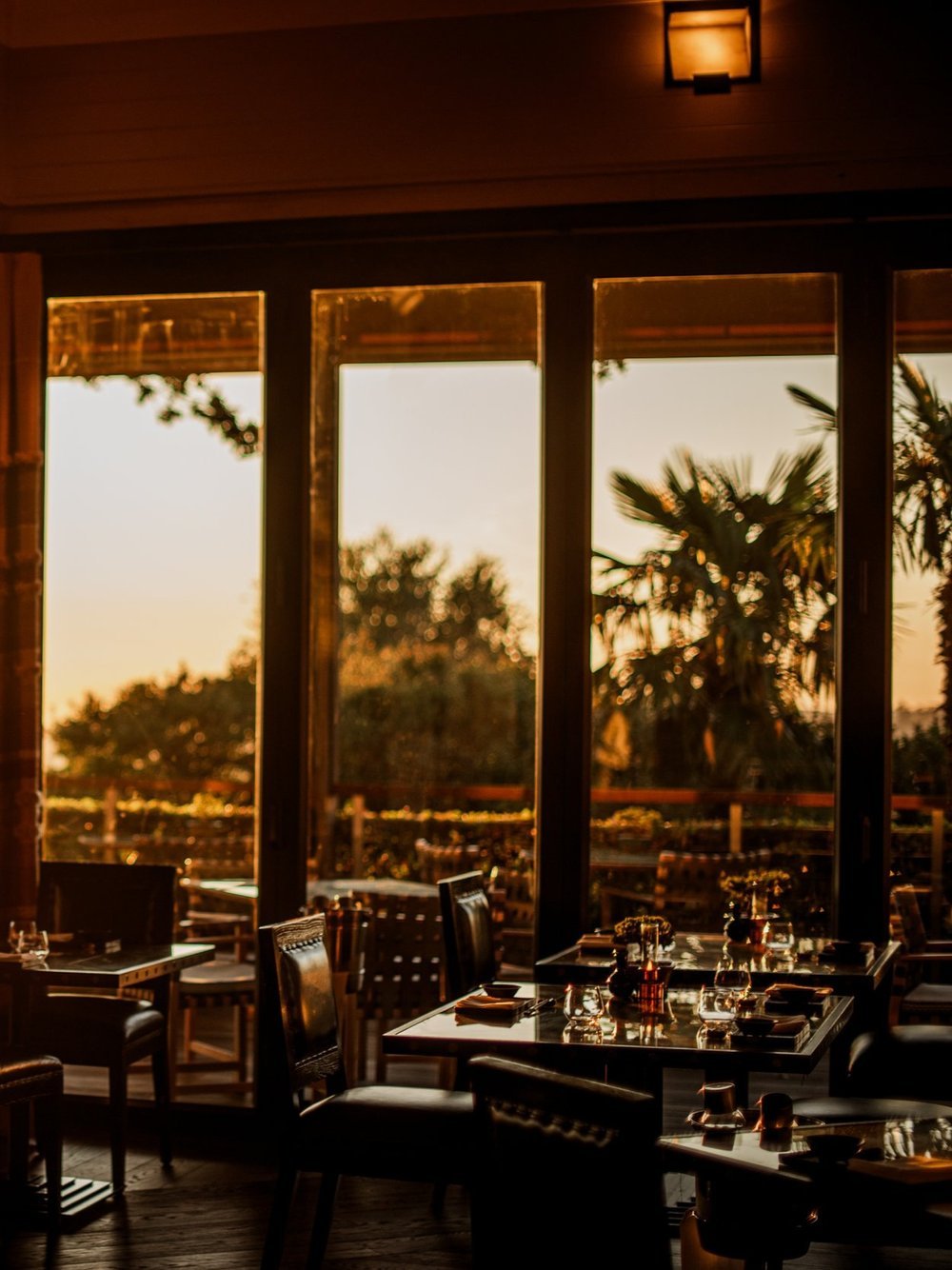
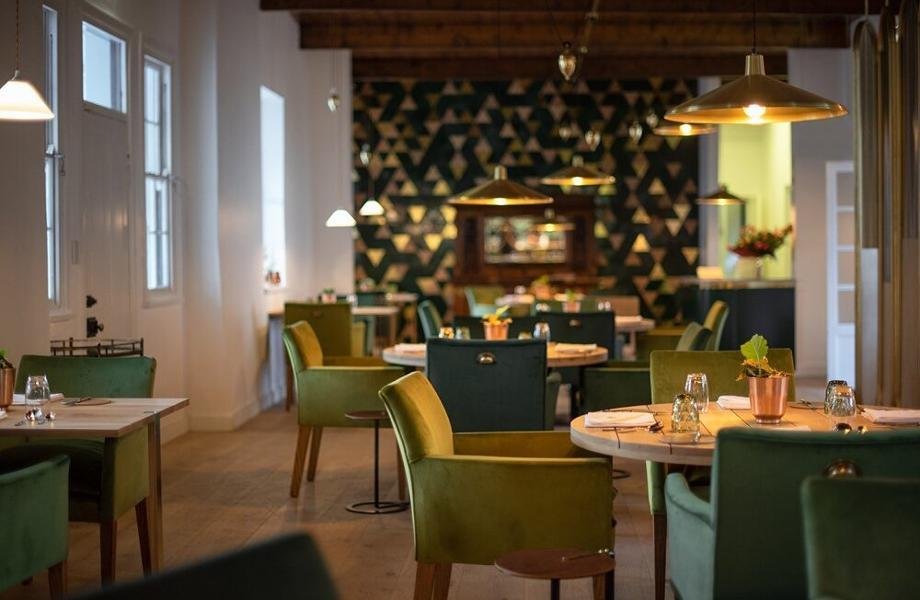
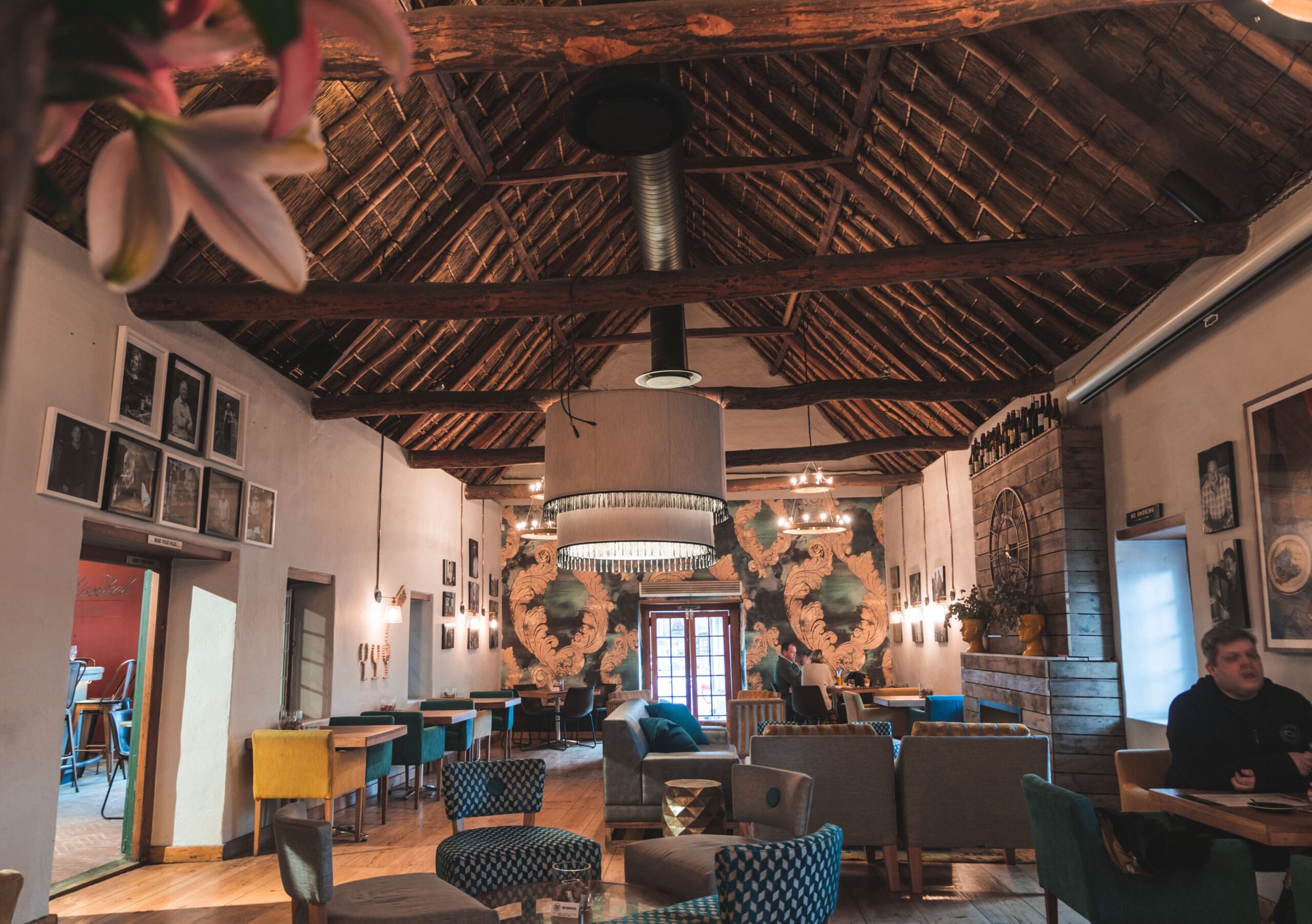
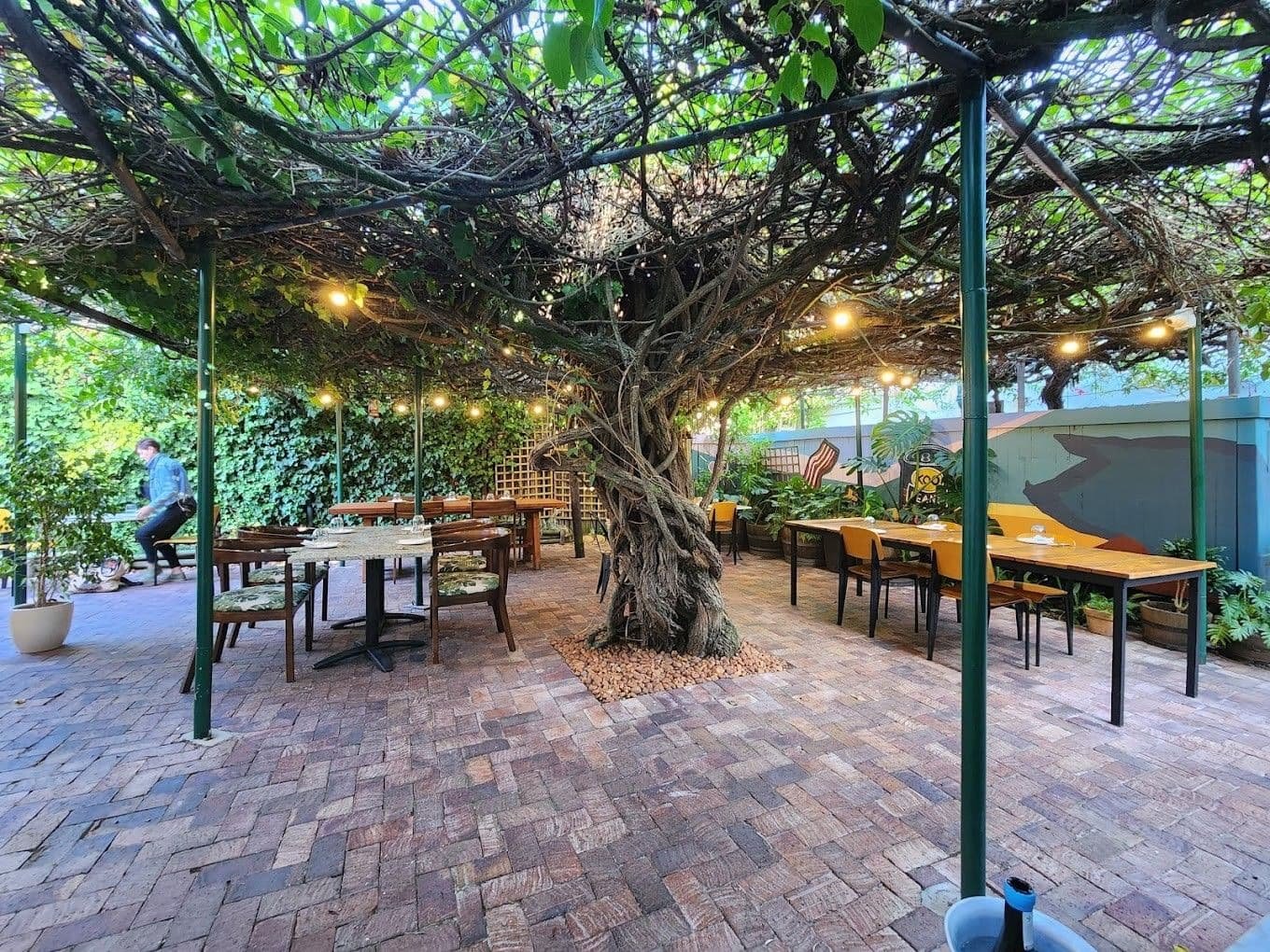
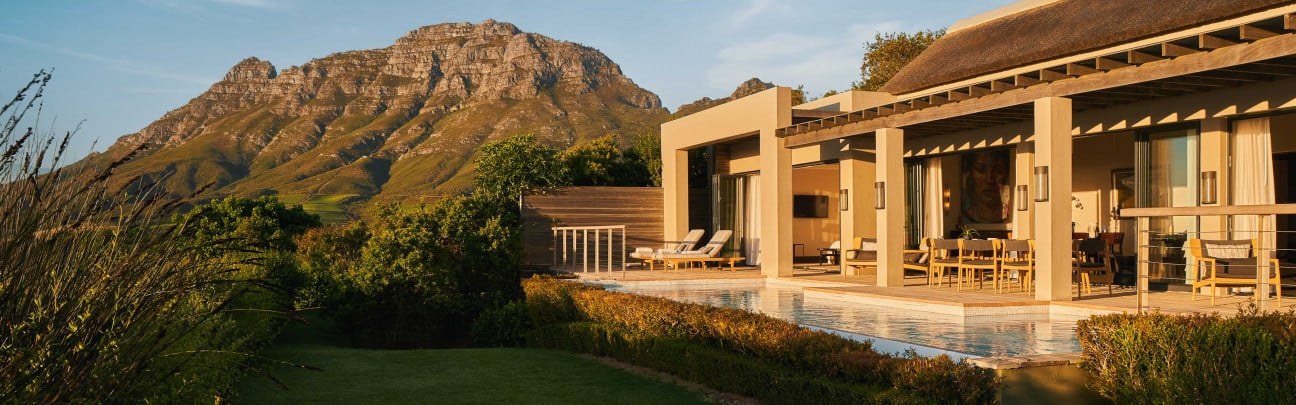
Serene and refined, with natural light flooding the estate's high-altitude slopes overlooking mountains and sea; the atmosphere is enhanced by baroque and early classical music throughout the property.
Tags
Vibe
Best For
Experience
Sourcing
View
At the Vineyard
- Appellation
- Stellenbosch
- Varietals
- Chenin Blanc, Chardonnay, Sauvignon Blanc, Syrah, Merlot
- Tour Duration
- 90-120 minutes
- Tour Languages
- English
- Visits
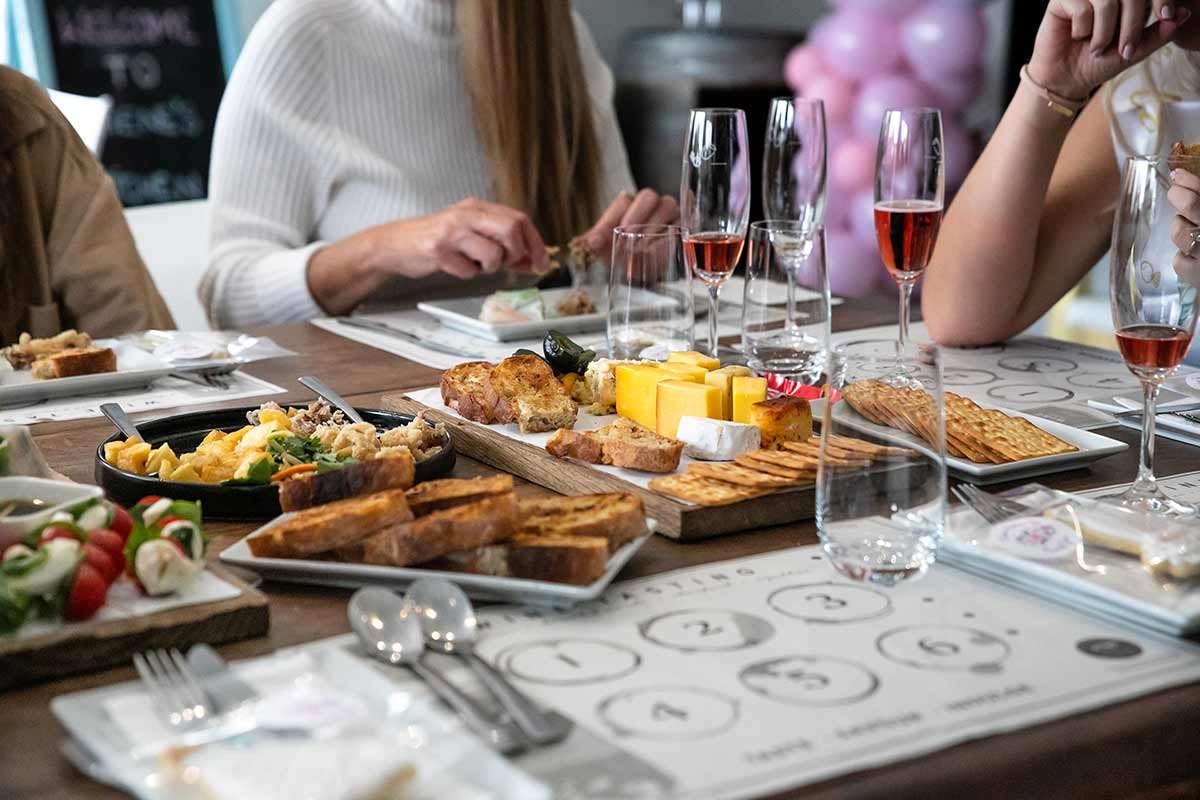
- By reservation
- Farming
- Sustainable
- Wine Styles
- Still White, Still Red, Still Rose, Sparkling
- Shipping
- Available
- Wine Club
- Not available
Know before you go
Know Before You Go
- Getting there
- Stellenbosch Kloof Rd, Stellenbosch, 7599
Planning details
Location
Recognition and awards

Also consider
Also Consider
- Jordan Wine Estate, Notable alternative
- De Toren Private Cellar, Notable alternative
- Zevenwacht Wine Estate, Notable alternative
- Neethlingshof Estate, Notable alternative
- Spier Wine Farm, Notable alternative
Winery context
How De Morgenzon compares in Stellenbosch
Choose De Morgenzon when the brief is a more serious, polished winery appointment and the group is comfortable planning around one key stop. Jordan Wine Estate is the more natural cross-shop if the priority is a fuller estate day with stronger food-and-wine expectations, while De Toren Private Cellar is the sharper comparison for visitors who want a focused, cellar-led wine experience.
For easier group planning, Spier Wine Farm is the safer alternative because it reads as a broader estate visit rather than a single-purpose tasting stop. Zevenwacht Wine Estate and Neethlingshof Estate are better fits when value, relaxed pacing, or a less formal atmosphere matters more than prestige positioning.
If this is a celebration, De Morgenzon and De Toren should sit higher on the shortlist. If the group includes mixed wine interest levels, Spier or Jordan will usually be easier to justify. If the day needs to stay flexible, Zevenwacht or Neethlingshof are the more forgiving calls.
Around this place
Discover more on Pearl
Unlock the full De Morgenzon guide in Pearl, including awards, comparisons, FAQs, planning details, and nearby places.
Compare De Morgenzon
| Venue | Location | Awards |
|---|---|---|
| De Morgenzon | Stellenbosch | 2026 Falstaff Winery Guide |
| Jordan Wine Estate | Stellenbosch | 2026 Falstaff Winery Guide |
| De Toren Private Cellar | Stellenbosch | 2026 Falstaff Winery Guide |
| Zevenwacht Wine Estate | Stellenbosch | No published awards |
| Neethlingshof Estate | Stellenbosch | 2026 Falstaff Winery Guide |
| Spier Wine Farm | Stellenbosch | 2026 Falstaff Winery Guide |
How De Morgenzon Stellenbosch compares with similar nearby venues.
FAQ
Frequently Asked Questions
Can De Morgenzon handle large groups?
Group capacity or booking requirements are not specified. Treat De Morgenzon as a planned Stellenbosch stop and confirm directly before arranging a larger party. Its details are smart casual dress code and Pearl 2 Star Prestige (2025).
What other venues can I compare with De Morgenzon?
Useful comparison names for planning include Jordan Wine Estate, De Toren Private Cellar, Zevenwacht Wine Estate, Neethlingshof Estate, and Spier Wine Farm. Confirm current details with each venue before deciding which one best fits the day.
When is the best time to visit De Morgenzon?
Opening hours or best visiting times are not specified. If De Morgenzon is part of a Stellenbosch itinerary, confirm the current schedule directly and plan around the smart casual dress code and its Pearl 2 Star Prestige (2025) recognition.