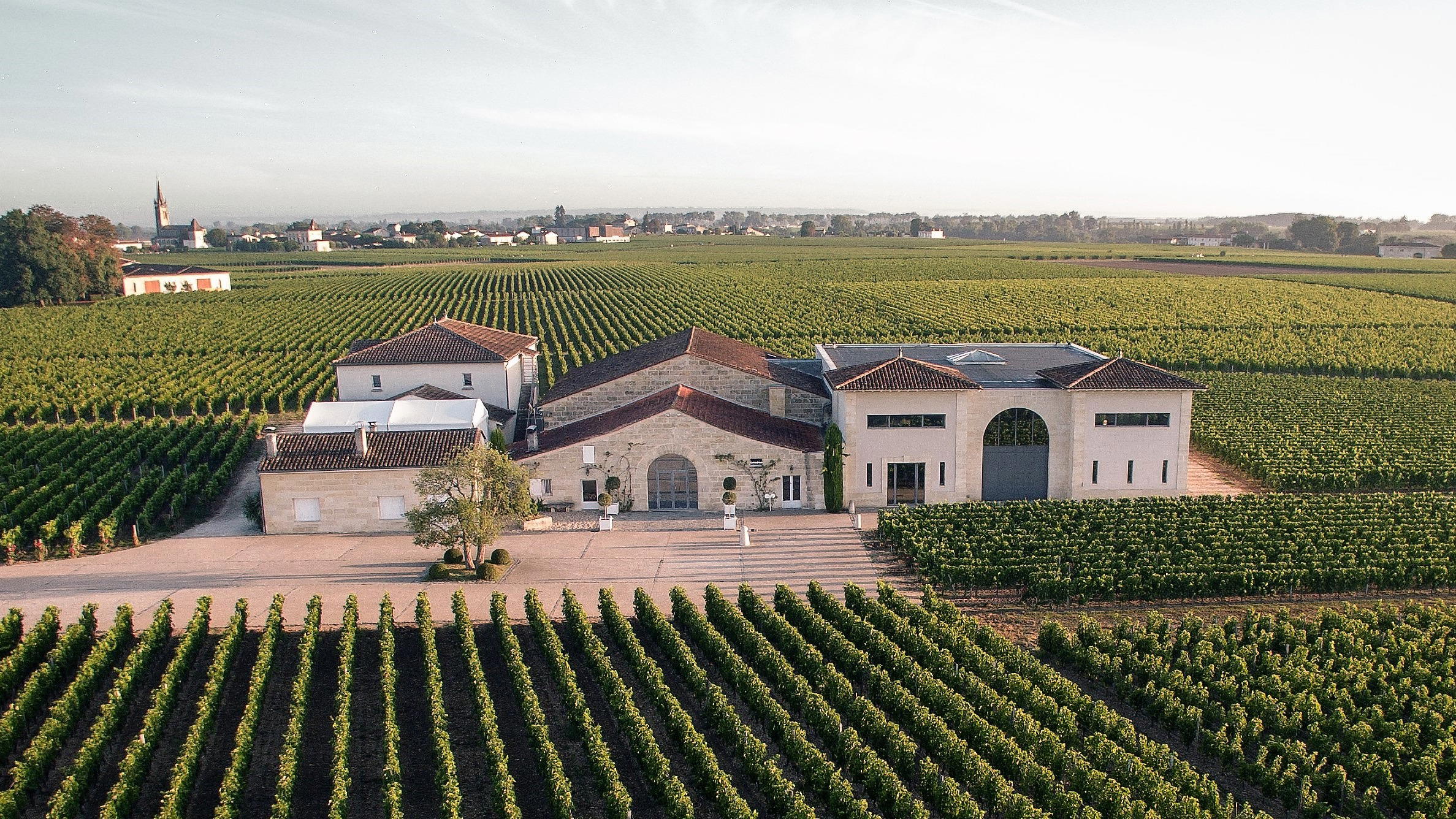
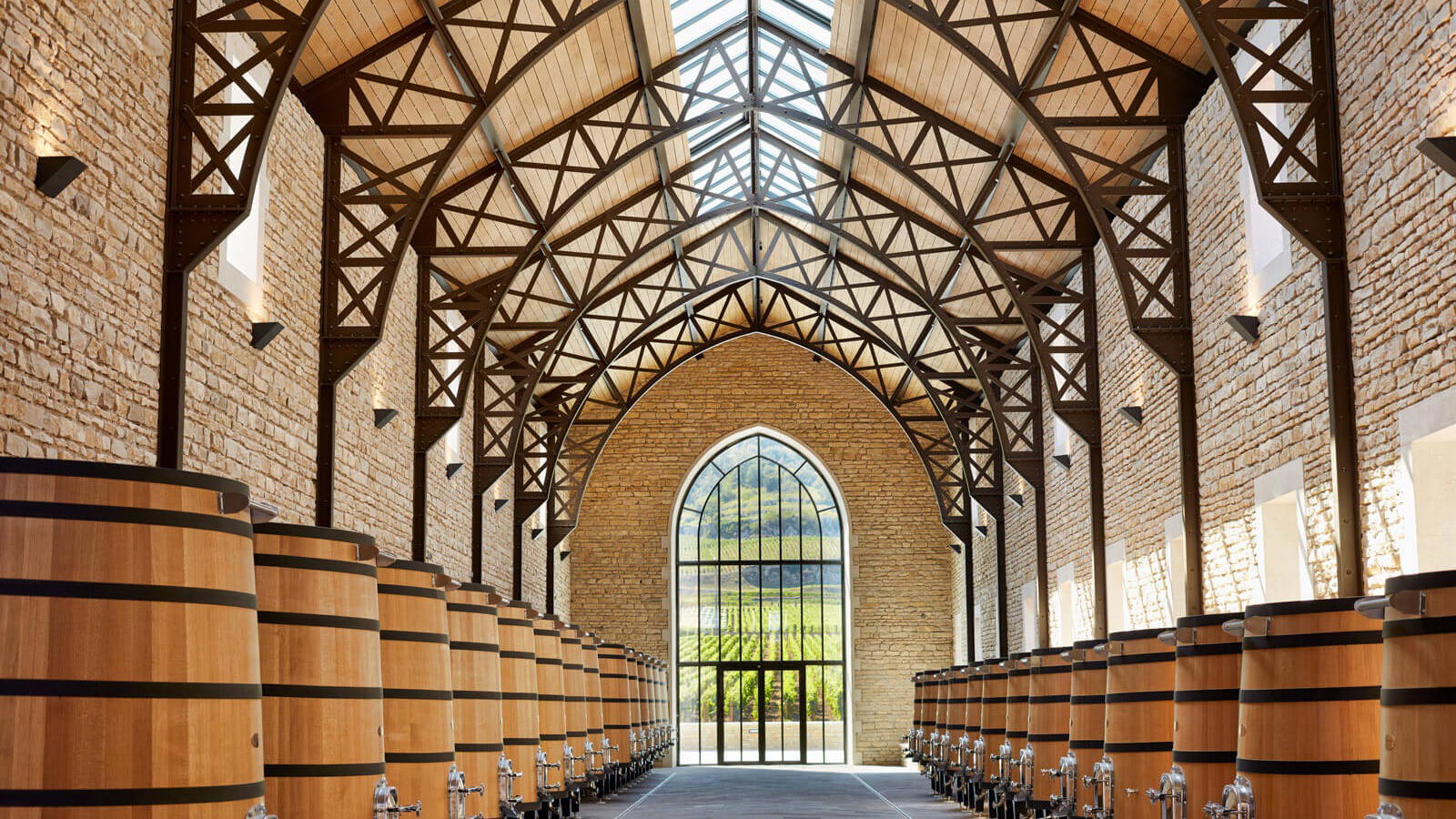
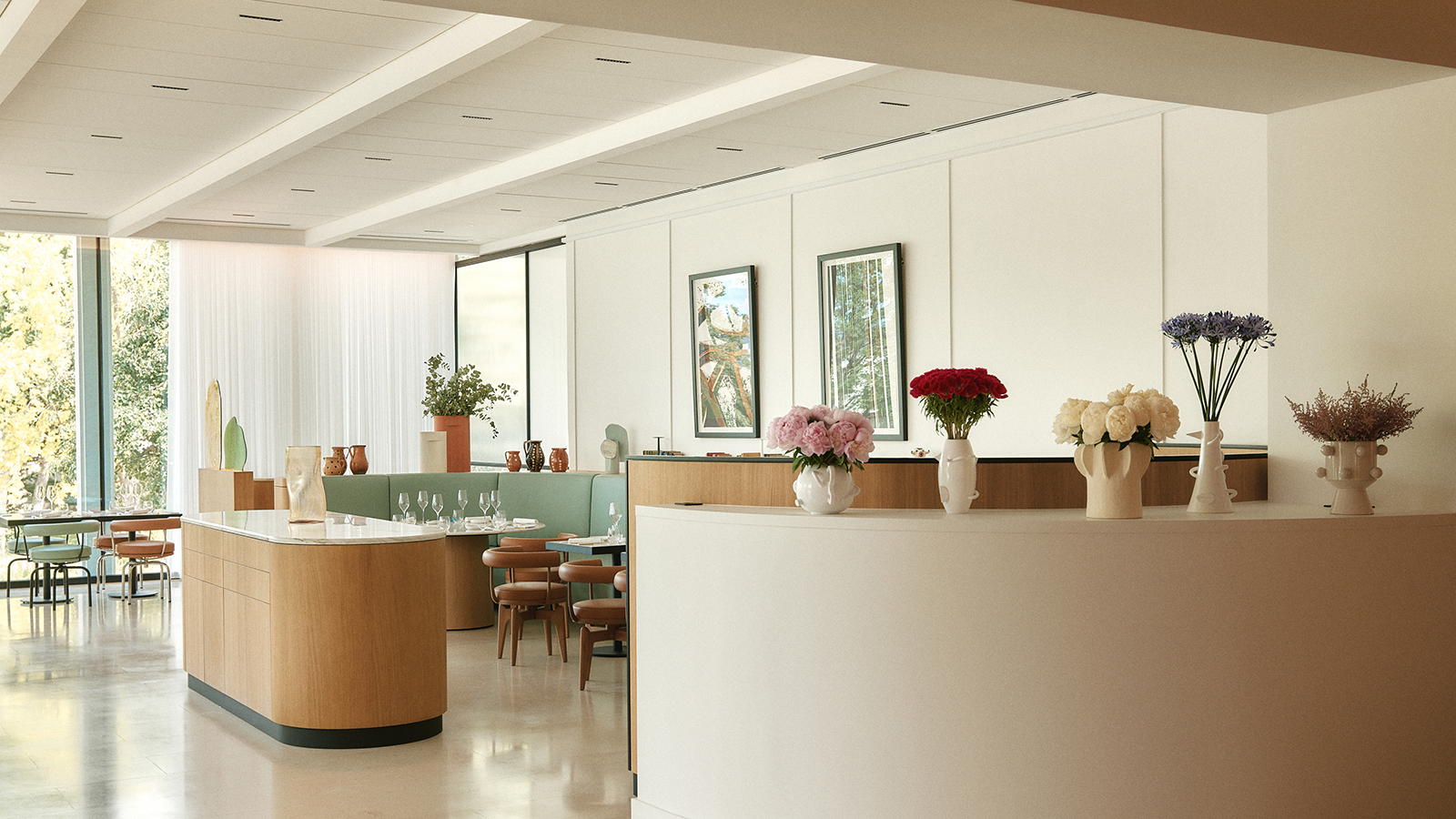
Winery in Rilly-la-Montagne, France

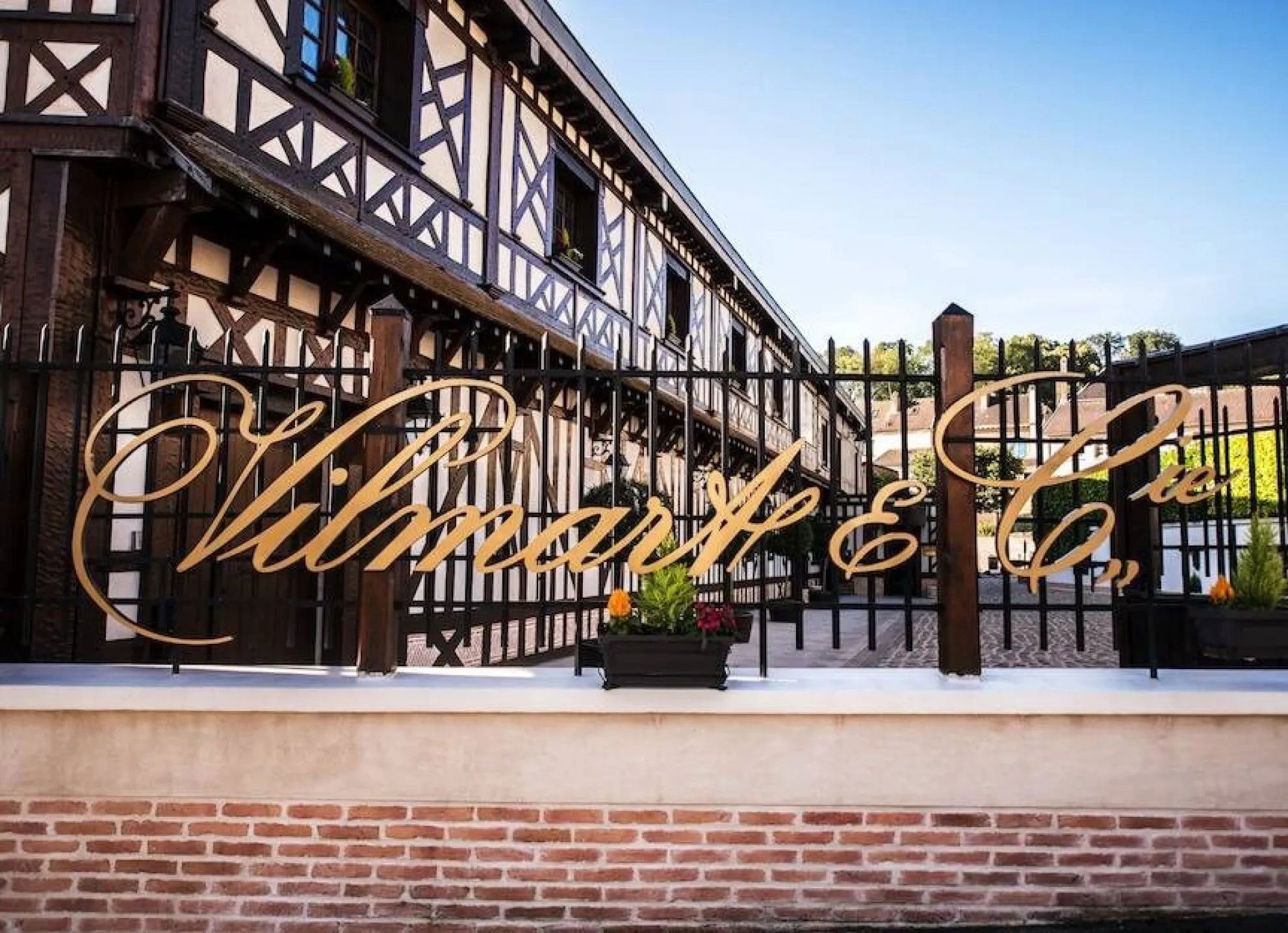
    Vilmart & Cie

    1,250pts

    Oak-Aged Grower Precision

    Vilmart & Cie, Winery in Rilly-la-Montagne

    About Vilmart & Cie

    Vilmart & Cie has been producing Champagne from Rilly-la-Montagne since 1895, with winemaker Laurent Champs overseeing a house that earned a Pearl 4 Star Prestige rating in 2025. Operating from one of the Montagne de Reims villages with direct vine access, it represents the grower-producer tier of Champagne at its most committed to place. A visit here is a study in how chalk, clay, and a century of vine age translate into the glass.

    The Village Behind the Label

    Rilly-la-Montagne sits on the northern slope of the Montagne de Reims, a Premier Cru village that most Champagne drinkers know only as a place name on a bottle rather than a destination in its own right. The village itself is quiet: narrow roads running between chalk-heavy vineyards, cellars cut into hillsides, and very little of the commercial bustle associated with Épernay or Reims, roughly twenty kilometres to the north and northeast respectively. Arriving here, the dominant impression is agricultural — cold in winter, thickly green by late summer — and that plainness is precisely the point. This is a place where vine, soil, and season do the primary work, and the wines made here are expected to carry that character. For an overview of what the wider area offers, see our full Rilly-la-Montagne restaurants guide.

    A House With Deep Roots

    Grower Champagne has become a meaningful category in the global wine trade over the past two decades, with consumers and sommeliers increasingly interested in bottles that trace back to a single estate's vineyards rather than blended from purchased fruit across the region. Within that category, longevity matters. Vilmart & Cie has been making Champagne from its own vines since 1895, placing it among the longer-established grower houses. That history is not merely a marketing signal , it implies vine age, accumulated knowledge of specific parcels, and a continuity of approach that newer entrants cannot replicate. The house's 2025 Pearl 4 Star Prestige award from EP Club formalises what informed Champagne buyers have noted for years: this is a grower operation working at the serious end of the format.

    Laurent Champs oversees winemaking at Vilmart & Cie. In the grower-Champagne world, the winemaker's relationship to the land is the central credential, and Champs has built a reputation specifically around the Rilly terroir, rather than as a peripatetic figure passing through multiple houses. That rootedness is visible in the wine philosophy: the emphasis falls on expressing what the Montagne de Reims villages produce rather than on correction, manipulation, or the pursuit of a house style that could have come from anywhere in the appellation.

    Terroir as the Argument

    The Montagne de Reims is conventionally read as Pinot Noir country, with the south-facing slopes around Bouzy and Ambonnay carrying Grand Cru status and the Premier Cru villages like Rilly occupying a tier below but still within the leading classification band. Rilly's exposure is northerly rather than south-facing, which means cooler temperatures, longer hang time, and fruit that tends toward higher acidity and a finer structural profile than the fuller expression of the south-facing Grand Cru villages. For a house committed to terroir expression, this is not a limitation , it is the material. Wines made here carry a tension that warmer exposures don't produce, and that tension is what drives ageing potential and complexity in the bottle.

    Chalk is the substrate that defines Champagne's wines more than any other single factor. The Belemnite chalk of the Montagne de Reims drains efficiently, stresses the vine roots into deeper growth, and buffers both heat and moisture in ways that moderate expression across vintages. This is the mechanism behind Champagne's relative vintage consistency compared with other French regions, and it is also why wines from houses with old vines in well-drained chalk sites tend to show a mineral precision that younger plantings on shallower soils cannot match. Vilmart's long vineyard tenure means it is working with vines that have had decades to establish the deep root systems that make chalk's influence most legible in the wine. Comparing this approach with grower estates in other French regions illuminates the principle: Albert Boxler in Niedermorschwihr offers a useful parallel in Alsace, where generational vine tenure similarly informs the wines' specificity of place.

    Where Vilmart Sits in the Champagne Tier

    The Champagne market is stratified in a way that can be opaque to occasional buyers. At the leading of the pyramid sit the grandes maisons , Krug, Salon, Dom Pérignon , whose pricing reflects both quality and brand infrastructure. Below them, but increasingly recognised as a distinct and serious category, are the grower-producers: estates that grow their own fruit, make their own wine, and sell under their own label. Within this grower tier, there is a further split between houses producing at scale across multiple appellations and smaller, focused operations whose identity is genuinely place-specific.

    Vilmart & Cie belongs to the focused tier. Its Pearl 4 Star Prestige recognition in 2025 places it within the upper bracket of grower Champagne, a peer set that includes estates built on specific village identities rather than regional blending logic. For reference, a number of other French estates at a comparable prestige level are operating in very different appellations: Château Bastor-Lamontagne in Preignac, Château Branaire Ducru in St-Julien, Château Cantemerle in Haut-Médoc, Château Clinet in Pomerol, and Château Bélair-Monange in Saint-Emilion each represent the same principle of estate-level specificity applied to Bordeaux appellations. The awards signal is consistent across them: at this tier, the work in the vineyard and cellar is the reputation, not the label recognition.

    Planning a Visit

    Rilly-la-Montagne is accessible from Reims in under thirty minutes by road, and the village sits on the Champagne tourist route that connects the Montagne de Reims Premier and Grand Cru villages. The house address is 5 Rue des Gravières, 51500 Rilly-la-Montagne. Given that Vilmart is a working estate rather than a commercial tasting centre, visitors should contact the house directly ahead of any planned visit to confirm availability , grower-producer estates in Champagne typically receive guests by appointment rather than through walk-in access. As with most small Champagne estates, visits during the harvest period in September and October may be limited, while spring and early summer tend to offer more flexibility. Booking well in advance is advisable, particularly for buyers with specific allocation interests; at the prestige tier in grower Champagne, allocations can tighten seasonally and relationships with the estate matter more than online retail access.

    Visitors who combine the stop with a broader Montagne de Reims itinerary will find that the Premier Cru villages reward unhurried exploration. The contrast between Rilly's cooler northern exposure and the warmer south-facing villages like Bouzy is perceptible both in the landscape and in the wines poured at each estate. For those building a wider French fine wine itinerary, the same estate-focus philosophy is visible at properties as varied as Château Boyd-Cantenac in Cantenac, Château Batailley in Pauillac, Château d'Arche in Sauternes, Château Dauzac in Labarde, Chartreuse in Voiron, Château d'Esclans in Courthézon, Aberlour in Aberlour, and Accendo Cellars in St. Helena , each a study in how a specific site, over time, produces a wine that cannot be replicated elsewhere.

    Frequently Asked Questions

    Is Vilmart & Cie more low-key or high-energy?
    Low-key, in the most considered sense. Rilly-la-Montagne is a working Premier Cru village, not a tourist hub, and Vilmart operates as a grower estate rather than a commercial hospitality venue. The Pearl 4 Star Prestige recognition confirms serious quality, but the format is intimate and appointment-driven. Visitors looking for tasting-room theatre should look to the grandes maisons in Épernay. Those seeking direct access to a place-focused estate will find the quiet here appropriate to the wines.
    What do visitors recommend trying at Vilmart & Cie?
    Given Laurent Champs's focus on Rilly terroir and the house's long vine tenure dating to 1895, the wines that most directly express the estate's identity are worth prioritising over any entry-level or non-vintage blends. The 2025 Pearl 4 Star Prestige award signals that the top-tier cuvées are where the estate's full argument is made. Specific current cuvée availability should be confirmed directly with the estate, as allocation at prestige-level grower houses shifts by release cycle.
    What makes Vilmart & Cie worth visiting?
    The combination of depth and specificity. A Champagne house operating continuously since 1895, working Premier Cru fruit from its own vineyards in Rilly-la-Montagne, and recognised with a Pearl 4 Star Prestige award in 2025, represents a rare convergence of vine age, place knowledge, and current critical standing. The visit delivers context that buying the bottle through retail cannot: the parcels, the chalk, the village, and the reasoning behind each decision in the cellar become legible when you are standing in them.
    How far ahead should I plan for Vilmart & Cie?
    Grower estates at the prestige tier in Champagne are not walk-in destinations. At minimum, contact the house several weeks before your intended visit, and plan further ahead if you are travelling during harvest season or hoping to access specific allocations. No direct online booking portal is listed for Vilmart & Cie, so outreach should be made through direct correspondence with the estate at 5 Rue des Gravières, 51500 Rilly-la-Montagne. The house's award standing suggests demand is consistent, and flexibility on timing will improve access.

    Recognized By

    Keep this place

    Save or rate Vilmart & Cie on Pearl

    Keep this venue in your Pearl passport, rate it after you visit, and track it alongside every other place you collect.