

2026 Falstaff Winery Guide: The Ultimate Wine Authority — Page 118
Falstaff's 2026 Wineries guide.

Venues on this list
Comando G Viticultores
Cadalso De Los Vidrios, Mexico
Comando G Viticultores is worth pursuing if the point is access to a serious, recognition-backed producer rather than an easy tasting-room plan. With Falstaff 5 Stars in 2026 and scarce public logistics, it suits collector-minded celebrations more than casual group outings.
Do-Re-Mi
Akhmeta, Georgia
Do-Re-Mi is worth booking for natural-wine travelers who want qvevri technique, organic farming, and a wider Georgian regional lens at a $$ price point. It is less suited to visitors looking for a polished hospitality setup or a food-led tasting; treat it as a planned, appointment-only wine stop.
Bodega Carelli
Mendoza, Argentina
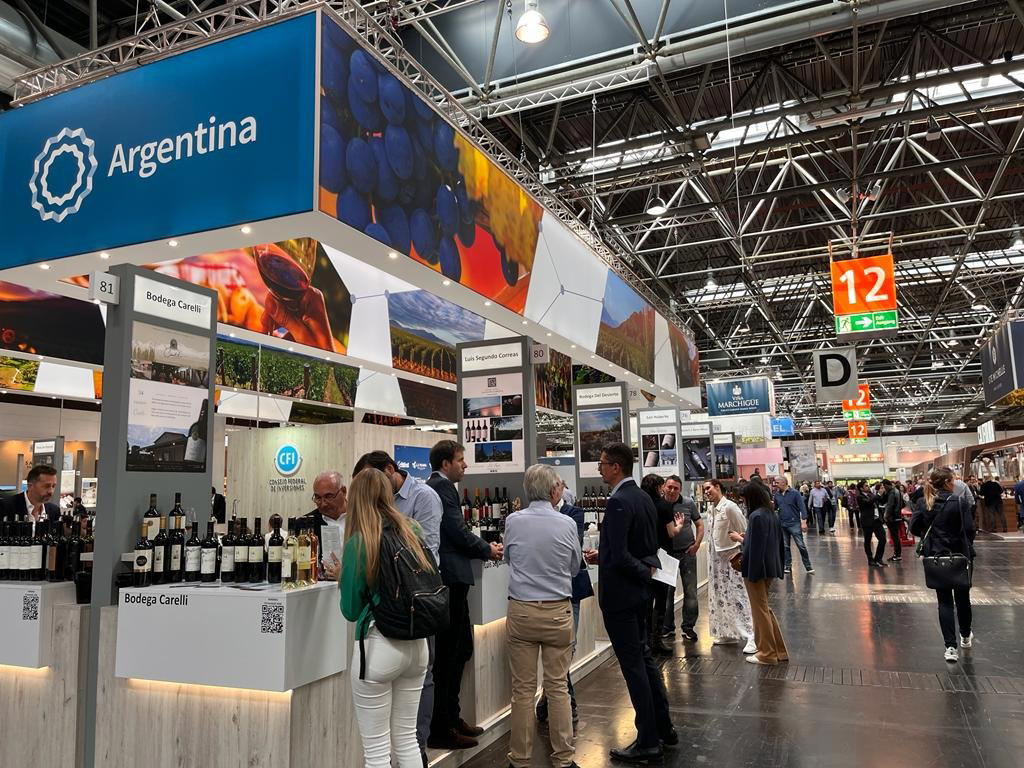
Book Bodega Carelli if you want a grounded Mendoza winery visit centered on family continuity, estate vineyards, and regional varieties rather than spectacle. It suits first-timers who want Malbec context plus a broader look at Cabernet Franc, Cabernet Sauvignon, Sauvignon Blanc, Syrah, and Viognier, with organic and sustainability certifications adding real substance.
Der Kirschberghof - Gäste & Wein
Sommerhausen, Germany
A relaxed Franconian winery-guesthouse for travelers who want Silvaner, vineyard context, and a quiet overnight base in Sommerhausen. Go for the stay-and-taste format and direct farm sales rather than a formal luxury tasting; the documented 2022 Silvaner “Tonneau” trocken is the bottle to ask about first.
K. Martini & Sohn
Girlan, Italy
K. Martini & Sohn works for a practical Girlan wine stop focused on Alto Adige range rather than elaborate hospitality. The draw is the structured portfolio, from Classic Line and Pure Origin to the Maturum range, backed by Falstaff 3 Stars (2026). Go if bottle selection and regional comparison matter more than a long, scripted tasting experience.
BIO Weinbau Karl Ziß
Röschitz, Austria
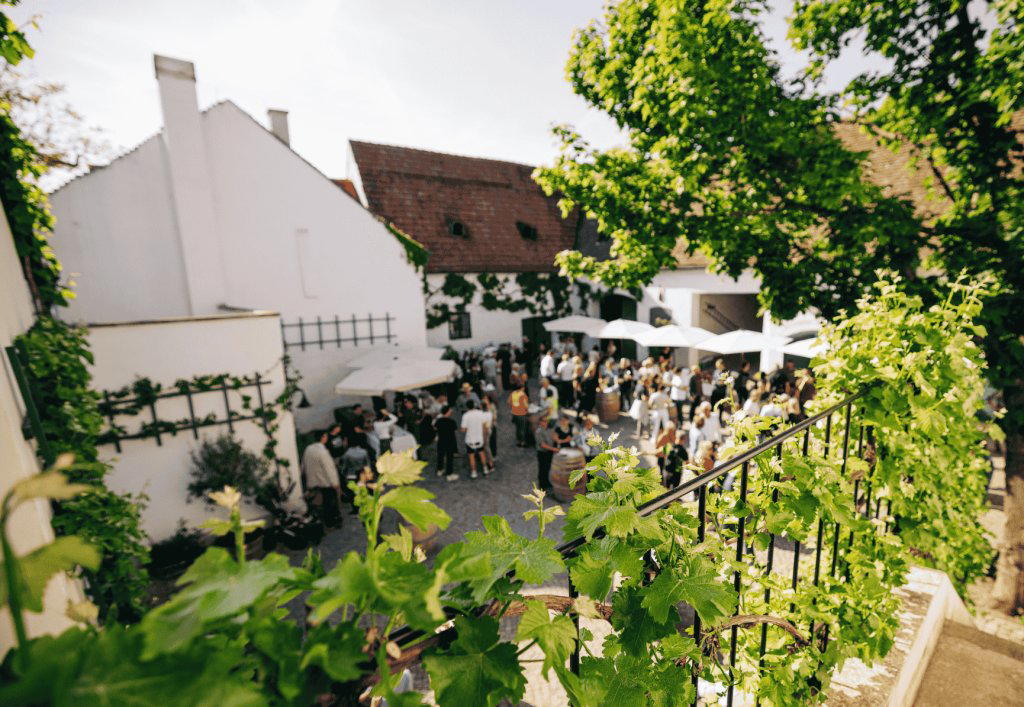
BIO Weinbau Karl Ziß is worth a look if an organic Weinviertel winery stop is already part of a Röschitz day. Treat any wine club or allocation decision as a value check first: confirm pricing, shipment terms, and bottle mix before joining. Falstaff listing in 2026 gives it a credible signal, but the practical case depends on access and fit for your cellar.
Champagne Montaudon
Reims Cedex, France
Champagne Montaudon is worth booking if you want an appointment-led Reims Champagne tasting built around house style, blend structure, and a family legacy dating to 1891. It is a stronger fit for returning Champagne drinkers than casual drop-ins, especially if you use the visit to compare Brut, Blanc de Noirs, Blanc de Blancs, rosé, vintage, and organic expressions where available.
Ferrero
La Morra, Italy
Ferrero is a sensible La Morra winery to consider when value and external recognition matter more than a highly choreographed visit. Its Falstaff 2026 listing gives it a credible quality signal, but sparse public detail means first-timers should use it as part of a broader La Morra wine plan rather than build the whole day around it.
Château Pierre de Lune
Saint-Émilion, France
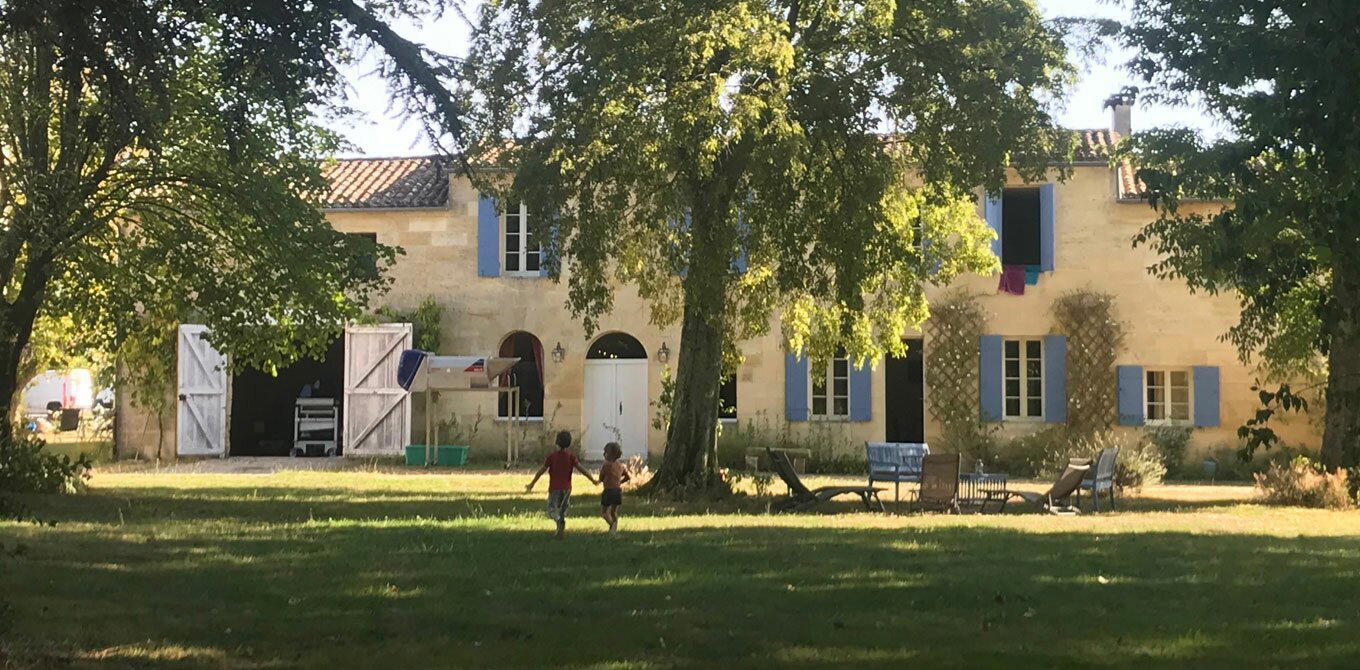
Château Pierre de Lune is a sensible Saint-Émilion add-on if the day already centers on Right Bank wine and you want another focused stop. Treat it as a flexible second visit rather than the main event, especially if private tasting details or group logistics need confirmation before you commit.
Pewsey Vale Vineyard
Eden Valley, Australia
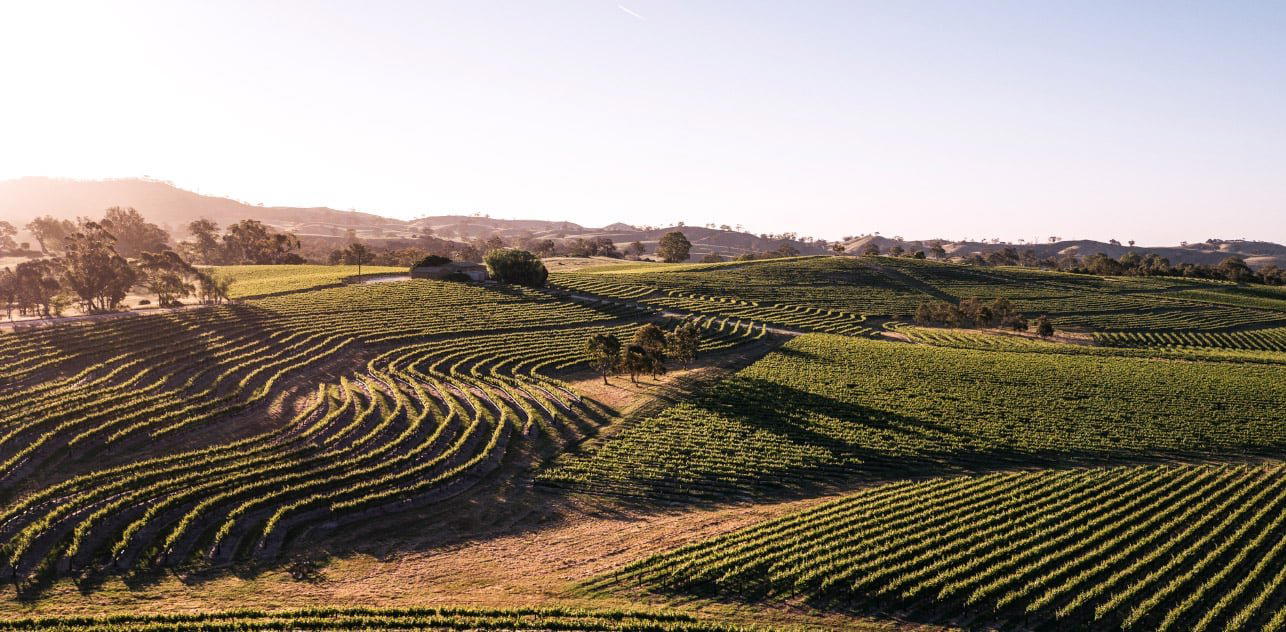
Pewsey Vale Vineyard is worth prioritising for Riesling-focused visitors who want a serious Eden Valley wine stop rather than a casual cellar-door crawl. It is better for small, wine-led groups than large mixed-interest parties, and first-timers should plan it as an appointment-style anchor with Mountadam Vineyards or Yalumba as practical backups.
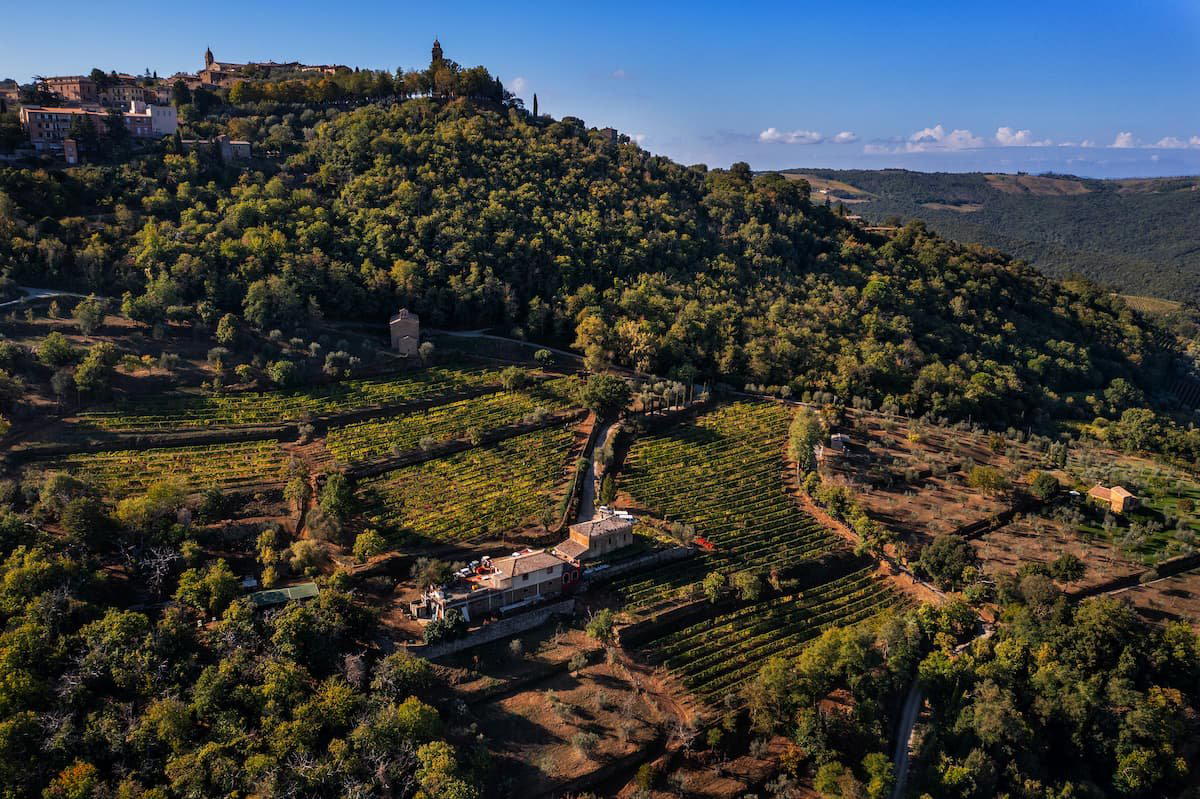
Il Marroneto
Montalcino, Italy
Book Il Marroneto only if Brunello is a priority and the visit can be planned well ahead. It suits wine-focused travelers who want a serious Montalcino producer rather than a food-led or walk-in tasting stop; build meals, hotels, and other winery backups around the appointment.
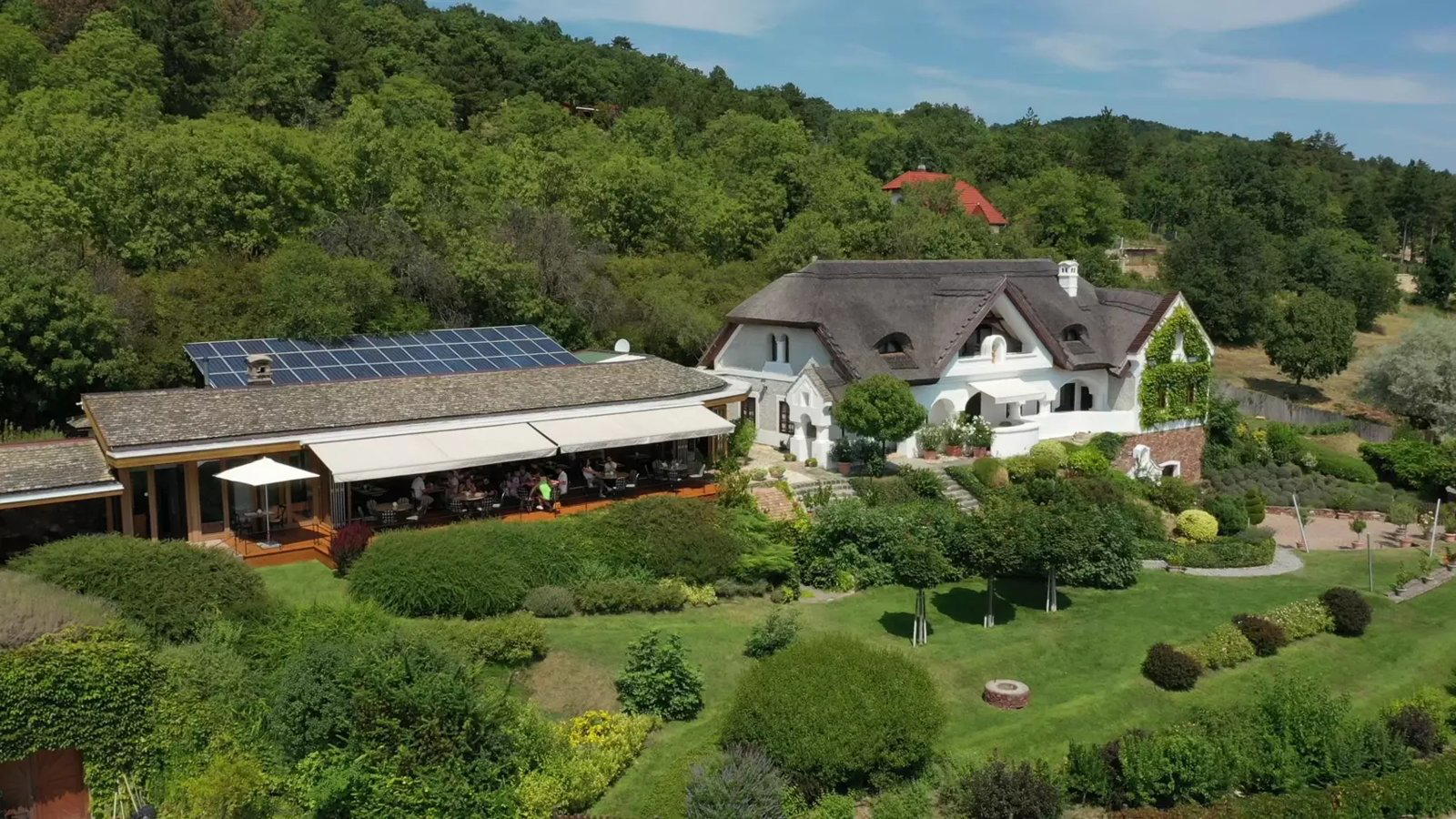
Szent Donát Winery
Csopak, Hungary
Szent Donát Winery is the Csopak pick for a wine-first visit, especially if the goal is to understand which local bottles are worth buying rather than just adding a scenic tasting. Booking looks difficult, so plan around it early and cross-shop Jásdi Winery if you need another Csopak option.
Domaine de Couron
Saint Marcel D Ardeche, France
Domaine de Couron is worth choosing for a quiet, producer-led Ardèche tasting rather than a polished destination-winery experience. The case for going is strongest if you care about family-scale production, on-site bottling, sustainable vineyard work, and southern Rhône varieties tasted close to where they are grown.
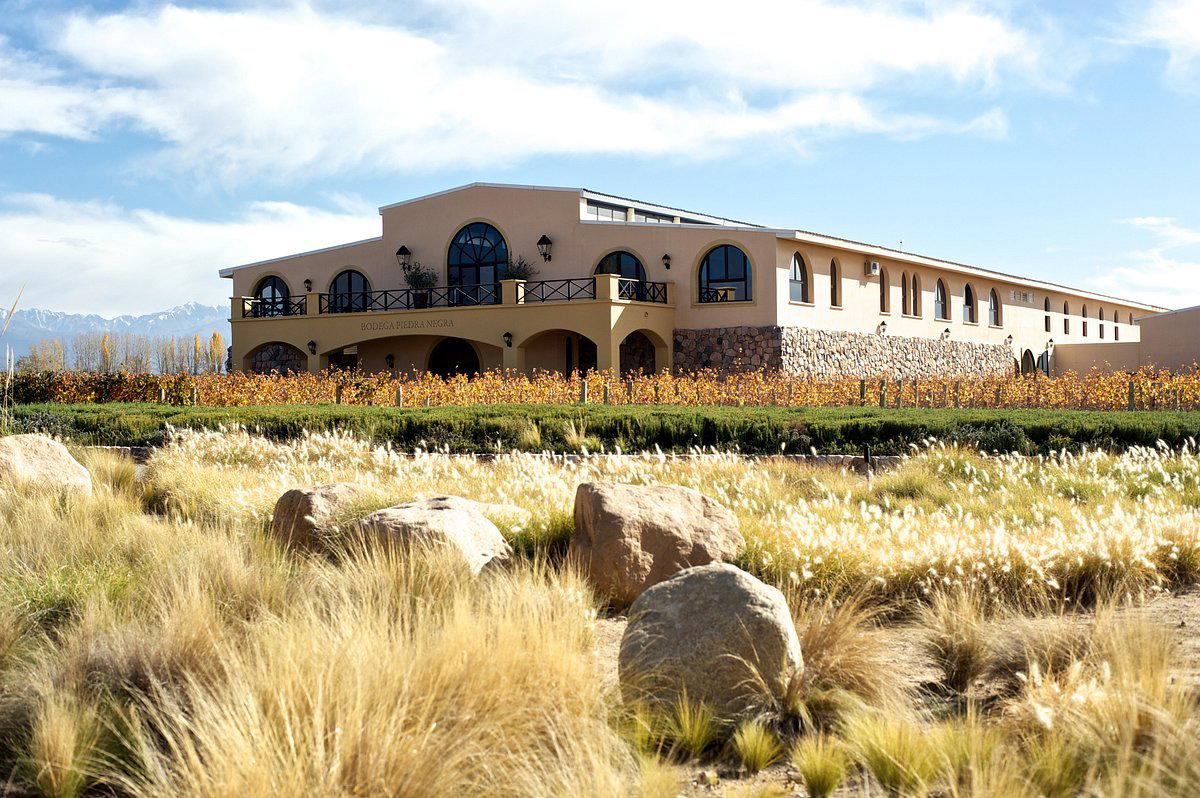
Bodega Piedra Negra
Tunuyán, Argentina
Bodega Piedra Negra is worth booking if a Tunuyán trip is built around a serious Vista Flores winery visit rather than a casual tasting crawl. Its Pearl 2 Star Prestige recognition adds a clear trust signal, but the smart move is to plan ahead and treat it as the anchor stop of the day.
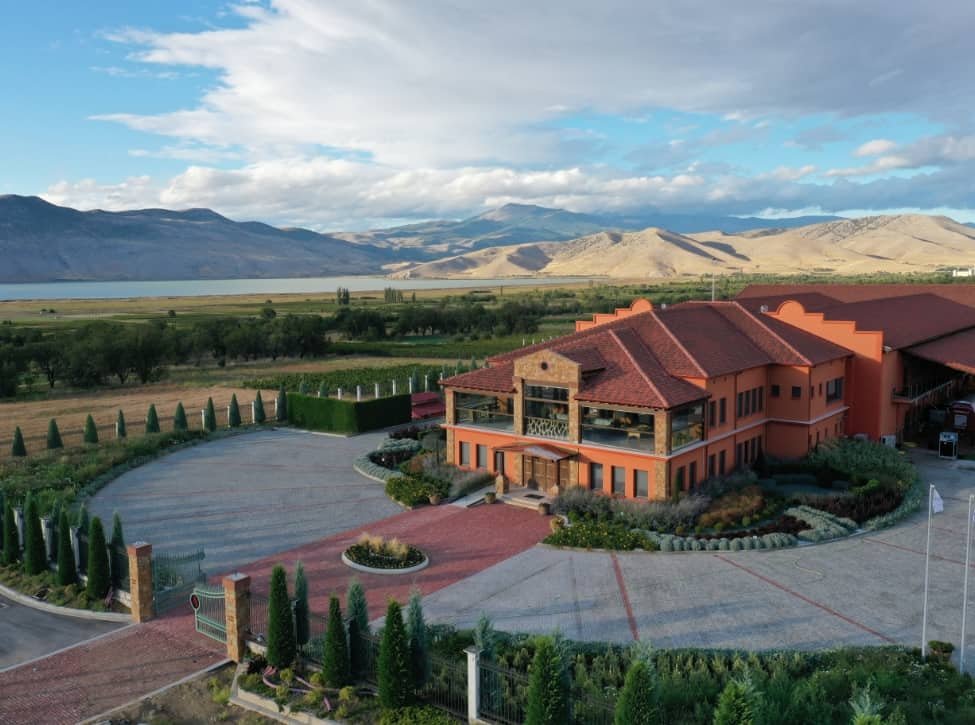
Alpha Estate
Amyntaio, Greece
Alpha Estate is worth prioritizing if the trip is built around serious Amyntaio wine rather than an easy tasting-room afternoon. Treat it as a planned cellar visit for bottle assessment and regional context, especially if suitcase space or shipping effort needs to be justified.
Bel Colle
Verduno, Italy
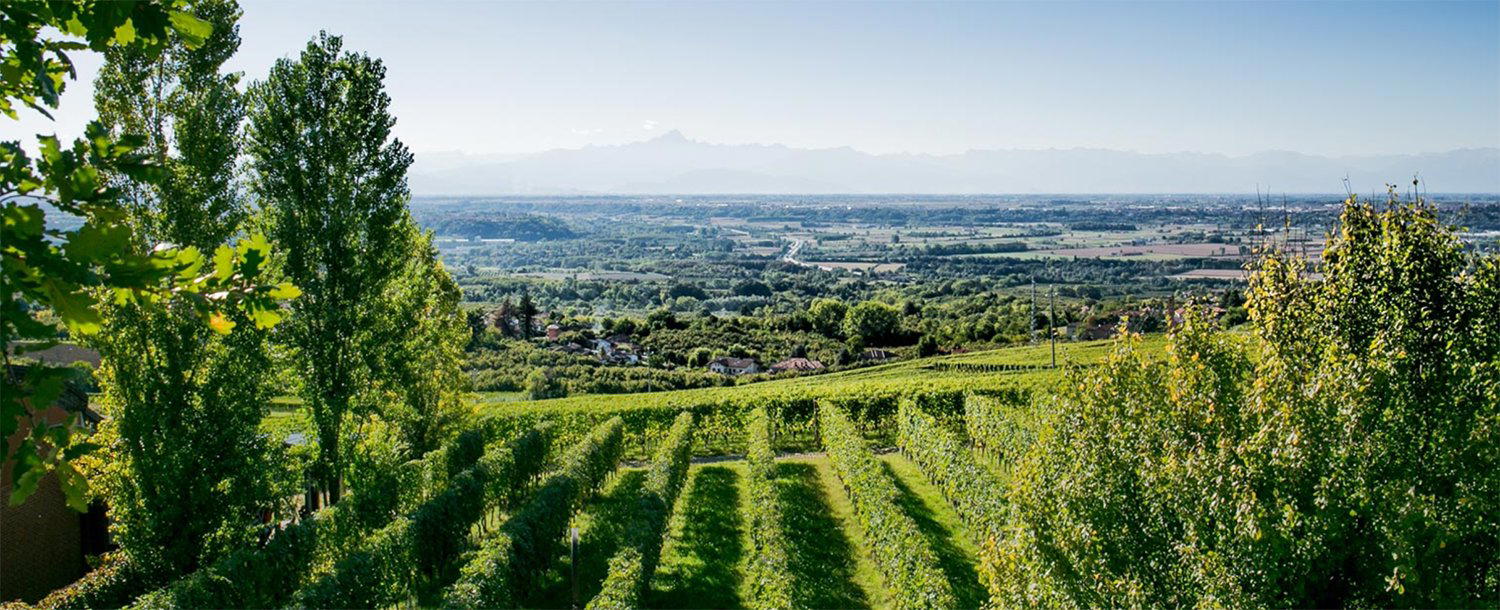
Bel Colle is worth prioritizing if Verduno Nebbiolo is the point of the trip. The draw is a focused single-vineyard lineup led by Barolo Monvigliero and Barbaresco Pajorè, with enough production detail for serious wine travelers. It is less suited to visitors seeking a full food-pairing or large-group hospitality experience.
Domaine Claude Dugat
Gevrey-Chambertin, France
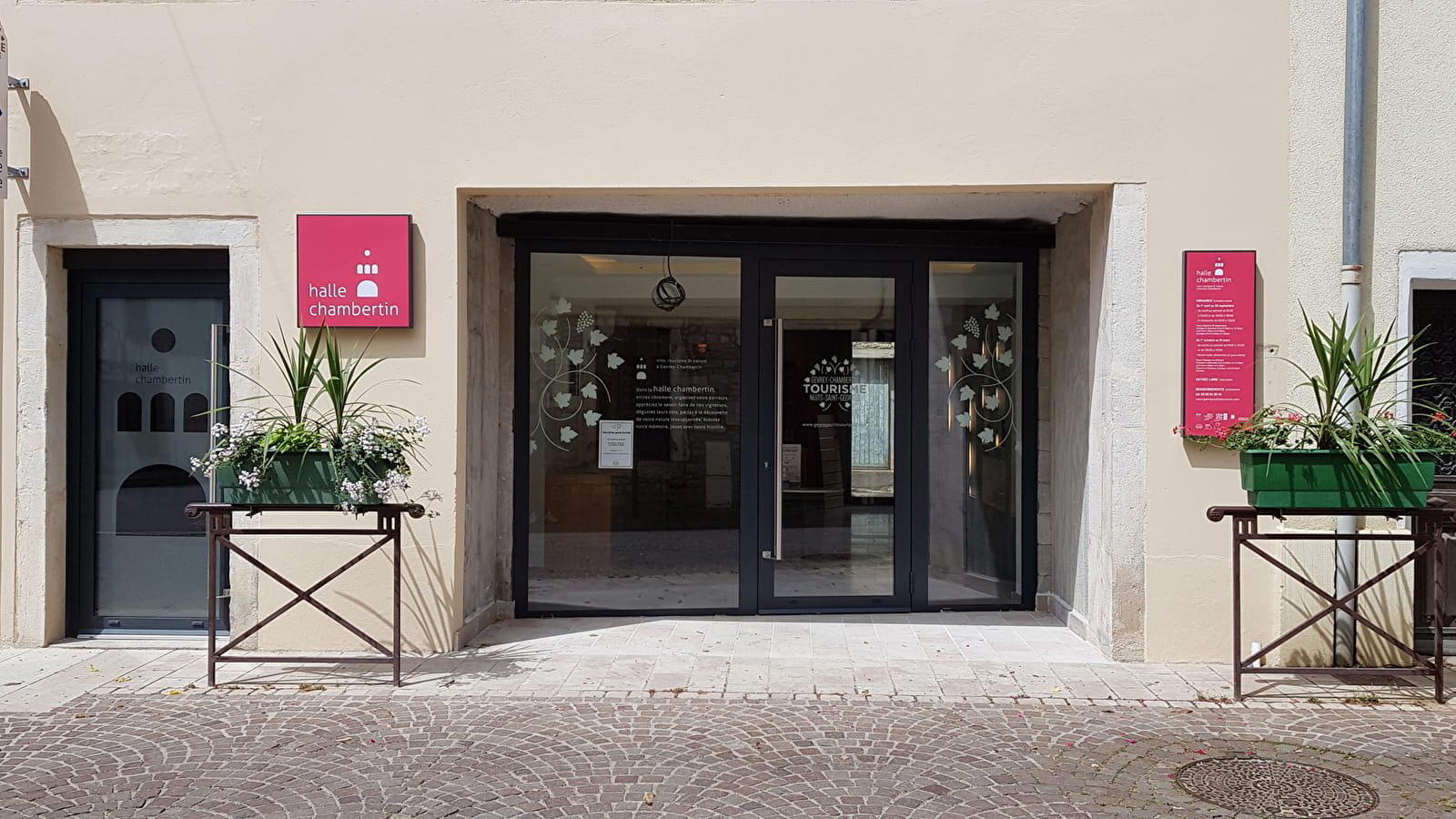
Worth pursuing if the goal is serious Gevrey-Chambertin access rather than a polished winery outing. Domaine Dugat suits collectors and small special-occasion groups focused on scarce Pinot Noir, old-vine holdings, and a compact cellar experience; it is less useful for visitors who need food, broad hospitality, or an easy large-group tasting format.
Achkarrer Winzer am Schlossberg eG
Vogtsburg Achkarren, Germany
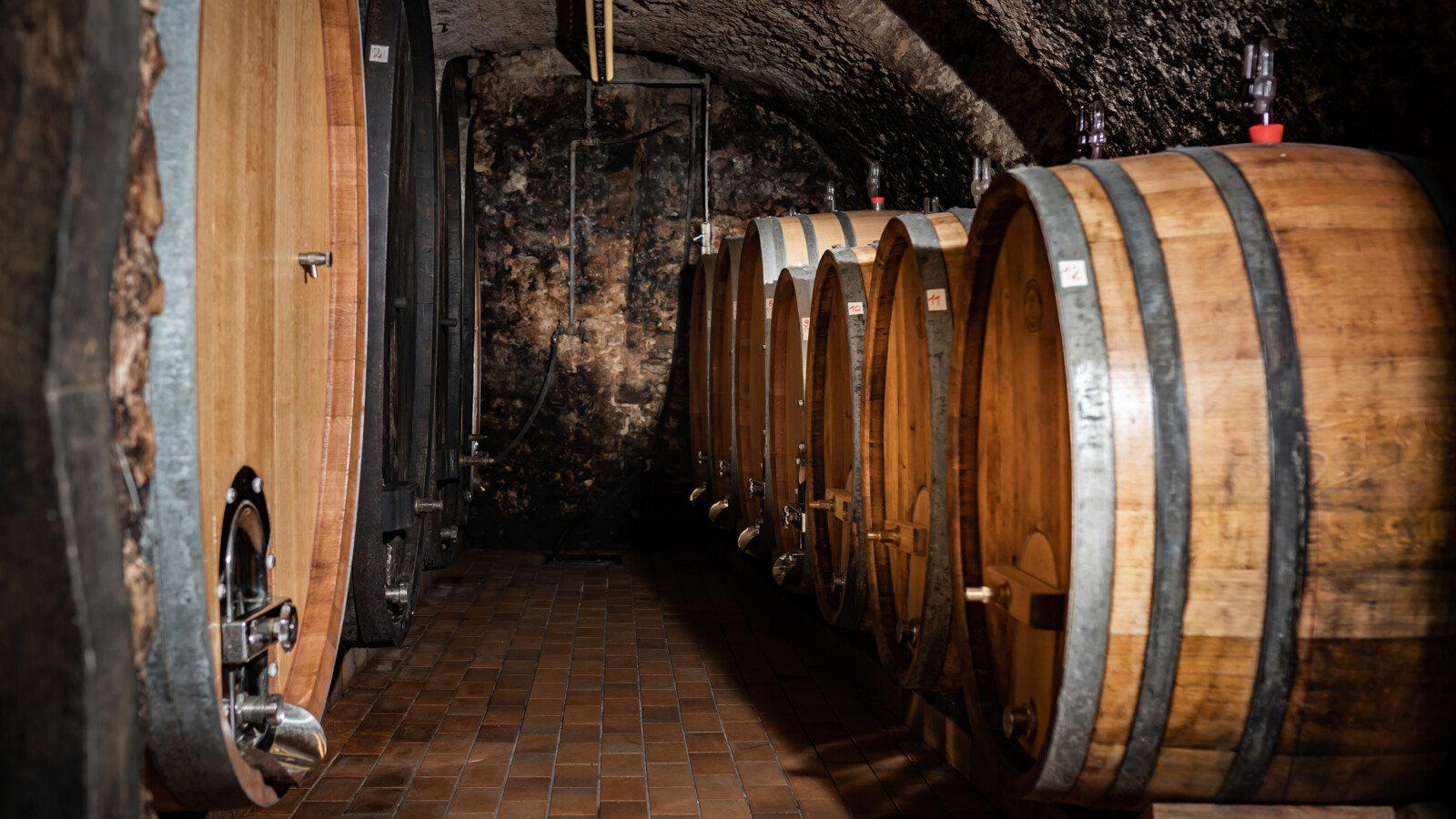
Achkarrer Winzer am Schlossberg eG is worth planning around if you want a serious, accessible read on Kaiserstuhl Burgundy varieties rather than a small-producer cellar visit. The draw is the cooperative’s Schlossberg and Castellberg fruit, modern village setting, and production focus on Grauer Burgunder, Weissburgunder, Auxerrois, and Spätburgunder.
Bodegas Lopez Cristobal
Roa De Duero, Spain
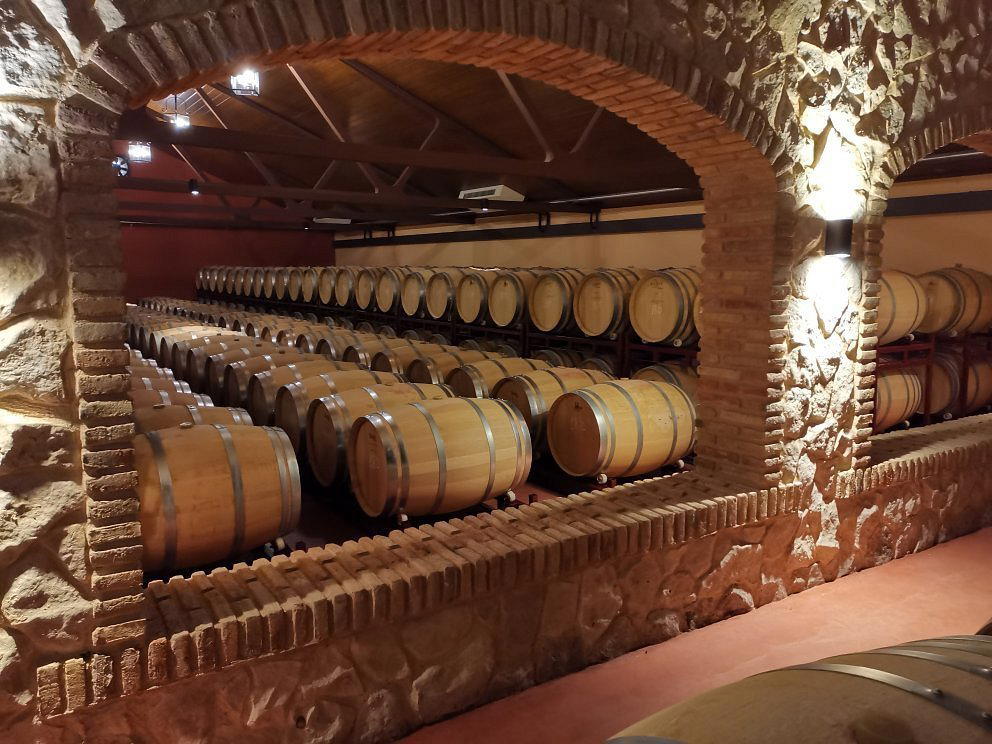
Bodegas Lopez Cristobal is worth targeting for a wine-first Ribera del Duero visit in Roa, especially if recent recognition matters: it carries Falstaff 2 Stars for 2026. Do not treat it as a food-led plan unless a pairing or meal is confirmed with the booking; use it for tasting context, then plan restaurants separately.
Fawino Sagl
Mendrisio, Switzerland
Fawino Sagl works for a wine-led Mendrisio occasion, especially if Falstaff 3 Stars recognition matters to the group. It is not the easiest pick for visitors who need published hours, food details, or clear large-party logistics before planning, so pair it with backup options in the local winery guide.
Il Monte Caro
Mezzane Di Sotto, Italy
Book Il Monte Caro if you want a quiet, small-group Valpolicella tasting with a serious organic farming angle. The draw is the porch-style hospitality, compact family-estate scale, and low-intervention cellar approach; look elsewhere if you need a full meal, drop-in flexibility, or a more formal winery setup.
DAOU Vineyards
Paso Robles, United States
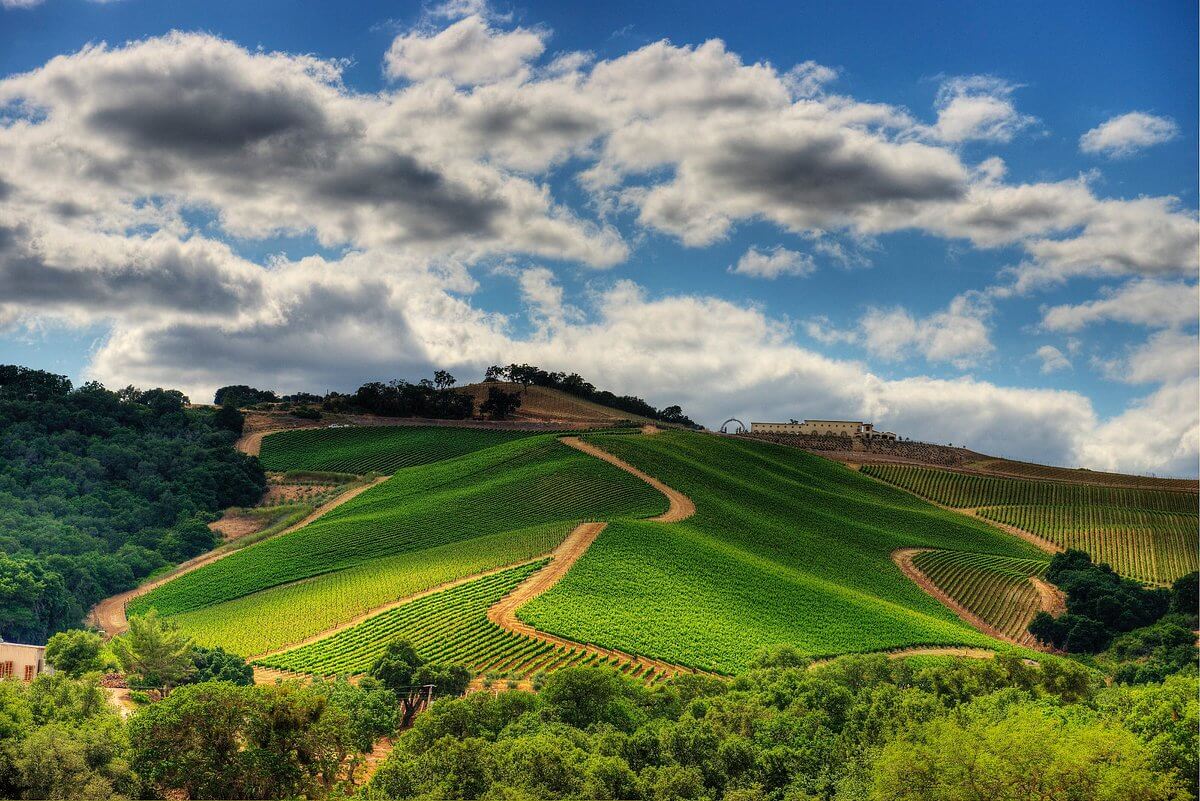
DAOU Vineyards is worth prioritizing if the Paso Robles itinerary needs a polished, destination-style winery rather than a casual tasting-room stop. Its hilltop setting and high-demand reputation make it better as a planned anchor, while nearby peers may suit travelers looking for a quieter or more wine-geek-focused visit.
Domaine Arnaud Baillot
Beaune, France
Worth considering if you want a Beaune-based Burgundy stop that keeps the day easy to manage. Domaine Arnaud Baillot has a 2026 Falstaff listing, which gives it a useful recognition signal, but the stronger reason to book is fit: it works well as one focused winery visit within a special-occasion Beaune itinerary.
Ca' Tullio
Aquileia, Italy
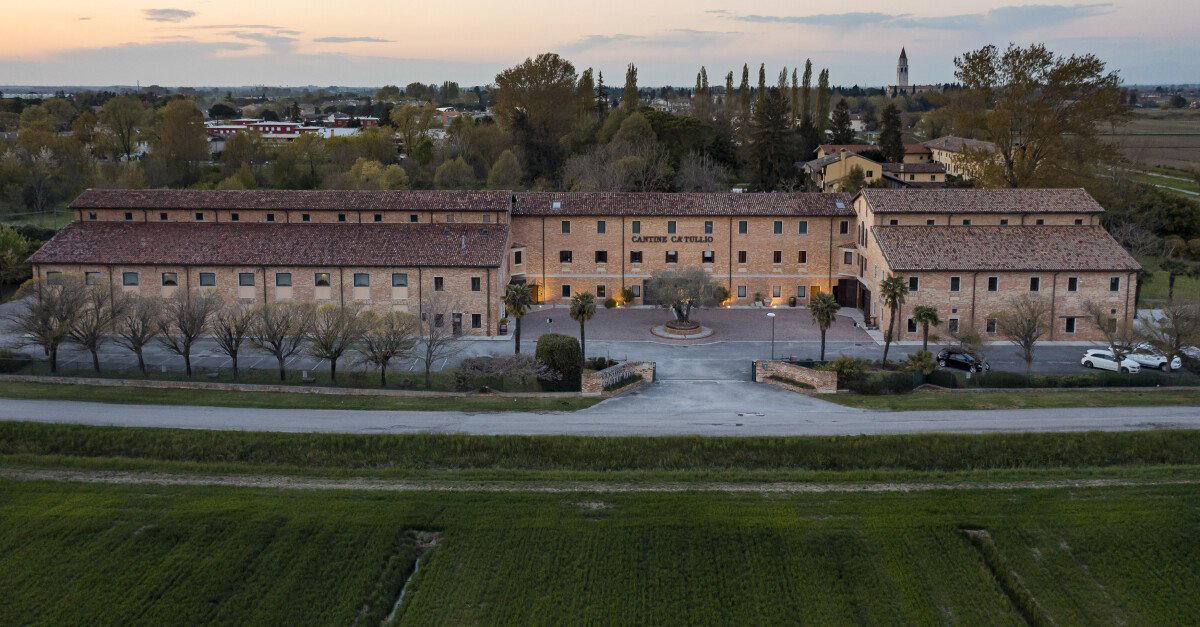
Ca' Tullio is a smart Aquileia booking for first-timers who want Friuli wines explained in a relaxed, good-value setting. The draw is not trophy-bottle formality; it is the mix of native grapes, attentive hospitality, Falstaff-listed recognition, and a converted industrial building that gives the tasting more context than a basic cellar stop.
CedarCreek Estate Winery
Kelowna, Canada
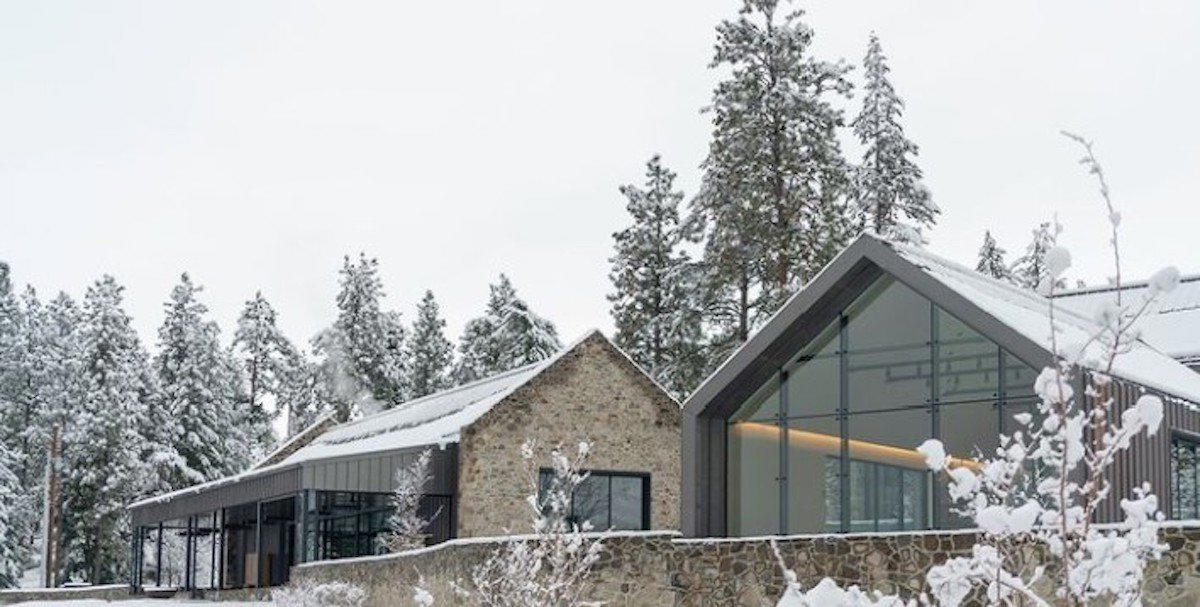
CedarCreek Estate Winery works for a flexible Kelowna wine stop, especially if the goal is to taste before deciding what bottles deserve luggage space or shipping spend. The 2026 Falstaff listing adds credibility, while easy booking makes it simple to fold into a wider Okanagan itinerary.
Mas des Chimères
Octon, France
Mas des Chimères works if the goal is a focused Octon winery stop rather than a restaurant-style tasting experience. The 2026 Falstaff listing gives it a useful recognition signal, but plan food, timing, and any group logistics separately rather than assuming a full hospitality setup.
La Motte Wine Estate
Franschhoek, South Africa
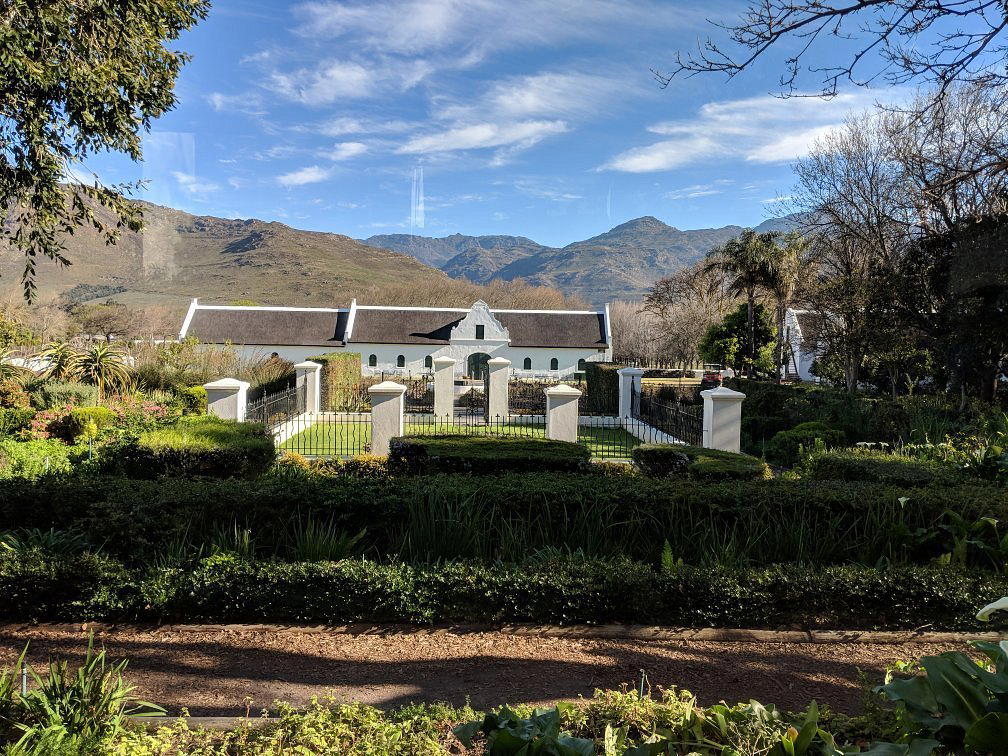
La Motte Wine Estate is a polished Franschhoek choice for a serious tasting day, especially when the visit is tied to a celebration or client-friendly itinerary. Its 2025 recognition, including World's 50 Best Vineyards #94, makes it more compelling for wine-focused travellers than for casual drop-ins trying to stack multiple stops.
Château Beau Soleil
Pomerol, France
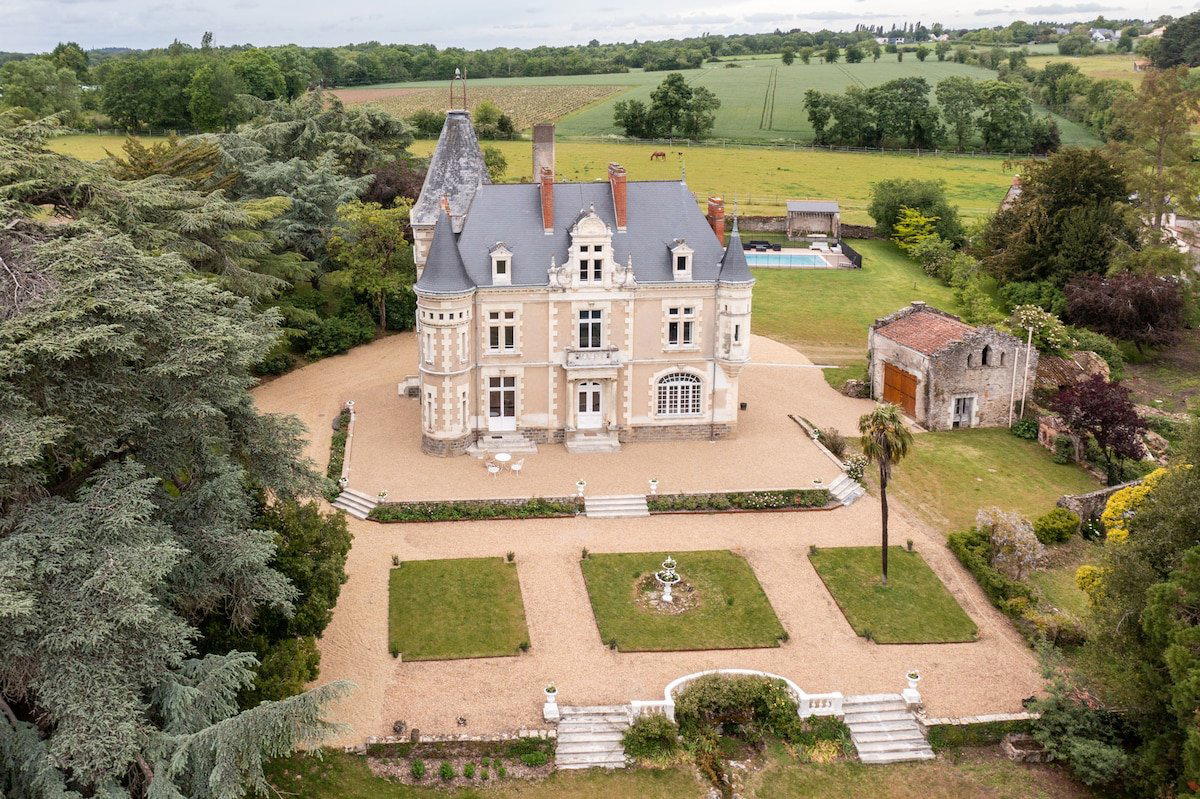
Book Château Beau Soleil if the goal is a serious, quiet Pomerol tasting built around traditional Right Bank reds rather than a polished visitor circuit. Its small scale, classic Merlot-led profile, and cellar-focused mood suit collectors, couples, and business guests who care more about terroir than hospitality extras.
Agricole Gussalli Beretta
Monticelli Brusati, Italy
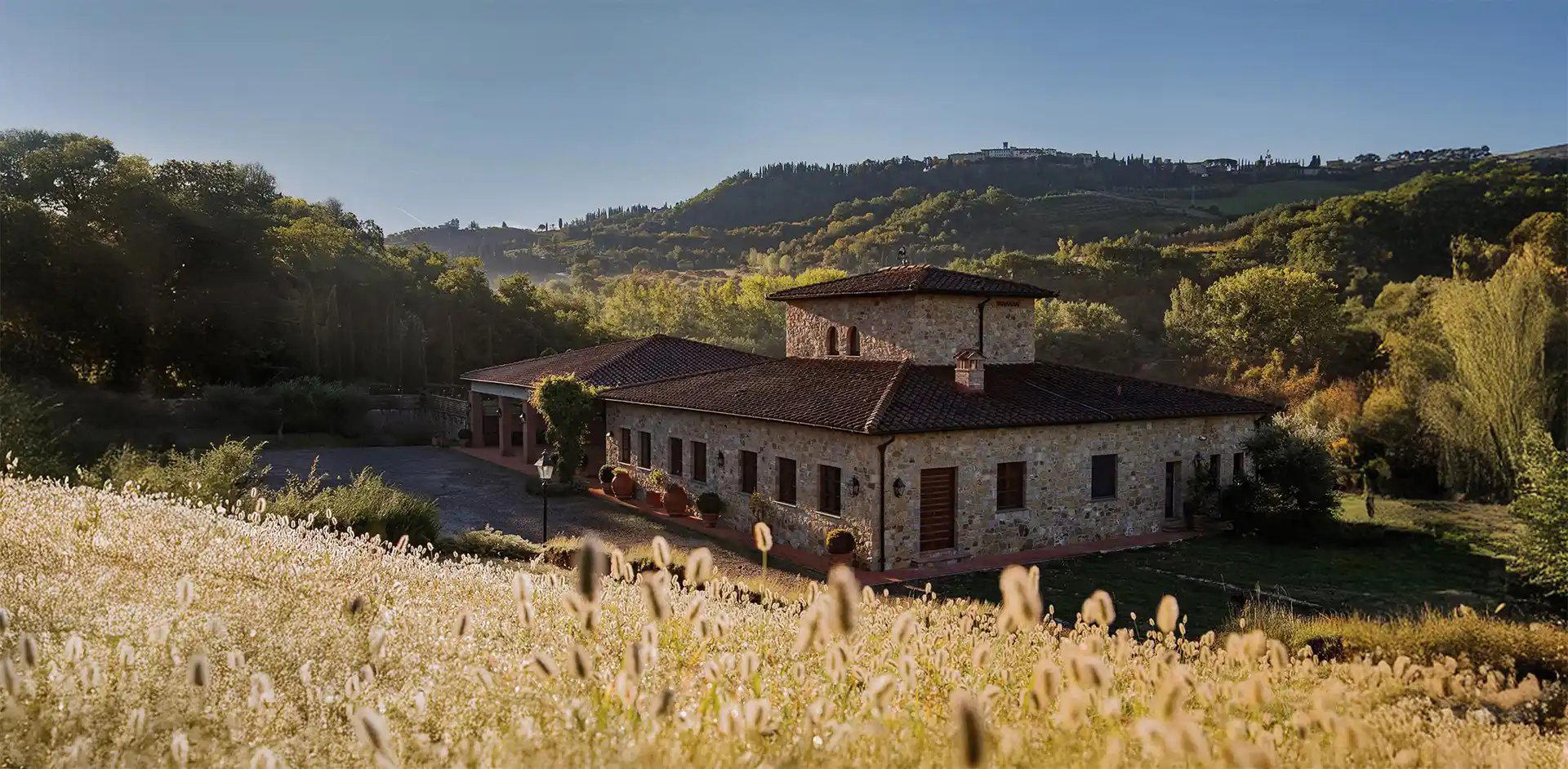
Book Agricole Gussalli Beretta if you want a polished, portfolio-led winery visit rather than a simple Franciacorta tasting. Its appeal is the family group’s reach across major Italian wine regions, with Falstaff recognition in 2026 and a $$$ positioning that suits serious wine travelers more than casual drop-ins.
Domaine des Perdrix
Premeaux-Prissey, France
Domaine des Perdrix is worth pursuing for serious Côte de Nuits context, especially if Aux Perdrix and Échézeaux are the draw. The estate suits Burgundy-focused travellers who care about old vines, Premier Cru and Grand Cru holdings, and critic-backed Pinot Noir more than casual hospitality or a scenic tasting-room stop.
Domaine Mélaric
Doué-la-Fontaine, France
Domaine Mélaric is worth booking if the goal is a quiet, wine-first Saumur stop focused on organic Chenin Blanc and Cabernet Franc. The appeal is the small 4-hectare scale, accessible bottle pricing, and guide-level recognition, not a polished visitor complex or food-led experience.
Château la Négly
Fleury D Aude, France
Book Château la Négly if you want a scenic La Clape tasting with substance: vineyard context, guided explanations, and a portfolio that moves across reds, whites, and rosés. It is strongest for wine-focused travellers who want the Massif de La Clape and Mediterranean influence explained in the glass, with food pairing as a supporting add-on rather than the main event.
Fattoria Sardi
Lucca, Italy
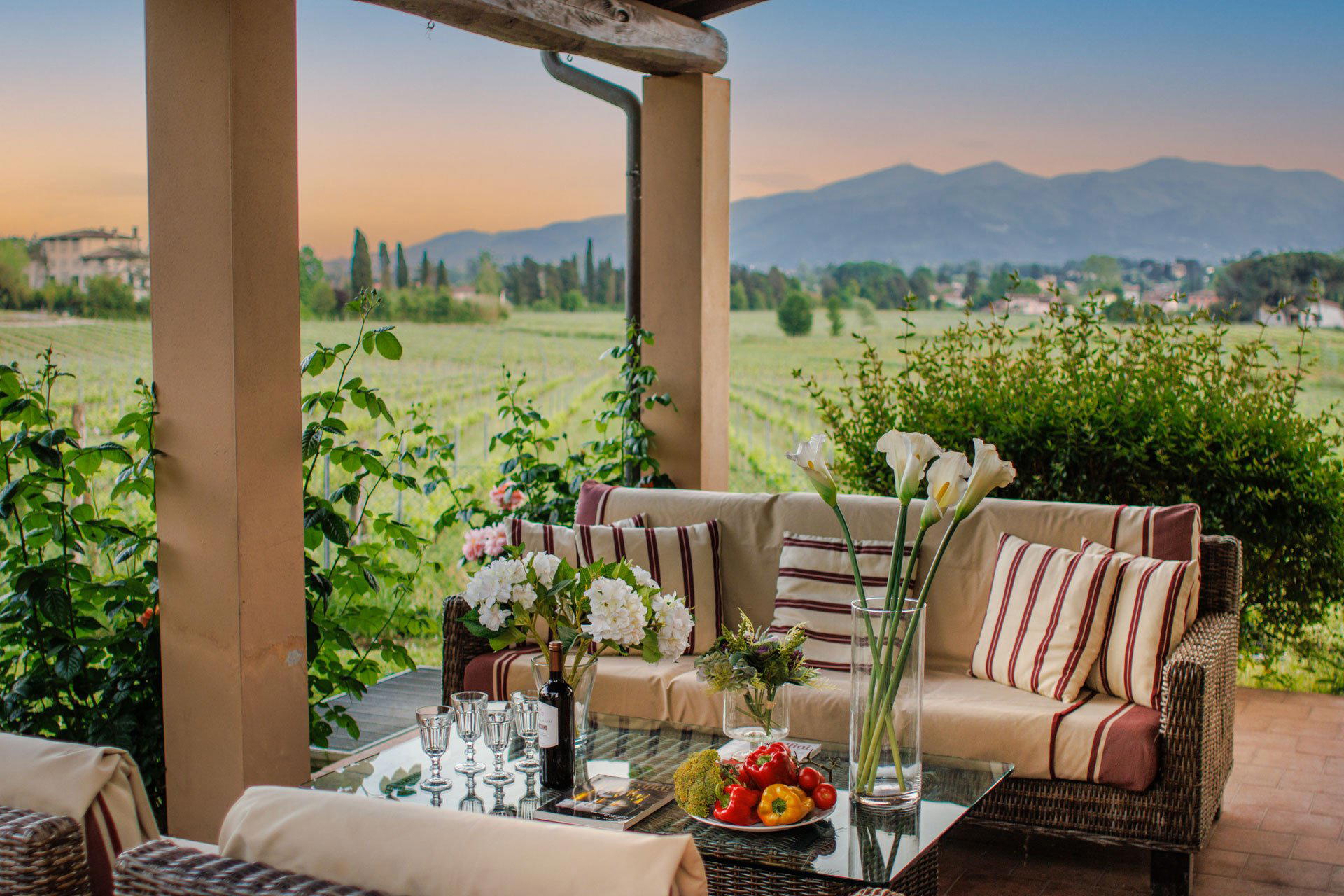
At $29 per person, Fattoria Sardi is a strong-value Lucca countryside booking for travelers who want wine, farm setting, and seasonal food in one stop. Go for the biodynamic rosé focus, relaxed estate mood, and agriturismo feel; skip it if the plan requires drop-in flexibility or confirmed large-group capacity.
Cascina Castlet
Costigliole D Asti, United Kingdom
Book Cascina Castlet if you want a practical, good-value Piedmont tasting focused on estate-grown Barbera d’Asti, Moscato d’Asti, and Uvalino in a rustic farmhouse setting. It suits returning visitors who want more context than a basic pour-through, especially groups that value accessibility and a calmer, less polished estate experience.
Domaine La Croix des Vainqueurs
Chancay, France
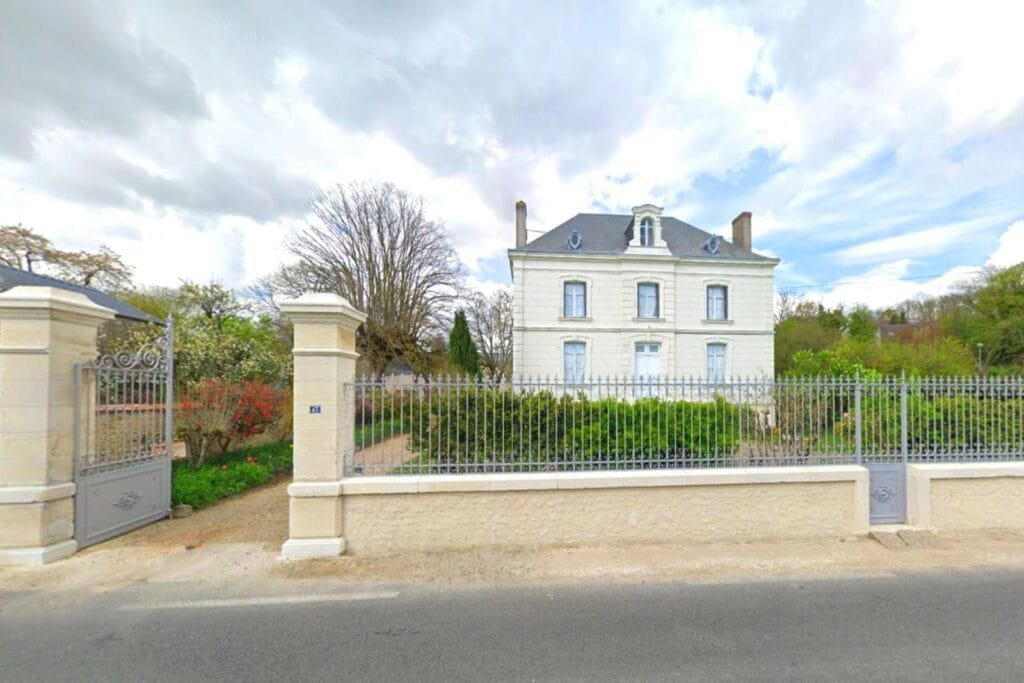
Domaine La Croix des Vainqueurs is worth seeking out if Vouvray and Chenin Blanc are the point of the trip. The draw is the Le Bouchet focus, especially the chance to understand sec versus moëlleux styles, rather than a heavily documented winery-visit program. Best for wine explorers who value appellation depth over amenities.
Gutsbetrieb Sunnehof
Immensee, Switzerland
Book Gutsbetrieb Sunnehof if you want a small Swiss farm-winery stop above Lake Zug rather than a formal tasting-room experience. The draw is the sun-facing Immensee setting, modest 1.83-hectare vineyard, farm-shop format, and direct access to estate wine, spirits, and regional goods. Appointment-only visits are better for curious wine travelers than for groups expecting a polished hospitality program.
Hof Wynegg
Malans Gr, Switzerland
Choose Hof Wynegg if the priority is an organic Malans producer with a compact range spanning Riesling x Sylvaner, Seyval Blanc, Blauburgunder, blanc de noirs, and Léon Millot. It suits small, wine-focused occasions better than large social tastings, especially for guests who want a calm Graubünden winery stop rather than a hospitality-heavy experience.
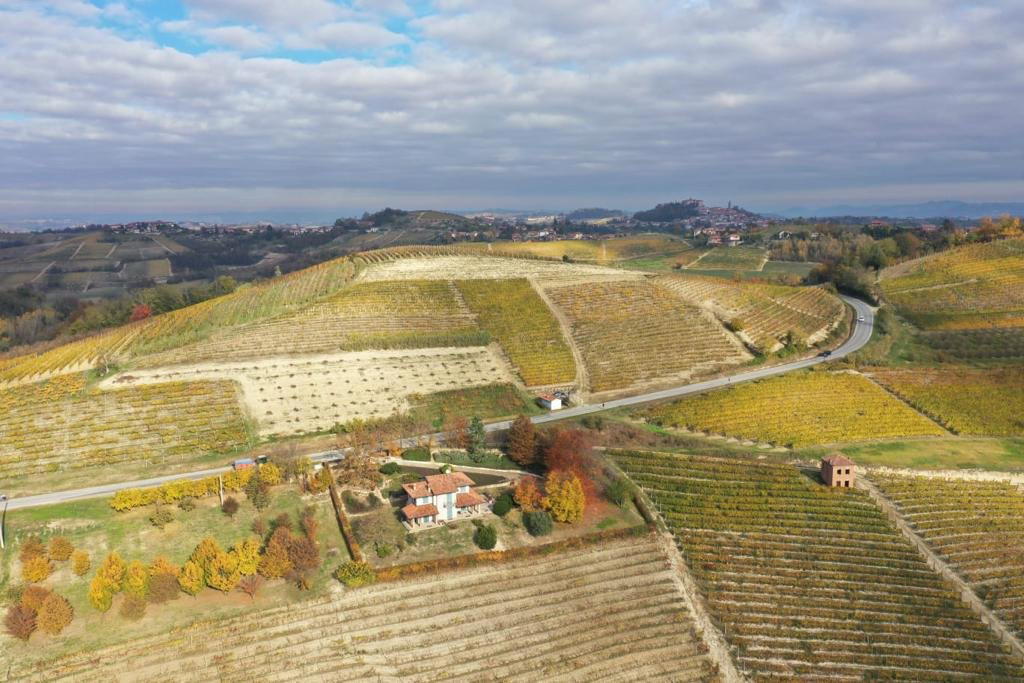
Hilberg-Pasquero
Priocca, Italy
Hilberg-Pasquero works for a quiet, appointment-only Roero tasting when privacy and rural setting matter more than a polished visitor facility. The $$ positioning keeps the decision low-risk, but confirm expectations before building a full day around it, especially if food, tours, or specific bottles are part of the plan.
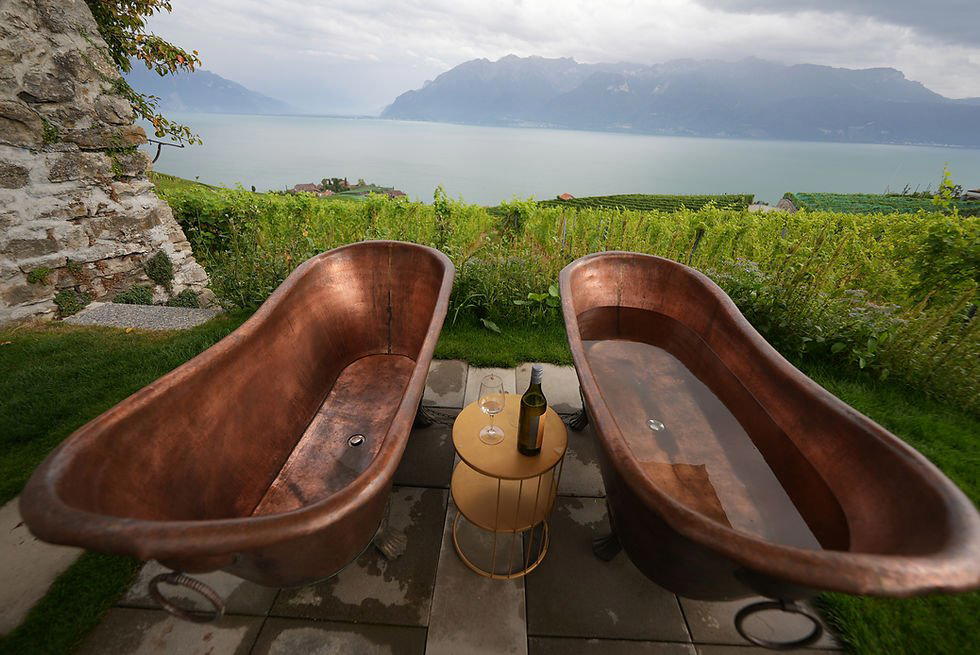
Blaise Duboux
Epesses, Switzerland
Plan around Blaise Duboux if Epesses is a serious wine stop, not a casual add-on. Falstaff 3 Stars in 2026 gives it a clear quality signal, but scarce public logistics mean it suits organised travellers who can plan ahead and keep the rest of the Lavaux day flexible.
Il Borghetto
San Casciano V P, Italy
Il Borghetto is worth shortlisting if the goal is a slow Chianti estate stay rather than a quick tasting-room stop. The appeal is the integrated country-inn format: organic red wines, Mediterranean meals, olive oil, small-group hospitality, and grounds that include vineyards, olive groves, woods, and an Etruscan archaeological site.
Château Maison Blanche
Yvorne, Switzerland
Château Maison Blanche works for a setting-led Yvorne wine stop, especially if the occasion calls for a polished Vaud estate backdrop. Falstaff 2 Stars in 2026 gives it a credible quality signal, but sparse public practical detail means it works better with backup wineries planned nearby than as the only stop of the day.
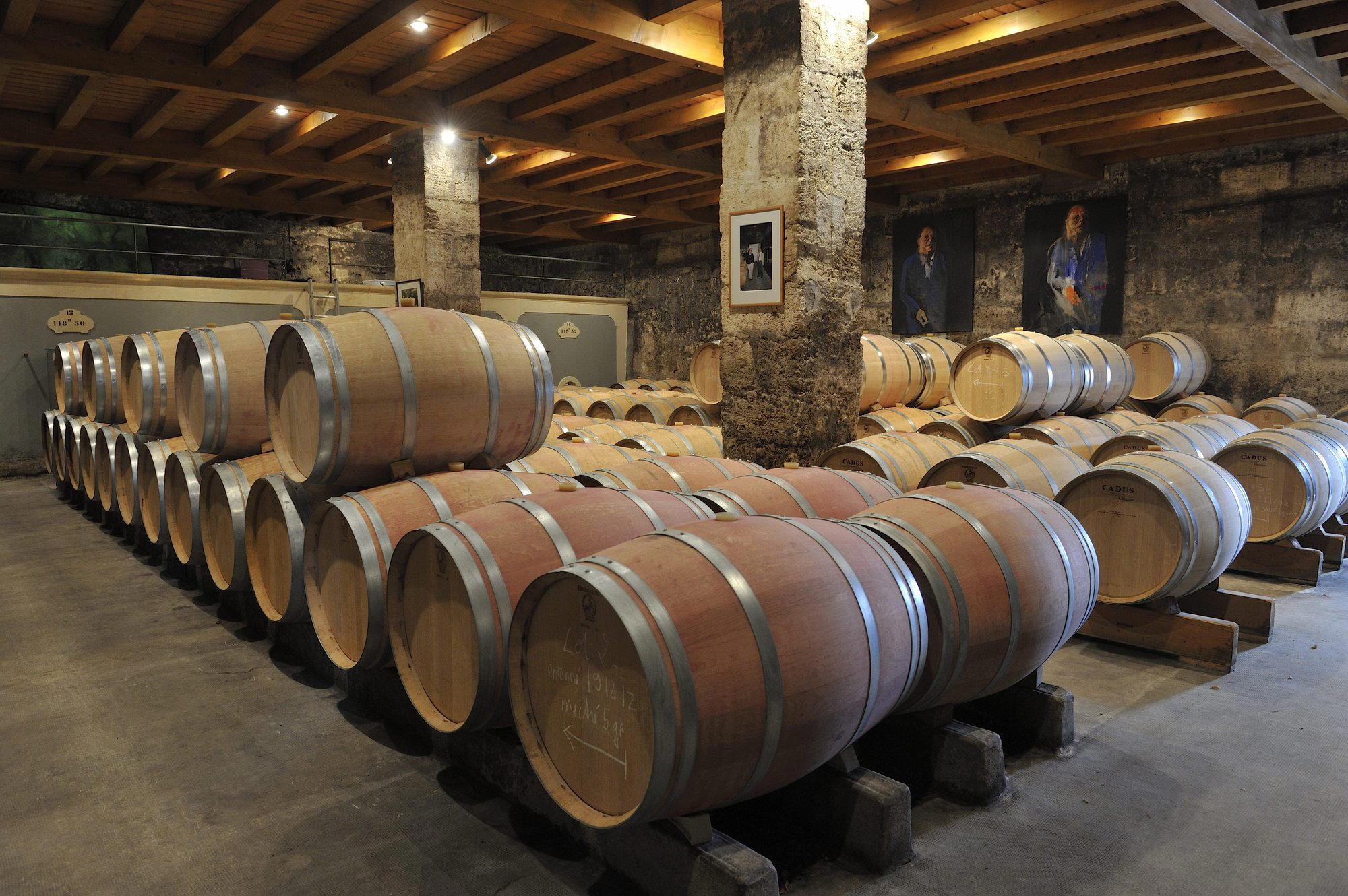
Château Bourgneuf
Pomerol, France
Château Bourgneuf is worth targeting if you want a serious, quiet Pomerol tasting rather than a casual winery stop. The draw is the estate’s long family stewardship, compact Merlot-led vineyard and recent lift in quality from the 2016 vintage onward; the private format makes sense if you want help reading vintages and cellar potential.
Domaine Paul Mas
Montagnac, France
A practical Montagnac wine stop for travelers who care about estate context and Languedoc setting more than a tightly defined tasting format. Domaine Paul Mas carries Falstaff Listed recognition for 2026, which makes it worth shortlisting, but confirm current visitor details before building a day around it.
Hegg & Fils
Bourg En Lavaux, Switzerland
Book Hegg & Fils for a small, appointment-only Lavaux tasting focused on Chasselas, Epesses, Calamin Grand Cru and Dézaley Grand Cru. It is better for couples or small groups than large parties, and the value is strongest if wine context matters more than a food-pairing program.
Coffele
Soave, Italy
Prioritise Coffele if the Soave stop is wine-led and occasion-driven rather than casual. Falstaff listing for 2026 gives it a useful credibility signal, but practical details should be confirmed before building a tight itinerary around food, shipping, club benefits, or walk-in availability.
Henry Natter
Montigny, France
Book Henry Natter if the appeal is a quiet, appointment-only Sancerre visit focused on Montigny terroir, foudre-raised Sauvignon Blanc, and family-domaine continuity. It is better for couples and serious wine drinkers than large groups, with the Cuvée François de la Grange adding the strongest special-occasion angle.
Château la Prade
Saint Cibard, France
Book Château la Prade if the priority is serious right-bank Bordeaux value rather than a grand hospitality production. Its small 7-hectare vineyard, Merlot-led blend, limestone setting, and Thienpont family connection make it a smart choice for drinkers who want depth without paying mainly for appellation prestige.
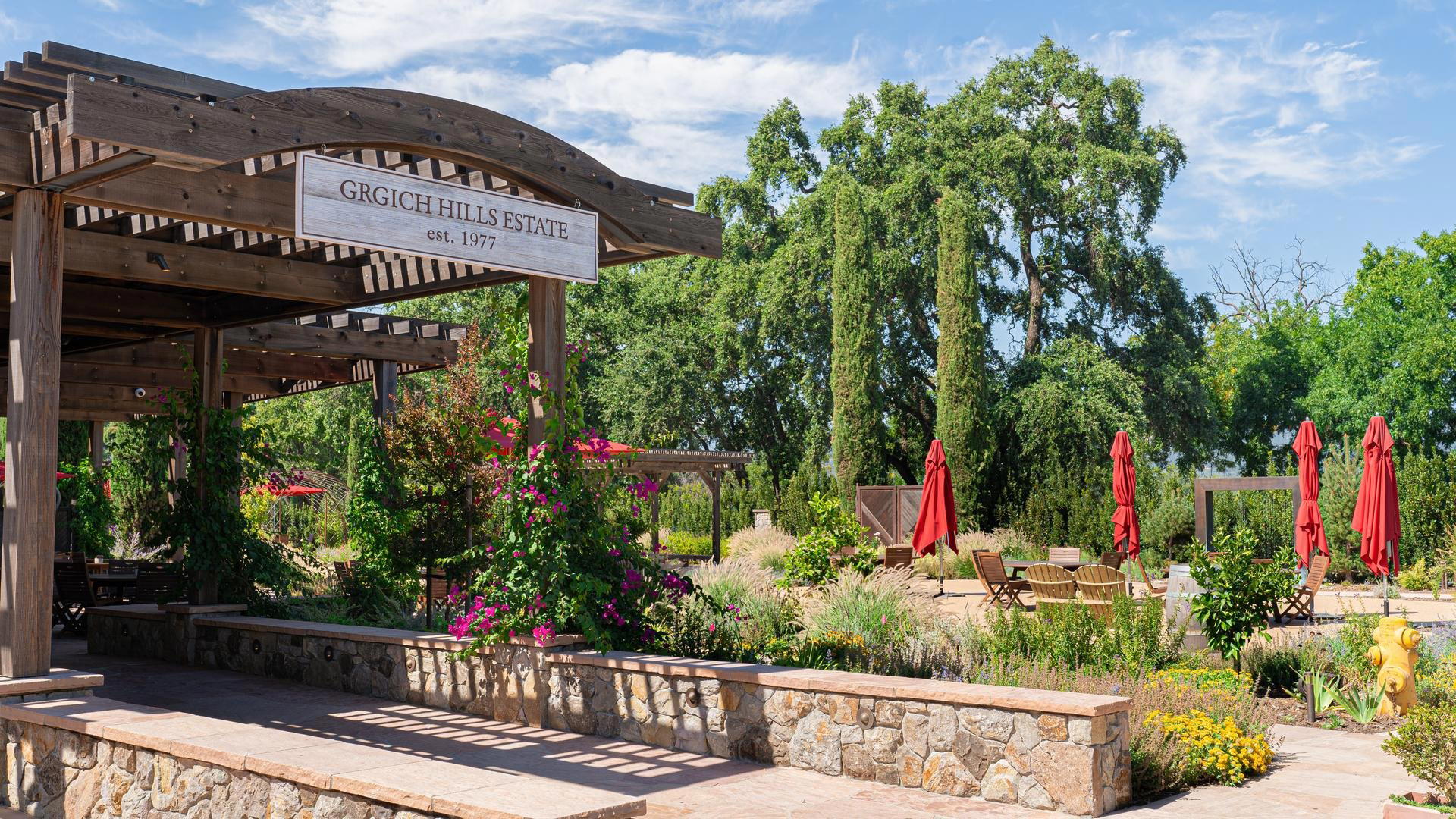
Grgich Hills Estate
Rutherford, United States
Prioritize Grgich Hills Estate if the point of the Rutherford trip is serious Napa wine rather than a casual tasting crawl. It is better suited to collectors and wine-club evaluators than groups trying to maximize stops, so plan it as an anchor appointment and compare nearby Rutherford alternatives before committing the full day.
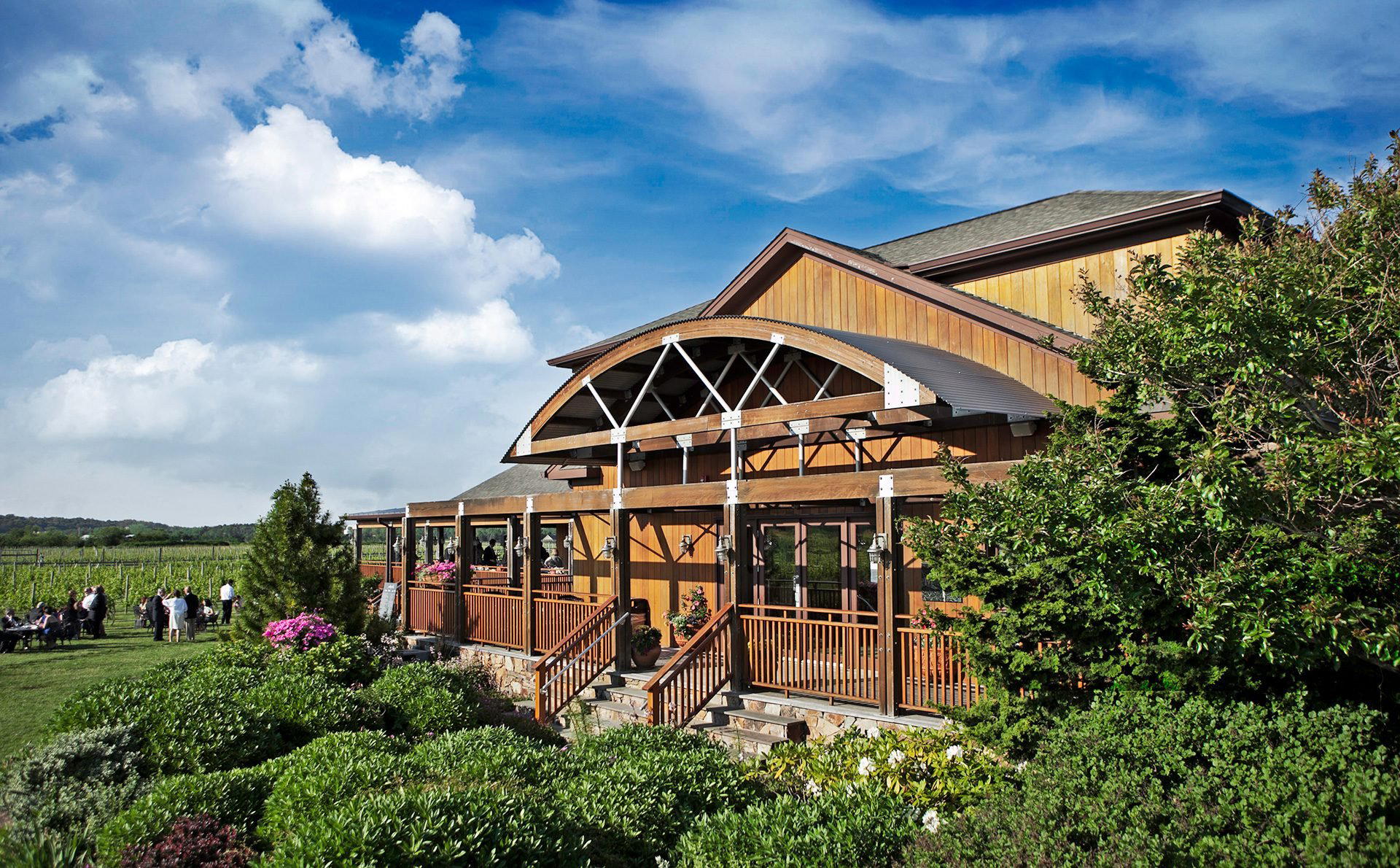
Macari Vineyards
Mattituck, United States
Macari Vineyards is a strong Mattituck pick for visitors who want a serious North Fork winery stop, especially if they return often enough to consider club or allocation value. First-timers should treat the tasting as a purchase test; repeat visitors should join only if the wines fit regular home drinking, not just because the setting is appealing.
How many of these have you visited?
Find out on Pearl and keep score across every place in 2026 Falstaff Winery Guide.