

2026 Falstaff Winery Guide: The Ultimate Wine Authority — Page 119
Falstaff's 2026 Wineries guide.

Venues on this list
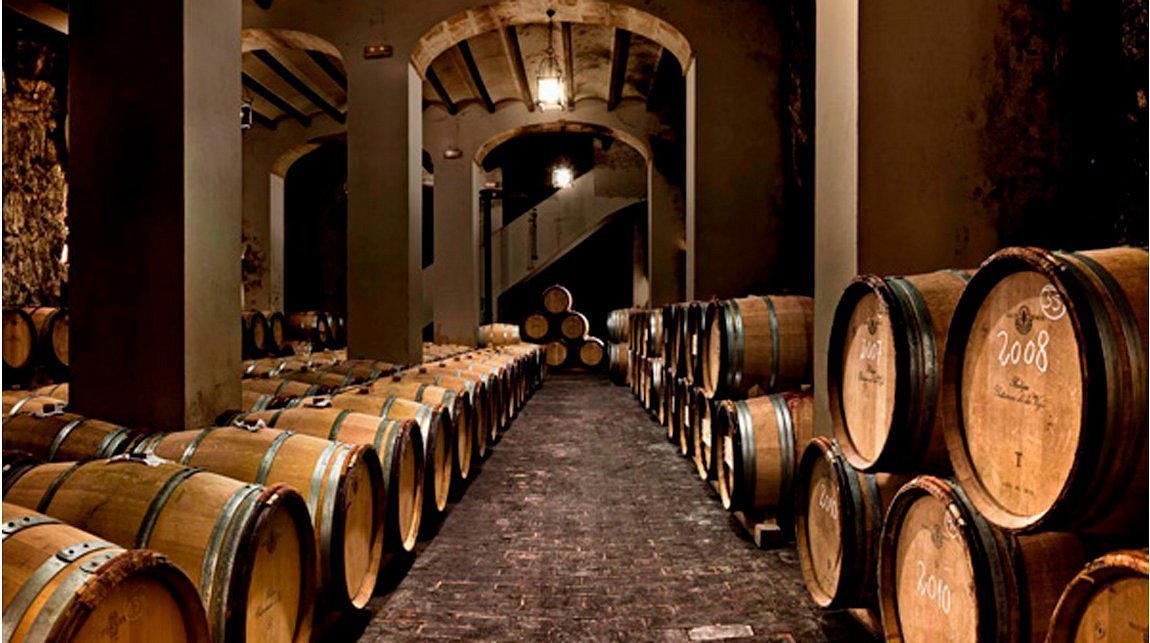
Bodegas Gutiérrez de la Vega
Parcent Alicante, Spain
A strong choice for wine travelers who want a quiet, guided Alicante tasting built around Moscatel de Alejandría, Monastrell and regional heritage. The appointment-only format makes it a poor fit for spontaneous itineraries, but Falstaff 3 Stars in 2026 and the family-run production focus give the visit real decision value.
Isimbarda
Santa Giuletta, Italy
Isimbarda is a good Santa Giuletta choice for a planned winery visit with heritage, vineyard detail and enough range for mixed groups. Expect an estate-led tasting built around Oltrepò Pavese varieties, Metodo Classico Pinot Noir, Bonarda, whites and wood-aged reds rather than a restaurant-style wine stop.
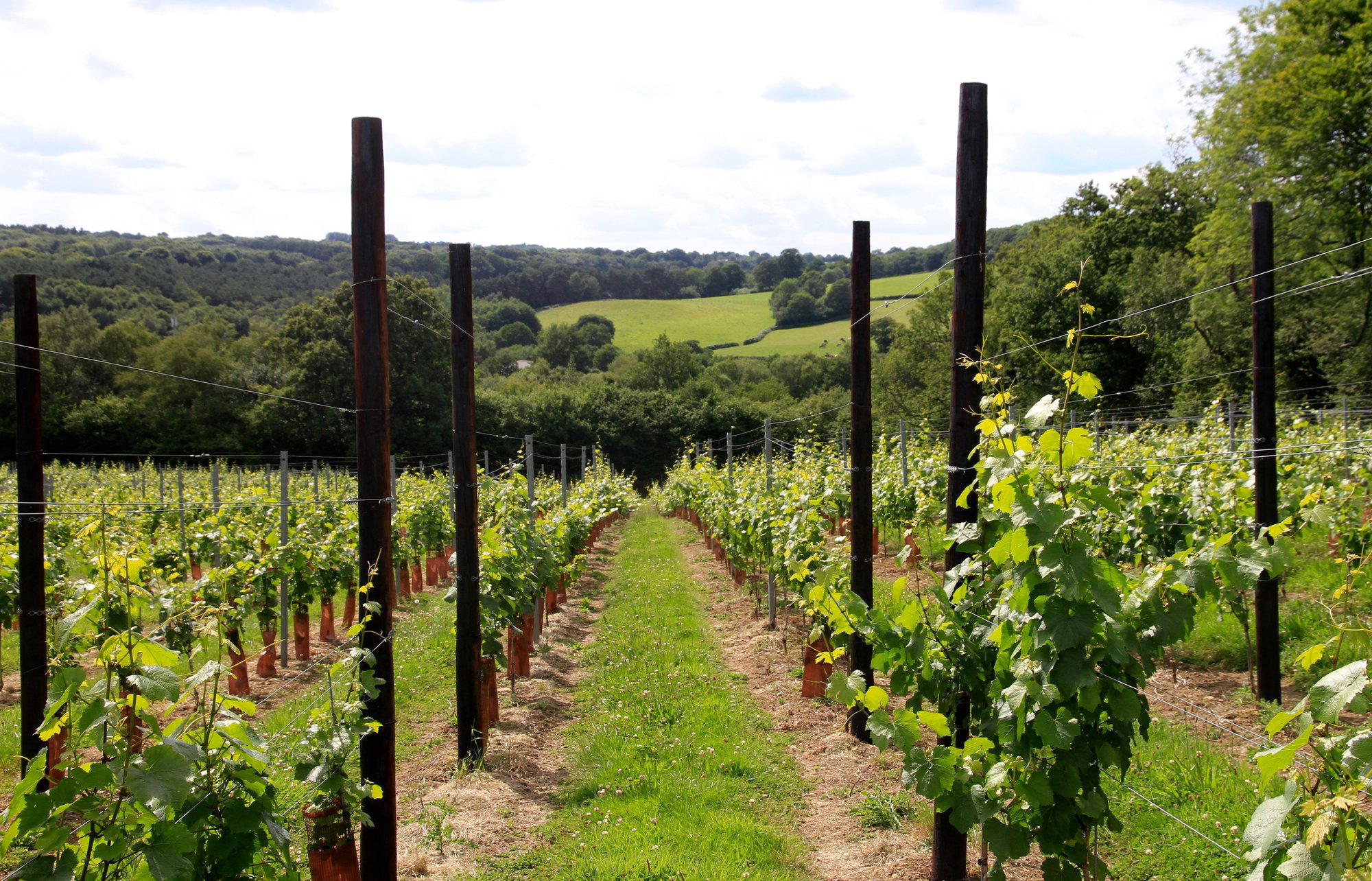
Busi Jacobsohn Wine Estate
Eridge Green, United Kingdom
Busi Jacobsohn Wine Estate works if the goal is a focused English wine stop in Eridge Green, backed by a Falstaff listing for 2026. Treat it as a tasting-led visit to confirm in advance rather than a guaranteed food or large-group venue, especially because public details on format, pricing, and shipping are not listed here.
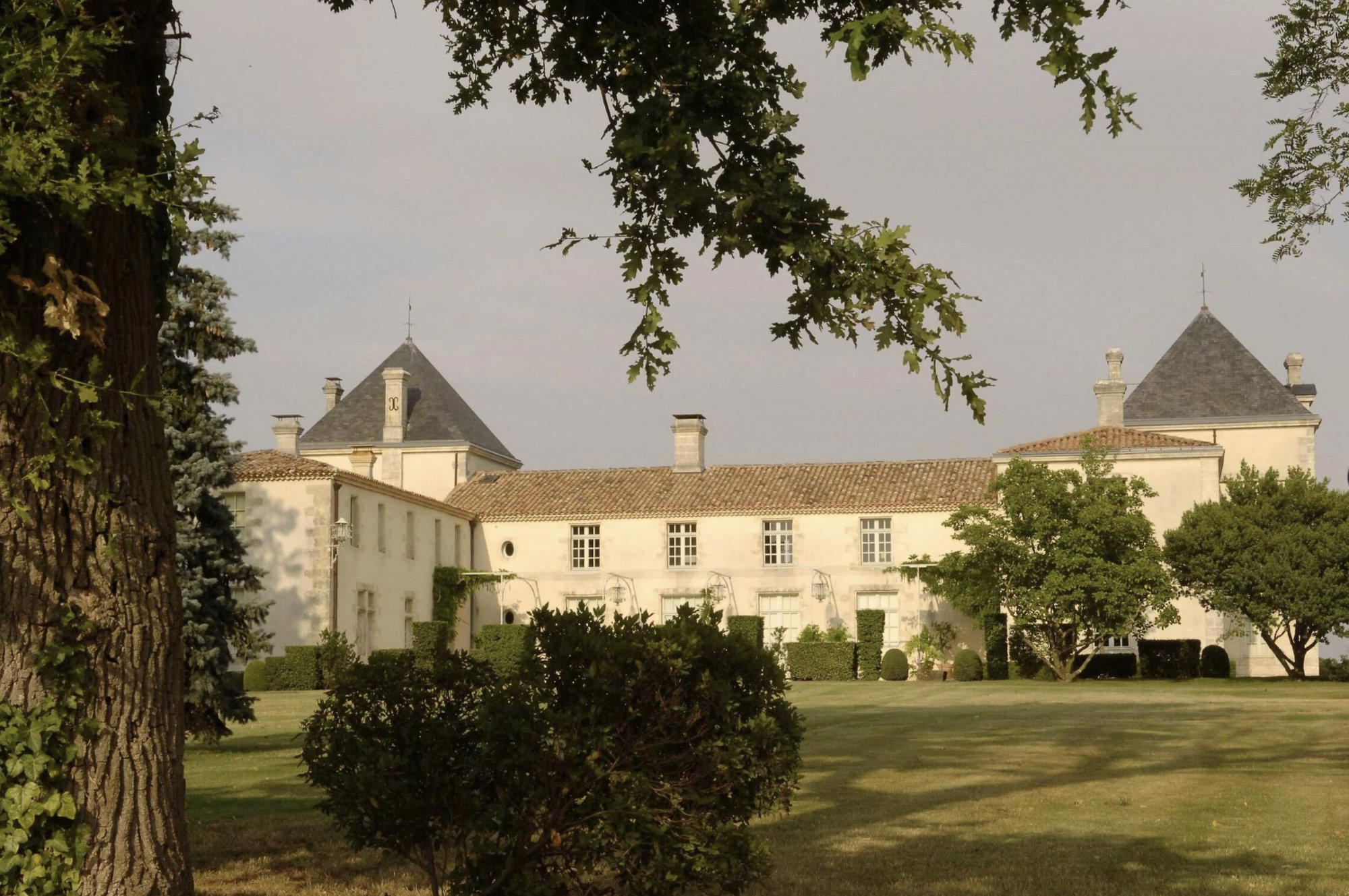
Château de Pez
Saint-Estèphe, France
Château de Pez is a good Saint-Estèphe pick for a polished château visit tied to a celebration, client outing, or wine-focused day in the Médoc. It is Falstaff Listed for 2026, which gives it a useful credibility signal, but plan separate dining and treat the visit as a wine experience rather than a full hospitality stop.
Damoli Bruno
Negrar, Italy
Damoli Bruno is worth prioritizing if the plan is a personal Valpolicella Classica tasting with serious Amarone credibility, not a large-scale winery circuit. The $$$ positioning makes sense for couples or small groups who want a quieter cellar setting, guided conversation, and a portfolio built around local grapes rather than a quick, generic tasting stop.
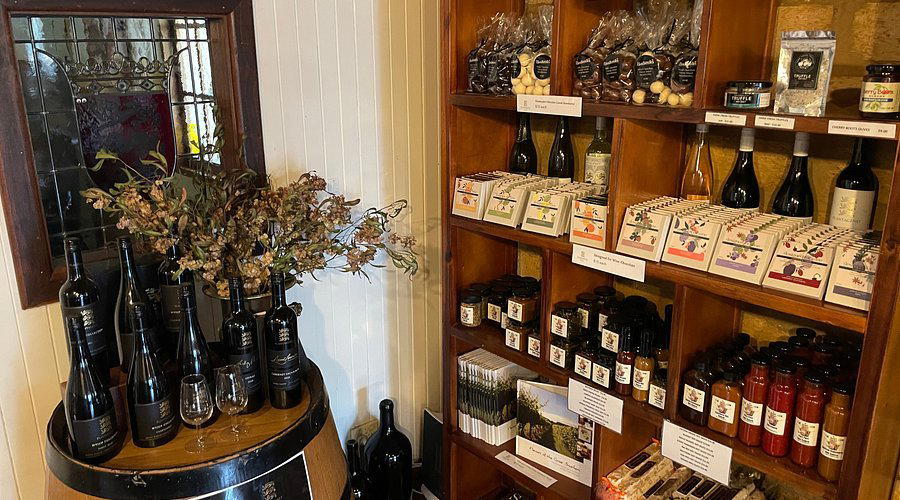
Plantagenet Wines
Great Southern, Australia
Plantagenet Wines is worth prioritising if the goal is a serious Mount Barker anchor for a Great Southern wine day, not a casual stop with assumed food or group services. The smart move is to plan it as a wine-led visit, confirm logistics ahead, and compare it with Frankland Estate, Castle Rock Estate, Swinney, Picardy Wines, and Flowstone Wines when shaping the route.
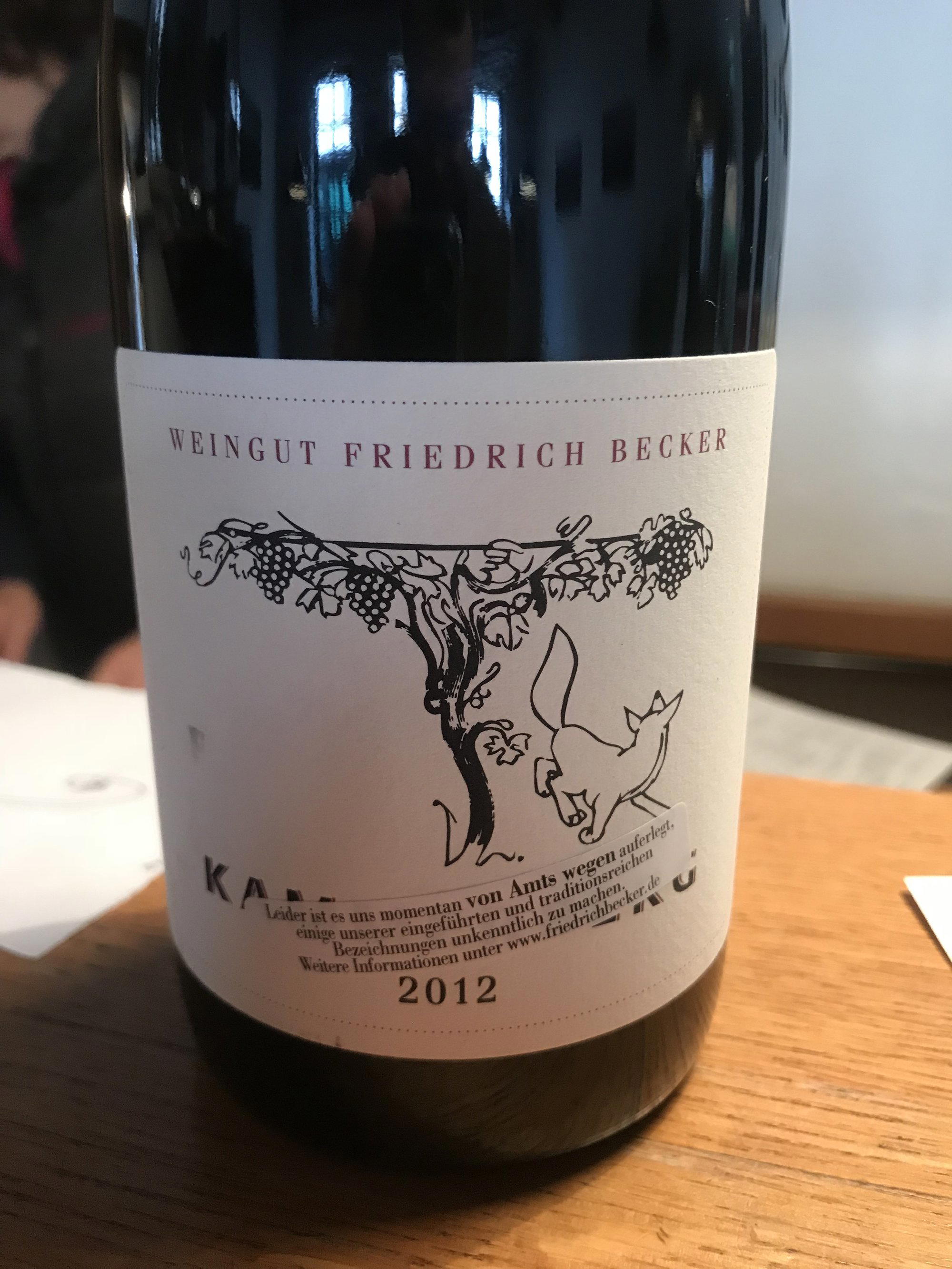
Weingut Friedrich Becker
Schweigen-Rechtenbach, Germany
Book Weingut Friedrich Becker if the priority is a serious, wine-led Pfalz stop near the French border, not a casual drop-in tasting with food and extras. First-timers should plan it as an appointment-style winery visit and build meals, hotels, and other stops separately around Schweigen-Rechtenbach.
Corte Scaletta
San Martino Buon Albergo, Italy
Corte Scaletta is a strong fit for wine travelers who want a quiet, appointment-led Valpolicella visit near Verona. The draw is the focused estate portfolio, from Valpolicella DOC through Ripasso and Amarone della Valpolicella DOCG, in a rural Marcellise Valley setting that suits small groups more than a casual drop-in crowd.
Fazi Battaglia
Castelplanio, Italy
Book Fazi Battaglia if Verdicchio is the reason for the trip. The Castelplanio estate is strongest as a focused Marche winery visit built around Castelli di Jesi, Titulus, and its recognizable amphora-shaped bottle, with a classic hill-vineyard setting that works well for a date, celebration, or business stop. Skip it if the day needs a meal-driven or late-afternoon tasting-room format.
Domaine du Clos de l'Oratoire des Papes
Châteauneuf-du-Pape, France
Book Domaine du Clos de l'Oratoire des Papes if the goal is a serious Châteauneuf-du-Pape tasting with a stronger white-wine angle than many first-timers expect from the appellation. The priory setting, Ogier connection and Falstaff Winery listing for 2026 make it a polished, educational stop rather than a casual tasting-room drop-in.
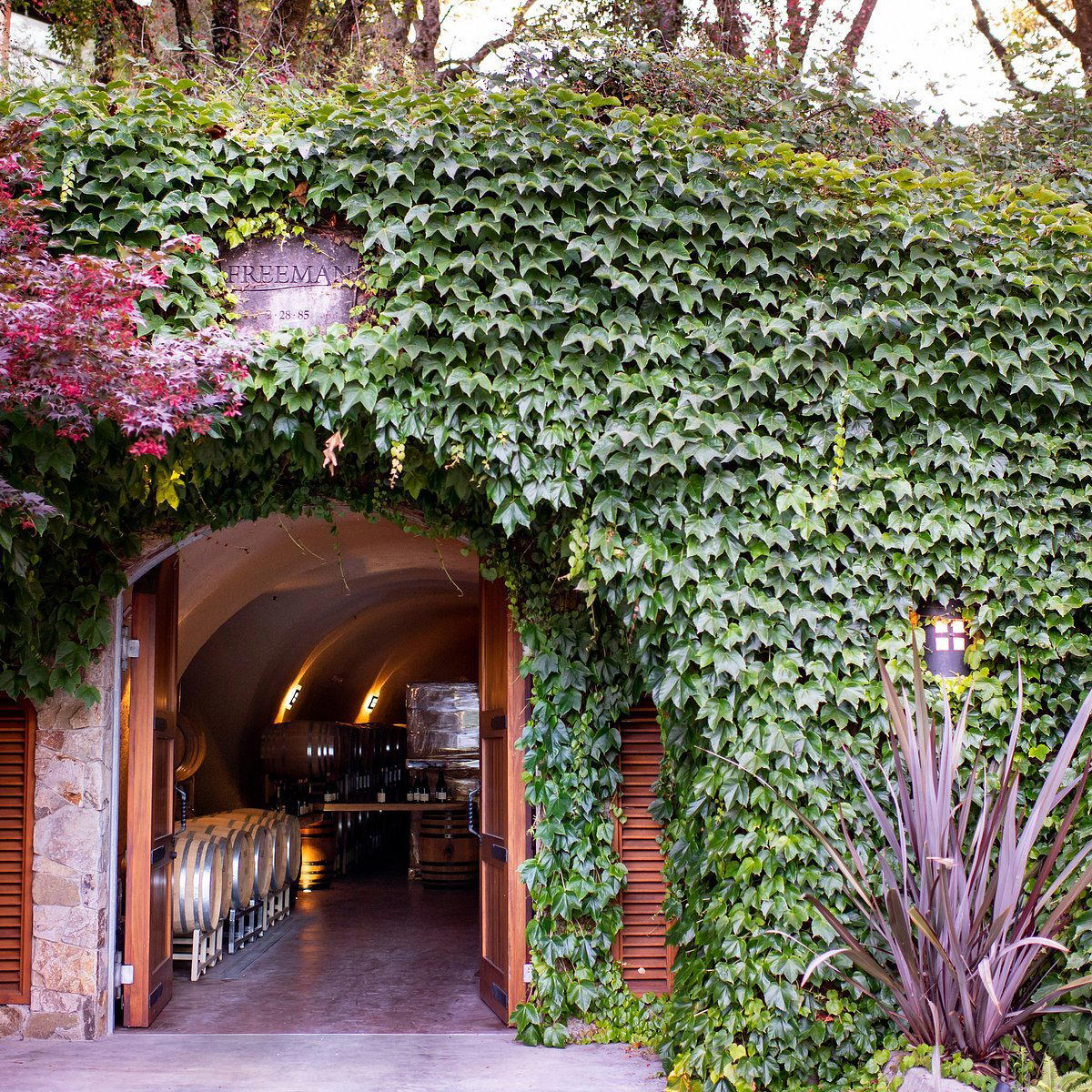
Freeman Vineyard & Winery
Sebastopol, United States
Freeman Vineyard & Winery is the Sebastopol pick for travelers who want a slower, estate-led wine-country stop rather than a packed tasting-room circuit. It is worth prioritizing if the setting is part of the reason for the visit, but have nearby backups ready because logistics are not as easy to plan around as more open-format winery stops.
Frtus Winery
Rybnik, Slovakia
Book Frtus Winery if the goal is a polished Slovak winery setting for a date, celebration, or small hosted gathering. The value is strongest when the visit includes the atmosphere and event-ready grounds, not just a quick tasting; Falstaff Listed (2026) adds a useful quality signal for a $$ winery.
Gratus Weinwerkstatt
Gotzens, Austria
Book Gratus Weinwerkstatt if you want a small, appointment-only Austrian red-wine tasting with real production detail rather than a polished cellar-door setup. The draw is St. Laurent from biologically farmed Thermenregion fruit, garage-scale vinification, and Falstaff Listed recognition for 2026. Skip it if you need walk-in flexibility, food service, or a large-group hospitality format.
Domaine des Bonnettes
Bernex Ge, Switzerland
Domaine des Bonnettes works as a wine-first stop in Bernex Ge, especially for travelers using Geneva’s vineyard belt as context rather than looking for a full dining program. Its Falstaff listing in 2026 is the main trust signal; plan food separately and treat the visit as part of a wider local wine itinerary.
Château Mayne du Hayot
Barsac, France
A Falstaff-listed Barsac estate for travelers who want classic Sauternes sweet white wine without a heavily produced visitor format. Château Mayne du Hayot makes the strongest case for drinkers focused on Sauvignon Blanc-Sémillon, noble-rot context, and bottle buying rather than polished hospitality.
Bioweingut Preisinger-Reinberger
Unterstockstall, Austria
Book Bioweingut Preisinger-Reinberger if you want a small, family-run Wagram organic winery with a practical value case rather than a glossy tasting-room experience. The draw is the long-running organic approach, ten-hectare scale, local white varieties, and appointment-led feel. It is strongest for drinkers returning to the region who want more specificity than a broad first-timer tasting.
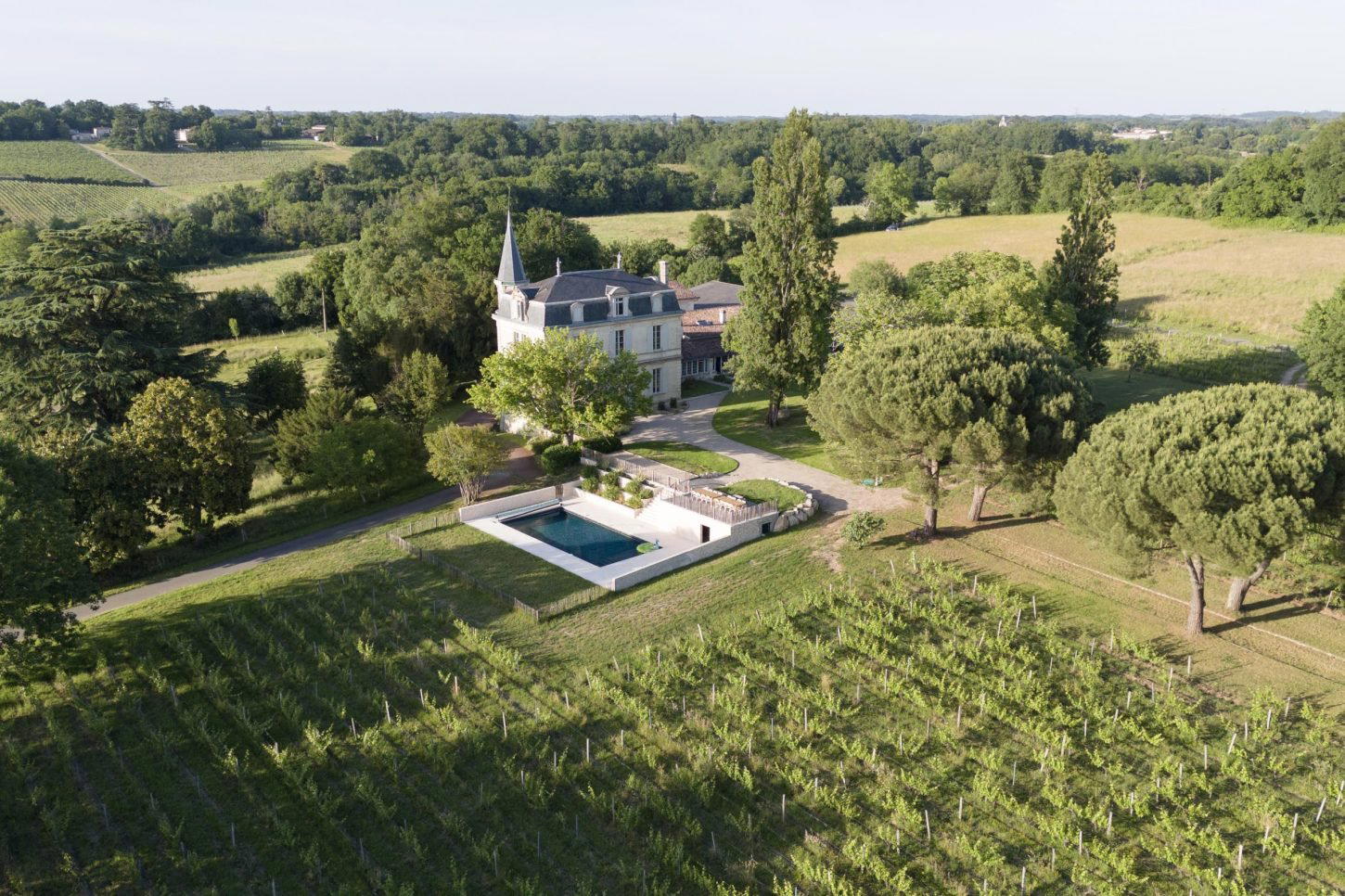
Château Latour Camblanes
Camblanes Et Meynac, France
Château Latour Camblanes works for a quiet, appointment-only look at Merlot and Cabernet Franc from the Côtes de Bordeaux orbit. It is a better fit for wine-focused visitors than for travelers looking for a food-pairing program, event schedule, or polished tourism setup. Falstaff Winery listing in 2026 adds a useful credibility signal.
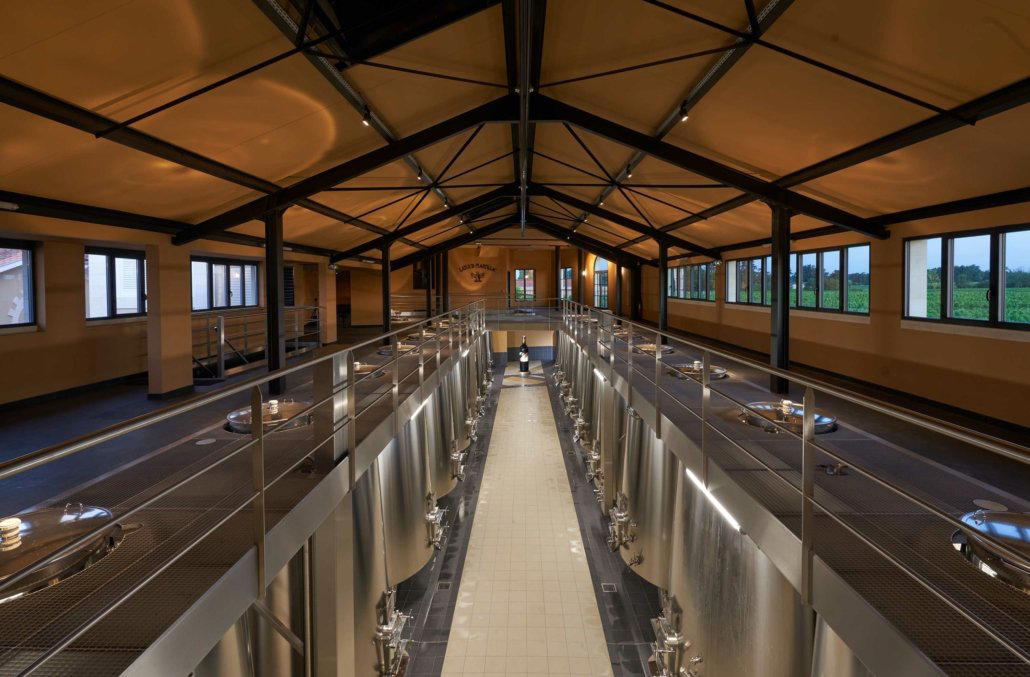
Château Latour-Martillac
Martillac, France
Château Latour-Martillac is a strong special-occasion pick in Martillac if the estate setting and Pessac-Léognan context matter to the visit. Falstaff lists the winery at 2 Stars for 2026, but practical details should be treated as appointment-led rather than casual walk-in planning.
DEGN.wein
Hohenruppersdorf, Austria
DEGN.wein is worth booking if the goal is a grounded Weinviertel winery visit built around vineyard care, sustainability, and regional varieties rather than polished wine-tourism production. The strongest fit is a small group that wants producer context, Grüner Veltliner perspective, and a rural Hohenruppersdorf setting at a $$ price tier.

Familienweingut Tement
Ehrenhausen, Austria
Familienweingut Tement is a winery in Berghausen near Ehrenhausen.
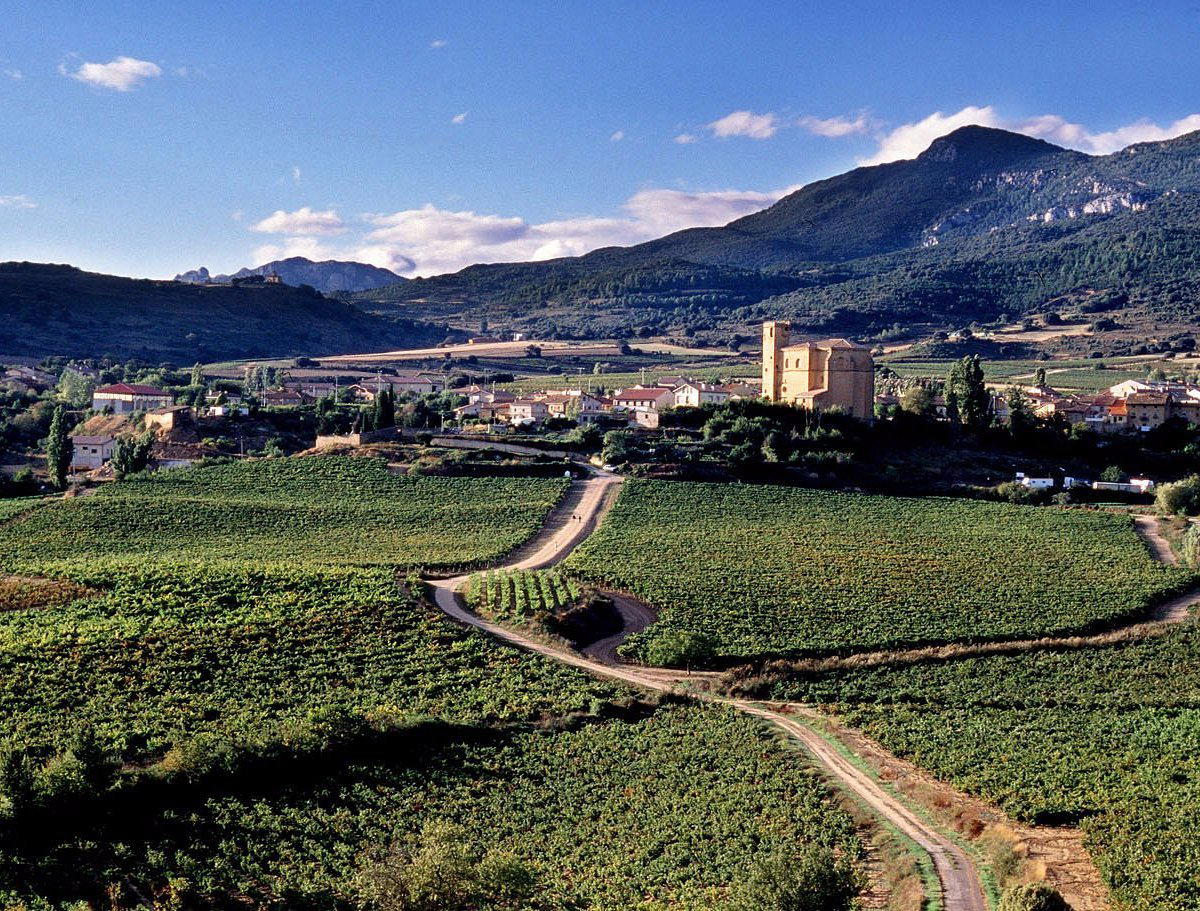
Bodegas Remírez de Ganuza
Samaniego Alava, Spain
Against broader Samaniego wine options, Bodegas Remírez de Ganuza is the pick for travelers who care more about producer reputation than casual tasting-room convenience. Falstaff’s 5 Stars rating for 2026 is the main confidence signal. Treat it as a high-intent winery visit to plan ahead, especially if the day includes restaurants, hotels, or other wine-country stops nearby.
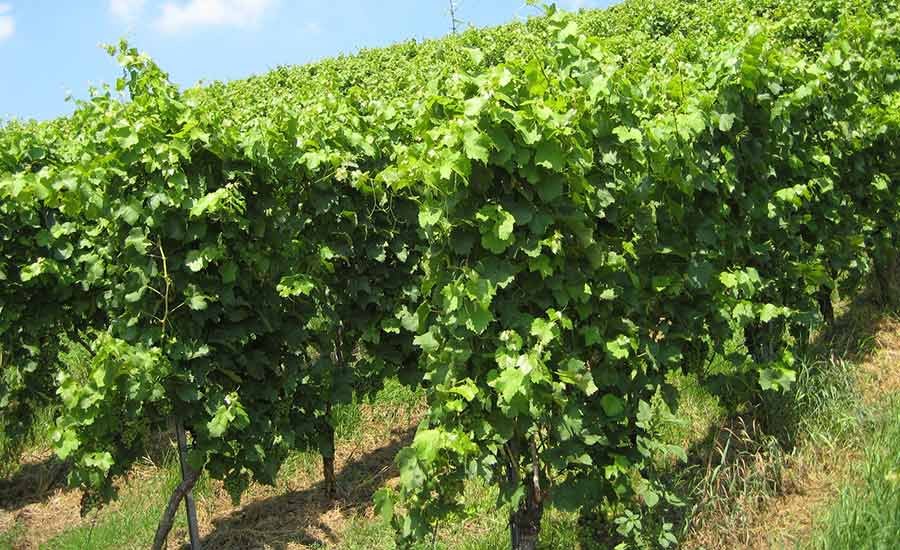
Champagne BARNAUT EARL
Bouzy, France
Champagne Edmond Barnaut is worth booking for Champagne drinkers who want a Bouzy grower visit with real cellar context, not a glossy tasting-room stop. The private or guided format is the better value here, especially for understanding the Pinot Noir focus, the 1874 perpetual cuvée, and the 15-meter-deep underground cellars.
Château des Cossé
Chaudefonds Sur Layon, France
A quiet Loire château wine stop for travelers who care about Crémant de Loire, Cabernet d’Anjou, and a slower Anjou setting. Château des Cossé works for small, wine-focused visits where atmosphere matters, especially with its 2026 Falstaff listing as a quality signal.
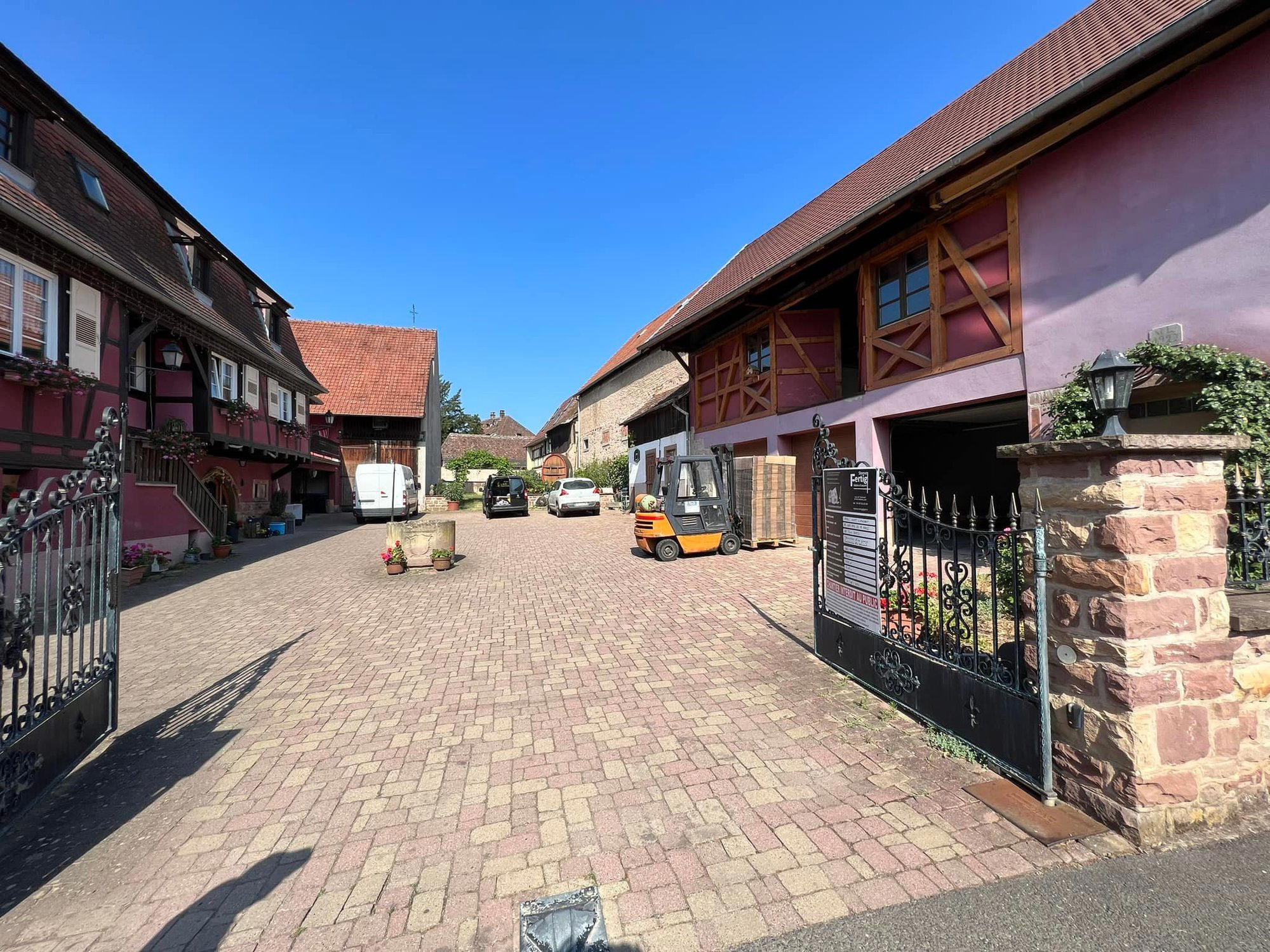
Domaine Laurent Vogt
Wolxheim, France
Book Domaine Laurent Vogt if you want a grounded Alsace tasting with real Wolxheim Riesling context rather than a staged luxury format. The draw is Grand Cru Altenberg de Wolxheim, Rothstein, a broad Alsatian portfolio, and practical cellar hospitality that works for individual visitors as well as arranged groups.
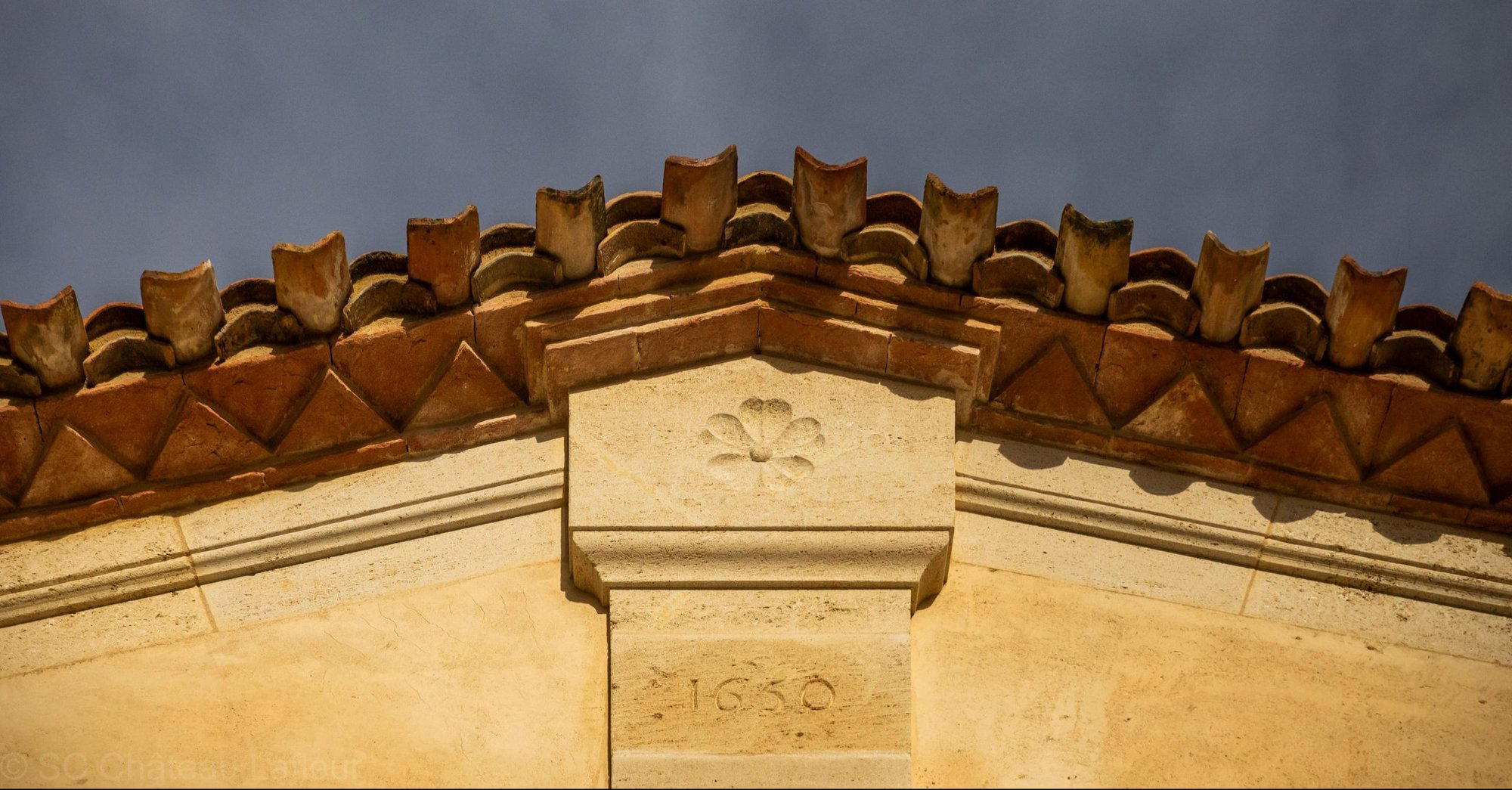
Château Grand Village
Mouillac, France
Château Grand Village is a wine-first Mouillac shortlist pick, better suited to collectors and celebration itineraries than casual drop-ins. Falstaff’s 2-star 2026 recognition gives it a credible quality signal, but practical visitor details are thin, so plan with backups for food, timing, and nearby stops.
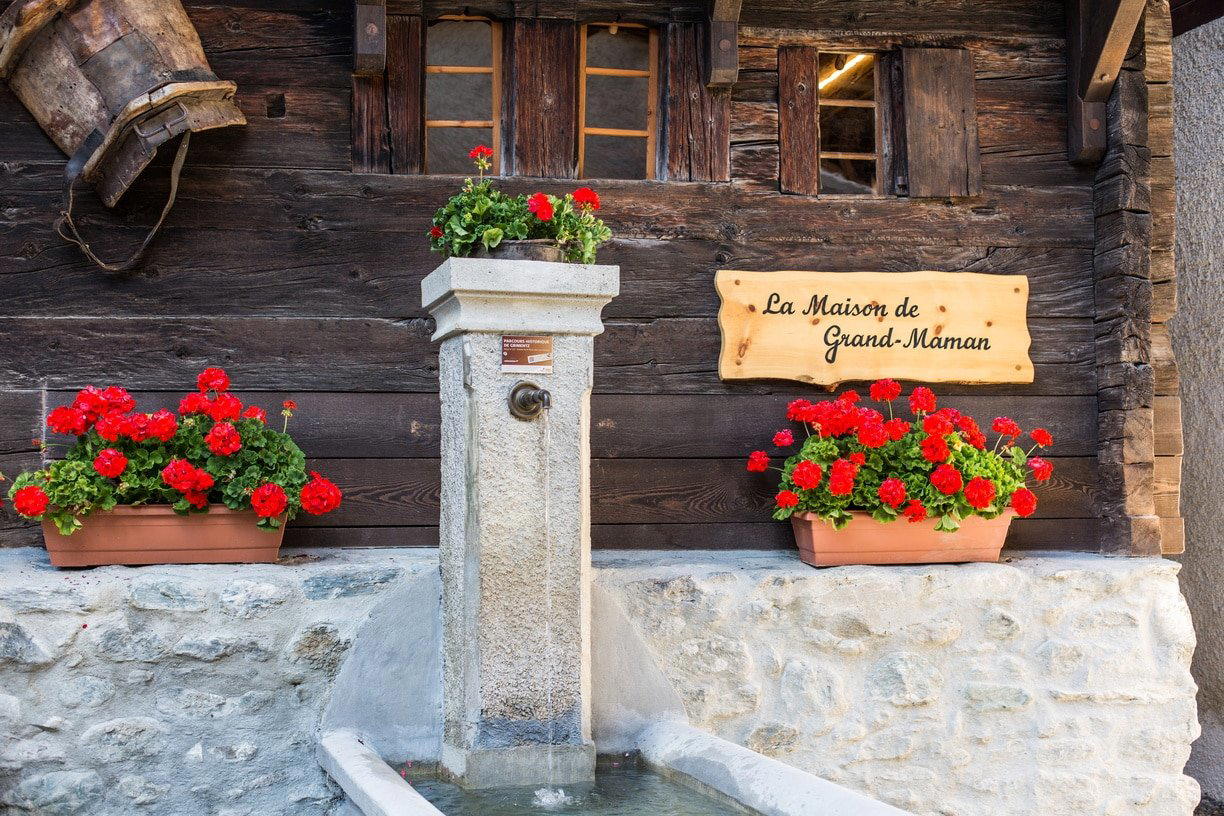
Bourgeoisie de Grimentz
Grimentz, Switzerland
Choose Bourgeoisie de Grimentz for a heritage-led cellar visit centered on Vin du Glacier, not for a broad tasting flight or bottle shopping. It suits couples and small groups who want a compact cultural wine experience in Grimentz, with Falstaff listing recognition in 2026 and an appointment-only format that rewards planning.
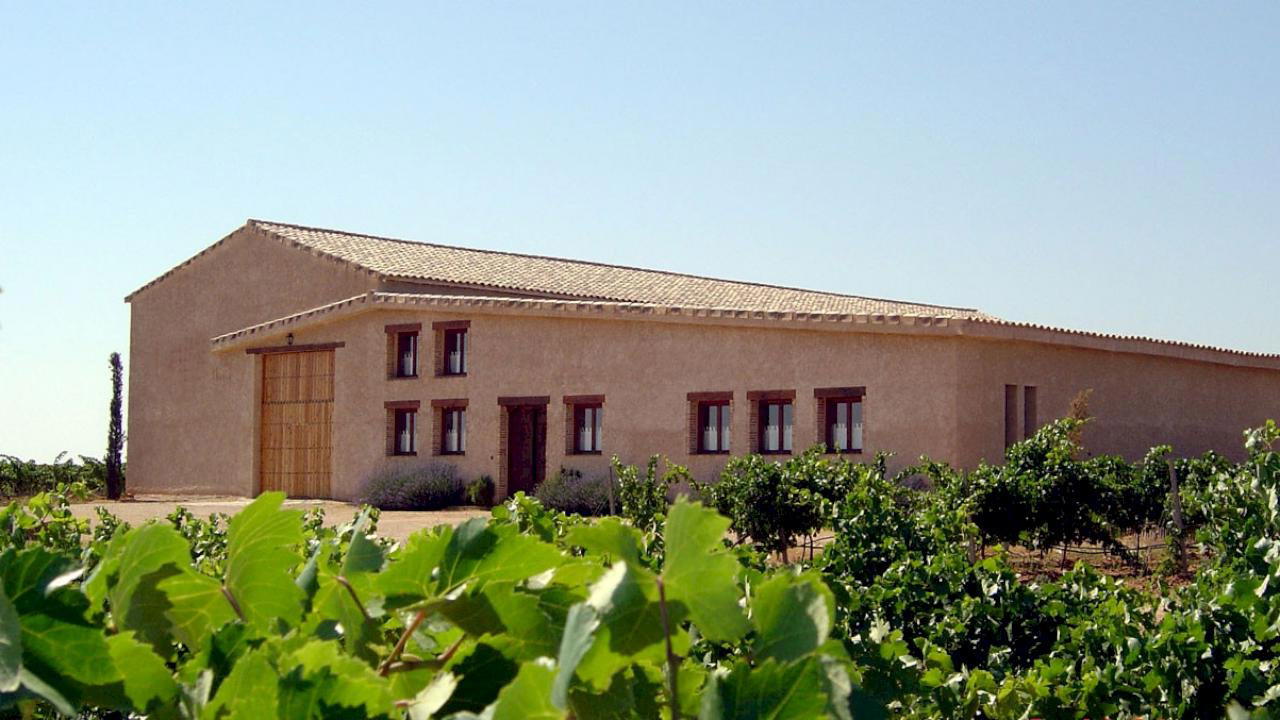
Bodegas Atalaya
Almansa, Spain
Bodegas Atalaya is strongest as a bottle-led Almansa pick, especially for Laya, a dark-fruited Garnacha Tintorera and Monastrell red from high-altitude vineyards. Choose it for value, structure, and regional character; do not treat it as a destination tasting unless visit logistics are already confirmed.
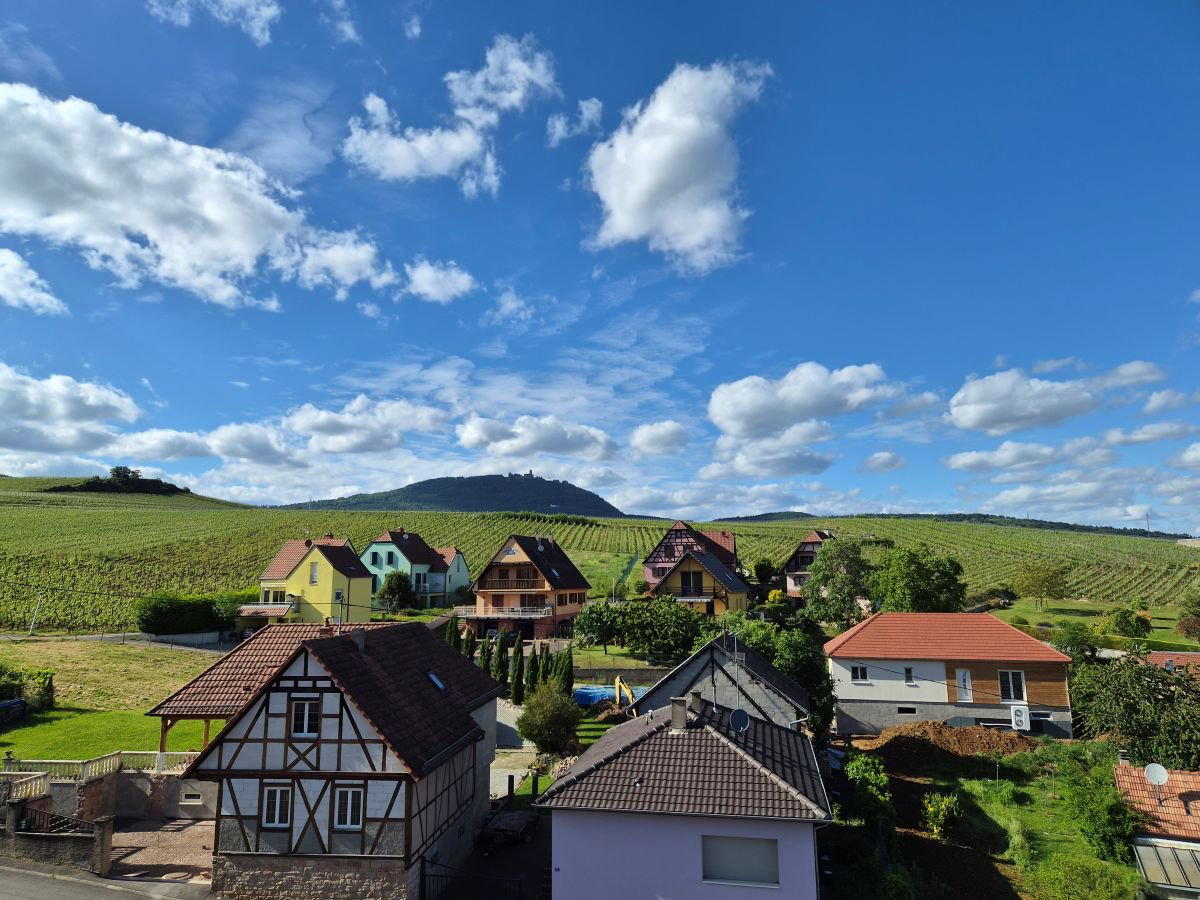
Ao Yun
Adong Village, China
Ao Yun is worth the effort if the draw is high-altitude Chinese fine wine in a remote Himalayan setting, not a casual tasting-room stop. The visit suits serious wine travelers who want vineyard context, village-scale geography, and a destination estate experience; groups seeking easy logistics or multiple same-day stops should choose a simpler itinerary.
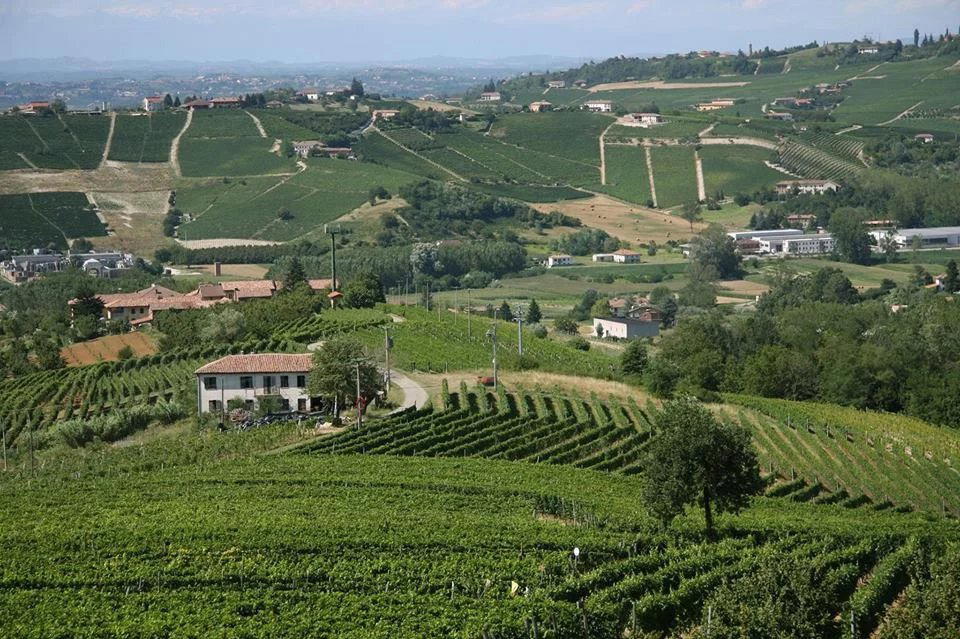
Gianni Doglia
Castagnole Delle Lanze, Italy
Book Gianni Doglia if you want a concise, family-run Piedmont winery visit focused on Moscato rather than a large estate production. The tasting is strongest for travelers who value regional explanation, local pairings, and a relaxed cellar setting; it is less suited to anyone seeking a broad luxury tasting sequence.
Bartinney
Stellenbosch, South Africa
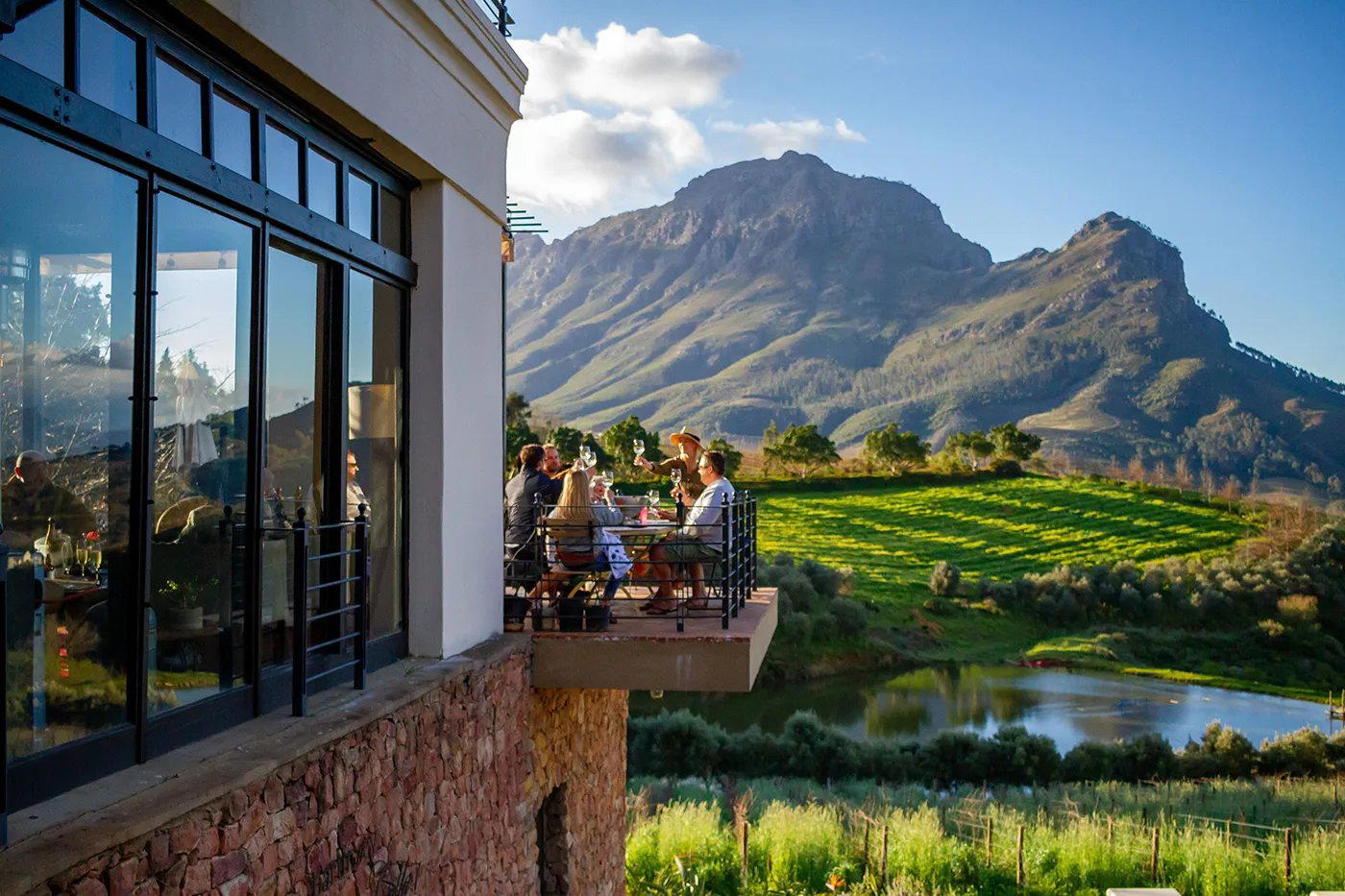
Bartinney is worth booking for a slower Stellenbosch tasting built around mountain views, a relaxed Tasting Shed, and a clear link between site and wine. It suits couples and small adult groups who want atmosphere plus context, especially through the Wine & Fynbos Experience, rather than a full restaurant-led winery day.
CDZ Vini
Turin, Italy
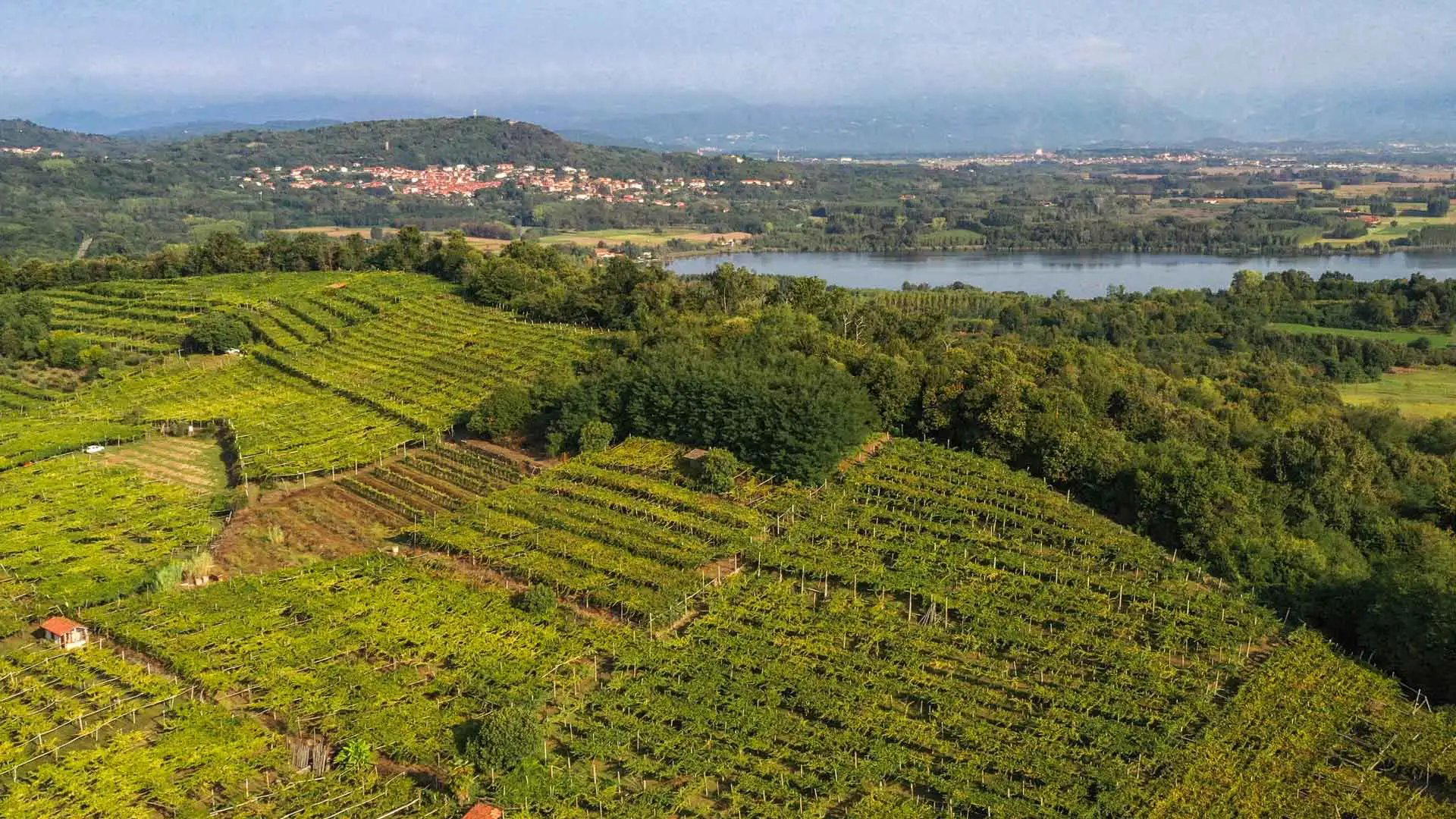
Choose CDZ Vini for a trade-minded look at modern Piedmont wine production, not for a casual tasting-room afternoon. The draw is its private-label, bottling, analysis, and packaging capability across many Italian wine styles, with Monferrato context and VEGANOK-aligned standards adding credibility.
Bulichella
Suvereto, Italy
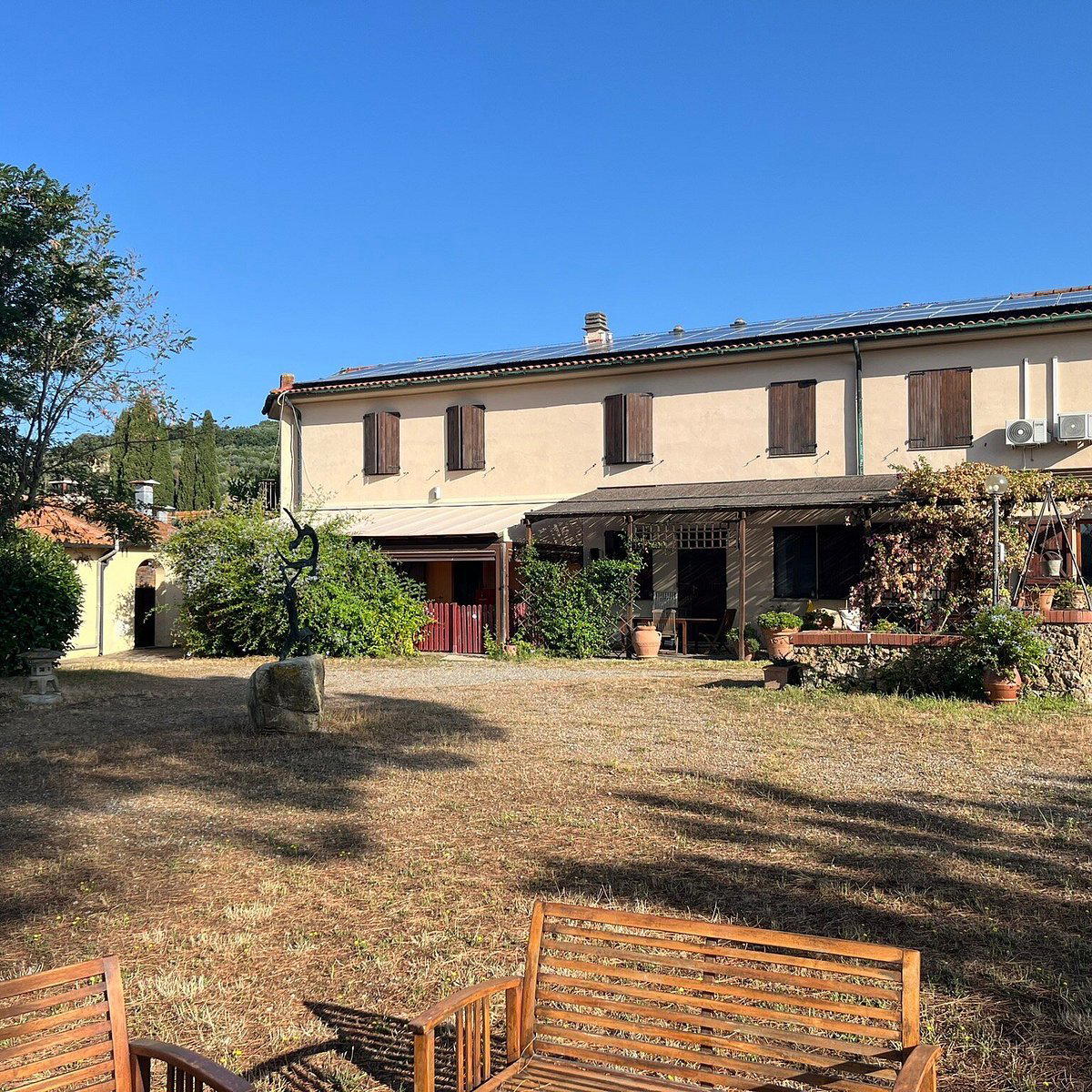
Bulichella is worth booking for travelers who want a quiet organic Suvereto estate rather than a glossy tasting-room experience. The draw is coastal Tuscan context: vineyards, olive groves, a family-run agriturismo setting, and a portfolio spanning Sangiovese, Bordeaux varieties, Syrah, and Vermentino.
Gundlach Bundschu Winery
Sonoma, United States
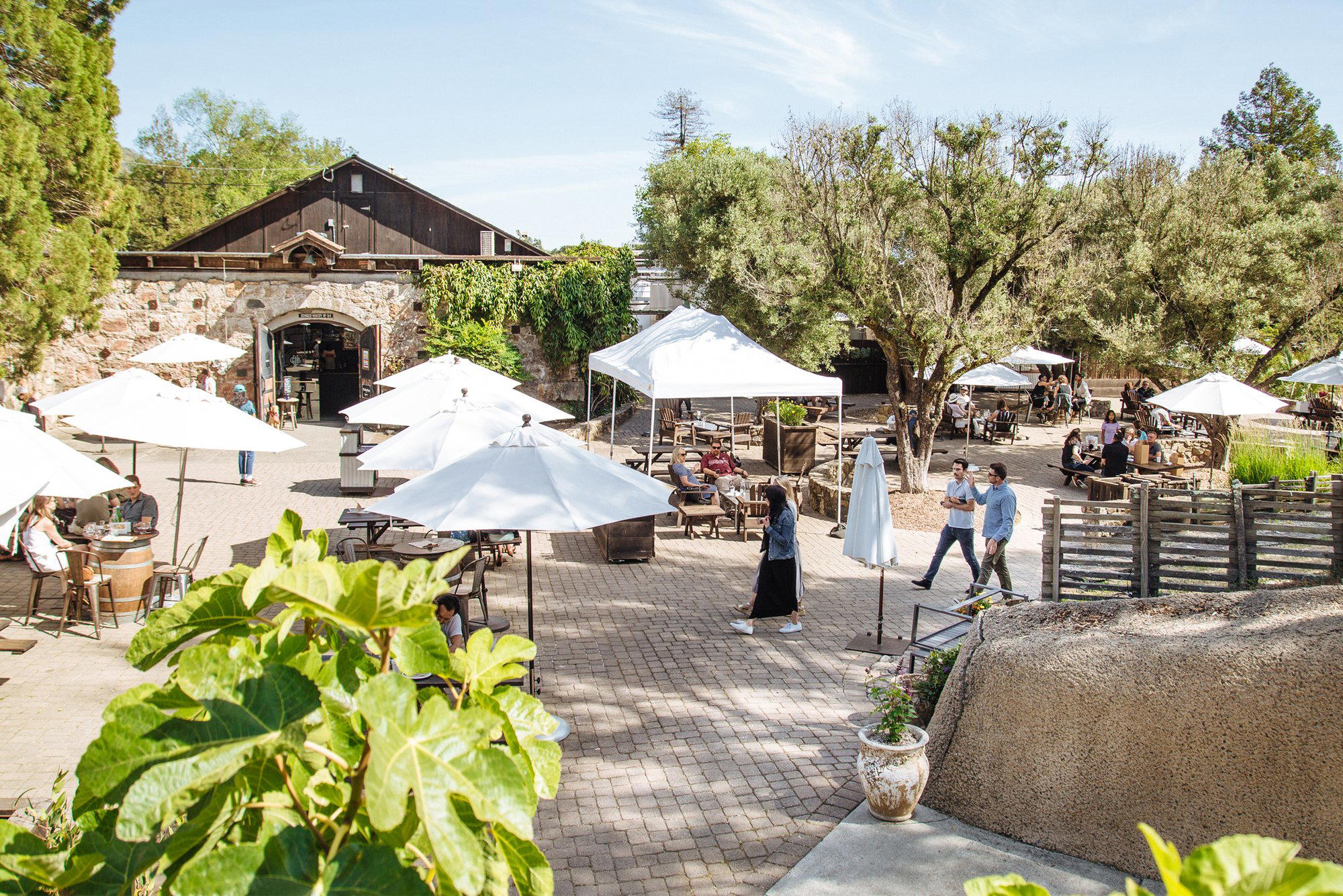
Gundlach Bundschu Winery is worth prioritizing for a planned Sonoma wine day, especially if a more focused or private-feeling tasting is the goal. It is not the easiest flexible stop, so build the itinerary around it and cross-shop Scribe, Buena Vista, or Patz & Hall if availability or group style becomes the deciding factor.
Domaine de la Maurette
La Motte, France
Book Domaine de la Maurette for a relaxed, good-value Provence tasting with cellar context, estate wines, and local products like olive oil and tapenade. It is stronger as a countryside wine stop than as a full dining destination, and it suits groups or curious wine travellers who want depth without a formal luxury format.
I Barisèi
Erbusco, Italy
Book I Barisèi if the goal is a focused Franciacorta tasting in Erbusco with a quieter, occasion-friendly feel. The value case is strongest for couples or small groups who care about sparkling wine and want a hilltop setting, not for visitors looking for a confirmed food program or a full production-tour itinerary.
Château Pibran
Pauillac, France
Château Pibran is worth pursuing for Bordeaux travelers who care about Pauillac structure, recent-vintage improvement, and a quieter cellar-focused estate setting. It is appointment only and better suited to collectors than casual tasters, with the strongest case built around its Merlot-influenced blend, technical link to Château Pichon Baron, and Falstaff 2 Stars recognition for 2026.
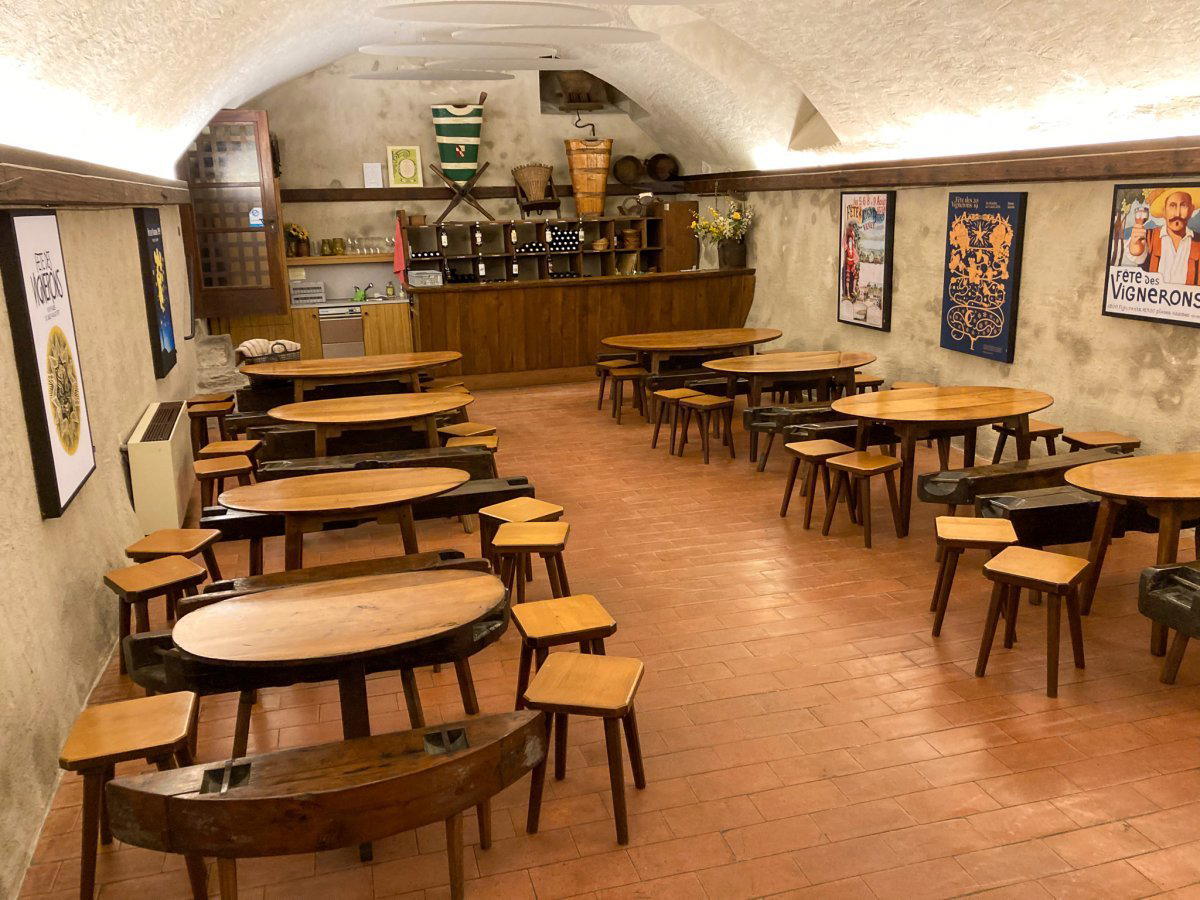
Cave Communale de Saint-Saphorin
Saint-Saphorin (Lavaux), Switzerland
A smart, easy Lavaux stop for travelers who want Chasselas in its Saint-Saphorin context without committing to a formal estate appointment. Cave Communale de Saint-Saphorin is better for casual, place-driven tasting than for polished private hospitality; pursue an upgraded format only if guided terrace or appellation context is clearly available.
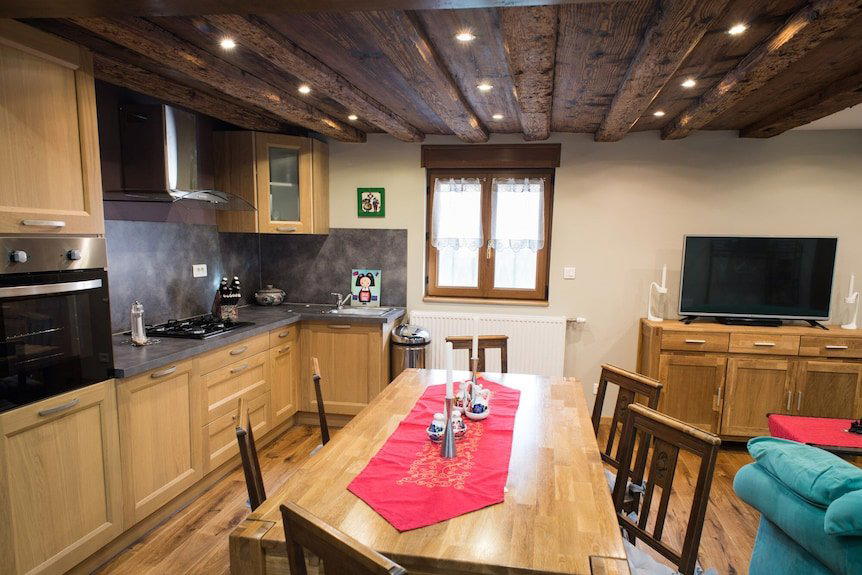
André Stentz
Wettolsheim, France
Book André Stentz if the priority is a focused Alsace winery stop in Wettolsheim rather than a restaurant-style outing. The 2026 Falstaff listing gives it a useful recognition signal, but visitors should treat food, fixed hours, wine-club terms, and flagship bottlings as details to confirm before building a celebration around it.
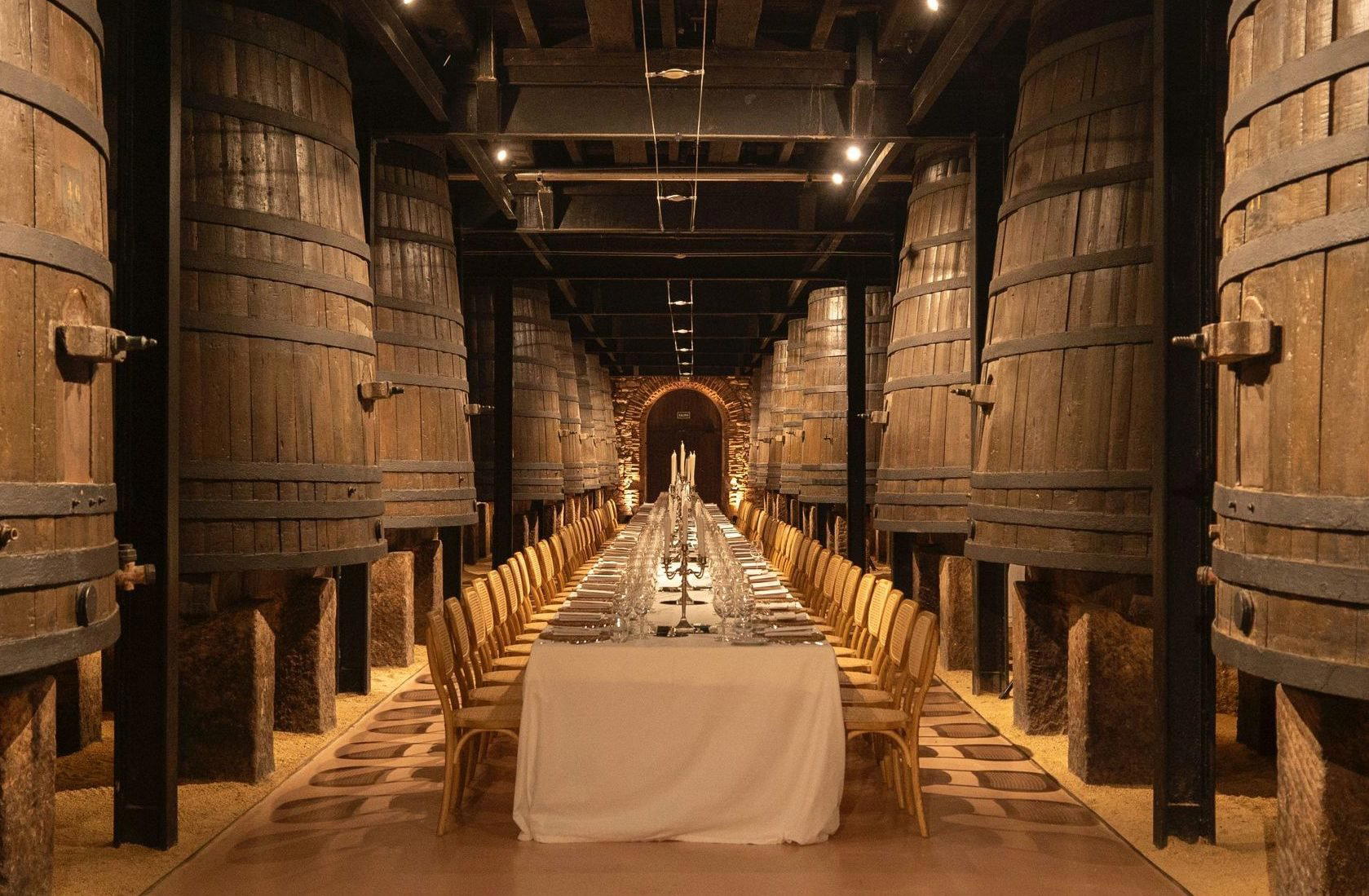
Bodegas y Viñedos Leza Garcia S.L.
Urunuela, Spain
A practical Rioja Alta pick for visitors who want an estate-grown, family-rooted tasting without turning the day into a luxury production. The appeal is the vineyard-to-bottle story across 105 to 120 hectares in the Najerilla Valley, plus a $$ price signal and Falstaff Listed recognition for 2026. Go for wine context and a relaxed special-occasion stop, not high-design hospitality.
How many of these have you visited?
Find out on Pearl and keep score across every place in 2026 Falstaff Winery Guide.