

2026 Falstaff Winery Guide: The Ultimate Wine Authority — Page 120
Falstaff's 2026 Wineries guide.

Venues on this list
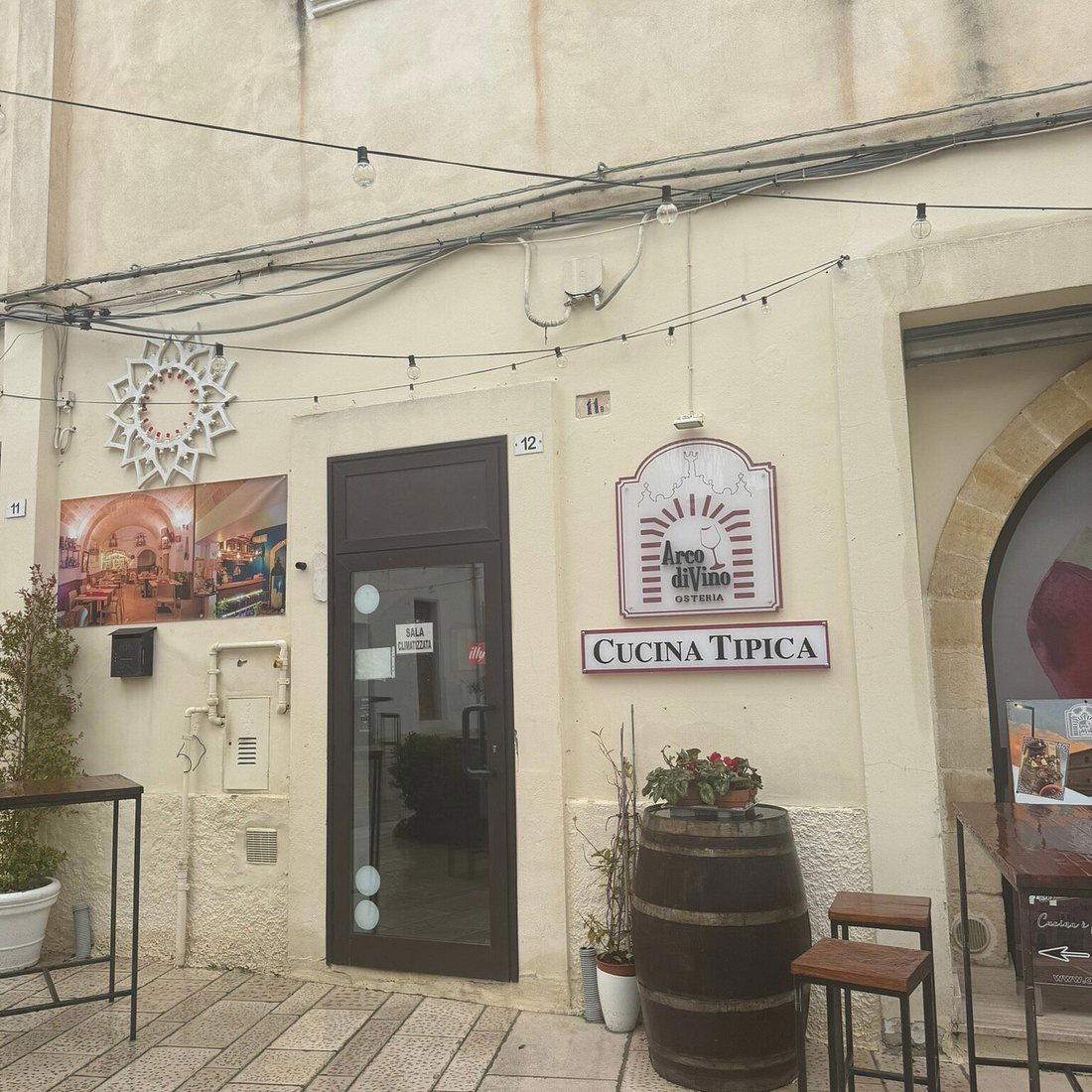
Azienda Monaci
Copertino, Italy
Azienda Monaci is a sensible Copertino shortlist pick for wine travelers who want local context over a packaged estate experience. The Falstaff listing adds credibility, but visitor details should be arranged in advance, so it suits flexible explorers better than large groups or tightly scheduled itineraries.
Château Roudier
Montagne, France
Château Roudier is a smart Montagne Saint-Émilion stop for travelers who want a calm vineyard setting and a practical read on Right Bank value. The flagship Merlot-led red is the point: estate-grown fruit, French oak aging and enough structure to justify the visit without turning it into a prestige-château splurge.
Jesuitenhof
Dirmstein, Germany
Jesuitenhof is worth booking for a calm, traditional Pfalz winery visit with a working-estate feel and walled-garden potential. Go for accessible dry wines, Riesling Sekt, and a small-group tasting format; skip it if the occasion needs restaurant-style food service or a high-design cellar door.
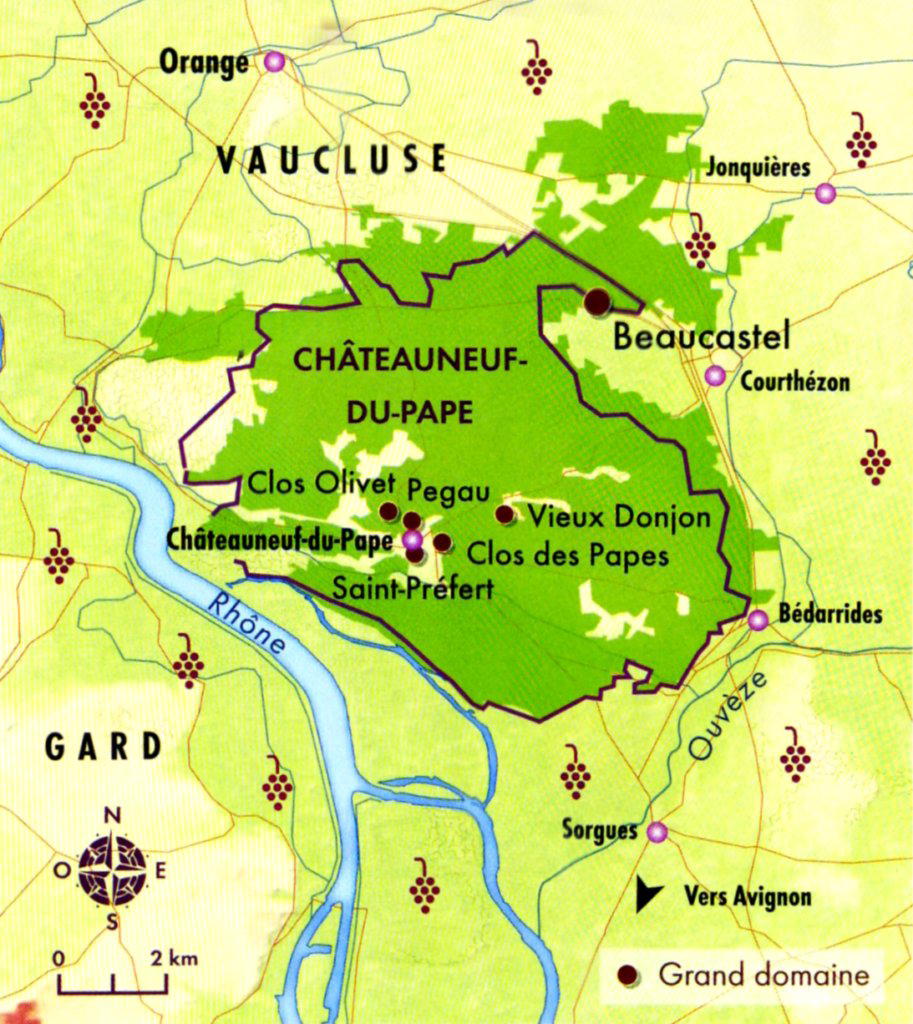
Château Fargueirol
Châteauneuf-du-Pape, France
Château Fargueirol is worth prioritizing if you want a grounded Châteauneuf-du-Pape tasting focused on old vines, galets, and traditional Rhône winemaking rather than luxury staging. The estate is family-run, Falstaff Listed for 2026, and strongest for visitors who want regional depth in a relaxed vineyard setting.
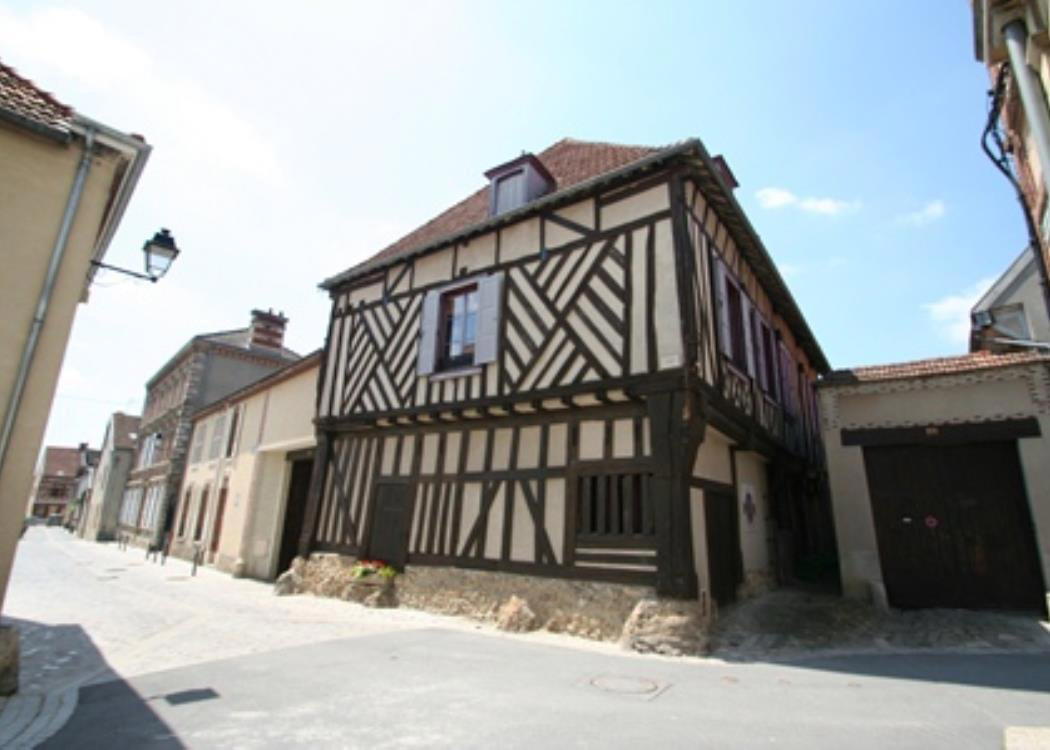
Champagne Pierre Leboeuf
Aÿ, France
A good-value Aÿ stop for travelers who want a personal grower-Champagne visit rather than a grand maison production. Expect a warm, sociable cellar tasting in a traditional vaulted setting, with enough recognition from Falstaff 2026 to make it feel credible without turning it into a trophy booking.
Kayra
Istanbul, Turkey
Kayra works as a simple Kadıköy hotel base, not as a wine or tasting-led venue. The draw is compact, practical lodging with easy city access; wine-focused travelers should plan bottles, tastings, and producer visits elsewhere.
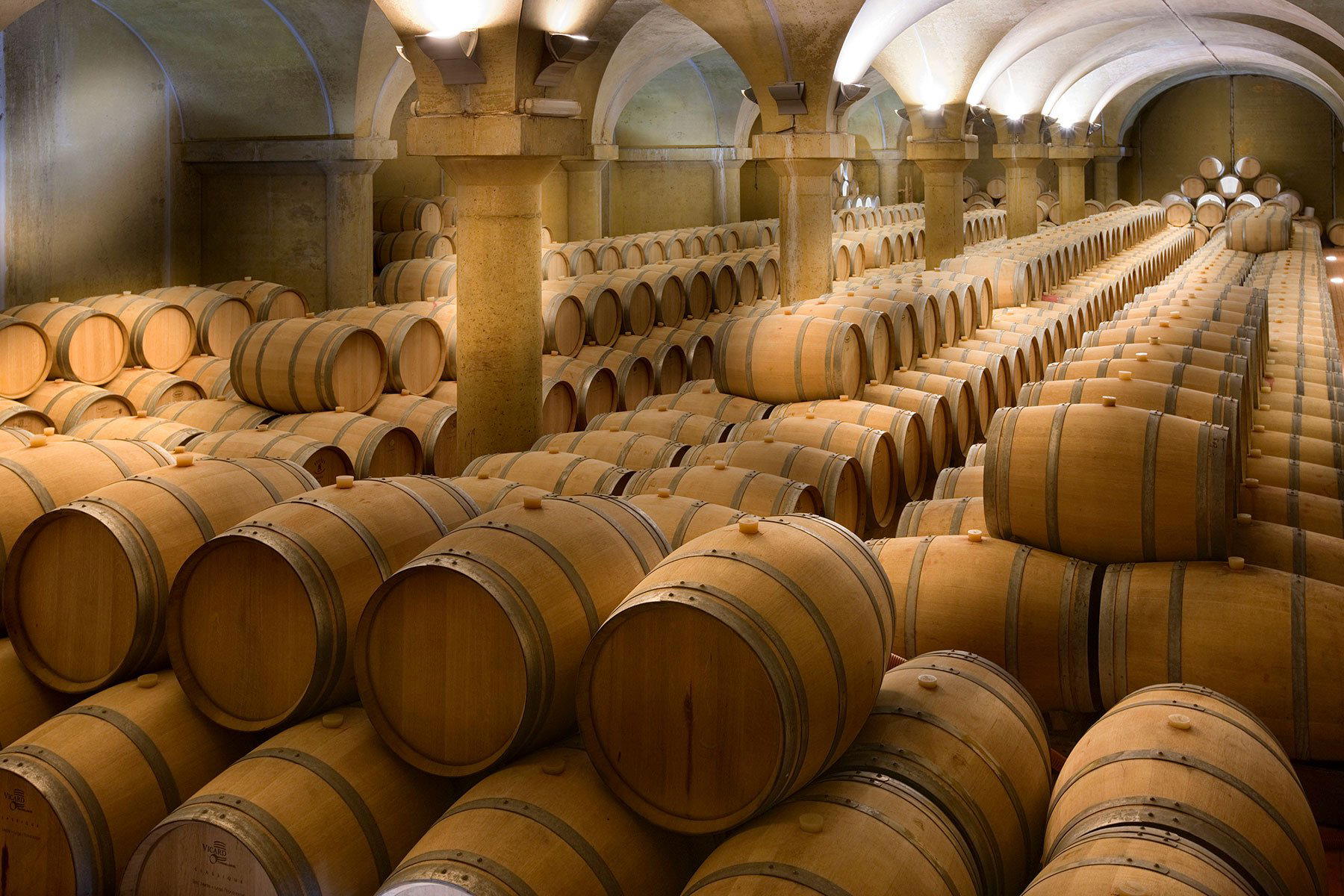
La Spinetta
Castagnole Delle Lanze, Italy
Plan Azienda Agricola La Spinetta as a focused Piedmont winery visit, not a casual add-on. Its Falstaff 4 Stars recognition for 2026 gives it a clear quality signal, and the smartest value case is for travelers using the tasting to make informed wine-buying decisions rather than simply filling an afternoon.
Evening Land Vineyards
Lompoc, United States
Evening Land Vineyards works for a focused Lompoc wine stop, especially if the goal is deciding which bottles merit buying or shipping. Recent Falstaff recognition in 2026 gives it a credible quality signal, but the safer use case is couples or small groups rather than a large, logistics-heavy outing.
Higher Plane Wines
Cowaramup, Australia
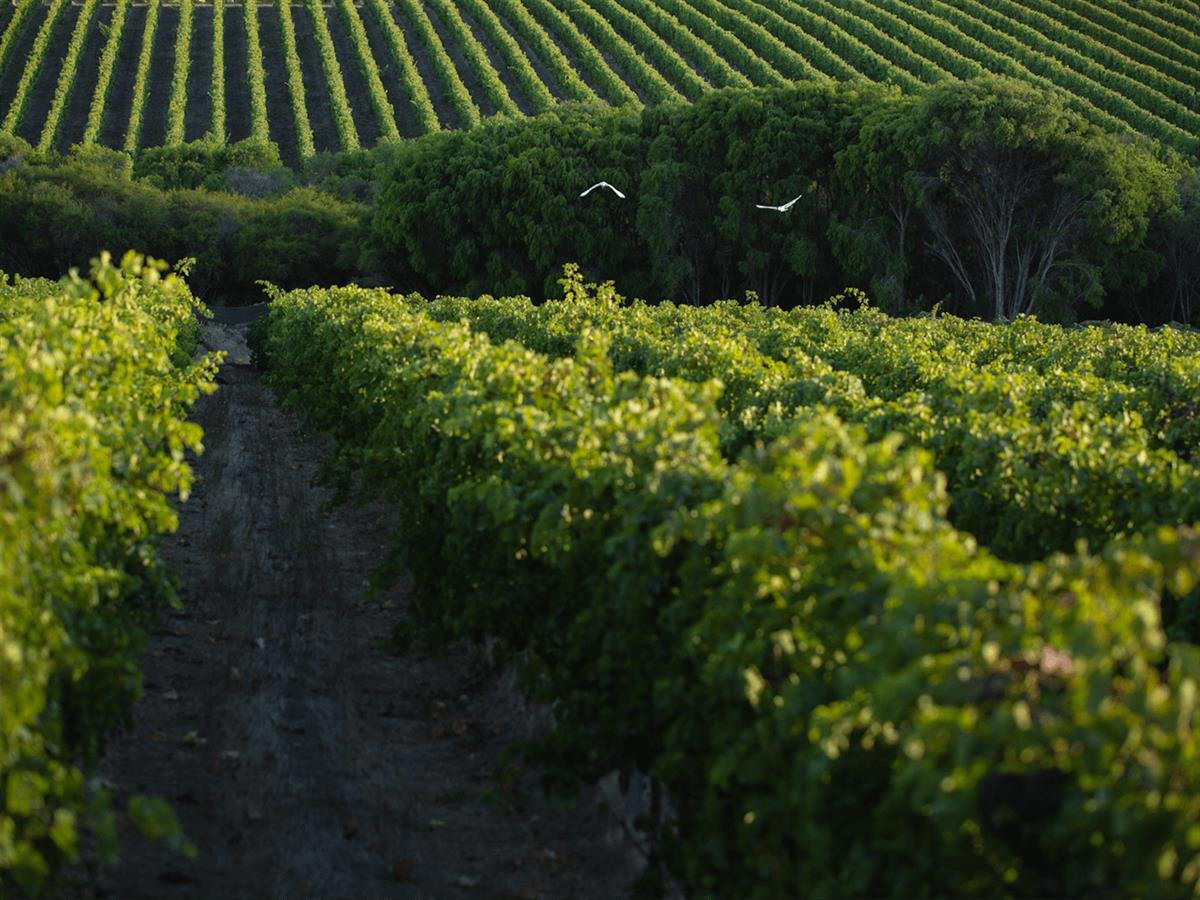
Book Higher Plane Wines if the goal is a quieter Margaret River vineyard stop with sustainable, vegan-friendly production and a modern range spanning Chardonnay, Fiano, Fumé Blanc, Cabernet Malbec, Syrah, Malbec, and Rosé. It is better for wine-focused couples or small celebration groups than for diners seeking a full hospitality program.
Fermí Bohigas
Olivella, Spain
Fermí Bohigas is worth choosing if the draw is a quiet Catalan estate with real heritage, cava roots, and a modern gravity-fed cellar rather than a highly packaged tasting-room setup. The setting adds meaningful context to the wines, especially for visitors interested in native varieties, old vines, and estate-driven production.
Estancia
Mendoza, Argentina
Estancia works if the Mendoza plan is built around high-altitude Malbec and portfolio depth rather than a guaranteed luxury hospitality format. Its strongest signal is the Vista Flores single-vineyard work, backed by Falstaff Listed recognition in 2026, while the broader range makes it better for curious tasters than for anyone seeking a tightly defined allocation model.
Gran Buel
Ritten, Italy
Gran Buel is worth targeting if a South Tyrol winery visit should feel rooted in hillside terrain, farm architecture, and a compact wine portfolio. It suits travelers who care about place and design as much as tasting range; skip it if you need a published walk-in format or a broad lineup before committing.
Cave de l'Ormarine
Pinet, France
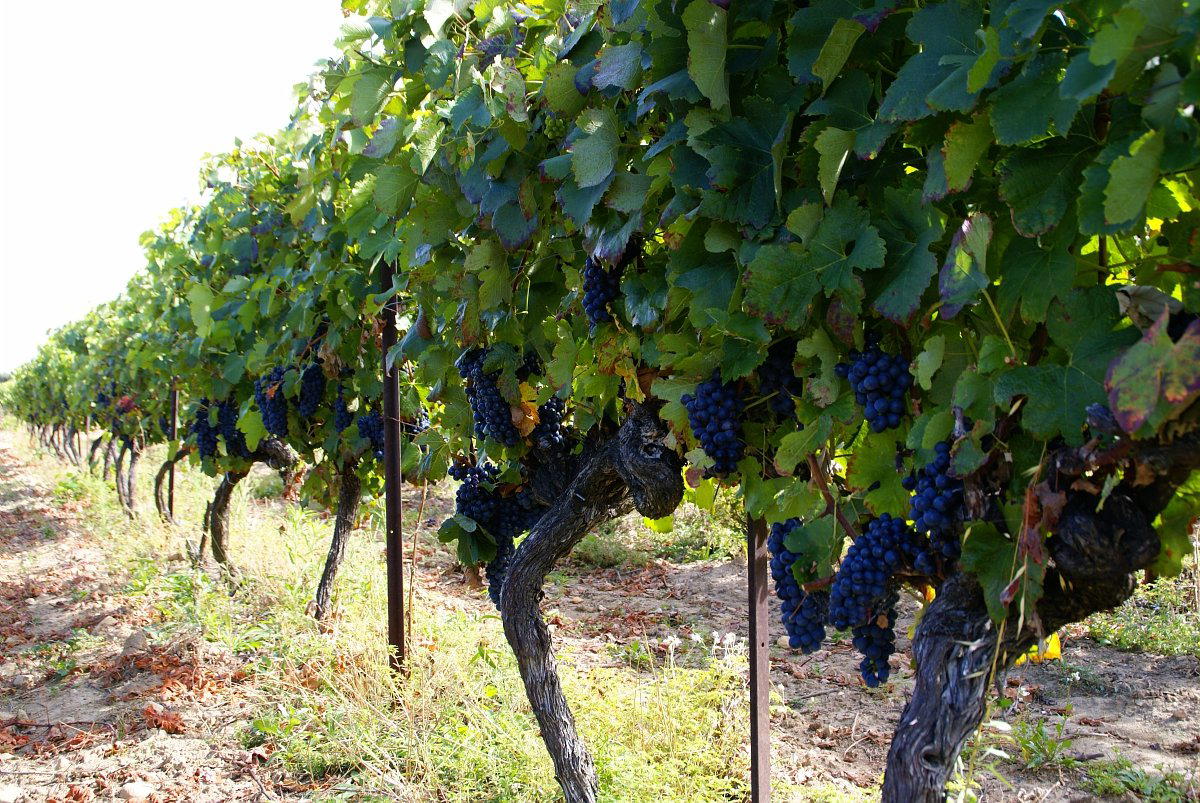
Cave de l'Ormarine is a strong Pinet stop for visitors who want the practical Picpoul de Pinet story rather than a château-style tasting. Its cooperative scale, Falstaff Listed recognition in 2026, sustainability credentials, and coastal terroir make it most useful for wine-led itineraries, especially around seafood and local white wine.
Charalaboglou Wines
Amphipolis, Greece
Charalaboglou Wines is worth prioritizing if Amphipolis is already on your route and you want a serious organic producer rather than a polished tourist tasting. The draw is the Mount Pangaion setting, indigenous Greek varieties, dry-farmed vineyards, and a family heritage story tied to Asia Minor refugee history.
Château Doisy-Védrines
Barsac, France
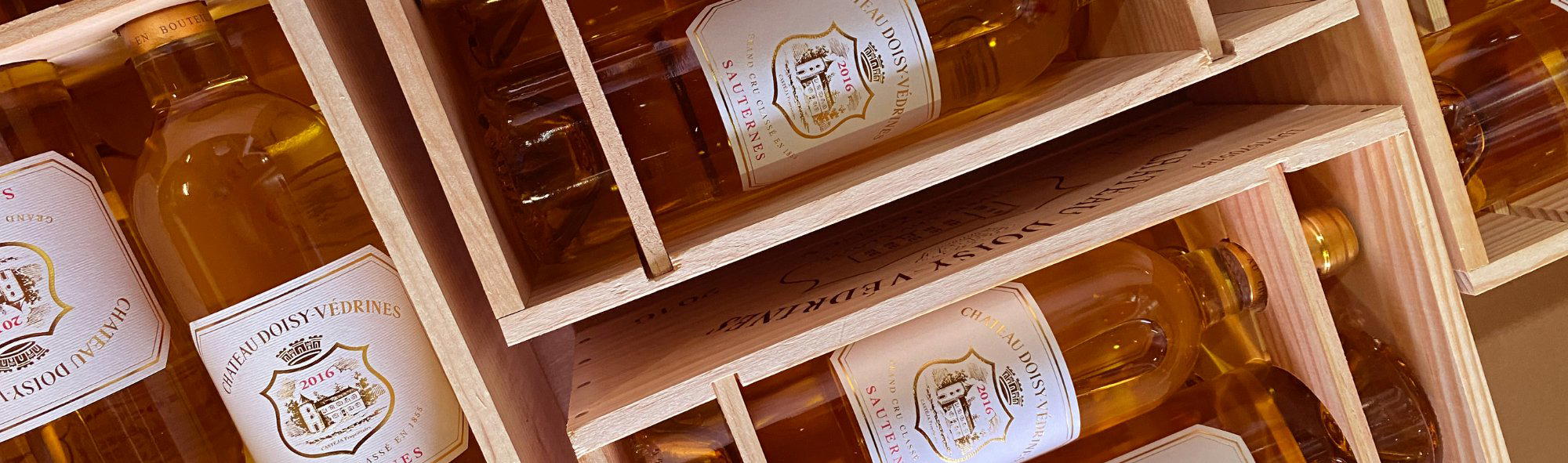
Worth prioritizing for serious Barsac and Sauternes-country travelers who want appellation context, not a casual drop-in tasting. Château Doisy-Védrines has Falstaff Winery 2 Stars recognition for 2026, so it belongs on a focused wine itinerary, but plan around confirmed tasting access rather than assuming flexible visitor hours.
Weingut Stadlmann
Traiskirchen, Austria
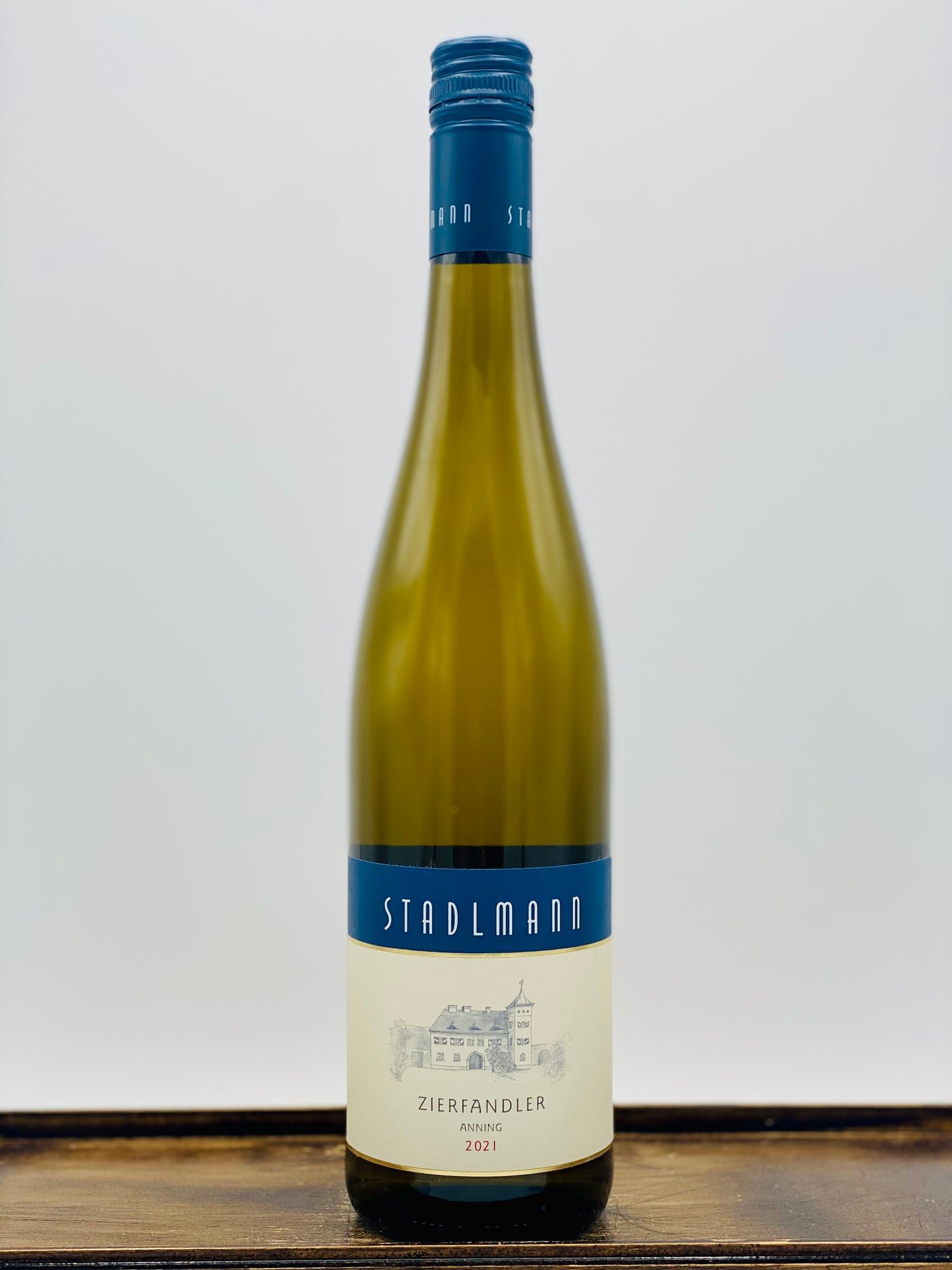
Prioritize Weingut Stadlmann if you want a focused Traiskirchen winery stop and are comfortable planning around a harder-to-secure visit. It is a stronger fit for wine-led travelers than casual groups looking for easy walk-in logistics or a broad tasting-room setup.
Celler Piñol
Batea Tarragona, Spain
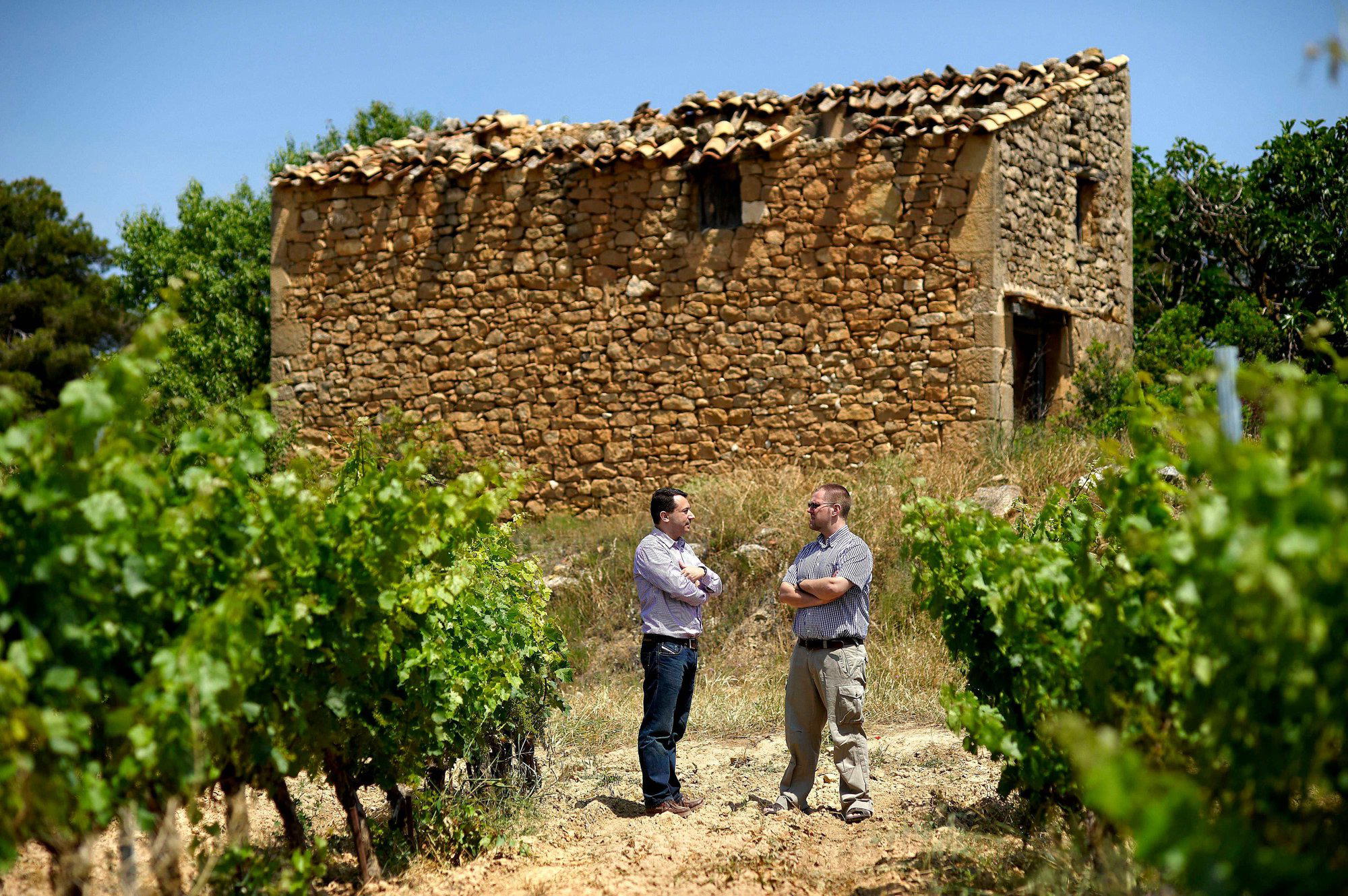
Celler Piñol is worth planning around if the appeal is a quiet, family-run Terra Alta winery with organic vineyard credentials and a strong sense of place. The value signal is compelling, but the format suits prepared wine travellers better than casual drop-ins or groups looking for a full tourism setup.
Katogi Averoff
Metsovo, Greece
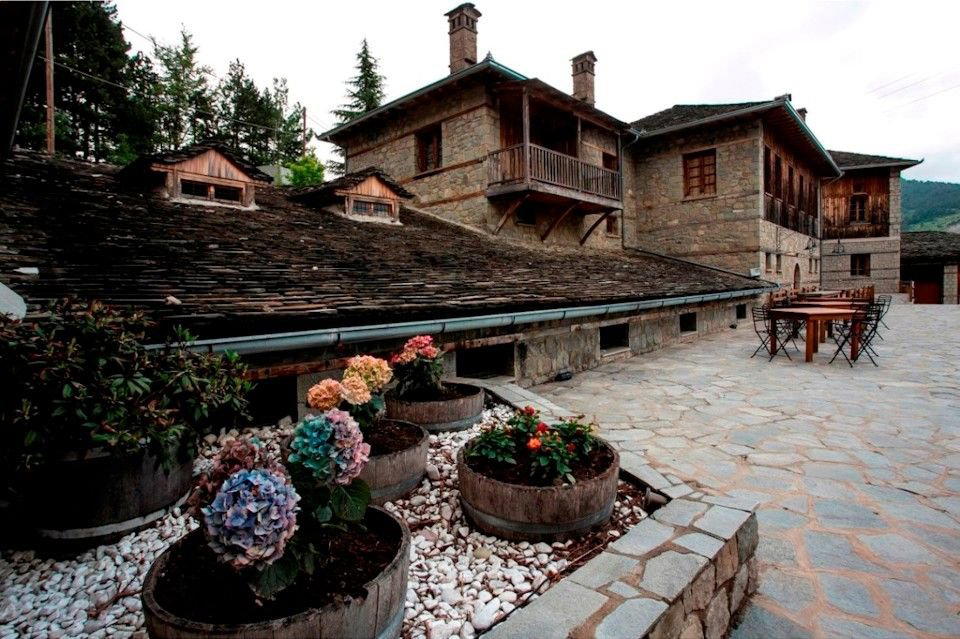
Katogi Averoff is worth prioritizing if Metsovo is already part of the trip and the goal is a focused mountain-wine visit rather than a casual tasting-room stop. Availability should be treated as tight, so plan ahead and avoid squeezing it between time-sensitive bookings.
Cantina Bottenago
Calvagese Dell Riva, Italy
Book Cantina Bottenago if you want a polished Lake Garda winery stop with modern design, landscaped gardens, and a clear Valtenesi-Lugana regional angle. It suits couples, small groups, and event-minded travelers who value atmosphere and context over a bare-bones cellar visit. Booking is recommended, and smart casual dress fits the room.
Dunn Vineyards
Angwin, United States
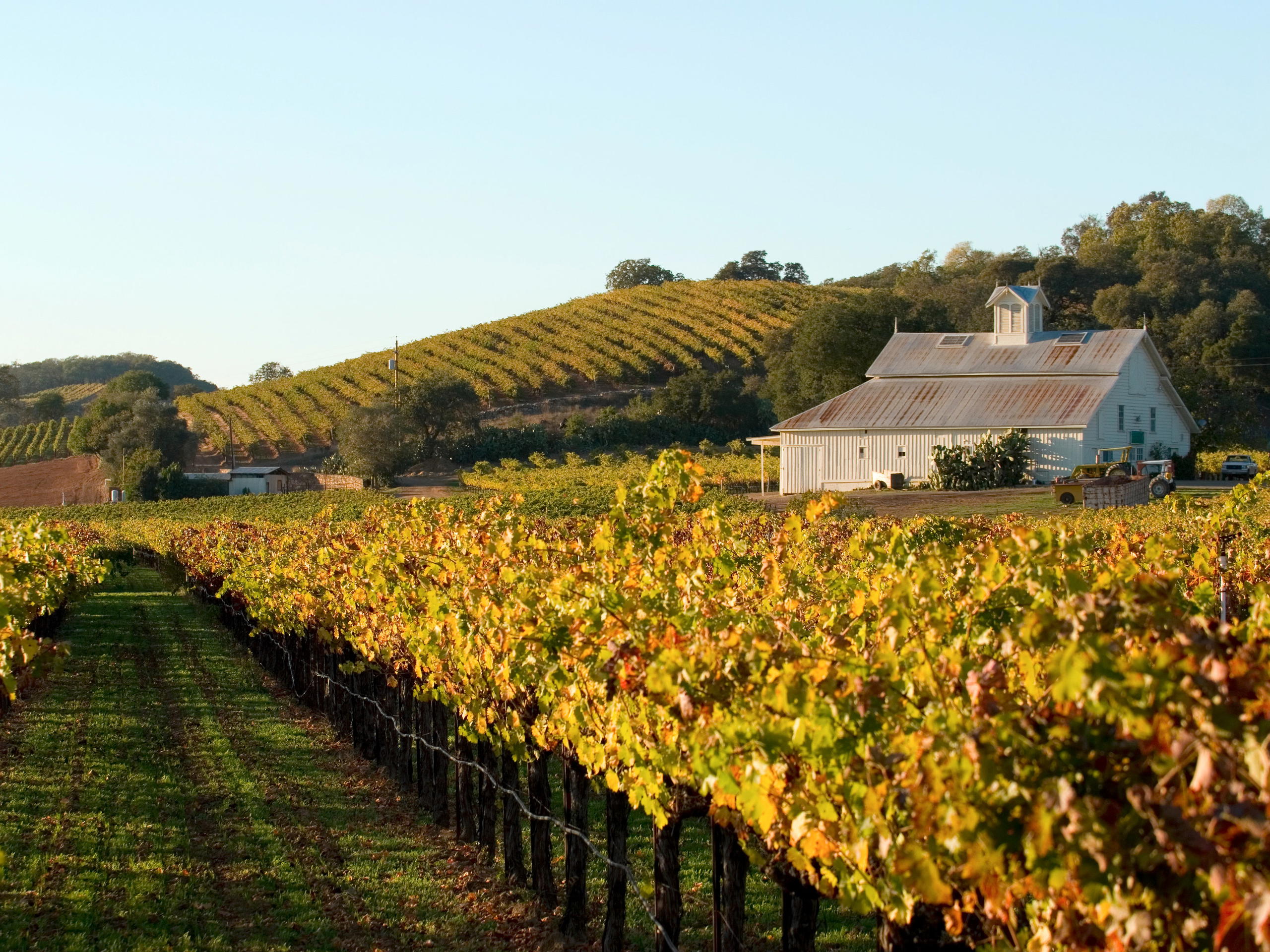
Book Dunn Vineyards if the priority is serious Howell Mountain Cabernet and a producer with a long track record, not a casual tasting itinerary. It is a better fit for collectors and focused wine travelers than for groups looking for food, easy scheduling, or a broad hospitality experience.
Hammel – Terres de Vins
Rolle, Switzerland
Prioritise Hammel – Terres de Vins if the trip is built around Swiss wine depth rather than a casual lakefront stop. The Rolle setting works well for a focused Vaud wine day, especially if paired with nearby wineries and the wider Rolle guides for meals, hotels, bars, and experiences.
Cascina Bongiovanni
Castiglione Falletto, Italy
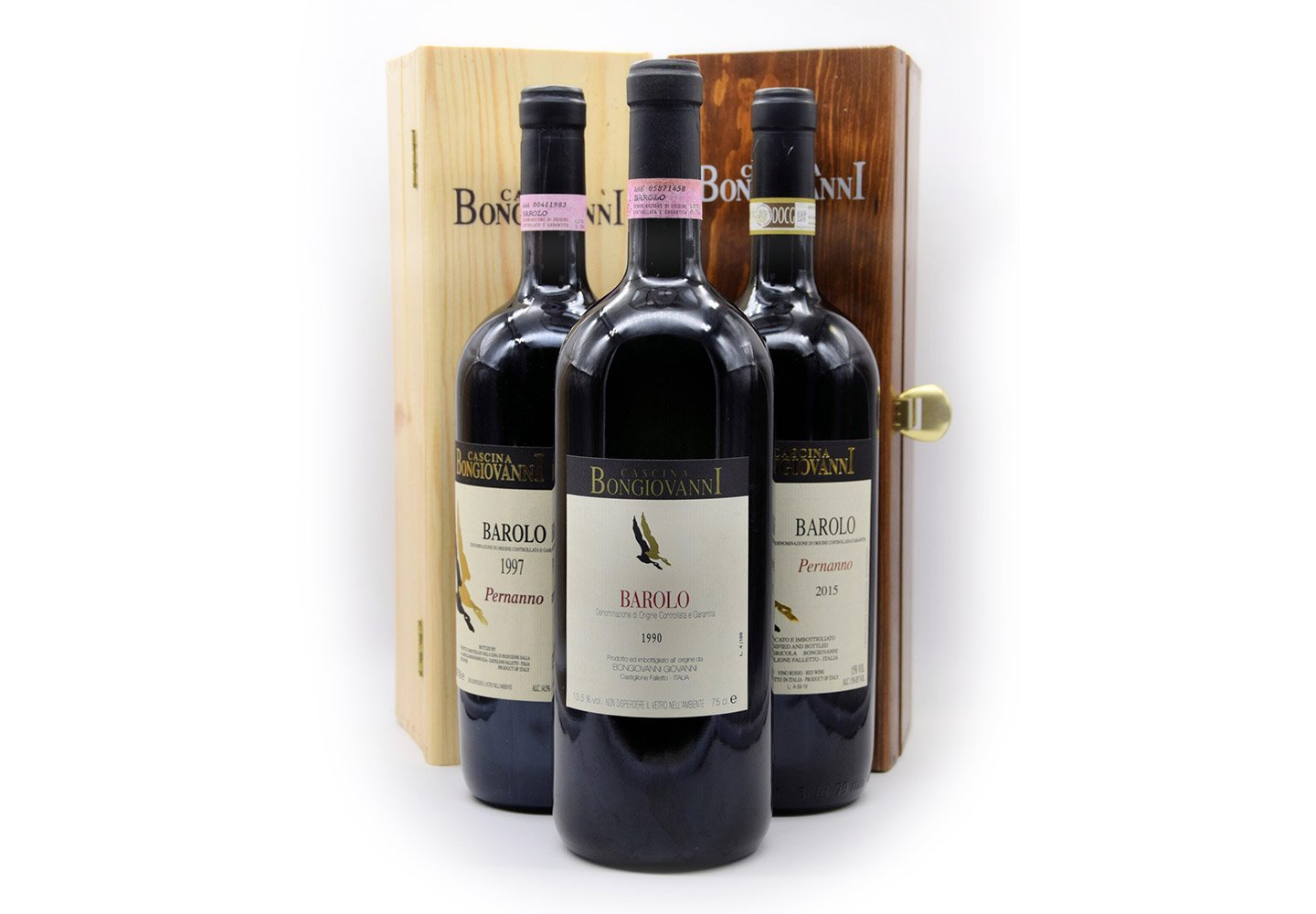
Cascina Bongiovanni is a sensible Castiglione Falletto add-on for travelers building a wine-focused Piedmont itinerary. Its Falstaff listing gives it a credible recognition signal, but no confirmed food-pairing, menu, or visitor-format details are available here, so plan it as a winery stop rather than a meal-led booking.
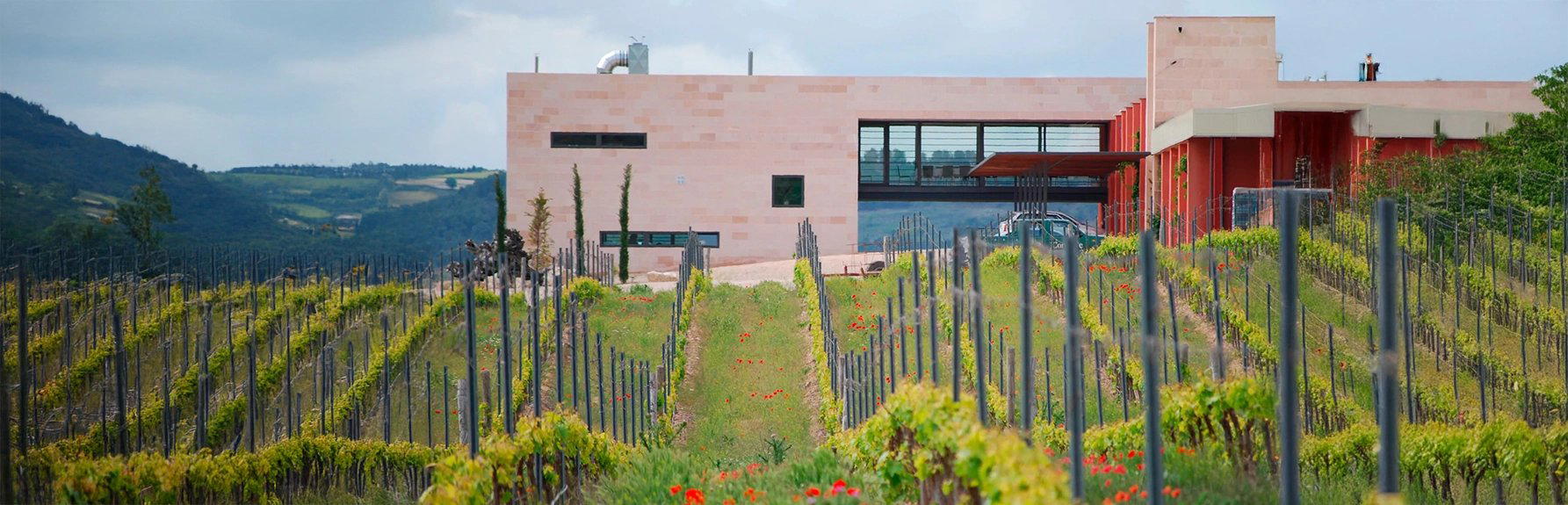
Bodegas Comenge
Curiel Del Duero, Spain
Bodegas Comenge is a strong Ribera del Duero pick for travellers who want an informative, slower-paced winery visit rather than a quick tasting-room stop. The private tasting is the better choice if available, especially for visitors interested in organic farming, Tempranillo, and a calm rural setting near Curiel del Duero.
Geith Fritz
Wösendorf, Austria
Geith Fritz is a better fit for a casual Wachau wine stop than for a formal tasting plan. Put it on the route if the aim is a quiet, local retail-style visit in Wösendorf; skip it as the anchor for a group celebration or structured cellar afternoon.
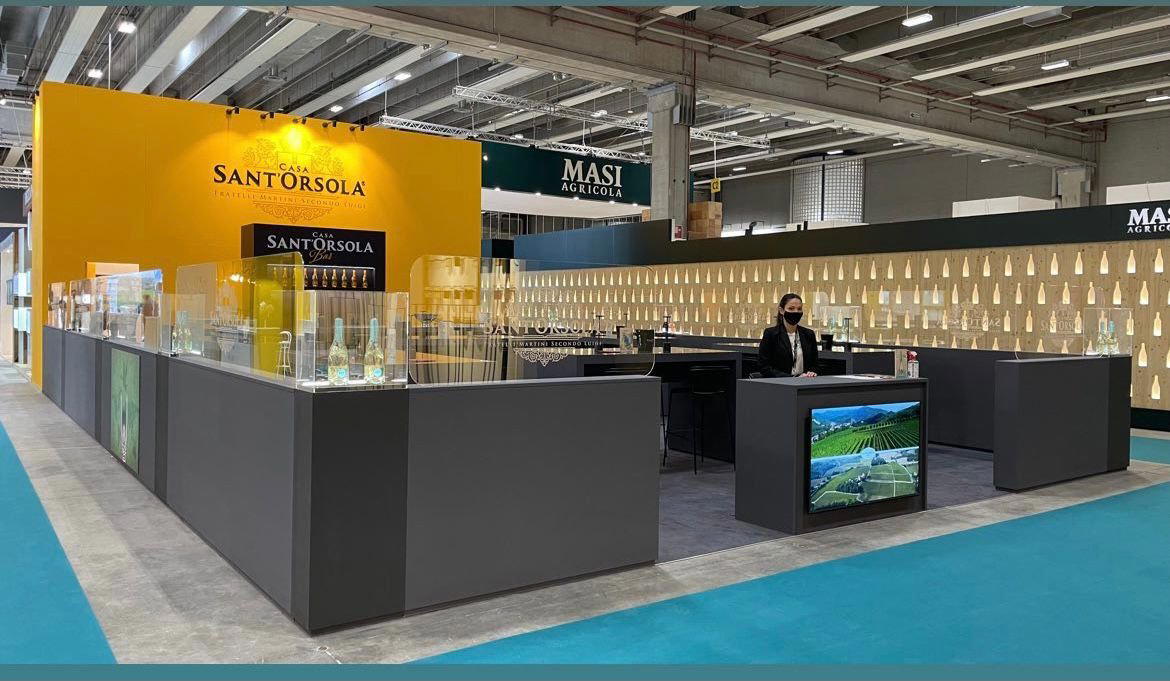
Canti
Cossano Belbo, Italy
Canti is worth booking for a polished Langhe winery stop built around modern architecture, parkland setting, and accessible Italian sparkling wine. It suits group celebrations and business hosting better than collectors chasing rare cellar-door bottles or a deeply personal grower visit.
Domaine Raveneau
Chablis, France
Domaine Raveneau is worth pursuing for serious Chablis collectors, especially if Les Clos or Montée de Tonnerre is the target. Expect a restrained, small-domaine experience centered on cellar, vineyard, and allocation rather than a polished visitor setup; this is a high-effort, high-reward stop for Chardonnay depth.
Domaine Céline et Frédéric Gueguen
Préhy, France
A strong Préhy choice for travelers who want Chablis explained through a family-run, vineyard-focused tasting rather than a formal prestige stop. Prioritize it for Premier Cru and Grand Cru context, especially if the trip is about understanding Chardonnay on Kimméridgian limestone.
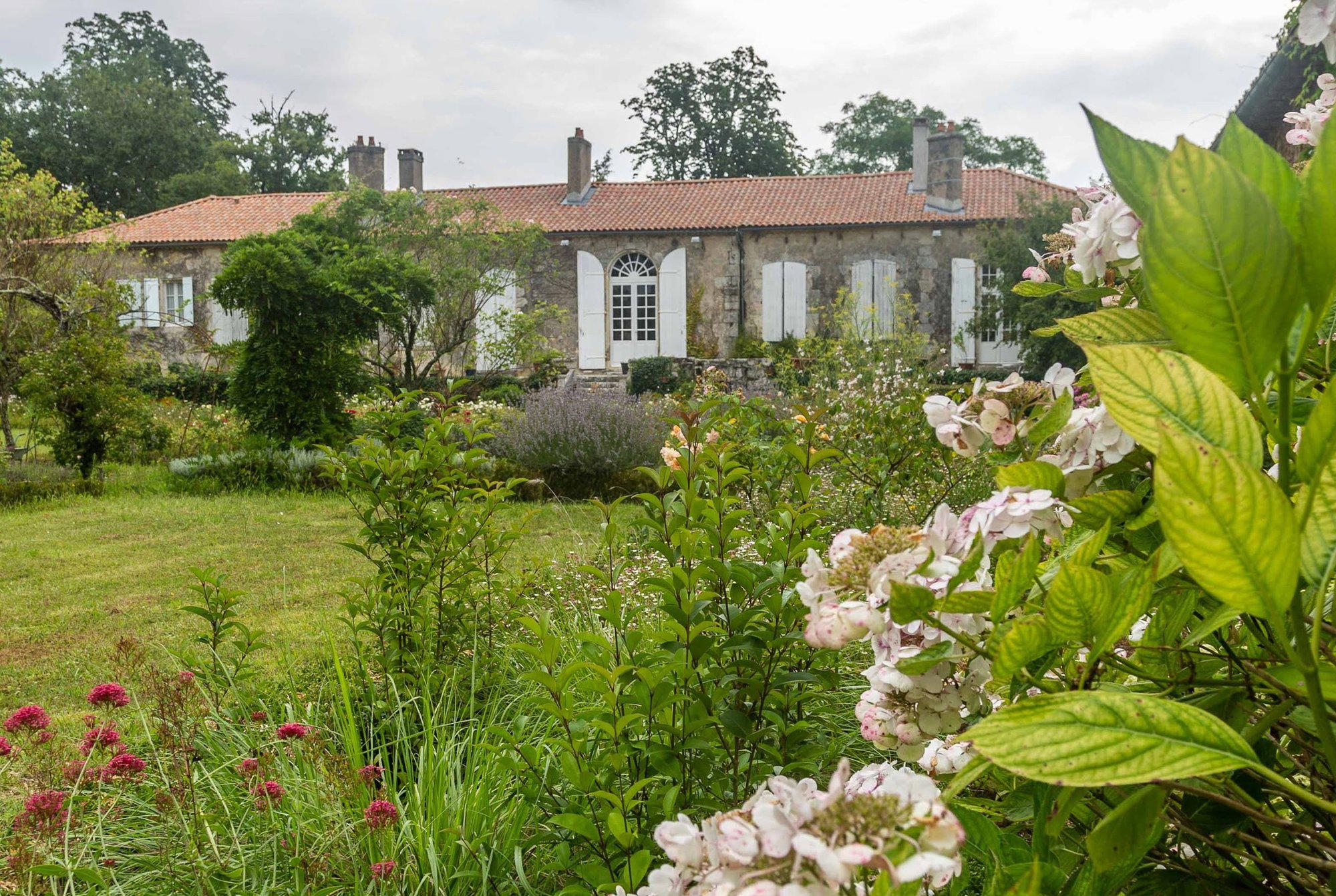
Château Cissac
Cissac Medoc, France
Château Cissac works for a focused Haut-Médoc itinerary, especially if you want a Cissac-Médoc stop rather than another headline appellation visit. Its 2026 Falstaff Winery listing gives it a useful recognition signal, but plan practically: confirm visit format, food, group handling, and shipping before building the day around it.
Domaine de la Rameau
Chamoson, Switzerland
Domaine de la Rameau is a good fit for a quieter Chamoson tasting focused on Valais reds, especially Syrah-led blends with vintage variation. Go if the goal is to buy thoughtfully and understand the estate’s Chamoson terroir; skip it if you want a large-scale hospitality setup or a food-led wine experience.
Domaine Baumann-Zirgel
Mittelwihr, France
Book Domaine Baumann-Zirgel if you want a grounded Alsace winery tasting with Grand Cru range rather than a polished luxury format. The draw is the family-run Mittelwihr setting, biodynamic farming, and a portfolio that lets Riesling, Gewurztraminer, Crémant d’Alsace, and site-specific whites do the work.
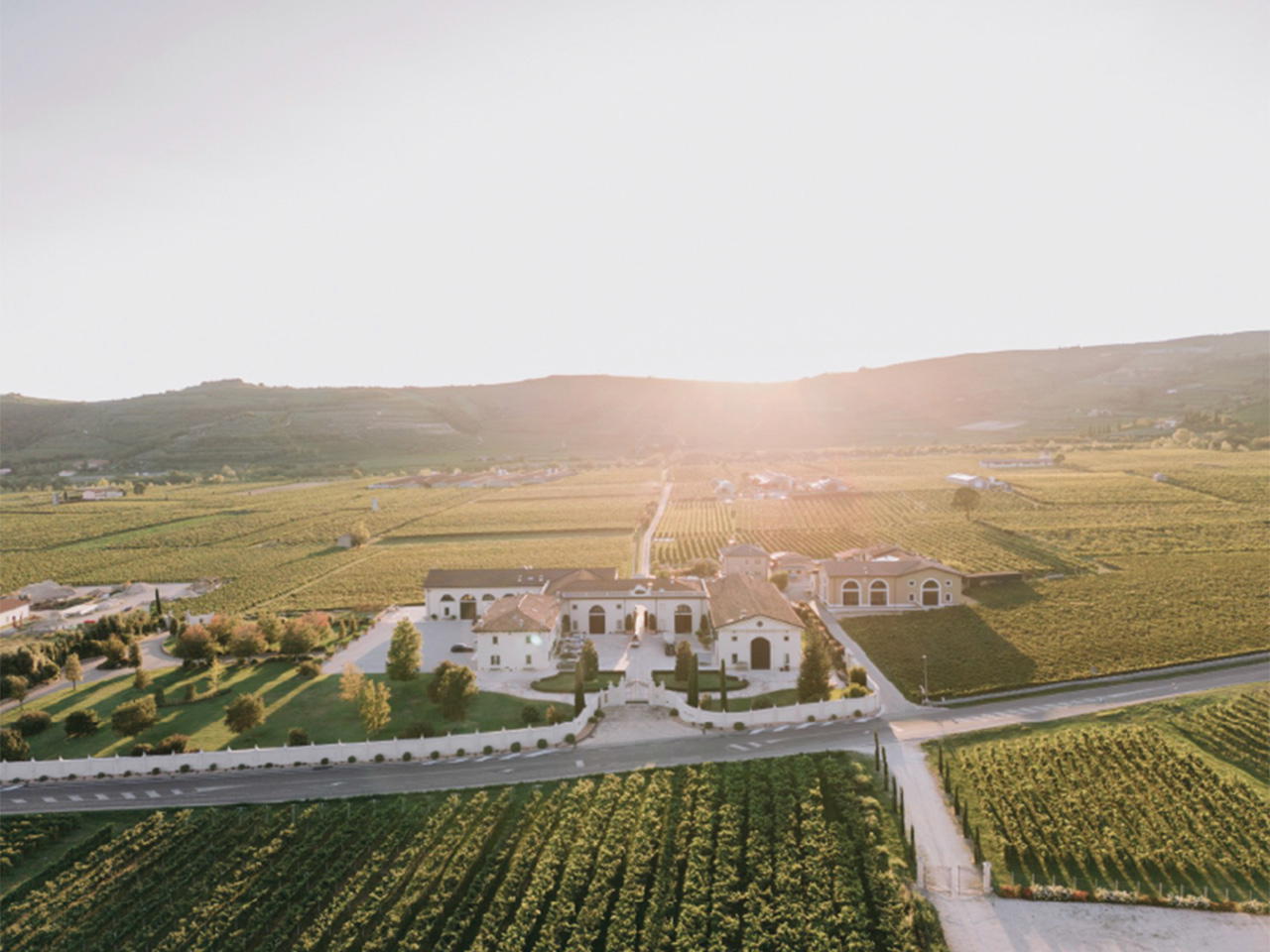
Romano Dal Forno
Cellore d'Illasi, Italy
Romano Dal Forno is the Cellore d'Illasi choice for collectors who care more about bottle reputation and depth than easy access. It is better treated as a planned special-occasion winery visit than a casual Veneto stop, with Pieropan, Prà, or Gini making more sense for a lighter Soave-led day.
Jesús del Padrón
Sisante, Spain
A cautious pick for flexible wine travelers already in Sisante, not a trip anchor for visitors who need a published tasting format, food program, or named flagship wine. The main reason to consider Jesús del Padrón is its rural Castilla-La Mancha context and Falstaff Listed recognition, with expectations kept practical.
Good Drop Wine Cellars
Nashik, India
Good Drop Wine Cellars is worth prioritizing if sparkling wine production and modern Indian wine strategy interest you more than a scenic estate tasting. The appeal is its Nashik production base, value-led portfolio, and specialist sparkling focus, with Casablanca as the clearest label to know. It is less suited to visitors seeking a long food-and-view winery afternoon.
Domaine Belleville
71150 Rully, France
Book Domaine Belleville if the goal is serious Rully and Mercurey context rather than a showy tasting-room experience. The draw is parcel-focused Pinot Noir and Chardonnay from a traditional Côte Chalonnaise estate, with enough recognition to justify making it a planned winery stop. It is better for informed Burgundy drinkers than casual groups seeking food, events, or a heavily hosted visit.
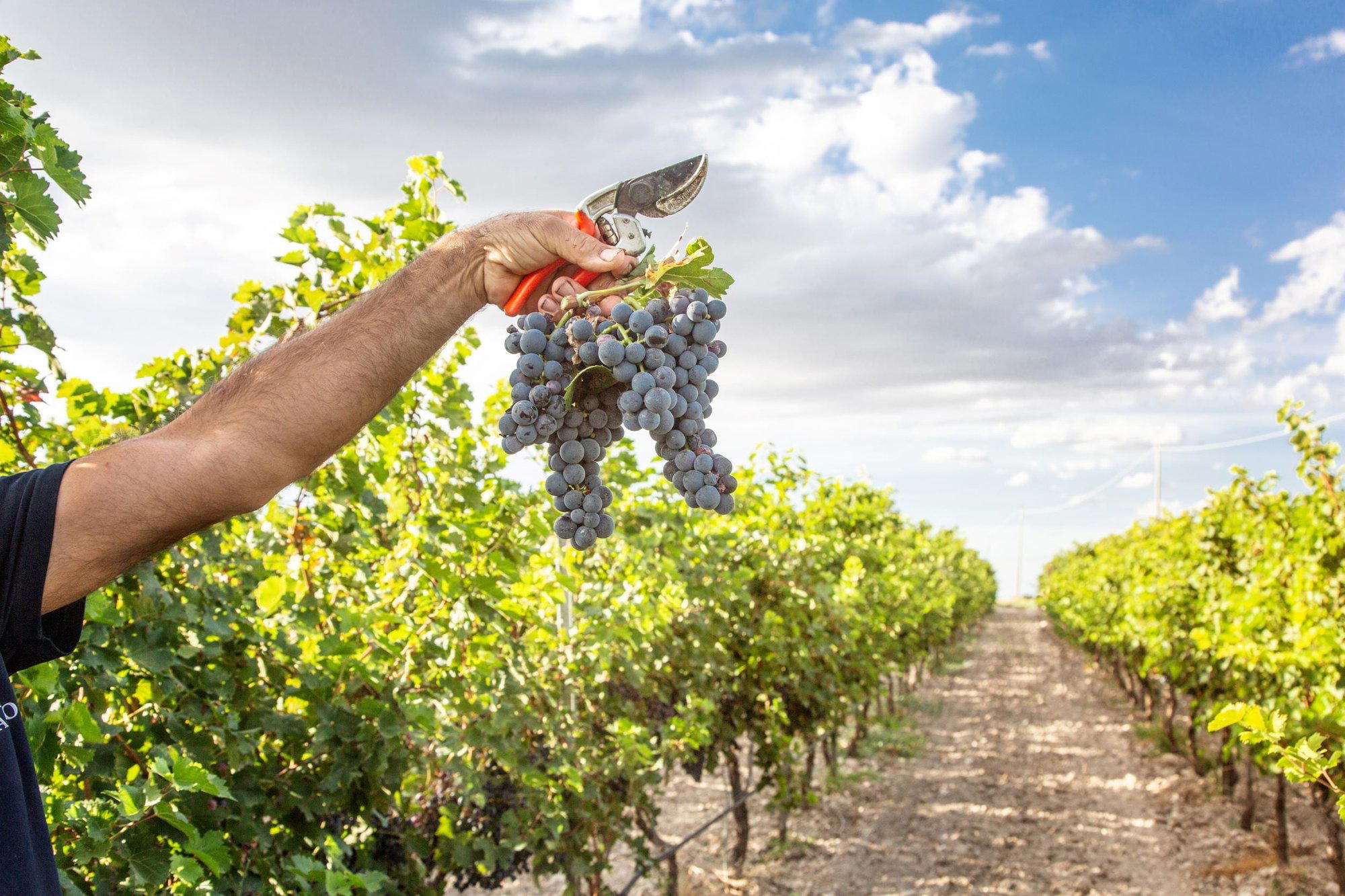
Cantine Paradiso
Cerignola, Italy
A quiet, traditional Cerignola winery that makes the strongest case for visitors who want native Apulian grapes, family continuity, and a guided tasting with real regional context. Worth prioritising if Nero di Troia, Primitivo, and Negroamaro are the point of the trip; less compelling if the goal is a design-heavy winery stop or a clearly published membership program.
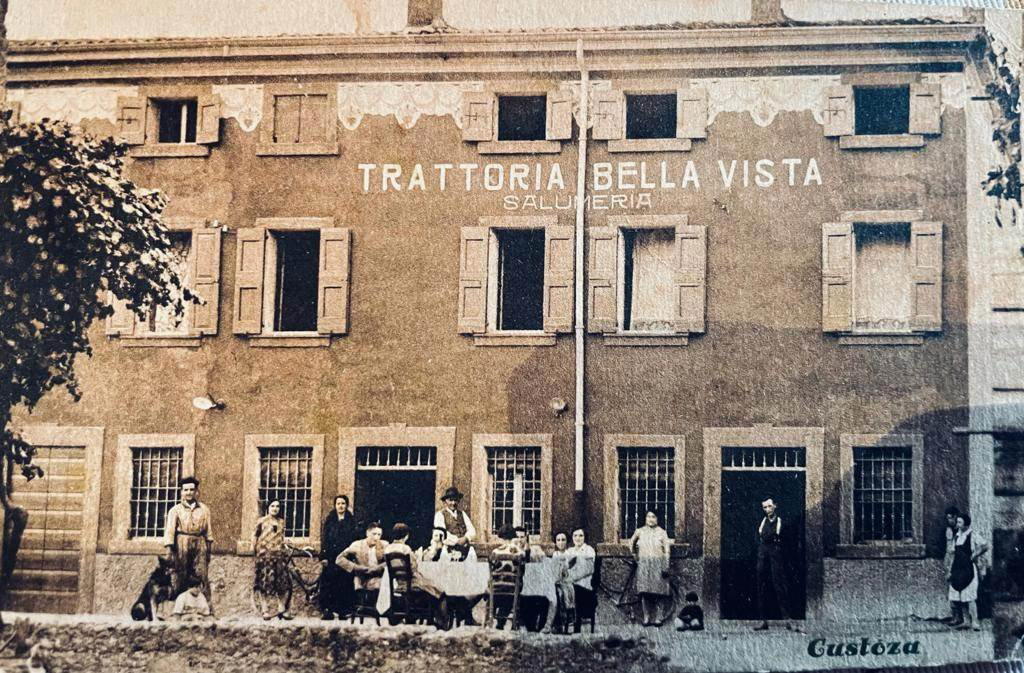
Albino Piona
Custoza, Italy
Albino Piona works if the aim is a focused Custoza winery stop rather than a broad Veneto tasting itinerary. Booking difficulty is easy, and its Falstaff Listed recognition for 2026 gives it a useful external signal, but travelers looking for published dining, pricing, or large-group detail should plan those logistics before committing.
Domaine Gauby
Calce, France
Domaine Gauby is worth prioritising for a serious Calce wine itinerary, especially for travellers who care more about producer reputation than a casual tasting-room setup. Falstaff 4 Stars in 2026 gives a clear quality signal, but sparse public practical details mean this is better planned carefully than treated as an easy add-on.
Château Montlandrie
Castillon La Bataille, France
Château Montlandrie is a sensible Castillon La Bataille stop for return Bordeaux travelers who want a quieter right-bank tasting rather than a full hospitality production. It has Falstaff listing recognition for 2026, so it is more compelling for wine-focused planning than for groups seeking published amenities or a highly managed visitor setup.
Colmello
Farra D Isonzo, Italy
Book Colmello if the goal is a polished Friuli wine-resort tasting with vineyard views, organic estate production, and the option to upgrade into a tour or private group experience. The private format works for groups that want a paced tasting rather than a quick enoteca stop.
CorteDomina
Radda in Chianti, Italy
CorteDomina is a practical choice for a Radda in Chianti wine day, especially if the trip is built around a relaxed Tuscan itinerary rather than a single destination tasting. Its 2026 Falstaff listing gives it a useful trust signal, but plan food, timing, and group logistics separately.
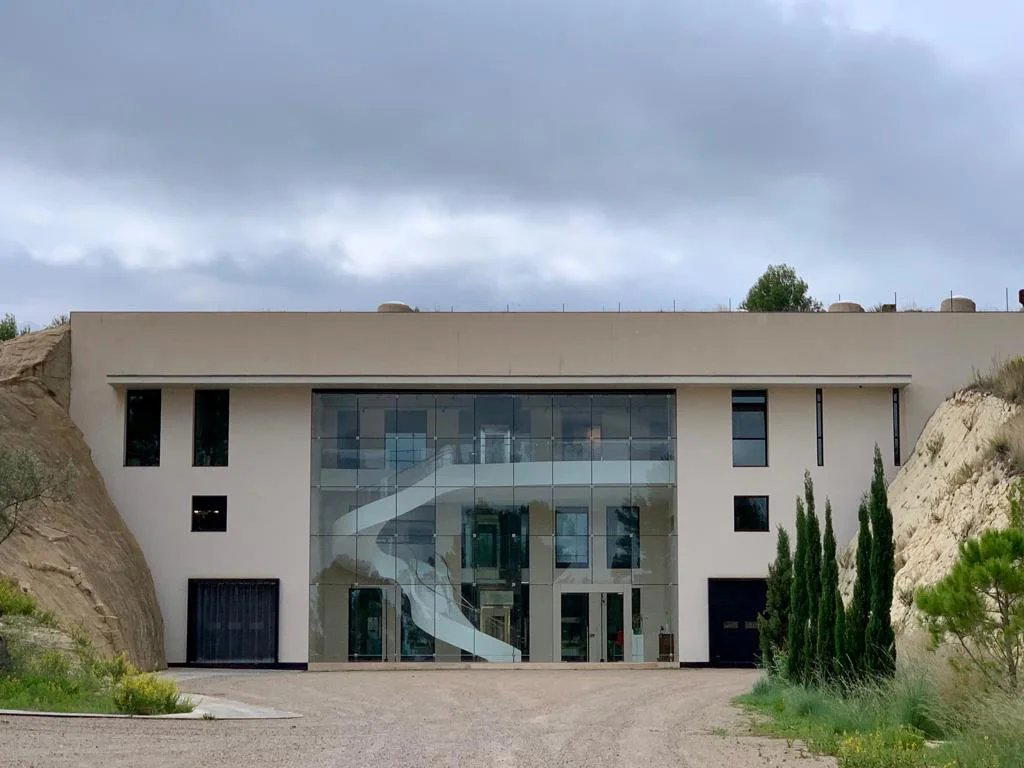
Bodegas Xaloc
Pollença, Spain
Bodegas Xaloc is worth booking if you want a small, appointment-led Mallorcan winery with a real sense of place rather than a large visitor operation. The draw is the three-hectare Pollença estate, stone-walled vineyard setting, and recent Falstaff 3 Stars recognition for 2026. Plan ahead; this is better for couples or small wine-focused groups than casual drop-ins.
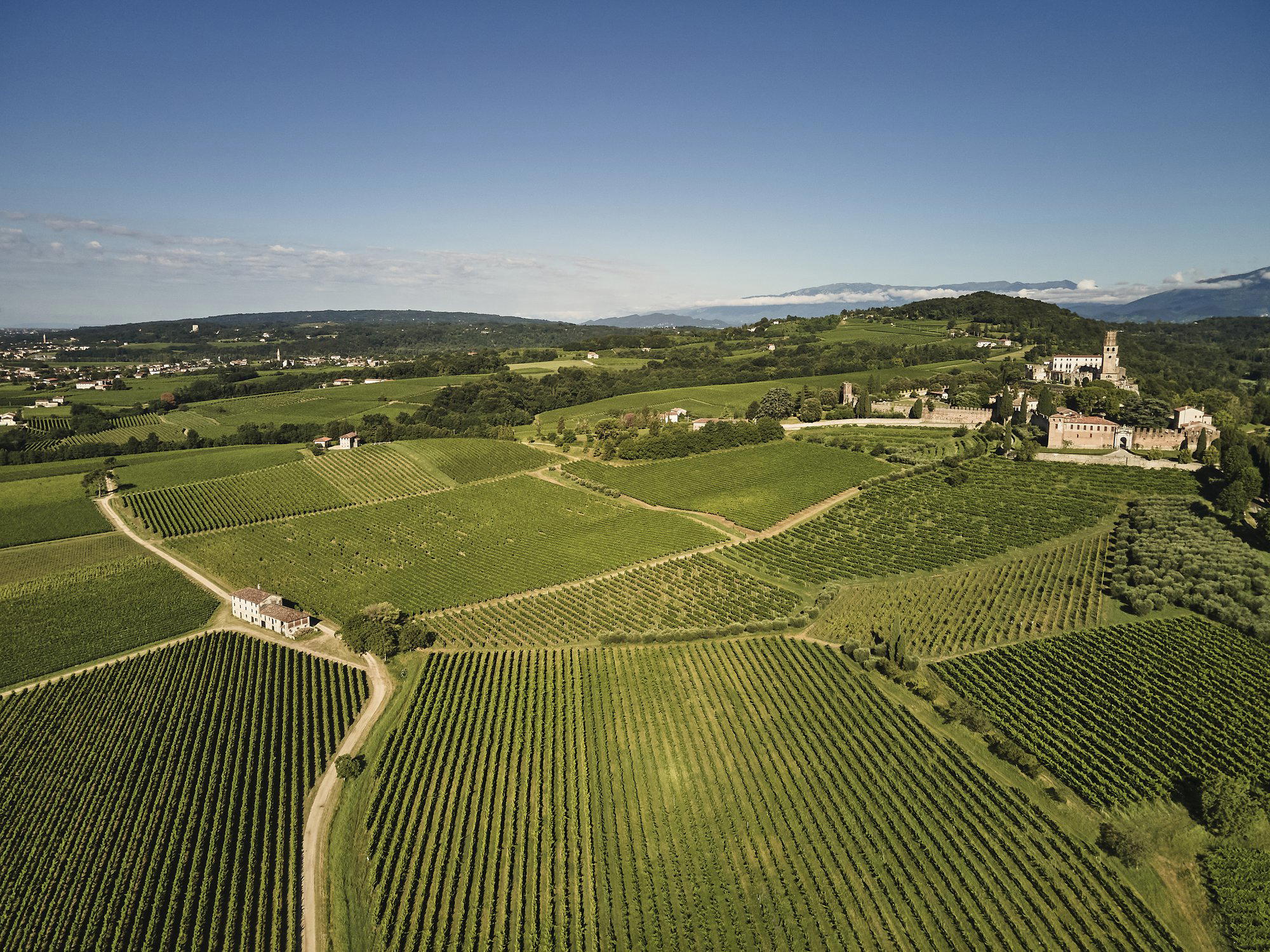
Conte Collalto
Susegana, Italy
Book Conte Collalto if you want a deeper Susegana winery visit rather than a quick Prosecco stop. The stronger play is a private or guided tasting, where the estate-grown Prosecco Superiore DOCG, local varieties, 1904 cellar, and long Collalto family history have enough context to justify the extra time.
Domaine Isabelle et Denis Pommier
Chablis, France
A quiet, family-run Chablis estate worth prioritizing if organic farming and production choices matter more than polished visitor staging. Expect a generous, fresh, mineral house style across Petit Chablis, Chablis, and Premier Cru, with the clearest value in comparing the village wines against the more cellar-worthy Premier Cru bottlings.
Ewald Zweytick Wein
Ehrenhausen, Austria
Book Ewald Zweytick Wein if Southern Styria is the point of the trip and the priority is a serious producer stop rather than a meal-led winery visit. The Falstaff 4-star 2026 recognition gives it a clear quality signal, but plan food separately and use Ehrenhausen as a clustered wine route.
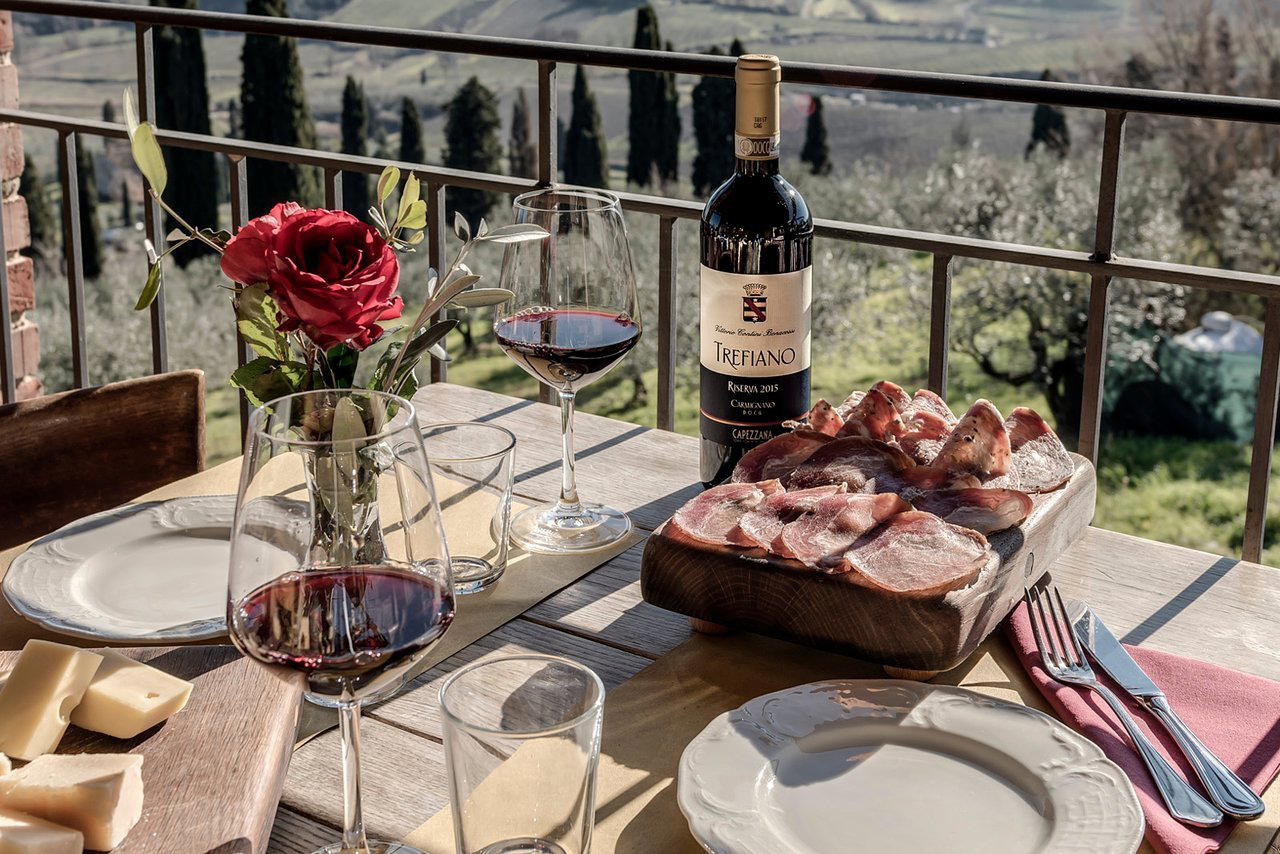
Tenuta di Capezzana
Carmignano, Italy
Tenuta di Capezzana is a better fit for wine-minded Carmignano travelers than for diners seeking a tightly defined restaurant format. Choose it when the countryside setting and estate context are the point; cross-shop restaurant-led peers if menu structure, price clarity, or a chef-driven meal matters more.
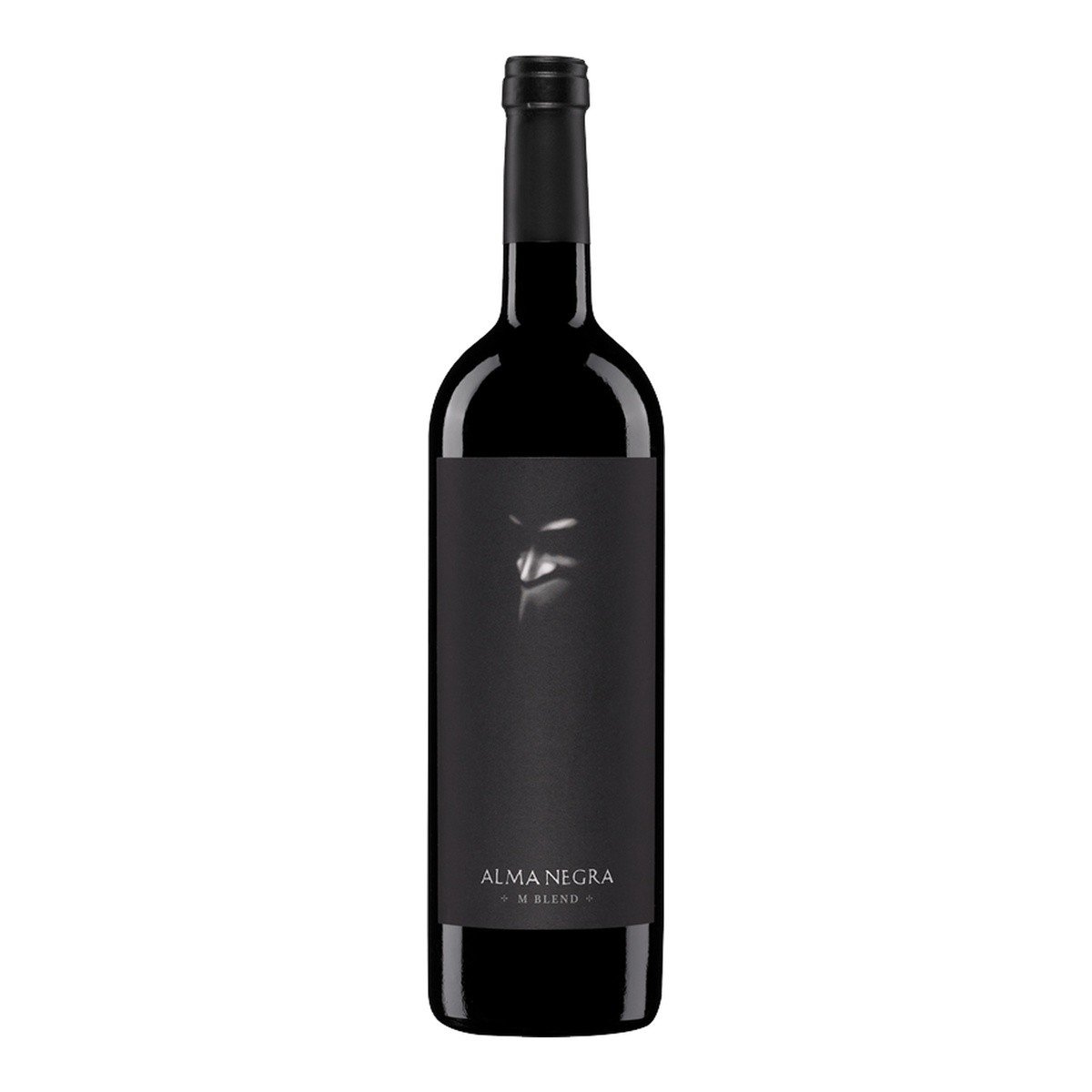
Alma Negra
Vista Flores, Argentina
Alma Negra is a focused Vista Flores winery choice for travelers building a wine-first Mendoza itinerary. Its Falstaff listing gives it a useful credibility signal, but the decision should center on whether the group wants a targeted winery stop and whether any wine-club terms make sense after tasting.
Adega Cooperativa de Vale Cambra, CRL
Vale De Cambra, Portugal
Worth a visit if you want a grounded Vinho Verde cooperative rather than a polished wine-tourism stop. Adega Cooperativa de Vale Cambra, CRL is strongest for regional context, weekday ease, and $$ value; choose the Porto port houses instead if you want a more formal visitor experience.
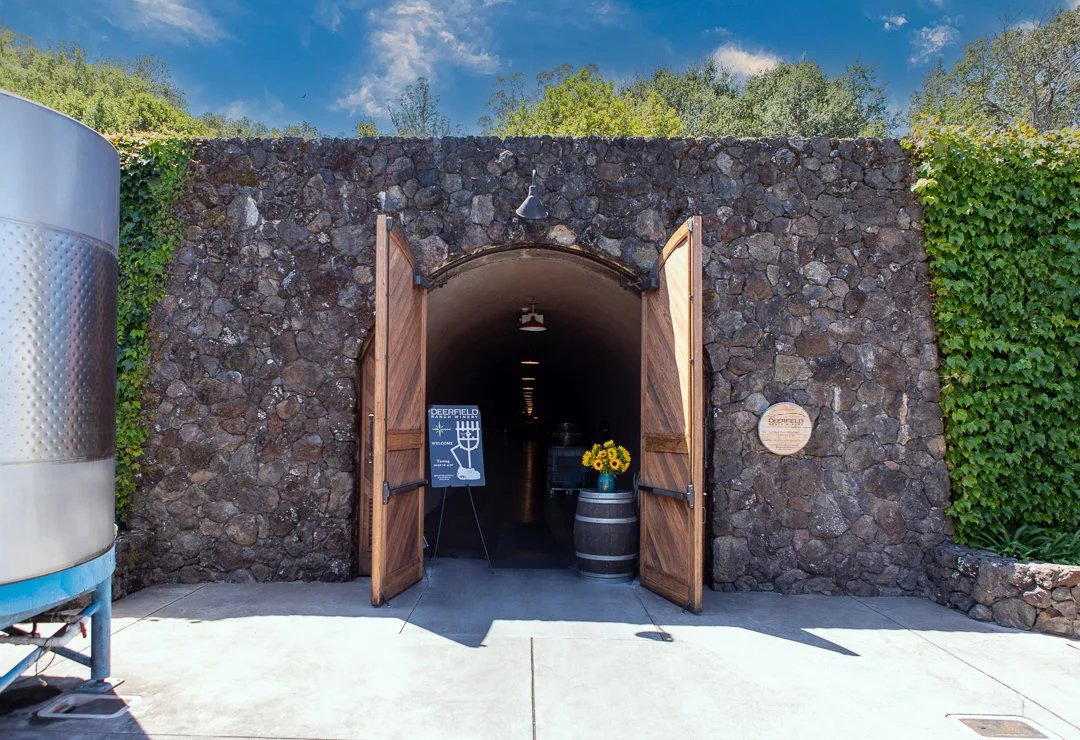
Deerfield Ranch Winery
Glen Ellen, United States
This is a practical Glen Ellen wine stop for travelers who want an easier, wine-focused appointment rather than a full hospitality production. It is strongest as part of a compact Sonoma itinerary, especially if the day also includes nearby dining, lodging, or another tasting. Falstaff Listed in 2026 adds a useful recognition signal, but confirm food, shipping, club, and group details before building plans around it.
Domaine Durand
Crezancy En Sancerre, France
Domaine Durand is a smart first-time Sancerrois stop if the goal is a simple guided tasting rather than a full hospitality production. Go for the appellation range, with Sancerre, Menetou-Salon and Pouilly-Fumé in the frame, and choose the longer group format only if extra explanation matters.
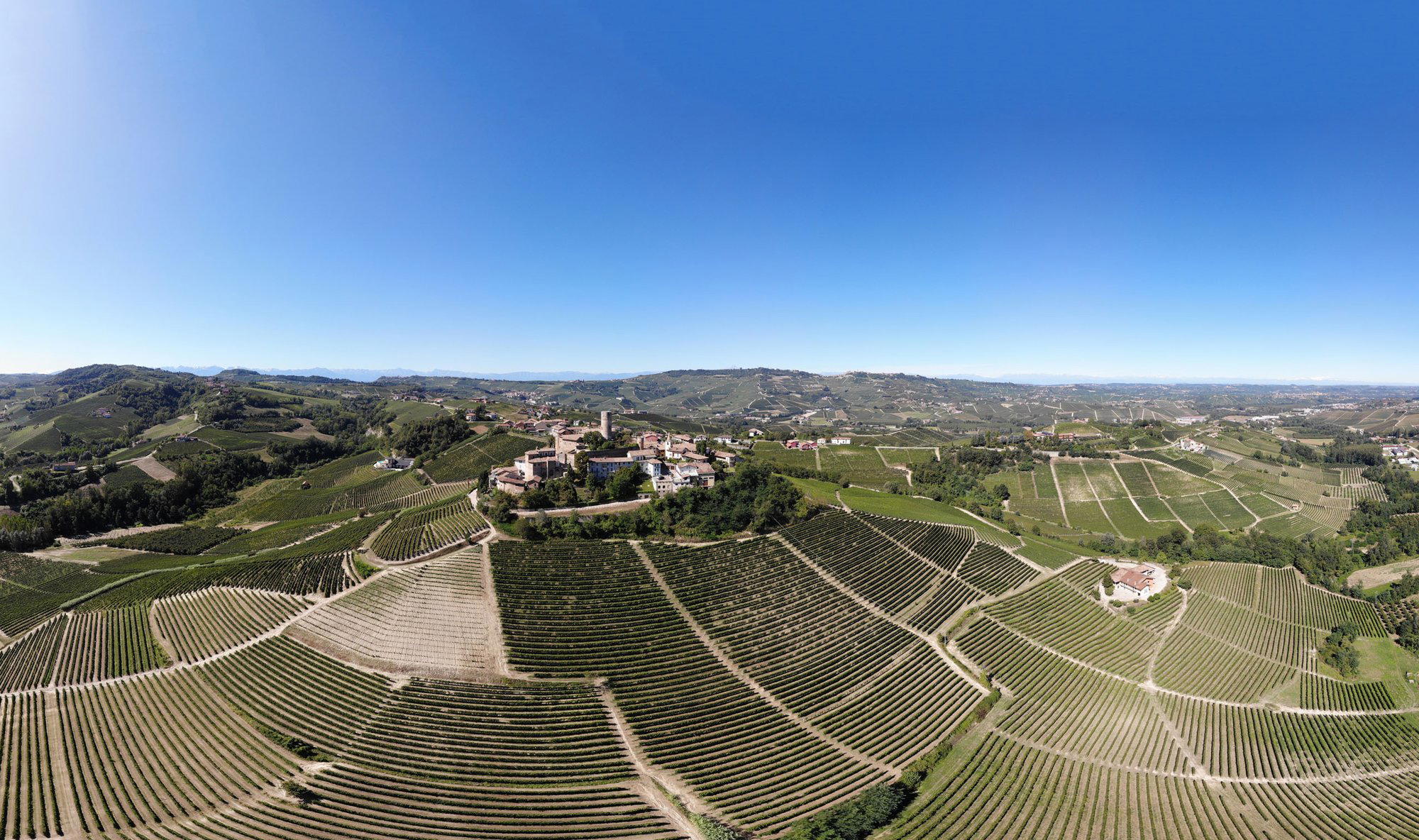
Aurelio Settimo
La Morra, Italy
Aurelio Settimo is worth arranging for a quiet, traditional Barolo tasting focused on estate-grown red wines, family continuity, and cellar context rather than polished wine-tourism extras. It suits small groups and Nebbiolo-focused travelers, with food pairings playing a supporting role through local Piedmontese flavors rather than replacing a proper meal.
How many of these have you visited?
Find out on Pearl and keep score across every place in 2026 Falstaff Winery Guide.