

2026 Falstaff Winery Guide: The Ultimate Wine Authority — Page 121
Falstaff's 2026 Wineries guide.

Venues on this list
Grivögtler
Tegerfelden, Switzerland
Grivögtler is a cautious yes for wine travelers already spending time in Tegerfelden, especially those who enjoy local Swiss producers without needing a fully published visitor program. Falstaff Listed in 2026 gives it a useful credibility signal, but absent public detail on tastings, food, pricing, and portfolio means it works better as an add-on than a destination anchor.
Costa de Plata
Chiva, Spain
Costa de Plata is a cautious shortlist for Chiva wine planning, mainly because it is Falstaff Listed for 2026. Treat it as a regional lead rather than a confirmed tasting-room booking: public details on hours, flagship wine, shipping, pricing, and group visits are not established here.
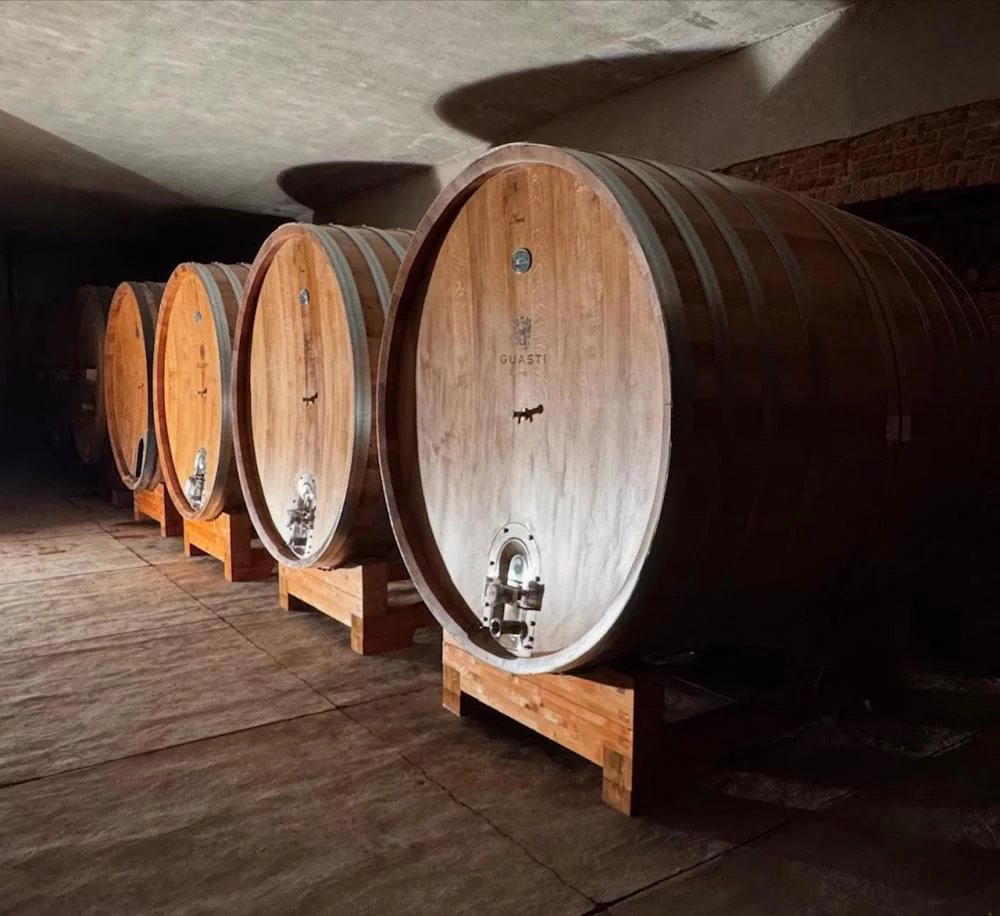
Pescaja
Cisterna D Asti, Italy
Azienda Agricola Pescaja works as a calm, planned winery stop in Cisterna d’Asti, especially for a date, celebration, or business-friendly wine-country route. The main trust signal is Falstaff Listed recognition for 2026; treat it as a tasting-focused visit, not a full restaurant substitute.
Clos Toulifaut
Libourne, France
Clos Toulifaut is worth pursuing if the goal is a serious, small-production Pomerol appointment rather than a casual winery visit. The case for going rests on its 900-case scale, 85% Merlot and 15% Cabernet Franc blend, Falstaff Listed 2026 recognition, and traditional cellar-focused character. Skip it if flexible hours or a polished public tasting setup matter more.
Domaine Pascal Treichler
Dossenheim, Germany
Book Domaine Pascal Treichler only if the draw is small-scale natural wine, not a polished tasting-room setup. The 1.5-hectare estate near Heidelberg is strongest for drinkers interested in zero-additive winemaking, biodynamic farming, and a rustic appointment format; it is a weaker fit for groups wanting food pairings, formal service, or a predictable celebration plan.
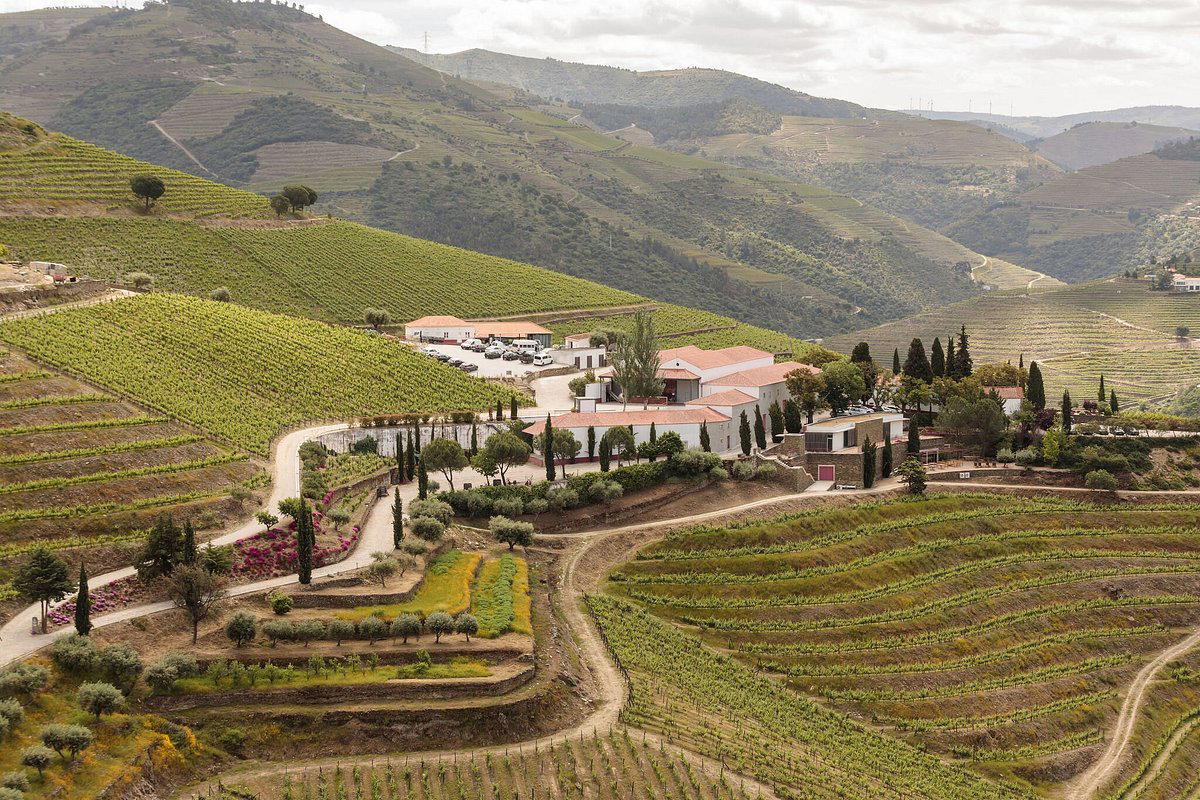
Quinta Nova de Nossa Senhora do Carmo
Covas do Douro, Portugal
Choose Quinta Nova de Nossa Senhora do Carmo when the Douro visit needs to feel wine-led and occasion-worthy, not casual. Its World's 50 Best Vineyards #42 recognition from 2022 gives it a stronger credibility signal than many valley stops, but confirmed details on pricing, food, shipping, and flagship bottles should be checked before building a buying plan around it.
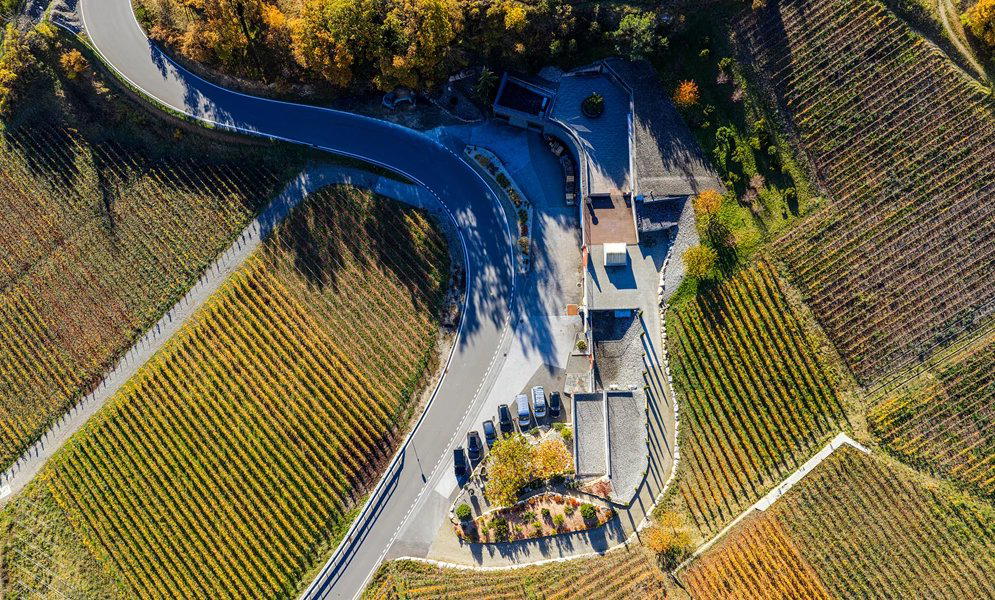
Clos de Tsampéhro
Flanthey, Switzerland
Book Clos de Tsampéhro for a serious, wine-first Valais tasting rather than a food-led winery day. The draw is its compact Flanthey clos, Bio Suisse-certified organic and biodynamic farming, native-grape blends, $$$ positioning, and Falstaff 4 Stars (2026) recognition; plan meals separately if the occasion needs a full pairing experience.
Château Moulin Haut-Laroque
Saillans, France
A strong pick for Bordeaux drinkers who want a serious Fronsac estate rather than a polished hospitality production. The draw is the family-run, Merlot-led red program, century-old Malbec component, clay-limestone terroir, and 93-point recognition for the 2022 vintage; plan ahead, since the experience is appointment-led.
Château Yvon Mau
La Reole Cedex, France
Worth considering if the goal is Bordeaux context rather than a showcase estate tasting. Château Yvon Mau is a $$, Falstaff Listed producer with roots in the Bordeaux wine trade and a portfolio that helps explain appellation range, blending, and négoce sourcing. Skip it if the priority is a highly defined visitor experience.
Château Maris
Félines-Minervois, France
Visit Château Maris if you want a focused Minervois wine stop in Félines-Minervois with a credible 2026 Falstaff listing behind it. Treat food pairings as a bonus only if offered when arranging the visit; this is better planned as a wine-led stop than a full dining experience.
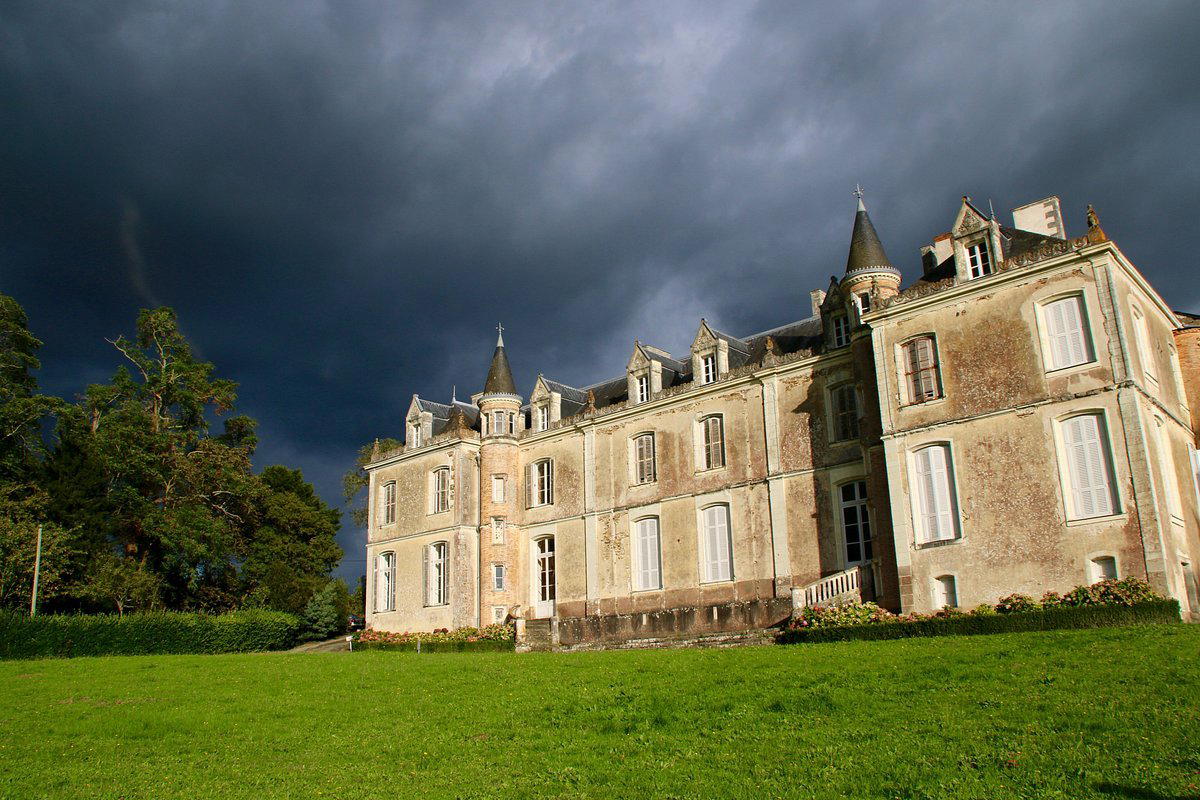
Château du Coing-de-Saint-Fiacre
Saint Fiacre Sur Maine, France
A sensible Saint-Fiacre-sur-Maine winery pick for readers who want regional credibility and a château setting without turning the visit into a high-ceremony splurge. Falstaff listing gives it an external trust signal; plan it as a wine-focused stop, with meals and timing arranged separately.
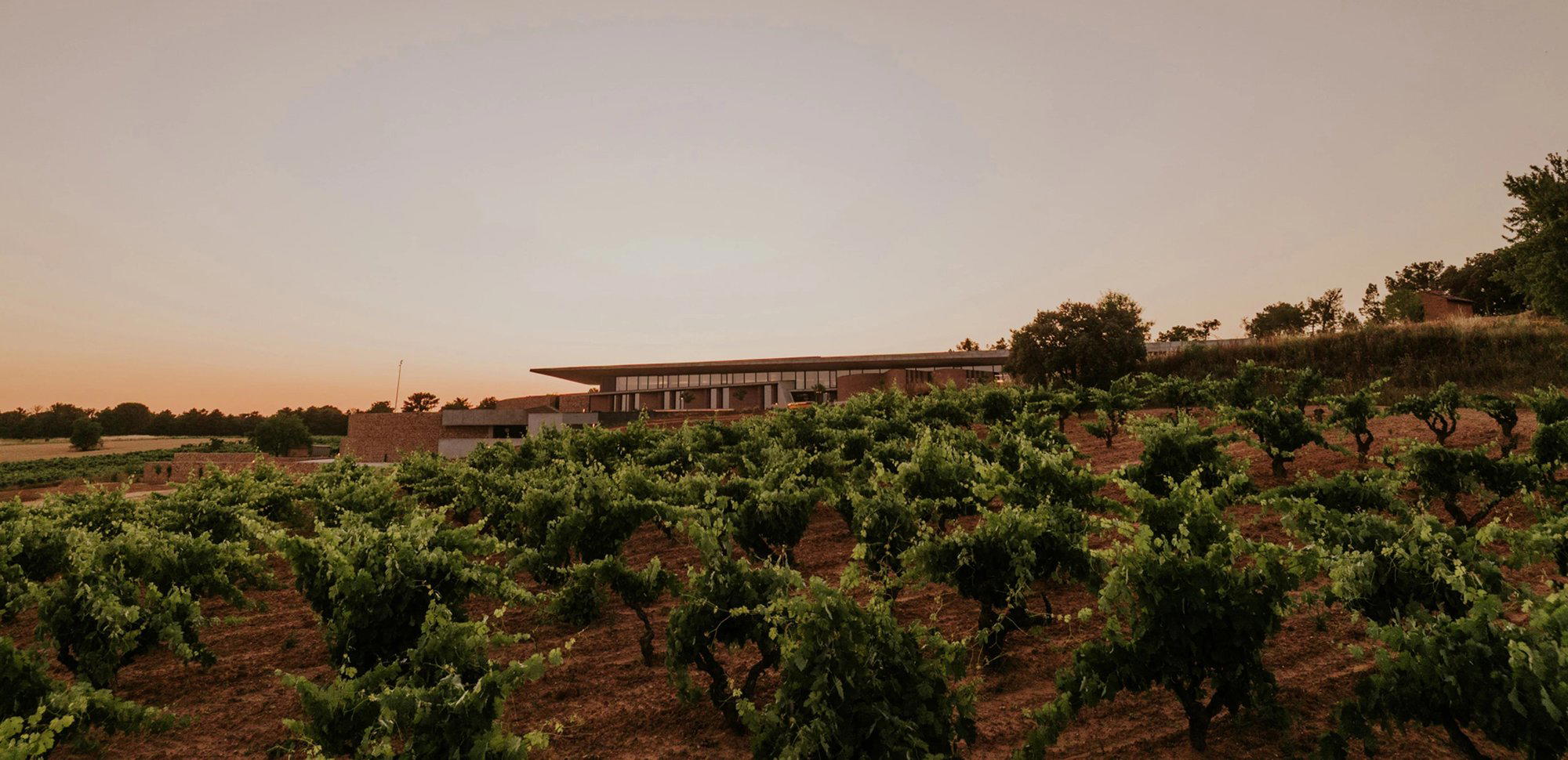
Bodegas La Horra
La Horra, Spain
A strong choice for a polished Ribera del Duero winery visit, especially if Tempranillo is the point of the trip. Bodegas La Horra suits couples, collectors, and small celebration groups who want organic vineyards, serious cellar work, and contemporary architecture in one appointment-led stop.
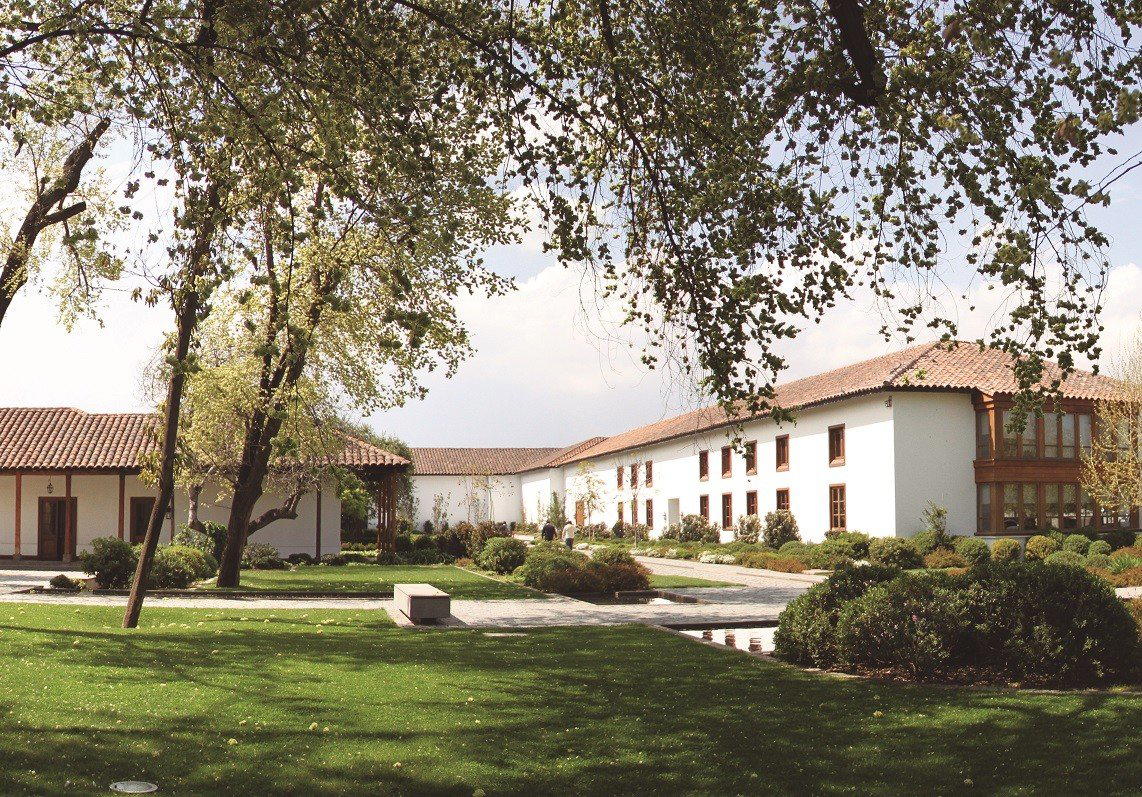
Viña Santa Carolina
Santiago, Chile
A strong pick for travelers who want a Santiago-based winery visit rather than a full-day valley excursion. Book it for wine context in Macul and compare it with Cousiño-Macul, Aquitania, and Ventisquero if timing or tasting details are hard to confirm.
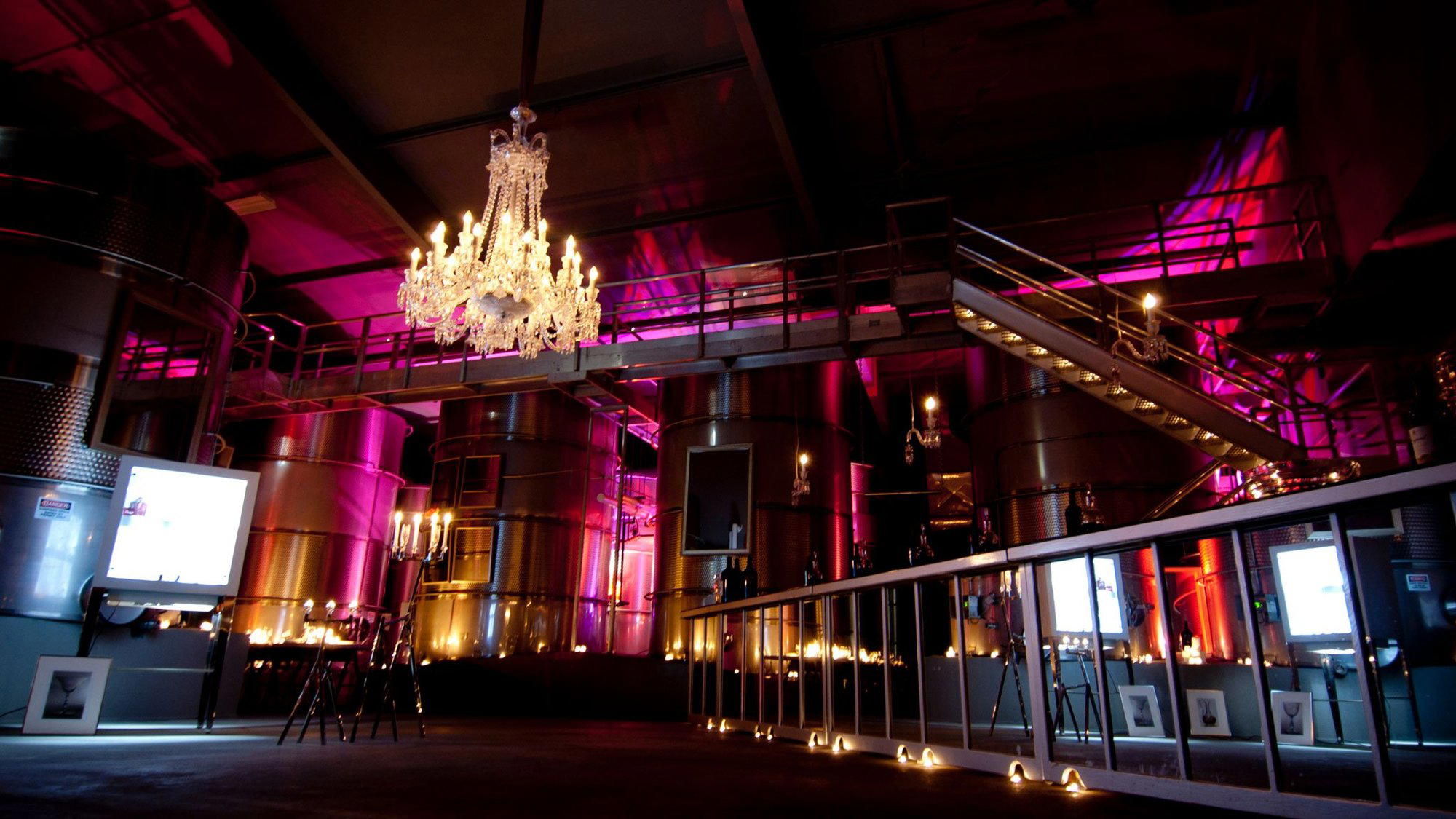
Raymond Vineyards
St. Helena, United States
Raymond Vineyards works for a lively St. Helena tasting, especially for first-timers or mixed groups who want atmosphere alongside wine. Serious collectors may prefer quieter, more focused peers such as Corison Winery or Accendo Cellars, but Raymond is a stronger fit when the day calls for energy and a polished Napa stop.
I Colli Rossi
Cermenate, Italy
Book I Colli Rossi if you want a quiet, rustic Lombardy winery stop with a $$ price signal and Falstaff Listed recognition in 2026. It is better for a small celebration or calm wine-focused detour than for travelers who need published tasting formats, named flagship bottles, or a full meal-led experience.
Domaine Bertagna
Vougeot, France
Domaine Bertagna is a practical anchor for a Vougeot-focused Burgundy winery day, especially if the plan is built around appointments rather than casual drop-ins. Its 2026 Falstaff listing gives it a useful trust signal, but the smarter move is to treat it as one well-planned stop and keep meals, lodging, and any second tasting close to Vougeot.
Domaine Lafond Roc-Epine
Tavel, France
A good Tavel booking if you care more about serious rosé, family-run production, and Rhône value than polished winery theater. Domaine Lafond Roc-Epine is strongest for first-timers who want a working estate atmosphere and a portfolio spanning Tavel, Lirac, and Châteauneuf-du-Pape.
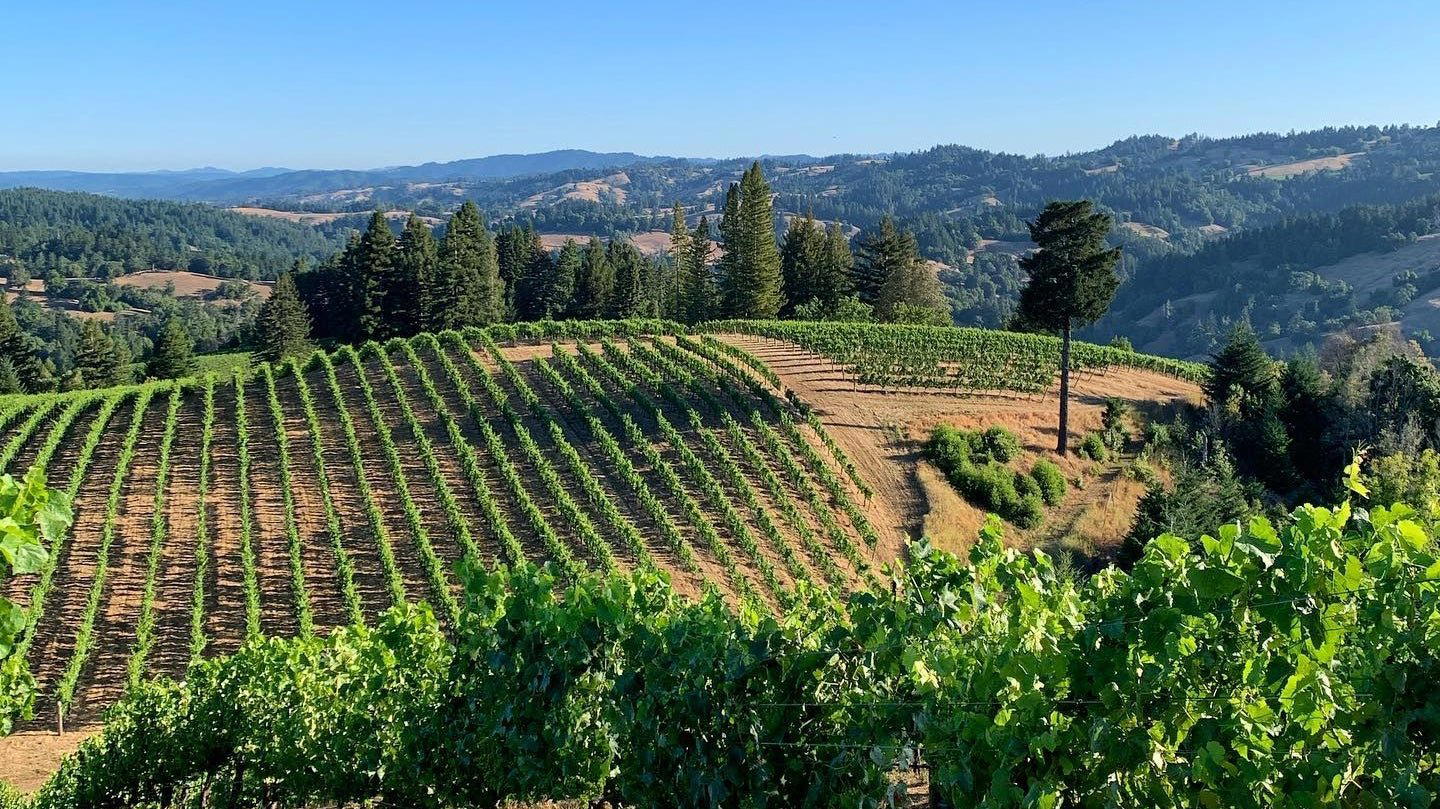
Hirsch Vineyards
Cazadero, United States
Hirsch Vineyards is worth targeting if the goal is a serious coastal Sonoma producer visit rather than an easy tasting-room crawl. The Cazadero location rewards wine travelers who plan carefully, but visitors who need simple logistics should compare it with Fort Ross Vineyard & Winery before committing the day.
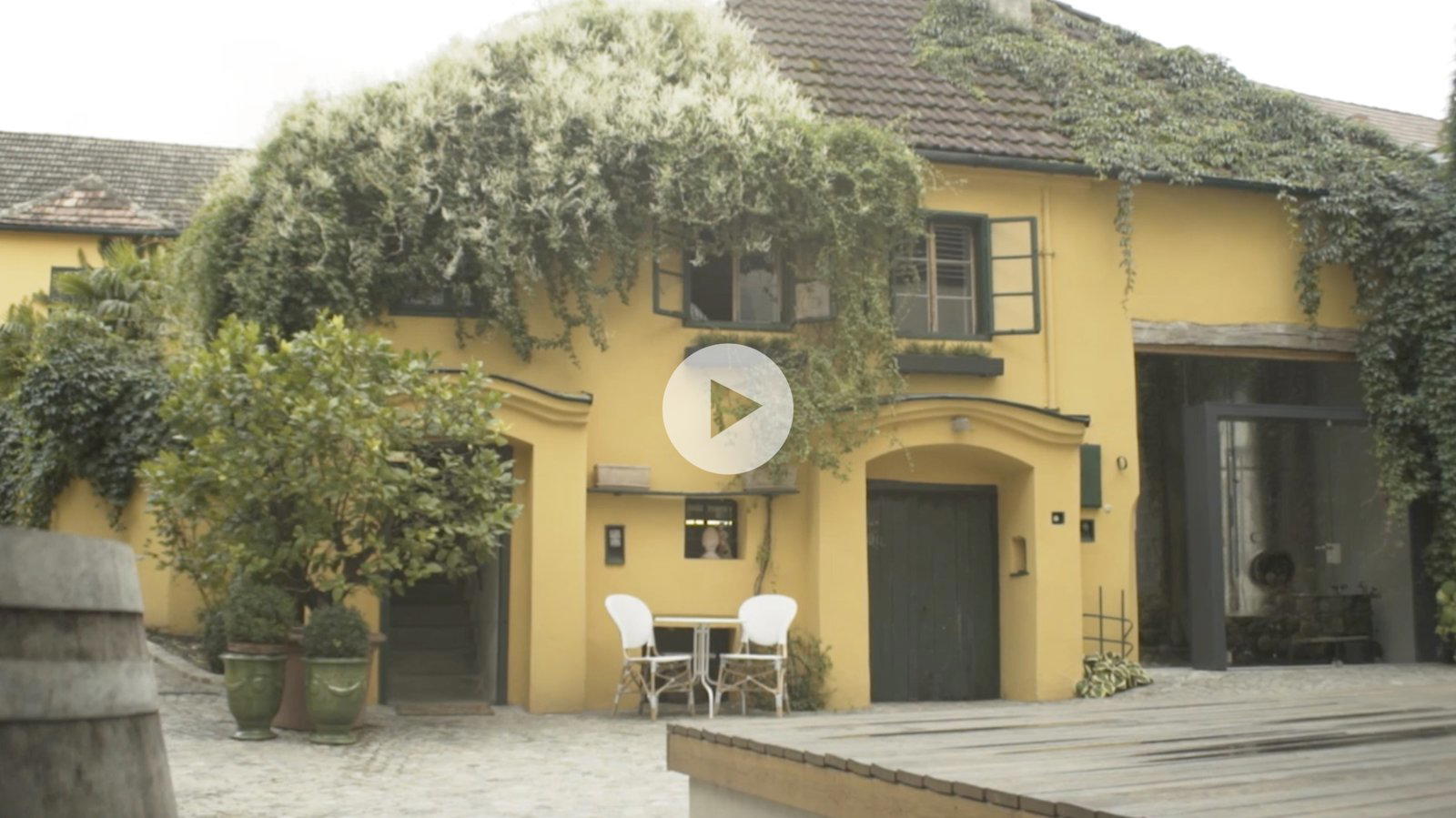
Weingut Ebner-Ebenauer
Poysdorf, Austria
Plan Weingut Ebner-Ebenauer as a serious Poysdorf winery stop, not a casual add-on. It is strongest for small groups, special occasions, and wine-focused itineraries where the cellar visit is the main event; if the group needs confirmed food service or flexible timing, compare nearby producers first.
Il Poggiolo
Montù Beccaria, Italy
Il Poggiolo works if the vineyard setting matters as much as the tasting itself. This family-run Montù Beccaria winery is strongest for a quiet, terroir-focused stop in Oltrepò Pavese, especially for couples or small groups who want hillside context rather than a highly scripted luxury format.
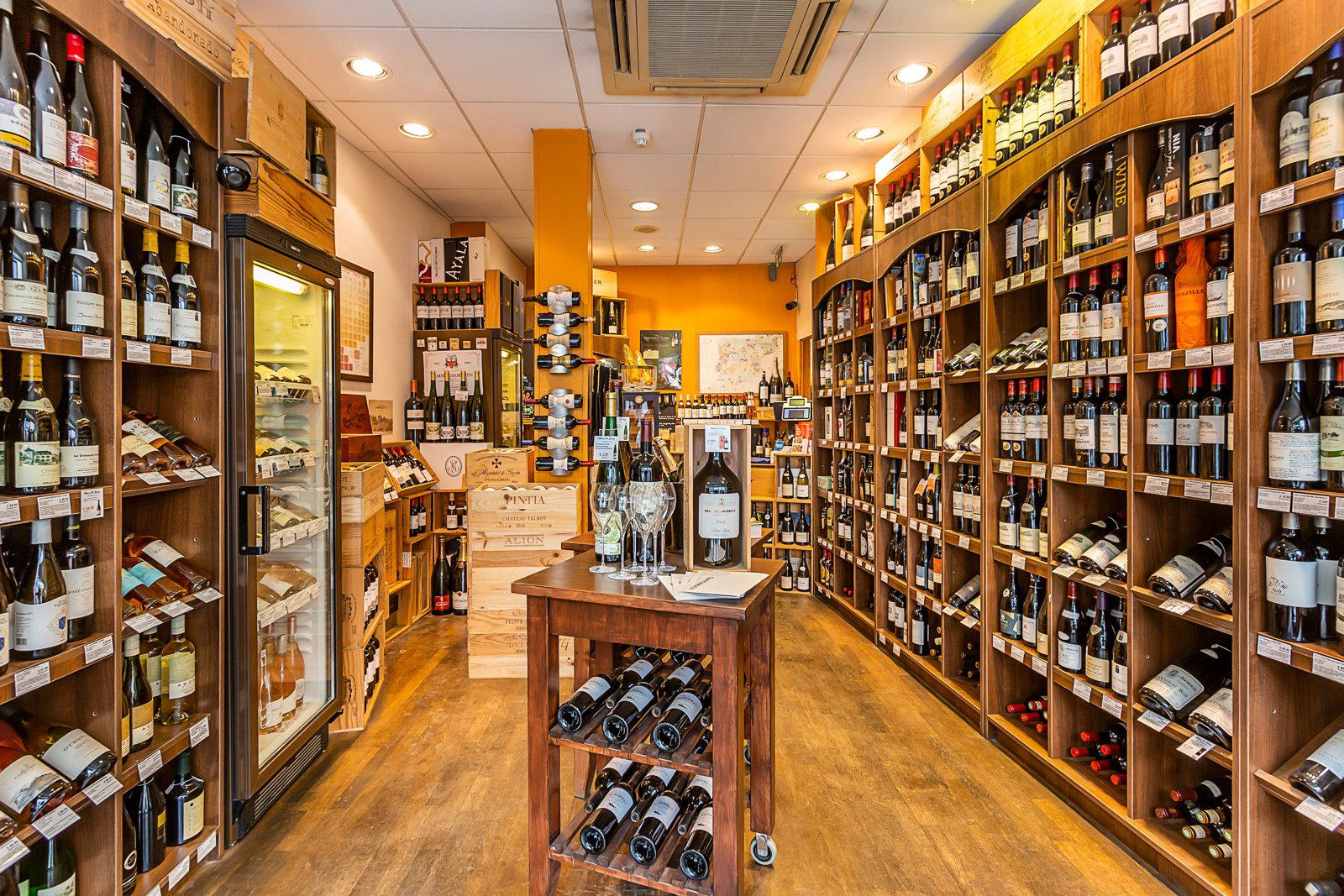
Weingut Balthasar Ress
Eltville, Germany
Book Weingut Balthasar Ress if the point of the Eltville stop is serious Rheingau wine rather than a meal-led visit. It is strongest for travelers building a focused winery day and weaker for groups that need a confirmed food program before they commit.
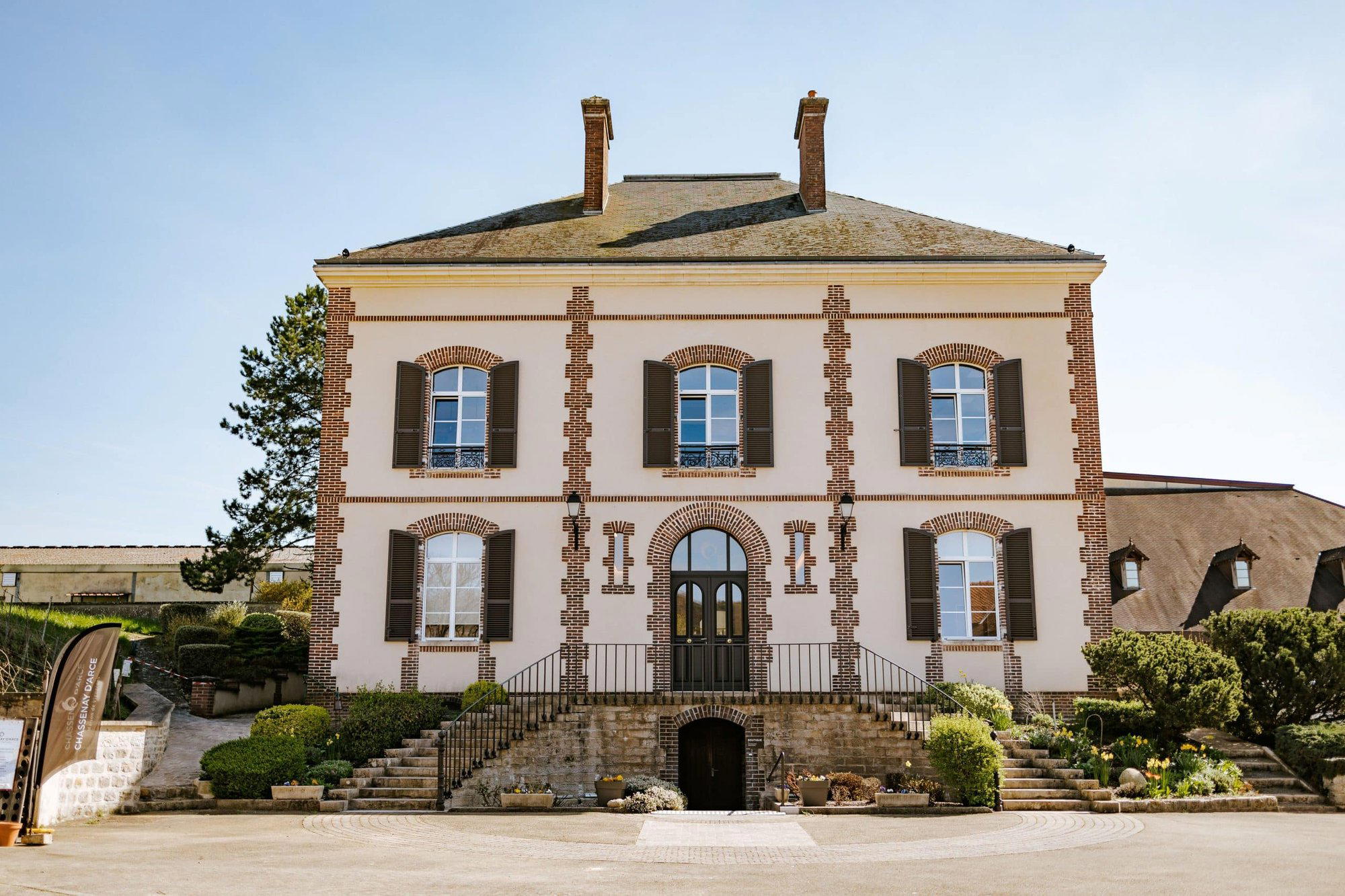
Chassenay d'Arce
Ville Sur Arce, France
Worth considering as an easy Ville-sur-Arce winery stop if flexibility matters more than a highly structured tasting. The stronger play is to treat Chassenay d'Arce as part of a wider wine-country day, especially for returning visitors who want a practical producer check-in rather than a destination built around dining or a formal cellar experience.
Gaudenz Gutshof Isser
Parcines, Italy
Book Gaudenz Gutshof Isser if you want a quiet, appointment-only South Tyrolean estate visit with historic atmosphere, regional wines, and fruit spirits rather than a standard tasting-room stop. The value is strongest for couples or small groups who care about setting and craft detail; skip it if you need flexible walk-in logistics or a broad technical wine tasting.
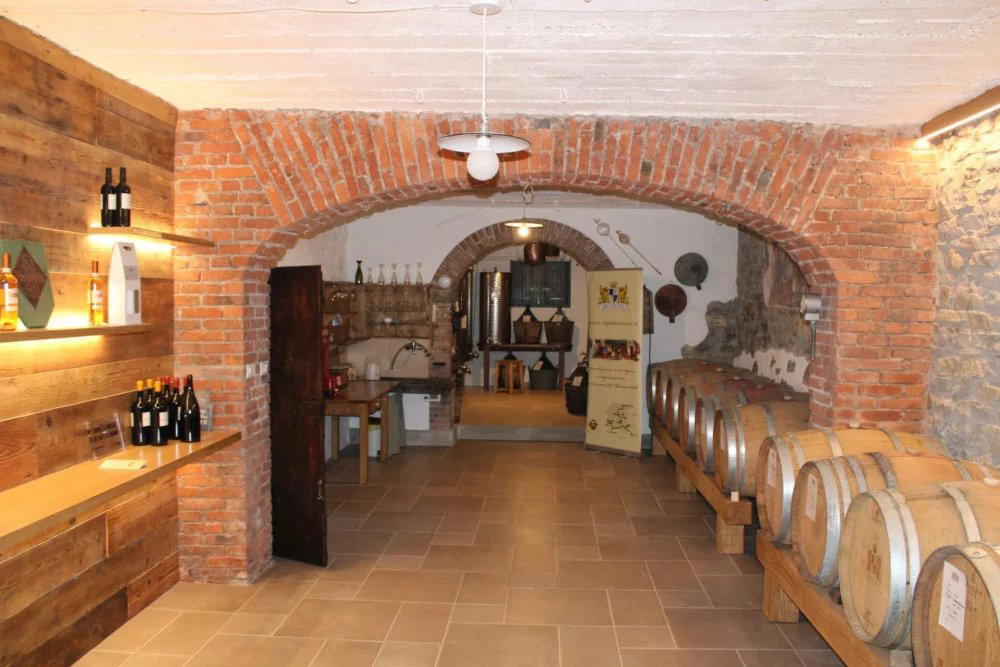
Cantina Modeano
Palazzolo Dello Stella, Italy
Cantina Modeano is worth booking if you want a calm Friulian estate tasting focused on integrated viticulture, local varieties and a rural villa setting rather than a polished luxury-winery show. Go in good weather, leave time for the garden and chapel, and prioritize a guided tasting if you want to understand the range across Ribolla Gialla, Malvasia, Pinot Grigio, Refosco and Cabernet Sauvignon.
Bodegas Arrocal
Gumiel De Mercado, Spain
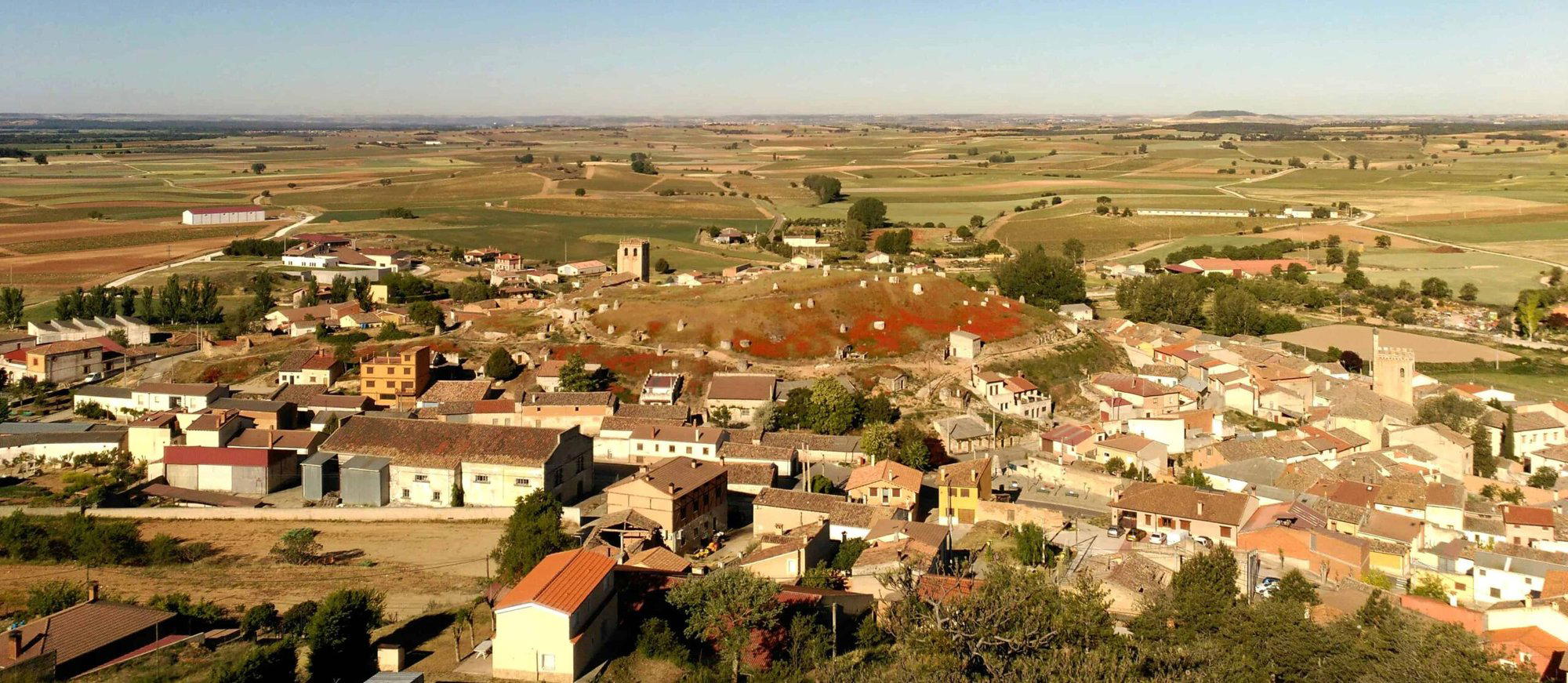
Bodegas Arrocal is worth booking if you want a small, family-run Ribera del Duero visit focused on vineyards, cellar work and Tempranillo rather than polished wine-tourism theatre. The value is strongest for couples or small groups who want a relaxed rural tasting with a credible quality signal from Falstaff 2 Stars (2026).
Castello San Sano
Gaiole in Chianti, Italy
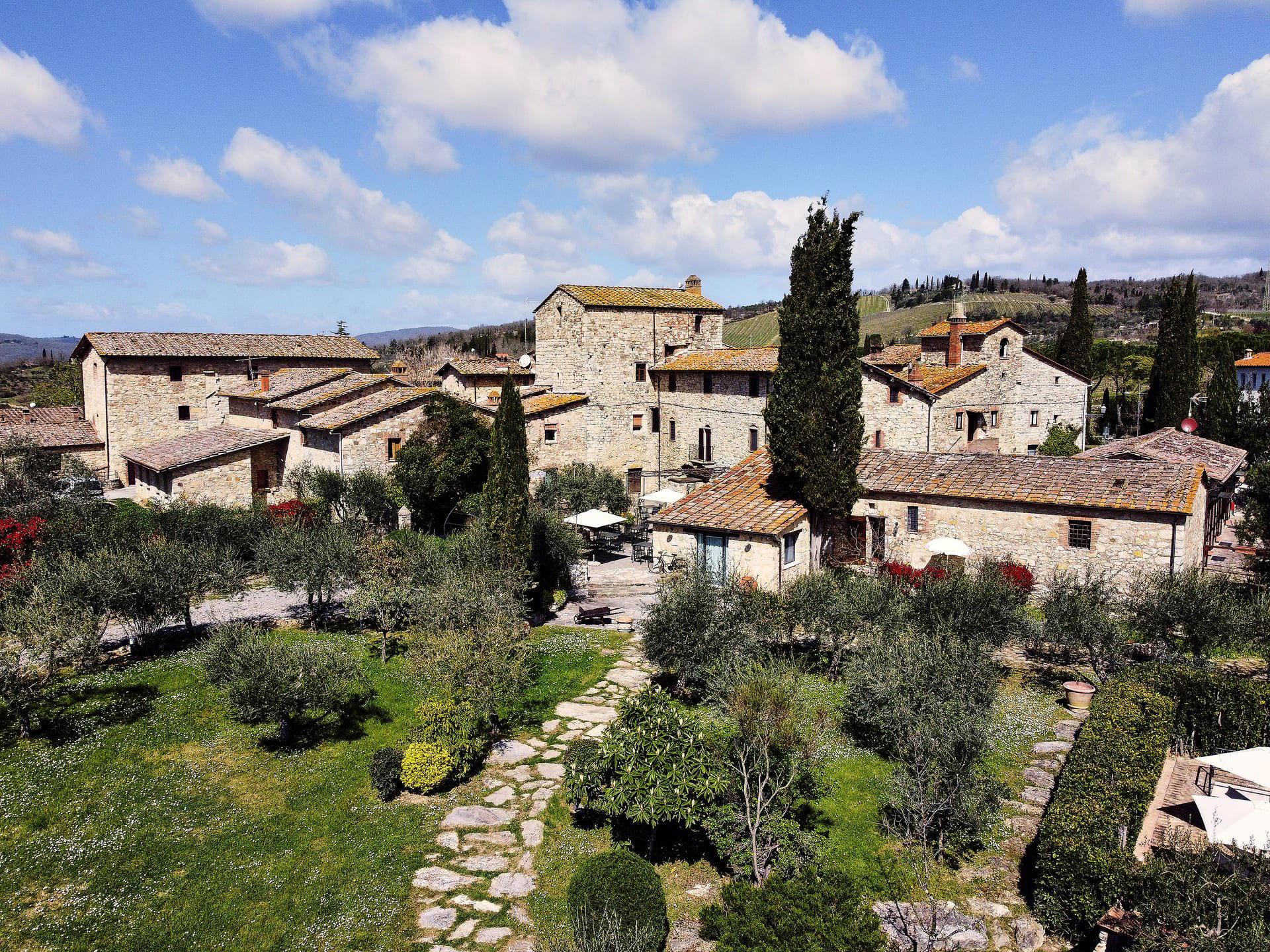
Castello San Sano is a strong choice for a polished Chianti Classico visit in Gaiole, especially if the occasion calls for a scenic, wine-led estate experience rather than a casual tasting. The Antinori connection, high-elevation vineyards, and Gran Selezione focus justify the $$$ positioning for guests who care about Sangiovese, structure, and food pairing potential.
Castello delle Regine
San Liberato Di Narni, Italy
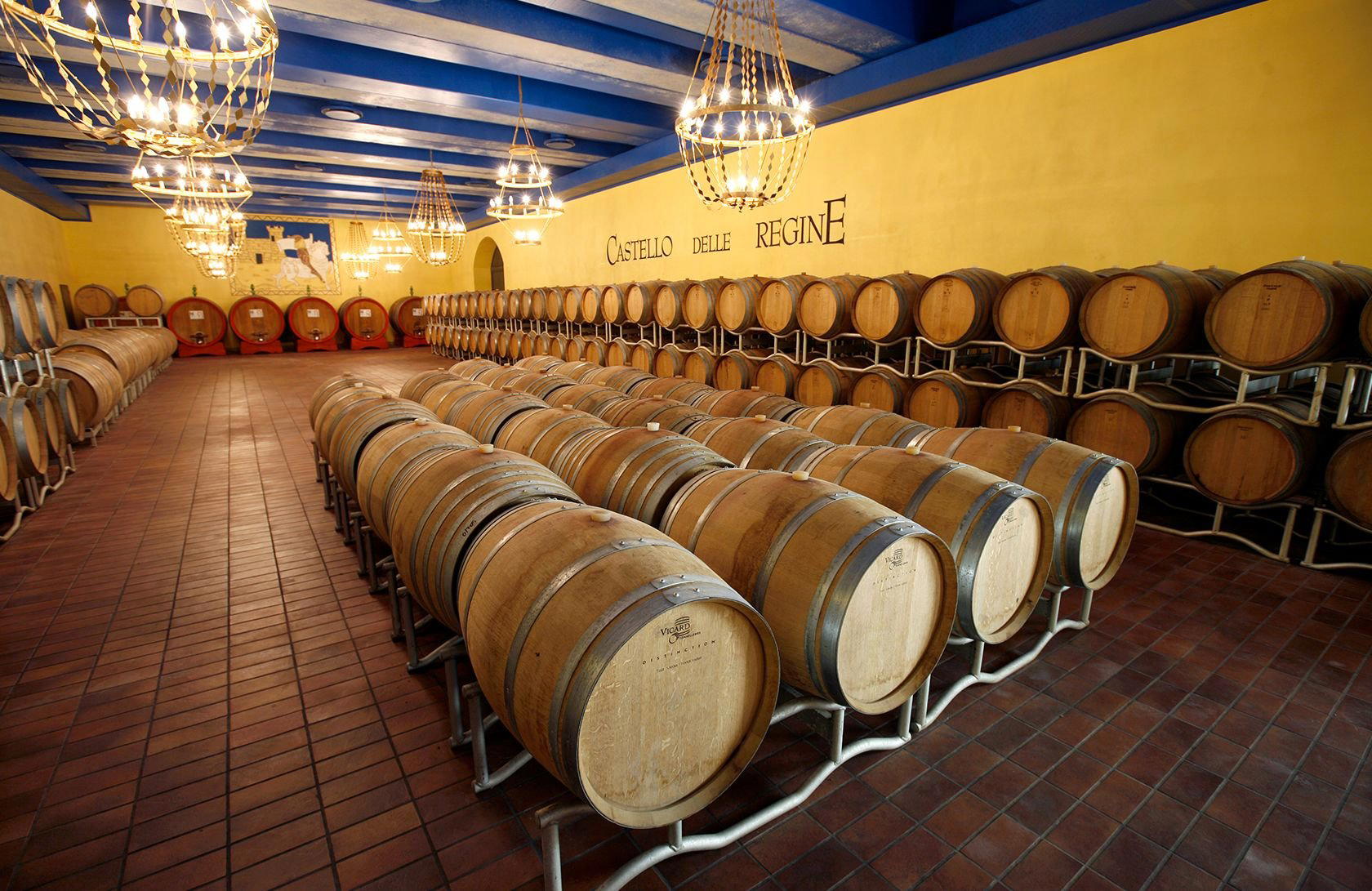
A good pick for first-time visitors who want an Umbrian estate tasting with vineyard context, agriculture, and the option to build a slower countryside visit around lunch. Book ahead for private tours, and go for the estate-grown Sangiovese-led reds rather than a rushed tasting stop.
Domaine P. & M. Jacqueson
Rully, France
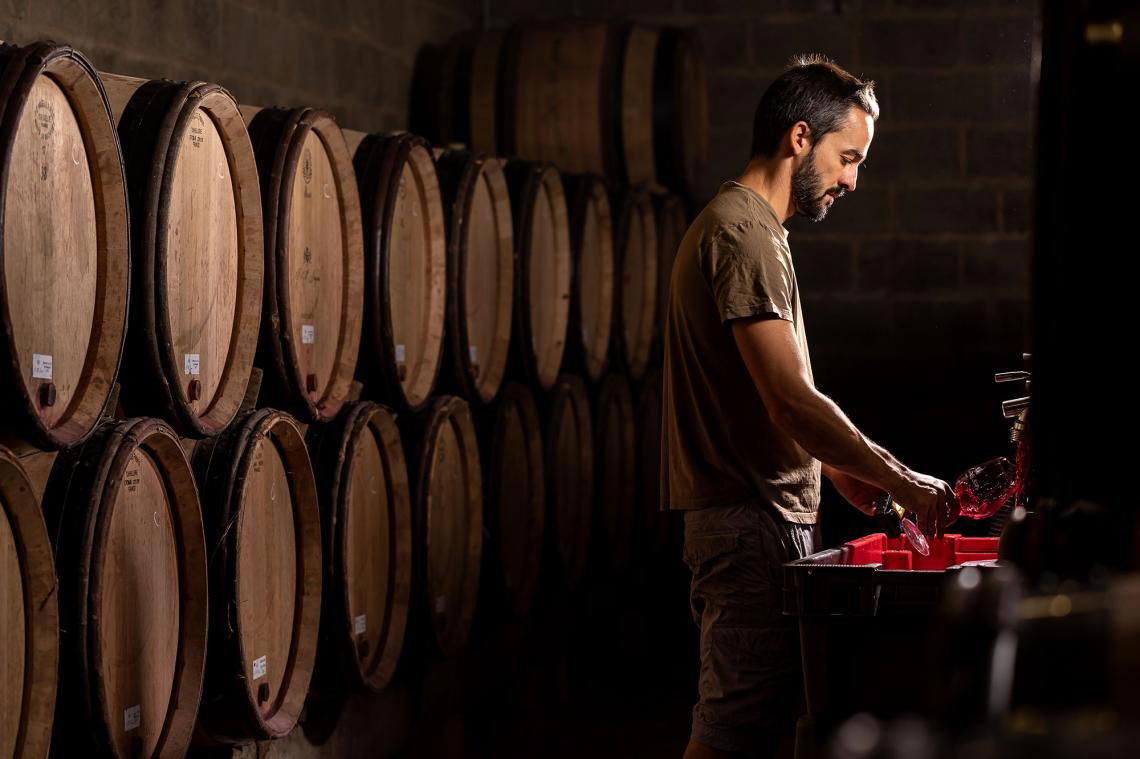
Book Domaine P. & M. Jacqueson if the goal is a serious, appointment-only Rully tasting centered on Premier Cru Burgundy rather than a food-led visitor experience. The $$$ positioning makes sense for wine-literate couples or small groups who care about family continuity, sustainable farming, and Côte Chalonnaise detail.
Domaine Thomas Morey
Chassagne-Montrachet, France
A smart Chassagne-Montrachet stop for travelers building a focused Burgundy wine day rather than a broad sightseeing route. Plan it with advance coordination, keep the group small, and combine it with nearby village dining, lodging, or another winery appointment.
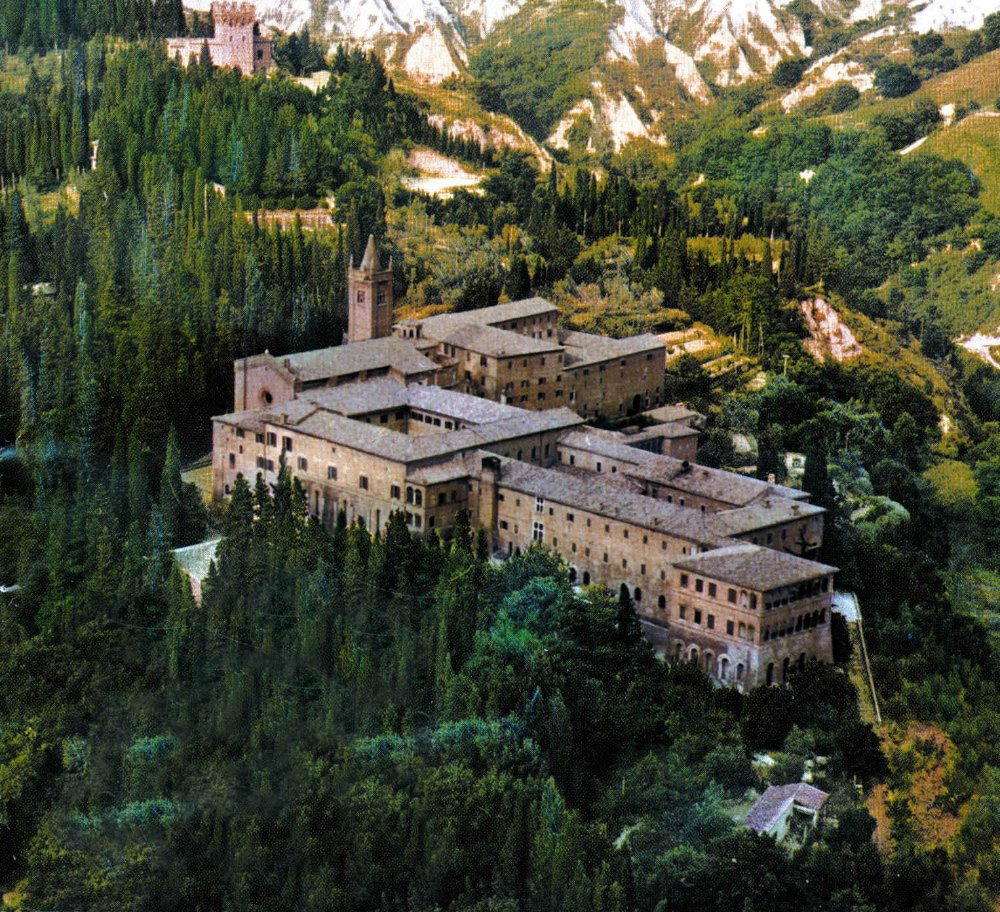
Abbazia Monte Oliveto
Asciano, Italy
Abbazia Monte Oliveto is worth planning into an Asciano wine day if you want monastic heritage, a traditional cellar, and a quieter alternative to polished Tuscan tasting rooms. Go for the abbey setting, agricultural production, chant, and Crete Senesi context; skip it if you need a formal, producer-led tasting built around detailed label analysis.
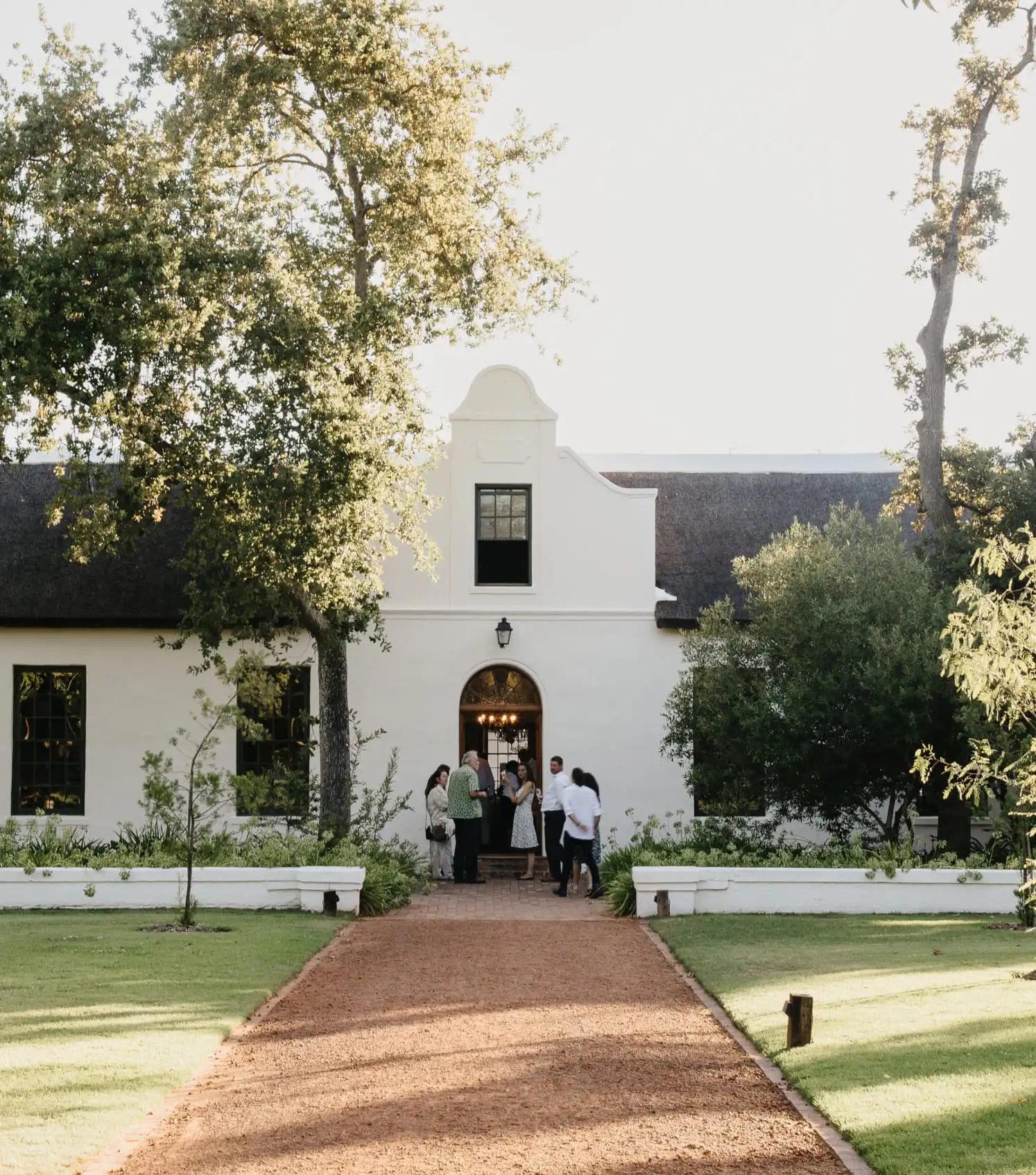
Spier Wine Farm
Stellenbosch, South Africa
Spier Wine Farm is worth shortlisting when the plan calls for a full Stellenbosch estate outing rather than a quick tasting stop. It suits celebrations, group visits, and wine-with-food itineraries better than tightly focused cellar appointments, especially when comfort and setting matter as much as the tasting itself.
Domaine Le Bout du Monde
Lansac, France
Domaine Le Bout du Monde works for a quiet, wine-led stop in Lansac, especially for couples or small celebrations that do not need a full dining format. The 2026 Falstaff listing gives it credibility, but the safer expectation is a focused winery visit rather than a luxury private-tasting package.
Domaine Laforest
Regnie Durette, France
A grounded Beaujolais estate for visitors who care more about Gamay, farming and cellar context than a polished tasting-room setup. Domaine Laforest is a strong pick for a quiet wine-focused stop in Régnié-Durette, especially if comparing Régnié, Brouilly, Côte-de-Brouilly and Beaujolais-Villages is the goal.
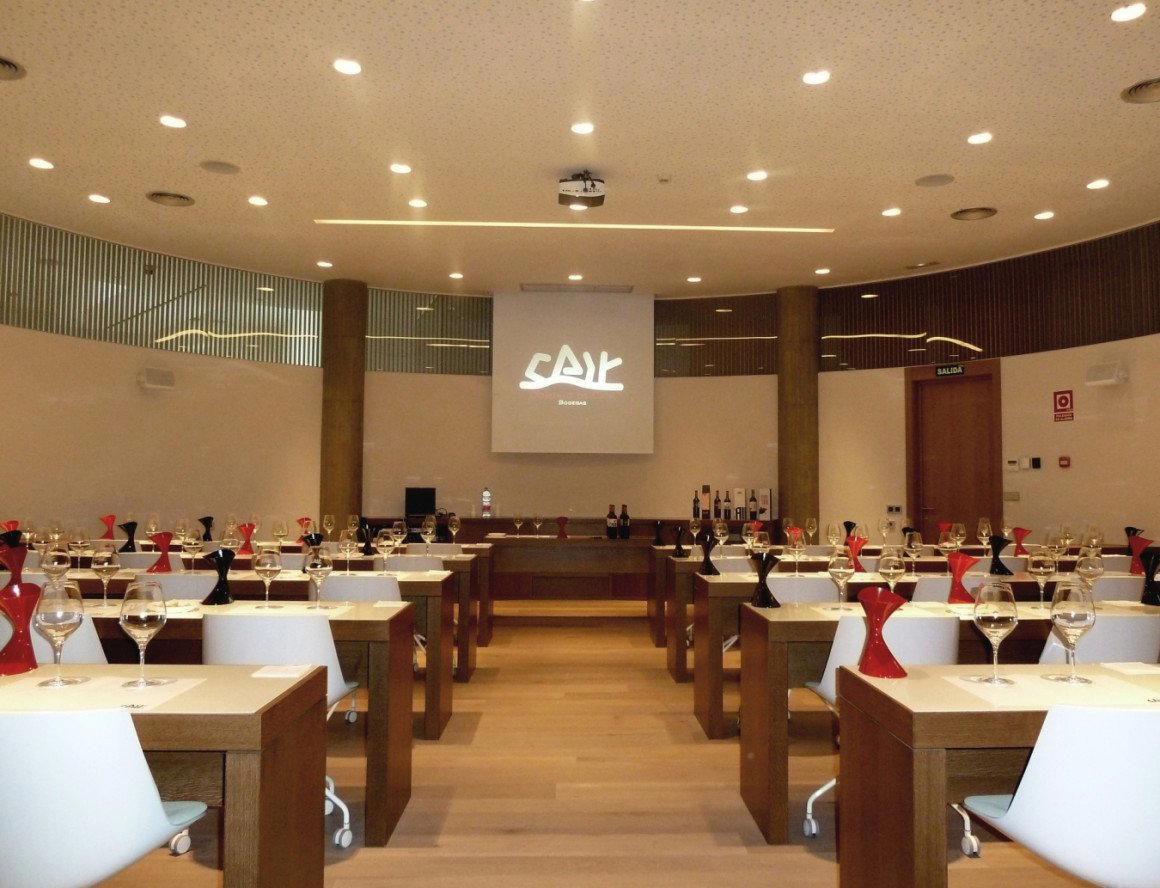
Dominio De Cair
La Aguilera, Spain
Dominio De Cair is worth booking if you want a polished Ribera del Duero winery visit with real production context, not just a tasting counter. The draw is the clear progression from accessible reds to older-vine Tempranillo, supported by barrel tastings and a modern visitor setup. It suits wine travellers who want structure, scale, and technical clarity.
Cossart Gordon
Canical, Mexico
Book this for a focused Madeira tasting rather than a food-led winery meal. The strongest reason to go is the range across Sercial, Verdelho, Bual, Malmsey and rarer Terrantez, backed by a 2026 Falstaff listing and easy booking difficulty. Confirm food or group arrangements before treating it as a full special-occasion plan.
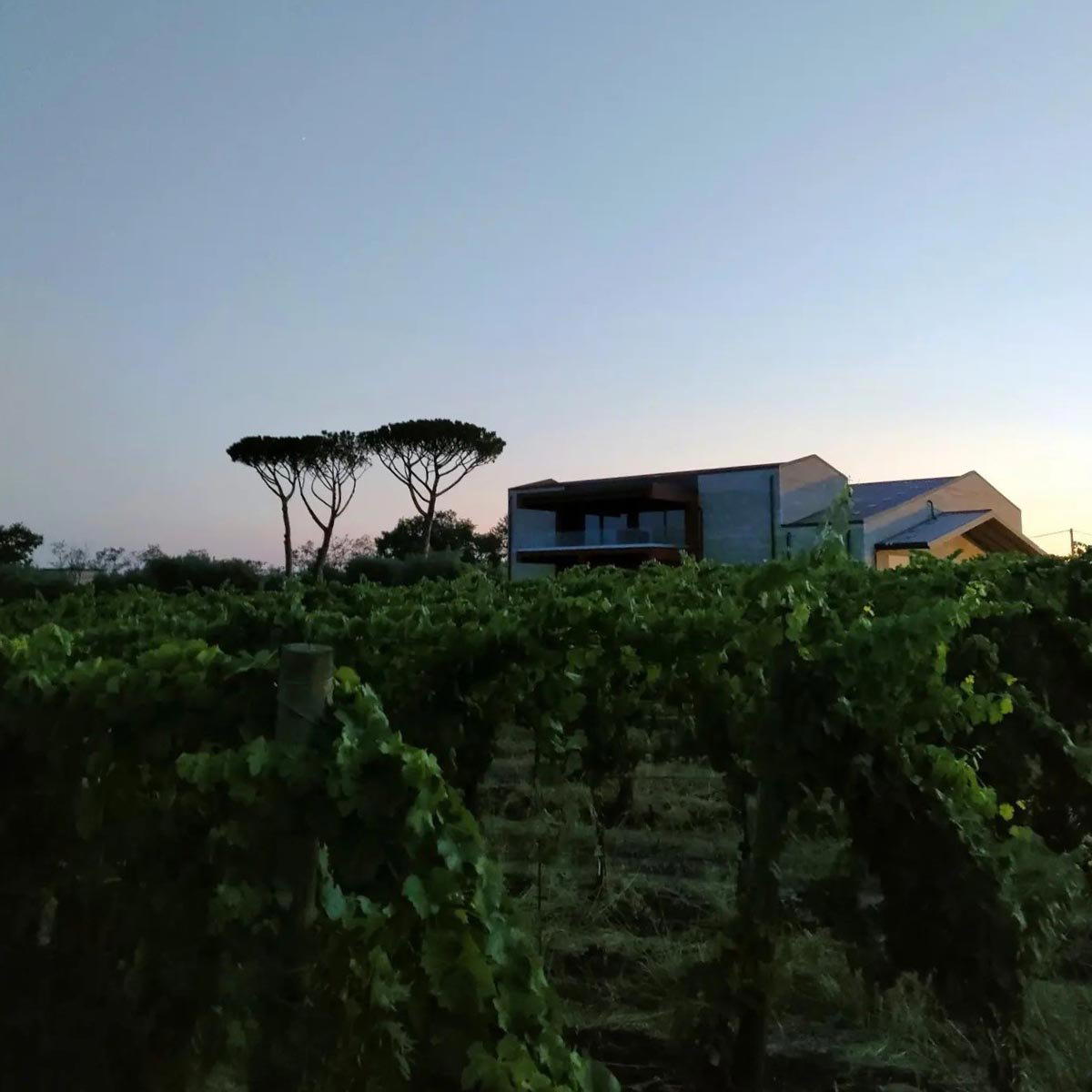
CantinAmena
Lanuvio, Italy
CantinAmena is worth prioritizing if you want a Castelli Romani winery visit built around organic farming, estate-grown fruit, and a quiet countryside setting rather than a quick tasting stop. The stronger fit is for couples or small wine-focused groups who will value the production story behind Arcana Rosso Lazio IGT and the family-run atmosphere.
Graf von Schönborn - Weingut Franken
Volkach, Germany
Book Graf von Schönborn - Weingut Franken if a calm Franconian estate setting matters more than a fully published tasting lineup. The $$ price signal and Falstaff Listed 2026 recognition make it a credible Volkach winery stop, but bottle hunters should confirm tasting format, shipping, and current availability before planning around it.
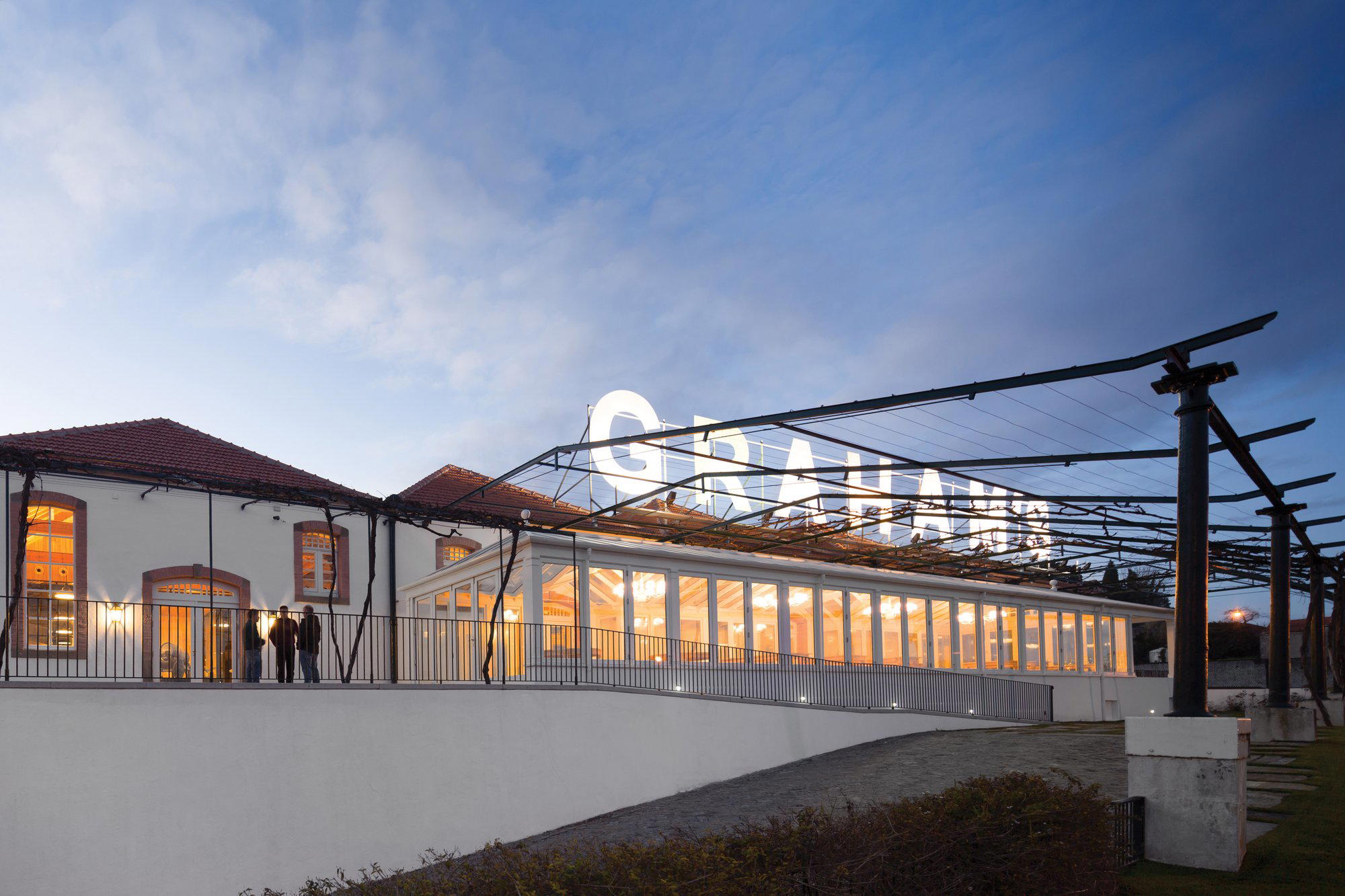
Graham's Port
Vila Nova de Gaia, Portugal
Graham's Port is the Gaia lodge to prioritise if port is the point of the trip, not just a filler tasting between Porto viewpoints. The World's 50 Best Vineyards #40 recognition gives it a stronger trust signal than a generic cellar stop, but casual wine tourists should compare Churchill's, Ferreira, and Cockburn's Port if they want a lighter or easier-feeling visit.
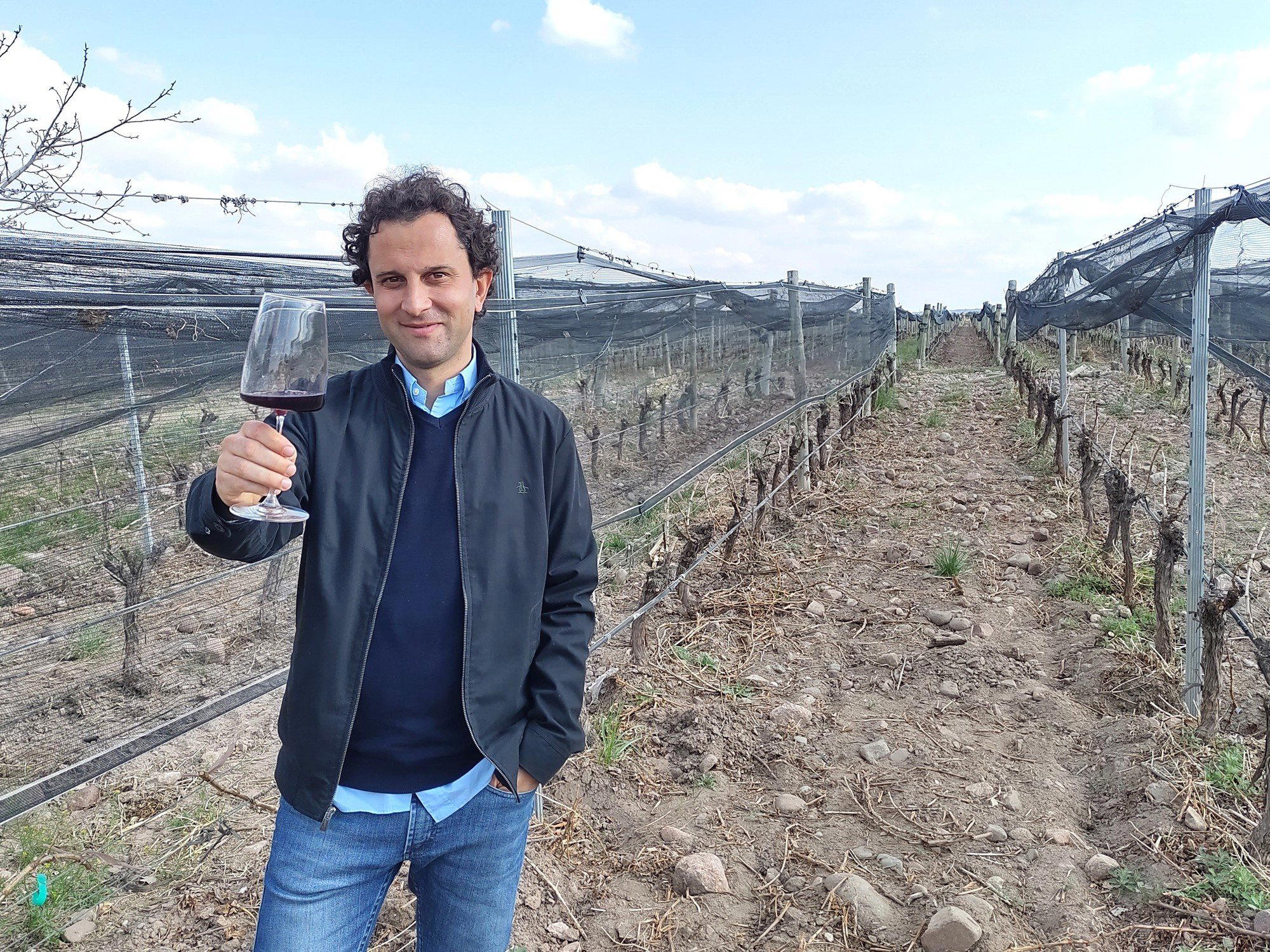
Bodega Argento
Mendoza, Argentina
Book Bodega Argento only if you want a relaxed Mendoza winery stop and do not need a published tasting structure before committing. Falstaff listing recognition for 2026 gives it a credible signal, but the better play is to slot it into a wider wine-country day rather than make it the sole celebration plan.
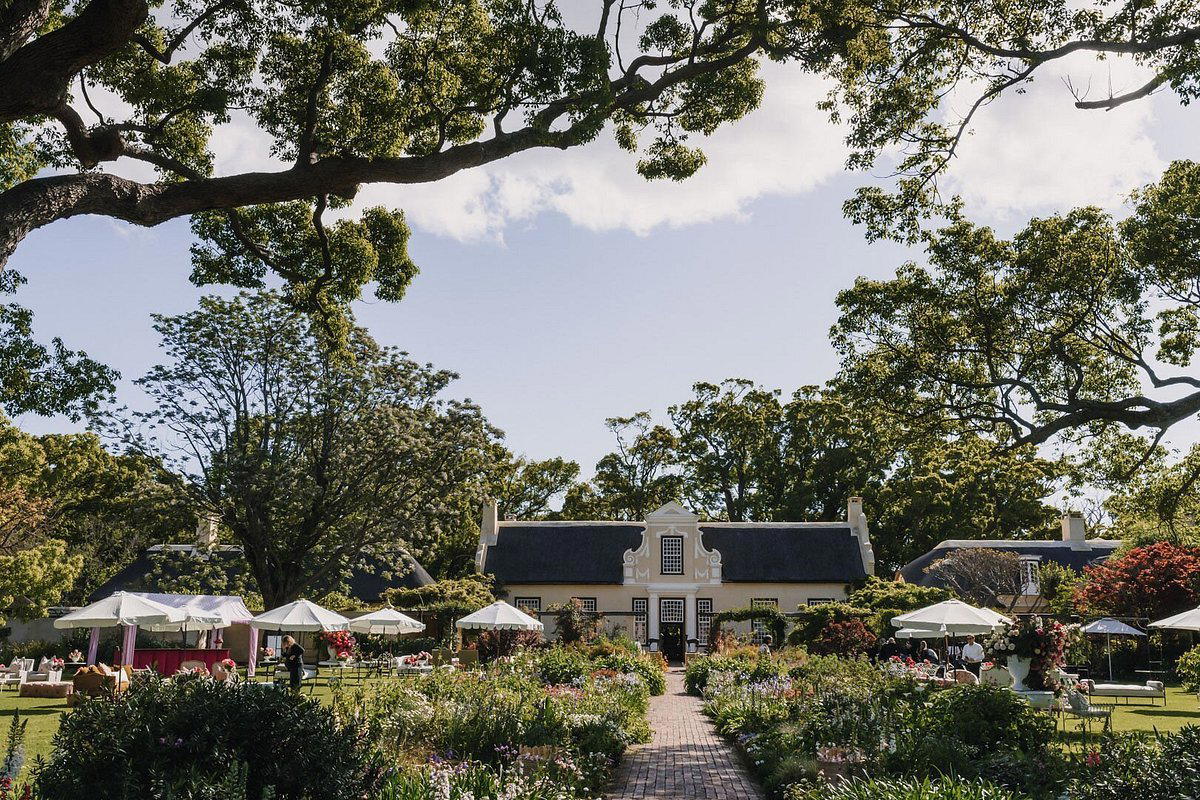
Vergelegen Wine Estate
Somerset West, South Africa
Prioritize Vergelegen Wine Estate if Somerset West is meant to be a serious wine stop, not just a scenic tasting. Its Pearl 3 Star Prestige recognition and World's 50 Best Vineyards placement make it the heavyweight choice in the local set, while Lourensford, Morgenster, and Waterkloof are useful cross-shops depending on pace and group style.
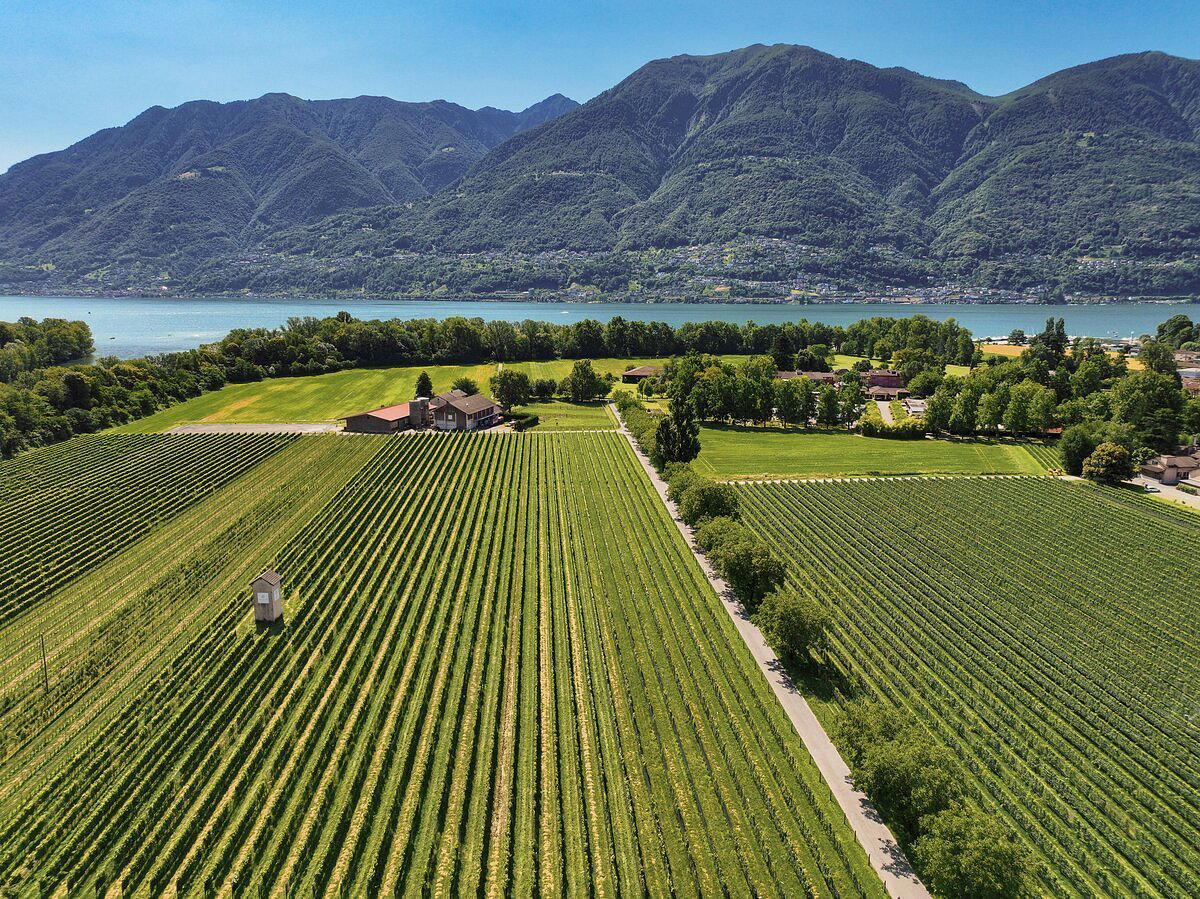
Cantina alla Maggia
Ascona, Switzerland
Cantina alla Maggia is the Ascona-area wine stop to consider when Ticino bottles are part of the trip, backed by Falstaff 2 Stars in 2026. Book-minded planners should treat it as a producer visit rather than a guaranteed dining stop, since public details on food, hours, and visitor format are not listed here.
Bodega Pagos De Matanegra, S.L.
Olmedillo De Roa, Spain
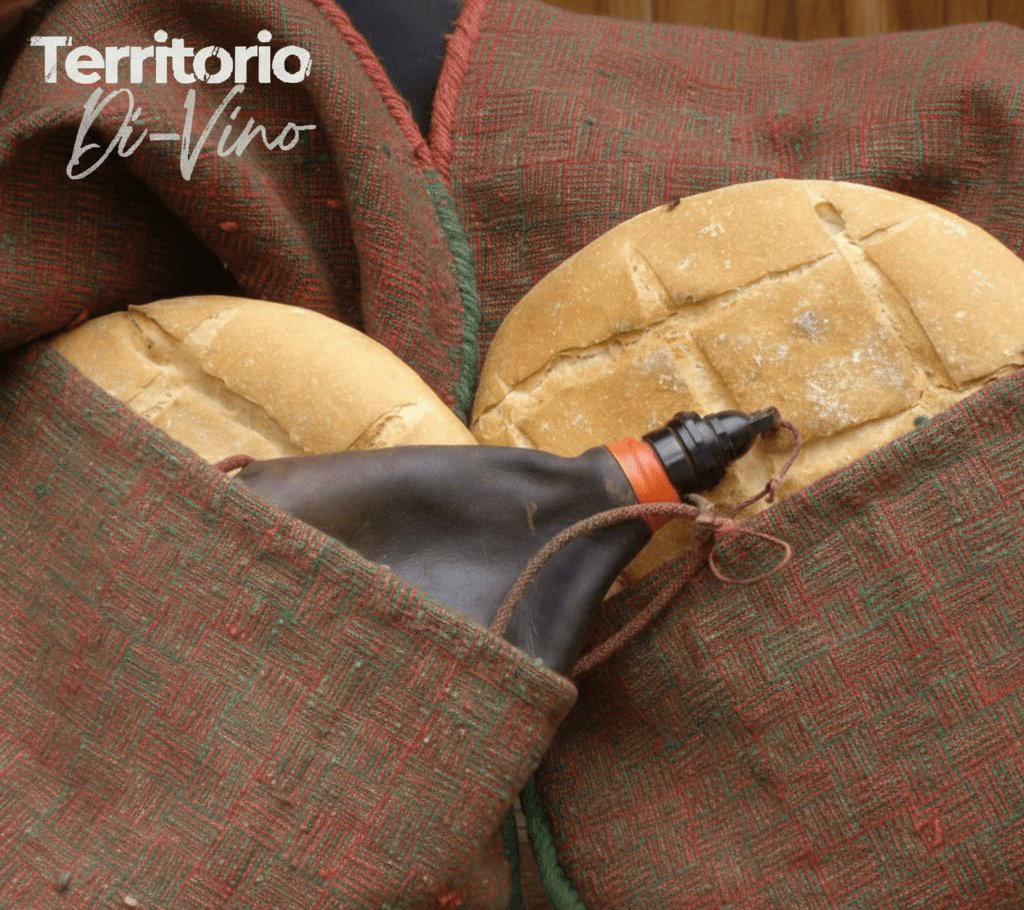
Prioritize Bodega Pagos De Matanegra, S.L. if the goal is a focused Ribera del Duero visit built around old-vine Tempranillo, biodynamic farming, and single-estate context. It is a better fit for serious wine travelers than casual groups looking for a polished visitor-center format.

Cantine Vitevis
Montecchio Maggiore, Italy
Cantine Vitevis is worth booking as an easy, good-value Veneto wine stop, especially if tasting before buying is part of the plan. The renovated cooperative cellar is casual, informative, and walk-in friendly, with a €15 tasting and broad regional range. Skip it if you want a long destination lunch or a high-touch estate experience.
Bodegas Valdemonjas
Valladolid, Spain
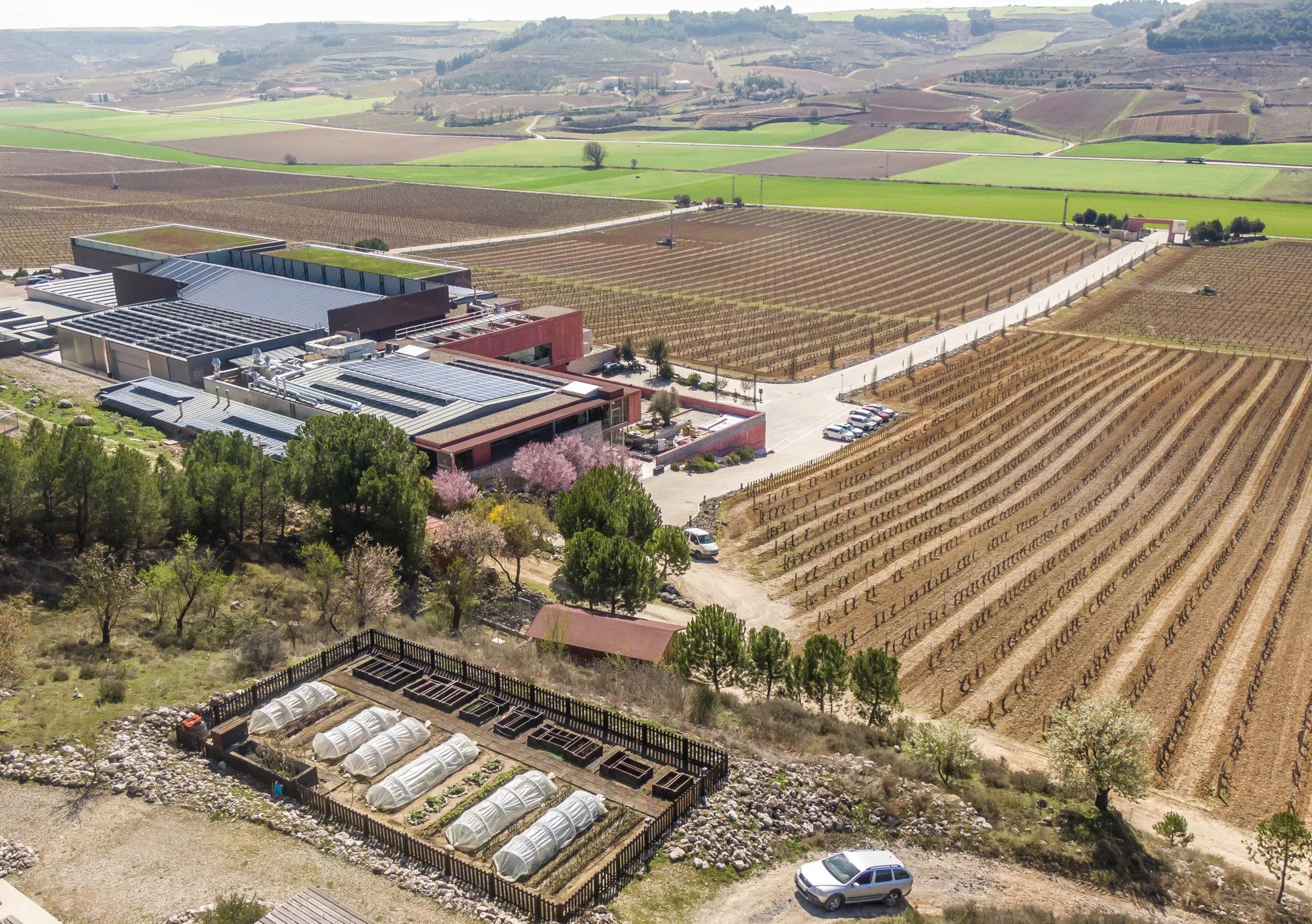
Bodegas Valdemonjas is a strong pick for a planned Ribera del Duero tasting focused on organic Tempranillo, small-estate production, and sustainability. It suits couples, collectors, and intimate groups who want a quieter, more thoughtful winery visit rather than a casual drop-in or food-led experience.
Colpaola
Matelica, Italy
Book Colpaola if the goal is a quiet, place-driven Verdicchio di Matelica tasting rather than a large winery circuit. The estate is strongest for couples or small groups who care about organic farming, high-altitude vineyards, and a relaxed outdoor setting; casual drinkers may prefer folding it into a wider Matelica wine day.
Fattoria di Petroio
Quercegrossa, Italy
Book Fattoria di Petroio if the goal is a slower Chianti Classico visit built around Sangiovese, estate-grown fruit, and countryside quiet. The strongest draw is the wine hierarchy, especially Chianti Classico Riserva and Gran Selezione Poggio ai Grilli, rather than a casual tasting-room format.
Château Jean Guillot
Sainte Eulalie, France
Book Château Jean Guillot if you want a practical Bordeaux winery stop focused on classic regional value rather than polished château hospitality. The appeal is its family viticulture history, cellar-led setting, $$ positioning, and Falstaff-listed credibility; skip it if you are looking for a luxury tasting-room experience.
Bodega Nuestra Señora de Vico
Arnedo, Spain
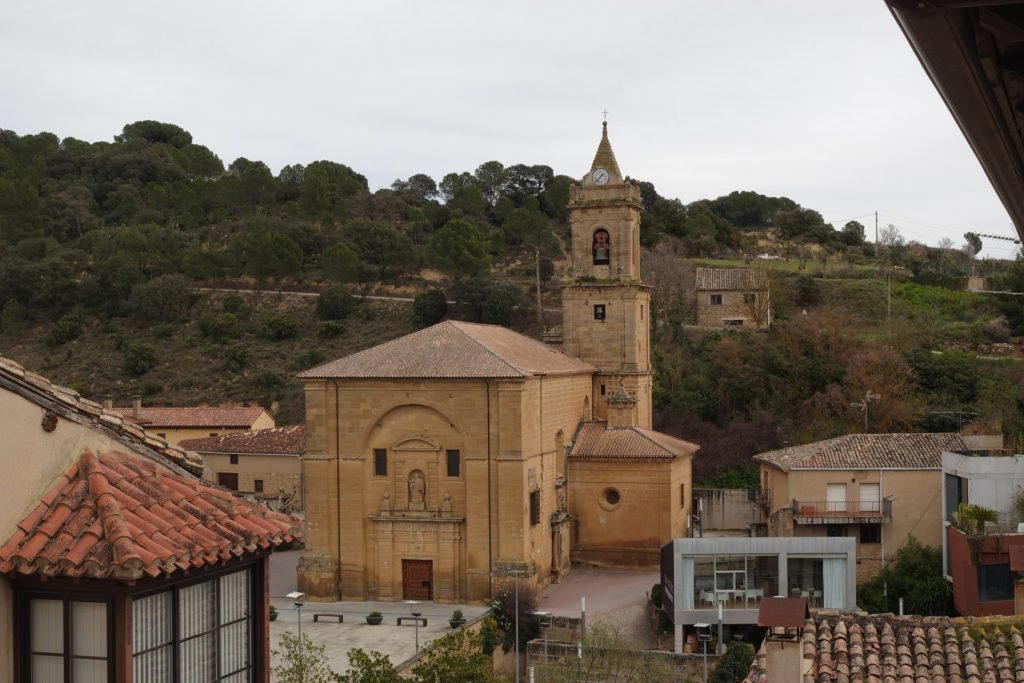
Book Bodega Nuestra Señora de Vico if the point is understanding cooperative Rioja from the production side, not chasing a luxury tasting-room experience. The draw is its 1956 cooperative structure, roughly 400 member-owners, DOCa Rioja Tempranillo focus, and scenic Rioja Baja setting. Appointment-only access makes it a planned stop, not a casual add-on.
How many of these have you visited?
Find out on Pearl and keep score across every place in 2026 Falstaff Winery Guide.