

Quinta Nova de Nossa Senhora do Carmo
Covas do Douro
Winery in Covas do Douro, Portugal
 Book with Pearl
The Read
Microterroir-Mapped Viticulture
Price
$50–100tasting
Why go
Choose Quinta Nova de Nossa Senhora do Carmo when the Douro visit needs to feel wine-led and occasion-worthy, not casual. Its World's 50 Best Vineyards #42 recognition from 2022 gives it a stronger credibility signal than many valley stops, but confirmed details on pricing, food, shipping, and flagship bottles should be checked before building a buying plan around it.
About Quinta Nova de Nossa Senhora do Carmo
Quinta Nova de Nossa Senhora do Carmo is a recognised Covas do Douro venue for travellers comparing premium Douro Valley stops. Planning should stay practical: confirm current visit details directly with the venue, and use its recognition and dress code as the main public signals when deciding whether it fits your itinerary.
A recognised Covas do Douro address
The clearest trust signals are Quinta Nova de Nossa Senhora do Carmo's Pearl 2 Star Prestige recognition for 2025 and its inclusion in World's 50 Best Vineyards at #42 in 2022. Those accolades make it a notable name to consider when building a Douro Valley plan. Check specific visit formats, food service, prices, purchase options, and booking availability directly before going.
Treat the venue as a premium Covas do Douro stop that needs direct confirmation before you build a day around it. The dress code is smart casual, so plan attire accordingly if you are visiting.
Plan this as the anchor, not the add-on
If Quinta Nova de Nossa Senhora do Carmo is important to your trip, make it the confirmed part of the plan first and then compare other Douro Valley options around it. Regional names to consider include Quinta do Crasto, Quinta do Infantado, Quinta do Noval, Quinta do Seixo (Sandeman), Douro Valley, and Quinta do Tedo, along with other dining options in Covas do Douro.
For value, the key variables are the current visit format, pricing, food availability, purchase options, and any shipping terms. Confirm those details directly before committing to a larger itinerary or purchase decision.
Quick reference: choose this for a recognised Covas do Douro venue with Pearl 2 Star Prestige (2025), World's 50 Best Vineyards #42 (2022), and a smart casual dress code; confirm all visit-specific details directly before going.
Planning details
- Location
- Quinta Nova, 5085-222 Covas do Douro
- Website
- quintanova.com/en
- Phone
- +351 254 730 430
The take
The Take
The Vibe
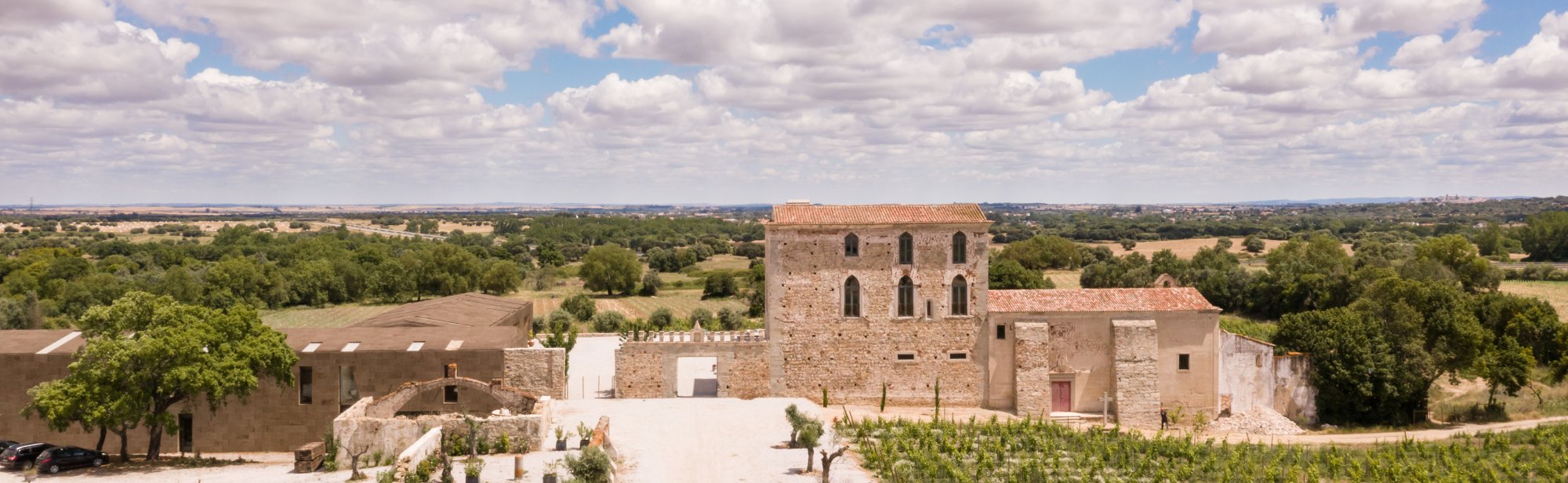
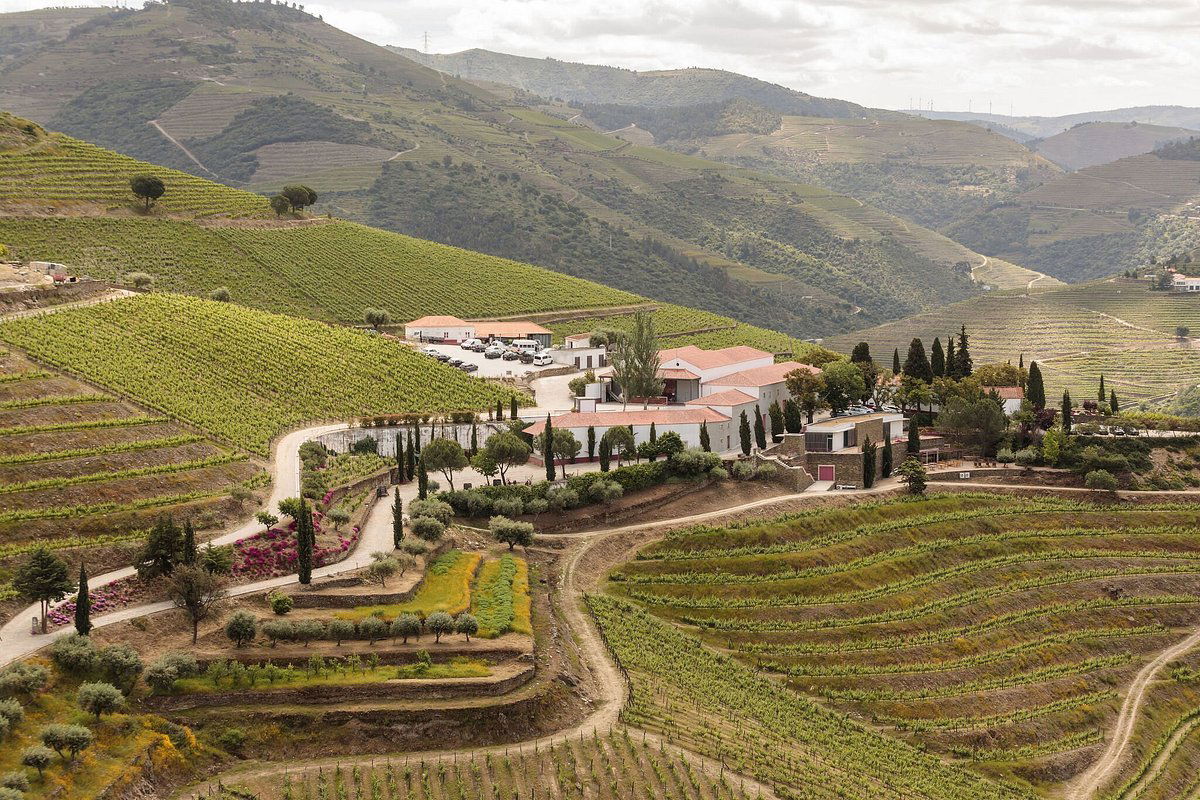
Quinta Nova sits quietly above Pinhão in a less-trafficked stretch of the Douro, where steep schist terraces form amphitheatres of vines. The estate reads like a study in place: exposures, altitude and soil variations are treated as legible features rather than background texture. That deliberate, almost forensic attention to site gives the property a contemplative, secluded character — a hidden gem for people who want to experience the landscape as an active ingredient in wine. The tone is scholarly but intimate, favoring long views of terraces and measured, detail-driven engagement over spectacle.
Best For
This is a destination for people who come to learn as much as to sip. With a decades-long microterroir programme and a recent Pearl 2 Star Prestige recognition, Quinta Nova appeals to visitors interested in terroir-driven wines, focused tastings and vineyard study. The quiet setting also suits couples seeking a low-key escape and small groups looking for a thoughtful tasting experience rather than a bustling tourist stop. Travelers who prioritize vineyard context, monovarietal expression and the story behind the land will find the estate especially rewarding.
Tasting Tips
When you visit, center inquiries on the estate’s microterroir work: ask to taste the monovarietal expressions or plot-specific wines that illustrate differences in exposure, schist and altitude. Request a guided walk or talk about the 41-microterroir mapping so you can connect tasting notes to particular terraces. Look for bottlings associated with recent critical recognition — the text cites a 2025 Pearl 2 Star Prestige award — and ask staff which wines best demonstrate acid retention, tannin structure or aromatic distinction from their mapped plots. Allow time to explore the estate grounds for context.
Venue details
Ambiance
Historic elegance with natural light from airy tasting spaces opening onto terraced vineyards and river views; serene and contemplative atmosphere reflecting centuries-old traditions.
Tags
Vibe
Best For
Experience
Sourcing
View
At the Vineyard
- Appellation
- Douro DOC
- Varietals
- Touriga Nacional, Touriga Franca, Tinta Roriz, Tinto Cão, Tinta Barroca
- Tour Duration
- 90-120 minutes
- Visits
- By appointment only
- Farming
- Sustainable
- Wine Styles
- Still Red, Still White, Fortified
- Food Pairing
- Offered
- Shipping
- Available
- Wine Club
- Available
Know before you go
Know Before You Go
- Getting there
- Quinta Nova, 5085-222 Covas do Douro
Planning details
Location
Recognition and awards


Also consider
If this is unavailable
Try Quinta do Crasto if the trip still needs a serious Douro estate with collector appeal. For a group that needs a more accessible-feeling fallback, Quinta do Seixo (Sandeman), Douro Valley is the easier name for mixed wine-interest parties to understand.
Winery context
How it compares with nearby Douro estates
Quinta Nova de Nossa Senhora do Carmo is the pick when the priority is a recognised, occasion-appropriate winery visit rather than the easiest tasting to arrange. Against Quinta do Crasto and Quinta do Noval, it sits in the serious Douro conversation, but the decision should come down to availability and what kind of visit is being offered for the date.
Quinta do Infantado and Quinta do Tedo are the smarter cross-shops if the goal is a more flexible Douro day with less pressure around the main booking. Choose Quinta Nova when the visit is the centre of the itinerary; choose one of those if the group wants a tasting that fits around lunch, driving time, or multiple stops.
Quinta do Seixo (Sandeman), Douro Valley is the clearer alternative for visitors who want a more recognisable name and a visit that may feel easier to explain to mixed-experience groups. Quinta Nova is the better fit for wine-focused guests who value external vineyard recognition and do not need the brand familiarity to carry the day.
Explore Covas do Douro
Around this place
Discover more on Pearl
Unlock the full Quinta Nova de Nossa Senhora do Carmo guide in Pearl, including awards, comparisons, FAQs, planning details, and nearby places.
Compare Quinta Nova de Nossa Senhora do Carmo
| Venue | Location | Awards |
|---|---|---|
| Quinta Nova de Nossa Senhora do Carmo | Covas do Douro | 2026 Falstaff Winery Guide2025 World's 50 Best Vineyards · #742022 World's 50 Best Vineyards · #42 |
| Quinta do Crasto | Sabrosa | 2026 Falstaff Winery Guide2025 World's 50 Best Vineyards · #672024 World's 50 Best Vineyards · #152023 World's 50 Best Vineyards · #152022 World's 50 Best Vineyards · #82021 World's 50 Best Vineyards · #162020 World's 50 Best Vineyards · #82019 World's 50 Best Vineyards · #4 |
| Quinta do Infantado | Sabrosa | 2022 World's 50 Best Vineyards · #282021 World's 50 Best Vineyards · #50 |
| Quinta do Tedo | Armamar | No published awards |
| Quinta do Seixo (Sandeman), Douro Valley | Tabuaço | 2025 World's 50 Best Vineyards · #622023 World's 50 Best Vineyards · #42 |
| Quinta do Noval | Pinhão | 2026 Falstaff Winery Guide2025 World's 50 Best Vineyards · #732024 World's 50 Best Vineyards · #362023 World's 50 Best Vineyards · #162022 World's 50 Best Vineyards · #482021 World's 50 Best Vineyards · #292020 World's 50 Best Vineyards · #49 |
How Quinta Nova de Nossa Senhora do Carmo compares with similar nearby venues.
FAQ
Frequently Asked Questions
How long should I plan for a visit to Quinta Nova de Nossa Senhora do Carmo?
Confirm timing and visit format directly with Quinta Nova de Nossa Senhora do Carmo before building the rest of your Covas do Douro itinerary around it.
When is the best time to visit Quinta Nova de Nossa Senhora do Carmo?
Plan around current availability from the venue and allow enough time for travel in Covas do Douro.
Is the wine club at Quinta Nova de Nossa Senhora do Carmo worth joining?
If membership or ongoing purchases matter to your decision, ask Quinta Nova de Nossa Senhora do Carmo directly and compare the details with other Douro Valley venues such as Quinta do Crasto or Quinta do Noval.
Does Quinta Nova de Nossa Senhora do Carmo ship wine?
If shipping matters, ask the venue directly before planning a purchase around it.
Does Quinta Nova de Nossa Senhora do Carmo serve food?
What is the flagship wine at Quinta Nova de Nossa Senhora do Carmo?
If a specific bottle or current release is important, ask Quinta Nova de Nossa Senhora do Carmo directly or compare with regional options such as Quinta do Noval or Quinta do Tedo.