

2026 Falstaff Winery Guide: The Ultimate Wine Authority — Page 122
Falstaff's 2026 Wineries guide.

Venues on this list
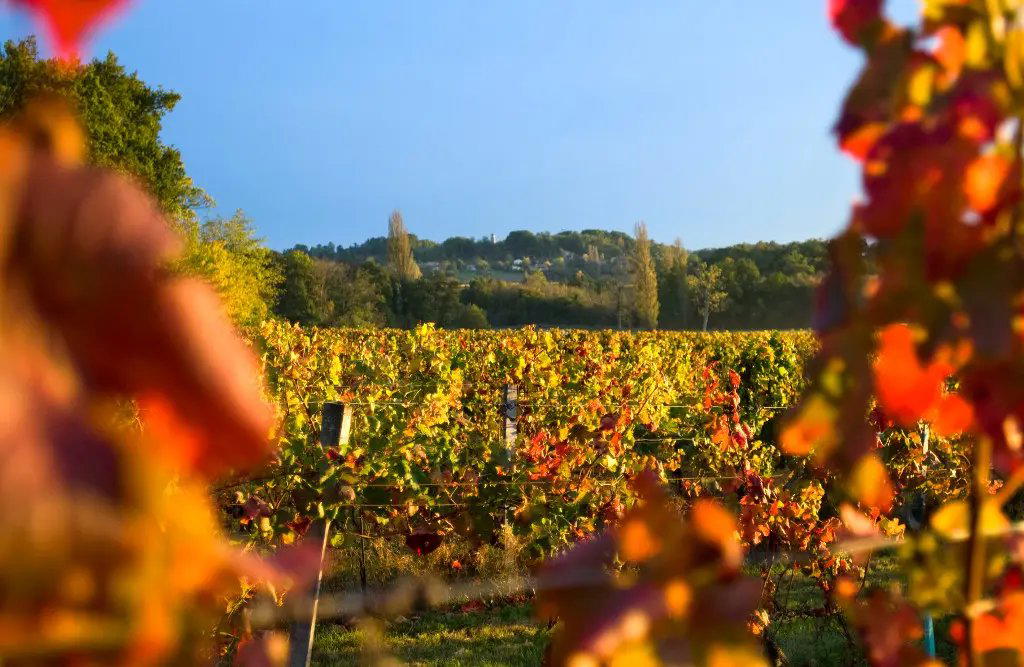
Château Fleur Haut Gaussens
Verac, France
A good pick for Bordeaux drinkers who want a quiet, production-led Right Bank estate rather than a polished tasting-room circuit. The value sits in the Merlot-led Bordeaux Supérieur, estate-only fruit, HVE certification, and credible 89–90 point recognition; plan ahead because regular hospitality details are not the main draw.
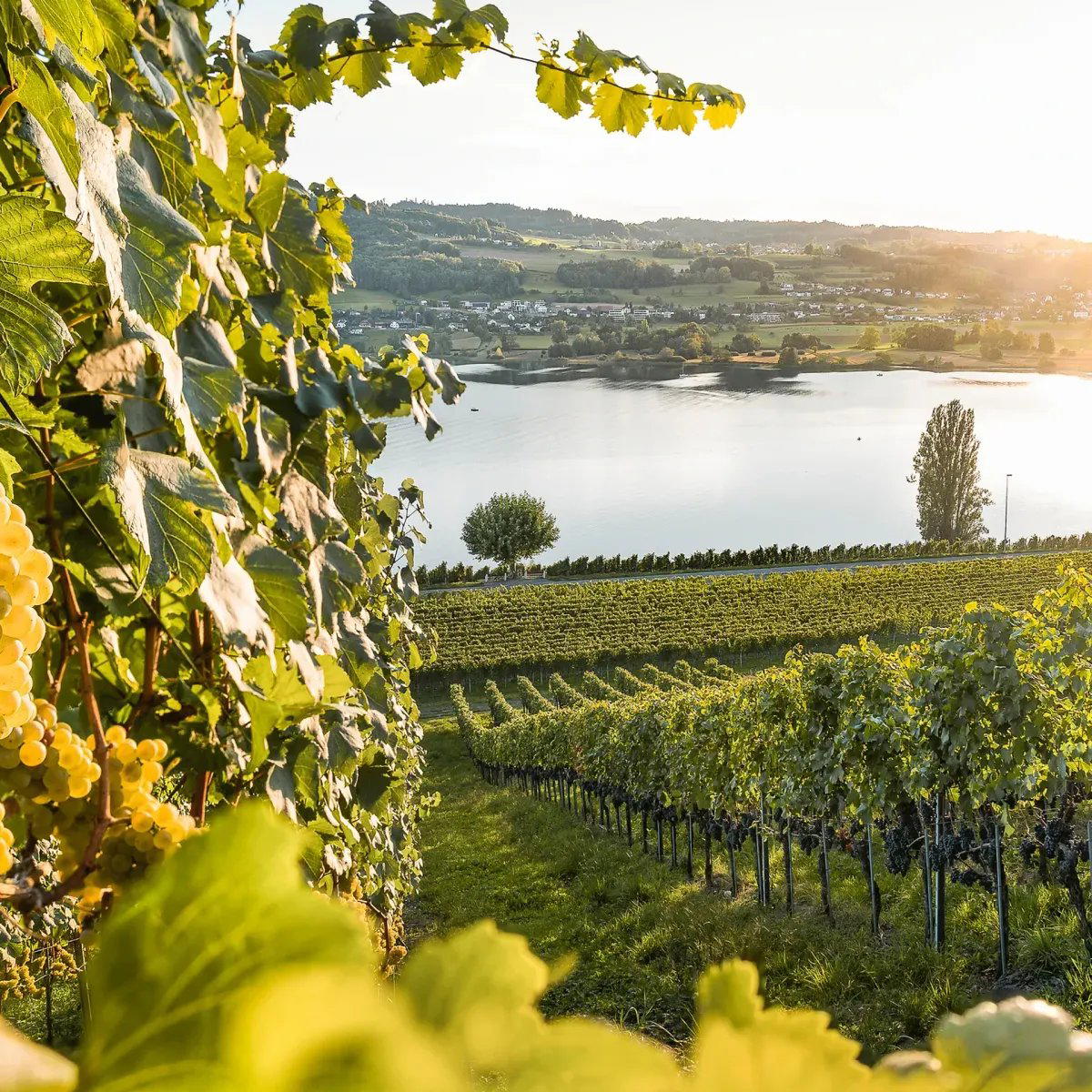
Besserstein Wein
Villigen, Switzerland
Book Besserstein Wein if the goal is a relaxed Aargau winery visit with vineyard context, local growers, and a hillside setting above Villigen. It is strongest around open cellar days, tastings, vineyard tours, and summer grill events; less compelling if you want a formal luxury tasting or a full food-led winery experience.
Il Grillesino
Florence, Italy
Il Grillesino works for a quiet Tuscan winery visit if the goal is rustic Maremma atmosphere rather than a highly produced tasting program. The private option is worth asking about for celebrations or small groups, but only if the format, inclusions, and timing are clear before committing.
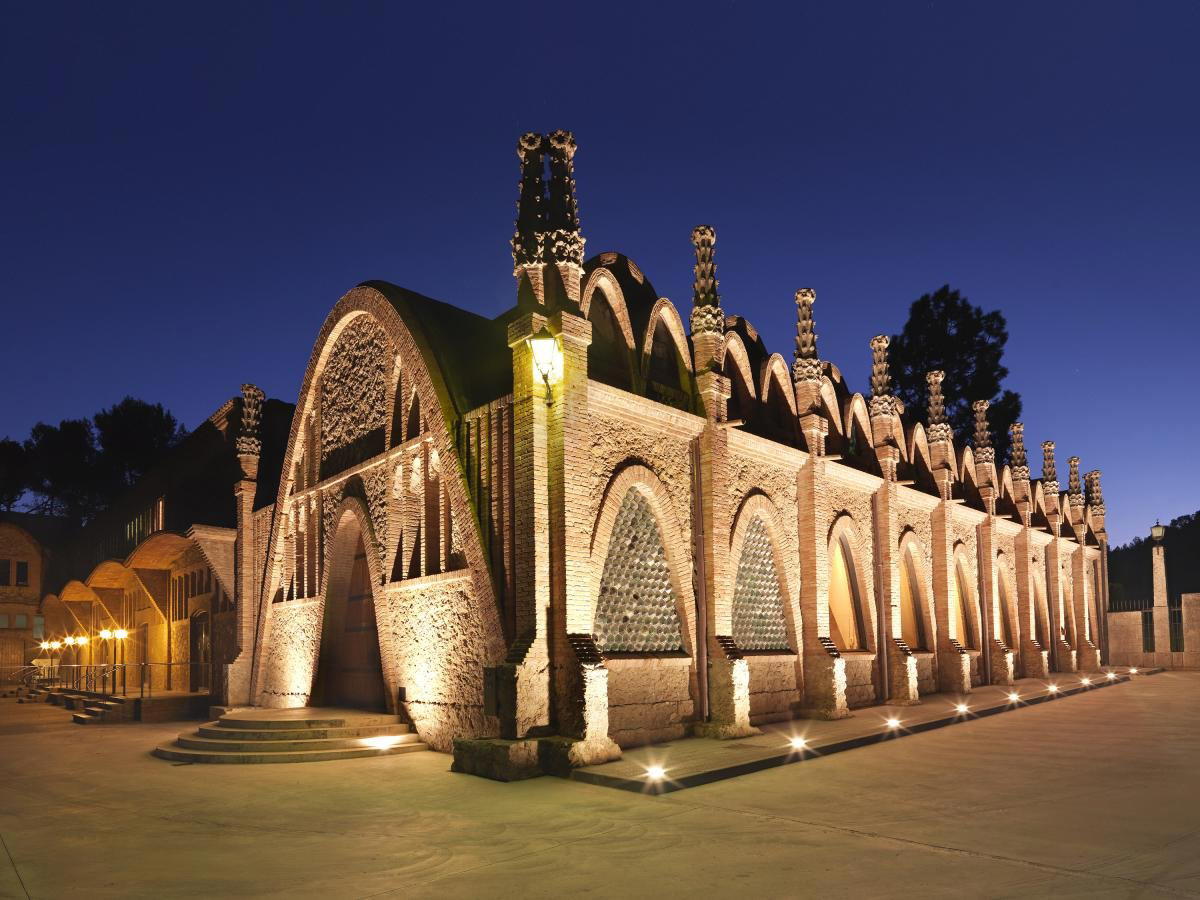
Codorníu
Sant Sadurní d'Anoia, Spain
Codorníu is the right Sant Sadurní d'Anoia choice for a first cava-country visit where architecture, scale and regional context matter as much as the tasting. Serious collectors should also compare Raventós i Blanc, Recaredo and Gramona, but this is the safer anchor for a polished introduction to the area.
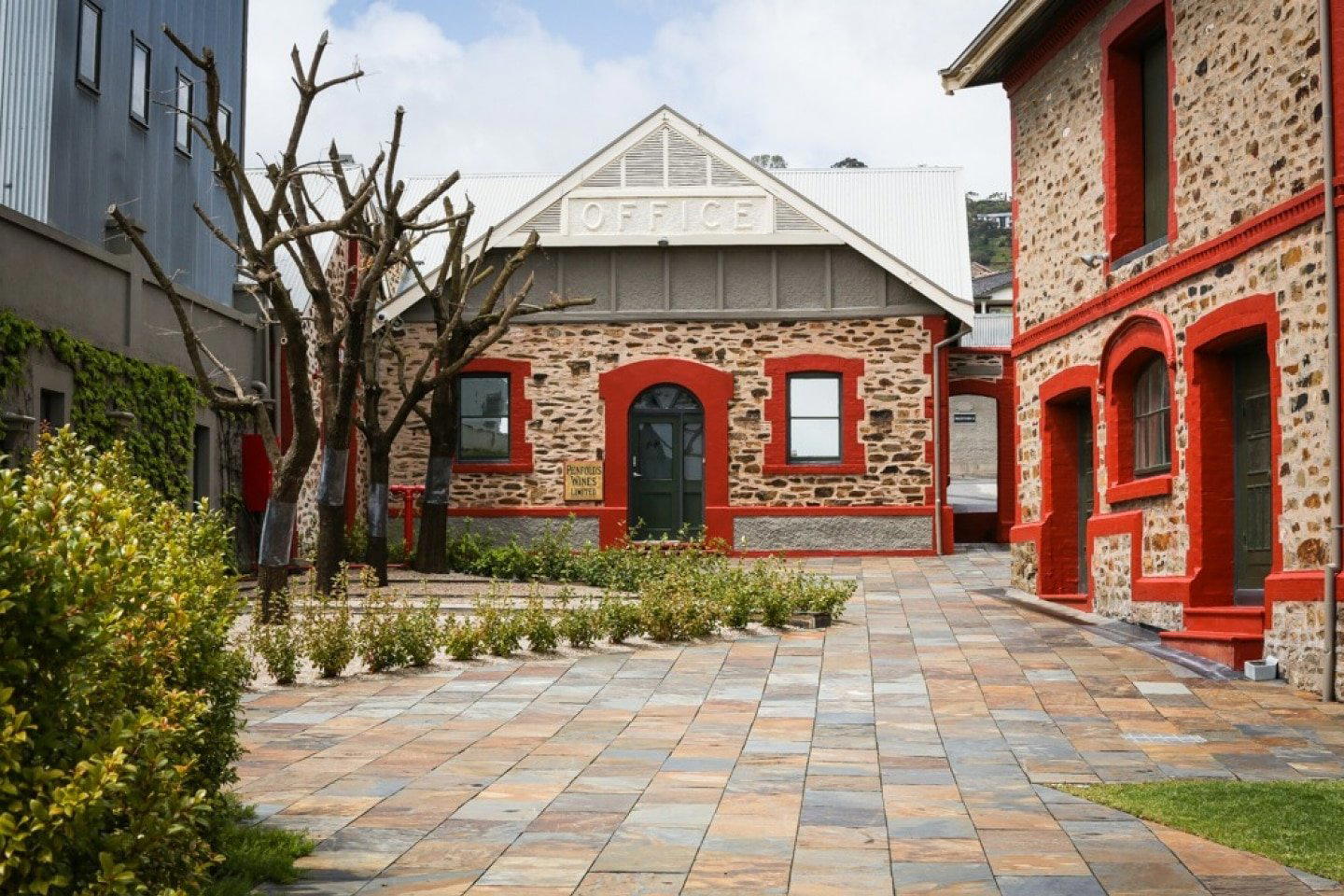
Penfolds Magill Estate
Magill, Australia
Penfolds Magill Estate is a winery and cellar-door destination in Magill, Adelaide.
Weingut Juris (Stiegelmar)
Gols, Austria
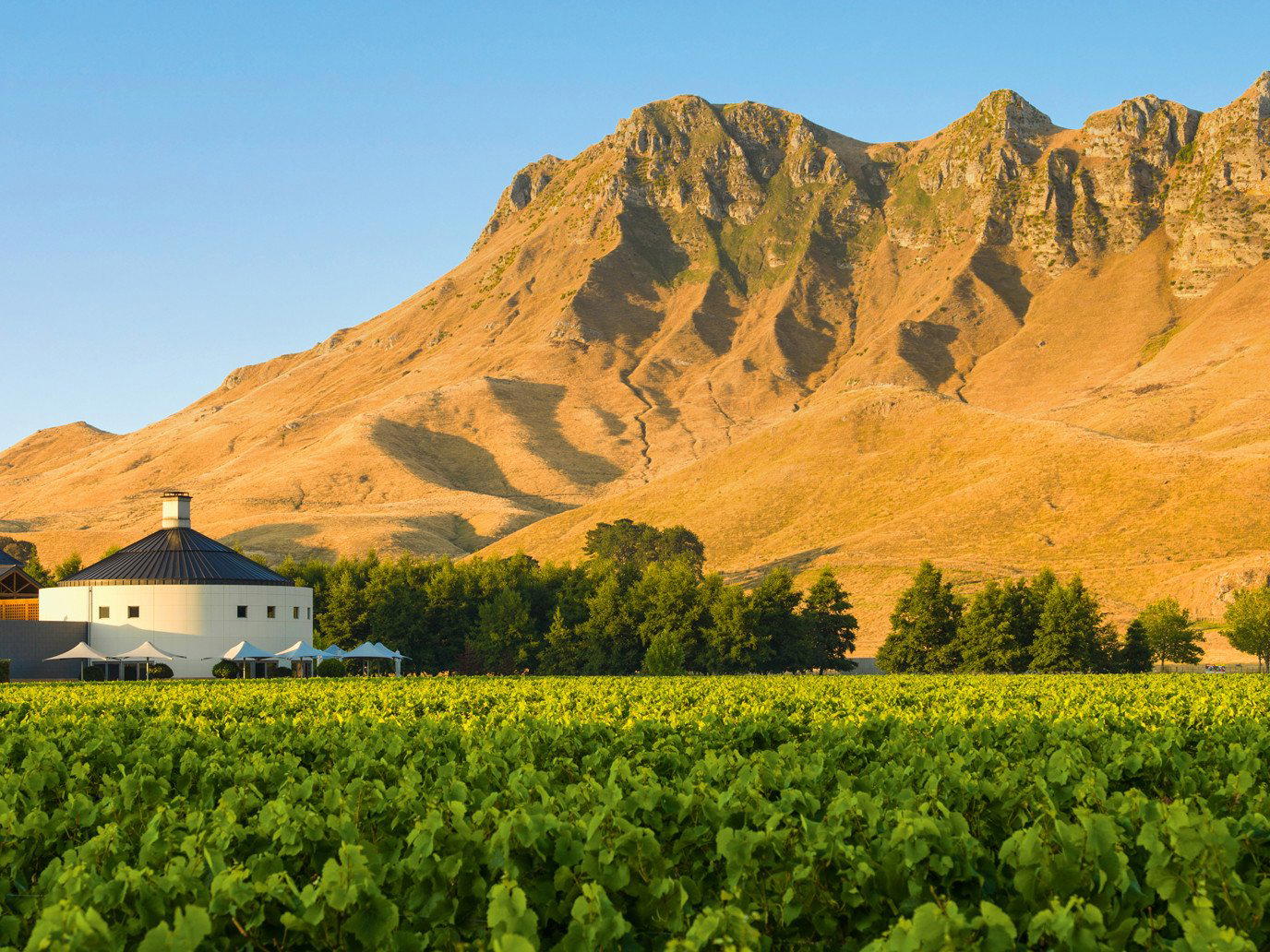
Book Weingut Juris (Stiegelmar) if the goal is serious Gols wine access rather than a casual tasting stop. It makes the most sense for repeat visitors weighing future allocations or direct buying; first-timers should compare it with nearby Gols producers before committing the day.

Bastieri
Terzo D Acqui, Italy
Bastieri is worth booking if your Piedmont itinerary has room for a focused look at Moscato and Brachetto d’Acqui rather than another red-wine cellar. The rural vineyard setting supports the point of the visit, and the estate’s 1988 founding plus Falstaff recognition give it enough credibility to justify the detour for sparkling-wine drinkers.
Château Le Pin
Pomerol, France
A serious Pomerol target for collectors and special-occasion wine travelers, not a casual drop-in winery. The 2026 Falstaff Winery 5 Stars signal supports the quality case, but the real decision is access: pursue it if rarity is the point, and build the rest of the day around Pomerol logistics.
Arione
Canelli, Italy
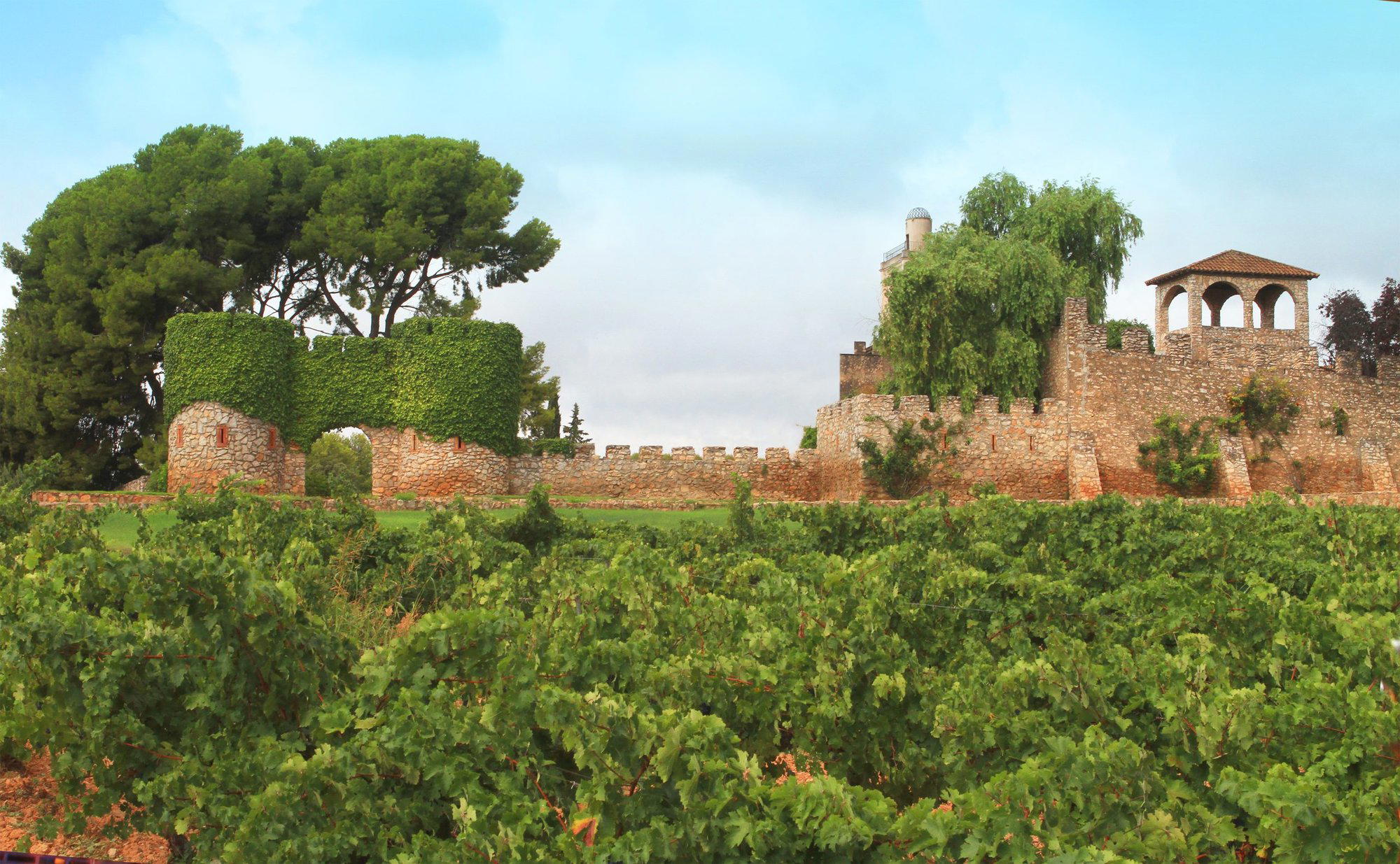
Arione is worth booking if the goal is an approachable Canelli winery visit with strong Piedmont range, especially Asti DOCG and Moscato d’Asti DOCG. Go for heritage, breadth, and an easygoing tasting structure; skip it if the priority is a scarce allocation program or a luxury-estate format.
Drappier
Urville, France
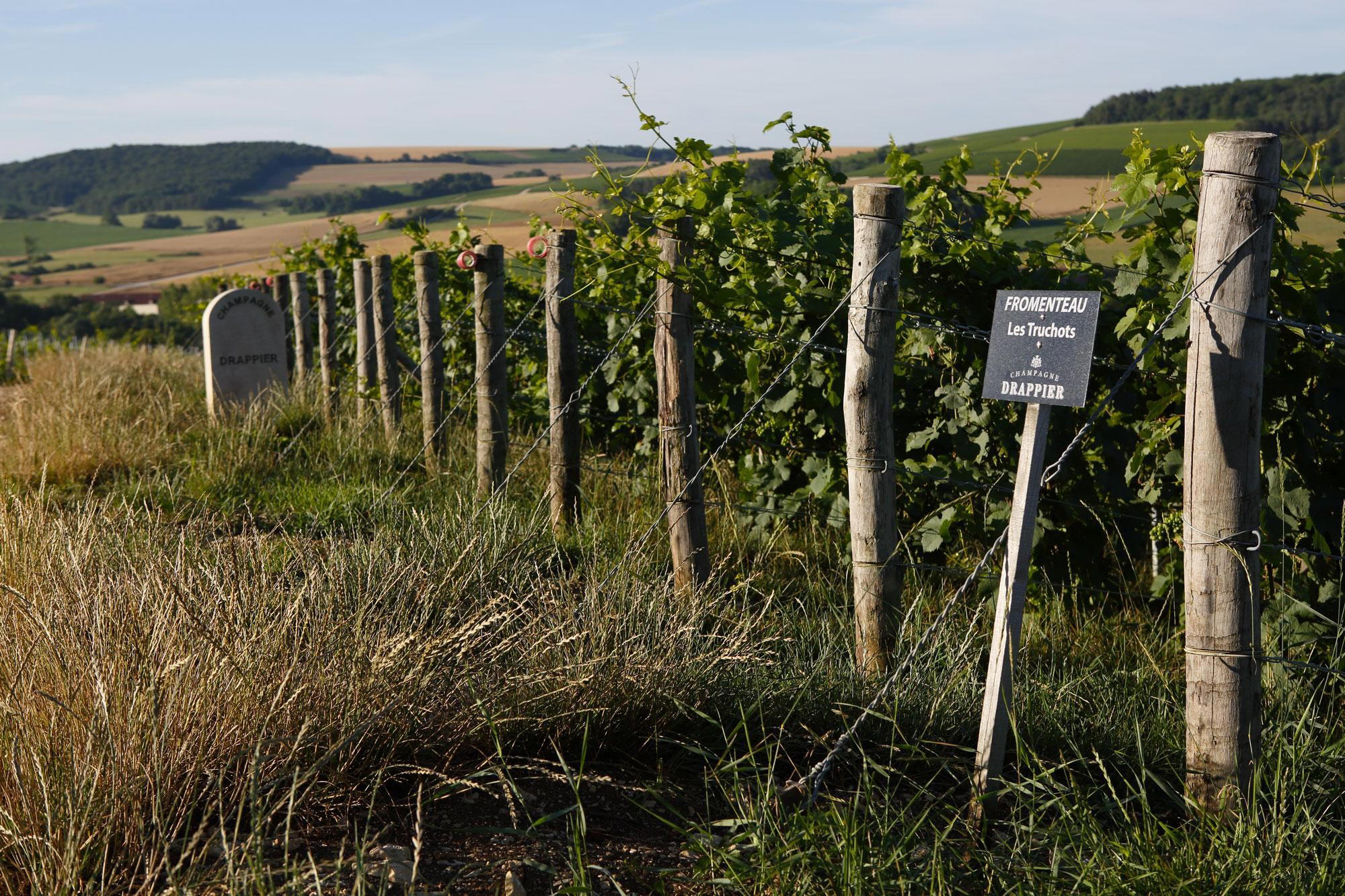
Reserve a Drappier cellar tour and tasting in Urville, or book a tasting without the tour. A separate gourmet picnic runs from April through October and adds local products and one bottle from the house selection for two guests. Carte d’Or, created in 1952, is the house’s yellow-label signature.
Famille Vigouroux
Cahors, France
Famille Vigouroux is a sensible Cahors choice for travellers who want a wine-led stop with external recognition rather than a casual tasting-room punt. It suits a quieter celebration, business detour, or focused regional wine day, but groups with fixed timing should confirm logistics before planning around it.
Fattoria Ispoli
Mercatale Val Di Pesa, Italy
Book Fattoria Ispoli if the goal is a small-scale organic Chianti Classico tasting with a clear Sangiovese focus. The €19 guided tasting is good value for first-timers who want three wines, olive oil, and a historic farmhouse setting, especially if the Riserva is available to taste or buy.
Col del Lupo
Vidor, Italy
Book Col del Lupo if you want a small, appointment-only Prosecco tasting rooted in the UNESCO-listed hills around Vidor. It is strongest for first-timers who want estate context, cellar intimacy, and a focused Valdobbiadene Prosecco Superiore DOCG visit rather than a large visitor-center experience.
Domaines Rollan de By - Jean Guyon
Begadan, France
Prioritise Domaines Rollan de By - Jean Guyon if the trip is wine-led and you want a serious Médoc stop with a current Falstaff 3 Stars signal. It is less suited to casual drop-in planning, so treat it as the anchor of a tighter Bégadan itinerary rather than one stop among many.
Bodegas Y Viñedos Alnardo S.L.
Quintanilla de Onésimo, Spain
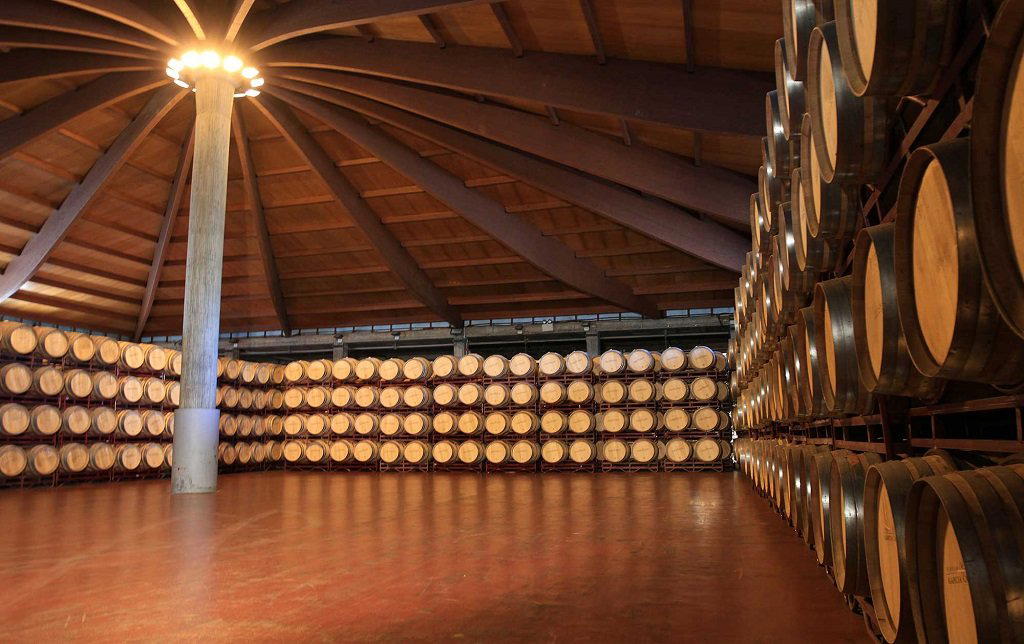
Worth prioritizing if the goal is serious Ribera del Duero context rather than a polished visitor-center day. The appeal is PSI, Peter Sisseck and Pablo Rubio’s production model, and a grower-led approach to Tempranillo-based reds. Appointment-only access and the $$$$ tier make it a better fit for focused wine travelers than casual groups.
Eguren – Teso la Monja
Paganos Laguardia, Spain
A serious choice for collectors and special-occasion wine travelers, Eguren – Teso la Monja is worth pursuing if structured, high-end Spanish reds are the reason for the trip. It is appointment only and sits in the $$$$ tier, so skip it for a casual tasting day and prioritize it when bottle access, scarcity, and Falstaff-recognized quality matter.
Movia
Dobrovo v Brdih, Slovenia
Movia is the Brda winery to prioritise when the day is built around wine rather than casual sightseeing. The Falstaff 5 Stars recognition gives it a clear quality signal, but the practical move is to secure timing first, then plan nearby Dobrovo v Brdih stops around it.
Abbaye de Mont
Mont Sur Rolle, Switzerland
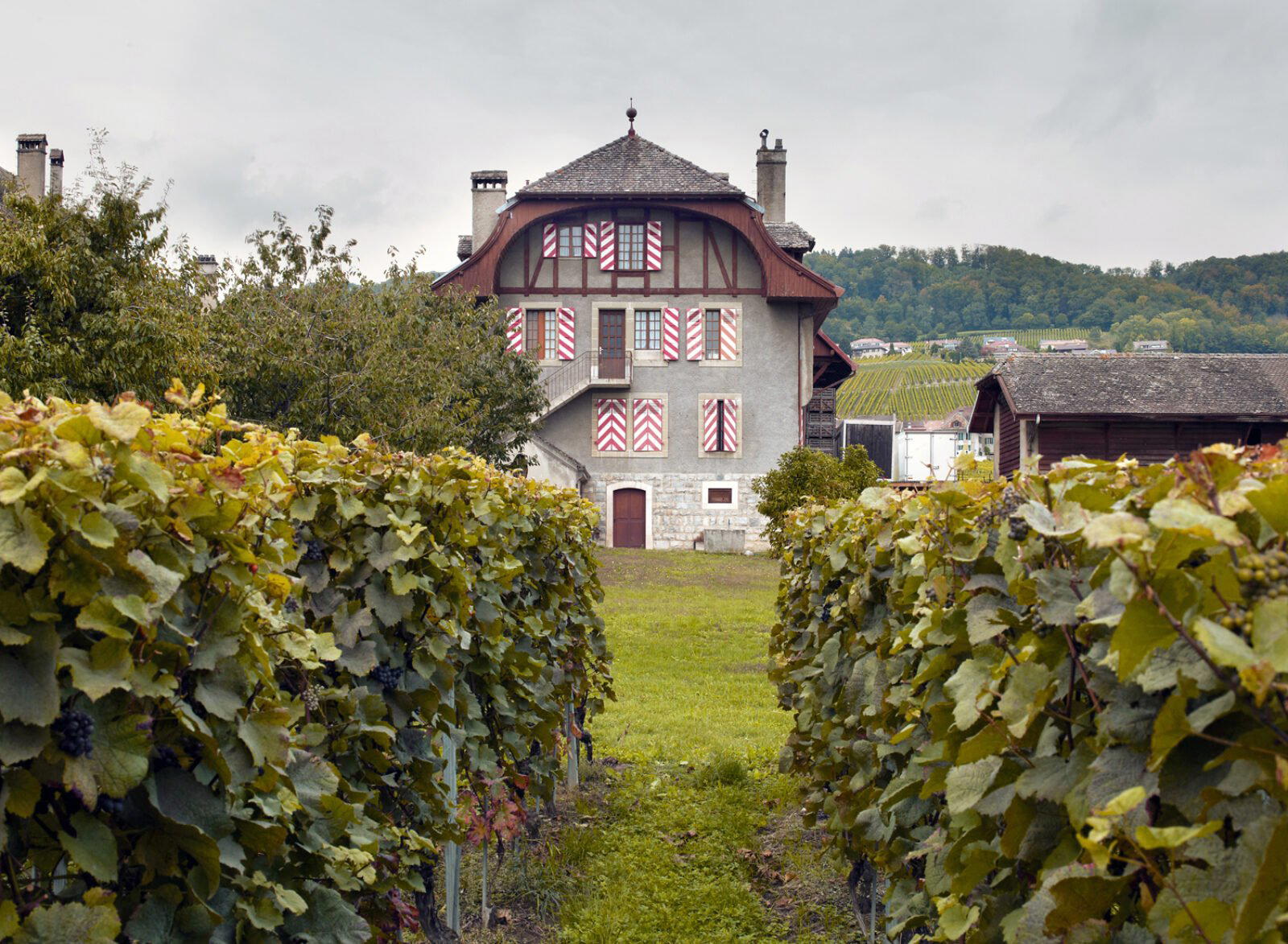
Abbaye de Mont is worth prioritizing if the plan is a focused Vaud wine day built around Chasselas, heritage, and vineyard setting rather than a high-service tasting production. Its moderate price tier and Falstaff listing make it a sensible special-occasion stop for Swiss white-wine drinkers, but buy or taste first before treating it like a recurring allocation commitment.
Finca Egomei
Alfaro La Rioja, Spain
Finca Egomei works for a quiet, production-led Rioja tasting rather than a casual winery stop. The draw is its compact 30-hectare estate, eastern Rioja Oriental setting, and red-wine focus built around careful fruit handling, French oak, and classic Tempranillo-Graciano structure.
Nautilus Estate
Renwick, New Zealand
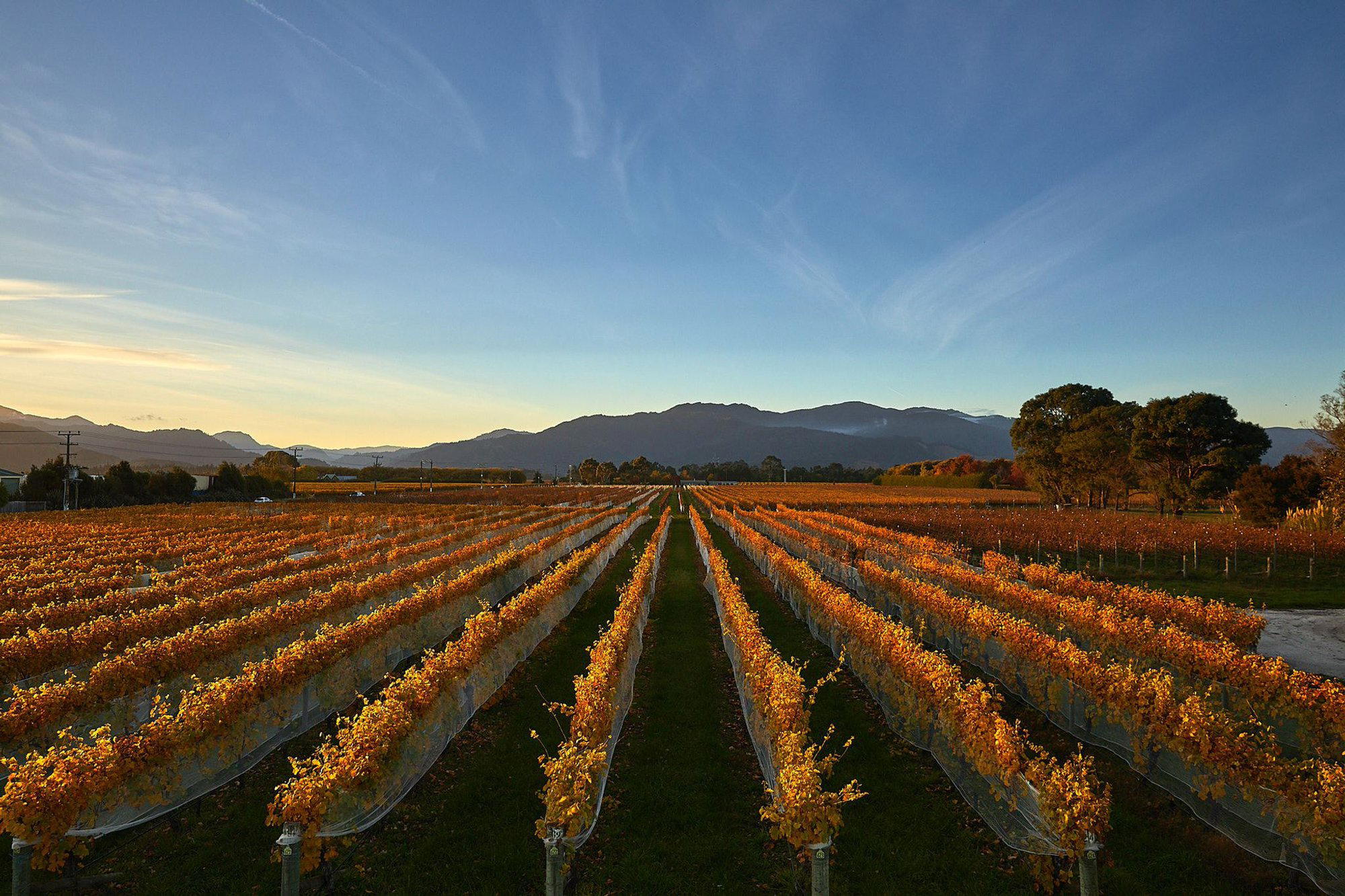
Nautilus Estate works as an easy Renwick winery stop, especially for travelers building a Marlborough-focused tasting day. Its 2026 Falstaff listing gives it a useful recognition signal, but wine-club value should be judged on member pricing, allocation access, shipping terms, and how often the buyer wants New Zealand wine at home.
Cave Cordonier & Lamon
Flanthey, Switzerland
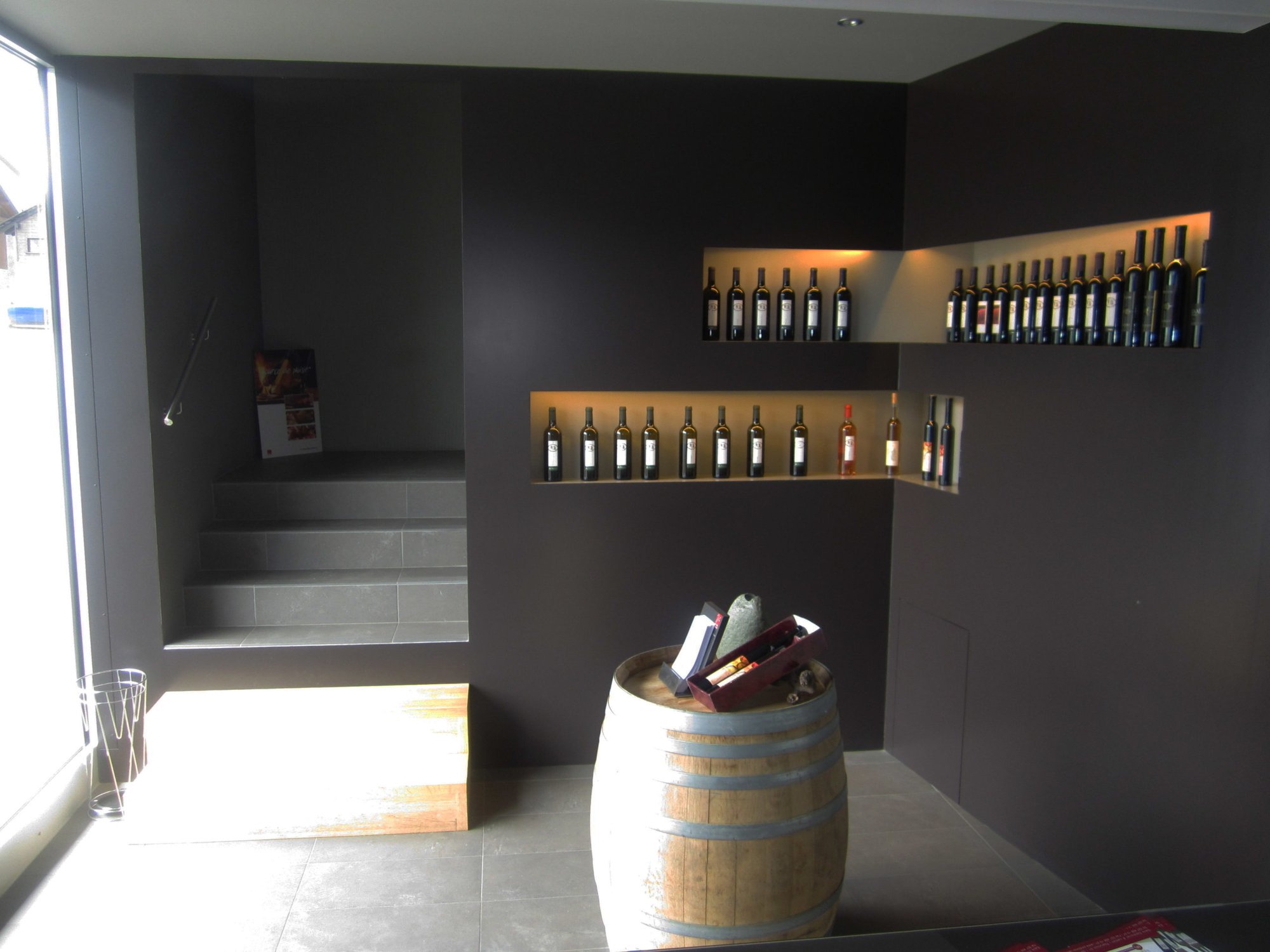
Worth booking if you want a planned Valais tasting with a modern winery setting, vineyard views, and enough bottle range to justify guided time. Cave Cordonier & Lamon is strongest for couples or groups seeking regional depth rather than a food-led visit, with appointment-only access and approachable Swiss pricing signals.
Midalidare Estate
Mogilovo, Bulgaria
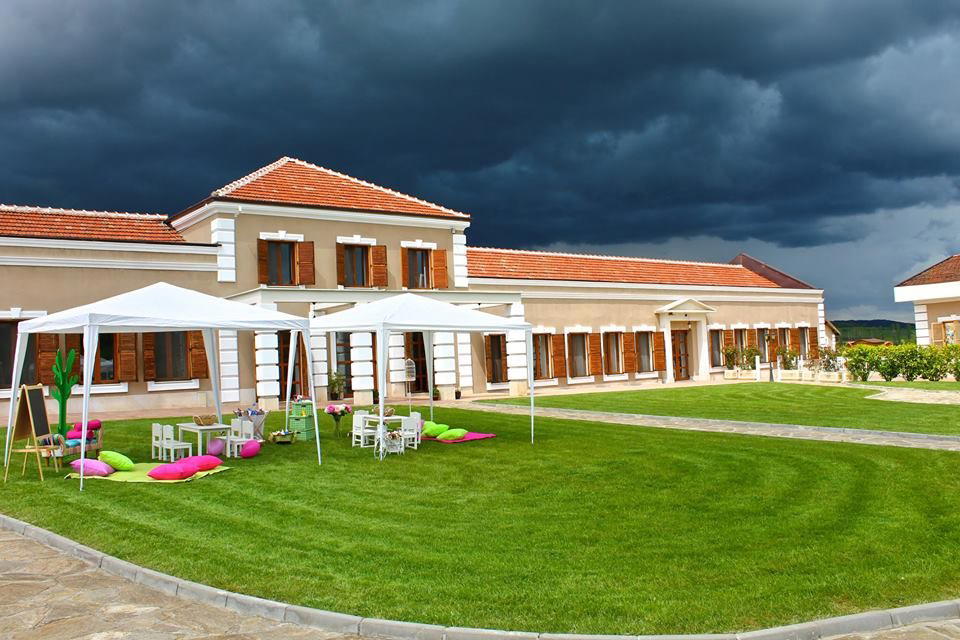
Midalidare Estate is worth prioritising for a serious wine-focused trip to Mogilovo, especially if a private or upgraded tasting is available. The external recognition is the main reason to plan ahead: Pearl 2 Star Prestige and a World's 50 Best Vineyards #54 placement in 2025 put it above a casual local stop.
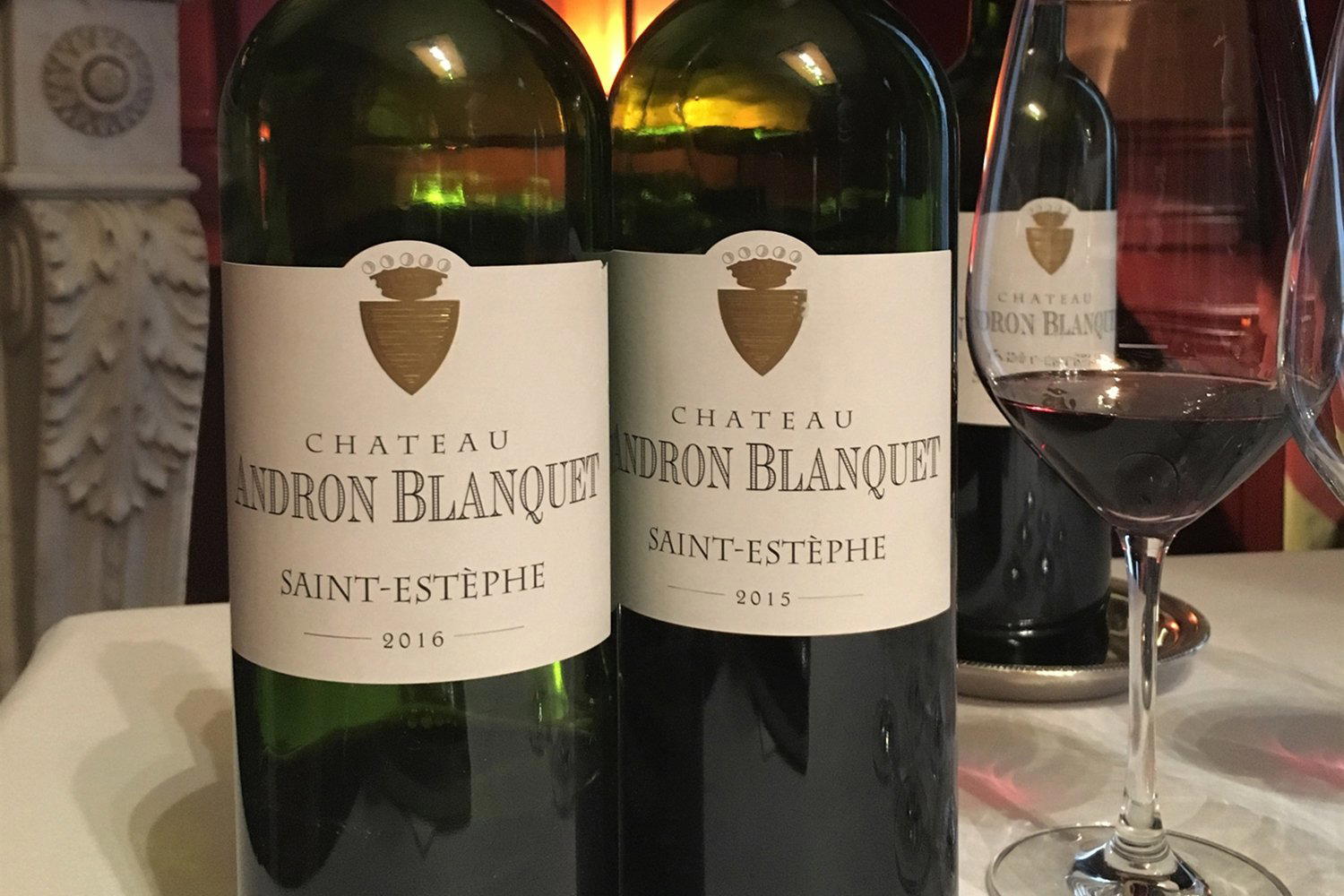
Château Andron Blanquet
Saint-Estèphe, France
Château Andron Blanquet is worth booking for a focused Saint-Estèphe tasting built around mineral, Cabernet-led Bordeaux rather than hospitality gloss. The appointment-only format suits small celebrations, collectors, and business guests who want a serious cellar conversation in a traditional Médoc setting.
Domaine des Vignes du Maynes
Cruzille, France
Domaine des Vignes du Maynes works as a focused Cruzille winery stop, especially for visitors who have already done broader Burgundy tasting and want a more producer-specific visit. Falstaff listing in 2026 gives it a useful external signal, but plan this as a wine-led appointment rather than a full-service hospitality experience.
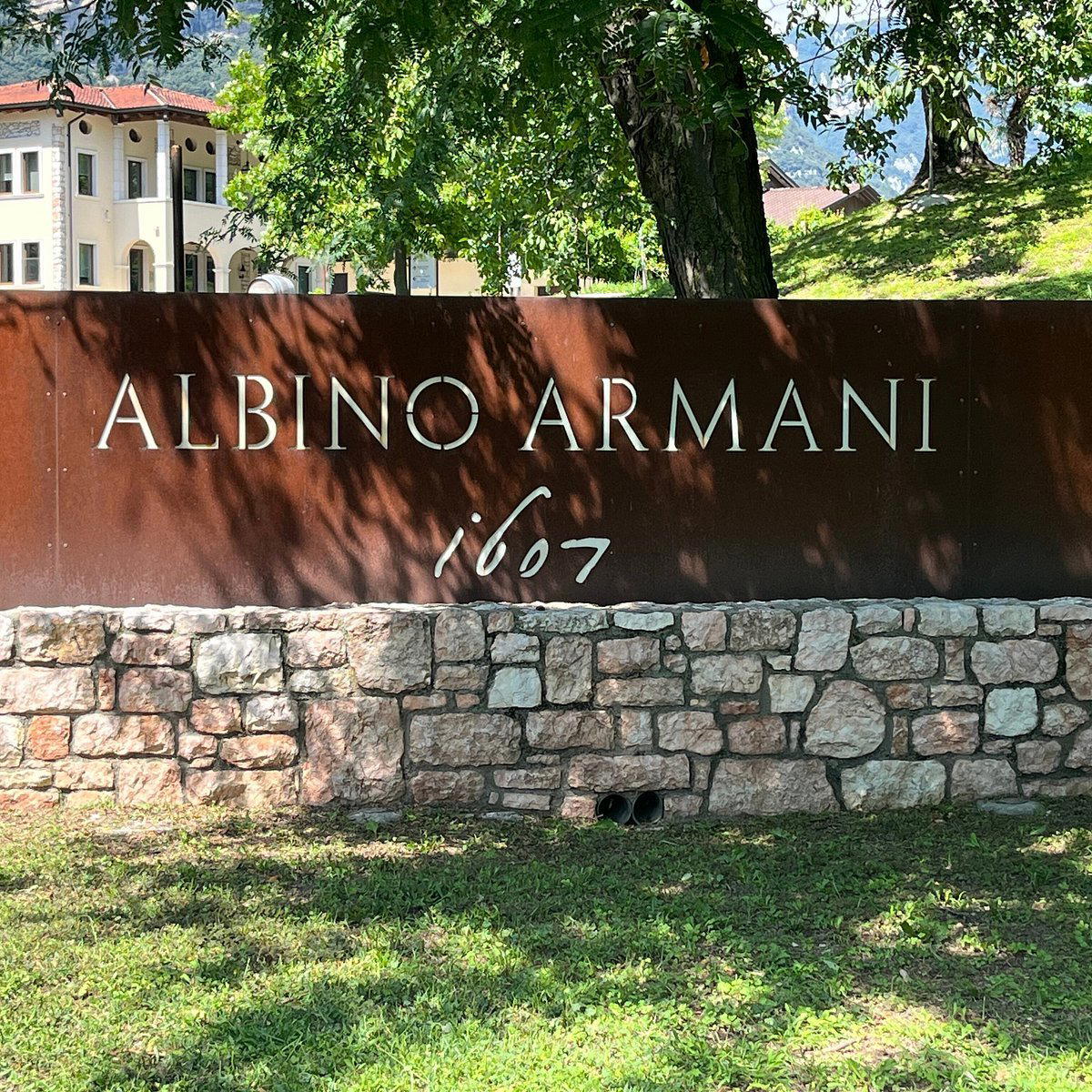
Albino Armani Viticoltori dal 1607
Dolce, Italy
Book Albino Armani Viticoltori dal 1607 if you want a structured, appointment-only winery visit with serious Adige Valley context rather than a casual tasting-room stop. The value is strongest in the range: Pinot Grigio Colle Ara, Clé Trento DOC, Amarone, Gewürztraminer, and native-grape work give the visit more depth than the modest listed price suggests.
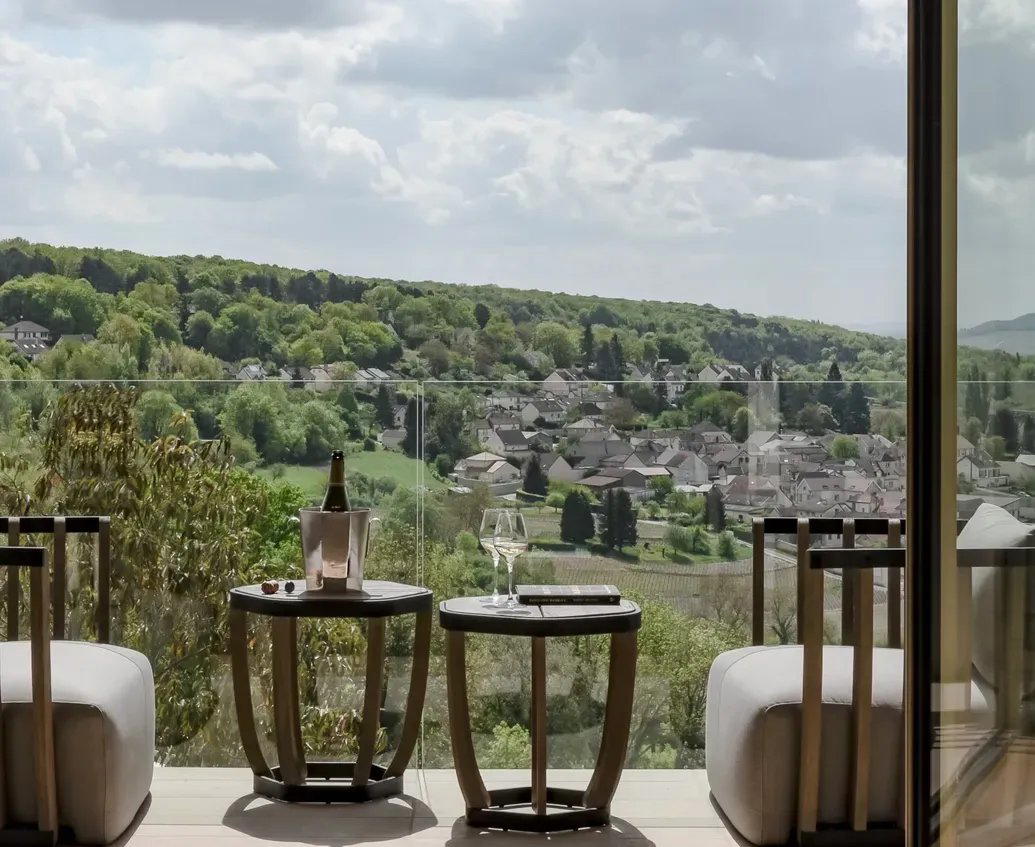
Champagne G. H. Mumm
Reims, France
A strong Reims choice for travelers who want a polished, educational Champagne house visit built around historic chalk cellars and a formal tasting. Book it as an anchor stop early in the trip; it is better for context, cellar atmosphere, and production insight than for a casual food-led tasting.
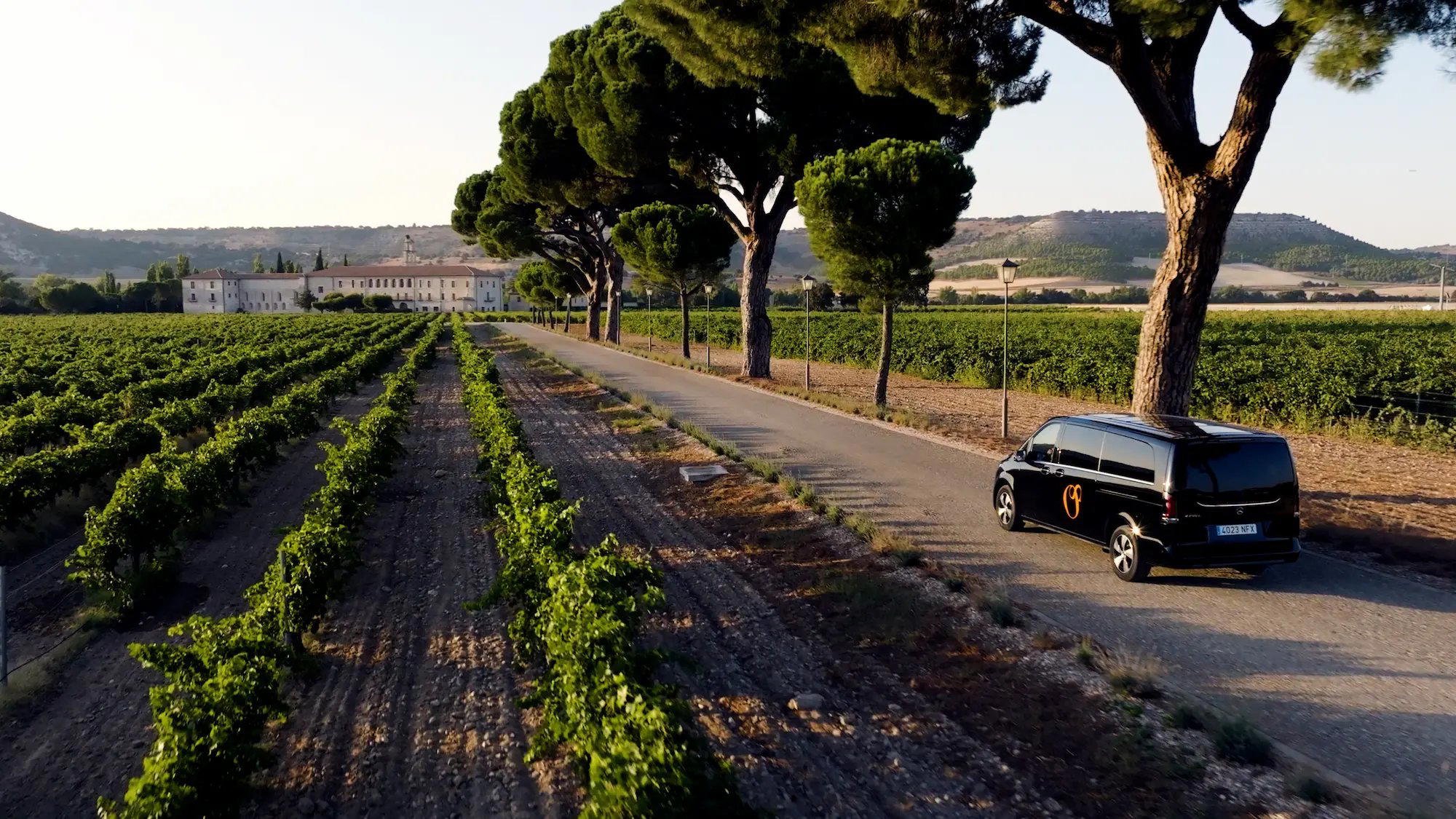
Bodegas La Tapada, S.a.t.
Orense, Spain
A strong pick for serious Godello drinkers, not casual winery-hoppers. Bodegas La Tapada, S.a.t. is most compelling for its estate focus, 1985 Godello replanting, high-elevation Valdeorras site, and ageing-minded white wines; plan carefully, because the experience is more specialist and less visitor-center driven.
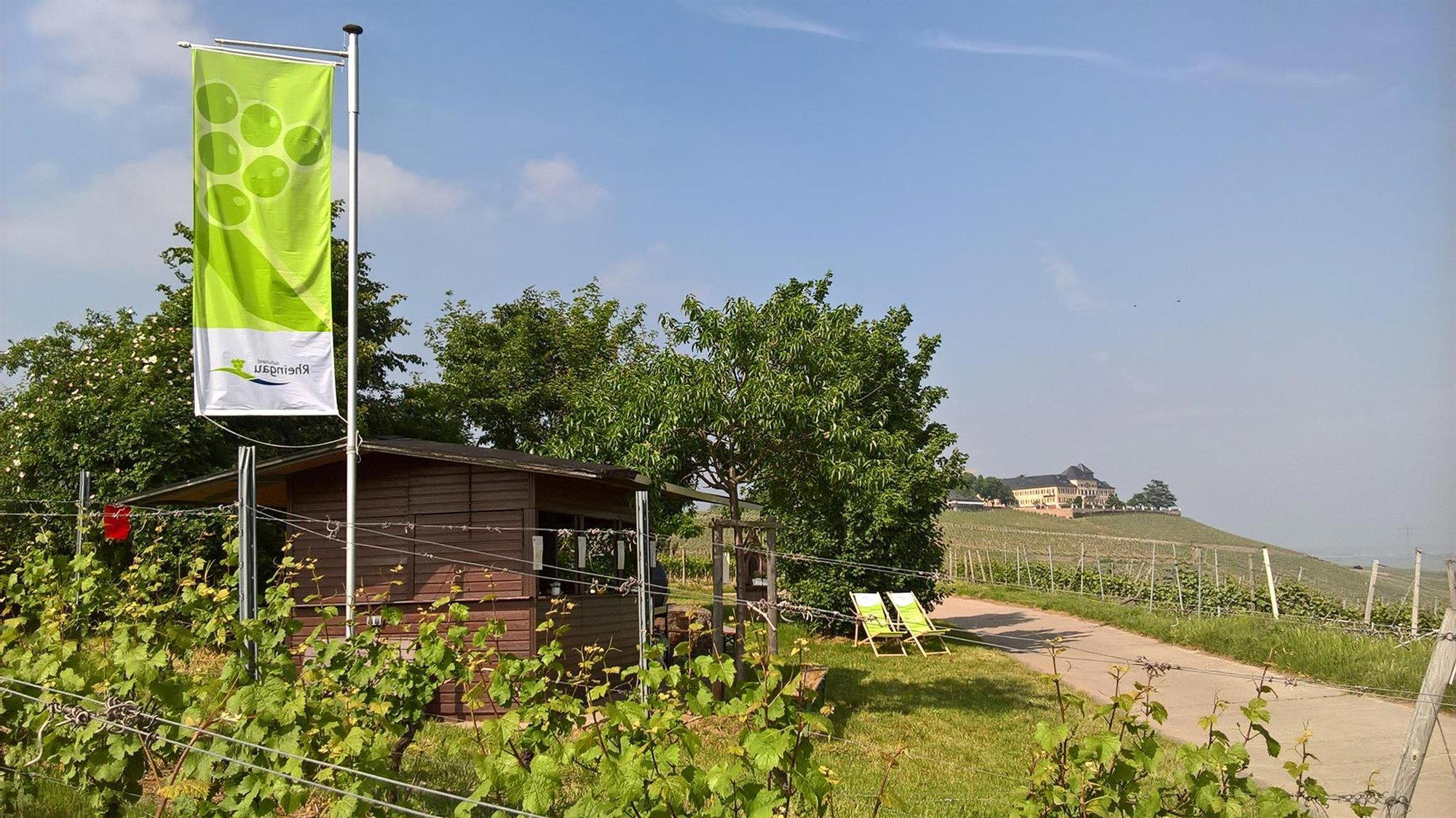
Biebers Weinkultur
Geisenheim, Germany
A good Geisenheim choice for Riesling drinkers who prefer a small, quiet estate over polished wine-tourism theater. Biebers Weinkultur is strongest as a compact tasting-and-buying stop, with a $$ price signal, Falstaff Listed 2026 recognition, and a near-nature, animal-free cellar approach.
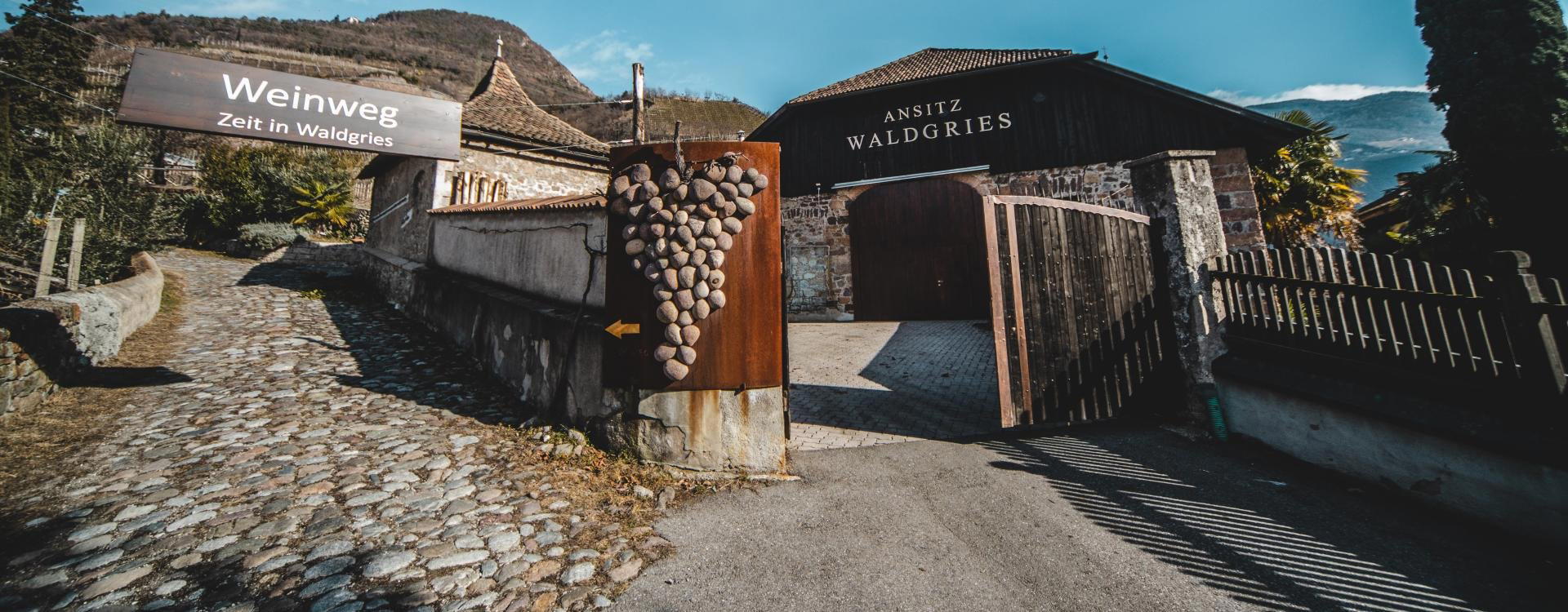
Ansitz Waldgries
Bolzano, Italy
A strong Bozen shortlist pick for travelers planning a wine-led occasion in Alto Adige, especially with Falstaff 5 Stars for 2026 as the main credibility signal. Book only if the visit is about wine rather than a confirmed dining format, and pair it with a separate restaurant plan if the group expects food.
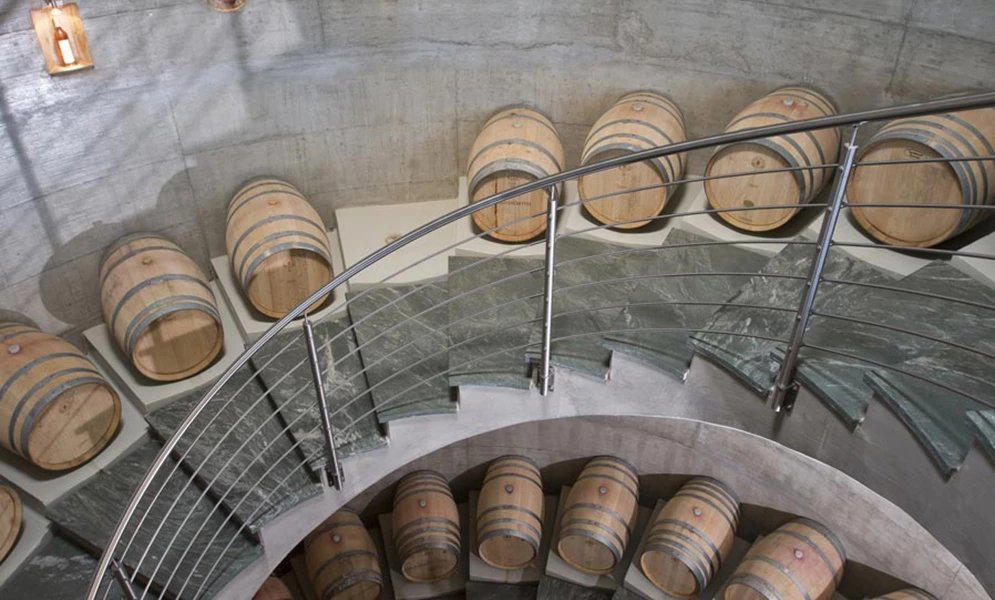
Cave d’Anchettes
Venthone, Switzerland
Book Cave d’Anchettes if you want a quiet, appointment-led Valais tasting with cellar context and a broad range of grapes rather than a food-focused winery visit. Its Falstaff Listed 2026 recognition, family-run setup, and traditional cellar approach make it a strong fit for wine travelers who want depth without a formal luxury format.
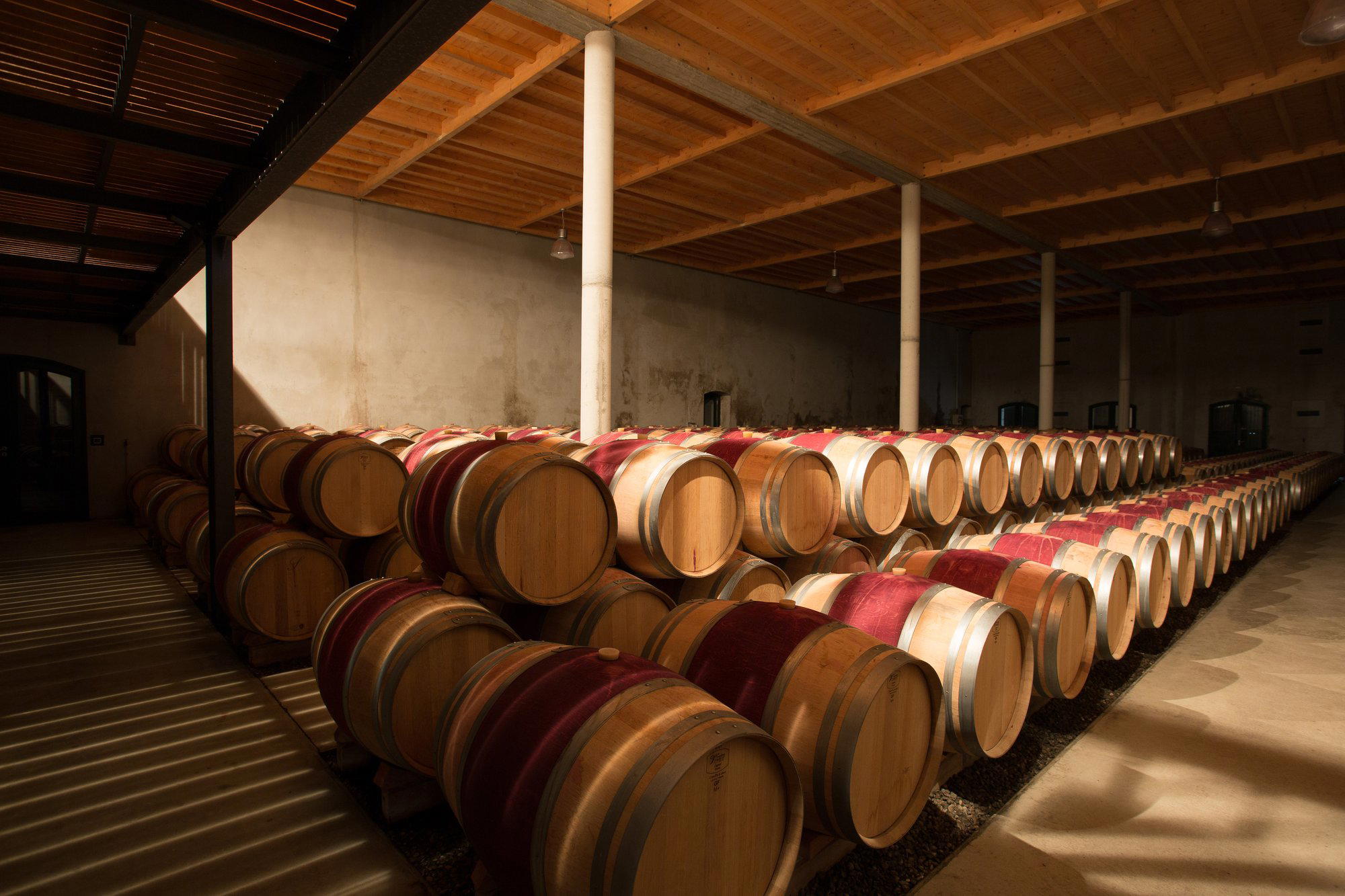
Château Dutruch Grand Poujeaux
Moulis En Medoc, France
Château Dutruch Grand Poujeaux is worth booking if the goal is a focused Médoc tasting with serious Cabernet-led structure rather than a showy château visit. The strongest case is for buyers comparing the flagship wine, earlier-drinking Le Petit Dutruch, and cellar-minded releases in a guided setting.
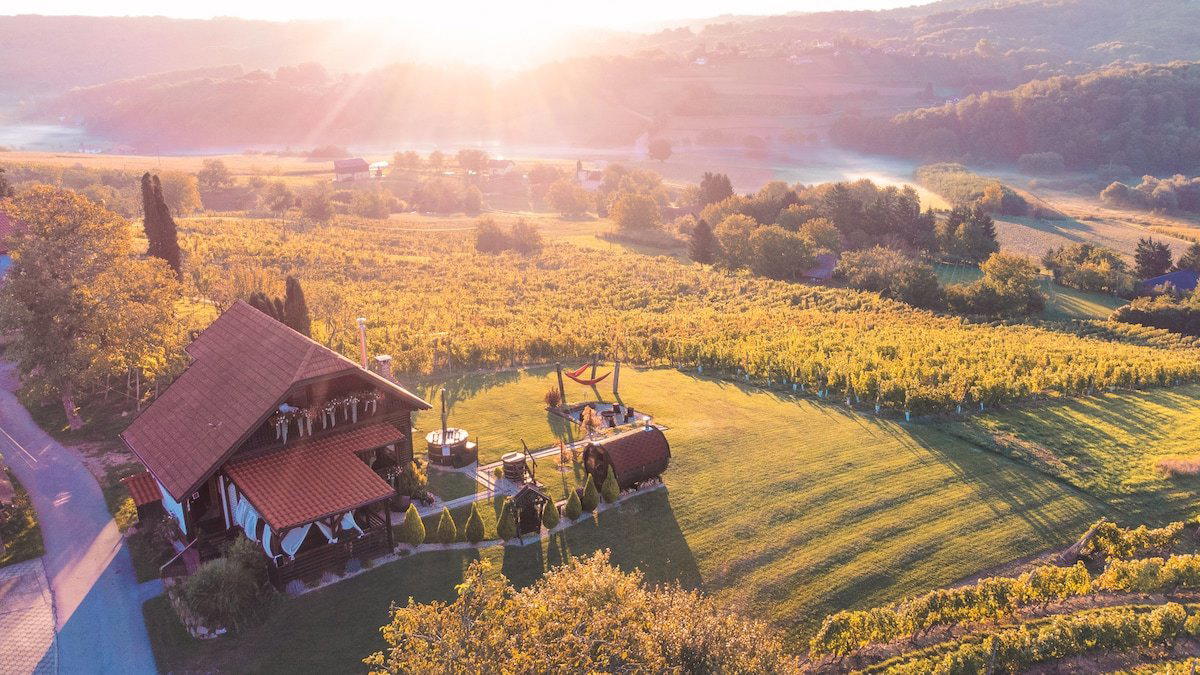
Belović Winery
Zelezna Gora, Croatia
Book Belović Winery if you want a quiet, serious Međimurje tasting focused on dry, age-worthy wines rather than a glossy visitor experience. Its Falstaff Listed 2026 recognition and moderate price tier make it a strong value for wine travelers who care about production philosophy, vintage expression, and local character.
Kavaklidere
Akyurt Ankara, Turkey
Book Kavaklıdere if the goal is to understand Turkish wine through a historic, large-scale Ankara producer rather than to spend a lazy afternoon at a boutique estate. The strongest reason to go is the breadth: indigenous Anatolian grapes, reserve tiers, international varieties, and a long recognition record. Appointment-only planning makes it better as a focused daytime stop.
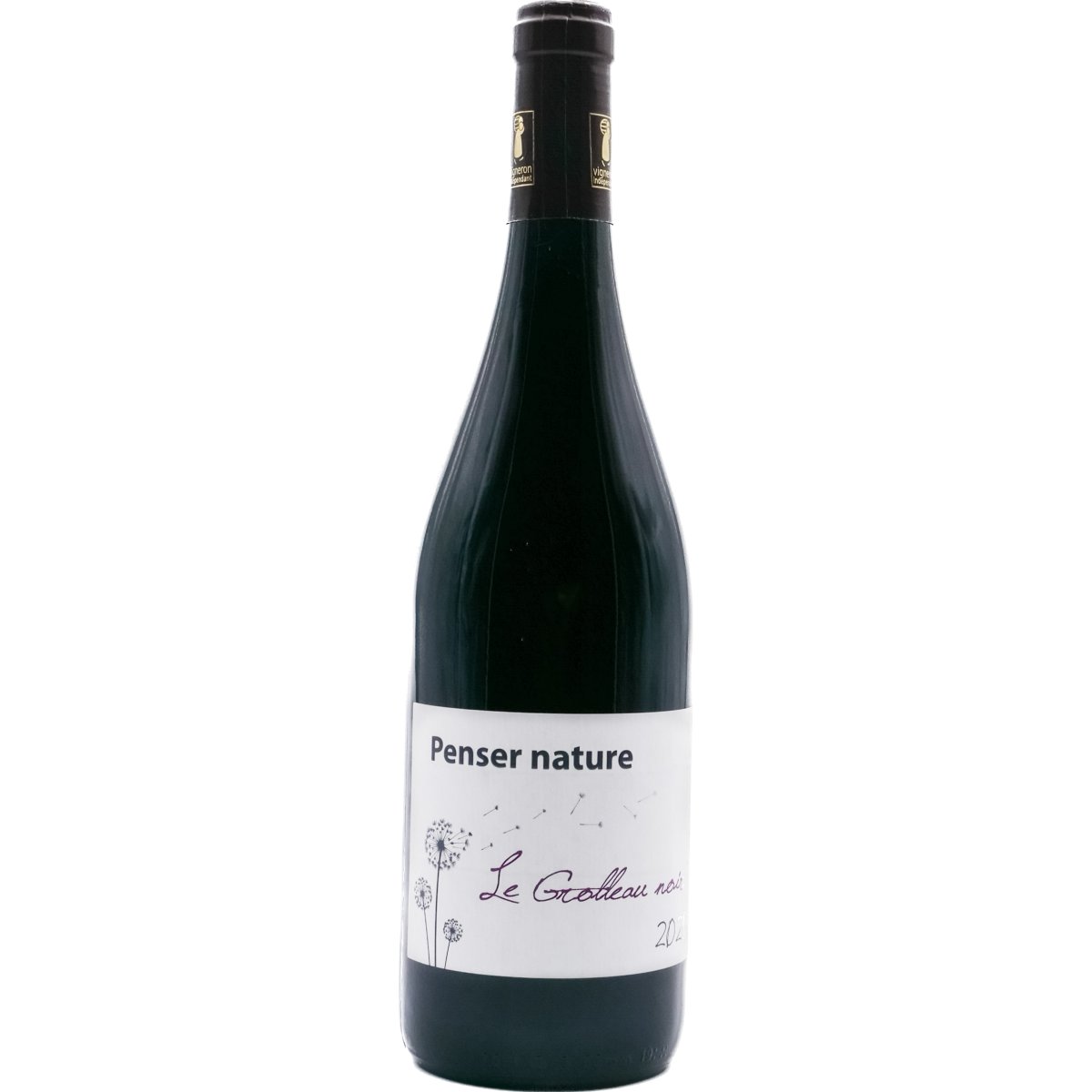
Château de Passavant
Passavant Sur Layon, France
A smart $$ Loire winery stop for first-timers who want Chenin Blanc, Coteaux du Layon context, and an easygoing estate visit. Book it for guided or self-paced tasting, local food pairings, and a concrete biodynamic farming story; skip it if you need a formal destination with guaranteed large-group infrastructure.
Domaine La Croix Montjoie
Tharoiseau, France
Domaine La Croix Montjoie is worth booking for a relaxed, view-led Vézelay tasting with real appellation context. Go for organic Chardonnay, a single-block hillside vineyard, and accessible Burgundy pricing; choose a private or guided format if you want more than a quick pour.
Familija Estate
Cirkulane, Slovenia
Book Familija Estate if the goal is a focused Haloze wine stop built around Sauvignon Blanc, terraced vineyards, and a polished family-estate setting. The $$$ tier makes sense for travelers who value regional context and appointment-led tastings; skip it if the group needs food, broad varietal choice, or flexible walk-in logistics.
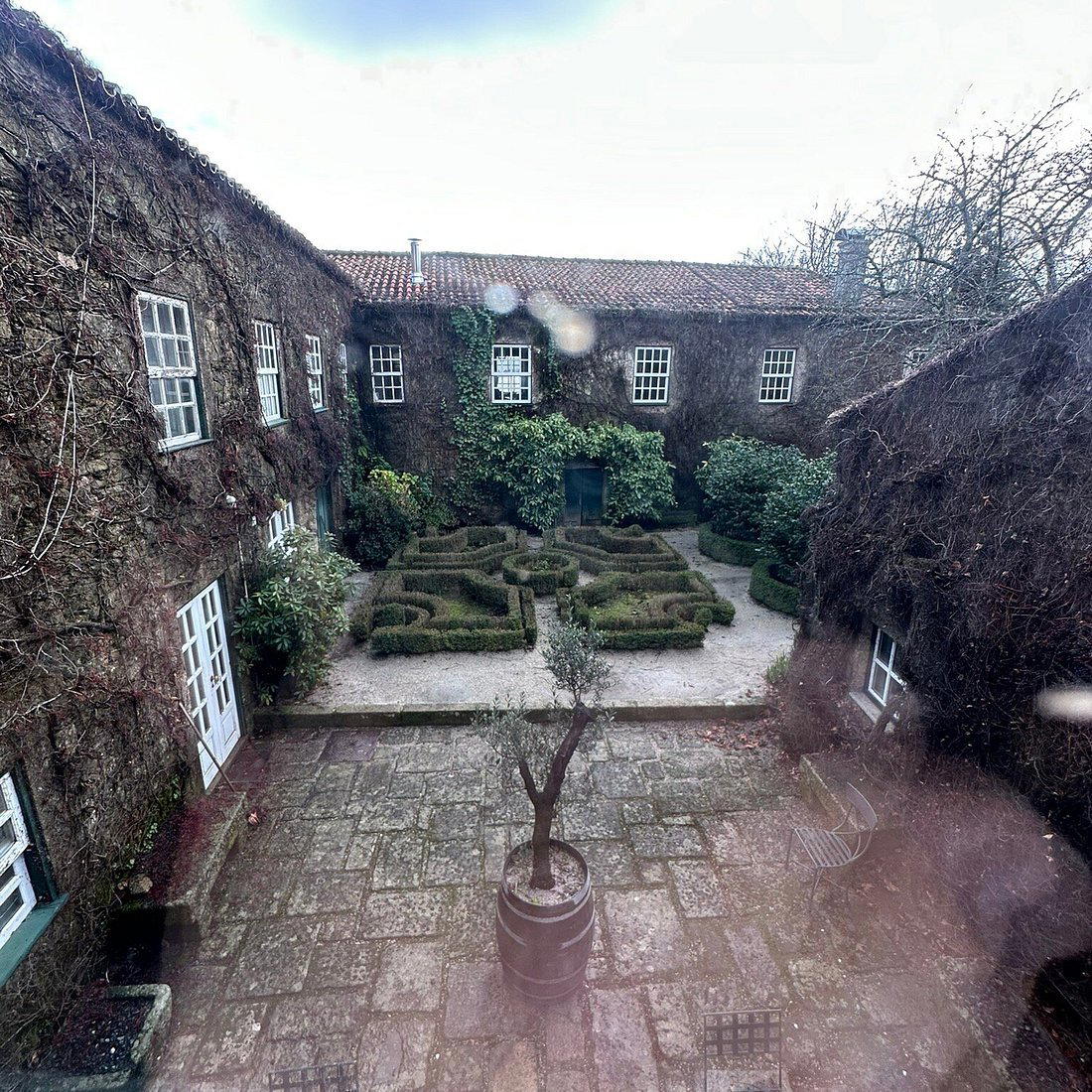
Bulas Family Estates
Gouvinhas, Portugal
Bulas Family Estates is worth planning for if the priority is a hosted Douro tasting with family history, vineyard context, and Port alongside Douro table wines. It suits couples and small wine-focused groups better than spontaneous visitors, since the experience is appointment only and built for a slower visit.
Château D´Aurilhac
Saint Seurin De Cadourne, France
Château D´Aurilhac works if you want a focused Haut-Médoc visit built around structured, Cabernet-led Bordeaux rather than a large hospitality setup. The draw is production discipline: estate-grown fruit, hand sorting, stainless-steel fermentation, and about one year in oak, with Cru Bourgeois status and a 2026 Falstaff listing adding confidence.
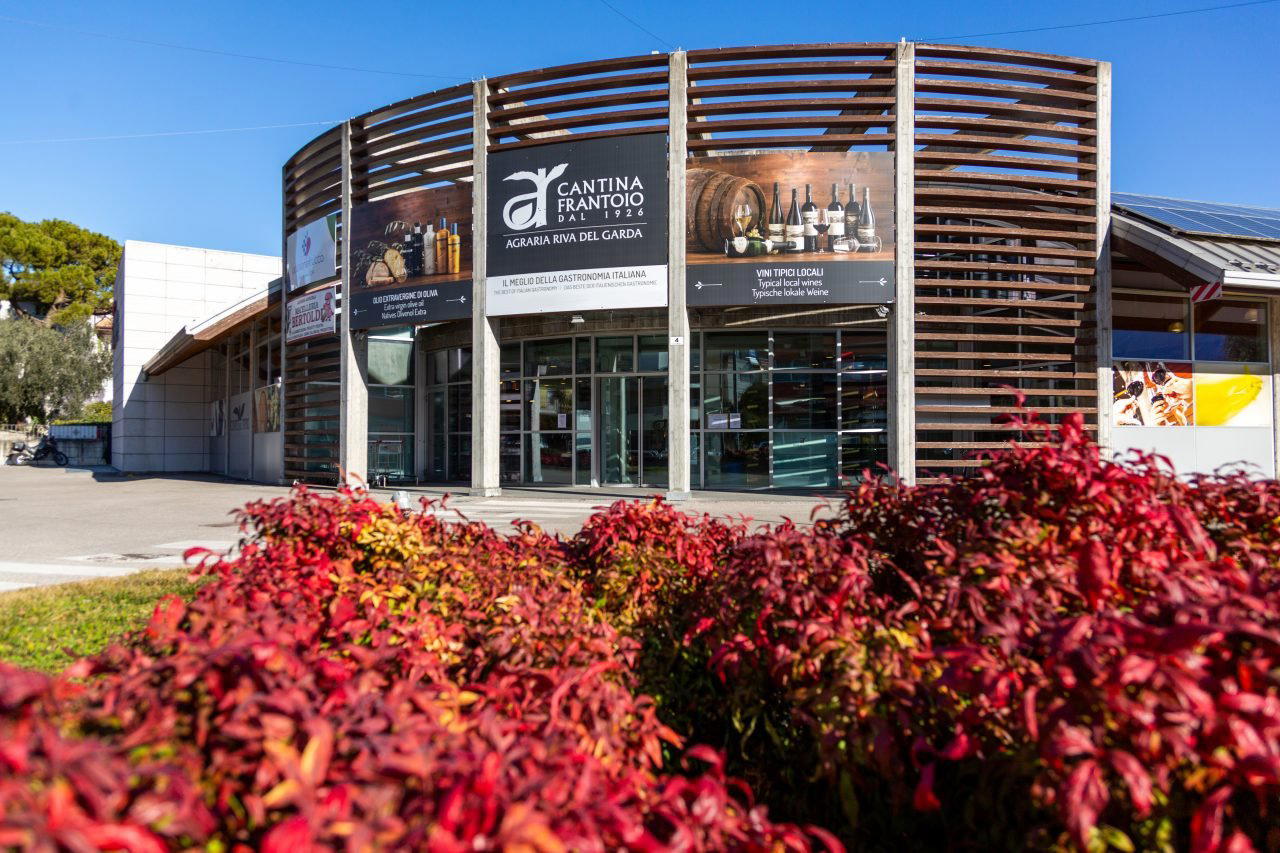
Cantina di Riva
Riva del Garda, Italy
Choose Cantina di Riva for an easy, food-led Garda Trentino tasting rather than a formal collector appointment. The cooperative format, TrentoDOC focus, olive oil, and local specialties make it especially useful for couples or small groups who want regional context with their glasses.
IMI Winery Jonathan Hollerith
Neustadt an der Weinstraße, Germany
A cautious yes for wine travelers already planning time in Neustadt an der Weinstraße. IMI Winery Jonathan Hollerith is better suited to an appointment-led Pfalz stop than a polished tasting-room itinerary; the appeal is small-scale context, not a clearly published wine-club or allocation model.
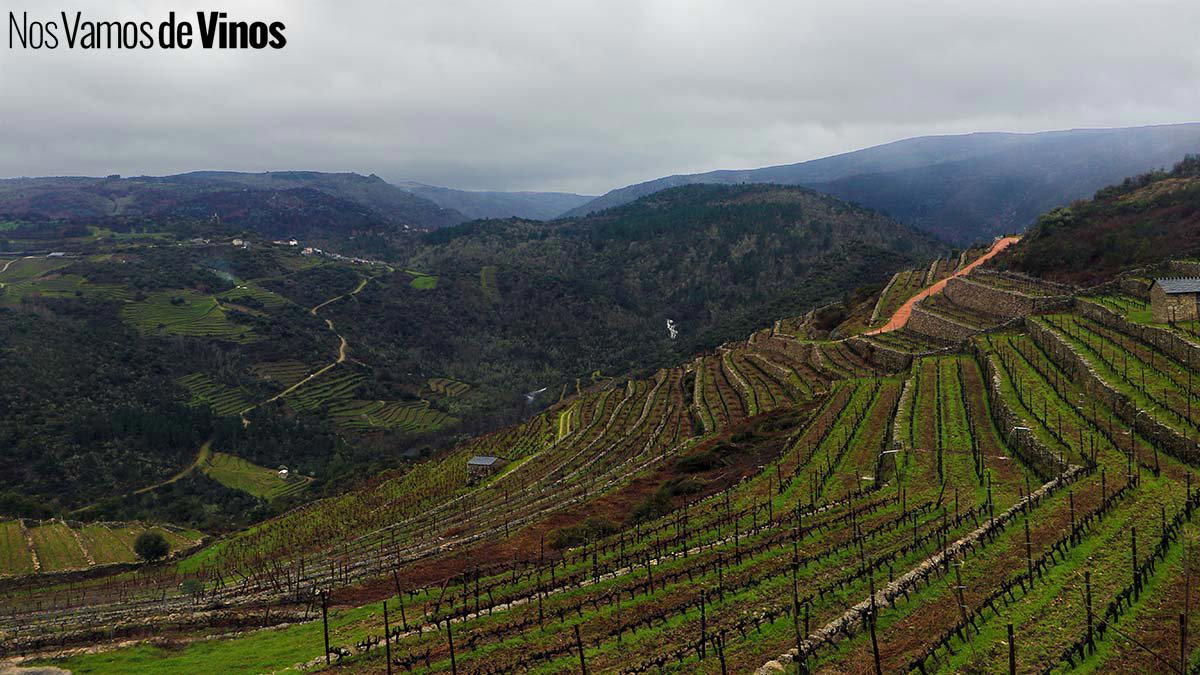
Bodegas Pedro Escudero
Seca, Spain
Worth considering if the goal is a focused Rueda-area wine stop with an external quality signal, not a fully scripted hospitality outing. Bodegas Pedro Escudero has Falstaff 1 Star recognition for 2026, but key visit details should be confirmed before using it for a celebration, group itinerary, or wine-club decision.
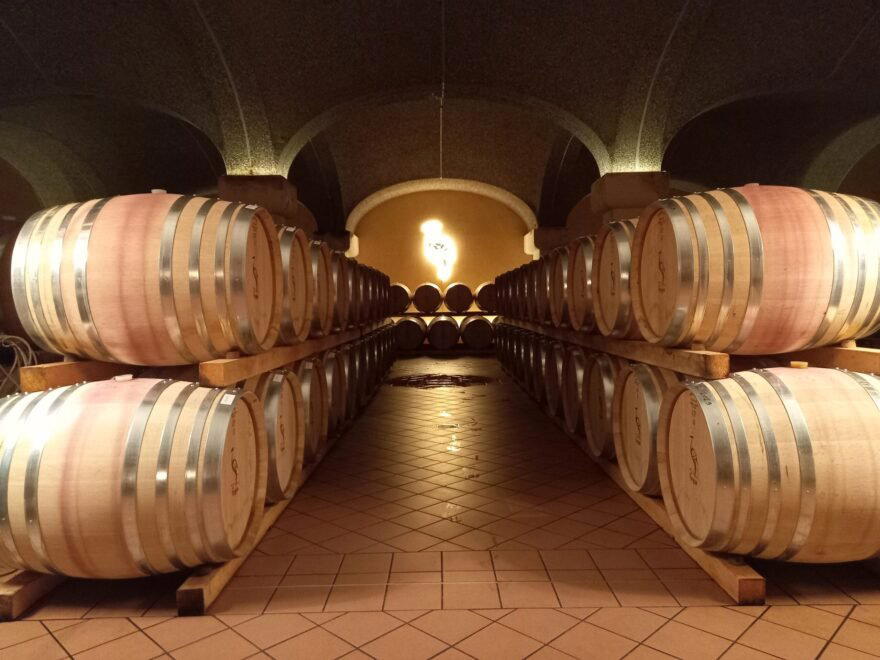
Cavazza
Montebello Vicentino, Italy
Book Cavazza if the point of the visit is Veneto wine-region context: volcanic soils, Garganega, and a family-run estate dating to 1928. It is a good fit for travelers who value vineyard setting and heritage over polished luxury extras, with an accessible $$ signal and easy booking profile.
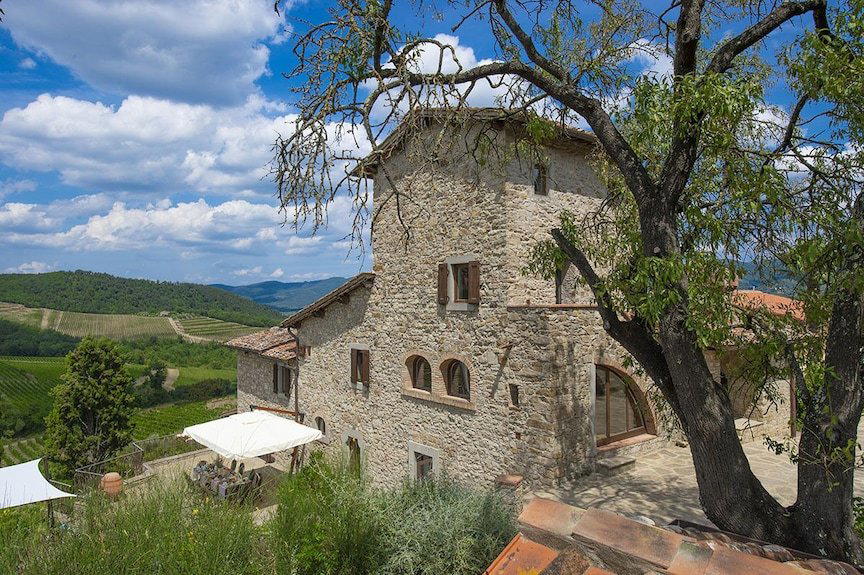
Azienda Agricola La Marcellina
Panzano In Chianti, Italy
Azienda Agricola La Marcellina is a good Panzano in Chianti choice for travelers who want a quieter, appointment-led winery stop focused on Chianti Classico rather than a polished visitor complex. The $$ price signal and Falstaff Listed 2026 recognition make it worth considering for a small celebration or wine-focused countryside itinerary.
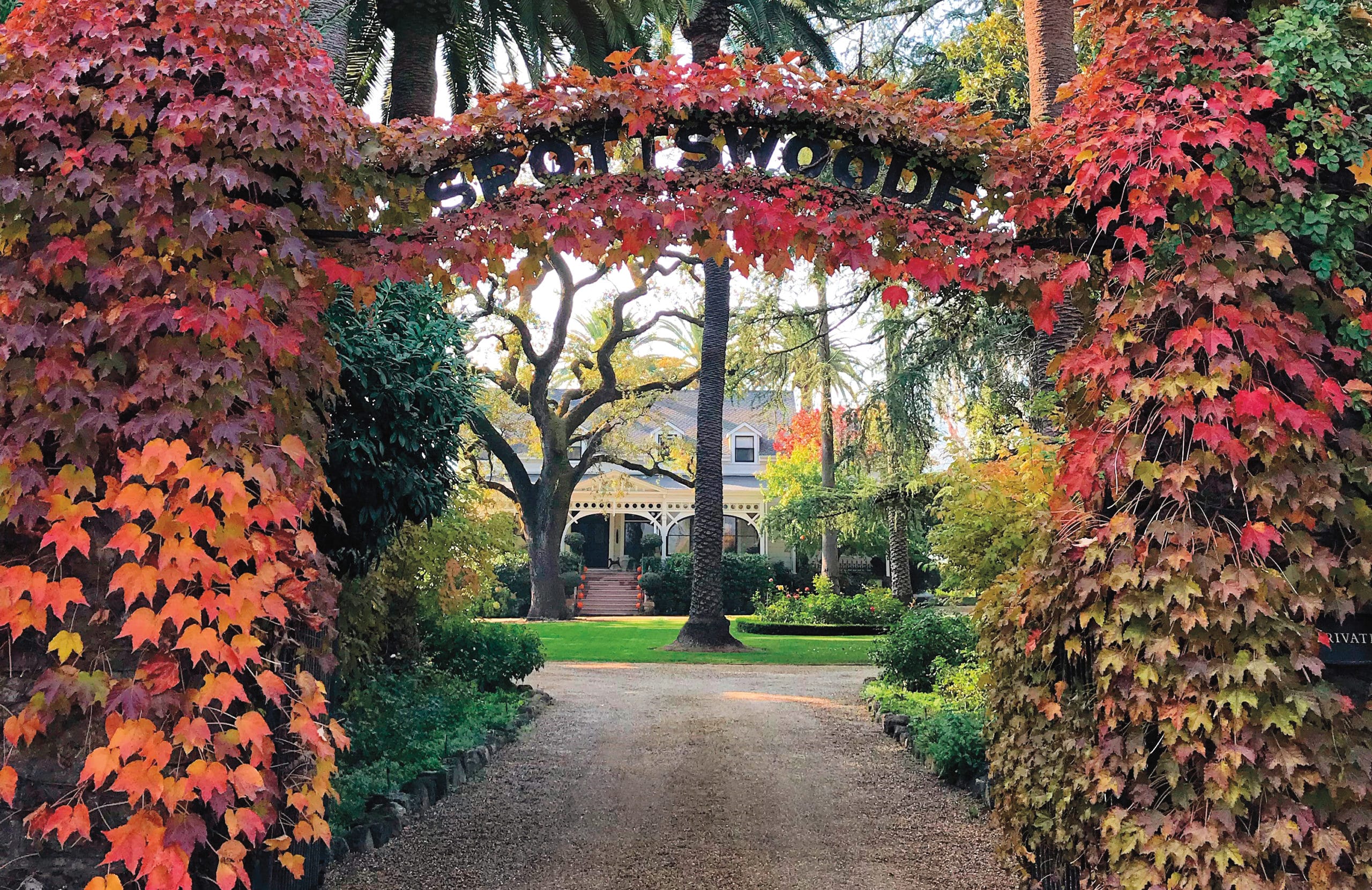
Spottswoode Winery
St. Helena, United States
Prioritize Spottswoode Winery for a serious St. Helena Cabernet-focused visit, especially if the trip is built around collecting, gifting, or a special occasion. Booking is difficult enough that it should anchor the day rather than sit between flexible stops; choose a more casual tasting room if the group wants easy access or a food-led experience.
Domaine Poiron Dabin
Château-Thébaud, France
Domaine Poiron Dabin is worth booking if the goal is an accessible Château-Thébaud cellar visit with real Muscadet context rather than a highly staged tasting room. The value is strong at the listed fee, especially for travelers interested in granite soils, lees-aged Muscadet, sustainable viticulture, and the estate’s unusually broad grape range.
How many of these have you visited?
Find out on Pearl and keep score across every place in 2026 Falstaff Winery Guide.